The right preparation can turn an interview into an opportunity to showcase your expertise. This guide to Experience in working with law enforcement and other agencies interview questions is your ultimate resource, providing key insights and tips to help you ace your responses and stand out as a top candidate.
Questions Asked in Experience in working with law enforcement and other agencies Interview
Q 1. Describe your experience working with law enforcement agencies.
My experience working with law enforcement agencies spans over ten years, primarily focused on cybersecurity and digital forensics. I’ve collaborated extensively with local, state, and federal agencies, including the FBI, Secret Service, and various police departments. This involved providing technical expertise in investigations, assisting with evidence collection and analysis, and developing strategies for combating cybercrime. For instance, I led a team that successfully recovered crucial data from a compromised server used by a drug trafficking ring, leading to several arrests and the dismantling of their operation. Another significant project involved collaborating with the FBI on a national-level investigation into a sophisticated ransomware attack, where my expertise in malware analysis proved instrumental.
Q 2. Explain your understanding of interagency cooperation protocols.
Interagency cooperation protocols are formal and informal agreements that govern how different law enforcement and government agencies work together. These protocols dictate information sharing, resource allocation, and decision-making processes to ensure efficient and effective responses to complex situations. Key aspects include establishing clear communication channels (often through dedicated liaison officers), defining roles and responsibilities, and adhering to legal and ethical guidelines regarding data privacy and jurisdiction. Think of it like a well-orchestrated symphony; each agency plays a specific part, but the success of the overall performance (investigation) depends on coordinated effort and adherence to a common score (protocol).
- Memoranda of Understanding (MOUs): Formal agreements defining roles, responsibilities, and information-sharing mechanisms.
- Joint Task Forces: Temporary teams formed to address specific incidents or ongoing threats.
- Information Sharing Platforms: Secure systems allowing agencies to exchange information while maintaining data privacy.
Q 3. How have you handled conflicts or disagreements between agencies?
Conflicts between agencies can arise from differing priorities, jurisdictional issues, or communication breakdowns. My approach emphasizes open communication and collaborative problem-solving. I begin by identifying the root cause of the disagreement – is it a misunderstanding of roles, a clash of priorities, or a resource constraint? Once identified, I facilitate a dialogue between the involved parties, ensuring each agency feels heard and understood. I often leverage established interagency protocols and mediation techniques to find mutually agreeable solutions. For example, during a complex fraud investigation, disagreements arose between the state police and the district attorney’s office about the best investigative approach. I mediated a meeting where we defined clear responsibilities and established a timeline for information sharing, ultimately resolving the conflict and ensuring a successful prosecution.
Q 4. Detail a time you had to navigate complex legal frameworks while collaborating with law enforcement.
During an investigation into a transnational organized crime network, we faced a complex legal landscape involving international treaties, national laws, and varying levels of jurisdictional authority. We had to navigate the intricacies of the Mutual Legal Assistance Treaty (MLAT) process to obtain evidence from a foreign country. This required close coordination with international law enforcement agencies, meticulous documentation, and precise adherence to legal procedures to ensure the admissibility of evidence in court. We also had to consider issues like data privacy under GDPR and other relevant regulations to ensure that our actions were both lawful and ethical. The success of this investigation demonstrated the importance of meticulous legal planning and proactive collaboration when dealing with international complexities.
Q 5. Describe your experience with data sharing and privacy concerns in a multi-agency context.
Data sharing in a multi-agency context is crucial for effective investigations but requires careful attention to privacy concerns. I’ve implemented strategies that balance the need for information sharing with the obligation to protect sensitive data. This involves utilizing secure data sharing platforms that adhere to strict access controls and encryption standards. Furthermore, we develop detailed data sharing agreements outlining what information is shared, who has access, and how long it is retained. Compliance with regulations like HIPAA, FERPA, and GDPR is paramount. We regularly conduct training on data privacy best practices to educate all involved personnel. We utilize techniques like data anonymization and pseudonymization to minimize the risk of identifying individuals whenever possible.
Q 6. How do you ensure effective communication across different agencies?
Effective communication is the cornerstone of successful interagency collaboration. I prioritize establishing clear communication channels, regular meetings, and consistent information sharing. This includes utilizing secure communication platforms like encrypted email and dedicated collaboration tools. Regular briefings and status updates keep all parties informed of the investigation’s progress. It is also important to utilize a variety of communication methods, recognizing that different agencies may have preferred ways of interacting. Establishing a dedicated point of contact within each agency facilitates streamlined communication and problem resolution. Clear, concise, and consistent communication prevents misunderstandings and ensures everyone is on the same page.
Q 7. How have you managed conflicting priorities or deadlines when working with multiple agencies?
Conflicting priorities and deadlines often arise in multi-agency investigations. My approach involves collaborative prioritization and proactive communication. I work with each agency to identify their key objectives and deadlines, then create a shared project plan that addresses all priorities while setting realistic timelines. This may involve identifying critical path activities and allocating resources efficiently. Regular progress monitoring and open communication allow for early identification and mitigation of potential delays. When conflicts arise, I facilitate discussions to find mutually acceptable solutions, possibly involving trade-offs or adjustments to individual agency objectives. Transparency and teamwork are crucial for successfully navigating these challenges.
Q 8. Describe a situation where you had to build rapport with law enforcement personnel.
Building rapport with law enforcement is crucial for effective collaboration. It’s about establishing trust and mutual understanding, fostering open communication, and ensuring a shared goal. I approach it by being respectful, professional, and understanding of their unique challenges and perspectives.
For example, during a joint investigation into a cybercrime ring, I initially met with a team of detectives from the local police department. I began by actively listening to their concerns and explaining my expertise in digital forensics. I showed them respect for their investigative work, acknowledging their different approach to evidence gathering. I actively sought their input and incorporated their insights into the overall investigation strategy, highlighting their expertise and making them feel valued partners. This collaborative approach was key to building a strong working relationship and ultimately a successful investigation.
Another example involves a situation where I had to interact with a group of federal agents who were initially skeptical of my methods. I demonstrated my competency and experience by presenting my work transparently and answering all their questions patiently. I emphasized the complementary nature of our approaches, avoiding any implicit or explicit conflict. The process of demonstrating our shared commitment to the outcome and valuing each other’s strengths resulted in a collaborative relationship that generated efficient and valuable results.
Q 9. How do you assess the credibility of information received from various law enforcement sources?
Assessing the credibility of information from law enforcement sources requires a multi-faceted approach. It’s not just about the source’s rank or position, but the source’s track record, the corroborating evidence available, and the overall context.
I consider several factors: the source’s reputation for accuracy and honesty, the methodology used to obtain the information, the consistency of the information with other evidence, and the potential for bias or influence. I also cross-reference information across multiple sources to verify its accuracy. Triangulation of information is key – if multiple independent sources provide similar information, it strengthens the credibility.
For instance, if a single officer provides information about a suspect, I would need corroborating evidence, such as witness statements, physical evidence, or surveillance footage. If an anonymous tip leads to something significant, I verify it carefully through other means and assess the anonymous tipster’s potential motives. Building confidence in information requires careful scrutiny and a methodical approach.
Q 10. What strategies do you use to resolve interagency communication breakdowns?
Interagency communication breakdowns often stem from differences in terminology, procedures, priorities, and technology. Resolving them requires proactive communication, clear protocols, and a commitment to collaboration.
My strategies include: establishing clear communication channels (e.g., dedicated email groups, regular meetings, secure messaging platforms); using standardized terminology and reporting formats; creating shared documents and databases; and utilizing technology to streamline communication and information sharing. Furthermore, building strong relationships between key personnel from different agencies is essential.
For example, during a large-scale disaster response, inconsistent use of terminology hampered coordination between different first responder groups. I helped implement a standardized communication protocol and a shared online document that defined key terms, procedures, and reporting formats. This immediately improved communication flow and coordination significantly increasing efficiency and effectiveness.
Q 11. How do you adapt your communication style to different law enforcement agencies’ cultures?
Adapting communication style to different law enforcement agencies’ cultures involves understanding their organizational structures, priorities, communication norms, and preferred methods of interaction. This is crucial for building rapport and ensuring effective collaboration.
I tailor my approach to each agency. Some agencies prefer formal communication, while others are more informal. Some agencies are highly hierarchical, while others are more collaborative. I adjust my language, tone, and communication style accordingly. I also take the time to learn about each agency’s specific procedures and protocols. Active listening is key to recognizing and responding to differences in communication norms and styles.
For example, when working with a highly hierarchical agency, I ensure that my communication respects their chain of command. Conversely, when working with a more collaborative agency, I encourage open dialogue and shared decision-making. Understanding the agency’s culture enables me to build stronger relationships and communicate more effectively.
Q 12. Explain your understanding of different law enforcement agency jurisdictions.
Understanding law enforcement agency jurisdictions is fundamental for effective collaboration. Jurisdictions define the geographical area and the types of crimes an agency has legal authority to investigate and enforce. This varies significantly depending on the level of government (federal, state, local) and the specific agency involved (e.g., FBI, state police, municipal police).
Federal agencies, such as the FBI, often have nationwide jurisdiction in areas like terrorism, organized crime, and certain federal offenses. State agencies usually have jurisdiction within their state borders, while local agencies are typically limited to their city or county. Overlap can occur, and sometimes agencies collaborate in cases where jurisdiction is shared or unclear.
A clear understanding of jurisdictions ensures that investigations and actions remain legally sound and that resources are deployed effectively. For example, a bank robbery might involve local police at the crime scene, the state police assisting in the investigation, and the FBI if it involved interstate elements or organized crime. Understanding jurisdictional boundaries is essential to ensure seamless and compliant collaboration across these different agencies.
Q 13. Describe your experience with sensitive information handling and security protocols.
Handling sensitive information and adhering to security protocols is paramount. My experience includes working with highly classified and confidential data, requiring strict adherence to policies, procedures, and security clearances.
This involves following specific guidelines for data storage, access control, transmission, and disposal. I’m experienced with encryption techniques, secure data transfer methods, and protocols for handling classified information. I’m familiar with various security certifications and standards, such as ISO 27001. My focus is always on minimizing risk and ensuring compliance with all applicable laws and regulations.
For instance, when working on a case involving national security, I adhered to strict data handling protocols, including using encrypted devices, secure communication channels, and secure data storage facilities. I meticulously documented every access and transfer of sensitive information, maintaining a comprehensive audit trail. This rigorous approach ensures the security and integrity of the data, protecting both the investigation and the individuals involved.
Q 14. How have you used technology to improve collaboration with law enforcement agencies?
Technology significantly improves collaboration with law enforcement. Secure communication platforms, shared databases, and analytical tools are revolutionizing information sharing and investigative capabilities.
I have used secure messaging platforms for real-time communication during investigations, shared databases for case management and evidence tracking, and crime mapping software for geographical analysis of incidents. Furthermore, I’ve leveraged advanced data analytics techniques to identify patterns and trends in crime data, leading to more effective resource allocation and investigation strategies.
For example, the use of a centralized, secure database enabled different agencies involved in a human trafficking ring investigation to access and update information in real-time, greatly enhancing the efficiency of information sharing and coordination. This avoided duplication of effort and greatly improved the speed and effectiveness of the investigation.
Q 15. What metrics do you use to evaluate the effectiveness of interagency collaborations?
Evaluating the effectiveness of interagency collaborations requires a multifaceted approach, moving beyond simple anecdotal evidence. We need quantifiable metrics to demonstrate impact and guide future improvements. I typically employ a combination of qualitative and quantitative methods.
- Crime Reduction Metrics: This includes tracking changes in crime rates (overall and specific crime types) within the collaborative jurisdiction. For example, a reduction in burglaries after implementing a joint task force focused on property crime would be a strong indicator of success.
- Efficiency Metrics: These focus on operational improvements. We might measure the response time to incidents, the number of cases solved, or the reduction in investigative time per case. Improved case clearance rates following the implementation of a shared intelligence platform would be a positive sign.
- Resource Utilization Metrics: Analyzing the cost-effectiveness of the collaboration is crucial. This involves tracking the resources (personnel, budget, technology) used versus the outcomes achieved. A comparison of the cost-per-arrest before and after a joint initiative would provide valuable data.
- Stakeholder Satisfaction: Qualitative data, such as surveys and feedback sessions with participating agencies, provide insight into their satisfaction with the collaboration’s processes and outcomes. This can identify areas for enhancement and address any concerns.
By combining these quantitative and qualitative measures, we can gain a comprehensive understanding of the collaboration’s effectiveness and make data-driven adjustments for ongoing improvement.
Career Expert Tips:
- Ace those interviews! Prepare effectively by reviewing the Top 50 Most Common Interview Questions on ResumeGemini.
- Navigate your job search with confidence! Explore a wide range of Career Tips on ResumeGemini. Learn about common challenges and recommendations to overcome them.
- Craft the perfect resume! Master the Art of Resume Writing with ResumeGemini’s guide. Showcase your unique qualifications and achievements effectively.
- Don’t miss out on holiday savings! Build your dream resume with ResumeGemini’s ATS optimized templates.
Q 16. Describe your experience with crisis management and collaboration during emergencies.
My experience in crisis management highlights the critical role of seamless interagency collaboration. During a large-scale power outage affecting a major city, I served as the liaison between the city’s emergency management team, the local police department, the fire department, and the power company. Our immediate priority was establishing clear communication channels and a unified command structure.
We utilized a pre-established incident command system to coordinate responses and allocate resources effectively. This ensured that different agencies were working toward shared objectives, avoiding duplication and confusion. For instance, the fire department focused on immediate safety concerns and rescuing stranded individuals, while the police department managed traffic flow and maintained order. The power company, meanwhile, worked on restoring power as quickly as possible. Regular updates and briefings were crucial in managing expectations and ensuring all agencies remained synchronized.
The success of the response lay in the pre-existing relationships and established protocols between the agencies. Regular training exercises, clear communication plans, and trust among leadership were key to navigating the unpredictable nature of the crisis.
Q 17. How do you ensure the accuracy and consistency of information shared between agencies?
Ensuring the accuracy and consistency of shared information between agencies is paramount. We use several strategies to maintain data integrity.
- Standardized Data Formats: Implementing consistent data formats and protocols ensures that information can be easily shared and understood across different systems. This often involves using established data exchange standards.
- Secure Data Sharing Platforms: Utilizing secure, encrypted platforms designed for interagency communication helps to protect sensitive data from unauthorized access. This might include dedicated databases or secure communication networks.
- Data Validation and Verification: Implementing robust data validation checks helps to identify and correct errors before they propagate. Cross-referencing data from multiple sources also enhances accuracy.
- Regular Data Audits: Performing regular audits of the shared data helps identify inconsistencies and potential problems. This ensures that the data remains reliable and up-to-date.
- Training and Education: Proper training for all personnel involved in data sharing is crucial. This ensures that everyone understands the procedures and protocols for handling and sharing information securely and accurately.
Think of it like a well-oiled machine; every part needs to be aligned and working correctly for the system to function efficiently and effectively. Careful management of the data is as important as the data itself.
Q 18. Describe your experience with report writing and documentation for law enforcement.
Report writing and documentation are essential for effective law enforcement collaborations. My experience involves drafting comprehensive reports that are clear, concise, and legally sound. This includes detailed accounts of incidents, investigative findings, and collaborative efforts.
I utilize standardized report formats to ensure consistency and completeness. This involves documenting all relevant information, including dates, times, locations, individuals involved, and actions taken. I also pay close attention to factual accuracy and avoid subjective opinions. Using a structured approach ensures that the reports are clear and easily understood by all stakeholders. In addition, I always ensure that sensitive information is handled appropriately and in line with relevant regulations and privacy laws.
A well-written report serves not only as a record of events but also as a tool for future investigations and analysis. It facilitates communication between agencies and helps build a strong case for prosecution, if necessary. Accuracy and thoroughness are paramount, as the reports might be reviewed by courts and other legal authorities.
Q 19. How do you address ethical dilemmas when working with law enforcement?
Addressing ethical dilemmas when working with law enforcement requires careful consideration and adherence to a strong ethical framework. I always prioritize fairness, integrity, and respect for the law.
For example, if I encounter a situation where an agency’s actions appear to be questionable, I would first attempt to address the issue internally within the collaborative team. Open communication and discussion are often effective in resolving conflicts and clarifying expectations. However, if the issue cannot be resolved internally, and I suspect unlawful or unethical behavior, I have a responsibility to escalate the matter through the appropriate channels – which might involve contacting an internal ethics committee or an external oversight body, depending on the circumstances. Documenting all interactions and concerns is crucial in such situations.
Maintaining transparency and accountability is essential. By adhering to a strict ethical code, we uphold the integrity of the collaboration and maintain public trust.
Q 20. Explain your understanding of the legal limitations of law enforcement collaborations.
Understanding the legal limitations of law enforcement collaborations is crucial. These limitations stem from various sources, including federal and state laws, constitutional rights, and agency-specific policies. For example, the Fourth Amendment’s protection against unreasonable searches and seizures significantly impacts how we conduct joint operations.
We must always adhere to the legal standards governing evidence collection, data sharing, and the use of force. This requires a thorough understanding of applicable laws and court precedents. Furthermore, legal counsel is often involved in guiding the collaborative process, ensuring that all activities comply with relevant legal frameworks. Failure to understand and adhere to these limitations can jeopardize investigations, lead to legal challenges, and erode public trust.
Regular legal training and oversight are essential for all personnel involved in interagency collaborations. This ensures that everyone is aware of the legal boundaries and can make informed decisions that comply with the law.
Q 21. How have you contributed to the improvement of interagency processes?
My contributions to improving interagency processes have focused on enhancing communication, streamlining workflows, and leveraging technology. One notable example involved the development of a shared intelligence platform that consolidated information from various agencies into a single, accessible database.
This platform significantly reduced redundancy in data collection, improved response times, and facilitated more effective resource allocation. Furthermore, I implemented a standardized reporting system to ensure consistency in documenting cases and sharing information across agencies. This reduced confusion and improved the clarity of investigative reports.
I also facilitated the development of regular interagency training sessions, which allowed officers from different agencies to develop stronger working relationships, share best practices, and improve communication. These ongoing initiatives have strengthened our ability to collaborate effectively and deliver better outcomes for the community we serve.
Q 22. Describe a time you had to negotiate with law enforcement officials.
Negotiating with law enforcement requires a delicate balance of understanding their priorities, respecting their authority, and advocating for your own needs. It’s not about winning or losing, but finding common ground to achieve a shared objective. One instance involved a sensitive operation requiring access to a restricted area. The local police department, understandably concerned about security risks, initially denied access. I approached the negotiation by first acknowledging their concerns and emphasizing the mutual benefit of our collaboration. I presented a detailed risk mitigation plan, outlining security protocols and contingency measures. We then collaboratively adjusted the plan, incorporating their suggestions, creating a mutually agreeable solution. This involved clarifying roles, responsibilities, and communication channels, resulting in successful access while maintaining security.
This experience highlighted the importance of active listening, clear communication, and a collaborative approach. By focusing on shared goals and presenting a well-reasoned plan, I was able to successfully navigate the negotiation and secure the necessary access for our operation.
Q 23. How do you manage expectations when working with multiple stakeholders in law enforcement?
Managing expectations with multiple law enforcement stakeholders necessitates clear communication, regular updates, and proactive problem-solving. Think of it like conducting an orchestra – each instrument (stakeholder) has a vital role, but needs to be in harmony. I employ a multi-pronged approach. First, I hold regular meetings to ensure transparency and open dialogue. These meetings serve as platforms for sharing updates, addressing concerns, and proactively identifying and resolving potential conflicts. Secondly, I utilize project management tools to track progress, assign responsibilities, and maintain clear accountability. Finally, I tailor my communication to each stakeholder’s role and understanding. A technical detail might be relevant for a forensic specialist, but unnecessary for a patrol officer. By managing expectations realistically, building trust, and fostering open communication, I ensure everyone remains informed and feels valued.
Q 24. Describe your experience in coordinating resources between different law enforcement agencies.
Coordinating resources across different law enforcement agencies demands strong organizational skills, effective communication, and a deep understanding of each agency’s capabilities and limitations. It’s like assembling a puzzle – each piece (agency) is unique but contributes to the overall picture. In one investigation, we needed specialized equipment and personnel from multiple jurisdictions. I created a detailed resource matrix, documenting each agency’s available resources, personnel expertise, and logistical constraints. Then, I facilitated a series of meetings to discuss resource allocation, prioritizing based on operational needs and available capacity. We established clear communication channels and a shared database to ensure efficient information flow. This systematic approach ensured we utilized the right resources effectively and efficiently, significantly contributing to the investigation’s success.
Q 25. How do you prioritize tasks when working on multiple projects with law enforcement?
Prioritizing tasks when juggling multiple law enforcement projects requires a structured approach. I use a system based on urgency, importance, and dependencies. I start by identifying tasks based on their deadlines and the potential impact of delays. Then, I organize them according to dependencies – some tasks must be completed before others can begin. Finally, I use a project management system (such as a Kanban board) to visualize the workflow, track progress, and adapt to changing priorities. This ensures that time-sensitive and high-impact tasks receive prompt attention, while less urgent tasks are addressed systematically. This avoids bottlenecks and maintains efficiency, ensuring all projects advance effectively.
Q 26. Explain your experience with budget management in a law enforcement collaboration.
Budget management in collaborative law enforcement projects requires meticulous planning, transparent accounting, and adherence to strict regulations. Accuracy and accountability are paramount. In a recent collaborative project involving multiple agencies, I developed a detailed budget proposal outlining projected costs, resource allocation, and funding sources. This proposal was reviewed and approved by each participating agency before the project commenced. During the project, I maintained regular financial reports, tracking expenditures against the budget and promptly reporting any deviations. This ensured transparency and accountability throughout the project, preventing budget overruns and maintaining the trust of all stakeholders. Regular auditing and adherence to established financial guidelines are critical for successful budget management in such collaborations.
Q 27. Describe your experience with performance evaluations in a collaborative law enforcement setting.
Performance evaluations in collaborative law enforcement settings require a fair, objective, and consistent approach. Individual contributions need to be assessed in the context of the overall team objective. We use a 360-degree feedback system combining self-assessment, peer reviews, and supervisor evaluations. This ensures a holistic view of each individual’s performance. Each assessment is based on pre-defined criteria linked to project goals and individual responsibilities. This method fosters fairness and encourages individual growth, contributing to team cohesion and overall operational effectiveness. The feedback is then used to identify areas for improvement and develop strategies for enhanced performance in future collaborations.
Q 28. How do you maintain confidentiality when working with sensitive information related to law enforcement?
Maintaining confidentiality with sensitive law enforcement information is paramount and requires rigorous adherence to established protocols and regulations. This begins with understanding and complying with all relevant laws, agency policies, and ethical guidelines. This includes secure data storage, limiting access to authorized personnel only, and using encrypted communication channels. Training on information security protocols is crucial for all personnel involved. In situations requiring the disclosure of information, I always ensure I’m adhering to strict ‘need-to-know’ principles. Furthermore, all documentation and data storage systems are meticulously audited regularly to ensure compliance and prevent breaches. This multifaceted approach ensures the utmost protection of sensitive information.
Key Topics to Learn for Experience in working with law enforcement and other agencies Interview
- Understanding Agency Structures and Procedures: Familiarize yourself with the organizational hierarchies, communication protocols, and operational procedures of different law enforcement and government agencies. Consider the differences between local, state, and federal agencies.
- Collaboration and Communication Strategies: Practice articulating your experience in effectively collaborating with diverse teams, including law enforcement officers, investigators, and other agency personnel. Highlight your ability to clearly and concisely communicate complex information under pressure.
- Data Sharing and Security Protocols: Review best practices and regulations surrounding the secure sharing of sensitive information between agencies. Discuss your understanding of confidentiality and compliance requirements.
- Conflict Resolution and De-escalation: Prepare examples demonstrating your ability to navigate challenging situations and resolve conflicts diplomatically and effectively, especially in high-stress environments.
- Legal and Ethical Considerations: Showcase your understanding of relevant laws, regulations, and ethical guidelines governing interactions with law enforcement and other agencies. This includes issues of privacy, due process, and accountability.
- Case Management and Reporting: Explain your experience in managing cases, tracking information, and generating accurate and timely reports. Detail your proficiency with relevant software or systems.
- Problem-Solving and Critical Thinking: Be ready to discuss situations where you had to analyze complex information, identify solutions, and make informed decisions in collaboration with agencies.
Next Steps
Mastering the art of working with law enforcement and other agencies significantly enhances your career prospects, opening doors to diverse and impactful roles. A well-crafted, ATS-friendly resume is crucial for maximizing your job search success. ResumeGemini can help you build a compelling resume that highlights your skills and experience in this critical area. We provide examples of resumes tailored to experience with law enforcement and other agencies, ensuring your application stands out. Invest time in crafting a strong resume – it’s your first impression and a key to unlocking your career potential.
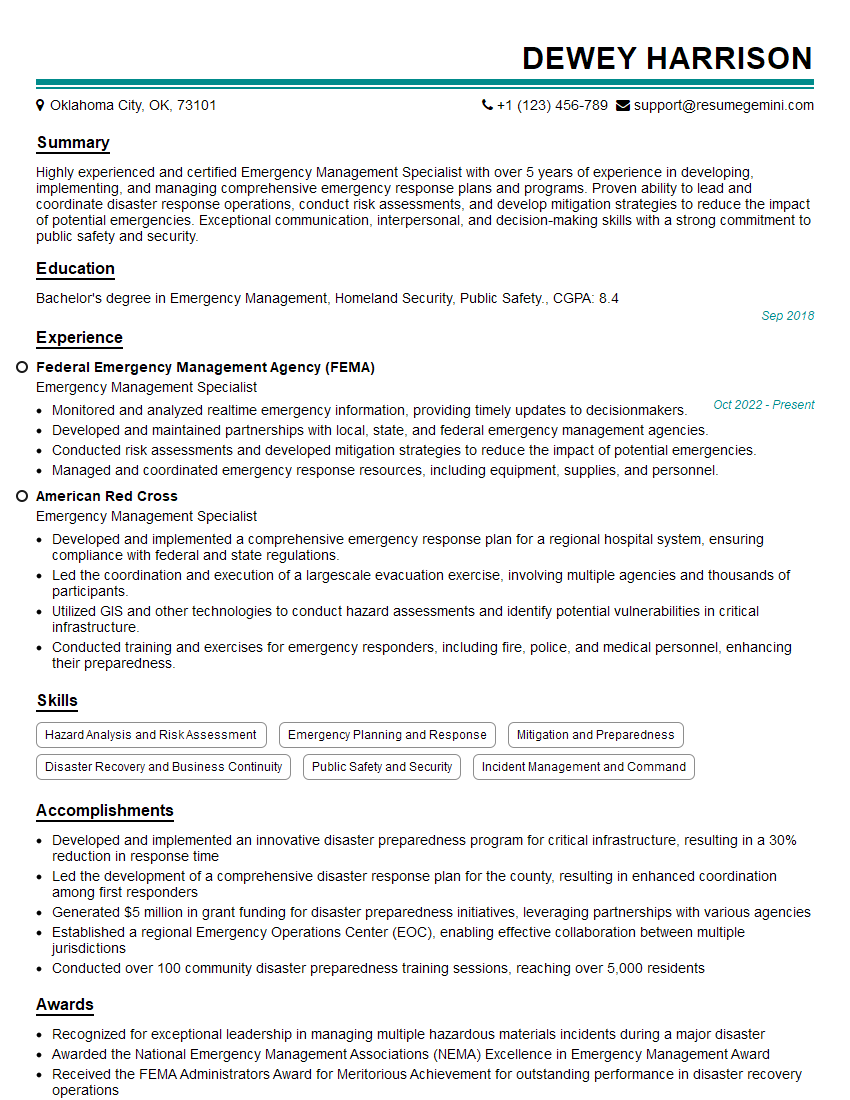
Emergency Management Specialist Resume Sample
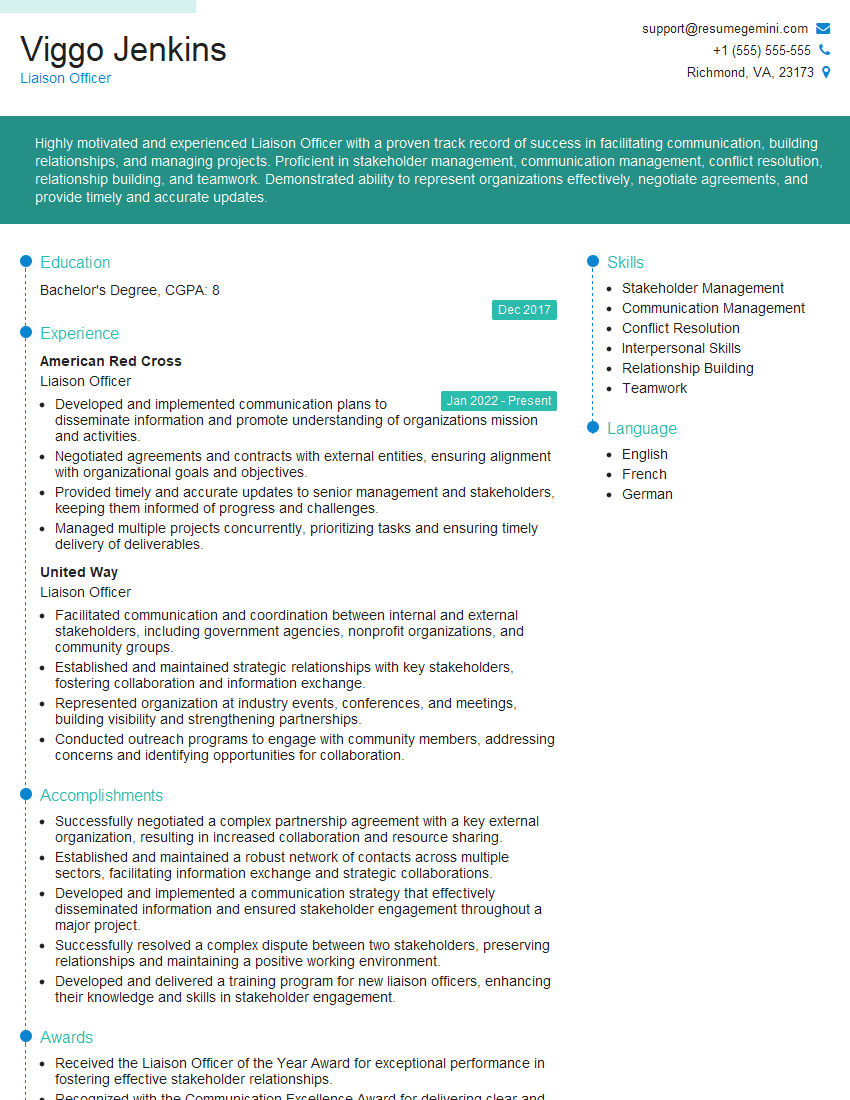
Liaison Officer Resume Sample
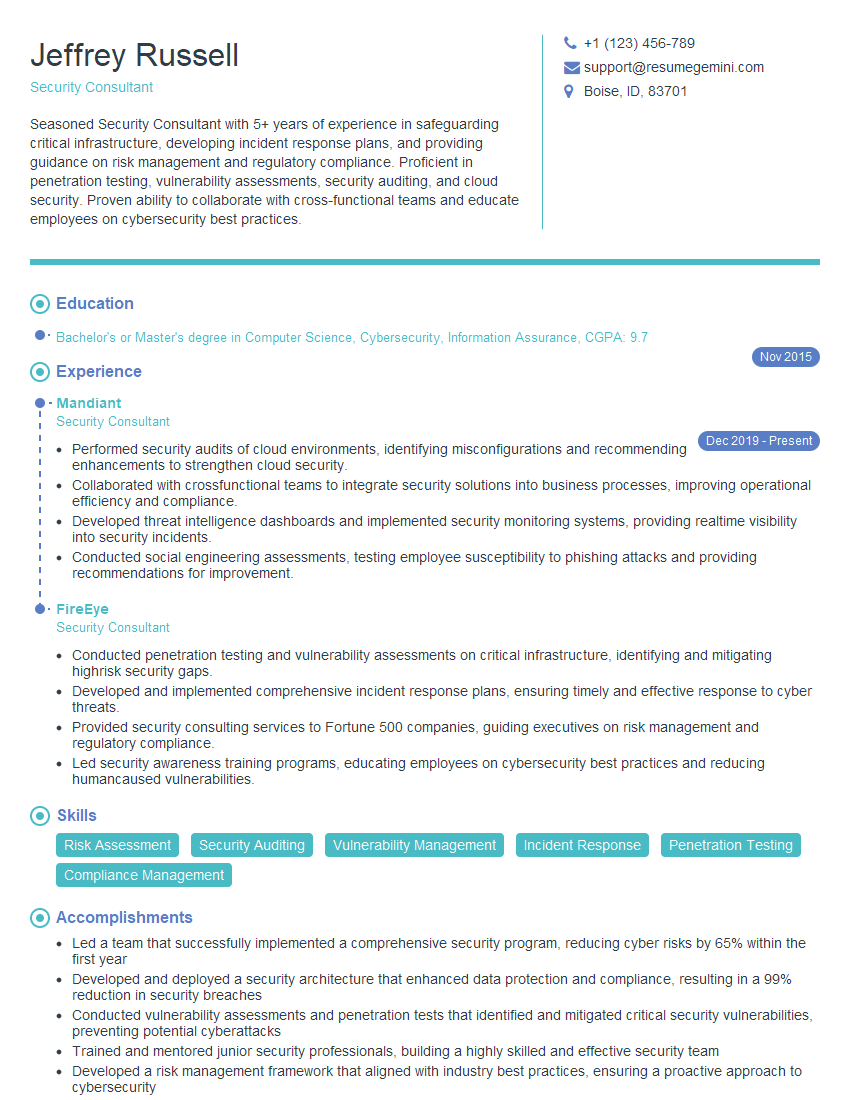
Security Consultant Resume Sample
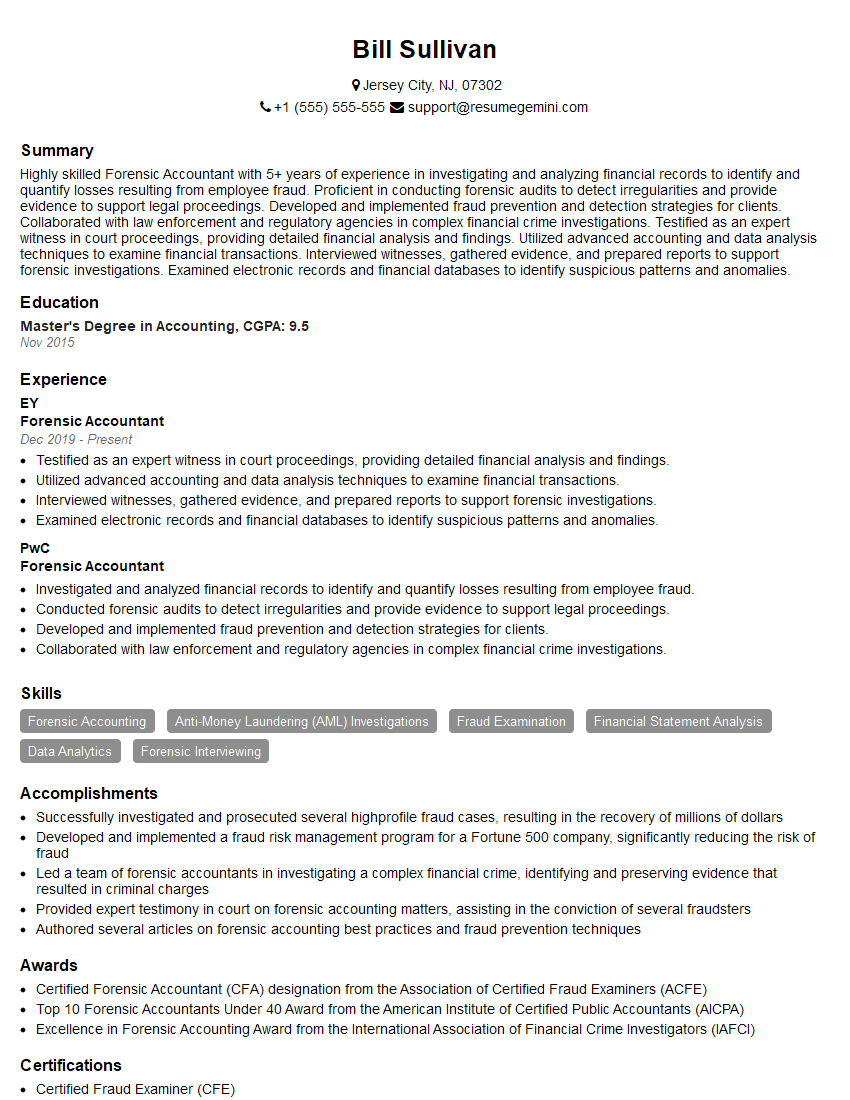
Forensic Accountant Resume Sample
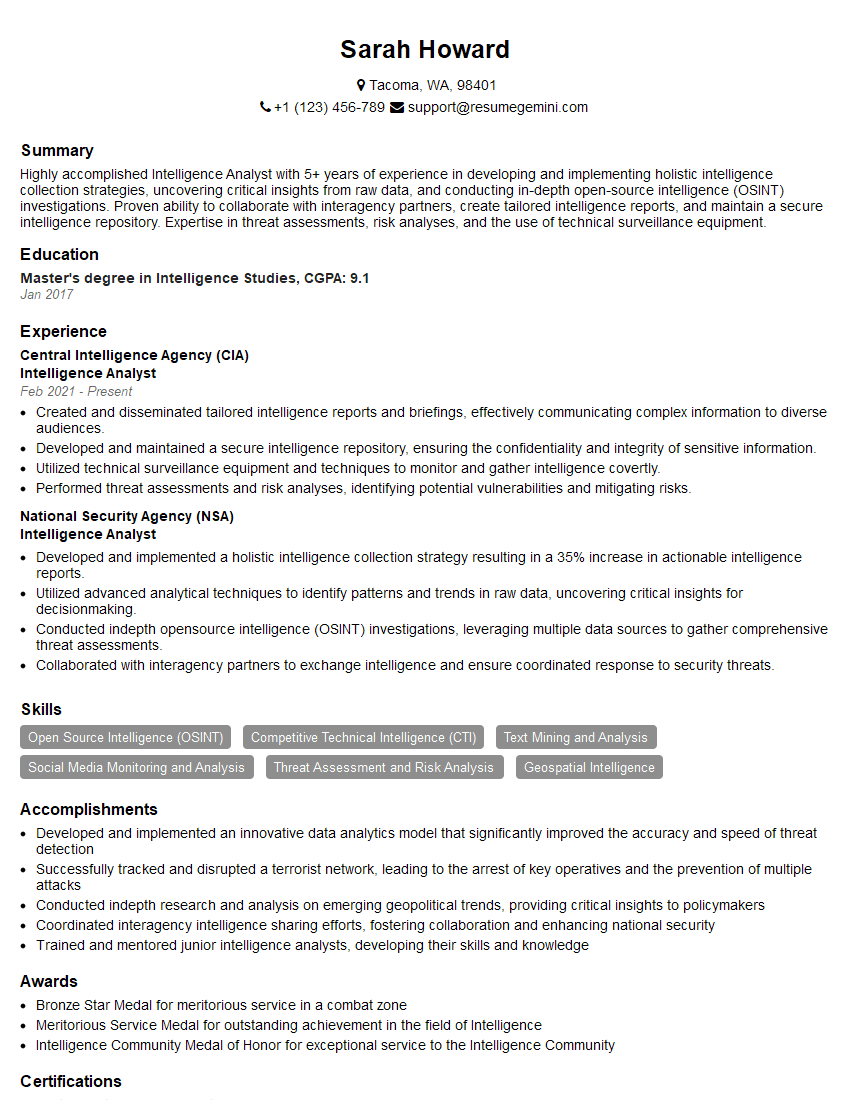
Intelligence Analyst Resume Sample
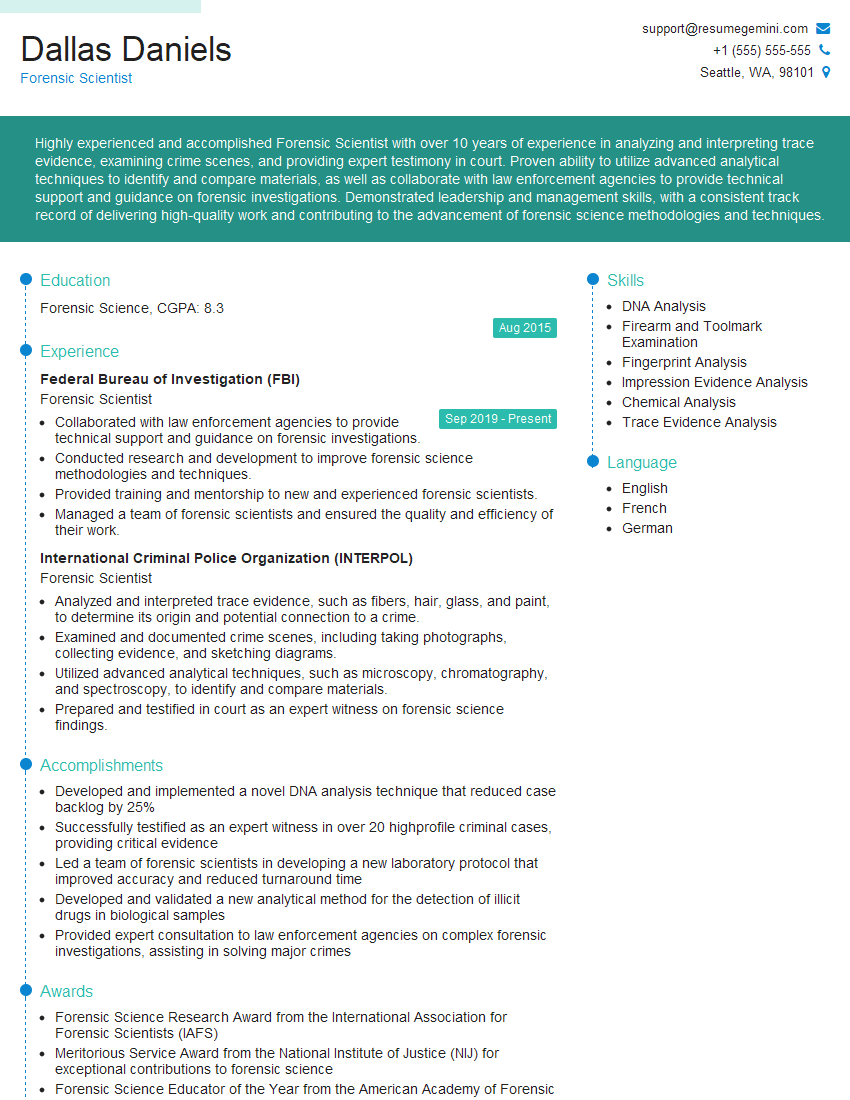
Forensic Scientist Resume Sample
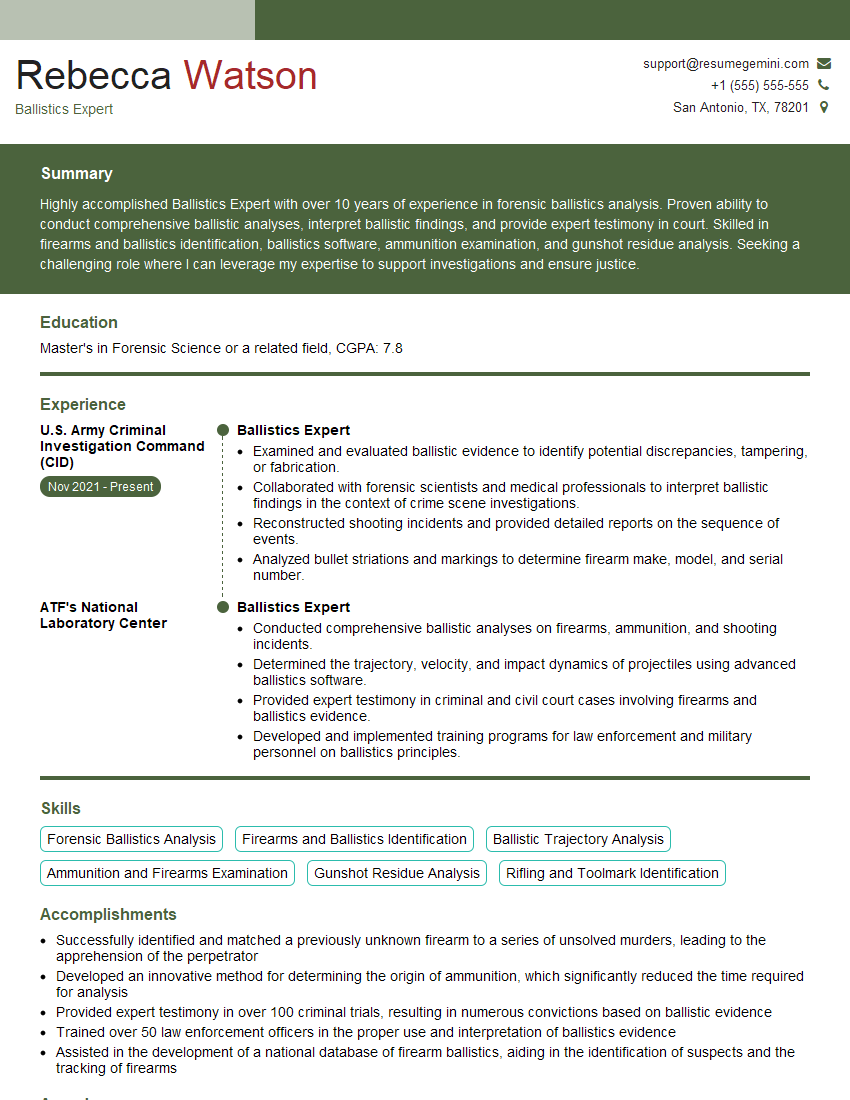
Ballistics Expert Resume Sample
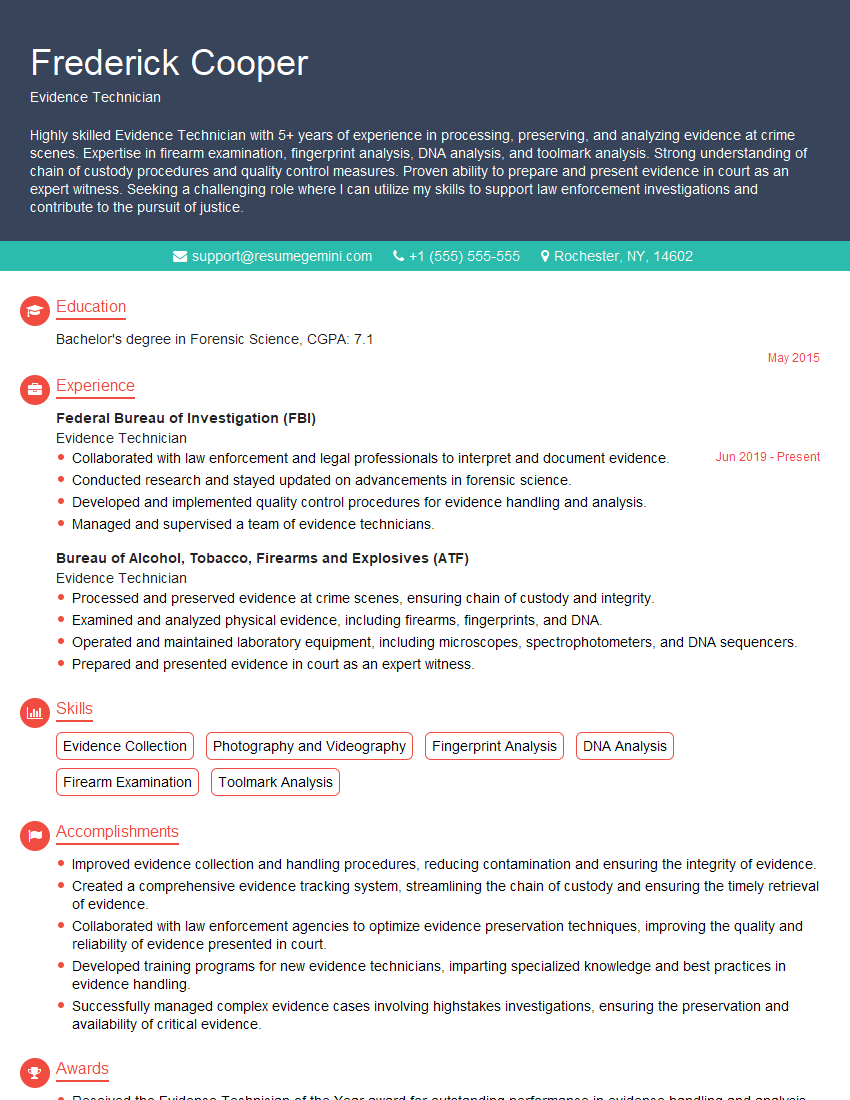
Evidence Technician Resume Sample
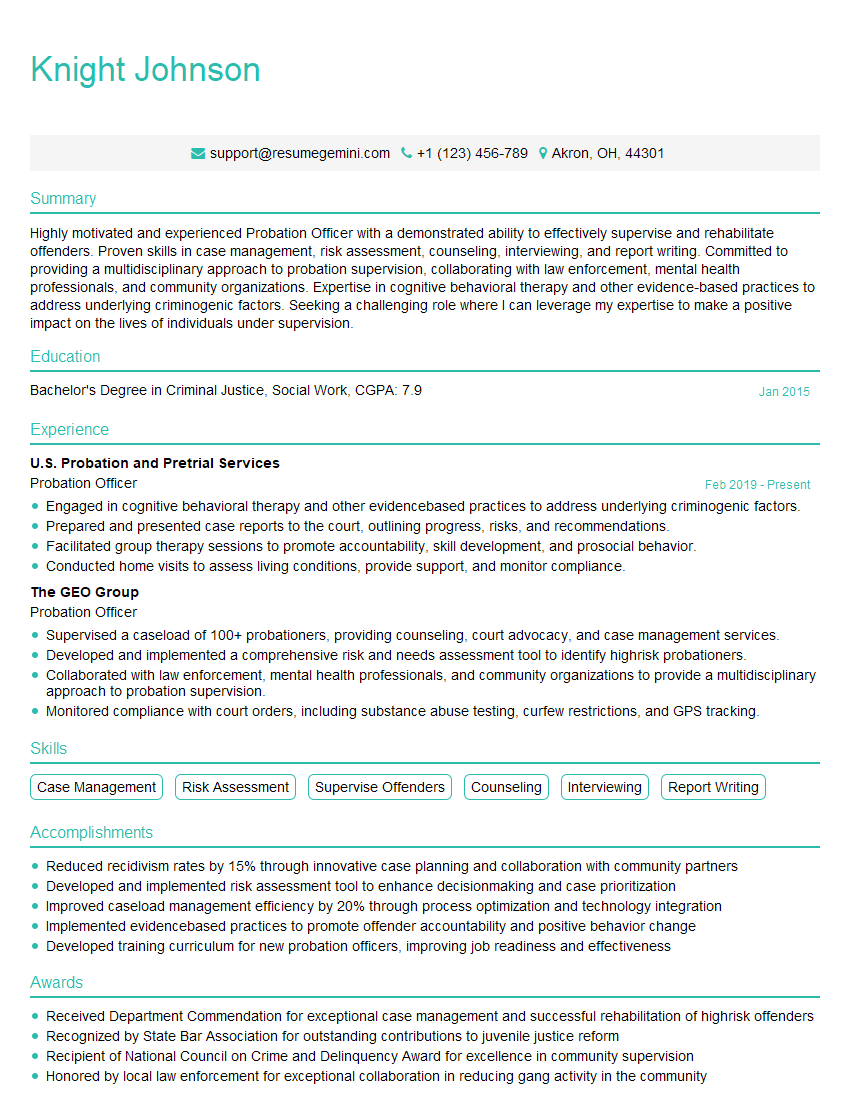
Probation Officer Resume Sample
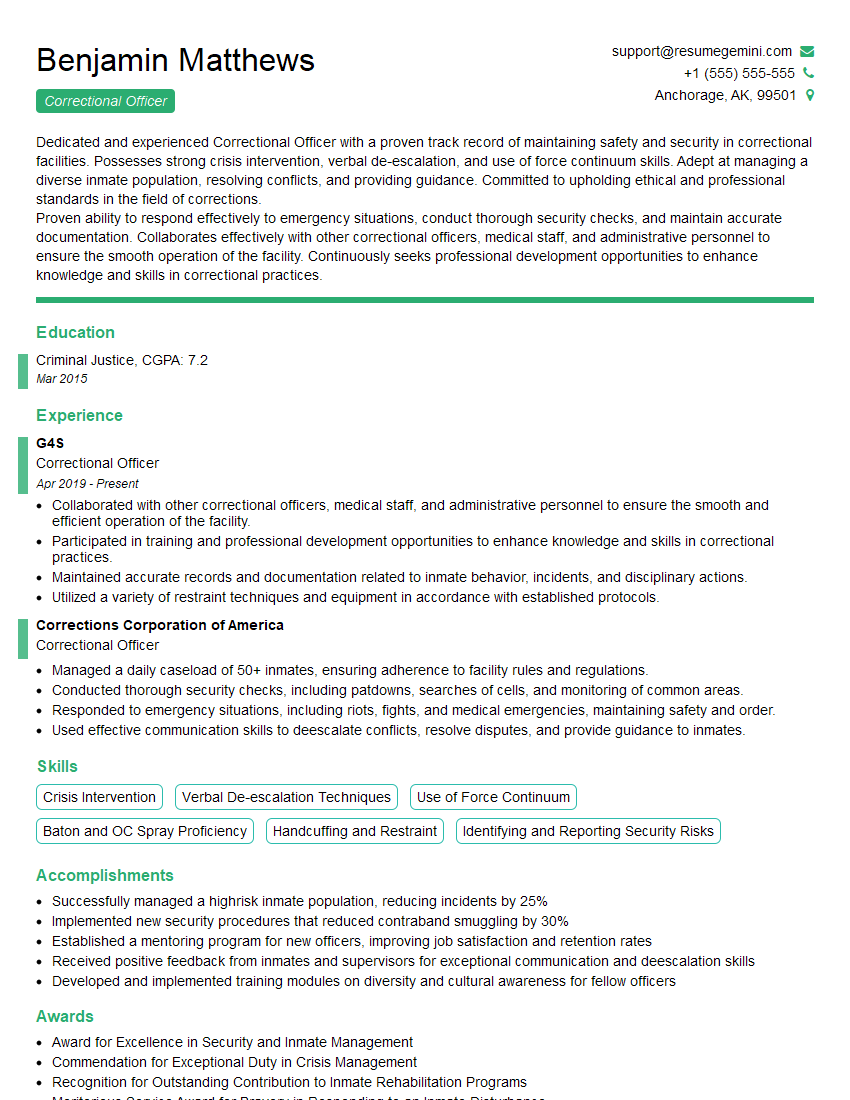
Correctional Officer Resume Sample
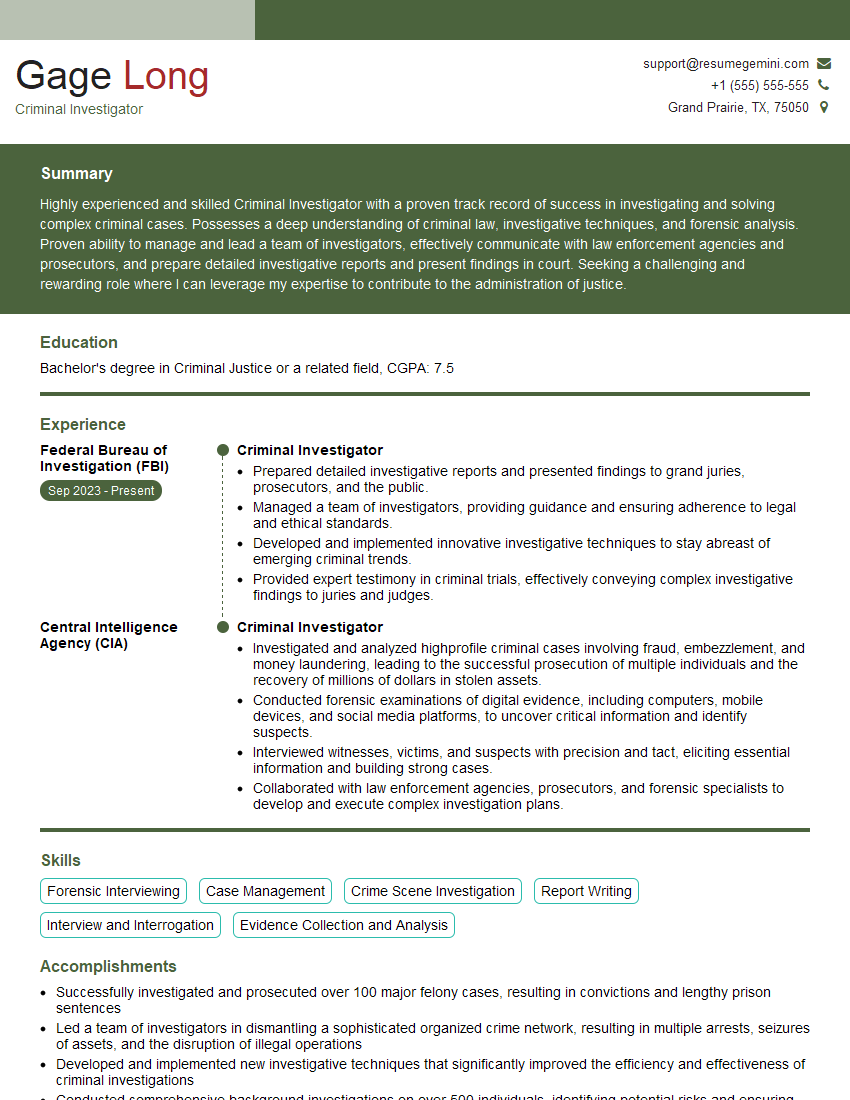
Criminal Investigator Resume Sample
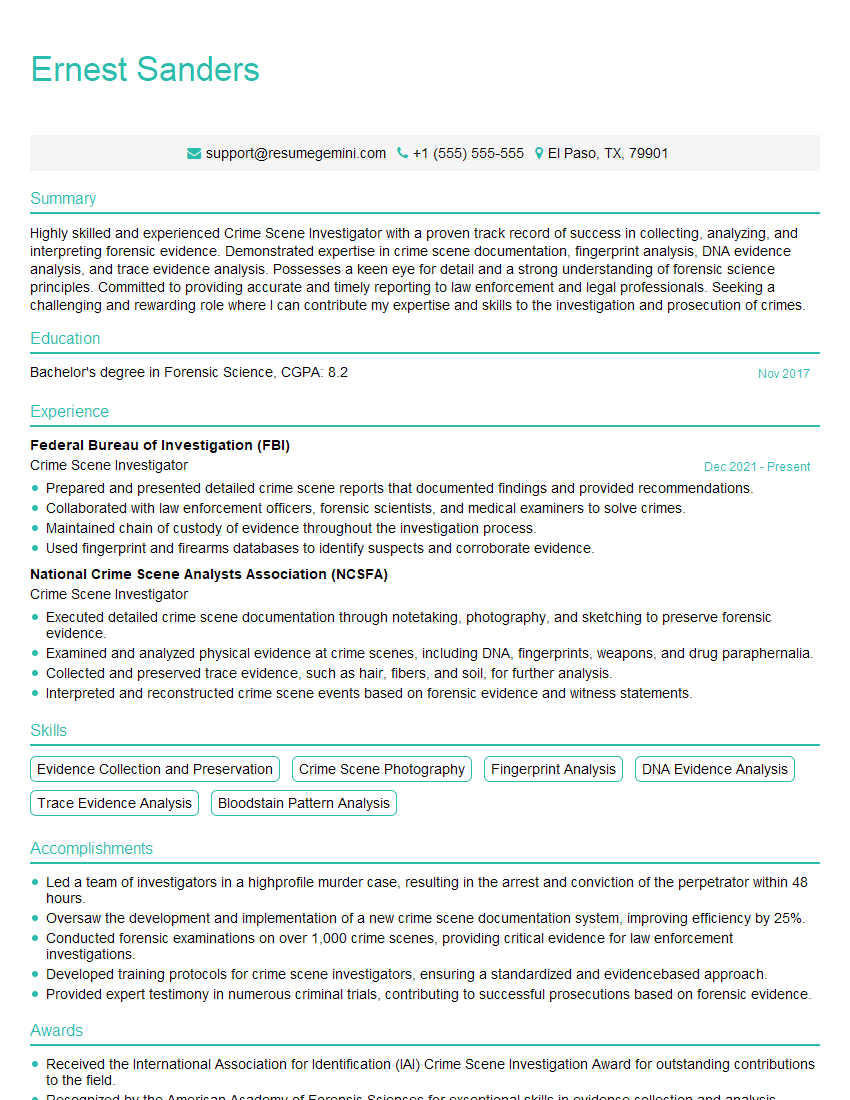
Crime Scene Investigator Resume Sample
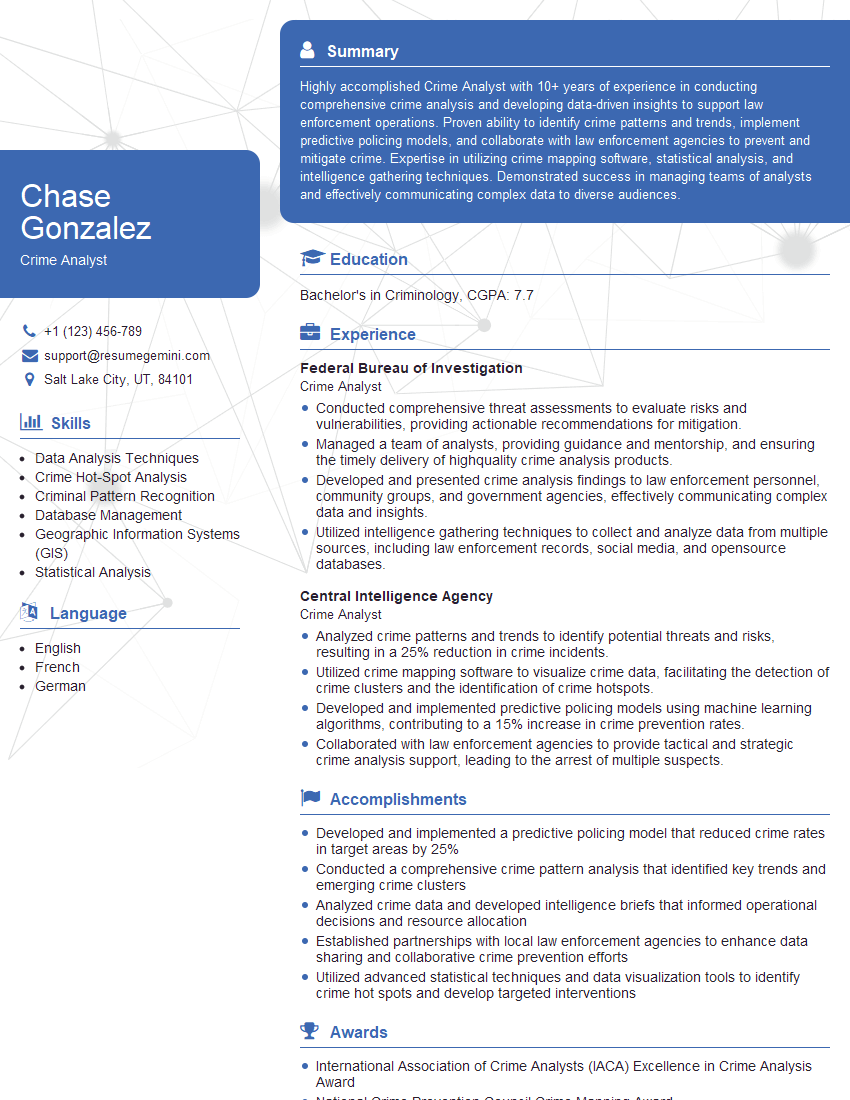
Crime Analyst Resume Sample
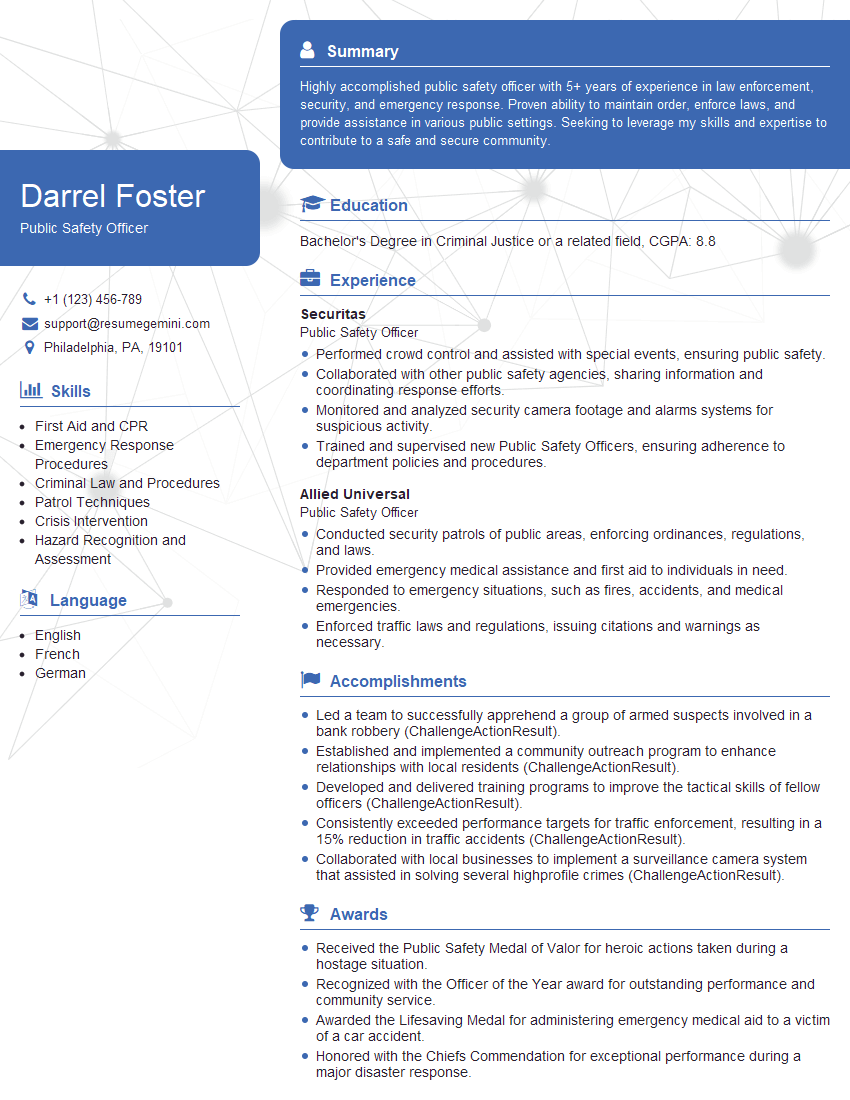
Public Safety Officer Resume Sample
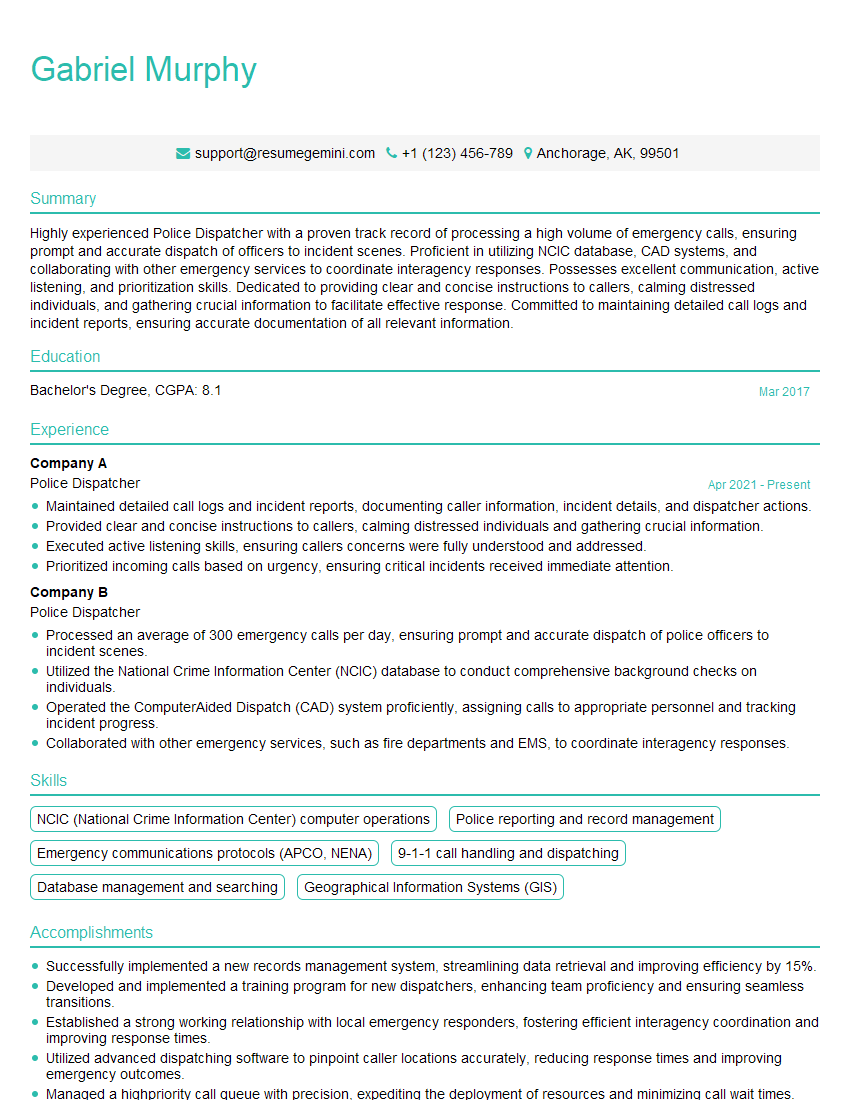
Police Dispatcher Resume Sample
- Emergency Management Specialist
- Liaison Officer
- Security Consultant
- Forensic Accountant
- Intelligence Analyst
- Forensic Scientist
- Ballistics Expert
- Evidence Technician
- Probation Officer
- Correctional Officer
- Criminal Investigator
- Crime Scene Investigator
- Crime Analyst
- Public Safety Officer
- Police Dispatcher
Explore more articles
Users Rating of Our Blogs
Share Your Experience
We value your feedback! Please rate our content and share your thoughts (optional).
What Readers Say About Our Blog
I Redesigned Spongebob Squarepants and his main characters of my artwork.
https://www.deviantart.com/reimaginesponge/art/Redesigned-Spongebob-characters-1223583608
IT gave me an insight and words to use and be able to think of examples
Hi, I’m Jay, we have a few potential clients that are interested in your services, thought you might be a good fit. I’d love to talk about the details, when do you have time to talk?
Best,
Jay
Founder | CEO