Every successful interview starts with knowing what to expect. In this blog, we’ll take you through the top Experience with hand and power tools interview questions, breaking them down with expert tips to help you deliver impactful answers. Step into your next interview fully prepared and ready to succeed.
Questions Asked in Experience with hand and power tools Interview
Q 1. What safety precautions do you take when using power tools?
Safety is paramount when using power tools. My approach is layered, starting with a thorough pre-use inspection of the tool itself – checking for any damage to the cord, housing, or blades. I always wear appropriate Personal Protective Equipment (PPE), which includes safety glasses, hearing protection (earplugs or muffs), and work gloves. The specific PPE will vary depending on the task, sometimes requiring a respirator or dust mask. For example, when working with a circular saw, I always use a dust collection system in addition to a respirator to avoid inhaling fine wood particles.
Beyond PPE, I ensure the work area is well-lit, clear of clutter, and stable. I use clamps or vises to secure workpieces whenever possible, preventing kickback or accidental movement. I never force a tool; if it binds or feels wrong, I stop, investigate, and correct the problem. Before starting any power tool, I always ensure the power is off and I only turn it on when I’m ready. Finally, I remain alert and focused throughout the entire process, never rushing or becoming distracted.
Q 2. Describe your experience with different types of saws (circular, miter, jigsaw).
I’m proficient with circular saws, miter saws, and jigsaws, each suited for different applications. The circular saw is my go-to for ripping (cutting along the grain) and crosscutting (cutting against the grain) long boards, offering speed and efficiency. I’m meticulous about using the correct blade for the material – a fine-tooth blade for finer cuts, a coarser one for rougher lumber. I always use a push stick for safer cuts, especially close to the blade.
The miter saw excels at precise angled cuts, crucial for creating picture frames, crown molding, and other joinery. Accurately setting the angle is key, and I always double-check it before each cut. The fence ensures straight cuts, and I carefully align the workpiece before engaging the blade. Finally, the jigsaw is ideal for intricate curves and cutouts. I prefer blades with a fine tooth for smoother cuts and work slowly and deliberately, especially on complex shapes. Controlling the speed and maintaining steady pressure are crucial for clean, accurate cuts.
Q 3. How do you maintain and care for your hand and power tools?
Maintaining hand and power tools is crucial for safety, accuracy, and longevity. For power tools, regular cleaning is essential. After each use, I remove sawdust and debris from the tool, paying close attention to moving parts and ventilation openings. I lubricate moving parts as recommended in the manufacturer’s instructions. Blade changes are done carefully, always unplugging the tool first. I also regularly check the power cords for any damage and replace them if necessary. For hand tools, I keep them clean and sharp. I sharpen chisels and plane blades regularly, ensuring clean and efficient cuts. I also oil wooden handles periodically to prevent cracking and maintain a comfortable grip. Proper storage is vital for both – I use a tool organizer to keep them neatly arranged, preventing damage and making them easy to locate.
Q 4. What are the differences between various types of drills and their applications?
Drills vary in their capabilities and applications. The most common is the standard corded drill, offering considerable power for various tasks like drilling holes in wood, metal, and plastic. Cordless drills offer portability and convenience. Impact drivers provide increased torque for driving screws, particularly useful in harder materials. Hammer drills add a hammering action, ideal for drilling into concrete or masonry. Then there are specialized drills for specific tasks, such as magnetic drills for precise hole placement on metal sheets. The choice depends on the project; for drilling holes in wood, a standard drill or cordless drill works well. For screwing large screws into dense wood, an impact driver provides better power and reduces the chance of stripping the screw head. For concrete, a hammer drill is essential.
Q 5. Explain the proper techniques for using a hammer, screwdriver, and wrench.
Proper technique is crucial for efficient and safe use of basic hand tools. When using a hammer, I grip the handle firmly near the end for better control and leverage. I swing the hammer in a smooth arc, striking the nail head squarely to avoid bending. With screwdrivers, I select the right size and type for the screw. I apply even pressure, avoiding excessive force which could strip the screw head or damage the material. I position the screwdriver’s tip squarely into the screw head before applying turning force. When using a wrench, I select the appropriate size and type, making sure it fits snugly onto the nut or bolt head. I pull or push the wrench, applying steady pressure to avoid rounding the corners of the nut or bolt.
Q 6. How do you select the appropriate drill bit for a specific material?
Choosing the right drill bit is critical for successful drilling. The material dictates the bit type and size. For wood, I use twist bits with a sharp point for clean holes. The bit diameter is determined by the size of the fastener or application. For metal, I use high-speed steel (HSS) bits, often with a split point for better starting and to avoid wandering. When drilling masonry, I use masonry bits, specifically designed to withstand the abrasive nature of concrete or brick. For example, when installing drywall anchors, I choose a drill bit slightly smaller than the anchor’s diameter. I always start with a pilot hole for larger diameters and use cutting fluid when working with metal to reduce friction and heat buildup.
Q 7. What experience do you have with measuring and marking techniques?
Accurate measuring and marking are fundamental to any woodworking or construction project. I use a variety of tools, including tape measures, rulers, and squares to obtain accurate measurements. I always double-check measurements, especially on critical cuts. For marking, I use pencils, marking gauges, and scribes, depending on the material and complexity of the project. I use a sharp pencil for clean, fine lines and ensure the markings are clearly visible and accurately reflect the measurements taken. For example, when cutting boards for a frame, I use a combination square to ensure the cuts are precisely 90 degrees. For curved cuts, I employ a flexible measuring tape and then transfer those measurements onto the workpiece.
Q 8. Describe your experience with different types of fasteners (screws, nails, bolts).
My experience with fasteners spans a wide range, encompassing various types of screws, nails, and bolts, each suited for specific applications. Let’s break it down:
- Screws: I’m proficient with wood screws (various thread types like coarse and fine), sheet metal screws, machine screws (with different head types like pan head, countersunk, and hex), and self-tapping screws. The choice depends heavily on the materials being joined and the desired strength and aesthetic.
- Nails: I’ve worked extensively with common nails (box nails, finish nails, brads), specialized nails (roofing nails, casing nails), and even wire nails. Understanding nail types is crucial for projects ranging from framing a house to delicate finish carpentry. For example, using finish nails for fine woodworking prevents unsightly nail heads.
- Bolts: My experience includes working with carriage bolts (used in timber framing), machine bolts (with nuts and washers for secure fastening), and lag bolts (heavy-duty for joining timbers). Understanding bolt sizes, thread pitches, and the right torque is critical for ensuring structural integrity.
Selecting the correct fastener isn’t just about strength; it also involves considering factors such as the material properties (wood type, metal type), the required holding power, the desired finish, and the overall project aesthetics. For instance, in a visible area, I’d opt for countersunk screws to create a flush surface, while in a less visible area, a standard wood screw might suffice.
Q 9. How do you troubleshoot common problems with power tools?
Troubleshooting power tools requires a systematic approach. It starts with safety – always disconnect the power before any inspection or repair. Here’s my process:
- Identify the Problem: What exactly isn’t working? Is the tool not starting, running erratically, or producing poor results?
- Check the Obvious: Is the power cord damaged? Is the tool properly plugged in? Are batteries charged (if cordless)? A seemingly simple issue like a loose connection can often be the culprit.
- Inspect the Tool: Carefully examine the tool for any visible damage, loose parts, or obstructions. Look for broken components, worn brushes (in motors), or jammed mechanisms.
- Consult the Manual: The instruction manual provides valuable troubleshooting information specific to that model. It might detail common problems and solutions.
- Test Individual Components: If possible, systematically check components like switches, motors (if accessible), and gears to pinpoint the problem area.
- Seek Professional Help: If the problem persists after careful examination, it’s best to consult a qualified repair technician. Attempting complex repairs without proper knowledge can be dangerous.
For example, if a drill suddenly stops working, I’d first check the power cord and connection, then visually inspect the chuck and motor for any obstructions. If the problem continues, I might check the brushes, if accessible, but would likely seek professional help if I can’t diagnose the issue.
Q 10. What are some common safety hazards associated with hand and power tools?
Safety is paramount when working with hand and power tools. Common hazards include:
- Cuts and Lacerations: Sharp blades, chisels, and other tools can easily cause serious cuts. Always use appropriate safety gear like gloves and eye protection.
- Electric Shock: Power tools pose a risk of electric shock. Ensure tools are properly grounded, cords are in good condition, and you’re working in a dry environment. Avoid working in wet conditions.
- Eye Injuries: Flying debris, sparks, and dust can cause eye injuries. Safety glasses or goggles are mandatory.
- Hearing Damage: Prolonged exposure to loud power tools can damage hearing. Ear protection (earplugs or muffs) is crucial for longer projects.
- Repetitive Strain Injuries (RSIs): Repeated use of tools can lead to carpal tunnel syndrome or other RSIs. Proper posture, regular breaks, and ergonomic tools are essential.
- Fires: Overheating tools or improper use of flammable materials pose fire hazards. Always be aware of the surroundings.
One crucial aspect is maintaining tools properly, keeping them sharp and in good working condition. A dull tool is much more likely to slip, leading to injuries. Remember, safety is not just about following rules; it’s a proactive mindset.
Q 11. Explain your understanding of different types of wood and their properties.
My understanding of wood encompasses both its physical properties and practical applications in woodworking. Different wood types exhibit unique characteristics:
- Hardwoods: Generally denser and stronger than softwoods, hardwoods like oak, maple, and walnut are ideal for furniture, flooring, and fine woodworking. Oak, for instance, is known for its durability and strength, while walnut is prized for its rich color and intricate grain pattern.
- Softwoods: Typically less dense and easier to work with, softwoods like pine, fir, and cedar are commonly used in construction, framing, and less demanding projects. Pine is cost-effective and readily available, while cedar is known for its aromatic qualities and natural resistance to decay.
Understanding wood properties like grain direction, hardness, and moisture content is essential for successful woodworking. Working with the grain is important to prevent splitting and ensure clean cuts. Moisture content impacts the wood’s stability and can lead to warping or cracking if not properly managed.
For example, when building a cabinet, I’d choose a hardwood like oak or maple for its strength and stability, whereas for a simple fence, pine or fir would be a suitable and economical option.
Q 12. Describe your experience with various types of metal and their workability.
My experience with metals includes various types, each with unique characteristics affecting its workability:
- Steel: A common and versatile material, steel’s strength and durability make it suitable for various applications. Different grades of steel exist, with varying hardness and weldability. High-carbon steel is very strong but can be difficult to machine.
- Aluminum: Lightweight and corrosion-resistant, aluminum is easy to work with but less strong than steel. It’s often used in aircraft construction and automotive parts.
- Brass: A copper-zinc alloy, brass is known for its corrosion resistance and attractive golden color. It’s relatively easy to machine and often used in decorative applications and plumbing fixtures.
- Copper: Highly conductive and corrosion-resistant, copper is commonly used in electrical wiring and plumbing. It’s relatively soft and easy to shape.
Workability depends on factors like hardness, ductility (ability to be deformed), and machinability. For example, soft metals like aluminum are relatively easy to cut, bend, and shape, while harder metals like steel may require specialized tools and techniques. Selecting the right tools and techniques for each metal is paramount for safe and efficient work.
Q 13. How do you ensure accuracy and precision when using measuring tools?
Accuracy and precision are crucial in any project. Achieving this with measuring tools requires careful technique and understanding of the tool’s limitations:
- Proper Technique: Hold the measuring tool firmly but gently to avoid bending or distorting the measurements. Ensure the tool is placed correctly and aligned with the surface being measured.
- Tool Selection: Choose the appropriate tool for the task. A tape measure is suitable for longer distances, while a ruler or caliper is better for smaller, more precise measurements.
- Multiple Measurements: Take multiple measurements from different angles and points to ensure accuracy. Comparing readings can identify inconsistencies.
- Calibration: Regularly check the calibration of your measuring tools to ensure accuracy. A misaligned tool can lead to significant errors.
- Environmental Factors: Temperature and humidity can affect measurements, particularly in some materials. This should be factored in, especially in precision work.
For example, when cutting a piece of wood to a specific length, I’d measure it several times using a well-calibrated measuring tape, then double check with a ruler before making the cut. This helps minimize errors and ensures a perfect fit.
Q 14. What is your experience with using levels, squares, and other measuring instruments?
I have extensive experience with levels, squares, and other measuring instruments. These tools are essential for ensuring accuracy and precision in construction and woodworking:
- Levels: Used to check for levelness and plumbness (vertical alignment), levels ensure surfaces are perfectly flat or vertical. Different types of levels exist, including torpedo levels (small and compact), and box levels (larger and more accurate).
- Squares: Used to check for squareness (90-degree angles), squares are critical for building structures and ensuring components are properly aligned. Combination squares offer multiple features for marking angles and measurements.
- Measuring Tapes: Essential for measuring distances and lengths, these come in various materials and lengths. Choosing the right type (steel tape, fiberglass tape) depends on the application.
- Calipers: Used to make very precise measurements of dimensions, calipers are useful for checking component sizes and ensuring accuracy.
For example, when framing a wall, I would use a level to ensure the studs are perfectly vertical and a square to check that the corners are exactly 90 degrees. This ensures a structurally sound and aesthetically pleasing wall.
Q 15. Describe your experience with using hand planes and chisels.
Hand planes and chisels are fundamental woodworking tools requiring precision and skill. My experience encompasses a wide range of techniques, from smoothing surfaces with a smoothing plane to creating intricate joints with chisels. I’m proficient in using various types of hand planes, including smoothing planes for fine finishing, jack planes for roughing down stock, and block planes for detail work. With chisels, I’m adept at mortise and tenon joinery, dovetailing, and carving. For example, I recently used a combination of a smoothing plane and a set of chisels to create a beautifully finished cherry wood table top, achieving a perfectly flat and smooth surface before applying the finish.
Understanding the sharpness of the blade is paramount. A dull tool will be inefficient and dangerous, requiring significantly more force and increasing the risk of damage to the workpiece or injury. Honing and sharpening these tools are essential skills I’ve honed over years. I regularly maintain my tools using sharpening stones and honing guides, ensuring a razor-sharp edge for optimal performance and safety.
Career Expert Tips:
- Ace those interviews! Prepare effectively by reviewing the Top 50 Most Common Interview Questions on ResumeGemini.
- Navigate your job search with confidence! Explore a wide range of Career Tips on ResumeGemini. Learn about common challenges and recommendations to overcome them.
- Craft the perfect resume! Master the Art of Resume Writing with ResumeGemini’s guide. Showcase your unique qualifications and achievements effectively.
- Don’t miss out on holiday savings! Build your dream resume with ResumeGemini’s ATS optimized templates.
Q 16. How do you handle unexpected challenges or tool malfunctions on a job site?
Unexpected challenges are part and parcel of any job site. My approach is methodical and prioritizes safety. If a tool malfunctions, my first step is to assess the situation and ensure safety – power down the tool, secure the area, and ensure no one is at risk. Then, I try to troubleshoot the problem; is it a simple fix like a loose screw or a clogged dust port? If so, I’ll repair it on the spot if possible. If the problem is more complex, or if the safety of the tool is compromised, I’ll replace it with a backup tool, documenting the malfunction and contacting the relevant supplier for repair or replacement. For example, I once had a router bit snap unexpectedly. After ensuring the area was safe, I carefully removed the broken bit, installed a replacement, and recalibrated the depth stop before resuming work. It was critical to not rush and prioritize safety.
Q 17. Explain your understanding of different types of sandpaper and their applications.
Sandpaper is classified by grit, with higher grit numbers indicating finer abrasiveness. Common grits range from coarse (e.g., 40-60 grit) for initial shaping and stock removal to very fine (e.g., 400-600 grit) for polishing and smoothing. I use different grits sequentially, beginning with coarse grit to remove major imperfections, progressing through medium grits for refining, and finishing with fine grits for a smooth, polished surface. The type of sandpaper also matters: aluminum oxide is a versatile all-around choice; silicon carbide is better for harder materials like metal; and garnet is a popular choice for wood. For example, when finishing a wooden cabinet, I would start with 80-grit sandpaper to level the surface, then move to 120, 180, 220, and finally 320 grit to achieve a smooth finish before applying stain or varnish. Choosing the right grit for each stage ensures efficient removal of material without unnecessary scratching or damage to the workpiece.
Q 18. What is your experience with using various types of adhesives and sealants?
My experience encompasses a wide range of adhesives and sealants, each suited to specific applications and materials. I’m familiar with wood glues (like PVA and polyurethane), epoxy resins for strong bonds, construction adhesives for various materials, and various sealants like silicone and polyurethane caulks. The choice of adhesive is crucial; it depends on the material being bonded, the required strength of the bond, and the environmental conditions. For example, when joining two pieces of hardwood, I would use a high-quality wood glue, clamping the pieces tightly to ensure a strong bond. For repairs involving dissimilar materials or exposed to moisture, I would opt for epoxy or a suitable construction adhesive. Knowing the specific properties and limitations of each adhesive is critical for successful project outcomes and project longevity.
Q 19. How do you choose the right PPE (Personal Protective Equipment) for a given task?
Selecting the right PPE is non-negotiable. The choice is determined by the task at hand and the potential hazards involved. This might include safety glasses or goggles for eye protection, earplugs or muffs for noise reduction, dust masks or respirators to protect against airborne particles, work gloves to prevent cuts and abrasions, and steel-toe boots for foot protection. When using power tools, a full-face shield might be needed. When working with chemicals, proper respirator protection is essential. Before undertaking any task, I assess the potential risks and select the appropriate PPE accordingly. For example, when operating a grinder, I always wear safety glasses or a face shield to prevent flying debris from causing injury. Similarly, when sanding, I wear a dust mask to avoid inhaling harmful wood dust.
Q 20. Describe your experience with operating different types of grinders.
I have experience operating various grinders, including angle grinders, bench grinders, and die grinders. Angle grinders are powerful tools used for cutting, grinding, and polishing metal, but they require careful handling. Bench grinders are used for sharpening tools and removing material, demanding precision and a steady hand. Die grinders offer versatility for smaller, detailed work. Safety is paramount when using grinders; I always use appropriate eye and hearing protection and ensure the workpiece is securely clamped. I also understand the importance of maintaining the tools, regularly checking for wear and tear and replacing worn-out parts. For instance, when using an angle grinder to cut metal, I use a cutting disc appropriate for the material and ensure the speed is correct to prevent the disc from binding or breaking.
Q 21. Explain your experience with using routers and shapers.
Routers and shapers are powerful tools for creating intricate shapes and profiles in wood. My experience includes using both hand-held routers for shaping edges and creating decorative elements, and shapers for larger-scale work, such as creating moldings. These tools are versatile, allowing for a vast array of cuts. However, they must be handled with care and precision to avoid injury or damaging the workpiece. I’m proficient in selecting the correct bits for the job, setting the appropriate depth and speed, and using various jigs and fixtures for precise results. For example, I used a router with a raised panel bit to create a decorative inset panel on a recently completed cabinet door project, achieving clean and consistent results thanks to proper jig setup and consistent operation.
Q 22. What are your experiences with working with different types of concrete?
My experience encompasses working with a variety of concrete types, each demanding a unique approach. I’ve worked extensively with ready-mix concrete, understanding its properties and the importance of proper mixing and curing for optimal strength and durability. This includes knowing the appropriate water-cement ratio for different applications. I’m also familiar with various admixtures, such as air-entraining agents and accelerators, and how they affect the final product. I’ve also worked with specialized concretes like high-strength concrete for high-load bearing structures and lightweight concrete for applications where weight is a major concern. For example, during a recent project involving a high-rise building’s foundation, we used a high-strength, low-shrinkage concrete to withstand immense pressure. This required careful attention to the mix design and placement process. Another example involved constructing a lightweight concrete wall in a residential project, requiring a different mix design and a focus on proper vibration to prevent air pockets.
Q 23. How do you read and interpret blueprints or schematics?
Reading blueprints and schematics is fundamental to my work. I start by understanding the overall project layout, identifying key features like dimensions, elevations, and structural details. Then, I meticulously analyze each section, paying close attention to details like material specifications, connection points, and any specific instructions. I’m proficient in interpreting symbols and notations, understanding cross-sections, and visualizing the three-dimensional structure based on the two-dimensional representation. For instance, if a blueprint shows a specific type of fastening for beams, I’ll know the exact type and size of bolts or welds required. I also look for any notes or revisions, ensuring I’m working with the most up-to-date version. If something is unclear, I always clarify with the architect or engineer before proceeding to avoid errors.
Q 24. Describe your experience working with various types of plumbing tools.
My experience with plumbing tools is extensive. I’m skilled in using various pipe cutters, from simple hand cutters for smaller pipes to power-driven cutters for larger diameters. I’m comfortable working with pipe wrenches, both adjustable and fixed, understanding the importance of applying the correct torque to avoid damage. I’m proficient in using threading tools, such as dies and taps, to create and repair threaded pipe connections. I also possess experience with soldering and brazing tools, including torches and various types of solder, following safety procedures diligently. For example, during a recent residential renovation, I had to replace a section of corroded copper pipe. I carefully measured, cut, and threaded the replacement pipe using the appropriate tools, ensuring a leak-free connection using a propane torch and solder.
Q 25. What is your experience with electrical wiring and related tools?
My electrical work is always performed with safety as the top priority. I’m familiar with different types of wire, including Romex, BX, and conduit wiring, understanding their respective applications and safety requirements. I can use various tools such as wire strippers, crimpers, and fish tapes proficiently. I’m experienced in working with circuit breakers, outlets, and switches, and understand the importance of proper grounding and electrical codes. I have experience with troubleshooting electrical issues, using multimeters to identify faults in circuits. For example, I recently repaired a faulty outdoor lighting circuit by carefully tracing the wiring, locating a damaged connection, and replacing the affected section, ensuring all connections were secure and properly grounded, and the circuit was tested with a multimeter before restoring power.
Q 26. How do you maintain a clean and organized workspace?
Maintaining a clean and organized workspace is crucial for efficiency and safety. I follow a simple yet effective system. Before starting a project, I lay out all the necessary tools and materials in a designated area. As I work, I keep tools organized, storing them in toolboxes or designated spaces when not in use. I regularly clear away debris and unused materials, ensuring walkways remain clear. At the end of each day, I clean the workspace thoroughly, sweeping or vacuuming and storing tools and supplies. This systematic approach ensures everything is in its place, preventing accidents, saving time searching for tools, and making the work area safer and more conducive to efficient work. This also promotes a professional image and fosters teamwork in group settings.
Q 27. Describe a time you had to repair a broken tool. How did you do it?
During a renovation project, my reciprocating saw stopped functioning mid-cut. Upon inspection, I found that the blade was jammed and the motor was unusually hot. I carefully removed the jammed blade, ensuring I was using appropriate safety precautions. Then, I examined the motor housing, finding a small debris obstruction in the motor’s ventilation. I carefully cleared the obstruction using compressed air and reassembled the saw. After testing the motor’s functionality and ensuring the blade mechanism was working properly, the saw functioned correctly. This experience highlighted the importance of regular tool maintenance and troubleshooting skills, along with the need for careful attention to safety when repairing power tools.
Key Topics to Learn for Experience with Hand and Power Tools Interview
- Safety Procedures: Understanding and adhering to safety regulations for hand and power tools, including proper PPE (Personal Protective Equipment) usage and emergency procedures. Practical application: Describing your experience with specific safety protocols on past projects.
- Tool Selection and Usage: Knowing which tools are appropriate for various tasks and demonstrating proficiency in their operation. Practical application: Explaining your decision-making process when choosing between different tools for a given project, highlighting efficiency and precision.
- Maintenance and Repair: Understanding basic maintenance procedures for hand and power tools, including cleaning, lubrication, and minor repairs. Practical application: Describing instances where you’ve maintained or repaired tools to extend their lifespan.
- Troubleshooting and Problem Solving: Identifying and resolving common issues encountered while using hand and power tools. Practical application: Providing examples of problems you’ve encountered and how you systematically solved them.
- Material Knowledge: Understanding the properties of different materials and how tool selection impacts the outcome of work with those materials (e.g., wood, metal, plastics). Practical application: Explaining how your tool choices varied depending on the material you were working with.
- Measuring and Marking Techniques: Accurate measuring and marking techniques to ensure precision and accuracy in your work. Practical application: Describing your methods for ensuring accuracy in complex projects.
Next Steps
Mastering hand and power tool skills is crucial for career advancement in many skilled trades and technical fields. A strong understanding of these tools demonstrates practical abilities and a commitment to safety, significantly enhancing your job prospects. To maximize your chances of landing your dream role, focus on creating an ATS-friendly resume that highlights your relevant skills and experience. ResumeGemini is a trusted resource that can help you build a professional, impactful resume that gets noticed. We offer examples of resumes tailored to highlight experience with hand and power tools to give you a head start.
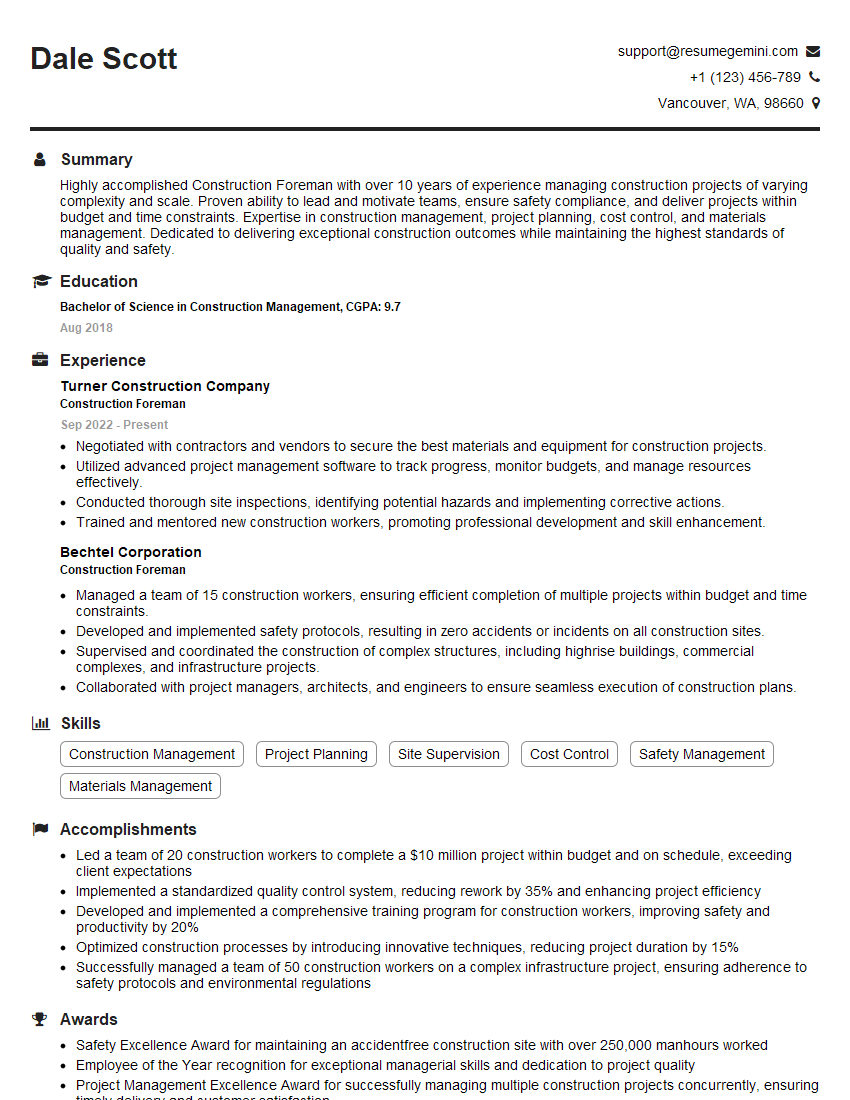
Construction Foreman Resume Sample

General Contractor Resume Sample

Maintenance Technician Resume Sample

Robotics Technician Resume Sample

Machinist Resume Sample

Furniture Maker Resume Sample
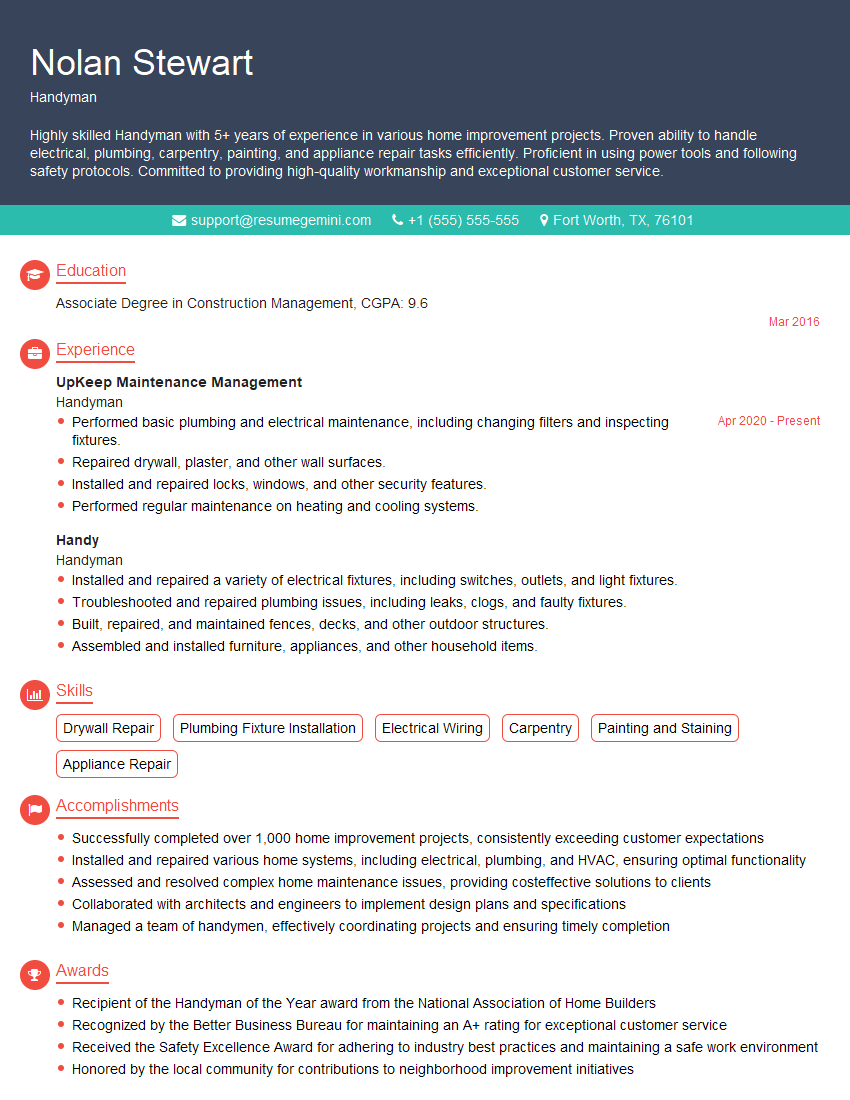
Handyman Resume Sample
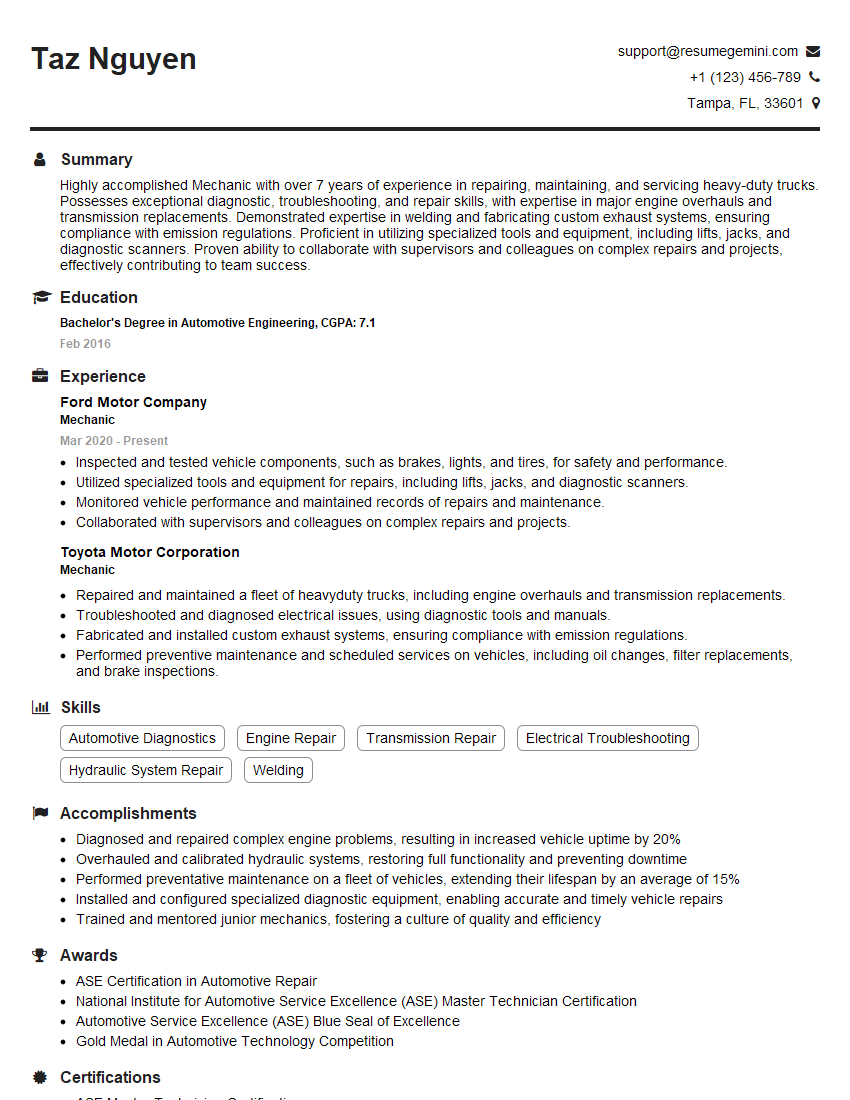
Mechanic Resume Sample
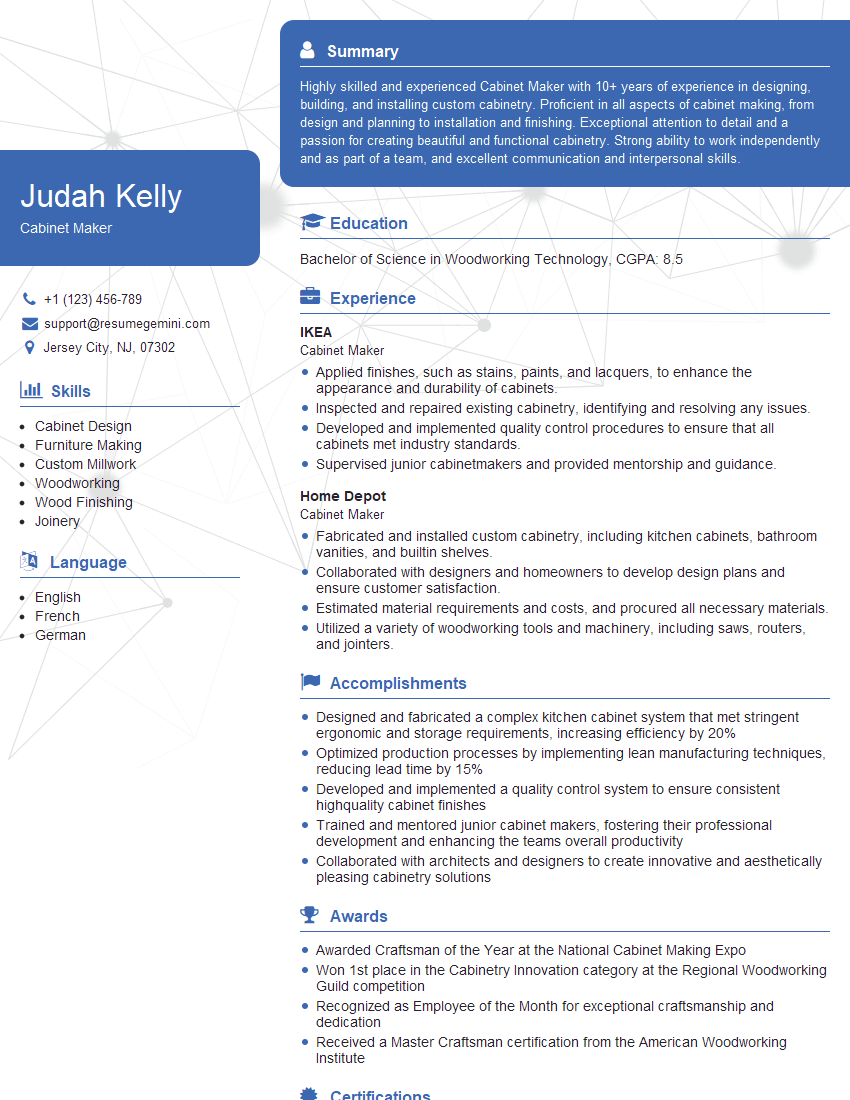
Cabinet Maker Resume Sample
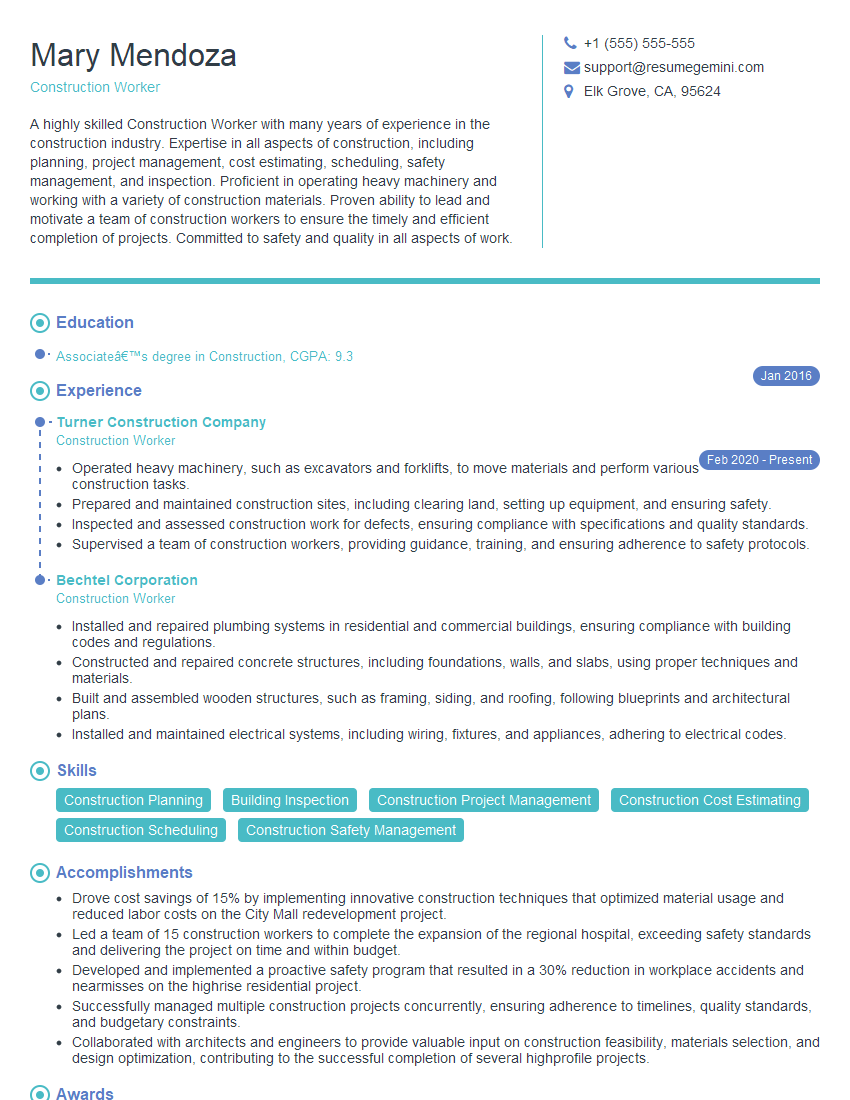
Construction Worker Resume Sample
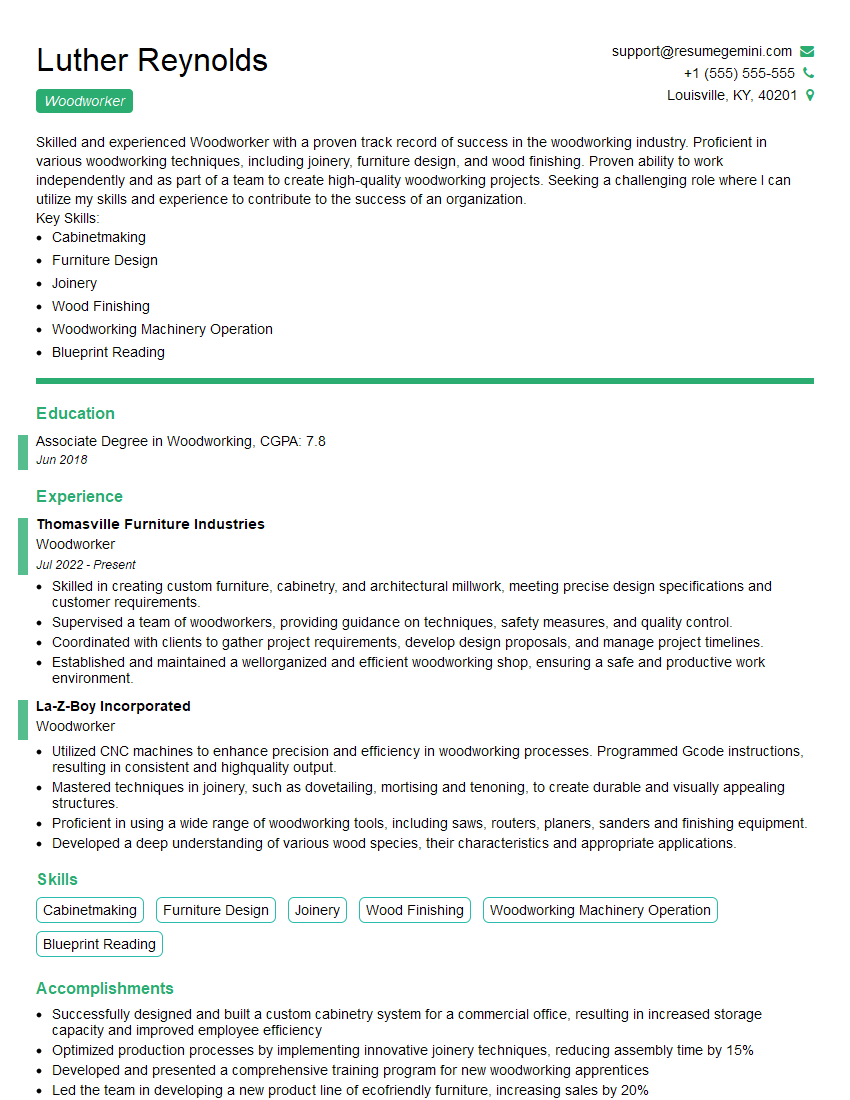
Woodworker Resume Sample
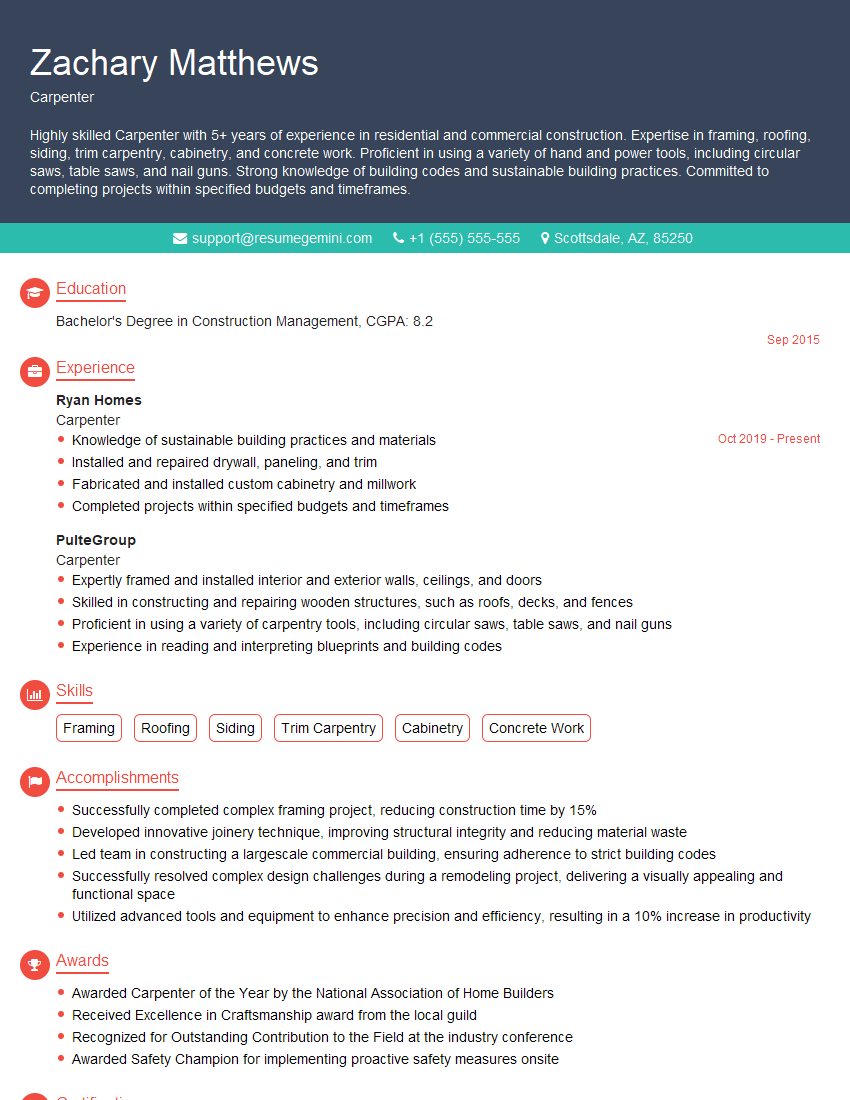
Carpenter Resume Sample
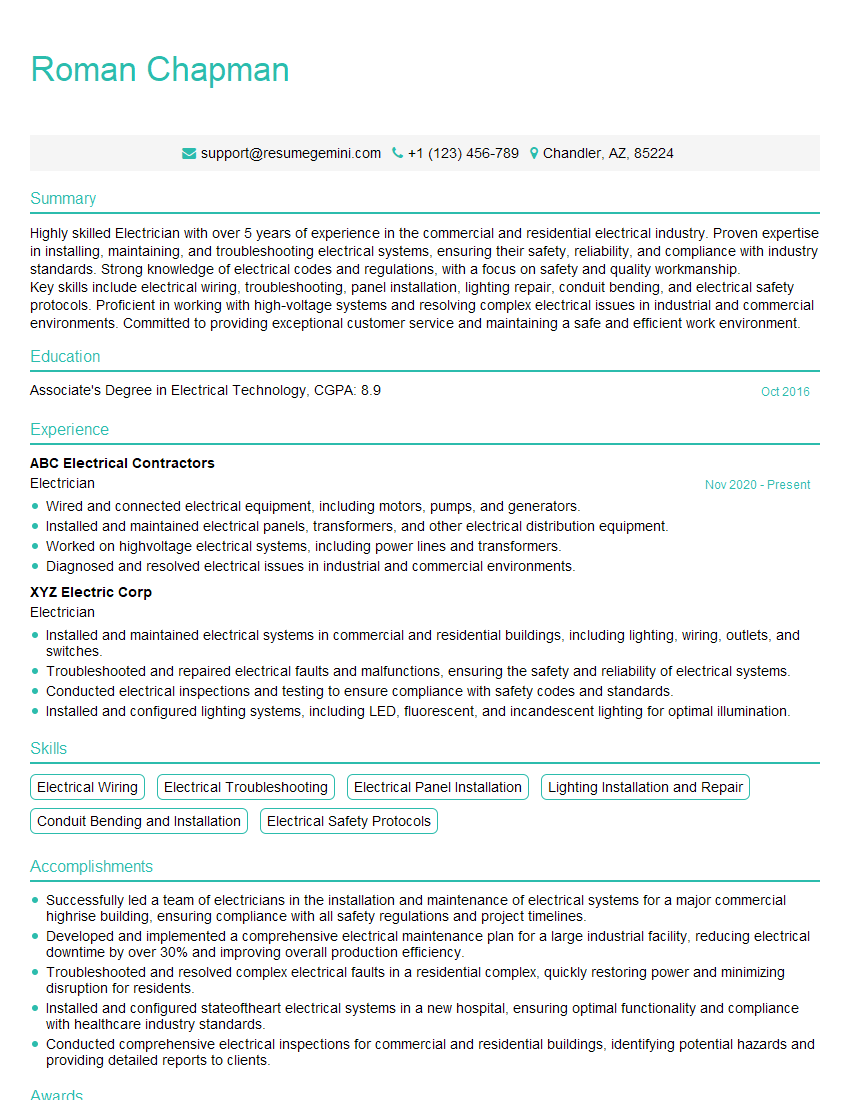
Electrician Resume Sample

Plumber Resume Sample
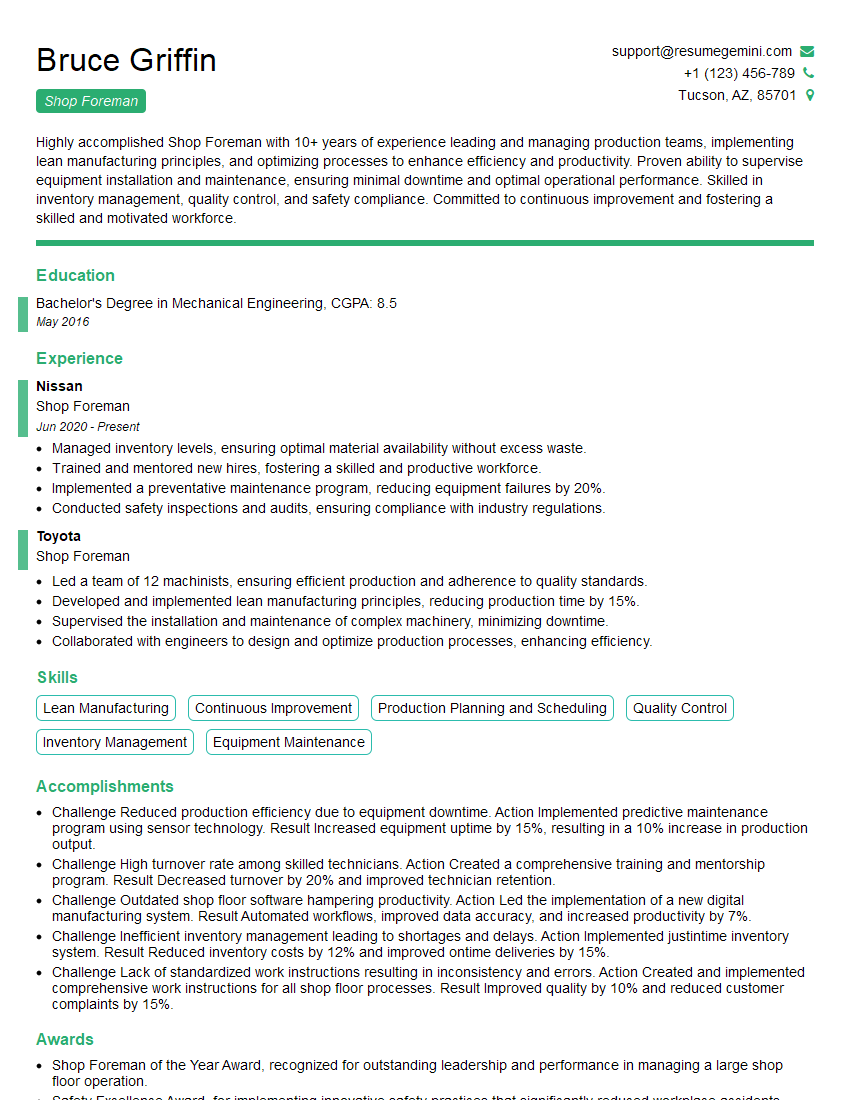
Shop Foreman Resume Sample

Automotive Technician Resume Sample

Marine Mechanic Resume Sample

Welder Resume Sample
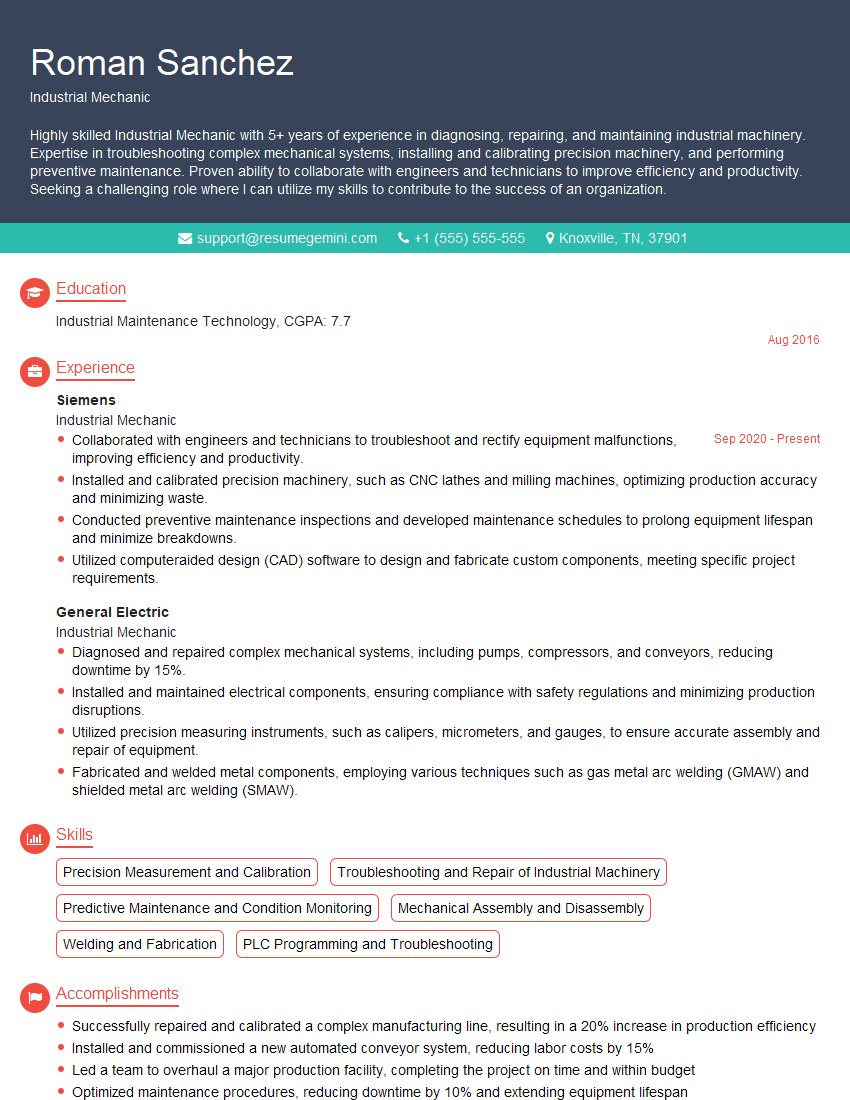
Industrial Mechanic Resume Sample
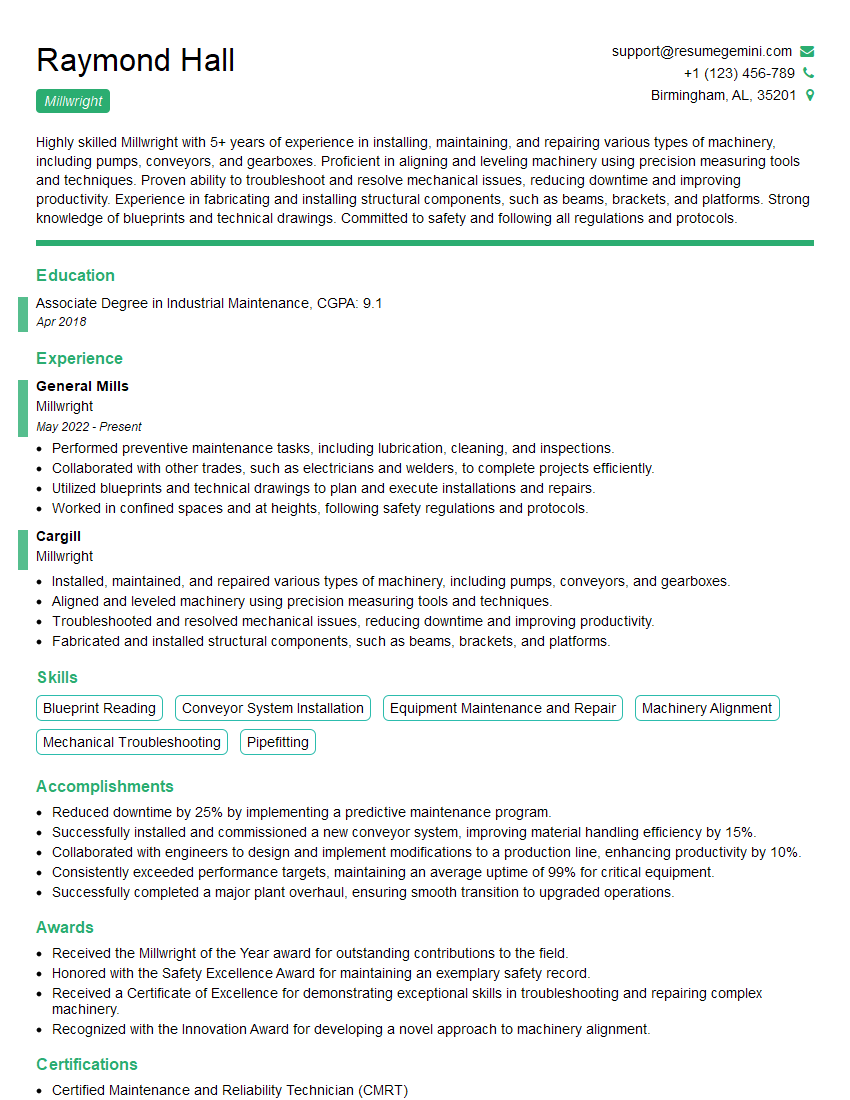
Millwright Resume Sample
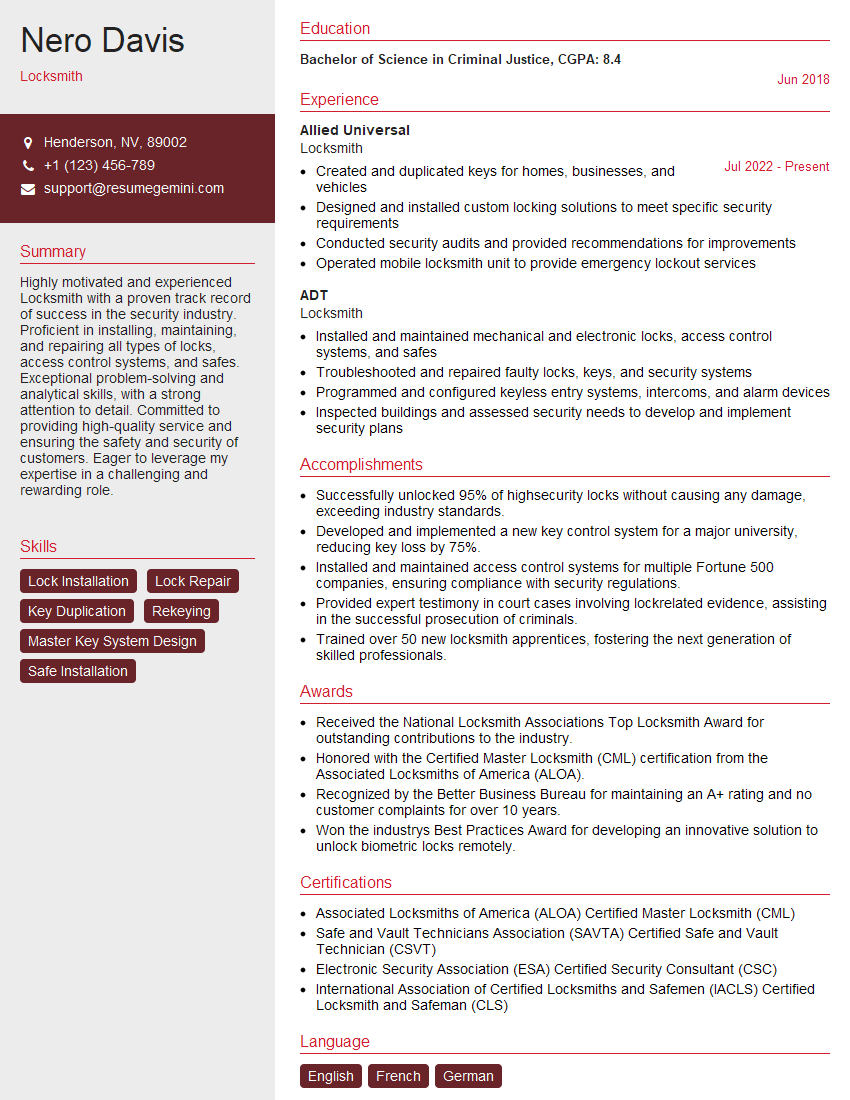
Locksmith Resume Sample
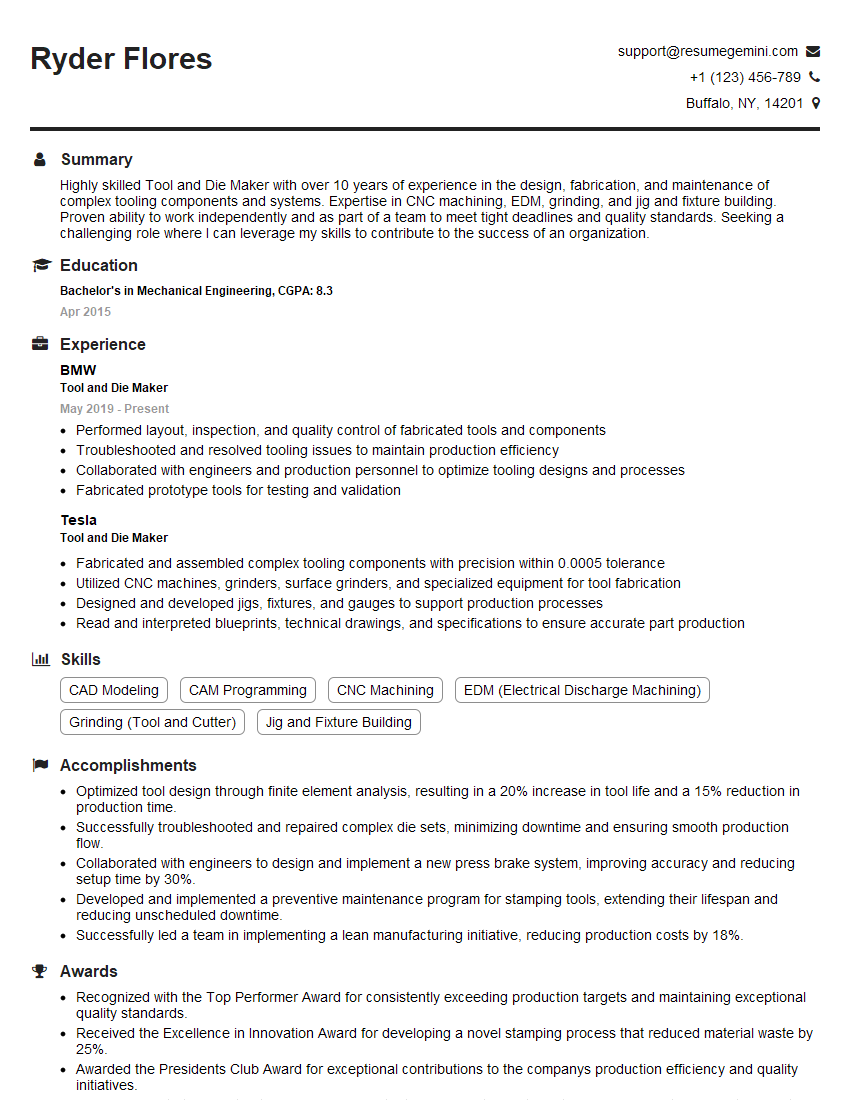
Tool and Die Maker Resume Sample
- Construction Foreman
- General Contractor
- Maintenance Technician
- Robotics Technician
- Machinist
- Furniture Maker
- Handyman
- Mechanic
- Cabinet Maker
- Construction Worker
- Woodworker
- Carpenter
- Electrician
- Plumber
- Shop Foreman
- Automotive Technician
- Marine Mechanic
- Welder
- Industrial Mechanic
- Millwright
- Locksmith
- Tool and Die Maker
Explore more articles
Users Rating of Our Blogs
Share Your Experience
We value your feedback! Please rate our content and share your thoughts (optional).
What Readers Say About Our Blog
I Redesigned Spongebob Squarepants and his main characters of my artwork.
https://www.deviantart.com/reimaginesponge/art/Redesigned-Spongebob-characters-1223583608
IT gave me an insight and words to use and be able to think of examples
Hi, I’m Jay, we have a few potential clients that are interested in your services, thought you might be a good fit. I’d love to talk about the details, when do you have time to talk?
Best,
Jay
Founder | CEO