The thought of an interview can be nerve-wracking, but the right preparation can make all the difference. Explore this comprehensive guide to Familiar with safety procedures and regulations interview questions and gain the confidence you need to showcase your abilities and secure the role.
Questions Asked in Familiar with safety procedures and regulations Interview
Q 1. Describe your experience with OSHA regulations.
My experience with OSHA regulations is extensive. I’ve worked in environments governed by OSHA standards for over ten years, ensuring compliance across various sectors. This includes a deep understanding of OSHA’s General Duty Clause, which mandates employers to provide a workplace free from recognized hazards. I’m familiar with specific OSHA standards, such as those related to lockout/tagout procedures (29 CFR 1910.147), hazard communication (29 CFR 1910.1200), and personal protective equipment (PPE) (29 CFR 1910.132). I’ve been involved in numerous OSHA inspections and have proactively implemented corrective actions based on findings. For example, in a previous role, we identified a deficiency in our confined space entry program. I led the initiative to update our procedures, conduct thorough training for all affected personnel, and implement improved monitoring and communication protocols, resulting in zero incidents related to confined space entry for the past three years. I also stay updated on the latest OSHA directives and interpretations, ensuring our safety procedures remain current and effective.
Q 2. Explain the hierarchy of hazard controls.
The hierarchy of hazard controls is a fundamental principle in safety management. It prioritizes control measures to minimize or eliminate hazards, starting with the most effective and progressing to less effective controls if the primary controls are not feasible. The hierarchy is typically presented as:
- Elimination: The most effective control; completely removing the hazard. Example: Replacing a dangerous machine with a safer alternative.
- Substitution: Replacing a hazardous substance or process with a less hazardous one. Example: Using water-based paint instead of solvent-based paint.
- Engineering Controls: Implementing physical changes to the workplace to reduce hazard exposure. Examples: Installing guards on machinery, using ventilation systems to remove airborne contaminants.
- Administrative Controls: Implementing work practices or procedures to minimize exposure. Examples: Job rotation, limiting exposure time, providing safety training.
- Personal Protective Equipment (PPE): The last line of defense; providing workers with equipment to protect them from hazards. Examples: Safety glasses, hard hats, respirators. It’s crucial to remember that PPE should only be used as a last resort, as it protects the worker, not the hazard.
Think of it like a ladder. You always aim for the top rung (elimination) first. If you can’t reach that, you work your way down, combining controls whenever possible for optimal safety.
Q 3. How do you conduct a job safety analysis (JSA)?
Conducting a Job Safety Analysis (JSA) is a systematic process to identify and control hazards associated with a specific job task. The process typically involves these steps:
- Select the Job: Choose a specific job task to be analyzed.
- Describe the Job: Break down the job into individual steps or actions.
- Identify Potential Hazards: For each step, identify potential hazards that could result in injury or illness. Consider what could go wrong and the potential consequences.
- Identify Existing Controls: For each hazard, determine what controls are already in place.
- Recommend Additional Controls: Based on the hierarchy of controls, recommend additional controls to reduce or eliminate the hazards.
- Document the JSA: Record all steps, hazards, controls, and recommendations in a written document. This document serves as a reference for workers and supervisors.
- Review and Update Regularly: The JSA is a living document and should be reviewed and updated regularly to reflect changes in the workplace, equipment, or procedures.
For example, in analyzing a warehouse worker’s task of operating a forklift, we’d consider hazards like collisions, falls, and equipment malfunctions. Existing controls might include training, pre-shift inspections, and speed limits. Additional controls could involve implementing a warehouse management system for optimized traffic flow or installing proximity sensors on forklifts.
Q 4. What are the key elements of a safety program?
A comprehensive safety program has several key elements:
- Management Commitment and Responsibility: Visible leadership support and accountability for safety at all levels.
- Hazard Identification and Assessment: Regularly identifying and evaluating potential hazards through methods like JSAs, inspections, and incident investigations.
- Hazard Control and Prevention: Implementing effective controls based on the hierarchy of controls.
- Training and Education: Providing comprehensive safety training to all employees.
- Emergency Preparedness and Response: Developing and practicing emergency response plans, including evacuation procedures and first aid protocols.
- Personal Protective Equipment (PPE): Selecting, providing, and ensuring proper use of PPE.
- Incident Investigation and Reporting: Thoroughly investigating incidents to determine root causes and prevent recurrence.
- Record Keeping and Reporting: Maintaining accurate records of safety performance, incidents, and training.
- Communication and Consultation: Establishing effective channels of communication for safety information and concerns.
- Continuous Improvement: Regularly reviewing the safety program and making adjustments based on performance data and best practices.
A successful safety program is not a one-size-fits-all approach; it needs to be tailored to the specific hazards and risks of the workplace.
Q 5. How do you identify and assess workplace hazards?
Identifying and assessing workplace hazards involves a multi-faceted approach. It starts with proactive hazard identification, using techniques such as:
- Walkthrough Inspections: Regularly walking through the workplace to visually identify hazards.
- Job Safety Analysis (JSA): As previously described, this systematically identifies hazards associated with specific job tasks.
- Checklists: Using pre-designed checklists to ensure consistent identification of common hazards.
- Incident Reporting and Investigation: Analyzing past incidents to identify underlying hazards.
- Employee Input: Encouraging workers to report potential hazards, as they are often the first to identify them.
Once hazards are identified, they are assessed to determine the level of risk. This involves considering the likelihood of the hazard occurring and the severity of the potential consequences. Risk matrices are frequently used to categorize hazards based on risk level (low, medium, high). This assessment determines the urgency and type of controls needed.
For example, a walkthrough inspection might reveal a cluttered aisle in a warehouse, posing a trip hazard. A risk assessment would consider the likelihood of someone tripping (high due to clutter) and the severity of a potential fall (potentially serious injury). This would lead to implementing controls like aisle marking, improved housekeeping, and employee training on safe walking practices.
Q 6. Describe your experience with incident investigation and reporting.
My experience with incident investigation and reporting is extensive. I’ve led numerous investigations, adhering to a structured approach to determine the root causes of incidents, not just the symptoms. This typically involves:
- Securing the Scene: Prioritizing the safety of personnel and preserving evidence.
- Gathering Information: Interviewing witnesses, reviewing records, and examining physical evidence.
- Analyzing the Data: Identifying contributing factors using methods such as fault tree analysis or the “5 Whys” technique to find the root causes.
- Developing Corrective Actions: Implementing controls to prevent similar incidents from occurring in the future.
- Reporting and Documentation: Creating a comprehensive report documenting the incident, root causes, corrective actions, and recommendations.
In a previous investigation involving a near-miss incident with a piece of machinery, by using the “5 Whys” technique, we traced the root cause back to inadequate training on the machine’s safety features. This led to enhanced training programs and the implementation of a refresher training schedule. Accurate and thorough reporting ensures accountability and informs future safety improvements. Every investigation provides valuable learning opportunities to improve overall safety.
Q 7. What are your strategies for promoting a strong safety culture?
Promoting a strong safety culture requires a multifaceted approach focusing on leadership, communication, and employee involvement. My strategies include:
- Leadership Commitment: Leaders actively championing safety as a core value, making it visible and prioritized across all levels of the organization.
- Open Communication: Establishing clear channels for reporting safety concerns, both upward and downward, and encouraging open dialogue about safety issues.
- Employee Empowerment: Training and empowering employees to identify hazards, report near misses, and participate in safety initiatives.
- Recognition and Rewards: Acknowledging and rewarding safe work practices and contributions to safety improvements.
- Regular Safety Training: Providing ongoing and relevant safety training to ensure workers have the knowledge and skills to work safely.
- Safety Meetings and Communication: Regular safety meetings to discuss safety issues, share best practices, and foster a sense of shared responsibility.
- Near Miss Reporting System: Encourage reporting of near misses to identify potential hazards before they lead to accidents.
- Continuous Improvement: Regularly evaluating the effectiveness of safety programs and making adjustments to address gaps and improve performance.
Building a strong safety culture is an ongoing process, not a destination. It requires consistent effort and a genuine commitment from all levels of the organization. It’s about fostering a belief that safety is everyone’s responsibility and that everyone has a voice in creating a safe work environment.
Q 8. How do you develop and deliver safety training?
Developing and delivering effective safety training involves a multi-step process focused on identifying needs, creating engaging content, and ensuring knowledge retention. I begin by conducting a thorough needs analysis to pinpoint specific safety risks and the knowledge gaps within the workforce. This involves reviewing incident reports, conducting interviews, and observing workplace practices.
Next, I design training programs tailored to the identified needs. This might include classroom instruction, online modules, hands-on simulations, or a blended approach. The content is designed to be interactive and engaging, using various methods like case studies, videos, and group discussions. For example, in a manufacturing setting, I might create a simulation showcasing proper machine operation and the consequences of unsafe practices. Following the training, assessments, both formative (during the training) and summative (after completion), are crucial to gauge comprehension and identify areas needing further attention.
Finally, I track training effectiveness by monitoring accident rates, near-miss reports, and employee feedback. This iterative process allows for continuous improvement and ensures the training remains relevant and impactful.
Q 9. Explain your understanding of risk assessment methodologies.
Risk assessment methodologies are systematic approaches to identifying hazards and evaluating their potential for causing harm. A common method is the HAZOP (Hazard and Operability) study, where a team systematically examines each stage of a process to identify potential deviations from the norm and their consequences. Another widely used method is Job Safety Analysis (JSA), which involves breaking down a job into its individual steps to identify potential hazards at each stage. Both methods use a qualitative approach.
Quantitative risk assessment, on the other hand, uses numerical data to calculate the likelihood and severity of risks. This involves assigning probabilities and consequences to hazards and calculating the overall risk level. This might involve using statistical data from past incidents or simulations.
Regardless of the methodology employed, the core elements include hazard identification, risk evaluation (likelihood and severity), risk control measures (elimination, substitution, engineering controls, administrative controls, PPE), and regular review and updates.
Q 10. How do you handle safety violations or non-compliance?
Handling safety violations or non-compliance requires a firm but fair approach. The first step is to investigate the incident thoroughly, gathering all relevant information and interviewing witnesses. This helps establish the facts and identify contributing factors. Depending on the severity of the violation, disciplinary action may be necessary, ranging from verbal warnings to suspension or termination. This is always documented and aligns with company policy.
Beyond disciplinary action, focusing on corrective actions is crucial. This might involve retraining, process improvements, or changes to equipment or procedures. The goal is not just to punish but to prevent recurrence. For example, if a worker repeatedly fails to use PPE, retraining on the importance of PPE and providing readily available and appropriate PPE might be necessary. Open communication and a focus on preventing future incidents are vital.
Q 11. Describe your experience with emergency response planning.
Emergency response planning involves developing procedures and training for handling various emergency situations, ranging from minor incidents to major disasters. My experience includes developing comprehensive emergency response plans incorporating elements like hazard identification, risk assessment, communication protocols, evacuation procedures, and post-incident procedures.
This process usually starts with a thorough hazard analysis to identify potential emergencies, followed by developing detailed response plans for each scenario. These plans usually include designated roles and responsibilities, emergency contact information, and communication channels. Regular drills and training exercises are crucial to ensure that employees are prepared and familiar with the procedures. For instance, we’ve conducted fire drills, chemical spill response drills, and active shooter drills to ensure that everyone knows what to do in an emergency. Post-incident reviews are also critical to identify areas for improvement in our emergency response planning.
Q 12. How do you ensure compliance with relevant safety legislation?
Ensuring compliance with relevant safety legislation requires a proactive and multi-faceted approach. I begin by staying updated on all applicable laws, regulations, and standards. This often involves subscribing to regulatory updates and participating in relevant industry forums and training. Once the relevant legislation is identified, I translate those requirements into clear and actionable company policies and procedures.
Regular audits and inspections are essential to verify compliance. These involve reviewing documentation, observing workplace practices, and testing safety equipment. Findings are documented, and corrective actions are implemented as needed. This could involve modifying procedures, purchasing new equipment, or providing additional training. Proactive measures, like implementing a safety management system, greatly improve compliance and help prevent violations.
Q 13. Explain your understanding of lockout/tagout procedures.
Lockout/Tagout (LOTO) procedures are critical for preventing accidental energy release during maintenance or repair of equipment. They involve isolating energy sources (electrical, hydraulic, pneumatic, etc.) and applying lockout devices to prevent accidental startup. The process typically involves identifying the energy sources, isolating them, applying lockout devices (locks and tags), verifying the isolation, performing the work, and then removing the lockout devices in a controlled manner.
It’s crucial to follow a strict procedure, ensuring everyone involved understands their roles and responsibilities. This includes using properly designed lockout devices, clear labeling, and documented procedures. Regular training on LOTO procedures is essential for all employees involved in maintenance or repair tasks. Failure to follow proper LOTO procedures can lead to serious accidents, including injuries or fatalities.
Q 14. What is your experience with personal protective equipment (PPE)?
My experience with personal protective equipment (PPE) encompasses selecting, procuring, fitting, and ensuring the proper use of PPE to protect workers from various hazards. This involves a thorough risk assessment to identify the specific hazards and select the appropriate PPE. For example, in a construction setting, this might include hard hats, safety glasses, gloves, and safety boots. In a chemical plant, it might include respirators, protective suits, and eye protection.
Beyond selection, proper fitting and training on the correct use of PPE are vital. Regular inspections of PPE to ensure it’s in good condition and providing training to employees on how to properly use, maintain, and store PPE is essential. Employee feedback is also crucial, as discomfort or inadequate protection can lead to improper use. Ultimately, a comprehensive PPE program minimizes risks and keeps workers safe.
Q 15. How do you manage safety data and metrics?
Managing safety data and metrics involves a systematic approach to collecting, analyzing, and utilizing information to improve safety performance. This goes beyond simply recording incidents; it’s about proactively identifying trends and implementing preventative measures.
- Data Collection: We use a variety of methods, including incident reports, near-miss logs, observations, and inspections. Data is categorized (e.g., by type of injury, location, equipment involved) for effective analysis.
- Data Analysis: We use statistical tools and software to identify patterns and trends. For example, a sudden increase in slips, trips, and falls might indicate a need for improved housekeeping or training. Key Performance Indicators (KPIs) such as the Total Recordable Incident Rate (TRIR) and Lost Time Incident Rate (LTIR) are regularly monitored and tracked.
- Data Utilization: The analysis informs decision-making. If the data reveals a recurring issue, we implement corrective actions, such as improved safety training, equipment upgrades, or procedural changes. We also share the findings with employees to foster a culture of safety.
For example, in a previous role, we noticed a spike in hand injuries related to a specific machine. Analyzing the data revealed a gap in training on proper machine guarding procedures. We addressed this by implementing refresher training and modifying the machine’s guarding system, resulting in a significant reduction in hand injuries.
Career Expert Tips:
- Ace those interviews! Prepare effectively by reviewing the Top 50 Most Common Interview Questions on ResumeGemini.
- Navigate your job search with confidence! Explore a wide range of Career Tips on ResumeGemini. Learn about common challenges and recommendations to overcome them.
- Craft the perfect resume! Master the Art of Resume Writing with ResumeGemini’s guide. Showcase your unique qualifications and achievements effectively.
- Don’t miss out on holiday savings! Build your dream resume with ResumeGemini’s ATS optimized templates.
Q 16. How do you communicate safety information effectively to workers?
Effective communication is crucial for safety. It’s not enough to simply post safety rules; engagement and understanding are key. We use a multi-faceted approach:
- Toolbox Talks: Regular, short meetings to discuss specific safety hazards and best practices related to ongoing projects. These are interactive and encourage questions.
- Training Programs: Comprehensive, hands-on training tailored to specific roles and hazards. This includes theoretical knowledge and practical exercises.
- Visual Aids: Posters, signage, and videos are used to reinforce key safety messages in easily accessible and understandable formats.
- Regular Safety Meetings: Formal meetings to discuss safety performance, address concerns, and share best practices. These create an open dialogue.
- Technology: Utilizing platforms like intranets, mobile apps, or email to send out safety alerts, updates, and reminders.
Think of it like this: Safety information shouldn’t just be ‘heard,’ it needs to be ‘understood’ and ‘internalized.’ We aim for active participation and feedback, ensuring everyone feels empowered to raise safety concerns.
Q 17. Describe your experience with conducting safety audits.
Safety audits are crucial for identifying vulnerabilities and ensuring compliance. My approach is systematic and thorough:
- Planning: Define the scope of the audit, including areas to be inspected, personnel involved, and specific regulations or standards to be checked against (e.g., OSHA guidelines).
- On-site Inspection: Conduct a physical inspection, observing work practices, equipment, and the overall work environment. I use checklists to ensure consistency and thoroughness.
- Documentation: Maintain detailed records of findings, including photos and specific observations. This creates an audit trail.
- Reporting: Prepare a comprehensive report summarizing findings, highlighting areas of non-compliance, and recommending corrective actions.
- Follow-up: Verify that corrective actions have been implemented effectively and revisit the areas to assess improvements.
For example, during an audit of a construction site, I discovered a lack of fall protection measures at a significant height. My report clearly documented the deficiency, cited the relevant regulations, and recommended the immediate implementation of guardrails and safety harnesses.
Q 18. How do you investigate and address near misses?
Near misses are valuable learning opportunities. Investigating them helps prevent future accidents. My approach:
- Immediate Action: Secure the area if necessary and prevent recurrence of the near-miss situation.
- Investigation: Conduct a thorough investigation, interviewing witnesses, collecting evidence, and analyzing the root causes. Use the ‘5 Whys’ technique to drill down to the fundamental cause.
- Corrective Actions: Develop and implement corrective actions based on the findings. These could involve training, procedural changes, or equipment modifications.
- Documentation: Maintain a detailed record of the near miss, investigation, and corrective actions taken.
- Feedback: Share the lessons learned with the relevant personnel to prevent similar incidents.
For instance, a near miss involving a forklift almost hitting a pedestrian led to an investigation revealing inadequate pedestrian walkways. We implemented clear pedestrian pathways and improved signage to prevent future near misses.
Q 19. Explain your understanding of hazard communication standards.
Hazard communication standards, such as OSHA’s Hazard Communication Standard (HCS), aim to ensure that employees are aware of the hazards associated with the chemicals they handle. This includes:
- Chemical Labeling: Properly labeling containers with hazard pictograms, signal words, hazard statements, and precautionary statements.
- Safety Data Sheets (SDS): Providing readily accessible SDSs for all hazardous chemicals. These documents contain detailed information on the chemical’s properties, hazards, and safe handling procedures.
- Employee Training: Educating employees about the hazards of chemicals they work with, proper handling procedures, and emergency response measures.
- Training Records: Maintaining records of employee training to demonstrate compliance.
Compliance is essential to protect worker health and prevent accidents. Non-compliance can result in significant penalties. We use a system of regular SDS updates and training to maintain compliance and educate our staff.
Q 20. What is your approach to managing contractor safety?
Managing contractor safety requires a proactive approach to ensure that all personnel on site, regardless of employment status, work safely. This involves:
- Pre-qualification: Screening contractors based on their safety records and insurance coverage.
- Orientation and Training: Providing site-specific safety orientations and training to all contractors before they begin work.
- Regular Inspections: Monitoring contractors’ work practices to ensure compliance with safety regulations and company policies.
- Communication: Establishing clear communication channels with contractors to address safety concerns promptly.
- Incident Reporting: Implementing procedures for reporting and investigating incidents involving contractors.
For example, before a contractor commences work, we review their safety plan, conduct a site-specific orientation, and perform regular safety inspections of their work. This ensures they are aware of site-specific hazards and safety protocols.
Q 21. How do you prioritize safety concerns in a busy work environment?
Prioritizing safety concerns in a busy environment requires a structured approach. We use a risk-based approach:
- Risk Assessment: Regularly assessing potential hazards and prioritizing them based on their likelihood and severity. This might involve a qualitative or quantitative risk matrix.
- Immediate Actions: Addressing imminent hazards immediately, regardless of workload. Think ‘stop work authority’ if necessary.
- Prioritization Matrix: Using a matrix that factors in risk level, urgency, and resource availability to schedule mitigation actions.
- Regular Communication: Keeping everyone informed about safety priorities and progress made.
- Leadership Commitment: Demonstrating a strong commitment to safety from leadership, ensuring resources and support are allocated to address priority safety concerns.
We treat safety as a core value, not an afterthought. Even with tight deadlines, we never compromise on safety; it’s integral to our operational efficiency.
Q 22. Describe your experience with ergonomic assessments.
Ergonomic assessments are crucial for identifying and mitigating workplace hazards that can cause musculoskeletal disorders (MSDs). My experience involves conducting thorough workplace analyses, observing employee tasks, and using various assessment tools to identify risk factors. This includes evaluating workstation setup, posture, repetitive movements, and the overall work environment.
For example, in a recent assessment at a manufacturing plant, I observed workers performing repetitive lifting tasks. By using the Rapid Upper Limb Assessment (RULA) tool, I identified high risk postures and recommended adjustments to workstation height, tool placement, and the introduction of mechanical lifting aids. This resulted in a significant reduction in reported MSDs among the workers.
Another example involved assessing office workers. Through observation and questionnaires, I identified issues with chair height, monitor placement, and keyboard positioning. Implementing changes based on my assessment resulted in improved comfort and reduced strain complaints.
Q 23. How do you use data to improve safety performance?
Data is the cornerstone of effective safety performance improvement. I use various data sources, including incident reports, near-miss reports, safety inspections, and ergonomic assessments, to identify trends and patterns. I then leverage this information to develop targeted interventions.
For instance, if the data reveals a high incidence of slips and falls in a particular area, I would investigate the underlying causes, which might include inadequate lighting, slippery surfaces, or poor housekeeping. Based on this analysis, I could implement corrective measures, such as improved lighting, regular cleaning, and the application of anti-slip treatments. I also utilize leading indicators, such as the number of safety training hours completed, to predict potential future incidents and proactively address them.
Data analysis helps prioritize interventions and measure the effectiveness of implemented safety initiatives. By tracking key metrics and regularly reviewing the data, I can continuously improve safety performance and demonstrate a measurable return on safety investments.
Q 24. What safety software or tools are you familiar with?
I’m proficient in several safety software and tools. This includes incident management systems, such as Isosceles, that allow for the tracking, investigation, and analysis of safety incidents. I’m also experienced with environmental monitoring software for tracking noise levels, air quality, and other environmental hazards. For ergonomic evaluations, I utilize software like RULA and REBA (Rapid Entire Body Assessment) which allow for objective scoring of postures and risk.
Beyond specific software, I’m comfortable using spreadsheet software (like Microsoft Excel or Google Sheets) for data analysis, creating reports, and visualizing safety data to present actionable insights to stakeholders. My experience also includes using various mobile apps for safety inspections and checklists.
Q 25. How do you stay updated on current safety regulations?
Staying updated on current safety regulations is critical. I achieve this through a multifaceted approach. I regularly subscribe to and review publications from organizations like OSHA (Occupational Safety and Health Administration) and relevant industry associations. I also attend professional development courses and conferences to stay abreast of emerging safety trends and best practices.
Networking with other safety professionals through professional organizations and online forums provides valuable insights and allows for the exchange of knowledge and experiences. Finally, I actively monitor changes in legislation and regulatory updates relevant to my areas of expertise.
Q 26. Describe a time you had to make a difficult safety decision.
In a previous role, I faced a situation where a piece of equipment malfunctioned, presenting a potential hazard to workers. The quick fix would have been to resume operation after a cursory check, which would have allowed us to meet production deadlines. However, a thorough inspection revealed a more serious underlying mechanical issue. The difficult decision was to halt production temporarily, disrupting the schedule and potentially impacting profits, to ensure the equipment was repaired safely.
While the decision caused immediate disruption, it prevented a potentially serious incident that could have resulted in worker injury or equipment damage. The decision was made in consultation with my team and management, emphasizing the importance of worker safety over short-term production gains. This experience reinforced the paramount importance of prioritizing safety, even when it means making difficult choices.
Q 27. How do you handle conflicts between safety and production goals?
Conflicts between safety and production goals are inevitable. My approach focuses on finding solutions that balance both effectively. This involves open communication, collaboration, and the implementation of proactive risk management strategies. The key is demonstrating that a safe working environment is not a hindrance to productivity, but rather a foundation for it.
For example, if a production increase requires employees to work overtime, I would ensure appropriate measures are in place to mitigate fatigue-related risks, such as providing adequate rest breaks and implementing additional safety checks during extended working hours. Proactive measures are often more efficient in the long run by preventing costly incidents. Ultimately, a collaborative approach ensures that safety is integrated into production planning, rather than being viewed as a separate entity.
Q 28. What are your strategies for maintaining a safe working environment?
Maintaining a safe working environment requires a multi-pronged approach that encompasses various strategies. Firstly, I champion a strong safety culture through regular training, communication, and active employee engagement. This includes providing clear safety guidelines, conducting regular safety meetings, and encouraging open communication about safety concerns.
Secondly, I emphasize proactive risk management. This involves conducting regular safety inspections, identifying potential hazards, and implementing appropriate control measures. Thirdly, I believe in empowering employees. Workers are often the first to notice potential hazards, so I actively encourage them to report safety concerns and actively participate in safety improvement initiatives. Finally, I prioritize continuous improvement through data analysis, regular audits and a commitment to refining safety practices.
Key Topics to Learn for Familiar with Safety Procedures and Regulations Interview
- Understanding Hazard Identification and Risk Assessment: Learn how to identify potential hazards in various work environments and assess the associated risks using appropriate methodologies. This includes understanding different hazard categories (physical, chemical, biological, ergonomic, psychosocial) and their potential consequences.
- Safety Regulations and Compliance: Familiarize yourself with relevant safety regulations and standards (e.g., OSHA, ISO) applicable to your industry. Understand how to implement and maintain compliance with these regulations, including record-keeping and reporting procedures.
- Personal Protective Equipment (PPE): Know the types of PPE available, their appropriate use, limitations, and maintenance. Be prepared to discuss selecting the correct PPE for different hazards and situations.
- Emergency Procedures and Response: Understand emergency response plans, including evacuation procedures, first aid protocols, and reporting procedures for accidents and incidents. Practice describing your role in an emergency situation.
- Safe Work Practices and Procedures: Demonstrate knowledge of safe work practices specific to your field. This could include lockout/tagout procedures, machine guarding, safe lifting techniques, or other relevant procedures depending on your industry.
- Accident Investigation and Prevention: Understand the process of investigating accidents, identifying root causes, and implementing corrective actions to prevent similar incidents in the future. Be prepared to discuss contributing factors and preventive measures.
- Safety Training and Communication: Discuss your experience in delivering or participating in safety training programs, and highlight your communication skills in conveying safety information to others effectively.
Next Steps
Mastering safety procedures and regulations is crucial for career advancement in any industry prioritizing safety. A strong understanding of these concepts demonstrates your commitment to workplace safety and your ability to contribute to a safe and productive environment. This directly translates to increased job opportunities and enhanced career prospects. To maximize your chances, create an ATS-friendly resume that highlights your safety expertise. Use ResumeGemini to build a professional and impactful resume that showcases your skills and experience effectively. ResumeGemini provides examples of resumes tailored to roles emphasizing “Familiar with safety procedures and regulations,” helping you create a compelling application that gets noticed.
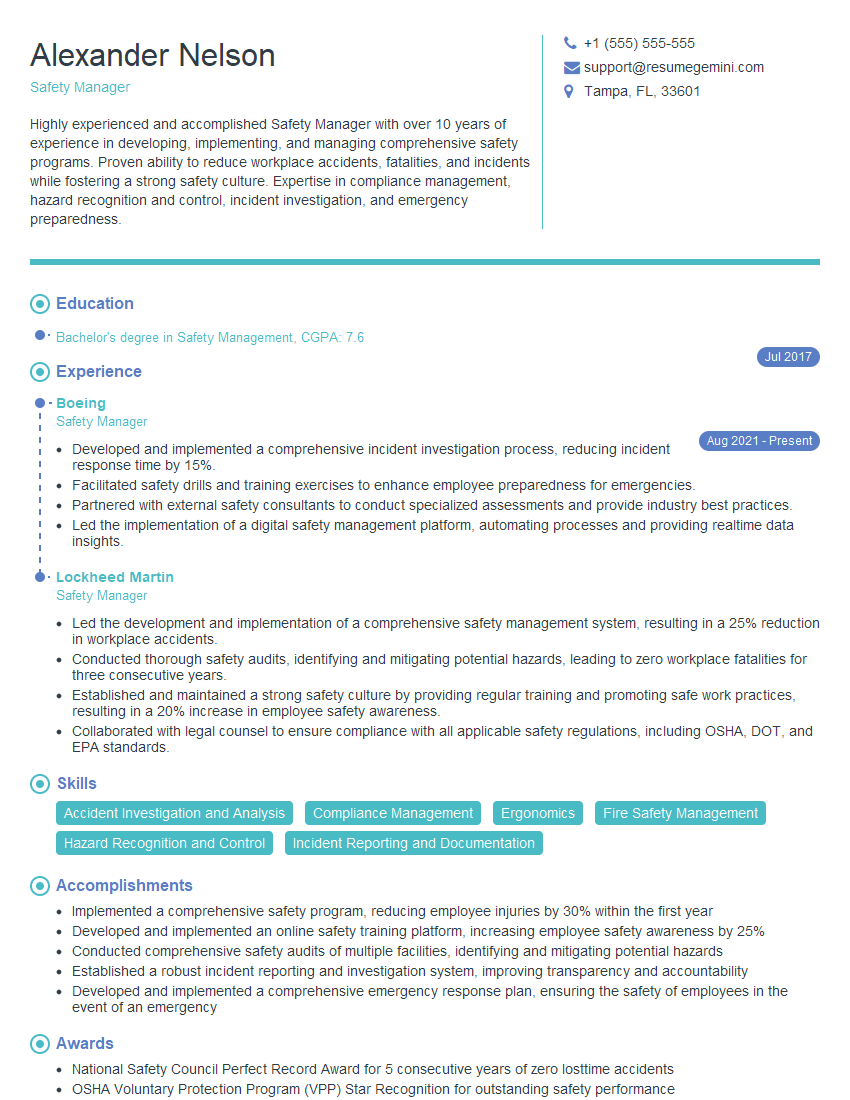
Safety Manager Resume Sample
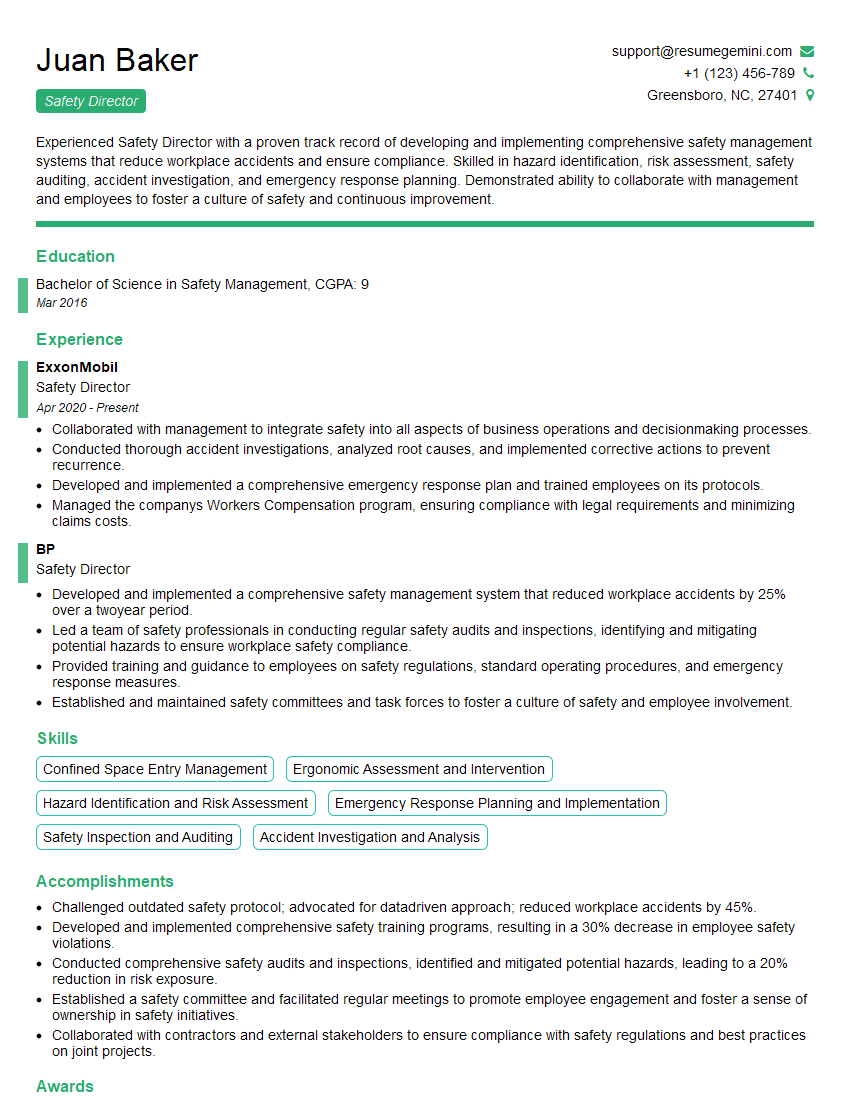
Safety Director Resume Sample
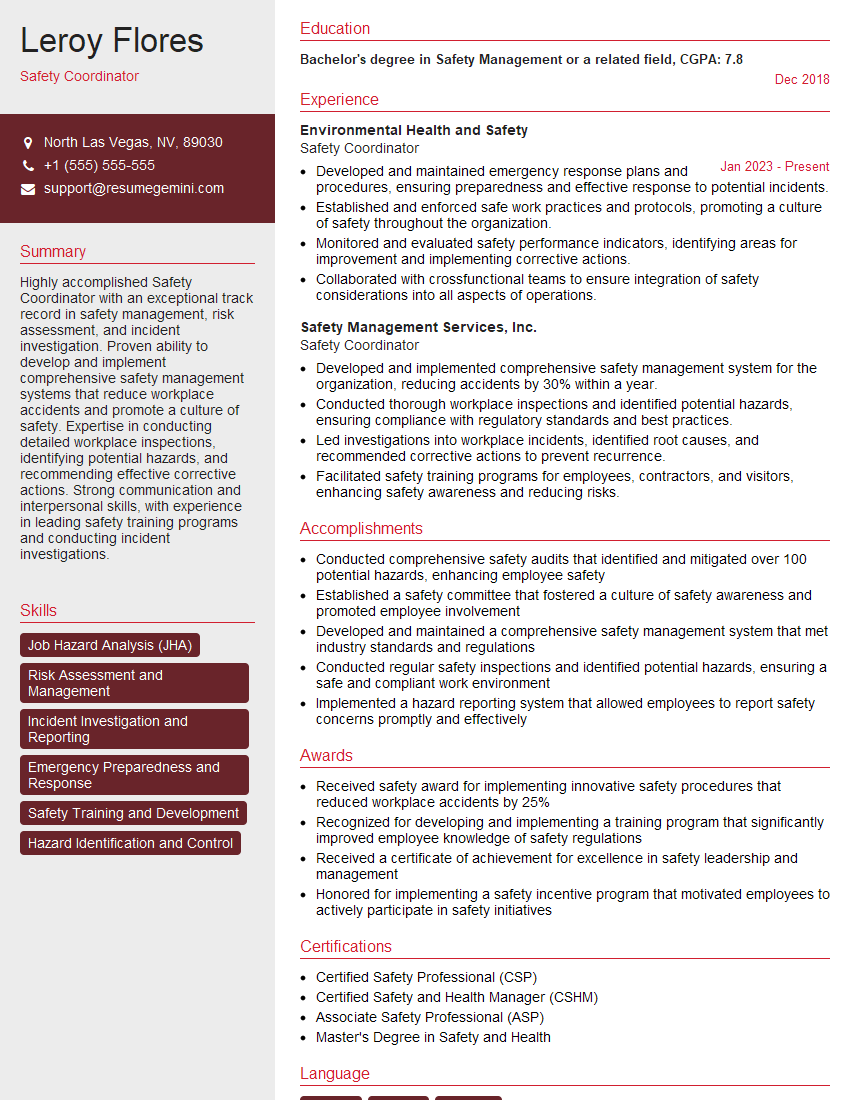
Safety Coordinator Resume Sample

Compliance Officer Resume Sample
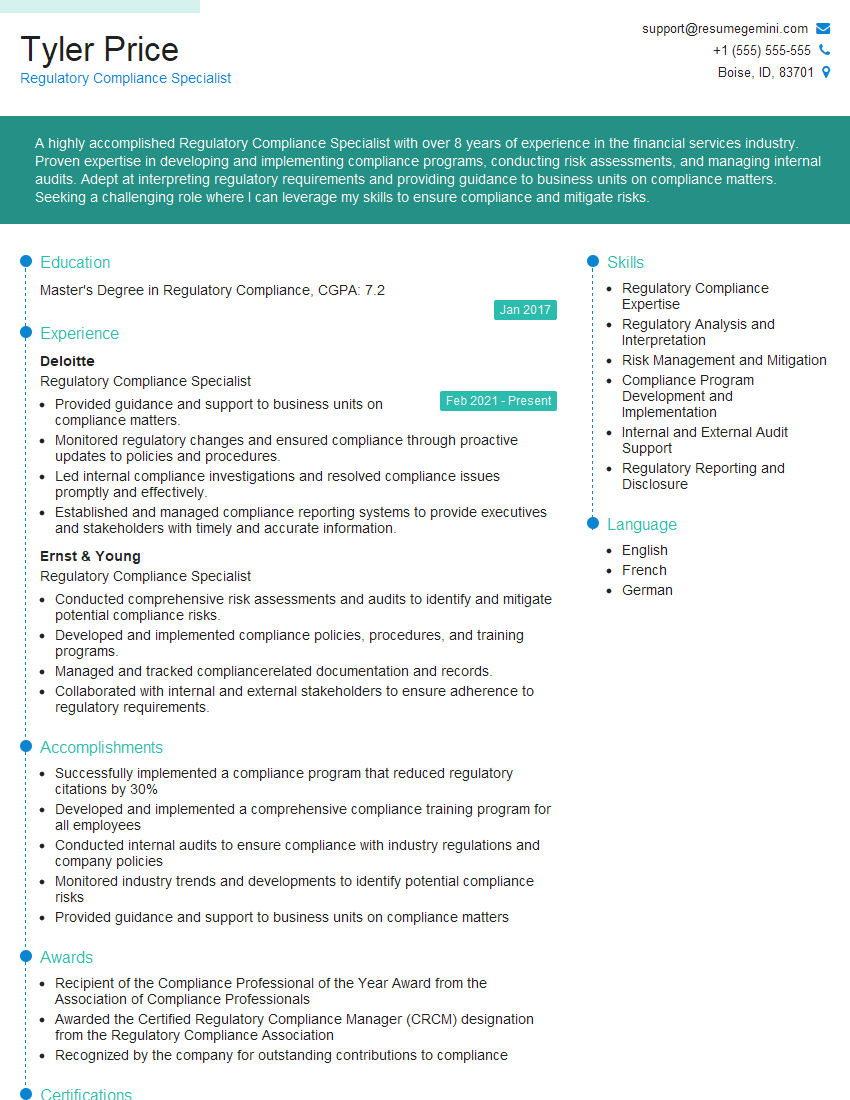
Regulatory Compliance Specialist Resume Sample
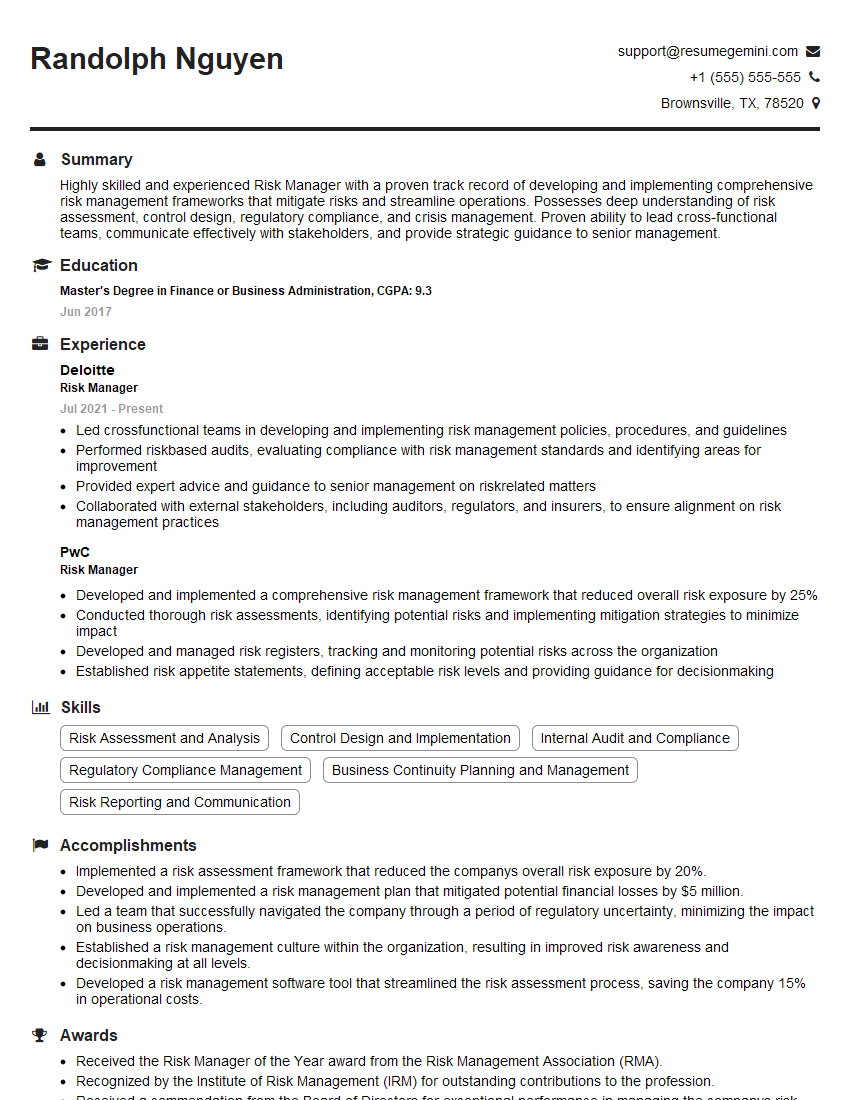
Risk Manager Resume Sample
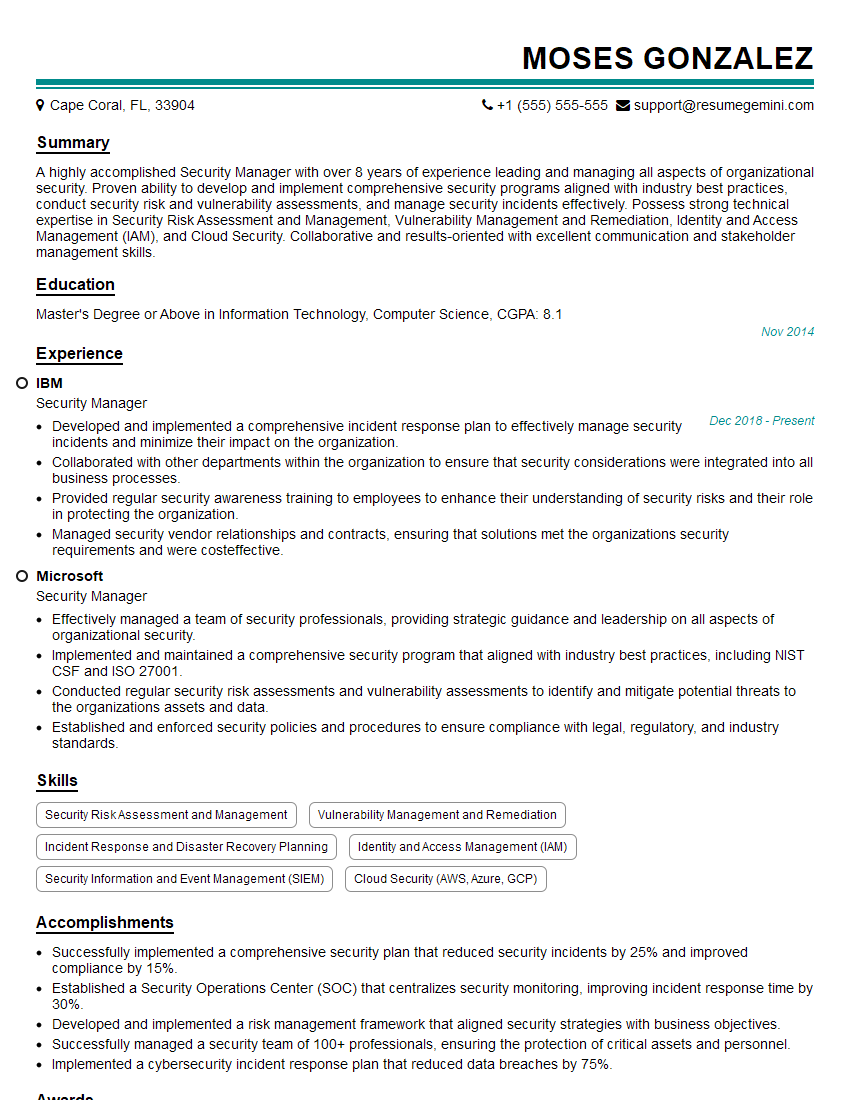
Security Manager Resume Sample
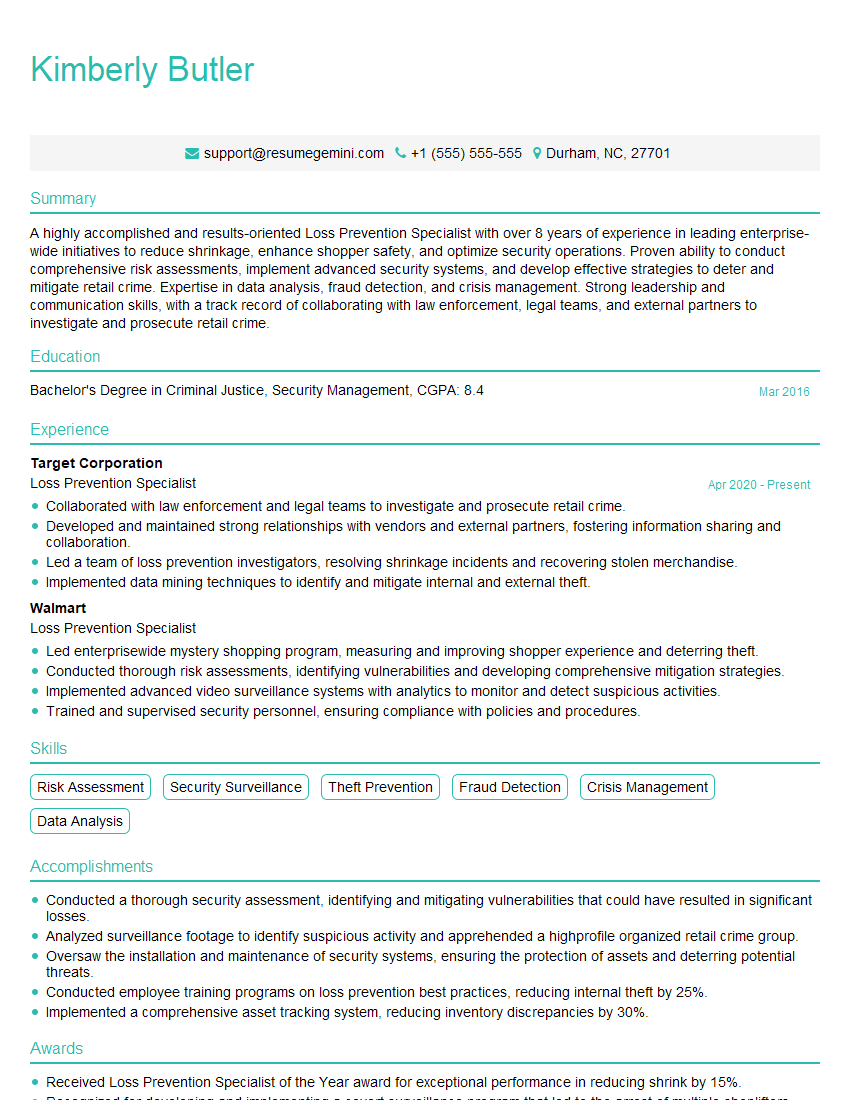
Loss Prevention Specialist Resume Sample
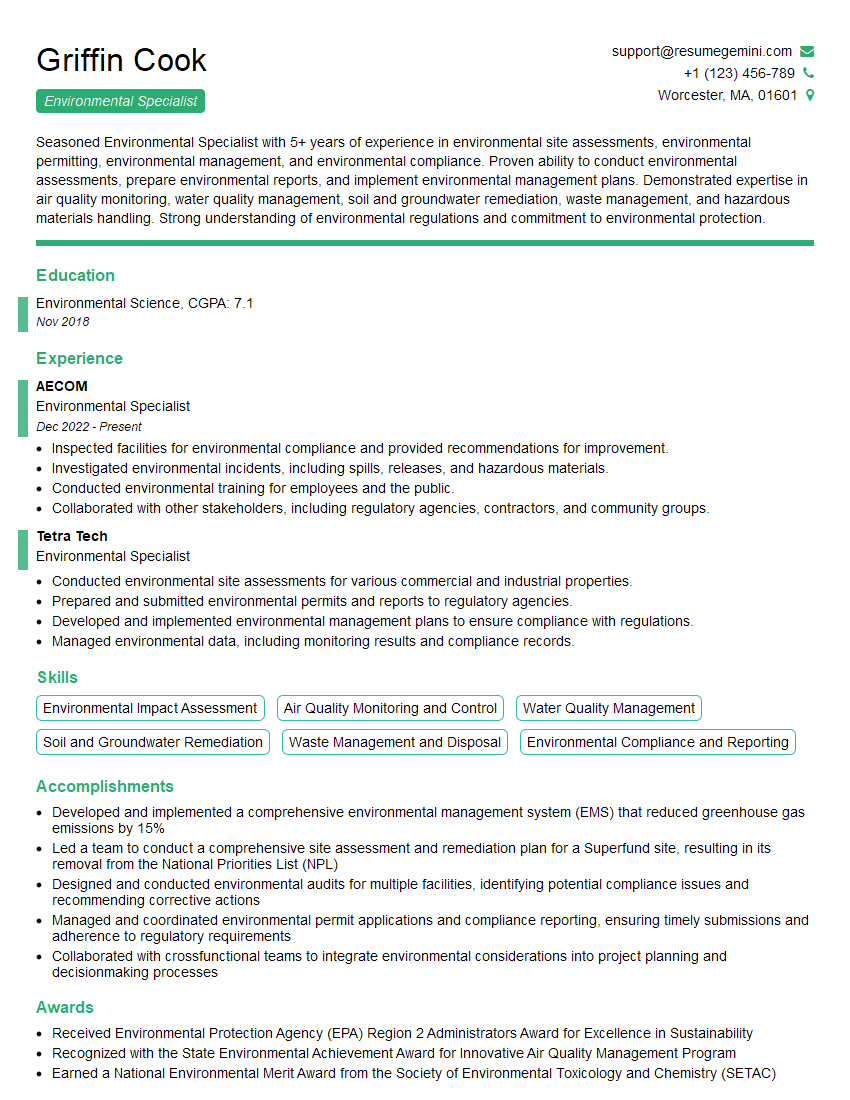
Environmental Specialist Resume Sample
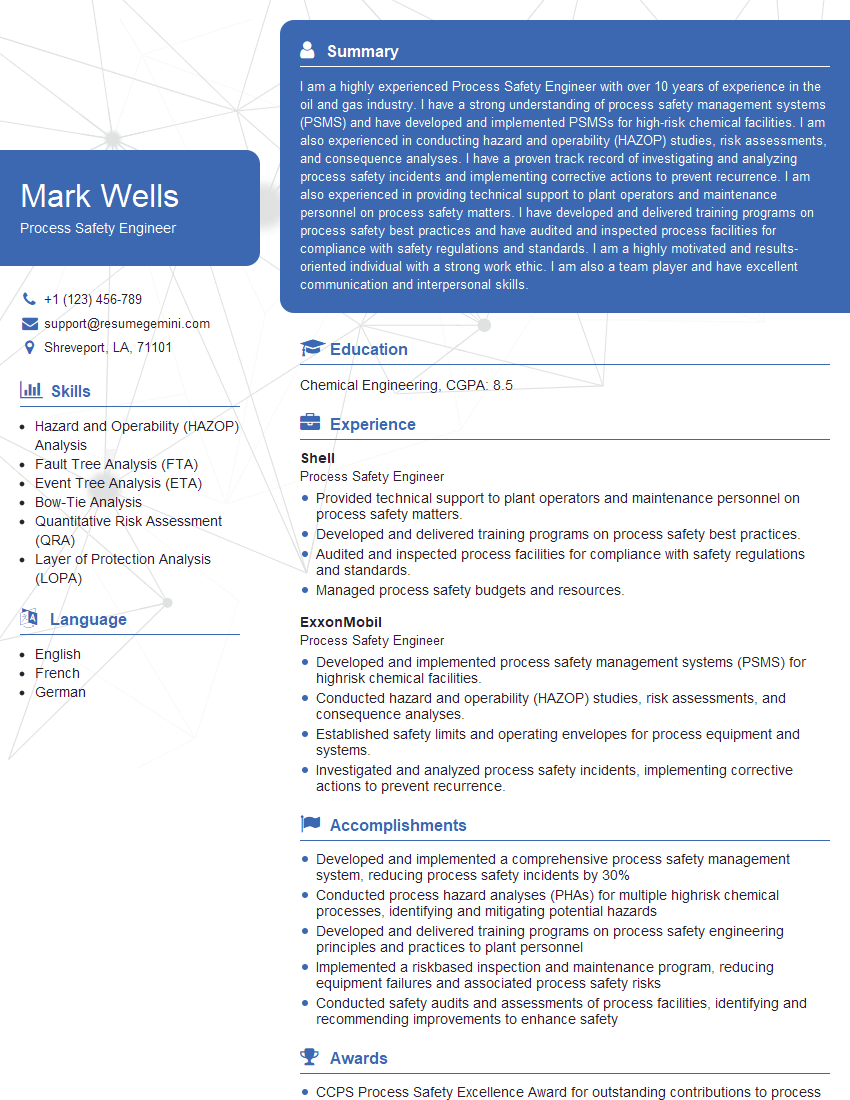
Process Safety Engineer Resume Sample
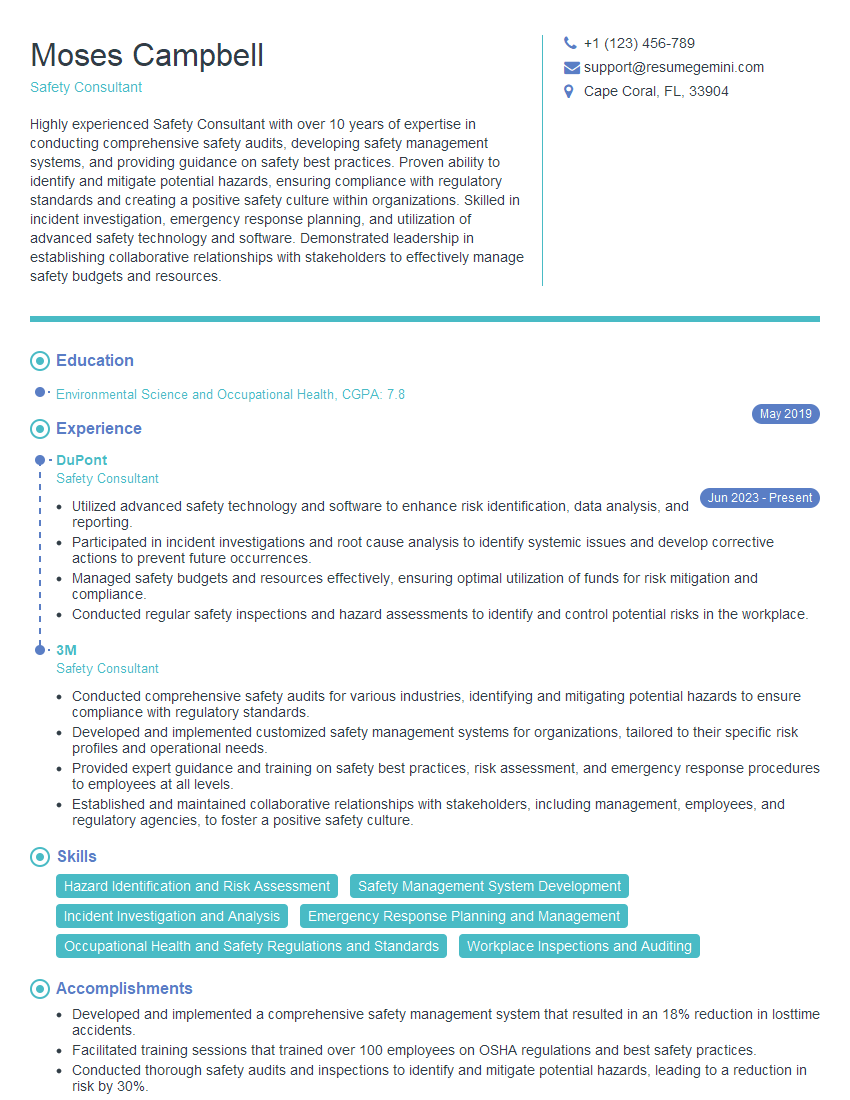
Safety Consultant Resume Sample
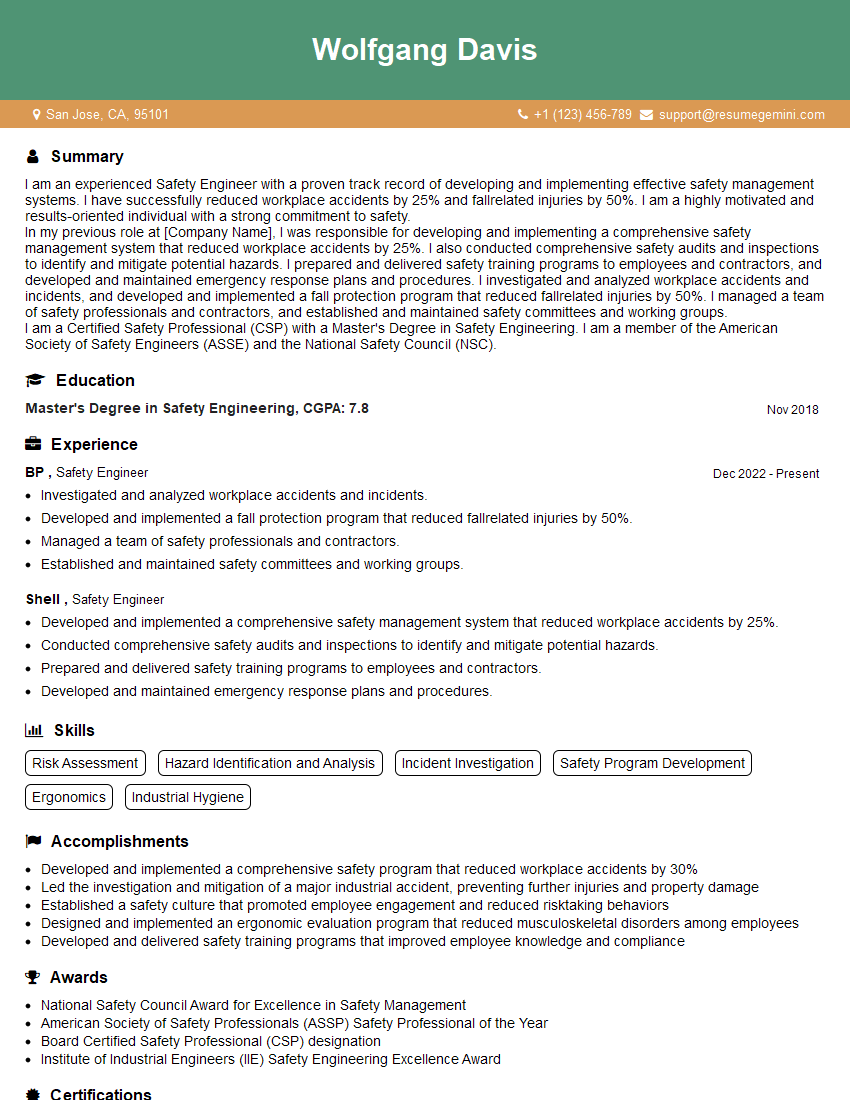
Safety Engineer Resume Sample
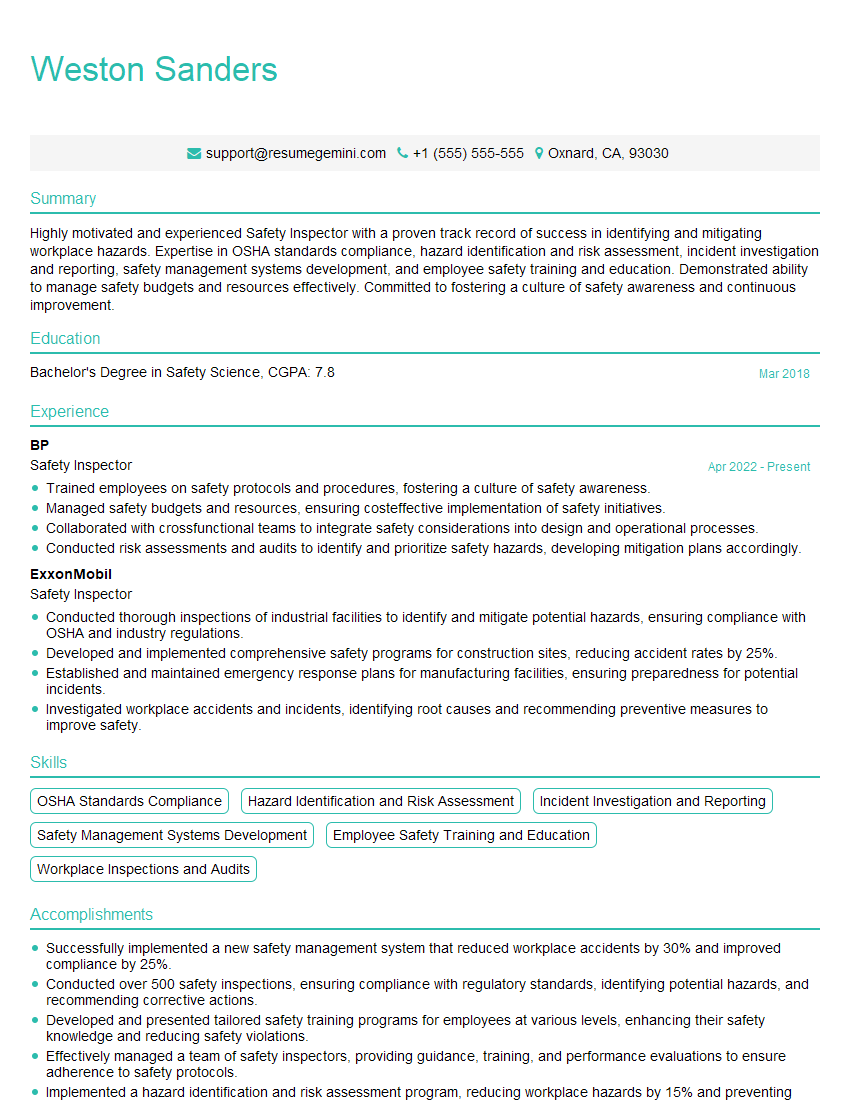
Safety Inspector Resume Sample
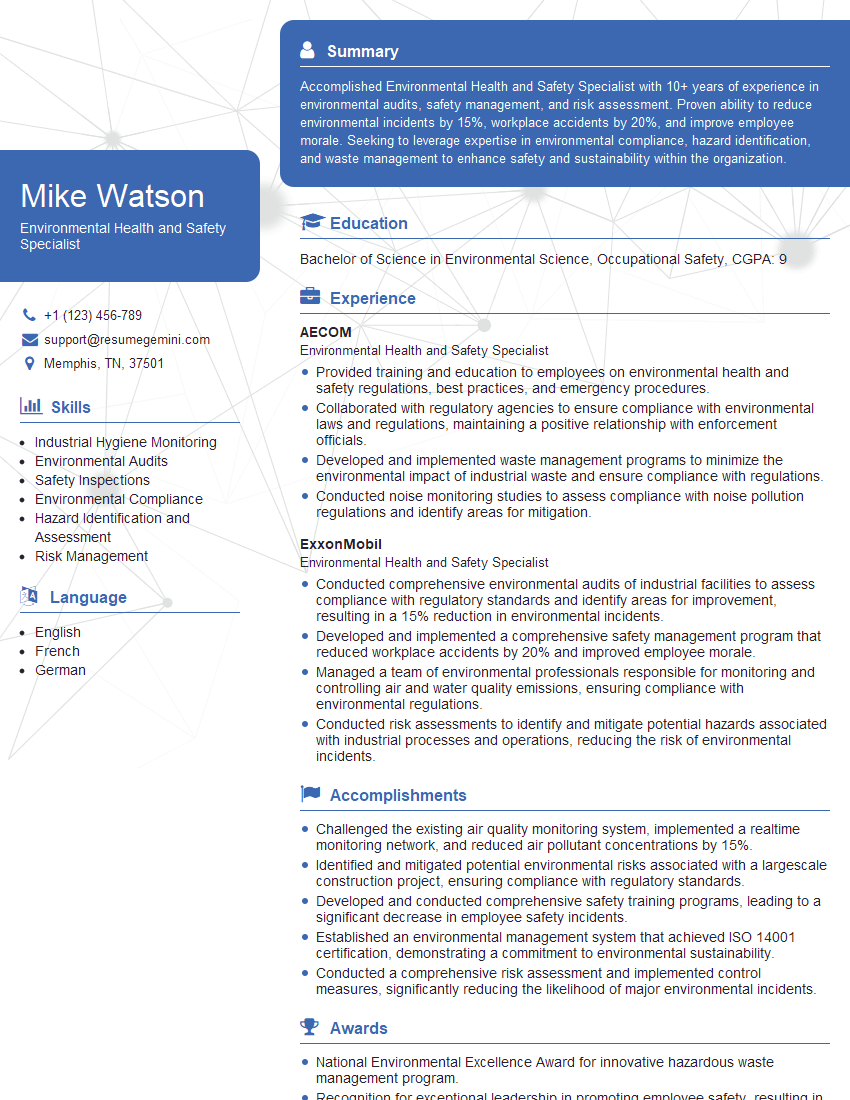
Environmental Health and Safety Specialist Resume Sample
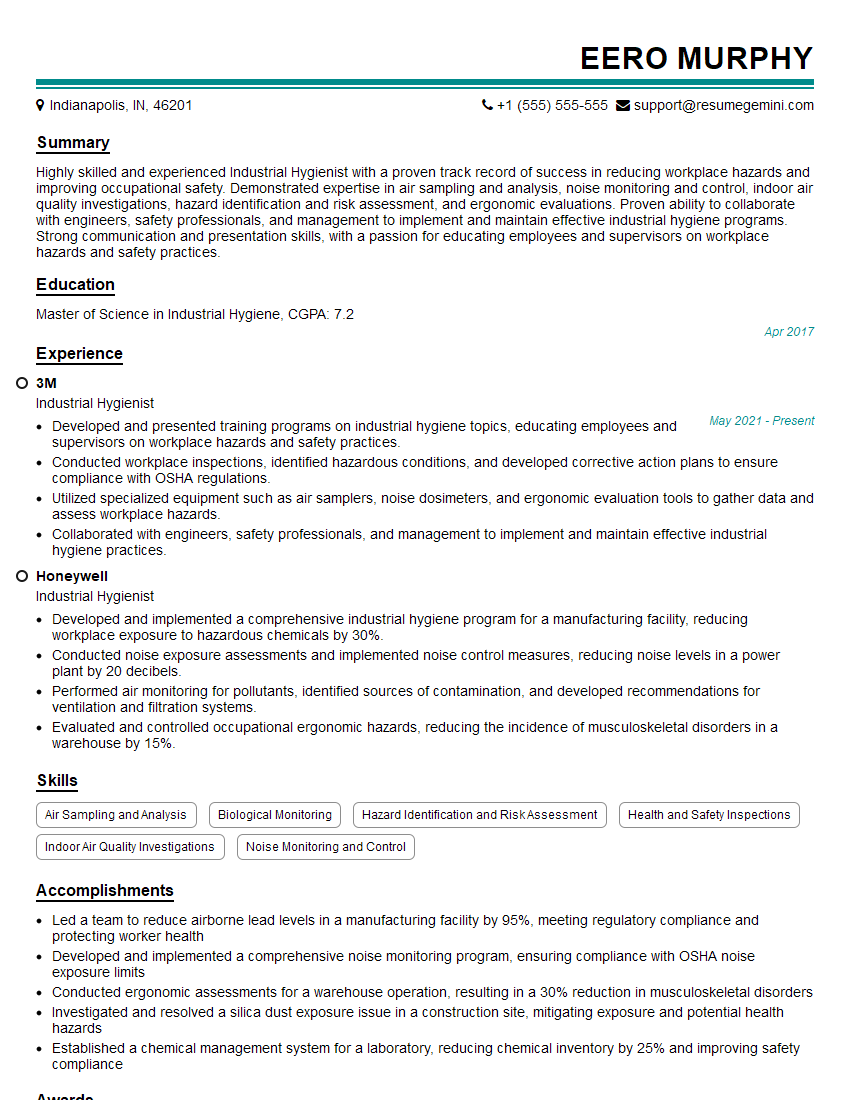
Industrial Hygienist Resume Sample
- Safety Manager
- Safety Director
- Safety Coordinator
- Compliance Officer
- Regulatory Compliance Specialist
- Risk Manager
- Security Manager
- Loss Prevention Specialist
- Environmental Specialist
- Process Safety Engineer
- Safety Consultant
- Safety Engineer
- Safety Inspector
- Environmental Health and Safety Specialist
- Industrial Hygienist
Explore more articles
Users Rating of Our Blogs
Share Your Experience
We value your feedback! Please rate our content and share your thoughts (optional).
What Readers Say About Our Blog
I Redesigned Spongebob Squarepants and his main characters of my artwork.
https://www.deviantart.com/reimaginesponge/art/Redesigned-Spongebob-characters-1223583608
IT gave me an insight and words to use and be able to think of examples
Hi, I’m Jay, we have a few potential clients that are interested in your services, thought you might be a good fit. I’d love to talk about the details, when do you have time to talk?
Best,
Jay
Founder | CEO