Unlock your full potential by mastering the most common Familiar with shipboard safety procedures interview questions. This blog offers a deep dive into the critical topics, ensuring you’re not only prepared to answer but to excel. With these insights, you’ll approach your interview with clarity and confidence.
Questions Asked in Familiar with shipboard safety procedures Interview
Q 1. Describe the SOLAS Convention and its relevance to shipboard safety.
The International Convention for the Safety of Life at Sea (SOLAS) is a comprehensive international maritime treaty that sets minimum standards for the construction, equipment, and operation of merchant ships. Think of it as the global safety rulebook for ships. Its relevance to shipboard safety is paramount, as it dictates numerous crucial aspects, from life-saving appliances and fire protection to safety management systems and emergency preparedness. Non-compliance can lead to serious consequences, including detention of the vessel and hefty fines.
- Hull integrity: SOLAS mandates structural requirements to ensure a ship can withstand expected stresses at sea.
- Fire safety: It details fire detection and suppression systems, crew training, and fire drills.
- Life-saving appliances: SOLAS specifies the number and type of lifeboats, life rafts, and other survival equipment needed based on passenger and crew capacity.
- Safety management systems: It emphasizes the need for a structured Safety Management System (SMS) aboard all ships.
- Radio communication: SOLAS requires ships to maintain effective communication systems for distress calls and other safety purposes.
In essence, SOLAS provides a framework that minimizes risks and enhances safety across the global shipping industry. A ship’s adherence to SOLAS regulations is a crucial factor in ensuring the well-being of its crew and passengers and the protection of the marine environment.
Q 2. Explain the importance of a Safety Management System (SMS).
A Safety Management System (SMS) is a structured approach to managing safety risks on board a ship. It’s not just a checklist; it’s a continuous improvement process. Imagine it as a proactive health check for your vessel, constantly identifying potential hazards and developing mitigation strategies. Its importance lies in its ability to prevent accidents, protect personnel, and minimize environmental damage. A well-implemented SMS ensures that safety is not an afterthought, but an integral part of daily operations.
- Hazard Identification and Risk Assessment: Regularly identifying potential dangers (e.g., slippery decks, malfunctioning equipment) and assessing their likelihood and severity.
- Preventive Measures: Implementing controls to eliminate or reduce identified risks (e.g., regular maintenance, improved training).
- Emergency Preparedness: Developing detailed emergency response plans and ensuring crew competence in executing them.
- Continuous Improvement: Regularly reviewing safety performance, investigating accidents and incidents, and implementing corrective actions.
- Documentation and Record Keeping: Maintaining comprehensive records of safety inspections, training, and incidents for auditing and continuous improvement purposes.
A strong SMS reduces the likelihood of accidents, protects the crew and environment, and demonstrates a commitment to safety to port state control inspectors and stakeholders. For example, a robust SMS would prevent a fire by scheduling regular inspections of electrical systems and ensuring proper storage of flammable materials. It would also ensure a swift and effective response should a fire occur.
Q 3. Outline the emergency procedures for a fire on board a vessel.
Fire on board a vessel is a serious emergency requiring immediate and coordinated action. The response depends on the fire’s location and size, but the fundamental principles remain the same.
- Raise the alarm: Immediately activate the ship’s fire alarm system and inform the bridge. This is paramount to ensure everyone is aware of the emergency.
- Contain the fire: If possible and safe to do so, attempt to contain the fire using available fire extinguishers or by closing doors and hatches to restrict oxygen supply. Think of this as creating a firebreak.
- Evacuate the affected area: Ensure all personnel in the affected area are safely evacuated to a designated assembly point.
- Fight the fire: Employ appropriate firefighting equipment and techniques as per the ship’s fire plan and crew training. This might involve using fire hoses, fire extinguishers, or specialized equipment.
- Report the fire: The bridge will coordinate the response and may need to contact shore-based authorities.
- Assist in rescue operations: If the fire becomes large, assist in the rescue of any personnel who might still be in danger.
Each ship has a detailed fire plan outlining specific procedures for different fire scenarios. Regular fire drills are essential to ensure the crew’s familiarity and proficiency with these procedures. Remember, the key is rapid response, clear communication, and adherence to the established procedures.
Q 4. Detail the actions to take during a man overboard situation.
A man overboard situation is a critical emergency demanding immediate and coordinated action. Seconds count in these scenarios.
- Shout “Man Overboard!”: Immediately alert the crew and bridge. This triggers the pre-planned emergency response procedures.
- Throw a lifebuoy: Immediately toss a lifebuoy with a light into the water close to the person.
- Activate the MOB (Man Overboard) button: This automatically activates the ship’s MOB system, which often includes a GPS marker and may automatically log the position of the incident.
- Inform the bridge: The bridge will immediately take action to execute the man overboard recovery procedure.
- Maintain visual contact: It is crucial to maintain a visual reference on the person in the water if possible, making noting of their last known position.
- Communicate with the person: If possible, communicate with the person to offer support and reassurance and gain information such as injuries.
- Commence recovery operations: The ship will maneuver to recover the person from the water using lifeboats or other appropriate means.
Effective training is crucial in minimizing response time and increasing the chance of a successful rescue. Regular drills and familiarization with the ship’s MOB equipment and procedures are vital for crew preparedness.
Q 5. Describe the procedures for handling hazardous materials on a ship.
Handling hazardous materials on board requires strict adherence to safety regulations and procedures to prevent accidents and environmental damage. Each hazardous material has specific handling requirements outlined in its Safety Data Sheet (SDS).
- Proper Storage: Hazardous materials must be stored in designated areas, away from ignition sources, and in accordance with SDS recommendations.
- Labeling and Identification: All containers must be clearly labeled with the material’s name, hazards, and handling instructions. Think of this as a critical warning system.
- Personal Protective Equipment (PPE): Appropriate PPE must be worn when handling hazardous materials, as per the SDS. This might include gloves, respirators, and eye protection.
- Spill Response Plan: A detailed plan should be in place for handling spills, including containment, cleanup, and disposal procedures.
- Training: Crew members handling hazardous materials must receive adequate training on safe handling practices, emergency response, and the use of appropriate PPE.
- Documentation: Records of receipt, storage, handling, and disposal of hazardous materials should be meticulously maintained.
Failure to comply with hazardous material handling procedures can lead to serious accidents, injuries, environmental pollution, and significant legal and financial repercussions. Regular inspections and audits are crucial to maintain compliance and ensure safe handling practices.
Q 6. Explain the use of Personal Protective Equipment (PPE) on board.
Personal Protective Equipment (PPE) is crucial for protecting seafarers from various hazards on board. Think of PPE as a safety net, providing a barrier against potential harm. The type of PPE required depends on the specific task and the hazards involved.
- Helmets: Protect against falling objects and head injuries.
- Safety footwear: Protects feet from punctures, slips, and crushing hazards.
- Gloves: Protect hands from cuts, burns, chemicals, and abrasions.
- Eye protection: Shields eyes from splashes, dust, and flying debris.
- Hearing protection: Reduces exposure to excessive noise levels.
- Respiratory protection: Protects lungs from hazardous fumes, dust, and gases.
- Life jackets and immersion suits: Provide buoyancy and thermal protection in the event of a man overboard situation.
The proper use and maintenance of PPE are essential for its effectiveness. Crew members must receive appropriate training on the correct selection, use, and care of PPE to ensure adequate protection.
Q 7. What are the different types of fire extinguishers and their applications?
Fire extinguishers are crucial for initial fire suppression. Different types of extinguishers are designed for different classes of fires. Choosing the wrong extinguisher can be ineffective or even dangerous.
- Water (Class A): Suitable for ordinary combustible materials like wood, paper, and cloth. Avoid using on electrical fires.
- Foam (Class A and B): Effective on ordinary combustible materials and flammable liquids. Also suitable for use in some cases on Class A fires.
- Carbon Dioxide (CO2) (Class B and C): Suitable for flammable liquids and electrical fires. Leaves no residue but can cause frostbite if not handled correctly.
- Dry Powder (Class A, B, and C): A versatile extinguisher effective on ordinary combustibles, flammable liquids, and electrical fires. Can leave a residue that requires cleanup.
Each extinguisher is labeled with its class rating and instructions for use. Remember, proper training is paramount to effectively use fire extinguishers and understanding which extinguisher to use for a particular fire. Always ensure that extinguishers are regularly inspected and maintained to ensure they are in working order.
Q 8. How do you conduct a risk assessment for a specific task on board?
Conducting a thorough risk assessment is paramount to ensuring a safe working environment on board. It’s not just about ticking boxes; it’s about proactively identifying hazards and mitigating potential risks before they cause incidents. Think of it like this: you wouldn’t embark on a long voyage without checking your charts and weather forecasts, right? A risk assessment is your navigational tool for safety.
The process typically involves these steps:
- Identify Hazards: What are the potential dangers associated with the task? This might include things like working at heights, using heavy machinery, exposure to hazardous materials, or confined space entry. For instance, painting the mast involves working at heights and risk of falling objects.
- Assess Risks: For each identified hazard, consider the likelihood of it occurring and the severity of the consequences. Use a simple matrix – high likelihood & high severity = high risk, and so on.
- Evaluate Controls: What measures can be implemented to reduce or eliminate the identified risks? This could include using appropriate personal protective equipment (PPE), implementing safe work procedures, providing training, or using engineering controls like guardrails.
- Record Findings: Document the entire process, including hazards identified, risk levels, controls implemented, and responsible personnel. This record serves as a vital reference and demonstrates due diligence.
- Review and Update: Risk assessments are not static. They should be reviewed regularly, and especially after any incidents or changes in procedures or equipment.
For example, if we’re assessing the risk of a deckhand cleaning the bilges, we’d identify hazards like confined space entry, exposure to hazardous fumes, and the risk of slips and falls. We’d then implement controls such as providing breathing apparatus, ensuring proper ventilation, and using non-slip footwear. The assessment would be documented, reviewed and updated as needed.
Q 9. Describe the process for conducting a safety drill.
Safety drills are crucial for ensuring crew preparedness in emergencies. They’re not just a formality; they’re a practical way to rehearse procedures and identify areas for improvement. Imagine it like a fire drill in a building; you wouldn’t want to discover flaws in your evacuation plan during an actual fire.
The process generally includes:
- Planning: Decide on the type of drill (fire, abandon ship, man overboard, etc.), the objectives, the scenario, and the participants involved. A detailed plan, approved by the Master, is essential.
- Notification: Inform the crew of the drill time and purpose, preferably with sufficient notice. This avoids any confusion and panic.
- Execution: Conduct the drill according to the established plan. Observe the crew’s performance, timing and adherence to procedures. This stage is about practical application of training.
- Debriefing: This critical step involves analyzing the drill performance. What went well? What could be improved? This feedback loop enhances future preparedness. It’s an opportunity to identify weaknesses and strengthen responses for real-world scenarios.
- Documentation: Record the drill’s date, time, type, participants, observations, and any corrective actions taken. This is a vital record for auditing and safety improvement.
For example, during an abandon ship drill, we’d assess the crew’s speed and efficiency in donning life jackets, getting to the muster stations, launching the lifeboats, and ensuring everyone is accounted for. The debrief would highlight any delays, confusion, or equipment malfunctions, leading to targeted improvements in future drills.
Q 10. Explain the importance of maintaining accurate logbooks and records.
Accurate logbooks and records are the backbone of any ship’s safety management system. They’re like a ship’s ‘black box’, providing a detailed history of operations and events that are essential for investigations, audits, and continuous improvement.
Their importance lies in:
- Evidence of Compliance: They demonstrate adherence to safety regulations, maintenance schedules, and emergency response protocols.
- Incident Investigation: In case of an accident or near miss, logbooks provide valuable information to determine the root cause and implement corrective actions. Think of it as reconstructing the event.
- Auditing and Inspections: Inspectors and auditors rely on logbooks to assess the ship’s safety performance and compliance with international regulations.
- Maintenance Tracking: They record equipment inspections, repairs, and maintenance activities, ensuring that systems remain operational and reliable.
- Crew Training: Records of training exercises and safety briefings contribute to continuous improvement in the overall safety culture.
For instance, an accurately maintained engine room logbook shows the operating parameters of the main engine, any maintenance performed, and any incidents or irregularities encountered. This data is crucial for preventative maintenance, troubleshooting, and incident investigation.
Q 11. What is your experience with emergency response plans?
My experience with emergency response plans encompasses developing, implementing, and testing plans for various scenarios. It’s not just about having a document; it’s about ensuring that everyone understands and is trained on its contents. It’s about preparedness.
I’ve been involved in:
- Developing plans: Contributing to the creation of comprehensive plans addressing fire, flooding, collisions, medical emergencies, and man overboard situations.
- Conducting drills: Participating in and leading drills to test the effectiveness of plans and identify areas for improvement. Learning from mistakes in a safe environment is vital.
- Training crew: Educating crew members on emergency procedures, emphasizing individual roles and responsibilities.
- Updating plans: Regularly reviewing and updating plans based on lessons learned from drills, incidents, and changes in regulations.
- Implementing plans: In actual emergency situations, efficiently directing resources and personnel according to established procedures to mitigate risk and ensure crew safety. Effective action under pressure is key.
I’ve found that a well-structured, clearly communicated plan, coupled with regular, realistic drills, leads to a much safer environment and a more confident crew.
Q 12. How do you ensure compliance with international maritime regulations?
Compliance with international maritime regulations is not optional; it’s fundamental to safe and efficient shipping. Non-compliance can lead to serious consequences, including fines, detention, and even legal action. It’s about operating legally and ethically.
My approach to ensuring compliance involves:
- Staying Updated: Keeping abreast of changes in regulations and guidelines issued by organizations like the IMO (International Maritime Organization).
- Document Management: Maintaining accurate and up-to-date documentation, including certificates, permits, and operational records.
- Regular Audits: Conducting regular internal audits to identify potential non-compliance areas and implement corrective actions.
- Training: Ensuring that all crew members receive appropriate training on relevant regulations and procedures.
- Proactive Monitoring: Monitoring vessel operations to ensure ongoing compliance with regulations. This is a constant process.
For instance, maintaining a valid International Safety Management (ISM) Code certificate demonstrates commitment to a robust safety management system, addressing areas such as risk assessment, emergency preparedness, and crew training. I ensure that all relevant certificates are current and accessible for inspections.
Q 13. Describe your experience with shipboard safety inspections.
Shipboard safety inspections are crucial for identifying potential hazards and ensuring that safety standards are maintained. It’s not about finding fault, but about preventing accidents. Think of it as a preventative maintenance check-up for the ship’s safety systems.
My experience involves:
- Planned Inspections: Conducting regular inspections of equipment, safety systems, and working areas according to a predetermined schedule.
- Targeted Inspections: Carrying out focused inspections after incidents or near misses to identify root causes and implement corrective measures.
- Unexpected Inspections: Conducting surprise inspections to assess crew preparedness and identify unforeseen hazards. This element of surprise is important to ensure consistent safety practices.
- Documentation: Meticulously documenting inspection findings, including identified hazards, corrective actions, and responsible personnel.
- Follow Up: Ensuring that corrective actions are implemented and that follow-up inspections are conducted to verify effectiveness. This shows accountability and continuous improvement.
During a typical inspection, I’d check things like lifeboat and fire-fighting equipment, emergency lighting, escape routes, and the general housekeeping of the vessel. The goal is to identify and address anything that could compromise safety.
Q 14. Explain the role of the safety committee on a vessel.
The safety committee plays a vital role in fostering a proactive safety culture on board. It’s a forum for communication, problem-solving, and continuous improvement. It’s a team working towards a common goal – a safe working environment.
The committee typically:
- Identifies Hazards: Encourages crew members to report potential hazards and near misses.
- Investigates Incidents: Conducts thorough investigations into accidents and near misses to determine root causes and recommend corrective actions.
- Reviews Safety Procedures: Regularly reviews existing safety procedures and recommends improvements based on experience and best practices.
- Promotes Training: Advocates for and supports ongoing safety training for all crew members.
- Communicates Safety Information: Disseminates important safety information and updates to the entire crew.
Effective safety committees involve active participation from all crew members, creating a culture of open communication and shared responsibility for safety. The committee’s effectiveness hinges on open dialogue, mutual respect, and a shared commitment to a safe working environment.
Q 15. What are the common causes of accidents on board ships?
Accidents at sea stem from a multitude of factors, often intertwined. Human error is a significant contributor, encompassing fatigue, inadequate training, complacency, and poor communication. Mechanical failures, due to lack of maintenance or unforeseen circumstances, also play a considerable role. Environmental hazards like severe weather, sudden storms, or icebergs pose significant risks. Finally, cargo handling mishaps, including improper securing or weight distribution, can lead to accidents.
- Example: A collision caused by a fatigued helmsman failing to react promptly to a navigational warning.
- Example: A crane collapse due to inadequate maintenance, leading to injuries and cargo damage.
- Example: A grounding resulting from navigating in poor visibility during a storm.
Understanding these root causes is crucial for effective accident prevention strategies, focusing on human factors training, robust maintenance schedules, and stringent operational procedures.
Career Expert Tips:
- Ace those interviews! Prepare effectively by reviewing the Top 50 Most Common Interview Questions on ResumeGemini.
- Navigate your job search with confidence! Explore a wide range of Career Tips on ResumeGemini. Learn about common challenges and recommendations to overcome them.
- Craft the perfect resume! Master the Art of Resume Writing with ResumeGemini’s guide. Showcase your unique qualifications and achievements effectively.
- Don’t miss out on holiday savings! Build your dream resume with ResumeGemini’s ATS optimized templates.
Q 16. How do you identify and mitigate safety hazards?
Identifying safety hazards involves proactive observation and risk assessment. Regular safety inspections, walkthroughs, and toolbox talks are vital. These methods help identify potential risks such as faulty equipment, unsafe working practices, or environmental threats. Once identified, mitigation strategies are employed. This may include engineering controls (e.g., installing safety guards on machinery), administrative controls (e.g., implementing stricter procedures), or personal protective equipment (PPE).
For instance, if a poorly lit area is identified as a trip hazard, the mitigation strategy would involve improved lighting, perhaps coupled with additional signage or safety barriers.
A thorough risk assessment—weighing the likelihood and severity of potential accidents— helps prioritize mitigation efforts. This might involve a simple checklist or a more detailed quantitative analysis using various risk matrices.
Q 17. Describe your experience with stability and cargo securing procedures.
My experience encompasses the full spectrum of stability and cargo securing procedures. This involves understanding the ship’s stability characteristics, using relevant software to calculate load distribution, and ensuring that all cargo is secured according to the ship’s stability book and international regulations such as the SOLAS Convention.
I’ve been involved in countless cargo operations, from container ships where securing methods are crucial, to bulk carriers where the flow of cargo needs constant monitoring. I understand the importance of regular inspections of lashings and securing devices, and the need for documentation of these inspections. Incorrect cargo securing can lead to catastrophic shifts, impacting ship stability and potentially resulting in capsizing. Maintaining a proper load distribution is essential for safe and efficient voyage.
For example, during a bulk carrier voyage, I’ve witnessed the implementation of various securing methods based on weather conditions and cargo type, using different lashing materials and techniques to ensure secure transport. Understanding the implications of shifting cargo and their effect on trim and stability is crucial to my role and decisions made.
Q 18. Explain the procedures for abandoning ship.
Abandoning ship is a serious procedure only to be implemented when there is an imminent and unavoidable threat to the ship and crew. It’s governed by stringent protocols outlined in the ship’s muster list and emergency procedures. The process involves a methodical, well-rehearsed sequence of actions:
- Alarm and Announcement: The general alarm is sounded, and crew members assemble at their assigned stations.
- Preparation: Life jackets are donned, and lifeboats are prepared for launching.
- Launching and Evacuation: Lifeboats are lowered in a controlled manner, following established procedures.
- Assembly and Distress Signals: Once clear of the vessel, lifeboats assemble, and distress signals are sent using EPIRB (Emergency Position-Indicating Radio Beacon) and other available means.
- Survival at Sea: Procedures for survival at sea, including rationing supplies and maintaining order, are enacted.
Regular drills are crucial to ensure the crew is proficient and confident in their actions during a real emergency. Understanding the location of emergency equipment, the launch procedures for the various lifeboats, and the subsequent communication protocols is paramount for successful evacuation and crew survival.
Q 19. What is your understanding of the International Maritime Organisation (IMO)?
The International Maritime Organisation (IMO) is a specialized agency of the United Nations responsible for improving maritime safety and security, preventing marine pollution, and facilitating international cooperation in shipping matters. They develop and implement international conventions, codes, and guidelines that affect all aspects of shipping, including safety standards, pollution prevention, and crew training.
The IMO’s influence is far-reaching. SOLAS (Safety of Life at Sea) is a prime example of an IMO convention, setting mandatory standards for ship construction, equipment, operations, and crew training. Compliance with IMO regulations is not merely a recommendation; it is a legal requirement for international trade. The IMO’s work significantly impacts maritime safety and environmental protection worldwide.
Q 20. How do you handle conflicts regarding safety procedures?
Conflicts regarding safety procedures are addressed through open communication and a hierarchical approach. Safety is paramount, and any disagreement must be resolved promptly and effectively. I would first attempt to understand the other party’s perspective, addressing their concerns with respect and professionalism. If a resolution isn’t reached, I will escalate the issue to a senior officer, ensuring that all parties involved understand the potential risks and consequences of non-compliance. Ultimately, safety regulations prevail, and decisions are made based on sound judgment and adherence to safety protocols. Documentation of the conflict, resolutions, and follow-up actions is crucial.
For instance, if disagreement arises over the use of specific PPE, I’d discuss the hazards, available options, and their effectiveness, referencing relevant safety regulations to reach a consensus that ensures everyone’s safety.
Q 21. Explain your experience with maintaining safety equipment.
Maintaining safety equipment is a continuous and vital process. My experience includes regular inspections, testing, and servicing of life-saving appliances (LSAs), fire-fighting equipment, and other safety-critical systems. This requires adherence to strict schedules and maintaining detailed records of all maintenance activities. Understanding the operational capabilities of each piece of equipment, its limitations, and how to perform basic checks and repairs is essential.
We maintain logs to record every inspection, test, and service event. Any deficiencies are reported immediately, and corrective actions are implemented without delay. This systematic approach ensures that all equipment is fully functional, reliable, and ready for use in case of an emergency.
For instance, life raft servicing requires rigorous checks of its inflation mechanism, buoyancy, and contents; fire extinguishers are pressure tested regularly and refilled as needed. This meticulous approach to maintenance translates to increased readiness and the ability to respond effectively during emergencies.
Q 22. Describe the different types of life-saving appliances and their usage.
Life-saving appliances are crucial for emergency situations at sea. They’re designed to help crew and passengers survive and escape danger. Different types cater to various scenarios.
- Lifeboats: These are self-righting boats designed to carry a significant number of people. They are equipped with essential survival equipment like radios, first aid kits, and water supplies. Regular drills ensure everyone knows how to launch and operate them.
- Life Rafts: Smaller than lifeboats, life rafts are inflatable and designed for rapid deployment. They’re particularly useful for smaller vessels or situations where launching a lifeboat is impractical. They also contain essential survival gear.
- Life Jackets (Personal Flotation Devices – PFDs): These are individual buoyancy aids, essential for everyone on board. They keep individuals afloat and are often equipped with lights for visibility at night.
- Life Buoys: These ring-shaped flotation devices are thrown to individuals in the water. They typically include a light and a self-activating smoke signal to improve rescue chances.
- Immersion Suits: These protective suits provide thermal protection in cold waters, significantly increasing survival time in hypothermic conditions.
Regular inspections and maintenance are vital to ensure all life-saving appliances are in top working order and ready for immediate use. This is often covered in the ship’s Safety Management System (SMS).
Q 23. How do you communicate safety information effectively to the crew?
Effective communication is paramount for ensuring crew safety. A multi-pronged approach is most effective:
- Toolbox Talks: Short, regular safety meetings focusing on specific hazards or procedures. These informal discussions allow for immediate feedback and clarification.
- Formal Training Sessions: Structured courses covering all aspects of safety, including emergency procedures and hazard identification. These often include practical drills.
- Safety Bulletins and Posters: Visual aids highlighting key safety messages in easily understandable formats. Placement in high-traffic areas is important.
- Crew Communication Systems: Utilizing the ship’s PA system, email, and intranet to disseminate important safety information. Ensuring multiple communication methods reach everyone is key.
- Regular Safety Meetings: Formal meetings to review safety performance, address concerns, and improve procedures. Open communication fosters a culture of safety.
- Language Barriers: Using multiple languages or visual aids if needed to ensure that all crew members understand the information, regardless of their native tongue. Using interpreters where appropriate is also beneficial.
Using a combination of methods caters to different learning styles and ensures the message is clearly understood and remembered.
Q 24. Describe your understanding of the STCW Convention.
The STCW Convention (Standards of Training, Certification and Watchkeeping for Seafarers) is an international treaty setting minimum standards for training, certification, and watchkeeping for seafarers worldwide. It aims to ensure competent and qualified personnel on ships to enhance safety and prevent marine accidents.
My understanding encompasses its various sections, including:
- Management (Chapter I): This outlines responsibilities of governments and shipping companies for ensuring compliance.
- Training and Certification (Chapters II-VI): These detail specific training requirements for various roles, like officers, ratings, and engineers. This covers topics like firefighting, first aid, personal survival techniques, and ship security.
- Watchkeeping (Chapter VII): This establishes the standards for safe and effective watchkeeping practices.
- Medical First Aid (Chapter VIII): This outlines the requirements for medical care on board.
Compliance with the STCW Convention is crucial for a ship’s operational safety and legal compliance. Regular updates to the convention ensure it keeps pace with evolving maritime technologies and challenges.
Q 25. Explain your experience with investigating accidents and incidents.
I have extensive experience in investigating shipboard accidents and incidents. My approach follows a structured methodology:
- Immediate Actions: Securing the scene, providing first aid, and reporting the incident to the relevant authorities.
- Data Collection: Gathering evidence like witness statements, photographs, video footage, maintenance records, and technical logs. This is meticulously documented.
- Analysis: Reviewing all collected data to identify the root cause of the accident. This often involves using tools like fault-tree analysis or fishbone diagrams.
- Reporting: Producing a comprehensive report outlining the findings, causes, and recommendations for preventing similar incidents. This usually includes proposed corrective actions.
- Implementation of Corrective Actions: Following through on recommended actions to address the identified deficiencies to prevent future reoccurrence.
For instance, during an investigation into a near-miss involving a crane, the thorough analysis of maintenance logs revealed insufficient lubrication causing a critical component to fail. This led to improved maintenance scheduling and retraining of crane operators.
Q 26. How do you ensure the crew is adequately trained on safety procedures?
Ensuring adequate crew training involves a multifaceted approach:
- STCW Compliant Training: All crew undergo training and certification as per the STCW Convention. This is verified through proper documentation.
- Ship-Specific Training: Training on the vessel’s specific systems, emergency procedures, and safety equipment. This is crucial for familiarisation.
- Regular Drills and Exercises: Conducting regular fire drills, abandon ship drills, and other emergency response exercises to ensure crew proficiency.
- Refresher Training: Providing periodic refresher training to reinforce knowledge and update personnel on any new regulations or procedures.
- Competency Assessments: Regularly evaluating the crew’s competency through practical assessments and simulations.
- Training Records Maintenance: Keeping detailed training records for each crew member to ensure compliance and track progress. This may be done digitally or using paper records.
This commitment to continuous training ensures that the crew is prepared to handle any safety situation effectively.
Q 27. What are your strategies for promoting a strong safety culture on board?
Promoting a strong safety culture requires a proactive and consistent approach:
- Leadership Commitment: Visible commitment from senior management to prioritize safety above all else. This sets the tone.
- Open Communication: Creating an environment where crew members feel comfortable reporting hazards and near misses without fear of reprisal. This fosters a culture of openness.
- Incentivizing Safe Behavior: Recognizing and rewarding safe behavior through awards and incentives.
- Proactive Hazard Identification: Encouraging crew participation in identifying potential hazards and developing solutions. This engages all members.
- Regular Safety Audits and Inspections: Conducting routine audits and inspections to identify deficiencies and potential issues early. This highlights areas that need attention.
- Continuous Improvement: Continuously reviewing safety procedures, identifying areas for improvement, and implementing necessary changes. This prevents complacency.
A strong safety culture is not just about following rules; it’s about a shared commitment to safety where everyone takes ownership and responsibility.
Q 28. Describe a time you had to make a critical decision related to shipboard safety.
During a heavy storm, we experienced a significant list. The immediate danger was potential capsizing. I had to make a rapid decision regarding cargo shifting and ballast adjustments.
After a quick assessment with the Chief Officer and consulting the stability data, I ordered immediate actions:
- Restricting movement on deck: To prevent further shifting of weight.
- Ballast adjustments: Directing the Chief Engineer to adjust ballast tanks to counter the list.
- Cargo shifting (if possible): Determining if shifting any cargo was feasible without worsening the situation. It was determined that this was too risky given the existing circumstances.
- Sea state monitoring: Continuous monitoring of the sea state and vessel’s response to the actions taken.
- Emergency protocols: Ensuring all crew were prepared to execute the abandon ship procedure if necessary. This was done while continuing other necessary tasks.
Through decisive action and teamwork, we managed to stabilize the vessel and avoid a potentially catastrophic event. The incident highlighted the critical need for swift decision-making, clear communication, and familiarity with the ship’s stability characteristics under extreme conditions.
Key Topics to Learn for Familiar with Shipboard Safety Procedures Interview
- Emergency Procedures: Understanding and application of emergency response plans (e.g., fire, man overboard, medical emergencies), including roles and responsibilities within the crew.
- Personal Protective Equipment (PPE): Knowledge of various PPE, when to use them, and proper usage and maintenance. Practical application includes explaining how different PPE protects against specific hazards.
- Safety Regulations and Compliance: Familiarity with international maritime safety regulations (SOLAS, STCW, etc.) and company-specific safety policies. This includes understanding the consequences of non-compliance.
- Risk Assessment and Mitigation: Understanding the process of identifying, assessing, and mitigating potential hazards onboard a vessel. Practical application includes describing scenarios and how you would approach risk reduction.
- Fire Prevention and Control: Knowledge of fire prevention measures, fire detection systems, and fire-fighting techniques. This includes understanding different classes of fire and appropriate extinguishing agents.
- Stability and Cargo Securing: Understanding the principles of vessel stability and the safe handling and securing of cargo to prevent accidents. This could include practical examples of securing different types of cargo.
- Communication Systems: Knowledge of various communication systems used onboard (e.g., VHF radio, GMDSS) and proper communication protocols during emergencies.
- Health and Hygiene: Understanding health and hygiene protocols to prevent the spread of illness and maintain a safe and healthy working environment.
- Safety Drills and Training: Understanding the importance of regular safety drills and training, and the ability to actively participate and demonstrate competence.
Next Steps
Mastering shipboard safety procedures is crucial for career advancement in the maritime industry, showcasing your commitment to safety and highlighting your value to potential employers. An ATS-friendly resume is essential for getting your application noticed. To create a compelling and effective resume that highlights your expertise, we recommend using ResumeGemini. ResumeGemini provides tools and resources to build a professional resume, and examples of resumes tailored to showcase experience with shipboard safety procedures are available to help you get started.
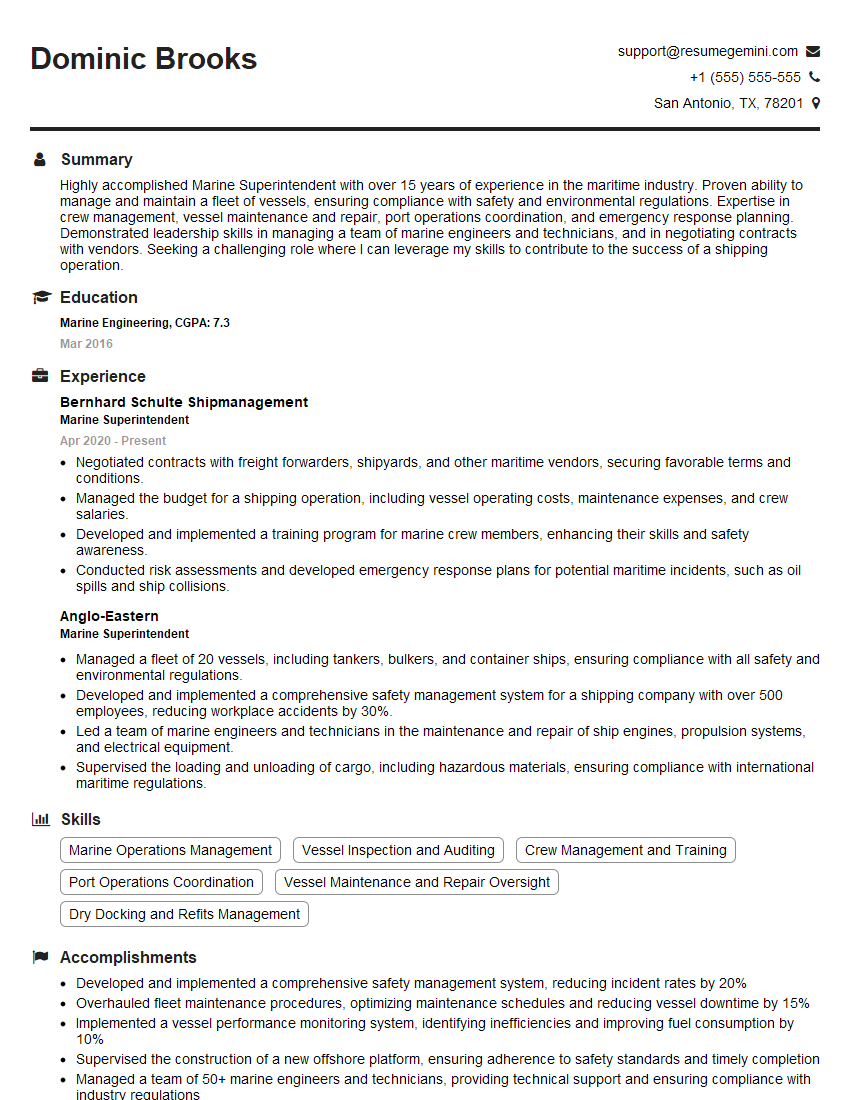
Marine Superintendent Resume Sample
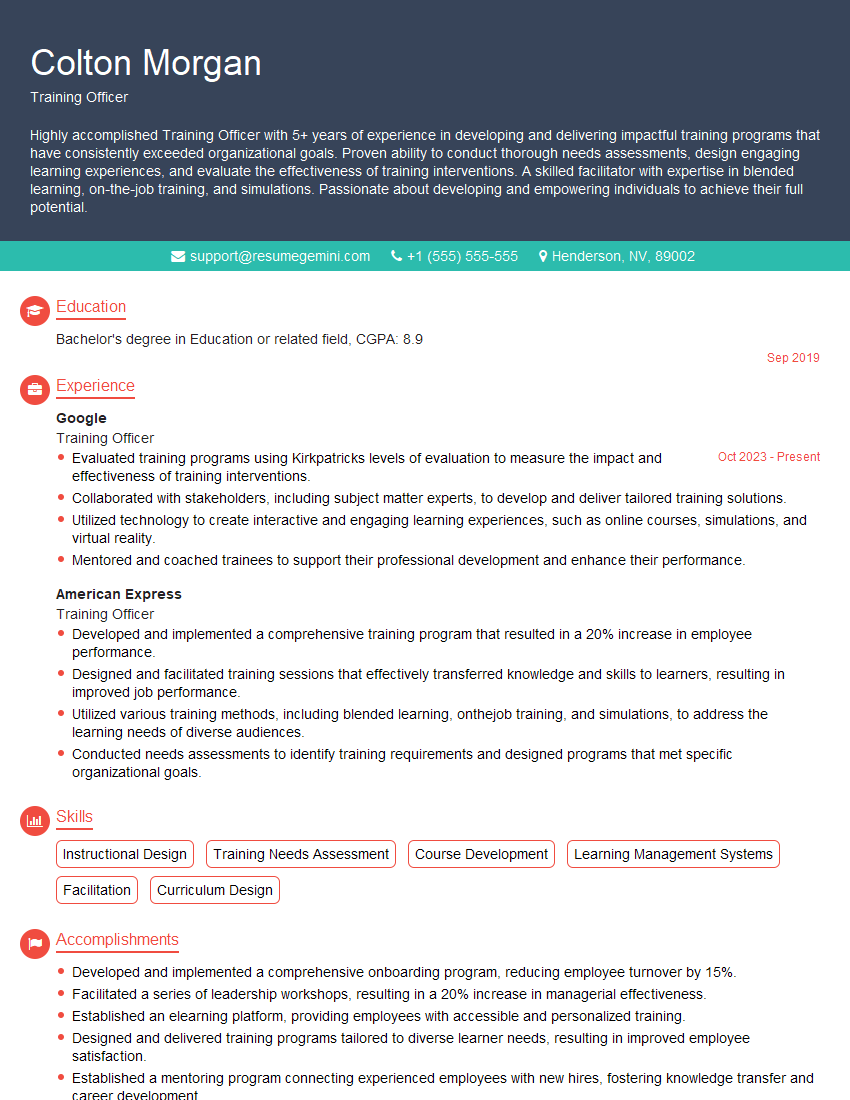
Training Officer Resume Sample
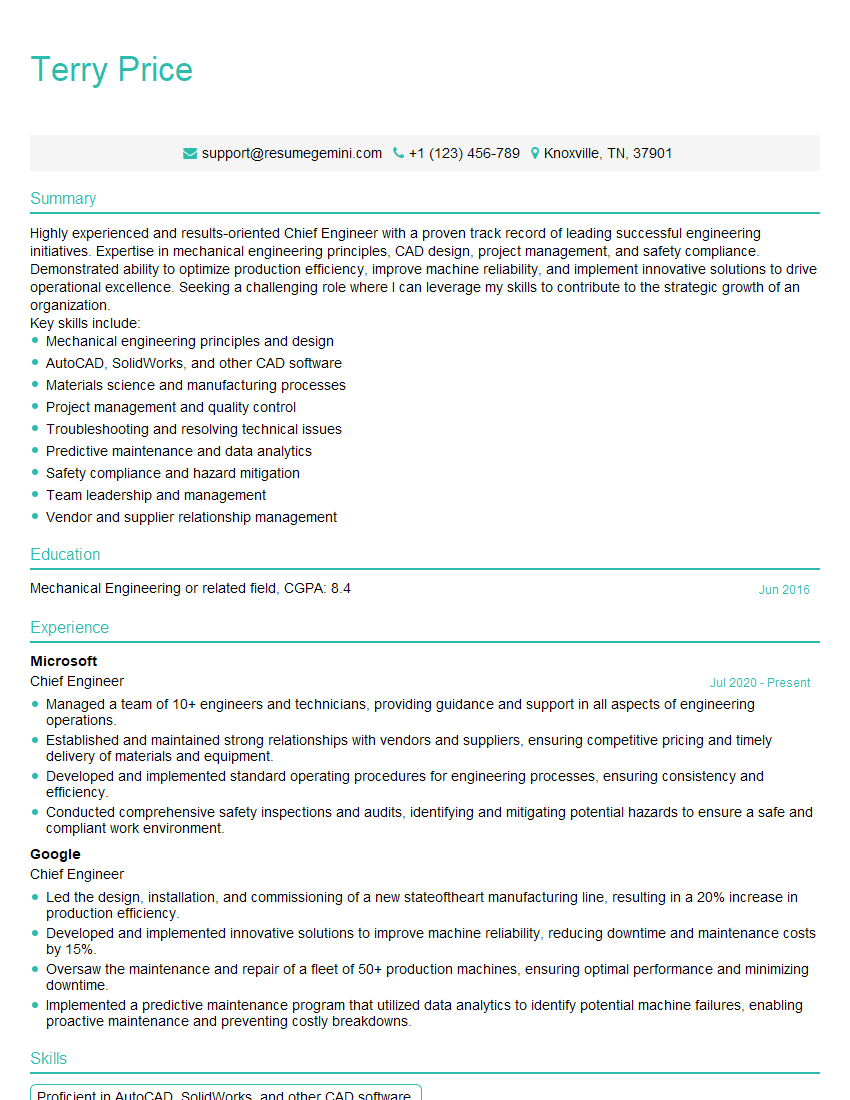
Chief Engineer Resume Sample
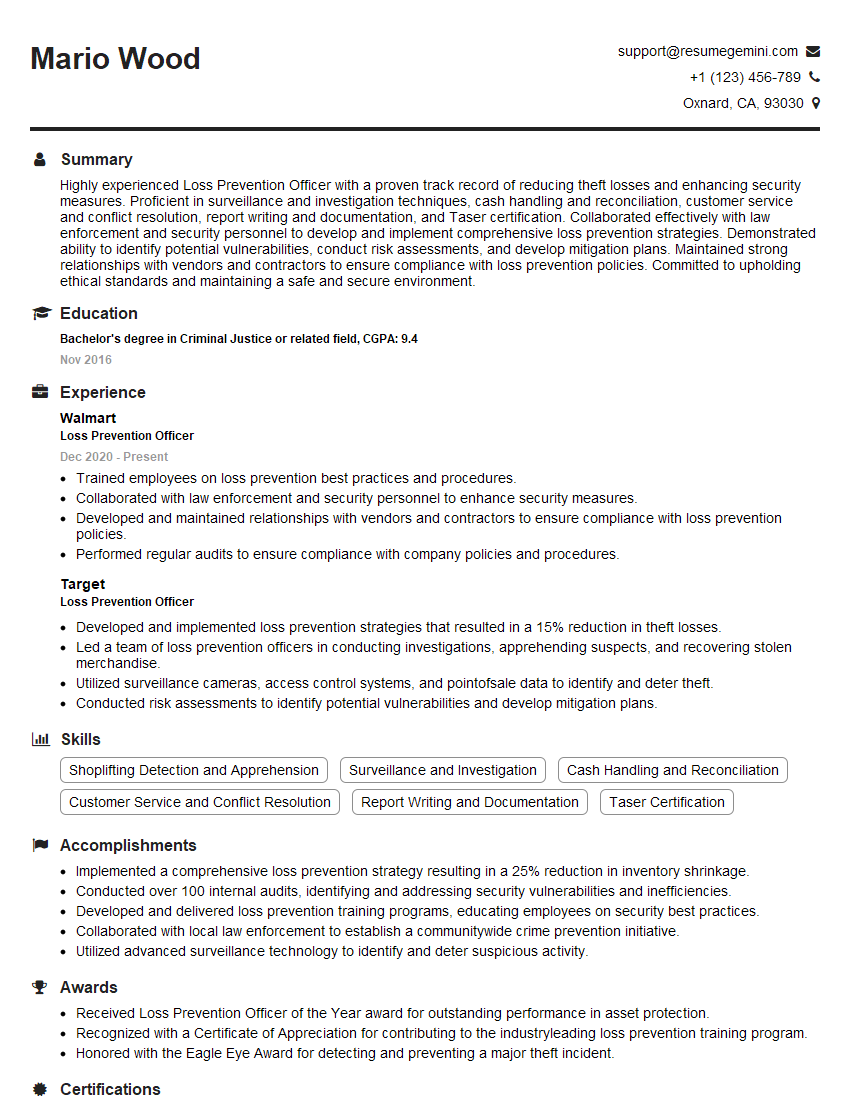
Loss Prevention Officer Resume Sample
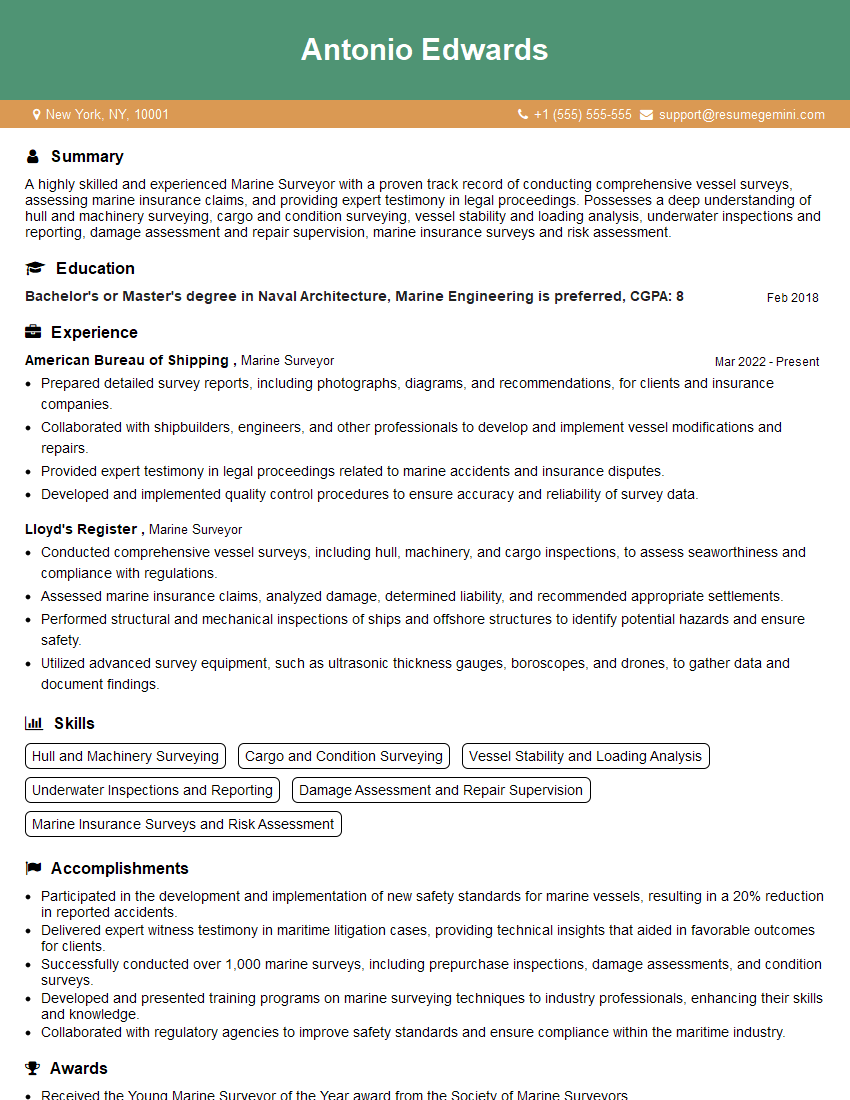
Marine Surveyor Resume Sample
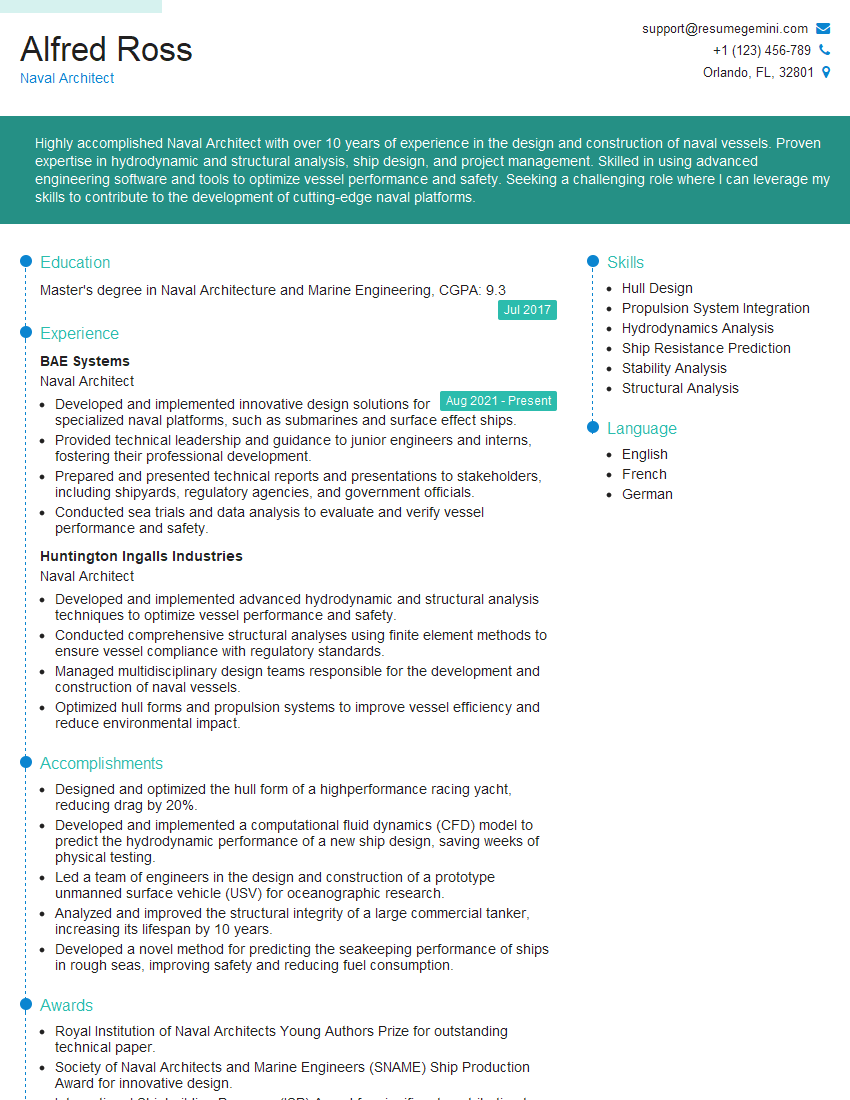
Naval Architect Resume Sample
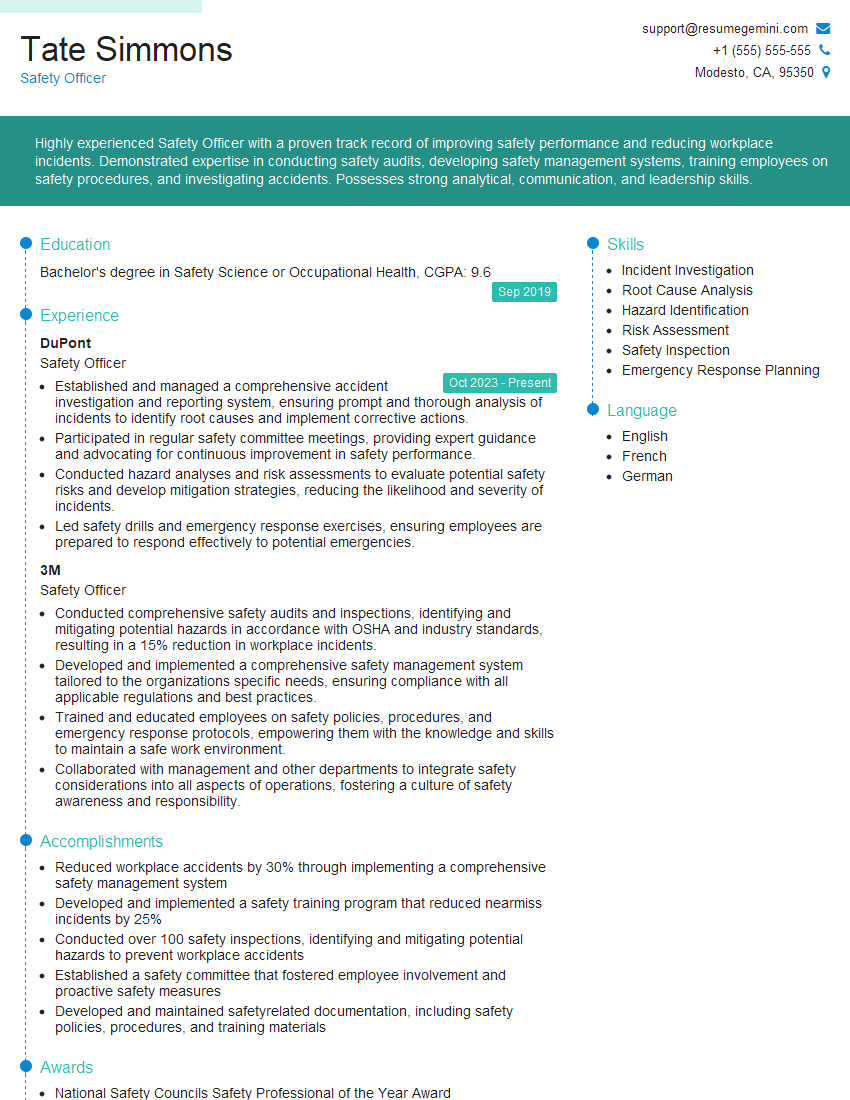
Safety Officer Resume Sample
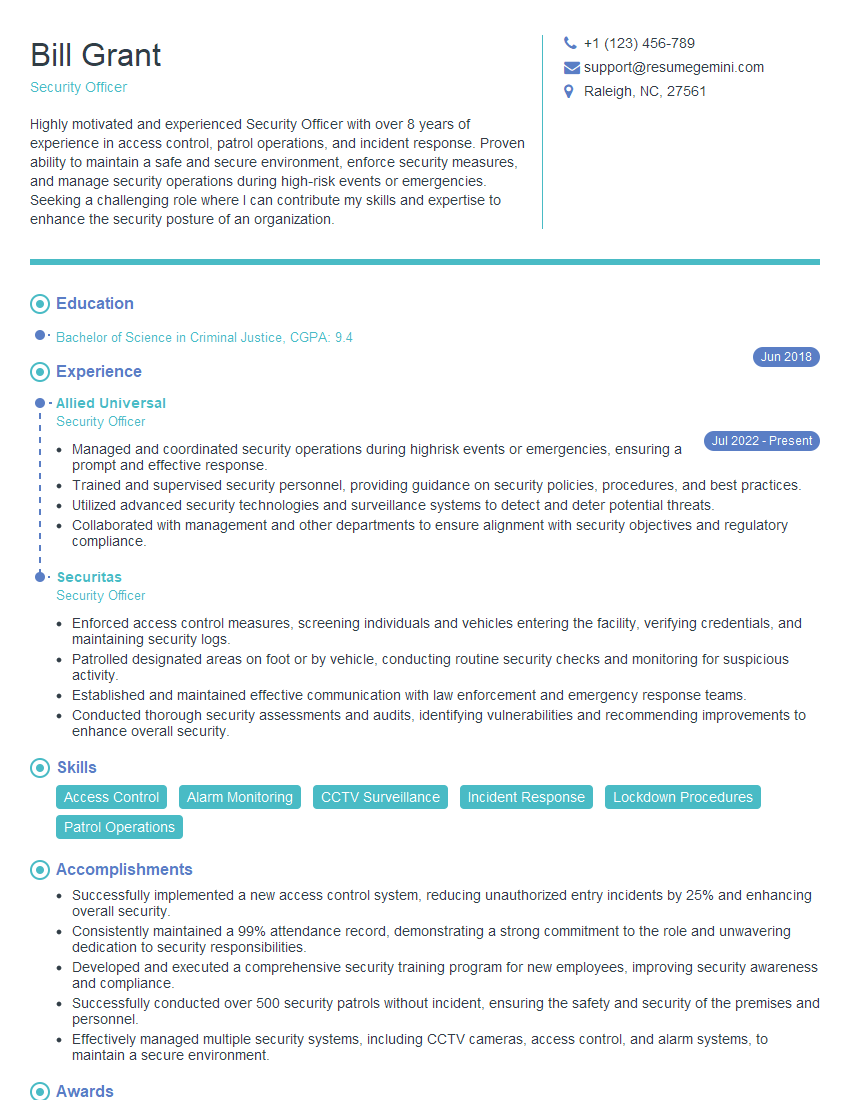
Security Officer Resume Sample
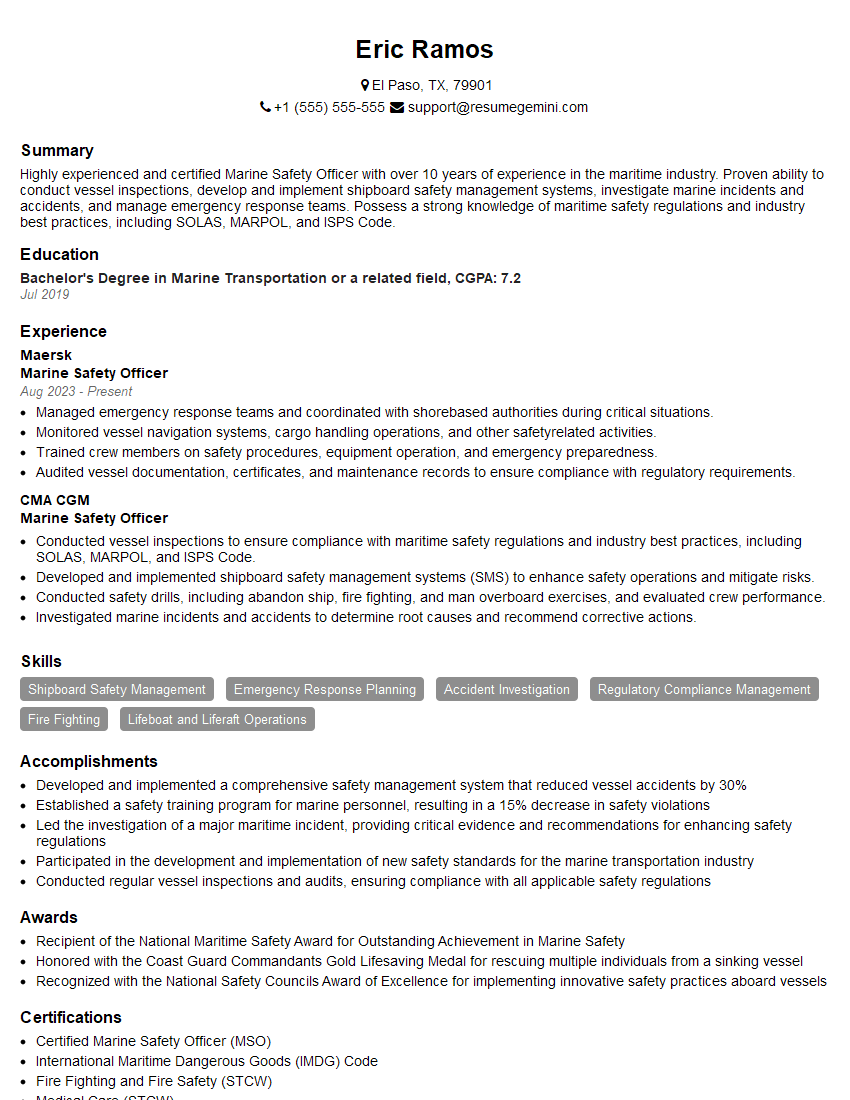
Marine Safety Officer Resume Sample
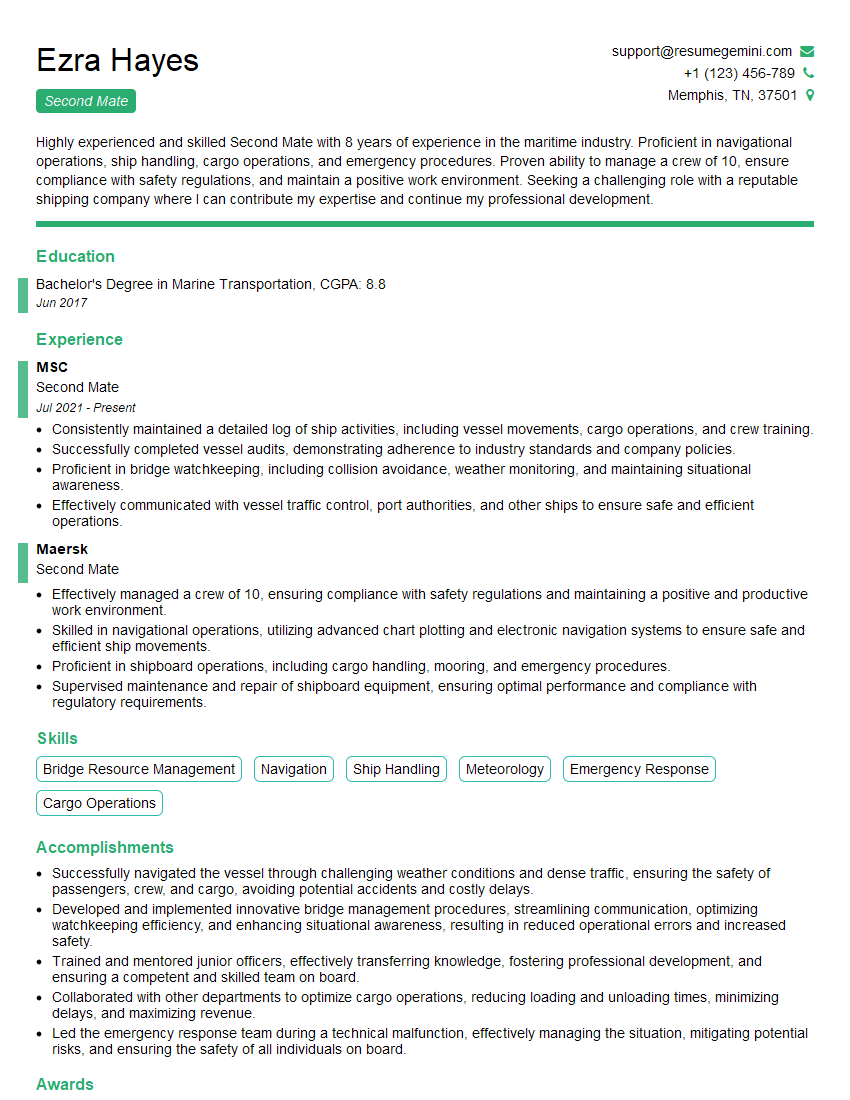
Second Mate Resume Sample
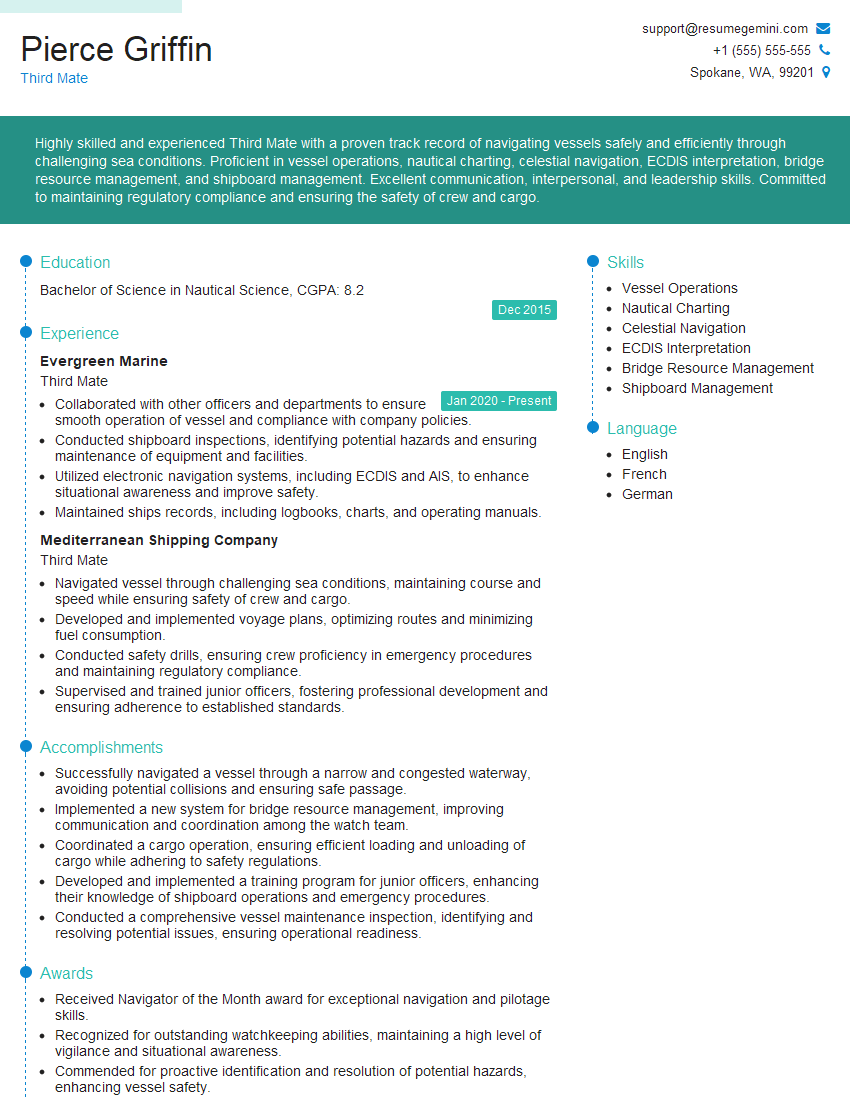
Third Mate Resume Sample
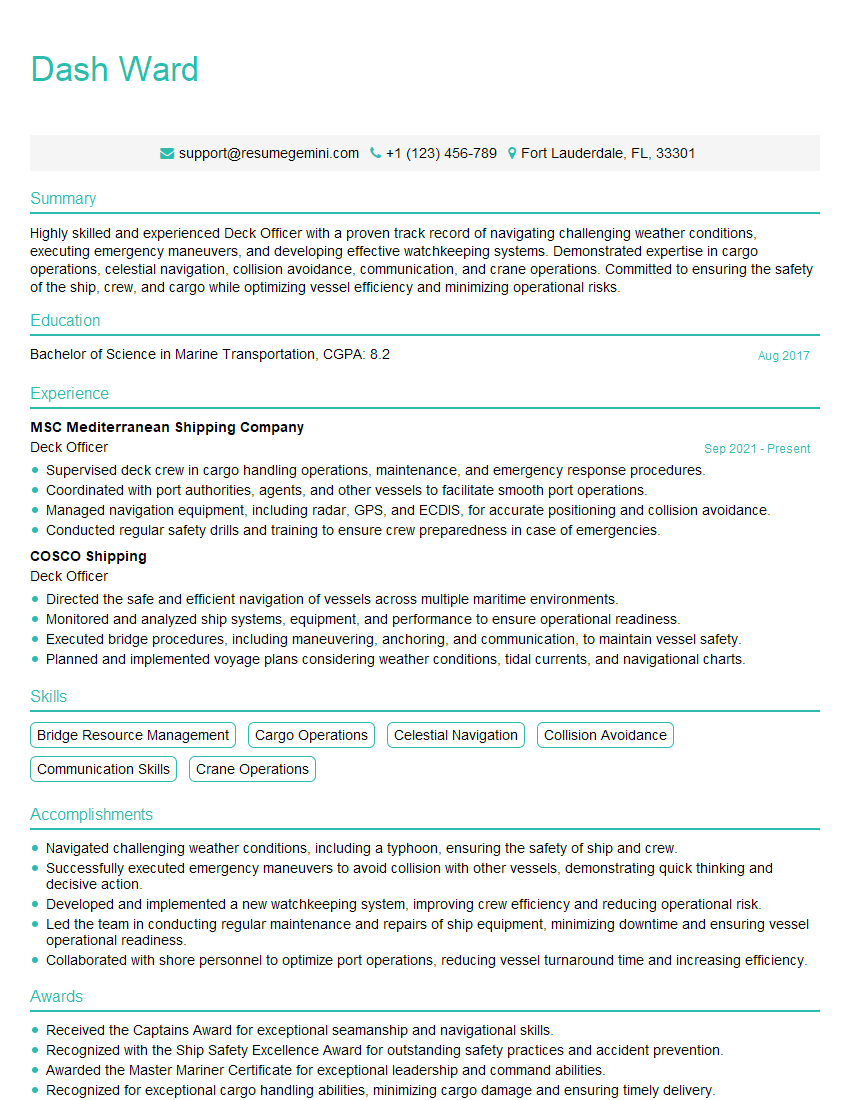
Deck Officer Resume Sample
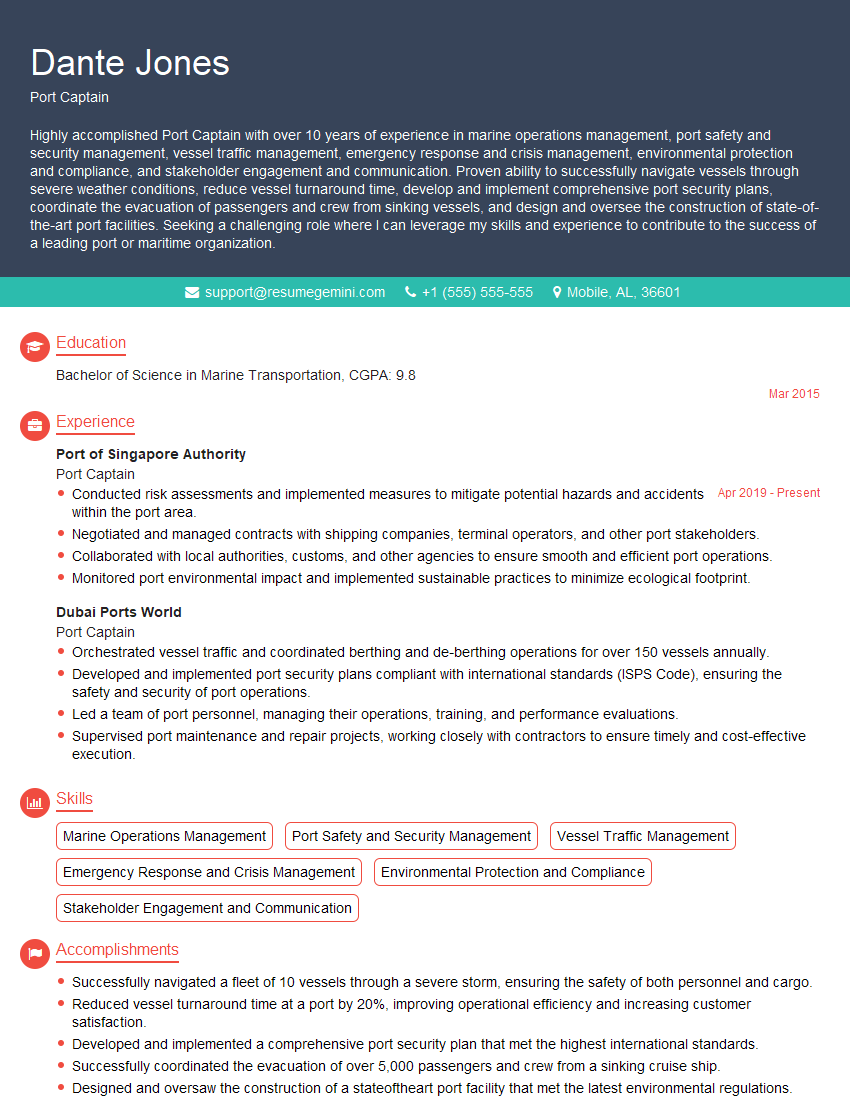
Port Captain Resume Sample
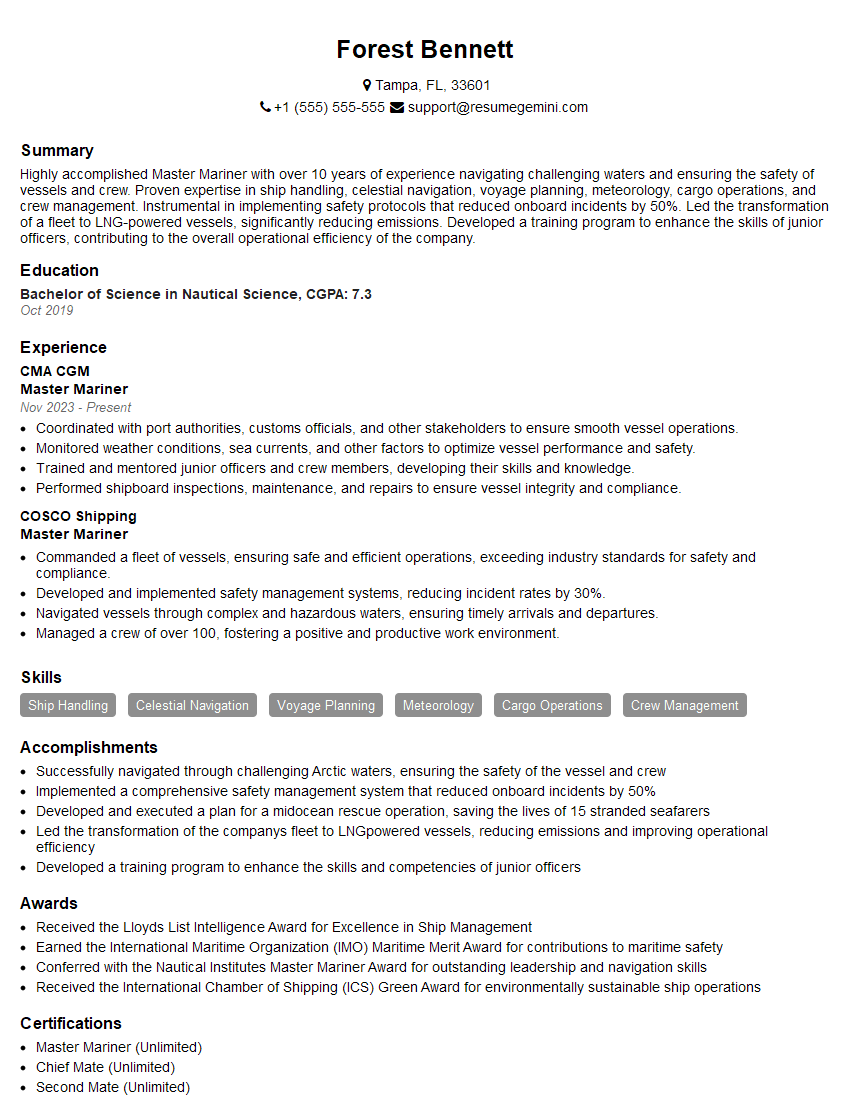
Master Mariner Resume Sample
Explore more articles
Users Rating of Our Blogs
Share Your Experience
We value your feedback! Please rate our content and share your thoughts (optional).
What Readers Say About Our Blog
I Redesigned Spongebob Squarepants and his main characters of my artwork.
https://www.deviantart.com/reimaginesponge/art/Redesigned-Spongebob-characters-1223583608
IT gave me an insight and words to use and be able to think of examples
Hi, I’m Jay, we have a few potential clients that are interested in your services, thought you might be a good fit. I’d love to talk about the details, when do you have time to talk?
Best,
Jay
Founder | CEO