Interviews are more than just a Q&A session—they’re a chance to prove your worth. This blog dives into essential Feed and Nutrition Management interview questions and expert tips to help you align your answers with what hiring managers are looking for. Start preparing to shine!
Questions Asked in Feed and Nutrition Management Interview
Q 1. Explain the difference between proximate and ultimate analysis of feed.
Proximate and ultimate analysis are two distinct methods used to determine the chemical composition of feed. Think of it like this: proximate analysis gives you a general overview of the feed’s major components, while ultimate analysis provides a much more detailed breakdown of the elemental composition.
Proximate analysis determines the major components like moisture, crude protein, crude fiber, ether extract (crude fat), ash (mineral content), and nitrogen-free extract (NFE). NFE is calculated by difference and represents the readily available carbohydrates. It’s like getting a quick snapshot of the nutritional profile. We use methods like drying to measure moisture, the Kjeldahl method for crude protein, and ether extraction to determine the fat content. These values are crucial for formulating rations because they give us an idea of the energy and protein content, albeit in a somewhat generalized manner.
Ultimate analysis, on the other hand, focuses on the elemental composition of the feed, determining the percentages of carbon, hydrogen, oxygen, nitrogen, sulfur, and ash. It’s like dissecting the feed to see its fundamental building blocks. This type of analysis is important in understanding the energy value more precisely and in studying the metabolism of nutrients. Techniques involved are more complex, often using sophisticated instruments like combustion analyzers. For example, by knowing the carbon, hydrogen, and oxygen content, we can calculate the net energy of the feed more accurately.
In summary, proximate analysis offers a practical and quick assessment, useful for routine feed quality control. Ultimate analysis offers a deeper insight into the feed’s composition and is crucial for research and more precise energy calculations.
Q 2. Describe the role of amino acids in animal nutrition.
Amino acids are the building blocks of proteins, and proteins are absolutely essential for animal growth, maintenance, and numerous physiological functions. Think of them as the LEGO bricks that construct complex structures within the animal’s body. They are involved in everything from muscle development and enzyme production to hormone synthesis and immune function.
Animals require a variety of amino acids, and some, known as essential amino acids, cannot be synthesized by the animal’s body and must be supplied through the diet. These differ between species. For example, lysine, methionine, and tryptophan are essential for many livestock species. A deficiency in even one essential amino acid can severely limit protein synthesis and impact growth, health, and productivity. This is why the quality of protein in feed, specifically its amino acid profile, is critical.
Non-essential amino acids can be synthesized by the animal, although dietary intake still plays a role in supporting efficient synthesis. The balance and quantity of both essential and non-essential amino acids in a feed determine its overall protein quality. This is often assessed using scoring systems that compare the amino acid profile of the feed to an ideal profile for that species.
For example, a piglet deficient in lysine will exhibit poor growth even if the overall protein intake is sufficient. Therefore, careful consideration must be given to amino acid profiles when formulating diets for optimal animal performance.
Q 3. What are the key factors influencing feed palatability?
Feed palatability is simply how appealing the feed is to the animal, affecting its intake. It’s like deciding what you want to eat; some foods are more appealing than others. Many factors influence it.
- Sensory properties: Taste, smell, and texture play a huge role. A feed with an unpleasant odor or bitter taste will likely be rejected. Texture also matters, some animals prefer crunchy feeds, while others like softer ones.
- Nutrient composition: Certain nutrients can enhance palatability. For example, the presence of sugars or fats often increases the appeal.
- Physical form: The way the feed is presented – as pellets, meal, or cubes – can affect intake. Pelleting often improves palatability compared to loose meal.
- Animal factors: The animal’s age, physiological state (pregnancy, lactation), health status, and previous experience with a particular feed will also impact its preferences.
- Environmental factors: Temperature, humidity, and even the presence of other animals can affect feed intake.
Understanding palatability is vital. If animals don’t eat their feed, they won’t get the nutrients they need, impacting productivity and profitability. For instance, if we’re feeding dairy cows, low palatability will directly affect milk production. In poultry, poor palatability can lead to reduced egg production.
Q 4. How do you determine the energy content of a feed?
The energy content of a feed is determined using several methods, each offering varying levels of precision. The most common approaches are:
- Bomb Calorimetry: This is the most common method, measuring the gross energy (GE). It involves burning a sample of the feed in a bomb calorimeter and measuring the heat produced. This represents the total energy available in the feed, but it doesn’t account for energy losses during digestion and metabolism.
- Digestible Energy (DE): DE accounts for the energy losses in feces. It’s calculated by subtracting the energy in feces from GE. It provides a better estimate of available energy than GE but still doesn’t account for energy losses in urine and gas.
- Metabolizable Energy (ME): ME accounts for energy losses in feces, urine, and gases (methane in ruminants). It is a more accurate reflection of the energy available to the animal for productive purposes.
- Net Energy (NE): NE considers ME and further subtracts the energy needed for heat increment (the energy used to process the feed) and energy used for maintenance activities. This is the most accurate measure of the energy available for production (growth, milk production, etc.).
The choice of method depends on the precision required. For example, GE is suitable for initial comparisons of different feeds, while NE is crucial for accurate ration formulation, particularly for high-producing animals, as it best reflects the energy available for production.
Q 5. Explain the concept of Net Energy (NE) and its importance in ration formulation.
Net Energy (NE) represents the energy remaining after accounting for all energy losses from the feed – fecal, urinary, gaseous losses, and heat increment. It’s the actual energy available to the animal for productive functions such as growth, milk production, or egg laying. Think of it as the ‘usable energy’ for the animal.
It’s critical in ration formulation because it allows for precise energy balancing. Unlike other energy measurements (GE, DE, ME), NE directly relates to animal performance. By knowing the NE requirements for a specific animal and production level, we can accurately formulate a diet that meets those needs. This ensures efficient feed utilization and optimized animal productivity.
For example, a dairy cow needs a specific amount of NE for lactation. If the diet’s NE is insufficient, milk production will be compromised, even if the diet is rich in other nutrients. NE values are typically expressed in terms of NEl (lactation), NEg (gain), NEm (maintenance).
Using NE values allows us to formulate cost-effective diets without compromising animal performance. It helps avoid overfeeding, minimizing waste and environmental impact, while simultaneously guaranteeing that the animal receives the energy required for its production goals.
Q 6. Discuss the role of fiber in ruminant and non-ruminant diets.
Fiber plays vastly different roles in ruminant and non-ruminant diets due to the presence of a specialized digestive system in ruminants (cows, sheep, goats).
In ruminants: Fiber, primarily cellulose and hemicellulose, is the primary energy source. Ruminants possess a rumen, a specialized stomach compartment housing microorganisms that ferment fiber, breaking it down into volatile fatty acids (VFAs), which are the main energy source for the animal. Fiber also stimulates rumen function, maintaining a healthy rumen environment. Insufficient fiber can lead to rumen acidosis, a serious digestive disorder. In essence, fiber is not just a nutrient, but it’s critical for maintaining a healthy digestive ecosystem.
In non-ruminants (pigs, poultry, horses): Fiber is generally less digestible and serves mostly as a bulking agent in the diet. It aids in digestive function, such as stimulating intestinal motility and preventing constipation. However, high levels of fiber can reduce the digestibility of other nutrients and negatively impact nutrient availability. Non-ruminants have a limited capacity to break down fiber, thus they cannot rely on it as a significant energy source.
Therefore, the type and amount of fiber in the diet need to be carefully considered for both ruminants and non-ruminants. While ruminants require high fiber for proper digestion and energy provision, non-ruminants generally require moderate amounts for optimal digestive health without compromising nutrient digestibility.
Q 7. Describe the different types of feedstuffs and their nutritional characteristics.
Feedstuffs are the ingredients used to formulate animal diets. They are incredibly diverse, each with unique nutritional characteristics. Here are some key categories:
- Energy feeds: These are rich in readily digestible carbohydrates, providing energy. Examples include cereals like corn, barley, wheat, oats; and by-products like molasses and beet pulp. Corn is high in energy and easily digestible, while beet pulp provides more fiber.
- Protein feeds: These are excellent sources of protein and essential amino acids. Examples include soybean meal, sunflower meal, fishmeal, and various legume seeds. Soybean meal is a popular choice due to its high protein content and balanced amino acid profile, while fishmeal offers high protein and essential fatty acids.
- Roughages: These are high in fiber and lower in digestible energy. They are crucial for ruminant diets, and include hay (alfalfa, grass), silage (corn silage, grass silage), and straw. Alfalfa hay is rich in protein and energy compared to grass hay.
- Mineral and vitamin supplements: These supply essential minerals and vitamins, often needed to compensate for deficiencies in other feed ingredients. They come in various forms – premixes, individual supplements, etc.
- By-products: These are residual materials from other industries, often valuable and cost-effective feed sources. Examples include distillers’ grains, brewers’ grains, and rice bran. Distillers grains are a good source of protein and energy.
The selection of feedstuffs depends on the animal species, production stage, and cost considerations. A balanced diet requires a careful combination of these feedstuffs to meet the animal’s nutritional needs in a cost-effective manner.
Q 8. How do you calculate the nutrient requirements of a specific animal species and production stage?
Calculating nutrient requirements for livestock isn’t a one-size-fits-all process. It’s a meticulous calculation based on several factors, much like baking a cake – you need the right ingredients in the right proportions! We use standardized tables and equations developed by organizations like the National Research Council (NRC) in the US or similar bodies in other countries. These tables are based on extensive research and provide recommendations for different species, breeds, production stages (e.g., growth, lactation, gestation), and environmental conditions.
The process typically involves these steps:
- Identifying the animal: Species, breed, age, weight, and sex are crucial.
- Determining the production stage: A lactating dairy cow will have vastly different nutrient needs than a young heifer.
- Estimating the animal’s needs: This often uses standardized equations that consider factors such as body weight gain, milk production, egg production, or wool growth. These equations incorporate factors for maintenance (keeping the animal alive and functioning), production (e.g., milk, meat, eggs), and growth.
- Considering environmental factors: Heat stress, for instance, increases an animal’s metabolic rate, leading to higher nutrient demands.
- Nutrient analysis of feedstuffs: Once we know the animal’s requirements, we need to select and analyze feed ingredients to meet those requirements. We’ll examine the nutrient composition of each ingredient (e.g., protein, energy, vitamins, minerals) to make sure we provide the animal with a balanced diet.
Example: Let’s say we need to calculate the energy requirements for a 600kg dairy cow producing 30kg of milk daily. We would consult the NRC dairy cow tables, input the cow’s weight and milk production, and the table would provide an estimated energy requirement in megajoules (MJ) per day. We would then formulate a feed ration to meet that energy requirement using different feed ingredients.
Q 9. What are the common nutrient deficiencies in livestock and their consequences?
Nutrient deficiencies are serious business; they can severely impact animal health, productivity, and profitability. Think of it as a car running low on essential fluids – it won’t run optimally, and eventually, it will break down. Some common deficiencies include:
- Protein deficiency: This leads to stunted growth, reduced reproductive performance (lower fertility, smaller litters), weakened immunity, and poor quality of products (e.g., less milk, smaller eggs).
- Energy deficiency: Results in weight loss, reduced production (less milk, meat, or eggs), and poor body condition. Animals may become lethargic and unproductive.
- Mineral deficiencies (e.g., Calcium, Phosphorus, Magnesium): Can cause bone disorders (rickets, osteomalacia), reproductive problems, muscle weakness, and impaired immune function. For example, calcium deficiency in laying hens can lead to egg shell thinning or breakage.
- Vitamin deficiencies (e.g., Vitamin A, Vitamin D, Vitamin E): Lead to impaired vision, bone abnormalities, reproductive problems, and immune suppression. Vitamin A deficiency can cause night blindness in livestock.
The consequences can range from subtle reductions in production to severe health problems and even death. Early detection through clinical observation and blood tests is crucial for prompt intervention.
Q 10. Explain the principles of feed formulation and ration balancing.
Feed formulation and ration balancing is the art and science of creating a complete and balanced diet that meets the animal’s nutrient requirements while considering cost-effectiveness. It’s like creating a recipe, but instead of cake ingredients, we are dealing with feedstuffs like corn, soybean meal, alfalfa hay.
The principles are:
- Nutrient requirements: Start by determining the animal’s nutritional needs, as discussed earlier.
- Feed ingredient analysis: Obtain nutrient content information for all the feed ingredients you intend to use. This is usually done through laboratory analysis.
- Formulation software: Specialized software is commonly used to develop balanced rations. These programs use linear programming to optimize the ration based on cost and nutrient requirements. You input the animal’s nutrient needs and the composition of available ingredients, and the software generates a recipe that meets the requirements at the lowest cost.
- Nutrient balance: The software ensures that the final ration supplies adequate amounts of all essential nutrients, including protein, energy, vitamins, and minerals. It also helps avoid excesses of certain nutrients which can also be harmful.
- Palatability and physical form: The ration should be palatable and of the appropriate physical form (e.g., mash, pellets) for the animal.
Example: A poultry feed formulation might include corn (energy source), soybean meal (protein source), limestone (calcium), and various vitamin and mineral premixes. The software would balance these ingredients to meet the nutrient requirements for optimal growth and egg production, keeping the cost per kg of feed as low as possible.
Q 11. Discuss the importance of feed additives and their applications.
Feed additives play a crucial role in improving animal health, productivity, and feed efficiency. They’re not just extras; they are carefully chosen components that enhance the overall feed value. Think of them as enhancing ingredients in a recipe, giving it a boost.
Types and applications:
- Enzymes: Improve the digestibility of feedstuffs, particularly fiber. This leads to better nutrient utilization and reduced feed costs.
- Probiotics and prebiotics: Improve gut health, enhance immunity, and potentially reduce the need for antibiotics.
- Acidifiers: Help to control pathogens in the gut, improving gut health and reducing diarrhea.
- Antioxidants: Protect feedstuffs from oxidation, preventing rancidity and preserving nutrient value.
- Growth promoters (e.g., ionophores): Enhance growth rate and feed efficiency in some livestock species (although the use of certain growth promoters is controversial and regulated).
Careful selection of additives is vital, based on the animal species, production stage, and specific needs. Overuse or improper use can lead to negative consequences, so professional guidance is crucial.
Q 12. How do you evaluate the quality of feed ingredients?
Evaluating feed ingredient quality is paramount to ensure animal health and optimal production. It’s like choosing the best ingredients for a gourmet meal – you wouldn’t use spoiled produce!
Methods include:
- Visual inspection: Check for appearance, color, and the absence of foreign materials (molds, stones, etc.). For example, moldy hay should be rejected.
- Physical testing: Assess particle size, moisture content, and bulk density. These factors influence palatability and feed processing.
- Chemical analysis: This is done in a laboratory to determine the nutrient composition (protein, fat, fiber, energy, minerals, vitamins). Results are expressed as percentages or concentrations.
- Microbial analysis: Detect the presence and levels of harmful microorganisms, such as bacteria, molds, and yeasts, that may reduce feed quality or cause diseases.
- Sensory evaluation (palatability): Often necessary, especially for ingredients like silage. This involves assessing aroma and taste to check for spoilage.
These analyses ensure the feed ingredients meet the quality standards for intended use and prevent the inclusion of inferior or contaminated materials in the feed.
Q 13. Describe the methods for preventing mycotoxin contamination in feed.
Mycotoxins are toxic secondary metabolites produced by certain molds. They are a major concern in the feed industry as they can cause severe health problems in livestock and contaminate feed at various stages.
Prevention strategies:
- Proper storage conditions: Maintain dry, cool, and well-ventilated storage areas to inhibit mold growth. Avoid temperature fluctuations and high humidity.
- Good harvesting practices: Harvest crops at the optimal maturity stage to reduce susceptibility to fungal infection.
- Rapid drying: Reduce moisture content in harvested crops to below the critical level for mold growth.
- Effective cleaning and sanitation: Regularly clean and disinfect storage areas, equipment, and feed handling systems to prevent mold contamination.
- Use of mycotoxin binders: These are feed additives that bind to mycotoxins in the gut, preventing their absorption and reducing their toxicity.
- Mycotoxin testing: Regularly test feed ingredients and finished feeds for mycotoxin contamination to identify potential problems and take appropriate action.
Implementing a comprehensive prevention program that integrates these strategies is crucial for minimizing mycotoxin contamination and protecting animal health.
Q 14. What are the current trends and challenges in the animal feed industry?
The animal feed industry is constantly evolving, facing both exciting opportunities and significant challenges.
Current trends:
- Sustainable feed production: Increased focus on reducing the environmental impact of feed production, including using alternative protein sources and reducing reliance on resources like water and land.
- Precision feeding: Utilizing technology to tailor feed rations to individual animal needs, improving efficiency and reducing waste.
- Alternative protein sources: Exploring novel sources of protein, such as insects, single-cell proteins, and algae, to reduce dependence on traditional sources like soy and fishmeal.
- Increased use of data analytics: Leveraging data to optimize feed formulation, monitor animal health, and improve farm management.
Challenges:
- Climate change: Impacts on feed production, particularly through changes in weather patterns and crop yields.
- Price volatility of raw materials: Fluctuations in commodity prices affect feed costs and profitability.
- Regulatory changes: Growing concerns about antibiotic resistance and the use of certain feed additives are leading to stricter regulations.
- Ensuring feed safety: Meeting increasing demands for safe and high-quality feed products, free from contamination.
Navigating these trends and challenges requires innovation, sustainability, and a commitment to delivering safe and efficient animal feed production.
Q 15. Explain the role of gut microbiota in animal nutrition.
The gut microbiota, a complex community of microorganisms residing in an animal’s digestive tract, plays a crucial role in nutrition. These bacteria, fungi, and protozoa aren’t just passive inhabitants; they actively participate in digestion, nutrient absorption, and overall animal health.
- Digestion: Microbes break down complex carbohydrates (like fiber) that the animal’s own enzymes can’t digest, releasing valuable energy and nutrients. Think of them as tiny, efficient processing plants within the gut.
- Nutrient Synthesis: Certain gut bacteria synthesize essential vitamins (like vitamin K and some B vitamins) and short-chain fatty acids (SCFAs), which are vital for energy production and gut health. These are essentially nutritional supplements produced in-house.
- Immune System Modulation: The gut microbiota educates and strengthens the animal’s immune system, preventing the colonization of harmful pathogens. It’s like having a personalized security system within the gut.
- Protection against pathogens: A diverse and balanced gut microbiota acts as a barrier, competing with harmful bacteria for resources and space, thereby reducing the risk of infection.
For example, a healthy gut microbiome in dairy cows is associated with improved milk production and reduced incidence of mastitis. Similarly, in poultry, a balanced gut microbiota enhances nutrient absorption and reduces the need for antibiotics.
Career Expert Tips:
- Ace those interviews! Prepare effectively by reviewing the Top 50 Most Common Interview Questions on ResumeGemini.
- Navigate your job search with confidence! Explore a wide range of Career Tips on ResumeGemini. Learn about common challenges and recommendations to overcome them.
- Craft the perfect resume! Master the Art of Resume Writing with ResumeGemini’s guide. Showcase your unique qualifications and achievements effectively.
- Don’t miss out on holiday savings! Build your dream resume with ResumeGemini’s ATS optimized templates.
Q 16. How do you manage feed storage and prevent spoilage?
Effective feed storage is critical to prevent spoilage and maintain feed quality. Spoilage leads to nutrient loss, reduced palatability, and can even introduce toxins harmful to animals. Here’s a multi-pronged approach:
- Proper storage facilities: Use dry, well-ventilated structures to prevent moisture buildup and mold growth. This means ensuring good roofing, proper drainage, and adequate air circulation. Think of it as building a climate-controlled environment for your feed.
- First-In, First-Out (FIFO) system: Implement a clear system for rotating feed inventory to ensure older feed is used before newer feed. This prevents feed from exceeding its shelf life and becoming spoiled.
- Pest control: Rodents, insects, and birds can contaminate and destroy feed. Regular pest monitoring and control are vital. This includes using appropriate traps, deterrents, and regular inspections.
- Protection from moisture: Use tarps, plastic sheeting, or other coverings to protect feed from rain and snow. Moisture is the enemy of stored feed.
- Temperature control: Extreme temperatures can degrade feed quality. Storing feed in shaded areas or using temperature-controlled storage if needed can significantly improve its longevity.
For example, incorrect storage of silage can lead to significant losses of dry matter, and the development of undesirable moulds that can produce mycotoxins. A structured approach to storage is essential for minimizing financial losses and ensuring the animals receive high-quality feed.
Q 17. Describe the steps involved in a feed safety program.
A comprehensive feed safety program is crucial for protecting animal health and the safety of the food supply. It involves a multi-step approach:
- Raw material sourcing: Selecting suppliers with robust quality control systems and verifying the origin and safety of raw materials through testing and certifications.
- Feed manufacturing: Implementing good manufacturing practices (GMP) to minimize contamination during processing. This includes cleaning, sanitation, pest control, and regular equipment maintenance.
- Feed storage and transportation: Using appropriate storage methods and transportation vehicles to prevent contamination and spoilage during storage and transport.
- Feed testing: Regularly testing feed for mycotoxins, heavy metals, pesticides, and other potential contaminants.
- Record keeping: Maintaining detailed records of all aspects of the feed production process, from sourcing to distribution. Traceability is key in case of problems.
- Employee training: Educating employees on good hygiene practices, safe handling procedures, and emergency response protocols.
- Hazard Analysis and Critical Control Points (HACCP): Implementing a HACCP system to identify and control potential hazards throughout the feed production chain.
For example, a feed safety program might involve testing for aflatoxins, a type of mycotoxin, which can cause liver damage in animals and contaminate the food supply. Regular testing and implementation of control measures prevent this.
Q 18. What is the importance of feed efficiency in livestock production?
Feed efficiency is a critical economic indicator in livestock production, representing the amount of feed required to produce a unit of animal product (e.g., milk, meat, eggs). Improving feed efficiency translates directly into cost savings and increased profitability.
- Reduced feed costs: Higher feed efficiency means less feed is needed to achieve the same production level, leading to significant cost reductions.
- Increased profitability: Lower feed costs increase the overall profitability of the livestock operation.
- Environmental benefits: Reduced feed consumption means less land is needed for feed production, contributing to reduced environmental impact.
- Improved resource utilization: Efficient utilization of feed resources maximizes the return on investment in feed production.
For example, a feed efficiency improvement of just 5% in a large dairy herd can result in substantial savings annually. Strategies to enhance feed efficiency include optimizing feed formulation, improving animal health, and implementing precise feeding management techniques.
Q 19. How do you interpret a feed analysis report?
A feed analysis report provides a detailed breakdown of the nutrient composition of a feed sample. Interpreting this report requires understanding the key components and their significance:
- Dry matter (DM): The percentage of feed that remains after removing water. Crucial for comparing nutrient contents on a consistent basis.
- Crude protein (CP): The total protein content, essential for animal growth and development.
- Crude fiber (CF): The indigestible portion of the feed, affecting digestibility and gut health.
- Ether extract (EE): The fat content, providing energy and essential fatty acids.
- Ash: The mineral content, providing essential minerals like calcium and phosphorus.
- Calcium (Ca) and Phosphorus (P): Essential minerals for bone health and overall metabolism.
- Specific vitamins and minerals: The report may include the levels of specific vitamins (A, D, E, K) and minerals (iron, zinc, copper).
The report also usually includes the calculated metabolizable energy (ME) and net energy (NE) values, which are more accurate indicators of energy available to the animal for production. Comparing the analysis to the animal’s nutritional requirements allows for adjustments in feed formulation for optimal performance.
For example, if a feed analysis shows low calcium levels, adjustments can be made to the diet to meet the animal’s needs and prevent deficiencies.
Q 20. Explain the concept of nutrient digestibility and its measurement.
Nutrient digestibility refers to the proportion of ingested nutrients that are absorbed and utilized by the animal. It’s not just about eating; it’s about how effectively the body extracts nutrients.
Measurement typically involves techniques like:
- In vivo methods: These involve feeding animals a known amount of feed and collecting and analyzing their feces. The difference between intake and excretion represents the amount digested. This is considered the gold standard but is more expensive and time-consuming.
- In vitro methods: These use laboratory techniques to simulate digestion in the animal’s gut. These are faster, cheaper, and easier to conduct, but may not accurately represent in vivo digestion.
Digestibility is often expressed as a percentage: (Nutrient intake – Nutrient in feces) / Nutrient intake * 100%. Factors affecting digestibility include feed composition, particle size, processing methods, and the animal’s gut health. For example, finely ground feed generally has higher digestibility than coarsely ground feed because the surface area is increased, improving enzymatic action.
Q 21. Discuss the ethical considerations in animal feeding.
Ethical considerations in animal feeding are paramount. This goes beyond just providing sufficient nutrients; it encompasses the animal’s well-being and the broader environmental and societal impact.
- Animal welfare: Ensuring animals have access to sufficient, safe, and palatable feed is crucial for their physical and psychological well-being. This includes considering feed consistency, avoiding feed refusal, and monitoring for any signs of nutritional deficiencies.
- Sustainable sourcing: Promoting feed sources that minimize environmental impact is ethically responsible. This includes reducing reliance on unsustainable practices like deforestation for feed production and utilizing environmentally friendly feed processing techniques.
- Antibiotic use: The judicious and responsible use of antibiotics in animal feed is crucial to prevent the development of antibiotic resistance. Reducing or eliminating the non-therapeutic use of antibiotics is important.
- Transparency and traceability: Openness and transparency in feed production and sourcing ensures ethical and responsible practices. The ability to trace the origin of ingredients and verify safety enhances accountability.
- Minimizing waste: Reducing feed waste through proper storage, efficient feeding systems, and accurate feed formulation minimizes resource depletion and environmental impact.
For example, avoiding the use of feed containing ingredients sourced from unsustainable practices supports ethical and environmentally friendly animal husbandry. Implementing ethical considerations throughout the feed and nutrition management chain increases trust and promotes responsible agriculture.
Q 22. How do you assess the economic viability of different feed rations?
Assessing the economic viability of different feed rations involves a careful analysis of several key factors. It’s not just about the initial cost of the feed, but also its impact on animal performance and overall profitability. Think of it like comparing different investment options – you need to consider both the upfront cost and the potential return.
- Feed Cost per Unit of Production: This is the most fundamental aspect. We calculate the cost of the feed per kilogram of feed, then determine how much of that feed is needed to produce one kilogram of meat, milk, or eggs (depending on the animal). A ration that seems cheaper initially might be less efficient, leading to higher overall costs.
- Animal Performance: We meticulously monitor animal growth rates, milk yield, egg production, or other relevant performance indicators. For instance, a slightly more expensive ration formulated to optimize nutrient digestibility might result in significantly faster growth, reducing the overall feeding period and ultimately lowering costs.
- Feed Conversion Ratio (FCR): FCR measures the efficiency of feed utilization. It’s the ratio of feed consumed to the amount of product (meat, milk, etc.) produced. A lower FCR indicates better efficiency and lower production costs. For example, an FCR of 2:1 means that 2 kg of feed are needed to produce 1 kg of meat.
- Health and Mortality: A well-balanced ration contributes significantly to animal health. Reduced disease incidence and lower mortality rates directly translate to lower production costs and increased profitability. This is often overlooked but a crucial factor.
- Market Prices: The prices of feed ingredients fluctuate, and we need to constantly adapt our ration formulations to account for those changes. We may need to substitute ingredients to maintain profitability while keeping nutritional balance.
In practice, we use specialized software and spreadsheets to model different ration scenarios, comparing costs and performance data to determine the most economically viable option. For example, in a recent project with a dairy farmer, we compared a standard ration to one enriched with specific probiotics. While the latter had a higher initial cost, it resulted in a 10% increase in milk yield and a decrease in antibiotic use, leading to significant long-term savings.
Q 23. Describe your experience with feed manufacturing processes.
My experience encompasses the entire feed manufacturing process, from ingredient sourcing and quality control to mixing, pelleting, and packaging. I’ve worked with both small-scale and large-scale operations, which has given me a broad perspective. The process is meticulously documented to guarantee safety and quality.
- Ingredient Handling and Storage: Ensuring proper storage conditions (temperature, humidity) to prevent spoilage and maintain ingredient quality is critical. We use inventory management systems to track stock levels and prevent shortages.
- Mixing and Formulation: Precise mixing of ingredients according to predetermined formulations is essential to guarantee nutritional consistency. We rely on sophisticated mixing equipment and regularly perform quality checks to ensure accuracy.
- Pelleting (if applicable): Pelleting improves feed handling, storage, and reduces dust. The pelleting process involves compressing the mixed feed into small pellets using high-pressure rollers. We monitor pellet quality parameters such as durability and density.
- Packaging and Distribution: Proper packaging protects the feed from moisture, pests, and contamination. Efficient distribution strategies minimize transportation costs and ensure timely delivery to the customers.
- Quality Control: Throughout the entire process, we implement rigorous quality control measures, including regular testing for nutrient content, contamination, and mycotoxins. This ensures the feed meets the required standards and specifications.
For example, in my previous role, I spearheaded the implementation of a new automated mixing system which increased production efficiency by 20% and reduced the risk of human error.
Q 24. How do you handle feed-related problems and troubleshoot issues?
Troubleshooting feed-related problems requires a systematic approach, combining observation, data analysis, and a thorough understanding of animal nutrition and health. It’s like being a detective, carefully examining clues to solve the mystery.
- Gather Information: Start by collecting data on feed intake, animal performance, health issues (symptoms, mortality rates), and any changes in feed formulation or handling.
- Analyze Data: Examine the data for patterns and anomalies. Are there any correlations between specific feed ingredients and observed problems? Has there been a change in the quality of an ingredient?
- Laboratory Testing: If necessary, we send samples of the feed and animal fecal matter to a laboratory for analysis. This can identify potential issues like nutrient deficiencies, mycotoxin contamination, or the presence of pathogens.
- Consult Experts: We may consult with veterinarians, nutritionists, or other specialists to get a second opinion and ensure a comprehensive approach.
- Implement Corrective Actions: Once the problem is identified, we implement corrective actions, which may involve adjusting the feed formulation, improving storage conditions, treating the animals, or implementing biosecurity measures.
- Monitor and Evaluate: We closely monitor the situation after implementing corrective actions to ensure the problem is resolved and to prevent recurrence.
For instance, I once investigated a case of reduced growth rates in a pig farm. Through careful analysis, we discovered that a shipment of corn contained a high level of mycotoxins. Replacing the contaminated corn with a clean batch solved the problem. This highlights the importance of regular feed testing.
Q 25. What are your strategies for managing feed costs?
Managing feed costs is a constant challenge, but effective strategies can significantly impact profitability. It’s a balancing act between cost and animal performance. We use a combination of approaches to keep costs under control.
- Ingredient Selection: We carefully evaluate the price and nutritional value of different feed ingredients. We may use less expensive alternative ingredients, but only if they meet the nutritional requirements of the animals.
- Ration Optimization: Using sophisticated software, we optimize rations to meet animal requirements while minimizing the cost. This involves finding the most cost-effective combination of ingredients while maintaining nutrient balance.
- Bulk Purchasing: Purchasing ingredients in bulk can often result in significant savings. However, appropriate storage facilities must be available.
- Inventory Management: Effective inventory management systems help minimize waste and prevent spoilage. This involves tracking inventory levels, preventing overstocking, and implementing FIFO (First-In, First-Out) systems.
- Negotiation with Suppliers: Building strong relationships with reliable suppliers and negotiating favorable prices can also contribute to significant cost savings.
- Waste Reduction: Minimizing feed waste through proper feeding techniques and storage is crucial. We provide training to farm workers on best practices to reduce spillage and spoilage.
For example, by switching from a high-priced soybean meal to a blend of locally sourced canola meal and pea protein, we managed to reduce feed costs by 15% without compromising animal performance in a poultry operation.
Q 26. Explain your experience with different feed management software.
I have extensive experience using various feed management software packages, including those that support ration formulation, inventory management, and farm record keeping. These software tools are crucial for efficient feed management in modern animal agriculture.
- Ration Formulation Software: These programs allow us to create balanced rations based on the nutritional requirements of different animal species and life stages. They typically include extensive databases of feed ingredients and allow us to optimize rations based on cost and nutrient constraints. Examples include
FeedPro,DairyComp 305, and others. - Inventory Management Software: This software helps manage feed ingredient stocks, track purchases, and monitor usage. It can generate reports to help us optimize ordering and prevent shortages or overstocking.
- Farm Management Software: Some integrated farm management software packages include modules for feed management, animal health records, and production data. These systems help us monitor overall farm performance and improve decision making.
My experience includes using FeedPro to formulate rations for dairy cows, optimizing nutrient levels to maximize milk production while minimizing feed costs. In another project, I implemented an inventory management system which improved our ordering processes and reduced waste by nearly 10%.
Q 27. Describe your knowledge of relevant regulations and standards for feed production.
Knowledge of relevant regulations and standards is paramount in feed production to ensure food safety and consumer protection. Compliance is non-negotiable.
- Feed Additives Regulations: Strict regulations govern the use of feed additives, such as antibiotics, hormones, and vitamins. We need to ensure that the additives are used correctly, within permitted levels and according to labeling requirements.
- Good Manufacturing Practices (GMP): GMP guidelines outline the standards for producing safe and quality feed. These cover all aspects of the production process, from hygiene and sanitation to equipment maintenance and quality control.
- Feed Labeling Requirements: Clear and accurate labeling of feed products is essential to ensure that consumers and animal owners are provided with all the necessary information regarding the feed composition, intended use, and any potential hazards.
- Mycotoxin Regulations: Regulations are in place to control the levels of mycotoxins (toxic compounds produced by molds) in feed. We need to implement effective strategies to prevent mycotoxin contamination and ensure that levels are below the permitted limits.
- Traceability: Many jurisdictions have traceability requirements for feed, requiring thorough record-keeping of ingredients, production processes, and distribution channels. This allows for swift identification of the source of any problem.
I have a strong understanding of these regulations and always ensure that our feed production processes comply with all applicable laws and standards. We regularly update ourselves on changes to regulations to remain compliant and avoid any potential legal issues.
Key Topics to Learn for Feed and Nutrition Management Interview
- Nutrient Requirements: Understanding the specific nutritional needs of different animal species (poultry, swine, ruminants, etc.) across various life stages. This includes knowing the roles of essential amino acids, vitamins, and minerals.
- Feed Formulation and Ration Balancing: Practical application of nutrient requirements to create cost-effective and nutritionally balanced diets using available feed ingredients. This involves using software and understanding concepts like least-cost formulation.
- Feed Processing and Technology: Familiarity with different feed processing methods (e.g., pelleting, extrusion) and their impact on nutrient digestibility and animal performance. Understanding the latest advancements in feed technology is crucial.
- Feed Safety and Quality Control: Implementing procedures to ensure feed safety and quality, including mycotoxin management and preventing contamination. Knowledge of relevant regulations and quality assurance standards is essential.
- Digestive Physiology and Metabolism: A solid understanding of how animals digest and utilize nutrients. This includes knowledge of the digestive systems of different species and the factors influencing nutrient absorption.
- Data Analysis and Interpretation: Ability to analyze data from feed trials, production records, and other sources to evaluate the effectiveness of feed programs and make informed decisions. Experience with statistical software is a plus.
- Economic Considerations in Feed Management: Analyzing the cost-effectiveness of different feed strategies and understanding the economic impact of feed on animal production and profitability.
- Sustainable Feed Practices: Understanding and implementing environmentally friendly feed production and management practices, such as reducing reliance on synthetic fertilizers and minimizing waste.
Next Steps
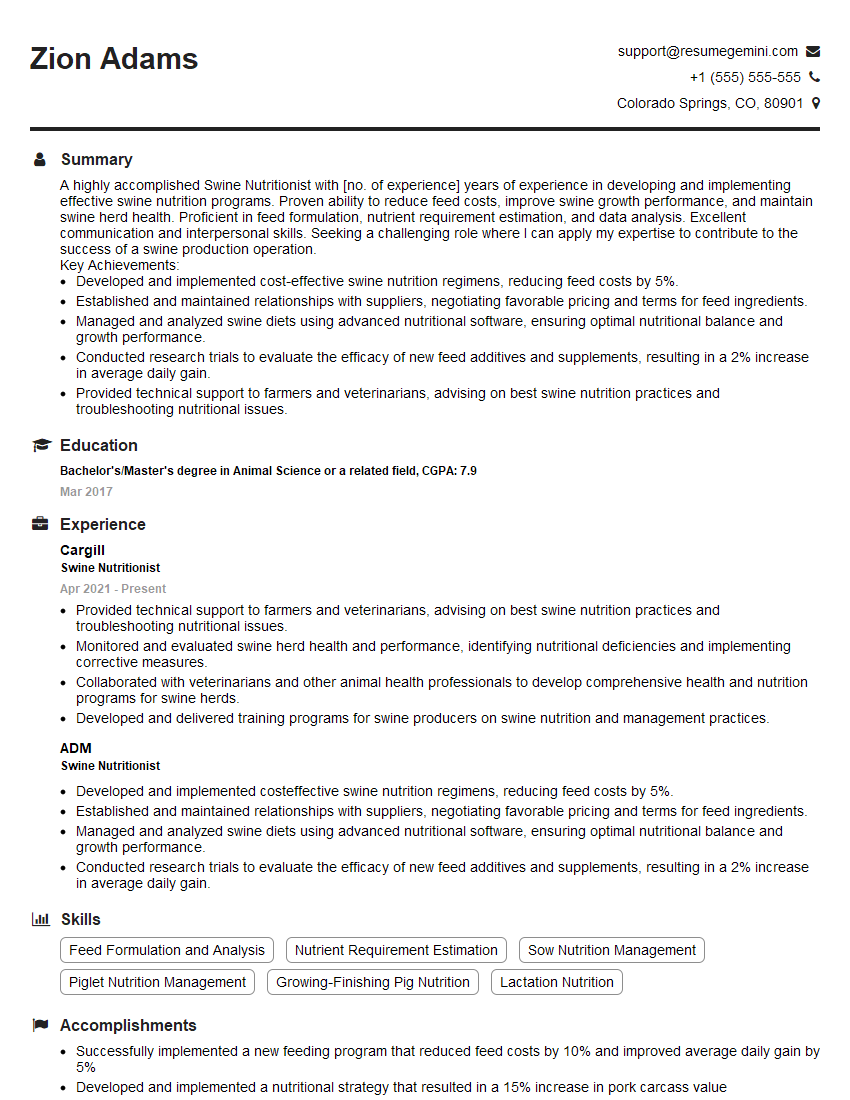
Mastering Feed and Nutrition Management is crucial for a successful and rewarding career in the agricultural industry. It opens doors to diverse roles with increasing responsibility and earning potential. To maximize your job prospects, crafting an ATS-friendly resume is paramount. ResumeGemini is a trusted resource that can significantly enhance your resume-building experience, helping you present your skills and experience effectively to potential employers. We provide examples of resumes tailored to Feed and Nutrition Management to help you get started. Invest time in creating a compelling resume that showcases your expertise and passion for this field.

Explore more articles
Users Rating of Our Blogs
Share Your Experience
We value your feedback! Please rate our content and share your thoughts (optional).
What Readers Say About Our Blog
I Redesigned Spongebob Squarepants and his main characters of my artwork.
https://www.deviantart.com/reimaginesponge/art/Redesigned-Spongebob-characters-1223583608
IT gave me an insight and words to use and be able to think of examples
Hi, I’m Jay, we have a few potential clients that are interested in your services, thought you might be a good fit. I’d love to talk about the details, when do you have time to talk?
Best,
Jay
Founder | CEO