The right preparation can turn an interview into an opportunity to showcase your expertise. This guide to Fixture and Tool Development interview questions is your ultimate resource, providing key insights and tips to help you ace your responses and stand out as a top candidate.
Questions Asked in Fixture and Tool Development Interview
Q 1. Explain your experience with different types of fixtures (e.g., welding fixtures, assembly fixtures, inspection fixtures).
My experience encompasses a wide range of fixture types, each tailored to specific manufacturing processes. For example, welding fixtures are designed to precisely hold components in place during the welding process, ensuring consistent weld quality and minimizing distortion. I’ve worked on fixtures for everything from small electronic components to large structural assemblies, using various clamping mechanisms like pneumatics, hydraulics, and mechanical clamps. The key consideration here is rigidity and accuracy to maintain the dimensional tolerances throughout the welding cycle.
Assembly fixtures, on the other hand, focus on facilitating efficient and repeatable assembly operations. These might incorporate features like locating pins, dowel pins, and quick-release mechanisms to streamline the process. I’ve designed fixtures for both manual and automated assembly lines, often integrating ergonomic features to improve operator efficiency. One project involved designing an assembly fixture for a complex automotive component, reducing assembly time by 40%.
Finally, inspection fixtures are crucial for quality control. They ensure that parts meet specified tolerances and geometric dimensions. These fixtures often employ precision measurement devices like dial indicators, CMM probes, or optical sensors. A recent project involved creating an inspection fixture for a micro-electronic component, requiring sub-micron accuracy to verify critical dimensions.
Q 2. Describe your experience with different types of tooling (e.g., cutting tools, forming tools, stamping tools).
My tooling experience is equally diverse, spanning various manufacturing processes. Cutting tools, such as end mills, drills, and taps, require careful selection based on the material being machined and the desired surface finish. I’ve worked with a wide range of materials, from hardened steels to aluminum alloys, and have experience optimizing cutting parameters to maximize tool life and productivity. For example, I once improved the tool life of a high-speed steel end mill by 25% by adjusting the cutting speed and feed rate based on detailed analysis of the cutting forces.
Forming tools, like bending dies and drawing dies, are designed to shape materials into specific geometries. Here, precise control of material flow and force application is paramount. Designing for proper material flow is crucial to avoid wrinkling or tearing of the workpiece. I’ve designed dies for various forming processes including deep drawing, bending, and stamping. One significant project involved designing a progressive die for mass production of a complex automotive part, dramatically reducing the cost per unit.
Stamping tools are used for high-volume production of sheet metal parts. These tools often incorporate multiple operations in a single stroke, such as blanking, punching, forming, and embossing. Design considerations include optimizing the tool layout, reducing wear and tear on the tooling components, and minimizing springback.
Q 3. What CAD/CAM software are you proficient in?
I’m proficient in several leading CAD/CAM software packages, including SolidWorks, AutoCAD, and Mastercam. SolidWorks is my primary tool for 3D modeling and design, allowing me to create detailed models and assemblies of fixtures and tools. AutoCAD is invaluable for creating 2D drawings, and Mastercam is my go-to software for generating CNC toolpaths for machining complex shapes. I am also familiar with NX and Creo Parametric. My expertise extends beyond software proficiency; I have a deep understanding of the underlying principles of CAD/CAM and how to leverage these tools effectively.
Q 4. How do you ensure the accuracy and precision of fixtures and tools?
Ensuring accuracy and precision is paramount in fixture and tool development. This involves a multi-faceted approach. Firstly, I employ rigorous design verification techniques. This includes using simulation software to analyze the behavior of the fixture or tool under load, checking for stress concentrations, and verifying the accuracy of the design through Finite Element Analysis (FEA). Secondly, I employ precise manufacturing techniques during the production process. This often involves using CNC machining for high-precision components, followed by meticulous quality inspection. For instance, coordinate measuring machines (CMMs) are used to verify dimensions and geometry. Thirdly, assembly and testing phases are critical. Here, we carefully assemble the fixtures or tools and subject them to rigorous testing under actual operating conditions to identify and rectify any deficiencies before deployment.
Q 5. What are your methods for designing for manufacturability?
Designing for manufacturability (DFM) is a cornerstone of my approach. This means considering the entire manufacturing process from the outset, not just the design itself. Key aspects include: selecting appropriate materials that are readily available and cost-effective to machine, simplifying the design to minimize the number of parts and manufacturing steps, and designing for ease of assembly. For instance, I avoid intricate geometries that require specialized tooling or complex machining operations. Instead, I favor simpler shapes that can be manufactured efficiently and reliably. Furthermore, I always involve manufacturing engineers early in the design process to receive real-time feedback and incorporate their expertise throughout the project lifecycle. This collaborative effort guarantees a robust and cost-effective design.
Q 6. How do you handle design changes or revisions during the fixture and tool development process?
Handling design changes and revisions efficiently is critical. My approach involves using a well-structured design control system. This usually involves using a version control system like a PDM (Product Data Management) system to track changes. All design revisions are documented meticulously, with appropriate approvals before implementation. I communicate clearly with all stakeholders, including manufacturing engineers, quality control personnel, and customers to ensure that everyone is informed of the changes and their implications. We typically establish a change request process that ensures that any design modifications go through a formal review and approval process before being implemented to minimize the risk of errors and delays.
Q 7. What are some common challenges in fixture and tool design, and how have you overcome them?
Several challenges arise in fixture and tool design. One common challenge is balancing cost and performance. High-performance tools often require complex designs and expensive materials. This is where careful trade-off analysis is required to find the optimal balance. I address this by using design optimization techniques to minimize material usage while maintaining structural integrity. Another common issue is achieving sufficient rigidity while maintaining a manageable weight. Overly rigid fixtures can be heavy and difficult to handle, whereas insufficient rigidity can compromise accuracy. I employ advanced simulation tools to optimize the structural design, ensuring sufficient rigidity without excessive weight. Finally, meeting tight tolerances can be demanding. It requires careful selection of materials, machining processes, and quality control measures. I address this by adopting precise manufacturing techniques and employing advanced measurement systems to verify dimensional accuracy throughout the development process.
Q 8. Describe your experience with tolerance analysis and stack-up analysis.
Tolerance analysis and stack-up analysis are critical for ensuring the proper functioning of fixtures and tools. Tolerance analysis examines the individual tolerances of components and how they contribute to the overall dimensional variation of the assembly. Stack-up analysis, a more advanced form, predicts the worst-case scenario of accumulated tolerances across multiple components, effectively determining the overall dimensional variation of the final assembly. Imagine building a house – each brick has slightly varying dimensions. Tolerance analysis assesses the individual brick sizes, while stack-up analysis predicts the overall wall’s deviation from the ideal dimension due to these variations.
In my experience, I utilize both statistical and worst-case methods for these analyses. Statistical methods, employing techniques like Monte Carlo simulations, provide a probabilistic assessment of the assembly’s tolerances, offering a broader understanding of potential variations. Worst-case analysis, on the other hand, determines the maximum possible deviation, crucial for safety-critical applications. I typically use specialized software like Tolerance Analysis software to conduct these analyses, which helps in visualizing the impact of component tolerances on the overall assembly and allows for iterative design refinement.
For example, in designing a welding fixture for an automotive part, I would analyze the tolerances of the locating pins, clamping mechanisms, and the part itself. A small deviation in any of these components could lead to an improperly welded part, affecting its quality and potentially its safety. By performing a thorough tolerance and stack-up analysis, I can identify critical tolerances, optimize component designs, and ensure the final fixture functions within the required specifications.
Q 9. How do you select materials for fixtures and tools?
Material selection for fixtures and tools is a crucial decision impacting cost, durability, and performance. The choice hinges on several factors: the application, environmental conditions, required strength and stiffness, and cost considerations.
I typically start by identifying the primary functional requirements. For instance, a fixture for high-temperature applications would need a material with a high melting point and good thermal stability, like certain specialized steels or high-temperature alloys. For applications requiring high precision, materials with low thermal expansion coefficients are preferred.
Cost is another important factor. While high-strength materials like tool steel offer excellent durability, they can be expensive. Therefore, I often consider using less expensive materials such as aluminum alloys or even plastics for less demanding applications, ensuring that the material’s properties meet the necessary requirements.
Sustainability is increasingly important. I often explore the use of recycled materials or materials with lower environmental impact wherever feasible, without compromising performance or safety. For example, I might choose a recyclable aluminum alloy over a steel that requires more energy-intensive production. Ultimately, my material selection process involves a careful balance of these factors to optimize performance and cost-effectiveness.
Q 10. What are your preferred methods for validating fixture and tool designs?
Validating fixture and tool designs is crucial to ensure they meet specifications and function as intended. My preferred methods involve a combination of physical prototyping, testing, and dimensional inspection.
Firstly, I typically create a physical prototype of the fixture or tool using rapid prototyping techniques like 3D printing. This allows for early detection of design flaws and facilitates design iterations.
Next, rigorous testing is performed. This might involve subjecting the prototype to simulated operating conditions, measuring its accuracy and repeatability, and assessing its durability under stress. For example, a welding fixture would be tested by welding several parts and verifying the consistency of the weld quality.
Finally, thorough dimensional inspection using Coordinate Measuring Machines (CMMs) or other precision measuring instruments is done to verify the accuracy of the fixture or tool’s dimensions and ensure they conform to the design specifications. Data collected during these tests are carefully analyzed to identify any areas of improvement before proceeding to full-scale production. This iterative process, combining physical prototyping, thorough testing, and precision inspection, significantly reduces risks and ensures a high-quality end product.
Q 11. Explain your experience with finite element analysis (FEA) or other simulation techniques.
Finite Element Analysis (FEA) is an invaluable tool in my toolbox. It’s a powerful simulation technique that allows me to predict the behavior of a structure under various loading conditions. Before creating physical prototypes, I often use FEA to analyze the structural integrity of a fixture or tool, ensuring it can withstand the anticipated forces and stresses.
I typically use FEA software to model the fixture or tool’s geometry, apply the expected loads (e.g., clamping forces, workpiece weight, and vibrations), and then analyze the resulting stresses, deflections, and potential failure points. This helps identify areas needing design modifications before manufacturing, saving time and resources.
For example, in designing a complex jig for a large assembly, FEA can help predict areas of high stress, allowing for the strategic reinforcement of critical sections, thus preventing potential failures during operation. Similarly, FEA can be used to optimize the design for weight reduction while maintaining sufficient structural integrity, leading to cost savings and improved efficiency.
Q 12. How do you manage project timelines and budgets for fixture and tool development projects?
Managing project timelines and budgets for fixture and tool development is a critical aspect of my work. My approach involves a structured project management methodology, typically using a Work Breakdown Structure (WBS) to break down the project into smaller, manageable tasks.
The WBS helps in assigning responsibilities, setting deadlines, and estimating resource requirements for each task. I use project management software to track progress, manage dependencies between tasks, and identify potential delays. Regular project meetings and progress reports are essential for maintaining transparency and addressing any issues promptly.
Budget management involves detailed cost estimation at the outset, incorporating materials, manufacturing, labor, and testing costs. I regularly monitor expenditures throughout the project, comparing actual costs against the budget and adjusting the plan as needed. Contingency plans are also in place to handle unforeseen issues that might affect the schedule or budget.
Q 13. Describe your experience working with cross-functional teams.
Cross-functional collaboration is essential in fixture and tool development. I regularly work with design engineers, manufacturing engineers, quality control personnel, and procurement specialists.
Effective communication is key. I utilize various communication channels, including regular meetings, email updates, and shared project management platforms to ensure everyone is informed and aligned. Active listening and a collaborative spirit are vital for resolving conflicts and reaching consensus.
For instance, in developing a new fixture, I collaborate with design engineers to ensure the fixture’s design is compatible with the workpiece and manufacturing processes. I work closely with manufacturing engineers to ensure the fixture’s manufacturability and with quality control personnel to establish inspection criteria. This collaborative approach facilitates efficient development and minimizes potential conflicts.
Q 14. How do you ensure the safety of fixtures and tools?
Ensuring the safety of fixtures and tools is paramount. My approach is multifaceted and incorporates several key elements right from the design stage.
Firstly, I adhere to relevant safety standards and regulations, including OSHA guidelines and industry-specific safety standards. During the design phase, I incorporate safety features, such as guarding mechanisms to prevent accidental contact with moving parts, emergency stops, and ergonomic designs to minimize operator strain.
Secondly, I perform thorough risk assessments to identify potential hazards and implement appropriate safeguards. This might involve using materials that are resistant to wear and tear, incorporating safety interlocks, or providing clear instructions and warnings on the use of the fixture or tool.
Thirdly, regular inspections and maintenance schedules are crucial for maintaining the safety of the fixtures and tools. This involves checking for wear and tear, damaged components, and ensuring all safety features are functional. A robust maintenance program helps to prevent accidents and extends the lifespan of the equipment.
Q 15. What are your experience with different manufacturing processes (e.g., machining, stamping, casting)?
My experience spans a wide range of manufacturing processes, including machining, stamping, and casting. Understanding these processes is crucial for designing effective fixtures and tools. For example, in machining, I’ve designed fixtures for CNC milling operations, considering factors like workpiece clamping, rigidity, and accessibility for cutting tools. This often involves selecting appropriate materials and designing features to minimize vibration and deflection during machining. In stamping, I’ve worked on fixtures for progressive dies, focusing on precise part location and robust clamping to ensure consistent part quality and die protection. This required deep understanding of material flow and die characteristics. Finally, with casting, I’ve been involved in designing gating systems and cooling channels within the casting process itself, in addition to the fixtures used to support the casting molds during the process. Each process demands a different approach to fixture design, prioritizing factors like repeatability, accuracy, and ease of operation.
For instance, a fixture for a complex machined part might require multiple clamping points and precise alignment features, using materials like hardened steel for high rigidity. Conversely, a stamping fixture might prioritize simplicity and quick changeover, making use of readily available materials and standardized components. This deep understanding of each process allows me to optimize the design of the tooling to seamlessly integrate with the production environment.
Career Expert Tips:
- Ace those interviews! Prepare effectively by reviewing the Top 50 Most Common Interview Questions on ResumeGemini.
- Navigate your job search with confidence! Explore a wide range of Career Tips on ResumeGemini. Learn about common challenges and recommendations to overcome them.
- Craft the perfect resume! Master the Art of Resume Writing with ResumeGemini’s guide. Showcase your unique qualifications and achievements effectively.
- Don’t miss out on holiday savings! Build your dream resume with ResumeGemini’s ATS optimized templates.
Q 16. How do you incorporate ergonomics into fixture and tool designs?
Ergonomics is paramount in my fixture and tool designs. Ignoring ergonomics leads to operator fatigue, increased error rates, and potential injuries. I incorporate ergonomic principles through careful consideration of reach, posture, force exertion, and vibration exposure. For example, I design hand tools with balanced weights and comfortable grips, ensuring that the operator’s hand and wrist are kept in a neutral position. For larger fixtures, I consider the operator’s natural movement and incorporate features like adjustable height, swiveling arms, and easy-to-reach controls. I’ll also incorporate features like padded supports, anti-vibration systems and visual aids to reduce strain and improve safety.
Let’s say I’m designing a fixture for an assembly operation. Instead of requiring the operator to reach awkwardly across a large workspace, I might design a fixture with rotating components, bringing the work closer to the operator. Using readily available and comfortable hand tools, instead of highly specialized custom tools, is another practical approach to improve ergonomics. This proactive approach to ergonomics not only improves productivity but also fosters a safer and healthier work environment.
Q 17. Explain your understanding of GD&T (Geometric Dimensioning and Tolerancing).
Geometric Dimensioning and Tolerancing (GD&T) is the language I use to precisely define the dimensions and tolerances of a part and its features. It’s essential for ensuring that a part will function correctly within the assembly. I use GD&T symbols to communicate the allowable variation in size, form, orientation, location, and runout of features on a drawing, leaving less room for interpretation. It is crucial for effective communication between the design and manufacturing teams.
For example, a feature control frame with a positional tolerance defines the allowable deviation of a hole’s location. This avoids ambiguities that arise from using only plus/minus tolerances. Understanding and applying GD&T ensures that fixtures and tools are designed to accommodate these tolerances and prevent the creation of parts outside the acceptable range. Without a strong grasp of GD&T, the likelihood of producing parts that do not meet the requirements increases, resulting in rework, scrap, and potential assembly problems.
Q 18. How do you perform root cause analysis for fixture and tool failures?
Root cause analysis for fixture and tool failures follows a structured approach, typically involving a combination of techniques. I often start with a thorough visual inspection to identify visible damage or wear. This is followed by gathering data from various sources, such as production records, operator feedback, and maintenance logs. I might then use a systematic approach like the 5 Whys or fishbone diagrams to identify the underlying causes. For instance, a broken clamping mechanism might be attributed to material fatigue (Why?), which might be due to excessive force (Why?), resulting from improper design (Why?). This iterative process drills down to the root cause, enabling preventative measures rather than just addressing the symptom.
Once the root cause is identified, I work on implementing corrective actions, including design modifications, material upgrades, or process improvements. In the case of the clamping mechanism, this could involve using a stronger material, optimizing clamping force, or improving the design to distribute stress more effectively. Documentation of the analysis and corrective actions is crucial for preventing future occurrences.
Q 19. What is your experience with preventative maintenance for fixtures and tools?
Preventative maintenance is key to extending the lifespan of fixtures and tools and preventing costly downtime. My experience includes developing and implementing preventative maintenance schedules that incorporate regular inspections, lubrication, and component replacements. This might involve checking for wear and tear, tightening loose fasteners, and replacing worn parts before they cause failure. Implementing a checklist-based system and a robust documentation process to keep track of maintenance activities is critical. This helps ensure consistency and traceability.
For example, a preventative maintenance schedule for a complex assembly fixture might include a weekly visual inspection for wear, a monthly lubrication of moving parts, and a quarterly check of clamping force. These tasks are documented and reviewed to track the condition of the fixture over time. This system allows for proactive identification and resolution of potential issues, avoiding unexpected downtime and production delays.
Q 20. How do you ensure the maintainability and serviceability of fixtures and tools?
Maintainability and serviceability are designed into my fixtures and tools from the outset. This involves using modular designs with readily replaceable components, easy-access lubrication points, and clear labeling. I avoid using proprietary fasteners or parts where possible, opting for readily available components that can be easily sourced. I also incorporate features such as quick-release mechanisms to facilitate maintenance and repair. All these factors contribute to easier maintenance and reduce downtime.
Imagine a fixture with a complex internal mechanism. If designed poorly, accessing and servicing this mechanism could be a difficult and time-consuming task, potentially resulting in significant downtime. However, a well-designed fixture with easily removable panels or modular components allows for quick access to the internal parts for routine maintenance or repair, minimizing downtime and maximizing production efficiency.
Q 21. Describe your experience with designing for automation.
Designing for automation involves understanding the capabilities and limitations of automated systems. This encompasses selecting appropriate automation technologies, designing fixtures and tools compatible with robots or automated guided vehicles (AGVs), and considering factors such as cycle time, safety, and error handling. I’ve worked on integrating fixtures and tools into various automated systems, ranging from simple robotic cells to complex assembly lines. I have experience with various automation software and technologies.
For example, when designing a fixture for a robotic welding operation, I’d consider factors such as the robot’s reach, payload capacity, and the required accuracy for the weld. The fixture needs to be designed to allow the robot to easily access the workpiece and maintain the necessary orientation during the welding process. Additionally, features to ensure safe robot operation and the ability to detect and handle potential errors should be integrated. This experience ensures the seamless integration of automated systems into manufacturing environments.
Q 22. What are your experience with robotic integration for fixtures and tools?
My experience with robotic integration in fixture and tool development is extensive. I’ve worked on numerous projects where robotic arms were integrated to automate various manufacturing processes. This involves a deep understanding of both robotic kinematics and the specific requirements of the fixture or tool. For example, in one project, we integrated a six-axis robotic arm into a welding fixture for automotive parts. This required careful consideration of the robot’s reach, payload capacity, and precision, as well as the design of the fixture itself to ensure accurate part presentation and secure clamping during the welding process. We had to program the robot’s movements to perfectly align with the welding points on the part, accounting for variations in part tolerances. Another key aspect was safety – implementing appropriate safety features to prevent collisions and ensure operator safety. The process included thorough risk assessment and selection of suitable safety sensors and guarding.
Another example involved integrating a collaborative robot (cobot) into an assembly fixture. Cobots, due to their inherent safety features, allowed for closer human-robot interaction. The design of the fixture was critical to allow the robot to perform its tasks effectively while enabling a human operator to easily load and unload parts or perform secondary assembly tasks alongside the robot. This required a very ergonomic fixture design that prioritizes safety and ease of use.
Q 23. How do you stay up-to-date with the latest technologies and trends in fixture and tool development?
Staying current in the dynamic field of fixture and tool development requires a multi-pronged approach. I actively participate in industry conferences and workshops, such as those hosted by SME (Society of Manufacturing Engineers) and other relevant professional organizations. These events offer valuable insights into the latest advancements in materials, technologies, and design methodologies. I also subscribe to several industry publications and journals, keeping me abreast of the latest research and developments. Furthermore, I engage in continuous online learning through webinars and online courses offered by platforms specializing in manufacturing technology and engineering.
Beyond formal learning, I maintain a strong professional network within the industry. This involves attending industry events and connecting with colleagues and experts via professional networking sites like LinkedIn. Discussions with peers and experts often spark new ideas and insights into emerging trends. Finally, I dedicate time to researching new materials and manufacturing processes relevant to fixture and tool development, including additive manufacturing techniques such as 3D printing, and exploring their potential applications in various projects.
Q 24. What are your experience with different types of materials (e.g., metals, plastics, composites)?
My experience encompasses a broad range of materials commonly used in fixture and tool construction. I’m proficient in working with various metals, including steel (both mild and stainless), aluminum alloys, and titanium, each offering unique properties suited to different applications. For example, high-strength steel might be chosen for a fixture requiring high rigidity and load-bearing capacity, whereas aluminum might be preferred where weight reduction is a priority. I also have extensive experience with engineering plastics like PEEK, nylon, and acetal, which offer advantages such as corrosion resistance and reduced weight compared to metals, and are often cost-effective for certain applications. Finally, I have worked with composite materials, including carbon fiber reinforced polymers (CFRP), where high strength-to-weight ratios are crucial. The selection of material is always a crucial design consideration, driven by factors such as strength, stiffness, weight, cost, corrosion resistance, and the specific environmental conditions the fixture or tool will be subjected to. Each material selection is made based on a careful trade-off analysis considering these various factors.
Q 25. How do you determine the appropriate level of tooling for a specific application?
Determining the appropriate tooling for a specific application is a critical decision involving several factors. It’s not simply about choosing the most expensive or advanced option; it’s about finding the optimal balance between cost, performance, and lifecycle considerations. I typically begin by conducting a thorough process analysis, understanding the manufacturing process, the required precision and tolerances, the production volume, and the material properties of the workpiece. This informs the selection of the appropriate tooling materials and design. For example, for low-volume production, simple, easily modifiable fixtures made from readily available materials might be sufficient. However, for high-volume production, the emphasis shifts towards robust, long-lasting tools designed for high throughput and minimal downtime, potentially justifying a higher initial investment.
A key aspect is considering the tool’s lifespan and maintenance requirements. Durable, high-quality tooling often reduces long-term costs despite a higher initial investment by minimizing downtime due to repairs or replacements. This analysis often involves creating a cost-benefit model, comparing the initial cost of different tooling options with their projected lifespan and maintenance costs, to determine the most economically viable solution that also meets the performance requirements of the application.
Q 26. Explain your experience with cost reduction initiatives for tooling.
Cost reduction in tooling is a continuous pursuit. My experience includes implementing various strategies to achieve this goal. One effective approach is Design for Manufacturing (DFM). By carefully considering the manufacturing processes early in the design stage, we can simplify the design, reduce the number of components, and choose materials and manufacturing methods that minimize costs. For instance, using standard components and avoiding custom-made parts whenever possible significantly reduces costs. We also leverage techniques like value engineering, systematically evaluating each component to identify areas where costs can be reduced without compromising functionality or performance. This might involve substituting a more expensive material with a suitable alternative, simplifying a complex design, or optimizing the manufacturing process.
Another effective strategy is to utilize additive manufacturing (3D printing) for prototyping and sometimes even low-volume production. This technology allows for rapid prototyping and reduces the lead time and costs associated with traditional manufacturing processes. Finally, optimizing tooling lifecycles through preventative maintenance and timely repairs is crucial. By carefully monitoring tool wear and performing regular maintenance, we can extend the lifespan of the tools and reduce the frequency of replacements, resulting in significant cost savings in the long run.
Q 27. Describe a time you had to troubleshoot a complex problem related to a fixture or tool.
One particularly challenging problem involved a complex assembly fixture for a delicate electronic component. The fixture was designed to hold the component securely during a high-precision soldering process. However, during testing, we experienced inconsistent soldering results, with some components failing due to insufficient heat transfer or misalignment. The initial troubleshooting focused on the soldering process itself, but we soon realized the problem originated within the fixture.
We systematically investigated each aspect of the fixture design. Using 3D scanning and finite element analysis (FEA), we found that the fixture’s clamping mechanism was applying uneven pressure on the component, causing misalignment and hindering heat transfer. We then redesigned the clamping mechanism to distribute pressure more evenly, using simulations to fine-tune the design before prototyping. This involved iteratively refining the clamping design to ensure even pressure distribution throughout the component using FEA software to predict stress and deflection. The revised fixture resolved the soldering issues, leading to consistent results and significantly improved product quality. This experience reinforced the importance of thorough design validation and the use of advanced analysis tools in troubleshooting complex tooling problems.
Q 28. What are your experience with designing for different manufacturing volumes (e.g., low volume, high volume)?
Designing fixtures and tools for different manufacturing volumes requires a completely different approach. For low-volume production, the focus is on flexibility and rapid turnaround. This often involves using simpler designs, readily available materials, and quicker manufacturing methods. The initial investment can be lower, but the cost per unit might be higher. In contrast, high-volume production necessitates a focus on robust, durable tools designed for high throughput and minimal downtime. This typically involves a significant upfront investment in specialized tooling designed for efficient mass production. The tooling may be more complex, requiring more sophisticated materials and manufacturing processes to optimize speed and efficiency. But the cost per unit will be drastically lower due to the high production volume.
For example, for a low-volume project, we might use a 3D-printed fixture, which is relatively quick and inexpensive to produce. For high-volume, we might invest in a highly engineered fixture made from hardened steel with specialized clamping mechanisms optimized for automated assembly lines. The key is to balance cost, speed, and longevity to align with the specific requirements of the production volume. We carefully consider the total cost of ownership for each scenario, considering not only the initial investment but also the ongoing maintenance and replacement costs throughout the product’s lifecycle.
Key Topics to Learn for Fixture and Tool Development Interview
- Design Principles: Understanding fundamental design principles like GD&T (Geometric Dimensioning and Tolerancing), tolerance stack-up analysis, and material selection for optimal tool performance and longevity.
- Manufacturing Processes: Familiarity with various manufacturing processes (e.g., machining, casting, forging) and their impact on fixture and tool design. This includes understanding limitations and selecting appropriate processes for specific applications.
- CAD/CAM Software: Proficiency in industry-standard CAD/CAM software (e.g., SolidWorks, AutoCAD, NX) for designing, modeling, and simulating fixtures and tools. Showcase your ability to create detailed drawings and specifications.
- Fixture Design & Analysis: Comprehending the principles of fixture design, including locating, clamping, and supporting workpieces effectively. Demonstrate knowledge of Finite Element Analysis (FEA) or other simulation techniques for optimizing fixture strength and rigidity.
- Tooling Materials & Selection: Understanding the properties of various tooling materials (e.g., steel, carbide, aluminum) and their suitability for different applications. Knowing how to select materials based on factors like wear resistance, cost, and machinability.
- Cost Optimization & Manufacturing Efficiency: Ability to design cost-effective fixtures and tools while maximizing manufacturing efficiency. This involves considering factors like tooling life, setup time, and production rate.
- Troubleshooting & Problem-Solving: Demonstrate your ability to identify and troubleshoot issues in existing fixtures and tools. Highlight your experience in developing solutions to improve performance and reduce downtime.
- Project Management & Communication: Showcase your experience in managing projects, working collaboratively with teams, and effectively communicating technical information to both technical and non-technical audiences.
Next Steps
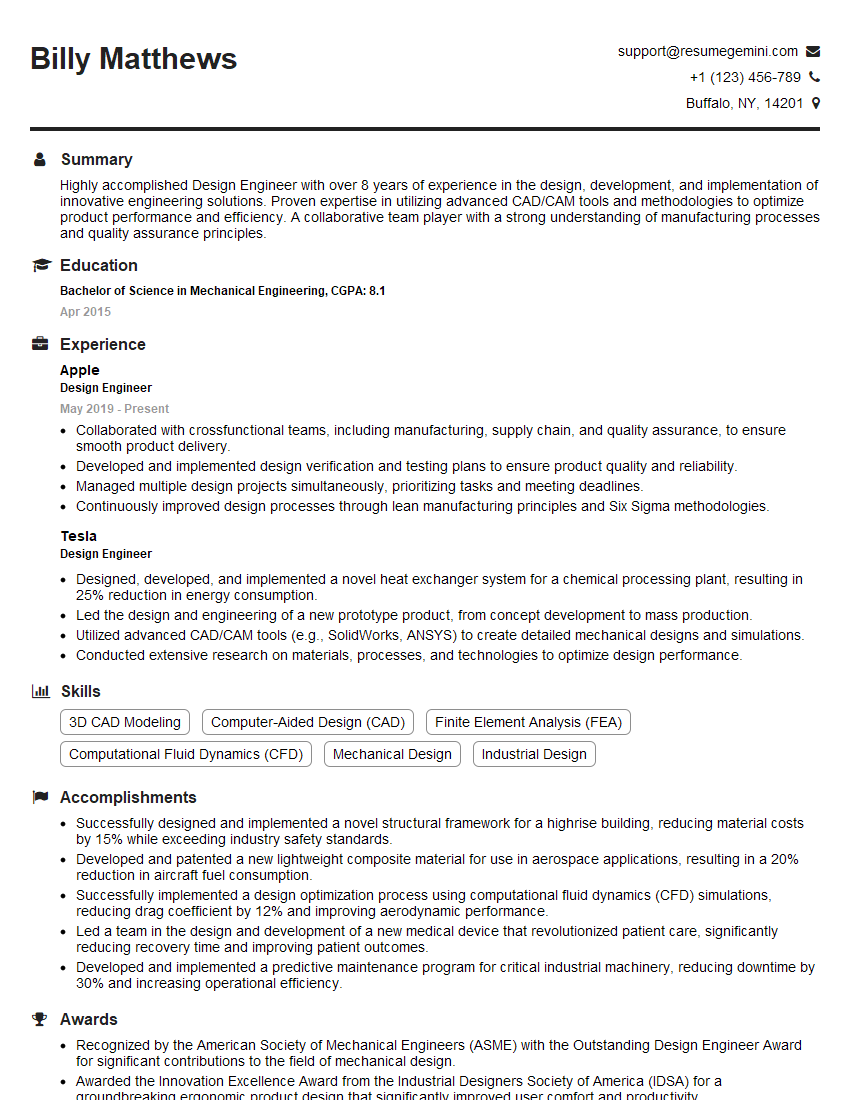
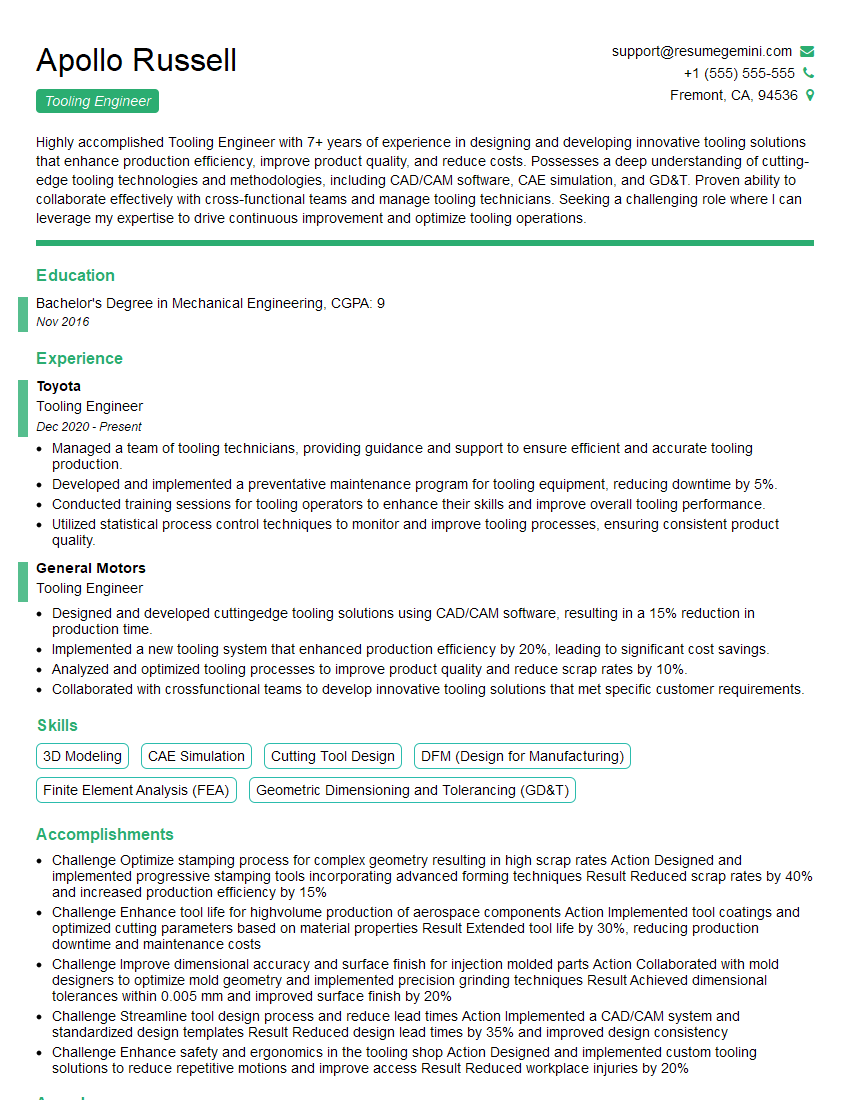
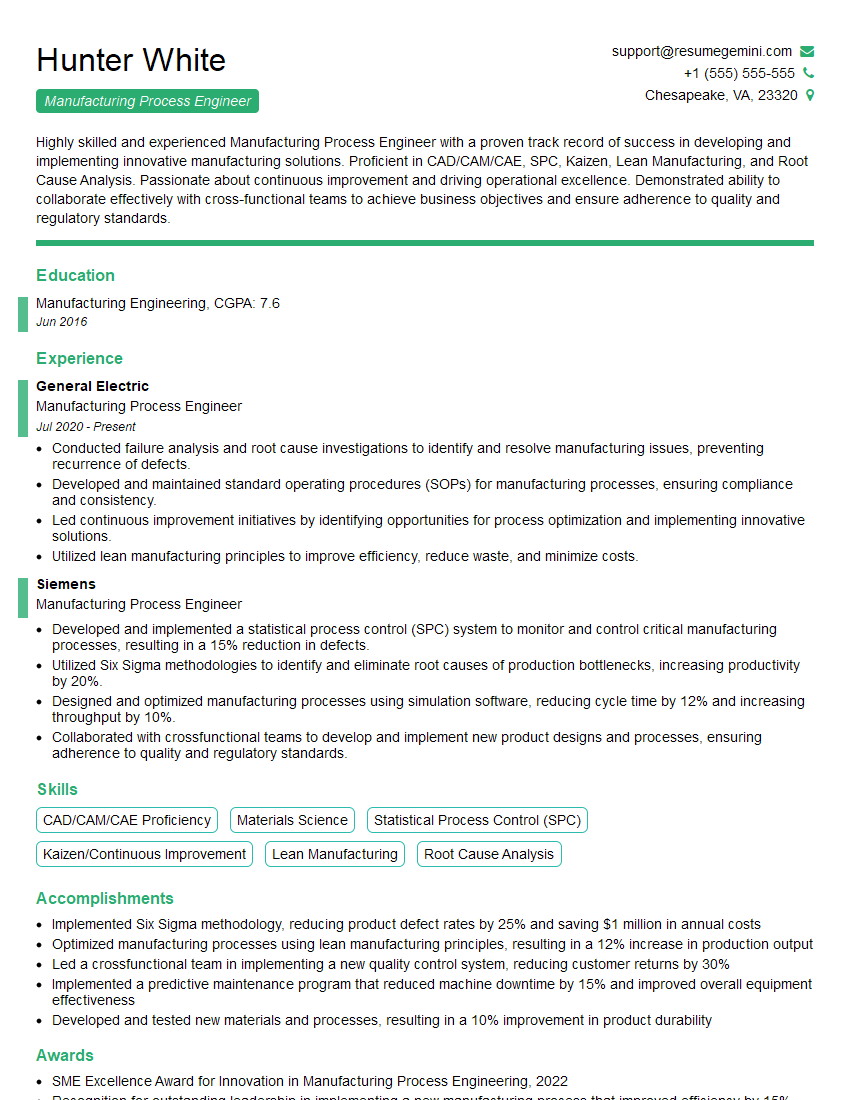
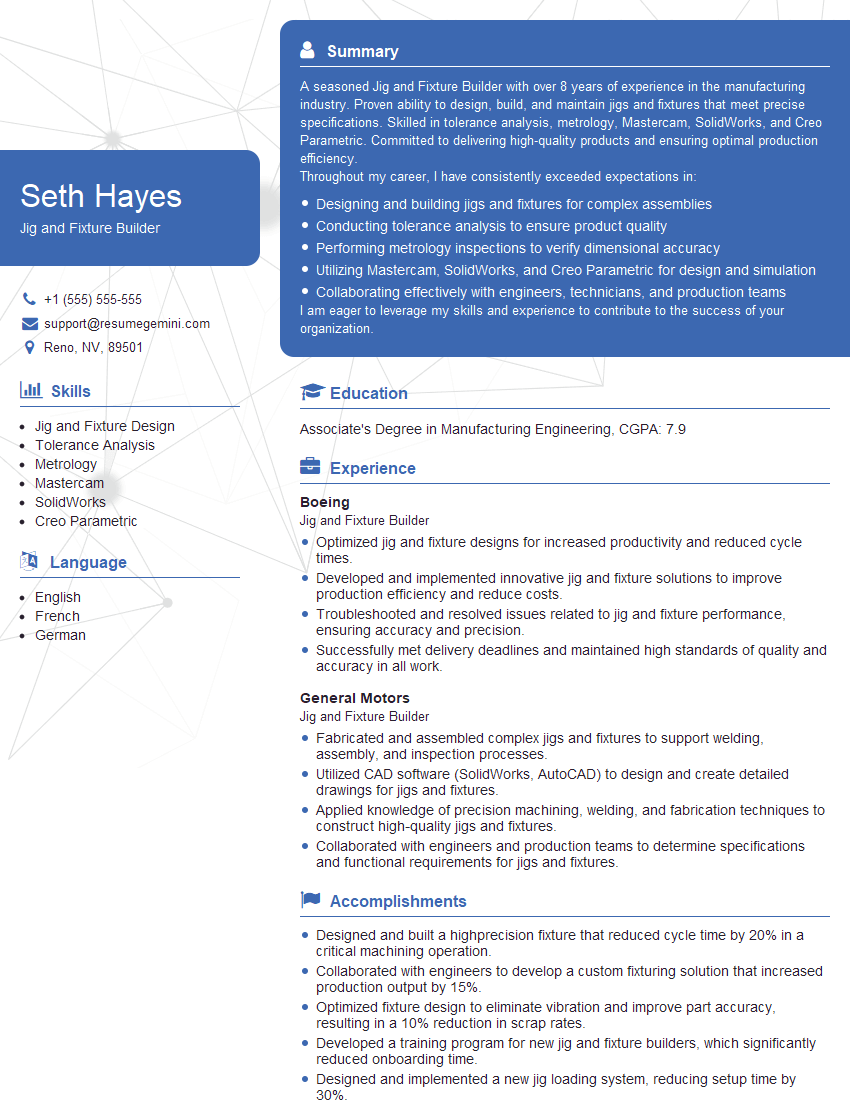
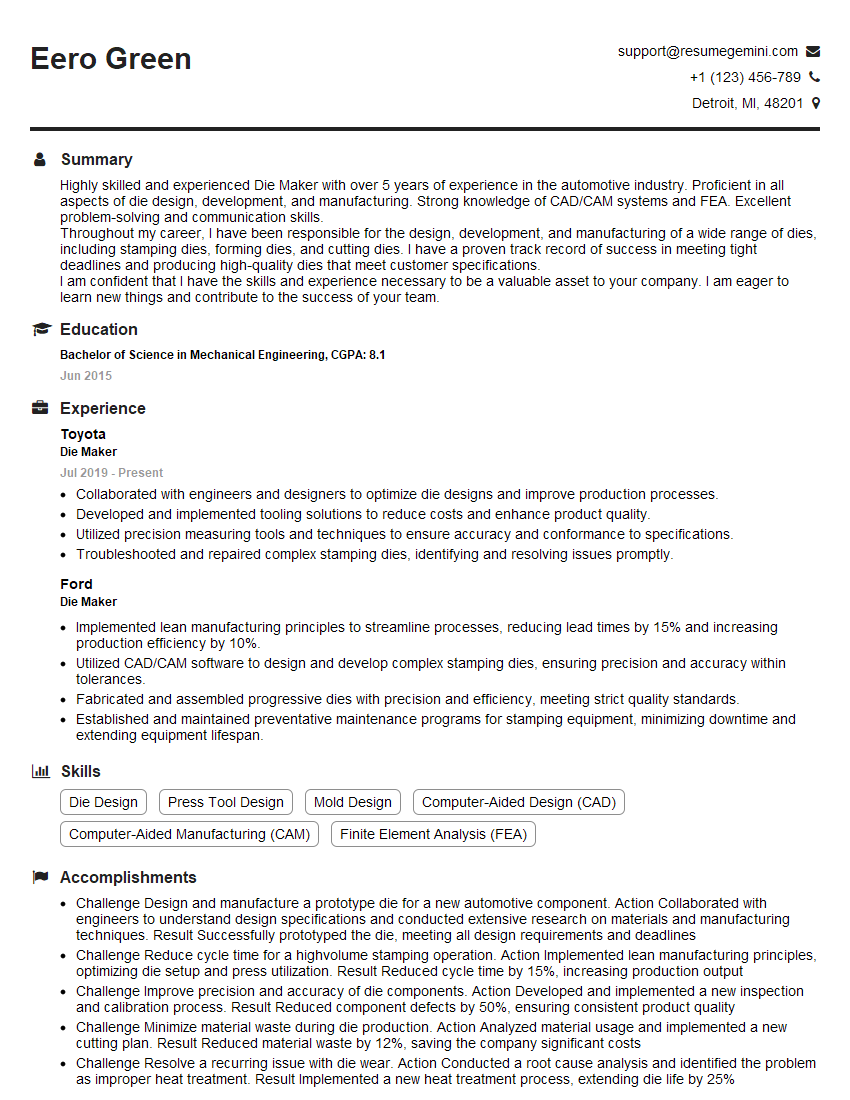
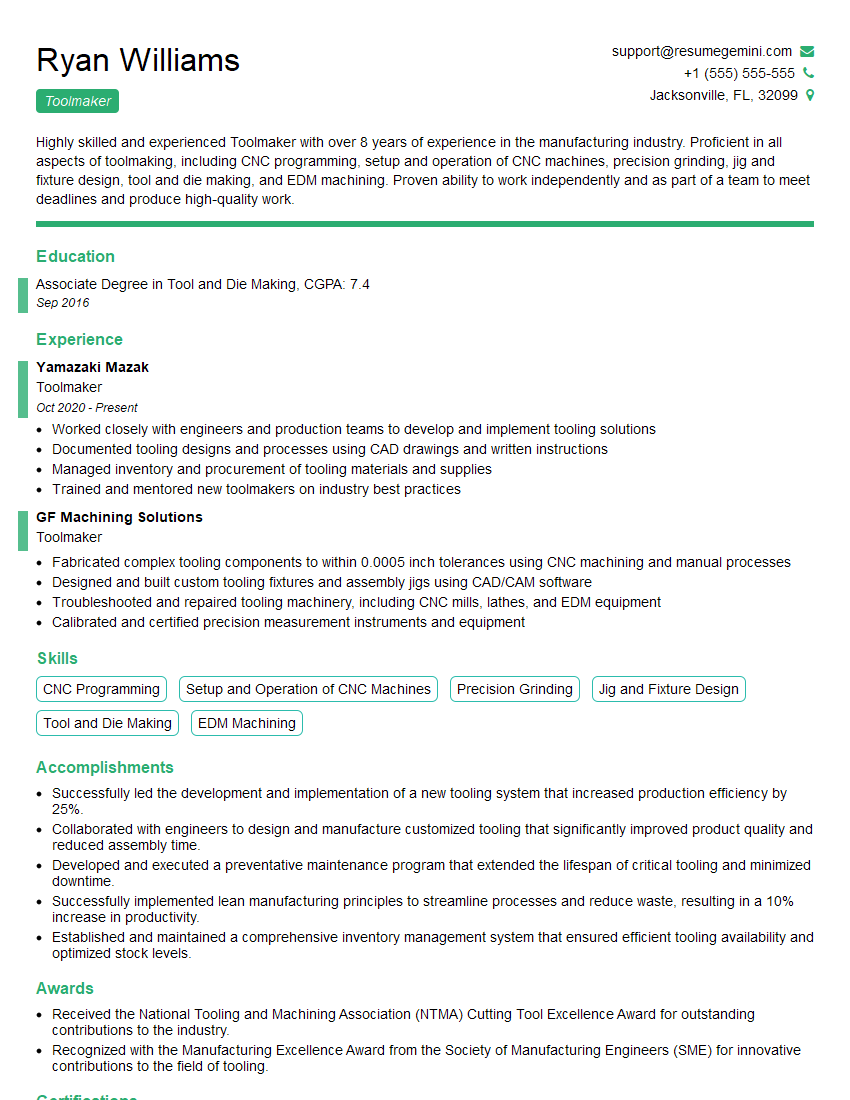
Mastering Fixture and Tool Development opens doors to exciting career advancements, offering opportunities for specialization, leadership roles, and higher earning potential. To significantly boost your job prospects, crafting an ATS-friendly resume is crucial. This ensures your qualifications are effectively highlighted and your application isn’t overlooked. ResumeGemini is a trusted resource that can help you build a professional and impactful resume. They offer examples of resumes tailored to Fixture and Tool Development, providing a valuable blueprint for your own.
Explore more articles
Users Rating of Our Blogs
Share Your Experience
We value your feedback! Please rate our content and share your thoughts (optional).
What Readers Say About Our Blog
I Redesigned Spongebob Squarepants and his main characters of my artwork.
https://www.deviantart.com/reimaginesponge/art/Redesigned-Spongebob-characters-1223583608
IT gave me an insight and words to use and be able to think of examples
Hi, I’m Jay, we have a few potential clients that are interested in your services, thought you might be a good fit. I’d love to talk about the details, when do you have time to talk?
Best,
Jay
Founder | CEO