Are you ready to stand out in your next interview? Understanding and preparing for Flange Installation interview questions is a game-changer. In this blog, we’ve compiled key questions and expert advice to help you showcase your skills with confidence and precision. Let’s get started on your journey to acing the interview.
Questions Asked in Flange Installation Interview
Q 1. What are the different types of flanges?
Flanges are the connecting components used to join pipes, vessels, and other equipment. They come in a wide variety of types, each designed for specific applications and pressure ratings. The classification is often based on their face design, bolting pattern, and overall construction.
- Slip-on Flanges: These are easily installed, slipping over the pipe end and welded. They’re common for less demanding applications.
- Weld Neck Flanges: Offering superior strength and durability, these are welded to the pipe, creating a robust connection ideal for high-pressure systems. They also minimize stress concentration.
- Blind Flanges: Solid discs used to close off a pipe or vessel. Useful for maintenance or isolating sections of a system.
- Socket Weld Flanges: Designed for smaller diameter pipes, these are welded into a socket, resulting in a smooth, compact joint.
- Threaded Flanges: Simpler to install than welded flanges, using threaded connections. They’re suitable for lower pressure applications.
- Lap Joint Flanges: These consist of two parts – a lap joint stub end and a flange – offering easier gasket replacement. Often used with high-pressure or corrosive applications where gasket replacement is important.
- Ring Joint Flanges: Employing metal rings as gaskets, offering excellent sealing capabilities for high-pressure and high-temperature applications. Requires very precise machining of the flange face.
The choice of flange type depends on factors such as pressure, temperature, pipe material, and the ease of installation and maintenance required.
Q 2. Explain the process of flange alignment.
Flange alignment is critical for a leak-free, pressure-tight seal. Misalignment can lead to gasket damage, uneven bolt stress, and ultimately, leaks or system failure. Proper alignment ensures the flange faces are parallel and concentric.
The process typically involves these steps:
- Visual Inspection: Initially, check for any obvious misalignments. Are the flanges visibly offset or at different angles?
- Using Alignment Tools: Tools like alignment pins, laser alignment systems, or feeler gauges provide precise measurements to ensure parallelism and concentricity. Laser alignment systems, for instance, offer a quick and accurate method for checking alignment.
- Iterative Adjustment: If misalignment is detected, adjustments are made using shims or by manipulating the pipe’s position. This is often an iterative process where small adjustments are made and alignment is checked again until it is within acceptable tolerance.
- Final Verification: After adjustments, a final check is conducted using the appropriate tools to ensure everything is properly aligned before bolting.
Imagine trying to stack two plates – if they are not aligned, they won’t sit flush. Flange alignment is similar: Precise alignment is crucial for creating a proper seal.
Q 3. Describe different types of flange gaskets and their applications.
Flange gaskets are crucial for creating a seal between two flange faces. Different gasket materials cater to specific service conditions.
- Full-Face Gaskets: These cover the entire flange face, providing a large contact area. They are generally easier to install but can be less effective for high-pressure applications.
- Ring-Type Gaskets: These gaskets are designed as rings and are placed on the flange face in the bolt circle. They offer a more controlled seal in high-pressure and high-temperature applications.
- Spiral-Wound Gaskets: Made from metal and filler materials, these offer excellent resilience and can withstand high temperatures and pressures. Commonly used in high-pressure steam applications.
- Metal Jacketed Gaskets: These combine the resilience of a spiral-wound gasket with the conformability of a softer inner material. Suitable for harsh environments.
- Non-Metallic Gaskets: Materials like rubber, PTFE (Teflon), and various composites are used depending on the chemicals and temperature involved. Often selected for their chemical resistance or for lower-pressure applications.
For instance, a PTFE gasket might be used in a chemical processing plant due to its chemical inertness, while a spiral-wound gasket might be preferred for high-pressure steam lines in a power plant.
Q 4. How do you select the appropriate gasket material for a specific application?
Gasket material selection is critical for ensuring a reliable seal. The choice depends on several factors:
- Temperature: The gasket material must withstand the operating temperature without degrading or losing its sealing properties.
- Pressure: The gasket needs to withstand the system pressure without leaking or being compressed excessively.
- Fluid Compatibility: The material must be chemically compatible with the fluid being contained to avoid corrosion, swelling, or degradation.
- Surface Finish: The gasket material and its compatibility with the flange face material must be considered.
For example, in a high-temperature, high-pressure steam system, a spiral-wound gasket made of stainless steel might be selected. However, in a system handling a corrosive chemical, a gasket made of PTFE or a suitable elastomer might be necessary. A thorough understanding of the service conditions is paramount for correct selection. Often, manufacturers will provide charts and guidelines for appropriate gasket materials based on fluid and temperature compatibility.
Q 5. What are the common causes of flange leaks?
Flange leaks are frustrating but often preventable. Common causes include:
- Improper Alignment: Misaligned flanges create uneven gasket compression, leading to leaks.
- Incorrect Gasket Selection: Using a gasket that’s not compatible with the fluid, temperature, or pressure will result in leaks or gasket failure.
- Damaged or Worn Gasket: Old or damaged gaskets can’t create a proper seal.
- Over- or Under-Tightening of Bolts: Over-tightening can damage the gasket, while under-tightening won’t provide sufficient compression.
- Damaged Flange Faces: Scratches, pitting, or corrosion on the flange faces prevent proper gasket sealing.
- Bolt Failure: Bolts that are damaged, corroded, or incorrectly sized can lead to flange leaks.
Troubleshooting leaks often involves systematically checking each of these areas, ensuring that the complete assembly meets the design specifications.
Q 6. How do you measure flange face flatness?
Measuring flange face flatness is crucial for ensuring a good seal. Non-flat faces can prevent proper gasket compression. This is typically done using a precision straightedge and feeler gauges.
The process involves placing a straightedge across the flange face and measuring the gap between the straightedge and the flange face using feeler gauges. The maximum allowable deviation from flatness is usually specified in engineering drawings or relevant standards. Any deviation exceeding these limits often requires machining to correct the surface.
For instance, if the allowable deviation is 0.005 inches, and the feeler gauge measurement reveals a 0.008-inch gap, the flange face requires machining to achieve proper flatness. Laser-based surface profiling equipment can also provide a detailed analysis of the surface deviations across the flange face, offering comprehensive information for corrective action.
Q 7. What tools are essential for proper flange installation?
Proper flange installation requires a range of specialized tools. The exact tools will vary depending on the type of flange and the installation method, but essential tools often include:
- Torque Wrench: Ensures bolts are tightened to the specified torque, preventing over- or under-tightening.
- Alignment Tools: Alignment pins, laser alignment systems, or feeler gauges are essential for verifying flange alignment.
- Measuring Tools: Calipers, micrometers, and rulers are used to check flange dimensions and gasket thickness.
- Wrenches and Sockets: Various sizes of wrenches and sockets are needed for tightening bolts.
- Shims: Used to correct small misalignments between flanges.
- Lifting Equipment: Depending on the size and weight of the flanges, hoists or other lifting devices may be required.
- Welding Equipment (if applicable): For welded flanges, the appropriate welding equipment is essential.
The use of appropriate tools is fundamental to achieving a successful and safe flange installation.
Q 8. Explain the importance of torque specifications during flange installation.
Torque specifications are absolutely crucial in flange installation because they dictate the clamping force applied to the gasket. This force ensures a leak-tight seal. Too little torque, and the gasket won’t compress sufficiently, leading to leaks. Too much torque, and you risk bolt failure, gasket damage, or even flange distortion. Imagine trying to seal a water pipe – you need just the right amount of pressure to create a watertight joint. Think of the torque specification as that ‘Goldilocks’ level of tightening – not too much, not too little, but just right. It’s determined by factors like flange material, bolt size, gasket type, and operating pressure. Always consult the manufacturer’s guidelines for the specific torque values.
For instance, a high-pressure steam system will necessitate considerably higher torque values compared to a low-pressure water line. Failing to adhere to these specifications can result in costly downtime, repairs, and even safety hazards.
Q 9. How do you ensure proper bolt tightening sequence?
Ensuring the correct bolt tightening sequence is critical to prevent flange distortion and ensure even gasket compression. The sequence typically involves tightening bolts in a criss-cross pattern, moving progressively outward from the center. This ensures that the clamping force is distributed evenly across the entire flange face. Imagine tightening the lug nuts on a wheel – if you tightened them sequentially, from one side to the other, you’d likely end up with an unevenly tightened wheel. The criss-cross pattern ensures consistent pressure across the wheel, preventing issues like uneven wear and tear.
For example, with an eight-bolt flange, you would start by tightening bolt 1, then bolt 5 (diagonally opposite), then bolt 3, then bolt 7, and so on. Repeat this process in several passes, gradually increasing the torque until the final specification is reached. Detailed diagrams showing the correct tightening sequence are usually provided in the flange’s engineering drawings or manufacturer’s instructions. Using a proper sequence ensures that the gasket compresses evenly, preventing leaks and maximizing its lifespan.
Q 10. What are the safety precautions for flange installation?
Safety is paramount during flange installation. Always wear appropriate personal protective equipment (PPE), including safety glasses, gloves, and steel-toe boots. Flanges can be heavy and unwieldy, so ensure you have sufficient help to lift and maneuver them safely. Never work under a suspended flange. Before commencing any work, isolate the system to prevent accidental releases of hazardous materials like steam or chemicals. Use proper lifting equipment such as chains, slings, or a crane if handling heavy flanges. Ensure the area is well-lit and free of obstructions. If you encounter any unexpected issues or challenges, consult with a supervisor or qualified engineer before proceeding. Following safety procedures prevents accidents and ensures a smooth, injury-free process.
For example, a poorly secured flange could lead to a sudden release of high-pressure steam, causing burns and other injuries. Using a crane for heavier flanges is essential to prevent back injuries to workers and to prevent the flange from falling and causing damage.
Q 11. How do you handle damaged or corroded flanges?
Handling damaged or corroded flanges requires careful assessment. If the damage is minor, such as surface corrosion, cleaning and repainting might suffice. However, significant corrosion or damage can compromise the flange’s structural integrity. In such cases, the flange must be replaced. Never attempt to repair a severely damaged flange. This is a safety hazard and could cause catastrophic failure during operation. When replacing a flange, it’s critical to ensure that the replacement is compatible with the existing system in terms of material, size, and pressure rating.
For example, if a flange shows signs of significant cracking, pitting, or deformation, it should be immediately replaced. Ignoring this can lead to leaks, equipment failure, and potential safety risks. It is better to be safe than sorry.
Q 12. Describe the process of flange removal.
Flange removal involves the reverse process of installation. First, carefully loosen the bolts using the appropriate wrench, following the reverse of the tightening sequence (from outer bolts to the inner bolts). Once loosened, remove the bolts completely. Then, separate the flanges gently, taking care not to damage the gasket. Examine both flanges and the gasket for wear or damage. If required, replace the gasket. Before reinstalling, thoroughly clean the mating surfaces of both flanges to remove any debris or old gasket material. This ensures a proper seal upon reassembly.
For example, if the flange is particularly stubborn, you might need to apply penetrating oil to loosen the bolts. Using the right tools and techniques minimizes the risk of damage during removal.
Q 13. What are the different methods for flange bolting?
Several methods exist for flange bolting, each chosen depending on the application and required precision. These include:
- Hand Tightening: Using wrenches to achieve the initial tightening.
- Torque Wrench Tightening: Employing a torque wrench to ensure the bolts are tightened to the specified torque.
- Hydraulic Tensioners: These tools use hydraulic pressure to stretch bolts to a predefined tension, ensuring consistent and accurate clamping force. This is particularly useful for large or high-pressure flanges.
- Pneumatic Tensioners: Similar to hydraulic tensioners but utilizing compressed air.
The choice of method depends on the specific project requirements, the size of the flange, and the level of accuracy needed.
Q 14. What is the importance of using a torque wrench?
Using a torque wrench is critical for accurate and consistent bolt tightening. It ensures that each bolt is tightened to the specified torque value, preventing over-tightening or under-tightening. Over-tightening can damage bolts or flanges. Under-tightening leads to leaks. A torque wrench allows for controlled tightening, minimizing the risk of human error. It’s a simple yet effective tool to safeguard against many common flange installation issues.
Imagine a scenario where you’re manually tightening bolts – it’s difficult to maintain consistent force. A torque wrench eliminates this inconsistency, offering a much more reliable and safer method to ensure a proper, leak-free seal.
Q 15. How do you troubleshoot a leaking flange?
Troubleshooting a leaking flange involves a systematic approach. First, isolate the leak: Is it coming from the flange face, the bolt holes, or the gasket itself? A visual inspection, sometimes aided by a magnifying glass or borescope for hard-to-reach areas, will help pinpoint the source.
Next, check the gasket. Is it damaged, improperly seated, or the wrong type for the application? A compressed gasket that’s too thin or improperly installed might be the culprit. Consider the gasket material’s compatibility with the fluids being handled; chemical incompatibility can lead to deterioration.
Examine the flange faces. Are they damaged (e.g., scratches, pitting, corrosion)? Even minor imperfections can disrupt the seal. Consider using a straightedge to check for warping or unevenness. Improper facing (discussed below) is a common cause of leaks.
Inspect the bolts. Are they tightened to the correct torque? Using a torque wrench is crucial. Under-tightening leads to leaks, while over-tightening can damage the flange or gasket. A calibrated torque wrench is essential. Check the bolts for damage as well; stripped threads or broken bolts are potential sources of leakage.
Finally, consider the flange material and operating conditions. High temperatures or pressures might have compromised the seal. Are the flange and gasket materials compatible with the fluids or gases? Corrosion or erosion could also be contributing factors.
If the leak persists after addressing these points, a professional inspection might be necessary. They may use specialized equipment to pinpoint the precise source and recommend repair or replacement.
Career Expert Tips:
- Ace those interviews! Prepare effectively by reviewing the Top 50 Most Common Interview Questions on ResumeGemini.
- Navigate your job search with confidence! Explore a wide range of Career Tips on ResumeGemini. Learn about common challenges and recommendations to overcome them.
- Craft the perfect resume! Master the Art of Resume Writing with ResumeGemini’s guide. Showcase your unique qualifications and achievements effectively.
- Don’t miss out on holiday savings! Build your dream resume with ResumeGemini’s ATS optimized templates.
Q 16. Explain the concept of flange facing.
Flange facing refers to the machined surface of the flange that makes contact with the gasket. A properly faced flange ensures a consistent, even seal. Think of it like the precisely flat surface of a table; you wouldn’t expect a stable surface if the tabletop was uneven. Similarly, an uneven flange face will lead to an uneven gasket compression, potentially causing leaks.
Different facing types exist, each designed for a specific application and gasket material. Common types include:
- Flat Face: A simple, flat surface.
- Raised Face: Has a raised area around the bolt holes to help center the gasket and provide extra support.
- Ring Joint: Features a groove to accommodate a specialized ring-type gasket.
- Tongue and Groove: Has a mating male and female configuration for a secure seal.
The facing type must match the gasket type for proper sealing. Improper facing is a frequent cause of flange leaks; ensuring the facing is accurate and free from defects is paramount.
Q 17. What is the difference between raised face and flat face flanges?
The key difference between raised face and flat face flanges lies in their contact surfaces. Flat face flanges have a flat surface where the gasket sits. They are generally simpler and less expensive. However, they might require a more robust gasket to compensate for the larger surface area needing compression.
Raised face flanges, on the other hand, have a raised ring around the bolt holes. This raised area helps center the gasket and provides a more defined sealing surface. This design often improves the sealing efficiency and reduces the likelihood of gasket extrusion, especially under high pressure. It’s like the difference between putting a thin rubber band on a flat surface versus a recessed ring—the ring helps secure the rubber band better.
The choice between raised face and flat face depends on the application, pressure, and temperature conditions. High-pressure applications generally benefit from the superior sealing characteristics of raised face flanges.
Q 18. How do you inspect flanges for damage before installation?
Inspecting flanges before installation is critical to prevent leaks and ensure safe operation. A thorough inspection should include:
- Visual examination: Check for cracks, corrosion, pitting, dents, or any other surface imperfections. Look closely at the bolt holes and the flange face itself.
- Dimensional verification: Ensure the flange dimensions conform to the specifications. Use calipers or other precision measuring tools to verify the flange’s diameter, thickness, and bolt hole alignment.
- Face flatness check: Use a straightedge or surface plate to check the flatness of the flange face. Even minor deviations can hinder proper sealing.
- Bolt hole inspection: Verify that the bolt holes are clean, undamaged, and properly aligned. Threads should be free of damage or debris.
- Material verification: Confirm that the flange material meets the specified requirements for the application’s pressure, temperature, and chemical compatibility.
Documentation of the inspection is crucial. Take photos, record measurements, and note any defects found. This documentation provides a record of the flange’s condition before installation, essential for troubleshooting any issues later.
Q 19. What are the common materials used in flange construction?
Flanges are constructed from various materials, each chosen based on the application’s specific requirements. The choice is driven by factors such as pressure, temperature, corrosion resistance, and cost.
Common flange materials include:
- Carbon Steel: Widely used for its strength and relatively low cost, suitable for many general applications.
- Stainless Steel: Offers excellent corrosion resistance, making it ideal for applications involving corrosive fluids or harsh environments. Different grades (e.g., 304, 316) offer varying corrosion resistance.
- Cast Iron: Offers good compressive strength and is often used in low-pressure applications.
- Ductile Iron: A more durable alternative to cast iron, with improved tensile strength and impact resistance.
- Alloy Steel: Used in high-temperature or high-pressure applications where enhanced strength and creep resistance are required.
Material selection requires careful consideration of the operating environment to ensure long-term durability and safety. The wrong material can lead to premature failure and potential safety hazards.
Q 20. How do you determine the correct bolt size for a given flange?
Determining the correct bolt size for a flange is crucial for ensuring a leak-free and safe connection. This involves considering several factors:
- Flange size and type: The flange’s nominal diameter and type (e.g., raised face, flat face) determine the number and size of bolts required.
- Operating pressure and temperature: Higher pressures and temperatures require larger and stronger bolts to withstand the increased stress.
- Bolt material: The bolt material must be compatible with the flange material and the operating environment. Corrosion resistance is a key consideration.
- Bolt grade: The bolt grade indicates its tensile strength. Higher-grade bolts are needed for high-pressure applications.
- Applicable standards: Industry standards (e.g., ASME B16.5) provide guidelines for bolt sizing and selection based on flange dimensions and operating conditions.
Using the wrong bolt size can lead to insufficient clamping force, resulting in gasket leakage or even flange failure. Consulting engineering drawings and relevant standards is essential for correct bolt selection. Software tools can also assist in bolt size calculations, ensuring accuracy and safety.
Q 21. Explain the importance of proper flange lubrication.
Proper flange lubrication is essential for smooth bolt tightening, reduced friction, and prevention of galling (metal-to-metal seizure) during installation and operation. Lubrication ensures that the bolt load is transferred evenly to the flange faces, maximizing gasket compression.
Using the right lubricant also helps protect the bolts and flanges from corrosion. Without lubrication, significant friction can cause bolts to be over-torqued, leading to flange damage. It also allows for easier disassembly in the future. For example, it would be much easier to remove a bolt that has been lubricated than a dry bolt.
The type of lubricant used depends on the application. For high-temperature applications, specialized high-temperature greases are necessary. In environments with corrosive fluids, the lubricant should be chemically compatible with the system. Improper lubrication can lead to galling, making bolt removal difficult or impossible, even leading to component damage.
In short, proper lubrication is a small detail that makes a big difference in the lifespan and safety of the flange joint. It’s an often-overlooked but critical step for successful flange installation and maintenance.
Q 22. Describe the use of a flange puller.
A flange puller is a specialized tool used to remove flanges that are tightly secured or difficult to detach manually. Imagine trying to unscrew a really stubborn jar lid – a flange puller provides the leverage and controlled force needed to overcome that resistance. They come in various designs, but generally consist of a mechanism that grips the flange’s outer surface and applies pulling force. This prevents damage to the flange or the connected piping during removal.
For instance, in a refinery setting, if a flange is corroded or seized due to years of operation, a hydraulic flange puller may be employed. The controlled hydraulic pressure allows for a safe and effective removal without causing damage to the pipeline or the flange itself. Different sizes and types of pullers cater to diverse flange dimensions and materials.
Q 23. How do you ensure proper surface preparation before installing a flange?
Proper surface preparation is critical for a successful flange installation, ensuring a leak-proof seal and preventing premature failure. Think of it like preparing a wall before painting – you wouldn’t skip sanding and cleaning! This involves several steps:
- Cleaning: Removing all dirt, grease, rust, paint, or any other contaminants from the flange faces and pipe ends using appropriate solvents, wire brushes, or abrasive blasting. This is vital to create a clean mating surface.
- Inspection: Thoroughly inspect the flange surfaces for any damage like cracks, pitting, or significant imperfections. Any damage that could compromise the seal needs attention (repair or replacement).
- Surface Finishing (Optional): Depending on the application and flange material, a final surface finishing might be necessary. This could involve machining to achieve a specific surface roughness, vital for certain high-pressure applications requiring specific surface flatness.
Failure to properly prepare the surfaces can lead to gasket compression issues, leaks, and even premature flange failure, resulting in costly repairs and downtime.
Q 24. What is the difference between a blind flange and a slip-on flange?
Blind flanges and slip-on flanges are both types of flange connections but serve different purposes.
- Blind Flange: A blind flange is a solid disc with a flange face. It’s used to cap or close the end of a pipe, essentially acting as a plug. Imagine it as a lid for a pipe. They are usually used for inspection ports, shut-off purposes, or temporary closures.
- Slip-on Flange: A slip-on flange has a hole in the center and slips onto the pipe. Then it’s welded to the pipe to secure it. Think of it as a collar you slide onto a pipe and then fasten securely. Slip-on flanges are generally cheaper and easier to install than weld neck flanges but offer less strength.
The key difference lies in their structure and application – a blind flange is a solid disc used for closure, while a slip-on flange is a hollow ring that is welded to the pipe.
Q 25. Describe your experience with various flange materials (e.g., steel, stainless steel).
My experience encompasses a wide range of flange materials, each with its own properties and challenges.
- Carbon Steel: This is a common, cost-effective choice, suitable for many applications. However, it is susceptible to corrosion, especially in harsh environments.
- Stainless Steel: Offers superior corrosion resistance compared to carbon steel, making it ideal for applications involving chemicals, seawater, or high humidity. Different grades of stainless steel (e.g., 304, 316) cater to specific corrosion resistance needs.
- Duplex Stainless Steel: Combines the strengths of austenitic and ferritic stainless steels offering superior strength, corrosion resistance, and creep resistance, making them suitable for high-temperature and high-pressure applications.
- Cast Iron: Used in low-pressure applications, cast iron flanges are more brittle than steel flanges and require careful handling to avoid breakage.
Material selection is crucial and depends on factors like operating temperature, pressure, and the nature of the fluid being handled. I always carefully review the project specifications to ensure the correct flange material is selected for optimal performance and longevity.
Q 26. How do you handle unexpected issues during flange installation?
Unexpected issues during flange installation are common. My approach involves a methodical process:
- Identify the Problem: Carefully assess the situation. Is it a misalignment issue? A gasket problem? A damaged flange? Precise identification is key.
- Safety First: Ensure the area is safe before proceeding. Isolate the system if necessary.
- Troubleshooting: Consult relevant documentation (drawings, specifications). Check dimensions, torque values, and alignment. If the issue is unclear, I’d consult with senior engineers or experienced colleagues.
- Implement Solutions: Depending on the issue, solutions can range from simple adjustments (e.g., realigning components) to more complex interventions (e.g., replacing a damaged flange or gasket).
- Documentation: Thoroughly document the issue, the troubleshooting steps, and the implemented solution. This is crucial for learning from experience and preventing similar problems in the future.
A systematic approach, combined with a strong understanding of flange installation principles, allows for effective and safe resolution of unexpected problems.
Q 27. What are the industry standards and codes related to flange installation?
Flange installation adheres to several industry standards and codes to ensure safety and reliability. Some key ones include:
- ASME B16.5: This standard covers pipe flanges and flanged fittings.
- ASME B16.47: This standard covers large diameter flanges.
- ASME B31.1: This code covers power piping.
- ASME B31.3: This code covers process piping.
These standards specify dimensions, materials, pressure ratings, and testing requirements for flanges. Adherence to these standards is vital for safe and compliant installations.
Q 28. Describe a time you had to troubleshoot a difficult flange installation problem.
During a refinery revamp project, we encountered a severely corroded flange on a critical pipeline. Initial attempts to remove it failed due to the corrosion. The flange was seized, and applying excessive force risked damaging the pipeline.
The solution involved a multi-step approach: We first used a combination of penetrating oil and controlled heating to loosen the flange. Then, a specialized hydraulic flange puller with multiple gripping points was employed, ensuring even distribution of force and minimizing damage. The damaged flange was replaced with a new one, adhering to strict ASME standards, and the pipeline was thoroughly inspected before recommissioning. This experience highlighted the importance of thorough pre-installation inspections, the correct selection of tools, and a phased approach to resolving complex problems.
Key Topics to Learn for Flange Installation Interview
- Flange Types and Selection: Understanding different flange types (e.g., slip-on, weld neck, blind), their applications, and how to select the appropriate flange for a given system pressure and temperature.
- Gasket Selection and Installation: Choosing the correct gasket material and size based on flange type, fluid, and pressure. Understanding proper gasket installation techniques to ensure a leak-free seal.
- Bolting Procedures and Torque Specifications: Mastering proper bolt tightening sequences and torque values to achieve optimal joint integrity and prevent leakage. Understanding the use of torque wrenches and tensioners.
- Welding Techniques (if applicable): If the role involves welding flanges, understanding different welding methods, joint preparation, and quality control procedures is crucial.
- Inspection and Leak Testing: Knowing how to inspect flange installations for defects and perform leak tests to ensure system integrity and safety.
- Safety Procedures and Regulations: Familiarizing yourself with relevant safety regulations and best practices for flange installation to maintain a safe work environment.
- Troubleshooting Common Issues: Developing problem-solving skills to diagnose and address common issues such as leaks, bolt failures, and misalignments.
- Material Compatibility: Understanding the importance of material compatibility between flanges, gaskets, and the fluids being handled to prevent corrosion and other issues.
Next Steps
Mastering flange installation opens doors to rewarding and challenging roles in various industries. A strong foundation in this skillset significantly enhances your career prospects and demonstrates valuable expertise to potential employers. To increase your chances of landing your dream job, invest time in creating a compelling and ATS-friendly resume that highlights your skills and experience effectively. ResumeGemini is a trusted resource to help you build a professional resume that showcases your qualifications in the best possible light. Examples of resumes tailored to Flange Installation are available to guide you.
Operations Manager Resume Sample
Plant Manager Resume Sample

Maintenance Planner Resume Sample
Maintenance Supervisor Resume Sample

Engineering Manager Resume Sample

Project Engineer Resume Sample
Maintenance Technician Resume Sample
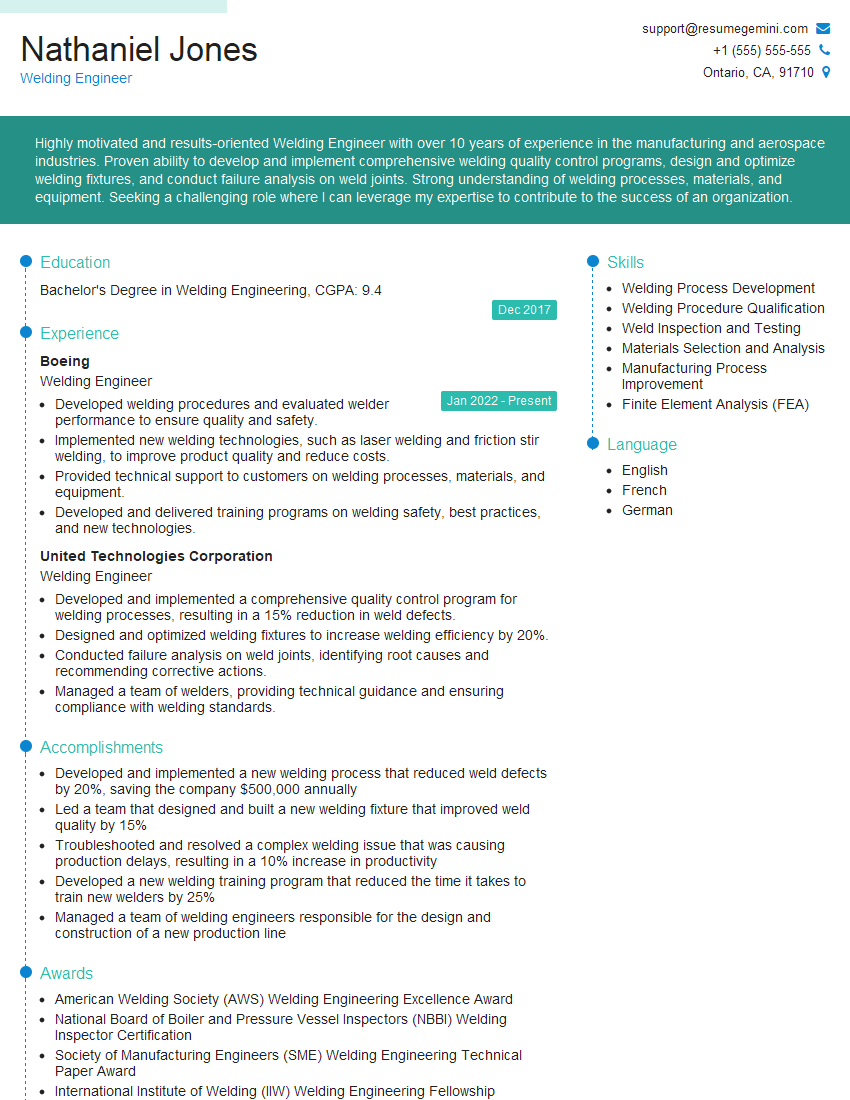
Welding Engineer Resume Sample
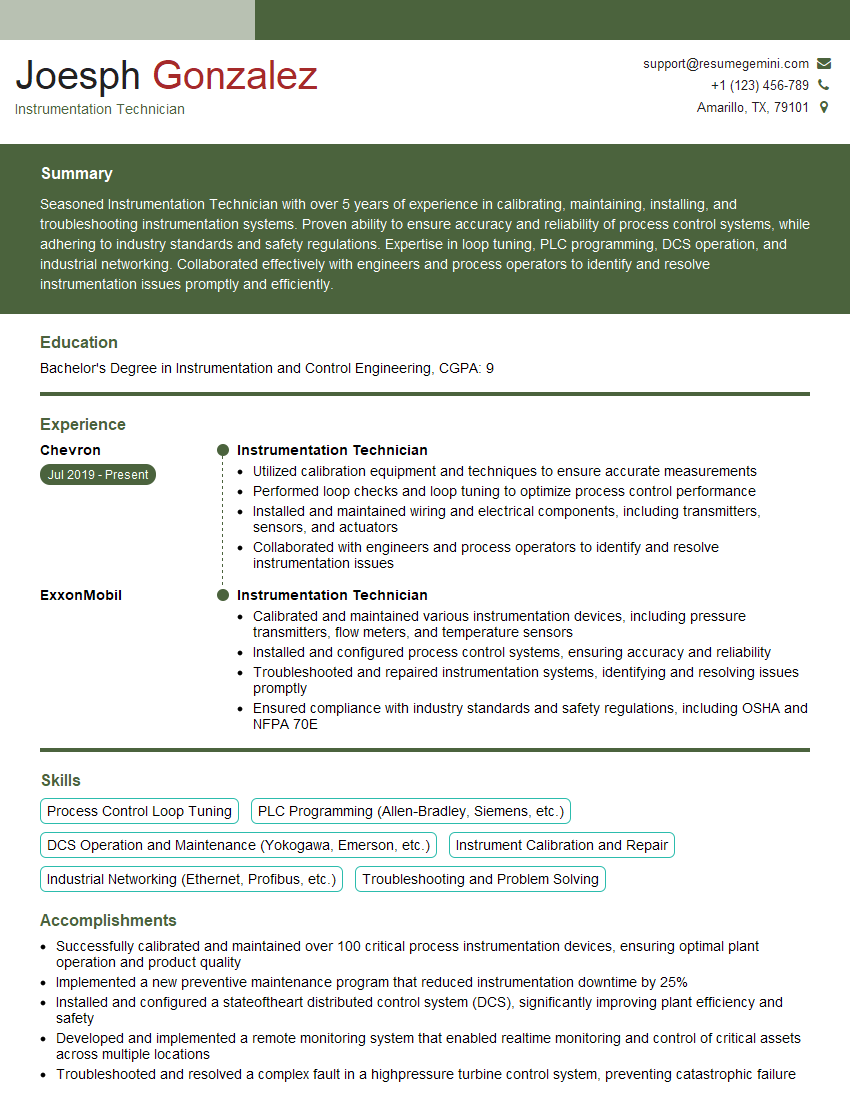
Instrumentation Technician Resume Sample
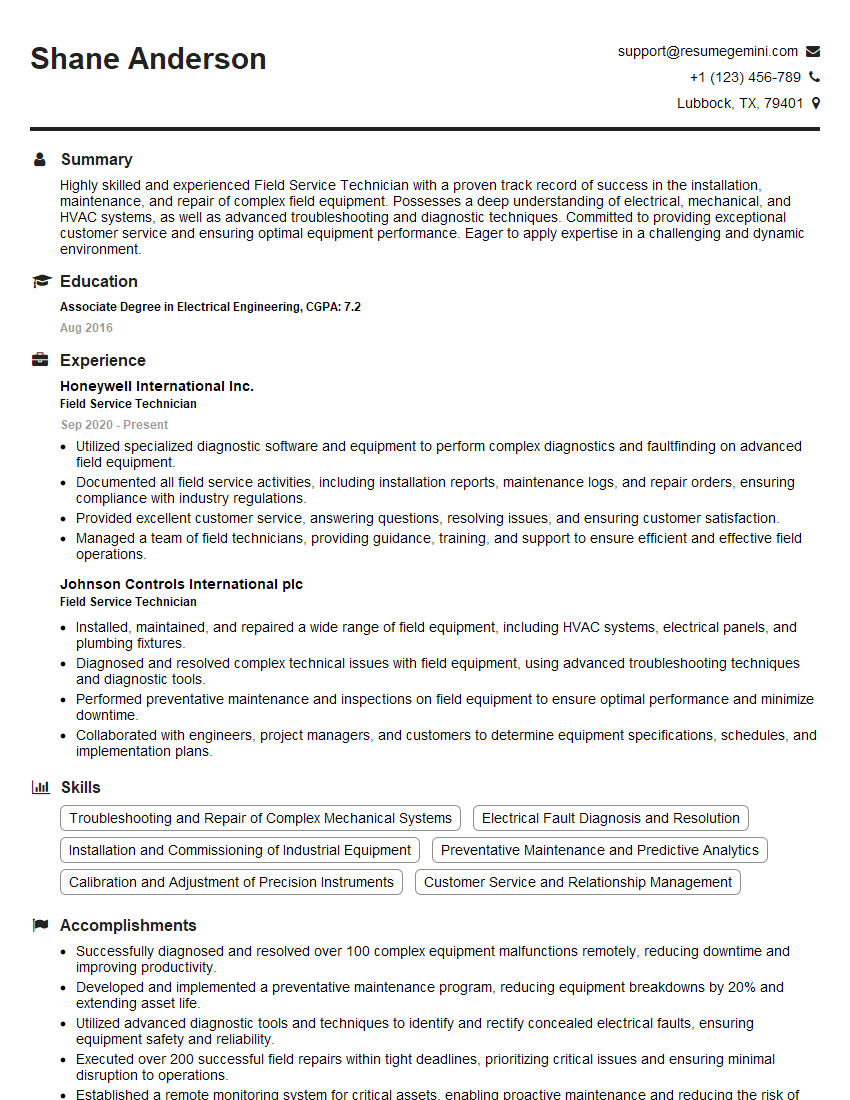
Field Service Technician Resume Sample
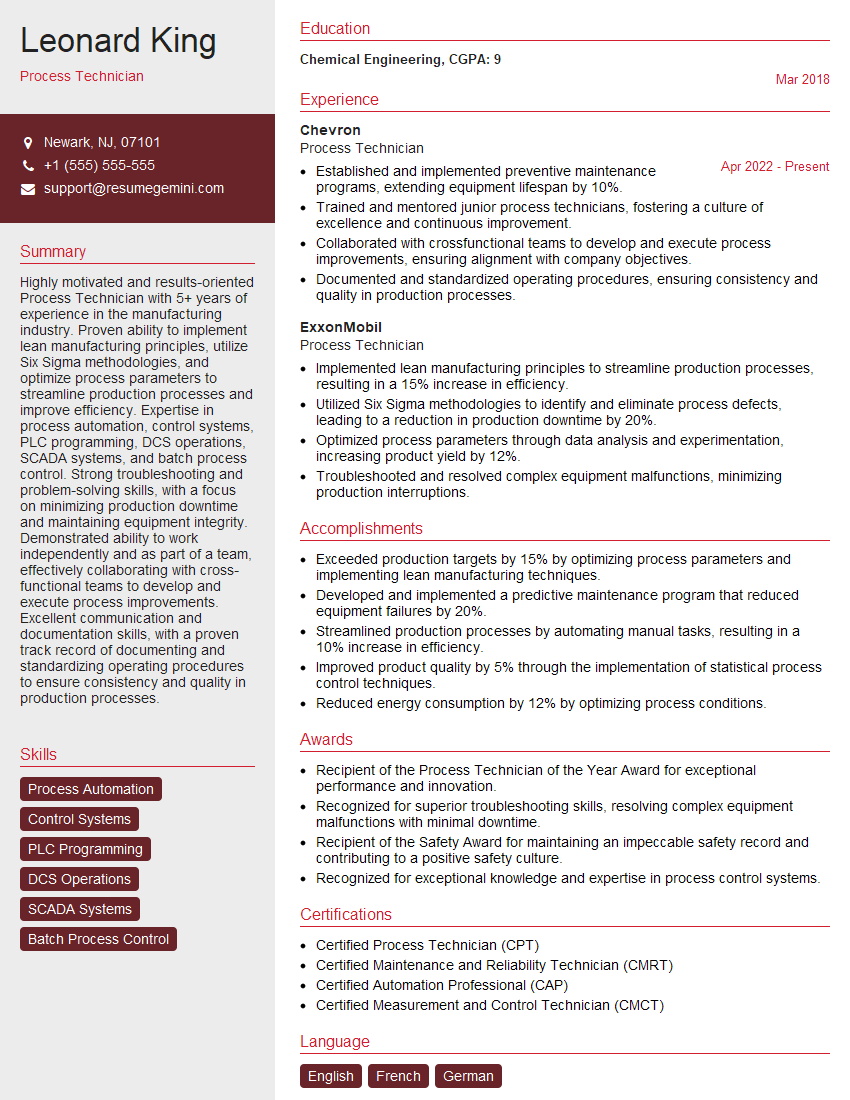
Process Technician Resume Sample
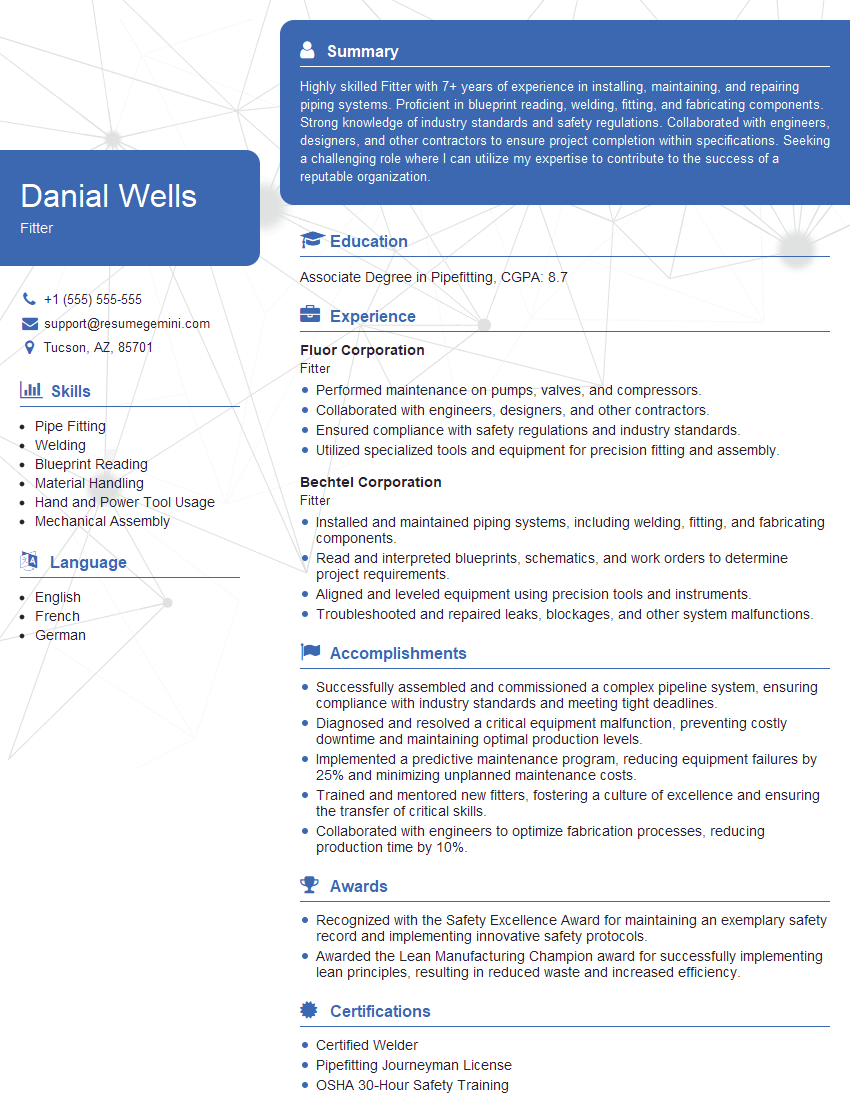
Fitter Resume Sample
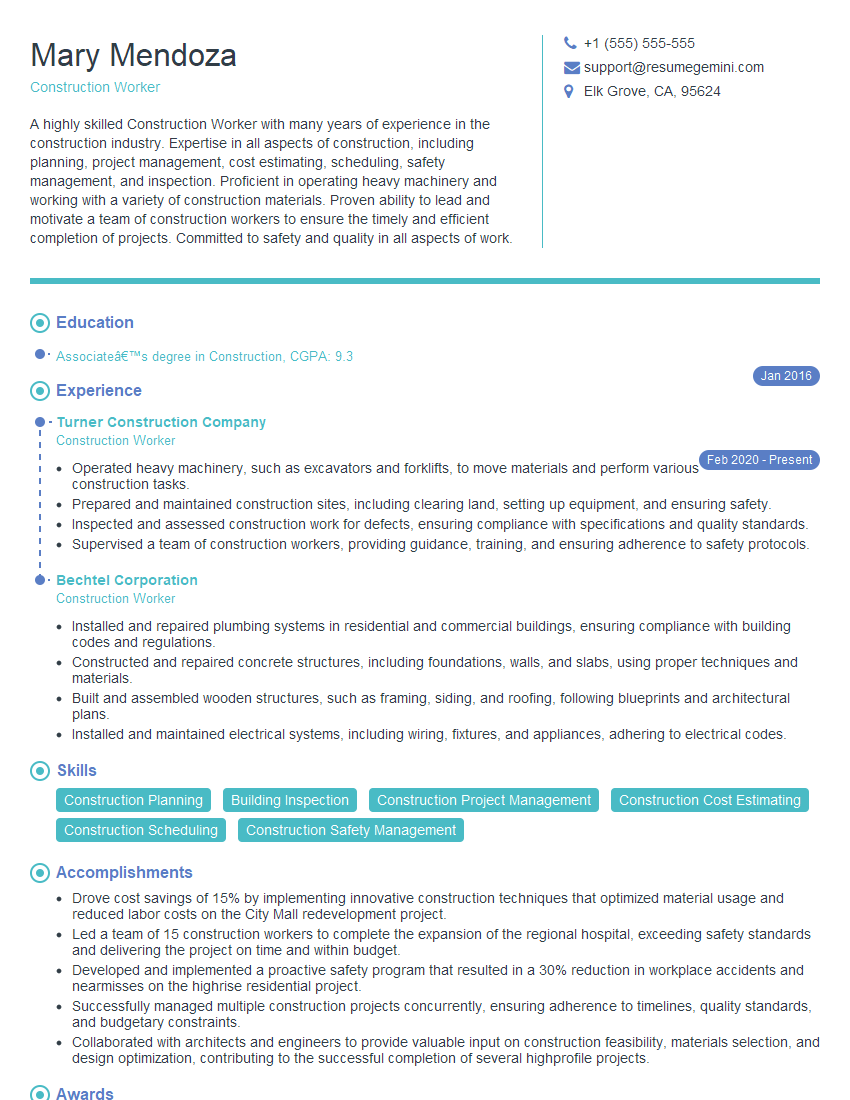
Construction Worker Resume Sample
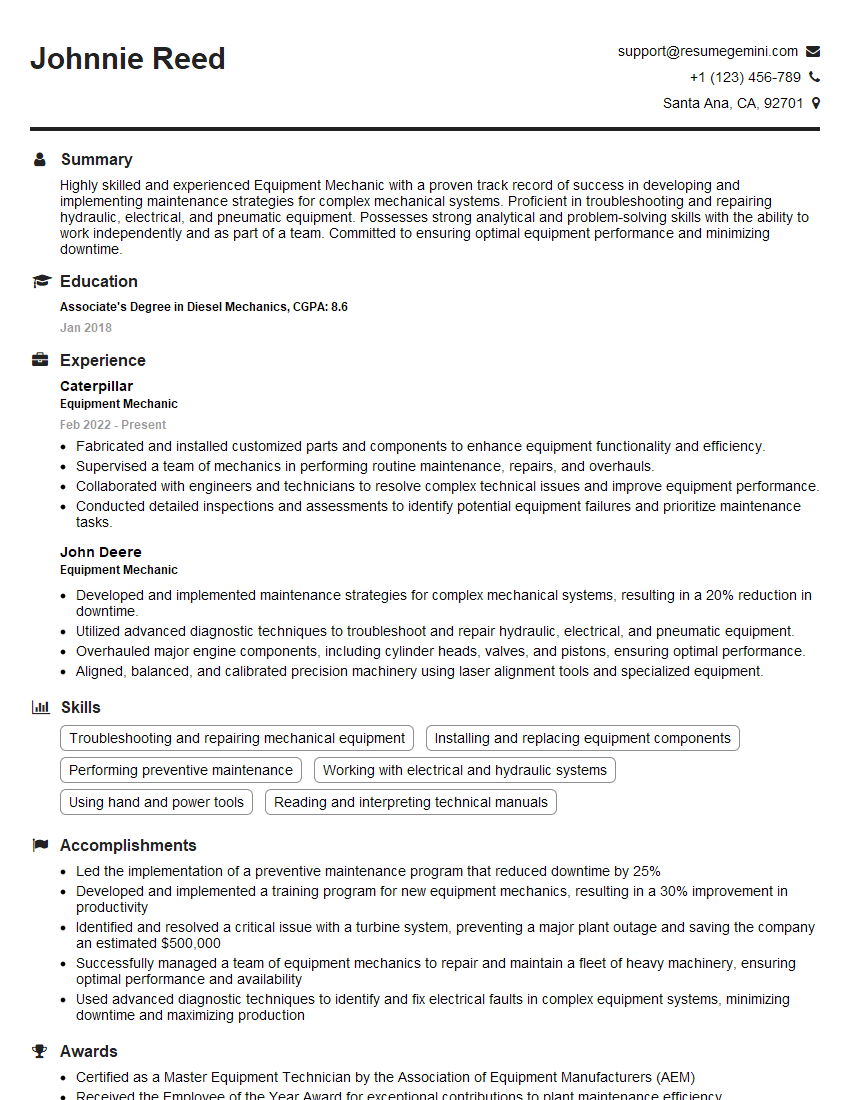
Equipment Mechanic Resume Sample
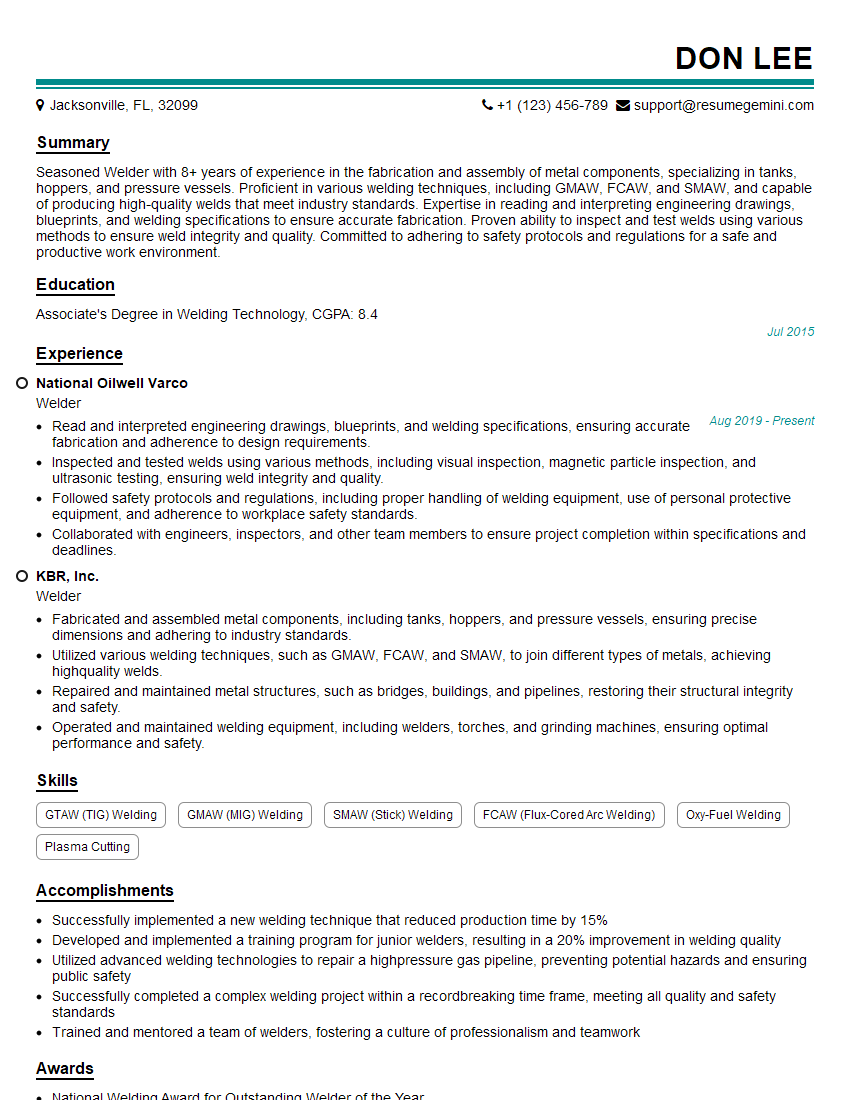
Welder Resume Sample
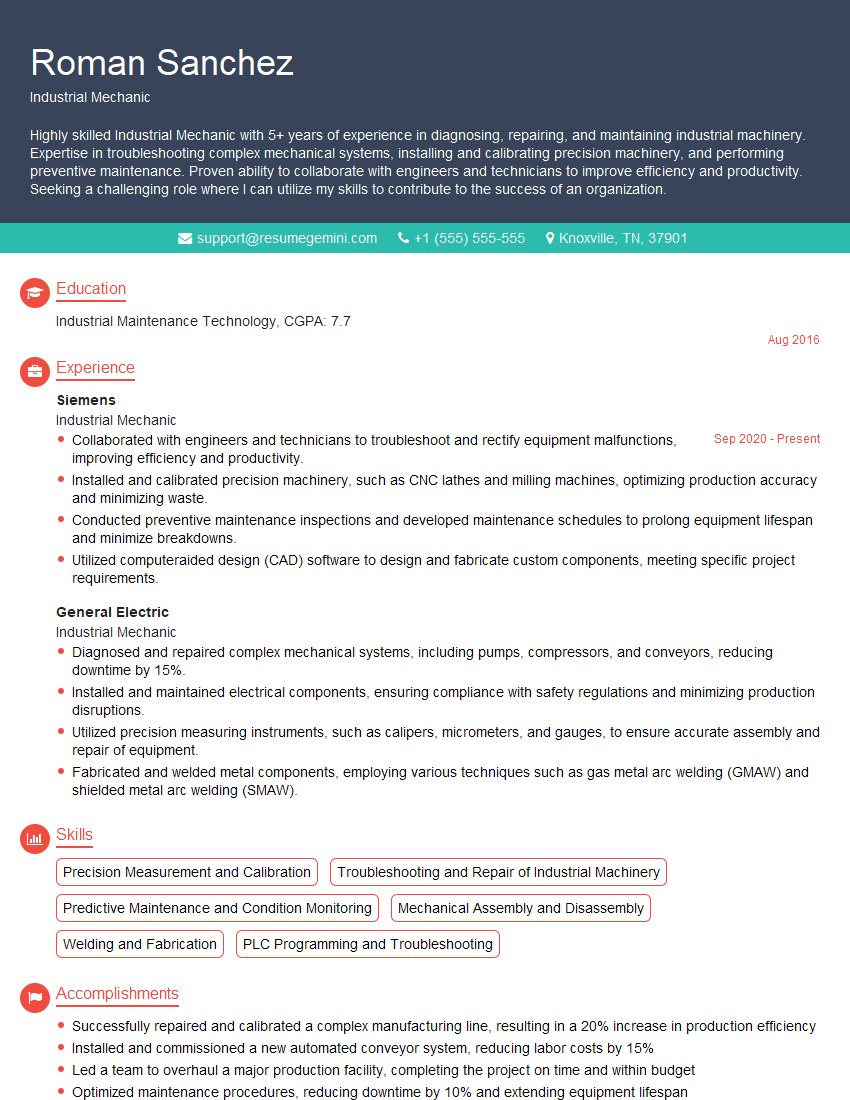
Industrial Mechanic Resume Sample
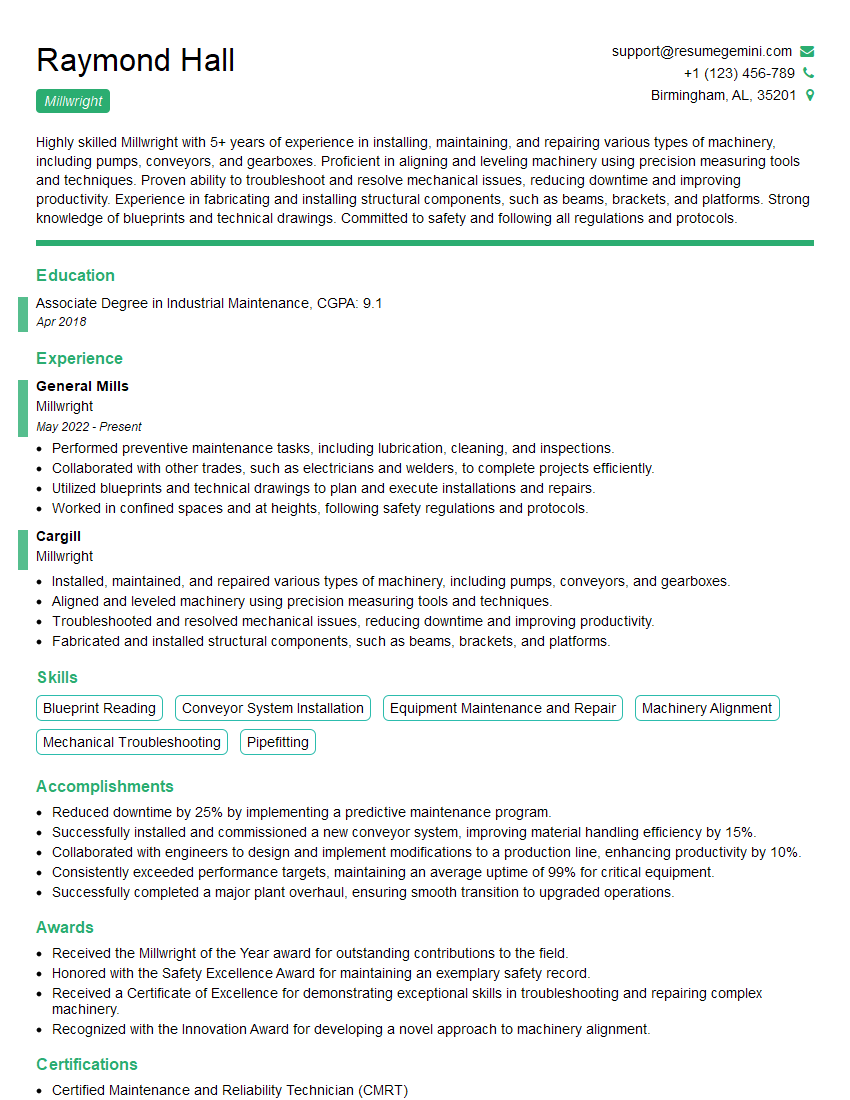
Millwright Resume Sample
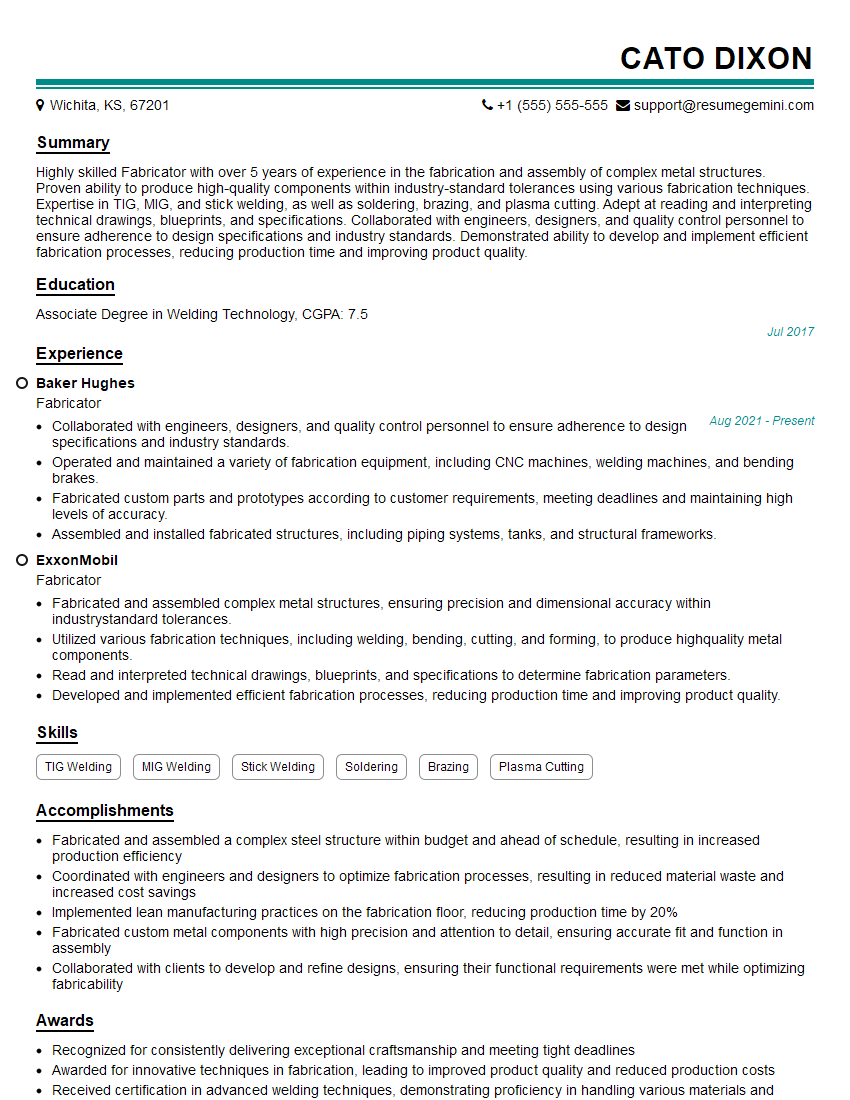
Fabricator Resume Sample
- Operations Manager
- Plant Manager
- Maintenance Planner
- Maintenance Supervisor
- Engineering Manager
- Project Engineer
- Maintenance Technician
- Welding Engineer
- Instrumentation Technician
- Field Service Technician
- Process Technician
- Fitter
- Construction Worker
- Equipment Mechanic
- Welder
- Industrial Mechanic
- Millwright
- Fabricator
Explore more articles
Users Rating of Our Blogs
Share Your Experience
We value your feedback! Please rate our content and share your thoughts (optional).
What Readers Say About Our Blog
I Redesigned Spongebob Squarepants and his main characters of my artwork.
https://www.deviantart.com/reimaginesponge/art/Redesigned-Spongebob-characters-1223583608
IT gave me an insight and words to use and be able to think of examples
Hi, I’m Jay, we have a few potential clients that are interested in your services, thought you might be a good fit. I’d love to talk about the details, when do you have time to talk?
Best,
Jay
Founder | CEO