The thought of an interview can be nerve-wracking, but the right preparation can make all the difference. Explore this comprehensive guide to Flatbed Loading and Unloading interview questions and gain the confidence you need to showcase your abilities and secure the role.
Questions Asked in Flatbed Loading and Unloading Interview
Q 1. Describe your experience with different types of flatbed cargo.
My experience encompasses a wide range of flatbed cargo, from standard building materials like lumber and steel beams to more specialized items such as heavy machinery, oversized pipes, and even prefabricated modular homes. I’ve handled palletized goods secured on skids, loose materials requiring careful distribution to prevent shifting, and uniquely shaped items needing custom securing solutions. Each type presents its own challenges and requires a different approach to loading and securing.
For example, lumber requires careful stacking to prevent shifting and potential damage. Steel beams, on the other hand, necessitate extra securement due to their weight and potential for movement. Oversized cargo often requires specialized permits and extra planning to ensure safe transportation.
Q 2. Explain the process of securing cargo on a flatbed trailer.
Securing cargo on a flatbed is a critical aspect of safe transportation, and it’s a multi-step process. First, I always assess the cargo’s dimensions and weight. This helps determine the best placement for optimal weight distribution and prevents the load from exceeding the trailer’s capacity. Next, I carefully position the cargo, taking into account its center of gravity. It’s crucial to prevent any overhang that would destabilize the load during transit.
Then comes the crucial step of securing the load. This typically involves using a combination of methods depending on the nature of the cargo, including tie-downs, chains, straps, and winches. Each securing point should be checked for its strength and properly attached to both the cargo and the trailer. I always ensure that the securing devices are correctly tensioned, preventing any slack that could lead to movement during transport.
Finally, a thorough inspection of the entire load is performed to confirm its stability. This includes visually inspecting the securing mechanisms and checking for any potential hazards before driving.
Q 3. What are the different types of cargo securing methods you are familiar with?
I’m proficient in using several cargo securing methods. Tie-downs are commonly used for smaller and lighter cargo, using straps or ropes that attach securely to D-rings on the trailer. Chains provide superior strength and are ideal for heavy or bulky items. Winches are utilized for extremely heavy loads and for tightening chains or straps to ensure optimum security. Straps are versatile, offering varying levels of strength, and are useful for securing palletized goods and other similar cargo. Blocking and bracing are crucial for preventing movement of loose materials or oddly shaped items, acting like barriers to maintain position.
The choice of method depends heavily on the characteristics of the cargo, the environmental conditions (wind, rain), and the distance of transportation.
Q 4. How do you ensure cargo weight distribution on a flatbed?
Weight distribution is paramount for safe and efficient transport. Improper weight distribution can lead to instability, tire damage, and even accidents. The goal is to keep the center of gravity low and centered over the trailer’s axles. For example, heavier items should always be placed closer to the center of the trailer and lower to the deck. I carefully plan the load layout beforehand, sometimes using software to simulate weight distribution if dealing with complex or heavy loads. If working with multiple smaller items, I arrange them to achieve even weight on both sides and balance front to back. The weight distribution should follow the trailer’s specifications and any regulations governing load weight limits.
Q 5. What safety precautions do you take when loading and unloading flatbeds?
Safety is my top priority. Before beginning any loading or unloading operation, I always inspect the trailer for any potential hazards such as damaged equipment or uneven surfaces. I wear appropriate personal protective equipment (PPE), including gloves, safety glasses, and steel-toed boots. I use appropriate lifting techniques to prevent back injuries and ensure the cargo is handled safely. I always communicate with my team and make sure everyone is aware of the loading/unloading procedures. Proper signaling is used during the movement of the cargo and the trailer itself. If working at heights, we use appropriate fall protection equipment. After the load is secured, I conduct a final inspection to ensure everything is in place, tight, and stable.
Q 6. How do you handle oversized or oddly shaped cargo on a flatbed?
Oversized or oddly shaped cargo requires careful planning and specialized techniques. This often involves securing permits, assessing route feasibility, and employing additional securing methods. I might use multiple tie-downs strategically placed to support unusual shapes, including additional bracing or blocking materials to prevent shifting or movement. Sometimes, specialized trailers or even escort vehicles are required to ensure safe transportation. Detailed pre-planning and communication with the transportation team are crucial to avoid unforeseen problems.
For instance, transporting an extremely long piece of equipment might need an overhang, requiring extra caution and potentially the use of additional lighting or pilot cars.
Q 7. Explain your experience with using tie-downs and chains.
I have extensive experience with tie-downs and chains. I know how to select the correct type and strength rating for different loads and environmental conditions. For instance, I would use heavy-duty chains for very heavy or dense objects and lighter-duty tie-downs or straps for lighter loads. Proper attachment points are crucial, and I always ensure that the chains or straps are securely attached to both the load and the trailer’s tie-down points. Using proper techniques ensures that the chains and straps do not cause damage to the cargo or the trailer, and I understand and follow all applicable safety regulations related to their use. The tension must be correct, tight enough to prevent movement but not so tight as to damage the cargo or securing equipment. I regularly inspect chains for wear and tear, replacing them as needed. For tie-downs, I make sure they are not frayed or damaged before usage.
Q 8. Describe your experience with load planning and optimization.
Load planning and optimization are crucial for efficient and safe flatbed transportation. It involves strategically placing cargo to maximize space utilization, minimize weight distribution imbalances, and ensure the load’s stability throughout transit. My approach involves several key steps:
- Assessing Cargo Dimensions and Weight: I meticulously document the dimensions and weight of each item, using this data to create a detailed inventory.
- Creating a Load Plan: I utilize specialized software and my experience to create a visual representation of how the cargo will be secured on the flatbed. This involves considering weight distribution, center of gravity, and potential shifting during transport. For example, heavier items are generally placed lower and closer to the trailer’s center of gravity. I always prioritize securing the largest and heaviest items first to create a solid base.
- Considering Load Security: This includes selecting the appropriate tie-down points, using the correct type and quantity of straps, chains, or other securing devices, and ensuring they’re properly tensioned to prevent shifting. I account for potential environmental factors, such as strong winds or rough terrain, which may require additional securing measures.
- Optimizing Space Utilization: I aim to maximize the use of available space on the trailer to minimize the number of trips needed while ensuring proper load stability and weight distribution. This requires a deep understanding of the dimensions of both the cargo and the trailer itself, often involving creative arrangements.
- Documentation and Communication: The entire load plan, including detailed diagrams and securing methods, is meticulously documented. I clearly communicate this plan to all involved parties—drivers, loaders, and receivers—to ensure everyone understands the load’s configuration and any special handling requirements.
For instance, I once optimized a load of unusually shaped steel beams by meticulously arranging them to create a near-perfect fit, reducing the required number of trips by 30%, saving both time and money.
Q 9. How do you inspect a flatbed trailer before loading?
Before loading any flatbed trailer, a thorough inspection is paramount. I follow a standardized checklist to ensure the trailer is safe and suitable for the intended load. This includes:
- Visual Inspection: I check for any visible damage to the trailer’s structure, such as cracks, dents, or missing components like lights or reflectors.
- Tire Condition: I inspect the tires for wear and tear, checking for proper inflation and ensuring no damage to the sidewalls or tread.
- Brakes and Lights: I test the trailer’s brakes and lights to verify they’re functioning correctly. Safety is my top priority, and functional brakes and lights are crucial.
- Decking and Securement Points: I carefully examine the trailer’s decking for any damage or warping. I also verify the integrity of all tie-down points, making sure they are secure and able to withstand the intended load.
- Documentation: I document any pre-existing damage or issues through photos and notes, which helps with liability and potential damage claims later.
Think of it as a pre-flight checklist for an airplane; you wouldn’t take off without ensuring everything is safe. Similarly, I wouldn’t load a trailer without confirming its roadworthiness.
Q 10. What are the common signs of cargo damage and how do you report them?
Recognizing and reporting cargo damage is a critical aspect of responsible flatbed operations. Common signs include:
- Visible Damage: Scratches, dents, cracks, or punctures on the cargo itself are readily apparent.
- Packaging Damage: Broken or damaged packaging often indicates potential damage to the goods within. I carefully inspect packaging integrity.
- Shifting or Loose Cargo: Any indication of cargo having shifted during transport suggests that the securing measures may have been insufficient or the load was unbalanced.
- Leaks or Spillage: Leaks from containers or barrels indicate potential damage to the contents and require immediate attention.
Reporting procedures involve:
- Photography and Documentation: I meticulously document all damage through high-quality photos and detailed written descriptions, noting the extent of the damage and its location on the cargo.
- Immediate Notification: I promptly inform my supervisor and the relevant parties involved, including the shipper and receiver, of the discovered damage.
- Filing a Report: A formal damage report is filed, detailing the circumstances surrounding the damage and any contributing factors.
Imagine a scenario where a load of furniture sustains damage during transport. My detailed report, complete with photos, enables a fair assessment of liability and a smooth claims process.
Q 11. How do you handle different types of weather conditions during loading/unloading?
Weather conditions significantly impact flatbed loading and unloading operations. Safety is paramount, and procedures are adjusted accordingly:
- High Winds: Loading and unloading are minimized during high winds to prevent the cargo from blowing away or tipping over. Extra securing measures, like additional straps or blocking, may be needed.
- Rain or Snow: Procedures may be modified to minimize exposure to the elements, using protective coverings or relocating operations to a covered area. Careful attention is paid to potential hazards like ice formation on the trailer or slippery conditions.
- Extreme Temperatures: Extreme heat or cold can affect cargo and equipment. For example, certain materials become brittle in the cold, requiring more careful handling. We might utilize appropriate protective gear or adapt the schedule to mitigate these risks.
- Lightning Storms: All operations are immediately suspended during lightning storms to protect personnel from electric shock. We wait until the storm passes before resuming operations.
Weather-related delays are always factored into scheduling, and flexibility is key to maintaining safety. For instance, I recall a time when heavy snow delayed our operations for several hours; we waited until the snow cleared and the roads were safe before continuing.
Q 12. What is your experience with using forklifts or other material handling equipment?
I possess extensive experience operating various material handling equipment, including forklifts, pallet jacks, and cranes. My experience includes:
- Safe Operation: I’m certified to operate forklifts and other relevant equipment, adhering strictly to all safety regulations and company policies. Pre-shift inspections are routinely performed to ensure equipment functionality.
- Efficient Handling: My experience allows me to efficiently move and place cargo, optimizing loading time and minimizing damage risk. I understand weight capacity limits and balance considerations for safe and efficient material movement.
- Load Stability: I’m skilled in using the equipment to create stable and secure loads, properly positioning the cargo and using appropriate securing methods to prevent shifting during transport.
- Problem-Solving: In instances where special handling is needed, I’m adept at devising and implementing safe and efficient solutions using various equipment combinations. For instance, I’ve used a combination of forklifts and cranes to load unusually large or heavy items onto flatbed trailers.
My proficiency in operating this equipment is essential for minimizing load times and improving efficiency while prioritizing the safety of both myself and my colleagues.
Q 13. Explain your understanding of load weight limits and regulations.
Understanding load weight limits and regulations is critical for safety and legal compliance. This involves:
- Gross Vehicle Weight Rating (GVWR): This is the maximum weight the entire vehicle (tractor and trailer) can safely carry. Exceeding this limit is illegal and poses significant safety risks.
- Axle Weight Limits: Each axle has a maximum weight limit. Exceeding these limits can damage roads and bridges and is also illegal.
- Payload Capacity: This is the maximum weight of cargo the trailer can carry. This is usually specified on the trailer itself or in the manufacturer’s documentation.
- Weight Distribution: Evenly distributing weight across the trailer’s axles is crucial for stability and safe handling. Incorrect weight distribution can lead to rollovers or other accidents.
- Regulations: I am familiar with all relevant federal, state, and local regulations pertaining to truck weight and dimensions, including permits required for oversized or overweight loads.
I utilize scales and weight-measuring devices to accurately determine the weight of the cargo and ensure it’s within the legal limits. For example, exceeding axle weight limits could lead to hefty fines and potential damage to infrastructure, underscoring the importance of accurate weight determination.
Q 14. How do you prioritize safety when working under time pressure?
Prioritizing safety under time pressure requires a systematic approach:
- Risk Assessment: Even under tight deadlines, I conduct a quick risk assessment, identifying potential hazards and prioritizing actions to mitigate those risks. This involves a quick scan of the environment and a check of the equipment.
- Prioritization: I prioritize safety-critical tasks, such as proper securing of the cargo, over speed. Cutting corners on safety is never acceptable.
- Communication: Clear and concise communication with the team is crucial. I make sure everyone understands the urgency while emphasizing the importance of maintaining safety standards.
- Proper Tools and Equipment: I ensure that the appropriate tools and equipment are available and in good working order to facilitate efficient and safe work. This reduces the temptation to take shortcuts.
- Teamwork: When working as a team, we always support each other in maintaining safety, helping to check each other’s work and intervening if someone is at risk.
In one instance, we were under immense pressure to finish loading a shipment before a tight deadline. Despite the pressure, I insisted on taking extra time to double-check the load security, ensuring the cargo was properly secured before departure. This was the correct choice as it prevented a potential accident and ensured a safe arrival for the driver and cargo.
Q 15. Describe your experience with using load bars and straps.
Load bars and straps are essential for securing cargo on a flatbed trailer, preventing shifting during transit and ensuring safety. My experience spans years of working with various types, from lightweight ratchet straps for smaller loads to heavy-duty chains and binders for exceptionally large or heavy items. I’m proficient in using different types of load bars, including those with adjustable lengths and those specifically designed for certain cargo types.
For instance, I’ve secured everything from lumber and steel coils to oversized machinery, always prioritizing proper placement and tension. With lighter loads, ratchet straps are sufficient, ensuring the straps are evenly distributed across the load and tightened to the manufacturer’s recommended tension. Heavier loads may require chains and binders, in addition to load bars and multiple straps, possibly also requiring the use of specialized equipment, depending on the load’s dimensions and weight. I always double-check strap tension and securement points before the trailer departs, following all safety regulations and company procedures to guarantee the load’s stability.
Proper technique is critical – it’s not just about tightening; it’s about distributing the load evenly to prevent stress points and potential damage. I’ve dealt with situations where improper securing led to damage, teaching me the vital importance of meticulous attention to detail and precise execution.
Career Expert Tips:
- Ace those interviews! Prepare effectively by reviewing the Top 50 Most Common Interview Questions on ResumeGemini.
- Navigate your job search with confidence! Explore a wide range of Career Tips on ResumeGemini. Learn about common challenges and recommendations to overcome them.
- Craft the perfect resume! Master the Art of Resume Writing with ResumeGemini’s guide. Showcase your unique qualifications and achievements effectively.
- Don’t miss out on holiday savings! Build your dream resume with ResumeGemini’s ATS optimized templates.
Q 16. How do you verify the accuracy of cargo manifests?
Verifying cargo manifests is crucial for accurate loading and preventing discrepancies. My process involves a three-step verification: a visual check, a quantity check, and a documentation check. First, I visually inspect the cargo against the manifest, noting any discrepancies in item descriptions, packaging, or damage. This is a key moment to catch problems early. Second, I cross-reference quantities listed in the manifest with the actual number of pieces I’m loading, ensuring each item is accounted for. I record any discrepancies immediately. Lastly, I compare the descriptions and quantities listed on the manifest with the bill of lading and other shipping documents to ensure consistency and accuracy across all documentation. Any discrepancies are reported immediately to the appropriate personnel to avoid delays and potential issues.
For example, if the manifest lists 100 boxes but I only find 98, I immediately photograph the discrepancy and note it in my log book, then contact the dispatch and the shipper, outlining the situation and the steps being taken to resolve it. Accurate manifest verification is essential for preventing disputes and ensuring proper delivery.
Q 17. What are your methods for preventing cargo theft?
Cargo theft is a serious concern, and I employ several methods to prevent it. These include maintaining clear visibility of the load during loading and unloading, using high-quality security seals, and taking detailed photographs of the loaded trailer before departure. In addition, I meticulously record and secure all paperwork associated with the shipment. I also report any suspicious activity immediately to security or law enforcement. Effective communication with drivers and colleagues, making sure everyone understands the importance of vigilance, is a crucial component of theft prevention. I follow the company’s security protocols carefully.
For example, if loading at night, we use powerful lighting and multiple people to deter potential thieves. Securement strategies include using tamper-evident seals and GPS trackers where available, ensuring we use appropriate measures depending on the value and nature of the cargo.
Q 18. Explain your experience with bill of lading and other shipping documentation.
The bill of lading (B/L) is the most important document in shipping, acting as a contract between the shipper, carrier, and receiver. My experience involves handling B/Ls of various types, including straight B/Ls (non-negotiable), order B/Ls (negotiable), and multi-modal B/Ls (covering multiple transport modes). I understand the importance of the information contained in the B/L – description of goods, quantity, weight, origin, destination, and all parties involved. I cross-reference the B/L information with the cargo manifest, ensuring total alignment.
Other shipping documentation I regularly work with includes packing lists, commercial invoices, certificates of origin, and insurance documents. I ensure all necessary documentation is properly signed, and that all parties involved have received their copies. My detailed understanding of these documents enables me to handle situations where documentation errors arise, and to proactively address any discrepancies that could lead to delays or disputes.
Q 19. How do you communicate effectively with drivers and other personnel?
Effective communication is key to smooth operations. I maintain open and respectful communication with drivers, ensuring they receive clear and concise instructions about loading requirements, route information, and any safety protocols that must be followed. I use clear and simple language to avoid confusion and confirm understanding before they depart. With other personnel, I employ team-based communication strategies, ensuring updates are communicated promptly and accurately, whether it’s regarding loading issues, changes in schedules, or other operational adjustments.
For instance, if a driver has a question about securing a specific type of load, I explain the procedures clearly, demonstrating the correct techniques, ensuring they understand before proceeding. This proactive approach reduces errors and fosters a collaborative environment.
Q 20. Describe your problem-solving skills related to loading/unloading challenges.
Problem-solving is crucial in flatbed loading/unloading. I approach challenges methodically, following a structured problem-solving approach. First, I identify the problem precisely; next, I assess the situation, gathering all relevant information. Then, I brainstorm potential solutions, considering safety regulations and time constraints. Once I’ve selected the best solution, I implement it, monitoring the results closely. Finally, I document the problem and its resolution, learning from past experiences to prevent similar issues.
For example, if a load is unexpectedly heavier than anticipated, requiring a different securing strategy, I’ll reassess the load, request additional equipment if needed, and modify the securing method to ensure the load’s stability. I would also document this incident to learn from it and to share this knowledge with the team in the future.
Q 21. How do you maintain a clean and organized work area?
Maintaining a clean and organized workspace is paramount for safety and efficiency. After each loading or unloading operation, I ensure all debris, straps, and other materials are properly disposed of or stored. I sweep or clean the area, ensuring it’s free from obstacles. A clean work environment reduces the risk of accidents, improves overall productivity, and sets a professional tone. Organization involves systematically stacking materials, keeping tools readily accessible, and establishing clear pathways to prevent congestion and injuries. My methods are guided by best practices of safety and efficiency in the industry.
This isn’t just about appearances; it’s a key element of safety. A clear workspace helps prevent accidents, ensuring everyone can work safely and efficiently.
Q 22. What is your understanding of DOT regulations related to flatbed transport?
DOT regulations for flatbed transport are crucial for safety and compliance. They cover numerous aspects, from driver qualifications and hours of service to vehicle maintenance and cargo securement. Understanding these regulations is paramount to preventing accidents and legal issues.
- Driver qualifications: Drivers must possess the appropriate Commercial Driver’s License (CDL) endorsements and meet specific medical requirements. This ensures drivers have the necessary skills and physical fitness to operate heavy vehicles safely.
- Hours of service: Strict rules govern driving time and rest periods to prevent driver fatigue, a major cause of accidents. Logbooks must be meticulously maintained to track hours.
- Vehicle maintenance: Regular inspections and maintenance are mandatory to ensure the flatbed trailer and towing vehicle are in safe operating condition. This includes brakes, tires, lights, and other critical components.
- Cargo securement: This is arguably the most critical aspect for flatbed transport. Specific regulations detail how cargo must be secured to prevent shifting or falling during transit. This often involves using chains, straps, and other tie-down systems appropriate for the type and weight of cargo. Incorrect securement is a leading cause of accidents and violations.
- Oversize/Overweight Permits: For loads exceeding size or weight limits, special permits are required from the relevant authorities, often at both the state and federal level. These permits detail routes, time restrictions and escort requirements.
Non-compliance can result in hefty fines, suspension of operating authority, and even criminal charges. Staying updated on these regulations is an ongoing process, requiring regular review of updates from the Federal Motor Carrier Safety Administration (FMCSA).
Q 23. How do you address conflicts or disagreements with coworkers?
Conflict resolution is essential in any team environment. My approach focuses on open communication and finding mutually agreeable solutions. I start by actively listening to the other person’s perspective, ensuring I understand their concerns fully. Then, I calmly present my viewpoint, focusing on facts and avoiding emotional outbursts. If necessary, I suggest collaborating on a solution that addresses both perspectives. For instance, if a disagreement arose about the best method for securing a particularly challenging load, I’d propose a joint inspection of the cargo and a brainstorming session to develop a plan that incorporates everyone’s expertise and prioritizes safety.
If the conflict persists, I’d involve a supervisor or manager to mediate, ensuring a fair and objective process. The goal is always to maintain a professional and respectful working relationship while finding solutions that benefit the entire team and the company.
Q 24. What is your experience with different types of flatbed trailers?
My experience encompasses a variety of flatbed trailers, each suited to different cargo types and transport needs.
- Standard Flatbeds: These are the most common type, offering a large, open deck for various cargo. I’m proficient in securing different loads on these trailers.
- Step Decks: These trailers have a lowered deck section, useful for hauling oversized or heavy equipment that might be too high for a standard flatbed.
- Lowboys: These have an extremely low deck height, essential for transporting very tall or heavy machinery or construction equipment.
- Double Drop Trailers: These feature two lowered decks, allowing for extremely low-profile transport of exceptionally tall cargo. Securing such loads requires specialized knowledge and techniques.
- Removable Gooseneck Trailers: These allow for easier loading and unloading of heavy equipment.
Understanding the capabilities and limitations of each type is crucial for safe and efficient transport. For example, I’ve learned that while a lowboy is ideal for transporting a large piece of construction equipment, the lower center of gravity might require different techniques for securing the load compared to a standard flatbed.
Q 25. How familiar are you with various types of cargo (e.g., lumber, steel, machinery)?
I have extensive experience with a wide range of cargo commonly hauled on flatbeds.
- Lumber: This requires careful stacking and securement to prevent shifting and potential damage. Proper bracing and load distribution are essential.
- Steel: Steel beams, coils, and other steel products necessitate specific techniques to ensure they are properly secured and prevent damage. Understanding weight distribution and using appropriate tie-down points are critical.
- Machinery: This includes various types of construction and industrial equipment. Securement often involves using specialized equipment like chains, straps, and possibly blocking and cribbing. Detailed knowledge of the machinery and its center of gravity is vital.
- Oversized/Overweight Cargo: These require advanced planning, permitting, and specialized techniques for safe transport. Knowledge of proper escort vehicles and route planning is a necessity.
- Other Cargo: My experience also includes transporting various other items such as pipes, tanks, and other industrial materials, requiring varied securement methods.
My experience allows me to quickly assess the best methods for securing diverse cargo based on its weight, dimensions, and characteristics, always prioritizing safety and compliance.
Q 26. Describe your experience with pre-trip and post-trip inspections.
Pre-trip and post-trip inspections are non-negotiable for safety and compliance. They are methodical checks to ensure the vehicle and cargo are safe for transit and remain so throughout.
Pre-trip: Before each trip, I meticulously inspect the entire vehicle, including:
- Tires: Checking for wear and tear, proper inflation, and any damage.
- Brakes: Testing functionality and responsiveness.
- Lights and Signals: Ensuring all lights are working correctly.
- Steering: Checking for responsiveness and any play.
- Cargo Securement: Verifying that the load is properly secured according to regulations.
- Documentation: Confirming all necessary paperwork is in order.
Post-trip: Following each trip, I conduct a similar but less extensive inspection. This checks for any damage incurred during transit and ensures the vehicle is ready for the next trip. Documentation of both inspections, often in a logbook, is essential for accountability.
These inspections help prevent costly repairs, accidents, and violations and showcase a commitment to safety that reduces risk to both the driver and others on the road. I consider pre and post-trip inspections a crucial part of my responsibility.
Q 27. What are your strengths and weaknesses in this role?
My strengths lie in my meticulous attention to detail, my commitment to safety, and my problem-solving skills. I am adept at quickly assessing situations, identifying potential problems, and implementing effective solutions. My experience with diverse cargo and trailer types gives me a significant advantage. I’m also a highly organized and efficient individual, capable of handling multiple tasks concurrently while maintaining a high level of accuracy.
One area for improvement is delegation. While I can handle a high workload, I sometimes struggle to delegate tasks effectively, potentially hindering team efficiency. I’m actively working to improve this by actively practicing trusting others and assigning tasks that fit their skills and expertise.
Q 28. How do you handle unexpected delays or challenges during loading/unloading?
Unexpected delays or challenges are inevitable in flatbed transport. My approach is proactive and systematic.
- Assess the situation: First, I determine the nature and extent of the delay. Is it weather related, a mechanical issue, a problem with the load, or something else?
- Communicate effectively: I immediately contact dispatch or the relevant parties to inform them of the situation and provide an estimated time of arrival (ETA) adjustment.
- Implement solutions: Depending on the issue, solutions might involve seeking alternative routes, arranging for repairs, contacting a supervisor, or adjusting the load securement. I have experience dealing with many unexpected situations such as traffic congestion, inclement weather, damaged cargo and equipment failure.
- Prioritize safety: Throughout the process, safety remains paramount. I would never compromise safety to meet a deadline.
- Document everything: I maintain thorough records of any delays or challenges encountered, including the cause, actions taken, and any communication with relevant parties.
For example, if I encountered unexpected road closures due to an accident, I would reroute using GPS and alternative routes while maintaining communication with the dispatcher to inform them of any estimated delays and the alternate route taken. This ensures transparency and allows for efficient adjustments to schedules.
Key Topics to Learn for Flatbed Loading and Unloading Interview
- Understanding Cargo Securement: Learn the principles of properly securing different types of cargo on a flatbed trailer, including the use of chains, straps, and other equipment. Consider various cargo weights and dimensions and how they impact securement techniques.
- Weight Distribution and Balance: Master the techniques for distributing weight evenly across the flatbed to maintain stability and prevent accidents during transit. Understand the implications of uneven weight distribution on handling and braking.
- Load Planning and Optimization: Develop strategies for efficiently planning and optimizing the placement of cargo on the flatbed to maximize space utilization and minimize the risk of damage or shifting during transit. Practice visualizing load configurations.
- Safety Procedures and Regulations: Familiarize yourself with all relevant safety regulations and procedures related to flatbed loading and unloading, including proper lifting techniques, use of personal protective equipment (PPE), and hazard identification.
- Equipment Operation and Maintenance: Gain a working knowledge of the equipment used in flatbed loading and unloading, such as forklifts, ramps, and securing devices. Understand basic maintenance and troubleshooting procedures.
- Problem-Solving and Adaptability: Practice your ability to solve problems related to load shifting, equipment malfunctions, and unexpected situations that may arise during loading and unloading. Highlight your quick thinking and adaptability.
- Communication and Teamwork: Demonstrate your understanding of the importance of clear communication and teamwork in a flatbed loading and unloading environment. How do you work effectively with colleagues and supervisors?
Next Steps
Mastering flatbed loading and unloading opens doors to a rewarding career with excellent growth potential. Demand for skilled professionals in this field is consistently high, offering opportunities for advancement and increased earning potential. To make the most of your job search, it’s crucial to have an ATS-friendly resume that highlights your skills and experience effectively. ResumeGemini is a trusted resource to help you build a professional resume that stands out to potential employers. They offer examples of resumes tailored to the flatbed loading and unloading industry, providing you with a strong foundation for crafting your own compelling application.
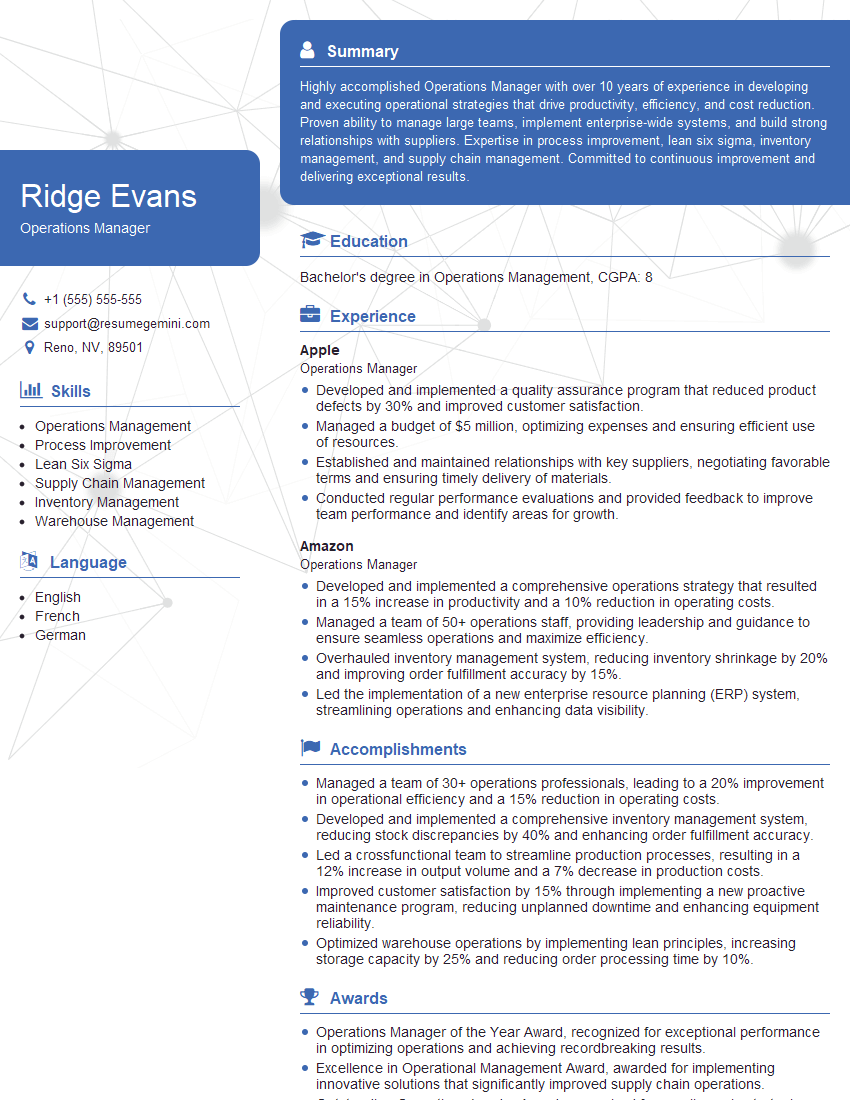
Operations Manager Resume Sample
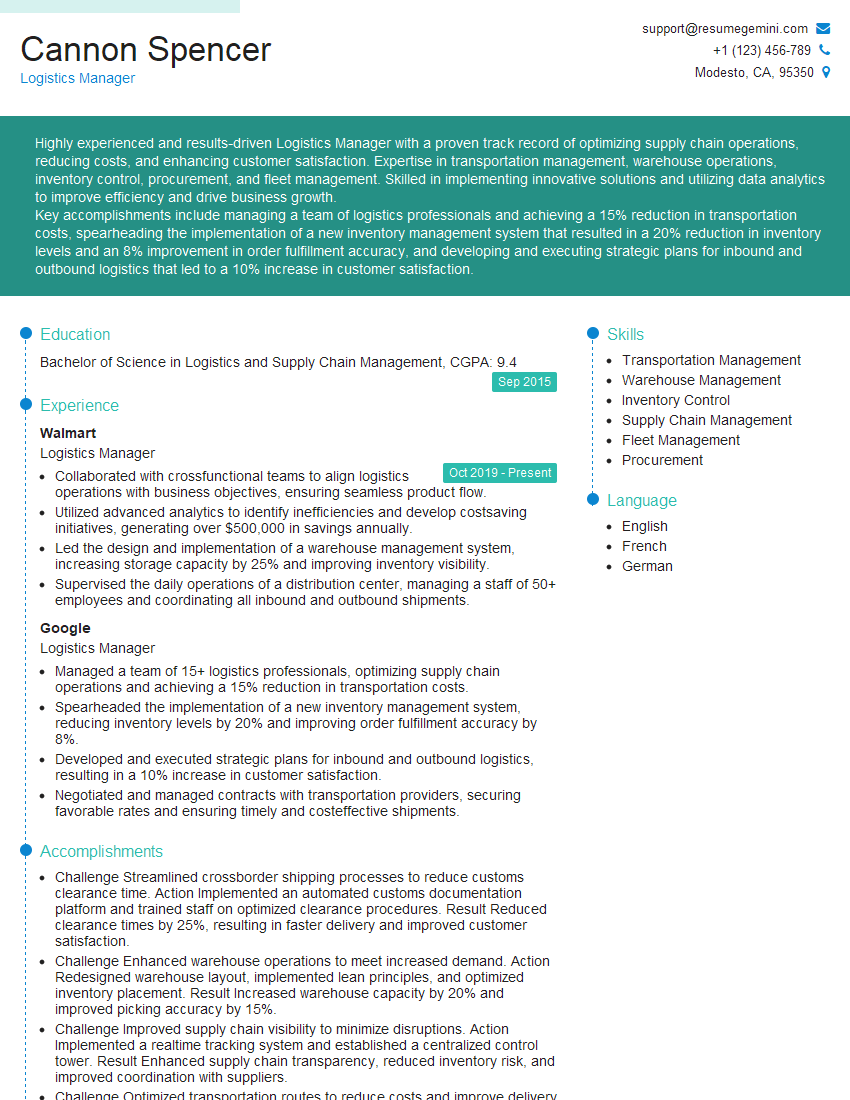
Logistics Manager Resume Sample
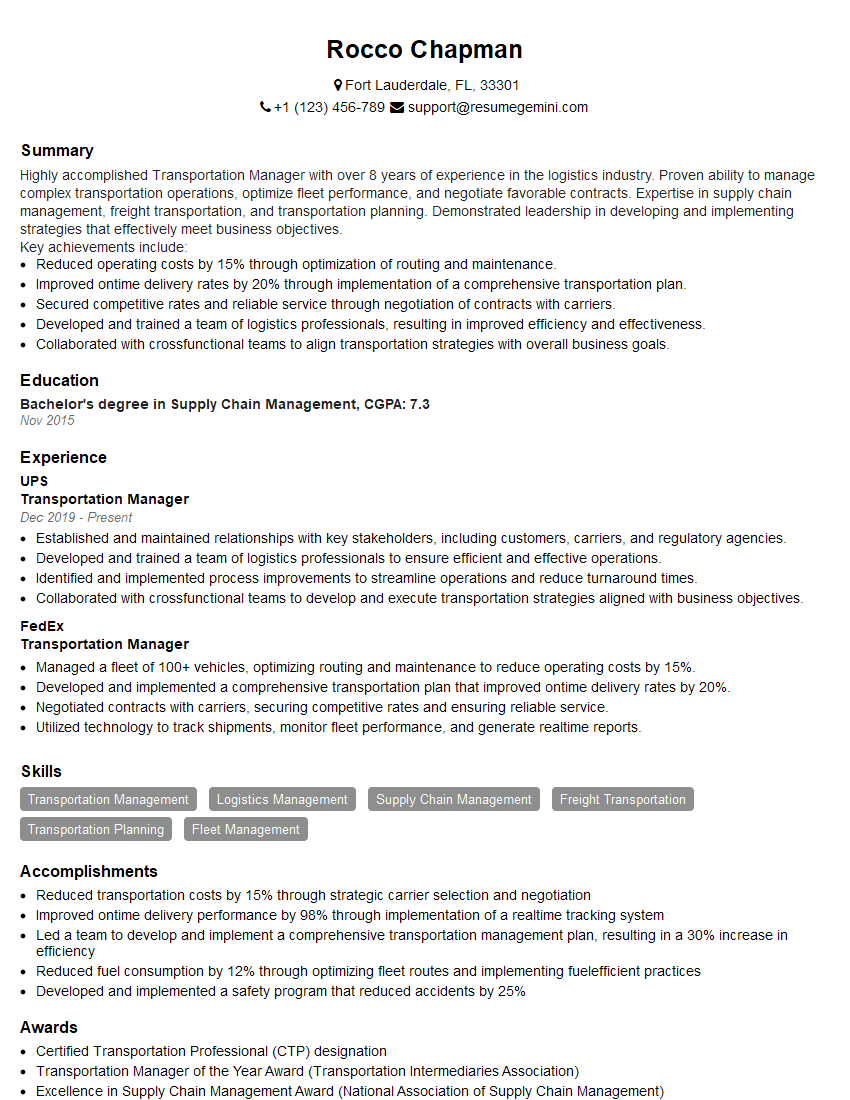
Transportation Manager Resume Sample

Dispatch Manager Resume Sample
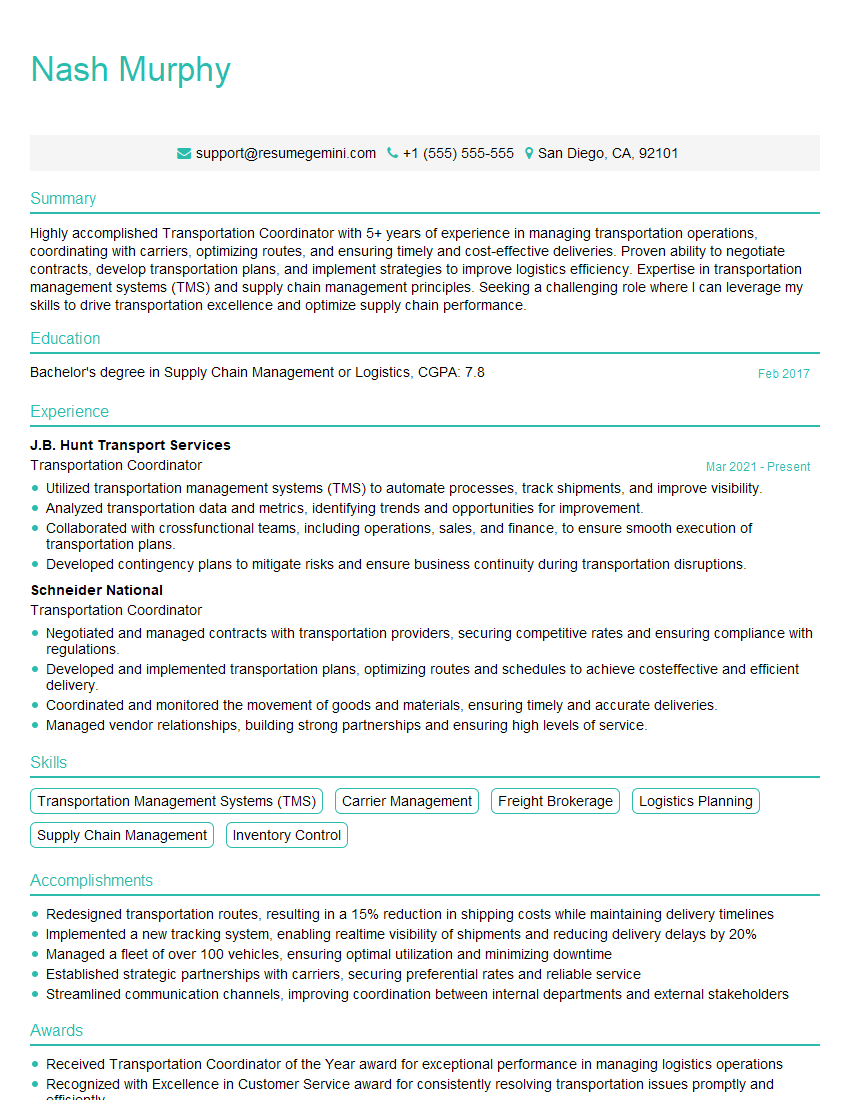
Transportation Coordinator Resume Sample
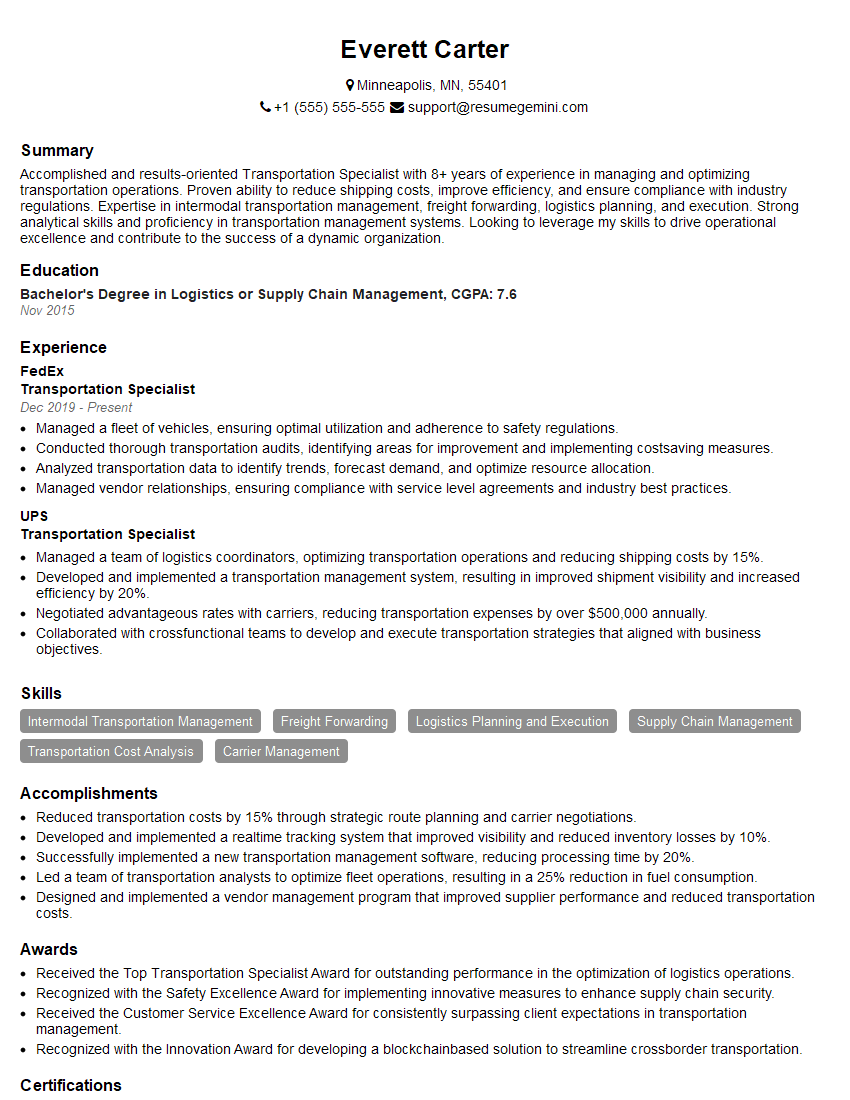
Transportation Specialist Resume Sample
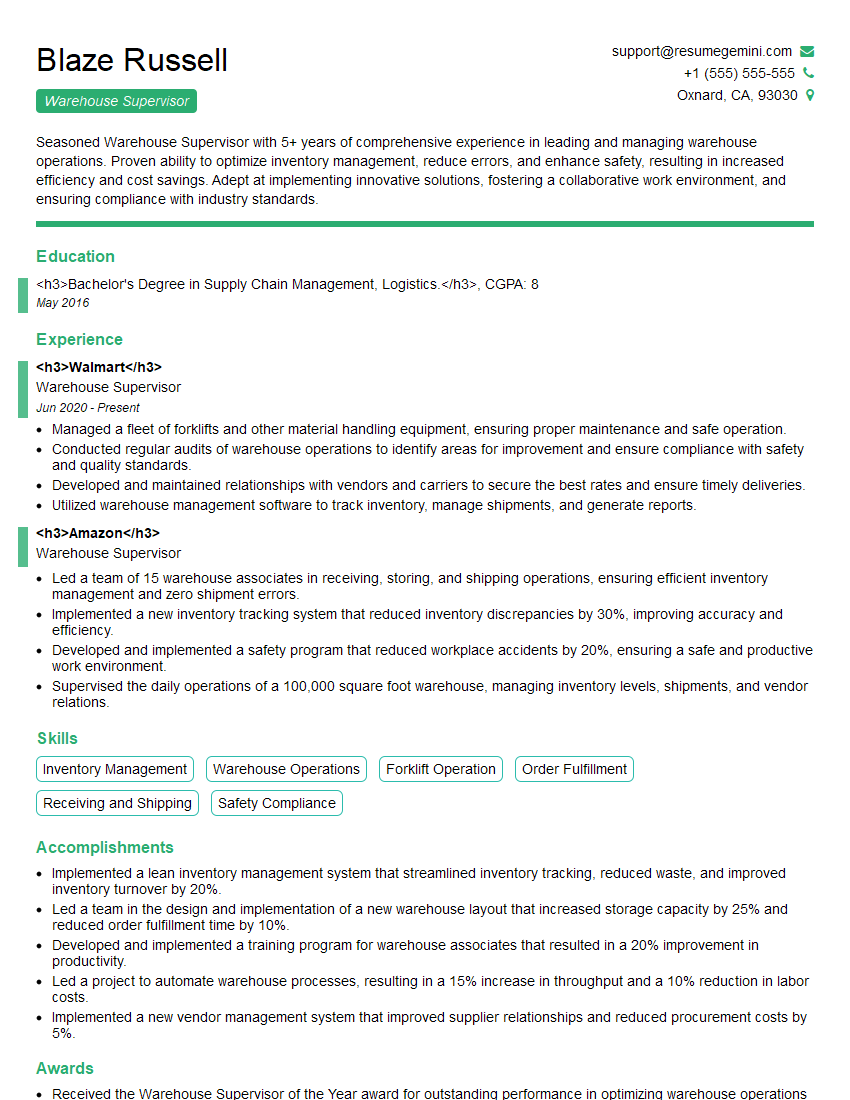
Warehouse Supervisor Resume Sample
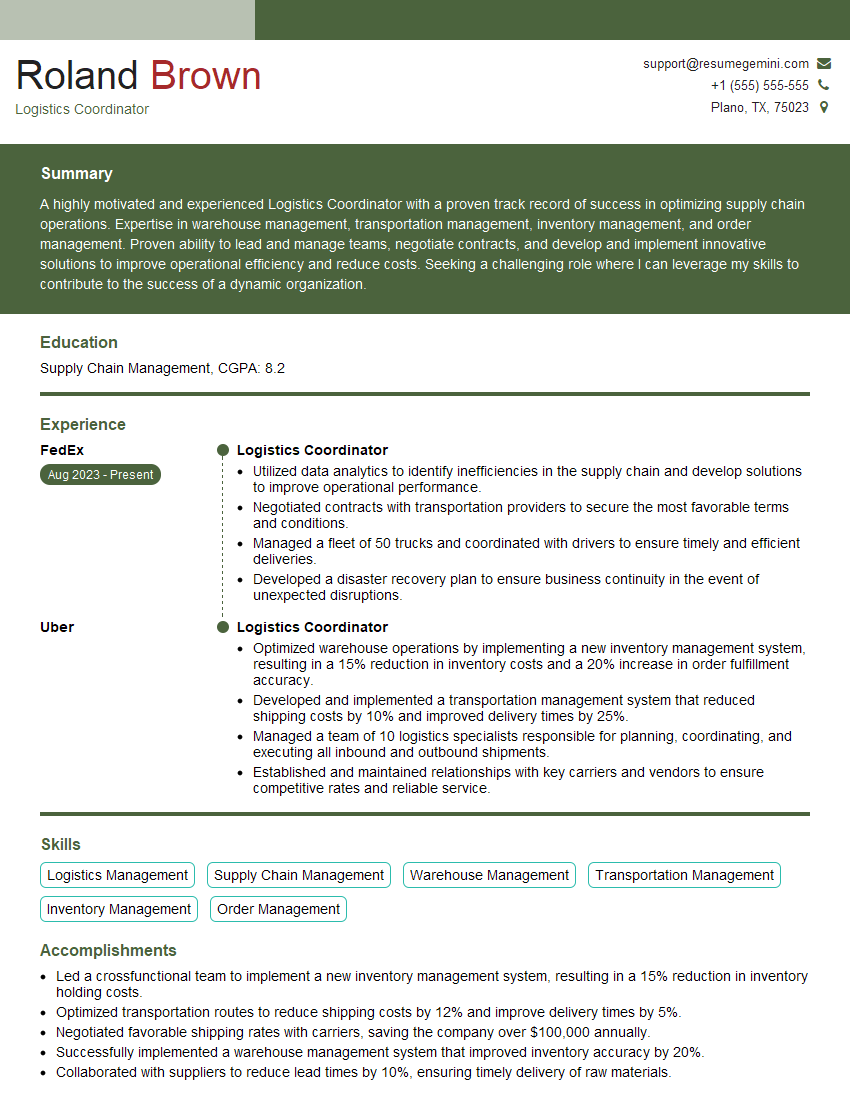
Logistics Coordinator Resume Sample
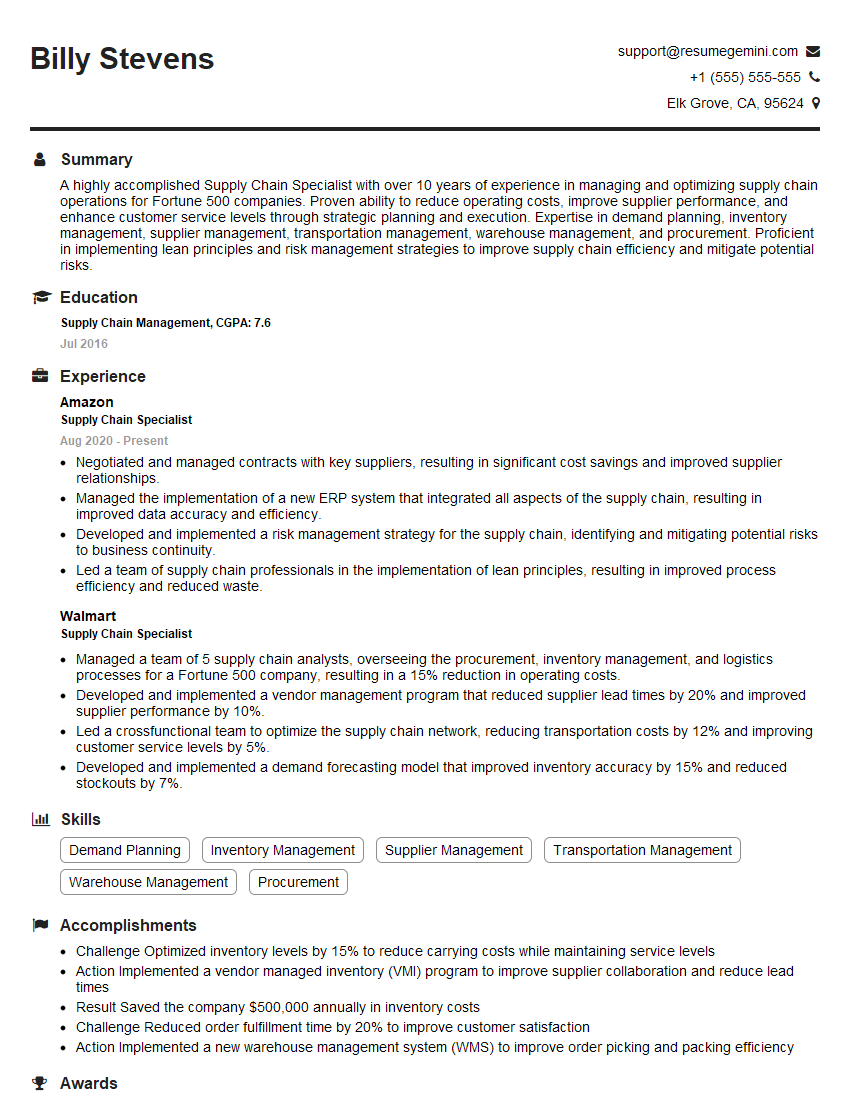
Supply Chain Specialist Resume Sample
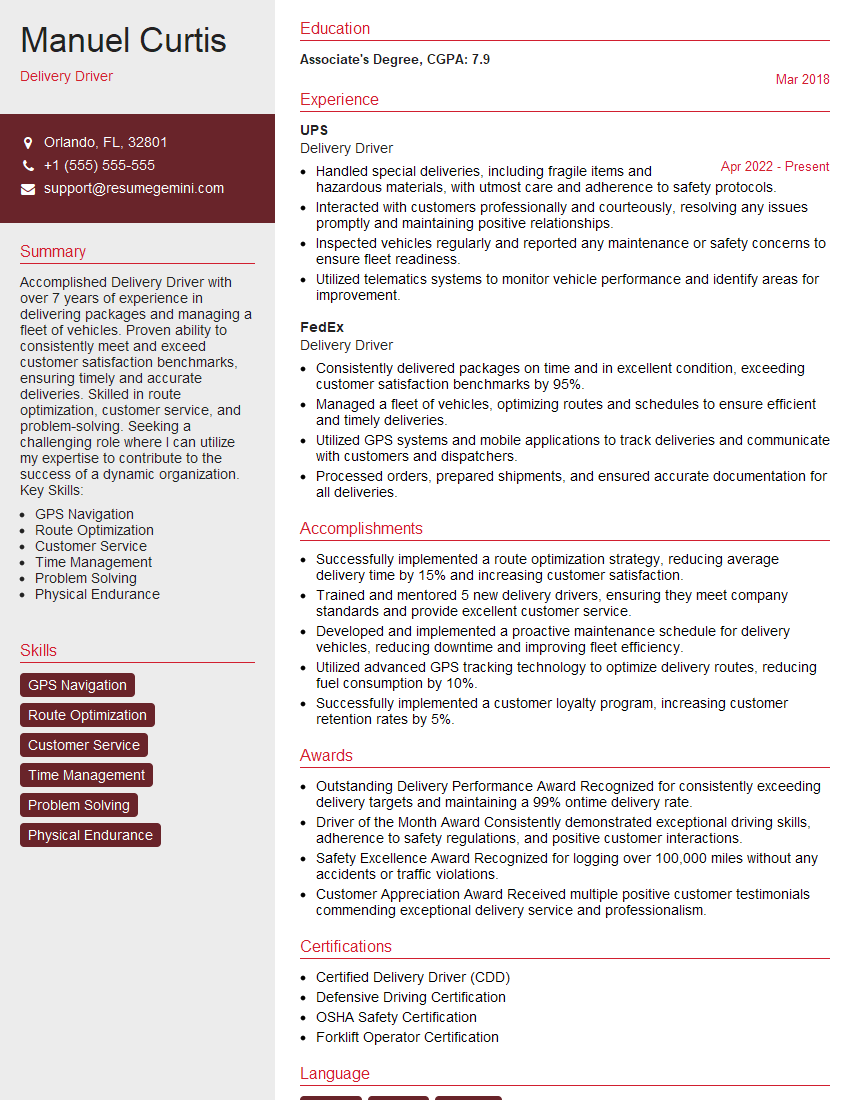
Delivery Driver Resume Sample

Order Fulfillment Specialist Resume Sample

Shipping and Receiving Clerk Resume Sample
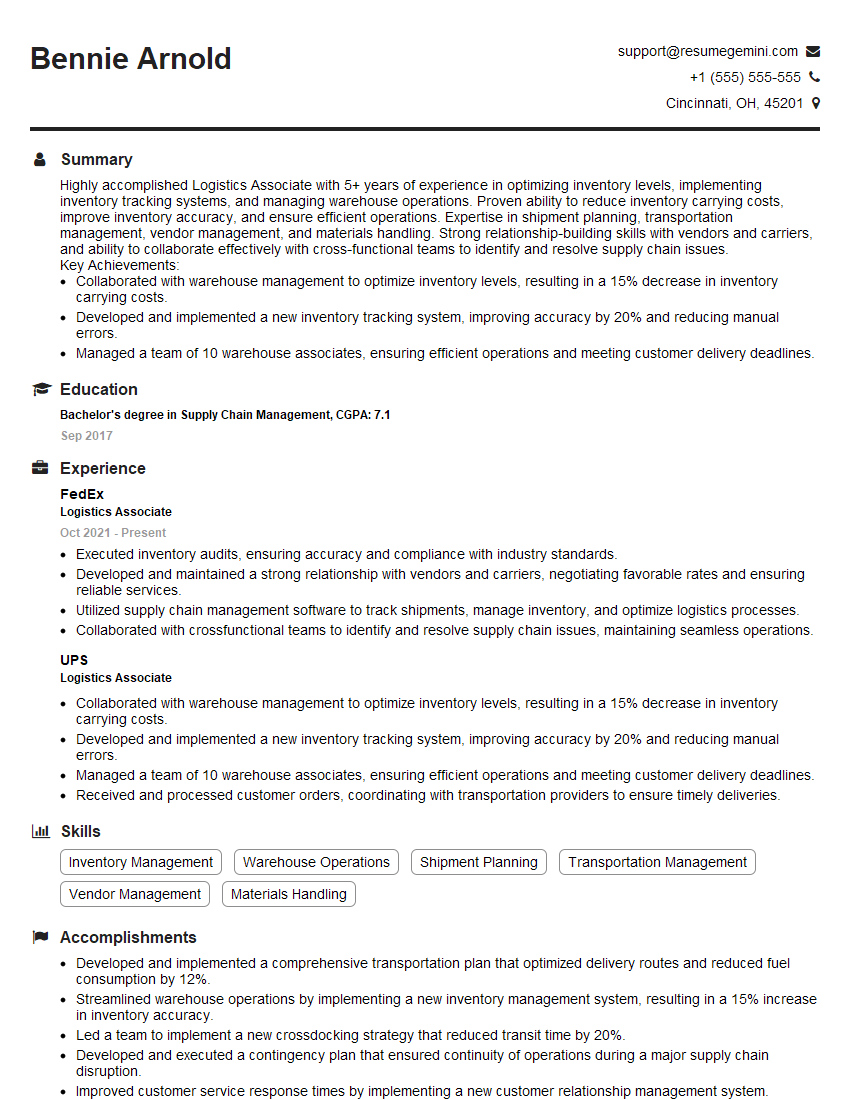
Logistics Associate Resume Sample
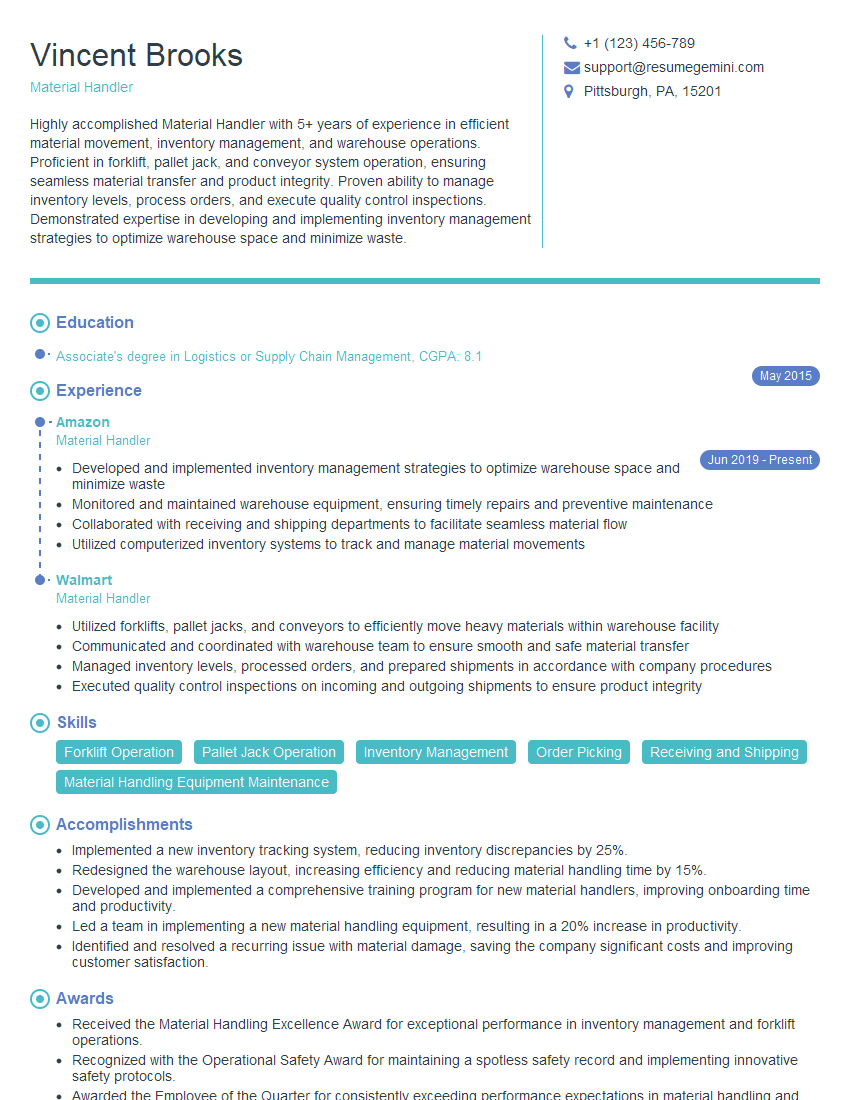
Material Handler Resume Sample
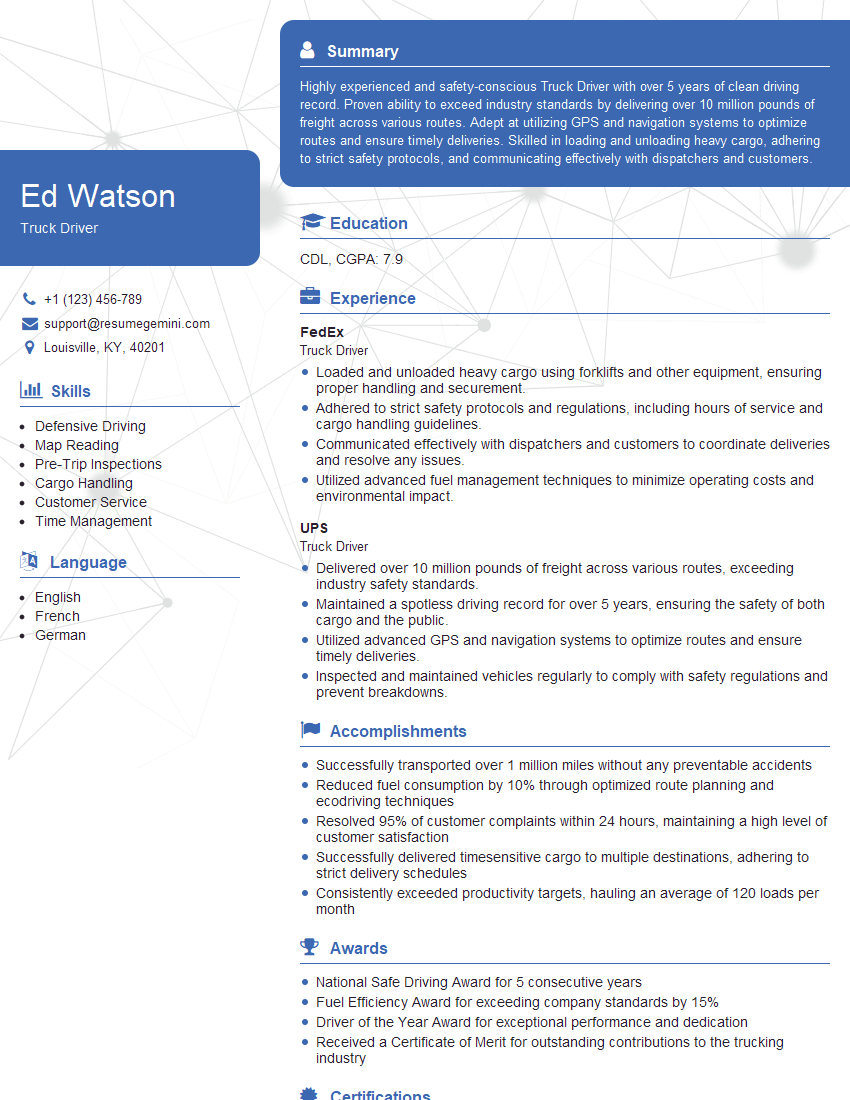
Truck Driver Resume Sample

Heavy Equipment Operator Resume Sample
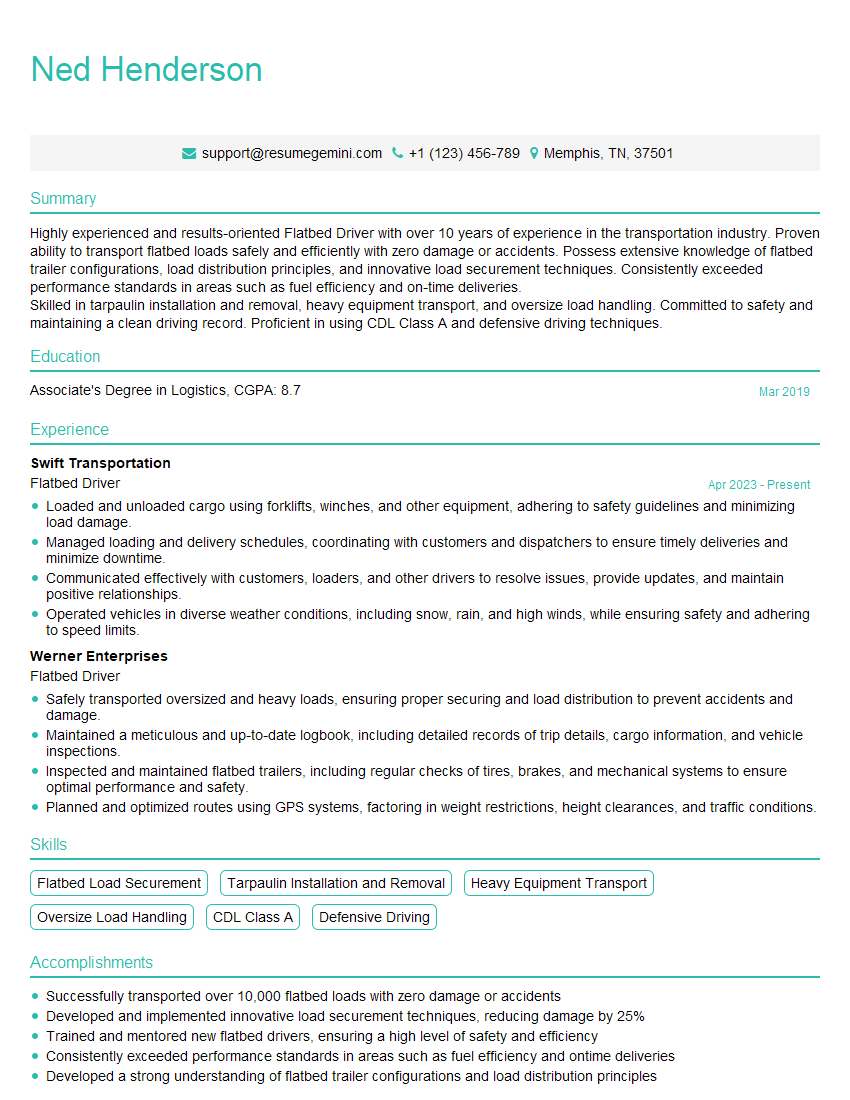
Flatbed Driver Resume Sample
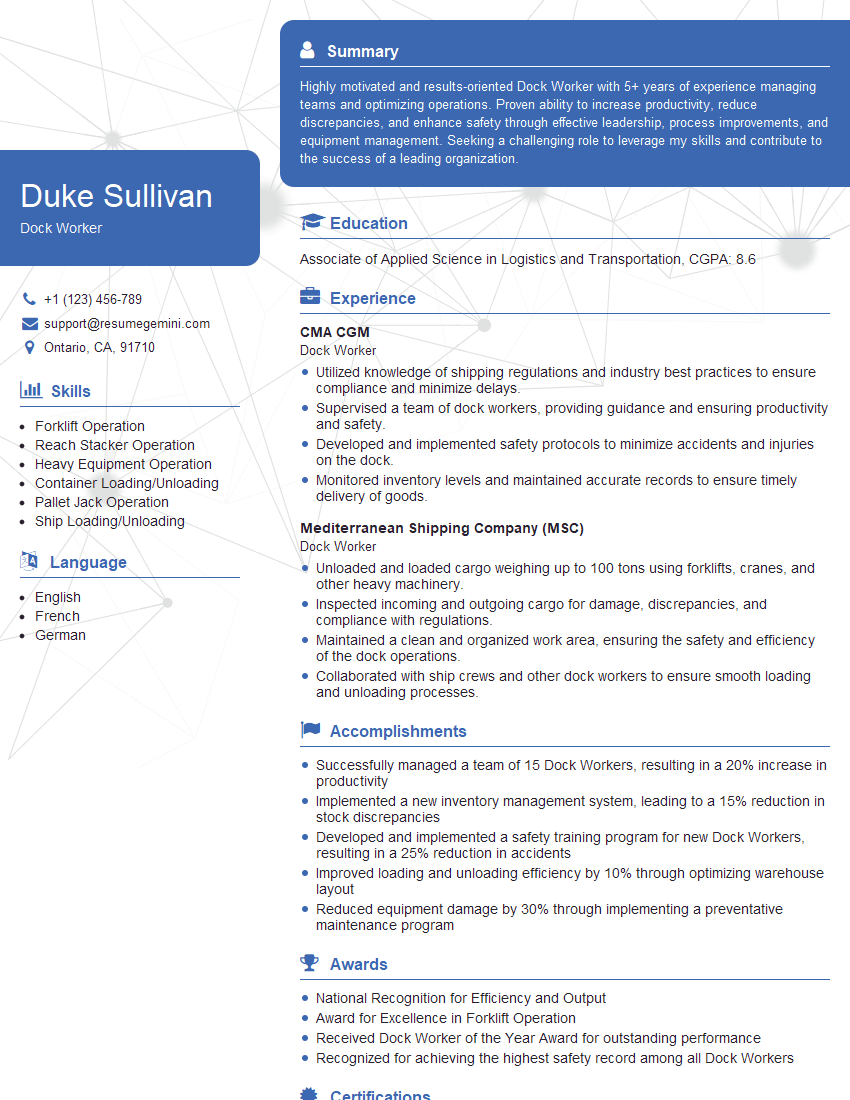
Dock Worker Resume Sample
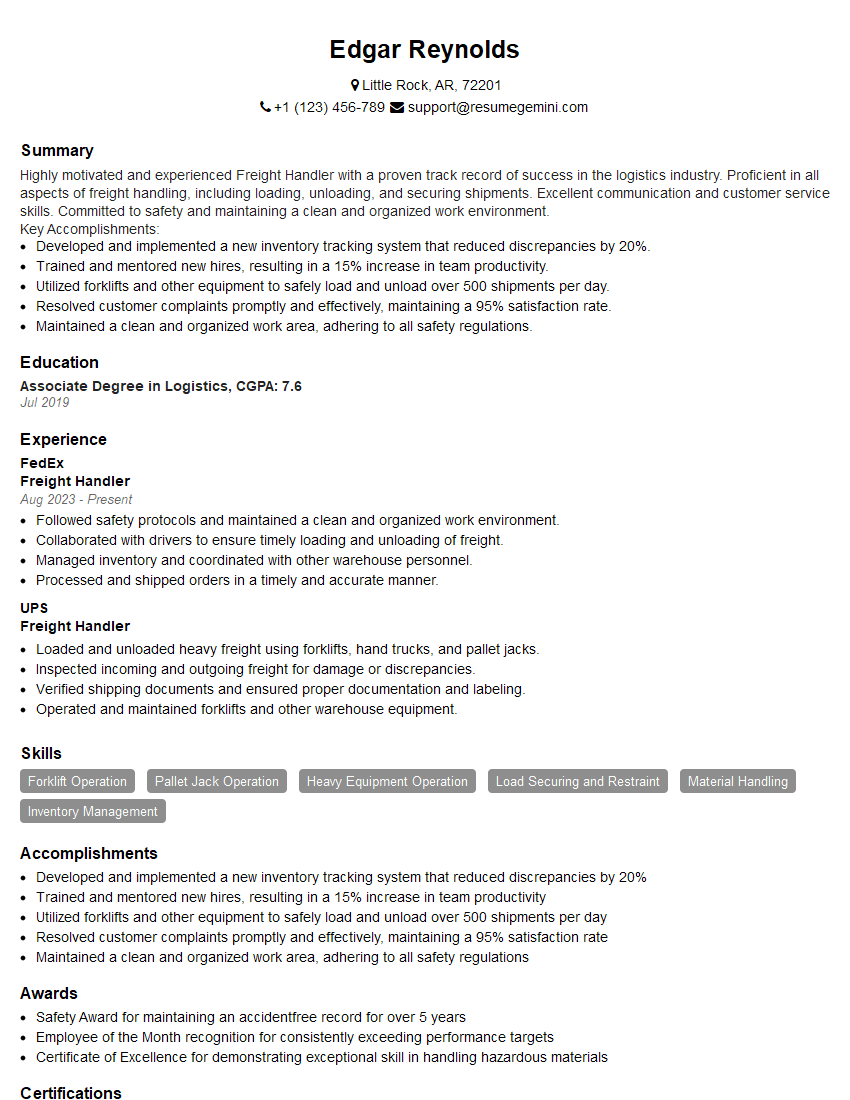
Freight Handler Resume Sample
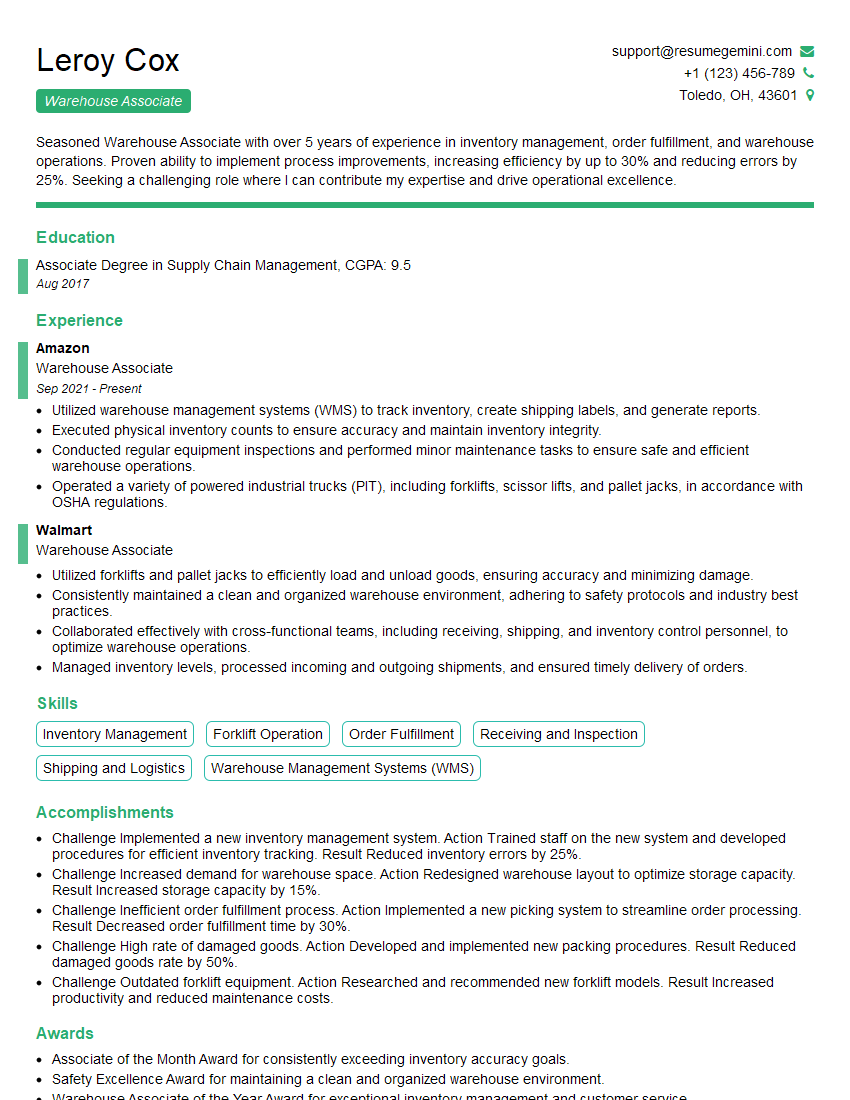
Warehouse Associate Resume Sample
- Operations Manager
- Logistics Manager
- Transportation Manager
- Dispatch Manager
- Transportation Coordinator
- Transportation Specialist
- Warehouse Supervisor
- Logistics Coordinator
- Supply Chain Specialist
- Delivery Driver
- Order Fulfillment Specialist
- Shipping and Receiving Clerk
- Logistics Associate
- Material Handler
- Truck Driver
- Heavy Equipment Operator
- Flatbed Driver
- Dock Worker
- Freight Handler
- Warehouse Associate
Explore more articles
Users Rating of Our Blogs
Share Your Experience
We value your feedback! Please rate our content and share your thoughts (optional).
What Readers Say About Our Blog
I Redesigned Spongebob Squarepants and his main characters of my artwork.
https://www.deviantart.com/reimaginesponge/art/Redesigned-Spongebob-characters-1223583608
IT gave me an insight and words to use and be able to think of examples
Hi, I’m Jay, we have a few potential clients that are interested in your services, thought you might be a good fit. I’d love to talk about the details, when do you have time to talk?
Best,
Jay
Founder | CEO