Every successful interview starts with knowing what to expect. In this blog, we’ll take you through the top Follow Good Manufacturing Practices (GMPs) interview questions, breaking them down with expert tips to help you deliver impactful answers. Step into your next interview fully prepared and ready to succeed.
Questions Asked in Follow Good Manufacturing Practices (GMPs) Interview
Q 1. Define Good Manufacturing Practices (GMP).
Good Manufacturing Practices (GMP) are a set of guidelines that ensure the consistent quality of manufactured products. Think of it as a recipe for making sure your product is safe, pure, and consistently meets the required standards. These guidelines cover all aspects of production, from the sourcing of raw materials to the final packaging and distribution. The specific GMPs vary depending on the industry and product (pharmaceuticals, food, cosmetics, etc.), but the core principle remains consistent: to minimize risks and maximize product quality.
For example, in pharmaceutical GMP, strict rules govern the cleanliness of manufacturing areas, the training of personnel, and the documentation of every process step. A deviation from these GMPs could compromise product safety and efficacy, leading to serious consequences.
Q 2. Explain the importance of GMP documentation.
GMP documentation is the backbone of a compliant manufacturing operation. It’s crucial for demonstrating that all processes have been followed meticulously and that products meet quality standards. This documentation acts as a verifiable record, allowing for traceability and facilitating investigations in case of deviations or complaints. Think of it as the detailed diary of your manufacturing process.
- Traceability: Allows you to follow a product’s journey from raw materials to finished goods, identifying potential sources of contamination or defects.
- Compliance: Demonstrates adherence to regulatory requirements and internal standards.
- Continuous Improvement: Provides data for identifying trends, areas for improvement, and preventing future problems.
- Auditing and Inspections: Provides evidence for regulatory audits and internal quality reviews.
Imagine a situation where a batch of medicine is suspected to be contaminated. Without thorough documentation, identifying the source and mitigating the risk becomes significantly more challenging, potentially affecting patient safety and the company’s reputation.
Q 3. Describe the process of GMP auditing.
GMP auditing is a systematic and independent examination of a company’s GMP compliance. Auditors, often internal or external experts, review documentation, observe processes, and interview personnel to assess the effectiveness of the GMP system. It’s like a thorough health check-up for your manufacturing operation.
The process generally involves:
- Planning: Defining the scope and objectives of the audit.
- Document Review: Examining batch records, standard operating procedures (SOPs), and other relevant documents.
- On-site Observation: Observing manufacturing processes, equipment operation, and personnel activities.
- Interviews: Talking to personnel at all levels to understand processes and identify potential weaknesses.
- Reporting: Documenting findings, identifying deviations from GMP, and recommending corrective actions.
A successful audit demonstrates the company’s commitment to quality and helps prevent potential problems before they escalate. Failure to address audit findings can result in regulatory actions, product recalls, and reputational damage.
Q 4. What are the key principles of GMP?
Key principles of GMP are interlinked and contribute to a robust quality system. These include:
- Quality by Design (QbD): Building quality into the product and process from the beginning, not just inspecting it at the end.
- Risk Management: Identifying and controlling potential hazards and risks throughout the manufacturing process.
- Validation: Verifying that equipment, processes, and systems perform consistently as intended.
- Personnel Training: Ensuring that all personnel are adequately trained and competent to perform their tasks.
- Hygiene and Sanitation: Maintaining a clean and hygienic manufacturing environment to prevent contamination.
- Change Control: Managing changes to processes, equipment, or materials to ensure that quality is not compromised.
- Documentation and Record Keeping: Maintaining accurate and complete records of all manufacturing activities.
For instance, proper hygiene is paramount in food production to prevent bacterial contamination and ensure the safety of the final product. Similarly, validated equipment ensures consistent performance and product quality.
Q 5. How do you ensure GMP compliance in a manufacturing setting?
Ensuring GMP compliance is an ongoing process, not a one-time event. It requires a multifaceted approach including:
- Implementation of a robust GMP system: Developing and implementing written procedures, training programs, and quality control systems that align with regulatory requirements and industry best practices.
- Regular training and competency assessment: Regularly updating personnel knowledge and skills to ensure they understand and apply GMP principles correctly.
- Regular internal audits: Conducting periodic internal audits to identify potential weaknesses and areas for improvement.
- Effective deviation investigation: Thoroughly investigating deviations from established procedures to identify root causes and implement corrective actions.
- Continuous improvement: Implementing CAPA (Corrective and Preventive Actions) to address identified deficiencies and prevent recurrence.
- Supplier management: Selecting and managing suppliers to ensure the quality of raw materials and other inputs.
For example, regular equipment calibration ensures accuracy and reliability, contributing to consistent product quality. A strong training program helps employees understand their responsibilities and the potential impact of their actions on product quality and safety.
Q 6. Explain the role of deviation investigations in GMP.
Deviation investigations are crucial for maintaining GMP compliance. A deviation is any unplanned or unexpected event that occurs during manufacturing and potentially affects product quality. These investigations aim to identify the root cause of the deviation and determine its impact on product quality and safety. Imagine it as a detective solving a mystery.
The process generally involves:
- Immediate Actions: Taking steps to contain the problem and prevent further deviations.
- Investigation: Thoroughly investigating the deviation to identify the root cause.
- Impact Assessment: Determining the impact of the deviation on product quality and safety.
- Corrective Actions: Implementing corrective actions to address the root cause and prevent recurrence.
- Preventive Actions: Implementing preventive actions to prevent similar deviations in the future.
- Documentation: Documenting the entire investigation process, including findings and actions taken.
Failing to adequately investigate deviations could lead to repeated issues, compromising product quality and potentially causing harm.
Q 7. Describe your experience with CAPA (Corrective and Preventive Actions).
My experience with CAPA (Corrective and Preventive Actions) is extensive. I’ve been involved in numerous CAPA investigations across diverse manufacturing settings. My approach focuses on a systematic and data-driven process. I have successfully led investigations and implemented solutions addressing deviations ranging from minor equipment malfunctions to significant process failures.
For example, I was once involved in a CAPA investigation concerning inconsistent tablet weights in a pharmaceutical manufacturing process. We followed a structured investigation using a fishbone diagram to identify root causes, which pinpointed a faulty component in the tablet press. The CAPA included replacing the faulty component, recalibrating the equipment, and implementing enhanced preventative maintenance procedures to reduce the likelihood of similar occurrences. This resulted in a significant improvement in the consistency of tablet weights, enhancing product quality and patient safety.
I am proficient in using various CAPA tools and methodologies including root cause analysis techniques (e.g., 5 Whys, Fault Tree Analysis), and I emphasize the importance of effective communication and collaboration amongst teams to ensure successful implementation and monitoring of corrective and preventive actions.
Q 8. How do you handle GMP non-conformances?
Handling GMP non-conformances involves a structured approach focused on immediate corrective action and preventive measures to prevent recurrence. Think of it like a detective investigating a crime scene – we need to find the root cause, fix the immediate problem, and ensure it doesn’t happen again.
- Immediate Corrective Action: This addresses the immediate problem. For example, if a batch of tablets fails a weight uniformity test, we’d immediately quarantine that batch, investigate the cause (e.g., faulty equipment, incorrect weighing procedure), and rectify the issue.
- Root Cause Analysis (RCA): This is crucial. We use tools like 5 Whys, fishbone diagrams, or fault tree analysis to determine the underlying causes of the non-conformance. Let’s say our RCA reveals the faulty weighing scale was due to a lack of recent calibration.
- Corrective Action Plan (CAPA): This outlines the specific actions to be taken to address the root cause. In our example, this would include recalibrating the scale, retraining staff on proper weighing procedures, and implementing a preventative maintenance schedule for the scale.
- Preventive Action (PA): This focuses on preventing future occurrences. We might implement stricter calibration procedures, automated alerts for upcoming calibrations, or even invest in a new, more reliable scale.
- Documentation: Every step of this process is meticulously documented, including the non-conformance itself, the investigation, the corrective actions taken, and the verification of effectiveness. This forms a crucial audit trail.
Effective non-conformance management is key to ensuring product quality and GMP compliance. It’s not just about fixing problems; it’s about learning from them and improving our processes.
Q 9. What is your experience with change control processes in GMP?
Change control in GMP is essential for ensuring that any modifications to processes, equipment, materials, or facilities don’t negatively impact product quality, safety, or compliance. It’s like carefully renovating a house – you need a plan to avoid causing damage or disrupting the living space.
- Change Proposal: Any proposed change undergoes a formal review process, starting with a documented proposal outlining the proposed change, the rationale, and potential impact.
- Risk Assessment: A thorough risk assessment identifies potential risks associated with the change and mitigates them before implementation. This might involve reviewing impact on product quality, safety, and regulatory compliance.
- Review and Approval: The change proposal is reviewed and approved by designated personnel with relevant expertise, often involving cross-functional teams. The approval process ensures the proposed change aligns with GMP principles and company standards.
- Implementation and Verification: Once approved, the change is implemented, and its effectiveness is verified. This could involve testing, validation, or monitoring to confirm that the change produces the intended results without compromising quality.
- Documentation: Comprehensive documentation throughout the entire process is critical for audit traceability. This includes the change proposal, risk assessment, approval records, implementation details, and verification results.
I’ve been involved in numerous change control processes, from minor updates to manufacturing instructions to significant equipment upgrades. In each case, a rigorous and documented approach was crucial to ensure successful implementation and continued GMP compliance.
Q 10. Explain the importance of validation in GMP.
Validation in GMP is the documented process of proving that a system, process, or equipment consistently performs as intended. Think of it as a rigorous performance review for your equipment and processes to confirm they reliably deliver high-quality results. It’s absolutely essential for ensuring product quality and regulatory compliance.
- Process Validation: This confirms that a manufacturing process consistently produces a product that meets predetermined specifications and quality attributes. For example, validating a sterilization process to ensure it reliably eliminates microorganisms.
- Equipment Qualification: This involves demonstrating that equipment is fit for its intended purpose. This can include Installation Qualification (IQ), Operational Qualification (OQ), and Performance Qualification (PQ).
- Cleaning Validation: This verifies the effectiveness of cleaning procedures in removing residues from equipment, preventing cross-contamination, and ensuring product safety.
- Computer System Validation: This ensures that software used in manufacturing operations is reliable, secure, and consistently produces accurate results.
Without proper validation, we can’t guarantee the quality, safety, and consistency of our products. It’s a cornerstone of GMP compliance.
Q 11. Describe your experience with equipment calibration and maintenance within GMP guidelines.
Equipment calibration and maintenance are critical for ensuring accuracy and reliability in GMP manufacturing. Regular maintenance is akin to regular servicing of a car; it keeps it running smoothly and prevents major problems.
- Calibration: This involves comparing the readings of an instrument to a known standard to verify its accuracy. Frequency depends on the instrument’s criticality and manufacturer recommendations. For example, scales used for weighing raw materials are calibrated more frequently than less critical equipment.
- Preventative Maintenance: This involves scheduled maintenance tasks designed to prevent equipment failure. This includes tasks like lubrication, cleaning, and part replacements.
- Corrective Maintenance: This involves repairs carried out after equipment malfunctions. Comprehensive records are kept for both preventative and corrective maintenance, detailing the work performed and the results.
- Documentation: All calibration and maintenance activities are meticulously documented, including the dates, individuals involved, procedures followed, and results obtained. This documentation is essential for audits and ensures traceability.
In my experience, a well-defined maintenance program, including clear procedures, training for technicians, and robust record-keeping, is crucial for ensuring equipment reliability and GMP compliance.
Q 12. How do you ensure the accuracy and reliability of analytical testing in GMP?
Ensuring the accuracy and reliability of analytical testing in GMP involves a multi-faceted approach, encompassing personnel, equipment, methods, and standards.
- Qualified Personnel: Trained and competent analysts are essential. They should possess the necessary skills and experience to conduct the tests accurately and interpret the results correctly.
- Validated Methods: Analytical methods must be validated to demonstrate their accuracy, precision, specificity, and reliability. This involves careful method development and thorough testing.
- Calibrated Equipment: Analytical instruments must be regularly calibrated and maintained to ensure accurate measurements.
- Standard Operating Procedures (SOPs): Detailed SOPs guide analysts through each step of the testing procedure, ensuring consistency and reducing errors.
- Quality Control (QC): Implementing QC checks like blank runs, standard runs, and control samples helps to monitor the accuracy and precision of the tests.
- Data Integrity: Maintaining accurate and complete records of all testing activities is crucial. This includes raw data, calculations, and interpretations.
- External Audits: Regular audits by internal and external quality control teams help verify the quality and reliability of analytical testing and ensure compliance with regulations.
A strong quality control system for analytical testing is the backbone of reliable results and assurance of product quality and safety.
Q 13. Explain the role of quality control in ensuring GMP compliance.
Quality control (QC) plays a vital role in ensuring GMP compliance by independently verifying that all aspects of manufacturing adhere to established standards. It’s like a quality check before a product leaves the factory to ensure it meets the required standards.
- Raw Material Inspection: Incoming raw materials are inspected to ensure they meet specifications and are free from contaminants.
- In-Process Testing: Samples are taken during manufacturing to monitor the process and identify potential problems early on.
- Finished Product Testing: Finished products undergo rigorous testing to confirm that they meet quality attributes.
- Environmental Monitoring: QC monitors the manufacturing environment for contaminants such as microorganisms or particulate matter.
- Deviation Investigations: Any deviations from established procedures are investigated to determine their cause and prevent recurrence.
- Audit Management: QC participates in internal and external audits, ensuring that the manufacturing process complies with GMP requirements.
A robust QC program is not just about finding defects; it’s about proactively preventing defects and ensuring consistent compliance with GMP guidelines, leading to high-quality products and maintaining customer trust.
Q 14. How do you manage supplier quality in relation to GMP?
Managing supplier quality is essential for ensuring the quality and safety of raw materials and other components used in manufacturing, safeguarding GMP compliance. It’s like choosing reliable contractors for your house construction – you must ensure they deliver quality work.
- Supplier Qualification: Thoroughly evaluate potential suppliers to ensure they meet our GMP standards, including their manufacturing practices, quality control systems, and regulatory compliance.
- Supplier Audits: Conduct regular audits of key suppliers to verify their compliance with our requirements and GMP guidelines.
- Incoming Material Inspection: Inspect incoming materials to verify that they meet specifications and are free from defects.
- Documentation Review: Review supplier documentation, including certificates of analysis (CoA), test results, and manufacturing records.
- Performance Monitoring: Track supplier performance using key indicators like on-time delivery, defect rates, and compliance with specifications.
- Continuous Improvement: Collaborate with suppliers to identify and resolve any quality issues and continuously improve the quality of materials received.
A strong supplier management program, based on trust, verification, and collaboration, is a cornerstone of GMP compliance and ensures the quality and safety of the final product.
Q 15. What is your understanding of risk assessment in GMP?
Risk assessment in GMP is a systematic process to identify potential hazards and evaluate their likelihood and severity, ultimately determining the risks to product quality, safety, and compliance. It’s not about eliminating all risks – that’s impossible – but about prioritizing and mitigating those that pose the greatest threats. We use tools like Failure Mode and Effects Analysis (FMEA) and Hazard Analysis and Critical Control Points (HACCP) to identify potential failures in equipment, processes, or personnel and establish controls to reduce those risks to an acceptable level. For example, a risk assessment might identify the risk of microbial contamination during a manufacturing process. This would lead to the implementation of controls like enhanced sanitation procedures, environmental monitoring, and appropriate handling of raw materials.
A good risk assessment is proactive, not reactive. It considers potential risks *before* they become problems, allowing for preventative measures rather than costly corrective actions later. It also helps allocate resources efficiently, focusing efforts on the most critical risks. For instance, instead of spending time and money on a low-risk area with minimal impact, the assessment will guide focus towards areas that present a significant threat.
Career Expert Tips:
- Ace those interviews! Prepare effectively by reviewing the Top 50 Most Common Interview Questions on ResumeGemini.
- Navigate your job search with confidence! Explore a wide range of Career Tips on ResumeGemini. Learn about common challenges and recommendations to overcome them.
- Craft the perfect resume! Master the Art of Resume Writing with ResumeGemini’s guide. Showcase your unique qualifications and achievements effectively.
- Don’t miss out on holiday savings! Build your dream resume with ResumeGemini’s ATS optimized templates.
Q 16. Describe your experience with GMP training programs.
Throughout my career, I’ve participated in and led numerous GMP training programs, ranging from introductory workshops for new employees to advanced seminars for experienced quality control personnel. My experience covers a variety of training methodologies, including instructor-led classroom sessions, hands-on workshops, online modules, and interactive simulations. I’ve developed and delivered training on topics such as Good Documentation Practices (GDP), quality control testing, cleaning validation, and deviation management. I focus on making the training engaging and relevant to the participant’s role, using real-world case studies and interactive exercises to enhance knowledge retention and practical application. For instance, in a recent training on deviation management, we used a scenario-based approach where participants had to analyze a simulated deviation and decide on the appropriate corrective actions, allowing for discussion and feedback. This helps them translate theoretical knowledge into practical decision-making skills.
Q 17. How do you ensure GMP compliance in a diverse manufacturing environment?
Ensuring GMP compliance in a diverse manufacturing environment requires a multifaceted approach. It begins with establishing clear, consistent GMP standards and procedures that are easily understood and accessible to everyone, regardless of their background or language. This often involves translating documents into multiple languages and providing training in multiple formats to cater to diverse learning styles. Beyond this, it’s crucial to foster a strong culture of compliance. This involves open communication, regular training, clear lines of responsibility, and robust internal audit programs. Regular communication allows early detection of any compliance challenges, allowing prompt corrective actions. We should establish a system of regular audits, using standardized checklists and procedures to ensure consistent application across departments and production lines. Furthermore, utilizing technology like automated data collection and reporting systems enhances visibility and allows for proactive identification of potential compliance issues.
For example, in a previous role with a global manufacturing company, we implemented a centralized GMP management system accessible in multiple languages. This allowed for standardized documentation and reporting, regardless of location. We also created a standardized training program translated into several languages, ensuring consistent understanding of GMP principles across all sites.
Q 18. How do you handle conflicts related to GMP compliance?
Conflicts regarding GMP compliance are inevitable. My approach to handling such conflicts is always based on collaboration and problem-solving. The goal is not to assign blame, but to identify the root cause of the conflict and find a mutually acceptable solution that maintains compliance. I begin by listening to all parties involved to understand their perspectives and concerns. I encourage open communication and constructive dialogue to create a safe space for expressing concerns without fear of reprisal. Then I guide the discussion toward identifying the core issue, clarifying relevant GMP requirements and evaluating potential solutions. If a decision needs to be made, I rely on objective evidence and documented GMP guidelines to make an informed and impartial judgement. This decision is then clearly communicated to everyone involved. Documenting the conflict resolution process is crucial, not just for compliance records but to learn from the experience and prevent similar conflicts in the future. Following the resolution, I might implement additional training or procedural changes to address the underlying root cause.
Q 19. What is your experience with implementing and maintaining a GMP system?
I have extensive experience in implementing and maintaining GMP systems across various manufacturing environments. This includes developing and implementing GMP programs from scratch, as well as improving existing systems. My approach is always phased and systematic, starting with a thorough gap analysis to identify where the current system falls short of GMP requirements. Then we prioritize areas needing improvement, develop detailed implementation plans with clear timelines and responsibilities, and procure any necessary resources or technologies. Regular training of staff is crucial during this process, ensuring effective adoption of the changes. Ongoing monitoring and auditing are essential, tracking key metrics and proactively identifying potential issues. The system isn’t static, regular review is needed, adapting to changing regulations and technological advancements. For example, in one instance we implemented a new ERP system integrated with our quality control software to streamline data collection and reporting, enhancing traceability and efficiency.
Q 20. How do you stay up-to-date with changes in GMP regulations?
Staying current with changes in GMP regulations is critical. I use a multi-pronged approach. First, I subscribe to relevant regulatory newsletters and publications from agencies like the FDA and EMA. Second, I actively participate in industry conferences and workshops, networking with other professionals and learning about the latest developments and best practices. Third, I maintain memberships in professional organizations related to GMP and quality control. Fourth, I frequently consult official regulatory websites for updates, ensuring we understand and comply with all the latest revisions and interpretations. Furthermore, I encourage continuous learning within my team, sharing relevant information and ensuring that all personnel are up-to-date on regulatory changes and their impact on our operations. This approach ensures that our GMP system remains compliant and robust, adapting to the ever-evolving regulatory landscape.
Q 21. Describe a situation where you had to solve a GMP-related problem.
In a previous role, we discovered a significant deviation during routine batch testing: unexpectedly high levels of residual solvent in a finished pharmaceutical product. This posed a significant risk to patient safety and compliance. My immediate response was to initiate a thorough investigation, engaging the manufacturing, quality control, and analytical teams. We started by isolating the affected batch and preventing its distribution. Then we conducted a detailed root cause analysis, examining all stages of the manufacturing process, from raw material handling to final packaging. We discovered a malfunction in the solvent evaporation equipment, leading to inadequate solvent removal. Once the root cause was identified, we implemented corrective actions, including equipment repair and recalibration, updated Standard Operating Procedures (SOPs), and enhanced process monitoring. We also conducted a thorough review of previous batches to ensure no other products were affected. Following the resolution, we conducted a thorough change control process and implemented additional safeguards to prevent future occurrences of this deviation. The entire process, from the initial discovery to the final corrective actions, was meticulously documented, adhering strictly to GMP guidelines.
Q 22. What are the key challenges in maintaining GMP compliance?
Maintaining GMP compliance presents numerous challenges, often interwoven and demanding a holistic approach. One major hurdle is staying abreast of constantly evolving regulations and guidelines. Different regions (e.g., FDA in the US, EMA in Europe) have their own specific requirements, and these are subject to updates and interpretations. Another key challenge lies in effectively implementing and maintaining a robust quality management system (QMS). This necessitates meticulous documentation, thorough training of personnel at all levels, and a culture of continuous improvement. Resource limitations, including budget constraints and staffing shortages, often hinder the implementation of comprehensive GMP programs. Finally, the complexity of manufacturing processes, especially in advanced pharmaceutical or biotechnology settings, can make ensuring consistent compliance a significant undertaking. For example, a seemingly minor change in a manufacturing process might have unforeseen implications for compliance, requiring careful risk assessment and validation.
- Regulatory Changes: Keeping up with amendments and new interpretations necessitates continuous learning and proactive adaptation.
- QMS Implementation and Maintenance: A well-defined QMS is crucial but requires dedicated resources for documentation, training, and auditing.
- Resource Constraints: Limited budgets and personnel can compromise the effectiveness of compliance programs.
- Process Complexity: Advanced manufacturing processes can introduce intricate challenges requiring meticulous monitoring and validation.
Q 23. Explain your understanding of the different GMP guidelines (e.g., FDA, EMA).
My understanding of GMP guidelines encompasses the key regulatory frameworks governing the manufacture of various products, primarily pharmaceuticals, but also including food, cosmetics, and medical devices. The FDA (Food and Drug Administration) in the United States and the EMA (European Medicines Agency) in Europe are two prominent examples. While both aim to ensure product quality, safety, and efficacy, their specific guidelines differ in certain aspects. For instance, the FDA’s approach often focuses on a risk-based approach to compliance, whereas the EMA emphasizes a more prescriptive, detailed approach. Both agencies prioritize the thorough documentation of processes and the traceability of materials. I’m also familiar with other GMP guidelines, such as those from Health Canada and PIC/S (Pharmaceutical Inspection Convention and Cooperation Scheme), which aim to harmonize GMP standards internationally. Understanding these nuances is essential for ensuring global compliance when dealing with international markets.
Let’s consider an example: The FDA’s 21 CFR Part 11 addresses electronic records and signatures in GMP, whereas the EMA has its own guidelines on the same topic. While the underlying goal is similar—ensuring data integrity—the specific requirements differ in detail. My experience involves navigating these differences to ensure compliance with the relevant regulatory body based on the target market.
Q 24. How do you ensure data integrity within a GMP environment?
Data integrity is paramount in a GMP environment, and ensuring it requires a multi-faceted strategy. It’s not merely about accuracy; it’s about the completeness, consistency, and trustworthiness of data throughout its lifecycle. This involves meticulous record-keeping, robust data management systems, and a culture of accountability. Key aspects include:
- ALCOA+ Principles: Adherence to the ALCOA+ principles (Attributable, Legible, Contemporaneous, Original, Accurate + Complete, Enduring, Available) is fundamental. Every data point should be traceable to its origin, clearly legible, recorded at the time of generation, and stored securely.
- SOPs and Training: Standard Operating Procedures (SOPs) for data handling should be established, and personnel should receive thorough training on correct procedures. Regular audits and inspections help ensure compliance.
- System Validation: Any electronic system used for data generation, storage, or analysis must be thoroughly validated to ensure its reliability and functionality.
- Change Control: A robust change control process is necessary for managing alterations to systems or processes that could affect data integrity.
- Data Backup and Recovery: Appropriate measures should be in place to protect against data loss, including regular backups and disaster recovery plans.
For example, if an out-of-specification (OOS) result is encountered, the investigation must be meticulously documented, following established SOPs, and ensuring that all relevant data is captured and preserved, supporting the root cause and corrective action.
Q 25. What is your experience with electronic data management systems in GMP?
My experience with electronic data management systems (EDMS) in GMP is extensive. I’ve worked with various systems, from simple electronic laboratory notebooks (ELNs) to sophisticated, integrated systems managing the entire manufacturing lifecycle. The selection and implementation of an EDMS is critical for ensuring data integrity and compliance. Key considerations include:
- 21 CFR Part 11 Compliance: The system must meet the requirements of 21 CFR Part 11 (or equivalent regulations in other regions) regarding electronic records and signatures.
- Validation and Qualification: Rigorous validation and qualification processes are necessary to ensure the system functions as intended and meets its intended use.
- Data Security and Access Control: The system must incorporate robust security features to protect data from unauthorized access or modification.
- Audit Trails: Comprehensive audit trails are essential for tracking all system activities, including data entry, modifications, and deletions.
- Integration with Other Systems: Ideally, the EDMS should integrate seamlessly with other systems used in the manufacturing process, such as LIMS (Laboratory Information Management Systems) and MES (Manufacturing Execution Systems).
In my previous role, I was involved in the implementation and validation of a new EDMS for a pharmaceutical manufacturing facility. This involved working with IT, quality assurance, and manufacturing personnel to ensure a smooth transition and successful validation.
Q 26. Explain your understanding of cleaning validation in GMP.
Cleaning validation in GMP is a critical process to ensure that residues from previous batches do not contaminate subsequent batches. This is especially important in pharmaceutical manufacturing to prevent cross-contamination, which could compromise product quality and safety. The process involves demonstrating that cleaning procedures effectively remove residues to acceptable levels. This typically involves:
- Defining Acceptance Criteria: Establishing scientifically justified acceptance criteria for residue levels, considering factors such as the toxicity of the residue, the product being manufactured, and regulatory guidelines.
- Developing Cleaning Procedures: Creating detailed written procedures that clearly describe the cleaning steps, including the cleaning agents, equipment, and personnel involved.
- Sampling and Analysis: Developing and implementing a sampling plan to collect samples from the cleaned equipment. These samples are then analyzed using appropriate analytical methods to determine the level of remaining residues.
- Validation Study: Conducting a validation study to demonstrate that the cleaning procedures consistently meet the acceptance criteria. This often involves multiple cleaning cycles and different levels of soiling.
- Documentation: Maintaining comprehensive documentation throughout the entire process, including cleaning procedures, sampling plans, analytical results, and validation reports.
For example, in the manufacturing of tablets, cleaning validation would demonstrate that residues from a previous batch of a potent drug are removed to acceptable levels before starting a new batch of a different drug.
Q 27. How do you ensure proper sanitation and hygiene in a GMP environment?
Ensuring proper sanitation and hygiene in a GMP environment is critical for preventing contamination and ensuring product quality and safety. This requires a comprehensive approach involving:
- Environmental Monitoring: Regular monitoring of the environment for microbial contamination, including air, surfaces, and personnel. This helps identify potential sources of contamination and implement corrective actions.
- Personnel Hygiene: Implementing strict personnel hygiene practices, including handwashing, gowning procedures, and the proper use of personal protective equipment (PPE). Regular training and reinforcement of these practices are essential.
- Cleaning and Disinfection: Establishing and following detailed cleaning and disinfection procedures for all equipment and surfaces. Validation of these procedures is essential to ensure their effectiveness.
- Pest Control: Implementing a robust pest control program to prevent infestation, which could introduce contamination and damage to products and facilities.
- Waste Management: Establishing procedures for proper waste handling and disposal to prevent contamination and environmental hazards.
Think of it like a hospital operating room; maintaining a high level of cleanliness and hygiene is non-negotiable. Any lapse can have serious consequences. Regular audits and inspections are crucial to maintain these standards.
Q 28. Describe your experience with handling and investigating product recalls related to GMP non-compliance.
My experience with handling and investigating product recalls related to GMP non-compliance has involved several key steps. First, a thorough root cause analysis (RCA) is crucial. This involves identifying the specific GMP deviations that led to the problem. This often involves reviewing batch records, manufacturing processes, and testing data. Next, a containment strategy is necessary, halting further production, distribution, and sales of affected products. Then, a recall strategy is developed and executed, informing affected parties and coordinating with regulatory agencies. Finally, corrective actions are implemented to prevent recurrence. This might include improvements to processes, training, equipment upgrades, or even changes to the quality management system. Each recall investigation is documented thoroughly, and a comprehensive report is prepared for regulatory authorities.
For instance, I participated in an investigation where a deviation in the cleaning process resulted in cross-contamination. The RCA revealed insufficient training on cleaning procedures and inadequate validation. Corrective actions involved retraining personnel, revising cleaning procedures, and implementing a more robust validation program. The recall was successfully managed, and regulatory agencies were kept informed at every step.
Key Topics to Learn for Follow Good Manufacturing Practices (GMPs) Interview
- Documentation and Record Keeping: Understanding the critical role of detailed and accurate documentation in GMP compliance. This includes batch records, deviations, and change controls. Practical application involves analyzing real-world scenarios and identifying potential documentation gaps.
- Quality Control and Assurance: Mastering the principles of quality control testing, including sampling methods, analysis techniques, and interpretation of results. Practical application involves troubleshooting quality issues and developing corrective actions.
- Good Manufacturing Practices (GMPs) Regulations: Familiarizing yourself with relevant regulations (e.g., FDA 21 CFR Part 11, EU GMP guidelines) and their practical implications for manufacturing processes. Consider exploring specific regulations relevant to your target industry.
- Cleaning and Sanitation: Understanding the importance of effective cleaning and sanitation procedures to prevent contamination and maintain product integrity. Practical application includes evaluating cleaning validation methods and identifying potential contamination sources.
- Validation and Qualification: Grasping the concepts of process validation, equipment qualification, and their significance in ensuring consistent product quality. Practical application involves understanding the lifecycle of equipment and processes.
- Deviation Management and CAPA: Understanding how to investigate and document deviations from established procedures, and implementing Corrective and Preventative Actions (CAPA) to prevent recurrence. Practical application involves analyzing case studies and formulating effective CAPA plans.
- Personal Hygiene and Gowning: Knowing the importance of maintaining a clean and controlled environment to prevent product contamination through personal hygiene practices and appropriate gowning procedures. Practical application involves understanding the rationale behind different gowning protocols.
Next Steps
Mastering GMPs is crucial for career advancement in the pharmaceutical, biotechnology, and food industries. A strong understanding of GMP principles demonstrates your commitment to quality and compliance, making you a highly desirable candidate. To significantly boost your job prospects, create an ATS-friendly resume that highlights your GMP expertise. ResumeGemini is a trusted resource that can help you build a professional and impactful resume tailored to the GMP industry. Examples of resumes tailored to Follow Good Manufacturing Practices (GMPs) are available to help guide you.
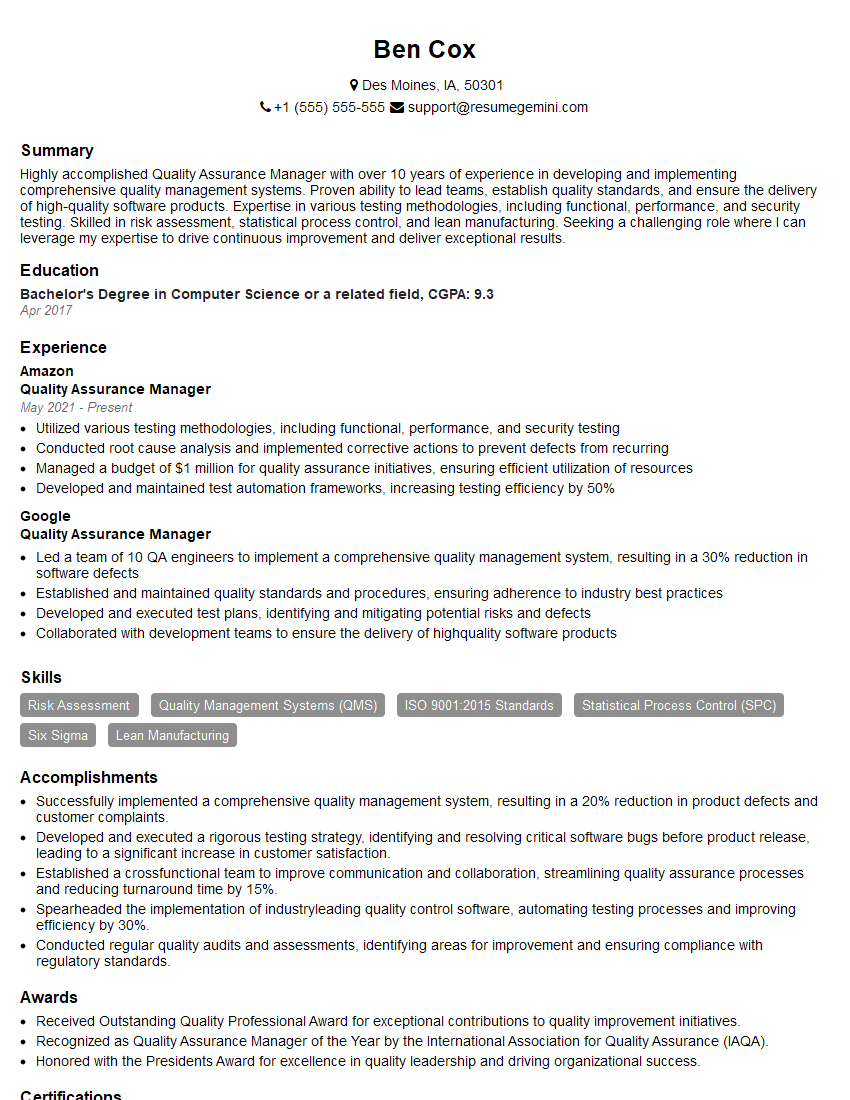
Quality Assurance Manager Resume Sample
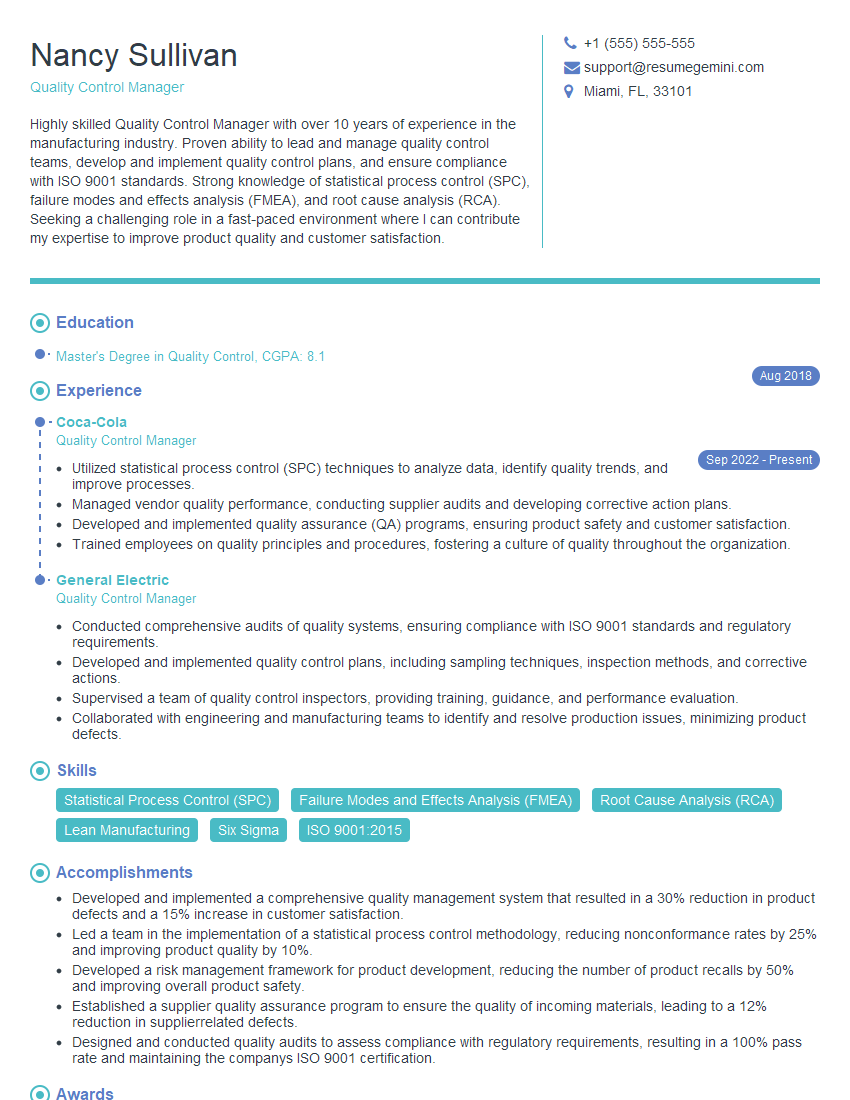
Quality Control Manager Resume Sample
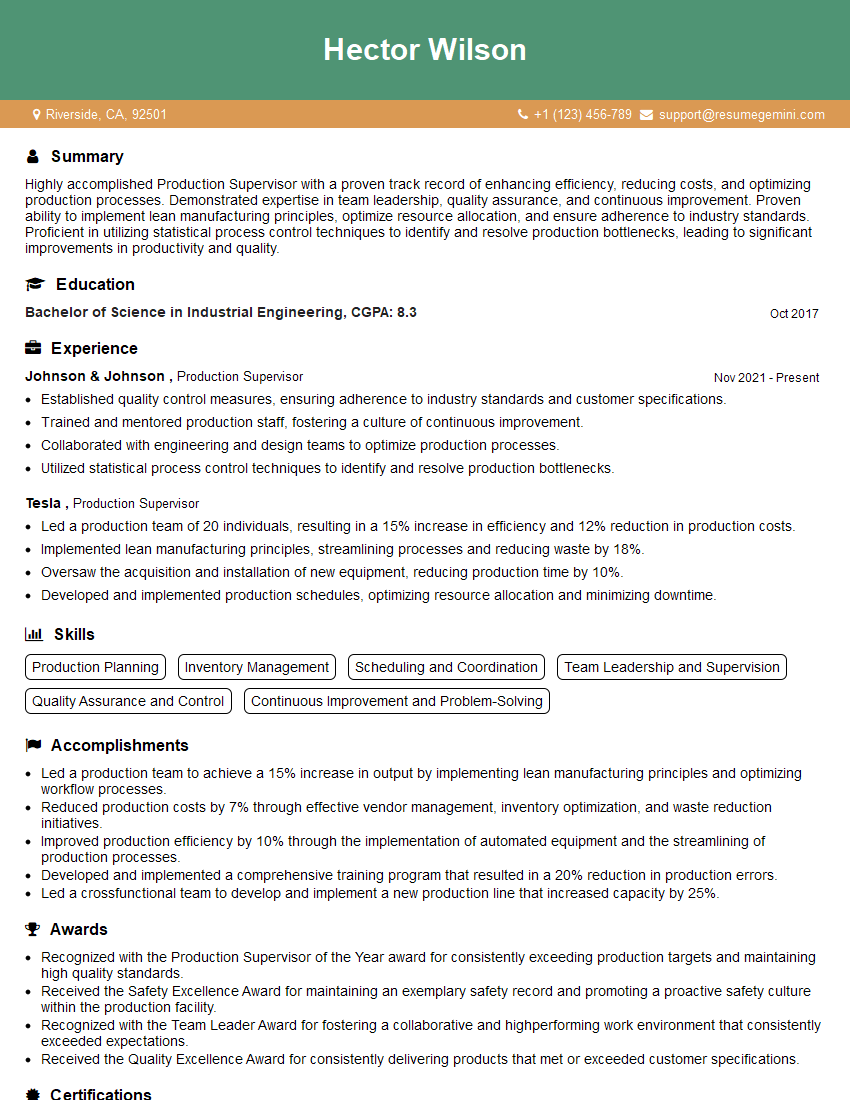
Production Supervisor Resume Sample
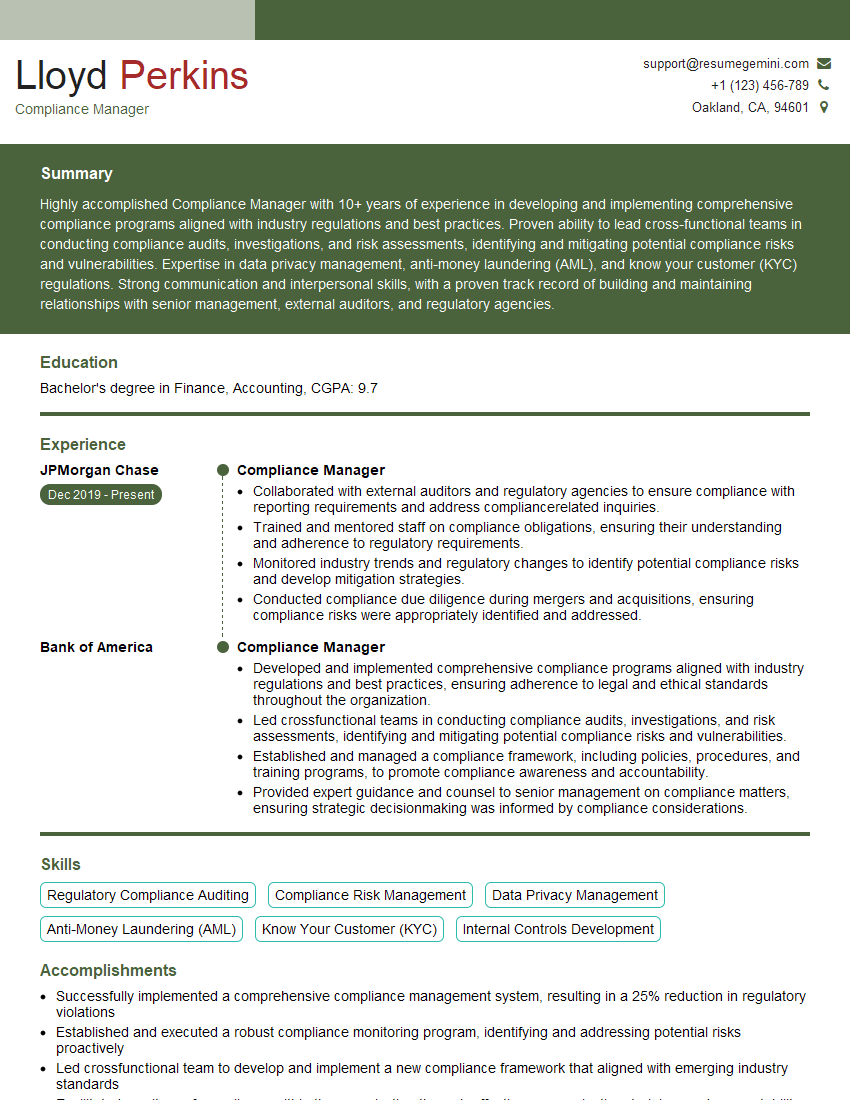
Compliance Manager Resume Sample
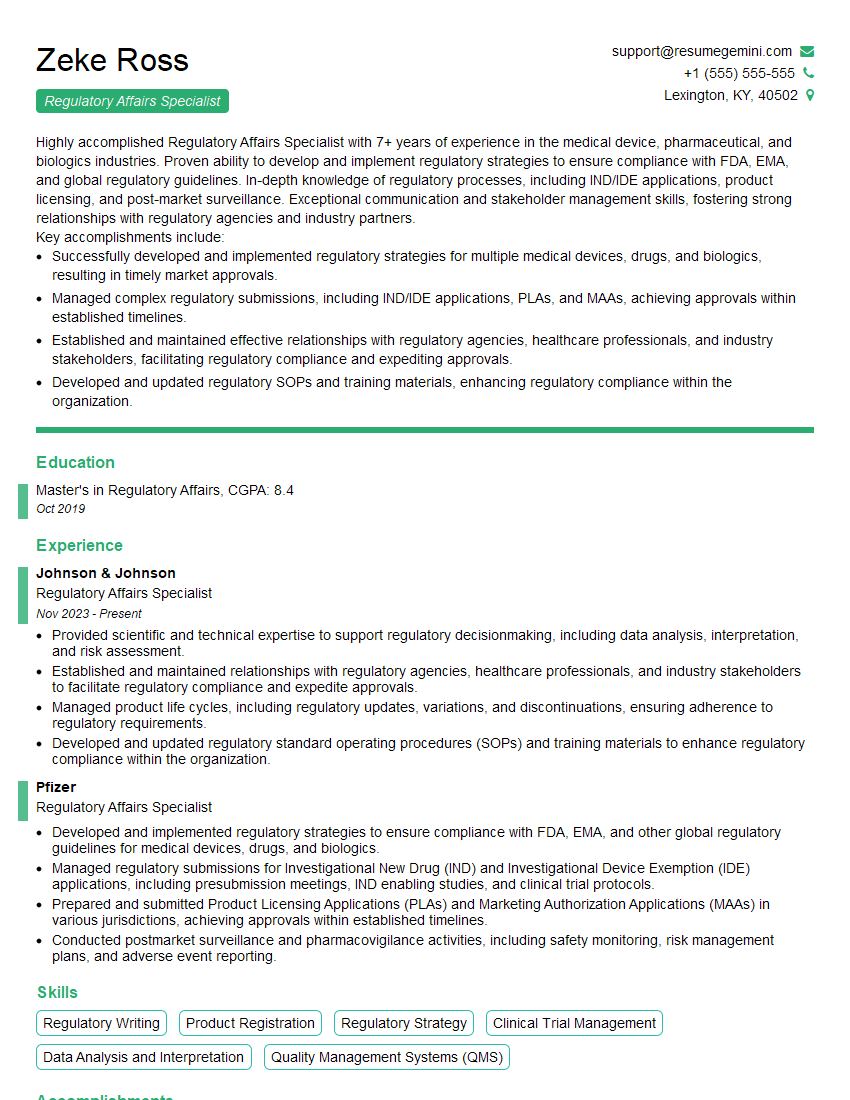
Regulatory Affairs Specialist Resume Sample
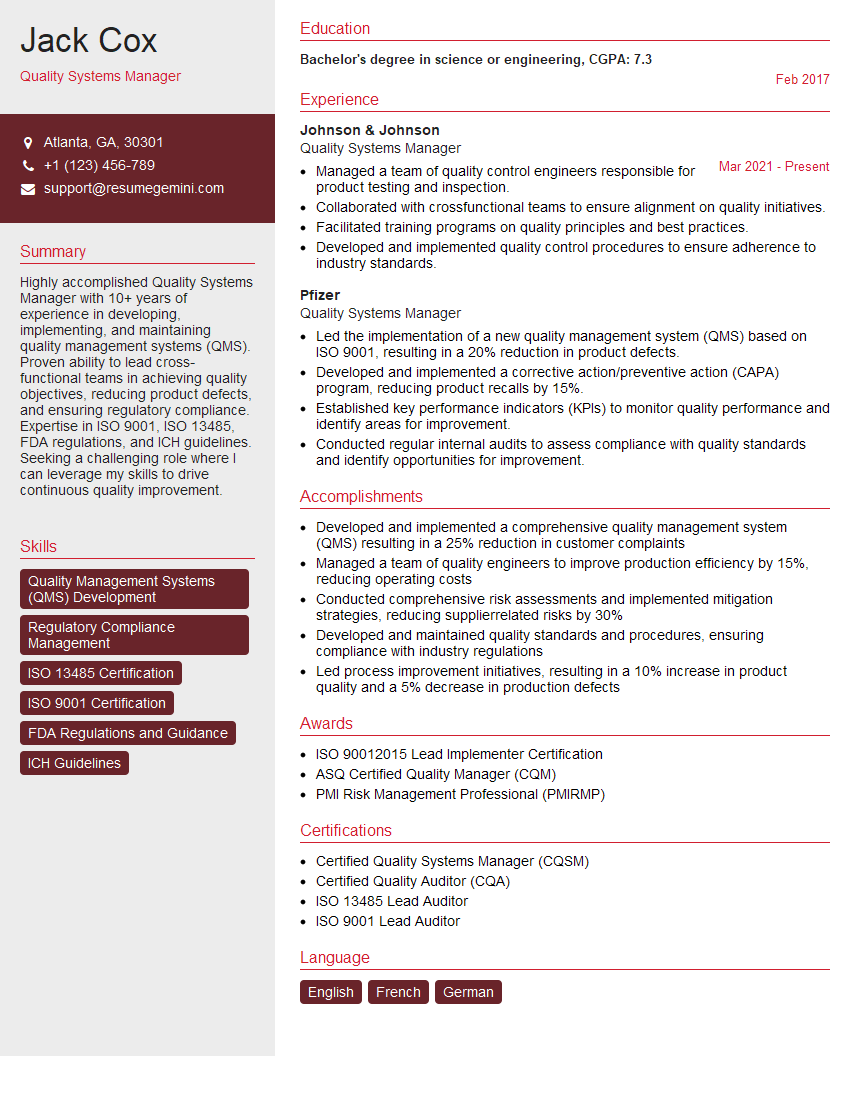
Quality Systems Manager Resume Sample
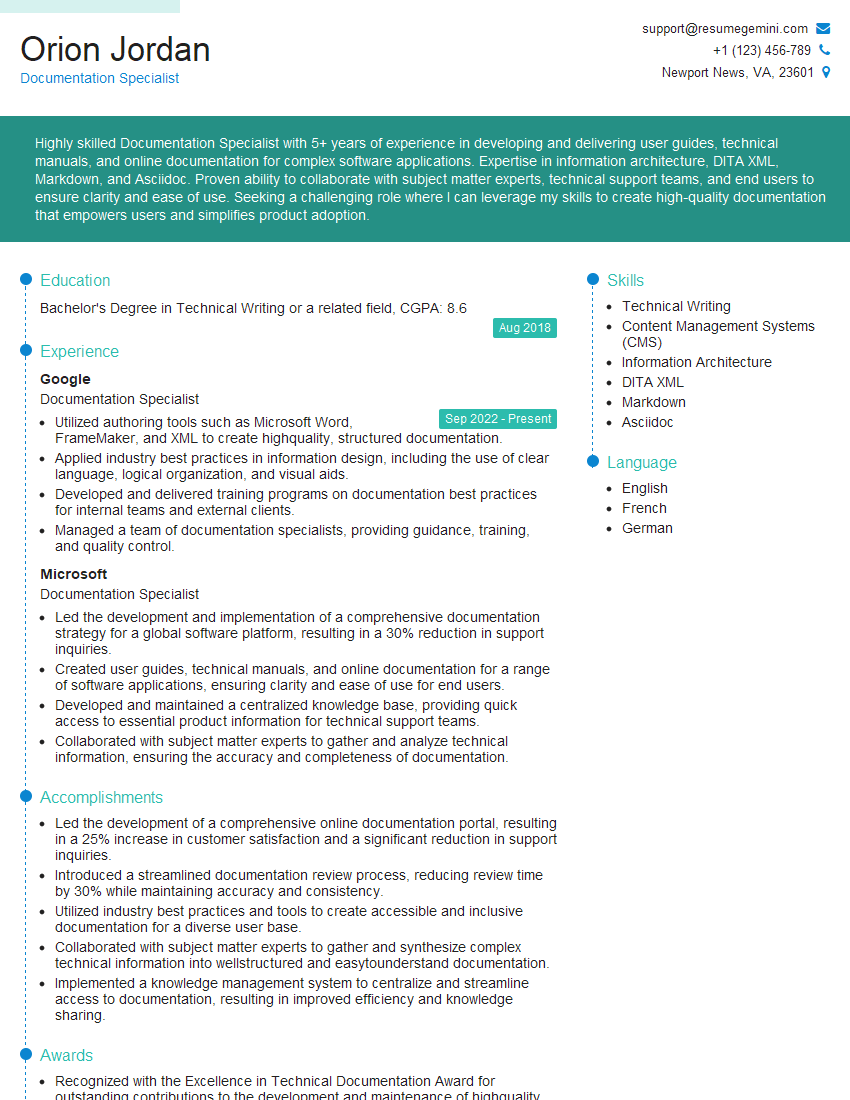
Documentation Specialist Resume Sample
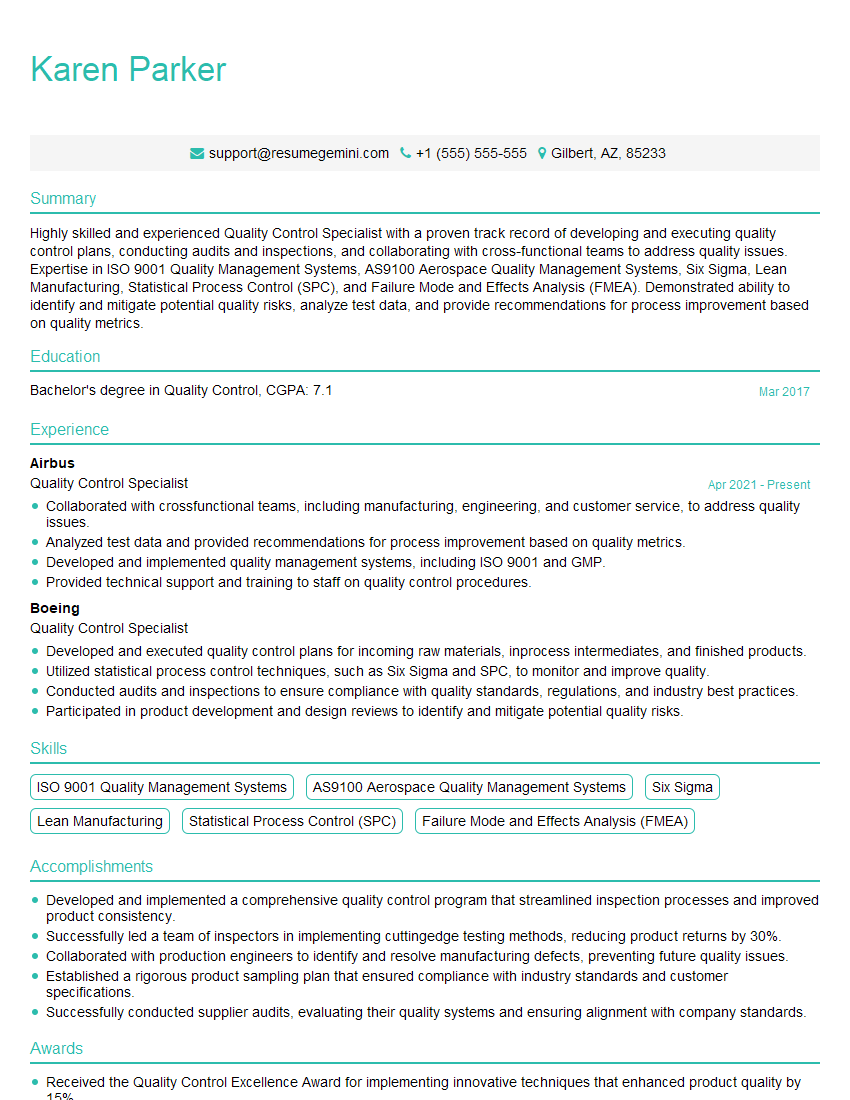
Quality Control Specialist Resume Sample
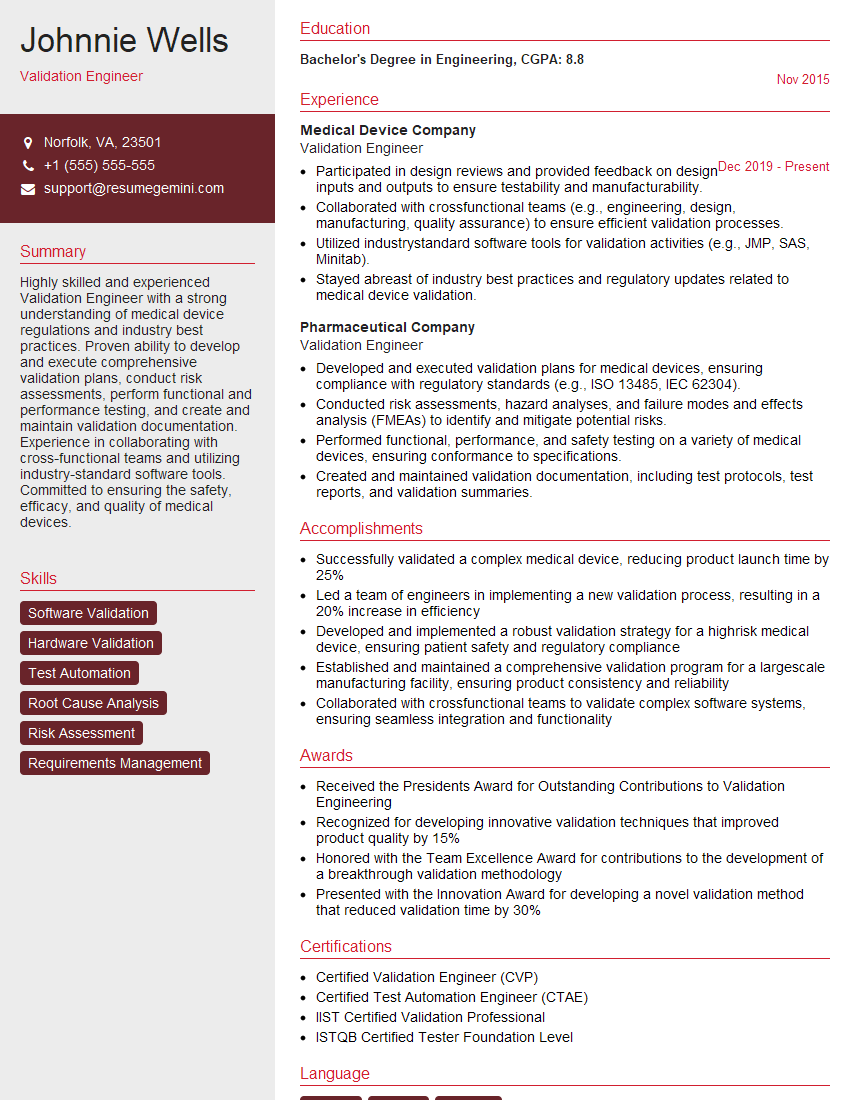
Validation Engineer Resume Sample
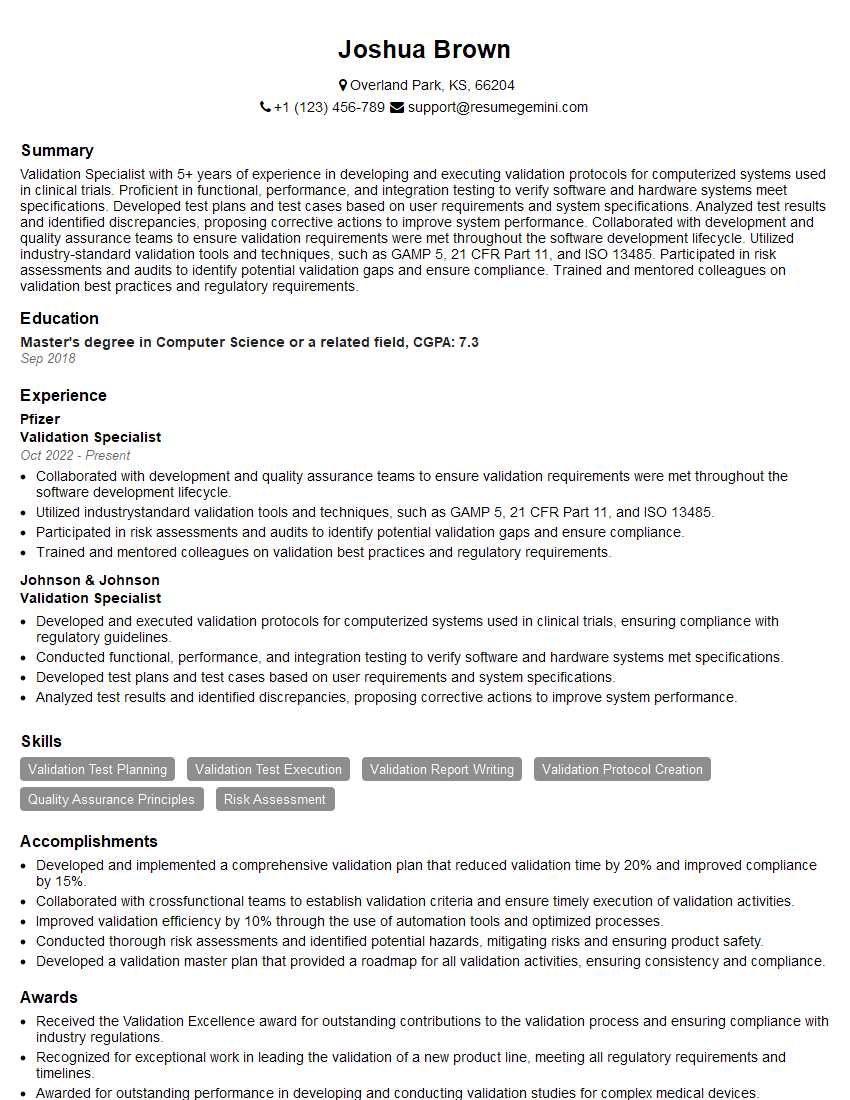
Validation Specialist Resume Sample
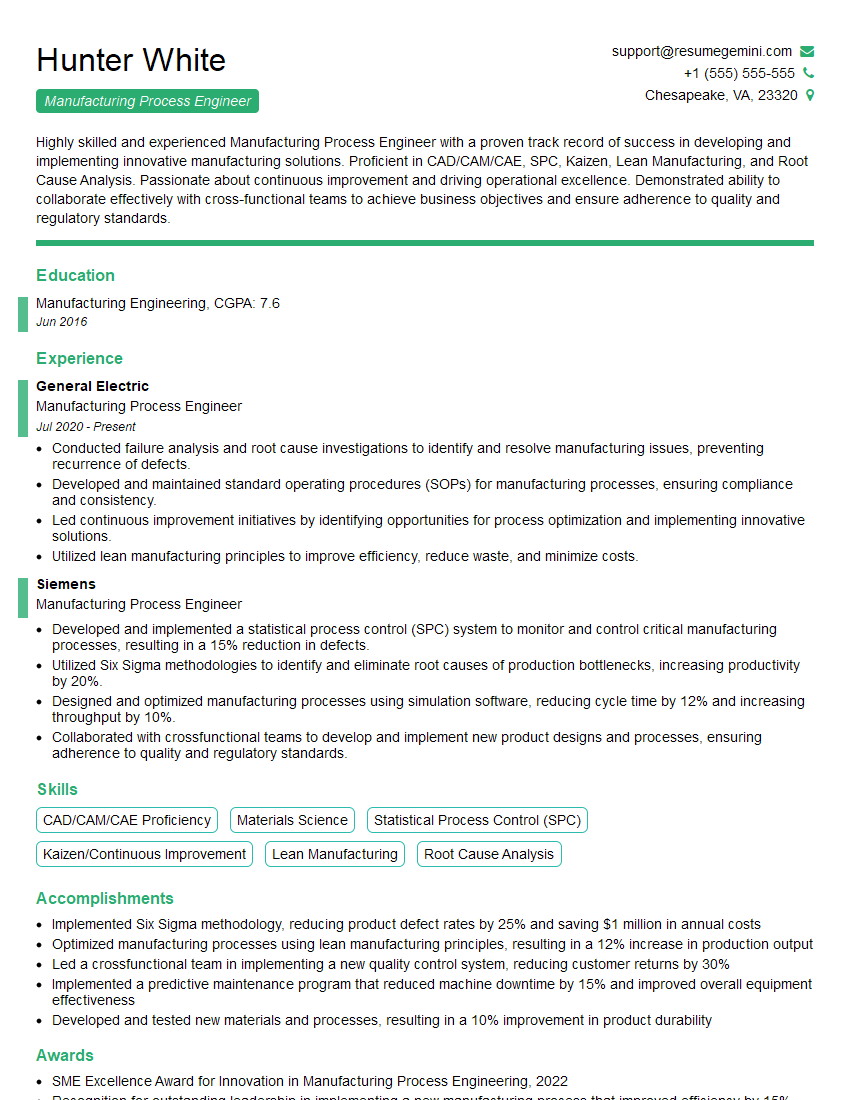
Manufacturing Process Engineer Resume Sample
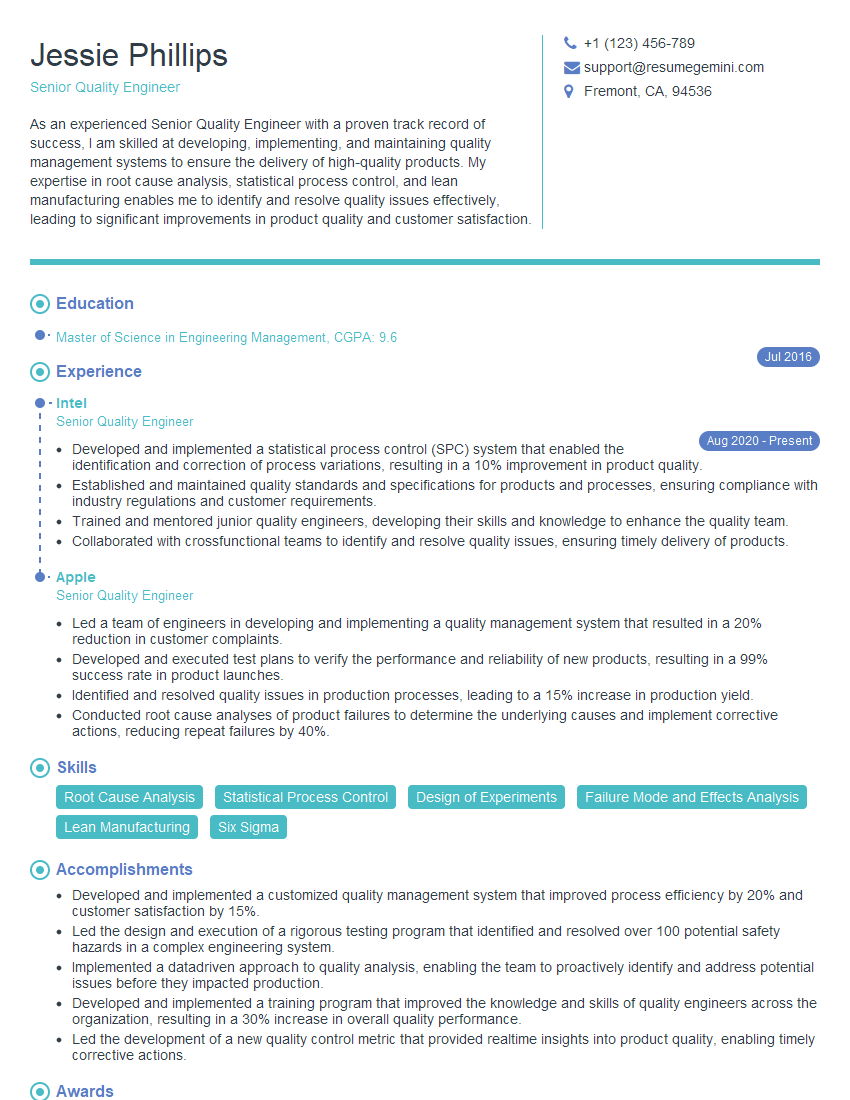
Senior Quality Engineer Resume Sample
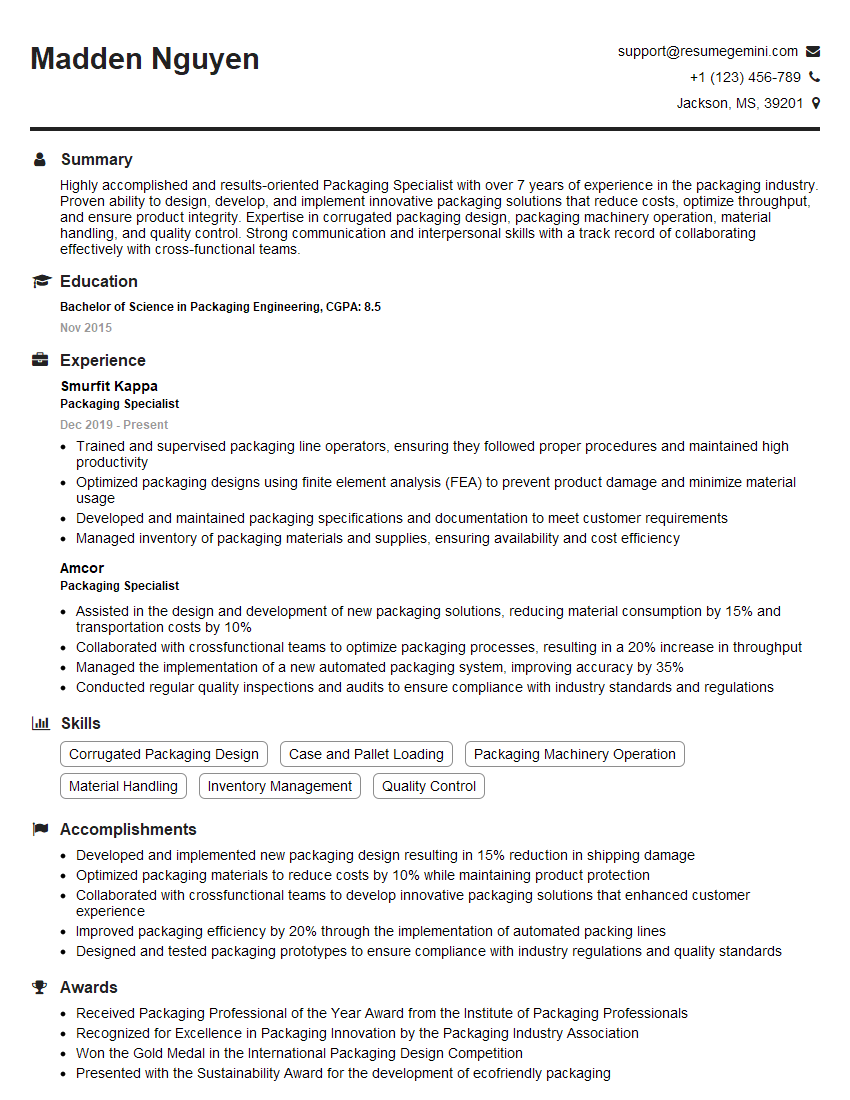
Packaging Specialist Resume Sample
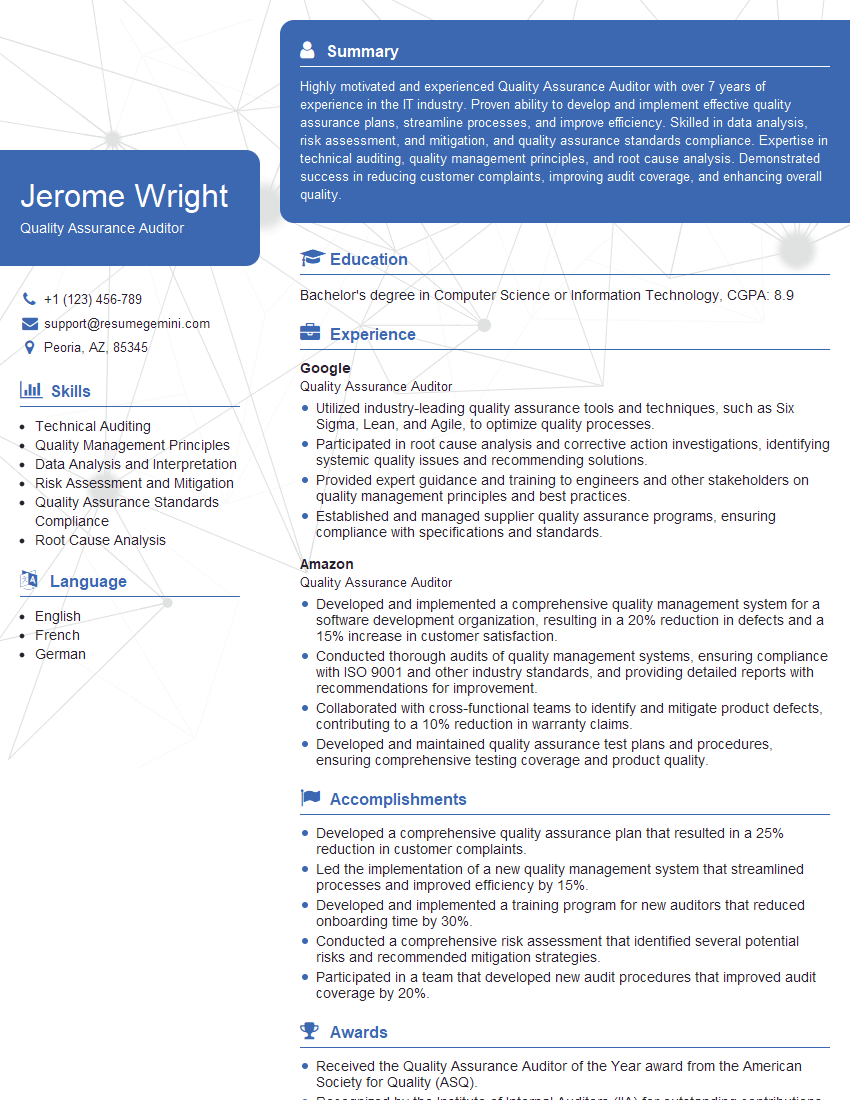
Quality Assurance Auditor Resume Sample
- Quality Assurance Manager
- Quality Control Manager
- Production Supervisor
- Compliance Manager
- Regulatory Affairs Specialist
- Quality Systems Manager
- Documentation Specialist
- Quality Control Specialist
- Validation Engineer
- Validation Specialist
- Manufacturing Process Engineer
- Senior Quality Engineer
- Packaging Specialist
- Quality Assurance Auditor
Explore more articles
Users Rating of Our Blogs
Share Your Experience
We value your feedback! Please rate our content and share your thoughts (optional).
What Readers Say About Our Blog
I Redesigned Spongebob Squarepants and his main characters of my artwork.
https://www.deviantart.com/reimaginesponge/art/Redesigned-Spongebob-characters-1223583608
IT gave me an insight and words to use and be able to think of examples
Hi, I’m Jay, we have a few potential clients that are interested in your services, thought you might be a good fit. I’d love to talk about the details, when do you have time to talk?
Best,
Jay
Founder | CEO