Unlock your full potential by mastering the most common Following all safety and security protocols interview questions. This blog offers a deep dive into the critical topics, ensuring you’re not only prepared to answer but to excel. With these insights, you’ll approach your interview with clarity and confidence.
Questions Asked in Following all safety and security protocols Interview
Q 1. Explain the difference between confidentiality, integrity, and availability (CIA triad).
The CIA triad – Confidentiality, Integrity, and Availability – forms the cornerstone of information security. Think of it as a three-legged stool; if one leg is weak, the whole thing collapses.
- Confidentiality ensures that only authorized individuals or systems can access sensitive information. This is like having a locked safe for your valuables. Methods include encryption, access controls, and data loss prevention (DLP) tools.
- Integrity guarantees the accuracy and completeness of data and prevents unauthorized modification. Imagine a tamper-evident seal on a package – if it’s broken, you know something’s wrong. Hashing, digital signatures, and version control are crucial for maintaining integrity.
- Availability ensures that authorized users have timely and reliable access to information and resources when needed. This is like making sure your website is always up and running. Redundancy, failover systems, and disaster recovery plans are key components.
For example, a hospital’s patient records need all three: confidentiality to protect patient privacy (HIPAA compliance), integrity to ensure accurate medical information, and availability for doctors to access records during emergencies.
Q 2. Describe your experience with implementing and maintaining security policies.
Throughout my career, I’ve been deeply involved in developing, implementing, and maintaining comprehensive security policies across various organizations. This includes everything from creating initial drafts and gaining stakeholder buy-in, to regularly reviewing and updating policies based on evolving threats and regulatory changes.
In one instance, I spearheaded the development of a new security policy for a financial institution following a significant regulatory shift. This involved collaborating with legal, compliance, and IT teams to ensure the policy was not only legally sound but also practical and enforceable. We used a phased rollout approach, starting with training and awareness programs for employees, and then gradually enforcing the policy with regular audits and reporting.
My approach emphasizes clarity, practicality, and ongoing review. Policies should be easily understood by all users, easily enforced by security teams, and regularly updated to reflect current best practices and emerging threats. I believe a collaborative and iterative approach is crucial for successful security policy management.
Q 3. What are the key elements of a robust incident response plan?
A robust incident response plan (IRP) is critical for minimizing the impact of security breaches. It’s a pre-defined, step-by-step guide that dictates how an organization responds to and recovers from security incidents. Key elements include:
- Preparation: Identifying potential threats, vulnerabilities, and impact levels; establishing communication channels; creating a list of key personnel and their roles.
- Identification: Detecting and verifying security incidents, gathering relevant evidence, determining the scope of the impact.
- Containment: Isolating affected systems, preventing further damage or data breaches; implementing temporary security measures.
- Eradication: Removing the root cause of the incident; patching vulnerabilities, remediating malware, restoring affected systems.
- Recovery: Restoring systems and data to a pre-incident state; testing system functionality; ensuring business continuity.
- Post-Incident Activity: Conducting a thorough post-incident review to analyze what went wrong, identify lessons learned, and improve future responses.
A well-defined IRP, regularly tested and updated through simulations, will ensure a swift, effective, and organized response, minimizing damage and preserving organizational reputation.
Q 4. How do you conduct a risk assessment?
A risk assessment systematically identifies and analyzes potential threats and vulnerabilities to determine their likelihood and potential impact. My approach typically involves these steps:
- Asset Identification: Identifying all critical assets – hardware, software, data, intellectual property, etc. – that need protecting.
- Threat Identification: Brainstorming potential threats like malware attacks, phishing scams, insider threats, natural disasters.
- Vulnerability Identification: Determining weaknesses in systems or processes that could be exploited by identified threats (e.g., unpatched software, weak passwords).
- Risk Assessment: Evaluating the likelihood of each threat exploiting a vulnerability and the potential impact (financial loss, data breach, reputational damage).
- Risk Response: Developing strategies to mitigate risks, including avoidance, mitigation (reducing likelihood or impact), transference (insurance), and acceptance.
- Monitoring and Review: Regularly reviewing and updating the risk assessment based on new threats and vulnerabilities.
I often use a risk matrix, visually representing the likelihood and impact of each risk to prioritize mitigation efforts. For example, a high-likelihood, high-impact risk (like a ransomware attack) would require immediate attention, while a low-likelihood, low-impact risk might be accepted.
Q 5. What are your preferred methods for identifying and mitigating security vulnerabilities?
Identifying and mitigating security vulnerabilities requires a multi-faceted approach. My preferred methods include:
- Vulnerability Scanning: Utilizing automated tools to scan systems for known vulnerabilities. This provides a snapshot of the current security posture.
- Penetration Testing: Simulating real-world attacks to identify exploitable vulnerabilities that automated scanners might miss. This offers a more in-depth assessment.
- Security Audits: Conducting thorough reviews of security policies, procedures, and controls to identify weaknesses and compliance gaps.
- Code Reviews: Examining application code for security flaws before deployment. This is critical for preventing vulnerabilities from entering production systems.
- Security Information and Event Management (SIEM): Implementing SIEM systems to collect and analyze security logs, providing real-time visibility into potential threats and incidents.
Mitigation strategies depend on the specific vulnerability but usually involve patching software, implementing stronger access controls, enhancing security awareness training, or implementing compensating controls.
Q 6. Explain your understanding of access control models (e.g., RBAC, ABAC).
Access control models determine who can access what resources. Two prominent models are:
- Role-Based Access Control (RBAC): Users are assigned to roles, and roles are granted specific permissions. This simplifies access management, especially in large organizations. For example, a ‘Marketing Manager’ role might have access to marketing campaign data but not to financial records.
- Attribute-Based Access Control (ABAC): Access control decisions are based on attributes of the user, resource, and environment. This provides more granular control, allowing for dynamic access based on context. For example, access to a sensitive document might be granted only to employees with a specific security clearance, located within a trusted network, and during specific business hours.
Choosing the appropriate model depends on the organization’s complexity and security requirements. Often, a hybrid approach combining elements of both RBAC and ABAC is used to optimize security and usability.
Q 7. Describe your experience with security auditing and compliance frameworks (e.g., ISO 27001, SOC 2).
I have extensive experience conducting security audits and ensuring compliance with frameworks like ISO 27001 and SOC 2. This involves a thorough review of an organization’s security controls, policies, and procedures to assess their effectiveness and alignment with relevant standards.
For ISO 27001, this would include assessing the implementation of an Information Security Management System (ISMS) across all relevant aspects, including risk management, asset management, incident management, and access control. SOC 2 audits focus on the security, availability, processing integrity, confidentiality, and privacy of customer data stored by a service provider.
My approach emphasizes a systematic and methodical review, including documentation review, interviews with key personnel, and testing of security controls. The goal is not only to identify gaps but also to provide actionable recommendations for improvement. I’ve successfully guided numerous organizations through certification audits, ensuring their compliance and strengthening their overall security posture.
Q 8. How do you stay up-to-date on the latest security threats and vulnerabilities?
Staying ahead of the ever-evolving threat landscape requires a multi-pronged approach. I regularly subscribe to reputable security newsletters and threat intelligence feeds from organizations like SANS Institute, NIST, and CERT. These provide early warnings on emerging vulnerabilities and attack vectors. I also actively participate in online security communities and forums, engaging in discussions and learning from the experiences of other professionals. Furthermore, I attend industry conferences and webinars, which offer valuable insights into the latest research and best practices. Finally, I dedicate time to hands-on learning, experimenting with various security tools and techniques to stay sharp and develop practical skills.
Think of it like staying fit – you wouldn’t just read about exercise; you’d actually do it. The same principle applies to cybersecurity. Continuous learning and practical application are key to maintaining expertise.
Q 9. What is your experience with security information and event management (SIEM) systems?
My experience with SIEM systems is extensive. I’ve worked with several leading platforms, including Splunk, QRadar, and LogRhythm. My role has involved not only configuring and managing these systems but also developing custom dashboards and alerts to effectively monitor security events. For example, I once used Splunk to correlate seemingly unrelated log entries from different servers, ultimately uncovering a sophisticated data exfiltration attempt. This involved creating custom search queries to identify unusual patterns in network traffic and user activity. The ability to analyze massive datasets in real-time, identify anomalies, and generate actionable insights is crucial for proactive threat detection. A strong understanding of regular expressions (regex) is also essential for effectively filtering and analyzing log data.
Q 10. Describe your experience with intrusion detection and prevention systems (IDS/IPS).
Intrusion Detection and Prevention Systems (IDS/IPS) are fundamental security components. I’ve had hands-on experience deploying and managing both network-based (NIDS/NIPS) and host-based (HIDS/HIPS) systems. My experience includes configuring rule sets, analyzing alerts, fine-tuning detection thresholds, and integrating IDS/IPS with SIEM solutions for comprehensive threat monitoring and response. For example, I once used Snort (an open-source NIDS) to detect and block a distributed denial-of-service (DDoS) attack targeting our web servers. Effective use of IDS/IPS requires a strong understanding of network protocols, common attack signatures, and the ability to differentiate between true threats and false positives. Regular updates and tuning are essential to maintain their effectiveness against evolving threats.
Q 11. How would you respond to a phishing attack?
Responding to a phishing attack involves a layered approach focused on prevention, detection, and remediation. First, user education is key – training employees to identify suspicious emails is paramount. If a phishing email is detected, my immediate response would be to contain the threat. This means isolating any affected systems to prevent further compromise. Next, I would investigate the extent of the attack, determining if any credentials or sensitive data were compromised. Then, I would initiate a password reset for affected accounts and potentially implement multi-factor authentication (MFA) for enhanced security. Finally, I’d perform a forensic analysis to understand the attack vector and implement preventative measures to stop similar attacks in the future. This might involve updating security awareness training, implementing email filtering rules, or deploying advanced threat protection tools.
Q 12. Explain your understanding of encryption methods and their applications.
Encryption methods are fundamental to data security. My understanding encompasses various types, including symmetric (like AES and DES), where the same key is used for encryption and decryption, and asymmetric (like RSA and ECC), which use separate keys for each. Symmetric encryption is faster but requires secure key exchange, while asymmetric encryption offers better key management but is computationally slower. I also understand hashing algorithms (like SHA-256 and MD5) used for data integrity verification. In practical applications, I have experience implementing TLS/SSL for secure communication, using encryption at rest for database security, and applying end-to-end encryption for sensitive data transmission. Choosing the right encryption method depends on factors such as security requirements, performance constraints, and the type of data being protected.
Q 13. What is your experience with vulnerability scanning and penetration testing?
Vulnerability scanning and penetration testing are crucial for identifying and mitigating security weaknesses. I’ve used various tools such as Nessus, OpenVAS, and Metasploit for vulnerability scanning and penetration testing. My experience includes conducting both automated and manual scans, analyzing scan results, prioritizing vulnerabilities based on their severity and potential impact, and developing remediation plans. For example, I recently performed a penetration test on a client’s web application, successfully identifying and exploiting a SQL injection vulnerability. This highlighted the importance of secure coding practices and regular vulnerability assessments. The ethical considerations are paramount; always obtaining explicit permission before conducting any penetration testing.
Q 14. How do you handle sensitive data according to regulations (e.g., GDPR, CCPA)?
Handling sensitive data according to regulations like GDPR and CCPA is paramount. This involves implementing appropriate technical and organizational measures to ensure data privacy and security. Key aspects include data minimization (collecting only necessary data), data anonymization (removing identifying information), and strong access controls (limiting data access to authorized personnel). We employ encryption both in transit and at rest, regularly conduct data protection impact assessments (DPIAs), and ensure compliance with data subject rights (e.g., right to access, right to be forgotten). We maintain comprehensive records of data processing activities and have established incident response plans to handle data breaches effectively. Compliance is not just a checkbox; it’s an ongoing process of continuous improvement and adaptation to evolving regulatory requirements.
Q 15. Describe your experience with data loss prevention (DLP) tools and techniques.
Data Loss Prevention (DLP) tools and techniques are crucial for safeguarding sensitive information. My experience encompasses implementing and managing various DLP solutions, from network-based systems that monitor traffic for sensitive data exfiltration attempts to endpoint solutions that scan files and applications on individual devices. I’ve worked with both cloud-based and on-premise DLP systems.
For example, in a previous role, we used a DLP tool that integrated with our email server to scan outgoing emails for confidential information, such as credit card numbers or social security numbers. If a match was found, the system would either block the email or flag it for review, depending on our predefined rules. This prevented accidental or malicious data leaks via email.
Another critical aspect of my DLP experience involves the development and implementation of data classification policies. Properly classifying data based on its sensitivity allows the DLP system to effectively target and protect the most valuable assets. I have experience defining these policies in line with industry best practices and regulatory requirements, such as GDPR and HIPAA.
Beyond the technical implementation, a successful DLP strategy requires employee education and awareness. I’ve integrated DLP training into broader security awareness programs to ensure employees understand what constitutes sensitive data and the importance of following security protocols. A strong DLP strategy requires technical solutions combined with an informed and responsible workforce.
Career Expert Tips:
- Ace those interviews! Prepare effectively by reviewing the Top 50 Most Common Interview Questions on ResumeGemini.
- Navigate your job search with confidence! Explore a wide range of Career Tips on ResumeGemini. Learn about common challenges and recommendations to overcome them.
- Craft the perfect resume! Master the Art of Resume Writing with ResumeGemini’s guide. Showcase your unique qualifications and achievements effectively.
- Don’t miss out on holiday savings! Build your dream resume with ResumeGemini’s ATS optimized templates.
Q 16. What are your experiences with security awareness training programs?
Security awareness training is not just about ticking a box; it’s about cultivating a security-conscious culture. My experience spans developing and delivering training programs tailored to different audiences, from executive leadership to technical staff. I’ve used a blended approach incorporating various methods such as interactive online modules, simulated phishing exercises, and in-person workshops.
For instance, I developed a phishing simulation program that realistically mirrored common phishing attacks. The program tracked employee responses, providing valuable data on susceptibility levels. This allowed us to tailor subsequent training to address specific vulnerabilities and reinforce key security concepts.
Beyond technical training, I focus on building a culture of security. This involves communicating the ‘why’ behind security policies and making security relatable to employees’ day-to-day tasks. This helps employees understand their role in protecting company assets and makes them more likely to adhere to security protocols.
The success of any security awareness program is measured by its impact on real-world behavior. I use metrics like phishing simulation success rates, security incident reports, and employee feedback to continuously improve and refine our training materials and delivery methods. This iterative process ensures the training remains relevant and effective.
Q 17. How do you prioritize security risks?
Prioritizing security risks involves a structured approach. I typically utilize a risk assessment framework that considers the likelihood and impact of potential threats. The framework often involves a qualitative assessment, assigning scores based on factors such as vulnerability severity, asset criticality, and threat actor capability.
For example, a high-likelihood, high-impact risk might be a critical system vulnerable to a known exploit. Conversely, a low-likelihood, low-impact risk might be a minor vulnerability in a less-critical system. These risk scores help prioritize remediation efforts.
I also consider business context when prioritizing risks. A vulnerability that affects a mission-critical system will naturally receive higher priority than one affecting a less critical application. This often requires collaboration with business stakeholders to understand the impact of a potential security breach on their operations.
Finally, I use a risk register to track identified vulnerabilities, associated risks, remediation plans, and timelines. Regular review and updates of this register ensure that remediation efforts remain focused on the most critical risks. The register is also a valuable tool for communication and reporting to leadership.
Q 18. Explain your understanding of firewalls and their role in network security.
Firewalls are fundamental components of network security, acting as barriers between trusted internal networks and untrusted external networks. They examine network traffic based on pre-defined rules, blocking or allowing traffic accordingly. This prevents unauthorized access and protects against malicious activity.
There are various types of firewalls, including packet filtering firewalls, stateful inspection firewalls, and application-level gateways. Packet filtering firewalls examine individual packets and filter based on header information such as source/destination IP addresses and ports. Stateful inspection firewalls track the state of network connections, allowing only traffic that’s part of an established connection.
Application-level gateways provide deeper inspection of the application data itself, providing more granular control and protection. For instance, they might block malicious code embedded within seemingly benign web traffic.
In my experience, I have implemented and managed various firewall types, configuring rules to control network access, monitor traffic patterns, and generate alerts for suspicious activity. Regular updates and maintenance are crucial to keep firewalls effective against the latest threats, including the implementation of intrusion detection and prevention systems integrated with the firewall setup.
Q 19. What is your experience with virtual private networks (VPNs)?
Virtual Private Networks (VPNs) create secure, encrypted connections over public networks, such as the internet. This ensures that data transmitted between devices remains confidential and protected from eavesdropping. Think of it as a private tunnel through public space.
My experience includes deploying and managing both site-to-site and remote access VPNs. Site-to-site VPNs connect two or more networks securely, often used to connect branch offices to a central data center. Remote access VPNs allow individual users to securely connect to a network from remote locations, typically using a client application on their device.
I’ve worked with various VPN technologies, including IPsec and SSL/TLS VPNs. Each has its own strengths and weaknesses regarding security, performance, and ease of management. The selection depends on specific requirements and risk tolerance.
Security considerations for VPNs are paramount. I ensure robust authentication mechanisms are in place, strong encryption protocols are used, and regular security audits are conducted to identify and mitigate vulnerabilities. Proper configuration and management are vital to preventing unauthorized access and data breaches.
Q 20. Describe your experience with multi-factor authentication (MFA).
Multi-Factor Authentication (MFA) significantly enhances security by requiring users to provide multiple forms of authentication to verify their identity. This adds an extra layer of protection against unauthorized access, even if one authentication factor is compromised.
Common MFA methods include passwords (something you know), security tokens (something you have), and biometrics (something you are). A typical implementation would require a password and a one-time code generated by an authenticator app on a mobile device.
My experience includes implementing and managing MFA across various platforms and applications, including email, cloud services, and internal systems. I’ve worked with various MFA providers and technologies, adapting the implementation based on the specific requirements of each system and ensuring a balance between security and user experience.
A critical aspect of MFA implementation is user training and support. Users need to understand the importance of MFA and how to use it effectively. Providing clear instructions and readily available support are crucial for user adoption and preventing frustration. The goal is to create a secure environment without hindering productivity.
Q 21. How do you ensure the security of cloud-based systems?
Securing cloud-based systems requires a multi-layered approach that addresses security at various levels. It is crucial to leverage the security features offered by cloud providers, while simultaneously maintaining strong security practices within our own environment.
I utilize a defense-in-depth strategy, combining measures such as access controls, encryption, network segmentation, and regular security assessments. For instance, I rigorously configure Identity and Access Management (IAM) systems to restrict access to only authorized users and resources, utilizing the principle of least privilege. This minimizes the potential impact of compromised credentials.
Data encryption both in transit and at rest is critical to protect sensitive data. Regular security audits and penetration testing are essential for identifying and remediating vulnerabilities. Furthermore, keeping software and operating systems up to date is paramount to patching known security flaws. These measures help minimize the risk of data breaches and ensure the ongoing integrity of cloud-based systems.
Compliance with relevant regulations and industry best practices is also a crucial element of my approach. Understanding and adhering to standards like ISO 27001 and SOC 2 ensures that security controls are appropriately implemented and audited, giving confidence to both the organization and its customers.
Q 22. Explain your understanding of physical security measures.
Physical security encompasses all measures designed to protect physical assets and personnel from unauthorized access, damage, or theft. Think of it as the first line of defense against intruders or disasters. It’s about securing the physical environment where sensitive data and valuable equipment reside.
- Access Control: This includes everything from keycard systems and security guards to biometric scanners and visitor logs. For example, a data center might use a multi-layered approach with fences, security cameras, and restricted access points.
- Perimeter Security: This involves protecting the boundaries of a facility, using measures like fences, gates, and alarm systems. Think of a bank, where a strong perimeter discourages potential robbers.
- Environmental Controls: Protecting against environmental threats like fire, flood, or power outages. This often involves fire suppression systems, backup generators, and raised floors for water protection.
- Surveillance Systems: CCTV cameras, motion detectors, and intrusion detection systems provide real-time monitoring and record events for investigation. This allows for rapid response and evidence gathering in case of a security incident.
Effective physical security isn’t just about technology; it’s about a comprehensive strategy that incorporates policies, procedures, and employee training. A well-trained employee is just as important as a sophisticated alarm system.
Q 23. Describe your experience with security monitoring tools and techniques.
My experience with security monitoring tools and techniques spans various technologies and methodologies. I’ve worked extensively with Security Information and Event Management (SIEM) systems like Splunk and QRadar, using them to collect, analyze, and correlate security logs from diverse sources. This allows for proactive threat detection and rapid incident response.
Techniques I’ve employed include:
- Log analysis: Identifying patterns and anomalies in system logs to detect potential breaches or malicious activities. For example, detecting unusual login attempts from unusual geographic locations.
- Intrusion detection: Utilizing network-based and host-based intrusion detection systems (NIDS/HIDS) to identify and alert on suspicious network traffic or system activities. I’ve used tools like Snort and Suricata.
- Security Information and Event Management (SIEM): Correlating security events from multiple sources to identify complex attacks and trends. This involves creating dashboards and reports to visualize security posture and potential threats.
- Vulnerability scanning: Regularly scanning systems and networks for known vulnerabilities using tools like Nessus and OpenVAS to proactively identify and remediate security weaknesses.
Beyond technology, effective security monitoring also requires strong analytical skills and an understanding of threat intelligence. Staying up-to-date on emerging threats and attack vectors is crucial for effective security monitoring.
Q 24. What are your experience with blockchain security?
Blockchain security centers around the cryptographic principles that underpin its functionality. The immutability and transparency inherent in blockchain technology provide a strong foundation for security, but it’s not foolproof. Threats still exist and require careful consideration.
- 51% Attacks: This involves a malicious actor controlling over 50% of the network’s hashing power to manipulate transactions. This is more of a concern for smaller, less decentralized blockchains.
- Smart Contract Vulnerabilities: Bugs in smart contracts can lead to significant financial losses or data breaches. Thorough auditing and testing of smart contracts are crucial.
- Private Key Management: Losing or compromising private keys can result in the loss of assets. Secure key management practices are paramount.
- Sybil Attacks: Creating numerous fake identities to influence the network’s consensus mechanism. This can be mitigated through robust identity verification systems.
My experience involves understanding these vulnerabilities and implementing mitigation strategies, including secure coding practices for smart contracts, robust key management systems, and participation in blockchain security audits.
Q 25. How do you ensure data backup and recovery processes are secure?
Secure data backup and recovery are critical for business continuity and regulatory compliance. The process must be robust, reliable, and secure to protect against data loss and unauthorized access.
- 3-2-1 Backup Strategy: This strategy recommends having three copies of your data, stored on two different media types, with one copy offsite. This provides redundancy and protection against various failure scenarios.
- Encryption: Both data at rest and data in transit should be encrypted using strong encryption algorithms to protect against unauthorized access. This is especially important for sensitive data.
- Access Control: Restrict access to backup systems and data using strong authentication and authorization mechanisms. Only authorized personnel should have access.
- Regular Testing: Regularly test backup and recovery procedures to ensure they are functioning correctly and can restore data in a timely manner. This includes full and incremental backups.
- Versioning: Maintain multiple versions of backups to allow for rollback to previous states in case of corruption or accidental deletion.
I’ve implemented these strategies in various settings, ensuring that data is protected and readily recoverable in case of unforeseen events.
Q 26. Describe your experience working with security automation tools.
Security automation tools significantly enhance efficiency and effectiveness in security operations. They automate repetitive tasks, allowing security teams to focus on more strategic initiatives.
My experience includes working with tools like:
- Security Orchestration, Automation, and Response (SOAR): Platforms like Splunk SOAR and Palo Alto Networks Cortex XSOAR automate incident response processes, reducing response times and improving consistency.
- Configuration Management Tools: Tools like Ansible and Chef automate the configuration of systems and applications, ensuring consistent security settings across the environment.
- Vulnerability Scanners with Automated Remediation: Integrating vulnerability scanners with automated remediation tools allows for the automatic patching of identified vulnerabilities, reducing the attack surface.
Automation is not a replacement for human expertise, but rather a powerful tool to augment it. It’s crucial to carefully design and manage automation processes to avoid unintended consequences.
Q 27. What is your understanding of zero-trust security model?
The zero-trust security model assumes no implicit trust granted to any user, device, or network, regardless of location. It operates on the principle of “never trust, always verify.” Every access request is verified before granting access, regardless of whether the request originates from inside or outside the organization’s network.
Key principles of zero trust include:
- Least Privilege: Granting only the minimum necessary access rights to users and devices.
- Microsegmentation: Dividing the network into smaller, isolated segments to limit the impact of a breach.
- Continuous Monitoring and Verification: Constantly monitoring user and device behavior to detect anomalies and unauthorized access.
- Strong Authentication: Using multi-factor authentication (MFA) to verify user identities.
Implementing a zero-trust model requires a significant shift in security thinking, but it offers a more robust and adaptable security posture in today’s dynamic threat landscape.
Q 28. How do you handle a security breach or incident?
Handling a security breach or incident requires a structured and methodical approach. My experience involves following a well-defined incident response plan, typically incorporating these steps:
- Preparation: Establishing an incident response plan, defining roles and responsibilities, and identifying critical systems and data.
- Detection and Analysis: Identifying the breach, analyzing its scope and impact, and gathering evidence.
- Containment: Isolating affected systems and preventing further damage.
- Eradication: Removing the threat and restoring affected systems.
- Recovery: Restoring data and systems to their pre-breach state.
- Post-Incident Activity: Reviewing the incident to identify weaknesses and improve security measures. This often includes reporting to relevant stakeholders and regulatory bodies.
Communication is key throughout the entire process. Keeping stakeholders informed and coordinating efforts among various teams is crucial for effective incident response. Regular security awareness training for employees also reduces the likelihood of breaches and improves response time.
Key Topics to Learn for Following all safety and security protocols Interview
- Understanding Security Policies: Learn to articulate your understanding of different types of security policies (e.g., access control, data handling, incident response) and how to apply them in a practical setting.
- Practical Application of Security Measures: Be prepared to discuss your experience with implementing and adhering to security protocols, including password management, data encryption, and physical security measures. Consider examples from previous roles or projects.
- Risk Assessment and Mitigation: Demonstrate your ability to identify potential security risks and explain how you would mitigate those risks using appropriate strategies and technologies.
- Incident Response Procedures: Understand the steps involved in responding to a security incident, from initial detection to remediation and post-incident analysis. Practice explaining your approach to handling various scenarios.
- Data Privacy and Compliance: Familiarize yourself with relevant data privacy regulations (e.g., GDPR, CCPA) and how to ensure compliance in your work.
- Security Awareness Training and Education: Discuss your experience with or understanding of the importance of security awareness training for employees and how to promote a security-conscious culture.
- Technical Security Controls: Depending on the role, you may need to demonstrate understanding of specific technologies like firewalls, intrusion detection systems, or encryption methods.
Next Steps
Mastering safety and security protocols is crucial for career advancement in almost any field. Employers highly value candidates who demonstrate a commitment to data protection and responsible security practices. To significantly improve your job prospects, create an ATS-friendly resume that highlights your relevant skills and experience. ResumeGemini is a trusted resource that can help you build a professional and effective resume. Examples of resumes tailored to showcasing expertise in following safety and security protocols are available to help you get started.

Compliance Officer Resume Sample
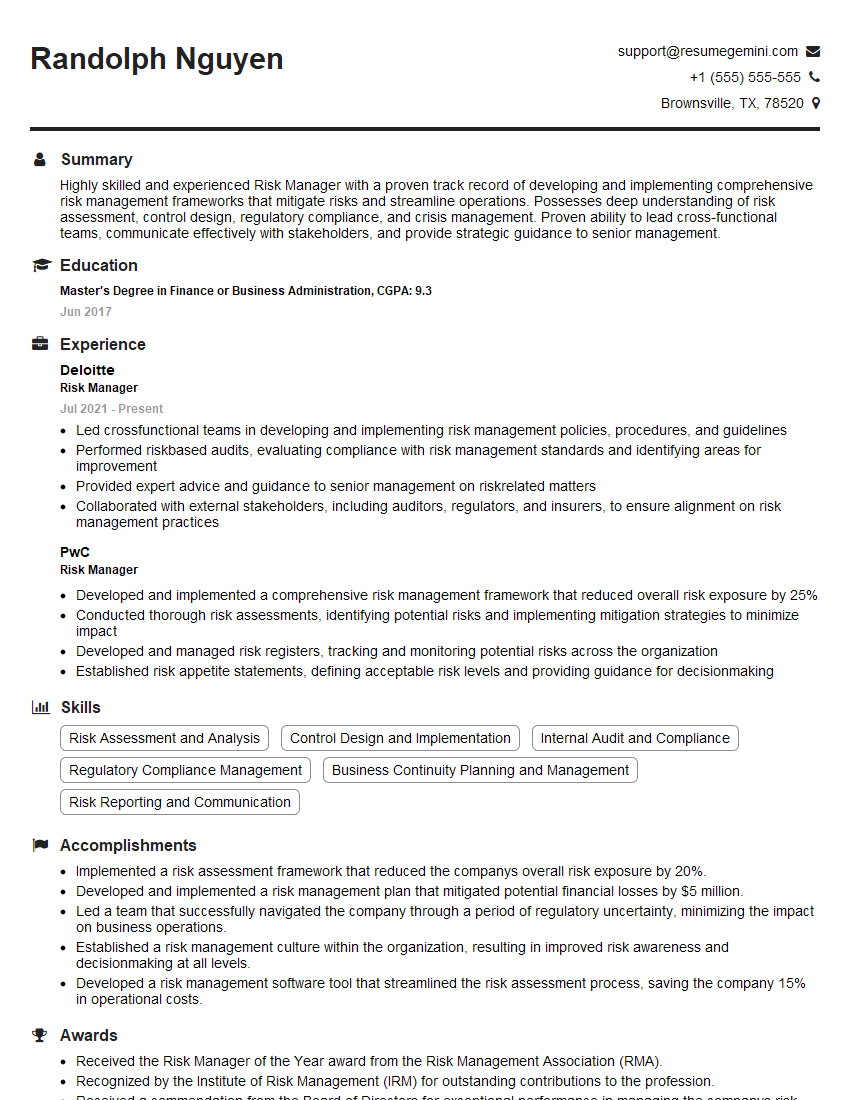
Risk Manager Resume Sample
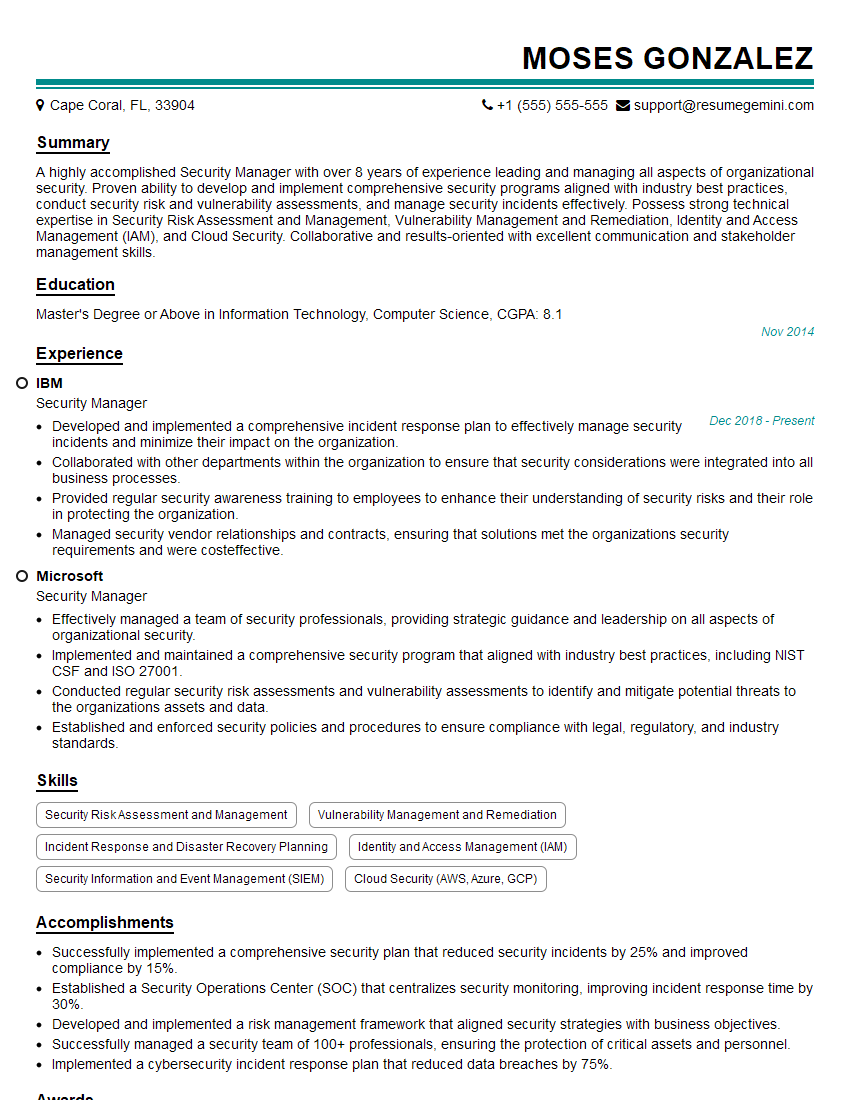
Security Manager Resume Sample

Security Administrator Resume Sample
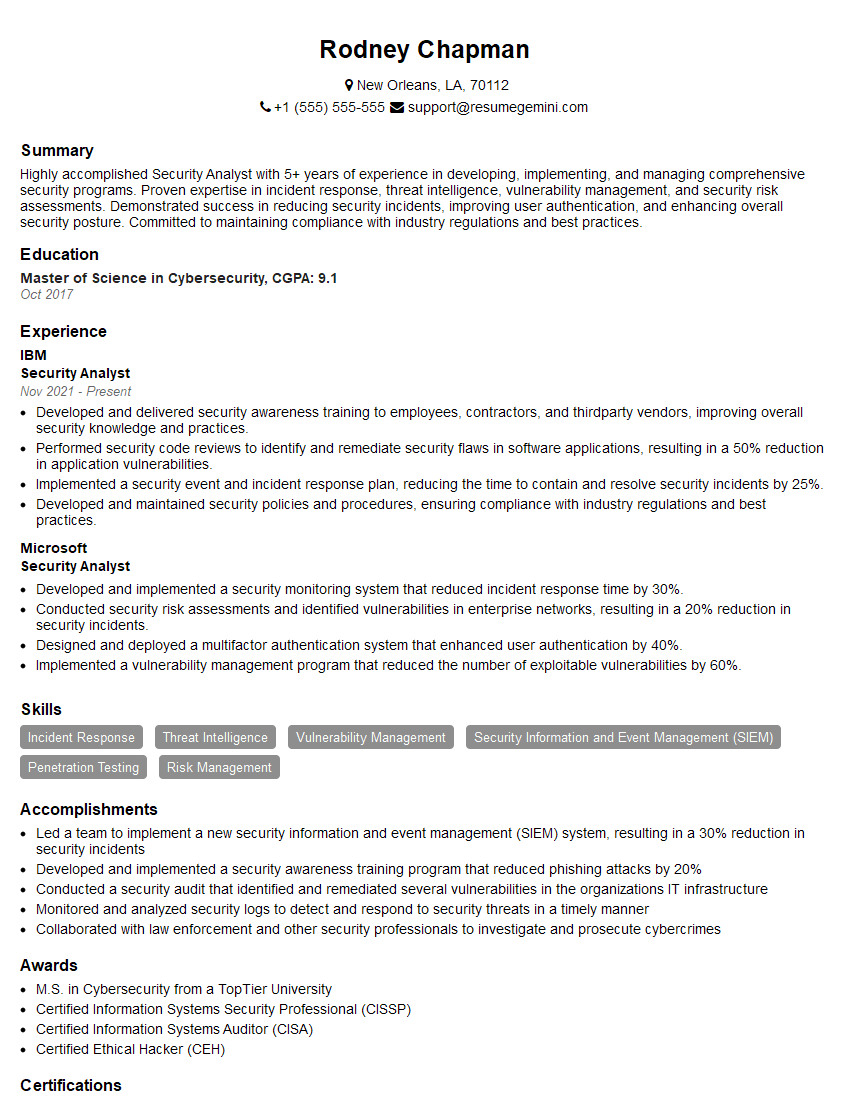
Security Analyst Resume Sample
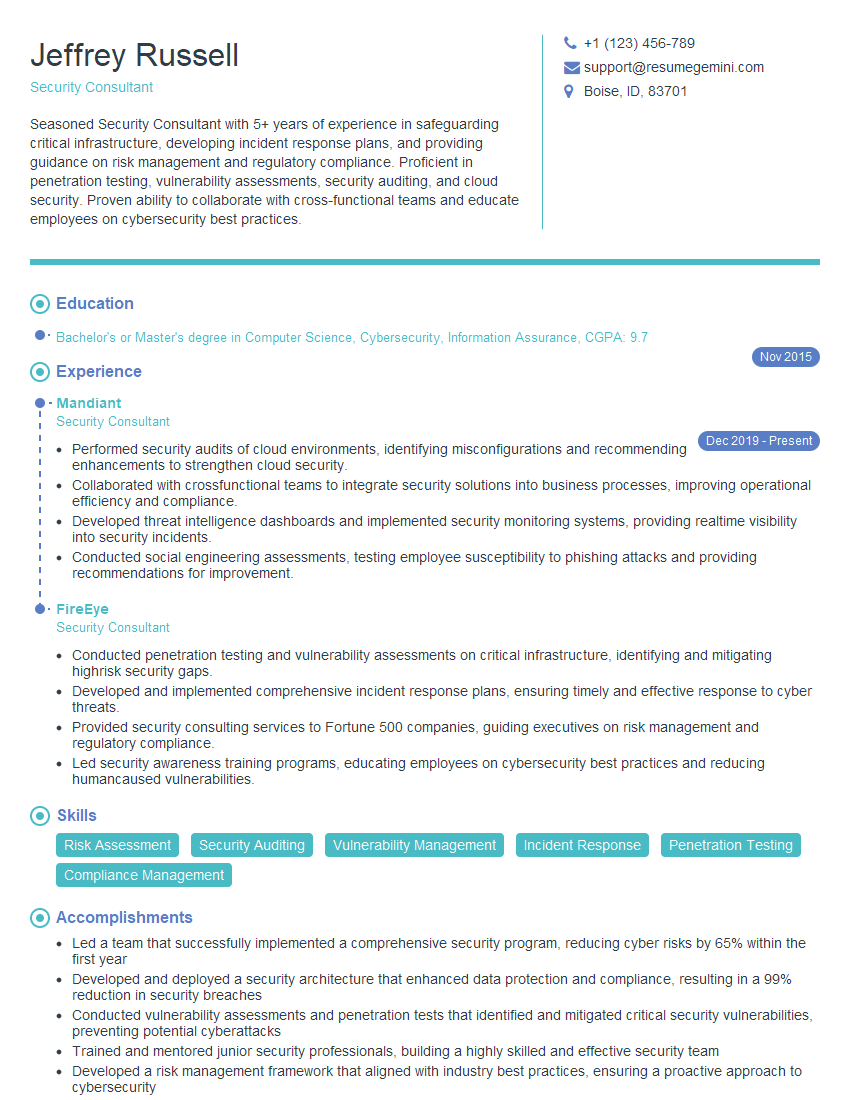
Security Consultant Resume Sample
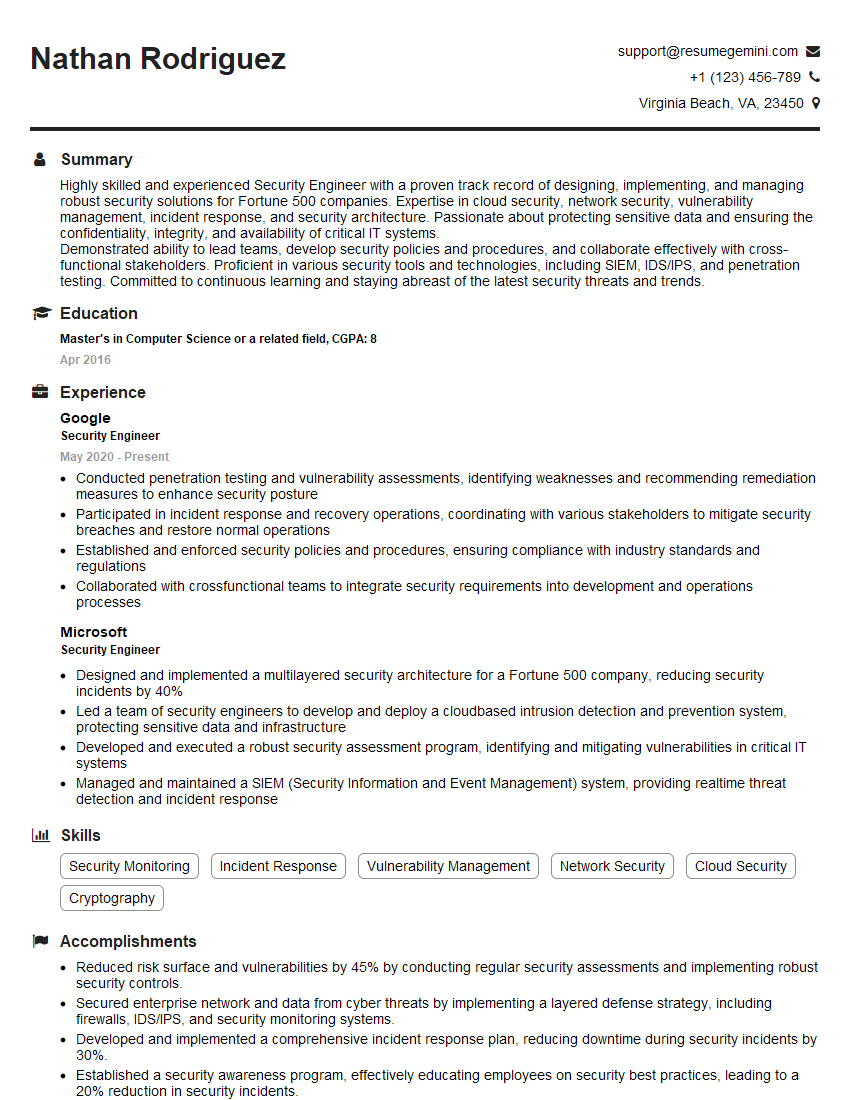
Security Engineer Resume Sample
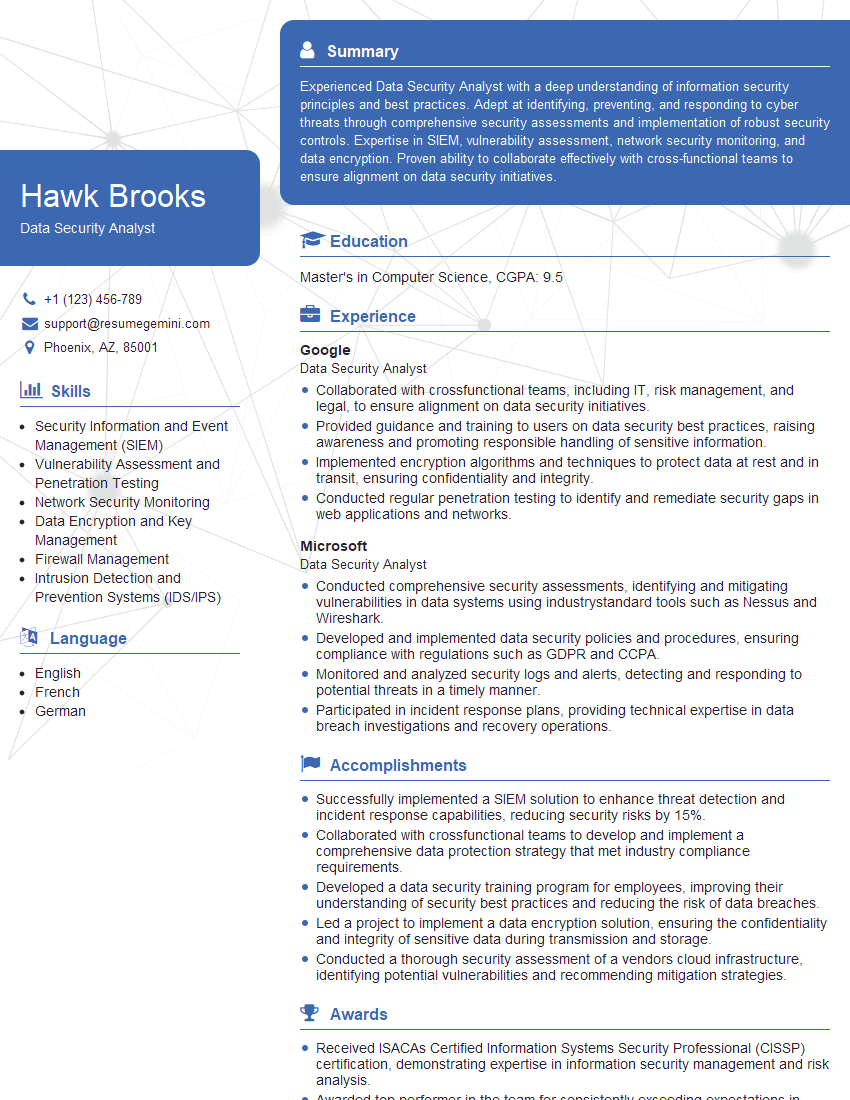
Data Security Analyst Resume Sample
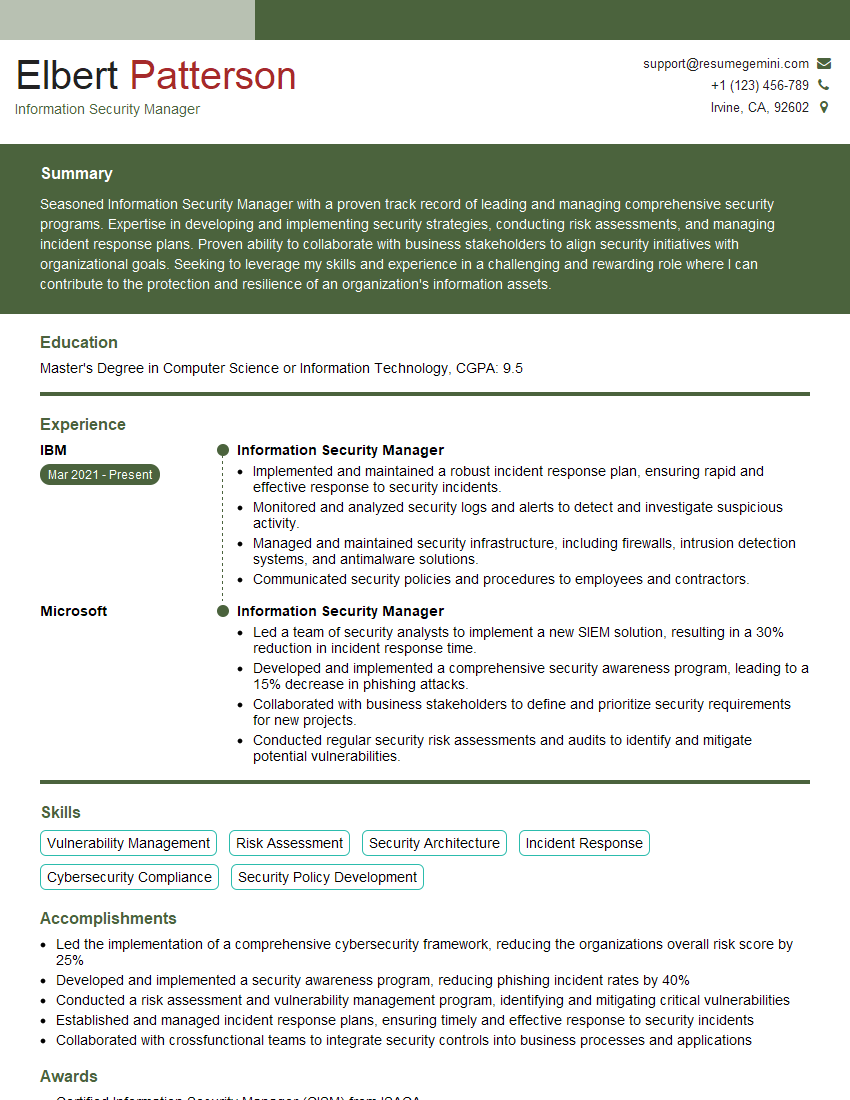
Information Security Manager Resume Sample
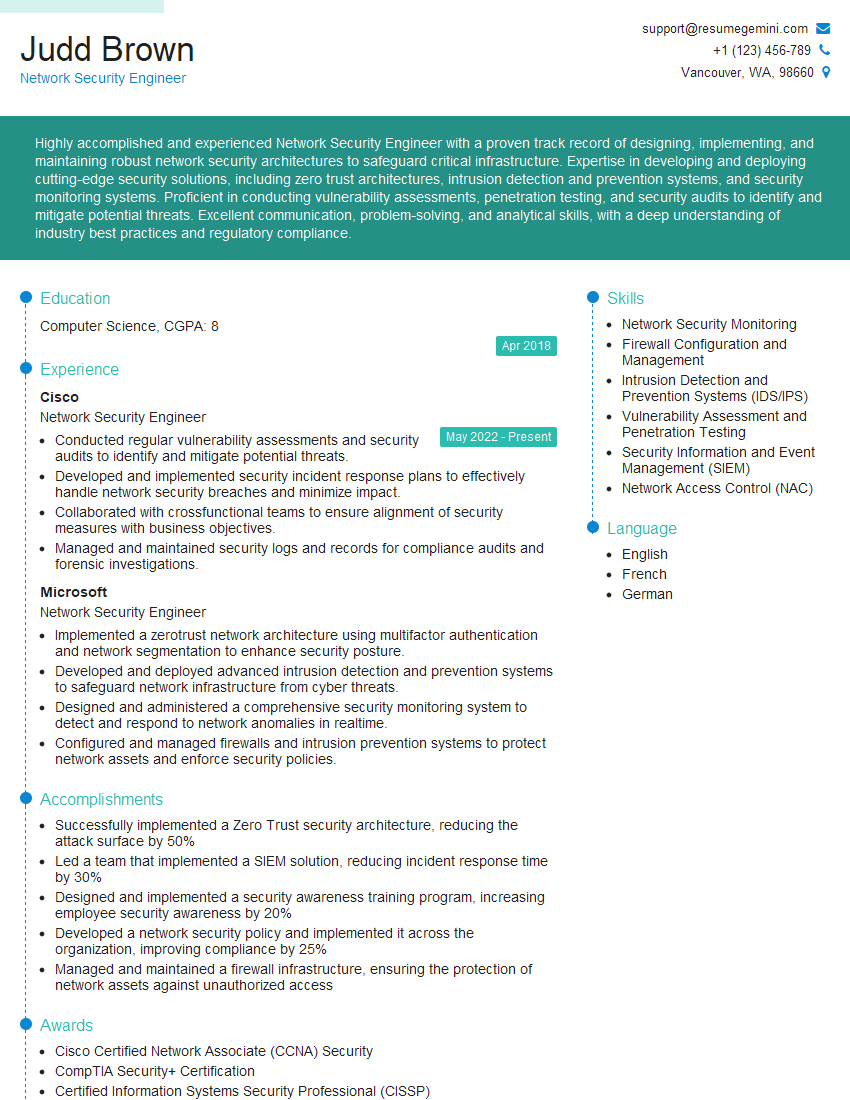
Network Security Engineer Resume Sample
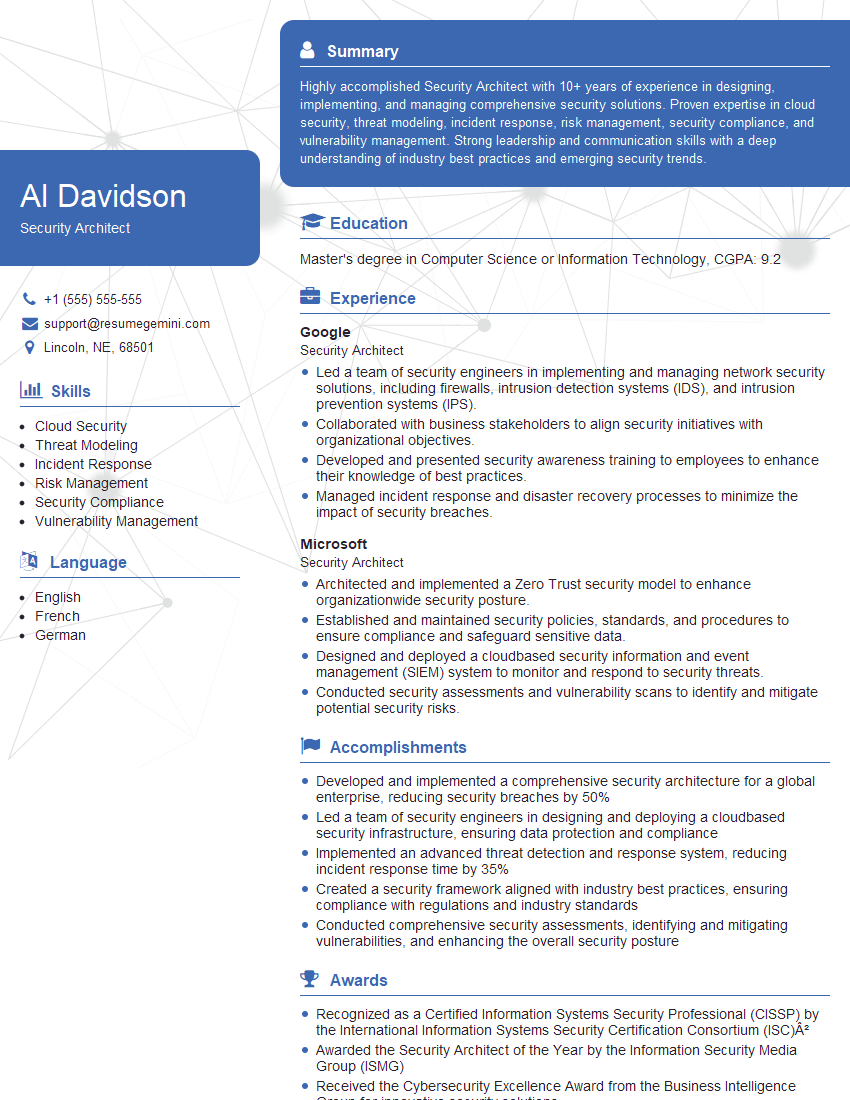
Security Architect Resume Sample
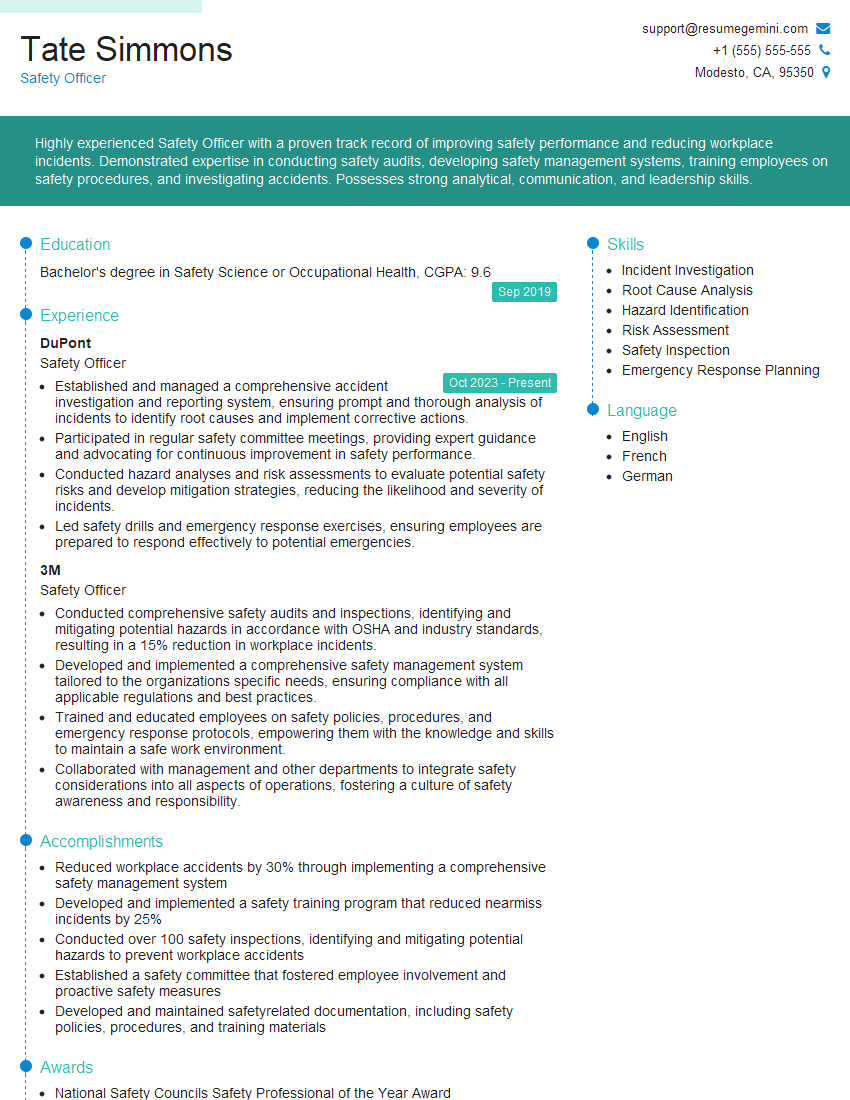
Safety Officer Resume Sample

IT Security Specialist Resume Sample
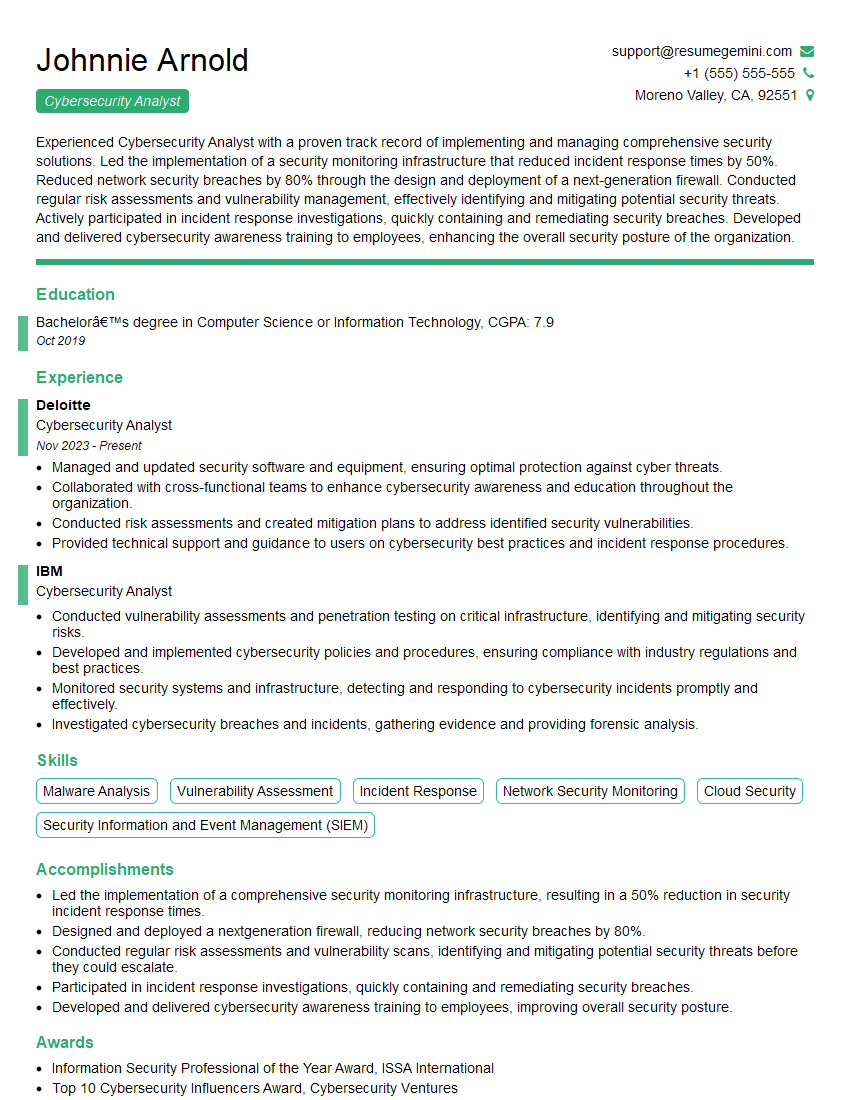
Cybersecurity Analyst Resume Sample
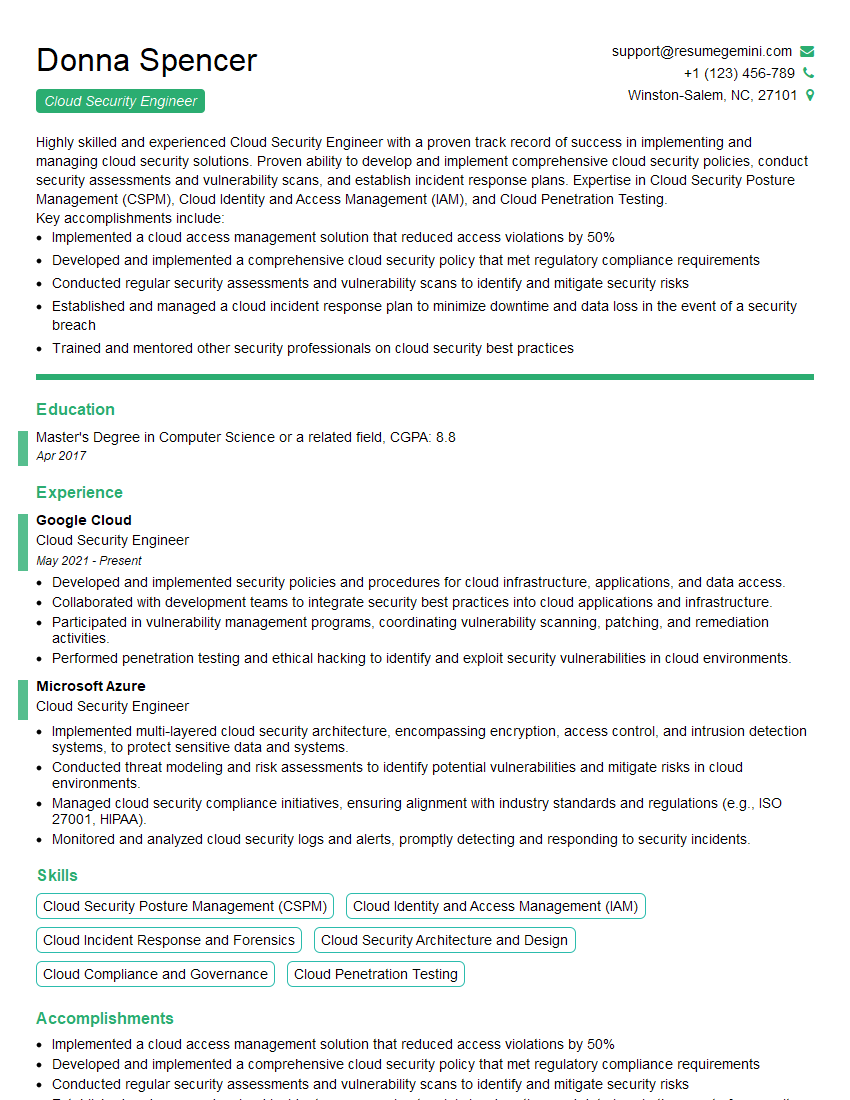
Cloud Security Engineer Resume Sample
- Compliance Officer
- Risk Manager
- Security Manager
- Security Administrator
- Security Analyst
- Security Consultant
- Security Engineer
- Data Security Analyst
- Information Security Manager
- Network Security Engineer
- Security Architect
- Safety Officer
- IT Security Specialist
- Cybersecurity Analyst
- Cloud Security Engineer
Explore more articles
Users Rating of Our Blogs
Share Your Experience
We value your feedback! Please rate our content and share your thoughts (optional).
What Readers Say About Our Blog
I Redesigned Spongebob Squarepants and his main characters of my artwork.
https://www.deviantart.com/reimaginesponge/art/Redesigned-Spongebob-characters-1223583608
IT gave me an insight and words to use and be able to think of examples
Hi, I’m Jay, we have a few potential clients that are interested in your services, thought you might be a good fit. I’d love to talk about the details, when do you have time to talk?
Best,
Jay
Founder | CEO