Interviews are more than just a Q&A session—they’re a chance to prove your worth. This blog dives into essential Friendship Building interview questions and expert tips to help you align your answers with what hiring managers are looking for. Start preparing to shine!
Questions Asked in Friendship Building Interview
Q 1. Describe your approach to building rapport with diverse individuals.
Building rapport with diverse individuals hinges on genuine curiosity and a commitment to understanding different perspectives. It’s not about conforming to others, but about creating a space where everyone feels comfortable being themselves. My approach involves several key steps:
- Active Listening: I focus intently on what others are saying, both verbally and nonverbally. I ask clarifying questions to ensure understanding and show genuine interest in their viewpoints.
- Empathy and Validation: I strive to understand their feelings and perspectives, even if I don’t necessarily agree with them. Validating their emotions helps build trust.
- Finding Common Ground: I look for shared interests, values, or experiences to establish a connection. This creates a sense of belonging and shared humanity.
- Respectful Communication: I use inclusive language, avoiding jargon or slang that might alienate certain individuals. I am mindful of cultural differences and adapt my communication style accordingly.
- Building Trust Over Time: Rapport isn’t built overnight. It’s a gradual process that involves consistent effort, demonstrating reliability and showing genuine care for others.
For example, when working with a team including individuals from various cultural backgrounds, I’d take the time to learn about their customs and traditions, demonstrating respect for their identities. This shows that I value their individuality and fosters a sense of inclusivity.
Q 2. Explain your strategy for resolving conflicts within a group setting.
Resolving conflicts within a group requires a structured approach that prioritizes fairness, empathy, and effective communication. My strategy emphasizes collaborative problem-solving rather than assigning blame.
- Create a Safe Space: I establish a calm and respectful environment where everyone feels comfortable expressing their concerns without fear of judgment.
- Active Listening and Clarification: I encourage each party to share their perspectives fully, ensuring that everyone feels heard and understood. I ask clarifying questions to address misunderstandings.
- Identify the Root Cause: I delve beneath the surface of the conflict to identify the underlying issues driving the disagreement. This helps address the core problem, rather than just surface symptoms.
- Brainstorm Collaborative Solutions: I guide the group in brainstorming potential solutions collaboratively, encouraging everyone to participate. The goal is to find a mutually agreeable outcome.
- Establish Clear Agreements: Once a solution is reached, I ensure everyone understands and agrees to the terms. This helps avoid future conflicts and promotes accountability.
- Follow Up: I follow up to ensure the agreed-upon solution is working and to address any lingering concerns.
For instance, if two team members are clashing over project responsibilities, I would facilitate a discussion where each person explains their perspective, identifies the points of contention, and then we would collaboratively redefine responsibilities to ensure clarity and prevent further conflict.
Q 3. How do you identify and nurture key relationships within a team?
Identifying and nurturing key relationships within a team requires a proactive and personalized approach. It’s about understanding individual strengths, motivations, and working styles.
- Observe and Identify Key Players: I pay close attention to individual contributions, leadership potential, and influence within the team. I identify individuals who demonstrate a high level of commitment, possess critical skills, and act as positive role models.
- Individualized Engagement: I invest time in one-on-one conversations to understand their career aspirations, challenges, and personal motivations. This allows me to tailor my support and mentorship to their specific needs.
- Mentorship and Support: I provide guidance, support, and feedback to help them develop their skills and reach their full potential. This strengthens the bond and creates a sense of loyalty.
- Delegation and Empowerment: I delegate tasks and responsibilities that align with their skills and interests, empowering them to take ownership and contribute meaningfully.
- Recognition and Appreciation: I recognize and appreciate their contributions publicly and privately, acknowledging their achievements and the positive impact they have on the team.
For example, if a team member consistently delivers high-quality work and mentors newer colleagues, I would recognize their efforts formally, perhaps by nominating them for an award or highlighting their achievements in a team meeting.
Q 4. Share an example of how you’ve built trust and collaboration among team members.
In a previous project, my team faced significant challenges due to a lack of trust and open communication. To address this, I implemented several strategies to foster collaboration and build trust:
- Team-Building Activities: I organized informal team-building activities, such as problem-solving games and social events, to help team members get to know each other better on a personal level.
- Open Communication Channels: I encouraged open and honest communication by creating a safe space for feedback and ensuring that all team members felt comfortable expressing their concerns and ideas.
- Shared Goals and Vision: I clearly articulated the project goals and vision, emphasizing the importance of teamwork and collaborative effort in achieving success.
- Transparent Decision-Making: I ensured that all decisions were made transparently and inclusively, involving team members in the process.
- Recognition and Appreciation: I consistently recognized and appreciated team members’ contributions, celebrating both individual and team achievements.
The result was a significant improvement in team morale, collaboration, and project outcomes. Trust among team members increased, leading to a more productive and supportive work environment.
Q 5. How do you manage competing priorities and maintain positive relationships?
Managing competing priorities while maintaining positive relationships requires careful planning, effective communication, and a proactive approach. My strategy centers around prioritizing tasks strategically and communicating expectations clearly.
- Prioritization Matrix: I use a prioritization matrix (e.g., Eisenhower Matrix) to categorize tasks based on urgency and importance. This helps me focus on high-impact activities first.
- Time Blocking: I allocate specific time blocks for different tasks and activities, ensuring that I dedicate sufficient time to each priority, including relationship-building activities.
- Clear Communication: I communicate my priorities and deadlines clearly to my team members and stakeholders, ensuring everyone is aware of expectations and potential conflicts.
- Proactive Communication: I proactively communicate any potential challenges or delays to avoid misunderstandings and maintain transparency.
- Delegation and Collaboration: I delegate tasks effectively, leveraging the strengths of team members, and collaborate on tasks that require multiple perspectives.
- Regular Check-ins: I schedule regular check-ins with team members and stakeholders to discuss progress, address challenges, and ensure that relationships remain positive and productive.
For example, if I have multiple projects with tight deadlines, I’ll prioritize based on impact and urgency, communicating this to the team transparently. I might also delegate certain tasks to free up time to focus on critical aspects and still maintain relationships through brief, regular check-ins.
Q 6. Describe a time you had to mediate a disagreement between two individuals.
In a previous role, two team members, Sarah and Mark, had a significant disagreement regarding project strategy. Their conflict was impacting team morale and productivity. I mediated their disagreement by:
- Facilitating a Private Meeting: I scheduled a private meeting with Sarah and Mark, ensuring a neutral and comfortable environment.
- Active Listening: I let each person explain their perspective without interruption, demonstrating empathy and understanding.
- Identifying Common Ground: I highlighted areas of agreement, focusing on shared project goals and emphasizing their collective responsibility for success.
- Reframing the Conflict: I reframed the conflict as a difference of opinion rather than a personal attack, helping both individuals to see the situation from a more objective viewpoint.
- Collaborative Solution: I guided them in brainstorming alternative solutions, focusing on finding a compromise that addressed both their concerns.
- Follow Up: After reaching an agreement, I followed up with Sarah and Mark to ensure that they were working well together and to address any further concerns.
The result was a resolution to the conflict, a renewed sense of collaboration, and improved team dynamics.
Q 7. How do you adapt your communication style to different personality types?
Adapting my communication style to different personality types is critical for effective relationship building. I use a flexible approach, understanding that different individuals respond best to different communication styles.
- Observe and Identify Personality Traits: I observe individuals’ communication patterns, body language, and preferences to understand their communication styles. I might notice if someone is more direct, introspective, or detail-oriented.
- Tailoring My Approach: I adjust my communication style accordingly. For direct communicators, I use clear and concise language. For introspective individuals, I allow for quiet reflection and thoughtful responses. For detail-oriented people, I ensure my communication is accurate and comprehensive.
- Active Listening and Feedback: I actively listen to their feedback and adjust my approach based on their responses. This shows that I am attentive to their preferences and value their input.
- Empathy and Understanding: I approach each interaction with empathy and understanding, respecting individual differences and preferences.
- Clear and Concise Communication: Regardless of personality type, I always strive for clear, concise, and respectful communication.
For example, when communicating with a detail-oriented colleague, I provide comprehensive written updates with supporting data. However, when communicating with someone who prefers a more concise approach, I summarize key points and provide the detailed information only upon request.
Q 8. How do you build relationships with people who have different backgrounds or perspectives than your own?
Building relationships with people from diverse backgrounds requires genuine curiosity and a willingness to learn. It’s about recognizing and appreciating differences, not minimizing them.
- Active Listening: Pay close attention to what they say, both verbally and nonverbally. Ask clarifying questions to ensure understanding. For example, if someone shares a cultural practice unfamiliar to you, ask respectfully about its significance, demonstrating genuine interest rather than judgment.
- Empathy and Perspective-Taking: Try to understand their experiences from their perspective, considering the influence of their background. This involves setting aside your own biases and assumptions. If someone shares a challenging experience rooted in their cultural identity, acknowledge the validity of their feelings and avoid minimizing their experience.
- Open-Mindedness and Self-Reflection: Be open to new ideas and perspectives, even if they challenge your own beliefs. Regularly reflect on your own biases and how they might impact your interactions. Consider keeping a journal to track your reflections and identify areas for growth.
- Finding Common Ground: Focus on shared values, interests, or goals. Even individuals from vastly different backgrounds often share common human experiences like the desire for connection, success, or happiness. This shared humanity provides a bridge for building rapport.
- Respectful Communication: Use inclusive language and avoid making assumptions. Be mindful of cultural norms and communication styles. For example, in some cultures, direct eye contact is a sign of respect; in others, it might be seen as aggressive. Adapt your communication accordingly.
For instance, during a project with colleagues from various cultural backgrounds, I made a conscious effort to learn about their customs and preferences. By showing genuine interest and adapting my communication style, I fostered stronger collaboration and built meaningful relationships based on mutual respect.
Q 9. Describe a time you helped someone overcome a challenge through friendship and support.
A close friend was struggling with severe anxiety related to a demanding job. I supported them by actively listening to their concerns, validating their feelings, and providing practical assistance.
- Active Listening and Validation: I listened without judgment, letting them express their feelings fully. I validated their emotions by acknowledging the difficulty of their situation, rather than trying to minimize their problems. Statements like “That sounds incredibly stressful” or “I can see why you’re feeling this way” were crucial.
- Practical Support: I offered concrete help. This included helping them organize their workload, brainstorming stress-reduction techniques, and accompanying them to appointments when needed. Sometimes simply being present and offering a distraction—a walk in the park, a movie night—was sufficient.
- Encouragement and Positive Reinforcement: I focused on their strengths and accomplishments, reminding them of their resilience and capabilities. I celebrated their small victories to build their confidence and self-esteem.
- Encouraging Professional Help: I gently encouraged them to seek professional help from a therapist, emphasizing that it’s a sign of strength, not weakness, to seek support when needed.
Through consistent support and understanding, my friend gradually managed their anxiety, improved their work-life balance, and developed healthier coping mechanisms. Our friendship strengthened significantly during this process, highlighting the power of supportive relationships in overcoming adversity.
Q 10. How do you demonstrate empathy and understanding in interpersonal relationships?
Demonstrating empathy and understanding involves actively trying to see the world from another person’s perspective and responding in a way that shows you care.
- Active Listening: Paying attention to both verbal and nonverbal cues – tone of voice, body language, and facial expressions – is crucial to understanding someone’s emotions.
- Reflecting Feelings: Restating what you hear the other person saying in your own words helps ensure understanding and shows that you’re paying attention. For example, “It sounds like you’re feeling frustrated because…”
- Validating Emotions: Acknowledging and accepting someone’s feelings, even if you don’t agree with their perspective, is vital. Avoid minimizing their emotions or offering unsolicited advice.
- Offering Support: Offering practical help or simply being present and supportive can make a significant difference. This could be offering to listen, helping with a task, or simply providing a comforting presence.
For example, if a colleague is stressed about an upcoming deadline, I wouldn’t jump in with solutions immediately. Instead, I’d start by acknowledging their stress (“I can see you’re feeling really pressured about this deadline”), then offer support (“Is there anything I can do to help lighten your load?”). This approach shows empathy and focuses on understanding their emotional state before problem-solving.
Q 11. How do you foster open communication and create a safe space for feedback?
Fostering open communication and a safe space for feedback requires establishing trust and creating an environment where individuals feel comfortable expressing themselves without fear of judgment or retribution.
- Establish Trust: Be reliable, consistent, and respectful in your interactions. Demonstrate active listening and show that you value their input.
- Clear and Direct Communication: Be clear about your expectations and communicate your thoughts and feelings openly and honestly, but respectfully. Avoid passive-aggressive behavior.
- Active Listening and Non-Judgmental Responses: Listen attentively to feedback without interrupting or becoming defensive. Show genuine interest in their perspective.
- Ask Open-Ended Questions: Encourage detailed feedback by asking open-ended questions like, “What are your thoughts on this?”, instead of yes/no questions.
- Provide Constructive Feedback: When offering feedback, focus on specific behaviors and their impact, rather than making personal attacks. Use the “sandwich method” (positive feedback, constructive criticism, positive feedback) to soften the delivery.
- Create a Culture of Psychological Safety: Emphasize that it’s safe to express differing opinions and that mistakes are opportunities for learning.
In team meetings, I explicitly state that all feedback is valuable and that differing opinions are welcome. I actively solicit feedback from everyone, ensuring everyone feels heard. I also model open communication by sharing my own thoughts and perspectives honestly and openly.
Q 12. Explain your process for identifying and resolving communication breakdowns.
Identifying and resolving communication breakdowns requires careful observation, active listening, and a willingness to understand different perspectives.
- Identify the Breakdown: Observe communication patterns. Are messages getting lost? Are there misunderstandings or conflicts? Are people feeling unheard or ignored?
- Gather Information: Talk to individuals involved to understand their perspectives. Ask open-ended questions to uncover underlying issues and emotions.
- Clarify Misunderstandings: Restate what you’ve heard to confirm understanding and identify any points of disagreement. Use clarifying questions to address ambiguities.
- Find Common Ground: Focus on shared goals and interests to find areas of agreement and build consensus.
- Develop Solutions: Collaboratively develop strategies to improve communication. This might involve agreeing on communication protocols, clarifying roles and responsibilities, or scheduling regular check-ins.
- Follow Up: Check in regularly to see if the implemented solutions are effective and make adjustments as needed.
For example, if a project team is experiencing conflict, I’d schedule a meeting to discuss the issues. I’d encourage each member to share their perspective without interruption, clarify any misunderstandings, and work together to create a plan for improved communication and collaboration. This might involve agreeing on communication channels, setting clear deadlines, and establishing regular check-in points.
Q 13. How do you maintain professional boundaries while building strong relationships?
Maintaining professional boundaries while building strong relationships requires a delicate balance between being friendly and approachable while upholding professional standards.
- Define Boundaries: Clearly define what constitutes professional interaction versus personal interaction. This might include avoiding overly personal conversations, setting limits on social interactions outside of work, and respecting others’ personal time.
- Respectful Communication: Maintain a respectful and professional tone in all interactions, even when building rapport. Avoid inappropriate jokes or comments.
- Transparency and Openness: Be transparent about your professional roles and responsibilities. Avoid blurring the lines between personal and professional obligations.
- Appropriate Social Interactions: Participate in appropriate social interactions, such as team lunches or after-work events, but be mindful of the time and context. Don’t overshare personal information.
- Confidentiality: Maintain confidentiality regarding sensitive information shared by colleagues or clients.
For example, while I might enjoy a casual lunch with colleagues to build camaraderie, I wouldn’t discuss confidential company information or overly personal matters. I ensure my interactions remain professional while still fostering positive relationships.
Q 14. How do you encourage active listening and participation in group discussions?
Encouraging active listening and participation in group discussions requires creating a welcoming and inclusive environment where everyone feels comfortable contributing.
- Facilitate Inclusive Participation: Ensure everyone has an opportunity to speak, particularly those who may be less assertive. Use techniques such as round-robin discussions or assigning specific roles.
- Encourage Active Listening: Model active listening by paying attention to others’ comments, asking clarifying questions, and summarizing key points to ensure understanding.
- Provide Structure: Provide a clear agenda and guidelines for discussions to ensure focused and productive conversations.
- Create a Safe Space: Establish a respectful and inclusive environment where people feel safe expressing their opinions without fear of judgment or criticism. Emphasize that diverse perspectives are valuable.
- Use Visual Aids: Employ visual aids like whiteboards or shared documents to encourage collaboration and make it easier to track ideas and progress.
- Summarize Key Points: Regularly summarize key discussion points to keep everyone on track and ensure everyone is on the same page.
In team meetings, I use techniques like round-robin introductions to ensure everyone feels heard. I also regularly summarize discussion points and encourage participants to build upon each other’s ideas, fostering a collaborative environment where everyone feels valued and heard.
Q 15. How do you recognize and respond to emotional cues in interpersonal interactions?
Recognizing and responding to emotional cues is fundamental to building strong relationships. It involves actively listening, observing nonverbal communication, and demonstrating empathy. I focus on both verbal and nonverbal cues. Verbal cues include tone of voice, word choice, and the content of what’s being said. Nonverbal cues encompass body language – posture, facial expressions, eye contact – and even subtle shifts in behavior. For example, if someone is avoiding eye contact and their shoulders are slumped, it might suggest sadness or discomfort, even if their words are positive. My response would involve validating their feelings, perhaps by saying something like, ‘I notice you seem a little down. Is there anything you’d like to talk about?’ or ‘I sense you might be feeling uncomfortable; is there anything I can do to help?’ I avoid interrupting and allow them to express themselves fully. The key is to create a safe space where open communication is encouraged.
Career Expert Tips:
- Ace those interviews! Prepare effectively by reviewing the Top 50 Most Common Interview Questions on ResumeGemini.
- Navigate your job search with confidence! Explore a wide range of Career Tips on ResumeGemini. Learn about common challenges and recommendations to overcome them.
- Craft the perfect resume! Master the Art of Resume Writing with ResumeGemini’s guide. Showcase your unique qualifications and achievements effectively.
- Don’t miss out on holiday savings! Build your dream resume with ResumeGemini’s ATS optimized templates.
Q 16. Describe a time you had to make a difficult decision that impacted your relationships with others.
During a team project, we faced a critical deadline and realized we couldn’t complete all the tasks to the highest standard. I had to decide whether to compromise on quality to meet the deadline or to ask for an extension, risking potential negative repercussions from management. This decision impacted my relationships with the team because some members prioritized speed over quality, while others felt strongly about delivering excellent work. Ultimately, I opted for transparency, discussing the options with the team, and collaboratively deciding on a compromise that slightly extended the deadline and prioritized the most crucial elements. This process, while challenging, strengthened our relationships by demonstrating my commitment to both the project’s success and the team’s well-being. Open communication and shared decision-making were crucial in navigating this difficult situation.
Q 17. How do you balance individual needs with the needs of the group?
Balancing individual needs with group needs is a continuous process that requires empathy, strong communication, and the ability to compromise. It’s about finding solutions that benefit the collective while acknowledging individual perspectives and limitations. Think of it like baking a cake: everyone has their favorite ingredient or method, but the success of the cake depends on combining all elements harmoniously. I encourage open dialogue, where each person can express their needs and concerns. I actively listen to understand individual perspectives and then facilitate a discussion to find common ground. This might involve brainstorming alternative solutions that address everyone’s concerns or prioritizing tasks based on collective agreement. The key is to ensure everyone feels heard and valued in the decision-making process.
Q 18. How do you deal with individuals who are resistant to building relationships?
Dealing with individuals resistant to building relationships requires patience, understanding, and a non-judgmental approach. It’s important to remember that everyone has their own reasons for their behavior. I would begin by focusing on building trust through consistent and positive interactions. Rather than pressuring them, I’d offer opportunities for casual interaction, starting with small talk or offering assistance with tasks. I’d avoid being overly familiar or intrusive. If the resistance persists, I’d try to understand the underlying reasons for their reluctance, perhaps through gentle inquiry. They may be shy, introverted, or have had past negative experiences. It’s essential to respect their boundaries and avoid forcing the relationship. The goal is not to change them, but to create a safe and comfortable environment where they can choose to engage if they feel ready.
Q 19. How do you provide constructive feedback in a way that strengthens relationships?
Constructive feedback is a crucial element of strengthening relationships, both professional and personal. The key is to focus on behavior, not personality, and to deliver it in a private and respectful manner. I use the ‘Situation-Behavior-Impact’ (SBI) model. For example: ‘In the meeting (Situation), you interrupted several times (Behavior), which made it difficult for others to contribute and resulted in a less productive discussion (Impact).’ This approach emphasizes clarity and avoids accusatory language. I then focus on solutions, asking open-ended questions like, ‘How do you think we can improve communication during meetings?’ Finally, I offer encouragement and support, expressing confidence in their ability to improve. The goal is to help them learn and grow, rather than to criticize or judge. Following up after providing feedback demonstrates genuine care and commitment to their development.
Q 20. Describe your experience in facilitating team building activities.
I’ve facilitated numerous team-building activities, focusing on creating opportunities for collaboration, communication, and trust-building. For example, I organized a ‘blindfolded obstacle course’ where team members had to rely on verbal communication to guide each other through the course. This exercise highlighted the importance of clear and concise communication. In another instance, I led a project where teams had to collaboratively design and build a structure using limited resources. This fostered creativity, problem-solving, and teamwork. The success of these activities stems from careful planning, clear instructions, and creating a safe and supportive environment where participants feel comfortable taking risks and learning from mistakes. Post-activity debriefs are critical for reflection and identifying key learnings. These activities successfully fostered trust and improved team dynamics in various settings.
Q 21. How do you proactively identify potential relationship challenges and address them?
Proactively identifying potential relationship challenges involves actively listening, observing, and understanding the dynamics within a group. For instance, I look for signs of conflict, such as disagreements, passive-aggressive behavior, or communication breakdowns. I also pay attention to individual needs and concerns. I find regular check-ins and informal conversations are invaluable. By fostering open communication, I create a space where people feel comfortable expressing concerns without fear of judgment. If a challenge arises, I facilitate constructive dialogue, encouraging active listening and empathy from all parties. This might involve mediation or conflict-resolution strategies, depending on the nature of the issue. The key is early intervention, addressing issues promptly to prevent escalation and build resilience within relationships.
Q 22. How do you leverage technology to enhance communication and build relationships?
Technology is a powerful tool for enhancing communication and building relationships. It allows us to connect with people across geographical boundaries and time zones, fostering a sense of community and shared experience. My approach leverages various platforms strategically.
Utilizing Video Conferencing: Instead of relying solely on emails, I prioritize video calls for important discussions or check-ins. This adds a personal touch and allows for richer nonverbal communication, crucial for understanding nuances and building rapport. For instance, a quick video call to congratulate a colleague on a project milestone shows genuine appreciation more effectively than an email.
Leveraging Social Media (Professionally): I use platforms like LinkedIn to connect with colleagues, industry experts, and potential collaborators. Engaging in relevant discussions, sharing insightful content, and actively participating in professional groups helps build a professional network and strengthens existing relationships. For example, commenting on a colleague’s post about a successful conference presentation demonstrates interest and support.
Utilizing Project Management Software: Tools like Asana or Trello facilitate collaborative work and provide a transparent platform for communication, ensuring everyone is on the same page. This clarity reduces misunderstandings and fosters a sense of shared ownership and responsibility, strengthening team bonds.
Strategic Email Communication: While email can be less personal, I use it thoughtfully. I personalize my responses, acknowledge prior communications, and make sure my messages are clear, concise, and professional. A simple ‘Thank you for your prompt response’ shows respect and strengthens the working relationship.
Q 23. How do you maintain positive relationships in a fast-paced or high-pressure environment?
Maintaining positive relationships in high-pressure environments requires proactive strategies and a conscious effort to prioritize connection. It’s about building resilience as a team and individually.
Open and Honest Communication: In stressful situations, clear and transparent communication is paramount. I actively encourage team members to share their concerns and frustrations, creating a safe space for vulnerability. This prevents misunderstandings and fosters trust.
Active Listening: I make a conscious effort to actively listen to my colleagues, showing genuine interest in their perspectives and experiences. This demonstrates empathy and helps build stronger connections, even during periods of intense pressure.
Empathy and Understanding: Recognizing that everyone responds differently to stress, I tailor my approach to individual needs. This might involve offering support, understanding deadlines, and providing flexibility where possible.
Regular Team Building Activities (even small ones): Even short breaks for casual conversation or virtual coffee chats can significantly improve morale and team cohesion, helping to mitigate the negative impacts of high-pressure environments. It could be something as simple as a shared virtual lunch or a quick team brainstorming session.
Self-Care: I encourage myself and my team to prioritize self-care. Adequate rest, healthy eating, and stress-management techniques are crucial for maintaining positive relationships and preventing burnout. Setting boundaries between work and personal life is vital.
Q 24. How do you recognize and celebrate the successes of others?
Celebrating the successes of others is crucial for building strong relationships. It fosters a positive and supportive work environment and encourages collaborative efforts. My approach is multi-faceted.
Public Acknowledgement: I actively acknowledge achievements during team meetings, presentations, or through company-wide announcements. Public recognition demonstrates appreciation and motivates others.
Personalized Recognition: Beyond public acknowledgement, I strive to provide personalized recognition. This might involve a handwritten note, a small gift, or a heartfelt email expressing my admiration for their accomplishment.
Sharing Success Stories: I actively share others’ successes with my network, both inside and outside the company. This helps build their professional reputation and further demonstrates my support.
Mentorship and Guidance: I actively celebrate the progress of those I mentor, providing encouragement and highlighting their growth throughout the journey.
For example, when a team member successfully closes a challenging deal, I might publicly congratulate them during a team meeting, send a personalized email highlighting their effort and dedication, and share the news with my professional network, mentioning their contribution specifically.
Q 25. How do you prioritize tasks to balance your professional and personal relationships?
Balancing professional and personal relationships requires careful prioritization and effective time management. My approach involves a strategic blend of planning and adaptability.
Time Blocking: I use time blocking to schedule specific times for work tasks and personal commitments. This allows me to dedicate focused time to each area, reducing stress and improving efficiency.
Prioritization Matrix: I often use a prioritization matrix (like Eisenhower Matrix) to categorize tasks based on urgency and importance. This helps me focus on the most critical tasks and delegate or eliminate less important ones to free up time.
Setting Boundaries: Establishing clear boundaries between work and personal life is crucial. This might involve setting specific work hours, turning off notifications outside of work hours, and making time for activities that nourish my personal relationships.
Regular Check-Ins: I schedule regular check-ins with loved ones to ensure I’m staying connected and addressing any potential conflicts or unmet needs. This helps maintain balance and harmony.
Flexibility and Adaptability: Life is unpredictable. I am flexible in my schedule, adjusting priorities as needed to accommodate unforeseen circumstances or pressing personal needs. This proactive approach minimizes disruptions and keeps things running smoothly.
Q 26. Describe your experience in mentoring or guiding others.
I have extensive experience mentoring and guiding others, both formally and informally. My approach centers around fostering growth, promoting independence, and building strong relationships.
Active Listening and Understanding: I start by actively listening to my mentee’s aspirations, challenges, and concerns. Understanding their individual needs and goals is the foundation for effective mentorship.
Goal Setting and Action Planning: We work together to establish clear, achievable goals and develop a roadmap to achieve them. This involves breaking down larger goals into smaller, manageable steps.
Providing Feedback and Support: I provide constructive feedback regularly, both positive and critical, to help my mentee identify areas for improvement and celebrate successes. I am available for ongoing support and guidance.
Encouraging Independence: While providing support, I also empower my mentees to develop their own problem-solving skills and make independent decisions. My goal is to cultivate their confidence and self-reliance.
Building Rapport and Trust: Building a strong rapport based on trust and mutual respect is critical for successful mentoring. This creates a safe and supportive environment for open communication and vulnerability.
For example, I mentored a junior colleague who was struggling with public speaking. Through regular practice sessions, constructive feedback, and personalized guidance, she successfully delivered a presentation at a major industry conference. Her success was as rewarding for me as it was for her.
Q 27. How do you handle criticism and use it to improve your relationship-building skills?
Criticism, when delivered constructively, is a valuable tool for self-improvement. I embrace criticism as an opportunity for growth and strengthening my relationship-building skills.
Active Listening and Seeking Clarification: When receiving criticism, I listen attentively and seek clarification if needed. I avoid getting defensive and focus on understanding the perspective of the person offering the feedback.
Identifying Areas for Improvement: I objectively analyze the criticism to identify specific areas where I can improve my approach. I look for patterns or recurring themes in the feedback to pinpoint areas needing more attention.
Developing Actionable Strategies: Once I identify areas for improvement, I develop actionable strategies to address them. This may involve seeking additional training, modifying my communication style, or practicing specific skills.
Seeking Further Feedback: After implementing changes, I actively seek feedback to assess the effectiveness of my strategies and make further adjustments as needed. This iterative process is crucial for continuous improvement.
Maintaining a Positive Attitude: I maintain a positive attitude throughout the process, viewing criticism as a valuable learning opportunity rather than a personal attack. This helps me approach the process constructively and maintain strong relationships.
For instance, if feedback indicates I’m not sufficiently responsive to emails, I might implement a system for prioritizing and responding to messages promptly, and then seek further feedback to gauge improvement.
Key Topics to Learn for Friendship Building Interview
- Understanding Different Friendship Styles: Explore the diverse ways people form and maintain friendships, recognizing the nuances in communication and interaction styles.
- Active Listening and Empathy: Practice techniques for truly understanding others’ perspectives and demonstrating genuine care during conversations. This is crucial for building rapport and trust.
- Effective Communication: Develop clear and concise communication skills, both verbal and non-verbal, to foster open and honest interactions. Consider how to adapt your communication style to different personalities.
- Conflict Resolution and Negotiation: Learn strategies for addressing disagreements constructively and finding mutually beneficial solutions. This demonstrates maturity and problem-solving skills.
- Building Trust and Rapport: Understand the key elements of building strong, reliable relationships based on mutual respect and understanding. Consider how to showcase your trustworthiness during the interview.
- Maintaining Healthy Boundaries: Learn to balance building strong relationships while maintaining personal boundaries and respecting the boundaries of others. This is vital for sustainable, healthy connections.
- Recognizing and Valuing Diversity: Explore the importance of inclusivity and celebrating differences in perspectives and backgrounds when forming friendships.
- Long-Term Relationship Maintenance: Consider strategies for nurturing and sustaining friendships over time, demonstrating commitment and consistent effort.
Next Steps
Mastering the art of friendship building is invaluable for career success. Strong interpersonal skills are highly sought after, contributing to collaborative teamwork, effective communication, and a positive work environment. To maximize your job prospects, create an ATS-friendly resume that highlights your relevant skills and experiences. ResumeGemini is a trusted resource that can help you build a professional resume that showcases your abilities effectively. Examples of resumes tailored to demonstrating proficiency in friendship building are available to help guide you. Invest time in crafting a compelling resume—it’s your first impression with potential employers.
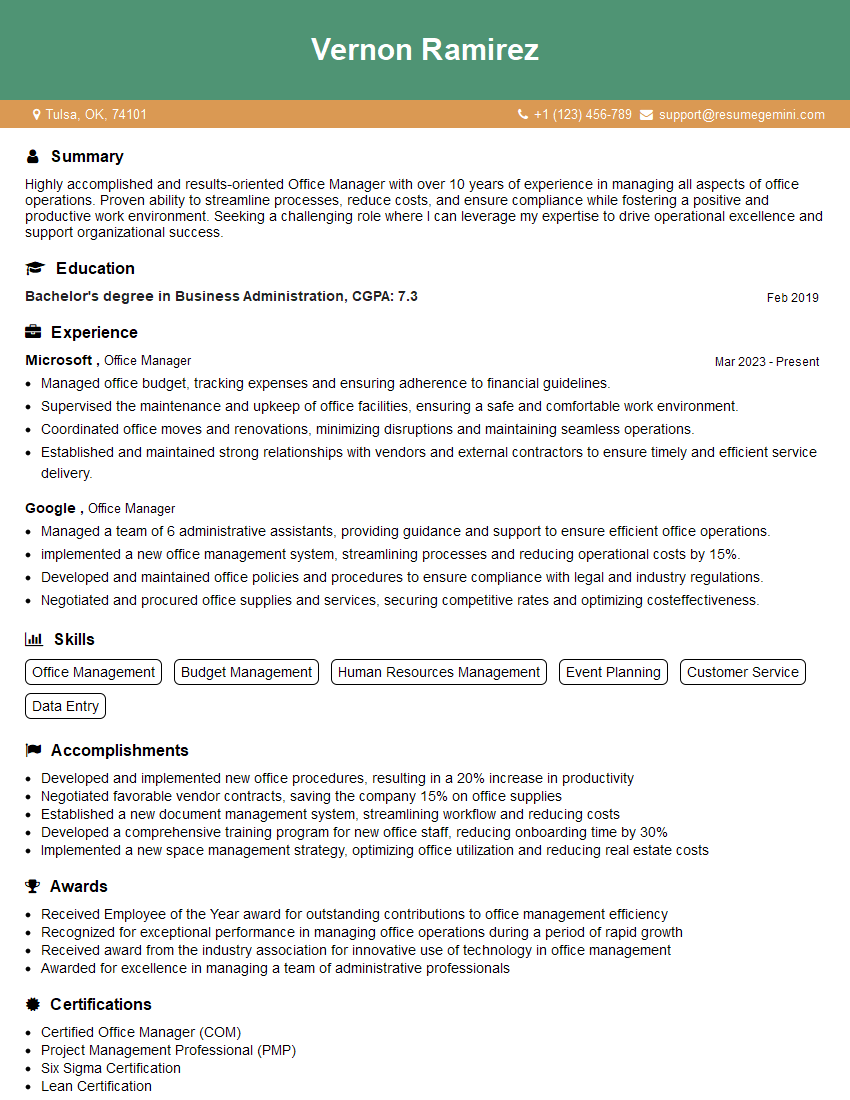
Office Manager Resume Sample
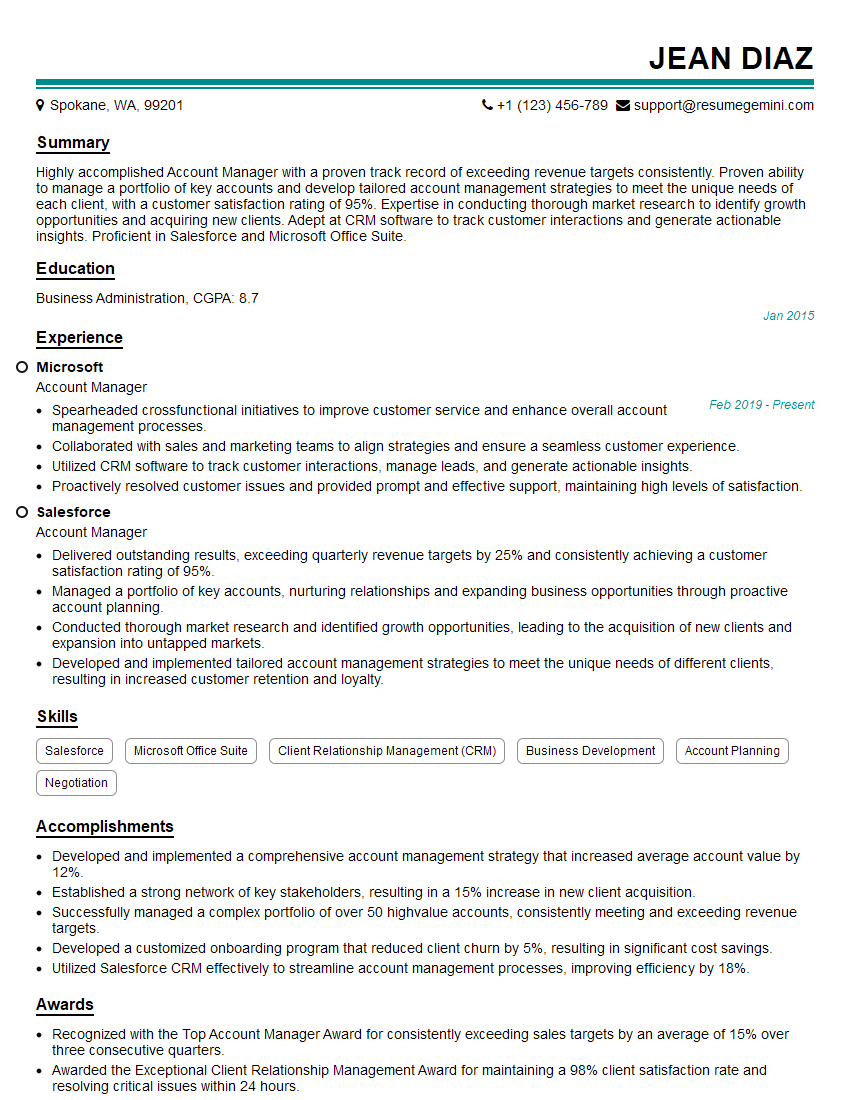
Account Manager Resume Sample
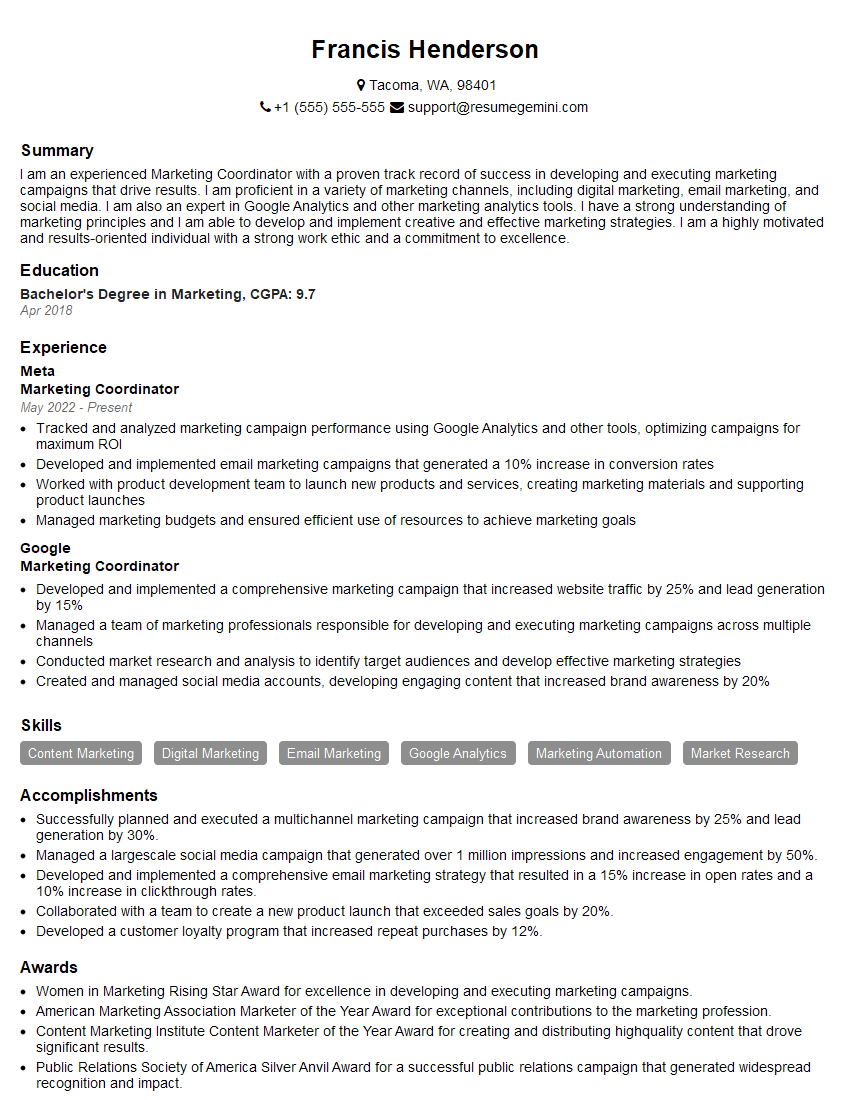
Marketing Coordinator Resume Sample
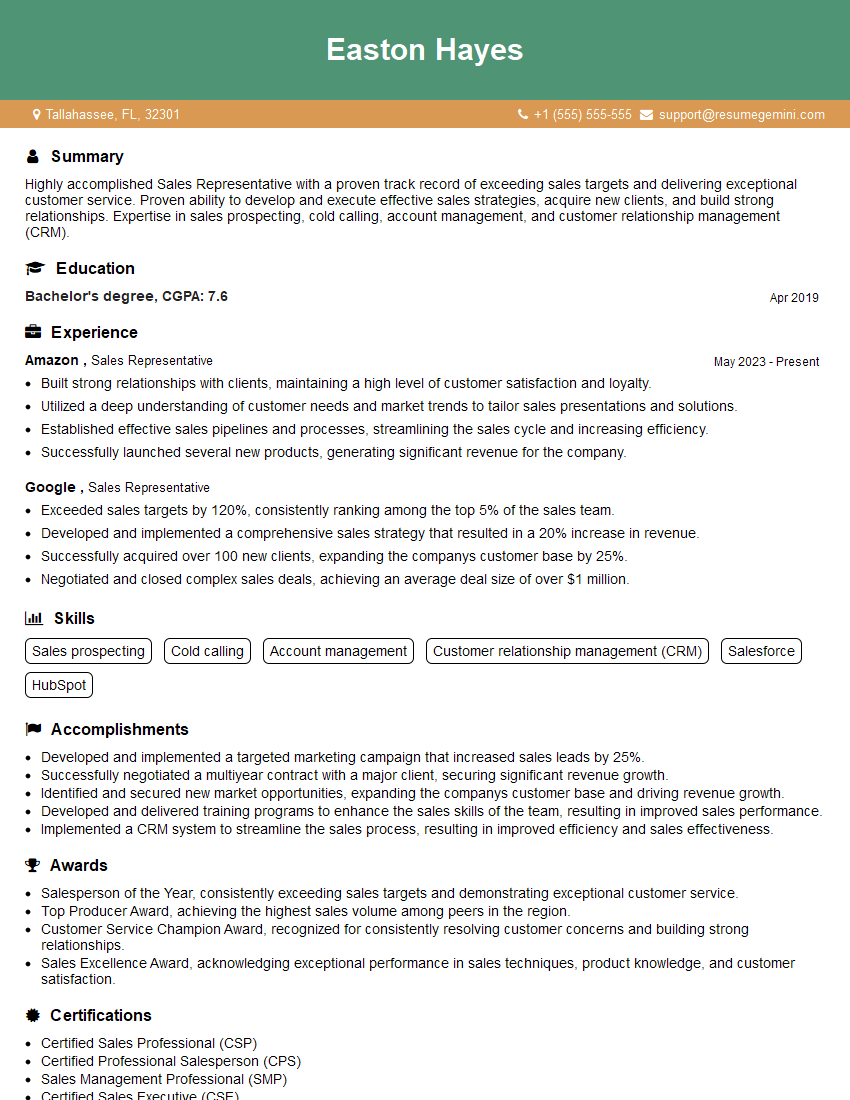
Sales Representative Resume Sample
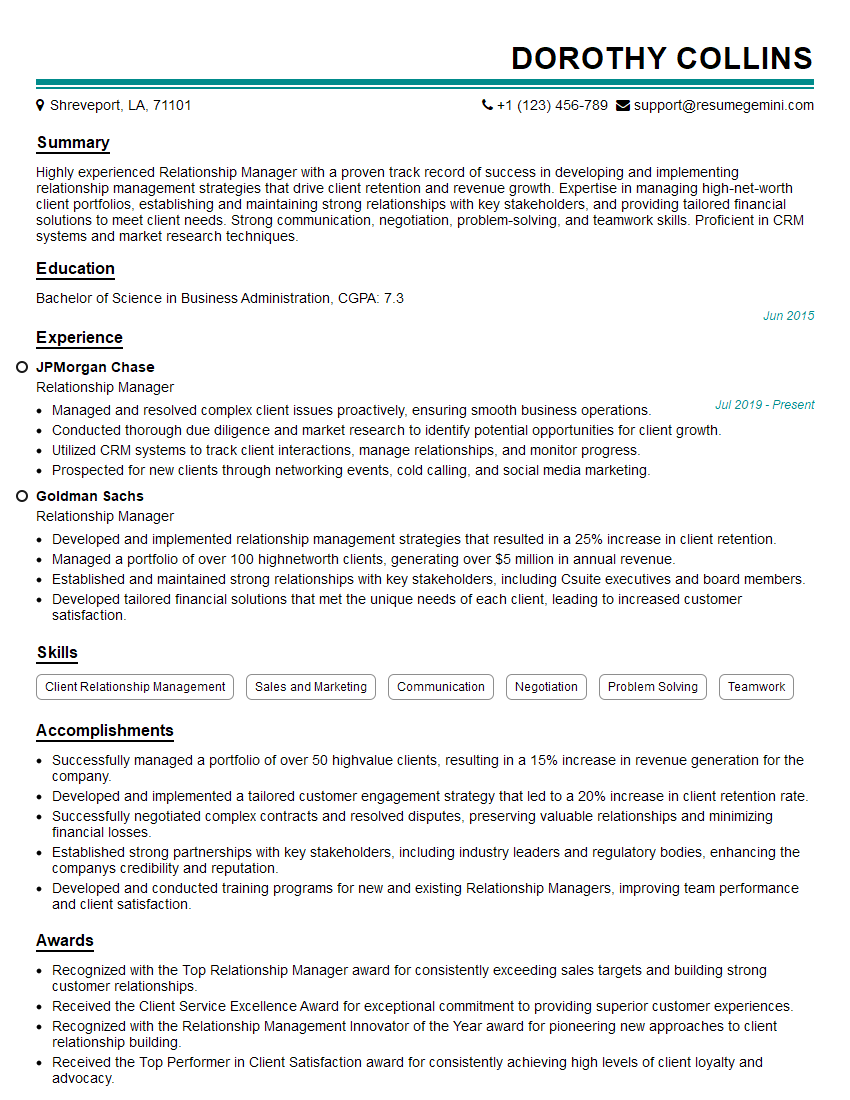
Relationship Manager Resume Sample
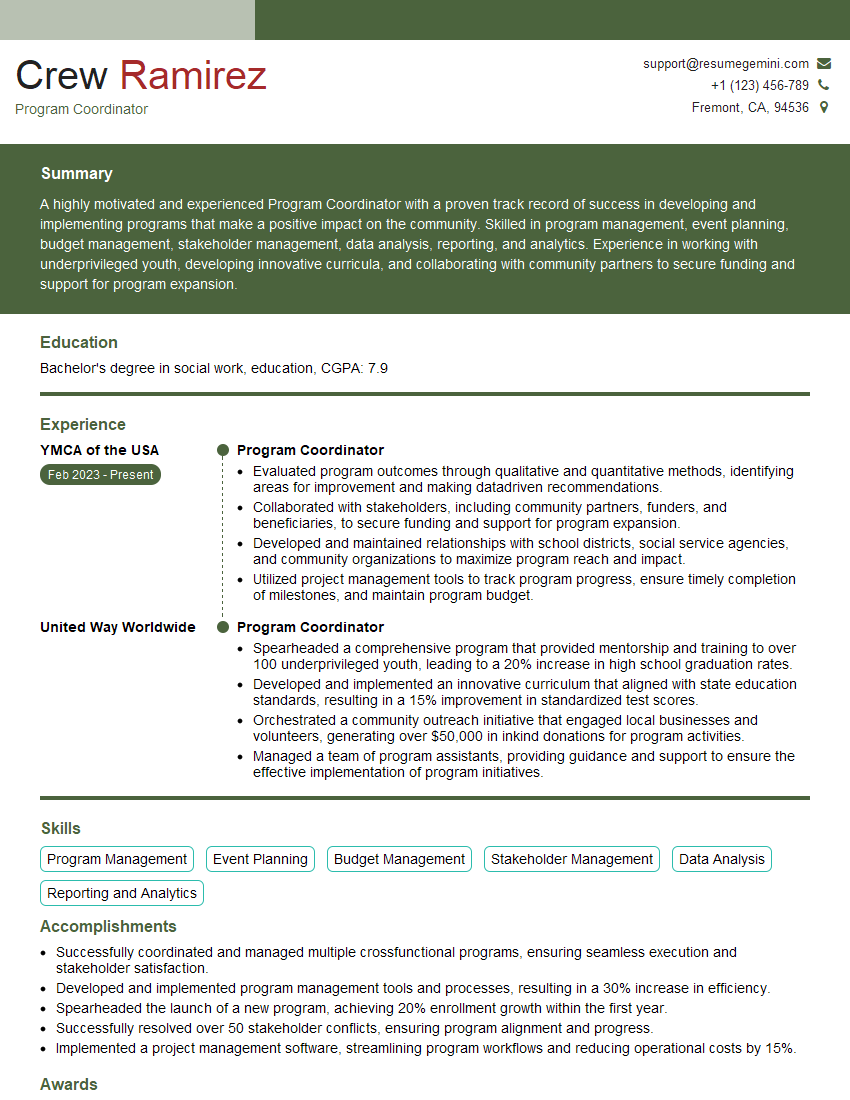
Program Coordinator Resume Sample
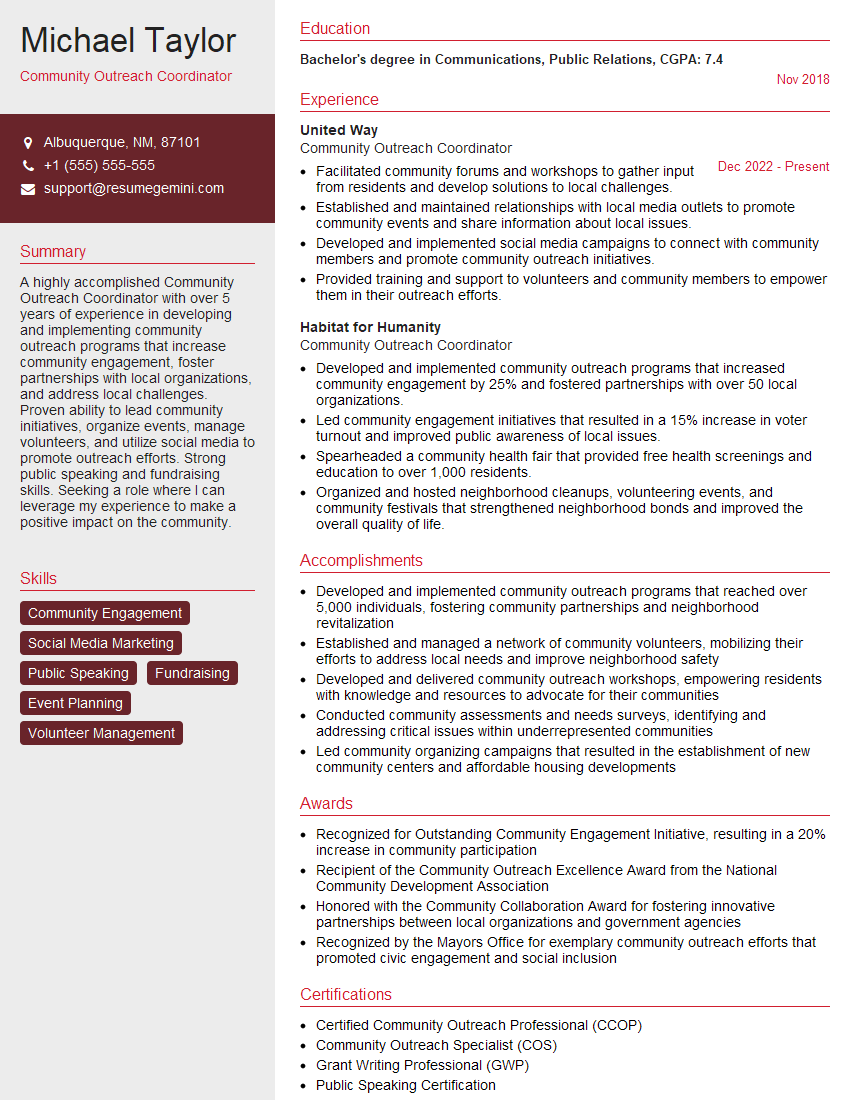
Community Outreach Coordinator Resume Sample
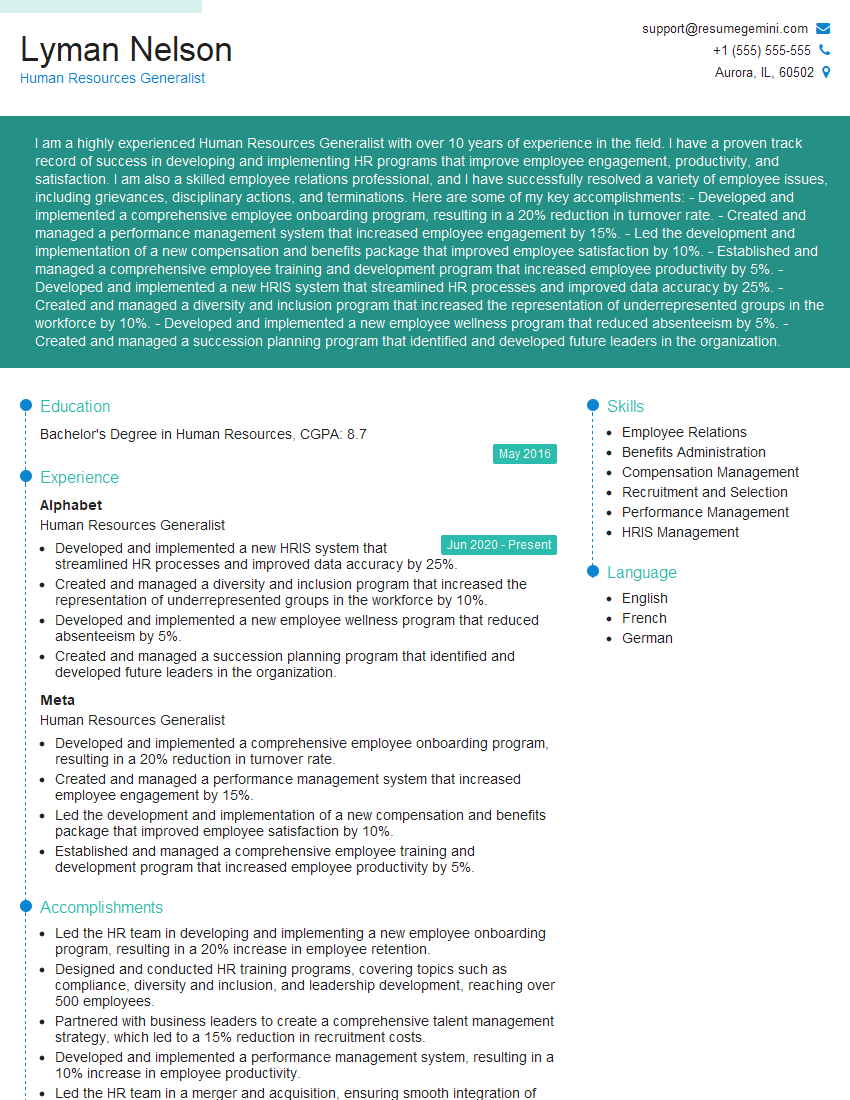
Human Resources Generalist Resume Sample

Social Media Manager Resume Sample
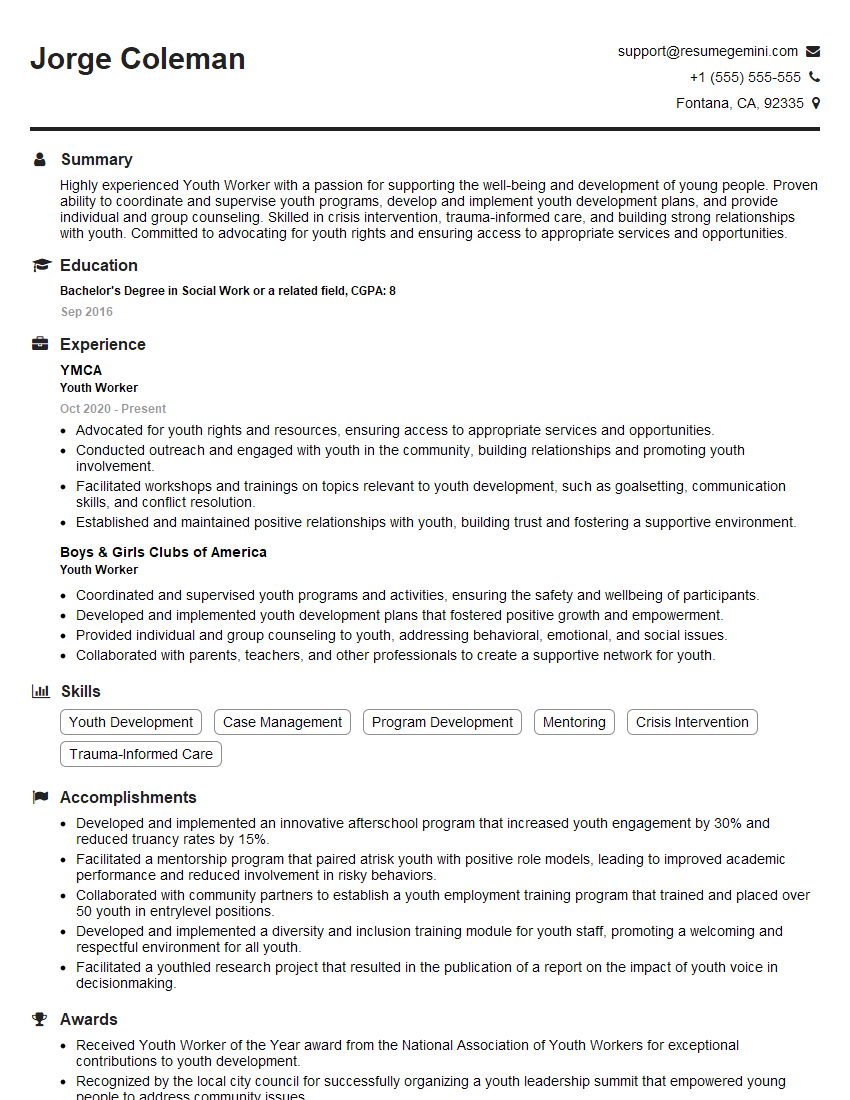
Youth Worker Resume Sample
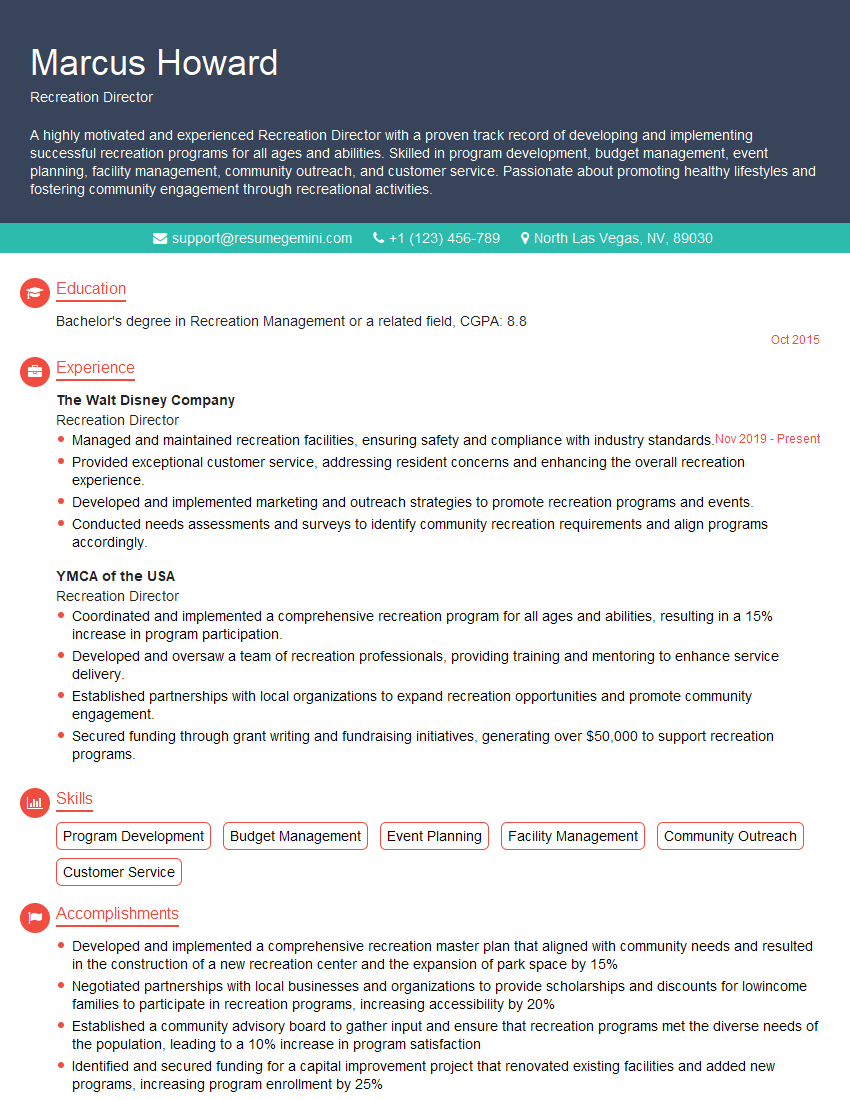
Recreation Director Resume Sample
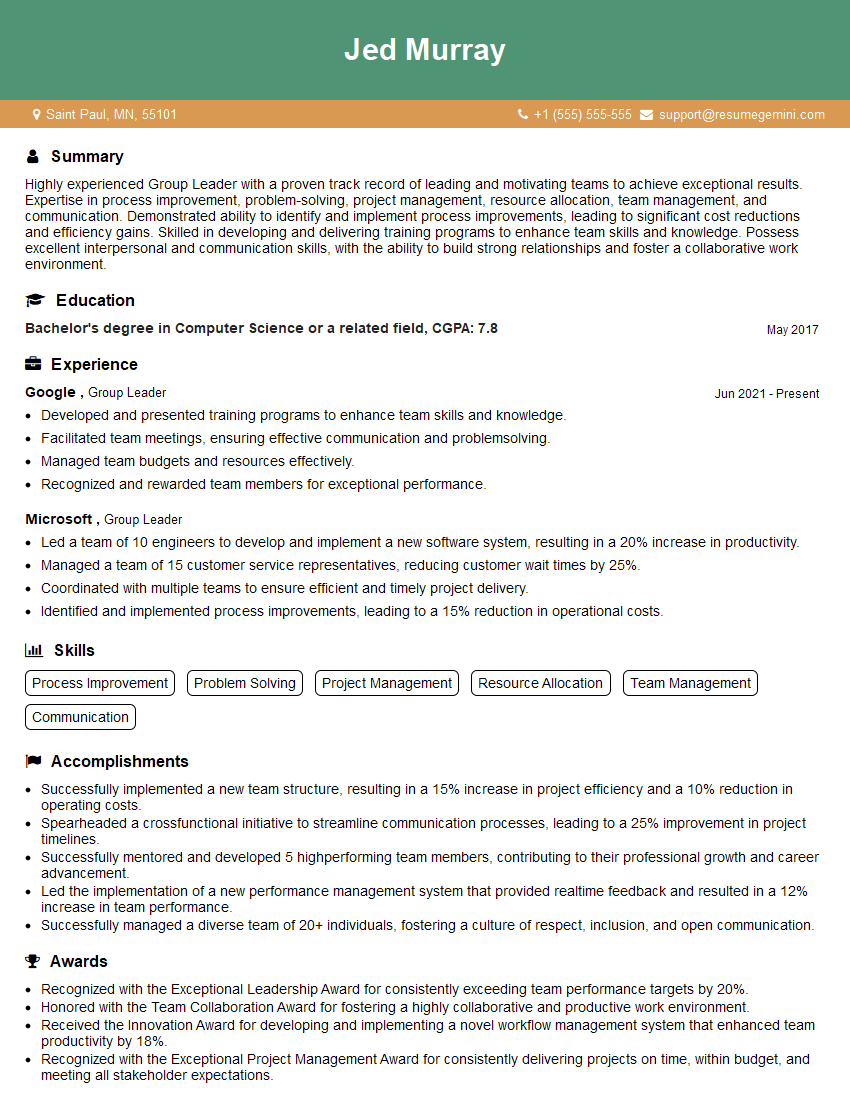
Group Leader Resume Sample
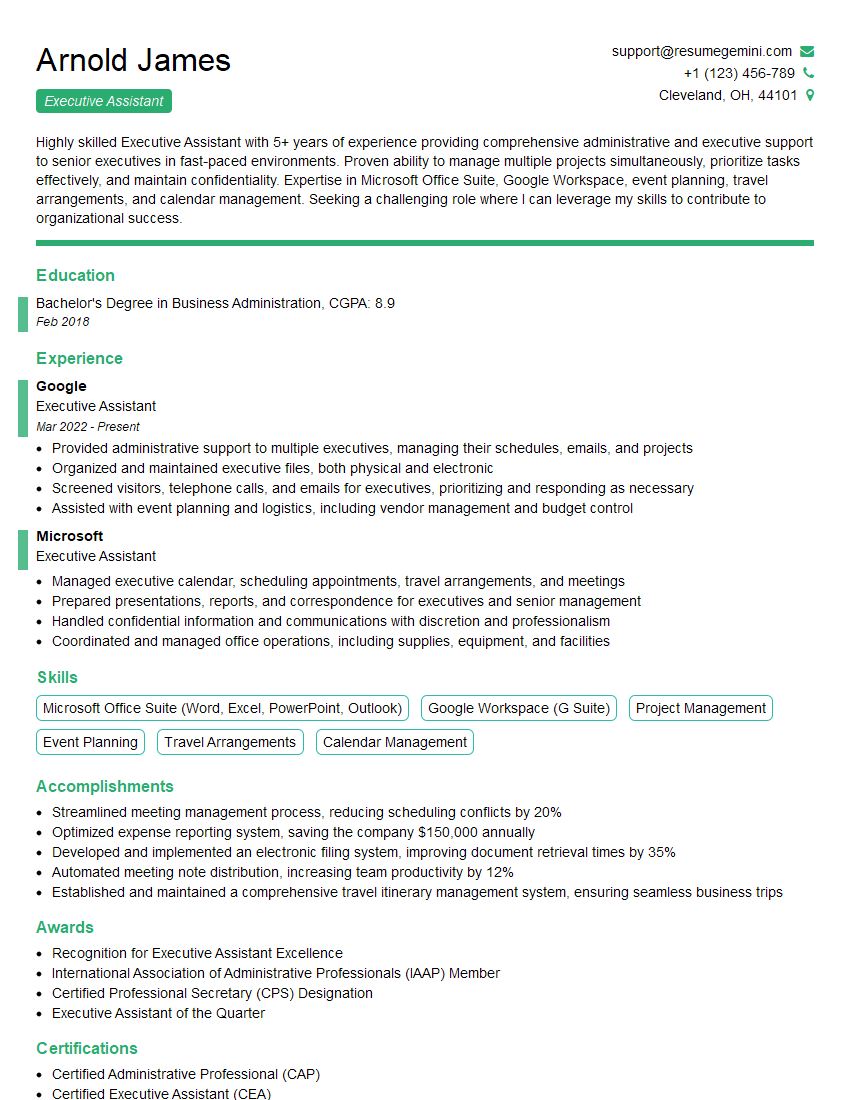
Executive Assistant Resume Sample
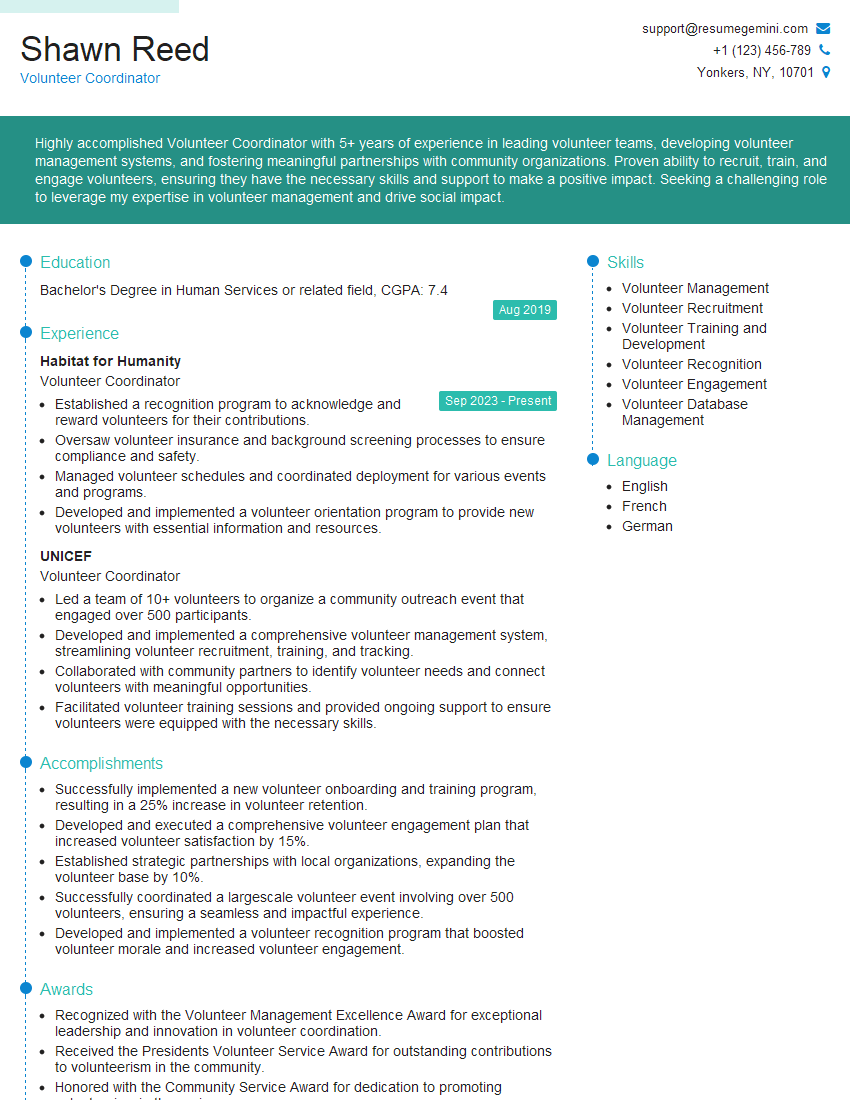
Volunteer Coordinator Resume Sample
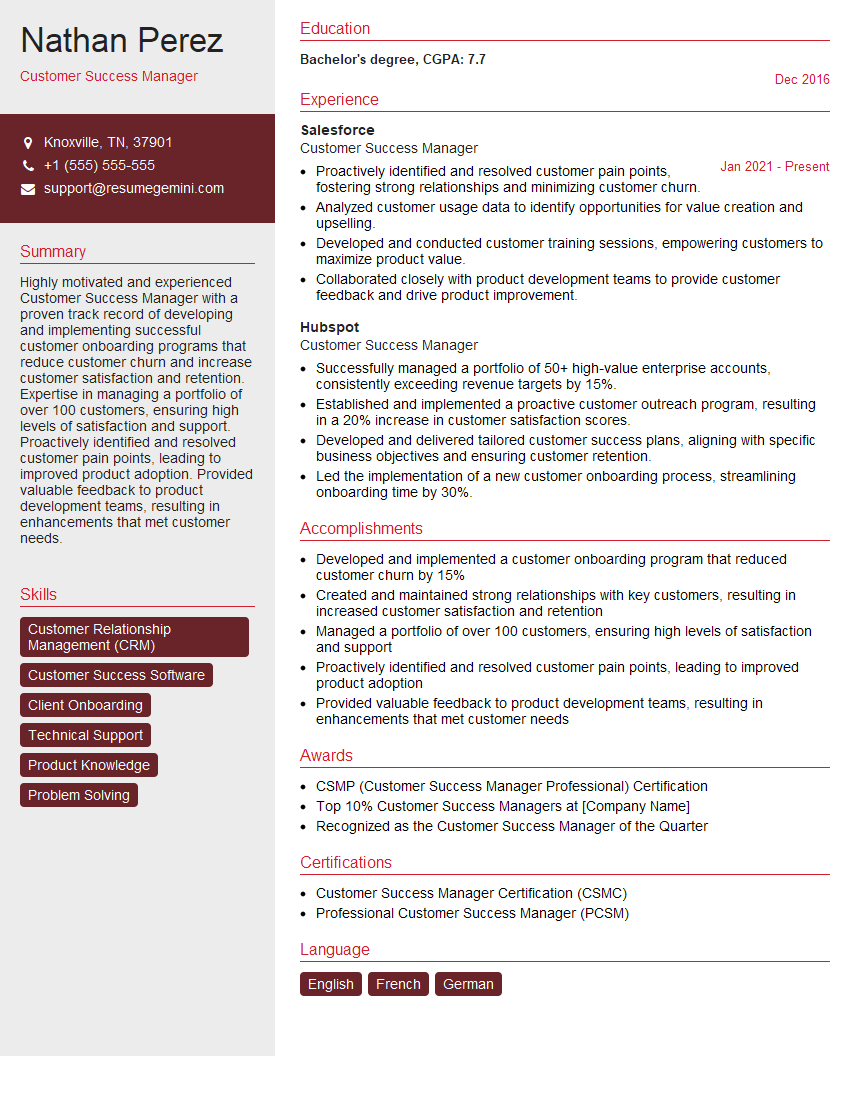
Customer Success Manager Resume Sample
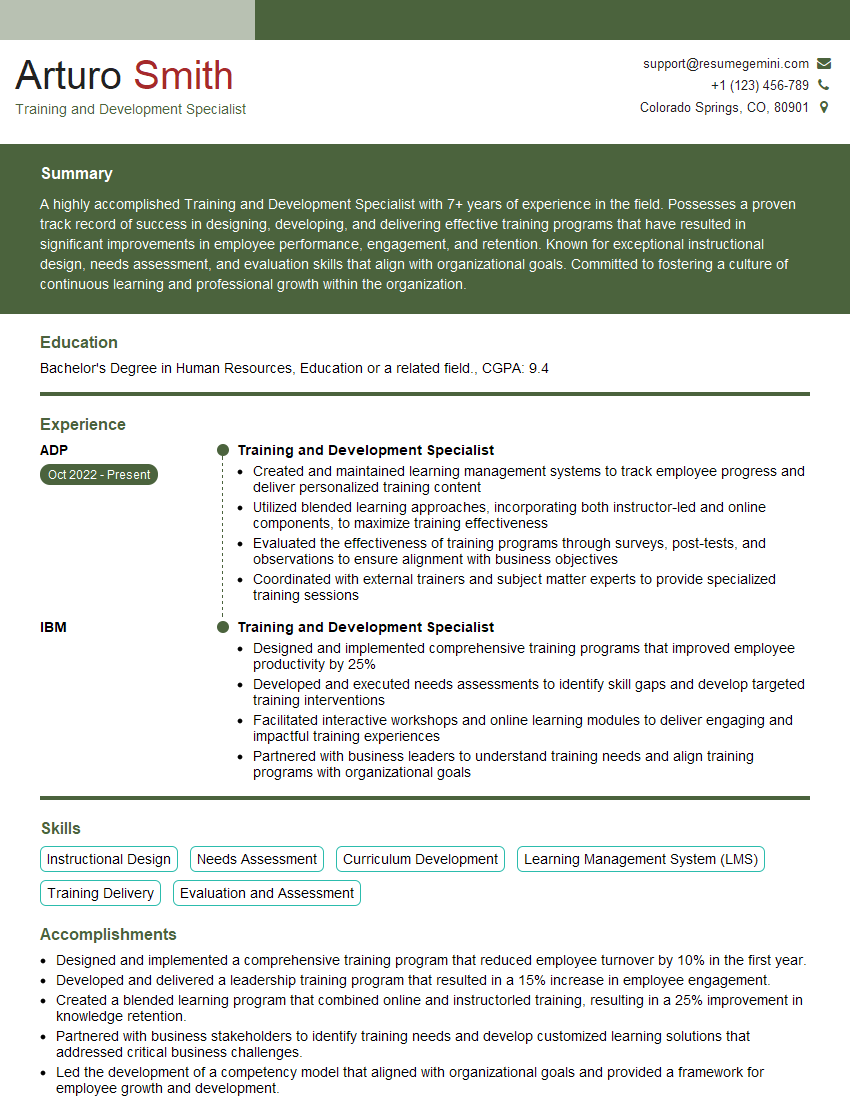
Training and Development Specialist Resume Sample
- Office Manager
- Account Manager
- Marketing Coordinator
- Sales Representative
- Relationship Manager
- Program Coordinator
- Community Outreach Coordinator
- Human Resources Generalist
- Social Media Manager
- Youth Worker
- Recreation Director
- Group Leader
- Executive Assistant
- Volunteer Coordinator
- Customer Success Manager
- Training and Development Specialist
Explore more articles
Users Rating of Our Blogs
Share Your Experience
We value your feedback! Please rate our content and share your thoughts (optional).
What Readers Say About Our Blog
I Redesigned Spongebob Squarepants and his main characters of my artwork.
https://www.deviantart.com/reimaginesponge/art/Redesigned-Spongebob-characters-1223583608
IT gave me an insight and words to use and be able to think of examples
Hi, I’m Jay, we have a few potential clients that are interested in your services, thought you might be a good fit. I’d love to talk about the details, when do you have time to talk?
Best,
Jay
Founder | CEO