Feeling uncertain about what to expect in your upcoming interview? We’ve got you covered! This blog highlights the most important Hatchery Optimization Techniques interview questions and provides actionable advice to help you stand out as the ideal candidate. Let’s pave the way for your success.
Questions Asked in Hatchery Optimization Techniques Interview
Q 1. Explain the principles of optimal egg turning and its impact on hatchability.
Optimal egg turning is crucial for successful chick development. The principle lies in preventing the yolk from adhering to the inner shell membrane. This adherence can restrict embryo growth and lead to mortality. Regular turning, typically every 2-4 hours, ensures the yolk remains mobile, preventing this adhesion. The frequency and angle of turning (typically 45 degrees) are critical parameters to adjust based on the incubation stage and the specific species. The impact on hatchability is significant; consistent and proper egg turning can lead to a 5-10% increase in hatchability rates compared to static incubation, ensuring healthy and viable chicks.
For instance, in a commercial setting, automated egg turning systems are used to ensure consistent turning throughout the incubation period. Manual turning, although feasible on a small scale, is labor-intensive and prone to inconsistencies, leading to lower hatchability.
Q 2. Describe the importance of maintaining consistent temperature and humidity levels during incubation.
Maintaining consistent temperature and humidity during incubation is paramount for proper embryonic development. Temperature affects metabolic rates – deviations can lead to developmental abnormalities or mortality. Humidity influences the rate of water loss from the egg. Low humidity results in excessive water loss, dehydration of the embryo, and increased embryonic mortality. High humidity creates a breeding ground for microbial growth, leading to infections and compromised chick quality. Optimal levels are species-specific and vary with the incubation stage. For instance, during the early stages, slightly higher humidity helps prevent dehydration, whereas during the later stages, slightly lower humidity promotes proper pipping.
Think of it like baking a cake: Too high or too low a temperature will result in a poorly baked, if not ruined, cake. Similarly, deviations from the optimal temperature and humidity in an incubator directly influence the development and quality of the chick.
Q 3. How do you monitor and control the hatchery’s environment for optimal chick development?
Monitoring and controlling the hatchery environment involves a multi-faceted approach. It starts with sophisticated sensors that continuously monitor temperature, humidity, and carbon dioxide levels within the incubators and hatchers. These sensors are connected to a central control system that allows for real-time adjustments. Automated systems can adjust ventilation rates to control CO2 levels, ensuring optimal gas exchange. Regular calibration of sensors and equipment is crucial to maintain accuracy. Visual inspections are also essential. Checking for any signs of mold, condensation, or malfunctioning equipment is a critical part of preventative maintenance.
For example, we use a system that sends alerts via SMS to my phone if temperature or humidity deviate beyond pre-set parameters, allowing me to take immediate corrective action. This minimizes the risks associated with environmental fluctuations and ensures consistent and optimal chick development. Data logging helps track trends and identify areas for improvement over time.
Q 4. What are the key factors affecting chick quality and how can they be optimized?
Several factors influence chick quality, impacting their viability, growth rate, and overall health. These include: proper incubation conditions (temperature, humidity, turning), egg quality (genetic factors, egg size, shell integrity, storage conditions), and biosecurity measures to prevent bacterial or viral infections. Optimizing these factors necessitates a holistic approach. For example, selecting high-quality hatching eggs from healthy flocks is a foundational step. Furthermore, implementing rigorous biosecurity protocols, including hygiene measures and vaccination strategies, can significantly reduce the incidence of disease, contributing to better chick quality. Careful monitoring of weight loss during incubation can also provide insight into the overall health of the developing embryos.
A practical example of optimization is implementing a robust cleaning and disinfection program in the hatchery, including the use of approved disinfectants and strict adherence to cleaning protocols. This helps maintain a clean environment, minimizing the risk of disease transmission and improving chick health.
Q 5. Describe your experience with hatchery automation systems and their benefits.
My experience with hatchery automation systems is extensive. I’ve worked with systems ranging from simple automated egg turners to fully integrated hatchery management systems. These systems significantly improve efficiency, consistency, and data management. Automated systems ensure consistent temperature, humidity, and turning schedules, reducing the risk of human error. They also automate data logging, providing valuable insights into incubation parameters and chick quality. Furthermore, they allow for remote monitoring and control, enabling proactive management of the hatchery environment even outside of working hours. The benefits include increased hatchability, improved chick uniformity, reduced labor costs, and enhanced data analysis for continuous improvement.
For example, in my previous role, we implemented an automated egg grading system that significantly reduced the time and labor associated with selecting eggs for incubation. This increased the overall efficiency of the hatchery and allowed us to focus on other critical aspects of chick production.
Q 6. How do you troubleshoot common hatchery equipment malfunctions?
Troubleshooting hatchery equipment malfunctions requires a systematic approach. It begins with identifying the problem. Is it a temperature fluctuation, humidity issue, a malfunctioning egg turner, or a ventilation problem? Next, I would consult the equipment’s operation manual, checking for troubleshooting guides and diagnostic codes. For instance, a temperature alarm might indicate a faulty sensor or a problem with the heating system. I would check the sensor for proper functioning and the heating elements for any signs of damage. If the problem persists, contacting the equipment manufacturer’s technical support team might be necessary. Documentation is vital – recording the problem, troubleshooting steps taken, and the solution helps prevent future occurrences and aids in preventative maintenance.
In one instance, a sudden drop in humidity was traced back to a leaking water line in the humidifier. Quick identification and repair prevented significant losses and ensured consistent incubation conditions.
Q 7. Explain your understanding of hatchery biosecurity protocols and their importance.
Hatchery biosecurity protocols are crucial for preventing the introduction and spread of diseases. These protocols encompass a range of measures designed to protect the birds from pathogens. This starts with stringent hygiene measures, including regular cleaning and disinfection of all equipment and surfaces using approved disinfectants. Strict access control limits entry into the hatchery to authorized personnel only. Personnel are required to wear protective clothing, including coveralls, masks, and boots. Proper waste disposal and pest control measures are critical to prevent contamination. Furthermore, a quarantine period for newly arrived eggs or birds is implemented to ensure they are disease-free before being integrated into the main population.
Ignoring biosecurity protocols can lead to significant economic losses due to disease outbreaks and mortality. A well-defined biosecurity plan, combined with diligent implementation, is a crucial investment in the long-term success of any hatchery operation.
Q 8. How do you implement and monitor a preventative maintenance program for hatchery equipment?
A preventative maintenance program for hatchery equipment is crucial for maximizing efficiency, minimizing downtime, and ensuring consistent chick quality. It’s like regularly servicing your car – preventing small issues from becoming major breakdowns. Implementation involves a structured approach:
- Develop a schedule: This should detail the frequency of checks and servicing for each piece of equipment (incubators, hatchers, egg washers, etc.), based on manufacturer recommendations and historical data. Consider factors like usage intensity and potential wear and tear.
- Create checklists: Detailed checklists for each piece of equipment ensure consistent and thorough inspections. These should include visual inspections, functional tests, and lubrication schedules. For example, a checklist for an incubator might include checking temperature and humidity sensors, fan operation, and alarm systems.
- Record keeping: Maintain meticulous records of all maintenance activities. This includes dates, tasks performed, parts replaced, and any observed issues. This data is invaluable for predicting future maintenance needs and identifying trends.
- Staff training: Train staff on proper maintenance procedures, safety protocols, and troubleshooting techniques. Regular refresher courses are essential.
- Spare parts inventory: Maintain an adequate inventory of common spare parts to minimize downtime during repairs. This avoids costly delays.
Monitoring involves regularly reviewing maintenance records, tracking equipment performance metrics (e.g., hatch rates, chick quality), and analyzing data to identify patterns or potential problems. For example, a sudden drop in hatch rates might indicate a problem with the incubator’s temperature control system, requiring immediate attention.
Q 9. What are the key performance indicators (KPIs) used to evaluate hatchery performance?
Key Performance Indicators (KPIs) are vital for evaluating hatchery performance and identifying areas for improvement. Think of them as the vital signs of your hatchery. Some key KPIs include:
- Hatch rate: The percentage of fertile eggs that successfully hatch. This is arguably the most important KPI.
- Fertility rate: The percentage of eggs that are fertilized. Low fertility suggests issues with breeding stock or insemination techniques.
- Hatchability of fertile eggs: Percentage of fertile eggs that hatch. This helps isolate issues with incubation itself.
- Chick quality: Assessed through parameters like chick weight, uniformity, and mortality rates in the first few days of life. Poor chick quality can indicate problems throughout the process.
- Egg production rate: The number of eggs produced per hen housed, crucial for input optimization.
- Incubation time: Slight variations can affect hatch uniformity and chick quality.
- Mortality rate: Both embryonic mortality during incubation and chick mortality after hatch.
- Cost per chick: A comprehensive KPI integrating all costs (feed, labor, energy, etc.)
Tracking these KPIs over time provides valuable insights into hatchery efficiency and effectiveness. Trends and anomalies should trigger investigations to pinpoint root causes.
Q 10. How do you analyze hatchery data to identify areas for improvement?
Analyzing hatchery data is like being a detective, looking for clues to solve the mystery of suboptimal performance. It involves a systematic approach:
- Data collection: Gather comprehensive data from various sources – incubation logs, chick quality reports, maintenance records, energy consumption data.
- Data cleaning and validation: Ensure data accuracy and consistency by cleaning up any errors or inconsistencies.
- Statistical analysis: Employ statistical methods (e.g., trend analysis, regression analysis) to identify correlations between different variables and pinpoint potential areas for improvement. For example, correlation between incubator temperature and hatch rate.
- Visualization: Create charts and graphs to visualize the data and identify patterns. This makes it easier to identify anomalies and trends.
- Root cause analysis: Use tools like fishbone diagrams or 5 Whys to delve deeper into the causes of identified problems.
For instance, consistently low hatch rates in a specific incubator might lead to an investigation of its temperature control system, ventilation, or egg turning mechanism. Data analysis helps transform raw data into actionable insights.
Q 11. Describe your experience with egg candling and its role in quality control.
Egg candling is a simple yet powerful quality control technique. It involves holding an egg up to a light source to examine its internal contents. Think of it as giving each egg a mini x-ray. This allows us to identify:
- Fertile eggs: Fertile eggs show a distinct blood ring or yolk shadow.
- Infertile eggs: These lack a blood ring or yolk shadow.
- Eggs with cracks or blood spots: These are generally removed as they may be less viable or prone to bacterial contamination.
- Eggs with abnormalities: Deformed eggs or those with excessive air cells may be identified and culled.
Candling is typically performed at various stages: before incubation to remove infertile and damaged eggs, and sometimes during incubation to monitor embryo development. It’s a crucial step in maximizing hatch rates and ensuring chick quality by removing problematic eggs early on. This helps maintain a uniform population and prevent issues later in the incubation process.
Q 12. Explain your knowledge of different types of incubators and their advantages and disadvantages.
Several incubator types exist, each with its advantages and disadvantages:
- Still-air incubators: These are the simplest, relying on natural convection for heat distribution. They are inexpensive but less precise in temperature and humidity control, resulting in less uniform hatching.
- Forced-air incubators: These use fans to circulate air, leading to more uniform temperature and humidity. They are more efficient and produce more uniform hatches compared to still-air incubators.
- Multi-stage incubators: These incubators separate the incubation and hatching stages, optimizing conditions for each phase. This is usually more expensive but can result in a higher hatch rate and better chick quality.
- Roll-away incubators: These feature a rotating platform or rolling trays to ensure even heat distribution. They can facilitate automation and large-scale operations, but they’re more expensive and have higher maintenance demands.
The choice of incubator depends on factors like budget, scale of operation, and desired level of control. For small-scale operations, still-air incubators may suffice. However, large-scale commercial hatcheries usually benefit from forced-air or multi-stage incubators for better control and efficiency.
Q 13. How do you manage hatchery waste and ensure environmental sustainability?
Managing hatchery waste and ensuring environmental sustainability is crucial for both operational efficiency and environmental responsibility. It requires a multifaceted approach:
- Waste segregation: Separate different waste streams (e.g., broken eggshells, dead embryos, packaging materials) for appropriate disposal or recycling.
- Composting: Compost broken eggshells and other organic waste to create valuable fertilizer. This reduces landfill waste and provides a sustainable resource for agriculture.
- Anaerobic digestion: This process can convert organic waste into biogas, a renewable energy source. This reduces landfill waste and can also generate energy for the hatchery itself.
- Recycling: Recycle packaging materials and other reusable items whenever possible.
- Water management: Implement water conservation measures to reduce water usage and minimize wastewater discharge.
- Energy efficiency: Optimize energy usage through improved insulation, efficient equipment, and renewable energy sources.
Proper waste management not only reduces the environmental footprint of the hatchery but can also lead to cost savings through reduced disposal fees and the potential generation of renewable energy. It demonstrates a commitment to responsible business practices and environmental stewardship.
Q 14. What are the best practices for chick handling and transportation?
Proper chick handling and transportation are vital for minimizing stress, mortality, and disease transmission. Best practices include:
- Gentle handling: Avoid dropping or rough handling of chicks. Grasp chicks firmly but gently around the body, avoiding the legs and wings.
- Temperature control: Maintain appropriate temperatures during transport using climate-controlled vehicles or containers. Newly hatched chicks are particularly sensitive to temperature fluctuations.
- Ventilation: Ensure adequate ventilation to prevent overheating and accumulation of carbon dioxide.
- Hygiene: Maintain high hygiene standards throughout the handling and transport process to prevent disease spread. This involves cleaning and disinfecting equipment and vehicles regularly.
- Density control: Avoid overcrowding during transport to reduce stress and mortality. Allow adequate space for chicks to move and breathe.
- Stress reduction: Minimize noise and light exposure during transportation to reduce stress on the chicks.
Efficient and humane chick handling and transportation are essential for maximizing chick survival rates and ensuring their health and well-being upon arrival at their destination. It is an important aspect of successful hatchery management and bird welfare.
Q 15. How do you train and supervise hatchery personnel to ensure optimal performance?
Training hatchery personnel is crucial for optimal performance. My approach is multifaceted, combining classroom instruction with hands-on training and continuous supervision. I begin with comprehensive training modules covering hatchery hygiene, egg handling, incubation parameters, chick sexing, and disease prevention. We utilize visual aids, interactive simulations, and real-world case studies to make the learning engaging and effective. For example, we might simulate a biosecurity breach and discuss the appropriate response. Following the initial training, I implement a mentorship program pairing experienced personnel with newer staff. Regular performance reviews, including practical assessments, ensure consistent adherence to best practices. Finally, continuous improvement is driven through regular feedback sessions and workshops focusing on emerging technologies and best practices within the industry. This creates a culture of ongoing learning and skill enhancement.
Career Expert Tips:
- Ace those interviews! Prepare effectively by reviewing the Top 50 Most Common Interview Questions on ResumeGemini.
- Navigate your job search with confidence! Explore a wide range of Career Tips on ResumeGemini. Learn about common challenges and recommendations to overcome them.
- Craft the perfect resume! Master the Art of Resume Writing with ResumeGemini’s guide. Showcase your unique qualifications and achievements effectively.
- Don’t miss out on holiday savings! Build your dream resume with ResumeGemini’s ATS optimized templates.
Q 16. Describe your experience with hatchery record-keeping and data management.
Accurate record-keeping is fundamental to efficient hatchery management and continuous improvement. My experience encompasses the use of both manual and automated systems. In the past, I’ve managed detailed spreadsheets tracking every aspect of the incubation process – from egg storage temperature and humidity to hatch rates and chick quality. This allowed for detailed analysis of performance trends. More recently, I’ve transitioned to sophisticated hatchery management software that integrates data from various sensors, automatically logs parameters, and generates detailed reports. This software allows for real-time monitoring and facilitates more data-driven decision-making. For example, it allows for the immediate detection of deviations from optimal incubation parameters, enabling prompt corrective action. Data management also involves robust data security measures to ensure confidentiality and integrity.
Q 17. How do you identify and address potential risks and hazards within the hatchery?
Identifying and mitigating risks within a hatchery is paramount. My approach involves a comprehensive risk assessment that considers biosecurity, equipment malfunction, power outages, and environmental factors. For biosecurity, this means strictly enforced protocols for hygiene, disinfection, and pest control, including regular audits. We utilize appropriate Personal Protective Equipment (PPE) and train personnel extensively on safe handling procedures to minimize cross-contamination risks. Equipment malfunction is addressed through a preventative maintenance program with regular inspections and scheduled servicing. We also have backup power systems in place to mitigate the risk of power outages. Finally, environmental monitoring systems continuously check temperature, humidity, and air quality, alerting us to potential problems. This proactive, multi-layered approach ensures a safe and efficient operating environment.
Q 18. What are your strategies for improving chick uniformity and weight consistency?
Improving chick uniformity and weight consistency is vital for optimizing production and market value. My strategies focus on several key areas: ensuring uniform egg quality through meticulous egg selection and grading; precise control of incubation parameters throughout the entire process, using automated systems for monitoring and adjusting temperature, humidity, and ventilation; and implementing a consistent management process for turning and cooling eggs. Furthermore, attention is paid to maintaining optimal environmental conditions in the hatcher to avoid uneven heating. Any deviations are carefully tracked and analyzed to identify the root cause and make necessary adjustments. For instance, if we observe a consistent difference in chick weight between different setter trays, we would investigate factors such as tray placement, egg size uniformity in each tray, and ventilation variations. Data analysis, combined with targeted adjustments, is key to achieving optimal chick uniformity and weight.
Q 19. Explain your experience with different types of incubation systems (e.g., setter, hatcher).
I have extensive experience with various incubation systems, including both traditional and advanced setter and hatcher designs. I’ve worked with multi-stage incubators, single-stage machines, and those employing various ventilation and humidity control systems. My experience includes troubleshooting issues related to airflow, temperature gradients, and humidity inconsistencies across different models. For example, I’ve successfully optimized the performance of a multi-stage incubator by adjusting air flow patterns to minimize temperature variations between trays. This involves understanding the specific operating principles of each system and using data analysis to fine-tune parameters to achieve optimal hatching results. Understanding the strengths and limitations of different systems enables us to select the most suitable technology for our specific needs and to maintain optimal performance.
Q 20. How do you ensure the accuracy and reliability of hatchery sensors and monitoring equipment?
Sensor accuracy and reliability are crucial for maintaining optimal incubation conditions. My approach involves a multi-pronged strategy. Firstly, we use calibrated sensors from reputable manufacturers and adhere to strict calibration schedules. Secondly, we utilize redundant sensors to ensure that any single point of failure doesn’t compromise the system’s integrity. If one sensor deviates, we have a backup to ensure accurate readings. Thirdly, regular maintenance, including cleaning and inspection, is performed to ensure sensors remain accurate. Finally, data logging and analysis help identify any drifts or inconsistencies over time, allowing us to address potential issues before they significantly impact performance. Regular comparison of sensor readings against expected values and the use of data visualization tools are key to maintain and ensure the accuracy and reliability of our monitoring system.
Q 21. What are your strategies for minimizing chick mortality and improving hatchability rates?
Minimizing chick mortality and maximizing hatchability rates requires a holistic approach. This begins with ensuring the highest quality eggs through proper flock management and egg handling. Careful attention is paid to egg storage conditions, including temperature and humidity control, to prevent deterioration. During incubation, maintaining precise control of temperature, humidity, and ventilation is crucial. Regular monitoring for signs of disease is vital, as is rapid response to any outbreaks. We utilize robust biosecurity measures, implement regular cleaning and disinfection protocols, and maintain a strict pest control program. Furthermore, analyzing hatch data, including identifying common causes of mortality, helps in formulating targeted improvements to our processes. By constantly reviewing and refining our procedures, we continually strive to achieve the highest hatchability rates and minimize chick losses.
Q 22. Explain your understanding of the role of genetics in hatchery performance.
Genetics play a fundamental role in hatchery performance, impacting nearly every aspect from egg fertility and hatchability to chick vigor and overall flock health. Think of it like this: the genetic makeup of the parent birds is the blueprint for the offspring. Stronger genetics lead to better overall performance.
- Fertility and Hatchability: Birds with superior genetic lines tend to have higher egg fertility and hatchability rates, meaning more chicks emerge from each egg. This directly impacts the overall efficiency and profitability of the hatchery.
- Chick Quality: Genetics influence chick characteristics such as uniformity in size and weight, early growth rate, and disease resistance. Uniform chicks are easier to manage and tend to have higher survival rates.
- Disease Resistance: Selecting parent stock with genes for disease resistance significantly reduces mortality and the need for medication, leading to cost savings and improved animal welfare.
- Growth Rate and Feed Efficiency: Genetic selection programs focus on improving growth rate and feed conversion ratio (FCR). Birds with better genetics will reach market weight faster and more efficiently, maximizing economic return.
In practice, hatcheries utilize pedigree information, progeny testing, and genomic selection to identify and select superior genetic lines. This involves careful record-keeping, data analysis, and collaboration with breeding companies to ensure consistent improvement in genetic quality.
Q 23. How do you stay updated on the latest technologies and best practices in hatchery management?
Staying current in hatchery management requires a multi-pronged approach. I actively engage in several strategies to ensure I’m always up-to-date on the latest technologies and best practices:
- Professional Organizations: I’m a member of relevant professional organizations such as the World Poultry Association and attend their conferences and workshops. These events offer opportunities to learn from experts and network with peers.
- Industry Publications and Journals: I regularly read industry-specific journals and publications, keeping abreast of research findings and innovative techniques. This includes both peer-reviewed scientific literature and trade publications.
- Online Resources and Webinars: I utilize online resources like industry websites and online courses to access the latest information, including webinars and online training programs offered by equipment manufacturers and industry leaders.
- Industry Events and Trade Shows: Attending trade shows and industry events provides hands-on exposure to new equipment and technologies, allowing me to assess their potential benefits for improving hatchery operations.
- Networking: Maintaining a strong network with colleagues in the industry is crucial. Regular communication and sharing of experiences helps to stay informed about emerging trends and best practices.
By combining these methods, I maintain a comprehensive understanding of the latest advancements in hatchery management, ensuring that our operations are at the forefront of efficiency and best practices.
Q 24. Describe a time you had to solve a complex problem in a hatchery setting.
In a previous role, we experienced a significant drop in hatchability across multiple incubator batches. Initial investigations pointed towards various potential causes – egg quality issues, incubator malfunction, or even a subtle change in the hatchery environment. The problem was complex because the cause wasn’t immediately apparent.
Our troubleshooting involved a systematic approach:
- Data Analysis: We meticulously analyzed hatchery records, comparing data from affected and unaffected batches. This included incubation parameters, egg source information, and chick quality assessments.
- Incubator Diagnostics: We conducted thorough checks on all incubators, examining temperature, humidity, and ventilation systems. We also calibrated and serviced all equipment to ensure optimal functioning.
- Egg Quality Assessment: We performed detailed egg quality checks, including candling and weight measurements, to identify potential issues with the eggs themselves. This included evaluating shell quality, albumen thickness and yolk position.
- Environmental Monitoring: We monitored the hatchery’s environmental conditions, including temperature, humidity and air quality, searching for unexpected variations.
- Microbial Testing: To rule out bacterial or fungal contamination, we conducted microbial testing of the eggs and incubator environments.
Eventually, we discovered that a subtle change in the hatchery’s air filtration system had led to increased airborne contaminants affecting egg quality and hatchability. Once the issue was identified, we implemented improved filtration and sanitation protocols, and hatchability quickly returned to normal levels. This experience highlighted the importance of rigorous data analysis, comprehensive troubleshooting, and a collaborative approach to problem-solving.
Q 25. How do you handle discrepancies between expected and actual hatchery outcomes?
Discrepancies between expected and actual hatchery outcomes require a thorough investigation and often involve a multi-step process. First, it’s crucial to clearly define what constitutes a discrepancy – what’s the acceptable margin of error for each key performance indicator (KPI)?
My approach involves these steps:
- Identify the Discrepancy: Precisely define the deviation between expected and actual results for KPIs such as hatchability, chick quality, or mortality.
- Data Collection and Analysis: Gather relevant data from all stages of the hatchery process. This includes egg quality data, incubation parameters, chick quality assessments, and mortality rates. Analyzing this data helps pinpoint potential areas of concern. I’d use statistical process control (SPC) charts to monitor trends and identify anomalies.
- Root Cause Analysis: Use techniques like the “5 Whys” to identify the underlying cause of the discrepancy. It might be a problem with egg quality, incubator settings, sanitation practices, or other factors. This step is crucial for effective problem-solving.
- Corrective Actions: Based on the root cause analysis, implement corrective actions to address the identified issues. This could involve adjusting incubation parameters, improving egg handling procedures, enhancing sanitation protocols, or replacing faulty equipment.
- Monitoring and Evaluation: After implementing corrective actions, closely monitor the KPIs to ensure that the problem is resolved and that the hatchery is operating within acceptable parameters. Continuous monitoring prevents future occurrences.
It’s important to document the entire process, from identifying the discrepancy to implementing corrective actions and evaluating their effectiveness. This allows us to learn from mistakes and prevent similar issues in the future.
Q 26. Explain your experience with implementing process improvements in a hatchery environment.
Implementing process improvements in a hatchery environment requires a structured approach. I’ve been involved in several projects where improvements led to significant gains in efficiency and productivity.
One example involved implementing a new automated egg-turning system. Before the upgrade, egg turning was manual and labor-intensive, leading to inconsistencies and potential damage to eggs. The new automated system improved uniformity in egg turning, reducing the risk of damage, and freeing up staff for other tasks.
Here’s how we approached the implementation:
- Needs Assessment: We identified the inefficiencies of the existing manual egg-turning system and determined the potential benefits of automation, such as increased efficiency, improved egg handling, and reduced labor costs.
- Selection and Procurement: We researched and selected an automated egg-turning system that met our specific requirements. This involved evaluating different options based on capacity, reliability, and cost-effectiveness.
- Installation and Training: We worked with the supplier to ensure the proper installation of the new system and provided comprehensive training to our staff on its operation and maintenance.
- Process Optimization: We optimized our existing processes to integrate the automated system effectively. This involved reorganizing workflow, modifying handling procedures, and revising staffing schedules.
- Monitoring and Evaluation: We continuously monitored the performance of the new system and evaluated its impact on key KPIs such as hatchability, chick quality, and labor costs. Regular data analysis was key to ensure success.
The results of this improvement were significant. We saw a noticeable increase in hatchability, improved chick quality, and reduced labor costs, demonstrating the value of proactive process improvement initiatives.
Q 27. How do you maintain a safe and efficient working environment in a hatchery?
Maintaining a safe and efficient working environment in a hatchery requires a multifaceted approach that prioritizes both worker safety and operational efficiency. This is paramount because hatcheries deal with large numbers of live birds and intricate machinery.
- Safety Protocols: Implementing strict safety protocols, including proper personal protective equipment (PPE) use, regular safety training, and clear emergency procedures, is critical. This reduces the risk of accidents and injuries.
- Hygiene and Sanitation: Maintaining rigorous hygiene and sanitation practices prevents the spread of diseases and contamination. Regular cleaning and disinfection of equipment and facilities are essential, along with proper waste disposal procedures.
- Ergonomics: Designing the hatchery layout and work processes to minimize physical strain on workers improves efficiency and reduces workplace injuries. This includes using ergonomic equipment and providing adequate rest breaks.
- Equipment Maintenance: Regular maintenance and inspection of all equipment, including incubators, ventilation systems, and automated systems, is crucial for safety and preventing malfunctions that could cause disruptions or accidents.
- Environmental Control: Maintaining optimal temperature and humidity levels inside the hatchery is critical for both chick development and worker comfort. A well-controlled environment improves efficiency and reduces stress on both birds and workers.
- Emergency Preparedness: Developing and regularly practicing emergency response plans, including procedures for power outages, equipment malfunctions, and disease outbreaks is critical.
By prioritizing safety and efficiency through a proactive approach, a hatchery can create a positive and productive work environment, maximizing productivity while minimizing risk.
Q 28. Describe your understanding of the regulatory requirements for hatchery operations.
Regulatory requirements for hatchery operations vary depending on location and can be quite extensive. A thorough understanding of these regulations is essential for compliance and maintaining a legally sound operation.
Generally, these requirements fall into several key areas:
- Biosecurity: Regulations concerning biosecurity protocols are often stringent to prevent the spread of avian diseases. This involves measures such as quarantine procedures for incoming birds and eggs, strict sanitation practices, and visitor control protocols.
- Animal Welfare: Regulations concerning the welfare of birds during incubation and chick handling are designed to ensure humane treatment and minimize stress. This covers appropriate incubation conditions, handling procedures, and appropriate disposal of unhatched eggs and dead chicks.
- Environmental Regulations: Regulations related to environmental protection address waste disposal, water usage, and air emissions to minimize the hatchery’s environmental footprint.
- Record-Keeping: Comprehensive record-keeping is usually mandated to track egg production, incubation parameters, hatchability rates, chick quality, and mortality data. These records are important for monitoring performance and demonstrating compliance.
- Personnel Licensing and Training: Some regions may require specific licenses or certifications for hatchery personnel, as well as mandatory training in biosecurity, animal welfare, and safety procedures.
Staying compliant involves understanding and following all applicable local, regional, and national regulations. Regular audits and maintaining thorough documentation are key to avoiding penalties and maintaining a reputable operation. Consulting with regulatory agencies and legal experts is recommended to ensure ongoing compliance.
Key Topics to Learn for Hatchery Optimization Techniques Interview
- Egg Quality and Selection: Understanding factors influencing hatchability, such as egg size, shape, shell quality, and interior quality. Practical application: Developing protocols for egg grading and selection to maximize hatching rates.
- Incubation Parameters: Mastering the control and manipulation of temperature, humidity, ventilation, and turning regimes throughout the incubation period. Practical application: Troubleshooting incubation issues and optimizing settings for specific bird species or hatchery conditions.
- Embryonic Development and Physiology: A thorough understanding of avian embryology, including critical developmental stages and potential challenges. Practical application: Identifying and addressing developmental abnormalities that impact hatchability.
- Hatching Process Management: Optimizing the hatching process, including chick removal techniques and post-hatch management to ensure chick viability and quality. Practical application: Implementing procedures to minimize chick stress and mortality during and after hatching.
- Data Analysis and Interpretation: Utilizing hatchery data (e.g., hatching rates, chick quality, mortality) to identify trends and areas for improvement. Practical application: Implementing statistical methods to analyze data and support decision-making.
- Biosecurity and Disease Prevention: Implementing and maintaining strict biosecurity protocols to prevent disease outbreaks and maintain optimal hatchery hygiene. Practical application: Developing and enforcing protocols to minimize contamination and reduce disease transmission.
- Automation and Technology in Hatcheries: Understanding and utilizing modern hatchery technologies (e.g., automated egg setters, climate control systems, chick sorting systems). Practical application: Evaluating and implementing new technologies to improve efficiency and reduce labor costs.
Next Steps
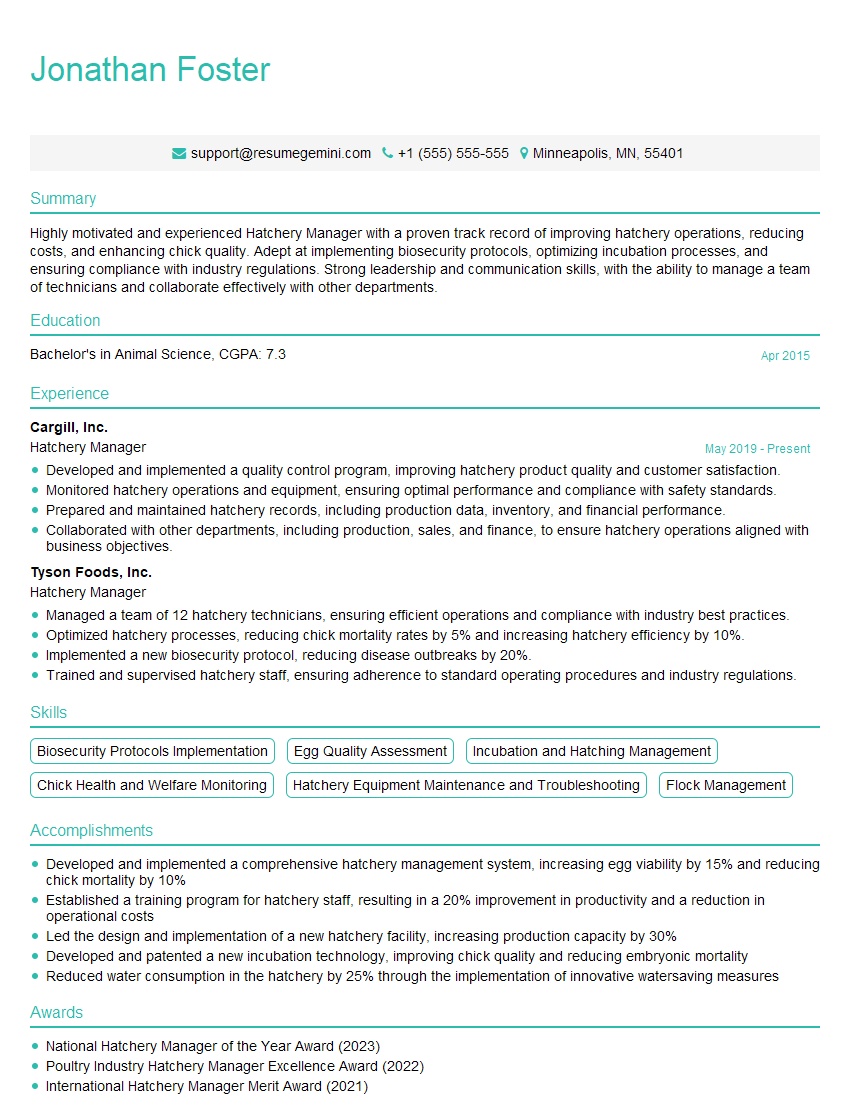
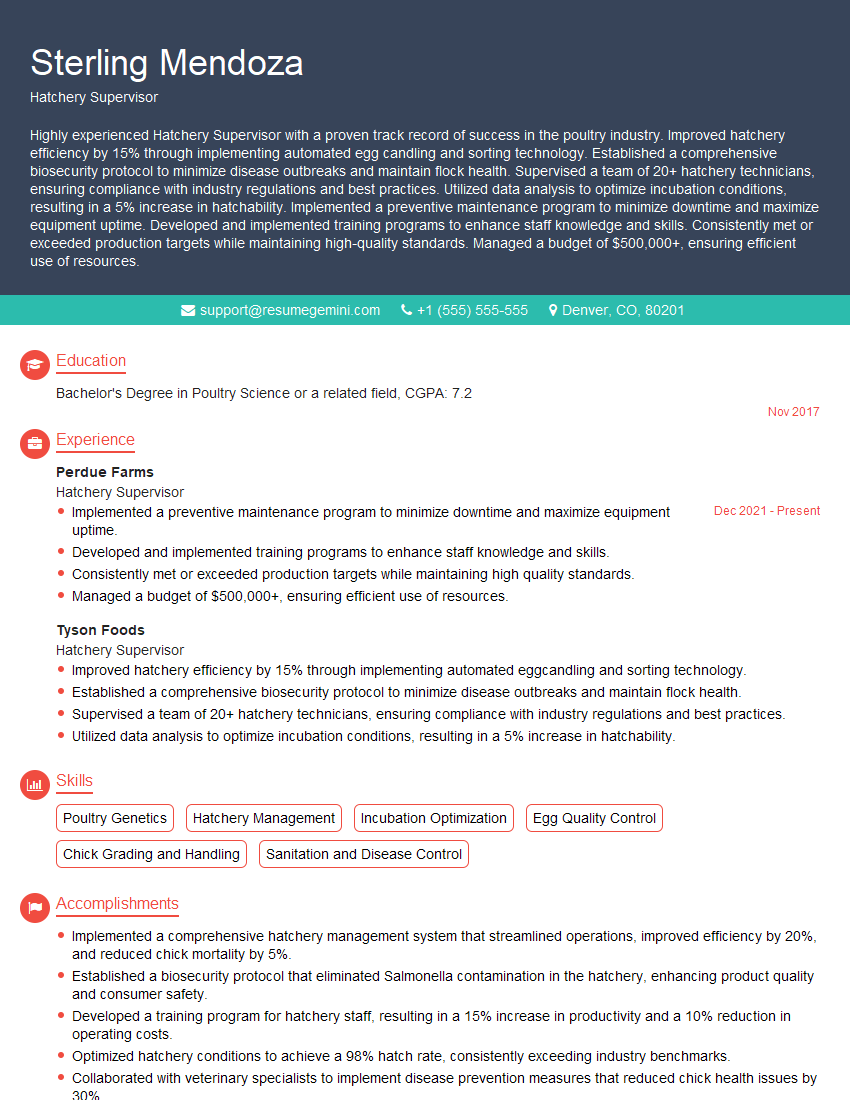
Mastering Hatchery Optimization Techniques is crucial for career advancement in the poultry industry, opening doors to leadership roles and specialized positions. A strong resume is your key to unlocking these opportunities. Make sure your resume is ATS-friendly to maximize its visibility to potential employers. We highly recommend using ResumeGemini to build a professional and impactful resume. ResumeGemini provides tools and resources to help you create a resume tailored to the specific requirements of Hatchery Optimization Techniques positions, including examples of successful resumes you can use for inspiration.

Explore more articles
Users Rating of Our Blogs
Share Your Experience
We value your feedback! Please rate our content and share your thoughts (optional).
What Readers Say About Our Blog
I Redesigned Spongebob Squarepants and his main characters of my artwork.
https://www.deviantart.com/reimaginesponge/art/Redesigned-Spongebob-characters-1223583608
IT gave me an insight and words to use and be able to think of examples
Hi, I’m Jay, we have a few potential clients that are interested in your services, thought you might be a good fit. I’d love to talk about the details, when do you have time to talk?
Best,
Jay
Founder | CEO