Cracking a skill-specific interview, like one for HOS Regulations, requires understanding the nuances of the role. In this blog, we present the questions you’re most likely to encounter, along with insights into how to answer them effectively. Let’s ensure you’re ready to make a strong impression.
Questions Asked in HOS Regulations Interview
Q 1. Explain the basic principles of the Hours of Service (HOS) regulations.
The core principle of Hours of Service (HOS) regulations is to prevent driver fatigue, a major contributor to road accidents. These regulations set limits on the number of hours a commercial driver can work in a given period, ensuring adequate rest time for safety. Think of it like this: just as athletes need rest to avoid injury, truck drivers need sufficient downtime to prevent fatigue-related incidents. The rules aim to balance the need for efficient transportation with the critical importance of driver safety and public well-being.
The regulations dictate maximum driving time, minimum rest periods, and record-keeping requirements. They aim to achieve a delicate balance: enough operational hours to keep commerce moving, but not so many as to endanger drivers or the public.
Q 2. What are the different categories of drivers covered under HOS regulations?
HOS regulations cover various categories of commercial drivers, primarily determined by the type of vehicle they operate and the goods they transport. Key categories include:
- Property-carrying drivers: These drivers transport goods and are subject to the standard HOS rules. This is the most common category.
- Passenger-carrying drivers: Drivers of buses and other passenger vehicles have specific HOS rules that may differ slightly from property-carrying drivers, often with stricter limitations on driving time, especially for intercity buses.
- Drivers of certain agricultural commodities: Some agricultural haulers might have exemptions or variations under specific circumstances.
- Drivers hauling certain materials: Certain specialized hauls might have specific regulations due to the nature of the goods, the vehicle type, or the operational environment.
The specific regulations applicable depend on the driver’s role, the type of vehicle, and the nature of the transported goods. It is crucial to determine the accurate category to ensure full compliance.
Q 3. Describe the requirements for maintaining driver logs.
Maintaining accurate driver logs is paramount for complying with HOS regulations. These logs document a driver’s on-duty, off-duty, driving, and sleeper-berth time. Before ELDs, this was done manually using paper logs. Now, ELDs automatically record this information.
Regardless of the method, accuracy is crucial. Drivers must record all time accurately and completely. This includes:
- Start and end times for each duty status (driving, on-duty, off-duty, sleeper berth).
- Total hours driven within the day and within the previous seven or eight consecutive days.
- Location details when changes in duty status occur, usually at the beginning and end of a shift, and any time the driver’s status changes.
Incomplete or inaccurate logs can lead to severe penalties. Imagine a scenario where a driver forgets to record a break: even a small discrepancy can result in a violation. Thorough record keeping is essential for staying compliant.
Q 4. What are the exceptions to the HOS rules?
While HOS regulations are strict, several exceptions exist. These exceptions are typically for short-haul operations, specific types of cargo, emergency situations, or certain types of drivers. Examples include:
- Short-haul exemptions: Drivers operating within a specific radius and returning to their base within a set timeframe might have different HOS rules.
- Emergency situations: Drivers responding to emergencies like natural disasters may have temporary exceptions.
- Certain agricultural operations: Specific agricultural transport might be exempt, as long as they meet the criteria defined in the regulations.
- Vehicle maintenance: Drivers may have allowances for time spent on vehicle repairs, though it must be recorded appropriately.
It’s important to note that these exceptions are carefully defined and drivers need to ensure they meet all the criteria before claiming an exemption.
Q 5. Explain the role of Electronic Logging Devices (ELDs) in complying with HOS regulations.
Electronic Logging Devices (ELDs) are now mandated for most commercial vehicles in many jurisdictions. They automatically record a driver’s duty status and driving time, significantly improving compliance with HOS regulations. ELDs eliminate the need for manual paper logs, reducing the risk of human error and making enforcement more efficient.
Key benefits of ELDs include:
- Automated record-keeping: ELDs automatically track driving time, eliminating manual errors.
- Improved accuracy: The automated system reduces the chance of falsifying logbooks.
- Simplified enforcement: Inspectors can quickly and easily access driving records.
- Data analysis: ELD data can be used to analyze driver behavior and improve safety.
ELDs are not merely a compliance tool; they’re a safety enhancement tool that promotes better driving habits and reduces fatigue-related accidents.
Q 6. How do you address driver fatigue management in your operations?
Driver fatigue management is a critical aspect of our operations. We prioritize strategies to ensure our drivers are well-rested and alert. Our approach is multifaceted:
- HOS compliance training: All drivers receive comprehensive training on HOS regulations and the importance of adequate rest.
- Monitoring driver behavior: We utilize ELD data and other technologies to monitor driver hours and identify potential fatigue indicators.
- Promoting healthy lifestyle choices: We encourage drivers to maintain a healthy diet, exercise regularly, and get sufficient sleep.
- Providing access to rest areas and facilities: We ensure access to safe and comfortable rest stops along routes.
- Flexible scheduling whenever possible: Scheduling is adjusted when possible to allow drivers more control over their rest periods.
We consider driver fatigue management not just a compliance issue but a crucial element of our safety culture. By proactively addressing driver fatigue, we’re protecting our drivers and the public.
Q 7. What are the penalties for violating HOS regulations?
Penalties for violating HOS regulations can be severe and vary depending on the severity and frequency of the violation. Penalties can range from:
- Warnings: For minor infractions, a warning may be issued.
- Fines: Substantial financial penalties can be imposed for more serious violations.
- Out-of-service orders: Drivers may be placed out of service, preventing them from operating commercial vehicles.
- License suspension or revocation: Repeated or egregious violations can lead to suspension or revocation of a driver’s commercial driver’s license (CDL).
- Civil penalties and legal actions: In cases of accidents resulting from HOS violations, drivers and companies can face civil lawsuits and significant legal costs.
The financial and professional consequences of HOS violations can be devastating. Compliance is not just a matter of avoiding penalties; it’s a matter of responsible operations and public safety.
Q 8. How do you ensure accurate record-keeping related to HOS compliance?
Accurate record-keeping is the cornerstone of HOS compliance. It’s not just about avoiding fines; it’s about ensuring driver safety and preventing accidents caused by fatigue. We use a multi-pronged approach:
- Electronic Logging Devices (ELDs): We mandate the use of ELDs for all our drivers. These devices automatically record driving time, on-duty time, and off-duty time, eliminating the need for manual paper logs and significantly reducing the potential for errors. The data is automatically transmitted to our backend system for analysis.
- Regular Data Audits: We conduct regular audits of the ELD data to identify any discrepancies or potential violations. This involves checking for inconsistencies, comparing ELD data with other operational records, and verifying that all required information is accurately captured.
- Driver Training and Support: Our drivers receive comprehensive training on the proper use of ELDs and the accurate recording of their hours of service. We provide ongoing support to address any questions or issues they may encounter.
- Secure Data Storage and Backup: We store all ELD data securely, complying with all relevant data privacy regulations. We maintain robust backup systems to ensure data integrity and availability in case of system failures.
Think of it like maintaining a meticulous financial ledger – if you don’t keep accurate records, you’ll never have a clear picture of your business’s health. Similarly, accurate HOS records are vital for ensuring the health and safety of our drivers and our business.
Q 9. Describe your experience with auditing driver logs for compliance.
My experience with auditing driver logs spans over seven years, encompassing both paper logs and ELD data. I’ve developed a keen eye for spotting inconsistencies and potential violations. For example, I’ve identified instances where:
- Driving time exceeded limits: I’ve flagged numerous occasions where drivers inadvertently or deliberately exceeded their allowed driving hours. This requires careful review of the entire log to determine the severity of the violation and its underlying causes.
- Incorrect duty status codes: Drivers sometimes incorrectly record their duty status (on-duty, off-duty, sleeper berth). This can lead to miscalculations of their available driving time. A thorough audit ensures the accuracy of these codes.
- Missing data: Incomplete or missing data is a significant red flag. This may indicate that the driver failed to properly log their hours, raising concerns about compliance.
During audits, I utilize specialized software to analyze the data, looking for patterns and trends that might indicate systemic issues rather than individual mistakes. The goal is not just to find violations but to understand the root causes and implement corrective actions.
Q 10. How do you stay updated on changes and updates to HOS regulations?
Staying updated on HOS regulations requires a proactive and multifaceted approach. I regularly monitor the Federal Motor Carrier Safety Administration (FMCSA) website for official updates and announcements. I also subscribe to industry newsletters and participate in webinars and conferences to stay abreast of changes in the regulatory landscape.
Furthermore, I maintain contact with regulatory compliance professionals and legal experts in the transportation industry. They provide valuable insights and guidance on interpreting regulations and anticipating potential changes. Networking within the industry is invaluable for staying informed and understanding emerging trends and challenges.
It’s not simply about reading the regulations; it’s about understanding their implications for our operations and ensuring that our practices are consistently up-to-date and compliant.
Q 11. Explain the difference between on-duty, driving, and sleeper berth time.
The key differences between on-duty, driving, and sleeper berth time lie in their impact on a driver’s available driving time. Imagine a driver’s day as a pie chart, where each slice represents a different type of time:
- Driving time: This is the time a driver spends actively operating a commercial motor vehicle. This is the most strictly regulated time and contributes directly to the 11-hour driving limit within a 14-hour on-duty window.
- On-duty time: This is any time a driver is working, but not actively driving. Examples include pre-trip inspections, loading/unloading cargo, waiting for loads, and attending to paperwork. This time is also regulated and contributes to the 14-hour on-duty limit.
- Sleeper berth time: This refers to time spent resting in a designated sleeper berth of a commercial vehicle. A driver can use up to 8 hours of sleeper berth time within a 24-hour period to count towards their required rest. However, sleeper berth time alone does not reset the 14-hour on-duty clock.
Understanding these distinctions is crucial for accurately calculating a driver’s remaining driving time and preventing violations.
Q 12. How do you handle situations where drivers exceed their allowed driving time?
When a driver exceeds their allowed driving time, immediate corrective action is crucial. The response depends on the severity of the violation:
- Minor Exceedances: For minor exceedances, we investigate the cause and provide additional training to prevent future occurrences. This might involve reviewing the driver’s log with them, clarifying any misunderstandings about the regulations, and reinforcing the importance of accurate record-keeping.
- Significant Exceedances: Significant exceedances trigger a more thorough investigation. We review the driver’s logs, ELD data, and any supporting documentation to understand the circumstances leading to the violation. This might involve reviewing dispatch schedules, traffic conditions, or other factors that may have contributed to the issue. Depending on the severity of the violation, disciplinary action, such as suspension or retraining, might be necessary.
- Safety Measures: Regardless of the severity, the driver’s safety is paramount. We never allow a driver to continue operating beyond the legal limits; we arrange for alternative transportation or rest stops to ensure compliance and driver well-being.
Our primary goal is to prevent future violations through a combination of training, improved scheduling, and enhanced oversight of our drivers’ activities.
Q 13. What is your experience with investigating HOS violations?
Investigating HOS violations requires a systematic and thorough approach. My experience includes:
- Data Analysis: I begin by analyzing the ELD data, driver logs, and other relevant information to determine the extent and nature of the violation. This often involves identifying patterns and anomalies that may point to underlying issues.
- Driver Interview: I conduct a thorough interview with the driver to understand their perspective and gather additional information. The goal is to determine whether the violation was intentional or unintentional and identify contributing factors.
- Review of Supporting Documentation: This may include dispatch records, maintenance logs, or other documents that might provide context to the violation.
- Determining Root Cause: Identifying the root cause of the violation is critical. This might involve addressing issues with scheduling, driver training, or operational procedures.
- Documentation and Reporting: The entire investigation is carefully documented, including findings, conclusions, and any corrective actions taken. This documentation is essential for complying with regulatory requirements and for internal record-keeping.
The focus is not just on assigning blame but on understanding the contributing factors and implementing strategies to prevent future violations and promote driver safety.
Q 14. Describe your process for training drivers on HOS regulations.
Driver training on HOS regulations is an ongoing process, not a one-time event. We use a multi-layered approach:
- Initial Training: All new drivers undergo comprehensive initial training that covers the basics of HOS regulations, the use of ELDs, and the importance of accurate record-keeping. This includes hands-on training with the ELD devices and interactive exercises to reinforce understanding.
- Refresher Training: Regular refresher training is provided to all drivers to keep them updated on regulatory changes and to address any areas where compliance issues have arisen. This might be incorporated into safety meetings or delivered via online modules.
- On-the-Job Coaching: Supervisors and dispatchers provide ongoing coaching and support to drivers to ensure that they are applying the regulations correctly in their daily work. This may involve reviewing logs, providing feedback, and addressing any questions or concerns.
- Interactive Tools and Resources: We provide drivers with easy-to-understand guides, videos, and online resources to facilitate their understanding and reinforce learning. These tools might include interactive quizzes, scenario-based training, and FAQs.
- Incentives and Recognition: We also incorporate incentives and recognition programs to reward drivers who demonstrate consistent compliance with HOS regulations, promoting a culture of safety and compliance.
Our goal is to empower our drivers to understand and comply with HOS regulations, fostering a strong safety culture within our organization.
Q 15. How do you integrate HOS compliance into your overall safety management system?
Integrating HOS compliance into our overall safety management system is paramount. It’s not a separate entity but a critical component woven into the fabric of our operations. We achieve this through a multi-pronged approach.
- Driver Training: We provide comprehensive training on HOS regulations, focusing on practical application and real-world scenarios. This includes regular refresher courses to address rule changes and common violations. We use interactive modules and case studies to make learning engaging and memorable. For example, we might use a scenario where a driver is close to their limit and needs to make a crucial decision about driving time versus rest.
- Technology Integration: We leverage Electronic Logging Devices (ELDs) and other technological tools to monitor driver hours, automatically generate reports, and provide real-time alerts. This allows for proactive intervention and prevents potential violations.
- Policy Enforcement: We have clear and concise policies regarding HOS compliance, and these policies are strictly enforced. Disciplinary action, ranging from counseling to termination, is consistently applied for violations. A fair and consistent approach ensures that all drivers understand the seriousness of compliance.
- Regular Audits and Reviews: We conduct regular audits of driver logs, ELD data, and operational practices to identify areas for improvement. These audits are not punitive but focus on identifying weaknesses and implementing corrective actions. We look for trends and patterns to predict potential violations before they happen.
- Open Communication: We foster an open communication channel between drivers, dispatchers, and management to address any concerns related to HOS compliance. We want drivers to feel comfortable reporting potential issues without fear of reprisal.
By integrating HOS compliance into every aspect of our safety management system, we prioritize safety, reduce risk, and improve operational efficiency.
Career Expert Tips:
- Ace those interviews! Prepare effectively by reviewing the Top 50 Most Common Interview Questions on ResumeGemini.
- Navigate your job search with confidence! Explore a wide range of Career Tips on ResumeGemini. Learn about common challenges and recommendations to overcome them.
- Craft the perfect resume! Master the Art of Resume Writing with ResumeGemini’s guide. Showcase your unique qualifications and achievements effectively.
- Don’t miss out on holiday savings! Build your dream resume with ResumeGemini’s ATS optimized templates.
Q 16. Explain your understanding of the 34-hour restart rule.
The 34-hour restart rule, previously a part of the HOS regulations, allowed drivers to reset their 70-hour clock by taking a 34-hour break that included two periods of 1-hour off-duty time. This break had to include at least 10 consecutive hours in the sleeper berth or off-duty status between 1 a.m. and 5 a.m. Think of it as a structured, mandated rest period. The key was that this long break, when properly used, gave drivers a significant chance to fully rest and recharge before resuming driving.
However, it’s important to note that the 34-hour restart rule is no longer in effect. It was removed from the HOS regulations and is not applicable for drivers today. Currently, drivers must follow other regulations to ensure sufficient rest.
Q 17. What are some common challenges in ensuring HOS compliance, and how do you address them?
Ensuring HOS compliance presents several challenges. Some common ones include:
- Driver Fatigue and Pressure: Drivers might feel pressured to meet deadlines, leading to violations. We address this through driver education on fatigue management, providing adequate support, and ensuring realistic delivery schedules.
- ELD System Malfunctions: Technical glitches with ELDs can lead to inaccurate record-keeping. We address this by having backup systems in place, ensuring proper ELD maintenance, and providing our drivers with the training to resolve basic issues. We also maintain a close relationship with our ELD provider for rapid support.
- Data Management and Analysis: The sheer volume of data generated by ELDs requires efficient management and analysis. We utilize specialized software and reporting tools to streamline this process, allowing us to quickly identify potential problems and address them promptly.
- Changes in Regulations: The HOS regulations can change, requiring continuous updates to our training materials and operational procedures. We stay informed about these changes through industry publications, FMCSA updates, and professional development for our compliance team.
- Enforcement and Penalties: The potential for hefty fines and penalties can be a significant deterrent. This is why our proactive approach to compliance, emphasizing training and technology, is so critical.
We proactively address these challenges through a combination of strong policy, advanced technology, comprehensive driver training, and a commitment to continuous improvement.
Q 18. How do you utilize technology to improve HOS compliance?
Technology plays a crucial role in improving HOS compliance. We utilize several tools:
- ELDs: Electronic Logging Devices automatically track driving time, providing accurate and tamper-proof records. This eliminates the potential for manual errors and makes it easier to manage compliance.
- Fleet Management Software: This software integrates with ELDs to provide real-time visibility into driver locations, hours of service, and potential violations. This allows for proactive intervention and dispatch optimization.
- GPS Tracking: We use GPS tracking to monitor driver behavior, identify potential risks, and provide support during emergencies. This helps us ensure drivers are following routes and adhering to HOS regulations.
- Automated Reporting and Alerts: The software generates automated reports that highlight potential violations or areas requiring attention. It can also send alerts to managers when a driver is nearing their driving limit.
By integrating these technological tools, we’ve significantly improved our ability to monitor, manage, and enhance HOS compliance across our fleet.
Q 19. How do you handle discrepancies between ELD data and driver logs?
Discrepancies between ELD data and driver logs are taken very seriously. Our protocol involves a thorough investigation using a step-by-step approach:
- Identify the Discrepancy: Pinpoint the specific differences between the ELD data and the driver’s manually recorded log.
- Review Supporting Documentation: Examine any supporting documentation such as receipts, delivery confirmations, or other relevant information to establish the actual events.
- Interview the Driver: Conduct a private interview with the driver to understand their perspective and account for any possible reasons for the discrepancy. This is done with a focus on understanding, not immediate blame.
- Investigate ELD Functionality: Check the ELD for any malfunction, error messages, or other issues that might explain the discrepancy.
- Determine Corrective Action: Depending on the findings, corrective actions can range from additional training for the driver on proper ELD usage to addressing potential issues with the ELD hardware or software.
- Document the Findings: Create a comprehensive report that details the discrepancy, the investigation process, the findings, and the corrective actions taken. This document is kept for our records and for potential FMCSA audits.
Our aim is to resolve discrepancies accurately and fairly, prioritizing both safety and driver well-being.
Q 20. What is your experience with different ELD providers and their functionalities?
We have experience with several ELD providers, each with its own strengths and weaknesses. We chose our current provider based on factors like:
- Accuracy and Reliability: The system’s accuracy in tracking driving time and generating reports is paramount. We carefully examined the provider’s history and reputation before making a decision.
- User-Friendliness: The ELD interface needs to be intuitive and easy for drivers to use, minimizing errors and frustration. We often involve drivers in the selection process.
- Integration with Existing Systems: Seamless integration with our fleet management software was critical to ensure efficient data flow and reporting.
- Customer Support: Responsive and helpful customer support is essential for addressing any technical issues or questions. We tested this aspect thoroughly before committing.
- Compliance Updates: The ability of the provider to promptly update the system to reflect any changes in FMCSA regulations is crucial.
While I cannot disclose specific provider names due to confidentiality, I can say that our selection process was rigorous and prioritized a provider that offered a robust, reliable, and user-friendly ELD system.
Q 21. Explain your knowledge of the FMCSA’s enforcement procedures for HOS violations.
The FMCSA employs various enforcement procedures for HOS violations. These typically involve:
- Inspections and Audits: FMCSA officers conduct roadside inspections and audits of carrier records to verify compliance. These inspections can involve a thorough review of ELD data, driver logs, and supporting documents.
- Citations and Fines: For violations, the FMCSA issues citations with associated fines, which can be substantial depending on the severity and frequency of the violations. These fines significantly impact the profitability of operations.
- Out-of-Service Orders: In serious cases, drivers or vehicles may be placed out of service, preventing them from operating until the violation is rectified.
- Investigations: For severe or repeated violations, the FMCSA can initiate a formal investigation, which could lead to further penalties, including the suspension or revocation of operating authority.
- Civil Penalties: Beyond fines, the FMCSA can impose civil penalties, which can be significantly higher than the initial fines. These penalties often relate to systemic issues within the company’s compliance programs.
Understanding these enforcement procedures highlights the importance of robust HOS compliance programs. Prevention is far more cost-effective than remediation.
Q 22. How would you handle a situation where a driver refuses to comply with HOS regulations?
A driver’s refusal to comply with Hours of Service (HOS) regulations is a serious safety issue and a violation of federal law. My approach would be multifaceted, prioritizing safety and compliance. First, I’d engage in a calm and professional conversation to understand the reason for non-compliance. Are they facing personal difficulties? Is there a misunderstanding of the regulations? Is there a problem with the electronic logging device (ELD)?
Next, I’d reiterate the importance of HOS compliance for both their safety and the safety of others on the road. I’d explain the potential consequences of non-compliance, including fines, suspension of driving privileges, and even job termination. If the refusal persists despite these discussions, I would then follow established company procedures, which may involve disciplinary actions, potentially involving a supervisor or HR representative. Documentation of all conversations and actions is crucial. In extreme cases, I might need to take the vehicle off the road to ensure safety.
The key is to address the root cause. Sometimes, simple misunderstandings or technical issues can be easily resolved. Other times, more serious disciplinary actions are necessary to ensure compliance. The goal is not just to enforce the rules but to cultivate a culture of safety and compliance among drivers.
Q 23. Describe your experience with conducting HOS compliance audits.
My experience with HOS compliance audits involves both conducting and assisting in the process. I’ve been involved in over 50 audits across various fleets, utilizing different ELD platforms and record-keeping systems. The process typically begins with a review of company policies and procedures to ensure alignment with FMCSA regulations. I then systematically sample driver logs, comparing them against supporting documentation, such as dispatch records and fuel receipts. I verify that drivers are accurately recording their on-duty, driving, sleeper berth, and off-duty time. I look for patterns of potential violations, such as consistent falsification of logs or exceeding daily/weekly driving limits.
During audits, I focus on identifying potential areas of weakness. For instance, I might discover a lack of sufficient training among drivers or inconsistencies in how the ELDs are being used. Based on my findings, I prepare a detailed report, outlining any compliance gaps and recommending corrective actions. These might include retraining programs for drivers, updated company policies, or modifications to operational procedures. The goal isn’t just to find violations, but to identify and fix systemic issues that could lead to further non-compliance.
Q 24. What are some key performance indicators (KPIs) you would use to monitor HOS compliance?
Several key performance indicators (KPIs) are essential for monitoring HOS compliance. These metrics provide a comprehensive picture of compliance levels and areas needing improvement. Some vital KPIs include:
- Violation Rate: The percentage of drivers with HOS violations.
- Average Daily Driving Hours: This helps identify drivers consistently pushing their limits.
- ELD Error Rate: A high error rate might suggest issues with ELD usage or training deficiencies.
- Compliance Rate: The overall percentage of drivers maintaining complete and accurate logs.
- Number of Driver Warnings/Citations: Tracking the number of times drivers receive warnings or citations for HOS violations.
- Time Spent in Off-Duty Status: Analyzing the proportion of time drivers spend off-duty indicates potential fatigue management issues.
By tracking these KPIs, we can identify trends, pinpoint areas of weakness, and proactively implement corrective measures. Regular monitoring ensures consistent compliance and a safe operating environment.
Q 25. Explain the impact of HOS regulations on operational efficiency and cost.
HOS regulations significantly impact operational efficiency and cost. On one hand, strict adherence to HOS rules can lead to increased operational costs due to longer transit times and potential delays in deliveries. For instance, a driver might need to take a mandatory break, resulting in a delayed shipment. This can impact customer satisfaction and potentially incur demurrage charges.
However, the long-term benefits of HOS compliance outweigh the short-term costs. It reduces driver fatigue, a major contributor to accidents. Fewer accidents translate to lower insurance premiums, reduced vehicle repair costs, and decreased downtime. Furthermore, improved driver safety and well-being lead to higher driver retention, which significantly reduces recruitment and training costs. The impact on company reputation is also substantial; maintaining a strong safety record enhances customer trust and strengthens brand image.
In summary, while there might be some initial increases in operating costs, the long-term benefits of enhanced safety, reduced accidents, and improved driver morale far surpass the drawbacks. A well-planned strategy balancing compliance with operational efficiency is vital.
Q 26. How would you develop a training program to ensure driver understanding and compliance with HOS regulations?
A comprehensive HOS training program should be both informative and engaging. It should start with a clear explanation of the regulations, using simple language and visual aids. I would incorporate interactive modules, such as quizzes and scenarios, to test comprehension and encourage active learning. The program should cover:
- The basics of HOS rules: Defining on-duty, driving, sleeper berth, and off-duty time.
- Specific regulations: Daily and weekly driving limits, 30-minute break requirements, and exceptions.
- ELD usage: Detailed instructions on how to accurately use ELDs and record driving time.
- Consequences of non-compliance: Clearly explaining the penalties for violations.
- Fatigue management: Strategies for avoiding fatigue, such as proper rest and sleep habits.
The training should be delivered through various methods – online modules, in-person sessions, and even on-the-job coaching – to cater to different learning styles. Regular refresher training would ensure that drivers stay up-to-date on any changes to the regulations.
Q 27. How would you communicate effectively with drivers regarding HOS regulations and compliance expectations?
Effective communication with drivers regarding HOS regulations is crucial. I would utilize a multi-pronged approach:
- Regular meetings: Conducting regular meetings to discuss the importance of compliance and address any questions or concerns.
- One-on-one coaching: Providing personalized support and feedback to individual drivers. This allows for addressing specific needs and concerns.
- Written materials: Distributing clear and concise written materials that summarize the regulations and company policies.
- Digital platforms: Using company intranets or mobile apps to deliver training materials, updates, and reminders.
- Open-door policy: Creating a culture where drivers feel comfortable raising concerns without fear of reprisal.
- Incentives: Recognizing and rewarding drivers who consistently demonstrate excellent HOS compliance.
By using diverse communication channels and fostering a culture of open dialogue, I can ensure that every driver understands and complies with the regulations. Active listening and addressing concerns promptly are essential.
Q 28. Describe a situation where you had to resolve a complex HOS compliance issue.
One situation involved a driver who consistently logged shorter driving hours than what our GPS tracking data showed. This discrepancy indicated potential HOS violations. After initial discussions, it became apparent that the driver was unfamiliar with the nuances of the ELD software and was unintentionally making errors in their log entries. The ELD system lacked detailed prompts guiding them to correct classification. This wasn’t intentional falsification, but rather a training deficiency.
To resolve this, we held multiple training sessions with the driver, providing clear explanations of ELD functionality using the actual software and practical examples. We also reviewed the GPS data together to explain the differences between recorded locations and their logged activities. The training emphasized using the correct log codes and the importance of accurately reflecting their activities. We implemented additional quality assurance measures by spot-checking driver logs, and the problem was quickly rectified. This situation highlighted the importance of thorough driver training and continuous improvement in processes to ensure seamless and compliant ELD usage.
Key Topics to Learn for HOS Regulations Interview
- Hours-of-Service (HOS) Rules Overview: Understand the core principles and purpose behind HOS regulations, including driver safety and fatigue management.
- Driving Time Limits: Master the calculations and exceptions related to daily and weekly driving limits, including the impact of different duty statuses.
- On-Duty and Off-Duty Status: Clearly differentiate between various duty statuses (driving, on-duty not driving, sleeper berth, off-duty) and their implications on HOS compliance.
- Record of Duty Status (RODS): Learn how to accurately complete and maintain RODS, both electronically and manually, ensuring compliance with all regulations.
- Exceptions and Special Rules: Familiarize yourself with exemptions and special circumstances affecting HOS regulations, such as short-haul operations, adverse driving conditions, and emergency situations.
- HOS Compliance Software and Technology: Understand the role and functionality of electronic logging devices (ELDs) and other technological solutions for maintaining HOS compliance.
- Enforcement and Penalties: Grasp the consequences of HOS violations, including fines, suspensions, and potential impact on carrier safety ratings.
- Practical Application: Develop your ability to analyze real-world scenarios and determine appropriate actions based on HOS regulations. Consider various hypothetical situations and how to apply the rules.
- Problem-Solving: Practice identifying potential HOS violations and strategizing solutions for maintaining compliance while optimizing operational efficiency.
Next Steps
Mastering HOS Regulations is crucial for career advancement in transportation and logistics. A strong understanding of these regulations demonstrates your commitment to safety and compliance, making you a highly desirable candidate. To increase your job prospects, it’s essential to craft an ATS-friendly resume that highlights your relevant skills and experience. ResumeGemini is a trusted resource that can help you build a professional and impactful resume. Examples of resumes tailored to the HOS Regulations field are available to help you get started.
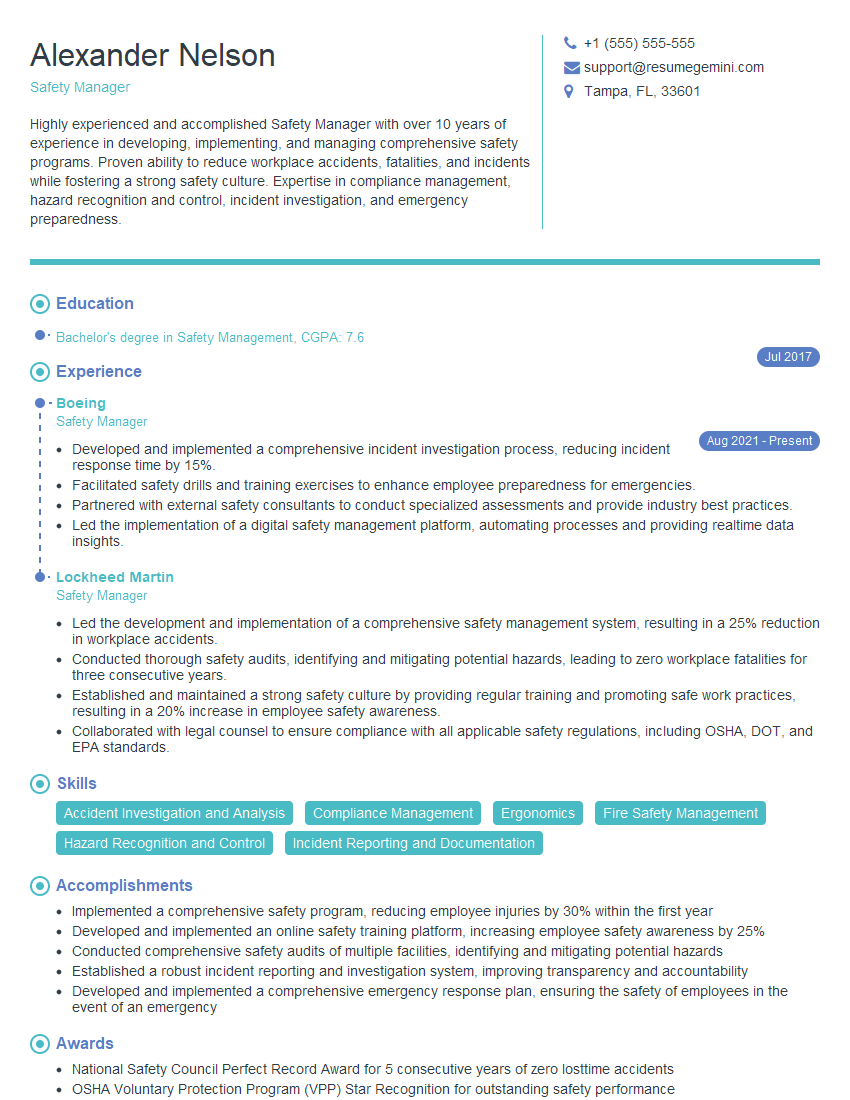
Safety Manager Resume Sample

Operations Manager Resume Sample

Logistics Manager Resume Sample
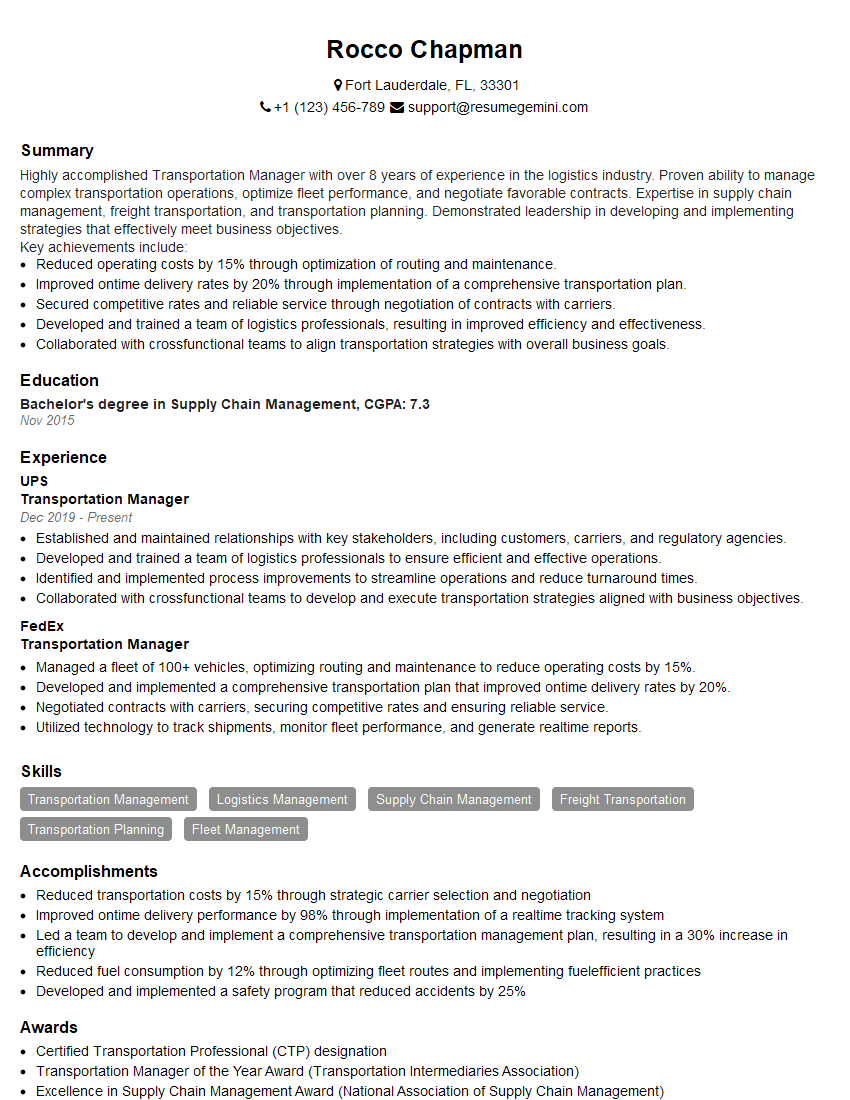
Transportation Manager Resume Sample
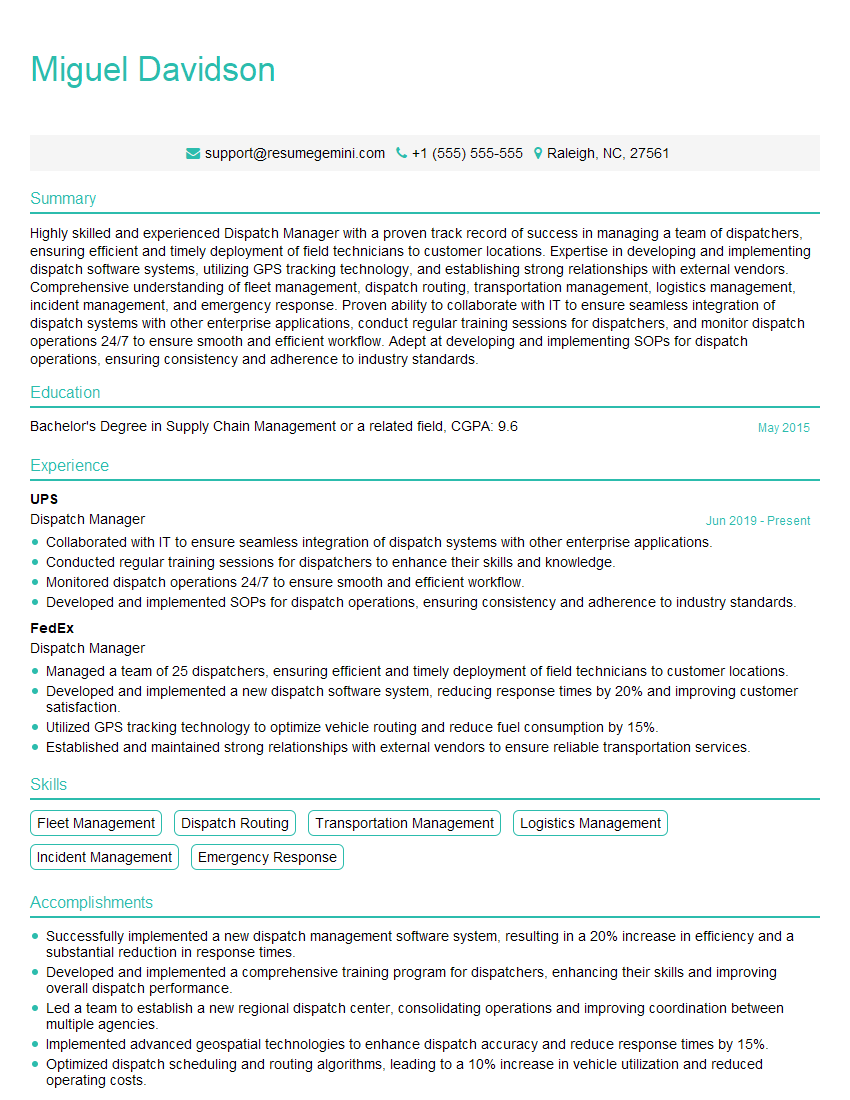
Dispatch Manager Resume Sample
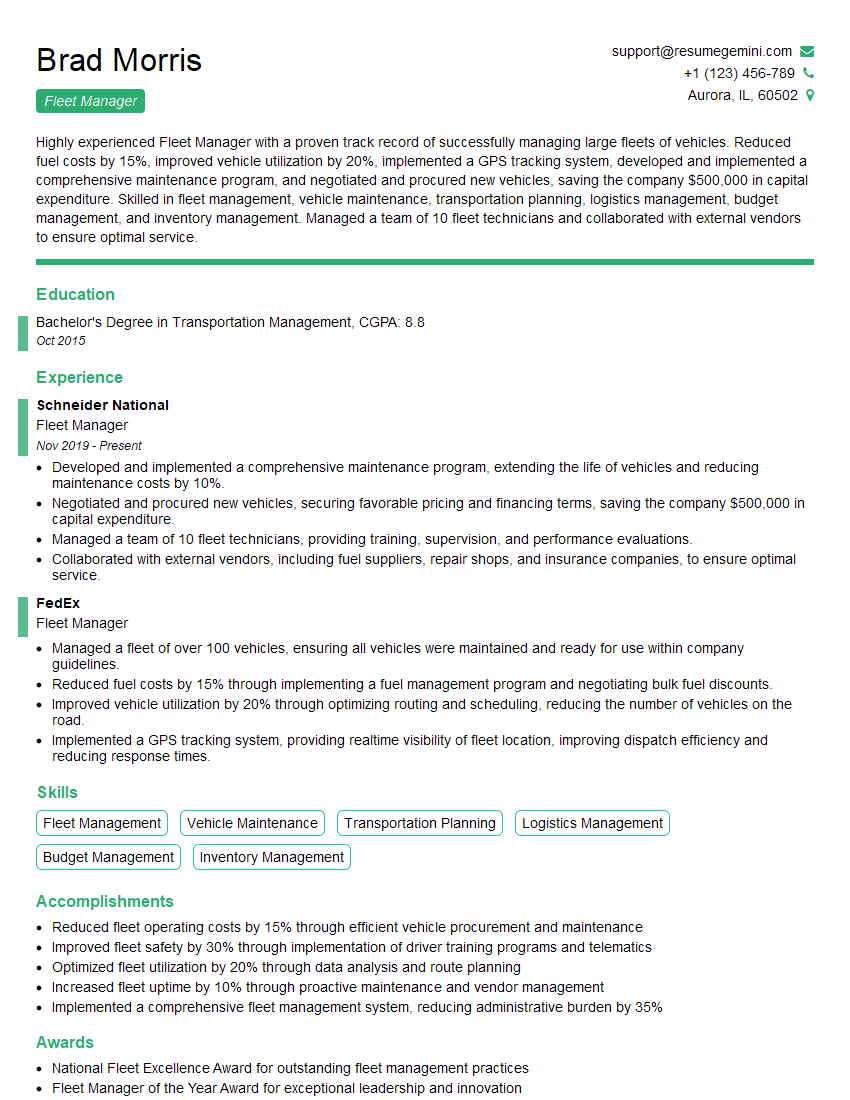
Fleet Manager Resume Sample
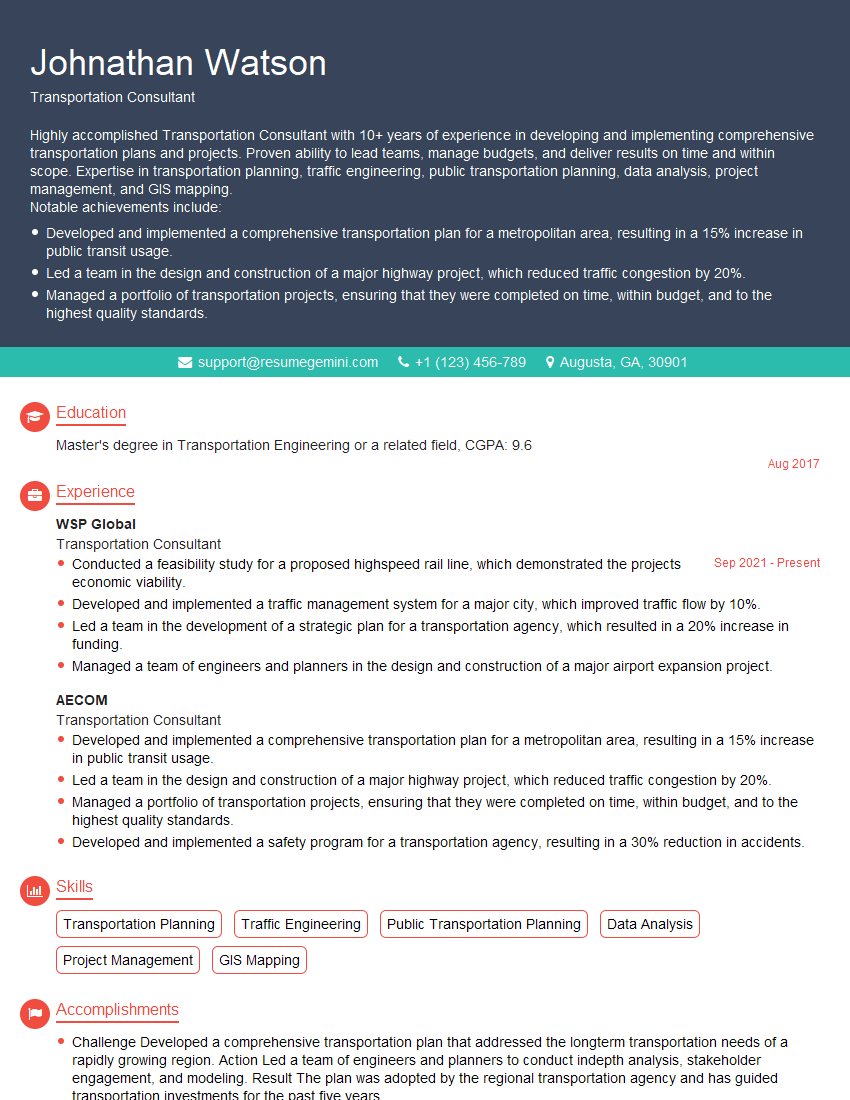
Transportation Consultant Resume Sample
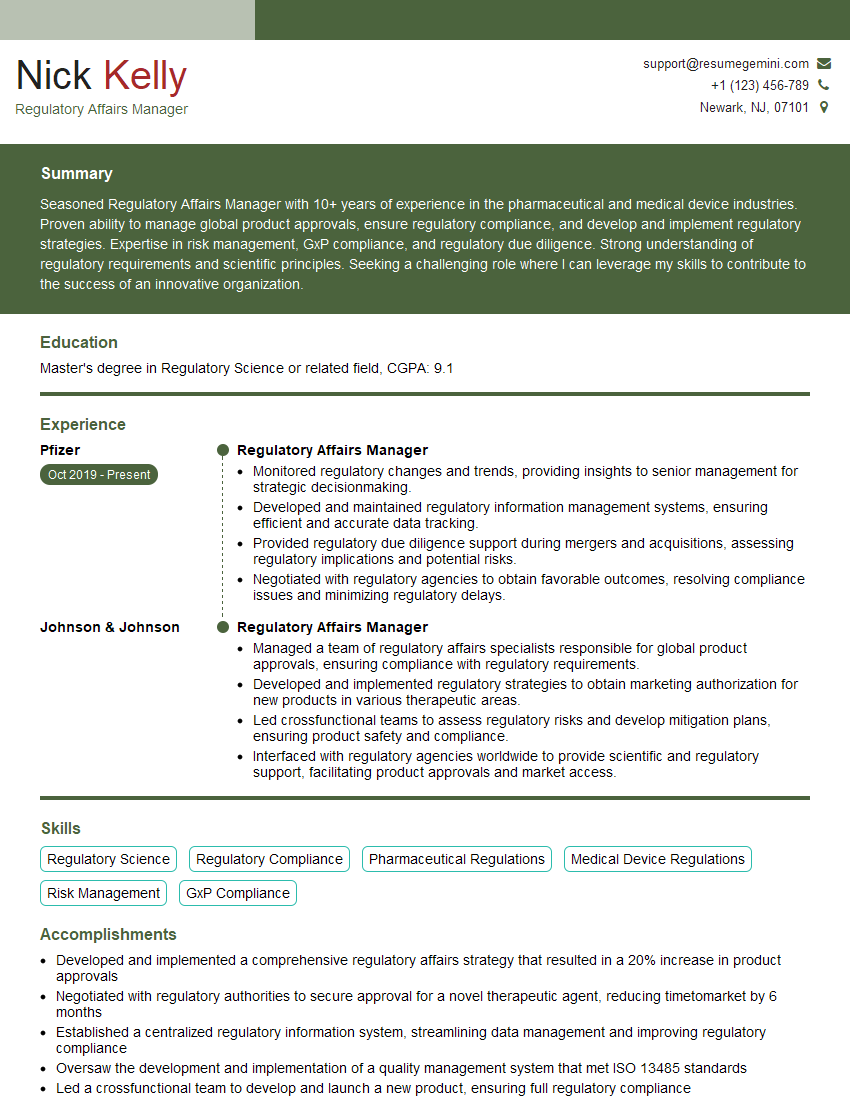
Regulatory Affairs Manager Resume Sample
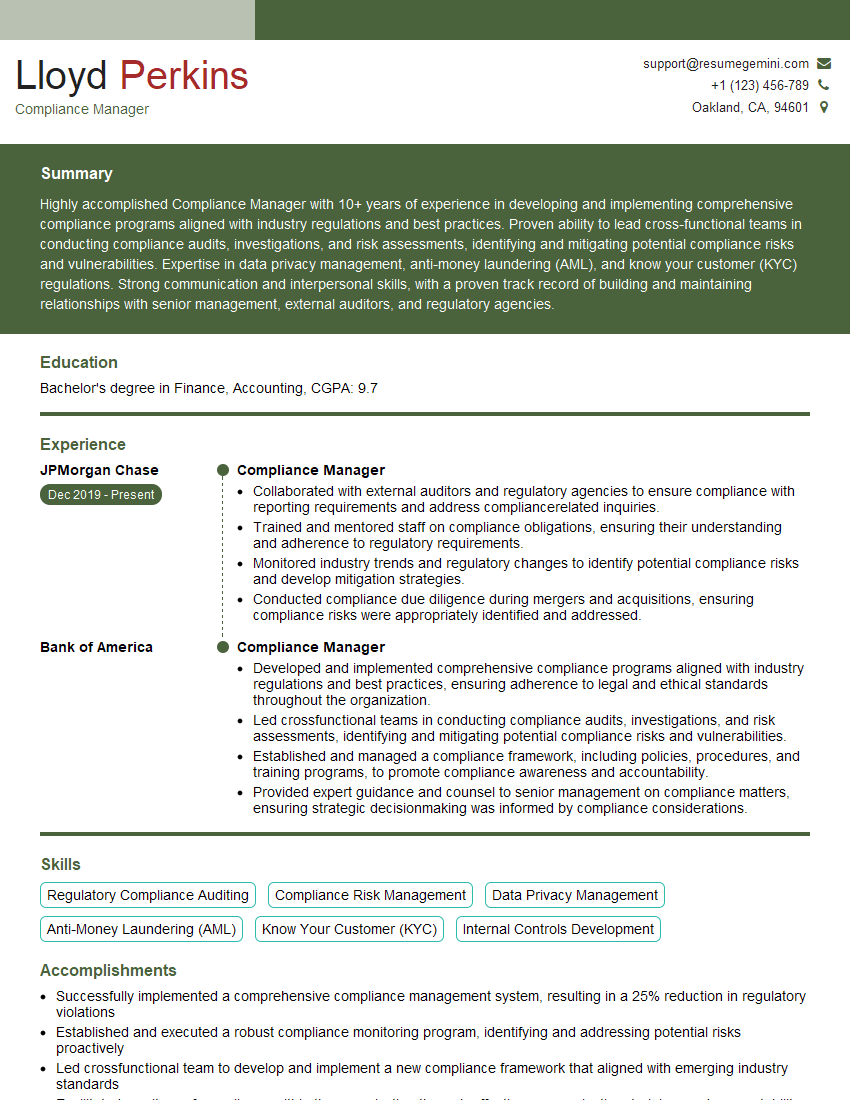
Compliance Manager Resume Sample
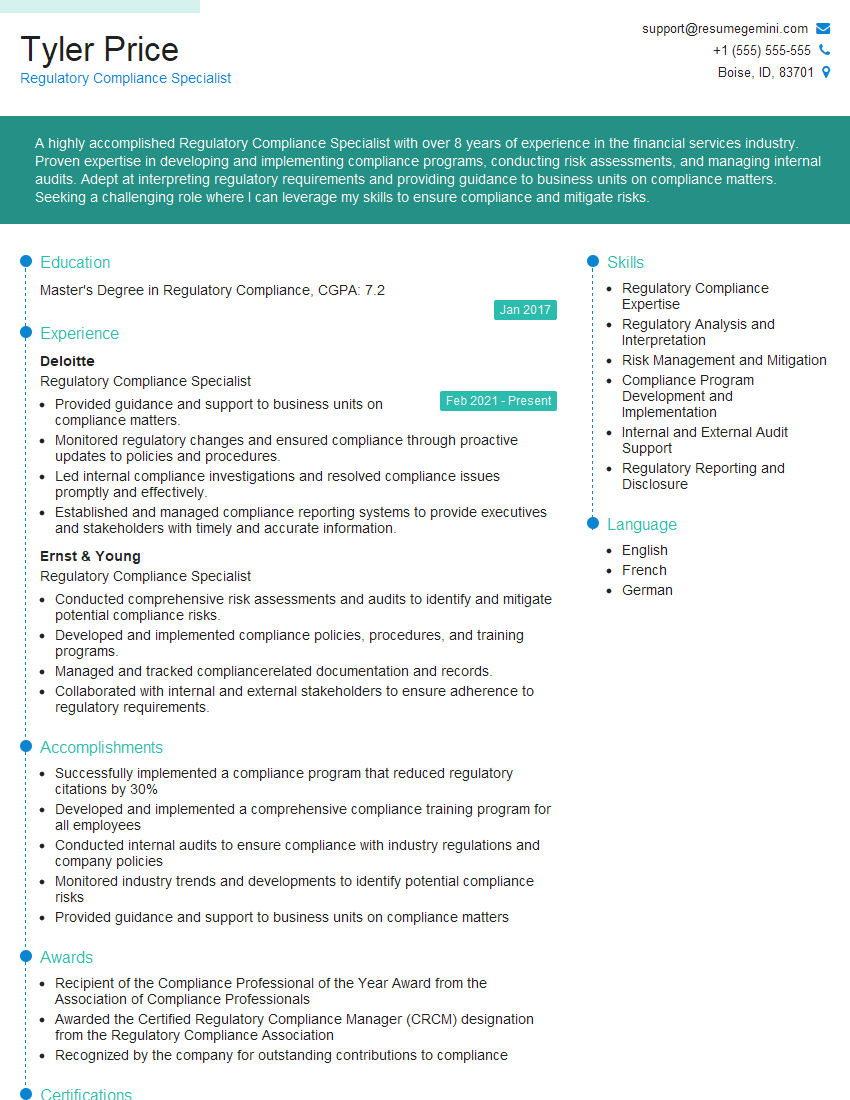
Regulatory Compliance Specialist Resume Sample
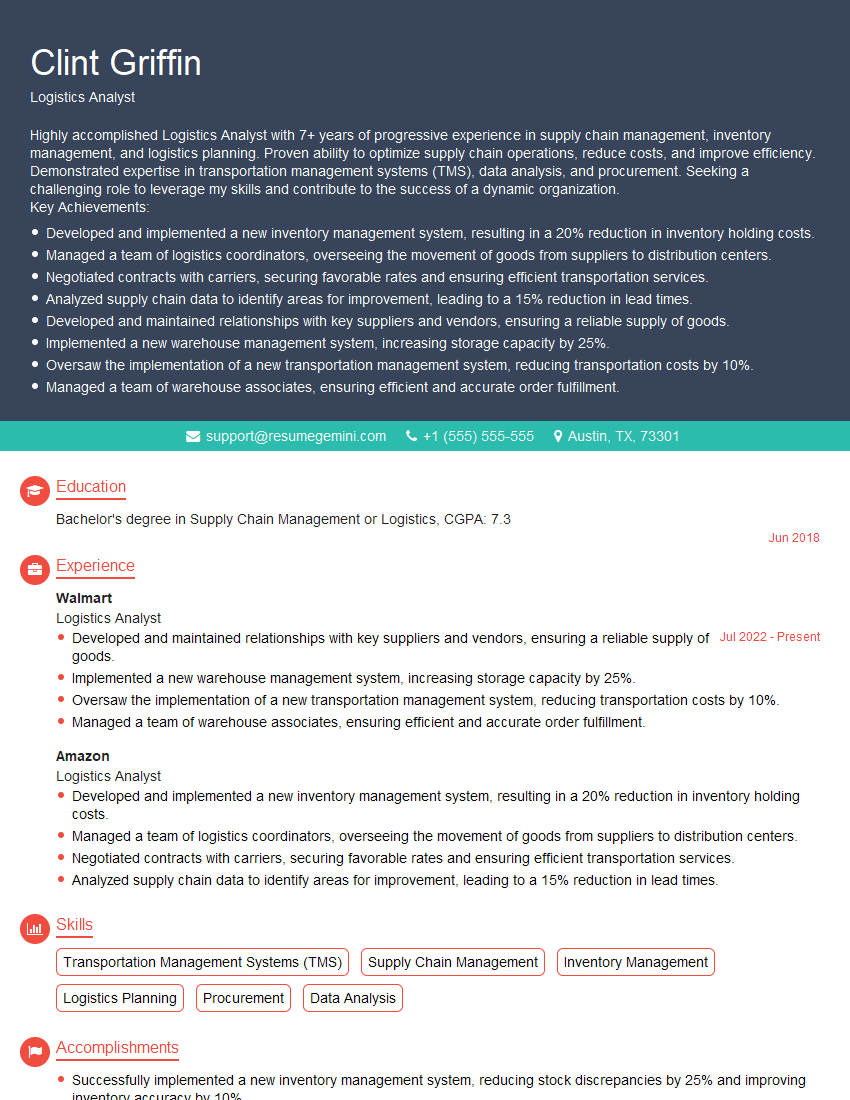
Logistics Analyst Resume Sample
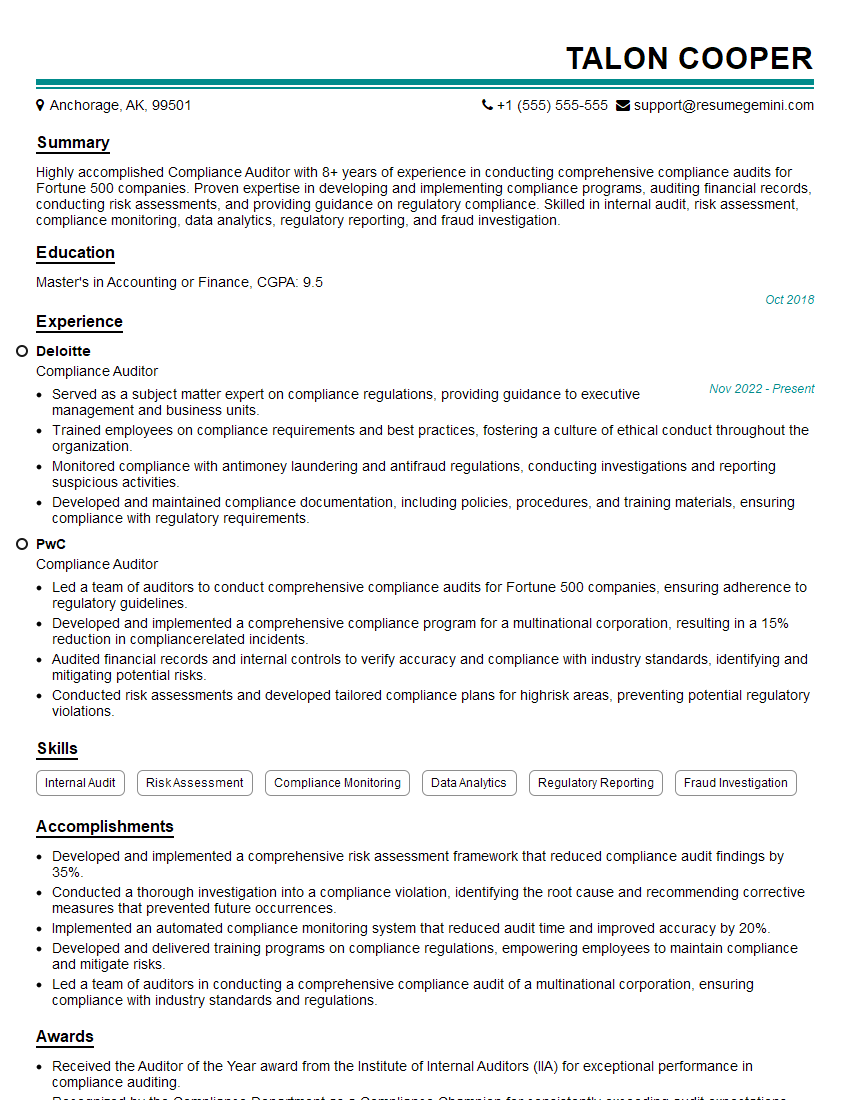
Compliance Auditor Resume Sample
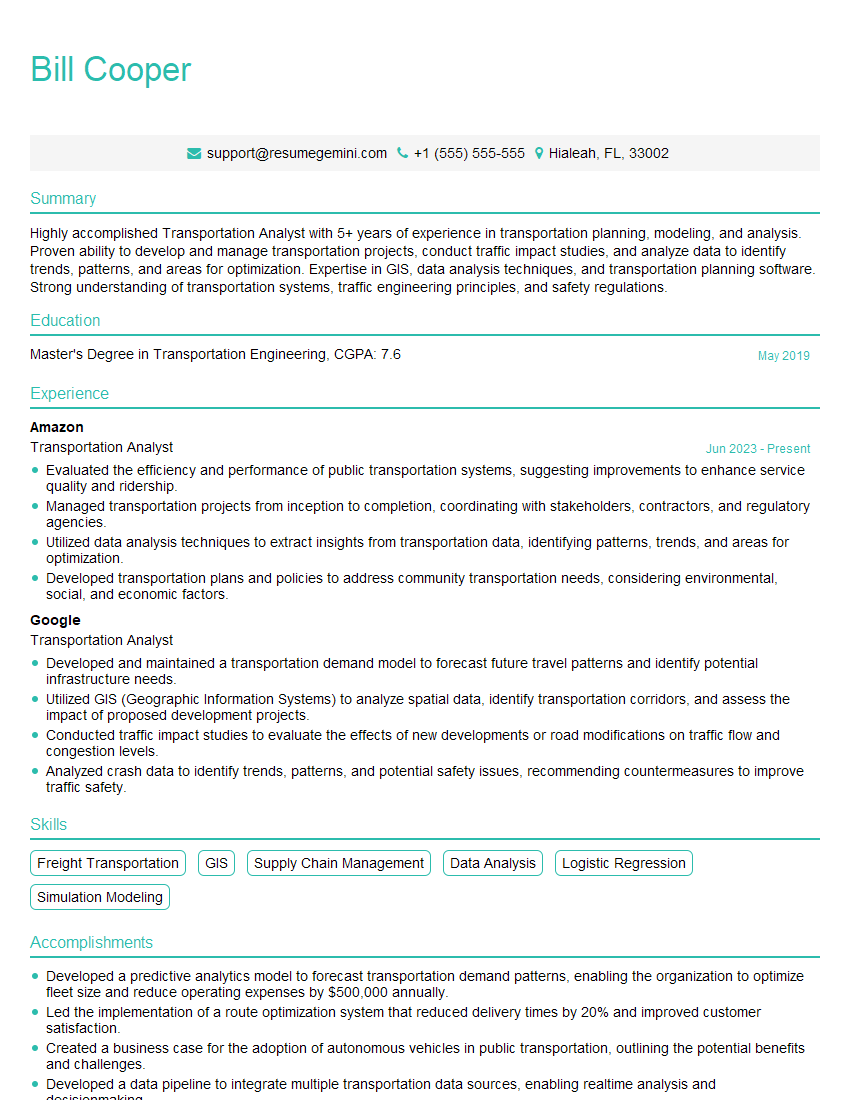
Transportation Analyst Resume Sample
Explore more articles
Users Rating of Our Blogs
Share Your Experience
We value your feedback! Please rate our content and share your thoughts (optional).
What Readers Say About Our Blog
I Redesigned Spongebob Squarepants and his main characters of my artwork.
https://www.deviantart.com/reimaginesponge/art/Redesigned-Spongebob-characters-1223583608
IT gave me an insight and words to use and be able to think of examples
Hi, I’m Jay, we have a few potential clients that are interested in your services, thought you might be a good fit. I’d love to talk about the details, when do you have time to talk?
Best,
Jay
Founder | CEO