Interviews are more than just a Q&A session—they’re a chance to prove your worth. This blog dives into essential Identify and Resolve Operational Problems interview questions and expert tips to help you align your answers with what hiring managers are looking for. Start preparing to shine!
Questions Asked in Identify and Resolve Operational Problems Interview
Q 1. Describe your process for identifying the root cause of an operational problem.
Identifying the root cause of an operational problem is crucial for effective problem-solving. I employ a structured approach, often using the “5 Whys” technique combined with data analysis. This involves systematically asking “why” five times to drill down to the underlying cause, avoiding superficial solutions. For example, if a website is experiencing slow load times, I wouldn’t stop at ‘the server is slow.’ I’d continue asking: Why is the server slow? (High CPU usage). Why is the CPU usage high? (A specific application is consuming excessive resources). Why is that application consuming so many resources? (A bug in the code). Why wasn’t the bug caught earlier? (Inadequate testing procedures).
Beyond the 5 Whys, I utilize data analysis tools to examine logs, metrics, and performance indicators. This provides objective evidence supporting the root cause analysis. Visualizing data through charts and graphs helps identify trends and correlations, which often reveal hidden factors contributing to the problem. A combination of these methods helps to ensure a thorough and accurate diagnosis, preventing recurrence.
Q 2. How do you prioritize competing operational issues?
Prioritizing competing operational issues requires a strategic approach that balances urgency and impact. I use a prioritization matrix, often a combination of urgency (how quickly it needs addressing) and impact (how severe the consequences will be if left unaddressed). This matrix helps visualize issues and rank them accordingly. High urgency, high impact issues are addressed immediately; high impact, low urgency issues are scheduled for timely attention; while low impact, low urgency issues are deferred. This approach ensures resources are allocated effectively to maximize overall operational efficiency. Think of it as a triage system in a hospital – the most critical cases get immediate attention.
Furthermore, I consider factors like dependencies between issues. Resolving one issue might automatically resolve others. This needs careful consideration before finalizing the priority order. Transparency with the team and stakeholders is critical, ensuring everyone understands the rationale behind the prioritization decisions.
Q 3. Explain a time you had to troubleshoot a complex technical problem.
In a previous role, we experienced a significant outage in our e-commerce platform during a peak sales period. Initially, the error message pointed to a database connection issue. However, a simple database restart didn’t resolve the problem. I started by systematically checking logs for clues. I discovered that concurrent access to a specific table had caused a deadlock – a situation where two or more database processes are blocked indefinitely, waiting for each other to release resources.
The solution involved multiple steps: Firstly, I identified the specific SQL queries causing the deadlock through analyzing the database logs. Secondly, I optimized those queries to minimize resource contention and improve concurrency. Finally, we implemented a temporary workaround involving load balancing to distribute the traffic more evenly across the database servers. This immediate action lessened the impact. Afterward, a permanent solution was found by implementing appropriate database indexing and transaction management techniques to prevent future deadlocks.
Q 4. What metrics do you use to measure operational efficiency?
Measuring operational efficiency involves tracking key performance indicators (KPIs). These metrics vary depending on the specific operational context. However, some common ones include:
- Uptime/Downtime: Measures the percentage of time a system is operational.
- Mean Time To Resolution (MTTR): Indicates the average time taken to resolve an incident.
- Mean Time Between Failures (MTBF): Measures the average time between system failures.
- Customer Satisfaction (CSAT): Measures customer happiness with the service.
- Resource Utilization: Tracks the efficiency of resource usage (CPU, memory, bandwidth).
By monitoring these metrics, we can identify areas for improvement, track progress, and demonstrate the overall health and effectiveness of our operations. Regular reporting on these KPIs keeps stakeholders informed and enables data-driven decision-making.
Q 5. How do you handle escalated operational issues requiring immediate attention?
Escalated operational issues requiring immediate attention necessitate a rapid and coordinated response. My approach involves:
- Immediate Acknowledgement: Acknowledging the issue and confirming receipt of the escalation.
- Rapid Assessment: Quickly assessing the impact and severity of the issue.
- Incident Response Team Activation: Bringing together the necessary team members to address the issue.
- Communication Plan: Establishing clear communication channels to keep stakeholders informed of progress.
- Problem Containment: Implementing temporary measures to mitigate the impact of the issue.
- Root Cause Analysis and Resolution: Identifying the root cause and implementing a permanent solution.
- Post-Incident Review: Conducting a review to learn from the incident and prevent future occurrences.
Clear communication and well-defined escalation procedures are essential for efficient handling of urgent situations.
Q 6. Describe your experience with process improvement methodologies (e.g., Lean, Six Sigma).
I have extensive experience applying Lean and Six Sigma methodologies to improve operational processes. Lean principles focus on eliminating waste and maximizing value for the customer. I’ve used value stream mapping to visualize and analyze workflows, identifying bottlenecks and areas for improvement. For instance, in a previous project, we used value stream mapping to streamline our order fulfillment process, reducing lead times by 25% by eliminating unnecessary steps and improving handoffs between departments.
Six Sigma, on the other hand, employs a data-driven approach to reduce variation and defects in processes. I’ve utilized DMAIC (Define, Measure, Analyze, Improve, Control) to systematically improve processes. In one instance, we used DMAIC to reduce the error rate in a data entry process from 5% to less than 0.5%, significantly improving data quality and reducing downstream issues.
Q 7. How do you communicate operational problems and solutions to stakeholders?
Effective communication is key to successful operational management. My approach to communicating operational problems and solutions involves tailoring the message to the audience and the situation. For technical teams, I’d use precise language and technical details, including logs and error reports. For executive stakeholders, I’d focus on the impact on business goals, using concise and high-level summaries.
I typically use a combination of communication methods: Email for formal updates and documentation, instant messaging for quick updates and coordination, and presentations or meetings for detailed explanations and discussions. Regular reporting dashboards provide visual summaries of key metrics and trends. This multi-faceted approach ensures that all stakeholders receive timely and relevant information, fostering understanding and cooperation.
Q 8. What tools or software do you use to monitor and manage operational performance?
Monitoring and managing operational performance requires a robust toolkit. The specific tools depend heavily on the nature of the operation, but some common choices include:
- Monitoring tools: These provide real-time visibility into system performance. Examples include Nagios, Zabbix, Prometheus, and Datadog. These tools often collect metrics like CPU usage, memory consumption, network traffic, and application response times. They can alert administrators to potential issues before they escalate.
- Log management systems: Tools like Splunk, ELK stack (Elasticsearch, Logstash, Kibana), and Graylog aggregate and analyze logs from various sources, allowing for identification of errors, patterns, and performance bottlenecks. They are crucial for post-incident analysis and preventative maintenance.
- Performance management tools: These go beyond basic monitoring, offering deeper insights into application performance, such as transaction tracing and code profiling (e.g., AppDynamics, New Relic). They help pinpoint performance bottlenecks within complex applications.
- Ticketing systems: Systems such as Jira, ServiceNow, or Zendesk help track and manage incidents, requests, and problems, ensuring accountability and efficient resolution. They often integrate with monitoring tools to automatically create tickets based on alerts.
My typical approach is to select a combination of tools that provide comprehensive coverage across different aspects of our operational landscape, ensuring we have the necessary data for proactive and reactive problem-solving. For instance, we might use Prometheus for system-level monitoring, the ELK stack for log analysis, and Jira for incident management. The key is integration – ensuring that all the tools communicate and share data seamlessly.
Q 9. How do you ensure consistent operational performance across different teams or departments?
Consistency in operational performance across different teams requires a multi-faceted approach focusing on standardization, communication, and shared responsibility. This involves:
- Establishing clear service level agreements (SLAs): SLAs define the expected performance standards for various services and processes. They serve as a benchmark for all teams, ensuring everyone understands the expectations.
- Implementing standardized procedures and workflows: Creating documented, consistent processes for common tasks eliminates variability and reduces errors. This includes using standard tools and technologies where feasible.
- Promoting cross-team collaboration and communication: Regular meetings, shared communication channels (e.g., Slack, Microsoft Teams), and shared documentation platforms foster transparency and collaboration, enabling teams to support each other and learn from each other’s experiences.
- Centralized monitoring and reporting: Using a centralized monitoring system allows all teams to see the overall health of the operation and identify areas needing attention. Regular reports highlight performance metrics, providing accountability and transparency.
- Training and knowledge sharing: Consistent training ensures everyone understands the procedures, tools, and best practices. Knowledge sharing platforms allow teams to learn from each other’s successes and challenges.
For example, in a previous role, we implemented a standardized incident management process across all our engineering teams, using a shared ticketing system and consistent communication protocols. This led to a significant reduction in resolution times and improved overall operational efficiency.
Q 10. How do you manage operational risks and prevent future problems?
Managing operational risks and preventing future problems requires a proactive approach combining risk assessment, mitigation strategies, and continuous improvement. This typically involves:
- Identifying potential risks: Regularly conduct risk assessments to identify potential threats to operational performance, considering factors like hardware failures, software bugs, security breaches, and human error. Techniques like Failure Mode and Effects Analysis (FMEA) can be helpful.
- Implementing mitigation strategies: Develop and implement strategies to reduce the likelihood or impact of identified risks. These might include redundancy (e.g., backup systems), failover mechanisms, security measures, and robust error handling.
- Developing disaster recovery plans: Create comprehensive plans to ensure business continuity in the event of major incidents or disasters. These plans should outline procedures for restoring critical systems and data.
- Regularly reviewing and updating procedures: Procedures should be reviewed and updated regularly to reflect changes in technology, processes, and risk profiles. Lessons learned from incidents should be incorporated into updates.
- Proactive monitoring and alerting: Implement robust monitoring systems with alerts that trigger timely responses to potential problems, preventing small issues from escalating.
- Automation: Automating tasks reduces human error and improves consistency, thus mitigating certain operational risks.
For instance, by implementing automated backups and a failover mechanism for our primary database, we significantly reduced the risk of data loss due to hardware failure. This proactive approach saved us considerable time and resources during a recent hardware outage.
Q 11. Describe a situation where you had to make a difficult decision under pressure to resolve an operational problem.
During a major software release, we experienced a critical system failure just hours before the planned go-live. The failure was caused by a previously undetected incompatibility between two key components. The pressure was immense, as the release was highly anticipated and a delay would have significant business consequences.
My team and I had to make a difficult decision: attempt a quick fix, risking further complications, or delay the release and thoroughly investigate the problem. After careful evaluation of the risks and potential impact, we opted for a delay. We prioritized thorough testing and root cause analysis to ensure the fix was stable and reliable. While this decision caused initial frustration, it prevented a far more serious and costly incident later. This taught me the value of careful analysis and the importance of prioritizing stability over speed in high-stakes situations.
Q 12. How do you document operational procedures and knowledge?
Effective documentation of operational procedures and knowledge is critical for maintaining consistency, training new staff, and facilitating efficient problem-solving. My approach involves a combination of methods:
- Standard operating procedures (SOPs): Detailed, step-by-step guides for common tasks and processes are created and stored in a central repository (e.g., a wiki, documentation management system). These SOPs should be regularly reviewed and updated.
- Knowledge bases: Centralized repositories of information, including troubleshooting guides, FAQs, and best practices, are maintained. These can be internal wikis or dedicated knowledge management systems.
- Runbooks: Detailed instructions and scripts for handling common incidents or emergencies are developed. These runbooks are essential for efficient incident response.
- Version control: Using version control systems (e.g., Git) for documenting code, configuration files, and scripts ensures that changes are tracked, making it easier to revert to previous versions if necessary.
- Training materials: Develop training materials that incorporate the documented procedures and knowledge. This ensures new staff are properly trained and up to speed quickly.
In my experience, using a combination of these methods, with a focus on clarity, accessibility, and regular updates, has proven highly effective in fostering a culture of knowledge sharing and operational efficiency.
Q 13. How do you handle conflicting priorities when addressing multiple operational issues?
Handling conflicting priorities requires a structured approach that prioritizes issues based on impact and urgency. I typically use a prioritization matrix or a similar framework:
- Impact Assessment: Evaluate the potential impact of each issue on the business, considering factors like financial loss, customer impact, and reputational damage.
- Urgency Assessment: Determine the urgency of addressing each issue, considering factors like the immediacy of the risk and potential for escalation.
- Prioritization Matrix: Combine the impact and urgency assessments to create a prioritization matrix. Issues are categorized into high impact/high urgency, high impact/low urgency, low impact/high urgency, and low impact/low urgency. This allows for focused attention on the most critical issues first.
- Communication: Transparency is key. Communicate the prioritization rationale to stakeholders and affected teams, managing expectations effectively.
- Escalation: If necessary, escalate issues that require resources or expertise beyond the immediate team’s capabilities.
For example, in a situation where we had a critical security vulnerability and a less impactful performance issue, we prioritized the security vulnerability due to its significantly higher potential impact. This approach ensures resources are focused on the most critical tasks, effectively managing conflicting priorities.
Q 14. Explain your experience with using data analysis to identify operational bottlenecks.
Data analysis is crucial for identifying operational bottlenecks. My experience involves leveraging various tools and techniques:
- Monitoring data analysis: Analyzing metrics collected by monitoring tools (e.g., CPU usage, memory consumption, network latency) can reveal performance bottlenecks. For instance, consistently high CPU usage might indicate a need to optimize a particular process or scale resources.
- Log analysis: Examining logs can identify patterns and errors that contribute to operational inefficiencies or failures. Tools like the ELK stack facilitate efficient log analysis and identification of error trends.
- Application performance monitoring (APM): APM tools provide detailed insights into application performance, including transaction tracing and code profiling. This enables the identification of slow or inefficient code segments that impact overall performance.
- Database performance monitoring: Analyzing database queries and performance metrics can reveal bottlenecks in data access, improving application responsiveness.
- Statistical analysis: Techniques like regression analysis can be used to identify correlations between different variables and pinpoint the root causes of performance issues.
In a previous role, we used log analysis to discover that a specific database query was consistently taking an excessive amount of time, impacting application response times. By optimizing the query, we drastically improved application performance and resolved a significant operational bottleneck. This underscores the importance of using data-driven insights to identify and resolve operational issues efficiently.
Q 15. How do you measure the effectiveness of your solutions to operational problems?
Measuring the effectiveness of solutions to operational problems requires a multi-faceted approach. It’s not enough to simply fix the immediate issue; we need to assess the long-term impact and prevent recurrence. I typically use a combination of quantitative and qualitative methods.
Key Performance Indicators (KPIs): Before implementing a solution, I define relevant KPIs that directly measure the problem’s impact. For example, if the problem is slow order processing, my KPIs might include order processing time, customer satisfaction scores related to order fulfillment, and the number of order-related complaints. After implementing the solution, I track these KPIs to see if there’s a significant and sustained improvement.
Qualitative Feedback: I gather feedback from stakeholders involved – employees, customers, and management – through surveys, interviews, or focus groups. This helps understand the impact on morale, workflow, and overall business operations. This qualitative data provides context and helps uncover issues that KPIs might miss.
Root Cause Analysis (RCA): Even after a successful fix, a post-implementation RCA is crucial. This helps understand the effectiveness of the solution in addressing the root cause, not just the symptoms. If the root cause wasn’t fully addressed, the problem might re-emerge later.
Cost-Benefit Analysis: Finally, I conduct a cost-benefit analysis to determine the return on investment (ROI) of the implemented solution. This compares the cost of implementing the solution with the benefits gained (e.g., increased efficiency, reduced costs, improved customer satisfaction).
For instance, in a previous role, we tackled slow website loading times. Our KPIs included page load speed, bounce rate, and conversion rates. After implementing a solution involving server upgrades and code optimization, we saw a 50% reduction in page load time, a 15% decrease in bounce rate, and a 10% increase in conversions. This quantitative data, along with positive feedback from users, confirmed the solution’s effectiveness.
Career Expert Tips:
- Ace those interviews! Prepare effectively by reviewing the Top 50 Most Common Interview Questions on ResumeGemini.
- Navigate your job search with confidence! Explore a wide range of Career Tips on ResumeGemini. Learn about common challenges and recommendations to overcome them.
- Craft the perfect resume! Master the Art of Resume Writing with ResumeGemini’s guide. Showcase your unique qualifications and achievements effectively.
- Don’t miss out on holiday savings! Build your dream resume with ResumeGemini’s ATS optimized templates.
Q 16. What are some common operational problems you’ve encountered in your previous roles?
Throughout my career, I’ve encountered various operational problems. Some common ones include:
Process Bottlenecks: Identifying and resolving inefficiencies in workflows, often due to outdated systems, lack of automation, or poorly defined processes. For example, a manual approval process slowing down invoice processing.
System Failures/Outages: Troubleshooting technical issues that disrupt operations, requiring quick diagnosis and remediation to minimize downtime. This could range from server crashes to network connectivity problems.
Lack of Communication/Collaboration: Ineffective communication across teams leading to misunderstandings, duplicated efforts, and delays in project completion. For example, a sales team not being informed about a change in product specifications.
Data Integrity Issues: Inaccurate or incomplete data leading to incorrect decision-making, reporting errors, and regulatory compliance problems. For example, inconsistent data entry across different departments.
Inadequate Training/Onboarding: Insufficient training for employees resulting in low productivity, high error rates, and decreased job satisfaction. For example, newly hired employees struggling with critical software due to insufficient training.
Q 17. How do you adapt your problem-solving approach based on the nature of the operational problem?
My problem-solving approach is adaptable and depends heavily on the nature of the operational problem. I use a structured approach that combines various methodologies.
For technical problems (e.g., system outages): I leverage my technical expertise, utilize diagnostic tools, and often follow a troubleshooting methodology like the five whys to identify the root cause. Collaboration with IT is crucial here.
For process-related problems (e.g., bottlenecks): I employ process mapping, lean methodologies, or Six Sigma techniques to identify inefficiencies and redesign processes for optimal flow. Data analysis and stakeholder input are vital in this case.
For people-related problems (e.g., communication breakdowns): I focus on building consensus, fostering open communication, and establishing clear roles and responsibilities. Effective communication strategies and team-building exercises are key.
The key is to select the most appropriate tools and techniques based on the specific problem and context. A flexible and adaptable approach is crucial for effective problem-solving.
Q 18. Describe a time you had to escalate an operational issue to senior management.
In a previous role, we experienced a significant database corruption that affected our customer relationship management (CRM) system. Initial attempts to resolve the issue through standard troubleshooting procedures were unsuccessful, and the downtime was impacting sales and customer service severely. After several hours of unsuccessful attempts, I escalated the issue to senior management, providing them with a concise report detailing:
The nature of the problem: Precisely outlining the database corruption and its impact on business operations.
Steps already taken: Summarizing the troubleshooting attempts and their outcomes.
Potential impact: Quantifying the financial and reputational risks of continued downtime.
Proposed solutions: Suggesting potential solutions, including engaging external database experts.
Senior management immediately approved the engagement of external experts, and the issue was resolved within 24 hours. This situation highlighted the importance of timely escalation when internal resources are insufficient to handle a critical operational problem.
Q 19. How do you collaborate with cross-functional teams to solve operational problems?
Collaboration with cross-functional teams is essential for resolving complex operational problems. I employ several strategies to ensure effective teamwork:
Establish clear communication channels: Regular meetings, shared communication platforms (e.g., Slack, Microsoft Teams), and clear documentation are used to keep everyone informed.
Define roles and responsibilities: Each team member’s role in the problem-solving process is clearly defined, minimizing confusion and overlapping efforts.
Facilitate open communication: I encourage open dialogue, active listening, and constructive feedback among team members, creating a safe space for problem discussion.
Utilize collaborative tools: Shared documents, project management software (e.g., Jira, Asana), and online whiteboards are used to facilitate collaboration and track progress.
Regular progress updates: Regular updates and meetings are scheduled to monitor progress, identify roadblocks, and make necessary adjustments.
For example, when dealing with a supply chain disruption, I’d collaborate with the procurement, logistics, and sales teams to identify alternative suppliers, adjust inventory levels, and communicate with customers about potential delays.
Q 20. Explain your understanding of change management in the context of resolving operational problems.
Change management is crucial when resolving operational problems, especially when solutions require changes to processes, systems, or employee workflows. It’s about managing the human aspect of change to ensure smooth implementation and minimize disruption. I use a phased approach:
Planning & Communication: Clearly communicate the need for change, its impact, and the steps involved. This includes addressing concerns and obtaining buy-in from stakeholders.
Training & Support: Provide adequate training and ongoing support to employees impacted by the changes. This ensures they can adapt to new processes and technologies effectively.
Implementation & Monitoring: Implement changes in a phased approach, carefully monitoring the impact on key metrics and making adjustments as needed.
Evaluation & Feedback: Regularly evaluate the effectiveness of the changes and gather feedback from stakeholders to continuously improve the process.
Ignoring the human element of change can lead to resistance, low adoption rates, and ultimately, failure of the implemented solution. A well-defined change management plan is crucial for successful problem resolution.
Q 21. How do you ensure that solutions to operational problems are sustainable in the long term?
Ensuring the long-term sustainability of solutions requires a focus on addressing the root cause of the problem, not just the symptoms. This includes:
Root Cause Analysis (RCA): Thoroughly investigate the root cause using techniques like the five whys or fishbone diagrams. This prevents the problem from recurring.
Process Improvement: Implement changes to processes and systems to prevent future occurrences. This might involve automation, standardization, or improved training.
Monitoring and Evaluation: Continuously monitor key performance indicators (KPIs) to ensure the solution remains effective over time. Regular review and adjustments might be needed.
Documentation and Knowledge Sharing: Document the problem, solution, and lessons learned. Share this knowledge across teams to prevent similar problems in the future.
Building Resilience: Design solutions that are robust and resilient to unexpected events or changes in the business environment. This might involve contingency planning and redundant systems.
For instance, if a supply chain disruption caused a production bottleneck, a sustainable solution would involve diversifying suppliers, building strategic inventory buffers, and implementing a robust supply chain management system. This approach tackles the underlying vulnerability, not just the immediate shortage.
Q 22. What is your approach to training others on how to identify and resolve operational problems?
My approach to training others on identifying and resolving operational problems is multifaceted and focuses on a blend of theoretical knowledge and practical application. I begin by establishing a clear understanding of the operational context – what systems are involved, what the key performance indicators (KPIs) are, and what constitutes a problem. Then, I move into a structured learning process:
- Theoretical foundation: We explore common problem types (e.g., performance bottlenecks, security breaches, software bugs) and methodologies for troubleshooting (e.g., the 5 Whys, Pareto analysis). I use real-world examples from my experience to illustrate these concepts.
- Hands-on practice: I incorporate simulations and real-life case studies to allow trainees to practice their problem-solving skills in a safe environment. This could involve working through simulated system outages or analyzing performance data to pinpoint bottlenecks.
- Mentorship and feedback: I provide ongoing mentorship and feedback during the training and afterwards. I encourage trainees to document their problem-solving process, and I review their work to identify areas for improvement. I also emphasize the importance of continuous learning and staying updated with the latest technologies and best practices.
- Knowledge sharing: We establish a collaborative environment where trainees can share their experiences, challenges, and solutions with each other. This fosters peer learning and creates a culture of continuous improvement.
Think of it like learning to cook – you need the recipes (theory), practice cooking (hands-on), feedback from experienced chefs (mentorship), and the opportunity to experiment and create your own dishes (knowledge sharing).
Q 23. Describe a time you failed to resolve an operational problem. What did you learn?
In a previous role, we experienced a significant drop in website performance during a major marketing campaign. We initially suspected a server overload and focused our efforts on scaling up server capacity. However, after several hours of troubleshooting, the problem persisted. We learned later that the issue wasn’t with the server, but a poorly optimized database query that was consuming excessive resources. This was a crucial lesson in comprehensive root cause analysis. We initially focused on the most obvious symptoms (slow website) and failed to investigate the underlying cause (inefficient database query).
The key takeaway was the importance of a methodical approach to troubleshooting. We now employ a more structured process that includes:
- Gather data: Thoroughly collect data from various sources (logs, monitoring tools, user feedback) before jumping to conclusions.
- Identify patterns: Look for recurring issues or correlations to narrow down the potential causes.
- Test hypotheses: Systematically test different hypotheses to isolate the root cause.
- Document findings: Meticulously record every step taken during the troubleshooting process to ensure future reference and improve future incident response.
This experience reinforced the necessity of going beyond the surface-level symptoms and exploring all potential causes, even seemingly unlikely ones.
Q 24. How do you use technology to enhance operational efficiency and problem-solving?
Technology plays a critical role in enhancing operational efficiency and problem-solving. I leverage various tools and techniques to achieve this:
- Monitoring and Alerting Systems: Tools like Prometheus, Grafana, and Datadog provide real-time insights into system performance, allowing for proactive identification and resolution of potential problems before they impact users. For instance, an alert triggered by abnormally high CPU utilization on a specific server can prevent a complete system failure.
- Automated Incident Management: Platforms like PagerDuty or Opsgenie streamline the incident response process by automating alerts, routing notifications, and tracking resolution progress. This ensures faster responses and improved collaboration among teams.
- Log Aggregation and Analysis: Tools such as Elasticsearch, Logstash, and Kibana (ELK stack) allow for centralized log management and analysis, providing valuable clues for troubleshooting and identifying root causes of operational problems.
Example: Analyzing error logs to find the source of a recurring application crash. - Automated Testing and Deployment: Implementing CI/CD pipelines with automated testing and deployment ensures faster release cycles and reduces the risk of introducing errors into production environments. This minimizes downtime and speeds up the resolution of problems.
These technological advancements reduce manual effort, improve response times, and enhance overall operational effectiveness.
Q 25. What is your experience with developing and implementing operational procedures?
I have extensive experience in developing and implementing operational procedures. My approach is to create clear, concise, and easily understandable documentation that caters to the specific needs and technical expertise of the individuals who will use them. This process includes:
- Needs Assessment: I begin by thoroughly assessing the current operational processes, identifying pain points, and gathering input from stakeholders to understand their requirements.
- Procedure Design: I design procedures that are logical, systematic, and easy to follow. I use flowcharts and diagrams to visualize complex processes and make them more accessible.
- Documentation: I create detailed documentation that includes step-by-step instructions, decision trees, troubleshooting guides, and relevant examples. I ensure the documentation is updated regularly to reflect any changes in technology or operational practices.
- Training and Rollout: I conduct training sessions to familiarize staff with the new procedures and answer any questions they may have. I also provide ongoing support and address any issues that may arise during the rollout.
- Review and Improvement: I regularly review and update the procedures based on feedback from staff and lessons learned from real-world incidents. This ensures that the procedures remain relevant, effective, and up-to-date.
For instance, I developed and implemented a detailed incident management procedure for a previous employer, resulting in a 25% reduction in incident resolution time.
Q 26. How do you stay up-to-date on best practices in operational management?
Staying current with best practices in operational management requires a multi-pronged approach. I actively engage in several strategies:
- Professional Development: I regularly attend conferences, workshops, and webinars related to DevOps, IT operations, and operational excellence. This keeps me abreast of emerging trends and best practices in the field.
- Industry Publications and Blogs: I follow leading industry publications and blogs to stay informed on the latest technologies, methodologies, and best practices. Reading case studies from other organizations provides valuable insights and lessons learned.
- Online Courses and Certifications: I utilize online platforms like Coursera, edX, and Udemy to pursue relevant certifications and enhance my knowledge of specific technologies and management methodologies.
- Networking and Collaboration: I actively participate in professional networks and online communities to engage in discussions, share knowledge, and learn from the experiences of other professionals. This enables collaborative problem-solving and continuous improvement.
Continuous learning ensures I stay competitive and remain adept at tackling operational challenges efficiently and effectively.
Q 27. Describe your experience with performance monitoring and alerting systems.
My experience with performance monitoring and alerting systems is extensive. I’ve worked with a variety of systems, from simple custom scripts to sophisticated commercial platforms. My approach involves understanding the specific needs of the monitored system and selecting the appropriate tools to effectively capture, analyze, and respond to performance data. This includes:
- System Selection: Choosing the right monitoring tools (e.g., Prometheus, Grafana, Datadog) based on factors like scalability, cost, and integration with existing infrastructure.
- Metric Definition: Defining crucial performance metrics (e.g., CPU utilization, memory usage, network latency, request response times) to track system health and identify potential issues.
- Alert Configuration: Configuring appropriate alerts based on predefined thresholds for critical metrics. This ensures timely notification of potential problems, allowing for quick interventions.
- Dashboard Creation: Developing custom dashboards to visualize key performance indicators and system behavior over time. This enables easier identification of trends and patterns in system performance.
- Alert Response: Establishing clear and efficient procedures for handling alerts, ensuring timely investigation and resolution of identified problems.
For example, in a previous role, I implemented a comprehensive monitoring system that reduced our mean time to resolution (MTTR) for critical incidents by 40%.
Key Topics to Learn for Identify and Resolve Operational Problems Interview
- Problem Identification: Mastering techniques for recognizing operational inefficiencies, bottlenecks, and deviations from established processes. This includes data analysis, performance monitoring, and stakeholder communication.
- Root Cause Analysis (RCA): Developing proficiency in various RCA methodologies (e.g., 5 Whys, Fishbone diagrams) to pinpoint the underlying causes of operational problems, not just the symptoms.
- Solution Development & Implementation: Designing and implementing effective solutions, considering feasibility, resource allocation, and potential risks. This includes understanding change management principles.
- Process Improvement Methodologies: Familiarity with Lean, Six Sigma, or other process improvement frameworks to optimize workflows and prevent future issues.
- Metrics and Measurement: Understanding key performance indicators (KPIs) and developing methods for tracking and measuring the effectiveness of implemented solutions.
- Communication and Collaboration: Effective communication strategies for reporting problems, presenting solutions, and collaborating with cross-functional teams.
- Risk Assessment and Mitigation: Identifying potential risks associated with operational problems and developing strategies to mitigate those risks.
- Documentation and Reporting: Creating clear and concise documentation of problem identification, analysis, solution implementation, and outcomes.
Next Steps
Mastering the ability to identify and resolve operational problems is crucial for career advancement in virtually any industry. It demonstrates critical thinking, problem-solving skills, and a proactive approach to improving efficiency. To maximize your job prospects, it’s essential to present these skills effectively on your resume. Creating an ATS-friendly resume is key to getting your application noticed by recruiters. ResumeGemini can help you build a professional and impactful resume that highlights your abilities. We provide examples of resumes tailored to showcase expertise in identifying and resolving operational problems, helping you present yourself in the best possible light to potential employers.
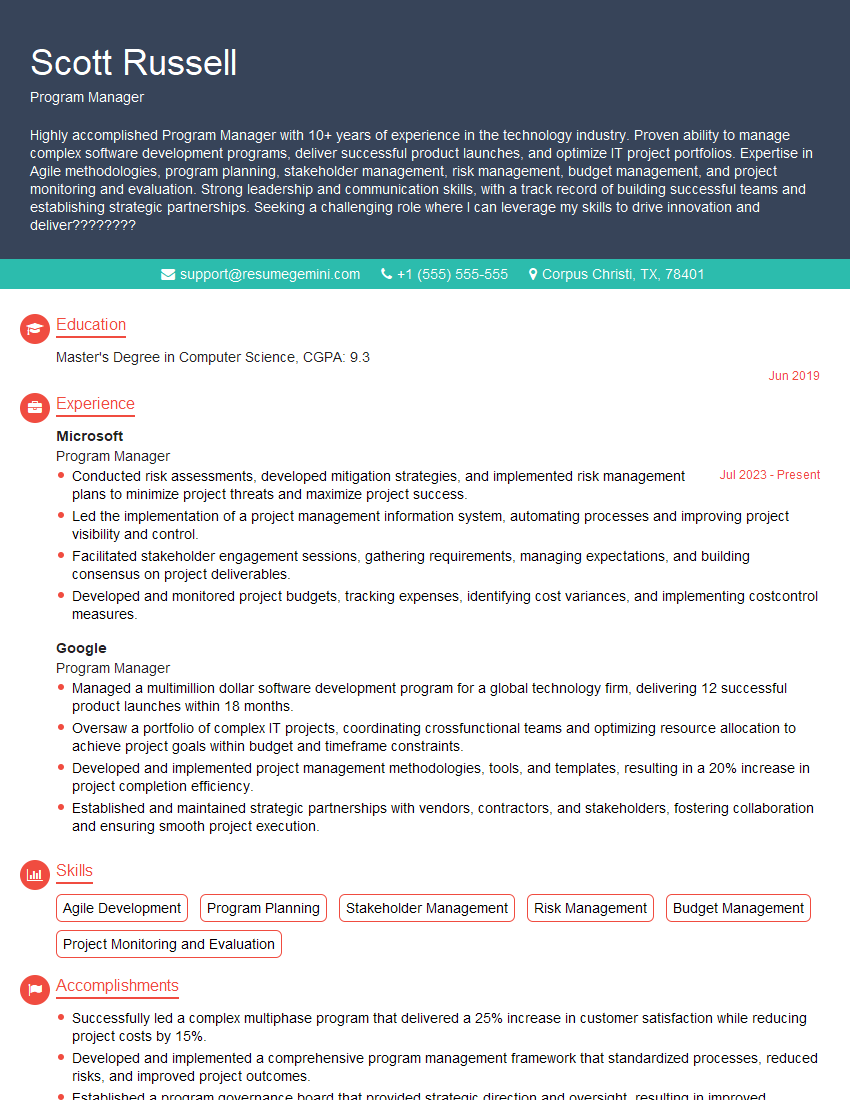
Program Manager Resume Sample
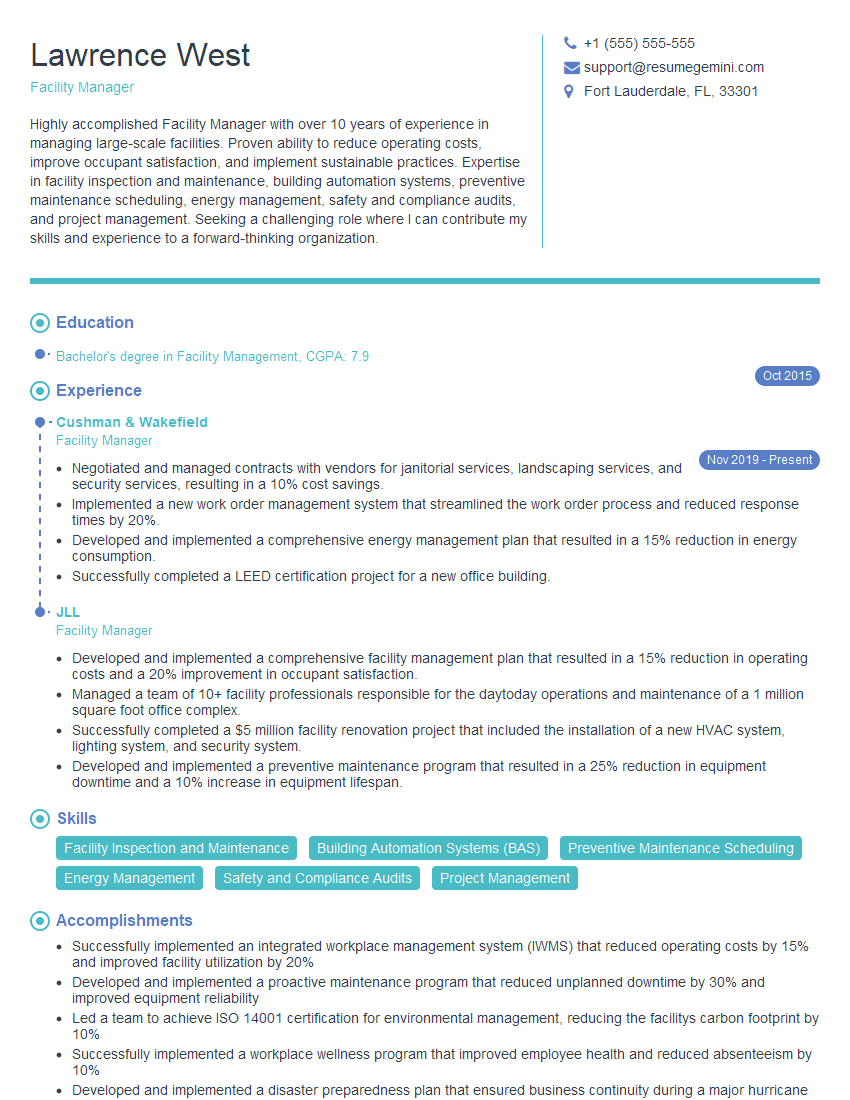
Facility Manager Resume Sample

Operations Manager Resume Sample
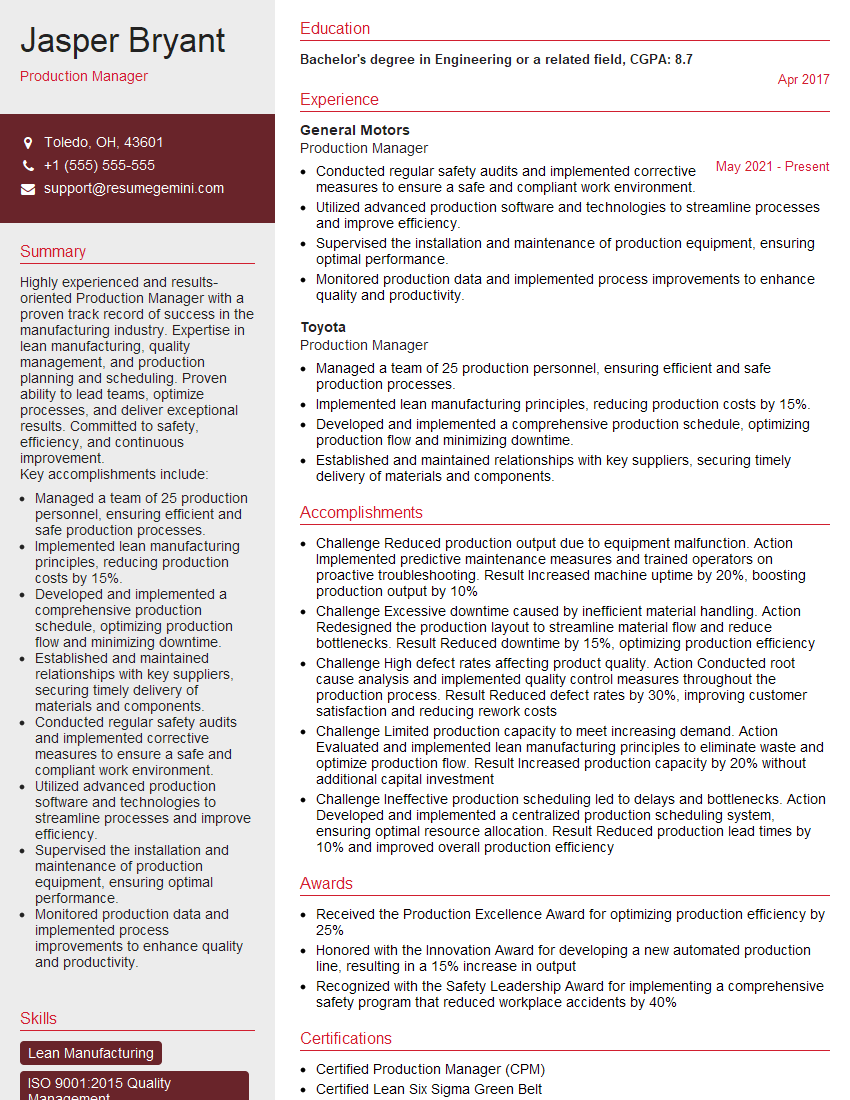
Production Manager Resume Sample
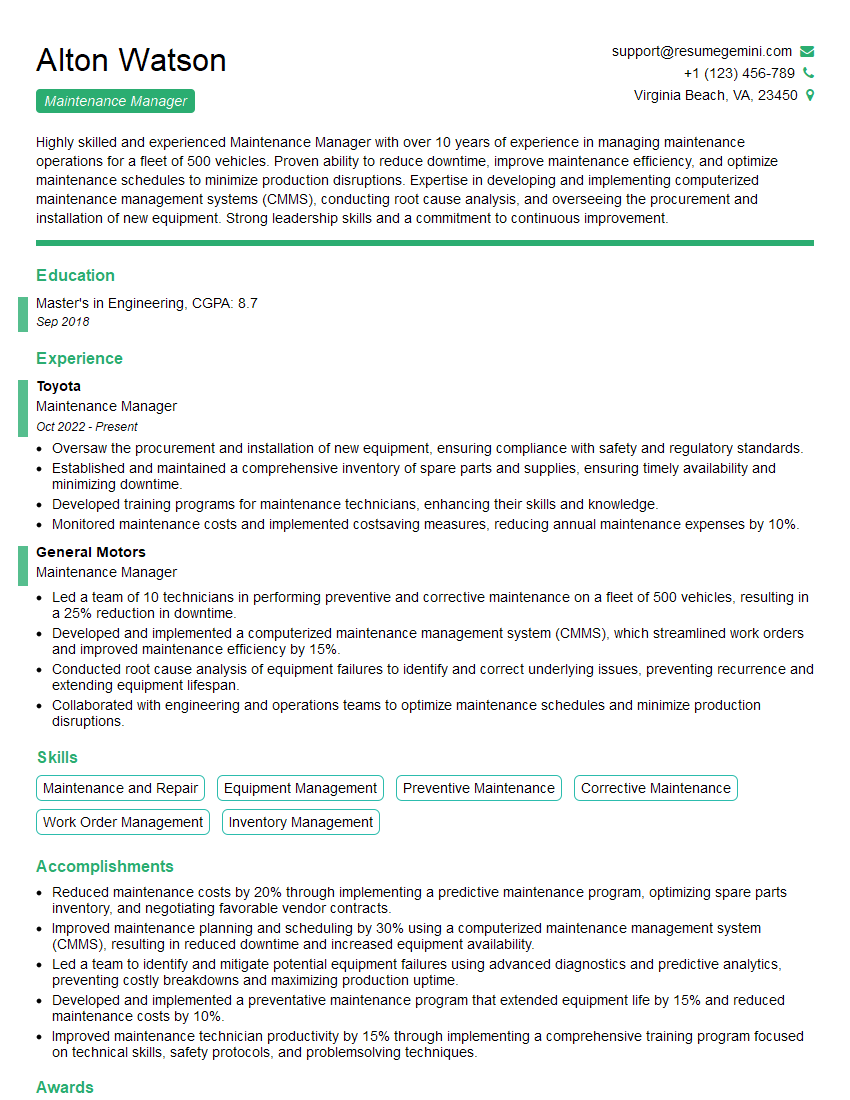
Maintenance Manager Resume Sample
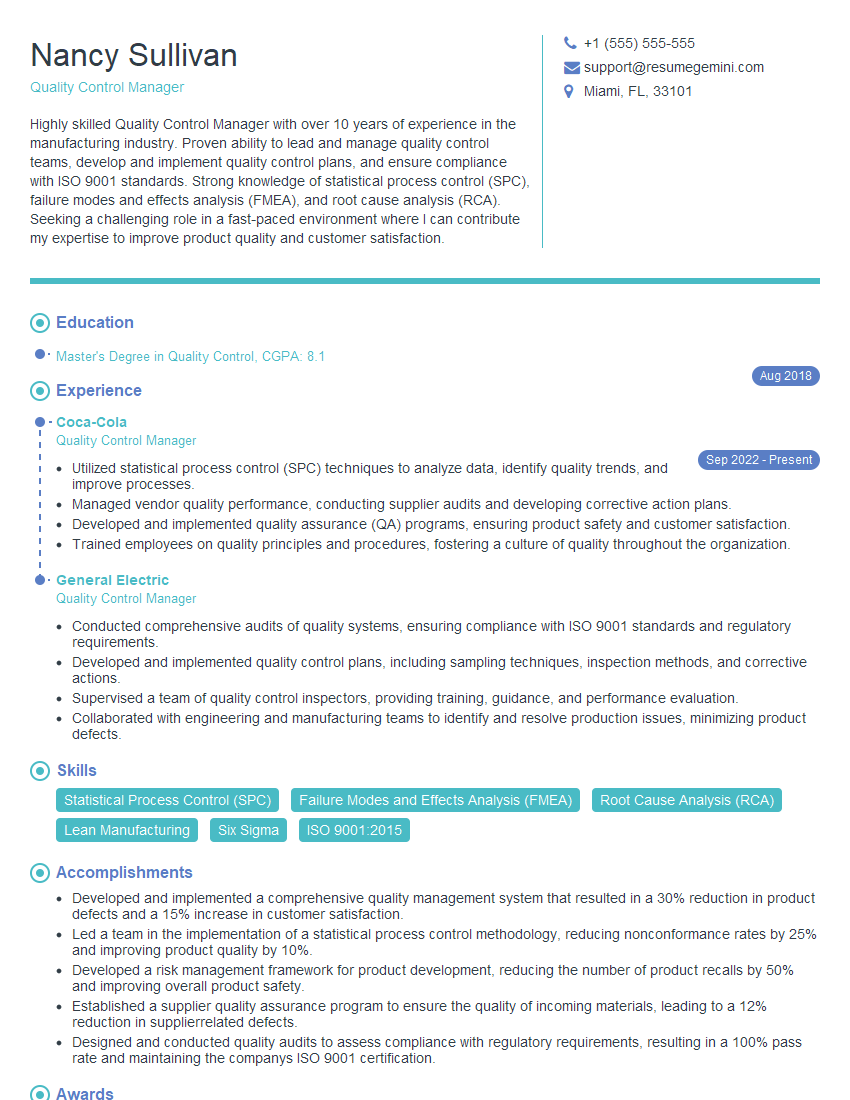
Quality Control Manager Resume Sample
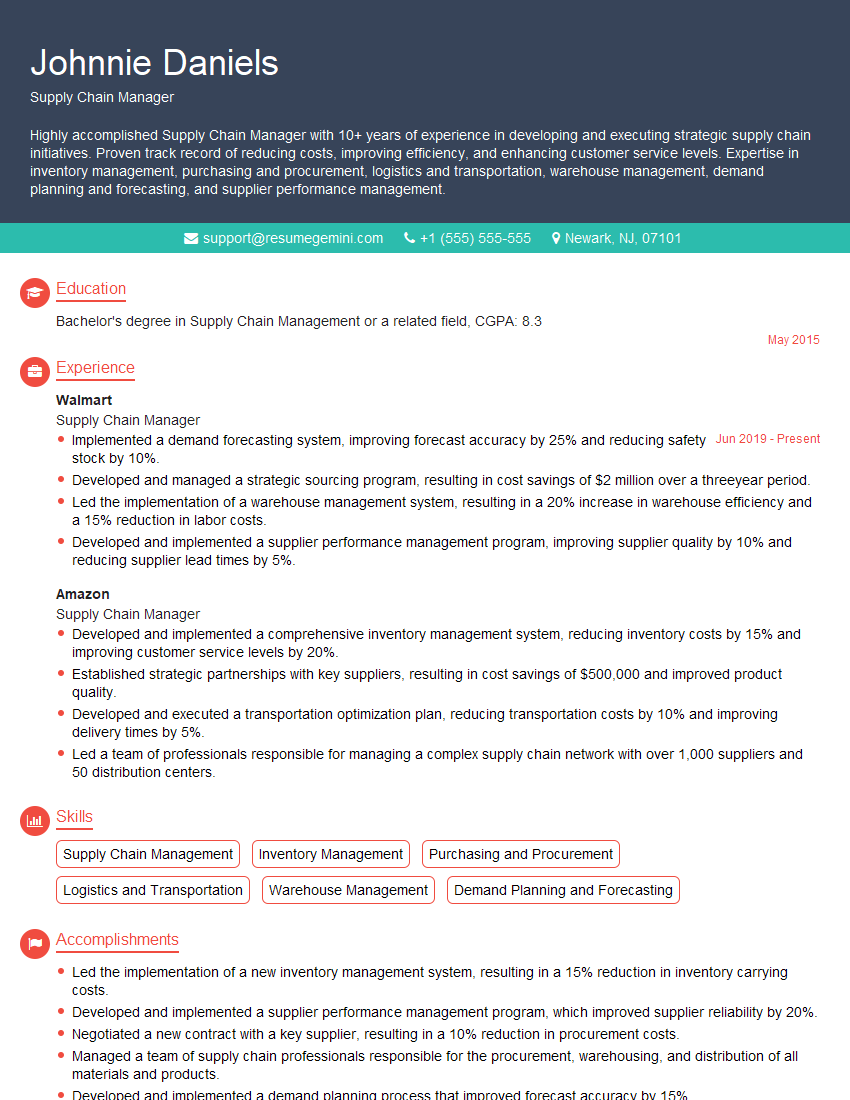
Supply Chain Manager Resume Sample
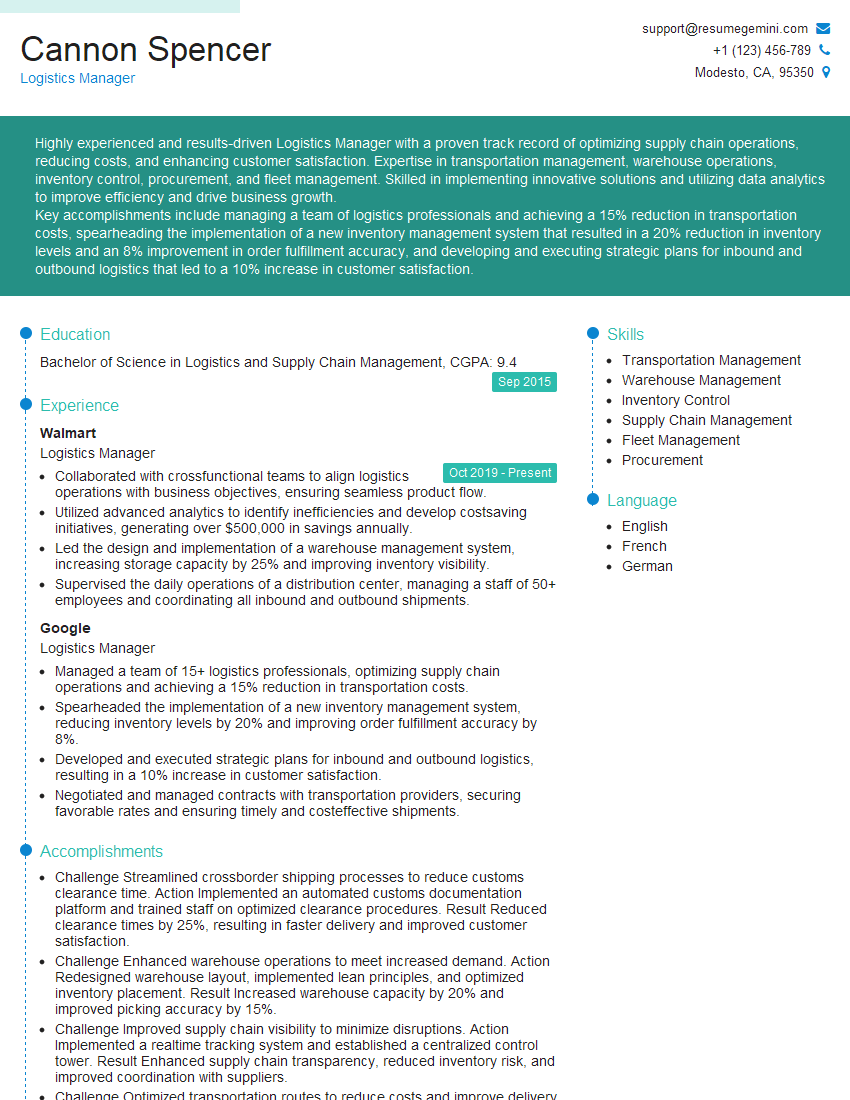
Logistics Manager Resume Sample

Project Manager Resume Sample
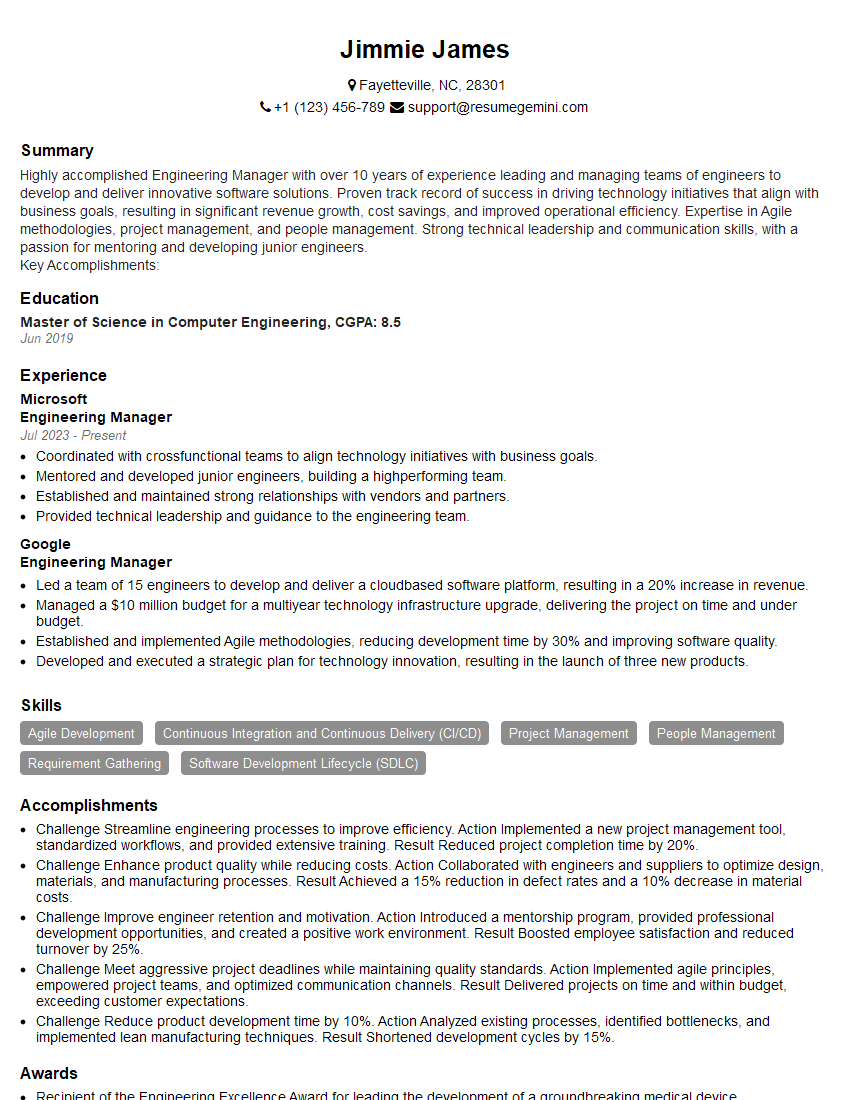
Engineering Manager Resume Sample

Compliance Officer Resume Sample
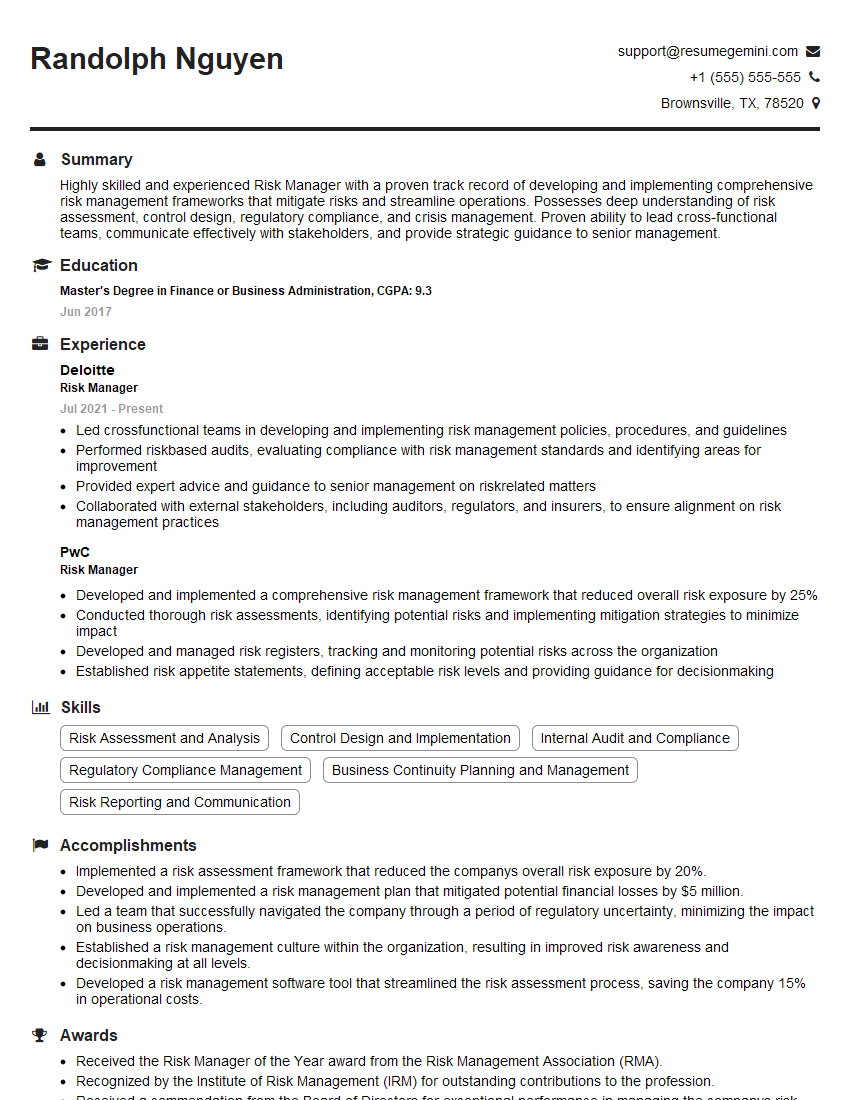
Risk Manager Resume Sample
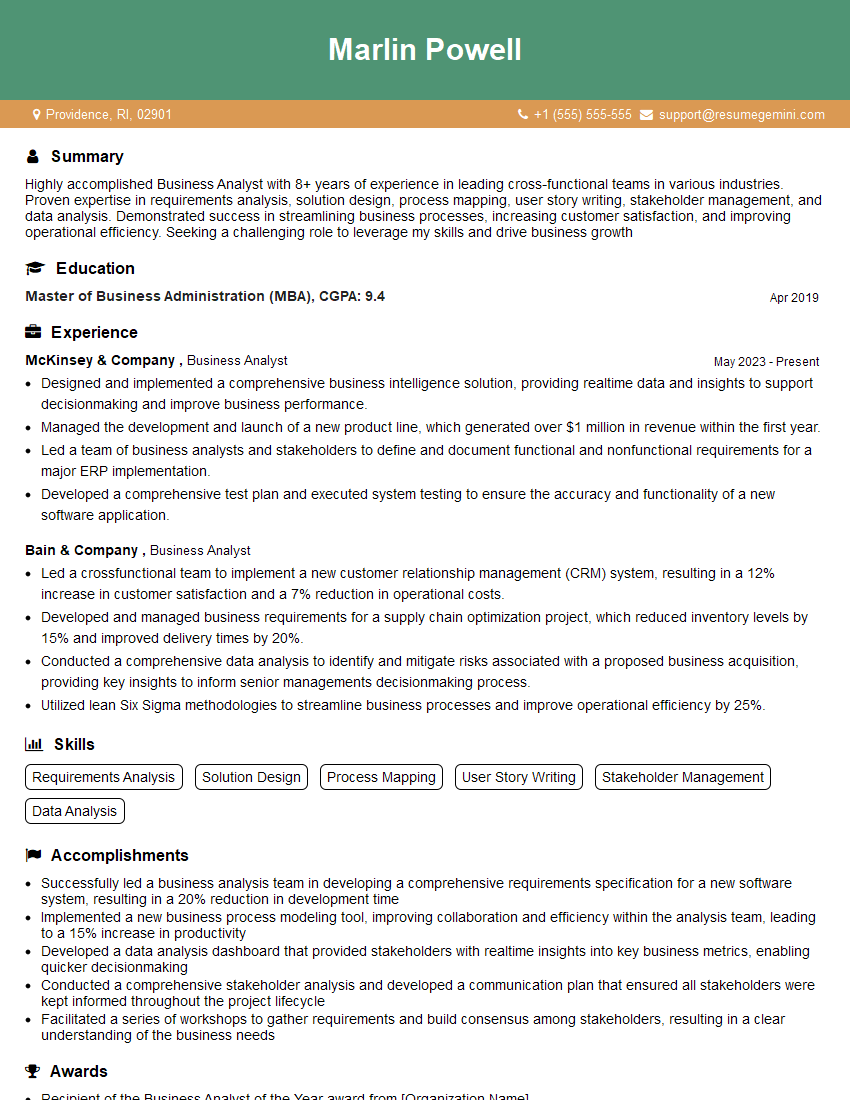
Business Analyst Resume Sample
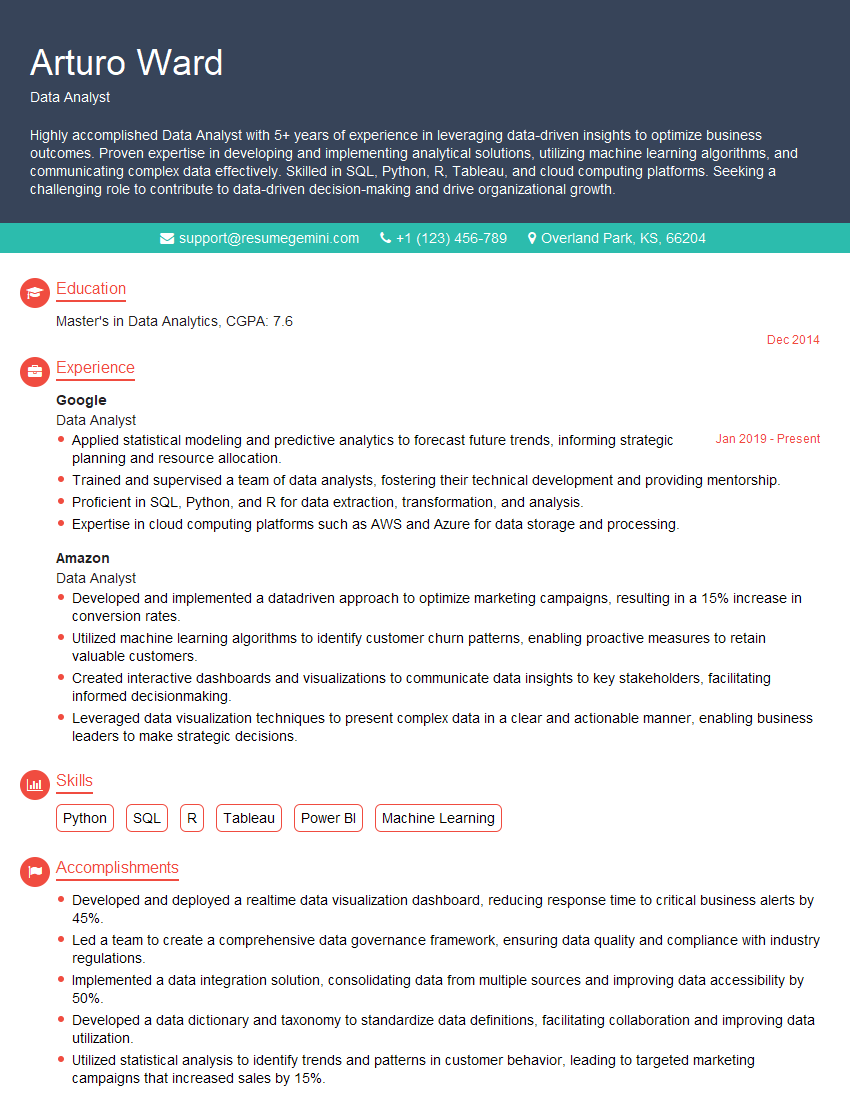
Data Analyst Resume Sample
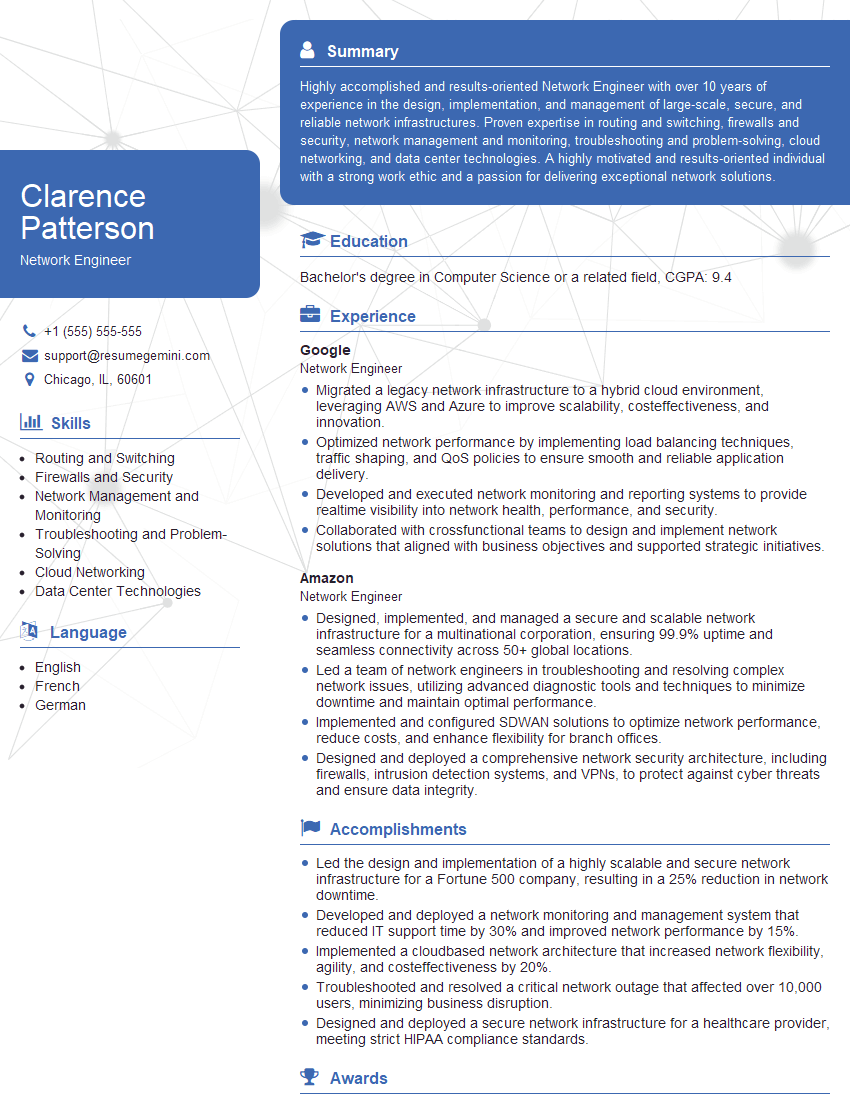
Network Engineer Resume Sample
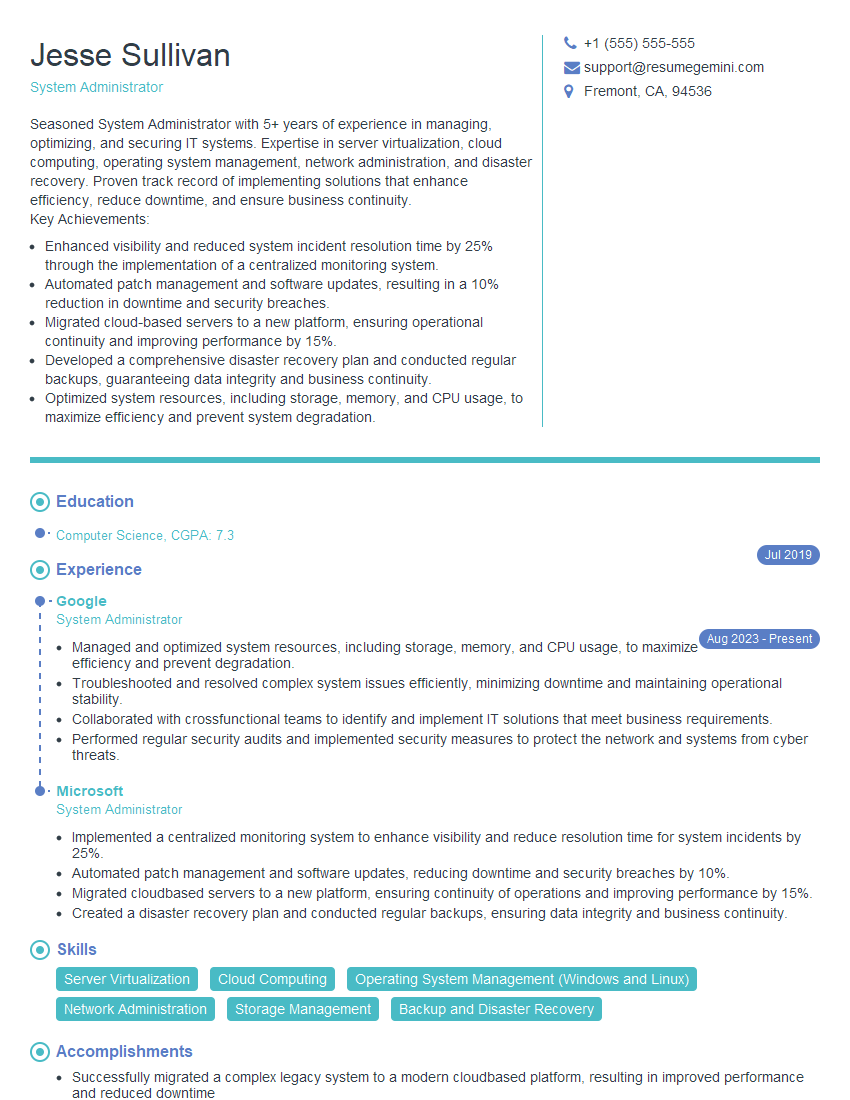
System Administrator Resume Sample
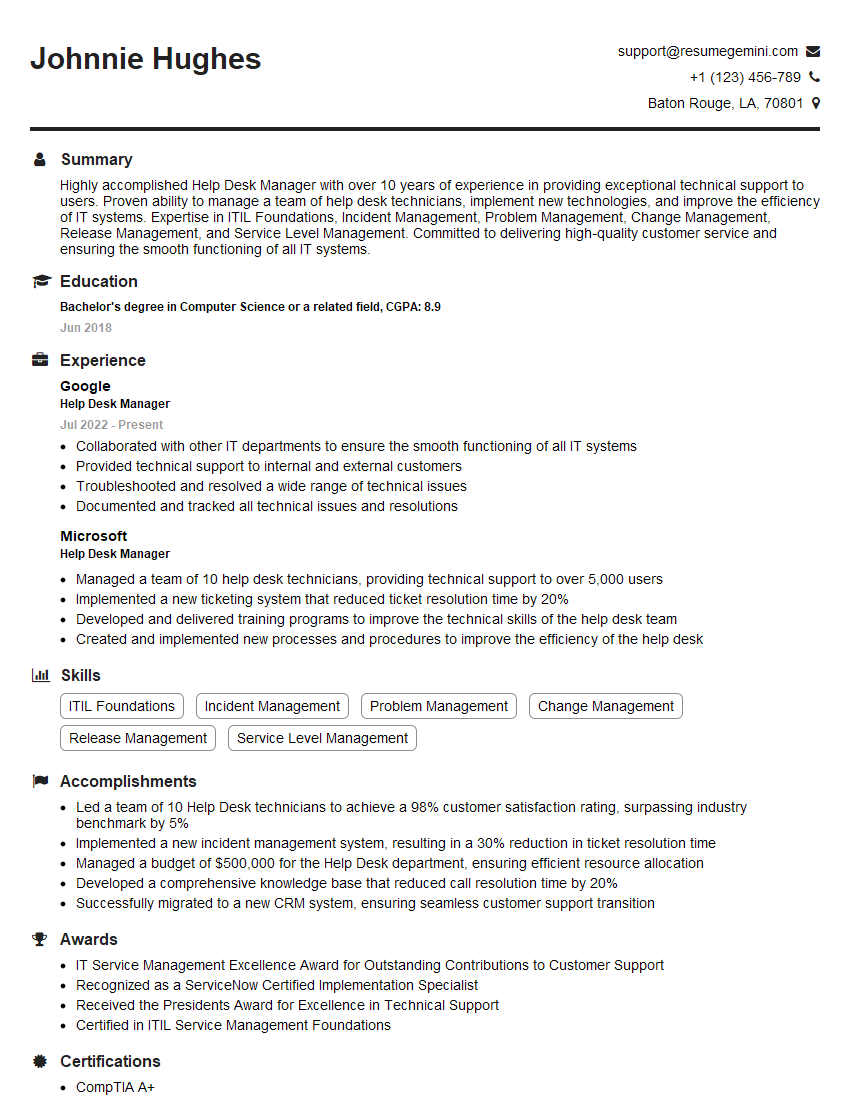
Help Desk Manager Resume Sample
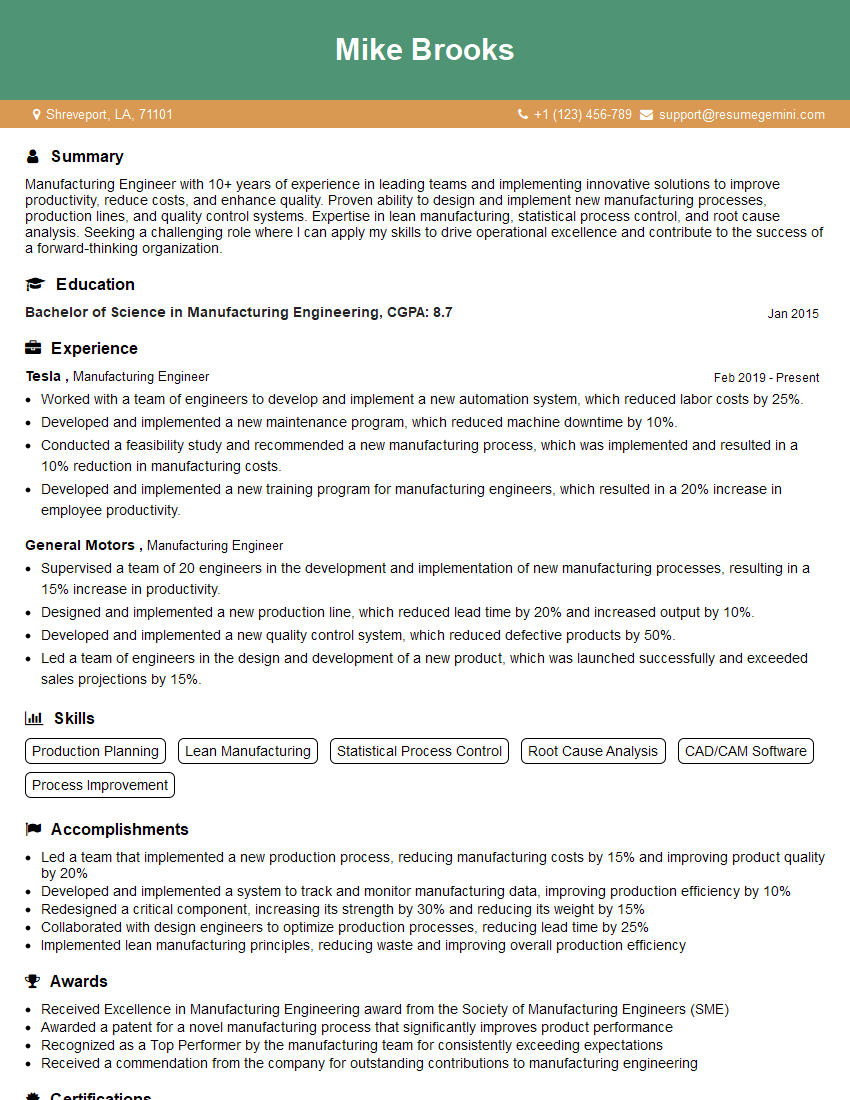
Manufacturing Engineer Resume Sample
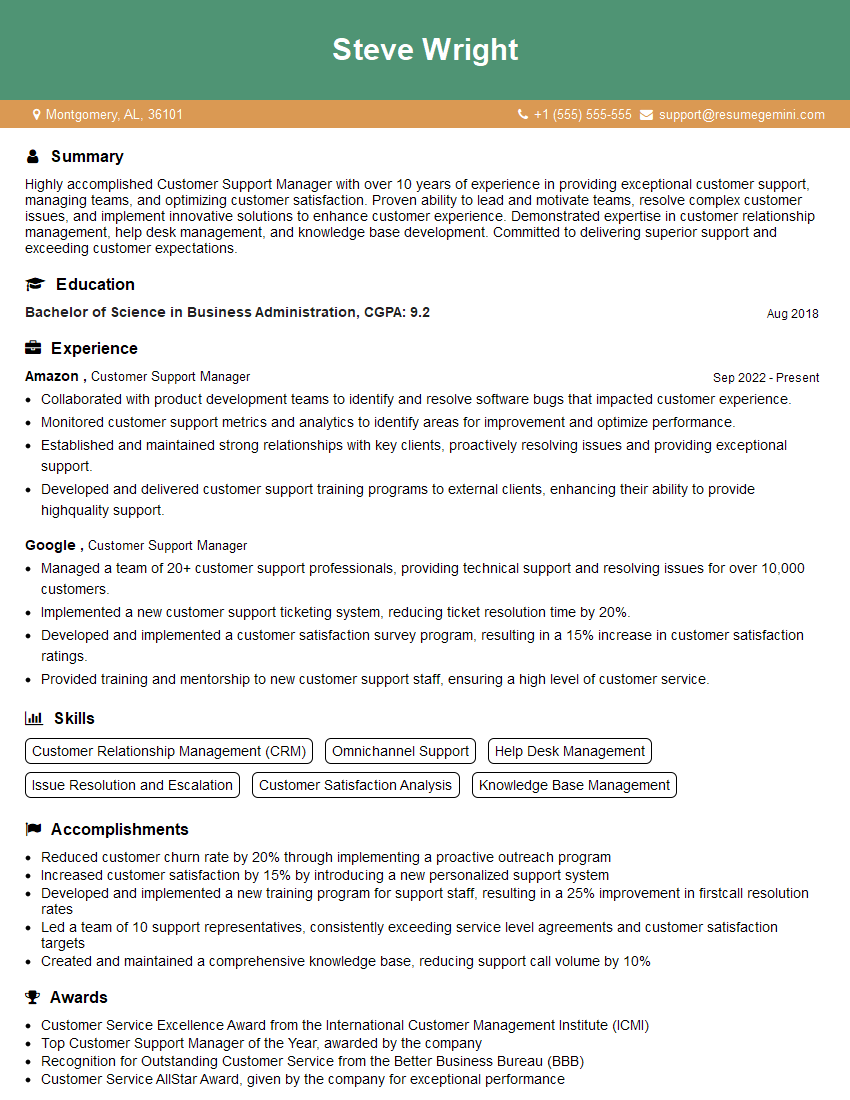
Customer Support Manager Resume Sample
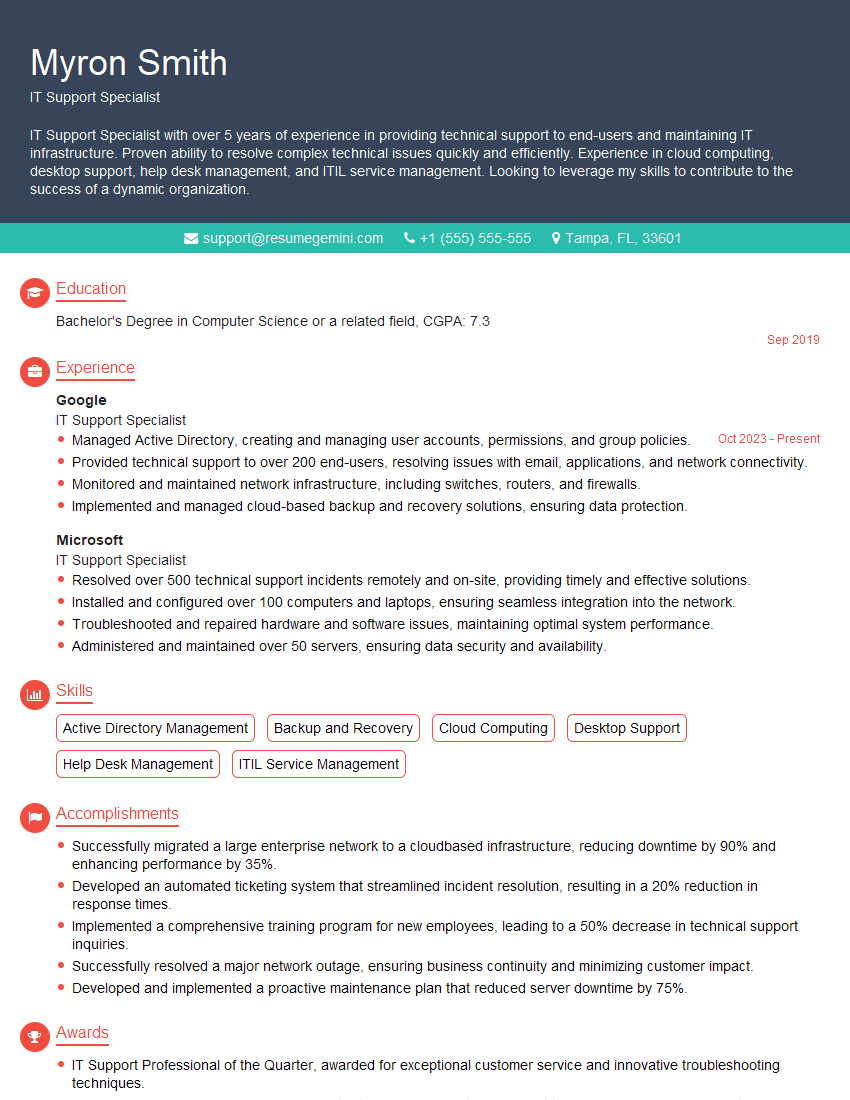
IT Support Specialist Resume Sample
- Program Manager
- Facility Manager
- Operations Manager
- Production Manager
- Maintenance Manager
- Quality Control Manager
- Supply Chain Manager
- Logistics Manager
- Project Manager
- Engineering Manager
- Compliance Officer
- Risk Manager
- Business Analyst
- Data Analyst
- Network Engineer
- System Administrator
- Help Desk Manager
- Manufacturing Engineer
- Customer Support Manager
- IT Support Specialist
Explore more articles
Users Rating of Our Blogs
Share Your Experience
We value your feedback! Please rate our content and share your thoughts (optional).
What Readers Say About Our Blog
I Redesigned Spongebob Squarepants and his main characters of my artwork.
https://www.deviantart.com/reimaginesponge/art/Redesigned-Spongebob-characters-1223583608
IT gave me an insight and words to use and be able to think of examples
Hi, I’m Jay, we have a few potential clients that are interested in your services, thought you might be a good fit. I’d love to talk about the details, when do you have time to talk?
Best,
Jay
Founder | CEO