Interviews are opportunities to demonstrate your expertise, and this guide is here to help you shine. Explore the essential Incident Triage and Prioritization interview questions that employers frequently ask, paired with strategies for crafting responses that set you apart from the competition.
Questions Asked in Incident Triage and Prioritization Interview
Q 1. Explain your process for classifying and categorizing incidents.
My process for classifying and categorizing incidents relies on a well-defined taxonomy. We use a multi-layered approach, starting with a broad categorization based on the affected system (e.g., network, application, database). Then, we drill down to a more specific classification based on the type of incident (e.g., outage, performance degradation, security breach). Finally, we assign a sub-category based on the root cause or impact (e.g., hardware failure, software bug, user error). This structured approach ensures consistency and facilitates efficient routing and prioritization. For example, a network outage affecting a critical application would be classified as a ‘Network’ (system) -> ‘Outage’ (type) -> ‘Critical Application Impact’ (sub-category) incident. This detailed classification allows us to quickly identify trends and patterns, which helps in proactive problem prevention.
- System: Network, Application, Database, Security, etc.
- Type: Outage, Performance Degradation, Security Breach, Request, etc.
- Sub-Category: Hardware failure, Software bug, User error, Third-party issue, etc.
Q 2. How do you determine the urgency and impact of an incident?
Determining urgency and impact involves considering several factors. Urgency focuses on the time sensitivity – how quickly the issue needs resolution. Impact assesses the severity of consequences – how much disruption is caused. We use a matrix that combines these factors. For instance, a critical application outage impacting all users is high urgency and high impact. A minor security vulnerability with low likelihood of exploitation might be low urgency and low impact. We use a scoring system (e.g., 1-5 for both urgency and impact) to objectively assess each incident. A high-impact, high-urgency incident might score 5/5, while a low-impact, low-urgency incident scores 1/1. This allows for clear prioritization and resource allocation.
We also consider factors like:
- Business criticality: Does it impact revenue, regulatory compliance, or customer satisfaction?
- Affected users: How many users are impacted?
- Data loss potential: Is there a risk of data loss or corruption?
- Reputational risk: Could this impact the company’s reputation?
Q 3. Describe your experience using incident management tools and ticketing systems.
I have extensive experience with various incident management tools and ticketing systems, including ServiceNow, Jira Service Desk, and Remedy. My proficiency extends beyond basic ticket creation and management; I’m adept at configuring workflows, setting up SLAs, customizing dashboards, and generating reports. For instance, in a previous role, I configured ServiceNow to automatically escalate incidents based on pre-defined criteria, ensuring timely responses to critical issues. I’ve also used these tools to track incident trends, identify root causes, and improve our overall incident response process. I’m comfortable working with APIs and integrating these systems with other monitoring and alerting tools to create a seamless incident management workflow.
Q 4. How do you prioritize multiple incidents simultaneously?
Prioritizing multiple simultaneous incidents requires a systematic approach. I use a combination of the urgency/impact matrix mentioned earlier and a prioritization framework like MoSCoW (Must have, Should have, Could have, Won’t have). For example, I’d first identify the high-impact, high-urgency incidents (Must have) and allocate the most skilled resources immediately. Then, I’d address the high-impact, medium-urgency issues (Should have) followed by lower priority incidents. Transparency is crucial; I ensure all stakeholders are aware of the prioritization rationale, and I regularly reassess priorities based on new information or evolving circumstances. This iterative approach ensures efficient resource utilization and maintains a clear view of the overall incident landscape.
Q 5. What metrics do you use to track incident resolution times and effectiveness?
We use several key metrics to track our effectiveness. These include:
- Mean Time To Acknowledge (MTTA): How quickly we acknowledge an incident.
- Mean Time To Restore (MTTR): How long it takes to resolve an incident.
- Incident Resolution Rate: The percentage of incidents resolved within a specific timeframe.
- First Call Resolution (FCR): The percentage of incidents resolved on the first contact.
- Customer Satisfaction (CSAT): Feedback from stakeholders on our response.
Regularly monitoring these metrics provides valuable insights into our performance and helps identify areas for improvement. For example, if our MTTR for a specific type of incident is consistently high, we can investigate the root cause and implement preventive measures to reduce future occurrences.
Q 6. How do you communicate incident status updates to stakeholders?
Communicating incident status updates to stakeholders is critical. We use a multi-channel approach. For critical incidents, we use direct communication methods such as phone calls and email to keep key personnel informed promptly. For less critical incidents or broader updates, we utilize collaboration tools like Slack or Microsoft Teams. We also create a central repository (e.g., a wiki or shared document) for all incident-related information, including status updates, root cause analysis, and action items. Regular, consistent updates are crucial to manage expectations and maintain transparency.
We tailor our communication style to the audience. Technical teams receive detailed technical updates, while business stakeholders receive more concise summaries focusing on the business impact and recovery timeline.
Q 7. Describe a situation where you had to escalate an incident.
During a major database outage impacting our e-commerce platform, initial troubleshooting efforts by the Level 1 support team were unsuccessful. The outage continued, leading to significant revenue loss and customer dissatisfaction. I recognized the need to escalate the incident given the severity and complexity. I followed our defined escalation process, contacting the Level 2 and Level 3 support teams, and eventually engaging our database vendor. This escalation process involved detailed reports, status updates, and clear communication of the urgency. With the combined expertise, we identified the root cause – a critical hardware failure – and implemented a solution within a few hours. Post-incident, we revised our monitoring procedures to prevent similar incidents in the future, learning from the process and highlighting the importance of timely escalation.
Q 8. How do you handle conflicting priorities among different incidents?
Handling conflicting priorities requires a structured approach. Imagine you’re a firefighter – you wouldn’t put out a small fire while a building is collapsing. Similarly, in incident management, we use a prioritization matrix, often combining factors like impact and urgency. Impact assesses the severity of the problem (e.g., complete system outage versus minor performance degradation), while urgency considers the time sensitivity (e.g., immediate customer impact versus a planned maintenance window).
We typically use a scoring system. High impact and high urgency incidents get immediate attention. Lower-impact, lower-urgency issues might be deferred. In cases of genuine conflict, I’d convene a quick meeting with stakeholders (development, operations, customer support, etc.) to collaboratively re-assess priorities based on the latest information and potential business impact. Transparent communication is key – everyone needs to understand the rationale behind the chosen prioritization.
For example, if we have a critical database outage affecting all customers (high impact, high urgency) and a minor website style glitch (low impact, low urgency), the database outage takes precedence. Even if the website glitch has multiple bug reports, addressing it before restoring the database would be a misallocation of resources.
Q 9. What is your experience with root cause analysis?
Root cause analysis (RCA) is crucial for preventing future incidents. It’s not just about fixing the immediate problem but understanding *why* it happened. My approach usually involves the ‘5 Whys’ technique, repeatedly asking ‘why’ to drill down to the root cause. I also use more formal methods like Fishbone diagrams (Ishikawa diagrams) to identify contributing factors. These methods help us to move beyond symptom identification and address underlying issues.
In one instance, we experienced repeated application crashes. Initially, we fixed the crashes, but they kept recurring. Using the ‘5 Whys’, we discovered the crashes were caused by memory leaks, which were in turn caused by inefficient coding practices. This led to comprehensive code reviews and the implementation of better memory management practices, eliminating the problem entirely.
Beyond these methods, I also consider other factors such as system logs, monitoring data, and interviews with affected personnel to build a comprehensive picture of the incident and identify contributing factors.
Q 10. How do you ensure accurate and complete incident documentation?
Accurate and complete incident documentation is critical for future analysis and improvement. I utilize a standardized incident report template that captures all essential details: date/time, affected systems, initial symptoms, steps taken to mitigate the issue, resolution details, root cause (once identified), and any recommendations for preventing recurrence.
We utilize a centralized ticketing system that allows for easy collaboration and tracking. This ensures that all information is readily accessible to the relevant team members. Further, during the incident, I emphasize real-time documentation to ensure an accurate record of events as they unfold. We also emphasize including screenshots, log excerpts, and other relevant artifacts to support the narrative.
Maintaining this level of detail allows for efficient postmortems and continuous service improvement. It also provides a crucial audit trail and assists in legal or compliance contexts.
Q 11. Describe your experience with incident postmortems.
Incident postmortems are critical learning opportunities. They’re not blame-finding sessions, but objective reviews of what happened, why it happened, and how to prevent it from happening again. My approach involves a structured meeting with all involved parties, focusing on factual analysis rather than assigning blame. We use a collaborative approach, using a predefined template to guide the discussion and ensure all key aspects are covered.
We follow a process: chronology of events, identification of the root cause(s), analysis of contributing factors, identification of immediate and long-term solutions, and action item assignment with clear owners and deadlines. The final report is then shared with relevant stakeholders. Follow-up on action items is crucial to ensure that learnings are effectively implemented.
One postmortem following a major service disruption led us to discover a critical vulnerability in our backup system. Implementing the recommendations from that postmortem significantly improved our disaster recovery capabilities.
Q 12. How do you identify and mitigate potential risks associated with incidents?
Identifying and mitigating potential risks requires a proactive approach. We use risk assessment frameworks (like the DREAD model: Damage, Reproducibility, Exploitability, Affected users, Discoverability) to evaluate the potential impact of various threats. We regularly review security alerts, system logs, and vulnerability scans to identify potential weaknesses.
Proactive monitoring, automated alerts, and robust security practices are crucial for risk mitigation. This includes things like implementing access controls, regular security audits, and penetration testing to discover vulnerabilities before they can be exploited. We also utilize proactive measures like intrusion detection and prevention systems.
For example, identifying a potential denial-of-service vulnerability during a routine security scan allowed us to implement countermeasures before it could be exploited, preventing a significant service disruption.
Q 13. What is your experience with SLAs (Service Level Agreements)?
SLAs (Service Level Agreements) are crucial for defining service expectations and setting clear performance targets. My experience involves working closely with business stakeholders to define realistic and measurable SLAs for various services. These SLAs typically include metrics like uptime, response time, and resolution time.
I track performance against these SLAs meticulously, using monitoring tools and reporting mechanisms. Any deviations from the agreed-upon SLAs are immediately investigated to identify the root cause and implement corrective actions. Regular reporting to stakeholders on SLA performance is critical for maintaining transparency and accountability.
In my experience, effective SLA management requires a good understanding of business requirements and technological capabilities. It also involves regular reviews and adjustments to ensure the SLAs remain relevant and achievable.
Q 14. How do you collaborate with different teams during an incident?
Collaboration is paramount during incidents. I utilize various communication tools – such as dedicated communication channels (e.g., Slack, Microsoft Teams), conference calls, and shared documentation – to maintain transparent communication among all involved teams. Clear roles and responsibilities are defined at the outset to avoid confusion and ensure efficient workflow.
My approach prioritizes active listening and transparent communication. Regular updates are provided to all stakeholders. I employ a collaborative problem-solving approach, fostering a culture where everyone feels empowered to contribute their expertise. I emphasize shared responsibility and mutual support among the teams involved.
For instance, during a recent network outage, I facilitated effective communication between the network team, application team, and customer support team, ensuring timely updates were disseminated and that everyone worked in concert to restore service as efficiently as possible.
Q 15. What is your experience with automation in incident management?
Automation is crucial for efficient incident management. My experience encompasses leveraging various tools to automate tasks like initial ticket creation, alert routing based on predefined rules, and even automated responses to common issues. For example, I’ve implemented scripts that automatically identify and categorize incidents based on keywords in log files, drastically reducing the initial triage time. Another example involves using robotic process automation (RPA) to pull relevant data from multiple systems, providing engineers with a consolidated view of the problem. This reduces the time spent on gathering information, speeding up the resolution process. I’m also familiar with integrating monitoring tools with ticketing systems to automatically create incidents when predefined thresholds are breached. This proactive approach prevents issues from escalating.
Career Expert Tips:
- Ace those interviews! Prepare effectively by reviewing the Top 50 Most Common Interview Questions on ResumeGemini.
- Navigate your job search with confidence! Explore a wide range of Career Tips on ResumeGemini. Learn about common challenges and recommendations to overcome them.
- Craft the perfect resume! Master the Art of Resume Writing with ResumeGemini’s guide. Showcase your unique qualifications and achievements effectively.
- Don’t miss out on holiday savings! Build your dream resume with ResumeGemini’s ATS optimized templates.
Q 16. Describe your experience working with on-call rotations.
I have extensive experience managing on-call rotations, both participating in and overseeing them. My approach focuses on fairness, transparency, and minimizing disruption. We utilize a scheduling tool that allows for equal distribution of on-call shifts, considering factors like individual workloads and time zones. To improve communication and collaboration during on-call periods, we utilize a dedicated communication channel, like a Slack channel, allowing for quick updates and handoffs. We also regularly conduct post-incident reviews, not just to address what went wrong, but also to improve our on-call processes. This might involve adjusting the rotation schedule, updating runbooks, or refining alert thresholds. For instance, we identified a pattern of frequent alerts from a specific system that were often false positives; we adjusted the alert thresholds to reduce noise and improve the signal-to-noise ratio, resulting in reduced on-call disruptions.
Q 17. How do you manage stress during critical incident situations?
Managing stress during critical incidents requires a structured approach. Firstly, a clear and calm communication strategy is essential. I focus on breaking down complex problems into manageable tasks and assigning clear responsibilities. Secondly, I prioritize deep breaths and short breaks to avoid burnout. Thirdly, relying on established procedures and runbooks provides a sense of control. Finally, post-incident reviews offer a chance to debrief, learn, and improve for future incidents. I view stressful situations as opportunities for growth and improvement. For example, during a major outage, I focused on delegating tasks effectively and using our communication channels to keep everyone informed. This transparency helped alleviate anxiety and promoted a sense of teamwork, contributing to a faster resolution.
Q 18. What is your understanding of different incident severity levels?
Incident severity levels are crucial for prioritization. A typical classification system includes: Critical (system-wide outage, significant data loss), Major (significant service disruption affecting many users), Minor (limited impact, minimal user disruption), and Informational (no user impact, system logging event). The precise definitions should be clearly documented and understood by the entire team. These definitions should consider factors such as the number of users affected, the duration of the impact, and the business impact. For example, a critical incident might involve a complete website outage, requiring immediate attention from all relevant teams. A minor incident, like a slow-loading page affecting only a few users, might require less immediate attention. Consistency in applying these levels is key to effective incident management.
Q 19. How do you balance speed and accuracy during incident response?
Balancing speed and accuracy is a constant challenge. Rushing can lead to incorrect diagnoses and prolonged downtime. However, excessive deliberation can delay resolution. My approach involves a structured triage process where I first obtain a clear understanding of the incident’s scope and impact, then gather essential information before taking action. I prioritize swift identification of the root cause using available monitoring tools and logs. Once I have a reasonable understanding, I proceed with the resolution, constantly validating my steps and seeking additional information if needed. This iterative approach allows for rapid progress while mitigating the risk of mistakes. Think of it like a detective – quick investigation, methodical evidence gathering, followed by careful analysis before making a conclusion.
Q 20. How do you handle incidents outside of your area of expertise?
When facing incidents outside my area of expertise, I leverage the power of collaboration and communication. My first step is to accurately identify the impacted system and the nature of the problem. Then, I engage the appropriate subject matter expert (SME) immediately. This might involve creating a ticket for the relevant team, joining an existing communication channel related to the problem, or directly contacting the SME. I strive to provide the SME with as much relevant information as possible – clear problem description, observed symptoms, any troubleshooting steps already taken – to streamline their investigation. I also act as a liaison, keeping affected stakeholders informed and managing expectations.
Q 21. What is your process for assigning ownership of incidents?
Assigning incident ownership is critical for accountability and efficiency. My process considers several factors: the impacted system’s ownership, the expertise required to resolve the issue, and the current workload of the team members. In most cases, the team responsible for the impacted system assumes ownership. However, if the issue requires specialized expertise, I may assign it to the appropriate SME. Using a ticketing system with clear assignment capabilities helps track ownership and maintain transparency. I emphasize clear communication with the assigned owner to ensure they are aware of the situation and have the necessary support. This process is documented in our runbooks to ensure consistency.
Q 22. Describe a time you had to make a difficult decision regarding incident prioritization.
Prioritizing incidents is like being an air traffic controller – you have multiple planes (incidents) approaching, each with varying levels of urgency and potential impact. One time, we had a simultaneous outage affecting our primary e-commerce platform and a critical internal system used for payroll processing. Both were reported simultaneously, with users flooding our helpdesk. The e-commerce outage had a wider user base, leading to immediate revenue loss, while the payroll system outage posed a significant risk of delaying employee payments, impacting morale and legal compliance.
Making the decision was difficult because both were high-priority. We used a weighted scoring system based on impact and urgency, factoring in financial loss, reputational damage, and legal implications. This helped us objectively assess the situation. We prioritized the e-commerce outage first due to the immediate financial impact and broader user base. A dedicated team was formed for each incident. While the payroll system issue was addressed concurrently, allocating fewer resources initially, we focused our most experienced engineers on the e-commerce outage first to minimize revenue loss. Effective communication with stakeholders was vital, explaining the rationale and maintaining transparency.
Q 23. How do you ensure that incident resolution does not create new issues?
Resolving an incident without creating new issues requires a meticulous, holistic approach. It’s like fixing a leaky faucet – you need to ensure you don’t create a bigger leak elsewhere. We employ several strategies to minimize this risk. Firstly, thorough root cause analysis (RCA) is critical. A rushed fix might mask the underlying problem, leading to recurrence. We utilize structured RCA methodologies like the ‘5 Whys’ to drill down to the root cause. This often involves collaboration across different teams.
Secondly, we implement rigorous change management processes. Before implementing any fix, we conduct thorough testing in a staging environment to prevent unintended consequences. We carefully document changes and track their impact. Regular monitoring and alerting following a resolution are crucial to ensure that the fix holds and hasn’t triggered other issues. Automated monitoring tools are vital for early detection of any issues post-resolution. Lastly, a post-incident review involves analyzing the entire incident lifecycle, assessing the effectiveness of our response, and identifying areas for improvement in our processes and preventative measures.
Q 24. Explain your experience with using various incident management frameworks (e.g., ITIL).
My experience with ITIL (Information Technology Infrastructure Library) has been extensive. I’ve worked within organizations employing ITIL best practices for incident management, specifically focusing on incident identification, logging, categorization, prioritization, investigation, resolution, and closure. We used ITIL’s framework for establishing our incident management process, focusing on the service desk as the central point of contact for receiving and logging incidents.
This involved using incident management tools that integrated with our CMDB (Configuration Management Database) to facilitate faster incident resolution by providing context on the impacted systems. The ITIL framework also guided us in developing Service Level Agreements (SLAs) to define response times and resolution targets for different incident severity levels. My experience transcends mere theoretical knowledge; I’ve actively participated in adapting ITIL principles to diverse organizational settings, tailoring its framework to fit specific needs and technologies. For example, in one organization, we integrated ITIL with Agile methodologies to enhance the speed and efficiency of incident resolution.
Q 25. How do you measure the effectiveness of your incident triage and prioritization?
Measuring the effectiveness of incident triage and prioritization relies on several key metrics. Firstly, we track Mean Time To Acknowledge (MTTA) and Mean Time To Resolution (MTTR). These metrics give us a clear picture of our response time and efficiency. A decrease in both indicates improved effectiveness.
Secondly, we analyze the Incident Resolution Rate – the percentage of incidents resolved within the defined SLAs. A high resolution rate demonstrates the effectiveness of our triage and prioritization in ensuring that critical incidents receive prompt attention. Thirdly, we evaluate Customer Satisfaction (CSAT) scores obtained through post-incident surveys to gauge the users’ experience. A high CSAT score reflects the perceived effectiveness of the incident handling process.
Lastly, we examine the number of recurring incidents. A high number of recurring incidents points to deficiencies in the RCA process or preventative measures and needs attention. By closely tracking and analyzing these metrics, we can identify bottlenecks and areas for improvement in our incident management process, leading to a more efficient and effective response to future incidents.
Q 26. What are some common pitfalls to avoid in incident management?
Several pitfalls can derail effective incident management. One common mistake is lack of clear communication. Miscommunication can lead to delays, incorrect prioritization, and ultimately, failed resolutions. Another pitfall is inadequate documentation. Poor documentation hampers effective analysis during root cause analysis and prevents learning from past incidents. This lack of knowledge sharing often leads to repeating past mistakes.
Another problem is ignoring the human factor. Focusing solely on technical aspects and neglecting the emotional impact on affected users can lead to poor customer satisfaction and reputational damage. Finally, failing to conduct post-incident reviews is a critical oversight. Regular post-incident reviews offer valuable insights for identifying and rectifying weaknesses in processes and preventative measures.
Q 27. How do you stay up-to-date on the latest incident management best practices?
Staying updated on the latest incident management best practices is an ongoing process. I actively participate in industry conferences and webinars, focusing on sessions related to incident management, DevOps, and IT operations. This allows me to learn about new technologies, methodologies, and emerging trends.
I regularly read industry publications, blogs, and research papers focused on incident management and related fields. I also participate in online communities and forums dedicated to IT operations and incident management, engaging in discussions and sharing knowledge with other professionals. Furthermore, I actively seek opportunities for professional development, including certifications and training programs focused on enhancing my incident management skills.
Q 28. Describe your experience with using data analytics in incident management.
Data analytics has revolutionized incident management. We utilize data analytics to identify trends and patterns in incidents, helping us to proactively address potential issues before they escalate into major outages. For example, we analyze historical incident data to pinpoint common causes, identify high-risk areas, and optimize our preventative measures. This involves using dashboards and reporting tools to visualize key metrics such as MTTA, MTTR, and incident types.
We utilize machine learning algorithms to predict potential incidents based on historical patterns and system performance data. This enables us to proactively allocate resources and implement preventative actions. Data analysis allows us to continually improve our processes, refine our triage and prioritization strategies, and ultimately enhance our overall incident management effectiveness. The use of data allows us to move beyond a reactive approach to a more proactive and preventative one, minimizing disruptions and improving overall service reliability.
Key Topics to Learn for Incident Triage and Prioritization Interview
- Understanding Incident Impact: Defining severity levels based on business impact, customer experience, and service disruption. Practical application: Developing a scoring system to objectively rank incidents.
- Prioritization Frameworks: Applying methodologies like MoSCoW (Must have, Should have, Could have, Won’t have) or urgency/impact matrices for effective decision-making. Practical application: Walking through a scenario requiring prioritization using different frameworks.
- Communication & Collaboration: Effectively communicating incident status, severity, and impact to stakeholders at all levels. Practical application: Describing your approach to keeping stakeholders informed during a critical incident.
- Root Cause Analysis (RCA): Identifying the underlying cause of incidents to prevent recurrence. Practical application: Explaining your experience with RCA methodologies like the 5 Whys or Fishbone diagrams.
- Escalation Procedures: Knowing when and how to escalate incidents to the appropriate teams or management. Practical application: Defining a clear escalation path for different types of incidents.
- Incident Management Tools & Technologies: Familiarity with ticketing systems, monitoring dashboards, and collaboration platforms. Practical application: Describing your experience with specific tools and how you use them for triage and prioritization.
- Metrics and Reporting: Tracking key metrics related to incident response time, resolution time, and mean time to recovery (MTTR). Practical application: Explaining how you would use these metrics to improve incident management processes.
Next Steps
Mastering Incident Triage and Prioritization is crucial for career advancement in IT operations and demonstrates your ability to handle pressure, make critical decisions, and collaborate effectively under tight deadlines. A strong resume is your first impression – make it count! Create an ATS-friendly resume that highlights your skills and experience in this critical area. ResumeGemini is a trusted resource to help you build a professional and impactful resume tailored to your specific skills. We offer examples of resumes specifically designed for Incident Triage and Prioritization roles to help guide you.
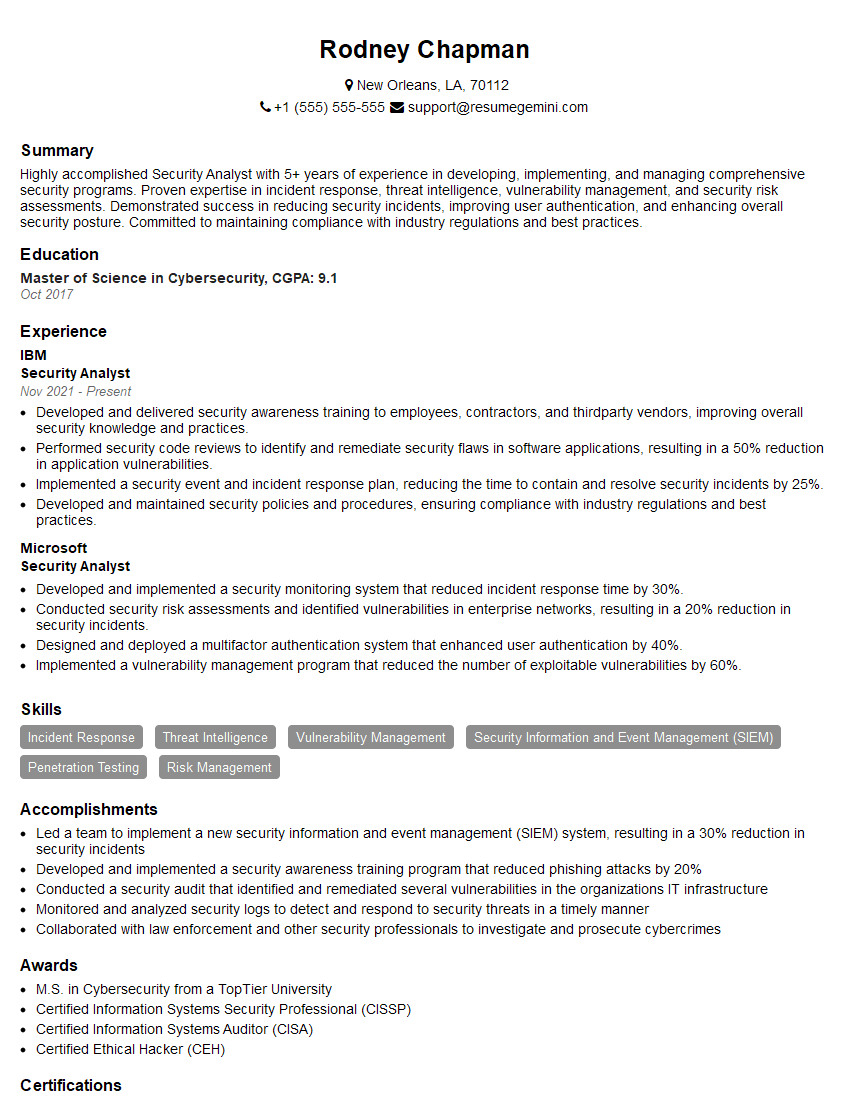
Security Analyst Resume Sample
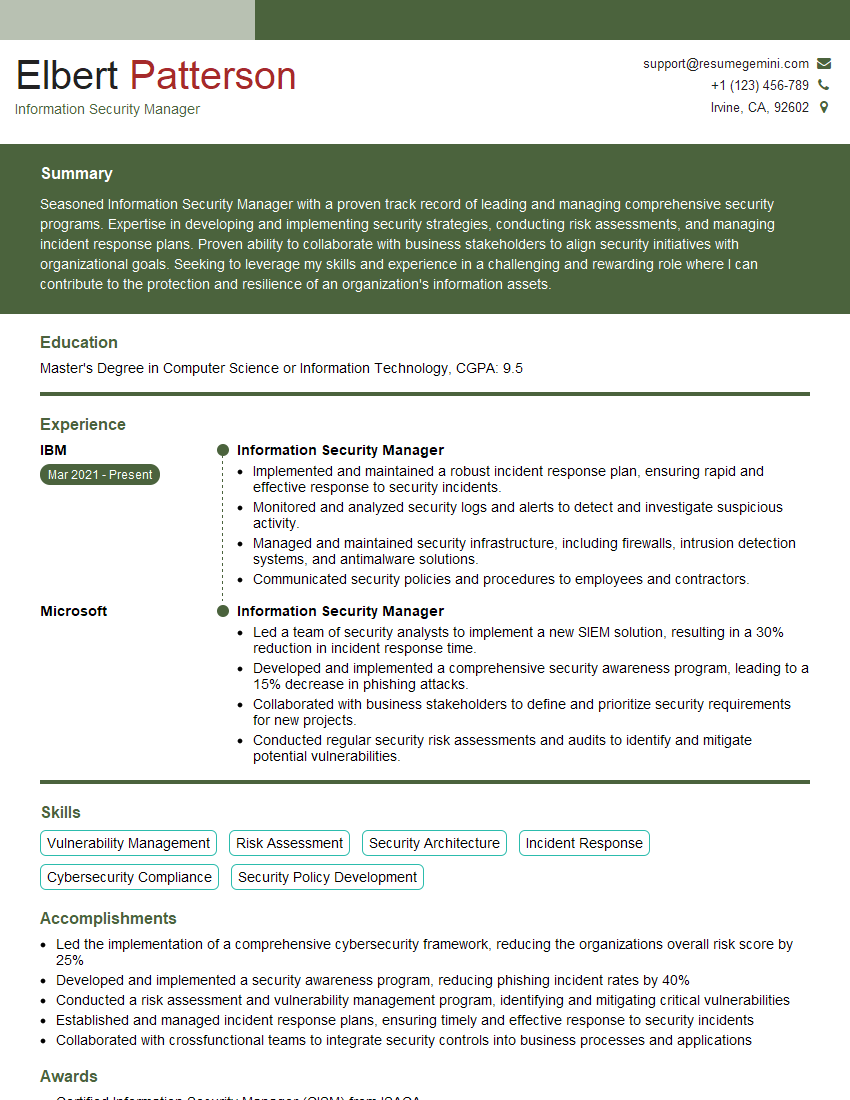
Information Security Manager Resume Sample
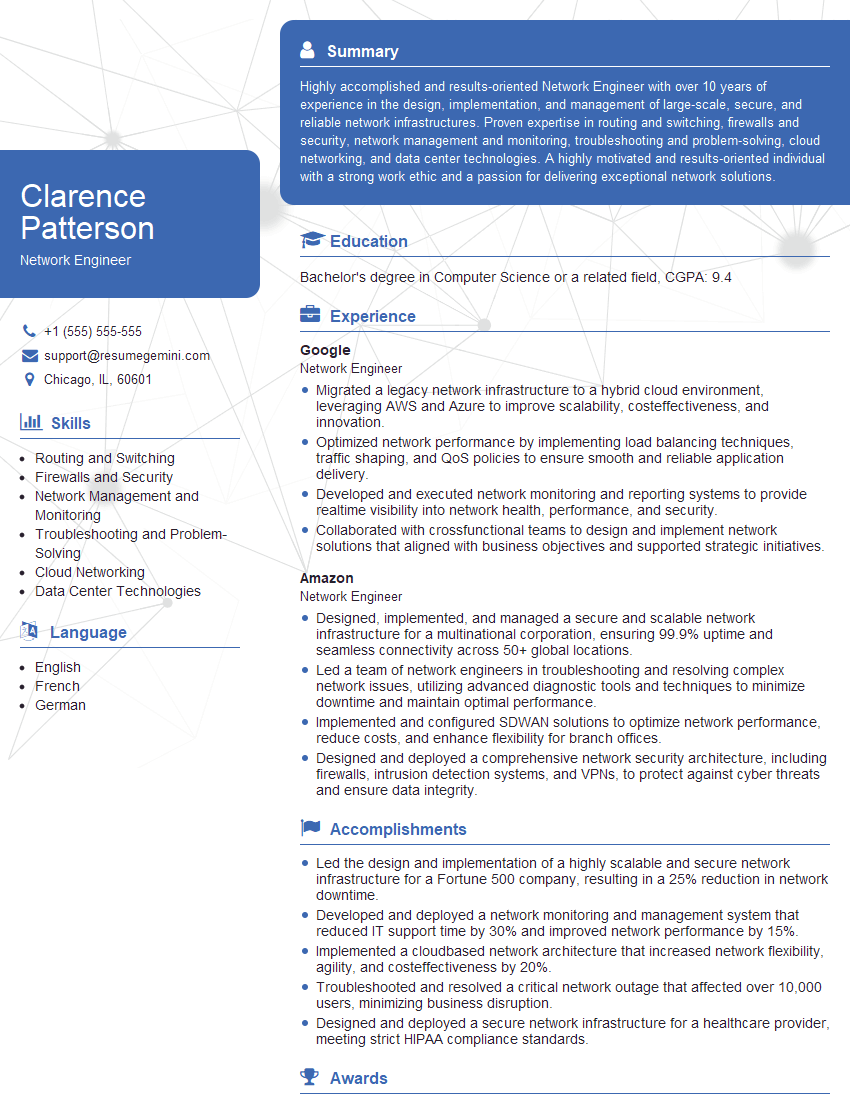
Network Engineer Resume Sample
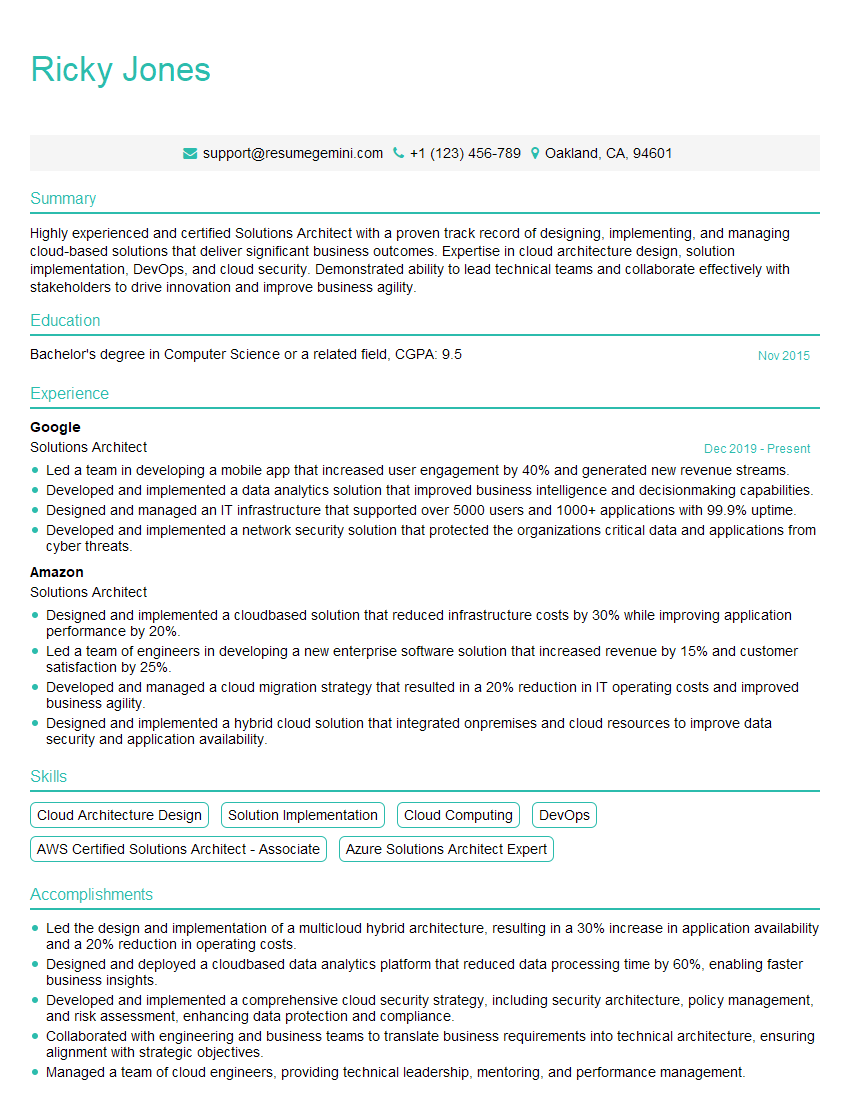
Solutions Architect Resume Sample

Technical Support Engineer Resume Sample
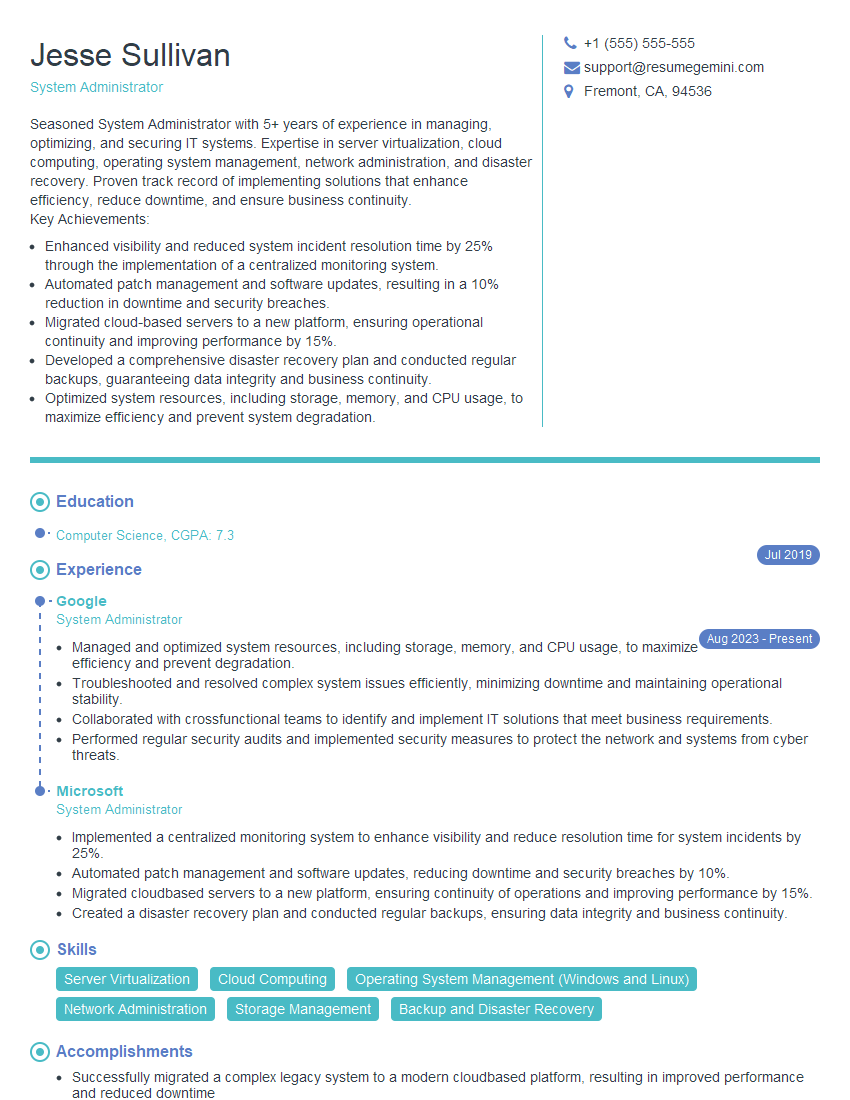
System Administrator Resume Sample
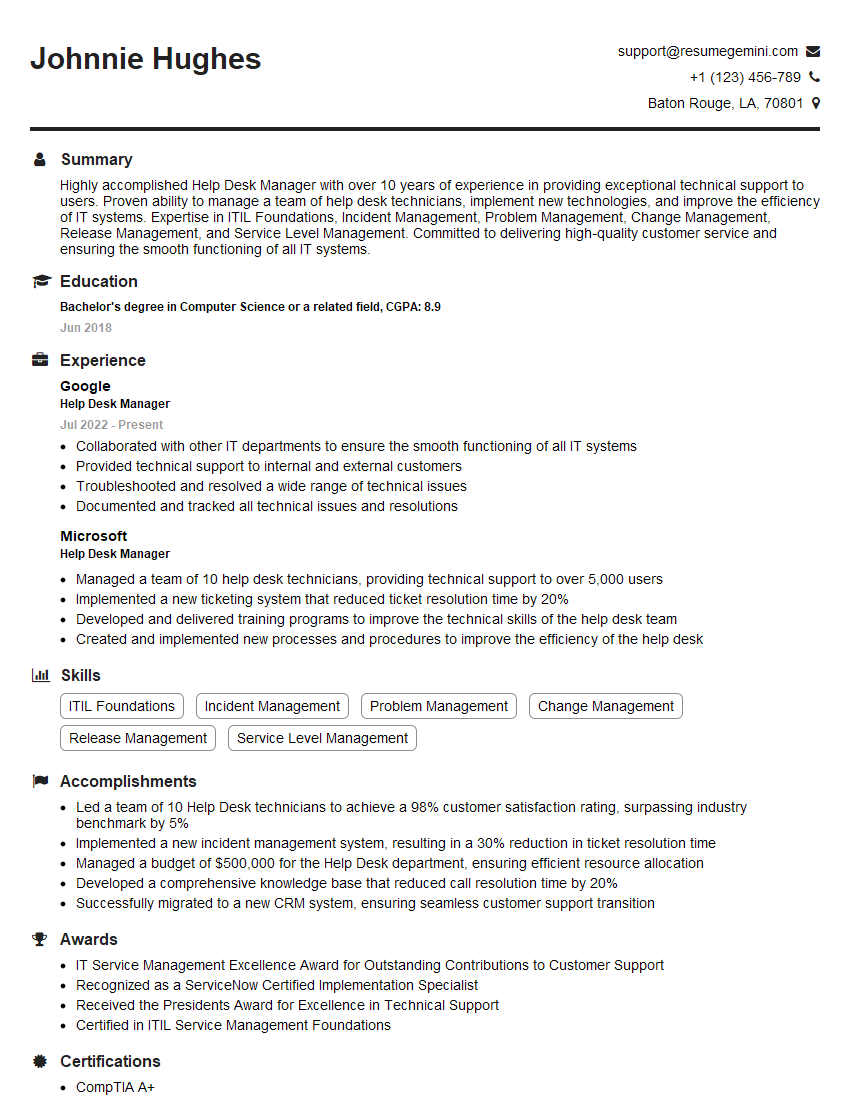
Help Desk Manager Resume Sample
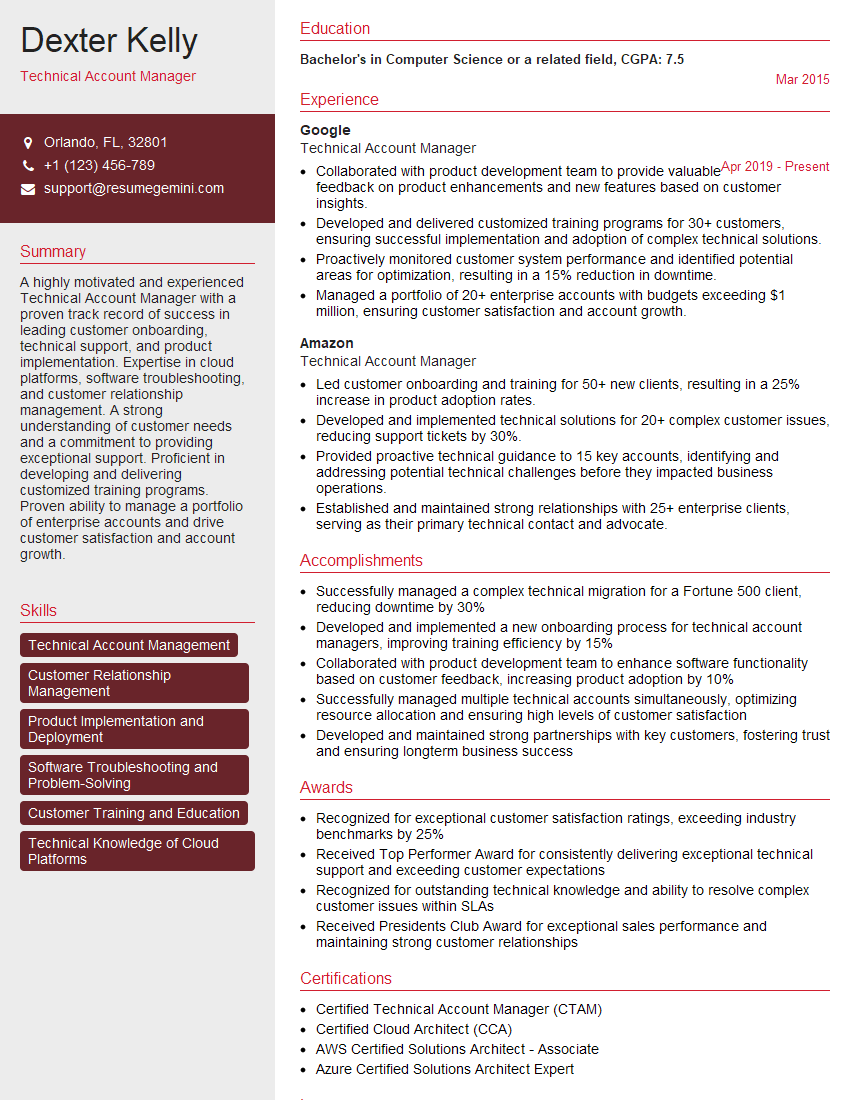
Technical Account Manager Resume Sample
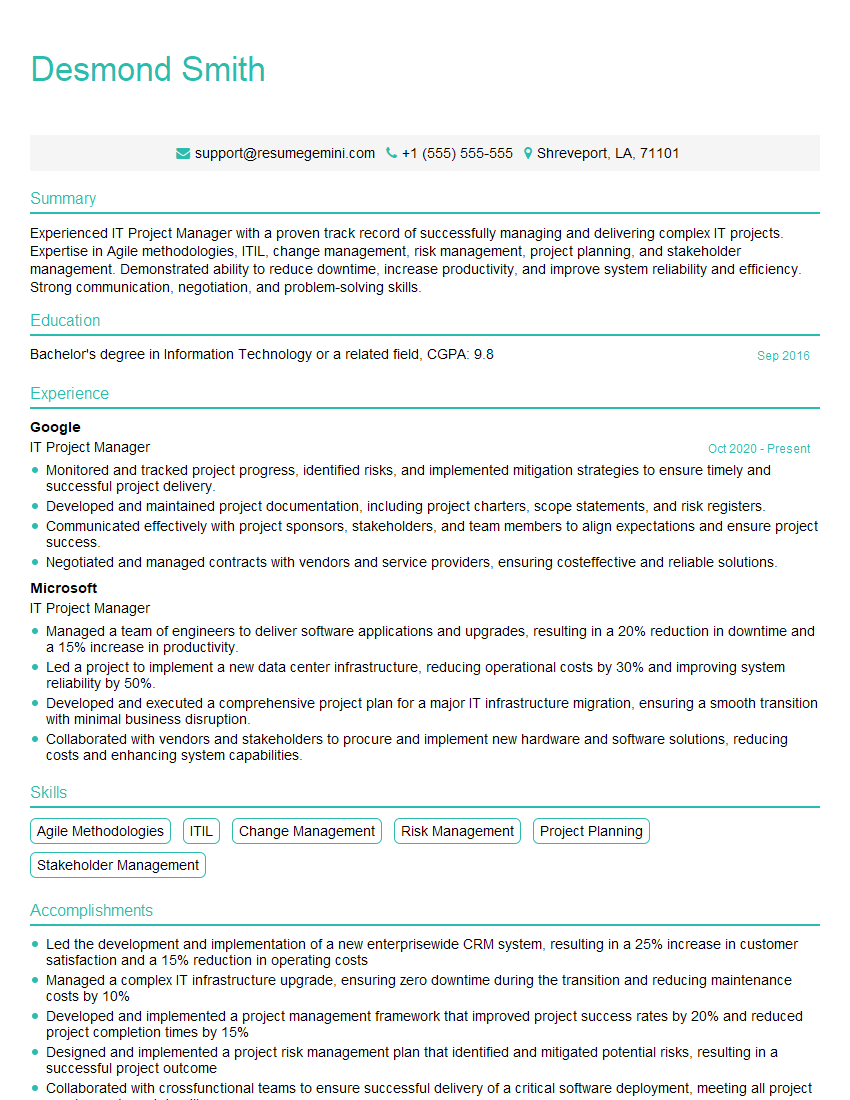
IT Project Manager Resume Sample
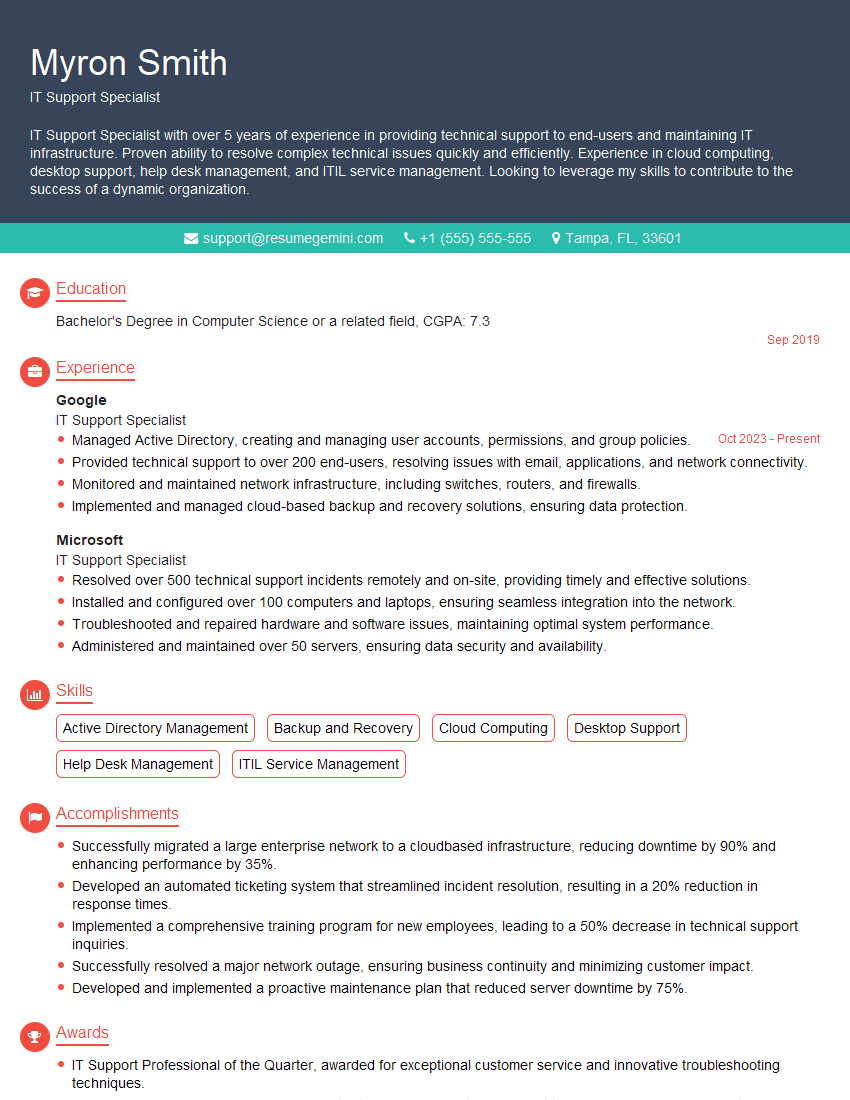
IT Support Specialist Resume Sample
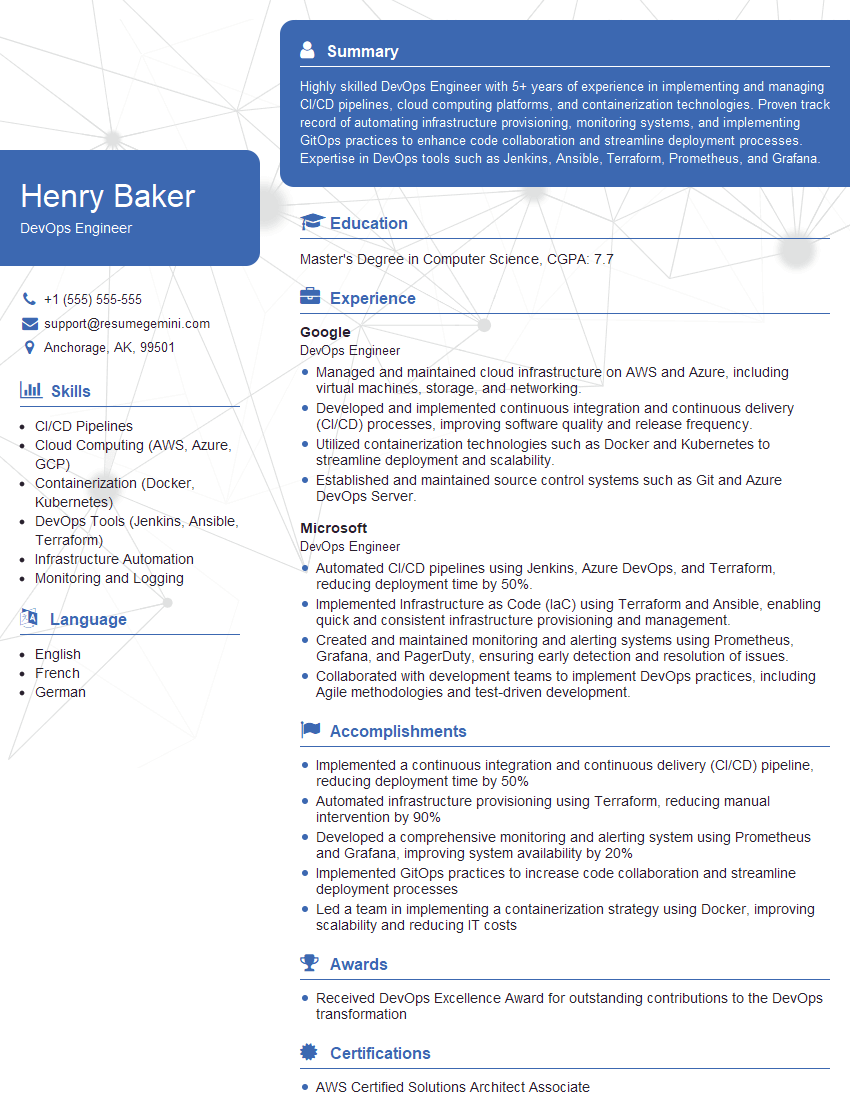
DevOps Engineer Resume Sample
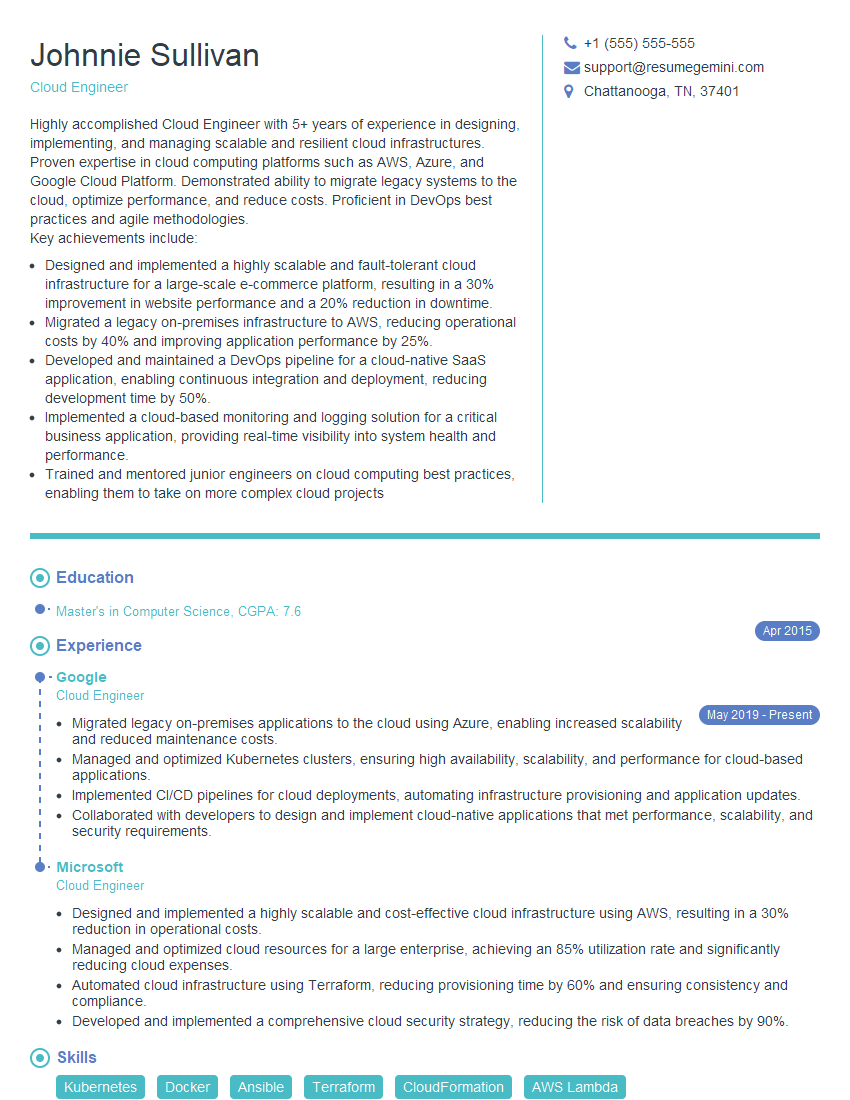
Cloud Engineer Resume Sample
Explore more articles
Users Rating of Our Blogs
Share Your Experience
We value your feedback! Please rate our content and share your thoughts (optional).
What Readers Say About Our Blog
I Redesigned Spongebob Squarepants and his main characters of my artwork.
https://www.deviantart.com/reimaginesponge/art/Redesigned-Spongebob-characters-1223583608
IT gave me an insight and words to use and be able to think of examples
Hi, I’m Jay, we have a few potential clients that are interested in your services, thought you might be a good fit. I’d love to talk about the details, when do you have time to talk?
Best,
Jay
Founder | CEO