Interviews are more than just a Q&A session—they’re a chance to prove your worth. This blog dives into essential Industry Certifications and Credentialing interview questions and expert tips to help you align your answers with what hiring managers are looking for. Start preparing to shine!
Questions Asked in Industry Certifications and Credentialing Interview
Q 1. Explain the difference between certification and accreditation.
Certification and accreditation are distinct but related concepts in the world of professional development. Think of it like this: certification validates an individual’s skills and knowledge, while accreditation validates an organization’s ability to provide that training or assessment.
- Certification: This is a process that verifies an individual has met specific competency standards in a particular field. For example, a person might obtain a Project Management Professional (PMP) certification after demonstrating mastery of project management principles through examination. The certification is awarded to the individual.
- Accreditation: This is a process by which an external body evaluates an organization’s programs, processes, or facilities to ensure they meet established quality standards. For instance, a university’s engineering program might seek accreditation from ABET to ensure it meets rigorous educational benchmarks. Accreditation is given to the organization, not the individual.
In essence, a certified individual might have acquired their skills through an accredited program, but the two processes are independent. One validates individuals, the other validates institutions.
Q 2. Describe your experience in developing certification programs.
I’ve been fortunate to lead the development of several certification programs across diverse industries. In one instance, I worked with a major technology company to create a certification program for their cloud computing platform. This involved:
- Defining competency model: We identified the essential skills and knowledge required for successful cloud deployment and management through extensive stakeholder interviews and job task analysis.
- Developing assessment methods: We opted for a blended approach, incorporating multiple-choice questions to assess theoretical knowledge and performance-based assessments – such as practical scenarios in a simulated environment – to evaluate practical application skills.
- Creating training materials: We developed comprehensive study guides, online courses, and practice exams to prepare candidates for the certification exam.
- Establishing quality control processes: We implemented rigorous quality checks at each stage to ensure exam validity and reliability, including pilot testing, statistical analysis of item difficulty, and regular exam updates.
- Implementing certification management system: We developed a secure system for managing candidate registrations, exam scheduling, results reporting, and maintaining a certification registry.
This involved significant collaboration with subject matter experts, psychometricians, and instructional designers. The resulting program has become highly regarded in the industry, attracting numerous candidates and enhancing the credibility of the technology company’s platform.
Q 3. How do you ensure the validity and reliability of certification assessments?
Ensuring the validity and reliability of certification assessments is paramount. We use a multi-pronged approach:
- Content validity: We thoroughly review the exam content to ensure it accurately reflects the competency model. Subject matter experts rigorously review questions and scenarios to confirm they are relevant, unbiased, and appropriately challenging.
- Construct validity: We analyze the exam to confirm it measures the intended constructs (e.g., knowledge, skills, abilities). Factor analysis and other statistical methods are employed to examine the underlying structure of the assessment.
- Reliability: We calculate the reliability coefficients (e.g., Cronbach’s alpha) to measure the consistency of the exam scores. This ensures the same candidate would get similar scores if they took the exam multiple times.
- Item analysis: Each exam question is analyzed for its difficulty level, discrimination index (ability to differentiate between high and low-performing candidates), and distractor effectiveness. This helps refine future exams.
- Standard setting: We use established methods like the Angoff method or the Bookmark method to determine the passing score, ensuring the cut-off score reflects the required competency level.
Regular updates and reviews of the assessment based on ongoing feedback and statistical analysis are critical to maintain validity and reliability over time. This prevents the certification from becoming outdated or compromised.
Q 4. What are the key challenges in managing a certification program?
Managing a certification program presents several key challenges:
- Maintaining relevance: Keeping the competency model, assessment content, and training materials current with industry trends is crucial. This requires continuous monitoring and updates, which can be resource-intensive.
- Ensuring fairness and equity: Designing assessments that are fair and equitable for all candidates, regardless of background or experience, requires careful consideration. Bias detection and mitigation strategies are critical.
- Managing resources: Developing and maintaining a certification program demands significant financial and human resources. Budgeting and effective resource allocation are essential.
- Scaling the program: As the program grows, managing an increasing volume of candidates, examiners, and stakeholders becomes more complex. Efficient processes and technological tools are vital.
- Maintaining program integrity: Protecting the integrity of the certification through robust security measures and anti-fraud practices is essential for maintaining its value and credibility.
Effective project management, stakeholder engagement, and continuous improvement processes are necessary to address these challenges successfully.
Q 5. How do you handle disputes or appeals related to certification decisions?
Handling disputes or appeals regarding certification decisions requires a transparent and fair process. We typically implement a multi-stage appeals process that includes:
- Formal appeal process: Candidates have the right to formally appeal a decision, outlining their reasons for the appeal with supporting documentation.
- Review by independent panel: An independent appeals committee reviews the appeal, considering the candidate’s arguments and relevant evidence. The committee is composed of experienced professionals with no direct involvement in the original assessment.
- Decision and communication: The appeals committee renders a decision and communicates it to the candidate in writing, explaining the rationale.
- Documentation and record-keeping: Meticulous documentation of the entire process, including all correspondence and decisions, is crucial for accountability and transparency.
This process ensures fairness, upholds the integrity of the certification, and allows for resolution of legitimate concerns while maintaining the overall credibility of the program. Transparency builds trust among candidates.
Q 6. Explain your understanding of different assessment methods (e.g., multiple-choice, performance-based).
Different assessment methods offer unique advantages and are often used in combination to provide a comprehensive evaluation of a candidate’s skills and knowledge.
- Multiple-choice questions (MCQs): MCQs are efficient for assessing factual knowledge and understanding of concepts. However, they may not be suitable for evaluating practical skills or problem-solving abilities.
- Performance-based assessments: These assessments require candidates to demonstrate their skills through practical application, such as simulations, case studies, or practical demonstrations. They offer a more realistic evaluation of skills, but can be more time-consuming and expensive to administer.
- Essay or short-answer questions: These assessments allow for more in-depth and nuanced responses, enabling evaluation of critical thinking and communication skills.
- Oral examinations: These provide an opportunity for direct interaction with the candidate, allowing assessment of communication, problem-solving, and critical thinking skills in real-time.
The choice of assessment methods depends on the specific competencies being assessed and the overall goals of the certification program. A well-designed assessment often incorporates a combination of these methods to gain a holistic view of the candidate’s abilities.
Q 7. Describe your experience with maintaining certification registries.
Maintaining a certification registry is crucial for managing and tracking certified individuals. My experience includes designing and implementing robust registries that:
- Securely store candidate data: Protecting the privacy and security of candidate data is paramount. We employ secure databases and encryption protocols to prevent unauthorized access.
- Manage certification lifecycle: The registry tracks the entire certification lifecycle, from initial application to renewal and expiry. It automatically sends reminders for renewal and handles certification expirations.
- Provide search and verification capabilities: The registry allows employers and other stakeholders to verify the validity of certifications and access candidate information (with appropriate permission).
- Generate reports: The registry enables the generation of various reports on certification statistics, candidate demographics, and other relevant data for program evaluation and improvement.
- Integrate with other systems: Ideally, the registry should integrate with other systems such as the learning management system (LMS) used for training or the examination platform.
A well-managed registry ensures program integrity, facilitates verification, and provides valuable data for ongoing program improvement. It is a critical component of a successful certification program.
Q 8. How do you ensure the ongoing relevance and currency of certification standards?
Maintaining the relevance of certification standards is crucial for their credibility and value. It’s a continuous process, not a one-time event. We employ several key strategies:
- Regular Reviews by Subject Matter Experts (SMEs): We convene panels of industry leaders and experienced professionals to evaluate the current standards against emerging technologies, best practices, and industry trends. These reviews typically happen annually or bi-annually, depending on the dynamism of the field.
- Feedback Mechanisms: We actively solicit feedback from certified professionals, employers, and educational institutions. Surveys, focus groups, and online forums provide valuable insights into areas needing updating or clarification. For instance, if a significant shift occurs in a specific technology, we might gather feedback on how the certification should reflect that.
- Benchmarking against International Standards: We continuously monitor and compare our standards to those of leading international organizations in the field. This ensures alignment with global best practices and avoids discrepancies.
- Data-Driven Analysis: We track certification pass rates, job placement data, and feedback from employers to identify areas where the standards may need adjustment. For example, a consistently low pass rate in a specific section may indicate a need to revise the curriculum or clarify the standards in that area.
- Iterative Updates: Based on the feedback and analysis, we implement updates to the standards through a structured process that includes public consultation to ensure transparency and stakeholder buy-in.
This multi-faceted approach guarantees that our certifications remain aligned with current industry demands and reflect the most up-to-date knowledge and skills required for success.
Q 9. What strategies do you use to promote a certification program?
Promoting a certification program involves a multi-channel marketing strategy designed to reach target audiences effectively. Key strategies include:
- Targeted Digital Marketing: We leverage search engine optimization (SEO), pay-per-click (PPC) advertising, and social media marketing to reach potential candidates online. This includes crafting compelling content, such as blog posts, webinars, and infographics, to showcase the value proposition of the certification.
- Strategic Partnerships: We collaborate with educational institutions, industry associations, and employers to promote the program to their networks. Joint marketing campaigns and promotional materials can significantly expand reach.
- Public Relations and Media Outreach: We actively engage with relevant media outlets to highlight the benefits of the certification and share success stories of certified professionals. Press releases and media kits are vital tools here.
- Employer Engagement: We work closely with employers to showcase the value of hiring certified individuals. This involves demonstrating the return on investment (ROI) for employers and highlighting how certified employees improve productivity and performance.
- Networking and Events: Participating in industry conferences and trade shows provides opportunities to network with potential candidates and employers, generate leads, and build brand awareness.
A successful promotion strategy requires consistent effort, data analysis, and adaptation based on performance metrics to optimize results. For example, analyzing which marketing channels are yielding the highest return allows us to allocate resources more effectively.
Q 10. How do you track and analyze key performance indicators (KPIs) for a certification program?
Tracking and analyzing KPIs for a certification program is crucial for evaluating its effectiveness and making data-driven improvements. We track a range of metrics, including:
- Certification Application Rates: This indicates the overall demand and interest in the program.
- Pass Rates: This helps identify areas where the curriculum or assessment methods may need revision. A consistently low pass rate in a specific section might signal a need for improvement.
- Time to Certification: This helps assess the efficiency of the certification process.
- Candidate Demographics: Analyzing the demographics of candidates helps ensure the program is reaching the intended target audience.
- Employer Satisfaction: Gathering feedback from employers about the value and performance of certified professionals is critical for program validation.
- Cost per Certification: Tracking this metric helps optimize the program’s efficiency and cost-effectiveness.
- Return on Investment (ROI): For both individuals and employers; this demonstrates the long-term value of the certification.
We use data visualization tools and dashboards to present this data in a clear and understandable way, facilitating data-driven decision-making. This allows us to identify trends, pinpoint areas for improvement, and make adjustments to ensure the program remains relevant and effective.
Q 11. Explain your experience with regulatory compliance related to certifications.
Regulatory compliance is paramount in certification programs. My experience includes ensuring adherence to various regulations, depending on the specific industry and geographical location. This involves:
- Understanding relevant laws and regulations: This includes staying abreast of changes in legislation impacting certifications, such as those related to data privacy (e.g., GDPR, CCPA), anti-discrimination, and accessibility.
- Developing compliant policies and procedures: We implement clear and documented processes for all aspects of the certification program, ensuring compliance with relevant laws and best practices.
- Maintaining accurate records: We meticulously maintain all certification-related records, including application details, assessment results, and candidate information, in accordance with data privacy and retention policies.
- Regular audits and reviews: We conduct regular internal audits and external reviews to ensure ongoing compliance. This includes assessing our processes and documentation against relevant legal requirements.
- Responding to audits and inquiries: We effectively respond to any audits or inquiries from regulatory bodies, providing the necessary documentation and information promptly.
For instance, in a healthcare certification program, we’d adhere to HIPAA regulations regarding protected health information (PHI). In programs with international reach, we would need to ensure compliance with GDPR, CCPA, or other regional regulations. Non-compliance can result in significant penalties, reputational damage, and loss of credibility, emphasizing the critical importance of this aspect.
Q 12. How do you manage the budget for a certification program?
Managing the budget for a certification program requires careful planning and resource allocation. We follow a structured approach:
- Detailed Budgeting: We create a comprehensive budget encompassing all aspects of the program, including development costs, marketing and promotion, administration, assessment and evaluation, and technology.
- Resource Allocation: We strategically allocate resources based on the program’s priorities and objectives. This often involves prioritizing high-impact activities and optimizing resource utilization.
- Cost Control Measures: We implement cost control measures throughout the program lifecycle, such as negotiating favorable contracts with vendors and optimizing operational efficiency.
- Regular Monitoring and Reporting: We regularly monitor budget performance against forecasts, identifying and addressing any variances promptly. Regular reporting provides transparency and accountability.
- Contingency Planning: We incorporate contingency planning into the budget to address unforeseen circumstances or fluctuations in demand.
This meticulous approach ensures the program remains financially sustainable and delivers value for the investment. We regularly review and adjust the budget based on performance and changing circumstances, for example, if the demand for a certification increases unexpectedly, we might adjust the budget to accommodate.
Q 13. Describe your experience with learning management systems (LMS) in the context of certifications.
Learning Management Systems (LMS) are integral to modern certification programs. My experience encompasses utilizing LMS platforms to:
- Deliver Training Materials: LMS platforms provide a centralized repository for course materials, including videos, presentations, and assessments, ensuring easy access for candidates.
- Manage Candidate Progress: They track candidate progress through the program, providing real-time updates and insights into completion rates and performance.
- Automate Administration: LMS platforms automate many administrative tasks, including registration, scheduling, and communication, freeing up resources for other activities.
- Facilitate Assessments: They allow for the delivery and grading of online assessments, providing a standardized and efficient evaluation process. This could involve multiple-choice questions, simulations, or even proctored exams.
- Provide Reporting and Analytics: LMS platforms generate detailed reports and analytics, which are crucial for monitoring program effectiveness and identifying areas for improvement.
For example, we might use an LMS to host online courses for a certification program, track candidates’ progress through modules, and deliver online exams. Choosing the right LMS involves carefully considering factors such as scalability, features, integration capabilities, and cost. Proper implementation and training are key to maximizing its effectiveness.
Q 14. How do you handle data privacy and security related to certification information?
Data privacy and security are of utmost importance in handling certification information. We implement robust measures to protect candidate data, including:
- Data Encryption: We encrypt all sensitive data both in transit and at rest, using industry-standard encryption protocols.
- Access Control: We implement strict access control measures to restrict access to sensitive data only to authorized personnel.
- Data Minimization: We collect only the necessary data, adhering to the principle of data minimization.
- Regular Security Audits: We conduct regular security audits and penetration testing to identify and address potential vulnerabilities.
- Compliance with Data Privacy Regulations: We ensure full compliance with all relevant data privacy regulations, such as GDPR and CCPA.
- Incident Response Plan: We have a comprehensive incident response plan in place to handle any data breaches or security incidents effectively and promptly.
- Employee Training: We provide regular training to our employees on data privacy and security best practices.
Maintaining data privacy and security is not just a compliance issue; it’s a matter of trust and ethical responsibility. A data breach could have severe consequences, including reputational damage, legal penalties, and loss of candidate confidence. Therefore, ongoing vigilance and proactive measures are essential.
Q 15. What is your experience with international certification standards?
My experience with international certification standards is extensive, encompassing a range of frameworks like ISO 17024 (for personnel certification), ISO/IEC 17011 (for conformity assessment bodies), and various sector-specific standards. I’ve worked with organizations seeking accreditation to these standards, guiding them through the rigorous processes of demonstrating competency and compliance. This includes helping them develop robust quality management systems, defining clear certification criteria, and establishing fair and transparent assessment methods. For example, I recently assisted a global engineering firm in achieving ISO 17024 accreditation for their welding certification program, a process that involved meticulously documenting their procedures, conducting internal audits, and preparing for an external assessment by a designated accreditation body. This involved navigating nuances in different national interpretations of the standard and ensuring alignment with global best practices.
I understand the importance of harmonizing certification schemes across borders to foster international recognition and mobility for certified professionals. My work has included helping organizations adapt their certification programs to align with these international standards, ensuring the credibility and portability of their certifications worldwide. This might involve adapting assessment methodologies, translating materials, and establishing equivalency agreements with similar schemes in other countries.
Career Expert Tips:
- Ace those interviews! Prepare effectively by reviewing the Top 50 Most Common Interview Questions on ResumeGemini.
- Navigate your job search with confidence! Explore a wide range of Career Tips on ResumeGemini. Learn about common challenges and recommendations to overcome them.
- Craft the perfect resume! Master the Art of Resume Writing with ResumeGemini’s guide. Showcase your unique qualifications and achievements effectively.
- Don’t miss out on holiday savings! Build your dream resume with ResumeGemini’s ATS optimized templates.
Q 16. How do you identify and address potential conflicts of interest in certification processes?
Identifying and addressing conflicts of interest is crucial for maintaining the integrity of certification processes. I employ a multi-layered approach. First, a clear and comprehensive conflict of interest policy is essential, which should be readily available to all involved parties—from examiners and assessors to program developers and administrators. This policy should clearly define potential conflicts and outline procedures for disclosure and management.
Secondly, a robust disclosure mechanism must be in place. All individuals involved in the certification process are required to declare any potential conflicts, including financial interests, personal relationships, or other affiliations that could compromise impartiality. This information is then reviewed by an independent ethics committee or designated authority to assess the potential impact and determine appropriate mitigating actions.
Finally, processes should be established to manage identified conflicts. This might involve recusal from specific decisions, independent review of assessments, or even the disqualification of individuals from participating in certain aspects of the certification process. For example, if a certification examiner had a previous employment relationship with an applicant, they would be removed from the evaluation team to ensure an objective assessment. This proactive approach minimizes bias and protects the credibility of the certification.
Q 17. Explain your experience in using different assessment technologies.
My experience with assessment technologies spans various methods, from traditional written exams and practical assessments to computer-based testing (CBT), performance-based assessments (simulations), and competency-based interviews. I am proficient in designing and implementing assessments using different software platforms and adapting methods based on the specific skills being evaluated.
For example, in a recent project for a cybersecurity certification program, we transitioned from a solely written exam to a hybrid model incorporating a CBT section for knowledge assessment and a practical, hands-on simulation to test real-world skills in incident response. This change improved the assessment’s validity and reliability, ensuring candidates demonstrated both theoretical understanding and practical competency. We leveraged specialized software for the simulation, allowing for realistic scenarios and automated scoring. The data from the CBT allowed for insightful performance analytics which helped refine future assessments.
I am also familiar with the use of AI-powered tools for automated essay scoring and plagiarism detection, further enhancing assessment efficiency and fairness. However, I believe that human judgment still plays a vital role in many assessments, especially for evaluating nuanced skills and competencies requiring critical thinking and problem-solving.
Q 18. How do you collaborate with stakeholders (e.g., subject matter experts, industry representatives) in developing certification programs?
Collaboration with stakeholders is paramount in developing effective and relevant certification programs. I employ a participatory approach, actively engaging subject matter experts, industry representatives, potential candidates, and other key stakeholders throughout the development process. This usually involves:
- Needs Analysis: Conducting thorough research to understand industry demands and identify the knowledge, skills, and abilities required for successful professional practice.
- Curriculum Design: Working with subject matter experts to define competency frameworks, develop learning objectives, and design assessments that accurately measure these competencies.
- Review and Feedback: Regularly soliciting feedback from stakeholders at different stages of development to ensure the program’s alignment with industry needs and best practices.
- Pilot Testing: Conducting pilot tests of the program with a representative sample of candidates to identify areas for improvement before full-scale launch.
For example, in developing a new certification program for project managers, I worked closely with a professional project management association, leading industry experts, and potential candidates to gain diverse perspectives. This collaborative process ensured the certification’s relevance, credibility, and value in the job market. We used online surveys, focus groups, and individual interviews to gather feedback, ensuring all voices were heard and considered.
Q 19. Describe your experience with marketing and communications related to certification programs.
Marketing and communications are critical for raising awareness and driving participation in certification programs. My experience includes developing comprehensive marketing strategies that encompass various channels. This includes creating compelling marketing materials (brochures, websites, social media campaigns), utilizing Search Engine Optimization (SEO) techniques to improve online visibility, and establishing partnerships with industry influencers and associations to expand reach.
I have successfully managed multiple campaigns to promote certification programs, using data analytics to measure the effectiveness of different marketing tactics and adjust strategies accordingly. For instance, in promoting a newly launched IT certification, we used a multi-pronged approach involving social media marketing (targeted ads on LinkedIn and Facebook), content marketing (blog posts and white papers on relevant industry topics), and email marketing campaigns targeting potential candidates. We also leveraged partnerships with key technology companies to promote the certification to their employees. The results indicated that a combination of targeted social media advertising and content marketing provided the highest return on investment.
Furthermore, I am adept at managing media relations and establishing credibility with journalists and industry publications to secure positive coverage and promote the value proposition of the certification.
Q 20. How do you ensure the accessibility and inclusivity of certification programs?
Ensuring accessibility and inclusivity is paramount in designing and delivering certification programs. I advocate for creating programs that are accessible to individuals from diverse backgrounds and with varying abilities. This starts with designing assessments that are fair and equitable, avoiding bias in content and format. For example, we might offer accommodations such as extended time, alternative formats (audio or large print), and assistive technologies to meet the specific needs of candidates with disabilities. We adhere to guidelines set by accessibility standards and work with accessibility specialists to ensure our materials meet these requirements.
Beyond accommodations for disabilities, inclusivity requires considering cultural differences and linguistic barriers. This could involve translating materials into multiple languages and adapting assessment methods to account for cultural nuances. Additionally, we strive to create a welcoming and supportive environment for all candidates, ensuring that our communication is clear, respectful, and culturally sensitive. This might include providing culturally appropriate examples in assessment materials and employing diverse assessment teams to minimize bias. We use feedback mechanisms to regularly assess and improve our inclusivity initiatives.
Q 21. What is your experience with continuous improvement processes for certification programs?
Continuous improvement is essential for maintaining the relevance, rigor, and value of certification programs. I leverage a data-driven approach, using program evaluation data, feedback from stakeholders, and industry trends to identify areas for improvement. This includes regularly reviewing the content and format of assessments, updating curriculum to reflect advancements in the field, and analyzing candidate performance data to identify areas where the program could be strengthened. For example, we might use candidate performance data to identify specific areas of weakness, leading to revisions in the curriculum or updated training materials to address those weaknesses. This might also include analyzing pass/fail rates, identifying trends and potential areas for improvement in assessment design.
We use established continuous improvement models like the Plan-Do-Check-Act (PDCA) cycle to systematically implement changes, monitor their effectiveness, and make further adjustments as needed. This involves setting clear objectives for improvement, implementing changes, collecting data to assess the impact of those changes, and making further refinements based on the results. Transparency is crucial, so feedback loops are established to share insights and ensure all stakeholders are informed about ongoing improvements.
Q 22. Describe your experience with managing the lifecycle of a certification.
Managing the certification lifecycle involves a structured approach encompassing several key phases. Think of it like shepherding a product from conception to market and beyond. It begins with needs assessment – identifying the skills gap the certification aims to address. Next comes development, including defining learning objectives, creating exam blueprints, and developing assessment materials. Then comes implementation – launching the program, marketing it to potential candidates, and managing the registration process. Delivery focuses on exam administration, proctoring (ensuring exam integrity), and candidate support. Finally, we have maintenance and evaluation, which involves regularly reviewing performance metrics, updating the certification content to reflect industry changes, and analyzing feedback to make improvements. For instance, in a previous role, we launched a new cybersecurity certification. We initially underestimated the demand, leading to long wait times for exams. Analyzing this data, we adjusted registration slots and added exam dates to streamline the process, significantly improving candidate satisfaction.
Q 23. How do you ensure the quality and consistency of certification processes?
Ensuring quality and consistency requires a multi-faceted approach. First, rigorous standard operating procedures (SOPs) govern every step, from content creation to exam delivery. This ensures every candidate receives the same experience and that the certification process is fair and reliable. Second, we use quality control checks at every stage. For example, exam questions undergo rigorous review to ensure clarity, accuracy, and absence of bias. Third, regular audits, both internal and external, identify areas for improvement. Think of it like a regular car check-up – addressing minor issues early prevents major problems down the road. Finally, statistical analysis of exam results helps identify any anomalies or potential issues with the exam content or the administration process. We once discovered through data analysis that a specific question on a certification exam was consistently misinterpreted, leading to a disproportionate number of incorrect answers. We immediately corrected the question and re-analyzed the results, ensuring fairness to all candidates.
Q 24. What strategies do you use to prevent fraud and malpractice related to certifications?
Preventing fraud and malpractice requires a robust security strategy. This starts with secure exam delivery methods, including proctored exams, both online and in person, and the use of sophisticated anti-cheating software. We also implement stringent identity verification processes to ensure candidates are who they claim to be. This might include requiring government-issued IDs or using biometric authentication. Further, a clear and well-publicized code of conduct addresses potential violations, setting clear expectations and consequences. Investigating and addressing any suspected instances of fraud or malpractice is critical. A strong reporting mechanism and a clear process for handling complaints are also crucial. In one instance, we uncovered a potential case of impersonation during an online exam. Using our security protocols, we identified the irregularity, investigated the case, and took appropriate disciplinary action, ensuring the integrity of the certification.
Q 25. Explain your experience in utilizing data analytics to improve certification programs.
Data analytics plays a crucial role in improving certification programs. By analyzing data from various sources – candidate demographics, exam scores, feedback surveys, and completion rates – we gain valuable insights into program effectiveness. This data allows us to identify areas of weakness and make data-driven improvements. For example, analyzing candidate performance on specific exam questions helps us identify knowledge gaps in the curriculum, leading to targeted updates. Similarly, analyzing completion rates helps us identify bottlenecks in the registration or exam process. In one instance, we used data analytics to identify a specific demographic group that was underperforming on a particular section of the exam. This led to the development of supplemental learning materials specifically tailored to address the identified knowledge gap, resulting in a significant improvement in the performance of that group.
Q 26. How do you stay current with the latest trends and best practices in certification and credentialing?
Staying current involves continuous learning and engagement with the industry. This includes actively participating in professional organizations like the Institute for Credentialing Excellence (ICE), attending industry conferences and webinars, and following relevant publications and research. Networking with colleagues and peers is also invaluable. We regularly review industry standards and best practices to ensure our certifications remain relevant and aligned with current needs. Additionally, we actively seek feedback from stakeholders, including employers and certified professionals, to understand evolving skill requirements and industry trends. Subscription to industry journals and active participation in online forums and professional groups allows for a dynamic engagement with the current trends and allows me to integrate new techniques and best practices into my work.
Q 27. Describe a time you had to make a difficult decision regarding a certification candidate.
In one case, a candidate failed an exam by a narrow margin but strongly disputed the results, claiming bias. This required a careful and objective review of the entire process. We thoroughly investigated the exam content, the candidate’s performance, and the exam administration. While we found no evidence of bias, the close margin and the candidate’s distress prompted us to offer a re-take opportunity under strict supervision. This decision balanced fairness and maintaining the integrity of the certification process. It showed that we valued both objectivity and empathy in our dealings with candidates, crucial for maintaining the trust in the program.
Q 28. How do you handle situations where certification standards need to be updated?
Updating certification standards is a formal process that demands careful planning and execution. It usually begins with a needs assessment, identifying the changes in the relevant field. We then convene a subject matter expert (SME) committee, comprising industry leaders, educators, and certification holders, to review the existing standards and propose revisions. The proposed changes undergo rigorous review and feedback cycles before final approval. We communicate these updates well in advance to current and potential candidates, giving them ample time to prepare. Updating the standards is akin to updating software – essential for maintaining relevance and usefulness. In one instance, we updated a software development certification to reflect the emergence of cloud computing technologies. This ensured our certification remained relevant and valuable to employers, maintaining its credibility and value in the marketplace.
Key Topics to Learn for Industry Certifications and Credentialing Interview
- The Landscape of Industry Certifications: Understanding the various types of certifications (e.g., vendor-specific, industry-wide, professional development), their relevance to different roles, and how they demonstrate expertise.
- Credentialing Processes and Best Practices: Familiarize yourself with the application process, exam preparation strategies, maintaining certifications, and the ethical considerations involved in credentialing.
- The Role of Certifications in Career Advancement: Explore how certifications impact salary expectations, job opportunities, and career progression. Discuss the value proposition of certifications to potential employers.
- Analyzing Certification Programs: Develop the ability to critically evaluate different certification programs based on their rigor, reputation, and relevance to specific career goals. This includes understanding the curriculum, assessment methods, and continuing education requirements.
- Impact of Certifications on Organizational Performance: Understand how a certified workforce contributes to improved efficiency, productivity, and overall organizational success. Be prepared to discuss the return on investment (ROI) associated with certifications.
- Current Trends in Industry Certifications: Stay updated on emerging certifications, evolving technologies, and the future of credentialing within your chosen field. This demonstrates your proactive approach to professional development.
- Problem-Solving with Certifications: Be ready to discuss scenarios where certifications played a key role in resolving a problem or improving a process. Focus on your practical application of knowledge gained through certification.
Next Steps
Mastering Industry Certifications and Credentialing is crucial for career growth, opening doors to higher-paying roles and leadership opportunities. A well-crafted resume is your first impression on potential employers. Make sure your resume is ATS-friendly to maximize your chances of getting noticed. We strongly recommend using ResumeGemini to build a professional and impactful resume that showcases your credentials effectively. ResumeGemini provides examples of resumes tailored to Industry Certifications and Credentialing to help you get started. Invest in your future – build a resume that reflects your expertise and ambition.
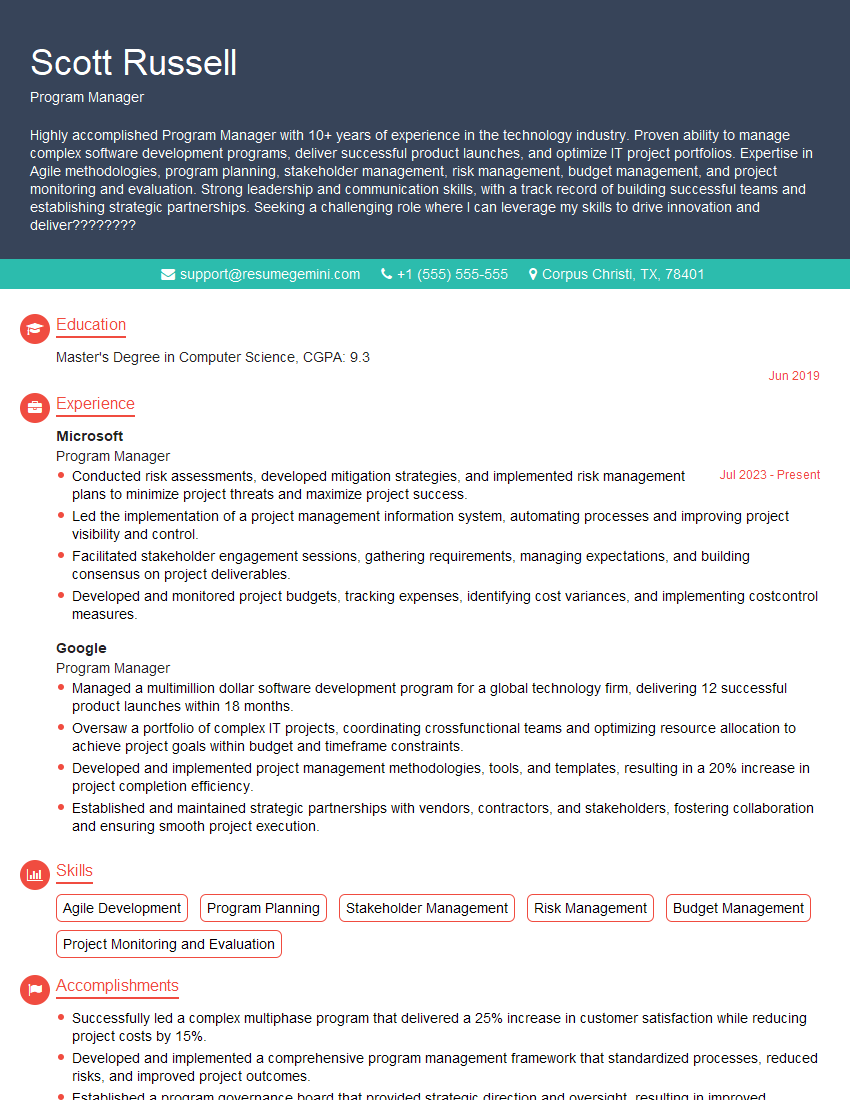
Program Manager Resume Sample
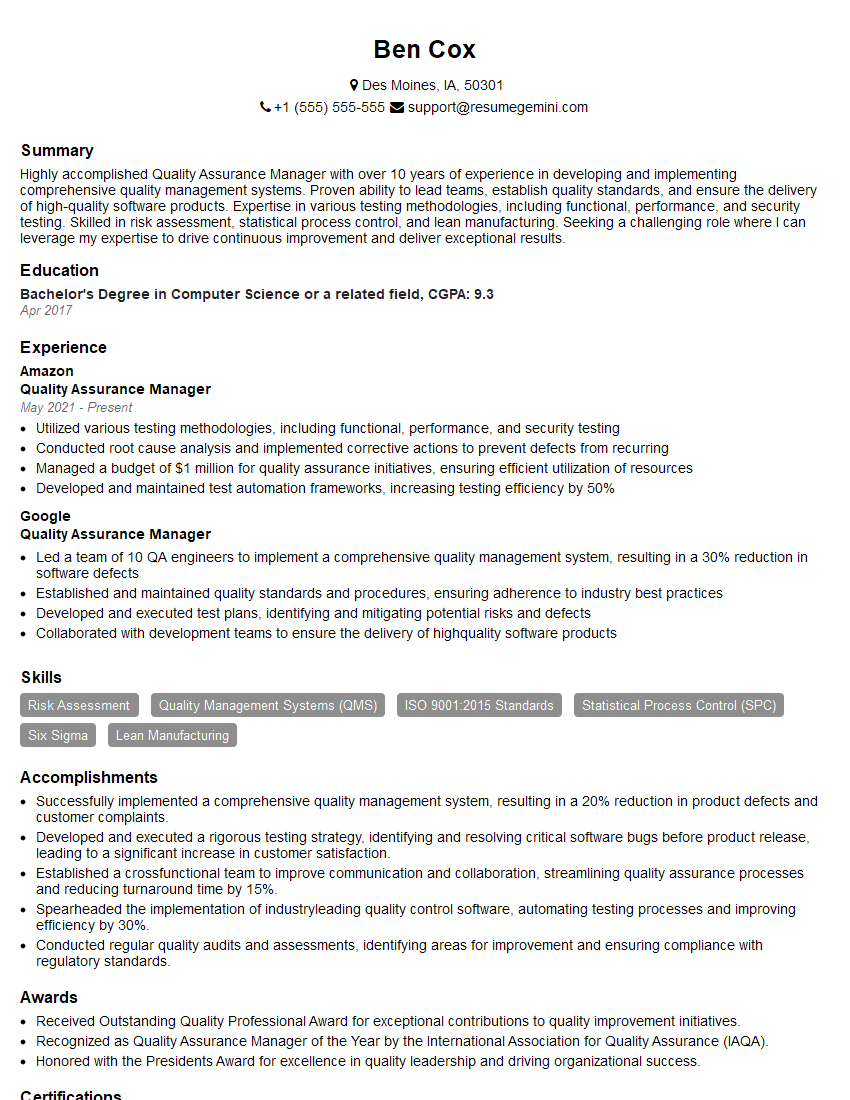
Quality Assurance Manager Resume Sample
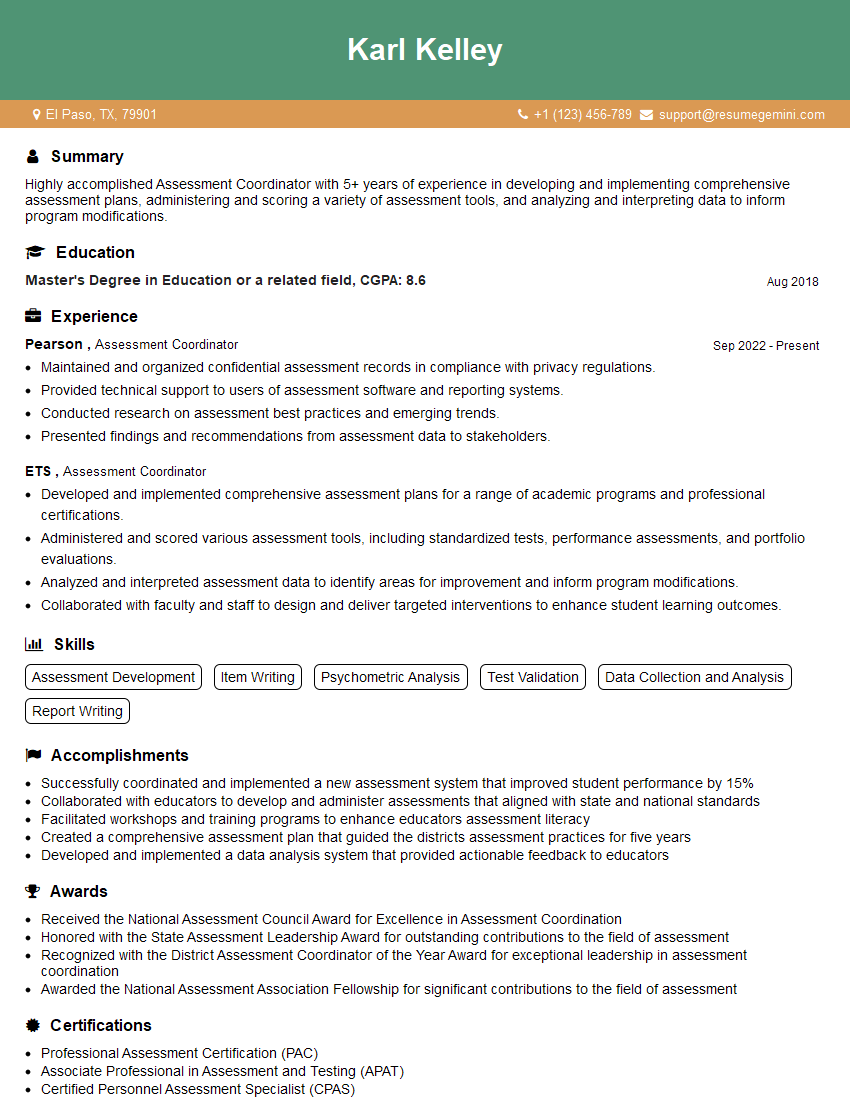
Assessment Coordinator Resume Sample
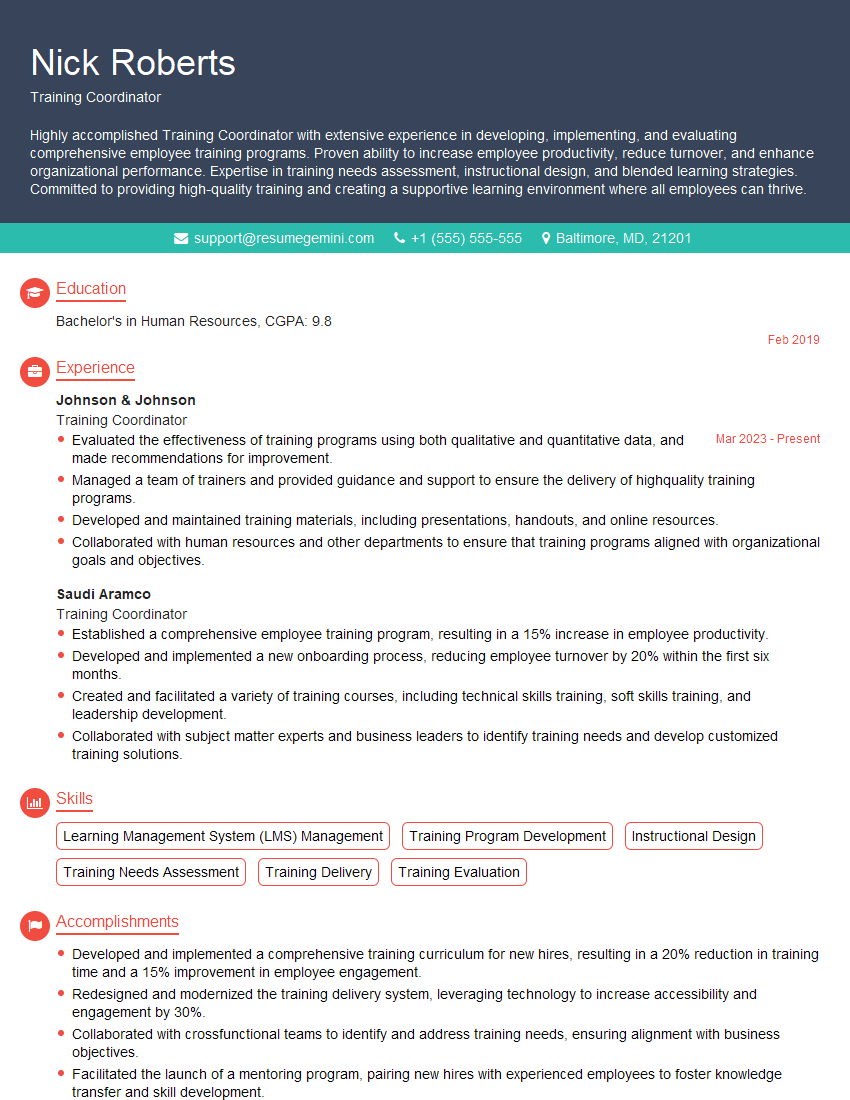
Training Coordinator Resume Sample
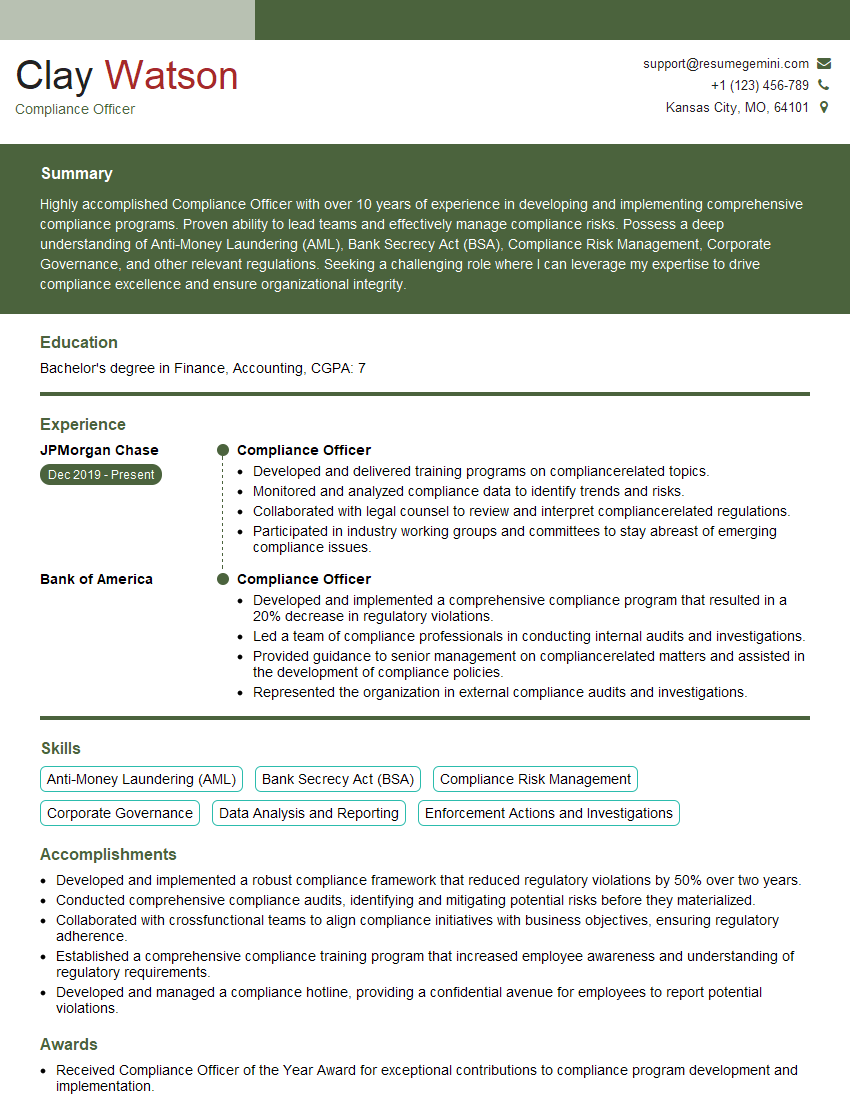
Compliance Officer Resume Sample
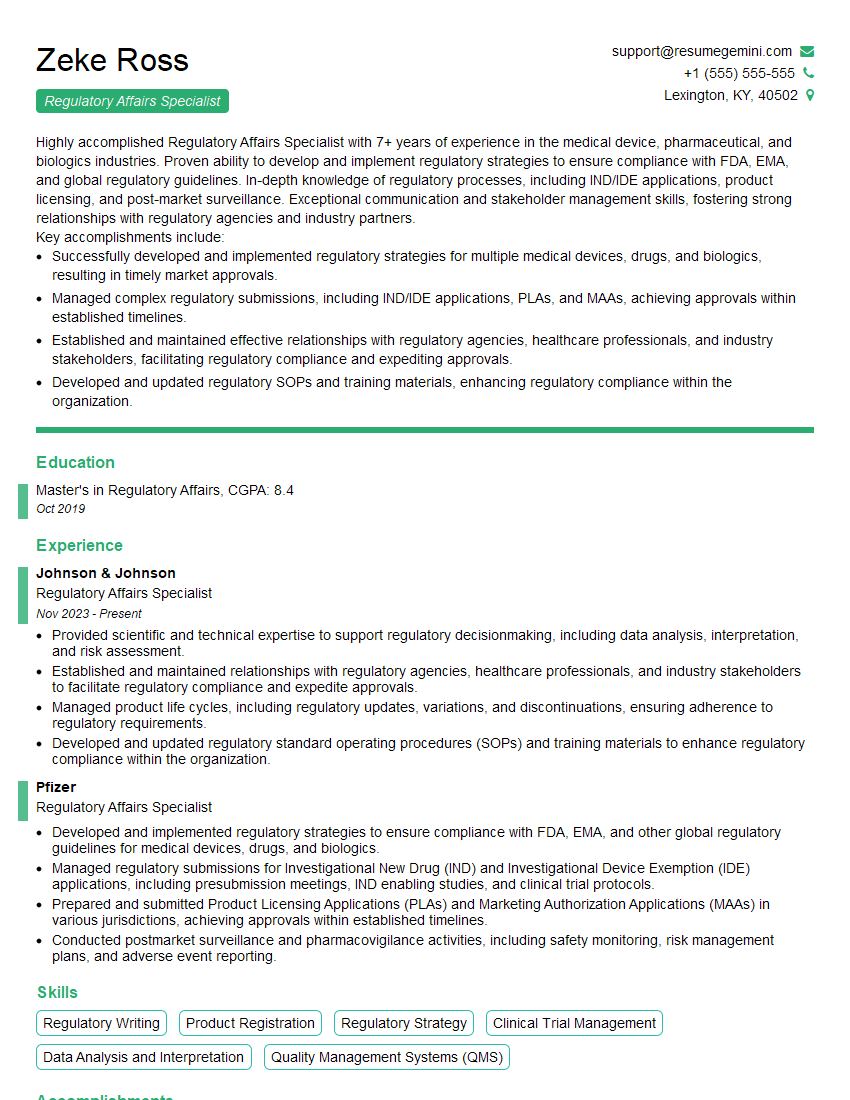
Regulatory Affairs Specialist Resume Sample
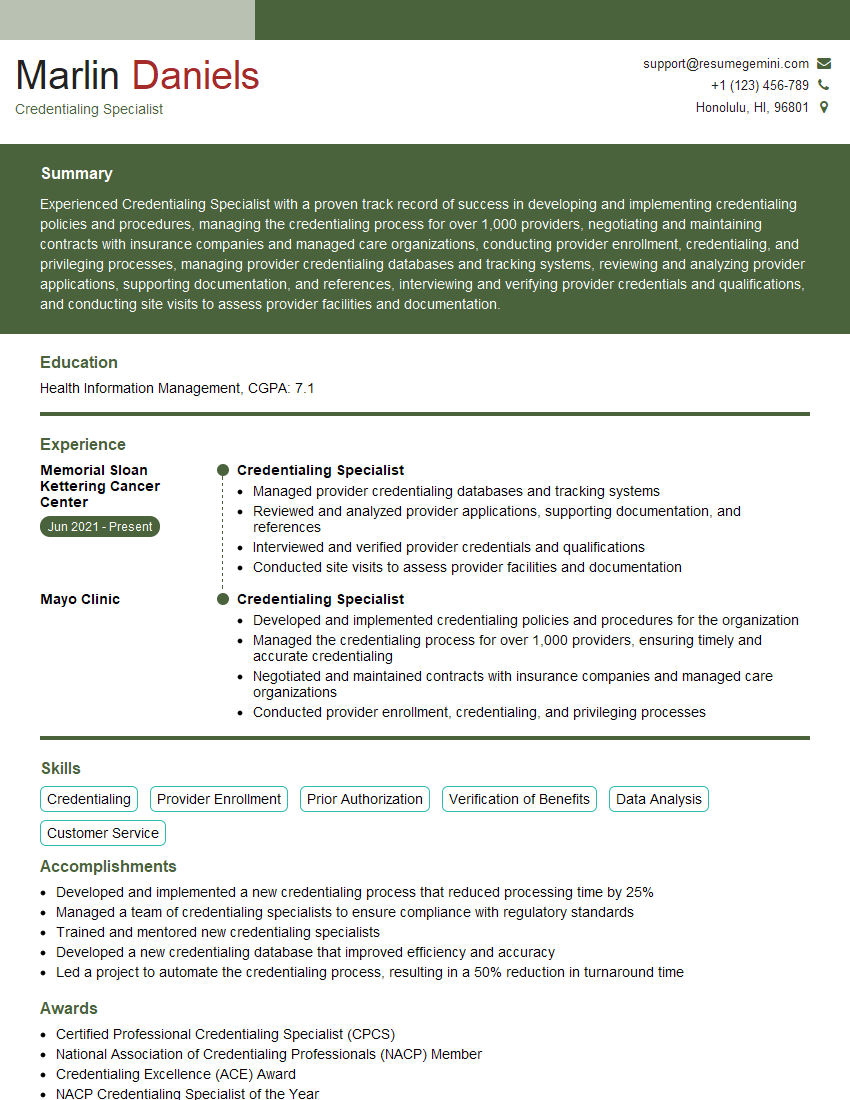
Credentialing Specialist Resume Sample

Curriculum Developer Resume Sample
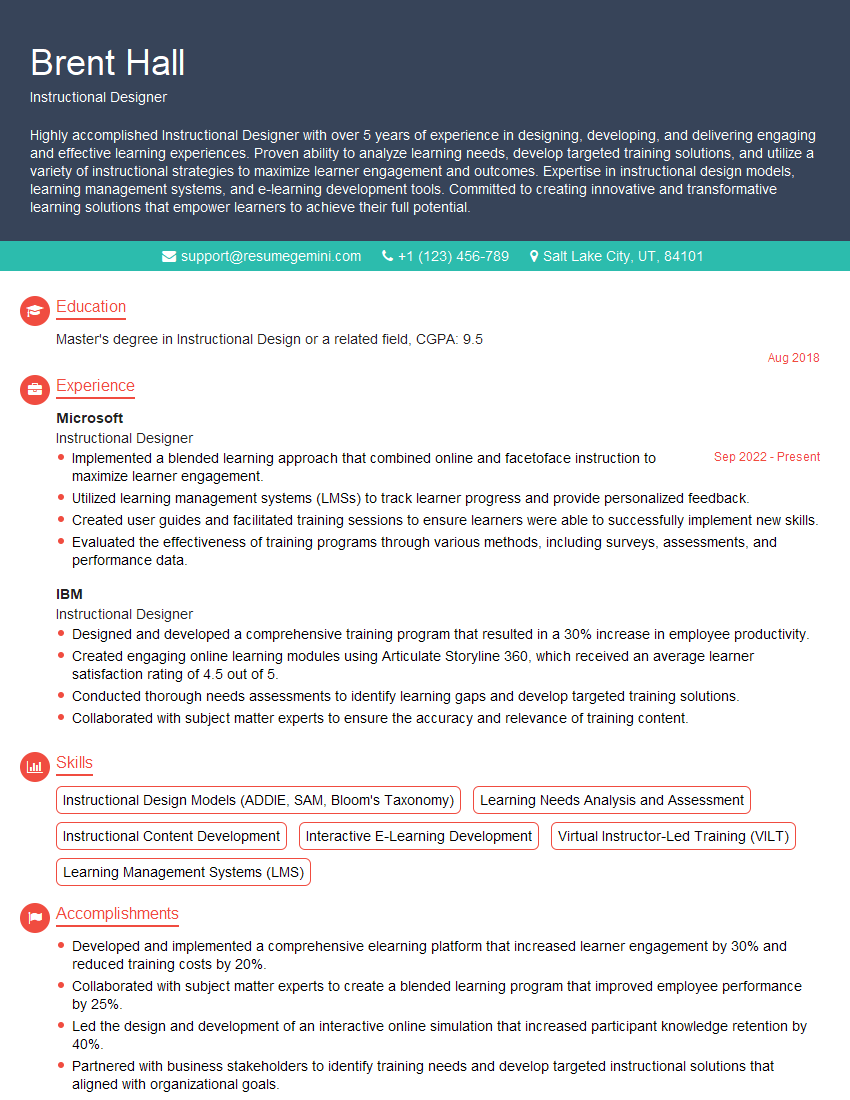
Instructional Designer Resume Sample
Explore more articles
Users Rating of Our Blogs
Share Your Experience
We value your feedback! Please rate our content and share your thoughts (optional).
What Readers Say About Our Blog
I Redesigned Spongebob Squarepants and his main characters of my artwork.
https://www.deviantart.com/reimaginesponge/art/Redesigned-Spongebob-characters-1223583608
IT gave me an insight and words to use and be able to think of examples
Hi, I’m Jay, we have a few potential clients that are interested in your services, thought you might be a good fit. I’d love to talk about the details, when do you have time to talk?
Best,
Jay
Founder | CEO