Feeling uncertain about what to expect in your upcoming interview? We’ve got you covered! This blog highlights the most important IT Audit and Control interview questions and provides actionable advice to help you stand out as the ideal candidate. Let’s pave the way for your success.
Questions Asked in IT Audit and Control Interview
Q 1. Explain the difference between an IT audit and a security audit.
While both IT audits and security audits examine an organization’s IT infrastructure, their scopes differ significantly. An IT audit is a broader assessment focusing on the effectiveness and efficiency of an organization’s entire IT environment. This includes evaluating the reliability of financial reporting systems, the effectiveness of IT operations, and compliance with relevant regulations and internal policies. Think of it as a comprehensive health check of the entire IT system. A security audit, on the other hand, specifically targets the security posture of the IT environment. It focuses on identifying vulnerabilities, weaknesses in security controls, and the overall risk of data breaches or other security incidents. It’s like a specialized checkup focusing solely on the immune system of your IT infrastructure.
For example, an IT audit might examine the accuracy of inventory data in an ERP system, while a security audit would assess the system’s protection against unauthorized access and data leaks.
Q 2. Describe the key components of a robust IT governance framework.
A robust IT governance framework ensures that an organization’s IT investments align with its overall business strategy and risk appetite. Key components include:
- Strategic Alignment: IT strategy is directly linked to business objectives. This involves identifying how technology can enable and support the organization’s goals.
- Risk Management: Identifying, assessing, and mitigating IT-related risks. This includes establishing clear responsibilities and processes for managing security incidents and business continuity.
- Resource Management: Efficient allocation and management of IT resources, including budget, personnel, and technology. This ensures that IT investments are optimized for maximum impact.
- Performance Measurement: Establishing key performance indicators (KPIs) to track the effectiveness of IT initiatives and identify areas for improvement. Examples might include system uptime, application performance, and security incident response times.
- Compliance and Policy Management: Adherence to relevant regulations (e.g., GDPR, HIPAA) and internal policies. This ensures that the organization meets its legal and ethical obligations.
Think of a well-functioning orchestra: the governance framework is the conductor, ensuring that all the instruments (different IT components) work together harmoniously to achieve the overall musical piece (business objectives).
Q 3. What are the main frameworks and standards used in IT audits (e.g., COBIT, ISO 27001, NIST)?
Several frameworks and standards guide IT audits, each with its own focus and approach. Some prominent examples include:
- COBIT (Control Objectives for Information and Related Technologies): A widely used framework for IT governance and management, providing a holistic view of IT management and control. It offers a comprehensive set of goals and controls, helping organizations align IT with business objectives and manage IT-related risks effectively.
- ISO 27001: An international standard for information security management systems (ISMS). It provides a framework for establishing, implementing, maintaining, and continually improving an ISMS to protect sensitive information. It focuses on the security aspects of IT, establishing a robust security policy and controls to minimize risk.
- NIST Cybersecurity Framework: Developed by the National Institute of Standards and Technology (NIST), this framework provides a voluntary set of guidelines and best practices for managing cybersecurity risk. It covers five core functions: Identify, Protect, Detect, Respond, and Recover.
These frameworks are often used in conjunction with each other, tailoring the approach to the specific needs of an organization.
Q 4. How do you assess the effectiveness of IT controls?
Assessing the effectiveness of IT controls involves a multi-faceted approach. It’s not enough to simply document the existence of controls; we need to verify that they are operating as intended and achieving their objectives. This typically involves:
- Design Effectiveness Review: Evaluating the design of controls to determine if they are adequate to address identified risks. This is often a paper-based review of documentation.
- Operational Effectiveness Testing: Testing controls through various methods, such as walkthroughs, inquiries, inspection of logs, and re-performance of processes to verify that they are operating effectively in practice. This involves actively examining how controls work in the real world.
- Compliance Testing: Evaluating compliance with relevant regulations, policies, and standards. This is important for demonstrating regulatory compliance and adherence to internal policies.
- Monitoring and Reporting: Implementing ongoing monitoring mechanisms to ensure continuous control effectiveness and identify potential issues proactively. Regular reporting highlights control performance and areas needing attention.
For instance, to assess the effectiveness of access controls, we would review user access rights, conduct tests to verify the functionality of access control lists, and review audit logs to detect unauthorized access attempts.
Q 5. What are the common types of IT control weaknesses you’ve encountered?
During my experience, I’ve frequently encountered several common IT control weaknesses:
- Inadequate Access Controls: Lack of proper segregation of duties, insufficient password controls, or overly permissive access rights, creating vulnerabilities for unauthorized access and data breaches.
- Weak Change Management Processes: Poorly defined procedures for implementing changes to IT systems, increasing the risk of system instability, data loss, or security vulnerabilities.
- Insufficient Security Awareness Training: Lack of training for employees on cybersecurity best practices, leading to increased risk of phishing attacks, malware infections, and other security incidents.
- Inadequate Vulnerability Management: Failure to regularly scan for and address security vulnerabilities in systems and applications, increasing the organization’s exposure to attacks.
- Lack of Disaster Recovery and Business Continuity Planning: Absence of plans to recover from IT disruptions, leading to significant business interruption and potential financial losses.
These weaknesses often stem from a lack of resources, insufficient management oversight, or a failure to prioritize security and control implementation. A lack of regular reviews and updates also contributes to control decay.
Q 6. Explain your experience with risk assessment methodologies.
I have extensive experience applying various risk assessment methodologies, including:
- Qualitative Risk Assessment: Using expert judgment and subjective assessments to identify and evaluate risks. This involves using questionnaires, interviews, and workshops to gain a high-level understanding of potential threats and their impacts. This is often a starting point for understanding risks.
- Quantitative Risk Assessment: Using numerical data and statistical analysis to quantify the likelihood and potential impact of risks. This is more precise and often involves calculating potential financial losses. This approach is useful for prioritizing risks based on their financial impact.
- NIST Risk Management Framework: A structured approach to risk management that follows a lifecycle of identifying, assessing, responding to, and monitoring risks. The framework provides a detailed roadmap for a thorough risk assessment.
My approach involves tailoring the methodology to the specific context and available resources. For example, a smaller organization might focus on qualitative assessments, while a larger organization with significant IT investments might utilize quantitative methods.
Q 7. Describe your experience with auditing cloud-based systems.
Auditing cloud-based systems presents unique challenges and requires a different approach compared to traditional on-premises systems. My experience in this area includes:
- Understanding Shared Responsibility Models: Clearly defining the responsibilities of the cloud provider and the organization in terms of security and compliance. This is crucial to identifying which controls are the responsibility of the cloud provider and which ones need to be implemented and audited by the organization.
- Assessing Cloud Service Level Agreements (SLAs): Evaluating the SLAs to determine the level of service and security provided by the cloud provider. The SLAs often outline the commitments of the service provider regarding service uptime, security, and other performance metrics.
- Utilizing Cloud-Specific Audit Tools and Techniques: Employing tools and techniques designed for auditing cloud environments, such as cloud-based audit logs, security information and event management (SIEM) systems, and cloud security posture management (CSPM) tools. These specialized tools provide better visibility into the cloud environment.
- Testing Cloud-Based Security Controls: Verifying the effectiveness of cloud-specific security controls, such as identity and access management (IAM), data encryption, and virtual network configurations. Testing these controls is crucial to ensure that the organization’s data is secure in the cloud.
A critical aspect is understanding the specific cloud provider’s security controls and compliance certifications. For example, auditing an AWS environment requires familiarity with AWS’s security best practices and compliance certifications.
Q 8. How do you document audit findings and communicate them to stakeholders?
Documenting audit findings and communicating them effectively to stakeholders is crucial for ensuring corrective actions are taken. My approach involves a multi-step process. First, I meticulously document each finding using a standardized template. This template typically includes a unique identifier, a description of the finding, its location (e.g., specific system, process), the identified risk, the impact, and supporting evidence (e.g., screenshots, log files, interview transcripts).
Secondly, I categorize findings based on their severity and impact. This often involves using a risk rating matrix that considers factors like likelihood and consequence. For example, a high-likelihood, high-impact finding, such as a critical vulnerability in a production system, would be prioritized over a low-likelihood, low-impact finding.
Finally, I communicate these findings through various channels tailored to the audience. For executive stakeholders, I create concise executive summaries focusing on high-level risks and recommended actions. For technical teams, I provide more detailed reports with technical specifications and remediation steps. Presentations and follow-up meetings are also frequently utilized to ensure clarity and facilitate discussion. For example, I might visually represent findings using dashboards or heatmaps to showcase the overall risk profile and areas requiring immediate attention.
Q 9. What is your experience with data analytics in IT auditing?
Data analytics is an indispensable tool in modern IT auditing. My experience encompasses using various data analytics techniques to identify anomalies, patterns, and trends that might indicate control weaknesses or fraudulent activities. I’m proficient in using tools like SQL, Python with libraries like Pandas and NumPy, and data visualization tools like Tableau or Power BI.
For instance, I’ve used data analytics to analyze user access logs to identify potential insider threats by detecting unusual access patterns or privileged user activity outside of their normal roles. I’ve also analyzed financial transaction data to detect potential fraud by identifying unusual spending patterns or transactions that deviate significantly from established norms. In another project, I leveraged data analytics to assess the effectiveness of security controls by analyzing security event logs and correlating them with vulnerability scan results. This allowed us to pinpoint vulnerabilities that were being actively exploited and prioritize remediation efforts.
Q 10. How do you prioritize audit findings based on risk?
Prioritizing audit findings based on risk is paramount. I utilize a risk-based approach that incorporates both the likelihood and impact of each finding. This often involves a risk matrix or a scoring system that assigns a numerical value to each finding based on its severity.
For example, a high-likelihood, high-impact finding, such as a critical vulnerability in a production system that could lead to a data breach, would receive the highest priority. Conversely, a low-likelihood, low-impact finding, like a minor documentation error, would receive a lower priority. The prioritization process helps me focus on the most critical issues first, ensuring that the most significant risks are addressed promptly.
I typically document this prioritization in a risk register that’s regularly updated throughout the audit process. The register informs the remediation plan and helps manage expectations with stakeholders, letting them know what to expect in terms of timeline and resource allocation for remediation.
Q 11. Explain your understanding of different audit methodologies (e.g., compliance, operational, financial).
My understanding of audit methodologies encompasses a range of approaches, each serving a distinct purpose.
- Compliance Audits: These audits assess whether an organization adheres to relevant laws, regulations, and standards (e.g., SOX, HIPAA, GDPR). They involve reviewing policies, procedures, and controls to ensure compliance. The focus is on confirming adherence to a pre-defined set of rules.
- Operational Audits: These audits evaluate the efficiency and effectiveness of an organization’s operations. They focus on identifying areas for improvement in processes, resource utilization, and internal controls. The goal is to enhance the effectiveness and efficiency of operations. For example, I might analyze a company’s IT help desk processes to determine its speed and efficiency in resolving user requests.
- Financial Audits: These audits examine the accuracy and reliability of an organization’s financial statements. They aim to provide reasonable assurance that the financial statements are free from material misstatement. These audits are typically conducted by Certified Public Accountants (CPAs) and follow stringent auditing standards.
Often, a real-world audit combines elements from these different methodologies. For instance, an operational audit might uncover compliance issues, leading to a more focused compliance review.
Q 12. How do you handle conflicts of interest during an audit?
Conflicts of interest are taken extremely seriously. My approach is rooted in transparency and adherence to professional ethics. If a potential conflict arises – for example, a prior relationship with an employee of the organization being audited – I immediately disclose this to the audit engagement team and the client.
Depending on the nature and severity of the conflict, several actions may be taken. This could range from limiting my involvement in specific areas of the audit, to recusal from the entire engagement. Transparency is key; the client must be fully informed and agree with the measures taken to mitigate the conflict. Following established protocols and maintaining detailed documentation of these situations is also crucial. My commitment to objectivity and independence always prevails.
Q 13. Describe your experience with using audit management software.
I have extensive experience utilizing audit management software, including tools such as Archer, AuditBoard, and ServiceNow. These tools are instrumental in streamlining the audit process, improving efficiency, and enhancing the quality of deliverables.
My experience includes using these tools for risk assessment, planning and scheduling audits, managing evidence collection, tracking findings, and monitoring remediation efforts. These tools automate many tasks like report generation and communication, allowing me to focus more on the analytical aspects of the audit. For example, I’ve used these tools to create a centralized repository of audit evidence, which significantly improved our ability to track and manage audit findings, making the overall auditing process smoother and more efficient.
Q 14. What is your approach to managing audit scope creep?
Audit scope creep, the uncontrolled expansion of an audit’s objectives, is a significant risk that can jeopardize the project’s timeline, budget, and quality. My approach focuses on proactive prevention and diligent management.
Firstly, a clear and well-defined audit scope is established at the beginning of the engagement, documented in a detailed charter, and agreed upon by all stakeholders. This charter clearly outlines the objectives, deliverables, timeline, and any limitations. Secondly, any requests to change the scope during the audit are documented and assessed. A formal change request process is followed, evaluating the impact of the change on the project’s timeline, budget, and resources.
Thirdly, regular communication with stakeholders is maintained throughout the audit. This ensures that everyone understands the current scope and any potential deviations. I use project management techniques to track progress and identify potential issues that could lead to scope creep. Finally, a formal sign-off process is implemented to ensure that all stakeholders agree on the final scope of the audit before its completion.
Q 15. How do you ensure the confidentiality and integrity of audit data?
Ensuring the confidentiality and integrity of audit data is paramount. Think of it like protecting a highly sensitive document – you wouldn’t just leave it lying around! We employ a multi-layered approach.
- Encryption: All data, both at rest (on storage) and in transit (being transmitted), is encrypted using strong, industry-standard algorithms like AES-256. This renders the data unreadable without the correct decryption key, protecting it from unauthorized access.
- Access Control: We implement strict access controls, using role-based access control (RBAC) to limit who can view, modify, or delete audit data. Only authorized personnel with a legitimate need-to-know have access, and their access is regularly reviewed and audited.
- Data Hashing: We use cryptographic hashing to ensure data integrity. A hash is a unique digital fingerprint of the data. Any change, no matter how small, will alter the hash. By regularly comparing hashes, we can detect any unauthorized modifications or tampering.
- Secure Storage: Audit data is stored in secure, geographically diverse locations with robust physical security measures and regular backups. This ensures data availability and resilience against disasters or attacks.
- Audit Trails: Comprehensive audit trails track all access and modifications to the data. This allows us to pinpoint who accessed what, when, and what changes were made. This is crucial for identifying and investigating any security incidents.
For example, during a recent audit of a financial institution, we implemented end-to-end encryption for all transaction data transferred between branches, ensuring confidentiality even if a data breach occurred in transit. Regular hash comparisons helped us detect a minor data corruption issue early on, preventing it from escalating.
Career Expert Tips:
- Ace those interviews! Prepare effectively by reviewing the Top 50 Most Common Interview Questions on ResumeGemini.
- Navigate your job search with confidence! Explore a wide range of Career Tips on ResumeGemini. Learn about common challenges and recommendations to overcome them.
- Craft the perfect resume! Master the Art of Resume Writing with ResumeGemini’s guide. Showcase your unique qualifications and achievements effectively.
- Don’t miss out on holiday savings! Build your dream resume with ResumeGemini’s ATS optimized templates.
Q 16. Describe your understanding of Sarbanes-Oxley (SOX) compliance.
Sarbanes-Oxley (SOX) compliance is a critical aspect of corporate governance, particularly for publicly traded companies. It aims to protect investors by improving the accuracy and reliability of corporate disclosures. From an IT perspective, SOX compliance focuses on ensuring the integrity and reliability of financial reporting systems. This includes controls over:
- Access Control: Restricting access to financial systems and data based on roles and responsibilities.
- Change Management: A formal process for managing and authorizing changes to systems and applications to prevent unauthorized modifications that could affect financial reporting.
- Data Security: Protecting financial data from unauthorized access, disclosure, modification, or destruction.
- System Availability: Ensuring the availability and reliability of systems used for financial reporting.
- Audit Trails: Maintaining comprehensive audit trails to track all activities related to financial reporting.
Non-compliance can lead to significant financial penalties, legal action, and reputational damage. Imagine a scenario where a company’s financial system is vulnerable to unauthorized changes. A malicious actor could alter financial data, leading to inaccurate reporting and potentially massive financial losses for investors. SOX compliance helps prevent such scenarios through rigorous controls and regular audits.
Q 17. What are your experiences with performing IT general controls (ITGC) audits?
IT General Controls (ITGCs) audits assess the overall effectiveness of an organization’s IT infrastructure in supporting the reliability of financial reporting. My experience includes leading and participating in numerous ITGC audits across diverse industries. These audits typically involve:
- Reviewing organizational policies and procedures: Assessing the adequacy of policies related to access control, change management, and data security.
- Testing key controls: Performing tests of controls, including walkthroughs, inquiries, and observation, to assess their effectiveness in mitigating risks.
- Analyzing audit logs and system documentation: Reviewing system logs and documentation to identify any potential security issues or control weaknesses.
- Identifying and assessing risks: Identifying key risks to the integrity of financial reporting and assessing the effectiveness of controls designed to mitigate these risks.
- Reporting findings and recommendations: Documenting audit findings, including any control weaknesses or deficiencies, and providing recommendations for improvement.
In one recent engagement, we uncovered a weakness in the access control system of a retail company. This weakness allowed unauthorized personnel to potentially access sensitive financial data. Our recommendations included implementing multi-factor authentication and enhancing access control policies, which the client promptly implemented, significantly improving their security posture.
Q 18. How do you validate the accuracy and completeness of audit evidence?
Validating the accuracy and completeness of audit evidence is crucial. Think of it as verifying the foundation of your conclusions. We use a variety of techniques:
- Data Analytics: Using data analytics tools to identify anomalies and inconsistencies in data. This can help detect errors or fraud.
- Reconciliations: Performing reconciliations between different data sources to ensure consistency and identify discrepancies. For example, reconciling bank statements with general ledger accounts.
- Sampling Techniques: Employing statistical sampling methods to select a representative sample of transactions or data for detailed testing. This allows for efficient testing while still providing reasonable assurance.
- Independent Verification: Comparing audit evidence to independent sources of information to ensure accuracy. This can involve confirming information with external parties or comparing data to industry benchmarks.
- Documentation Review: Thorough review of supporting documentation such as system documentation, user manuals, and policies to ensure alignment with actual practices.
For example, during an inventory audit, we used data analytics to identify discrepancies between the physical inventory count and the inventory records. Further investigation using reconciliation techniques revealed a data entry error that was promptly corrected.
Q 19. What are some common vulnerabilities in IT systems and how can they be mitigated?
IT systems are vulnerable to various threats. Here are some common ones and their mitigations:
- SQL Injection: Attackers inject malicious SQL code into input fields to manipulate database queries. Mitigation: Use parameterized queries or stored procedures, input validation, and robust database security configurations.
- Cross-Site Scripting (XSS): Attackers inject malicious scripts into websites to steal user data or redirect users to malicious sites. Mitigation: Implement robust input validation, output encoding, and a secure content security policy (CSP).
- Phishing: Attackers use deceptive emails or websites to trick users into revealing sensitive information. Mitigation: Security awareness training for users, strong password policies, multi-factor authentication, and email filtering.
- Denial of Service (DoS): Attackers flood a system with traffic to make it unavailable to legitimate users. Mitigation: Implementing firewalls, intrusion detection/prevention systems, and load balancing.
- Malware: Malicious software that can damage systems or steal data. Mitigation: Anti-virus software, regular software updates, security patches, and user education on safe browsing practices.
Q 20. Describe your understanding of penetration testing and vulnerability scanning.
Penetration testing and vulnerability scanning are crucial for identifying security weaknesses in IT systems. Think of them as proactive security assessments.
- Vulnerability Scanning: This is an automated process that uses tools to identify known vulnerabilities in systems and applications. It’s like a health check-up, identifying potential problems before they become serious issues. The scan identifies potential weaknesses by checking system configurations and software against known vulnerabilities in databases like the National Vulnerability Database (NVD).
- Penetration Testing: This is a more hands-on approach where security professionals simulate real-world attacks to assess the system’s resilience. It’s like a stress test, pushing the system to its limits to see how it reacts under pressure. This involves attempting to exploit identified vulnerabilities to assess the impact.
The combination of these two approaches provides a comprehensive view of an organization’s security posture. Vulnerability scans provide a broad overview of potential weaknesses, while penetration testing helps assess the real-world impact of these weaknesses. For example, a vulnerability scan might identify a weakness in a web application’s authentication mechanism. A penetration test would then attempt to exploit this weakness to gain unauthorized access, assessing the potential damage.
Q 21. Explain your experience with auditing database security.
Auditing database security involves assessing the controls and processes in place to protect the confidentiality, integrity, and availability of database systems. This includes:
- Access Control: Reviewing database access rights and privileges to ensure that only authorized users have access to sensitive data.
- Data Encryption: Assessing whether data is encrypted both at rest and in transit to protect against unauthorized access.
- Change Management: Reviewing the process for managing changes to the database to ensure that changes are authorized and properly documented.
- Auditing and Monitoring: Reviewing database audit logs to detect unauthorized access or modifications. Setting up appropriate monitoring tools to track database activity.
- Vulnerability Management: Assessing the database system for known vulnerabilities and ensuring that necessary patches and security updates are applied.
- Data Backup and Recovery: Evaluating the effectiveness of data backup and recovery processes to ensure business continuity.
During a recent audit of a healthcare provider, we identified a significant weakness in their database access controls. Their lack of proper segregation of duties allowed a single individual to both manage and access sensitive patient data, which posed a considerable risk. Our recommendations focused on implementing role-based access control, multi-factor authentication, and enhanced auditing capabilities. This significantly mitigated the risks and improved their overall database security.
Q 22. How do you ensure the effectiveness of change management processes?
Ensuring the effectiveness of change management processes is crucial for maintaining IT system stability and security. It’s like building a house – you wouldn’t just start adding rooms without a plan. A robust change management process involves careful planning, execution, and review.
- Planning: This stage involves a thorough assessment of the proposed change, identifying potential risks and impacts, and obtaining necessary approvals. This often involves using a change request form that details the proposed changes, impact analysis, and rollback plan.
- Testing: Before implementing a change in a production environment, rigorous testing is essential to ensure it functions as intended and doesn’t introduce new vulnerabilities. This might include unit testing, integration testing, and user acceptance testing (UAT).
- Implementation: The change is implemented following a pre-defined schedule and procedures, often with a documented rollback plan in case of failure.
- Review and Post-Implementation Assessment: After implementation, the effectiveness of the change is reviewed to identify any unintended consequences and areas for improvement. This feedback loop is vital for continuous improvement.
For example, in a recent project, we implemented a new security patch. The change management process ensured the patch was thoroughly tested in a staging environment before being deployed to production, minimizing disruption and risk. Post-implementation review confirmed the patch’s effectiveness and highlighted minor documentation updates needed.
Q 23. How do you stay up-to-date with the latest IT audit and control best practices?
Staying current in IT audit and control is a continuous process. It’s like staying ahead of the curve in a rapidly evolving technological landscape. I employ several strategies:
- Professional Certifications: Maintaining certifications like CISA (Certified Information Systems Auditor) or CISSP (Certified Information Systems Security Professional) requires ongoing professional development and keeps me abreast of the latest standards and best practices.
- Industry Publications and Conferences: I actively read publications like ISACA’s Journal of Information Systems Auditing and Control and attend industry conferences like RSA Conference and Gartner Symposiums to learn from experts and network with peers.
- Online Resources and Webinars: I leverage online resources like SANS Institute and NIST publications to access updated guidance and research on emerging threats and best practices. Webinars are also an excellent way to learn about new technologies and methodologies.
- Networking with Peers: Discussions and knowledge sharing with other IT auditors are invaluable for staying informed about emerging trends and challenges.
For instance, I recently attended a webinar on cloud security auditing, learning about best practices for auditing cloud-based systems and emerging threats in this rapidly expanding area.
Q 24. Describe your experience with auditing network security controls.
Auditing network security controls is a critical aspect of my work. Think of it as a comprehensive health check for your organization’s digital defenses. My approach involves a multi-layered assessment:
- Vulnerability Assessments: Using automated tools and manual techniques to identify potential weaknesses in the network infrastructure, such as outdated software or misconfigured firewalls.
- Penetration Testing: Simulating real-world attacks to assess the effectiveness of security controls in protecting against unauthorized access and data breaches. This helps identify vulnerabilities that automated scans might miss.
- Security Policy Review: Evaluating the organization’s security policies and procedures to ensure they are adequately addressing network security risks and are being implemented effectively.
- Configuration Review: Examining the configuration of network devices like routers, firewalls, and switches to ensure they are properly secured and aligned with best practices.
- Log Analysis: Reviewing security logs to identify any suspicious activities or potential security incidents.
In one engagement, we discovered a misconfiguration in a firewall rule that allowed unauthorized access to a critical server. Our penetration testing revealed this vulnerability, which would have otherwise gone unnoticed, enabling us to recommend and implement immediate corrective actions.
Q 25. Explain your understanding of business continuity and disaster recovery planning.
Business Continuity and Disaster Recovery (BC/DR) planning are inseparable twins, crucial for organizational resilience. Business continuity focuses on ensuring business operations continue during disruptions, while disaster recovery focuses on restoring systems and data after an incident. It’s like having a backup plan for your life – you hope you won’t need it, but it’s essential to be prepared.
- Risk Assessment: Identifying potential threats and vulnerabilities that could disrupt business operations, such as natural disasters, cyberattacks, or equipment failures.
- Business Impact Analysis (BIA): Determining the impact of different disruptions on critical business functions and prioritizing recovery efforts.
- Recovery Strategies: Developing recovery strategies for critical systems and data, including backup and recovery procedures, alternative sites, and failover mechanisms.
- Testing and Training: Regularly testing the BC/DR plan to ensure its effectiveness and training personnel on their roles and responsibilities during an incident.
In a recent project, we helped a client develop a BC/DR plan that included cloud-based backups, a geographically diverse hot site, and a comprehensive communication plan. This ensured business continuity even during a major hurricane.
Q 26. How do you perform a risk assessment for a new IT system implementation?
Performing a risk assessment for a new IT system implementation is like carefully inspecting the blueprints before building a house. You want to identify potential problems early on. My approach is methodical:
- Identify Assets: List all the components of the new system, including hardware, software, data, and personnel.
- Identify Threats: Determine potential threats that could affect the system, such as cyberattacks, natural disasters, or human error.
- Identify Vulnerabilities: Assess the weaknesses in the system that could be exploited by threats.
- Determine Likelihood and Impact: Estimate the likelihood of each threat occurring and the potential impact on the organization.
- Risk Assessment Matrix: Use a risk assessment matrix to prioritize risks based on likelihood and impact. This helps focus mitigation efforts on the most critical areas.
- Develop Mitigation Strategies: Develop strategies to reduce or eliminate the identified risks. This may include implementing security controls, developing contingency plans, or purchasing insurance.
For example, in implementing a new ERP system, we identified a high risk of data breaches due to inadequate security controls. We recommended implementing multi-factor authentication, data encryption, and regular security audits to mitigate this risk.
Q 27. What is your experience with auditing access control mechanisms?
Auditing access control mechanisms is like auditing the locks on a building – ensuring only authorized individuals can enter specific areas. I assess the effectiveness of access controls through a combination of techniques:
- Policy and Procedure Review: Examining access control policies and procedures to ensure they align with organizational security requirements and best practices. This includes verifying that the principle of least privilege is enforced.
- User Access Reviews: Verifying that users only have access to the systems and data necessary to perform their jobs. Regular reviews ensure inactive accounts are disabled and that permissions are appropriate.
- System Configuration Review: Examining the configuration of access control systems, such as Active Directory or identity and access management (IAM) solutions, to ensure they are properly secured and configured according to best practices. This often involves checking for default passwords or weak configurations.
- Access Log Analysis: Reviewing access logs to detect any suspicious activity or unauthorized access attempts. This can reveal insider threats or external attacks.
In one audit, we identified a user with excessive privileges, posing a significant security risk. Our recommendations resulted in the user’s access being restricted, reducing the overall security risk.
Q 28. Describe your approach to conducting a follow-up audit.
Conducting a follow-up audit is critical to verify the effectiveness of corrective actions taken after an initial audit. Think of it as a progress check after a doctor’s appointment – you want to ensure the treatment is working. My approach involves:
- Review of Corrective Action Plans: Reviewing the management’s responses to the initial audit findings and verifying that corrective actions have been implemented.
- Testing of Controls: Re-testing the controls that were identified as deficient in the initial audit to confirm that the implemented corrective actions are effective.
- Interviewing Key Personnel: Interviewing key personnel to gain their perspective on the effectiveness of the corrective actions and to identify any challenges encountered during implementation.
- Documentation Review: Reviewing updated documentation to ensure it reflects the implemented changes and accurately represents the current state of the controls.
- Reporting: Preparing a follow-up audit report that summarizes the findings, identifies any outstanding issues, and provides recommendations for future improvements.
In a recent follow-up audit, we verified that management had successfully implemented all the recommended corrective actions and that the identified control deficiencies were remediated. This confirmed the effectiveness of the initial audit and demonstrated an improvement in the organization’s security posture.
Key Topics to Learn for IT Audit and Control Interview
- IT Governance and Risk Management Frameworks: Understand frameworks like COBIT, ISO 27001, NIST Cybersecurity Framework. Consider their practical implementation within organizations and how they influence audit planning.
- IT General Controls (ITGCs): Explore the key ITGCs like access control, change management, and data backup/recovery. Be prepared to discuss how weaknesses in these controls can impact financial reporting and data integrity. Consider real-world examples of control failures and their consequences.
- IT Application Controls: Delve into application-specific controls, including input validation, processing controls, and output controls. Practice explaining how you would assess the effectiveness of these controls in a specific application.
- Data Security and Privacy: Understand data security principles, common threats and vulnerabilities, and relevant regulations like GDPR and CCPA. Be ready to discuss practical security measures and their implementation.
- Auditing Cloud Environments: Familiarize yourself with the challenges and unique considerations of auditing cloud-based systems (e.g., AWS, Azure, GCP). Understand how to assess security and compliance in these environments.
- IT Audit Techniques and Methodologies: Become proficient in various audit techniques, including risk assessment, walkthroughs, testing of controls, and data analytics. Practice explaining how you would approach an audit engagement.
- Reporting and Communication: Develop your skills in clearly and concisely communicating audit findings and recommendations to both technical and non-technical audiences.
Next Steps
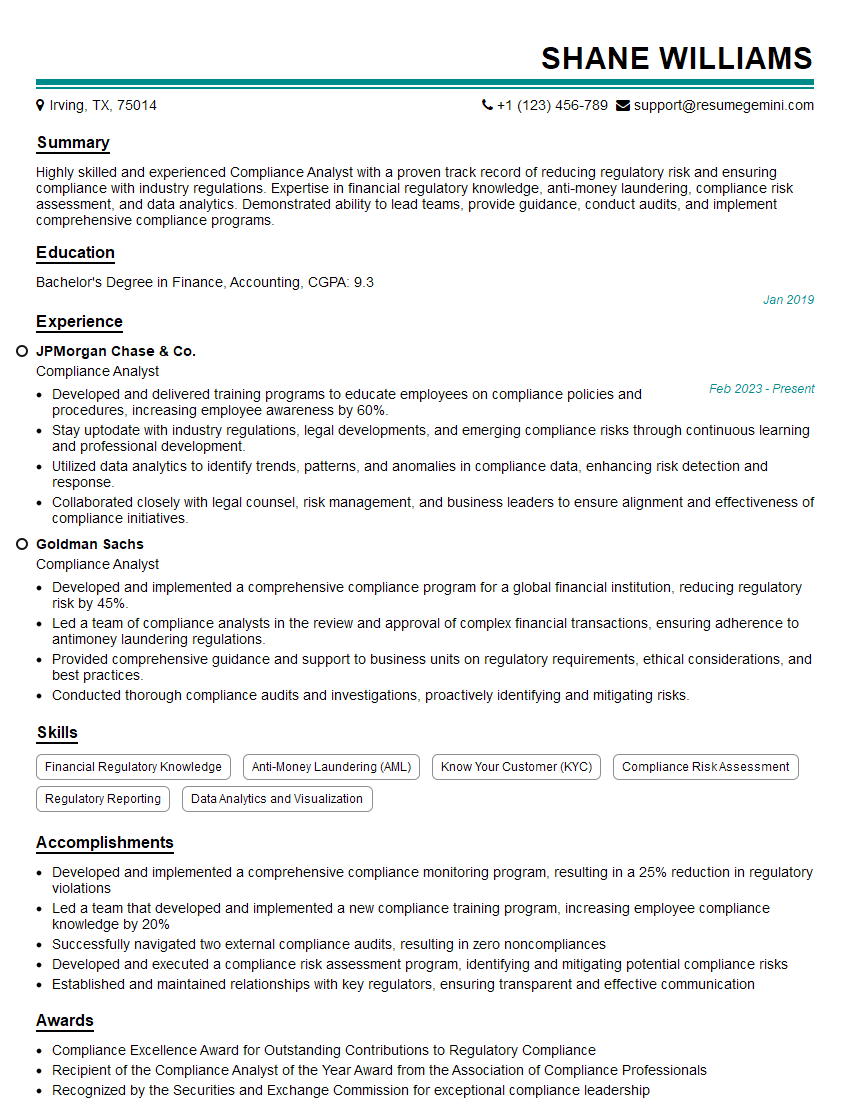
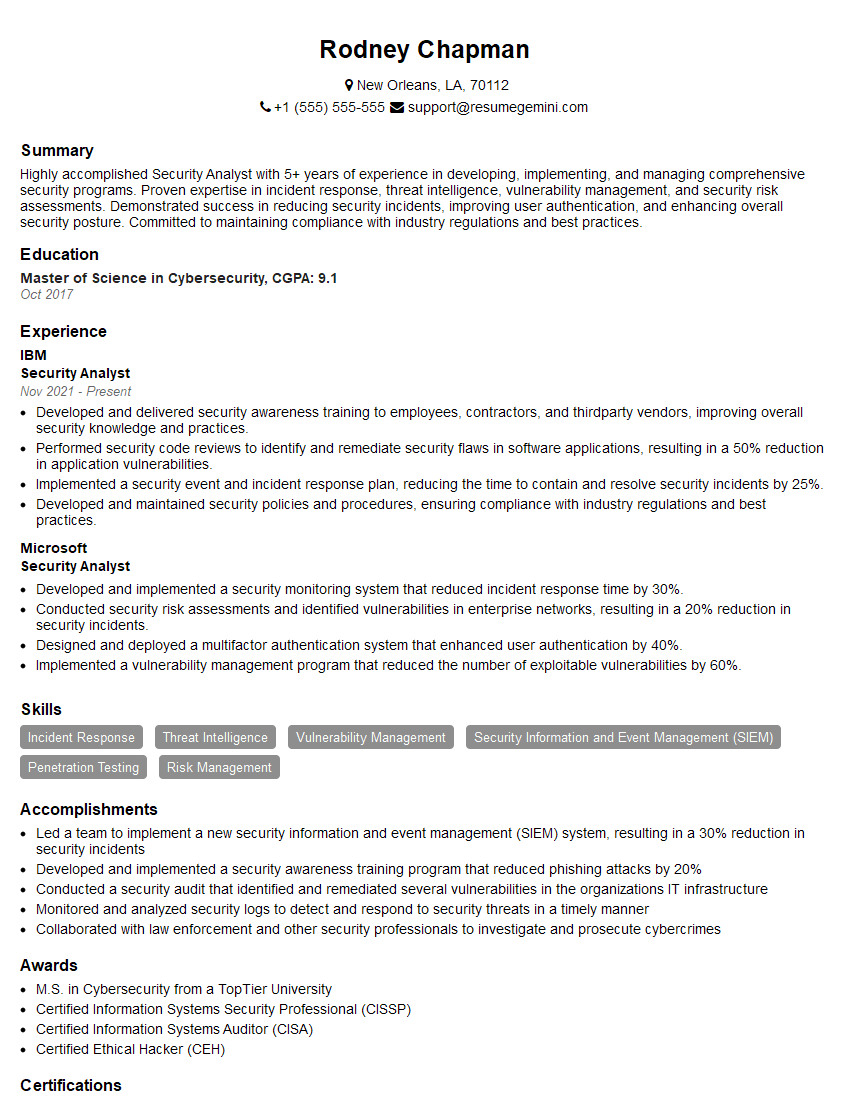
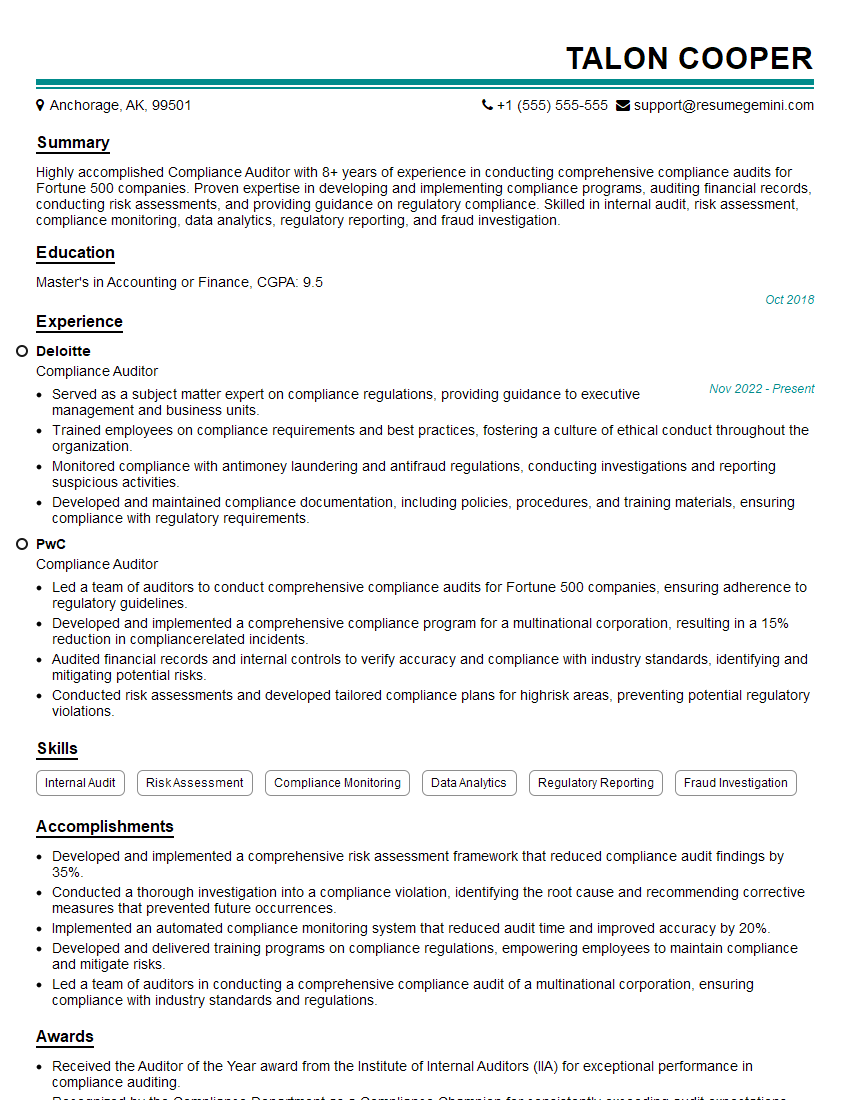
Mastering IT Audit and Control is crucial for a successful and rewarding career in IT. This field offers excellent growth potential, allowing you to develop specialized expertise and assume leadership roles. To maximize your job prospects, crafting an ATS-friendly resume is essential. A well-structured resume, highlighting your skills and experience effectively, increases your chances of getting noticed by recruiters. We recommend using ResumeGemini to build a professional and impactful resume. ResumeGemini offers examples of resumes tailored specifically to IT Audit and Control roles, helping you showcase your qualifications in the best possible light. Take advantage of this valuable resource to elevate your job search.
Explore more articles
Users Rating of Our Blogs
Share Your Experience
We value your feedback! Please rate our content and share your thoughts (optional).
What Readers Say About Our Blog
I Redesigned Spongebob Squarepants and his main characters of my artwork.
https://www.deviantart.com/reimaginesponge/art/Redesigned-Spongebob-characters-1223583608
IT gave me an insight and words to use and be able to think of examples
Hi, I’m Jay, we have a few potential clients that are interested in your services, thought you might be a good fit. I’d love to talk about the details, when do you have time to talk?
Best,
Jay
Founder | CEO