Are you ready to stand out in your next interview? Understanding and preparing for Local Delivery and Pickup interview questions is a game-changer. In this blog, we’ve compiled key questions and expert advice to help you showcase your skills with confidence and precision. Let’s get started on your journey to acing the interview.
Questions Asked in Local Delivery and Pickup Interview
Q 1. Describe your experience with route optimization.
Route optimization is crucial for efficient local delivery and pickup. It involves strategically planning the most efficient routes to minimize travel time, fuel consumption, and overall operational costs. My experience encompasses using various software and techniques to achieve this.
For instance, I’ve extensively used route optimization software that incorporates real-time traffic data, delivery time windows, and multiple delivery points to generate optimal routes. This software often employs algorithms like the Traveling Salesperson Problem (TSP) to find the shortest path that visits all locations. I’m also proficient in manually optimizing routes based on my knowledge of local geography and traffic patterns, particularly when dealing with unexpected road closures or high-traffic areas.
In a recent project, I optimized routes for a florist delivering bouquets across a city. By using route optimization software and accounting for peak hour traffic congestion, we reduced delivery times by 15% and increased driver satisfaction significantly. This translates to better customer service and increased profitability.
Q 2. How do you handle unexpected delays in delivery?
Unexpected delays are inevitable in local delivery. My approach involves a multi-pronged strategy focused on proactive communication, route adjustments, and efficient problem-solving.
First, I immediately inform the customer about the delay, providing a realistic estimate of the new arrival time. Transparency is key; customers appreciate knowing what’s happening. Then, I reassess the route, leveraging real-time traffic data to identify alternative routes that could bypass the cause of the delay. If necessary, I may need to prioritize deliveries based on urgency and time windows. For example, if a delivery is time-sensitive, I’d coordinate with the dispatch team to prioritize it and potentially re-route other deliveries to compensate for the lost time.
Finally, I document the delay and its cause, contributing to data analysis that can help prevent similar issues in the future. This data helps refine routing strategies and anticipate potential roadblocks more effectively.
Q 3. Explain your process for ensuring accurate package handling.
Accurate package handling is paramount to ensure customer satisfaction and prevent loss or damage. My process involves a series of checks and best practices starting from the moment I receive a package until its delivery.
- Verification: I meticulously verify package details against the delivery manifest, ensuring the correct address, recipient name, and contents match.
- Safe Loading: Packages are loaded carefully into the vehicle, securing fragile items to prevent shifting and damage during transit.
- Careful Handling: I handle each package with care, avoiding rough handling or stacking heavy items on top of fragile ones.
- Delivery Confirmation: At the time of delivery, I obtain a signature or confirmation from the recipient, noting any damage or discrepancies. If the recipient isn’t available, I follow established protocols for leaving a notification or attempting re-delivery.
- Documentation: Throughout the process, any issues or exceptions are meticulously documented to maintain a clear audit trail.
For example, I once noticed a package label was partially obscured. Rather than proceeding, I verified the delivery details with the dispatch team to confirm the correct recipient and avoid misdelivery. This prevented a potential issue and ensured the package arrived safely.
Q 4. What technology are you proficient in for delivery tracking?
I am proficient in using various technologies for delivery tracking, including GPS tracking systems, mobile delivery applications, and dispatch software.
GPS tracking provides real-time location updates, allowing both the dispatcher and the customer to monitor the progress of the delivery. Mobile delivery apps typically integrate with GPS tracking and provide features like electronic proof of delivery (ePOD), which helps streamline the delivery process and reduce paperwork. Dispatch software often provides a centralized view of all deliveries, enabling efficient route optimization and communication between drivers and the dispatch team.
I’m experienced with systems such as Route4Me, MapQuest, and various custom-built delivery management systems. This experience allows me to seamlessly adapt to different technologies and leverage their features for accurate and efficient delivery tracking.
Q 5. How do you prioritize deliveries during peak hours?
Prioritizing deliveries during peak hours is critical for maintaining efficiency and meeting customer expectations. My approach prioritizes time-sensitive deliveries and those with tight time windows.
I use a combination of methods: the delivery management software usually prioritizes orders based on pre-defined parameters (e.g., delivery deadlines, special instructions). I also communicate proactively with the dispatcher to clarify any ambiguities or adapt to unforeseen circumstances. For example, if a traffic jam delays me, I will communicate the situation immediately and possibly get re-routing instructions to prioritize a time-sensitive delivery. Often, deliveries are color-coded in the app – indicating different urgency levels. This allows a driver to quickly prioritize urgent delivery jobs that have tighter time constraints.
Finally, I maintain constant communication with the dispatcher and keep them updated on my progress, allowing for dynamic adjustments to the delivery schedule based on real-time conditions.
Q 6. Describe your experience with customer communication during delivery issues.
Effective communication during delivery issues is essential for maintaining customer satisfaction. My approach focuses on empathy, transparency, and proactive problem-solving.
If a problem arises, I immediately contact the customer, explaining the situation clearly and honestly. I avoid jargon and use plain language. I actively listen to their concerns and address them directly. I offer solutions to mitigate the impact of the delay or issue. For instance, if a package is delayed, I might offer to provide an updated ETA or explore alternative delivery options. I also utilize the delivery app to provide updates and allow customers to track the package’s status in real-time.
Documenting every interaction with the customer ensures that the information is readily available for follow-up, and it serves as valuable feedback for improving future processes. In one instance, I had a package that was lost in transit; by maintaining transparent communication with the customer and taking quick action to locate the package, I was able to prevent an escalation and maintain the relationship.
Q 7. What safety procedures do you follow while driving?
Safety is my top priority. I adhere to a strict set of safety procedures while driving, including:
- Following traffic laws: I always obey speed limits, traffic signals, and road signs.
- Defensive driving: I practice defensive driving techniques, anticipating potential hazards and maintaining a safe following distance.
- Vehicle maintenance: I regularly check my vehicle’s condition, ensuring that it’s in good working order before each shift. This includes checking tire pressure, fluids, and lights.
- Safe loading and unloading: I securely load and unload packages to prevent accidents and ensure the safety of myself and others.
- Avoiding distractions: I refrain from using my mobile phone or engaging in any activities that could distract me while driving.
- Weather awareness: I adjust my driving style according to weather conditions, taking extra precautions in adverse weather like rain, snow, or fog.
Regular safety training and adherence to company safety policies are also crucial to my commitment to road safety.
Q 8. How familiar are you with GPS navigation systems?
GPS navigation systems are integral to my daily workflow. My proficiency extends beyond simply inputting an address; I understand how to optimize routes for efficiency, considering traffic patterns, road closures, and delivery windows. I’m adept at using various GPS applications, including Google Maps, Waze, and dedicated fleet management software, and can interpret map data to identify alternative routes if necessary. For example, I once used real-time traffic data from Waze to avoid a major accident, rerouting my delivery and ensuring timely arrival despite unexpected road closures. This saved me significant time and prevented a potential delay.
Q 9. What is your experience with various delivery vehicles (e.g., vans, trucks, motorcycles)?
I have extensive experience operating a variety of delivery vehicles. This includes small vans for inner-city deliveries, larger trucks for bulkier items or longer distances, and even motorcycles for navigating congested urban areas quickly and efficiently. My experience encompasses proper vehicle maintenance, safety checks before each shift, and adherence to all traffic regulations. I’m comfortable loading and unloading cargo safely and efficiently, regardless of the vehicle type. For instance, I once efficiently loaded a truck with fragile items using proper stacking techniques and padding to prevent breakage during transportation, showcasing my expertise in cargo handling across different vehicle sizes.
Q 10. How do you handle signature requirements and proof of delivery?
Signature requirements and proof of delivery are crucial for accountability and customer satisfaction. I meticulously obtain signatures upon successful delivery, utilizing electronic signature capture devices where available for seamless documentation. In instances where a signature isn’t possible (e.g., contactless delivery), I employ alternative methods such as capturing a photograph of the package at the designated drop-off location. I always ensure that the delivery record accurately reflects the time, location, and method of delivery, along with any relevant exceptions. I once dealt with a situation where a customer was not home, but I was able to leave the package in a safe and secure location and obtain a photograph as proof of delivery, maintaining a high level of customer satisfaction despite the unusual circumstances.
Q 11. Describe your experience with managing delivery exceptions (e.g., incorrect addresses, damaged goods).
Managing delivery exceptions is a critical aspect of my role. When faced with an incorrect address, I utilize various methods to locate the correct address, such as contacting the customer directly or leveraging online mapping resources. For damaged goods, I follow a strict protocol of documenting the damage, taking photographs as evidence, and reporting the issue to the appropriate parties for processing a return or replacement. I’m well-versed in resolving these issues efficiently and professionally, always prioritizing customer satisfaction. For example, I once successfully located a customer using their phone number and a secondary address provided during delivery confirmation, preventing a significant delay.
Q 12. How do you maintain accurate delivery records and documentation?
Accurate record-keeping is paramount. I utilize both electronic and physical methods to maintain detailed delivery records, including delivery confirmation forms, digital tracking systems, and route logs. This data includes delivery times, addresses, customer signatures (or alternative proof of delivery), any exceptions encountered, and associated tracking numbers. All documentation is kept organized and readily accessible, ensuring efficient retrieval when needed. My meticulous record-keeping has been instrumental in resolving several discrepancies and ensuring timely delivery confirmations.
Q 13. How familiar are you with different delivery methods (e.g., contactless, curbside)?
I’m familiar with a range of delivery methods. Contactless delivery involves leaving packages at the designated location without direct contact, ensuring safety and hygiene. Curbside delivery involves meeting customers at their vehicles for a quicker exchange. I adapt my delivery approach based on the customer’s preference and any specific instructions provided. My understanding of these various methods allows for flexible and efficient delivery, accommodating diverse customer needs and preferences. I’ve seen a significant increase in contactless and curbside deliveries due to evolving customer expectations and pandemic-related safety measures.
Q 14. What is your experience with handling fragile or high-value items?
Handling fragile or high-value items requires specialized care. I carefully inspect packages before loading to identify any potential damage. During transportation, I utilize appropriate handling techniques, such as careful placement and secure fastening, to minimize the risk of damage. I also prioritize timely delivery to prevent delays that could compromise the integrity of the items. I always inform the customer about the nature of the goods and obtain their confirmation regarding any specific instructions related to handling. For example, I once handled a shipment of high-value art, ensuring it was transported safely and properly secured, and delivered without any damage.
Q 15. How do you manage multiple deliveries simultaneously?
Managing multiple deliveries simultaneously requires a systematic approach. Think of it like orchestrating a complex dance where each delivery is a dancer, and I’m the choreographer. I rely heavily on route optimization software to consolidate deliveries geographically, minimizing travel time and maximizing efficiency. This software considers factors like traffic patterns, delivery windows, and package sizes. For example, if I have three deliveries in a single neighborhood, I’ll group them together instead of crisscrossing the city. Beyond software, I employ time management techniques like prioritizing urgent deliveries and utilizing time buffers to account for unexpected delays – a flat tire or sudden traffic jam, for instance. I also regularly communicate with dispatch and customers to keep everyone informed of potential delays or changes in the delivery schedule.
Career Expert Tips:
- Ace those interviews! Prepare effectively by reviewing the Top 50 Most Common Interview Questions on ResumeGemini.
- Navigate your job search with confidence! Explore a wide range of Career Tips on ResumeGemini. Learn about common challenges and recommendations to overcome them.
- Craft the perfect resume! Master the Art of Resume Writing with ResumeGemini’s guide. Showcase your unique qualifications and achievements effectively.
- Don’t miss out on holiday savings! Build your dream resume with ResumeGemini’s ATS optimized templates.
Q 16. How do you ensure timely pickup and delivery of goods?
Ensuring timely pickup and delivery hinges on meticulous planning and proactive communication. It starts with confirming pickup and delivery details with the client – precise addresses, time windows, and special instructions. I then use route optimization software to calculate the most efficient route, factoring in real-time traffic updates. Throughout the process, I maintain regular communication with the client, providing estimated times of arrival (ETAs) and updates on any potential delays. Proactive communication is crucial; a simple text message informing a client of a 15-minute delay goes a long way in building trust and managing expectations. Additionally, I prioritize maintaining my vehicle, ensuring it’s always in optimal condition to minimize the risk of mechanical breakdowns that could cause delays. Finally, I thoroughly check the items before pickup and delivery to ensure they are correctly labelled and undamaged.
Q 17. Explain your experience with load planning and securing items in a vehicle.
Load planning and securing items are paramount for safe and efficient delivery. My experience involves understanding the weight and dimensions of each item to ensure balanced distribution within the vehicle, preventing tipping or damage during transit. For example, heavier items are placed lower and towards the center of gravity. I use various securing methods like straps, blankets, and padding to prevent items from shifting during transit, especially fragile goods. I carefully assess the space available, placing larger items strategically to maximize space and minimize wasted room. It’s like playing a game of Tetris – finding the most efficient way to fit everything in safely. I also document the secured load, taking pictures if necessary, to ensure accountability in case of any damage claims.
Q 18. Describe your experience with inventory management within the delivery process.
Inventory management in the delivery process involves accurate tracking of goods from pickup to delivery. This usually involves using a handheld scanner to scan barcodes or using delivery apps with integrated inventory systems. I ensure that each item is accounted for throughout the entire process, comparing the manifested goods against what I pick up and deliver. Discrepancies are immediately reported and resolved with the client and/or warehouse team. Accurate inventory management minimizes errors, prevents losses, and ensures accountability. For example, if a customer reports a missing item, I can quickly check my inventory records and determine what happened, either during pickup or transit. This process also simplifies reconciliation at the end of the day.
Q 19. How do you handle customer complaints or concerns?
Handling customer complaints or concerns involves active listening, empathy, and problem-solving. I approach every complaint with the goal of finding a solution that satisfies the customer. First, I carefully listen to understand the nature of the complaint, making sure to validate their feelings and perspectives. Then, depending on the situation, I either apologize sincerely for the inconvenience and take immediate action to resolve the issue, or I escalate the complaint to my supervisor if it’s beyond my authority. For example, if a package is damaged, I’ll document the damage with pictures and initiate the claim process immediately. Maintaining a calm and professional demeanor throughout the interaction is crucial for de-escalation and customer satisfaction.
Q 20. What is your familiarity with delivery software and apps?
I am proficient in using several delivery software and apps, including route optimization software such as [mention specific software examples if comfortable – e.g., Route4Me, OptimoRoute], and delivery management apps like [mention specific apps if comfortable – e.g., Onfleet, Delivery Drivers]. These applications assist in route planning, tracking deliveries in real time, updating customers on estimated arrival times, managing delivery confirmations, and processing electronic signatures. I understand how to navigate these platforms efficiently and utilize their features to ensure smooth and timely deliveries. My familiarity also extends to using GPS navigation systems and other mobile applications that enhance communication and operational efficiency.
Q 21. Explain your understanding of transportation regulations and laws.
My understanding of transportation regulations and laws includes knowledge of driving regulations like speed limits, traffic laws, and commercial driver’s license (CDL) requirements (if applicable). I’m aware of regulations regarding vehicle maintenance, safety inspections, and cargo securement. I understand regulations surrounding hazardous materials transportation (Hazmat) and proper handling procedures if required. Additionally, I am familiar with local ordinances related to parking restrictions and delivery zones. Compliance with these regulations is crucial for safe and legal operations. Regular training and updates help me remain current on any changes in transportation laws and ensure my operations are always compliant.
Q 22. How do you maintain a clean and organized delivery vehicle?
Maintaining a clean and organized delivery vehicle is paramount for efficiency, safety, and projecting a professional image. It’s not just about aesthetics; a well-organized vehicle streamlines the delivery process, preventing delays and potential accidents.
- Daily Cleaning: I start each day by sweeping out debris, wiping down surfaces, and ensuring the cargo area is free of clutter. This prevents the accumulation of dirt and potential hazards like spilled items.
- Organized Storage: I utilize storage solutions like bins, shelves, and dividers to keep supplies and equipment organized. This ensures quick access to necessary items like hand sanitizer, pens, and delivery receipts, reducing search time and improving efficiency.
- Regular Deep Cleaning: At least once a week, I perform a more thorough cleaning, vacuuming the interior, washing the vehicle’s exterior, and sanitizing frequently touched surfaces. This helps maintain a hygienic environment and prevents the spread of germs.
- Inventory Management: I regularly check my inventory of supplies (e.g., ice packs, delivery bags) to ensure I have enough and that expired items are removed promptly. This is crucial for efficient and safe deliveries, particularly for temperature-sensitive goods.
- Preventative Maintenance: A clean vehicle is easier to maintain. Regular cleaning helps identify potential issues early on, like leaks or damage, leading to quicker repairs.
For example, one time I noticed a small crack in the windshield during my routine cleaning. Addressing it early prevented a more significant issue and potential safety hazard later.
Q 23. Describe your experience with vehicle maintenance and reporting issues.
Vehicle maintenance is critical for safety and efficiency. My experience encompasses both proactive maintenance and prompt reporting of issues. I meticulously track mileage, fluid levels, and tire pressure, ensuring regular servicing according to the manufacturer’s recommendations.
- Proactive Maintenance: I adhere to a scheduled maintenance plan, including oil changes, tire rotations, and brake inspections. I document all maintenance performed and retain records for easy access.
- Issue Reporting: If I notice any issues – from a flickering light to unusual noises – I immediately report them to my supervisor using the company’s designated reporting system. This ensures prompt attention and prevents minor problems from escalating into major repairs.
- Documentation: I maintain detailed records of any maintenance performed, including dates, services rendered, and associated costs. This helps track maintenance history and aids in scheduling future services. I also keep a log of any reported issues, along with their resolution.
For instance, I once noticed a strange whistling sound while driving. I immediately reported it and the mechanic found a loose belt. Prompt reporting prevented potential engine damage.
Q 24. What strategies do you use to maintain a safe driving record?
Maintaining a safe driving record is a top priority. My approach is multi-faceted and emphasizes both defensive driving and proactive safety measures.
- Defensive Driving: I am always anticipating the actions of other drivers, pedestrians, and cyclists. I maintain a safe following distance, avoid distractions (like using my phone), and am extra cautious in challenging weather conditions.
- Vehicle Checks: Before every shift, I perform a thorough vehicle inspection, checking lights, tires, and mirrors. This ensures the vehicle is safe and roadworthy.
- Route Planning: I utilize GPS navigation systems effectively to familiarize myself with the routes and avoid areas prone to traffic congestion or accidents. This helps minimize delays and enhances safety.
- Compliance with Regulations: I always comply with traffic laws and regulations, including speed limits, seatbelt use, and adherence to traffic signals.
- Regular Breaks: I take regular breaks to avoid fatigue, particularly during long driving days. Driver fatigue is a significant cause of accidents.
For example, I’ve frequently altered my routes due to reported accidents or heavy traffic, prioritizing safety over adhering strictly to a scheduled route.
Q 25. How do you handle high-pressure situations and tight deadlines?
High-pressure situations and tight deadlines are common in local delivery. My approach is to stay organized, prioritize tasks effectively, and remain calm under pressure.
- Prioritization: I utilize efficient route optimization techniques to prioritize deliveries based on urgency and location, maximizing efficiency and minimizing delays. I might prioritize rush orders or time-sensitive deliveries to ensure timely delivery.
- Time Management: I manage my time effectively by accurately estimating delivery times and allowing for unexpected delays. Utilizing delivery tracking software helps monitor progress and identify potential bottlenecks.
- Communication: If a delay is inevitable, I communicate proactively with customers and my supervisors, keeping them informed of the situation and providing estimated arrival times. Clear communication alleviates frustration.
- Problem Solving: I remain calm and focus on solutions when faced with unexpected challenges, like traffic jams or delivery issues. This allows me to quickly adapt and find the most efficient way to complete deliveries.
For example, during a particularly busy holiday season, a sudden traffic jam threatened to delay several deliveries. By calmly re-routing deliveries and communicating the delay proactively to customers, I was able to manage the situation effectively, minimizing customer disruption.
Q 26. How do you adapt to changing delivery schedules or unexpected situations?
Adaptability is key in local delivery. Changing schedules and unexpected situations are part of the job. My strategy is to remain flexible, communicative, and proactive.
- Flexibility: I readily adjust to changes in delivery schedules. I treat adjustments as challenges to overcome, not disruptions to be resisted.
- Communication: I maintain open communication with my dispatcher or supervisor, providing regular updates on my location and progress, allowing them to make informed decisions if adjustments are needed.
- Problem-Solving: When encountering unexpected situations (e.g., road closures, customer unavailability), I think on my feet to find alternative solutions. This might involve contacting customers to reschedule, finding alternate routes, or seeking assistance from my supervisor.
- Technology: I leverage technology, such as real-time mapping apps and delivery management software, to stay updated and adapt to changing conditions.
For example, once a customer’s address was incorrect. By communicating with the customer and using a map app, I quickly located the correct address, minimizing the delivery delay.
Q 27. Describe your experience working independently and as part of a team.
I excel in both independent work and teamwork. Local delivery requires a blend of both.
- Independent Work: I am highly self-motivated and disciplined, capable of managing my own workload effectively. I’m comfortable working independently, utilizing my time efficiently to complete my assigned deliveries.
- Teamwork: I readily collaborate with colleagues. We share information on traffic conditions, delivery challenges, or potential delays, helping each other optimize our routes and achieve our collective goals.
- Communication: Whether working independently or as part of a team, clear communication is paramount. I ensure that all stakeholders are informed, maintaining open communication channels.
For example, on one occasion, a colleague encountered a delivery issue. By collaborating and offering assistance, we resolved the problem efficiently, ensuring all deliveries were completed on time.
Key Topics to Learn for Local Delivery and Pickup Interview
- Route Optimization and Planning: Understanding efficient route planning strategies, considering factors like traffic, delivery windows, and order prioritization. Practical application includes using mapping software and optimizing delivery sequences for maximum efficiency.
- Customer Service and Communication: Mastering effective communication with customers, handling inquiries, resolving issues, and maintaining a professional demeanor during deliveries and pickups. This includes proactive communication about delays and confirming delivery details.
- Time Management and Organization: Demonstrating the ability to manage time effectively, prioritize tasks, and meet deadlines under pressure. This includes practical skills like efficient loading/unloading, prioritizing urgent orders, and maintaining accurate delivery records.
- Safety and Compliance: Understanding and adhering to all relevant safety regulations, company policies, and legal requirements related to driving, handling goods, and interacting with customers. This includes knowledge of traffic laws and safe driving practices.
- Technology and Mobile Applications: Familiarity with delivery tracking apps, navigation systems, and other technologies used in the local delivery and pickup process. This includes understanding how to use mobile devices effectively for route planning, customer communication, and delivery confirmation.
- Problem-Solving and Adaptability: Demonstrating the ability to think on your feet, resolve unexpected issues (e.g., traffic delays, incorrect addresses, damaged goods), and adapt to changing situations. This includes outlining a practical approach to dealing with customer complaints and unexpected logistical challenges.
Next Steps
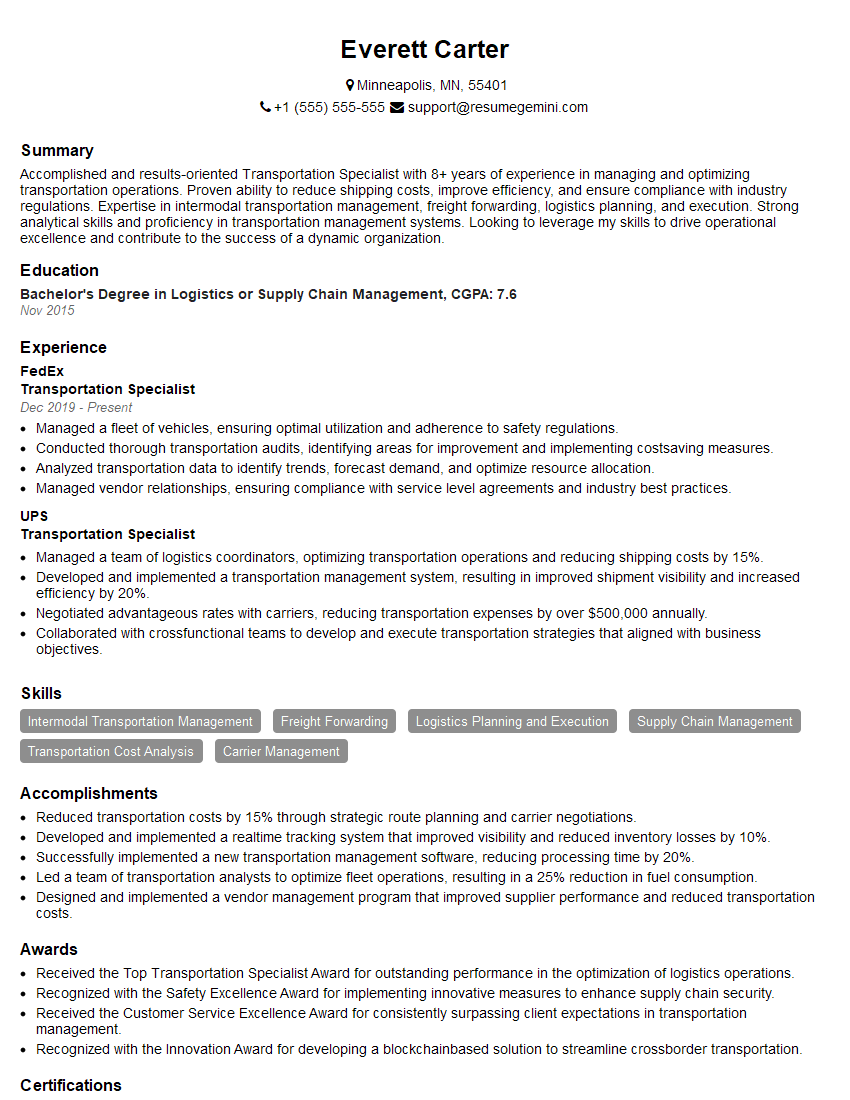
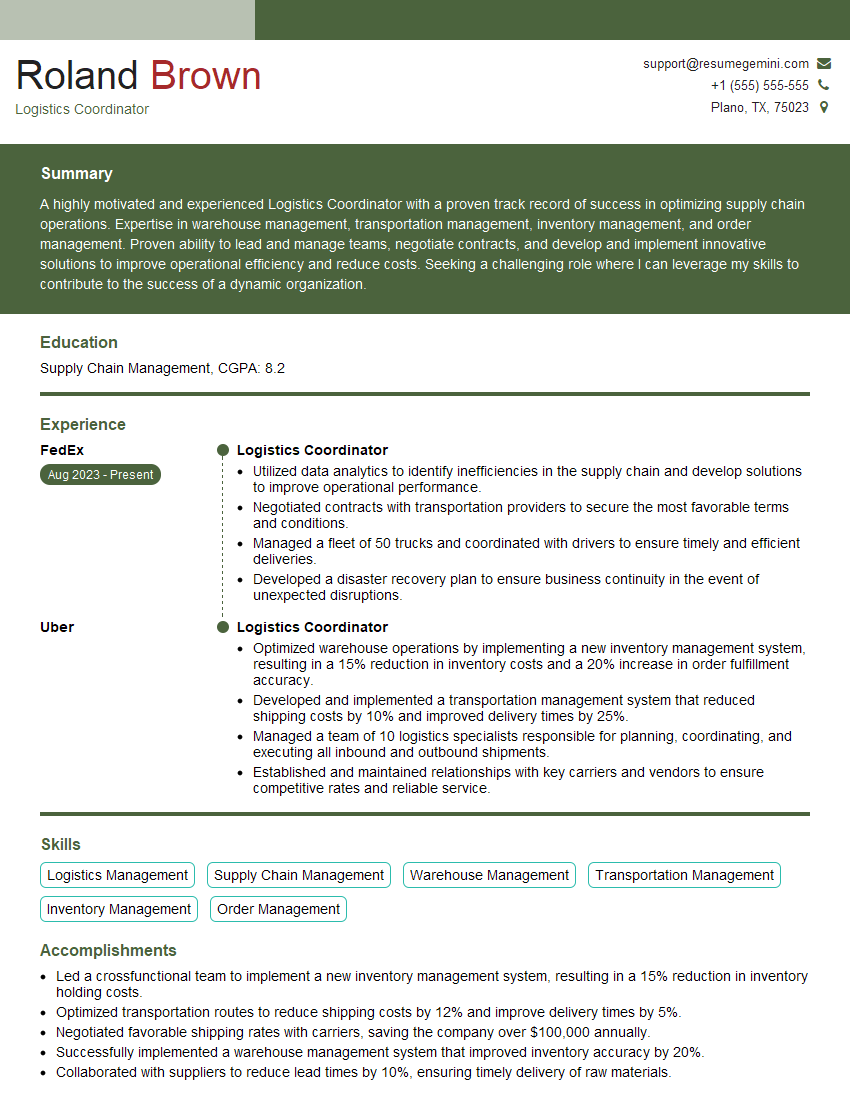
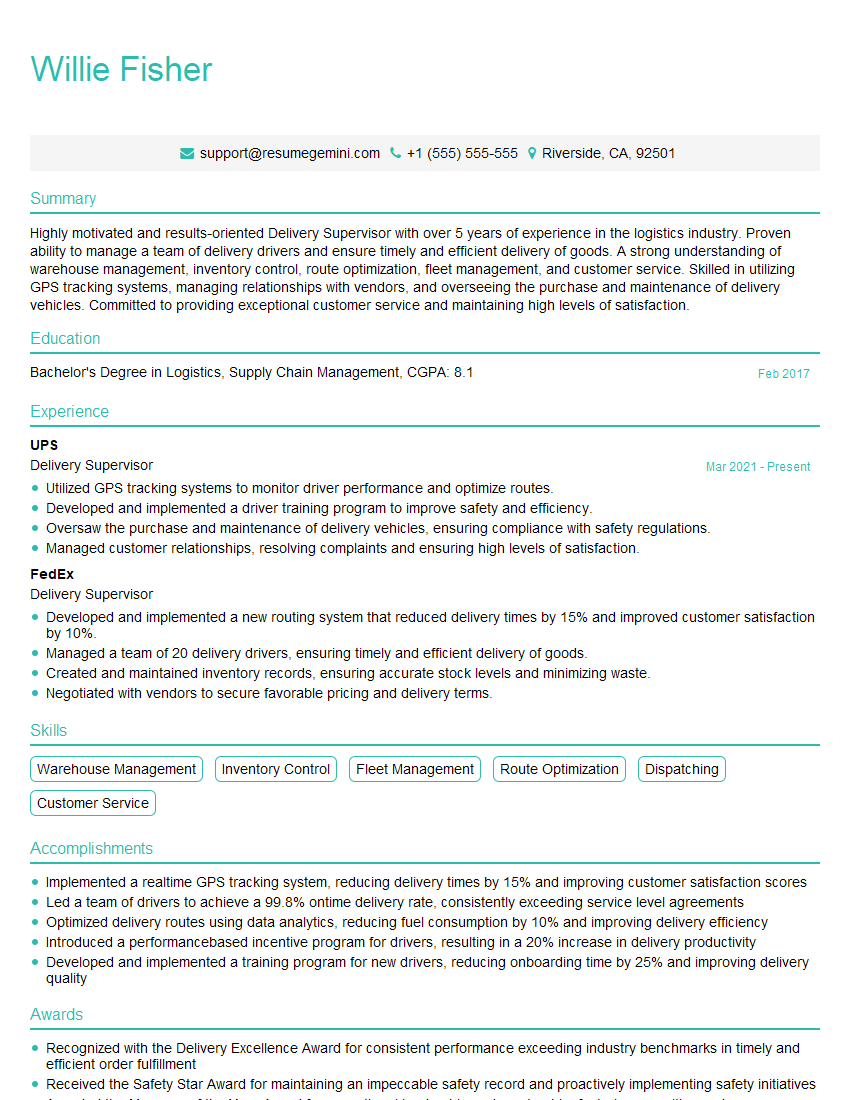
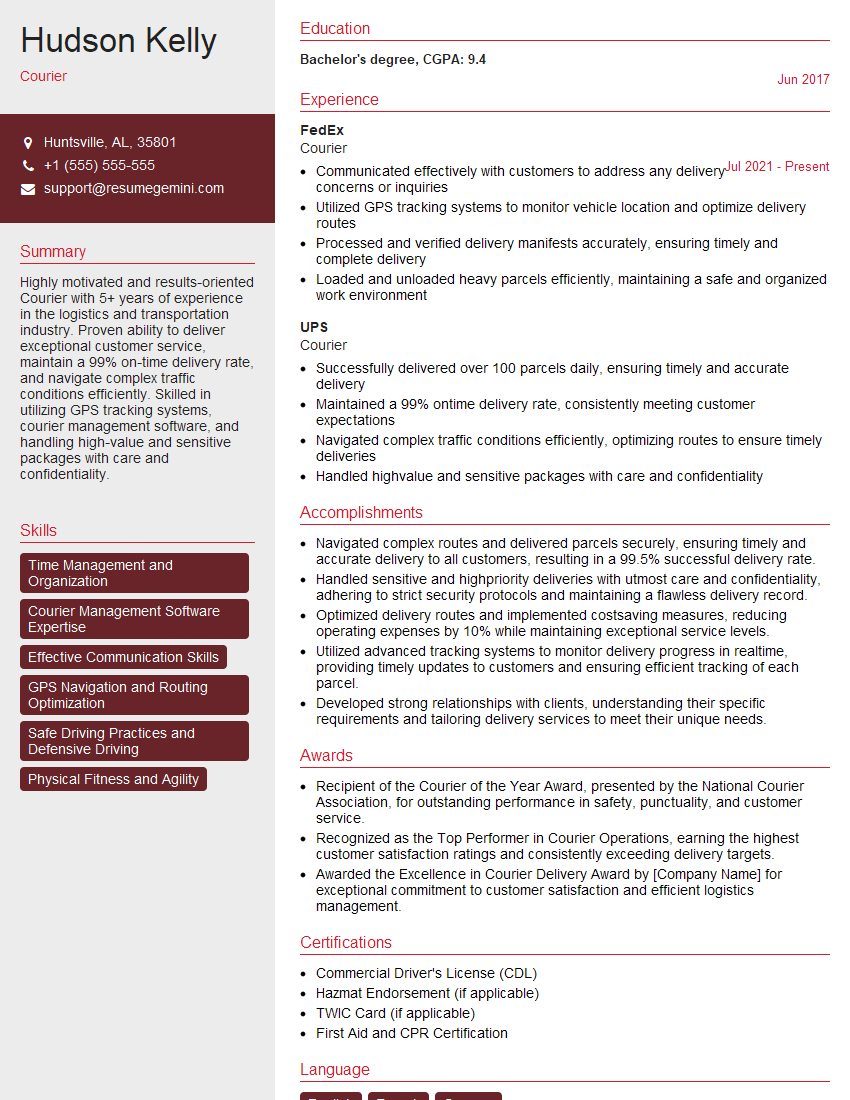
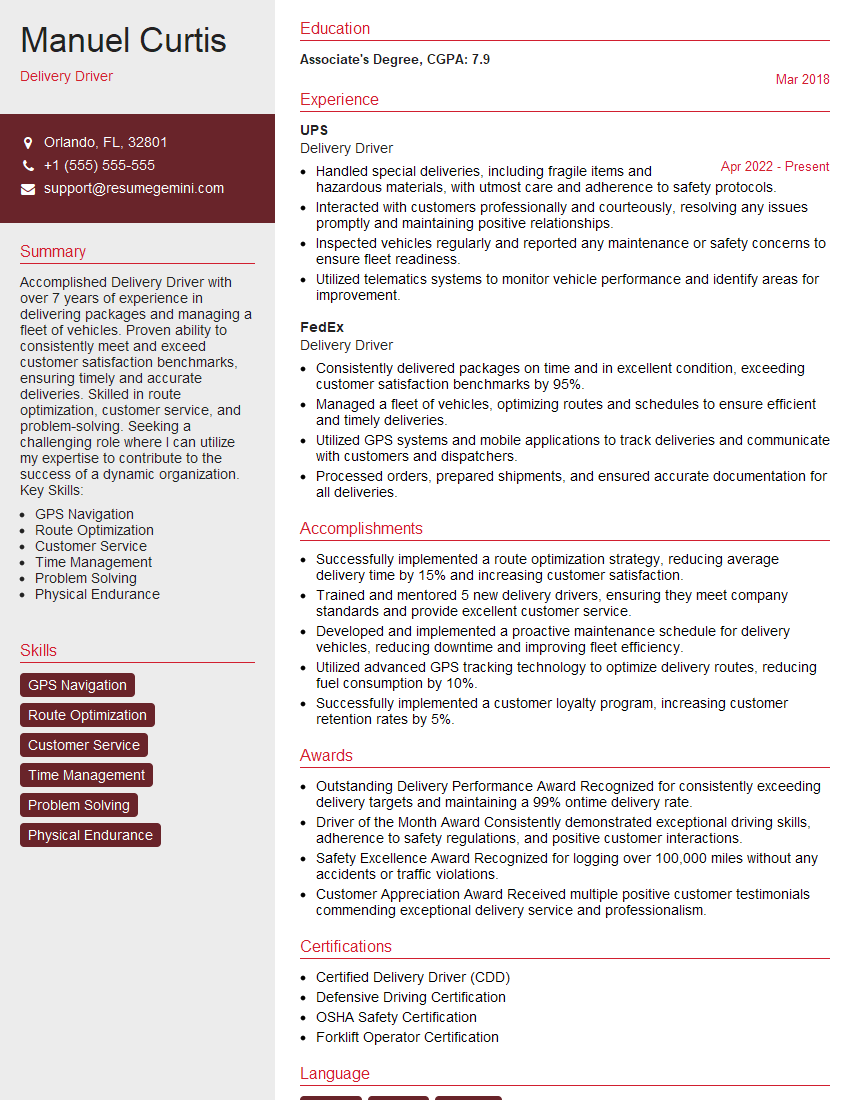
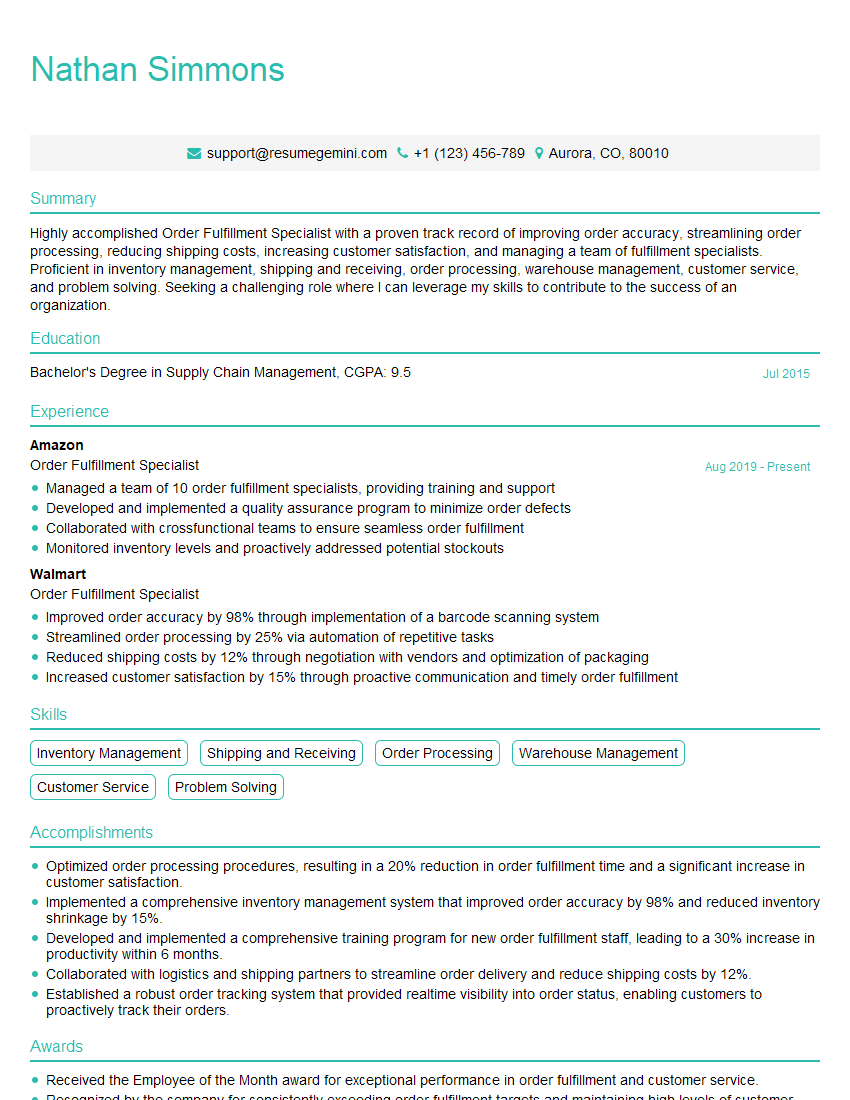
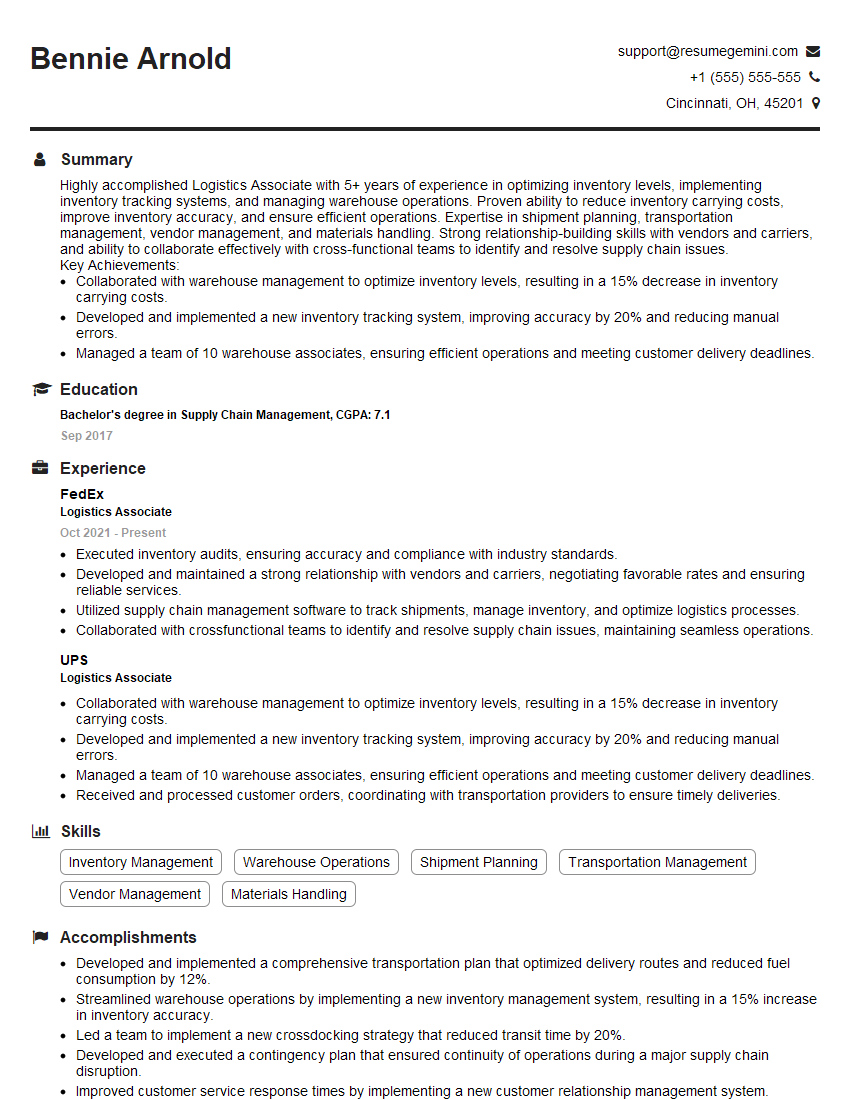
Mastering Local Delivery and Pickup skills opens doors to a rewarding career with opportunities for growth and advancement. A strong resume is crucial for showcasing your abilities to potential employers. Creating an ATS-friendly resume significantly increases your chances of getting noticed by recruiters. ResumeGemini is a trusted resource that can help you build a professional and impactful resume that highlights your relevant skills and experience. Examples of resumes tailored to Local Delivery and Pickup roles are available to guide you through the process.

Explore more articles
Users Rating of Our Blogs
Share Your Experience
We value your feedback! Please rate our content and share your thoughts (optional).
What Readers Say About Our Blog
I Redesigned Spongebob Squarepants and his main characters of my artwork.
https://www.deviantart.com/reimaginesponge/art/Redesigned-Spongebob-characters-1223583608
IT gave me an insight and words to use and be able to think of examples
Hi, I’m Jay, we have a few potential clients that are interested in your services, thought you might be a good fit. I’d love to talk about the details, when do you have time to talk?
Best,
Jay
Founder | CEO