Cracking a skill-specific interview, like one for Loss Analysis, requires understanding the nuances of the role. In this blog, we present the questions you’re most likely to encounter, along with insights into how to answer them effectively. Let’s ensure you’re ready to make a strong impression.
Questions Asked in Loss Analysis Interview
Q 1. Explain the different types of losses a business might experience.
Businesses face a variety of losses, broadly categorized as:
- Financial Losses: These are direct monetary losses, like losses from theft, fraud, damage to assets, or bad debts. Imagine a retail store experiencing a burglary – that’s a direct financial loss. Another example is a restaurant losing money due to spoiled ingredients.
- Operational Losses: These losses disrupt business operations and can indirectly impact profitability. Examples include downtime due to equipment malfunction, inefficient processes leading to wasted resources (time, materials, energy), or lost productivity from employee absenteeism. Think of a factory production line stopping because of a power outage – that’s an operational loss impacting production and potentially sales.
- Reputational Losses: These are less tangible but can significantly damage a business. Negative reviews, public relations crises, or product recalls can severely affect customer trust and future sales. For instance, a food company facing a recall due to contamination suffers from reputational loss, affecting future sales and brand image.
- Strategic Losses: These are related to poor decision-making, missed opportunities, or failing to adapt to market changes. For instance, investing in a product that fails to gain market traction represents a strategic loss.
Understanding these different loss types is crucial for comprehensive loss analysis and targeted mitigation strategies.
Q 2. Describe your experience with various loss analysis methodologies.
My experience encompasses a range of loss analysis methodologies, including:
- Statistical Process Control (SPC): I’ve used SPC techniques, like control charts, to monitor key performance indicators (KPIs) and identify trends indicating potential losses. For example, monitoring daily sales data to spot anomalies that might signify theft or stock discrepancies.
- Root Cause Analysis (RCA): I’m proficient in using RCA methods such as the 5 Whys or Fishbone diagrams to delve into the underlying causes of losses. This helps us move beyond superficial symptoms and address the root problem. For example, investigating consistently high levels of inventory shrinkage might reveal a problem with warehouse security procedures.
- Data Mining and Predictive Modeling: I have extensive experience using data mining techniques to identify patterns and predict future losses. For example, analyzing historical sales data, weather patterns, and promotional activities to forecast potential losses during specific periods. We might then use this to inform our security and loss prevention strategies.
- Benchmarking: Comparing performance against industry best practices or competitors’ data to identify areas for improvement and loss reduction. This provides a standard to measure against and helps reveal where we can perform better.
My approach is always data-driven, selecting the most appropriate methodology based on the nature of the loss and available data.
Q 3. How do you identify and prioritize areas for loss reduction?
Identifying and prioritizing areas for loss reduction requires a structured approach:
- Data Collection and Analysis: Gather data on all types of losses using various sources like inventory management systems, sales data, security reports, and customer feedback. Analyze this data to quantify the magnitude of each loss type.
- Loss Categorization: Categorize losses into the types discussed previously (financial, operational, reputational, strategic). This allows for a clearer understanding of the impact and the appropriate response.
- Root Cause Analysis: For each significant loss category, conduct a thorough RCA to pinpoint the underlying causes. Tools like the 5 Whys, Fishbone diagrams, or Pareto charts are helpful here.
- Cost-Benefit Analysis: Assess the cost of implementing potential loss reduction strategies against the potential savings. Prioritize actions with the highest potential ROI (Return on Investment).
- Implementation and Monitoring: Implement chosen strategies, and continuously monitor their effectiveness by tracking relevant KPIs. Make adjustments as needed based on the results.
Prioritization is based on the magnitude of the loss, its frequency, and the feasibility of implementing cost-effective solutions. We might focus first on losses with the highest financial impact and relatively easy fixes.
Q 4. What are some common causes of inventory shrinkage?
Inventory shrinkage, the difference between recorded inventory and actual inventory, has numerous causes:
- Theft: Employee theft, shoplifting, or even organized crime can significantly impact inventory levels.
- Damage: Spoilage, breakage, or obsolescence of goods can lead to losses.
- Administrative Errors: Mistakes in recording inventory, inaccurate ordering, or poor record-keeping can inflate or deflate inventory counts.
- Vendor Fraud: Suppliers might underdeliver goods or overcharge for delivered quantities.
- Poor Inventory Management: Lack of proper stock rotation, inadequate storage, or inefficient tracking systems can contribute to losses.
A combination of security measures, improved record-keeping, and robust inventory management practices can minimize shrinkage.
Q 5. How do you calculate the cost of goods sold (COGS) for loss analysis?
Calculating the Cost of Goods Sold (COGS) for loss analysis is crucial because it helps determine the true cost of goods lost. The formula is:
COGS = Beginning Inventory + Purchases - Ending InventoryFor loss analysis, we need to accurately track both the beginning and ending inventory levels. Losses are reflected in the difference between the expected ending inventory (based on sales and purchases) and the actual ending inventory. Any discrepancies represent potential losses that need further investigation.
For example: If beginning inventory was $10,000, purchases were $5,000, and the expected ending inventory was $2,000 but the actual ending inventory was only $1,000, then the COGS is $14,000 ($10,000 + $5,000 – $1,000), and there is a $1,000 inventory shrinkage.
Q 6. Explain the concept of Return on Investment (ROI) in the context of loss prevention.
Return on Investment (ROI) in loss prevention measures the effectiveness of loss reduction strategies. It’s calculated as:
ROI = (Net Savings from Loss Reduction - Cost of Implementing the Strategy) / Cost of Implementing the StrategyFor instance, if a new security system costs $5,000 to install, and it reduces losses by $10,000 annually, the ROI is:
ROI = ($10,000 - $5,000) / $5,000 = 1 or 100%This means the investment pays for itself within a year and generates a 100% return. Loss prevention strategies are prioritized based on their projected ROI, choosing those with the highest return relative to their cost.
Q 7. Describe your experience with data analysis tools for loss analysis (e.g., SQL, Excel, Tableau).
I have extensive experience using various data analysis tools for loss analysis:
- SQL: I utilize SQL to query and manipulate large datasets from various sources like databases and spreadsheets to extract relevant information for analysis. For example, I might use SQL to extract sales data, inventory levels, and security incident reports to identify correlations and patterns.
- Excel: Excel is a versatile tool for data cleaning, transformation, and basic statistical analysis. I frequently use Excel for creating dashboards, visualizations, and performing calculations related to COGS, inventory shrinkage, and ROI.
- Tableau: I use Tableau for creating interactive dashboards and visualizations to present loss analysis findings effectively to stakeholders. This allows for insightful exploration of the data and facilitates quicker understanding of complex patterns.
My proficiency in these tools enables me to efficiently process and analyze large volumes of data, identify key trends, and communicate insights effectively.
Q 8. How do you handle missing or incomplete data in your loss analysis?
Handling missing or incomplete data is crucial for accurate loss analysis. My approach is multifaceted and depends on the nature and extent of the missing data. First, I thoroughly investigate the reason for the missing data. Is it random, systematic, or due to a specific event? Understanding the cause helps determine the best imputation or exclusion strategy.
For smaller amounts of missing data, I might use imputation techniques. For example, I could use the mean, median, or mode of the available data to fill in the gaps. More sophisticated methods, such as regression imputation or k-nearest neighbor imputation, can be applied for more complex datasets, offering better accuracy but requiring more computational resources and careful validation.
However, if the missing data is significant or systematically biased, simply imputing might skew the results. In such cases, I might consider excluding the incomplete data points from the analysis, acknowledging the limitations this might introduce and the potential for bias in the final results. This needs to be clearly documented and justified in the final report.
Ultimately, the best approach depends on the specific context. A sensitivity analysis, where the analysis is repeated with different data imputation methods, is often conducted to evaluate the impact of missing data handling on the final conclusions.
Q 9. How do you present your loss analysis findings to stakeholders?
Presenting loss analysis findings effectively involves tailoring the communication to the audience. For executive-level stakeholders, I focus on key findings, high-level trends, and the financial implications of losses. I use concise visualizations like charts and graphs, emphasizing the bottom-line impact. For example, I might present a summary of total losses, categorized by type, and highlight the most significant cost drivers.
When presenting to operational teams, I adopt a more detailed approach, providing insights into the root causes of losses and recommendations for improvement. I use data dashboards to allow interactive exploration of the data and support the presentation with specific examples and case studies that illustrate the impact of different loss events.
Regardless of the audience, clarity and accuracy are paramount. I always start with an executive summary, follow with a detailed explanation of the methodology, and end with clear, actionable recommendations. Interactive sessions, where stakeholders can ask questions and engage with the data, are crucial for effective knowledge transfer.
Q 10. Explain your understanding of key performance indicators (KPIs) related to loss prevention.
Key Performance Indicators (KPIs) in loss prevention are critical for measuring the effectiveness of loss prevention programs. These KPIs should align with specific loss categories and business objectives. For instance, in retail, KPIs might include:
- Shrinkage Rate: The percentage of inventory lost due to theft, damage, or other causes. A lower shrinkage rate indicates improved loss prevention.
- Employee Theft Rate: The percentage of losses attributed to employee theft. This KPI requires robust internal controls and investigation procedures.
- Shoplifting Incidents: The number of shoplifting incidents per month or year. This can be used to assess the effectiveness of security measures.
- Loss per Incident: The average value of goods lost per shoplifting or other loss event. This helps identify high-value targets for security efforts.
- Return Rate: The percentage of merchandise returned, which can indicate potential fraudulent returns or issues with product quality.
Selecting appropriate KPIs depends on the specific industry and the types of losses experienced. Regularly monitoring and analyzing these KPIs allows for timely intervention and adjustments to loss prevention strategies.
Q 11. Describe your experience with root cause analysis techniques.
Root cause analysis is fundamental to effective loss prevention. I’m experienced in several techniques, including the ‘5 Whys,’ Fishbone diagrams (Ishikawa diagrams), and Fault Tree Analysis (FTA).
The ‘5 Whys’ is a simple yet powerful iterative technique where you repeatedly ask ‘why’ to uncover the underlying cause of a problem. For example, if a warehouse experienced significant inventory loss, the 5 Whys might proceed like this:
Why was there a significant inventory loss? Because of a warehouse fire.
Why was there a warehouse fire? Because of faulty wiring.
Why was the wiring faulty? Because of inadequate maintenance.
Why was the maintenance inadequate? Because of insufficient budget allocation.
Why was there insufficient budget allocation? Because of poor financial planning.
Fishbone diagrams help visualize potential root causes by categorizing them into different contributing factors (e.g., people, materials, methods, machines, environment). FTA is a more formal and structured approach particularly useful for complex systems, allowing for a probabilistic analysis of failures.
The choice of technique depends on the complexity of the loss event and the available data. A combination of techniques might be applied for a comprehensive analysis.
Q 12. How do you develop and implement loss prevention strategies?
Developing and implementing loss prevention strategies is an iterative process. It begins with a thorough understanding of the types and causes of losses experienced by the organization. This often involves analyzing historical loss data, conducting site visits, and interviewing staff to identify vulnerabilities and areas for improvement.
Based on the analysis, I develop a tailored strategy, focusing on both preventative and detective controls. Preventative controls aim to deter losses before they occur (e.g., improved security systems, employee training). Detective controls aim to identify losses after they occur (e.g., inventory audits, surveillance cameras). The strategy is documented, and key stakeholders are involved in the implementation process.
For example, a strategy to reduce shoplifting might include installing better surveillance systems, improving lighting, and implementing more effective loss prevention training for staff. Regular monitoring and adjustments are vital for ensuring the strategy remains effective.
Q 13. How do you measure the effectiveness of loss prevention programs?
Measuring the effectiveness of loss prevention programs requires careful tracking of KPIs and a comparison of performance before and after the implementation of the program. This involves collecting data on relevant loss events and KPIs (as described earlier) both before and after introducing loss prevention measures. A robust data collection system is therefore vital.
Statistical analysis is used to determine whether the changes in KPIs are statistically significant. For instance, if the shrinkage rate decreased significantly after the implementation of a new security system, we can conclude that the program is effective. It’s important to consider other factors that might have influenced the results, such as changes in market conditions or seasonality.
Regular reporting and reviews allow for ongoing monitoring and adjustments to the program. If the program isn’t producing the desired results, further analysis is needed to identify reasons for the shortfall and make the necessary adjustments.
Q 14. What are some common challenges in loss analysis, and how do you overcome them?
Loss analysis faces several challenges. Data quality issues, including incomplete or inaccurate data, are common. Addressing this involves implementing robust data collection systems, validating data integrity, and employing appropriate data imputation or exclusion strategies as discussed earlier.
Another challenge is attributing losses to specific causes. Often, losses are caused by a combination of factors, making it difficult to isolate the root causes. Utilizing root cause analysis techniques and combining them with data visualization tools like Fishbone diagrams helps to identify contributing factors.
Finally, obtaining buy-in from all stakeholders can be challenging. Loss prevention requires collaboration across different departments, and resistance to change or a lack of resources can hinder program effectiveness. Addressing this involves clear communication, demonstrating the ROI of loss prevention initiatives, and securing the necessary support from senior management.
Q 15. Describe your experience with different types of fraud schemes.
My experience encompasses a wide range of fraud schemes, categorized broadly into:
- Financial Fraud: This includes insurance fraud (e.g., staged accidents, inflated claims, false claims), credit card fraud, and investment scams. I’ve worked on cases involving complex schemes designed to bypass internal controls and exploit vulnerabilities in systems.
- Data Breaches and Identity Theft: I’ve investigated data breaches leading to fraudulent transactions and identity theft, analyzing patterns and tracing the flow of funds. This requires expertise in data analysis and digital forensics.
- Operational Fraud: This type of fraud involves internal actors manipulating processes for personal gain. For example, I’ve analyzed cases of employee embezzlement and procurement fraud. Understanding internal controls and organizational structure is critical here.
- Vendor Fraud: This includes fraudulent activities perpetrated by external vendors, such as inflated invoices or substandard goods and services. Investigating this requires thorough contract review and supplier analysis.
Each scheme presents unique challenges, requiring tailored investigative techniques and data analysis. For instance, detecting staged accidents might involve analyzing accident reports, medical records, and witness statements, while identifying credit card fraud often involves identifying anomalies in transaction patterns using statistical modeling.
Career Expert Tips:
- Ace those interviews! Prepare effectively by reviewing the Top 50 Most Common Interview Questions on ResumeGemini.
- Navigate your job search with confidence! Explore a wide range of Career Tips on ResumeGemini. Learn about common challenges and recommendations to overcome them.
- Craft the perfect resume! Master the Art of Resume Writing with ResumeGemini’s guide. Showcase your unique qualifications and achievements effectively.
- Don’t miss out on holiday savings! Build your dream resume with ResumeGemini’s ATS optimized templates.
Q 16. How do you detect and prevent fraud?
Fraud detection and prevention are two sides of the same coin. Effective strategies combine proactive measures with reactive investigation.
Detection: This relies heavily on data analysis and anomaly detection. Techniques include:
- Statistical Modeling: Identifying outliers in claims data using techniques like regression analysis or Benford’s Law can pinpoint potentially fraudulent claims.
- Data Mining and Machine Learning: Algorithms can identify patterns indicative of fraud, such as unusual claim frequencies from specific locations or providers.
- Network Analysis: Visualizing relationships between individuals and entities involved in claims can reveal collusion and fraudulent networks.
- Monitoring Key Indicators: Setting up alerts for suspicious activity, such as unusually high claim amounts or frequent claims by the same individual.
Prevention: This focuses on strengthening internal controls and deterring fraudulent behavior. This includes:
- Robust Internal Controls: Implementing segregation of duties, regular audits, and effective authorization processes minimizes opportunities for fraud.
- Employee Training: Educating employees about fraud awareness and ethical conduct reduces the likelihood of internal fraud.
- Fraud Prevention Technology: Utilizing tools like fraud detection software and data encryption adds another layer of protection.
- Background Checks and Vetting: Thorough screening of employees and vendors helps to prevent hiring or contracting with potentially fraudulent individuals.
A robust fraud management program requires a combination of these detection and prevention strategies. A continuous improvement cycle, including regular review and updates based on evolving fraud tactics is essential.
Q 17. Explain your understanding of insurance claims processing and loss adjustment.
Insurance claims processing and loss adjustment are intertwined processes that determine the validity and value of insurance claims.
Claims Processing: This involves receiving, documenting, verifying, and processing insurance claims. It includes tasks such as data entry, reviewing policy coverage, and ensuring all necessary documentation is received. A key aspect is ensuring compliance with regulatory requirements.
Loss Adjustment: This involves investigating the circumstances surrounding a loss, determining the extent of damage or injury, and calculating the amount to be paid to the insured. Loss adjusters might conduct on-site inspections, interview witnesses, and obtain expert opinions to properly assess damages. This requires a thorough understanding of the insurance policy and relevant laws.
My experience encompasses both aspects. I’ve worked on streamlining claim processing workflows to improve efficiency and accuracy, and I’ve also actively participated in complex loss adjustments, involving negotiations with claimants and expert witnesses. I am skilled in both the analytical aspects (assessing loss value using data and statistical models) and the human interaction involved in navigating complex situations and resolving disputes fairly.
Q 18. How do you use statistical methods in your loss analysis?
Statistical methods are indispensable in loss analysis. They provide objective insights into loss patterns, trends, and drivers. I regularly employ various techniques including:
- Regression Analysis: To identify correlations between loss amounts and various risk factors, like age, location, or policy type. For instance, we can use regression to model how the amount of damage in auto accidents relates to vehicle speed or weather conditions.
y = β0 + β1x1 + β2x2 + ... + ε(where y is the loss amount, x are predictors, and ε is error). - Time Series Analysis: To forecast future losses based on historical loss data. This is crucial for setting reserves and managing capital. We might use ARIMA models or exponential smoothing to predict trends in claims frequency and severity.
- Frequency and Severity Modeling: Analyzing the number of claims (frequency) and the amount of each claim (severity) separately using Poisson, Negative Binomial, or other distributions. This helps to understand the underlying risk factors better.
- Statistical Process Control (SPC): Monitoring key metrics related to loss trends to detect anomalies and deviations from expected patterns. Control charts can help identify unexpected increases in claim frequency or severity.
Through statistical analysis, we can move beyond simple observations to create statistically sound models that provide valuable insights into loss drivers, predict future losses, and optimize risk management strategies.
Q 19. Describe your experience with forecasting future losses.
Forecasting future losses is critical for insurers to ensure solvency and make informed business decisions. My experience with loss forecasting involves a combination of quantitative and qualitative methods.
I utilize time series models (ARIMA, Exponential Smoothing) to project future losses based on historical data. However, I also incorporate external factors that could influence future losses, such as changes in regulations, economic conditions, or catastrophic events. This might involve incorporating external data like inflation rates, population growth, and climate projections.
For example, when forecasting auto insurance losses, I would consider factors like changes in fuel prices (affecting driving habits and accident rates), new safety regulations, and projected economic growth (impacting the number of vehicles on the road). Scenario planning is also helpful, considering different possible futures (e.g., best-case, worst-case, most-likely scenarios) and their impact on the loss projections.
The key to accurate forecasting is building models that are both statistically robust and informed by relevant external factors. Regular review and calibration of forecasting models are essential to adapt to changing conditions.
Q 20. How do you incorporate risk assessment into your loss analysis?
Risk assessment is integral to loss analysis; it provides context for interpreting loss data and helps prioritize risk mitigation efforts. I incorporate risk assessment by:
- Identifying and Categorizing Risks: This involves systematically identifying potential sources of loss (e.g., natural disasters, fraud, accidents). I often employ risk matrices to prioritize risks based on their likelihood and potential impact.
- Quantifying Risk: This may involve using statistical models to estimate the probability and severity of different types of losses. For example, analyzing historical loss data to estimate the probability of a flood in a particular region.
- Developing Risk Mitigation Strategies: Once risks are assessed, I work on developing and implementing strategies to reduce their impact. This could involve implementing better loss control measures, purchasing reinsurance, or adjusting pricing strategies.
- Monitoring and Reviewing Risk Assessments: Risk profiles change over time. Therefore, regular review and updating of risk assessments are vital, incorporating emerging risks and lessons learned from past events.
By integrating risk assessment into loss analysis, we move from simply understanding past losses to proactively managing future risks. This improves decision-making around underwriting, pricing, and reserving.
Q 21. What is your experience with loss reserving techniques?
Loss reserving is a crucial aspect of insurance financial reporting and solvency. It involves estimating the amount of money an insurer needs to set aside to cover future claims arising from existing policies. I have extensive experience with various loss reserving techniques, including:
- Chain Ladder Method: A widely used actuarial method that uses historical loss development patterns to project ultimate losses. It’s relatively simple but can be unreliable if loss development patterns change significantly.
- Bornhuetter-Ferguson Method: This approach combines expected losses based on a loss ratio with the run-off pattern of the historical data. It’s considered more robust than the chain ladder method in situations with changes in exposures or loss trends.
- Generalized Linear Models (GLMs): More sophisticated statistical models that incorporate multiple factors affecting claims, providing more detailed and robust estimates. This method uses regression techniques to model the frequency and severity of claims, accounting for various factors like policy characteristics and time trends.
- Stochastic Reserving Models: These models incorporate uncertainty and variability in the loss development patterns, providing a distribution of possible outcomes rather than a single point estimate. This gives a much better idea of the uncertainty around reserve estimates.
Selecting the appropriate method depends on several factors, including data quality, the complexity of the business, and the desired level of accuracy. My experience allows me to select and apply the most suitable technique based on the specific circumstances, and I always strive to incorporate uncertainty and risk into the reserving estimates to ensure that they are realistic and prudent.
Q 22. Explain your experience with different types of loss data sources.
My experience with loss data sources is extensive, encompassing various formats and structures. I’ve worked with everything from structured databases containing meticulously logged incidents – think detailed records of inventory shrinkage, employee theft, or equipment malfunctions – to unstructured data like customer complaint emails, internal investigation reports, and even social media posts that might hint at potential losses. I’m also proficient in extracting data from insurance claims, financial statements, and operational reports. The key is to understand the limitations and biases inherent in each source. For example, self-reported losses might underrepresent the true extent of the problem, while data from sensors or security systems offers a more objective perspective, albeit potentially lacking contextual information. Understanding these nuances is crucial for a comprehensive analysis.
- Structured Data: SQL databases, CSV files, ERP systems
- Semi-structured Data: XML, JSON logs from security systems
- Unstructured Data: Emails, reports, social media posts, images from security cameras
Q 23. How do you ensure the accuracy and reliability of your loss data?
Ensuring data accuracy and reliability is paramount. My approach involves a multi-step process: First, I meticulously assess the data source’s credibility. Is it a reliable system with robust auditing procedures? What are the potential sources of error or bias? Second, I employ data validation techniques, including checks for inconsistencies, outliers, and missing values. For example, I might use statistical methods to identify anomalies or compare data against expected ranges. Third, data cleansing is critical. This involves correcting errors, handling missing data (through imputation or removal), and standardizing formats. Fourth, I conduct regular audits and cross-validation of the data against multiple sources. This helps identify discrepancies and improve overall accuracy. Finally, I document every step of the data processing pipeline to maintain transparency and traceability. Think of it like a detective meticulously reconstructing a crime scene – every piece of evidence needs to be carefully examined and verified.
Q 24. Describe your experience with data visualization for loss analysis.
Data visualization is an indispensable part of my loss analysis workflow. I use a variety of tools and techniques to communicate findings clearly and effectively. I’m proficient in tools like Tableau and Power BI to create dashboards and interactive reports showcasing key loss trends and patterns. For instance, I might use geographical maps to pinpoint areas with high loss rates, bar charts to compare losses across different product categories, or scatter plots to investigate the relationship between loss amounts and specific risk factors. I find that selecting the right visualization method depends heavily on the audience and the specific insights being conveyed. A simple bar chart might suffice for a quick overview, while a more complex dashboard might be necessary for in-depth analysis.
For example, in one project, I used a heatmap to visualize inventory shrinkage across different store locations, instantly highlighting areas needing immediate attention. This visual representation was far more effective in driving action than a simple table of numbers.
Q 25. How do you use loss analysis to inform strategic decision-making?
Loss analysis is not just about identifying losses; it’s about using that information to make strategic decisions that mitigate future losses and improve overall profitability. I leverage loss data to identify root causes, assess the effectiveness of current loss prevention strategies, and inform resource allocation. For instance, if analysis shows a high incidence of shoplifting in a particular store, it might inform decisions about investing in better security systems, additional staff, or improved loss prevention training. Similarly, identifying trends in product returns might lead to improvements in product design, quality control, or customer service. Ultimately, the goal is to use data-driven insights to optimize operations and minimize financial losses.
Q 26. What is your experience with implementing loss prevention technology?
I have experience implementing various loss prevention technologies, ranging from basic security systems like CCTV cameras and alarm systems to more sophisticated technologies such as RFID tagging for inventory management, predictive analytics for fraud detection, and advanced data analytics platforms for real-time loss monitoring. My approach involves a careful assessment of the organization’s specific needs and risk profile to select the most appropriate technology. For instance, a small retail store might benefit from a simpler CCTV system, while a large distribution center might require a more comprehensive system with RFID tagging and advanced analytics. Implementing these systems requires careful planning, integration with existing systems, and thorough training for staff. Crucially, the effectiveness of any loss prevention technology needs to be regularly monitored and evaluated using the same rigorous data-driven approach that I employ in my loss analysis.
Q 27. How do you stay up-to-date on industry best practices in loss analysis?
Staying current in the rapidly evolving field of loss analysis requires a multifaceted approach. I regularly attend industry conferences and workshops, subscribe to leading journals and publications, and actively participate in professional organizations such as (mention relevant professional organizations). Furthermore, I engage in continuous learning through online courses and webinars, focusing on new analytical techniques, technological advancements, and emerging industry best practices. I also maintain a professional network to stay abreast of the latest trends and share best practices with my peers. It’s essential to remain adaptable, constantly expanding my skillset to keep pace with the latest innovations in loss analysis.
Q 28. Describe a time when you had to analyze a complex loss event. What was your approach?
One particularly challenging case involved a significant increase in inventory discrepancies at a large distribution center. The initial data suggested widespread theft, but the sheer volume of discrepancies and the lack of clear patterns made it difficult to pinpoint the root cause. My approach was methodical. First, I segmented the data by product category, location, and time of day to look for patterns. Then, I used statistical analysis to identify outliers and unusual activity. This revealed that a particular product line, stored in a specific warehouse section, had an unusually high discrepancy rate. Further investigation, including reviewing security footage and conducting interviews, revealed that a combination of poor inventory management practices and procedural weaknesses were allowing for losses to occur. This uncovered a systematic issue rather than individual theft, significantly influencing the eventual solution. The solution involved implementing RFID tracking technology, improving inventory management software, and enhancing internal controls. The case highlighted the importance of careful data analysis, coupled with a detective-like approach, in uncovering the root causes of complex loss events.
Key Topics to Learn for Loss Analysis Interview
- Fundamentals of Loss Analysis: Understanding the core principles, methodologies, and objectives of loss analysis within various industries (e.g., insurance, finance, retail).
- Data Collection and Analysis: Mastering data gathering techniques, data cleaning processes, and applying statistical methods to identify trends and patterns in loss data.
- Loss Prevention Strategies: Exploring and evaluating various methods to mitigate future losses, encompassing risk assessment, cost-benefit analysis, and implementation strategies.
- Root Cause Analysis: Developing proficiency in identifying the underlying causes of losses using techniques like the “5 Whys,” fishbone diagrams, and fault tree analysis.
- Reporting and Communication: Effectively communicating loss analysis findings through clear, concise reports, presentations, and visualizations to stakeholders.
- Specific Loss Types: Gaining expertise in analyzing different types of losses, such as property damage, liability claims, operational losses, and fraud.
- Financial Modeling and Forecasting: Utilizing financial models to predict future losses and their impact on the business, incorporating relevant statistical techniques and assumptions.
- Regulatory Compliance: Understanding relevant regulations and reporting requirements related to loss analysis in your target industry.
- Technology and Tools: Familiarizing yourself with relevant software and tools used in loss analysis, such as data analytics platforms and statistical software packages.
- Case Studies and Examples: Reviewing real-world case studies to understand how loss analysis principles are applied in practice and to develop your problem-solving abilities.
Next Steps
Mastering Loss Analysis is crucial for career advancement, opening doors to specialized roles and increased earning potential. A strong understanding of loss prevention and mitigation is highly valued across various industries. To maximize your job prospects, it’s essential to craft an ATS-friendly resume that effectively highlights your skills and experience. We strongly encourage you to utilize ResumeGemini to build a professional and impactful resume. ResumeGemini provides a streamlined process and offers examples of resumes tailored specifically to Loss Analysis roles, helping you present yourself as the ideal candidate.
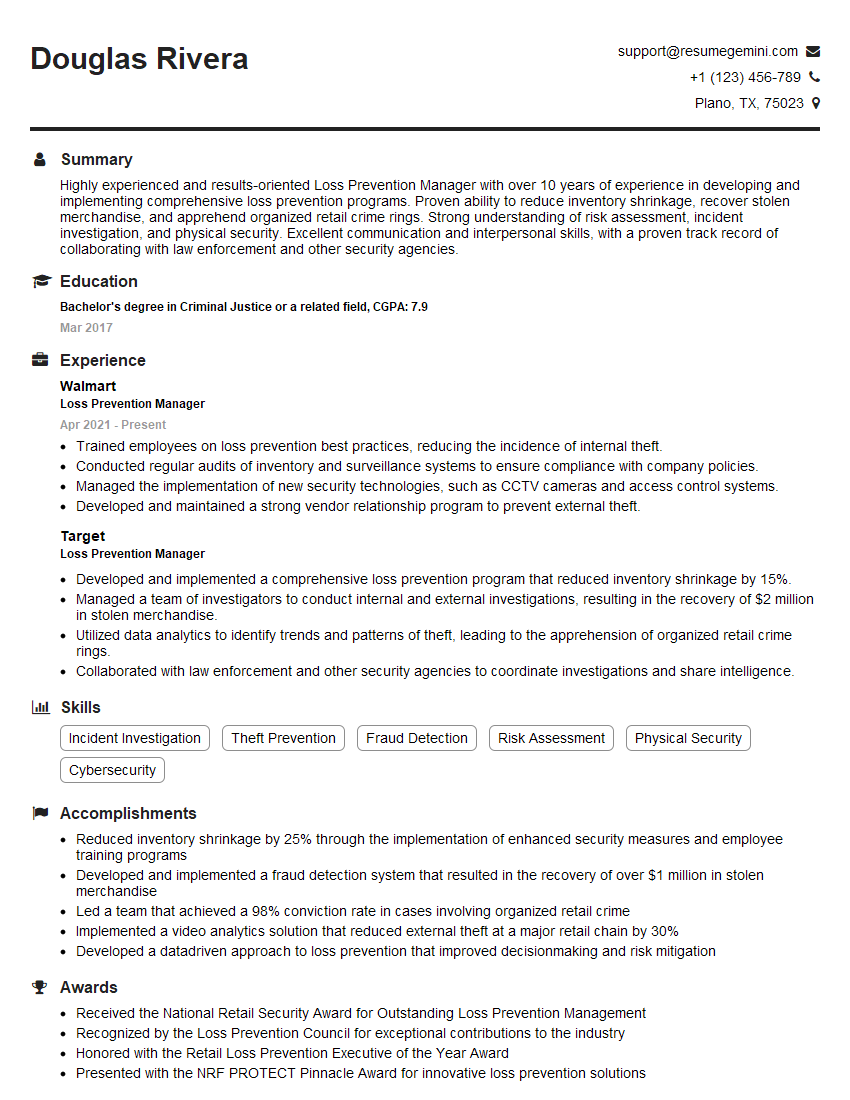
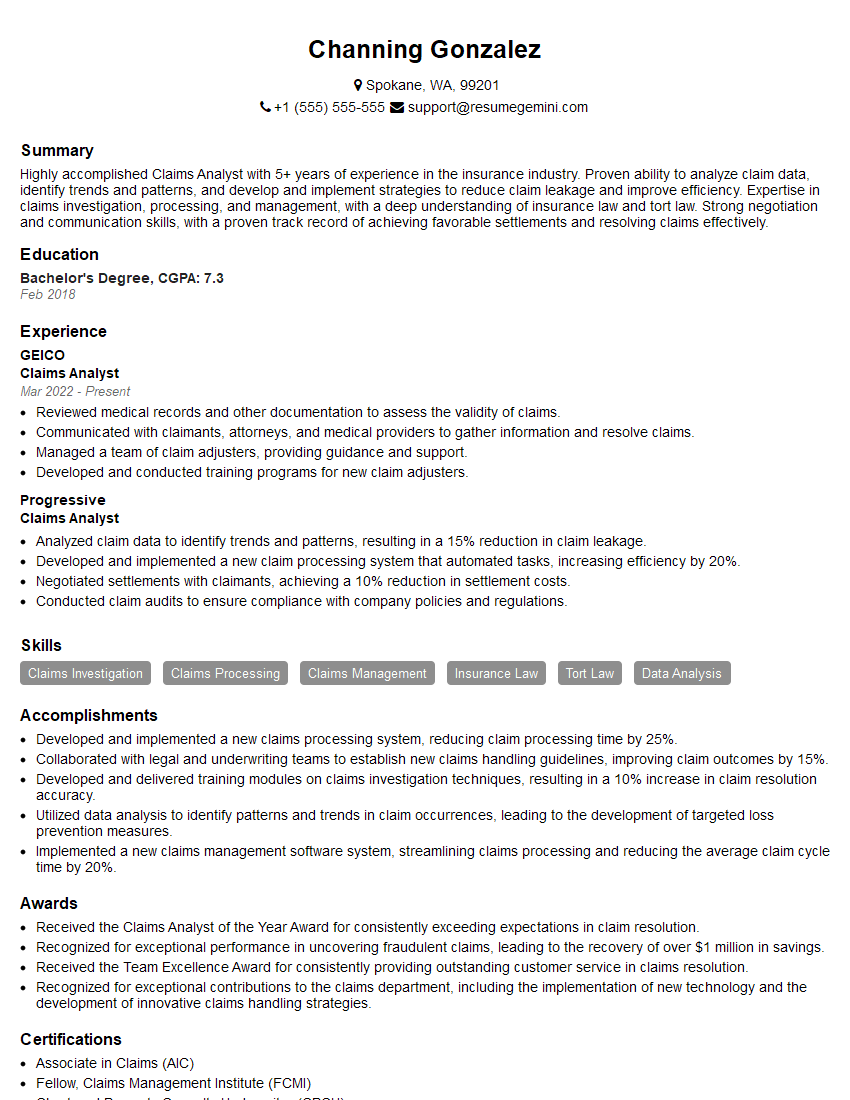
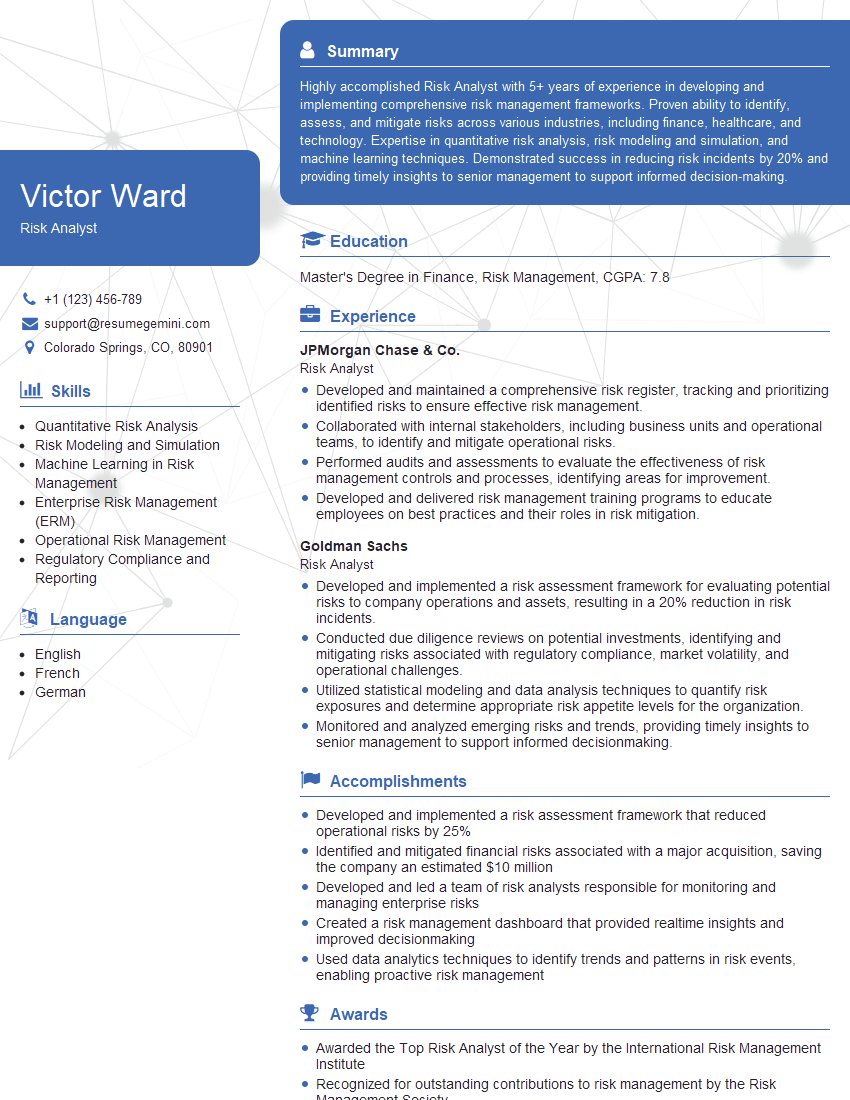
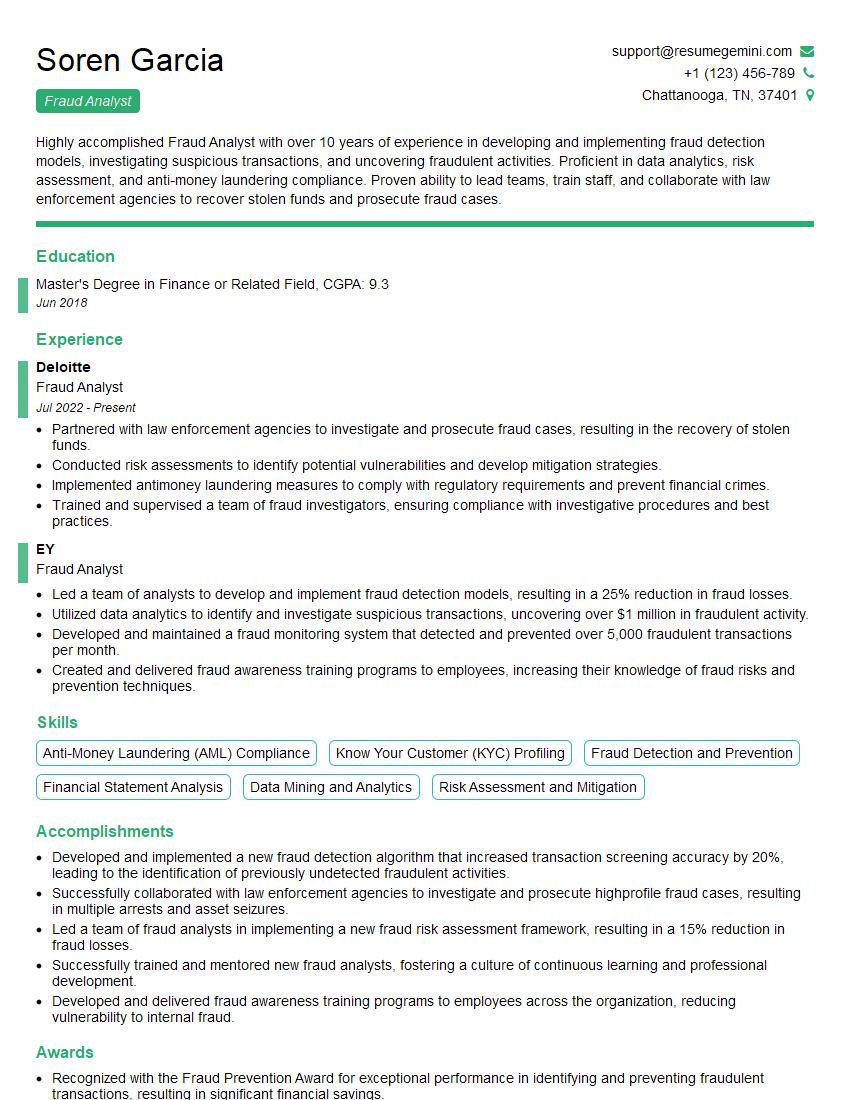
Explore more articles
Users Rating of Our Blogs
Share Your Experience
We value your feedback! Please rate our content and share your thoughts (optional).
What Readers Say About Our Blog
I Redesigned Spongebob Squarepants and his main characters of my artwork.
https://www.deviantart.com/reimaginesponge/art/Redesigned-Spongebob-characters-1223583608
IT gave me an insight and words to use and be able to think of examples
Hi, I’m Jay, we have a few potential clients that are interested in your services, thought you might be a good fit. I’d love to talk about the details, when do you have time to talk?
Best,
Jay
Founder | CEO