The right preparation can turn an interview into an opportunity to showcase your expertise. This guide to Marine Biology Degree interview questions is your ultimate resource, providing key insights and tips to help you ace your responses and stand out as a top candidate.
Questions Asked in Marine Biology Degree Interview
Q 1. Explain the process of photosynthesis in marine algae.
Photosynthesis in marine algae, much like in terrestrial plants, is the process by which they convert light energy into chemical energy in the form of sugars. However, the specifics differ due to the marine environment.
The process begins when pigments within the algae, primarily chlorophyll a and various accessory pigments like chlorophyll c and fucoxanthin (depending on the algal species), absorb sunlight. This absorbed light energy excites electrons within the pigment molecules. These excited electrons then initiate a chain of electron transport reactions within the thylakoid membranes of the algae’s chloroplasts, similar to the Z-scheme in terrestrial plants.
During these reactions, water molecules are split (photolysis), releasing oxygen as a byproduct. This oxygen is crucial for aerobic respiration in many marine organisms, making algae vital primary producers in the ocean.
The energy from the electron transport chain is used to generate ATP (adenosine triphosphate) and NADPH (nicotinamide adenine dinucleotide phosphate), which are energy-carrying molecules. These molecules then power the Calvin cycle, a series of enzymatic reactions that convert carbon dioxide (absorbed from the surrounding water) into glucose, a simple sugar. This glucose serves as the algae’s primary source of energy and building block for other organic compounds.
Different types of marine algae exhibit variations in their photosynthetic pigments and efficiency. For instance, brown algae (Phaeophyceae) often thrive in deeper waters due to their accessory pigments that can capture lower-intensity light. This adaptation allows for diverse algal communities across various depths in the ocean.
Q 2. Describe the different types of marine ecosystems.
Marine ecosystems are incredibly diverse, categorized broadly by their physical characteristics and dominant organisms. We can think of them as having a hierarchical structure.
- Coastal Ecosystems: These include estuaries (where rivers meet the sea), salt marshes (intertidal wetlands), mangroves (tropical coastal forests), and rocky shores (intertidal zones with rocky substrates). These areas are highly productive due to nutrient influx from land and sunlight penetration.
- Open Ocean Ecosystems: This vast expanse is divided into zones based on depth and light penetration. The photic zone (sunlit surface waters) supports phytoplankton, the base of the open ocean food web. The aphotic zone (dark, deeper waters) relies on chemosynthesis or organic matter sinking from above.
- Deep-Sea Ecosystems: These are extreme environments characterized by high pressure, cold temperatures, and darkness. Hydrothermal vents, unique ecosystems powered by chemosynthesis, are found in deep-sea regions.
- Coral Reef Ecosystems: These are exceptionally biodiverse ecosystems built by coral polyps, tiny animals that secrete calcium carbonate skeletons. They thrive in warm, shallow, clear waters and support a vast array of marine life.
- Polar Ecosystems: These icy regions, like the Arctic and Antarctic, have unique adaptations of organisms to extreme cold and ice cover. Here, phytoplankton blooms under ice and support a diverse food web.
Understanding these diverse ecosystems is vital for conservation efforts and sustainable management of marine resources. Each ecosystem has its own unique challenges and opportunities, and management strategies must be tailored accordingly.
Q 3. What are the major threats to coral reef ecosystems?
Coral reefs, often called the ‘rainforests of the sea,’ face numerous threats, many stemming from human activities. These threats are multifaceted and often interact synergistically, making conservation a complex challenge.
- Climate Change: Rising ocean temperatures cause coral bleaching, where corals expel their symbiotic algae (zooxanthellae), leading to starvation and death. Ocean acidification, also driven by increased CO2, makes it harder for corals to build their skeletons.
- Pollution: Runoff from agriculture, sewage, and industrial discharge introduces pollutants that harm corals and other reef organisms. Plastic pollution is also a significant problem, as plastics can smother corals and enter the food chain.
- Overfishing: Removal of key species disrupts the delicate balance of the reef ecosystem. Destructive fishing practices, like blast fishing, directly damage coral structures.
- Coastal Development: Construction and dredging near reefs lead to sedimentation, which smothers corals and reduces light penetration. Increased coastal runoff from land development exacerbates pollution problems.
- Disease Outbreaks: Coral diseases, often exacerbated by stress from other factors, can decimate coral populations.
Addressing these threats requires a multi-pronged approach, including mitigating climate change, reducing pollution, implementing sustainable fishing practices, and protecting coastal habitats.
Q 4. Discuss the life cycle of a specific marine organism (e.g., salmon).
Let’s examine the life cycle of Pacific salmon (Oncorhynchus species), a fascinating example of anadromy – migrating from saltwater to freshwater to reproduce.
The life cycle begins when adult salmon return from the ocean to their natal streams (the rivers where they were born) to spawn. They undertake incredible journeys, often navigating hundreds of miles upstream, guided by olfactory cues and possibly magnetic fields.
After spawning, the adults die, leaving behind thousands of eggs. These eggs incubate in the gravel beds of the stream until they hatch into alevins (fry). Alevins remain in the gravel until they absorb their yolk sac and emerge as fry.
Fry spend a period of time in freshwater, feeding and growing. Some species remain in freshwater for several years, while others migrate to the ocean sooner. Once they reach a certain size and stage of development (smolts), they undergo physiological changes to adapt to saltwater (osmoregulation) and begin their migration to the ocean.
In the ocean, salmon undergo rapid growth, feeding on a variety of prey. After several years in the ocean, they mature and begin their epic journey back to their natal streams to reproduce, completing the life cycle.
Understanding salmon’s life cycle is crucial for effective fisheries management and conservation. Protecting their spawning grounds and migratory routes is essential for maintaining sustainable populations.
Q 5. Explain the concept of ocean acidification and its impact.
Ocean acidification is the ongoing decrease in the pH of the Earth’s oceans, caused by the absorption of excess carbon dioxide (CO2) from the atmosphere. It’s a direct consequence of burning fossil fuels and deforestation.
As CO2 dissolves in seawater, it reacts with water molecules to form carbonic acid (H2CO3), which then dissociates into bicarbonate ions (HCO3-) and hydrogen ions (H+). The increase in H+ ions lowers the pH, making the ocean more acidic.
The impacts of ocean acidification are far-reaching and devastating. Many marine organisms, particularly those with calcium carbonate shells or skeletons (e.g., corals, shellfish, plankton), experience reduced calcification rates, making their shells thinner and weaker. This weakens the entire food web, as these organisms form the base of many marine ecosystems.
Other impacts include disruptions in marine organism’s physiology, reproduction, and development. The effects are particularly pronounced in polar regions, which absorb more CO2 due to cold water’s higher solubility. Understanding and mitigating ocean acidification is crucial for safeguarding marine biodiversity and ecosystems services.
Q 6. What are the different methods used for studying marine populations?
Studying marine populations requires a variety of methods tailored to the specific organism and research question. These methods often combine different approaches for a comprehensive understanding.
- Visual Census Techniques: Divers or remotely operated vehicles (ROVs) can visually count and identify organisms, particularly in shallow waters. This can include transect surveys for quantifying abundance along a set path.
- Sampling Techniques: Plankton nets collect plankton samples; trawls collect fish and benthic organisms; dredges collect organisms from the seafloor. The size and type of sampling gear depend on the target species and habitat.
- Acoustic Methods: Sonar and echosounders are used to estimate fish abundance and distribution by measuring sound reflections from organisms. This is particularly useful for large-scale surveys.
- Mark-Recapture Techniques: Animals are captured, tagged, released, and subsequently recaptured to estimate population size. This method provides insights into movement patterns and survival rates.
- Genetic Analysis: DNA analysis can be used to identify species, estimate population sizes, and assess genetic diversity. This approach is powerful in cases where visual identification is challenging.
- Remote Sensing: Satellite imagery provides large-scale data on oceanographic conditions, including chlorophyll concentration (an indicator of phytoplankton abundance) and sea surface temperature, which can affect organism distribution.
Choosing appropriate methods often involves considering factors such as cost, time constraints, spatial scale, target species, and the desired level of detail. Often, a combination of these techniques is used to obtain a more complete picture of the population’s status.
Q 7. Describe the role of plankton in the marine food web.
Plankton, encompassing both phytoplankton (microscopic plants) and zooplankton (microscopic animals), forms the base of most marine food webs. Their role is absolutely fundamental.
Phytoplankton, through photosynthesis, are the primary producers in the ocean. They convert sunlight, water, and nutrients into organic matter, providing the energy base for the entire food web. Think of them as the ‘grass’ of the ocean.
Zooplankton, many of which are herbivores (consuming phytoplankton), graze on this primary production, forming the second trophic level. Larger zooplankton feed on smaller ones, forming complex trophic cascades. Zooplankton also serve as a crucial food source for many larger organisms, including fish, seabirds, and marine mammals.
The role of plankton isn’t limited to being a food source. They also play a significant role in biogeochemical cycles, such as carbon cycling. Phytoplankton absorb significant amounts of atmospheric CO2 during photosynthesis, contributing to climate regulation. Furthermore, their vertical migration and death contribute to the ‘biological pump,’ transporting carbon to the deep ocean.
Changes in plankton populations, due to climate change, pollution, or overfishing, can have cascading effects throughout the entire marine ecosystem, highlighting the importance of understanding their role in the ocean’s health.
Q 8. Explain the principles of marine biogeochemical cycles.
Marine biogeochemical cycles describe the movement and transformation of chemical elements—like carbon, nitrogen, phosphorus, and silicon—through the marine environment. These cycles are crucial for marine life and global climate regulation. Think of them as the ocean’s internal recycling system.
Carbon Cycle: Photosynthetic organisms (phytoplankton) absorb dissolved carbon dioxide (CO2) from the water, converting it into organic matter. This organic matter is then passed through the food web. Respiration by organisms and decomposition of organic matter release CO2 back into the water. The ocean plays a massive role in absorbing atmospheric CO2, mitigating climate change.
Nitrogen Cycle: Nitrogen, essential for building proteins and DNA, enters the ocean primarily through atmospheric deposition and river runoff. Bacteria play key roles in converting nitrogen between different forms (nitrification, denitrification). Phytoplankton use dissolved inorganic nitrogen, and the nitrogen is passed through the food web.
Phosphorus Cycle: Phosphorus, crucial for energy transfer in cells, enters the ocean from weathering of rocks and land runoff. It’s often a limiting nutrient for phytoplankton growth, meaning its availability controls how much phytoplankton can grow.
Silicon Cycle: Silicon is essential for diatoms (a type of phytoplankton), which build their cell walls (frustules) from silica. The silica cycle is intricately linked to the productivity of diatoms, which are vital for the marine food web.
Understanding these cycles is crucial for predicting ocean health and managing marine resources. For example, nutrient pollution can disrupt these cycles, leading to algal blooms and oxygen depletion (hypoxia).
Q 9. What are the key differences between estuaries and coastal wetlands?
Estuaries and coastal wetlands are both transitional ecosystems between land and sea, but they differ significantly in their characteristics.
Estuaries are semi-enclosed coastal bodies of water where freshwater from rivers mixes with saltwater from the ocean. This mixing creates a salinity gradient, with varying salinity levels throughout the estuary. Estuaries are often characterized by strong tidal currents and a high degree of nutrient input from rivers. Think of the Chesapeake Bay or the San Francisco Bay.
Coastal Wetlands include salt marshes, mangroves, and seagrass beds. These are typically shallower than estuaries and are often dominated by specific types of vegetation adapted to saline conditions. Coastal wetlands are crucial for shoreline protection, acting as buffers against storm surges and erosion. Mangrove forests are a prime example.
The key differences lie in the degree of water mixing (more pronounced in estuaries) and the dominant vegetation (mostly submerged plants in seagrass beds, salt-tolerant grasses in salt marshes, and trees in mangroves).
Q 10. Describe the various adaptations of marine organisms to their environment.
Marine organisms have evolved a remarkable array of adaptations to survive in the diverse and challenging marine environment.
Osmotic Regulation: Marine organisms must maintain a proper balance of salts and water in their bodies, which can be very different from the surrounding seawater. Marine fish, for example, constantly drink seawater and excrete excess salts through their gills.
Body Shape and Locomotion: Streamlined bodies reduce drag in water. Fish have evolved various fin shapes for different swimming styles, while marine mammals have streamlined bodies for efficient movement through the water column.
Feeding Adaptations: Marine organisms have diverse feeding strategies. Filter feeders like whales use baleen plates to strain krill from the water, while predators like sharks have sharp teeth for capturing prey.
Defense Mechanisms: Many marine organisms have evolved defenses to avoid predation. This includes camouflage, spines, toxins, and warning coloration.
Reproduction Strategies: Marine organisms have diverse reproductive strategies, including external fertilization (spawning), internal fertilization, and various larval stages.
Pressure Tolerance: Deep-sea organisms have adaptations to cope with the immense pressure at great depths, such as flexible bodies or specialized proteins.
These adaptations are essential for survival and illustrate the power of natural selection in shaping life in the ocean.
Q 11. Explain the concept of marine biodiversity and its importance.
Marine biodiversity refers to the variety of life in the ocean, encompassing all species, genetic diversity within species, and the diverse ecosystems they inhabit. It’s incredibly important for several reasons.
Ecosystem Services: Marine ecosystems provide essential services like food production, climate regulation (carbon sequestration), nutrient cycling, and shoreline protection.
Economic Value: Fisheries, tourism, and other industries rely heavily on marine biodiversity. Loss of biodiversity can have significant economic impacts.
Medicinal Potential: Many marine organisms produce compounds with medicinal properties. Exploring marine biodiversity can lead to new drugs and treatments.
Resilience: High biodiversity increases the resilience of marine ecosystems to environmental changes and disturbances, such as climate change or pollution.
Protecting marine biodiversity is crucial for the well-being of our planet and human societies. We need effective conservation strategies to safeguard this irreplaceable resource.
Q 12. How do you identify different species of marine invertebrates?
Identifying marine invertebrates requires a combination of techniques, depending on the group in question.
Morphological Characteristics: Careful examination of physical features like body shape, size, color, number of limbs, presence of shells or spines, and the arrangement of internal organs is crucial. Field guides, taxonomic keys, and online databases are helpful resources. For example, distinguishing between a sea star and a sea urchin involves looking at arm structure and the presence of spines.
Molecular Techniques: DNA barcoding and other molecular techniques are increasingly used to identify species, especially cryptic species that are difficult to distinguish based on morphology alone. This is a powerful technique to resolve ambiguities in traditional taxonomic classifications.
Geographic Location: Knowing the location where a specimen was collected can help narrow down the possibilities, as species distributions are often geographically restricted.
Ecological Context: Understanding the habitat and associated organisms can provide additional clues for identification.
Expert taxonomic knowledge, coupled with access to identification resources and possibly molecular tools, is often needed for accurate species identification.
Q 13. What are the ethical considerations in marine research?
Ethical considerations in marine research are paramount to ensure responsible scientific practices and minimize harm to marine life and ecosystems.
Minimizing Disturbance: Research activities should be designed to minimize any disturbance to marine organisms and their habitats. This includes careful selection of research sites, limiting the duration and intensity of sampling, and using appropriate sampling techniques.
Animal Welfare: If research involves working with live animals, adherence to strict ethical guidelines regarding animal welfare is crucial. This includes obtaining appropriate permits and approvals, ensuring humane handling and care, and minimizing stress and suffering.
Data Management and Sharing: Data obtained during research should be managed responsibly, ensuring accuracy, integrity, and accessibility. Data sharing practices promote transparency and collaboration within the scientific community.
Environmental Impact Assessment: Research projects should include a thorough assessment of their potential environmental impacts and measures to mitigate any adverse effects. This is particularly important for studies involving large-scale sampling or experimental manipulations.
Indigenous Knowledge and Collaboration: It’s vital to acknowledge and integrate indigenous knowledge of marine environments and collaborate respectfully with local communities in research activities. This includes obtaining informed consent from communities and ensuring that the research benefits the local populations.
Ethical conduct in marine research is not only a moral imperative but also essential for ensuring the credibility and sustainability of marine science.
Q 14. Describe the different methods of marine pollution monitoring.
Monitoring marine pollution involves a variety of methods depending on the type of pollutant and the area of interest.
Water Sampling and Analysis: Collecting water samples at various depths and locations allows for analysis of chemical contaminants (heavy metals, pesticides, plastics), nutrients, and indicators of pollution (e.g., dissolved oxygen levels). Advanced techniques such as chromatography and mass spectrometry are used for precise identification and quantification of pollutants.
Sediment Sampling and Analysis: Sediments accumulate pollutants over time, providing a record of past pollution events. Analysis of sediment cores reveals the temporal trends in pollution levels.
Biological Monitoring: Studying the health and abundance of marine organisms (bioindicators) can reveal the effects of pollution. For example, changes in the abundance or health of shellfish or fish can indicate water quality problems.
Remote Sensing: Satellite imagery and aerial surveys can be used to monitor large areas for signs of pollution, such as oil spills or algal blooms.
Biomarker Analysis: Analyzing specific molecules or physiological changes in organisms (biomarkers) can indicate exposure to pollutants and their effects.
A comprehensive marine pollution monitoring program often involves a combination of these methods to provide a holistic view of pollution levels and impacts.
Q 15. Explain the impact of climate change on marine ecosystems.
Climate change significantly impacts marine ecosystems through several interconnected mechanisms. Rising ocean temperatures lead to coral bleaching, disrupting vital coral reef ecosystems that support immense biodiversity. Ocean acidification, caused by increased absorption of atmospheric CO2, hinders shell formation in shellfish and other calcifying organisms, impacting entire food webs. Changes in ocean currents and salinity alter species distributions, potentially leading to range shifts and habitat loss. Sea level rise inundates coastal habitats like mangroves and salt marshes, crucial breeding and nursery grounds for numerous species. Increased frequency and intensity of extreme weather events, such as hurricanes and cyclones, cause physical damage to marine habitats and increase sedimentation, negatively impacting water quality. In essence, climate change acts as a multifaceted stressor, pushing marine ecosystems beyond their adaptive capacity and threatening their stability and resilience.
Example: The Great Barrier Reef, the world’s largest coral reef system, has experienced widespread coral bleaching events due to rising ocean temperatures, highlighting the devastating impact of climate change on a globally significant ecosystem.
Career Expert Tips:
- Ace those interviews! Prepare effectively by reviewing the Top 50 Most Common Interview Questions on ResumeGemini.
- Navigate your job search with confidence! Explore a wide range of Career Tips on ResumeGemini. Learn about common challenges and recommendations to overcome them.
- Craft the perfect resume! Master the Art of Resume Writing with ResumeGemini’s guide. Showcase your unique qualifications and achievements effectively.
- Don’t miss out on holiday savings! Build your dream resume with ResumeGemini’s ATS optimized templates.
Q 16. How can sustainable fisheries management practices be implemented?
Sustainable fisheries management aims to balance the economic benefits of fishing with the ecological health of marine ecosystems. This requires a multifaceted approach. Stock assessments are crucial to determine the size and health of fish populations. These assessments inform the setting of catch limits that prevent overfishing. Gear restrictions, such as banning destructive fishing methods like bottom trawling in sensitive areas, protect habitats and non-target species. Marine protected areas (MPAs) serve as refuges for fish populations, allowing them to reproduce and replenish stocks. Ecosystem-based management considers the interactions between different species and habitats, promoting holistic conservation strategies. Community involvement is essential, ensuring local fishermen are part of the decision-making process and have a stake in the long-term sustainability of their fisheries. Finally, monitoring and enforcement are necessary to ensure compliance with regulations and to adapt management strategies as needed.
Example: The implementation of Individual Transferable Quotas (ITQs) in Iceland successfully revitalized their cod fishery by giving fishermen ownership of their catch share, incentivizing sustainable fishing practices.
Q 17. What are the different types of marine protected areas?
Marine Protected Areas (MPAs) are sections of the ocean designated to protect marine life and habitats. They vary significantly in their level of protection and management objectives.
- No-take zones: These are strictly protected areas where all extractive activities, such as fishing and dredging, are prohibited. They serve as biodiversity hotspots and allow populations to recover.
- Fishery reserves: These areas restrict certain fishing activities while allowing others. For example, they may allow recreational fishing but ban commercial fishing.
- Habitat protection areas: These MPAs focus on preserving specific habitats like seagrass beds or coral reefs, often employing measures to protect against habitat degradation.
- Multiple-use areas: These zones allow a range of activities, including fishing, recreation, and tourism, but often with regulations to mitigate potential impacts.
The effectiveness of MPAs depends on the level of protection, enforcement, and the size of the protected area.
Q 18. Describe the challenges involved in marine conservation efforts.
Marine conservation faces numerous challenges. Funding limitations restrict research, monitoring, and enforcement efforts. Lack of political will and conflicting priorities, such as economic development versus environmental protection, hinder the implementation of effective conservation measures. Data scarcity hampers our understanding of marine ecosystems and the effectiveness of conservation actions. Transboundary issues complicate conservation efforts in areas that extend across national jurisdictions, necessitating international cooperation. Climate change exacerbates existing threats, posing new challenges to marine ecosystems and management strategies. Illegal, unreported, and unregulated (IUU) fishing undermines efforts to manage fish stocks sustainably. Furthermore, public awareness and engagement are often insufficient to mobilize support for marine conservation.
Example: The struggle to protect migratory species that traverse international waters highlights the difficulties of transboundary marine conservation.
Q 19. What is the role of marine biology in addressing food security?
Marine biology plays a vital role in ensuring food security by contributing to sustainable fisheries management, aquaculture, and the discovery of new food sources. Understanding fish populations, their reproductive cycles, and their ecological interactions allows for informed management decisions to prevent overfishing and maintain healthy fish stocks. Aquaculture, the farming of aquatic organisms, provides a growing source of protein, but marine biologists work to minimize the environmental impacts of aquaculture through sustainable practices. Research into underutilized species and the development of new aquaculture techniques helps diversify food sources and enhances food security, especially in coastal communities.
Example: Research on the nutritional value and sustainable farming techniques for seaweed provides a potential new source of food and reduces pressure on overfished species.
Q 20. Explain the principles of marine spatial planning.
Marine spatial planning (MSP) is a process for analyzing and allocating the use of marine space to balance competing demands and promote sustainable development. It involves identifying different activities occurring in the marine environment, such as shipping, fishing, energy development, and conservation, and then analyzing potential conflicts between these activities. MSP aims to integrate these activities in a way that minimizes negative impacts and maximizes the benefits. The process typically involves stakeholder consultation, environmental impact assessments, and the development of spatial management plans that guide the allocation of marine space. MSP principles include ecosystem-based management, transparency, and adaptive management, ensuring the plans can be updated as new information becomes available. Successful MSP requires strong governance structures and effective communication among all stakeholders.
Example: The implementation of MSP in the North Sea allows for coordinated planning across national boundaries, improving the management of this heavily utilized marine area.
Q 21. How can you contribute to the advancement of marine science?
I can contribute to the advancement of marine science through various avenues. My research could focus on investigating the impacts of climate change on specific marine ecosystems, developing innovative conservation strategies, or exploring sustainable aquaculture practices. I could participate in collaborative research projects, using my skills to collect, analyze, and interpret data. I could also engage in science communication, using my expertise to educate the public and policymakers about the importance of marine conservation. My involvement in professional organizations and participation in conferences would allow me to stay abreast of current research and share my findings with the scientific community. Finally, mentoring students and fostering future generations of marine biologists will ensure the long-term advancement of the field.
Example: I could contribute to a project using advanced modeling techniques to predict the future distribution of key marine species under various climate change scenarios.
Q 22. Describe your experience with data analysis in marine research.
Data analysis is the backbone of any robust marine research project. My experience encompasses a wide range of techniques, from descriptive statistics to advanced multivariate analyses. During my master’s thesis, I analyzed oceanographic data (temperature, salinity, current speed) alongside biological data (species abundance, size distributions) to investigate the influence of environmental factors on the distribution of a specific coral species. I used R extensively, employing packages like ggplot2 for visualization and vegan for community ecology analyses. This involved cleaning and transforming large datasets, performing statistical tests (e.g., ANOVAs, t-tests, regressions), and interpreting the results in the context of ecological theory. Another project involved using GIS software to analyze spatial patterns of kelp forest density in relation to pollution levels, demonstrating my ability to integrate various data sources for comprehensive analysis.
Q 23. What is your experience with different sampling techniques in marine environments?
My experience with marine sampling techniques is extensive and spans various methodologies adapted to different ecosystems and research questions. I’m proficient in:
- Plankton tows: Using nets of varying mesh sizes to collect plankton samples at different depths. This is crucial for understanding plankton community structure and its role in the food web.
- Benthic surveys: Employing techniques such as quadrat sampling and underwater visual censuses to assess the abundance and distribution of benthic organisms (e.g., seaweeds, invertebrates) on the seafloor. For example, I’ve used quadrats to assess the impact of dredging on benthic communities.
- Fish surveys: Conducting visual censuses (scuba diving or underwater video) and employing trapping techniques to study fish populations. This often involves using specific gear like fyke nets or traps, appropriate to the target species.
- Water sampling: Collecting water samples for various analyses, including nutrient levels, dissolved oxygen, and pollutant concentrations. Precise techniques are crucial to avoid contamination and maintain sample integrity.
The choice of sampling technique always depends on the specific research question, the target organisms, and the characteristics of the study area. For instance, studying deep-sea organisms requires specialized equipment like remotely operated vehicles (ROVs), while shallow-water studies may be more amenable to SCUBA diving surveys.
Q 24. Explain your experience with marine field work and data collection.
My fieldwork experience is integral to my skills as a marine biologist. I’ve participated in numerous field expeditions, both coastal and oceanic, involving extended periods at sea and in remote locations. This includes conducting long-term monitoring programs on coral reefs, where I learned about careful data recording, quality control, and the importance of standardized protocols. I’ve also participated in projects involving tagging and tracking marine animals, which requires patience, precision, and specialized training. For instance, in a project studying sea turtle migration, I assisted in attaching satellite tags, gathering biometric data, and meticulously recording observations. Furthermore, I’ve managed field teams, ensuring safety, efficiency, and adherence to research protocols. Fieldwork has honed my problem-solving abilities, adaptability, and appreciation for the complexities of marine ecosystems.
Q 25. Describe your proficiency in using relevant software and equipment for marine research.
My proficiency in relevant software and equipment is a key strength. I’m experienced using:
- Statistical software: R, SPSS, and MATLAB for data analysis and modeling.
- GIS software: ArcGIS and QGIS for spatial data analysis and mapping.
- Oceanographic equipment: CTD profilers (for measuring conductivity, temperature, and depth), water samplers, plankton nets, and underwater video systems.
- Biological equipment: Microscopes, dissecting tools, and equipment for processing and preserving biological samples.
I’m also familiar with various data loggers and sensors used in marine research, capable of both operating and troubleshooting this equipment in field settings. My ability to effectively utilize these tools enables me to conduct rigorous, reproducible, and impactful research.
Q 26. How familiar are you with current marine conservation policies and regulations?
I maintain a strong understanding of current marine conservation policies and regulations, including international agreements like CITES (Convention on International Trade in Endangered Species) and regional regulations relevant to the protection of marine habitats and species. My knowledge extends to national legislation concerning fishing quotas, marine protected areas (MPAs), and pollution control. I regularly consult sources like the IUCN Red List and scientific literature to stay updated on emerging conservation issues and policy developments. This knowledge is critical in designing research projects that are both scientifically sound and relevant to conservation efforts, ensuring that my work contributes to informed policy decisions and effective management strategies.
Q 27. How would you approach a research project investigating a specific marine problem?
My approach to investigating a specific marine problem would be systematic and rigorous, following a structured research process:
- Problem Definition: Clearly define the problem, identifying the specific question to be addressed and the desired outcome.
- Literature Review: Conduct a thorough review of existing literature to identify knowledge gaps and inform research design.
- Hypothesis Formulation: Develop testable hypotheses to guide the research.
- Research Design: Design a research plan, including sampling methodology, data collection techniques, and statistical analysis methods.
- Data Collection: Collect data using appropriate techniques, ensuring data quality and integrity.
- Data Analysis: Analyze the data using appropriate statistical methods, interpreting the results in the context of the research question.
- Interpretation and Conclusion: Interpret the findings, draw conclusions, and discuss implications for management and conservation.
- Dissemination: Disseminate research findings through publications, presentations, and reports.
For example, if investigating the decline of a particular fish population, I would consider factors like overfishing, habitat destruction, and climate change. I would collect data on fish abundance, environmental conditions, and fishing practices, employing appropriate statistical models to assess the relative contributions of these factors. The results would inform management strategies aimed at preventing further decline and promoting recovery of the population.
Q 28. What are your career aspirations within the field of marine biology?
My career aspirations center on contributing to the advancement of marine conservation and sustainable ocean management. I envision a career that combines rigorous scientific research with effective communication and outreach. I am particularly interested in pursuing research focused on the impacts of climate change on marine ecosystems and developing innovative solutions to mitigate these impacts. I aspire to work in a collaborative environment where I can share my expertise and learn from other researchers, contributing to a global effort to protect our oceans. Long-term, I hope to contribute to shaping marine policy through evidence-based recommendations and contribute to educating the public about the importance of ocean conservation.
Key Topics to Learn for Your Marine Biology Degree Interview
- Oceanography: Understand fundamental oceanographic principles like currents, tides, and salinity gradients. Be prepared to discuss their impact on marine life and ecosystems.
- Marine Ecology: Discuss different marine ecosystems (coral reefs, kelp forests, deep sea), food webs, and the interrelationships between organisms. Consider examples of specific ecological interactions and their significance.
- Marine Biology Research Methods: Familiarize yourself with various research techniques used in marine biology, including sampling methods, data analysis, and statistical interpretation. Be ready to discuss your experience with any relevant laboratory or fieldwork.
- Conservation Biology: Understand current threats to marine biodiversity (pollution, climate change, overfishing) and discuss conservation strategies and management practices. Be prepared to discuss specific case studies.
- Fisheries Management: Explore sustainable fishing practices and the challenges in balancing ecological health with human needs. This includes understanding population dynamics and stock assessment techniques.
- Physiology and Adaptations of Marine Organisms: Discuss how marine organisms have adapted to their environments. Think about physiological mechanisms that enable survival in diverse marine habitats (e.g., osmoregulation, respiration).
- Marine Microbiology: Understand the role of microorganisms in marine ecosystems, including their contribution to nutrient cycling and the impact of microbial communities on marine life.
- Problem-Solving and Critical Thinking: Be prepared to discuss how you approach complex environmental challenges and analyze data to draw informed conclusions. Highlight your analytical and problem-solving skills relevant to marine biology.
Next Steps
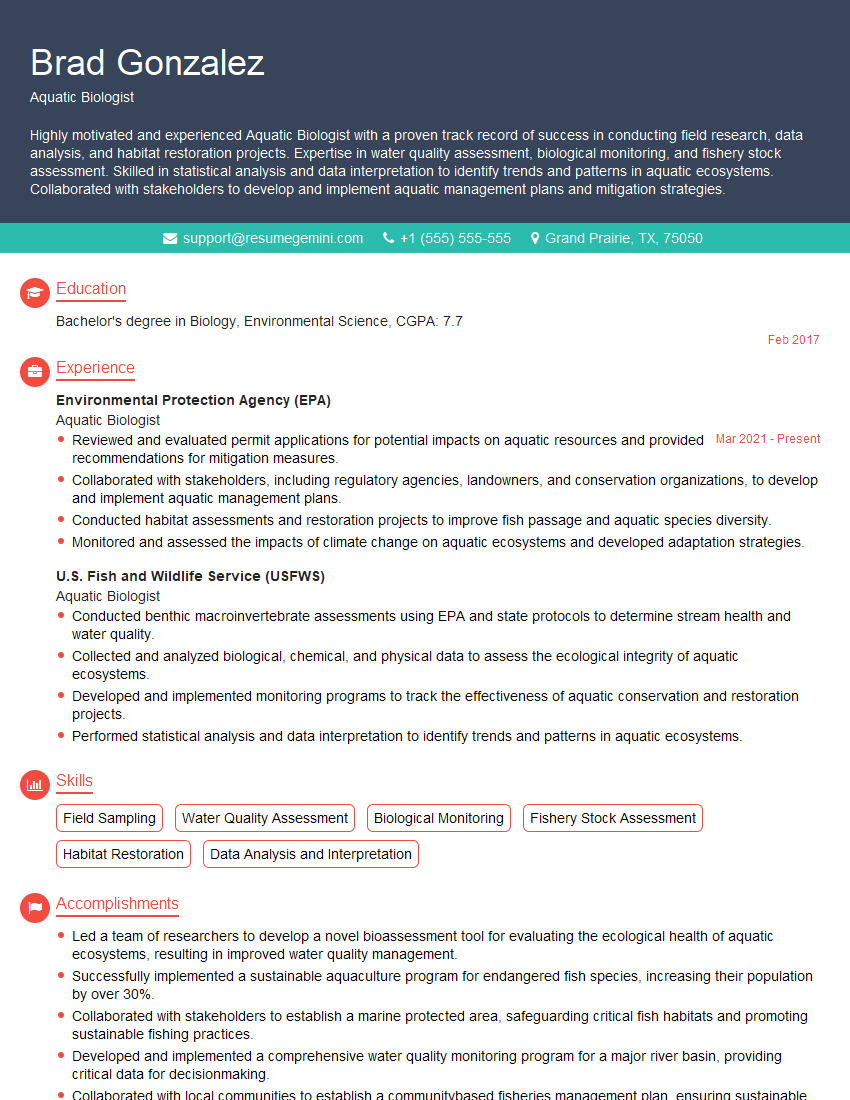
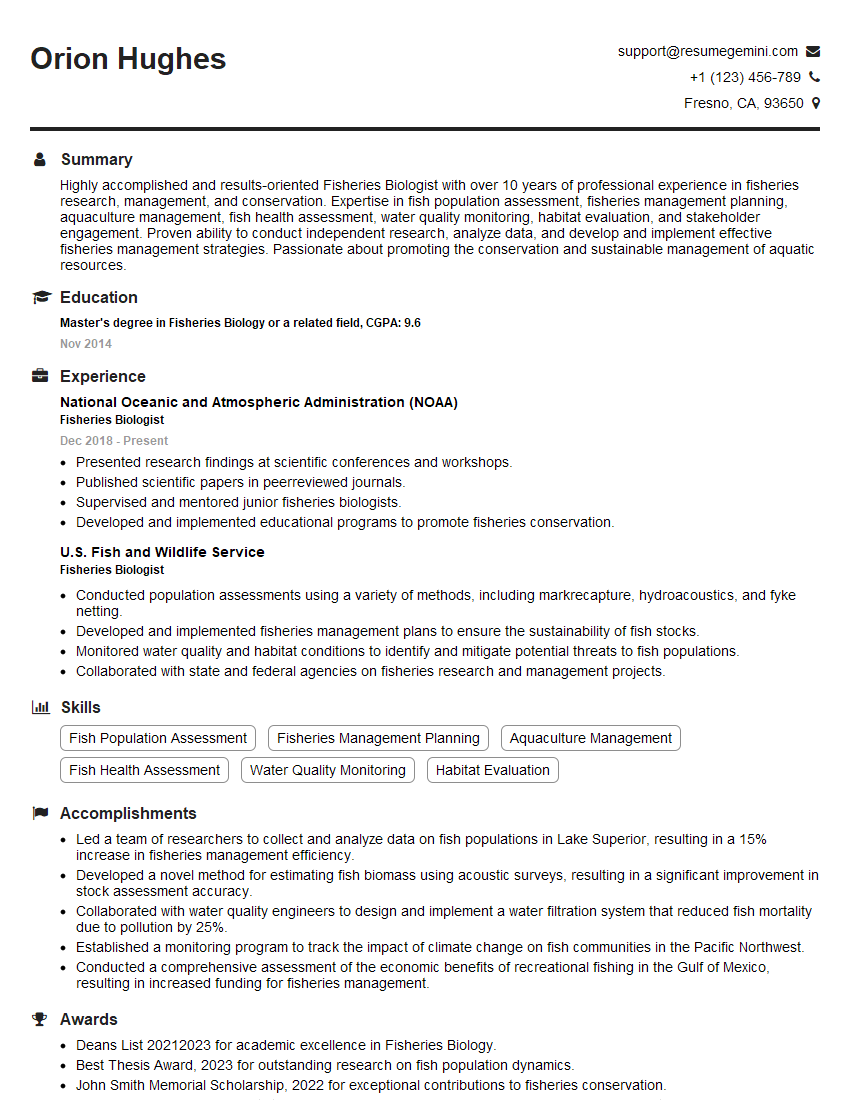
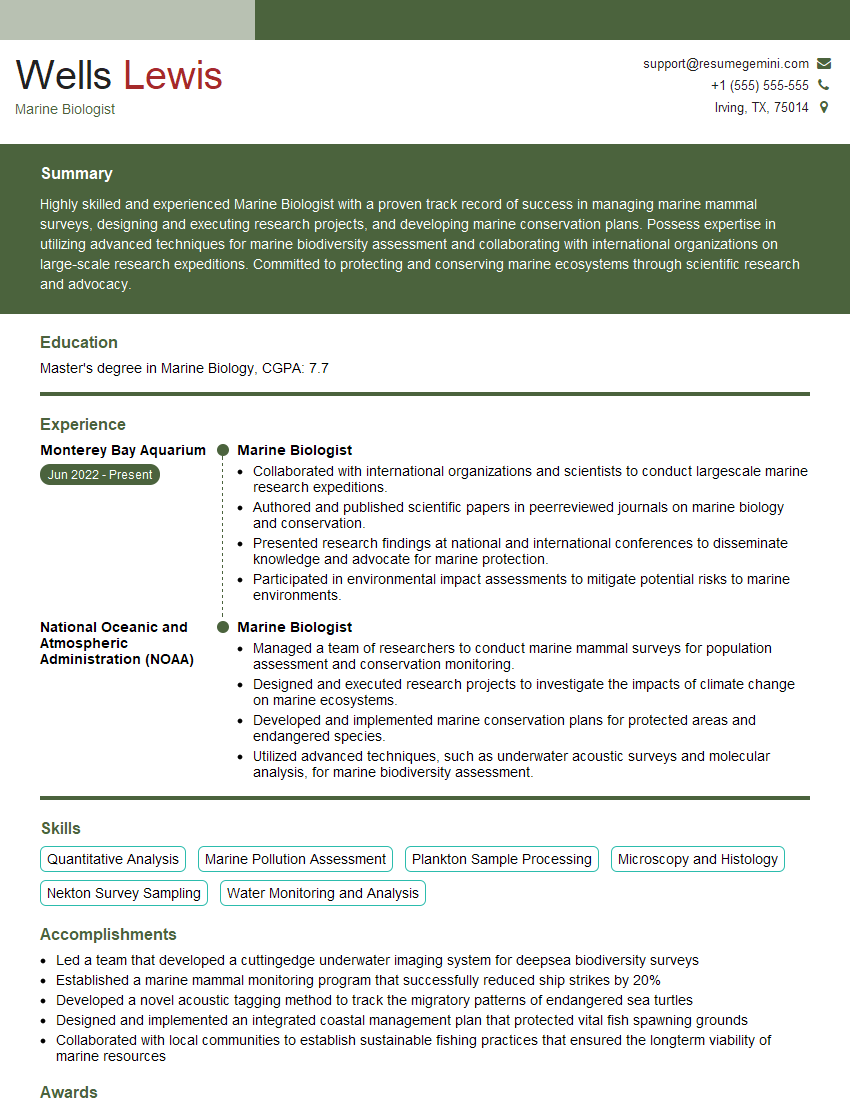
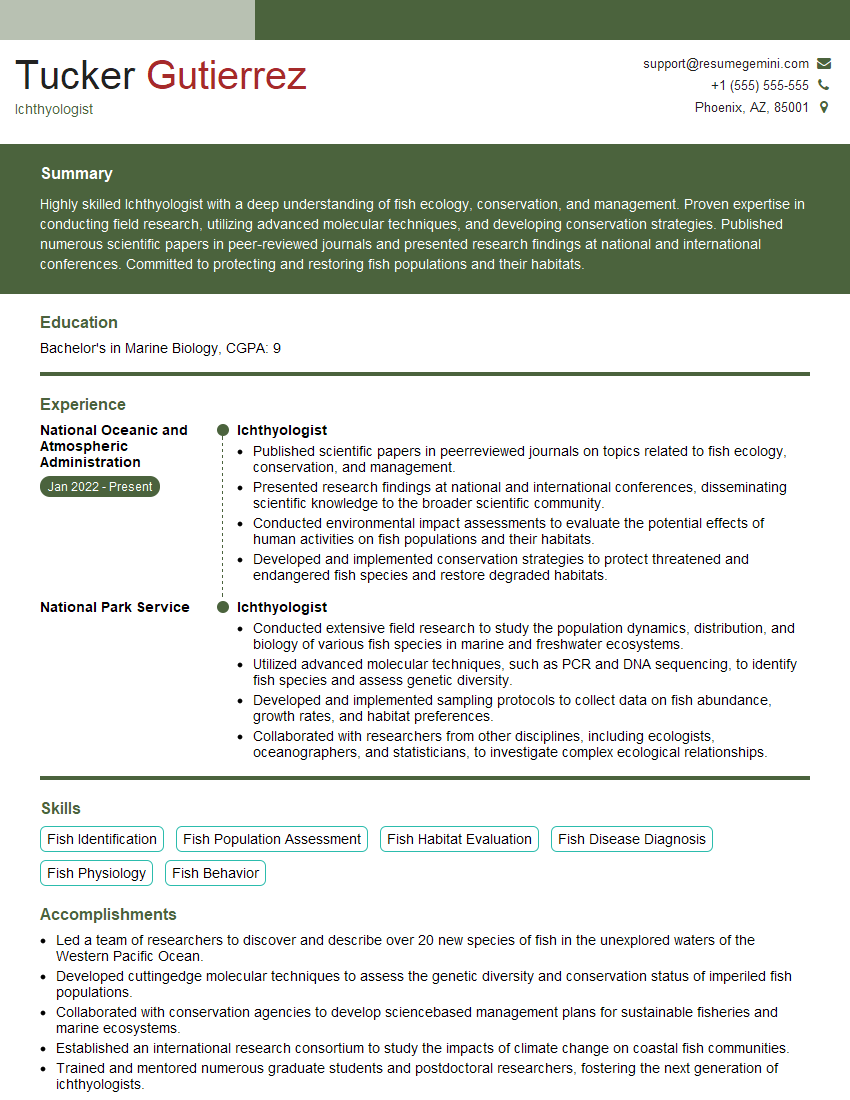
A strong foundation in Marine Biology is crucial for a successful and fulfilling career, opening doors to diverse roles in research, conservation, management, and education. To maximize your job prospects, it’s essential to present your qualifications effectively. Creating an Applicant Tracking System (ATS)-friendly resume is vital for getting your application noticed by recruiters. ResumeGemini is a trusted resource that can help you build a professional and impactful resume, tailored to highlight your specific skills and experience. Examples of resumes tailored to Marine Biology Degrees are available on ResumeGemini to guide you through the process.
Explore more articles
Users Rating of Our Blogs
Share Your Experience
We value your feedback! Please rate our content and share your thoughts (optional).
What Readers Say About Our Blog
I Redesigned Spongebob Squarepants and his main characters of my artwork.
https://www.deviantart.com/reimaginesponge/art/Redesigned-Spongebob-characters-1223583608
IT gave me an insight and words to use and be able to think of examples
Hi, I’m Jay, we have a few potential clients that are interested in your services, thought you might be a good fit. I’d love to talk about the details, when do you have time to talk?
Best,
Jay
Founder | CEO