Feeling uncertain about what to expect in your upcoming interview? We’ve got you covered! This blog highlights the most important Medical Insurance Terminology interview questions and provides actionable advice to help you stand out as the ideal candidate. Let’s pave the way for your success.
Questions Asked in Medical Insurance Terminology Interview
Q 1. Define ‘copay’ and explain its role in healthcare insurance.
A copay is a fixed amount you pay for a covered healthcare service, like a doctor’s visit or prescription, before your insurance company starts paying. Think of it as your share of the cost. It’s usually a smaller amount than your deductible. For example, your copay might be $25 for a primary care visit, regardless of the total cost of the visit.
Its role is to help manage healthcare costs. By requiring a small payment upfront, co-pays discourage unnecessary visits and encourage patients to be more mindful of healthcare expenses. Insurance companies use co-pays to share the cost of care with patients.
Q 2. What is the difference between an HMO and a PPO?
HMOs (Health Maintenance Organizations) and PPOs (Preferred Provider Organizations) are two common types of health insurance plans, differing primarily in how they manage access to care and cost-sharing.
- HMOs generally require you to choose a primary care physician (PCP) within their network who acts as your gatekeeper. You’ll typically need a referral from your PCP to see specialists. In-network care is usually less expensive, and out-of-network care is generally not covered.
- PPOs offer more flexibility. You can see any doctor, in-network or out-of-network, without a referral. However, seeing in-network doctors will result in lower costs. Out-of-network care is covered, but at a higher cost-share for the patient.
Imagine choosing a restaurant. An HMO is like having a pre-selected menu at a specific restaurant; you might get a great deal, but your choices are limited. A PPO is like having a wider selection of restaurants to choose from; you have greater freedom but might pay more depending on where you eat.
Q 3. Explain the concept of ‘deductible’ and its impact on patient expenses.
A deductible is the amount of money you have to pay out-of-pocket for covered healthcare services before your insurance company starts paying. It’s like an initial hurdle you need to clear. For instance, if your deductible is $1,000, you’ll pay the first $1,000 of your medical expenses yourself before your insurance kicks in and starts covering costs.
The deductible’s impact on patient expenses is significant. High deductibles mean you pay more upfront. This can be a barrier for those with limited financial resources. However, plans with high deductibles usually have lower monthly premiums.
Let’s say you have a $2,000 deductible and medical bills totaling $5,000. You pay the first $2,000, and your insurance covers the remaining $3,000, minus any co-insurance or co-pays.
Q 4. What is a ‘pre-authorization’ and why is it necessary?
Pre-authorization, also known as prior authorization, is the process of obtaining approval from your insurance company before receiving certain medical services or treatments. This is often required for expensive or specialized procedures like surgeries, tests, or medications.
It’s necessary because it helps ensure that the services are medically necessary and that they’re covered by your insurance plan. Pre-authorization helps prevent unexpected bills by verifying coverage upfront. Without it, your claim might be denied, leaving you responsible for the full cost.
The process typically involves your doctor submitting a request to your insurer explaining the medical necessity of the procedure. The insurer reviews the request and either approves or denies it based on their guidelines and your plan’s coverage.
Q 5. Describe the process of medical claim adjudication.
Medical claim adjudication is the process by which an insurance company reviews and processes a claim to determine the amount it will pay. It involves several steps:
- Claim Submission: The healthcare provider submits the claim to the insurance company, typically electronically. This includes details like the patient’s information, the services provided, and the associated costs.
- Claim Verification: The insurance company verifies the patient’s eligibility, the provider’s participation in the network, and the accuracy of the information.
- Benefit Determination: The insurer determines the patient’s benefits based on their policy and the covered services. This includes calculating co-pays, co-insurance, and deductibles.
- Payment Processing: The insurance company pays the provider or the patient (depending on the plan and patient responsibility) the amount owed after applying benefits and any patient cost-sharing.
- Explanation of Benefits (EOB): The insurer sends an EOB to both the patient and provider summarizing the payment details. This document outlines what was covered, what the patient owes, and what the insurance paid.
Think of it as a detailed accounting of who owes what after a medical service is provided. The process ensures that the insurance company and the provider are compensated fairly and that the patient understands their financial responsibility.
Q 6. Explain the significance of CPT and ICD codes.
CPT (Current Procedural Terminology) and ICD (International Classification of Diseases) codes are crucial for medical billing and healthcare data management.
- CPT codes are five-digit numeric codes that describe medical, surgical, and diagnostic services. They provide a standardized language for billing and tracking medical procedures. For example,
99213might represent a specific type of office visit. - ICD codes are alphanumeric codes that classify diagnoses and reasons for encounters. They help track disease prevalence, monitor public health trends, and are essential for accurate billing and claims processing. For example,
J45.9might represent chronic obstructive pulmonary disease, unspecified.
These codes are essential for accurate claims processing. The correct CPT code identifies the service rendered, and the ICD code specifies the reason for the service, enabling appropriate reimbursement.
Q 7. What are the different types of medical insurance plans?
There are many types of medical insurance plans, each with its own structure and cost-sharing mechanisms. Some common types include:
- HMO (Health Maintenance Organization): Requires a PCP referral for specialists; generally less expensive in-network but limited flexibility.
- PPO (Preferred Provider Organization): More flexibility; can see out-of-network doctors but at a higher cost.
- EPO (Exclusive Provider Organization): Similar to an HMO but with fewer restrictions on seeing specialists.
- POS (Point of Service): Combines elements of HMOs and PPOs, offering some in-network and out-of-network options.
- HDHP (High Deductible Health Plan): High deductible but lower premiums; often paired with a Health Savings Account (HSA).
- Medicare and Medicaid: Government-sponsored insurance programs for seniors and low-income individuals.
The best plan depends on individual needs, budget, and health status. It is important to carefully consider the benefits, cost-sharing requirements, and network options before choosing a plan.
Q 8. Define ‘Explanation of Benefits’ (EOB).
An Explanation of Benefits (EOB) is a statement sent by your health insurance company that details how your medical claim was processed. It’s essentially a summary of the services you received, the charges for those services, how much the insurance company paid, and what your responsibility is (e.g., your copay, coinsurance, deductible).
Think of it like a receipt for your medical visit, but instead of just showing the total, it breaks down the entire billing process from the provider’s side and your insurance company’s perspective. For example, an EOB might show that your doctor billed $100 for a visit, your insurance covered $80 after applying your deductible and coinsurance, leaving you responsible for a $20 copay.
- Clearly shows what was billed: The original charges from the healthcare provider.
- Details insurance payments: How much your insurance paid towards the charges.
- Outlines patient responsibility: Your remaining costs, including copay, deductible, and coinsurance.
- Provides claim information: Dates of service, claim numbers, and provider information.
Q 9. What is the role of a medical claims adjuster?
A medical claims adjuster is a crucial part of the insurance claims process. They are responsible for reviewing and processing medical claims submitted by healthcare providers. Their role involves verifying the medical necessity of services, checking for accuracy in billing codes and documentation, and determining the amount the insurance company will reimburse the provider. They act as a gatekeeper, ensuring that claims are paid according to the policyholder’s insurance plan and that the billing is accurate and legitimate.
Think of them as detectives who investigate each claim to make sure everything is in order before the payment is released. Their work directly impacts how much healthcare providers are reimbursed and consequently, the cost of healthcare for patients. They may also handle appeals from providers who disagree with a claim’s denial and resolve disputes between patients and providers regarding payment.
Q 10. Explain the concept of ‘coinsurance’.
Coinsurance is the percentage of costs of a covered healthcare service you pay after you’ve met your deductible. It’s your share of the costs after the insurance company has paid its portion. Unlike copay, which is a fixed amount you pay per visit, coinsurance is a percentage of the total cost. For instance, an 80/20 coinsurance plan means your insurance company pays 80% of the allowed amount, and you pay the remaining 20%.
Let’s say your bill is $1000, and your deductible has already been met. With an 80/20 coinsurance, your insurance pays $800 (80%), and you pay $200 (20%). This is typically applied after the deductible has been fulfilled. It’s important to note that the insurance company’s payment is based on their negotiated rates with providers, not the full amount billed.
Q 11. How does a healthcare provider network function?
A healthcare provider network is a group of doctors, hospitals, and other healthcare professionals who have contracted with an insurance company to provide services to its members at a negotiated rate. This means the insurance company has pre-arranged discounts with these providers. When you see a provider within your network, your insurance company typically covers a larger portion of the costs compared to seeing an out-of-network provider.
Think of it like a preferred supplier program. The insurance company has already established relationships and pricing with these providers, resulting in lower costs for you. Using in-network providers generally leads to lower out-of-pocket expenses. If you go outside the network, your insurance might only cover a smaller percentage of the bills, or you might face higher deductibles and out-of-pocket costs.
Q 12. What is ‘out-of-pocket maximum’?
The out-of-pocket maximum is the most you will pay out-of-pocket for covered healthcare services in a plan year. Once you reach this limit, your health insurance plan will pay 100% of the covered services for the rest of the year. This is a significant protection against unexpectedly high medical bills.
Imagine it as a safety net. No matter how many doctor visits or procedures you need within that plan year, your total personal expense won’t exceed the out-of-pocket maximum. For example, if your out-of-pocket maximum is $5,000, and your medical expenses reach that amount, your insurer will cover 100% of any additional covered healthcare expenses for the remainder of the year.
Q 13. What is the difference between Medicare and Medicaid?
Medicare and Medicaid are both government-sponsored health insurance programs, but they serve different populations. Medicare is a federal health insurance program for individuals aged 65 and older or those with certain disabilities, regardless of income. Medicaid, on the other hand, is a joint federal and state program that provides healthcare coverage to low-income individuals and families.
The key difference lies in eligibility. Medicare is primarily based on age and disability, while Medicaid is primarily based on financial need. Some individuals may qualify for both Medicare and Medicaid simultaneously (dual eligible).
- Medicare: Primarily for the elderly and disabled, regardless of income.
- Medicaid: Primarily for low-income individuals and families.
Q 14. Describe the process of verifying insurance eligibility.
Verifying insurance eligibility is the process of confirming that an individual is currently covered by a specific health insurance plan and that the coverage is active. This is typically done before a medical service is provided. There are several ways to verify eligibility, including:
- Online verification systems: Many insurance companies have online portals for real-time eligibility checks using the patient’s information (name, date of birth, insurance ID).
- Phone verification: Calling the insurance company’s customer service line directly to confirm coverage details.
- Electronic Data Interchange (EDI): Healthcare providers use EDI to electronically submit requests for insurance eligibility verification to the payer. This is an automated system that provides near-instantaneous verification.
It’s a crucial step to prevent delays in payment and ensure that patients understand their financial responsibility before receiving care. A thorough eligibility check provides details about the plan, coverage, and any pre-authorization requirements, safeguarding both the patient and the provider from unexpected billing issues.
Q 15. How do you handle a denied claim?
Handling a denied claim involves a systematic approach to understanding the reason for denial and taking appropriate action. First, carefully review the Explanation of Benefits (EOB) or denial letter to identify the specific reason for the denial. Common reasons include missing information, pre-authorization requirements not met, or the service not being covered under the policy.
- Gather Supporting Documentation: Collect any missing medical records, pre-authorization approvals, or other necessary documents to support the claim.
- Contact the Insurance Provider: Call the insurance company’s claims department to discuss the denial. Clearly explain the situation and provide any supporting documentation. Note down the name of the representative, date and time of the call, and the outcome.
- File an Appeal: If the initial discussion doesn’t resolve the issue, follow the insurer’s appeals process outlined in your policy or the denial letter. This typically involves submitting a formal appeal with additional documentation.
- Consider External Assistance: If the appeal is unsuccessful, you may consider seeking help from a patient advocate or medical billing specialist to navigate the process further.
For instance, if a claim was denied because a pre-authorization was missing, resubmitting the claim with the necessary authorization is the first step. If the denial is based on a policy exclusion, exploring alternative solutions like negotiating with the provider or seeking coverage through other means might be necessary.
Career Expert Tips:
- Ace those interviews! Prepare effectively by reviewing the Top 50 Most Common Interview Questions on ResumeGemini.
- Navigate your job search with confidence! Explore a wide range of Career Tips on ResumeGemini. Learn about common challenges and recommendations to overcome them.
- Craft the perfect resume! Master the Art of Resume Writing with ResumeGemini’s guide. Showcase your unique qualifications and achievements effectively.
- Don’t miss out on holiday savings! Build your dream resume with ResumeGemini’s ATS optimized templates.
Q 16. What is a ‘premium’ in the context of health insurance?
In health insurance, a premium is the recurring payment you make to your insurance company in exchange for coverage. Think of it as your monthly or annual ‘membership fee’ for access to healthcare services. The amount you pay depends on several factors, including your age, location, the type of plan you choose (e.g., HMO, PPO), and your health status.
For example, a family with a comprehensive PPO plan will typically pay a higher premium than a single individual with a basic HMO plan. Premiums are paid regardless of whether you utilize the insurance during the policy period. They essentially fund the insurance pool that pays for the healthcare costs of all the insured individuals.
Q 17. What is the difference between a primary care physician (PCP) and a specialist?
The difference between a Primary Care Physician (PCP) and a specialist lies in their scope of practice and level of expertise.
- PCP (Primary Care Physician): Your PCP is your first point of contact for healthcare. They provide comprehensive care for common illnesses, preventive care (like checkups and vaccinations), and manage chronic conditions. They act as a gatekeeper, referring you to specialists when needed.
- Specialist: Specialists have focused expertise in a specific area of medicine, such as cardiology (heart), dermatology (skin), or oncology (cancer). They typically only treat patients who have been referred by a PCP or another healthcare professional.
Think of your PCP as your general practitioner, and specialists as experts in specific areas. Your PCP might treat your flu, while a cardiologist would be the expert to see if you have a heart condition.
Q 18. Explain the concept of ‘referral’ in healthcare insurance.
A referral in health insurance is a recommendation from your PCP to see a specialist. Many health insurance plans require a referral before you can see a specialist to help manage costs and ensure appropriate care. This process ensures that the specialist’s services are medically necessary.
The process usually involves your PCP reviewing your medical history and determining if a specialist is needed. If a referral is granted, your PCP will provide the necessary paperwork to your insurance company so that the specialist visit will be covered under your insurance plan. Attempting to see a specialist without a referral (when required by your plan) could lead to higher out-of-pocket expenses for you.
Q 19. What is the importance of HIPAA compliance in medical insurance?
HIPAA (Health Insurance Portability and Accountability Act) compliance is crucial in medical insurance to protect the privacy and security of Protected Health Information (PHI). PHI includes any information about a patient’s health status, treatment, or payment for healthcare services. HIPAA compliance mandates strict rules around how this information can be collected, stored, used, and disclosed.
Non-compliance can lead to significant penalties and damage to an organization’s reputation. HIPAA compliance ensures that patient information remains confidential, fostering trust between patients and healthcare providers. Implementing robust security measures, training staff on HIPAA regulations, and establishing clear procedures for handling PHI are critical for compliance.
Q 20. How do you interpret an EOB?
An Explanation of Benefits (EOB) is a statement from your health insurance company that explains the payments made or denied for your healthcare services. It details the services rendered, the charges billed by the provider, the amount your insurance covered, and your responsibility (copay, coinsurance, deductible).
Interpreting an EOB involves carefully reviewing each line item to understand the breakdown of charges and payments. It’s important to check for any discrepancies between the billed amount and the amount paid by your insurer, as well as any denied claims that might need further investigation. It’s a key document for understanding your health insurance costs and ensuring accurate billing.
Q 21. What is the role of an underwriter in health insurance?
In health insurance, an underwriter assesses the risk associated with insuring an individual or group. They review applications, medical records, and other relevant information to determine the likelihood of future healthcare claims. Based on this assessment, they determine eligibility, set premiums, and design policies to mitigate risk.
The underwriter plays a critical role in ensuring the financial stability of the insurance company. Their analysis helps the insurer accurately price policies to cover expected claims and maintain profitability. They might approve an application as is, request additional information, or decline coverage based on the assessed risk.
Q 22. Describe different types of healthcare insurance fraud.
Healthcare insurance fraud encompasses a wide range of deceptive practices aimed at illegally obtaining insurance benefits. These schemes can involve both providers and patients.
- Billing for services not rendered: This is perhaps the most common type, where a provider bills for procedures or treatments that were never actually performed. For example, a doctor might bill for a complex surgery when only a simpler procedure was done.
- Upcoding: This involves billing for a more expensive procedure or service than the one actually performed. A provider might code a routine office visit as a comprehensive exam to receive a higher reimbursement.
- Unbundling: This practice separates a group of procedures that are normally billed together into individual codes, increasing the overall reimbursement. For instance, billing for multiple separate components of a single surgical procedure.
- Phantom billing: This involves billing for services provided to a patient who never actually received them. This often occurs with patients who are incapacitated or unable to verify the services.
- Patient fraud: Patients can also engage in fraudulent activities, such as filing false claims, misrepresenting their income to qualify for subsidized plans, or using another person’s insurance information.
The consequences of healthcare insurance fraud are severe, leading to financial losses for insurance companies, higher premiums for everyone, and even potential criminal charges for those involved.
Q 23. Explain the importance of accurate medical coding.
Accurate medical coding is the cornerstone of efficient and ethical healthcare billing. It ensures proper reimbursement for services provided, preventing financial losses for providers and ensuring appropriate payments from insurance companies. Medical codes, such as those found in the ICD (International Classification of Diseases) and CPT (Current Procedural Terminology) systems, provide a standardized language for describing diagnoses and procedures.
- Accurate Reimbursement: Correct codes lead to appropriate payments from insurers, ensuring providers receive fair compensation for their services. Incorrect codes can result in underpayment or denial of claims.
- Data Analysis and Reporting: Accurate coding provides crucial data for healthcare analytics, helping providers track trends, identify areas for improvement, and assess the overall health of their practice.
- Compliance and Avoidance of Penalties: Accurate coding helps healthcare providers remain compliant with regulatory requirements and avoid potential penalties and sanctions for billing errors or fraudulent activities.
- Improved Patient Care: Though indirect, precise coding ensures the proper documentation of patient conditions and treatments. This information is crucial for quality improvement and continuity of care.
Imagine a scenario where a doctor incorrectly codes a procedure. The insurance company might deny the claim because the code doesn’t match the procedure performed, leaving the provider with unpaid bills and potentially impacting their revenue.
Q 24. How do you handle patient inquiries about their insurance coverage?
Handling patient inquiries about insurance coverage requires patience, clarity, and a thorough understanding of their specific plan. I approach these inquiries systematically.
- Active Listening: I first actively listen to the patient’s question or concern to fully understand their needs and anxieties.
- Plan Verification: I verify the patient’s insurance information using available resources, including online portals or directly contacting the insurance company.
- Clear Explanation: I explain the patient’s coverage in simple, non-technical terms, explaining what is covered, what’s not covered (like deductibles, co-pays, or exclusions), and any prior authorizations needed. I provide examples to make it relatable.
- Documentation: I meticulously document the conversation and any actions taken.
- Follow Up: I always follow up to ensure the patient’s questions are fully answered and their concerns addressed. If the issue is complex, I would escalate it to a supervisor or insurance specialist.
For example, if a patient asks about their out-of-pocket maximum, I explain it as the total amount they will have to pay for covered services before their insurance fully covers the remaining costs for the plan year.
Q 25. What is the significance of the Centers for Medicare & Medicaid Services (CMS)?
The Centers for Medicare & Medicaid Services (CMS) is a crucial agency within the U.S. Department of Health and Human Services. It plays a pivotal role in administering the Medicare and Medicaid programs, influencing the entire healthcare landscape.
- Medicare and Medicaid Administration: CMS is responsible for overseeing and administering the Medicare and Medicaid programs, setting reimbursement rates, and establishing regulations for healthcare providers participating in these programs.
- Healthcare Regulations and Policy: CMS develops and implements national healthcare standards and regulations affecting everything from medical coding and billing to clinical guidelines and electronic health records.
- Data and Research: CMS collects and analyzes vast amounts of healthcare data to inform policy decisions, track healthcare trends, and improve the efficiency and effectiveness of the healthcare system.
- Innovation and Quality Improvement: CMS supports initiatives focused on healthcare innovation, quality improvement, and the adoption of new technologies in the healthcare industry.
Essentially, CMS acts as a central governing body for a large portion of the U.S. healthcare system, directly affecting millions of beneficiaries and healthcare providers.
Q 26. Explain the difference between inpatient and outpatient care.
The distinction between inpatient and outpatient care lies primarily in the location and duration of treatment.
- Inpatient Care: This involves treatment that requires an overnight stay at a hospital or other healthcare facility. Patients are admitted to the hospital, given a bed, and receive 24-hour medical care and monitoring. Examples include surgeries requiring hospitalization, treatment for severe illnesses or injuries, or rehabilitation after a stroke.
- Outpatient Care: This type of care is provided without requiring an overnight stay in a facility. Patients can receive treatment at a doctor’s office, clinic, or outpatient surgery center and then go home the same day. Examples include routine check-ups, vaccinations, minor surgeries, or specialist consultations.
The key difference hinges on the need for continuous, 24-hour medical supervision. Inpatient care is reserved for situations where a patient requires constant monitoring and intensive treatment, while outpatient care is suitable for less urgent or complex conditions.
Q 27. What are some common challenges in medical insurance billing?
Medical insurance billing presents various challenges, often stemming from complexities in regulations and the sheer volume of transactions.
- Coding Errors: Incorrect or incomplete medical codes are a primary source of claims denials and delays in payment. These errors can be caused by human error, lack of training, or outdated coding systems.
- Payer-Specific Requirements: Different insurance companies have varying billing requirements, making it challenging for providers to maintain compliance across all payers. Each payer has its own claim submission processes, electronic data interchange (EDI) standards, and claim forms.
- Claim Denials and Appeals: Claim denials are a common occurrence, often due to errors in coding, documentation, or authorization. The appeals process can be lengthy and complex, requiring careful documentation and communication with the payer.
- High Administrative Costs: The administrative burden of medical billing is significant, requiring dedicated staff, sophisticated software, and ongoing training to manage the complexities involved.
- Changes in Regulations and Policies: Frequent changes in healthcare regulations and insurance policies necessitate ongoing adaptation and training for healthcare providers to stay compliant.
For instance, failing to obtain pre-authorization for a specific procedure can lead to a claim denial, causing delays in payment and potentially financial strain on the healthcare provider.
Q 28. How familiar are you with different healthcare billing software?
I am familiar with several leading healthcare billing software systems, including:
- Epic Systems: A comprehensive electronic health record (EHR) system with robust billing capabilities.
- Cerner Millennium: Another prominent EHR system with integrated billing modules.
- Allscripts Professional EHR: Widely used in physician offices and clinics, offering billing and practice management tools.
- Medisoft: A popular practice management system focused on billing and financial management.
My experience includes utilizing these systems for claim submission, patient billing, payment processing, reporting, and generating various financial analyses. I’m proficient in navigating their features to ensure accurate and efficient billing practices. I understand that the choice of system is often determined by the size and specific needs of the healthcare organization.
Key Topics to Learn for Medical Insurance Terminology Interview
- Health Insurance Plans: Understanding HMOs, PPOs, POS plans, and their key differences; analyzing plan benefits and limitations.
- Claims Processing: Familiarize yourself with the claims lifecycle, from submission to adjudication; understanding different claim denial reasons and appeal processes.
- Medical Coding and Billing: Grasping the basics of ICD codes (diagnosis) and CPT codes (procedures); understanding the role of medical billers and coders in the revenue cycle.
- Healthcare Reimbursement Methods: Understanding fee-for-service, capitation, and bundled payments; analyzing their impact on provider reimbursement.
- Insurance Terminology: Mastering key terms like deductible, copay, coinsurance, premium, out-of-pocket maximum, Explanation of Benefits (EOB), and pre-authorization.
- Healthcare Regulations and Compliance: Understanding HIPAA regulations and their implications for patient privacy and data security; familiarity with other relevant state and federal regulations.
- Problem-Solving in Claims Processing: Developing the ability to identify and troubleshoot common issues in claims processing, such as incorrect coding or missing information; exploring effective communication strategies with providers and patients.
Next Steps
Mastering medical insurance terminology is crucial for advancing your career in the healthcare industry. A strong understanding of these concepts demonstrates competence and professionalism, opening doors to higher-level positions and increased earning potential. To significantly boost your job prospects, it’s essential to create a resume that Applicant Tracking Systems (ATS) can easily read and understand. ResumeGemini can help you craft a compelling and ATS-friendly resume tailored to the specific requirements of medical insurance roles. We offer examples of resumes specifically designed for candidates with expertise in medical insurance terminology to guide you in creating your own impactful application materials. Use ResumeGemini to present your skills and experience in the best possible light and secure your dream job.
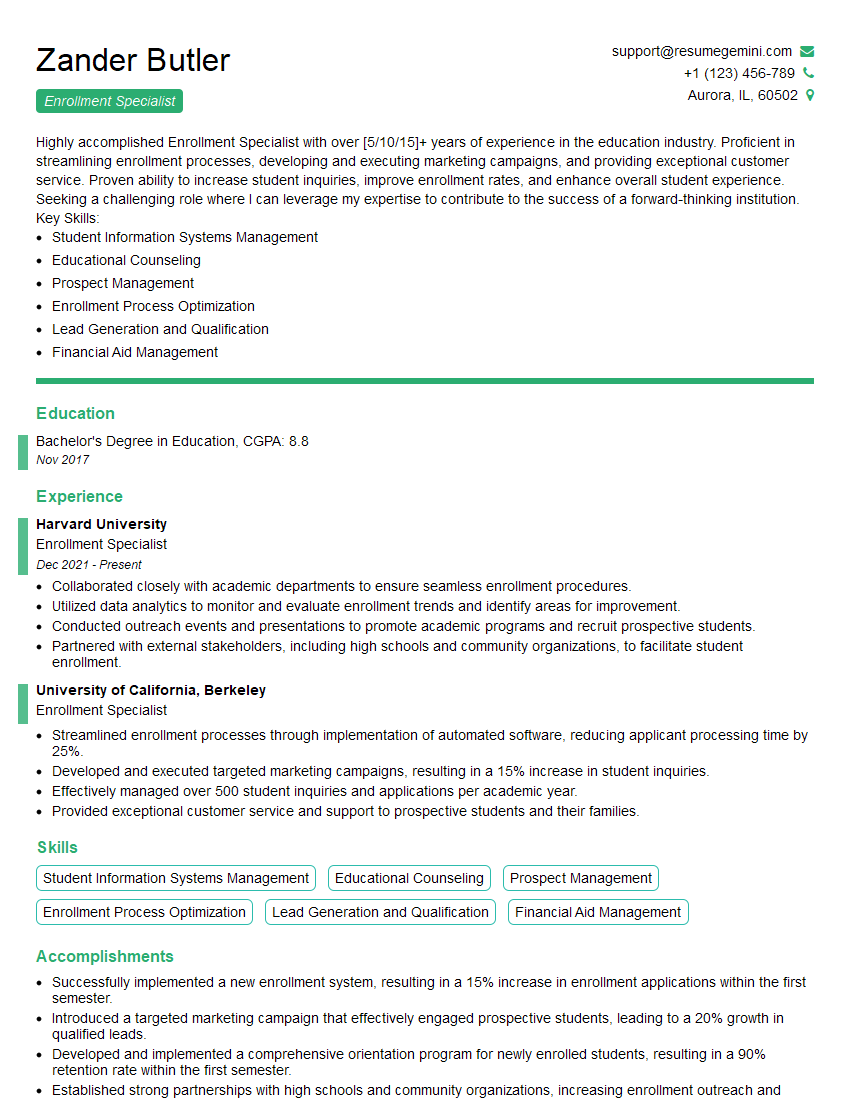
Enrollment Specialist Resume Sample
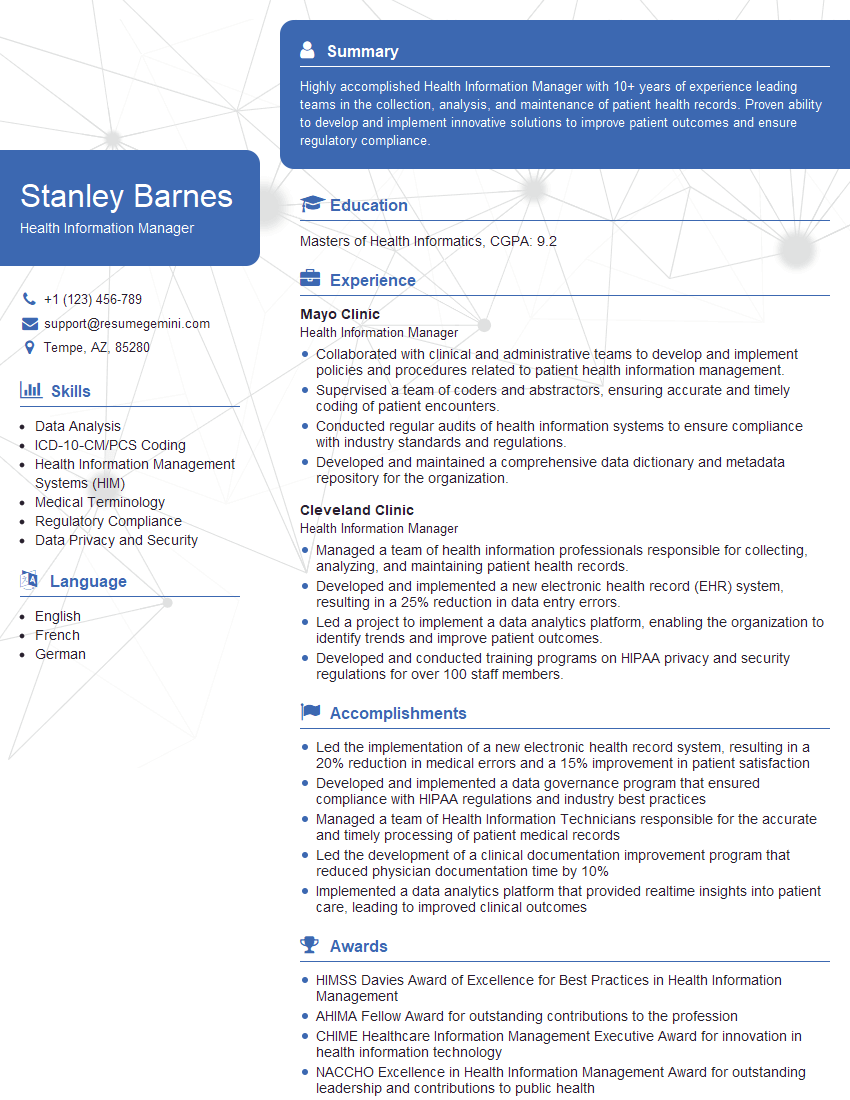
Health Information Manager Resume Sample
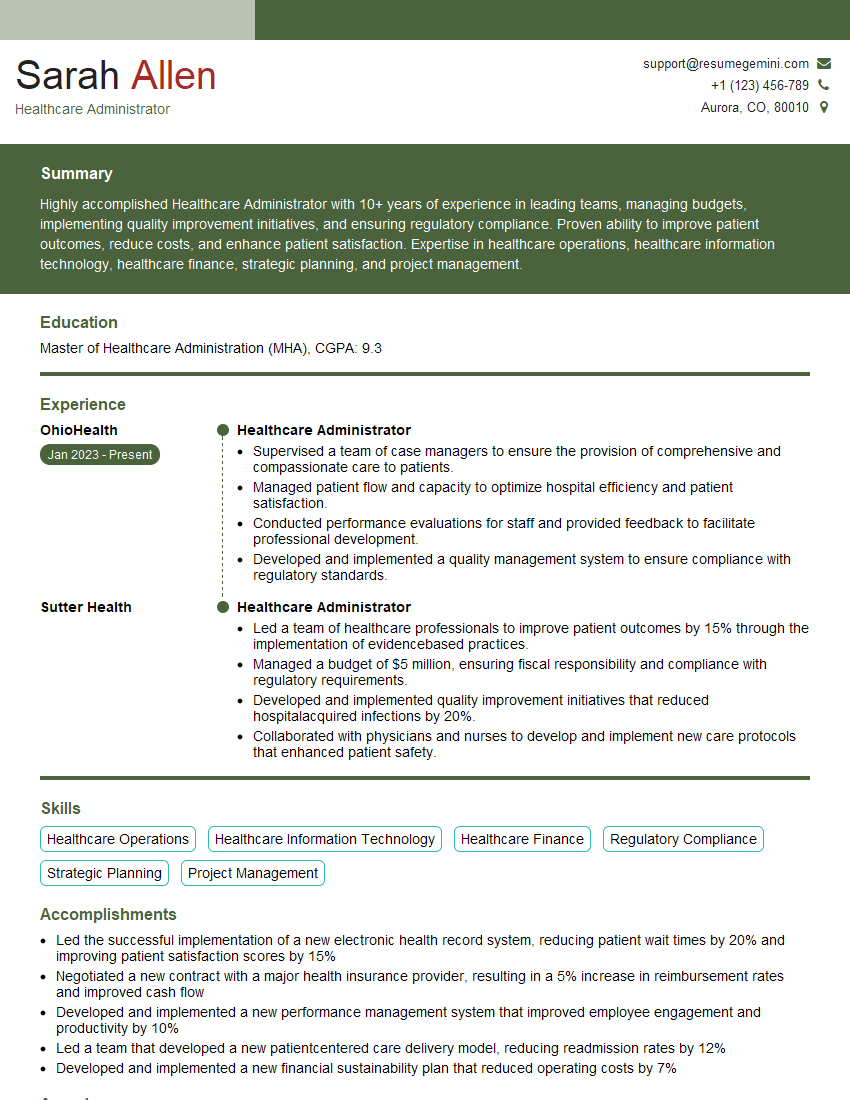
Healthcare Administrator Resume Sample
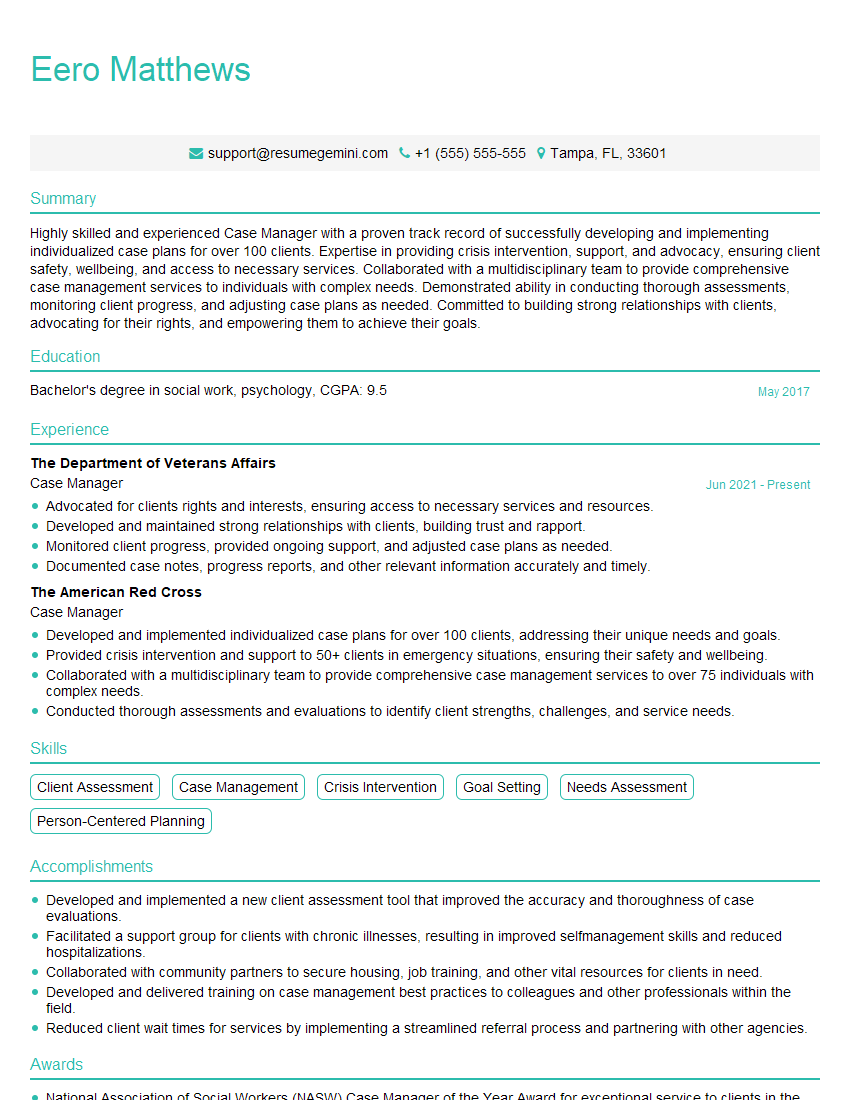
Case Manager Resume Sample
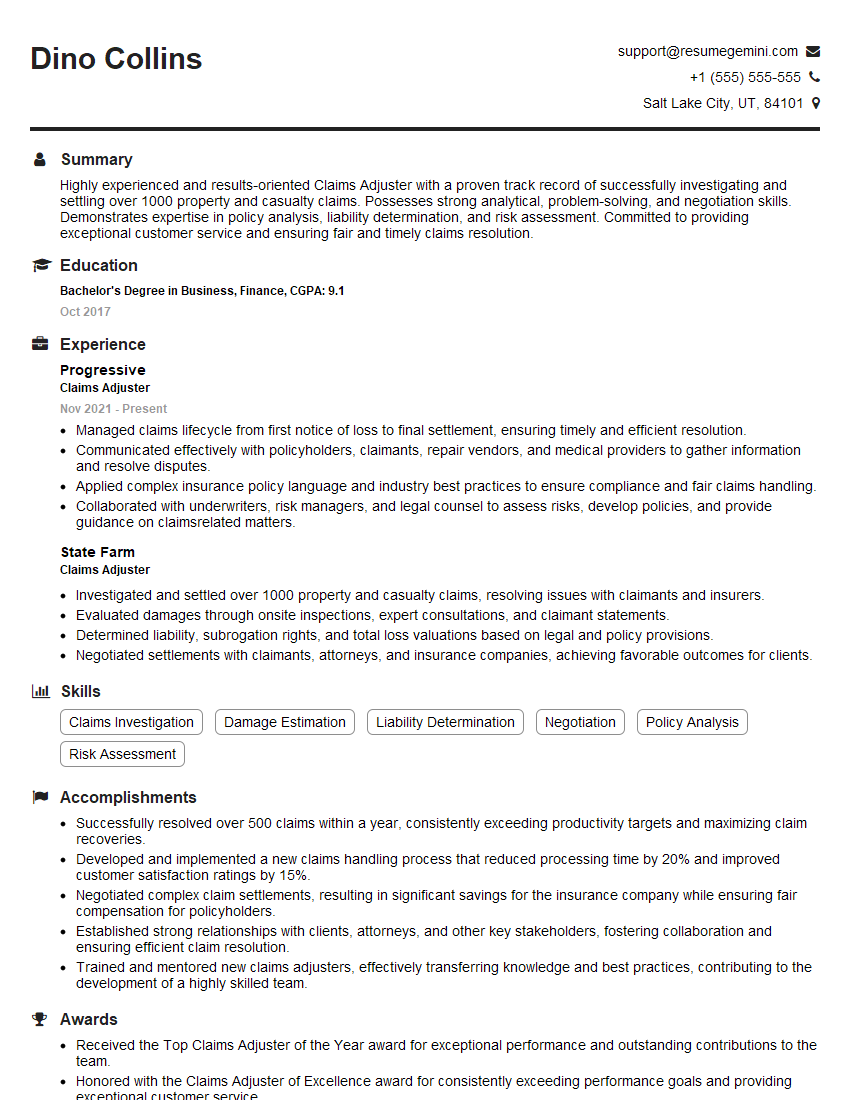
Claims Adjuster Resume Sample
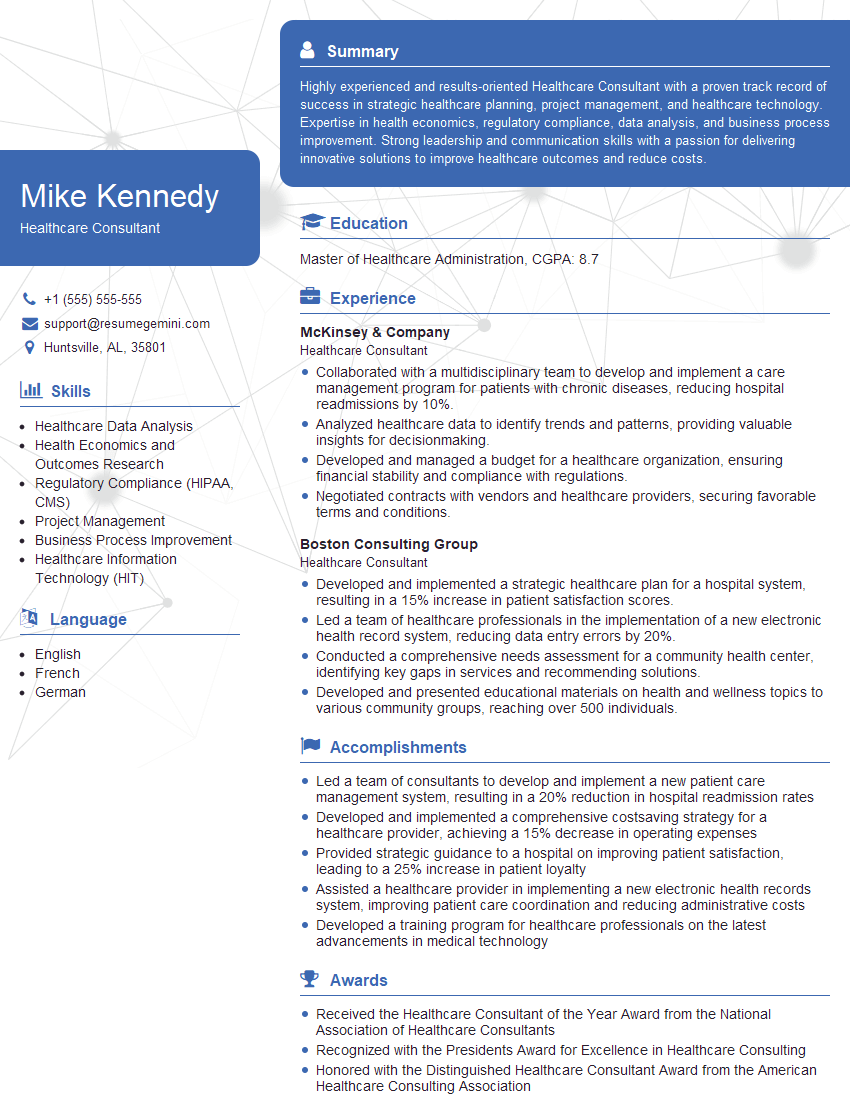
Healthcare Consultant Resume Sample
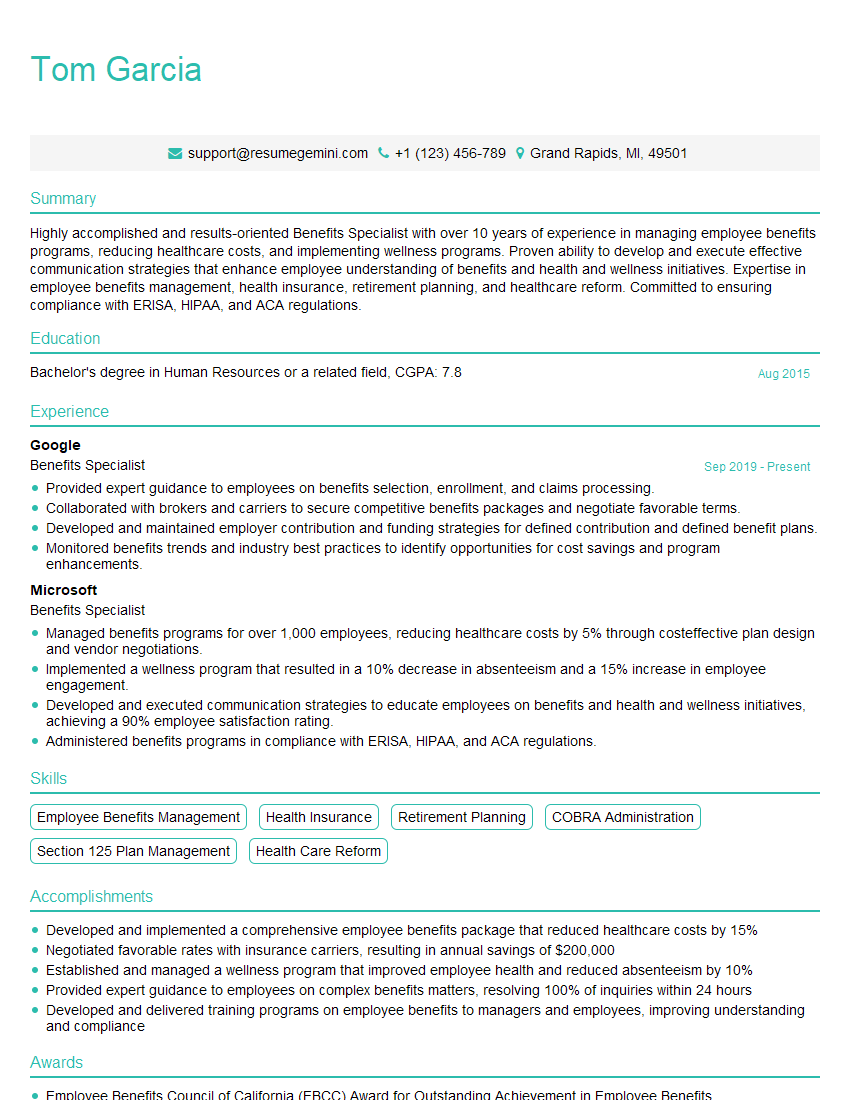
Benefits Specialist Resume Sample
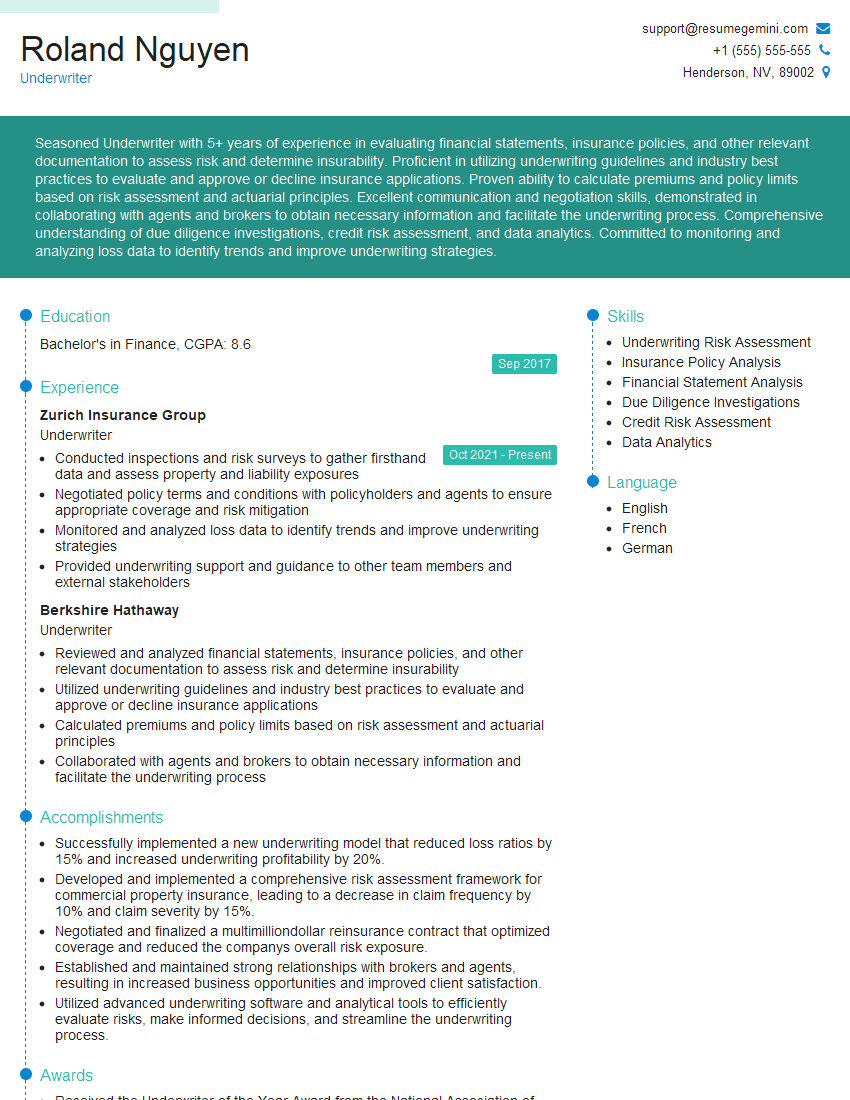
Underwriter Resume Sample
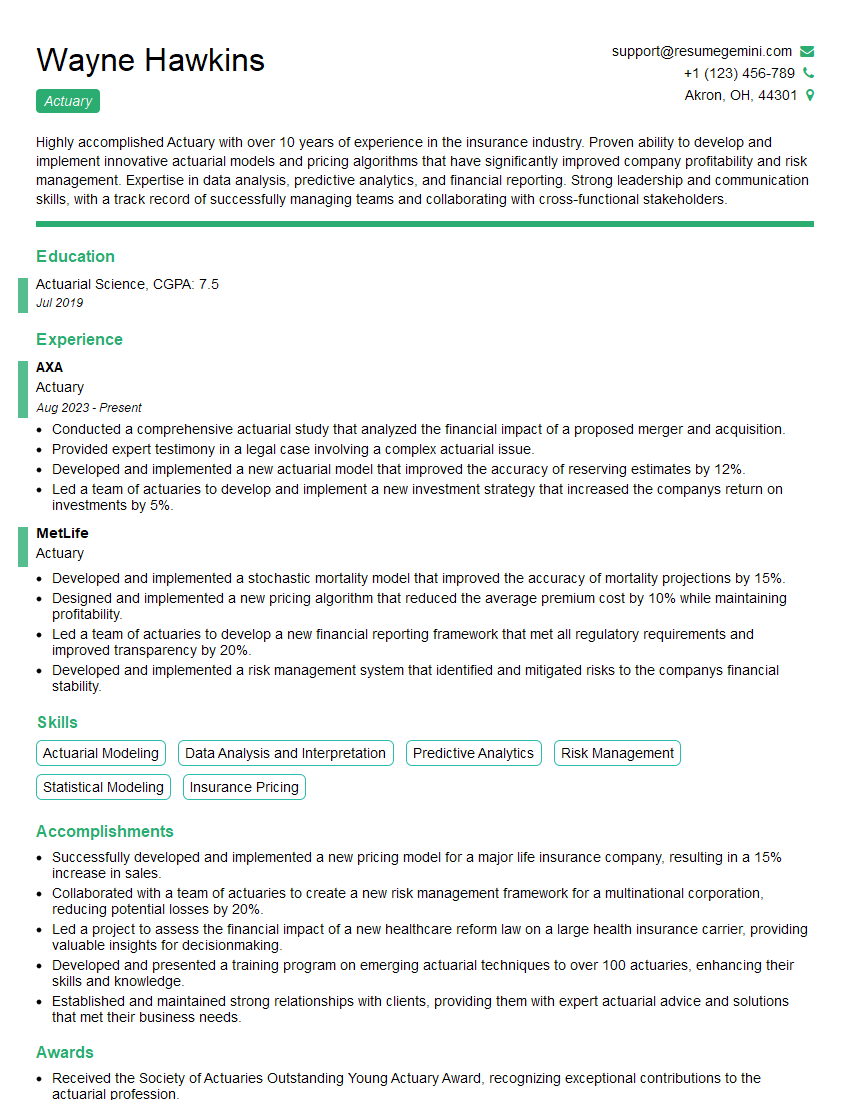
Actuary Resume Sample
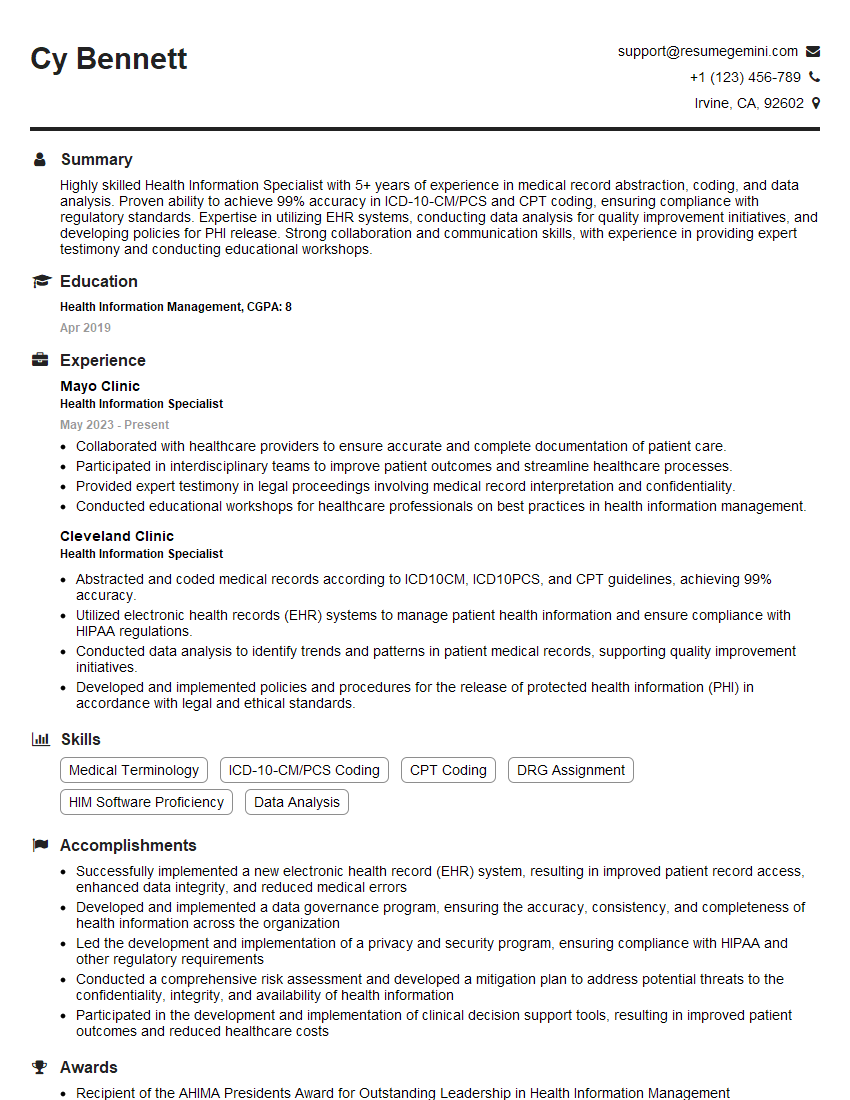
Health Information Specialist Resume Sample
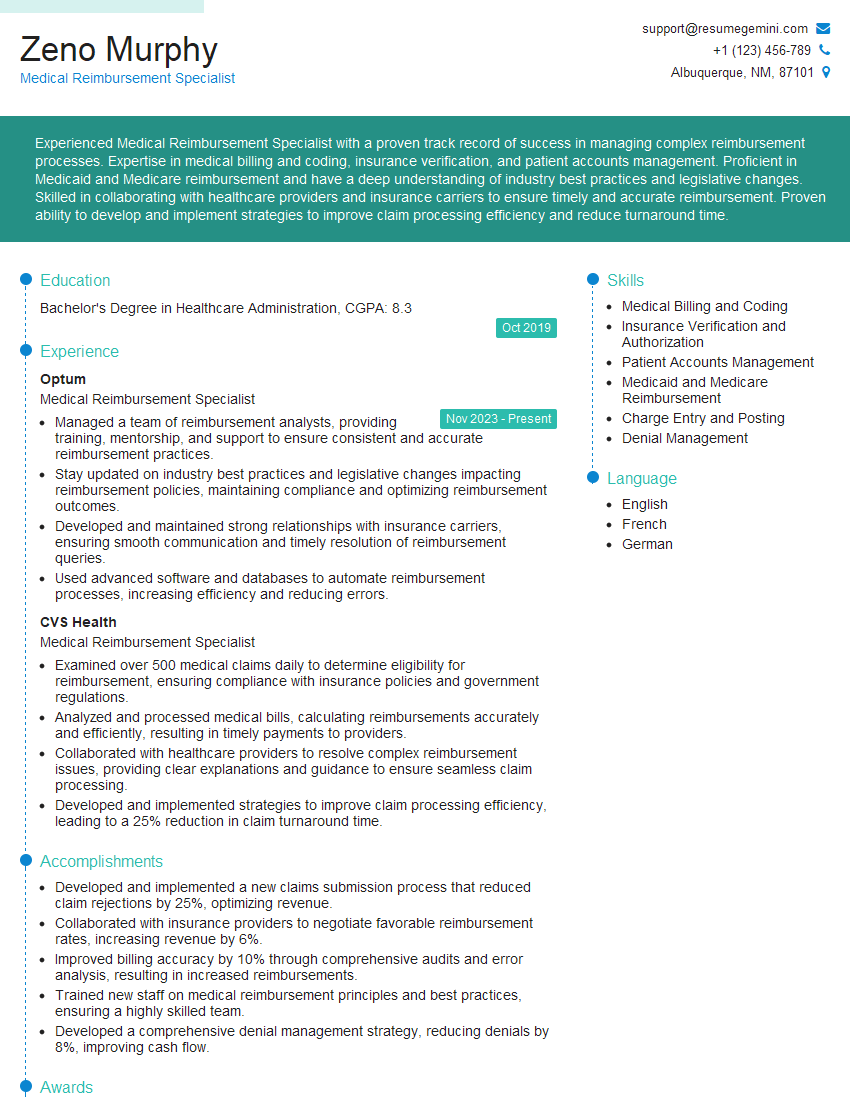
Medical Reimbursement Specialist Resume Sample
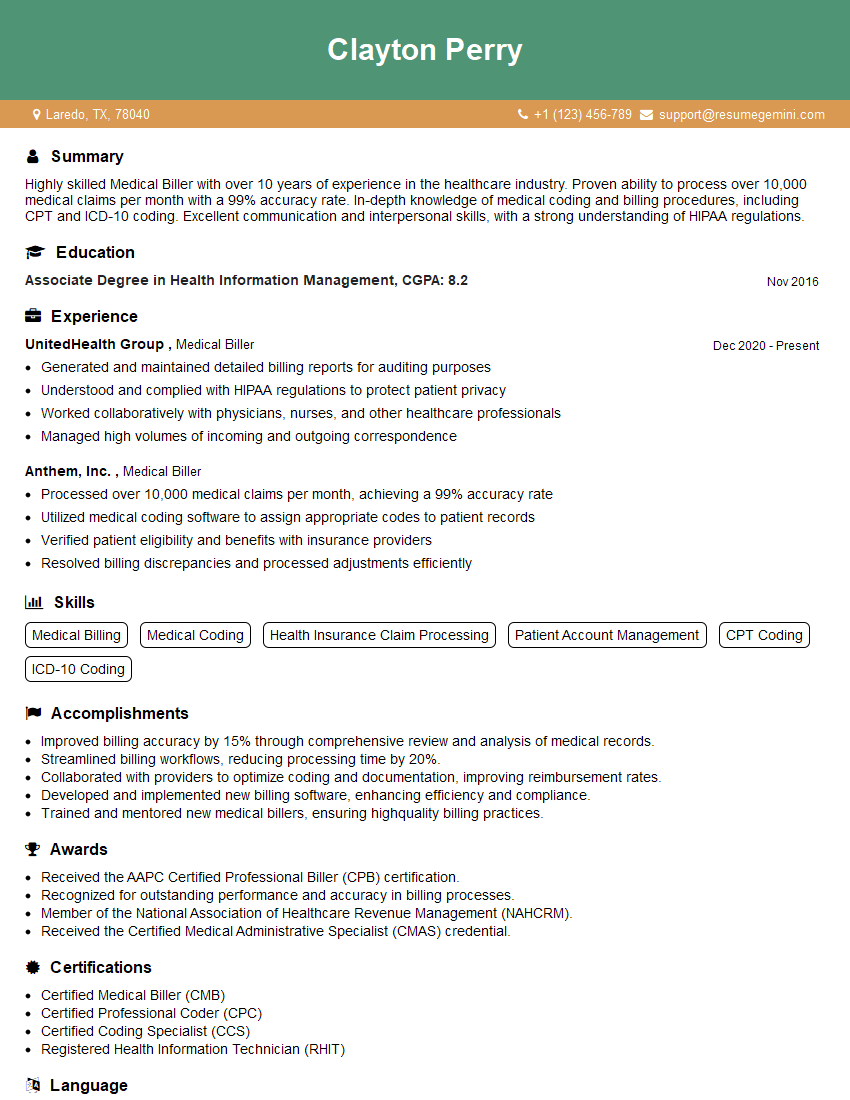
Medical Biller Resume Sample
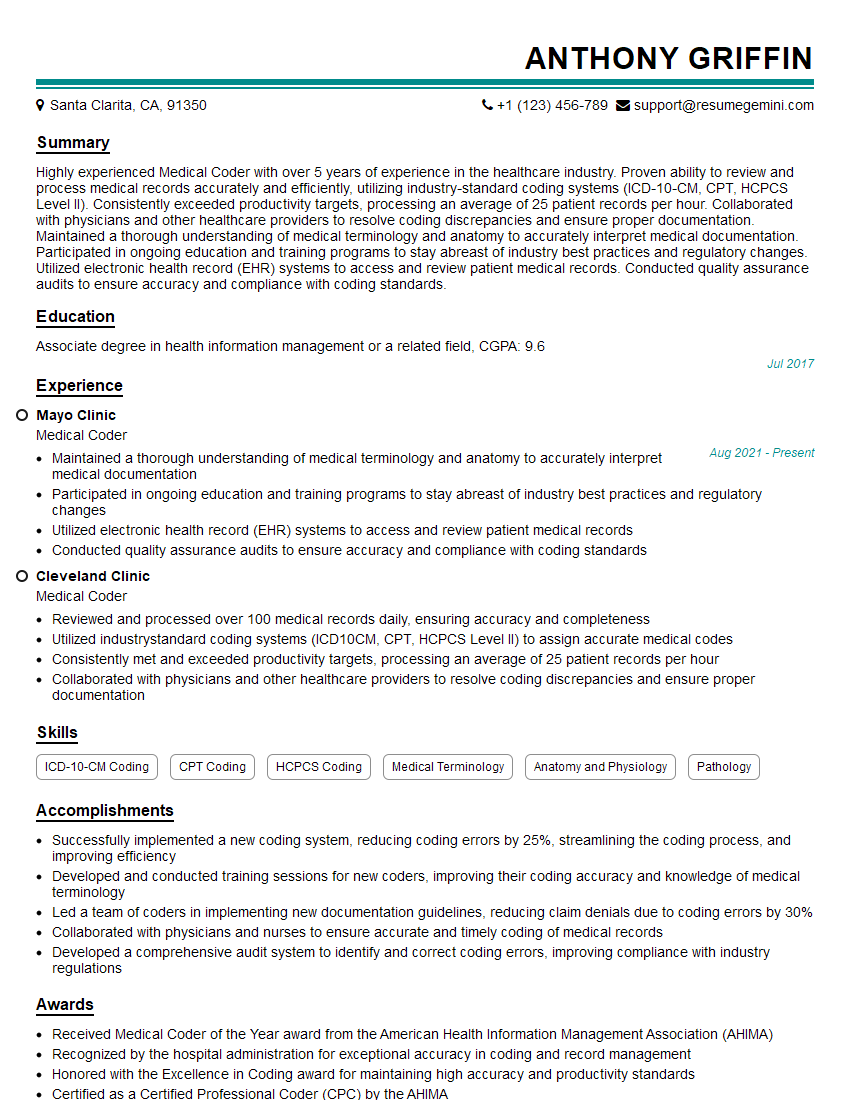
Medical Coder Resume Sample

Claims Processor Resume Sample
Explore more articles
Users Rating of Our Blogs
Share Your Experience
We value your feedback! Please rate our content and share your thoughts (optional).
What Readers Say About Our Blog
I Redesigned Spongebob Squarepants and his main characters of my artwork.
https://www.deviantart.com/reimaginesponge/art/Redesigned-Spongebob-characters-1223583608
IT gave me an insight and words to use and be able to think of examples
Hi, I’m Jay, we have a few potential clients that are interested in your services, thought you might be a good fit. I’d love to talk about the details, when do you have time to talk?
Best,
Jay
Founder | CEO