Feeling uncertain about what to expect in your upcoming interview? We’ve got you covered! This blog highlights the most important Meet Customer Delivery Expectations interview questions and provides actionable advice to help you stand out as the ideal candidate. Let’s pave the way for your success.
Questions Asked in Meet Customer Delivery Expectations Interview
Q 1. Describe your process for managing customer expectations during project initiation.
Managing customer expectations starts right from project initiation. It’s crucial to establish a clear and shared understanding of the project’s scope, deliverables, timelines, and budget. This involves meticulous documentation and open communication.
- Detailed Requirements Gathering: I begin with thorough requirements gathering sessions with the client, using techniques like interviews, workshops, and questionnaires. This ensures we’re all on the same page regarding the project’s goals and functionalities.
- Realistic Project Planning: Based on the gathered requirements, I develop a realistic project plan, including detailed timelines and milestones. This plan is collaboratively reviewed and approved by the client, leaving no room for ambiguity.
- Clearly Defined Deliverables: Each deliverable is explicitly defined, outlining specific features, functionalities, and acceptance criteria. This removes any guesswork about what constitutes a completed task. I often use visual aids like mockups or prototypes to illustrate the final product.
- Transparent Communication: Open and honest communication is key. I ensure the client understands the project’s limitations and potential challenges from the outset. This sets the stage for a collaborative and realistic approach.
For example, in a recent website development project, we held a kickoff meeting where we not only discussed the website’s features but also openly addressed potential delays due to third-party integrations, ensuring the client was prepared for any unforeseen circumstances.
Q 2. How do you identify and mitigate potential risks to on-time and on-budget project delivery?
Identifying and mitigating risks is an ongoing process. I employ a proactive risk management strategy throughout the project lifecycle.
- Risk Identification: We brainstorm potential risks during the planning phase, considering factors such as technical challenges, resource constraints, and potential client changes. Techniques like SWOT analysis and risk registers are helpful.
- Risk Assessment: Each identified risk is analyzed based on its likelihood and potential impact. This prioritizes which risks need immediate attention.
- Mitigation Strategies: For each high-priority risk, we develop a mitigation plan. This might involve creating contingency plans, securing additional resources, or establishing clear communication protocols.
- Regular Monitoring: Risks are continuously monitored throughout the project. Regular risk reviews allow for adjustments to mitigation strategies as needed.
For instance, in a software development project, we identified a risk related to the availability of a specific third-party API. Our mitigation strategy included exploring alternative APIs and developing a fallback solution to ensure timely project delivery.
Q 3. Explain your experience using project management methodologies (Agile, Waterfall, etc.) to ensure customer satisfaction.
My experience spans both Agile and Waterfall methodologies. The choice depends on the project’s nature and client requirements.
- Waterfall: Suitable for projects with well-defined requirements and minimal expected changes. It provides a structured approach with clear phases, making it easier to manage expectations when requirements are stable.
- Agile: Ideal for projects with evolving requirements and a need for flexibility. It allows for iterative development and frequent feedback loops, ensuring customer satisfaction through continuous engagement and adaptation.
In a recent project, we utilized Agile (Scrum) to develop a mobile application. The iterative approach allowed us to incorporate client feedback at each sprint, leading to a final product that perfectly aligned with their evolving needs. For another project, building a large-scale ERP system, we employed a Waterfall methodology due to the rigidity of the requirements and the need for precise planning.
Q 4. How do you handle unexpected changes in project scope or requirements from the client?
Handling scope changes is a critical aspect of project management. Transparency and clear processes are essential.
- Formal Change Request Process: All scope changes must be formally documented as change requests. This includes a detailed description of the change, its impact on the project timeline and budget, and proposed solutions.
- Impact Assessment: The change request is thoroughly evaluated to assess its impact on the project schedule, resources, and budget. This involves collaboration with the client and the project team.
- Negotiation and Agreement: If the change is approved, we negotiate with the client to agree on revised timelines, budget adjustments, and updated deliverables. This might involve prioritizing features or adjusting the project scope.
- Updated Documentation: The project plan and other relevant documentation are updated to reflect the approved changes.
I always emphasize the importance of documenting any change, no matter how small, to avoid misunderstandings and maintain transparency throughout the project lifecycle.
Q 5. Describe a time you had to negotiate with a client to adjust expectations.
In a past project, the client requested a significant addition to the project scope midway through the implementation. This addition was beyond the initially agreed-upon budget and timeline.
I initiated a meeting with the client to discuss the impact of this change. I presented a detailed analysis of the additional time and resources required. We collaboratively explored options, including prioritizing features to keep the project within the original budget, or extending the timeline and adjusting the budget accordingly. Through open and transparent communication, we reached a mutually agreeable solution that involved slightly extending the timeline and adding a supplementary cost, reflecting the additional work. The key was to present options clearly and focus on finding a solution that satisfied both parties.
Q 6. What metrics do you use to track progress towards meeting customer delivery expectations?
Tracking progress towards meeting customer expectations involves a combination of quantitative and qualitative metrics.
- Project Completion Percentage: This tracks the progress of individual tasks and the overall project.
- Timeline Adherence: Monitoring whether milestones are being met as scheduled.
- Budget Adherence: Tracking expenses against the approved budget.
- Client Satisfaction Surveys: Regularly collecting feedback from the client on their level of satisfaction with the progress and communication.
- Defect Rate: Measuring the number of defects or bugs found and resolved. A low defect rate demonstrates quality and customer-centric development.
These metrics are regularly reported to the client, providing transparency and allowing for early identification of potential issues.
Q 7. How do you communicate project updates and potential delays to clients effectively?
Effective communication is paramount in managing client expectations, especially concerning updates and potential delays.
- Regular Status Reports: I provide regular status reports, typically weekly or bi-weekly, outlining progress, upcoming milestones, and potential challenges. These reports use clear and concise language, avoiding technical jargon.
- Proactive Communication: I proactively communicate potential delays or issues as soon as they are identified. This avoids surprises and allows the client to make informed decisions.
- Multiple Communication Channels: I utilize a combination of communication channels, such as email, project management software, and regular calls, to suit the client’s preferences and ensure timely updates.
- Transparent and Honest Communication: Honesty and transparency are crucial when communicating challenges. I explain the situation clearly, outlining the options and working collaboratively with the client to find solutions.
For example, if a delay is anticipated, I’ll provide a detailed explanation of the cause, the impact on the project timeline, and a revised schedule. This approach builds trust and reinforces the commitment to delivering a high-quality product despite unforeseen circumstances.
Q 8. Describe your process for gathering and documenting client requirements.
Gathering and documenting client requirements is the cornerstone of successful project delivery. My process is iterative and involves several key steps. First, I conduct thorough initial consultations, utilizing a combination of open-ended questions and structured questionnaires to understand the client’s business objectives, desired outcomes, and any constraints (budget, timeline, resources). This ensures we’re aligned from the start. Second, I create a detailed requirements document that includes functional and non-functional requirements, using clear and concise language to avoid ambiguity. This document is collaboratively reviewed with the client for approval, acting as a living document updated throughout the project lifecycle. Third, I use visual aids like wireframes or mockups, particularly for design-heavy projects, to clarify expectations and make complex ideas more accessible. Finally, I employ a robust version control system to track changes, ensuring everyone is working with the most current information.
For example, when working with a client on a new e-commerce website, the initial consultation might involve discussing their target audience, preferred design aesthetics, desired functionalities (e.g., shopping cart, payment gateways, customer accounts), and performance requirements. The requirements document would then meticulously detail these aspects, including specific technical specifications, ensuring that both the client and my team have a shared understanding of the project’s scope.
Q 9. How do you ensure your team understands and adheres to client expectations?
Ensuring team understanding and adherence to client expectations requires clear communication and a well-defined process. First, I conduct regular team meetings to review the requirements document and address any questions or concerns. This ensures everyone is on the same page. Second, I assign clear responsibilities to team members, outlining their individual contributions to the project. This clarifies accountability and promotes ownership. Third, I utilize project management tools to track progress, deadlines, and potential roadblocks, ensuring transparent communication with both the client and the team. Fourth, I regularly solicit feedback from the team, providing opportunities to raise concerns or suggest improvements. Finally, I embed quality assurance checkpoints throughout the development process to identify and rectify deviations from the client’s expectations early on.
For instance, during a software development project, daily stand-up meetings allow the team to discuss progress, identify obstacles, and proactively address any potential discrepancies from the client’s vision. This fosters a culture of collaboration and shared responsibility, guaranteeing that everyone is aligned with the client’s requirements.
Q 10. Explain your approach to resolving client complaints or issues.
My approach to resolving client complaints or issues prioritizes prompt, empathetic, and effective solutions. First, I acknowledge the client’s concerns and validate their feelings. Active listening is crucial here. Second, I gather all relevant information about the issue, thoroughly investigating the root cause. This often involves reviewing project documentation, logs, or communicating with the relevant team members. Third, I propose a plan of action, outlining the steps I will take to resolve the issue, including timelines and responsibilities. Fourth, I keep the client informed of progress, providing regular updates until the issue is completely resolved. Finally, I document the resolution process, including the root cause and the solution implemented. This aids in preventing similar issues in the future.
For example, if a client reports a bug in a recently delivered software application, I’d start by acknowledging the frustration, then investigate the bug’s nature, reproduce it if possible, and identify the code responsible. I’d then propose a fix, communicate the timeline for implementation, and keep the client informed throughout the process, potentially even providing regular build updates. Once fixed, I’d document everything to minimize future occurrences of similar bugs.
Q 11. How do you proactively identify and address potential customer concerns?
Proactive identification and addressing of potential customer concerns is key to exceeding expectations. This involves a combination of strategies. First, I conduct regular risk assessments, identifying potential issues that might impact project delivery or client satisfaction. This might involve considering technological challenges, resource limitations, or evolving client needs. Second, I maintain open communication with the client, encouraging feedback and proactively soliciting their input throughout the project lifecycle. Third, I leverage data analytics (where applicable) to monitor project performance and identify potential bottlenecks or areas of concern. Fourth, I build contingency plans to address potential risks, minimizing their impact on the project. Finally, I foster a culture of continuous improvement within the team, always looking for ways to enhance processes and prevent future problems.
For a website development project, we might proactively assess the website’s scalability to handle expected traffic loads and build in extra capacity. Regular communication with the client will allow us to adjust course as needed if their business requirements change.
Q 12. What strategies do you use to build and maintain strong client relationships?
Building and maintaining strong client relationships is an ongoing process that requires dedication and effort. First, I prioritize clear and consistent communication, providing regular updates and being readily available to address questions or concerns. Second, I actively listen to the client’s needs and demonstrate empathy and understanding. Third, I consistently deliver high-quality work that meets or exceeds expectations. Fourth, I celebrate successes with the client, reinforcing the positive aspects of our partnership. Fifth, I proactively seek opportunities to add value beyond the initial project scope, demonstrating commitment to long-term success. This might include providing insights into industry trends or suggesting improvements based on my expertise.
For example, sending a short thank-you note after project completion or providing a brief market analysis relevant to the client’s business demonstrates genuine care and a desire for sustained partnership.
Q 13. How do you handle conflicting priorities between multiple clients or projects?
Handling conflicting priorities between multiple clients or projects requires a structured approach and effective prioritization. First, I clearly define each project’s scope, timelines, and deliverables. Second, I establish a transparent communication system with all clients, keeping them informed of progress and potential scheduling conflicts. Third, I utilize project management tools to track progress and allocate resources effectively, ensuring that each project receives the necessary attention. Fourth, I proactively communicate with clients to manage expectations and seek consensus when conflicts arise. Finally, I maintain a prioritized task list, adapting and re-prioritizing as needed, always communicating any changes to the affected clients.
In practice, this might involve using a weighted priority system that considers factors such as contract value, project urgency, and client relationship importance. Clear communication with all parties throughout the process is paramount to preventing misunderstandings and maintaining positive relationships.
Q 14. Describe a time you successfully exceeded client expectations.
During a recent project for a non-profit organization, we were tasked with developing a new fundraising platform. The initial timeline was tight, and the budget was modest. While adhering strictly to the agreed-upon scope, we proactively identified opportunities for optimization. By leveraging open-source technologies and streamlining certain processes, we managed to deliver the platform not only on time and within budget but with significantly enhanced functionality compared to the original specifications. We incorporated several features the client hadn’t initially considered, resulting in a much more user-friendly and efficient platform that increased their fundraising efficiency by 25% in the first quarter alone. This exceeded their expectations and cemented a strong, long-lasting relationship based on trust and mutual success.
Q 15. What is your experience with different customer relationship management (CRM) systems?
My experience with CRM systems spans several platforms, including Salesforce, HubSpot, and Zoho CRM. I’ve used them for various purposes, from managing leads and tracking customer interactions to analyzing sales data and forecasting future performance. For instance, in a previous role at a marketing agency, we used Salesforce to manage client projects, track deadlines, and document communication. This allowed for a centralized view of each client’s journey, enhancing collaboration and improving project delivery. In another project, we leveraged HubSpot’s features to automate email marketing and nurture leads, resulting in a significant increase in conversion rates. My familiarity extends beyond basic data input; I’m proficient in configuring workflows, customizing dashboards, and leveraging reporting tools to extract actionable insights for improved customer service and project management.
Career Expert Tips:
- Ace those interviews! Prepare effectively by reviewing the Top 50 Most Common Interview Questions on ResumeGemini.
- Navigate your job search with confidence! Explore a wide range of Career Tips on ResumeGemini. Learn about common challenges and recommendations to overcome them.
- Craft the perfect resume! Master the Art of Resume Writing with ResumeGemini’s guide. Showcase your unique qualifications and achievements effectively.
- Don’t miss out on holiday savings! Build your dream resume with ResumeGemini’s ATS optimized templates.
Q 16. How do you measure customer satisfaction and use that data to improve future deliveries?
Measuring customer satisfaction is crucial for continuous improvement. We employ a multi-faceted approach, including post-project surveys (using tools like SurveyMonkey or Typeform), regular client check-ins, and analyzing feedback from various channels such as emails, phone calls, and social media. This data is then categorized and analyzed to identify trends and areas for improvement. For example, if we consistently receive negative feedback about a specific aspect of our delivery process, say, the onboarding process, we’ll analyze the data to pinpoint the exact pain points. We might find that the documentation is unclear or the training sessions are insufficient. This allows us to revise our processes, perhaps by creating more concise documentation or adding more interactive elements to the training program. The goal is to turn negative feedback into opportunities for positive change, demonstrably improving future deliverables and strengthening client relationships.
Q 17. Describe your approach to managing client feedback and incorporating it into project improvements.
My approach to managing client feedback is proactive and systematic. First, I ensure that feedback is collected through various channels, including formal surveys, informal conversations, and online reviews. Then, I categorize this feedback by theme (e.g., project timeline, communication, quality of deliverables). We use a dedicated feedback management system, often integrated with our CRM, to track and prioritize issues. For example, if a recurring theme is slow response times, we may adjust our communication protocols or delegate tasks more efficiently. After analyzing the feedback, we formulate action plans, assigning responsibilities and deadlines for implementing improvements. These improvements are then documented and communicated to the client to demonstrate our commitment to their satisfaction. This process involves regular follow-ups to ensure that the implemented changes are effective. We also look for opportunities to share successful case studies or testimonials as a way of showcasing our improvements and their impact.
Q 18. How do you prioritize tasks to ensure timely delivery while maintaining high quality?
Prioritizing tasks is critical for on-time and high-quality delivery. I utilize a combination of methods, including Agile methodologies (like Scrum or Kanban) and prioritization matrices (like Eisenhower Matrix). The Eisenhower Matrix (Urgent/Important) helps categorize tasks based on their urgency and importance, allowing for strategic allocation of resources. Agile methodologies provide a flexible framework for managing tasks, allowing for adjustments based on evolving client needs and project constraints. For example, I might use a Kanban board to visualize the workflow, track progress, and identify bottlenecks. Regular team meetings are crucial for discussing priorities, resolving roadblocks, and ensuring everyone is aligned. This iterative approach allows for continuous improvement and adaptation throughout the project lifecycle. Proactive communication with the client regarding any potential delays or changes in priorities is also essential to maintain transparency and manage expectations.
Q 19. What techniques do you use to ensure clear and concise communication with clients?
Clear and concise communication is paramount. I use various techniques to ensure effective communication with clients. This includes regular project status updates (weekly or bi-weekly reports via email or video calls), detailed documentation (project plans, meeting minutes, and progress reports), and proactive communication about potential challenges or changes. I also tailor my communication style to the client’s preferences, adapting my tone and level of detail accordingly. For example, if a client prefers brief, concise updates, I avoid overly technical jargon and focus on delivering key milestones. However, for clients who require more detail, I provide comprehensive reports and regular check-ins. I make a conscious effort to actively listen and respond promptly to client inquiries. Choosing the right communication channel—email for formal updates, phone calls for urgent matters, video conferencing for complex discussions—is also critical. Finally, seeking clarification and confirming understanding are key steps to prevent misunderstandings.
Q 20. How do you handle situations where client expectations are unrealistic or unachievable?
Handling unrealistic or unachievable client expectations requires a delicate balance of empathy and professionalism. The first step is to actively listen to the client and understand their needs. Once understood, I objectively assess the feasibility of their requests, considering project scope, resources, and timelines. If the expectation is indeed unrealistic or unachievable, I explain the limitations clearly and professionally, providing concrete reasons and alternative solutions. This may involve suggesting compromises, prioritizing features, or adjusting timelines. For example, instead of completely rejecting a feature request, I might suggest a phased approach, implementing it in a later iteration. Transparency is key; I always aim to manage expectations upfront and proactively address potential issues before they escalate. Ultimately, the goal is to find a mutually acceptable solution that balances the client’s needs with project feasibility, preserving a positive client relationship.
Q 21. Describe your experience with change management processes in client projects.
My experience with change management in client projects is extensive. I’ve managed various scenarios, from minor adjustments to significant scope changes. A structured approach is crucial, involving clearly defined processes for change requests, impact assessments, and communication plans. I typically use a change control process, documenting all changes, their impact on the project, and the necessary adjustments to timelines and budgets. This process includes securing client approval before implementing any changes. For example, if a client requests a significant alteration mid-project, I would document the request, assess its impact on the schedule and budget, and present a revised plan to the client. This approach minimizes disruptions and ensures that everyone remains informed and aligned. Throughout the process, proactive communication is critical, keeping the client updated on the progress of the change and any resulting adjustments. The aim is to manage change effectively while maintaining project quality and client satisfaction.
Q 22. How do you ensure the appropriate level of client involvement throughout the project lifecycle?
Client involvement is crucial for project success. My approach focuses on establishing clear communication channels and setting expectations early. This involves creating a detailed project plan with clearly defined milestones and roles, ensuring clients understand their responsibilities. I regularly schedule meetings – kickoff meetings, status updates, and review sessions – tailored to the project phase and client preference.
For example, during the initial phases, I focus on gathering requirements and validating assumptions through workshops and surveys. In later stages, I prioritize demonstrating progress through presentations, demos, and regular feedback loops. This ensures the project remains aligned with client needs and expectations throughout its lifecycle.
- Kick-off meeting: Sets the stage, defines roles, and expectations.
- Regular status updates: Keeps the client informed of progress and addresses any concerns.
- Feedback sessions: Allows for iterative improvement based on client input.
- Final review: Ensures the final product meets all specified requirements.
Q 23. What is your approach to documenting project processes and procedures to ensure consistency?
Consistency is paramount. I utilize a combination of documented processes, templates, and a central repository for all project-related information. Our process documentation includes standard operating procedures (SOPs) for various project tasks, templates for proposals, meeting minutes, and progress reports. These documents are stored in a shared, easily accessible location, such as a project management platform or a version-controlled repository.
We also use a robust issue tracking system to ensure that all problems are recorded, tracked and resolved systematically. This methodology promotes a consistent approach across all projects and ensures that knowledge is shared and preserved. This contributes to improved efficiency and reduced errors. For example, a standardized project proposal template ensures consistent information gathering and presentation to our clients.
Q 24. How do you adapt your communication style to different client personalities and communication preferences?
Adaptability in communication is key. I believe in understanding different communication styles before tailoring my approach. Some clients prefer formal written communication, others prefer quick, informal updates. Some value detailed reports, others prefer concise summaries. I actively listen during initial conversations to gauge their communication style and preferences.
For example, if a client prefers visual aids, I’ll incorporate charts and graphs into presentations. If a client is detail-oriented, I will provide comprehensive reports and thorough explanations. If a client prefers brevity, I will summarize key findings and provide action items.
This active listening and adaptation helps foster strong relationships, ensuring everyone is informed and engaged.
Q 25. How do you use technology and tools to improve efficiency and meet customer delivery expectations?
Technology plays a vital role in meeting customer expectations. We leverage project management tools like Asana or Jira for task management, progress tracking, and collaboration. Communication tools such as Slack or Microsoft Teams enhance real-time communication and streamline information sharing. We also use collaborative document editing tools like Google Docs or Microsoft Office 365 to facilitate easy access and version control. The choice of tools is determined by the specific needs of each project and client preferences.
For instance, using a project management tool allows us to track milestones in real-time, automatically generate reports and flag potential delays proactively. This proactive approach allows us to address any issues early on, preventing them from impacting the project’s timeline or quality.
Q 26. Describe your process for escalating issues that you cannot resolve independently.
My escalation process is clearly defined and transparent. When I encounter an issue I cannot resolve independently, I follow a structured escalation path. First, I attempt to solve the problem within my team. If this fails, I escalate to my manager, providing a detailed explanation of the issue, steps taken to resolve it, and the potential impact. We then collaborate to find a solution.
For complex issues, we may involve other relevant departments or external experts. Throughout the escalation process, I keep the client informed about the status and progress of the issue resolution. This transparent approach builds trust and confidence. Detailed documentation throughout this process is essential to ensure everyone is on the same page.
Q 27. How do you handle pressure and tight deadlines while maintaining a focus on customer satisfaction?
Handling pressure and tight deadlines while maintaining customer satisfaction requires effective prioritization, clear communication, and a proactive approach. I utilize project management techniques like agile methodologies to break down tasks into smaller, manageable units, allowing for flexibility and adaptation to changing priorities.
Open communication with the client is crucial – managing expectations realistically and proactively notifying them of potential delays is key. This prevents surprises and builds trust. I also prioritize tasks based on their criticality and impact on the final deliverable. Finally, effective time management and delegation helps ensure we meet our deadlines without compromising quality or communication.
Q 28. What are your strategies for building a strong reputation for reliability and exceeding expectations?
Building a strong reputation for reliability and exceeding expectations is a continuous effort. It’s built on consistent delivery of high-quality work, exceeding expectations where possible, and fostering strong client relationships. This includes actively soliciting feedback after project completion to identify areas for improvement.
We consistently strive for positive client testimonials and reviews, actively seeking out opportunities to showcase successful projects and client satisfaction. This proactive approach ensures our positive reputation spreads through word-of-mouth and online reviews. Proactive communication and exceeding deadlines are key to cultivating trust and loyalty.
Key Topics to Learn for Meet Customer Delivery Expectations Interview
- Understanding Customer Needs: Analyzing customer requirements, identifying key priorities, and translating them into actionable project goals. This includes active listening and effective communication techniques.
- Project Planning & Execution: Developing realistic timelines, allocating resources effectively, and managing potential risks proactively to ensure on-time and within-budget delivery. Consider agile methodologies and their application.
- Communication & Collaboration: Mastering both internal (team) and external (client) communication to maintain transparency, address concerns, and manage expectations throughout the project lifecycle. This includes conflict resolution and stakeholder management.
- Quality Assurance & Control: Implementing robust quality checks at each stage of the project, utilizing feedback mechanisms, and ensuring the final product meets or exceeds customer expectations. This includes understanding different quality assurance methodologies.
- Problem-Solving & Adaptability: Demonstrating the ability to identify and resolve project roadblocks efficiently, adapt to changing requirements, and find creative solutions under pressure. Think about examples showcasing your problem-solving skills.
- Metrics & Performance Measurement: Understanding key performance indicators (KPIs) relevant to customer satisfaction and project delivery, and using data to track progress and identify areas for improvement. Consider examples of relevant metrics you’ve used.
Next Steps
Mastering “Meet Customer Delivery Expectations” is crucial for career advancement, opening doors to leadership roles and higher earning potential. A strong, ATS-friendly resume is your key to unlocking these opportunities. To create a resume that truly showcases your skills and experience in this area, we highly recommend using ResumeGemini. ResumeGemini provides a powerful and user-friendly platform for building professional resumes, and we offer examples of resumes tailored to highlight expertise in Meeting Customer Delivery Expectations. Take the next step towards your dream job today!
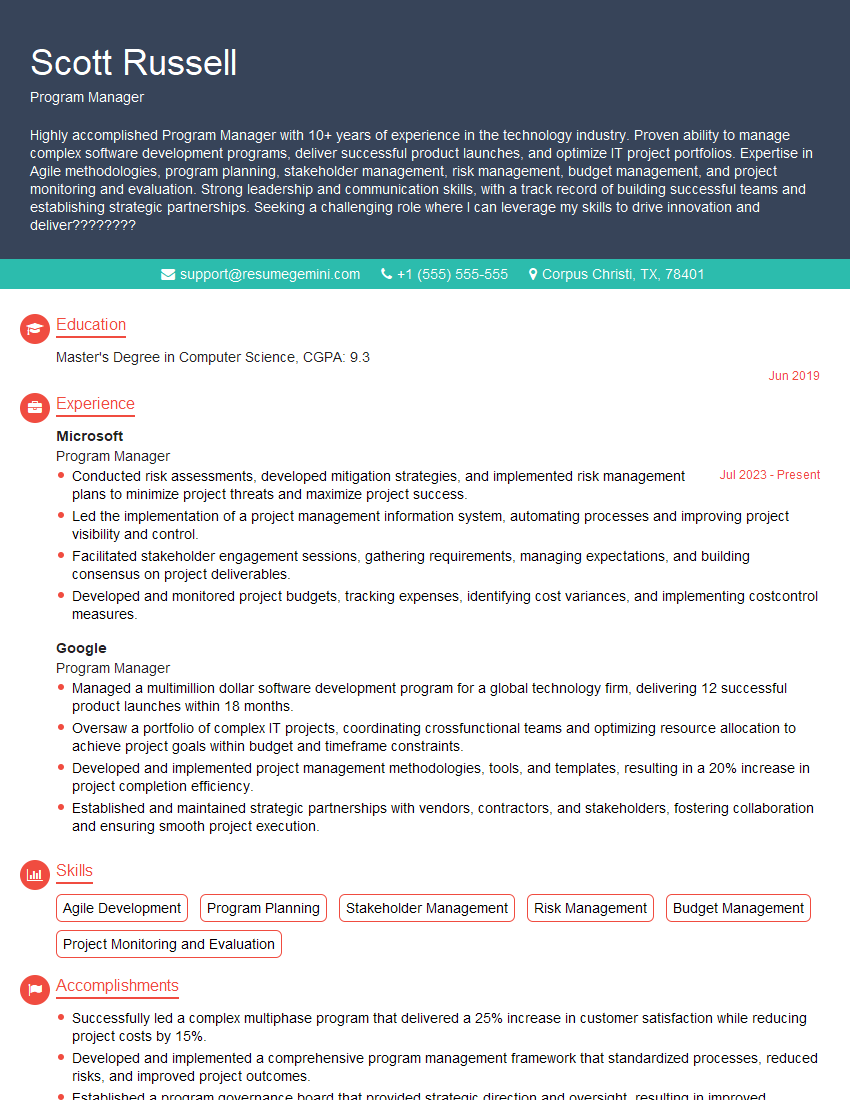
Program Manager Resume Sample

Operations Manager Resume Sample
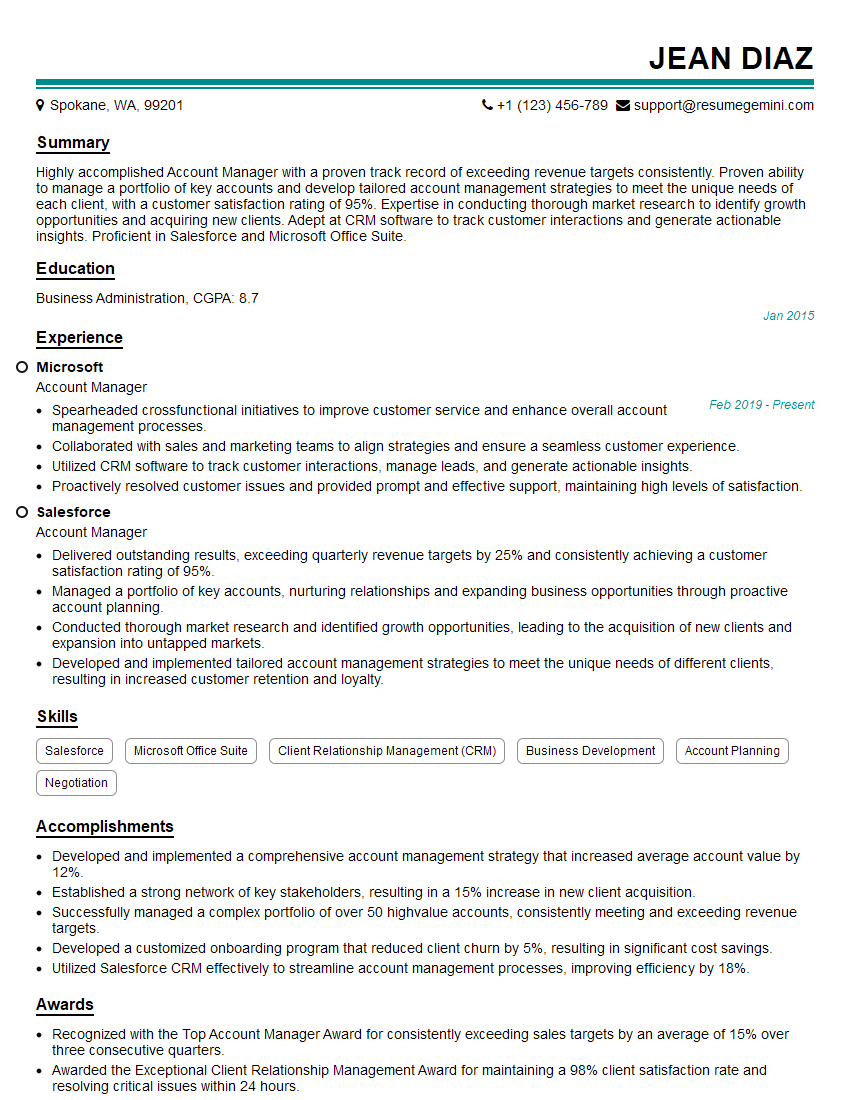
Account Manager Resume Sample
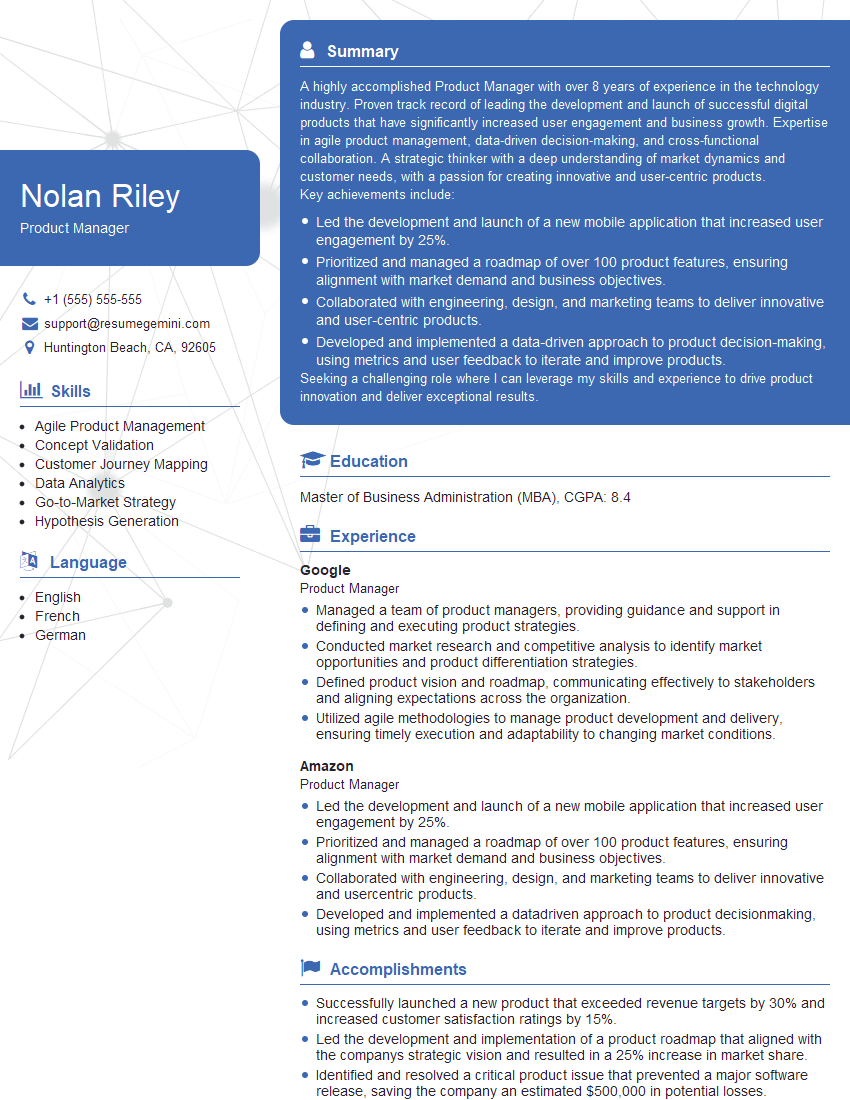
Product Manager Resume Sample
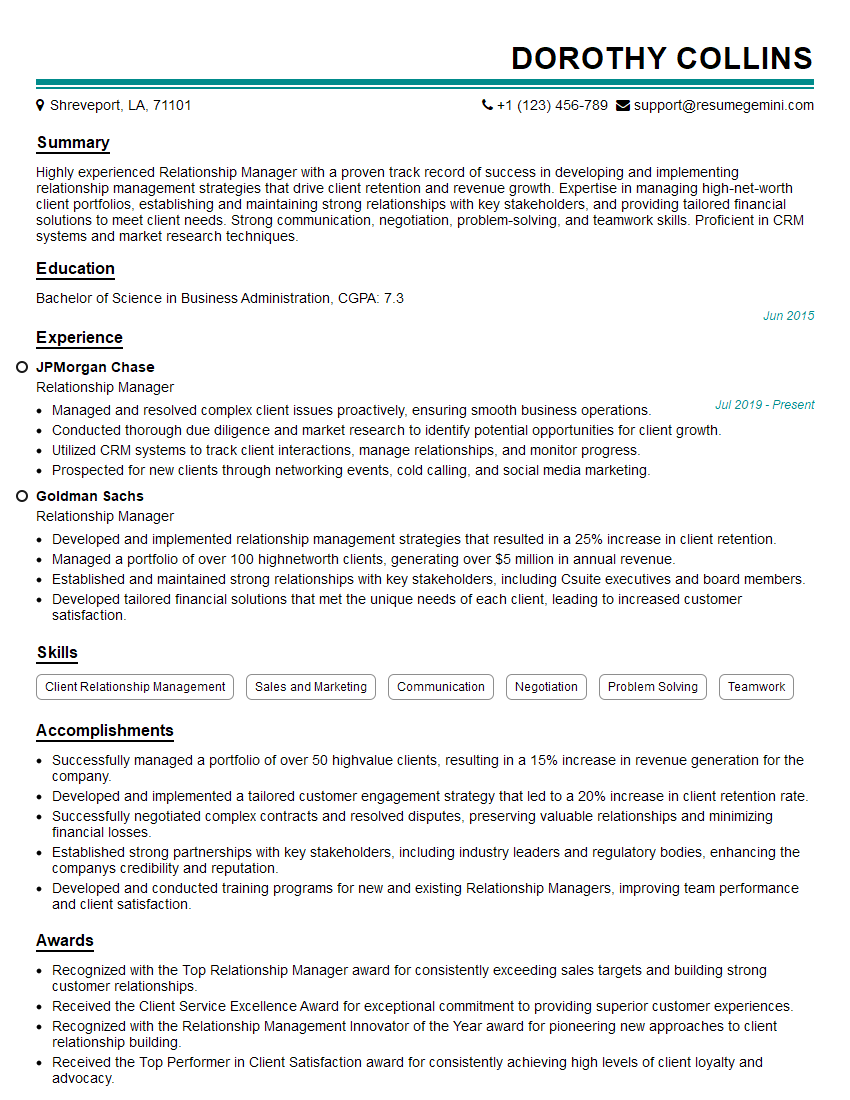
Relationship Manager Resume Sample
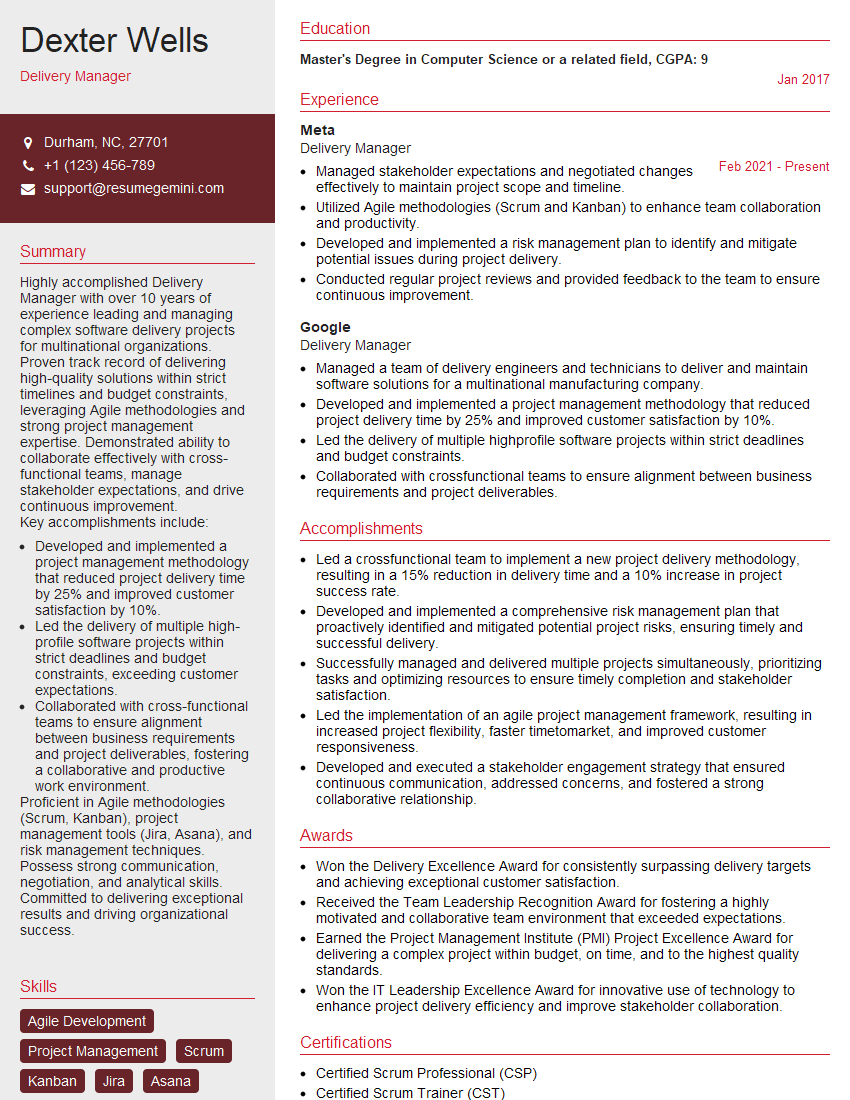
Delivery Manager Resume Sample
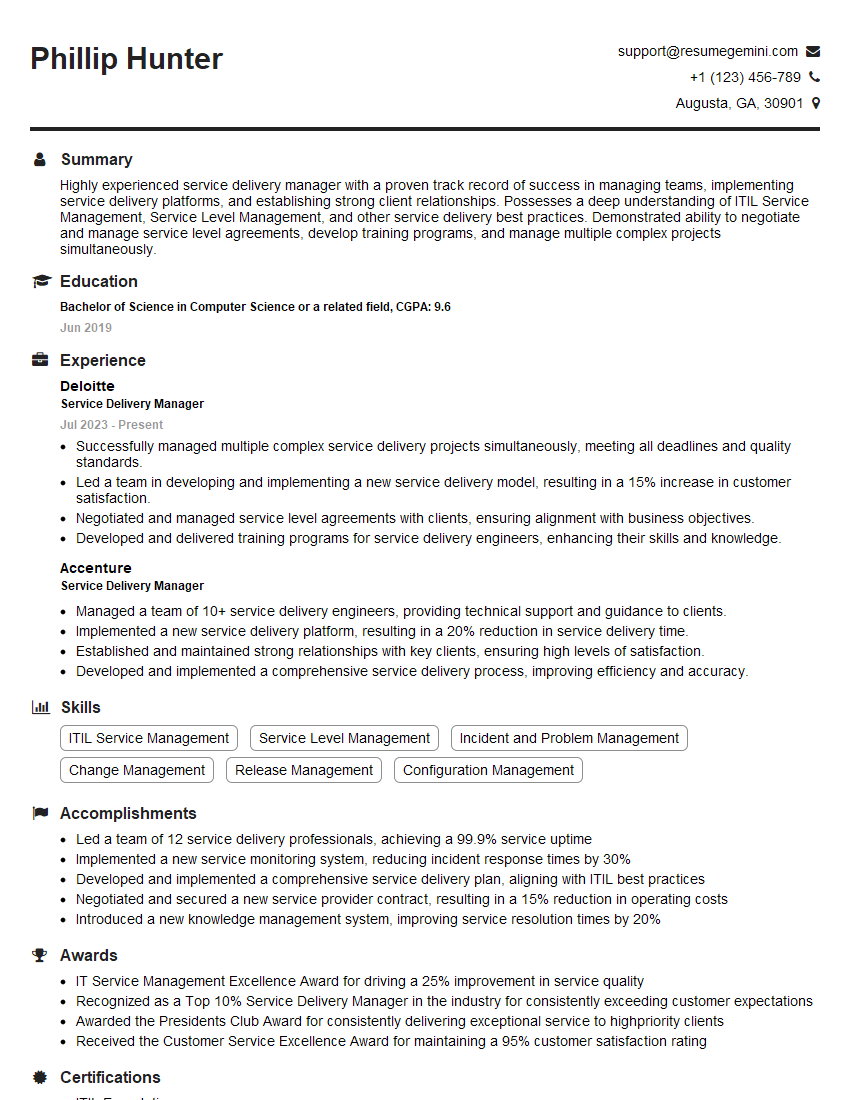
Service Delivery Manager Resume Sample
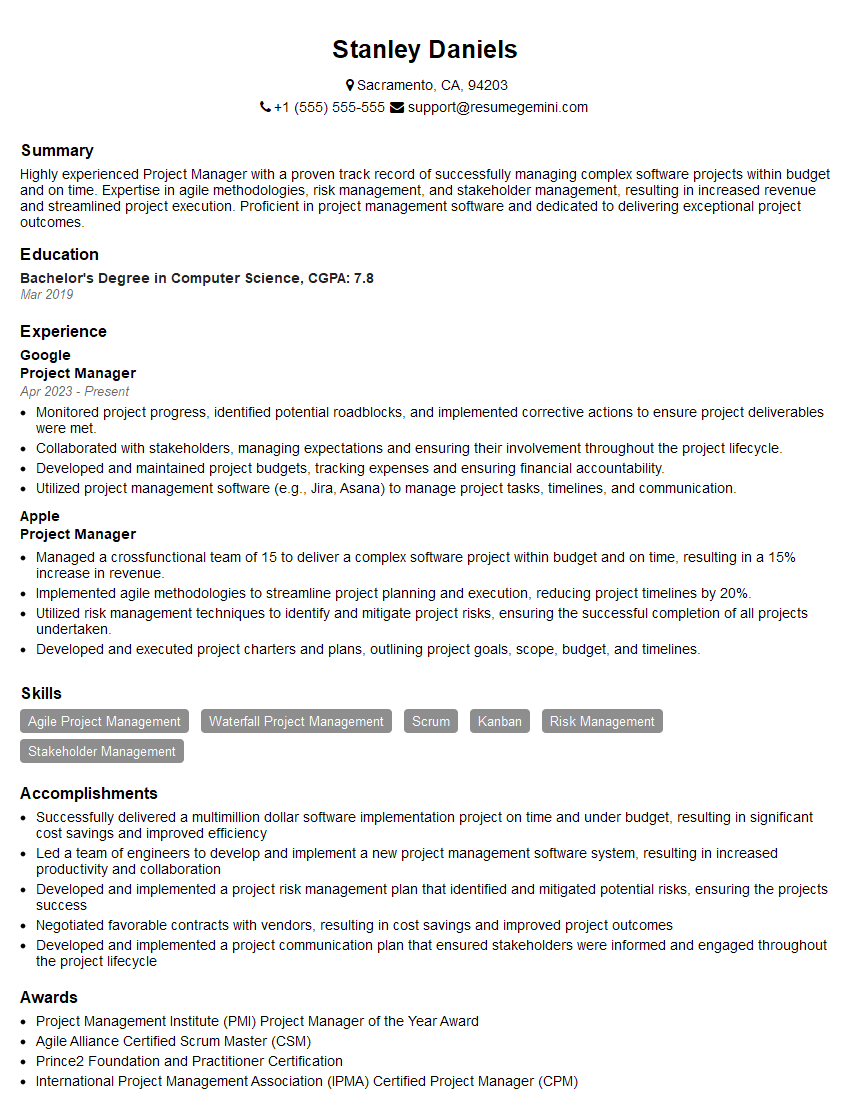
Project Manager Resume Sample
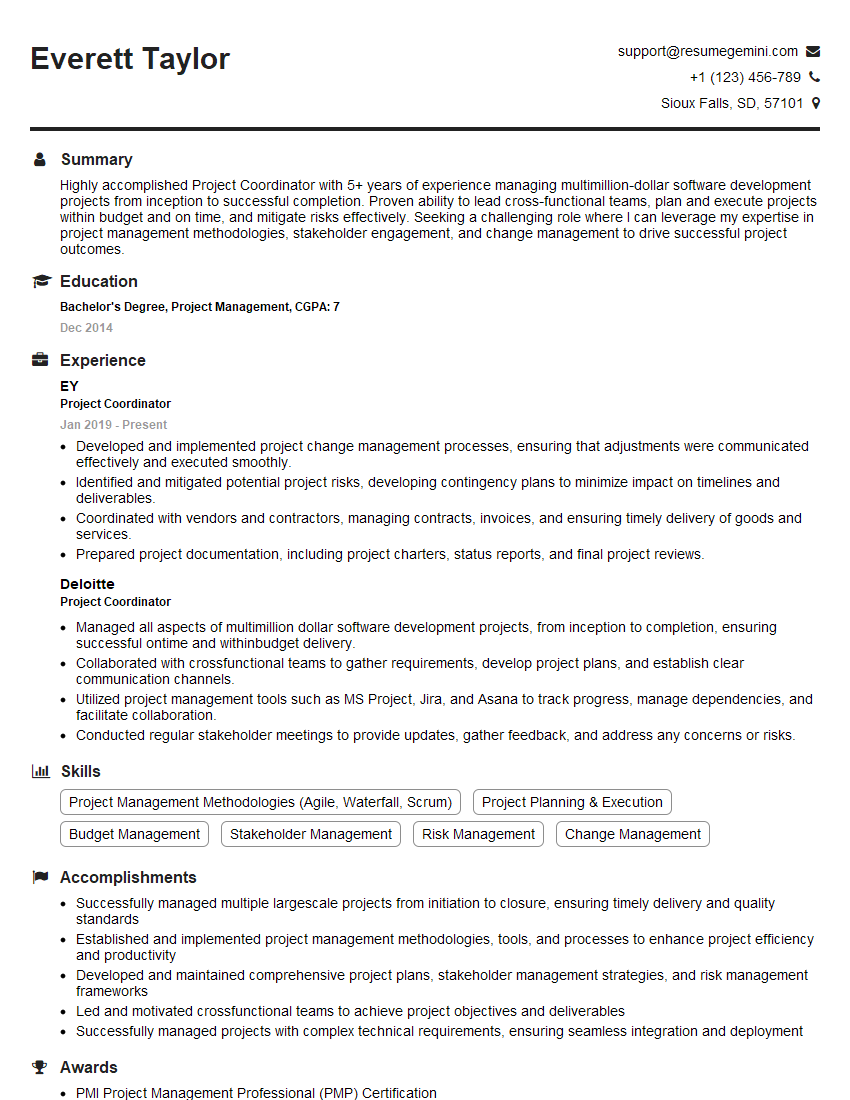
Project Coordinator Resume Sample
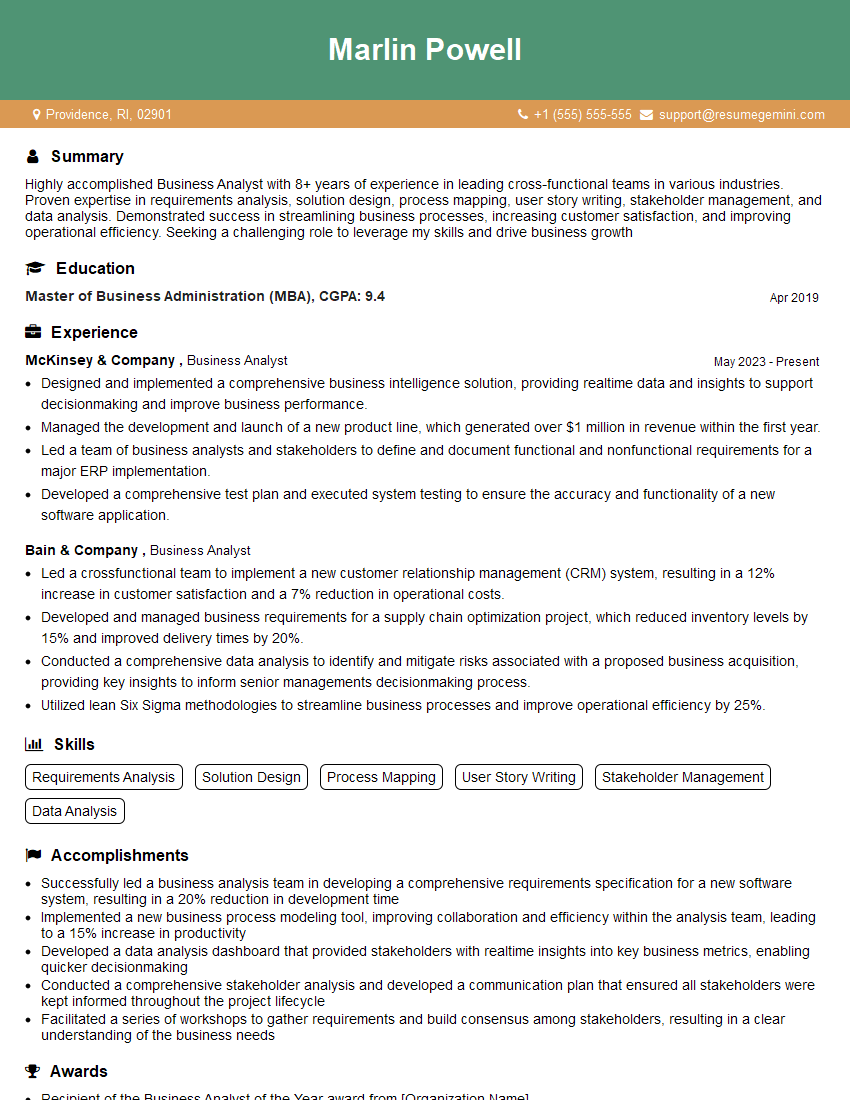
Business Analyst Resume Sample
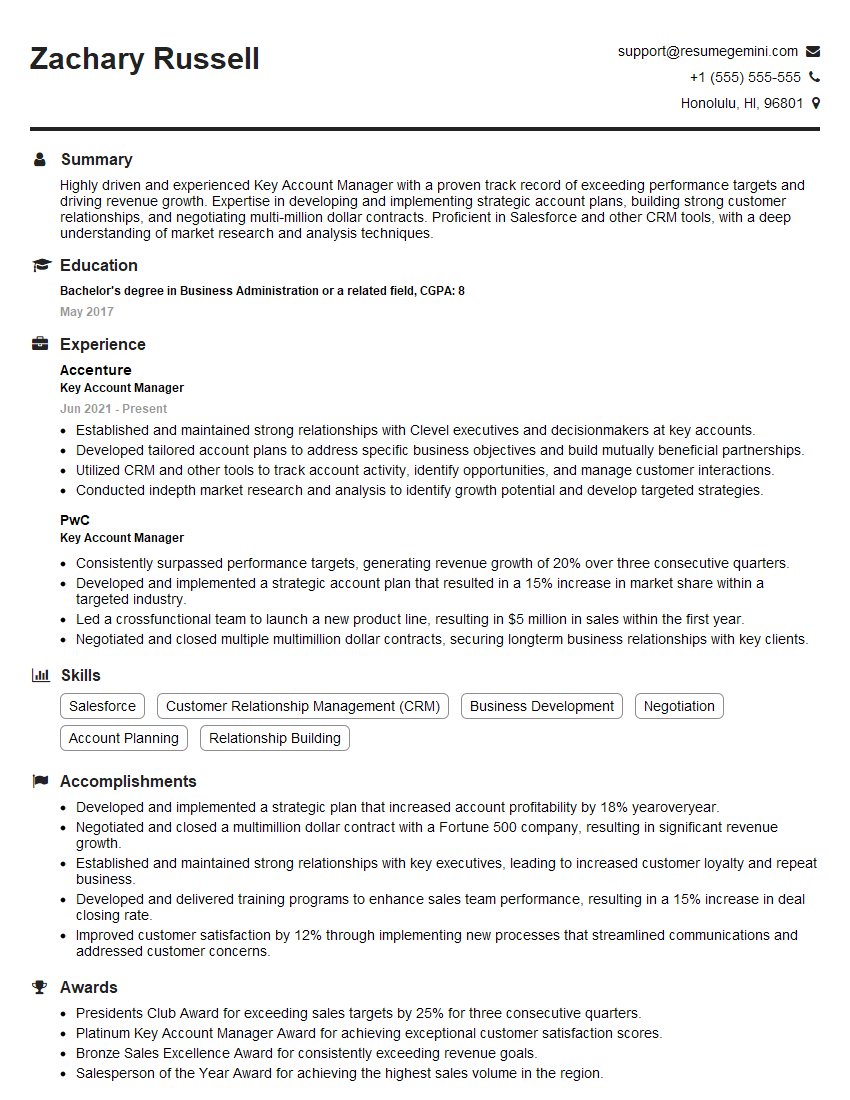
Key Account Manager Resume Sample
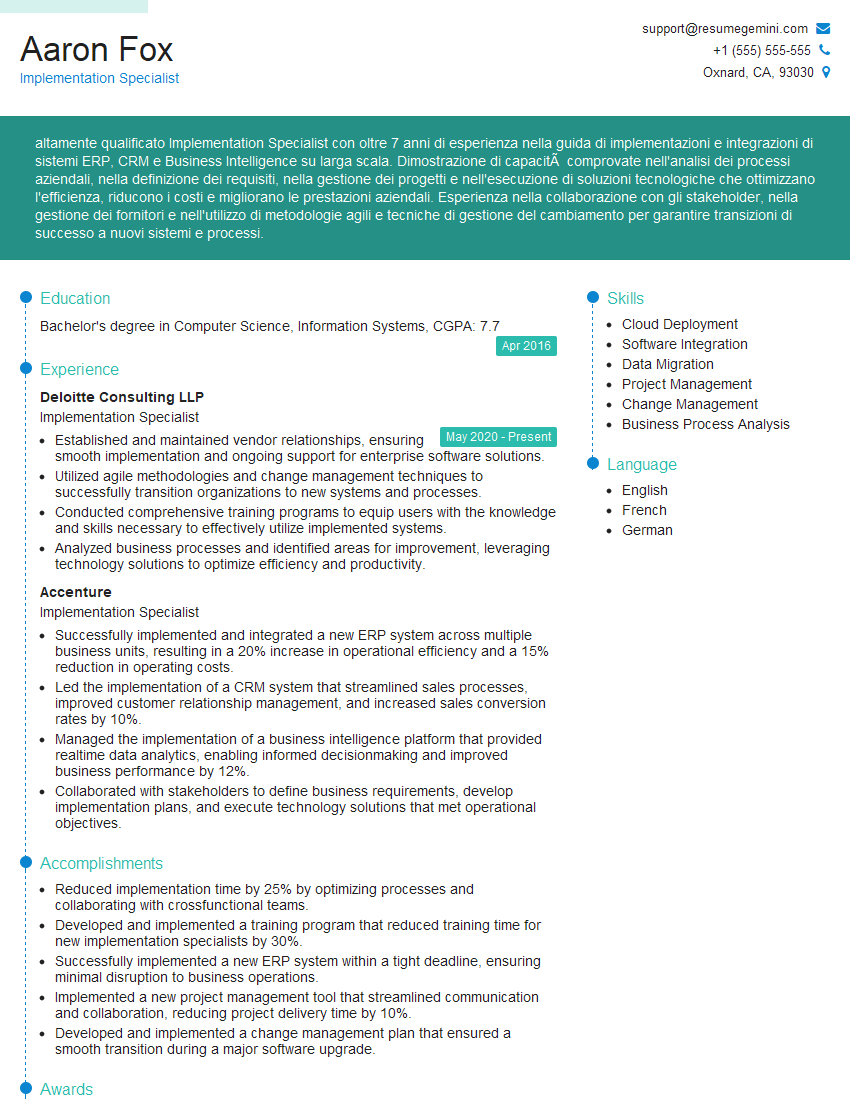
Implementation Specialist Resume Sample
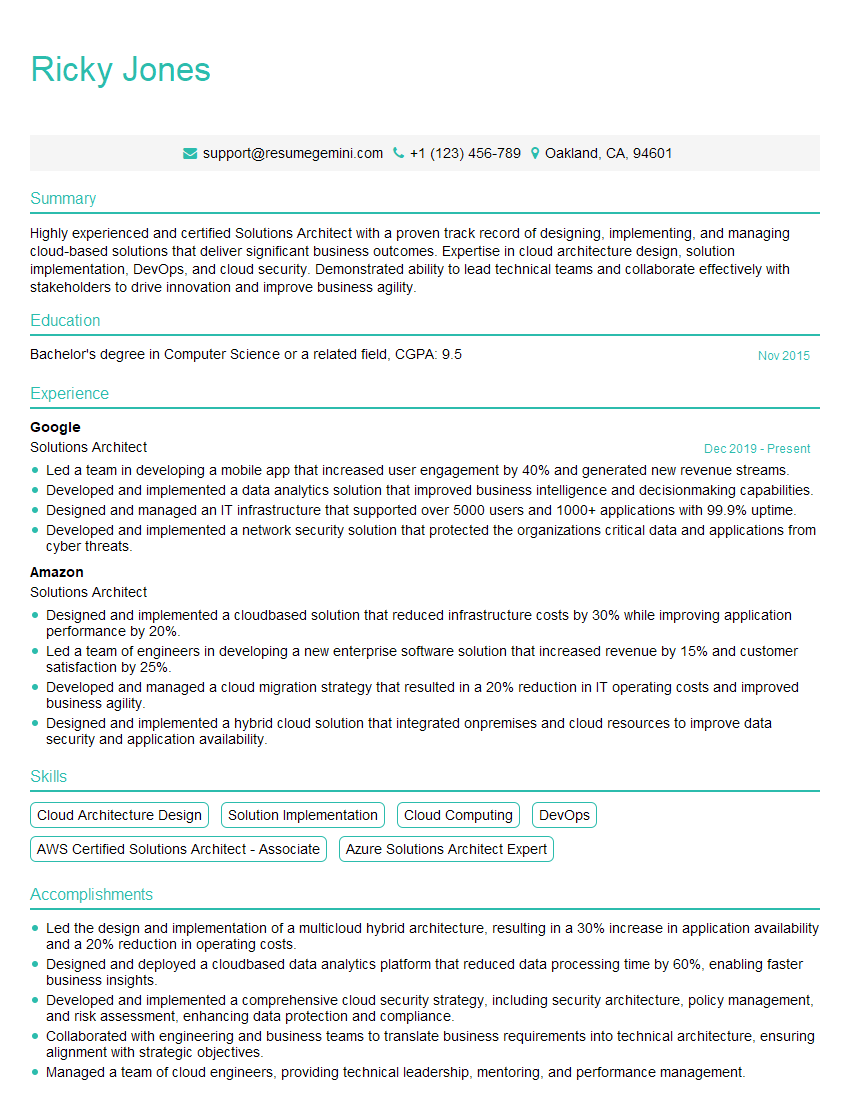
Solutions Architect Resume Sample
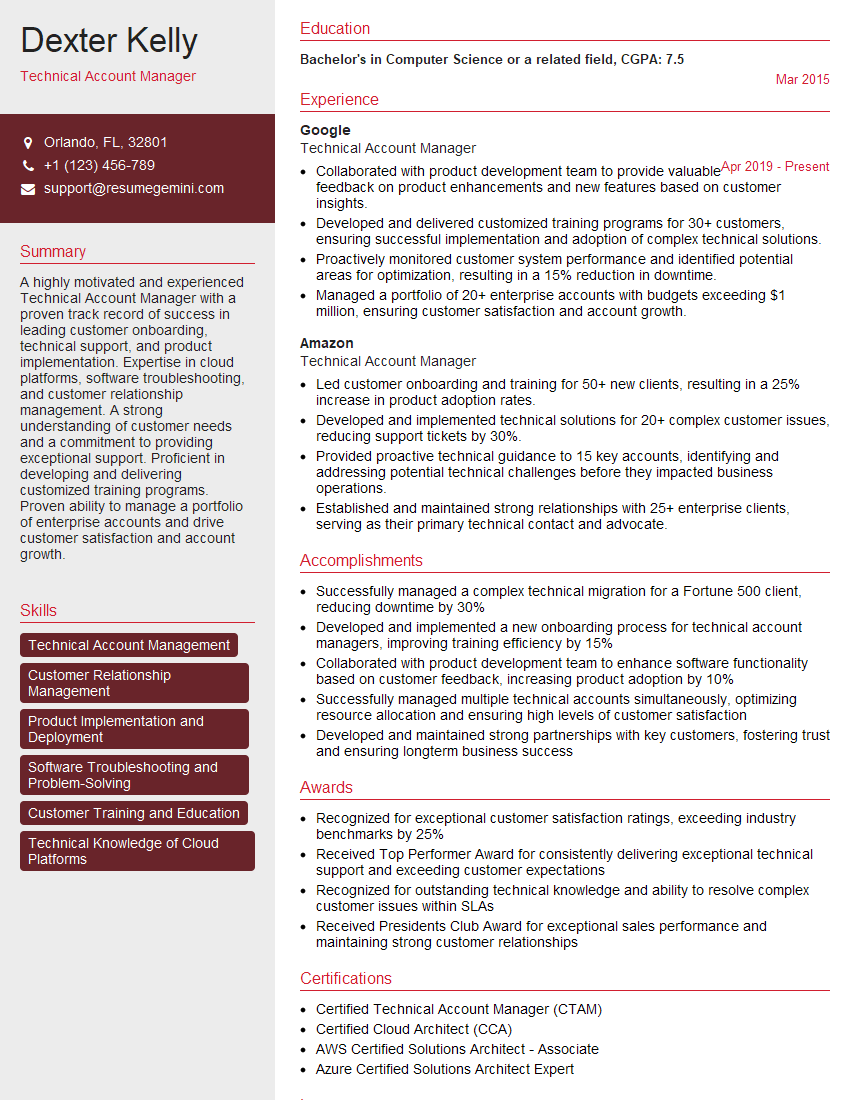
Technical Account Manager Resume Sample
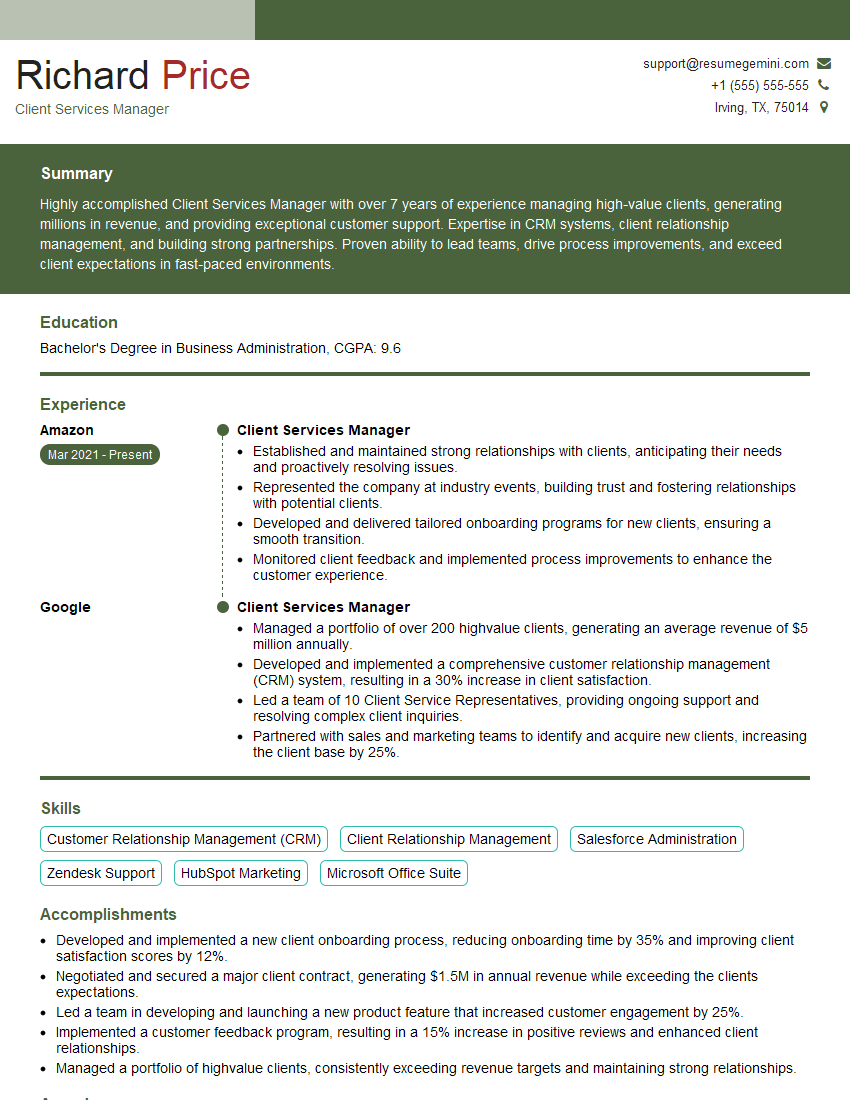
Client Services Manager Resume Sample
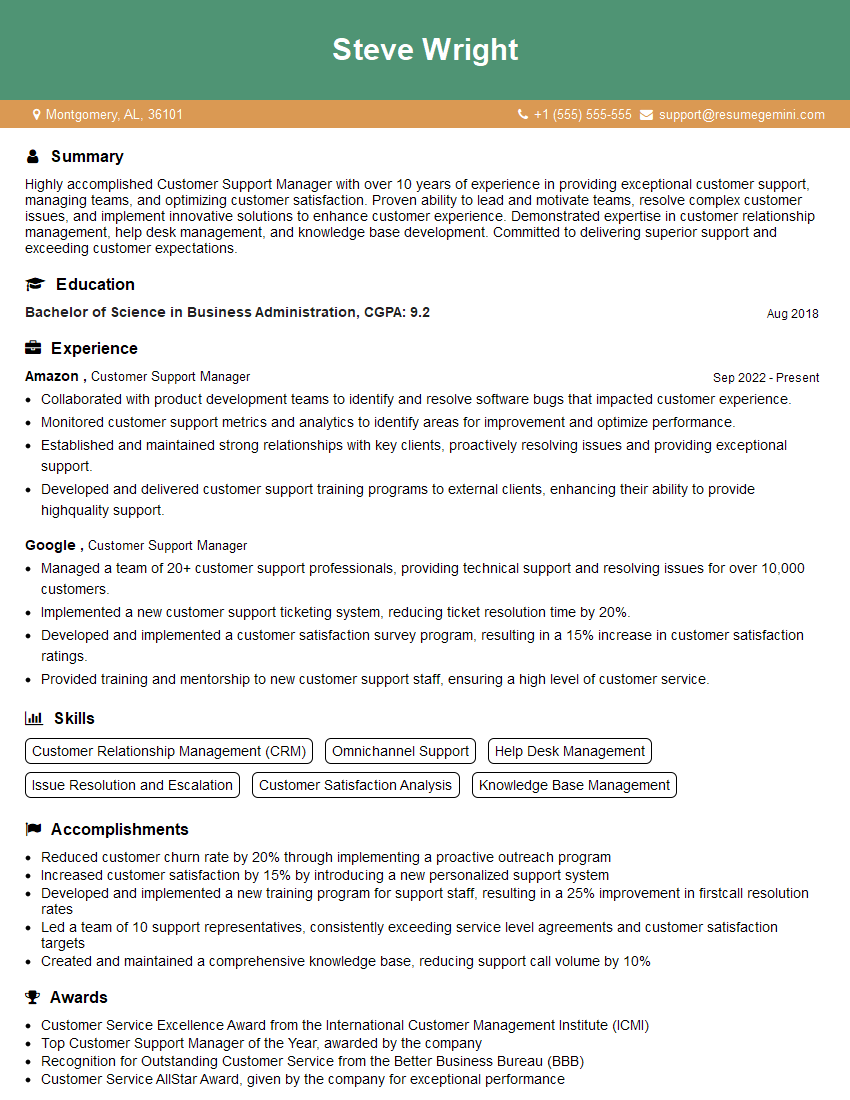
Customer Support Manager Resume Sample
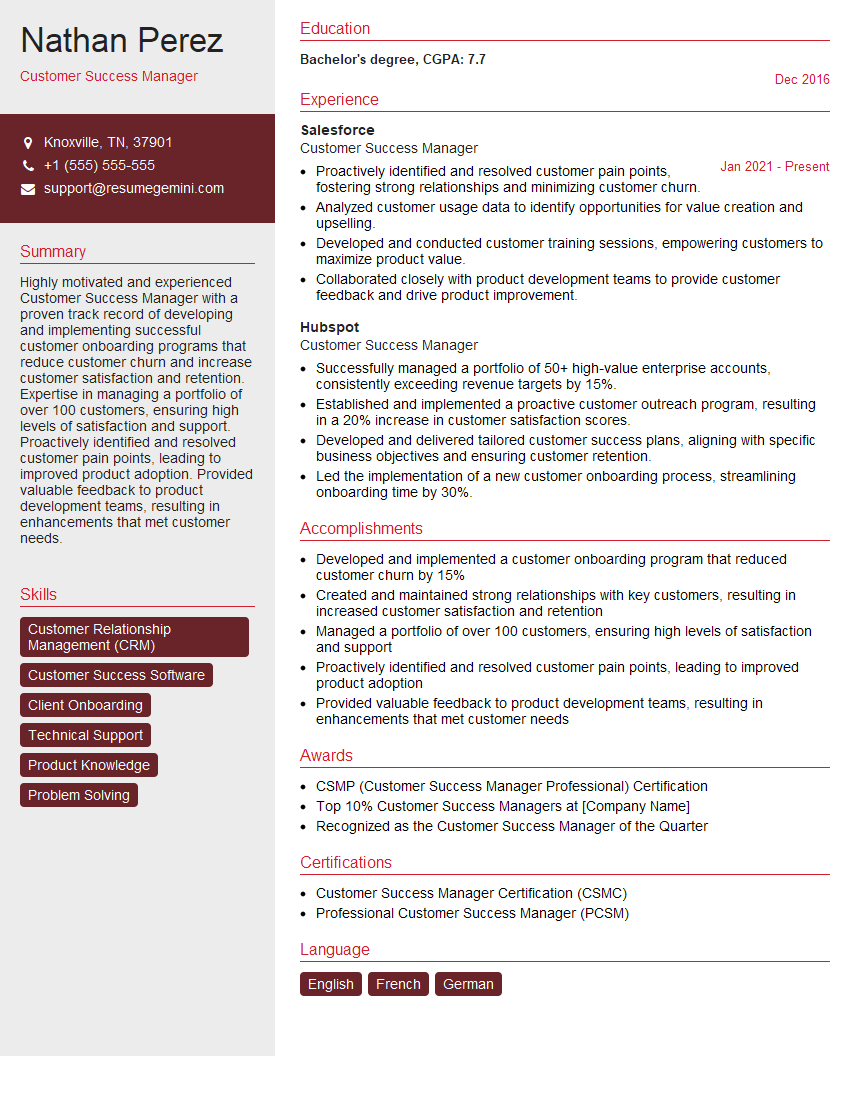
Customer Success Manager Resume Sample
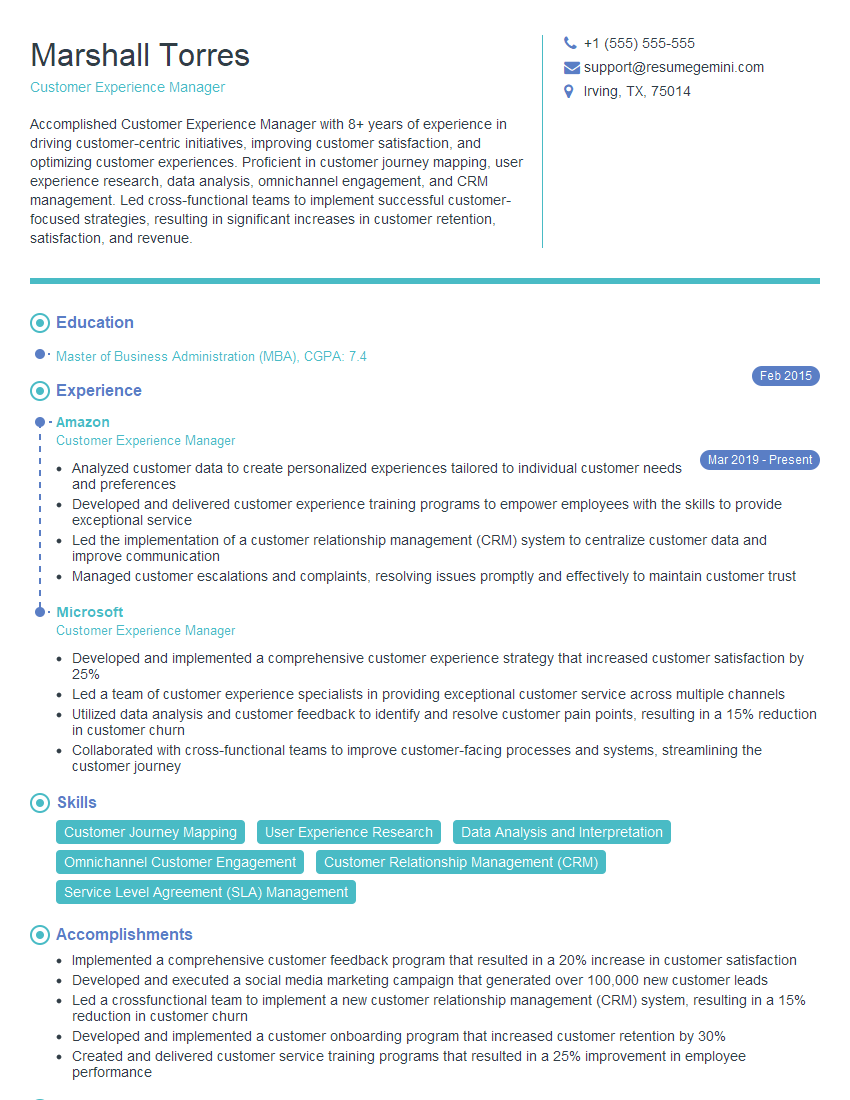
Customer Experience Manager Resume Sample
- Program Manager
- Operations Manager
- Account Manager
- Product Manager
- Relationship Manager
- Delivery Manager
- Service Delivery Manager
- Project Manager
- Project Coordinator
- Business Analyst
- Key Account Manager
- Implementation Specialist
- Solutions Architect
- Technical Account Manager
- Client Services Manager
- Customer Support Manager
- Customer Success Manager
- Customer Experience Manager
Explore more articles
Users Rating of Our Blogs
Share Your Experience
We value your feedback! Please rate our content and share your thoughts (optional).
What Readers Say About Our Blog
I Redesigned Spongebob Squarepants and his main characters of my artwork.
https://www.deviantart.com/reimaginesponge/art/Redesigned-Spongebob-characters-1223583608
IT gave me an insight and words to use and be able to think of examples
Hi, I’m Jay, we have a few potential clients that are interested in your services, thought you might be a good fit. I’d love to talk about the details, when do you have time to talk?
Best,
Jay
Founder | CEO