Unlock your full potential by mastering the most common Motor Skills Training interview questions. This blog offers a deep dive into the critical topics, ensuring you’re not only prepared to answer but to excel. With these insights, you’ll approach your interview with clarity and confidence.
Questions Asked in Motor Skills Training Interview
Q 1. Explain the difference between gross motor skills and fine motor skills.
The distinction between gross and fine motor skills lies in the size and precision of muscle groups involved. Gross motor skills involve large muscle groups to perform large movements, like walking, jumping, or throwing a ball. Think of them as the big, broad movements that get you around. Fine motor skills, on the other hand, involve smaller muscle groups and more precise movements, such as writing, buttoning a shirt, or using chopsticks. These are the intricate, detailed movements that require greater dexterity.
- Gross motor skills example: A child learning to ride a bicycle uses large muscle groups in their legs and core for balance and propulsion.
- Fine motor skills example: A surgeon performing delicate surgery relies on the precise movements of their hands and fingers.
Q 2. Describe the stages of motor skill development.
Motor skill development unfolds in predictable stages, although the timeline varies between individuals. It’s generally categorized into several phases:
- Reflexive Movement Stage (0-1 month): Characterized by involuntary reflexes like grasping and sucking. These are primitive reflexes laying the foundation for later voluntary movements.
- Rudimentary Movement Stage (1 month – 2 years): Basic movements like rolling, crawling, and walking emerge. This stage focuses on developing postural control and locomotion.
- Fundamental Movement Stage (2-7 years): Children refine basic movement patterns, mastering skills like running, jumping, throwing, and catching. This stage involves improving coordination and developing proficiency in fundamental movement skills.
- Specialized Movement Stage (7-14 years): Children begin to combine fundamental movements to develop more complex and specialized skills in areas like sports or dance. This stage emphasizes skill refinement and the adaptation of movement to specific contexts.
- Application of Movement Stage (14+ years): Individuals apply their refined motor skills to chosen activities, continuing to refine skills and potentially achieving peak performance levels. This stage often involves high-level expertise and adaptation within specific sport or skill areas.
It’s crucial to understand that these stages aren’t rigid; individual progress can vary greatly.
Q 3. What assessment tools do you use to evaluate motor skills?
The assessment of motor skills depends heavily on the age and abilities of the individual. I use a variety of tools, including:
- Standardized Tests: These include tests like the Bruininks-Oseretsky Test of Motor Proficiency (BOT-2) and the Movement Assessment Battery for Children (MABC-2), which provide normative data to compare an individual’s performance to peers.
- Observation and Clinical Examination: Direct observation of motor skills during functional activities, such as playing, drawing, or performing tasks of daily living, allows for a more holistic assessment of performance and challenges.
- Performance-Based Measures: These involve quantifiable measurements of motor performance, such as speed, accuracy, and distance in tasks like throwing a ball or hopping.
- Self-Report Measures (for older children and adults): Questionnaires and scales assessing self-perceived motor skill proficiency can provide valuable subjective data.
The choice of assessment tools is always tailored to the specific needs of the individual and the goals of the assessment.
Q 4. How do you adapt motor skill training programs for individuals with disabilities?
Adapting motor skill training for individuals with disabilities requires a highly individualized approach. The key is to understand the specific limitations imposed by the disability and to design programs that build on the individual’s strengths. This often involves:
- Assistive Devices: Using adaptive equipment, such as specialized grips, weighted utensils, or supportive braces, to facilitate movement and participation.
- Modified Activities: Adjusting the complexity and demands of activities to match the individual’s capabilities. For instance, simplifying a task by reducing steps or offering modified equipment.
- Targeted Interventions: Focusing on specific areas of motor skill deficit, such as improving hand-eye coordination or balance, through specialized exercises and activities.
- Adaptive Strategies: Teaching compensatory strategies to overcome limitations. For example, using alternative methods for grasping or using assistive technology to support movement.
- Collaboration with Therapists: Close collaboration with other healthcare professionals, such as occupational therapists, physical therapists, and speech therapists, to ensure a comprehensive and integrated approach.
It’s crucial to remember that successful adaptation hinges on understanding the person’s unique needs and tailoring the intervention to their specific situation.
Q 5. Explain your experience with different motor skill training techniques.
Throughout my career, I’ve worked with a variety of motor skill training techniques. These include:
- Neurodevelopmental Treatment (NDT): This technique emphasizes the facilitation of normal movement patterns to improve motor control and coordination.
- Constraint-Induced Movement Therapy (CIMT): This technique involves restricting the use of the unaffected limb to encourage the use of the affected limb, promoting neuroplasticity and recovery in individuals with hemiparesis.
- Task-Oriented Training: This focuses on training specific functional tasks relevant to the individual’s daily life, allowing for direct application of the learned skills in everyday settings.
- Robotics-Assisted Therapy: Utilizing robotic devices to provide repetitive and targeted motor practice, enhancing engagement and providing objective data on performance.
- Virtual Reality Therapy: Leveraging virtual environments to create engaging and motivating motor skill training experiences. This is particularly helpful for fostering motivation and providing a safe space for practicing skills.
I adapt the choice of technique to the individual’s needs and diagnosis. Often, a combination of techniques yields optimal results.
Q 6. How do you measure the effectiveness of a motor skill training program?
Measuring the effectiveness of a motor skill training program necessitates a multifaceted approach. This involves:
- Pre- and Post-intervention Assessments: Using standardized tests and performance-based measures to objectively quantify improvement in motor skills over the course of the program.
- Functional Outcomes: Assessing improvements in the individual’s ability to perform daily activities that require the targeted motor skills.
- Qualitative Data: Gathering feedback from the individual, family members, and caregivers to understand their perceived improvement in motor skills and quality of life.
- Retention of Skills: Assessing the long-term retention of the acquired motor skills after the completion of the training program to ensure sustainability.
- Generalization of Skills: Observing whether the skills learned during training can be successfully applied to new situations and contexts.
By combining objective and subjective data, we can gain a holistic understanding of the program’s effectiveness.
Q 7. Describe a time you had to modify a motor skill training program.
I recall a case where I was working with a young child with cerebral palsy who was struggling to learn to write. The initial program focused on fine motor exercises, but the child displayed significant frustration and limited progress.
I observed that the child possessed strong oral-motor skills. So, I modified the program to incorporate pre-writing activities like finger painting, playdough manipulation, and using large crayons. This allowed us to indirectly develop the underlying fine motor coordination needed for writing in a less stressful and more playful way. We then gradually transitioned to smaller writing tools and more structured writing activities. By adapting the program and focusing on the child’s strengths, we were able to achieve significant improvement in their writing abilities and significantly reduce their frustration.
Q 8. How do you address plateaus in motor skill development?
Plateaus in motor skill development are inevitable. They represent periods where progress seems to stall, despite continued effort. Addressing them requires a multifaceted approach that focuses on identifying the underlying cause and adjusting the training program accordingly.
Identify the Bottleneck: Is the plateau due to a technical flaw in the skill execution? Is it a psychological barrier like fear of failure or lack of motivation? Or is it simply a need for a change in training intensity or approach?
Variability and Practice: Introduce variations in the practice environment or task itself. This challenges the learner and forces adaptation, breaking the cycle of repetitive, unproductive practice. For example, a basketball player experiencing a shooting plateau might practice from different distances, angles, and under varying time pressures.
Refine Technique: A detailed technical analysis often reveals subtle errors hindering progress. Video analysis, expert feedback, and biomechanical assessments can pinpoint these errors and guide corrective exercises.
Set New Goals and Challenges: Small, achievable goals can reignite motivation and provide a sense of accomplishment, pushing beyond the plateau. Consider introducing a new element to the skill, or increasing the difficulty level gradually.
Rest and Recovery: Overtraining is a significant factor in plateaus. Adequate rest allows the body and mind to recover, consolidate learning, and come back stronger.
For example, I worked with a young gymnast struggling with a handstand. After analyzing her form, we identified a subtle weakness in her core stability. By incorporating specific core strengthening exercises and modifications to her handstand practice, she was able to overcome the plateau and improve her balance.
Q 9. What are some common challenges in motor skill training, and how do you overcome them?
Common challenges in motor skill training include lack of motivation, physical limitations, cognitive impairments, and inconsistent practice. Overcoming these requires a tailored, individualized approach.
Lack of Motivation: Addressing this requires creating a positive and engaging learning environment, setting realistic goals, providing regular feedback and encouragement, and incorporating elements of fun and challenge. For instance, gamification techniques can be highly effective.
Physical Limitations: A thorough assessment is crucial to identify and address physical limitations like weakness, injury, or postural issues. This may involve collaboration with other healthcare professionals, such as physical therapists. Adaptive equipment or modified exercises might be necessary.
Cognitive Impairments: Individuals with cognitive impairments may require simplified instructions, frequent breaks, and different learning strategies. The use of visual aids and repetition can be particularly helpful.
Inconsistent Practice: Consistent practice is essential for skill acquisition. Establishing a regular training schedule and providing strategies for home practice is critical. Motivational techniques, reminders, and accountability mechanisms can help ensure consistent effort.
For instance, I worked with an elderly client recovering from a stroke. We started with simple exercises to improve range of motion and gradually progressed to more complex movements, always adapting to her limitations and ensuring her comfort and safety.
Q 10. Describe your experience with different populations requiring motor skill training (e.g., children, adults, elderly).
My experience spans diverse populations, requiring adaptability and individualized approaches.
Children: Working with children necessitates creative and playful methods, focusing on fun and exploration. Techniques like games, storytelling, and positive reinforcement are key. Age-appropriate exercises and modifications are crucial.
Adults: Adults typically benefit from a more structured and goal-oriented approach. Understanding their individual needs, motivation levels, and learning styles is essential. Adult learners often respond well to detailed explanations and clear expectations.
Elderly: Training the elderly requires considering physical limitations, age-related changes, and potential health issues. Exercises should be tailored to their physical capabilities, focusing on safety and functional improvements. A slower pace and greater focus on individual needs are crucial. For example, I’ve incorporated balance exercises for fall prevention into my programs for the elderly, focusing on modifications and assistive devices as necessary.
Q 11. How do you incorporate feedback into your motor skill training sessions?
Feedback is integral to motor skill learning. I use a multi-sensory approach, providing both knowledge of results (KR) and knowledge of performance (KP).
Knowledge of Results (KR): This refers to feedback about the outcome of a movement, such as “You missed the target by 2 inches.” This is simple and straightforward, motivating learners toward improvement.
Knowledge of Performance (KP): This provides information about the quality of the movement itself, such as “Your grip was too tight, and your elbow was not straight.” This is more detailed and focuses on correcting technique.
Types of Feedback: I use various feedback methods: verbal cues, visual demonstrations, biofeedback devices (e.g., force plates), and video analysis. The timing and frequency of feedback are tailored to the individual learner’s needs and stage of learning.
Faded Feedback: Initially, frequent feedback is beneficial. However, as proficiency increases, I gradually reduce the amount of feedback to encourage self-correction and independent learning.
For example, I might provide detailed feedback during the initial stages of learning a golf swing, focusing on grip, posture, and swing path. As the learner improves, I transition to less frequent feedback, allowing them to develop their own kinesthetic awareness.
Q 12. What is your approach to motivating clients during motor skill training?
Motivation is key to successful motor skill training. My approach utilizes a blend of strategies:
Goal Setting: Collaborative goal setting, ensuring goals are realistic, specific, and attainable, fosters motivation and a sense of accomplishment.
Positive Reinforcement: Focusing on progress and successes, rather than solely on errors, encourages continued effort and builds confidence.
Intrinsic Motivation: I encourage learners to discover their own reasons for pursuing the skill, connecting the training to their personal goals and interests.
Social Support: Group training can foster a supportive environment and increase motivation through peer interaction and competition.
Gamification: Incorporating game-like elements, such as points, rewards, and challenges, can significantly boost engagement and motivation.
For instance, with a group of children learning to ride bikes, I used a points system for completing various skills, culminating in a small reward at the end of the training program. This gamified approach kept them highly motivated and engaged throughout the sessions.
Q 13. Explain your understanding of motor learning principles.
My understanding of motor learning principles underpins my training methodology. Key principles include:
Stages of Learning: Skill acquisition progresses through distinct stages: cognitive (understanding the task), associative (refining the movement), and autonomous (performing the skill automatically). My training adapts to each stage, gradually decreasing the level of guidance and increasing the complexity of the task.
Practice Conditions: The type, amount, and scheduling of practice significantly impact learning. Varied practice (practicing multiple variations of the skill) is generally superior to blocked practice (repeatedly practicing the same variation).
Feedback: As discussed earlier, effective feedback is crucial for optimizing learning. The timing, frequency, and type of feedback should be carefully considered.
Transfer of Learning: Skills learned in one context can often transfer to other contexts. Designing training programs to facilitate this transfer enhances the generalizability of the learned skill.
Individual Differences: Learners vary in their abilities, learning styles, and motivations. Individualized training programs that cater to these differences are essential for optimal results.
Q 14. How do you integrate technology into your motor skill training?
Technology plays an increasingly important role in motor skill training. I integrate technology in several ways:
Virtual Reality (VR): VR provides immersive and engaging training environments, allowing for realistic simulations of various situations. This can be particularly beneficial for sports training or rehabilitation.
Motion Capture Systems: These systems track body movements, providing objective data on performance. This data can be used to identify areas for improvement and monitor progress.
Biofeedback Devices: These devices provide real-time feedback on physiological parameters like muscle activity, heart rate, and force production. This information can help learners improve their control and efficiency.
Wearable Sensors: Wearable sensors can track movement patterns and provide data on various aspects of performance. This data can be used to personalize training and identify areas for improvement.
Apps and Software: Numerous apps and software programs provide training exercises, track progress, and offer personalized feedback. This makes training more accessible and convenient.
For example, I use video analysis software to provide clients with visual feedback on their technique, allowing them to see and understand their movements more clearly. This visual information can be a powerful motivator for improvement.
Q 15. How do you ensure the safety of clients during motor skill training?
Client safety is paramount in motor skill training. My approach is multifaceted and begins with a thorough assessment of the individual’s physical capabilities, medical history, and any potential limitations. This informs the design of a safe and tailored training program.
- Risk Assessment: Before commencing any activity, I conduct a detailed risk assessment, identifying potential hazards and implementing preventative measures. This includes ensuring the training environment is free from obstacles, using appropriate equipment in good working order, and adapting exercises based on individual needs.
- Proper Warm-up and Cool-down: Every session begins with a thorough warm-up to prepare the body for activity and ends with a cool-down to prevent muscle soreness and injury. These are tailored to the specific exercises and the client’s physical condition.
- Gradual Progression: We progress gradually, introducing new challenges only after the client has mastered previous ones. This prevents pushing the client beyond their capabilities and reduces the risk of injury. For example, if working on balance, we might start with simple static exercises before moving to dynamic movements.
- Emergency Preparedness: I’m trained in first aid and CPR and have a clear emergency plan in place, including knowing the location of emergency exits and contacting emergency services if necessary.
- Client Communication: Open communication with the client is crucial. They are encouraged to report any discomfort or pain immediately, allowing for adjustments to be made in real-time.
For instance, with a client recovering from a stroke, I might initially focus on range-of-motion exercises and gradually introduce weight-bearing activities as their strength improves, always monitoring for signs of fatigue or strain.
Career Expert Tips:
- Ace those interviews! Prepare effectively by reviewing the Top 50 Most Common Interview Questions on ResumeGemini.
- Navigate your job search with confidence! Explore a wide range of Career Tips on ResumeGemini. Learn about common challenges and recommendations to overcome them.
- Craft the perfect resume! Master the Art of Resume Writing with ResumeGemini’s guide. Showcase your unique qualifications and achievements effectively.
- Don’t miss out on holiday savings! Build your dream resume with ResumeGemini’s ATS optimized templates.
Q 16. What are your strategies for creating a positive and supportive learning environment?
Creating a positive and supportive learning environment is vital for effective motor skill training. I strive to build a strong therapist-client relationship based on trust and mutual respect. This is achieved through:
- Positive Reinforcement: I focus on celebrating successes, no matter how small. Positive feedback encourages motivation and builds confidence.
- Goal Setting: Collaboratively setting realistic and achievable goals empowers clients and keeps them motivated. These goals are regularly reviewed and adjusted based on progress.
- Encouragement and Patience: I understand that learning new motor skills takes time and effort. I provide consistent encouragement and patience, offering support throughout the process.
- Adaptability: I tailor my teaching methods to suit the individual’s personality and learning preferences. Some clients respond well to visual aids, others to verbal instructions, and some benefit from a hands-on approach.
- Fun and Engaging Activities: I incorporate games and enjoyable activities into the training to make the process more engaging and less daunting. This helps maintain motivation and makes learning more enjoyable.
For example, with a child learning to ride a bike, I would start with balance exercises and gradually introduce pedaling, using positive reinforcement and encouragement throughout the process. If the child struggles, I might adjust the training approach, focusing on different aspects of bike riding, such as steering or braking.
Q 17. Describe your experience with different types of assistive devices for motor skill training.
My experience encompasses a wide range of assistive devices used in motor skill training. The choice of device depends entirely on the individual’s specific needs and limitations.
- Orthotics: I’ve worked with various types of splints and braces to support weakened limbs, improve joint alignment, and facilitate movement. For example, a wrist splint can be useful for someone with limited hand function.
- Prosthetics: I have experience collaborating with prosthetists to ensure proper fitting and training with prosthetic limbs, focusing on functional and cosmetic aspects.
- Adaptive Equipment: I’m familiar with a variety of adaptive equipment, such as weighted utensils for individuals with tremors, specialized keyboards for those with limited hand dexterity, and adaptive clothing to ease dressing and undressing.
- Mobility Aids: I’ve worked with walkers, canes, crutches, and wheelchairs to improve mobility and independence. Training focuses on safe and efficient use of these devices.
- Robotics and Technology: I’m familiar with the use of robotics and virtual reality (VR) in motor skill rehabilitation, including exoskeletons for gait training and VR simulations for improving hand-eye coordination. These technologies offer opportunities for highly targeted and engaging therapy.
For instance, a client with Parkinson’s disease might benefit from using a weighted utensil to improve their hand steadiness during mealtimes, while a client recovering from a spinal cord injury might require training with a wheelchair to maximize their independence in mobility.
Q 18. How do you collaborate with other healthcare professionals?
Collaboration with other healthcare professionals is fundamental to providing holistic care. I regularly work with:
- Physicians: To discuss diagnoses, treatment plans, and any contraindications for specific exercises.
- Occupational Therapists: To address activities of daily living (ADLs) and ensure the motor skills training complements their work.
- Physical Therapists: To coordinate treatment plans and ensure a cohesive approach to rehabilitation.
- Speech-Language Pathologists: For clients with co-occurring communication or swallowing difficulties which can impact motor control.
- Neuropsychologists: To gain insights into cognitive function and address any cognitive limitations that affect motor skill acquisition.
This collaborative approach ensures that the client receives comprehensive, integrated care and maximizes the effectiveness of the interventions.
Q 19. How do you maintain professional development in the field of motor skill training?
Maintaining professional development is an ongoing commitment. I regularly engage in activities to stay current with the latest research and best practices:
- Continuing Education Courses: I participate in workshops, seminars, and conferences related to motor skill training and rehabilitation.
- Professional Organizations: I am an active member of relevant professional organizations, such as the American Occupational Therapy Association (AOTA) or the American Physical Therapy Association (APTA), benefiting from access to resources and networking opportunities.
- Journal Articles and Research: I stay updated on current research by reviewing relevant peer-reviewed journal articles and attending presentations at conferences.
- Mentorship and Collaboration: I seek mentorship from experienced professionals in the field and engage in collaborative learning with colleagues.
- Case Studies and Reflective Practice: I regularly review my own practice through case studies and reflective practice, analyzing successes, challenges, and areas for improvement.
This continuous learning ensures I can provide the highest quality of care and adapt my techniques to incorporate advancements in the field.
Q 20. Explain your understanding of the impact of neurological conditions on motor skills.
Neurological conditions significantly impact motor skills, affecting coordination, strength, balance, and dexterity. The specific impact depends on the type and severity of the condition.
- Stroke: Can cause weakness, paralysis, and impaired coordination on one side of the body (hemiparesis or hemiplegia).
- Parkinson’s Disease: Leads to tremors, rigidity, slowness of movement (bradykinesia), and postural instability.
- Multiple Sclerosis (MS): Can result in muscle weakness, spasticity, tremors, and balance problems.
- Cerebral Palsy: Causes movement and posture disorders that vary widely in severity.
- Traumatic Brain Injury (TBI): Can result in a range of motor impairments, depending on the location and severity of the injury.
Understanding the neuropathophysiology of these conditions is crucial for designing effective motor skill training programs. For example, for a client with Parkinson’s disease, the training would focus on improving balance, reducing rigidity, and enhancing speed of movement through targeted exercises and strategies. For a client post-stroke, the emphasis might be on regaining lost function and improving coordination.
Q 21. How do you adapt your training approach for individuals with different learning styles?
Individuals learn in diverse ways. I adapt my approach using a variety of techniques to cater to different learning styles:
- Visual Learners: I use demonstrations, videos, diagrams, and other visual aids to explain concepts and exercises.
- Auditory Learners: I provide clear verbal instructions, utilize discussions, and incorporate auditory feedback during exercises.
- Kinesthetic Learners: I emphasize hands-on practice and encourage active participation in exercises. This might include using tactile cues or manipulating objects to facilitate learning.
- Combination of Styles: Many individuals utilize a combination of learning styles. I integrate diverse methods to maximize learning and engagement for each individual.
- Assessment and Adaptation: Regular assessment is key. I observe the client’s responses and adjust my strategies as needed to ensure effective learning.
For instance, when teaching a client with visual impairments to perform a specific movement, I might rely more on verbal cues and tactile feedback, while a client with good visual-spatial skills might benefit from observing demonstrations and utilizing visual aids such as mirrors.
Q 22. Describe your experience using various therapeutic modalities (e.g., massage, heat, ultrasound).
My experience with therapeutic modalities like massage, heat, and ultrasound is deeply integrated into my motor skills training approach. These modalities aren’t standalone treatments but tools to enhance the effectiveness of the overall training program. For instance, massage can help reduce muscle spasms and increase blood flow, preparing a client for a more productive training session. Heat therapy can improve tissue elasticity and reduce pain, making range-of-motion exercises more comfortable and effective. Ultrasound, on the other hand, can promote tissue healing and reduce inflammation, particularly beneficial after strenuous training sessions or in cases of injury. I carefully assess each client’s needs to determine which modalities, if any, are appropriate and how to best integrate them into their personalized training plan. For example, a client recovering from a rotator cuff injury might benefit from ultrasound to reduce inflammation, followed by gentle range-of-motion exercises assisted by heat packs to improve flexibility.
I always prioritize client comfort and safety. Before employing any modality, I thoroughly explain the procedure, its benefits, and potential risks. Informed consent is paramount in my practice.
Q 23. Explain your knowledge of relevant legislation and ethical considerations in motor skills training.
Ethical and legal considerations are fundamental to my practice. I adhere strictly to the principles of professional conduct outlined by relevant governing bodies. This includes maintaining client confidentiality (HIPAA compliance in the US, for example), obtaining informed consent before initiating any treatment, and accurately documenting all sessions and client progress. I am also acutely aware of the need to practice within my scope of competence, referring clients to other specialists when necessary. For example, if a client presents with symptoms beyond my expertise, I would refer them to a physician or physical therapist. Regular continuing education keeps my knowledge of current best practices, as well as any relevant legal updates, current. This continuous professional development ensures that I can provide safe and effective motor skills training while upholding the highest ethical standards.
Q 24. How do you document the progress of clients during motor skill training?
Accurate and thorough documentation is crucial for monitoring client progress and ensuring accountability. My documentation system integrates both quantitative and qualitative data. Quantitative data includes objective measures like range of motion (ROM) using a goniometer, strength measurements using dynamometry, and timed performance assessments of specific motor tasks. Qualitative data includes observations on client participation, effort, and subjective feedback on pain levels and perceived improvements. I use a standardized charting system to record these observations consistently, including dates, specific exercises performed, repetitions, sets, any modifications made, and the client’s response. This data is then used to adjust the training plan accordingly, ensuring it remains challenging yet achievable. For example, if a client consistently struggles with a particular exercise, we may modify the exercise or reduce the intensity to avoid frustration and injury. Progress reports are shared with the client and any referring professionals to ensure transparency and collaborative care.
Q 25. How do you handle situations where a client does not respond well to your training approach?
When a client isn’t responding well to my initial training approach, my first step is a thorough reassessment. This involves revisiting the initial assessment, considering any new information or changes in the client’s condition, and reviewing the training program for any potential shortcomings. It’s important to remember that a lack of progress isn’t always a failure of the training method but could indicate underlying issues like pain, fatigue, or ineffective exercise selection. I may need to adjust the intensity, frequency, or type of exercises, explore alternative techniques, or modify the training environment. For example, if a client experiences increased pain, I might reduce the weight or resistance used in exercises, increase rest periods, or incorporate pain management techniques. If the problem persists, collaboration with other healthcare professionals (e.g., physicians, occupational therapists) may be needed to rule out other underlying factors.
Open communication with the client is essential throughout this process. Understanding their concerns and involving them in the decision-making process builds trust and increases the likelihood of success.
Q 26. Describe your understanding of motor skill transfer and how you facilitate it.
Motor skill transfer refers to the ability to apply a learned motor skill in a new context or situation. Facilitating motor skill transfer is a key goal of my training. I achieve this through several strategies: Firstly, I design training programs that incorporate variability. This means practicing the skill in different environments, with different tools or equipment, and under varying conditions. Secondly, I encourage clients to actively problem-solve during training, prompting them to adapt their movements to overcome challenges and develop flexible motor strategies. Thirdly, I focus on teaching underlying principles rather than just specific movements. Understanding the biomechanics involved helps clients adapt to new situations more effectively. For example, if a client is learning to use a walker, I wouldn’t just teach them how to use the specific walker we have in the clinic, but also how to maintain balance and stability using various assistive devices. This helps them transfer that knowledge to other contexts, such as using a different type of walker or even walking independently with less support.
Regular practice and feedback are also crucial for motor skill transfer. The more opportunities a client has to apply the learned skills in varied contexts, the stronger the transfer will be. Consistent feedback throughout the process helps reinforce correct movements and identifies areas for improvement.
Q 27. What are your salary expectations?
My salary expectations are in line with the average salary for experienced motor skills trainers with my qualifications and experience in this region. I am open to discussing a competitive salary package that reflects the value I bring to your organization.
Q 28. What are your long-term career goals in motor skills training?
My long-term career goals involve becoming a recognized leader in the field of motor skills training. I aim to contribute to the advancement of evidence-based practices through research and collaboration with other professionals. I also envision myself mentoring and training other therapists, furthering the development and application of effective motor skills training techniques. I am committed to ongoing professional development and staying abreast of the latest advancements in technology and training methodologies to ensure I provide the most effective and innovative care for my clients. Ultimately, I strive to make a significant impact on the lives of individuals who are striving to improve their motor skills and achieve greater independence.
Key Topics to Learn for Your Motor Skills Training Interview
- Fundamentals of Motor Control: Understanding the neural and biomechanical processes underlying movement execution. Consider exploring topics like feedback loops, motor programs, and the role of sensory input.
- Skill Acquisition and Learning: Discuss different stages of skill acquisition (cognitive, associative, autonomous) and the impact of practice strategies (e.g., massed vs. distributed, whole vs. part). Be prepared to discuss how these principles apply to real-world training scenarios.
- Motor Skill Assessment and Evaluation: Familiarize yourself with various methods used to assess motor skills, including objective measures (e.g., reaction time, accuracy) and subjective assessments (e.g., observational analysis). Understand the importance of reliable and valid assessment techniques.
- Adaptation and Transfer of Training: Discuss the concept of how learned motor skills transfer to new situations and environments. Explain factors that can influence the transfer of training (e.g., similarity of tasks, practice context).
- Motor Skill Remediation and Rehabilitation: Explore strategies for improving motor skills in individuals with impairments. Consider the role of technology and assistive devices in motor skill rehabilitation.
- Error Detection and Correction: Understand how individuals detect and correct errors during motor skill performance. Discuss strategies for improving error detection and correction abilities.
- Factors Affecting Motor Performance: Be prepared to discuss how factors such as fatigue, stress, motivation, and individual differences can impact motor skill performance.
Next Steps
Mastering Motor Skills Training opens doors to exciting and impactful careers. To maximize your job prospects, a strong, ATS-friendly resume is crucial. ResumeGemini is a trusted resource that can help you craft a compelling resume that showcases your skills and experience effectively. We offer examples of resumes tailored specifically to Motor Skills Training to help guide your process. Invest the time in building a resume that reflects your expertise and lets your potential employer see the value you bring. Your career journey starts with a powerful first impression!
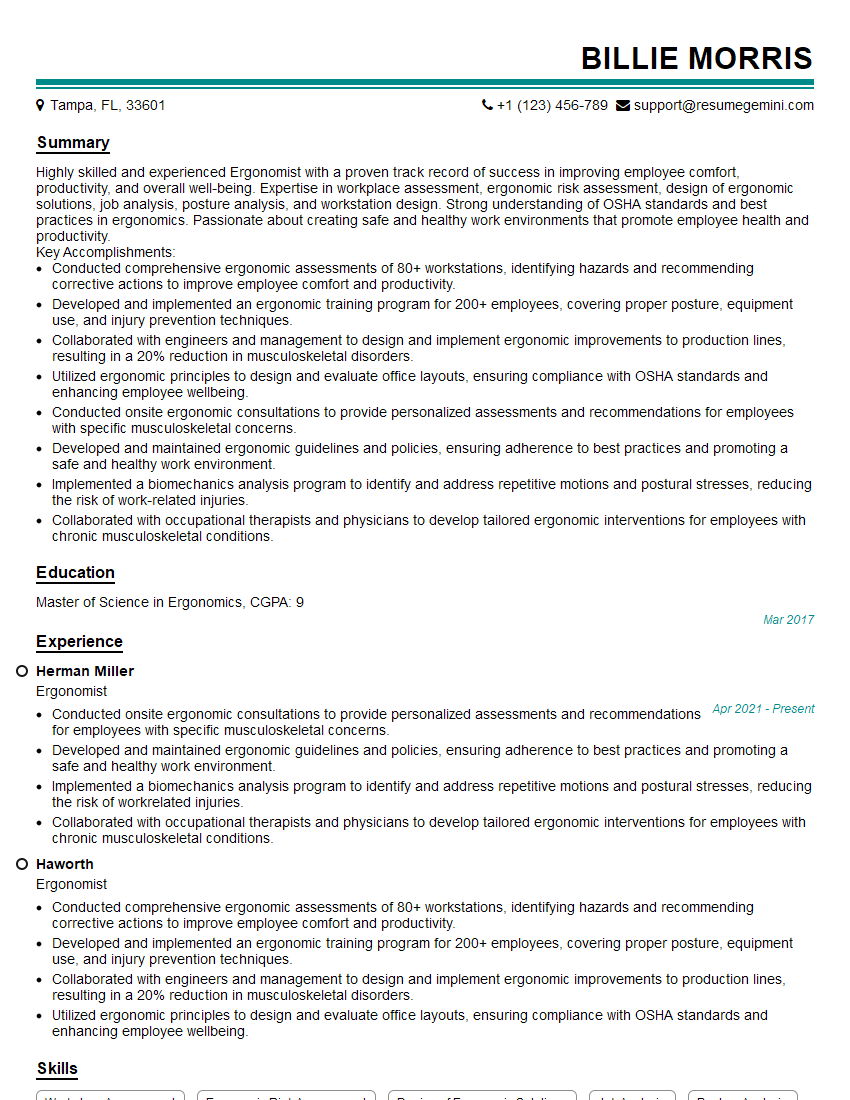
Ergonomist Resume Sample
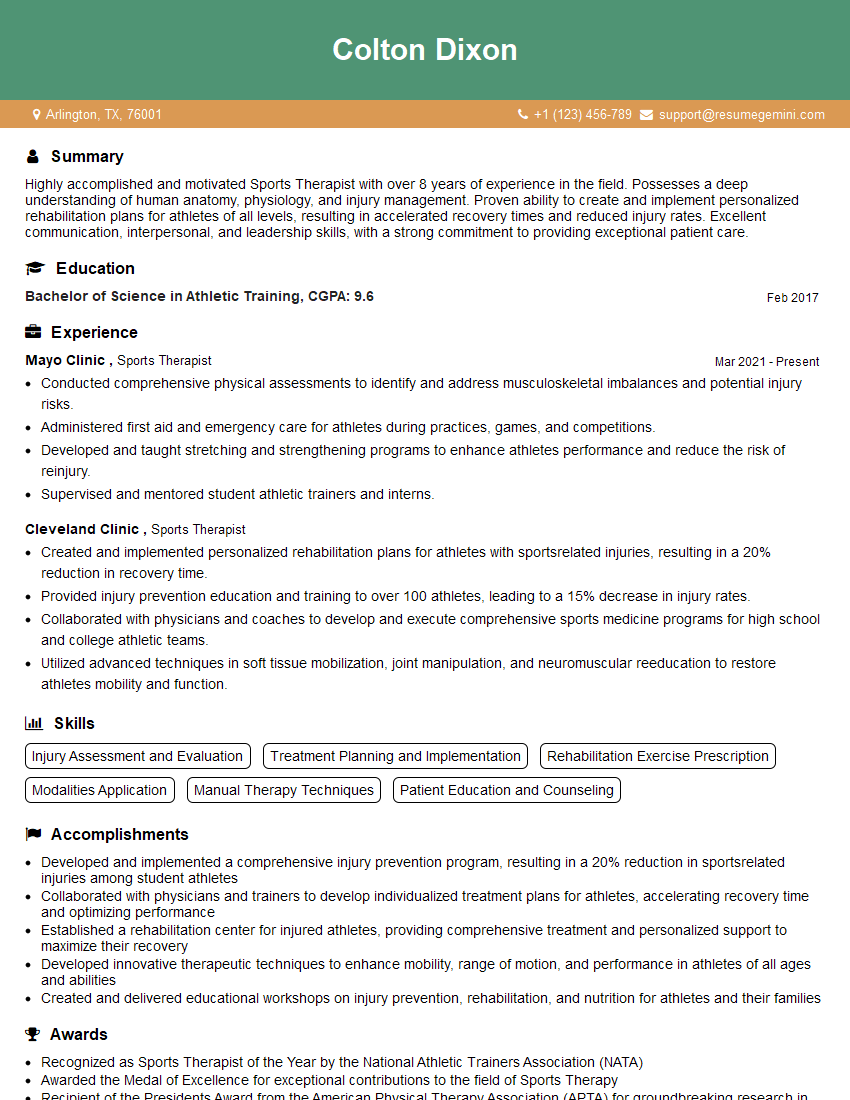
Sports Therapist Resume Sample
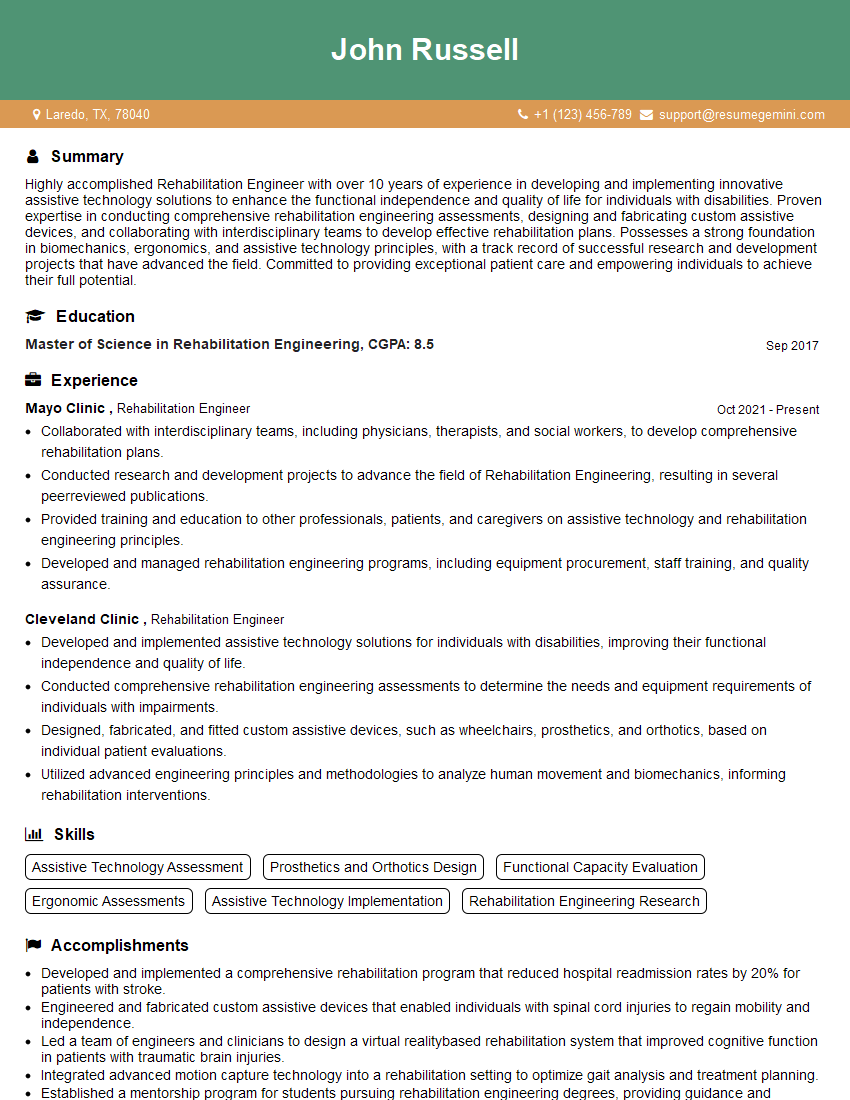
Rehabilitation Engineer Resume Sample
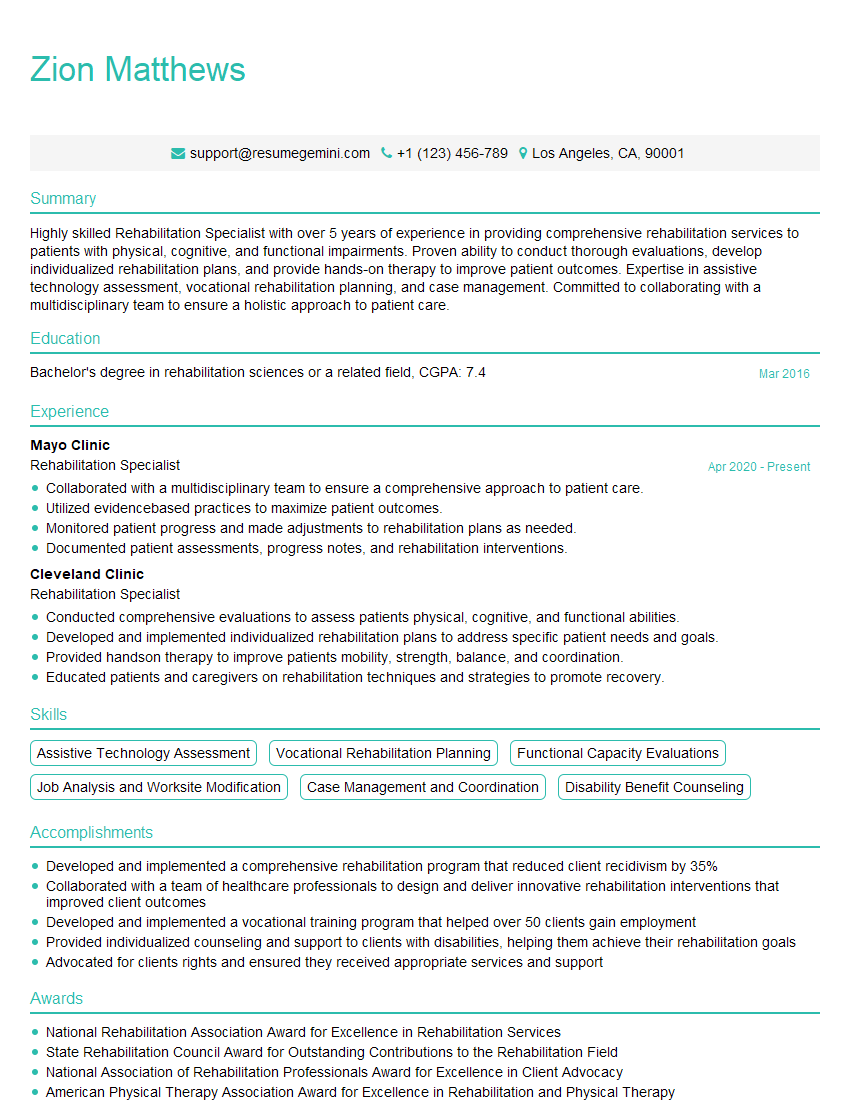
Rehabilitation Specialist Resume Sample
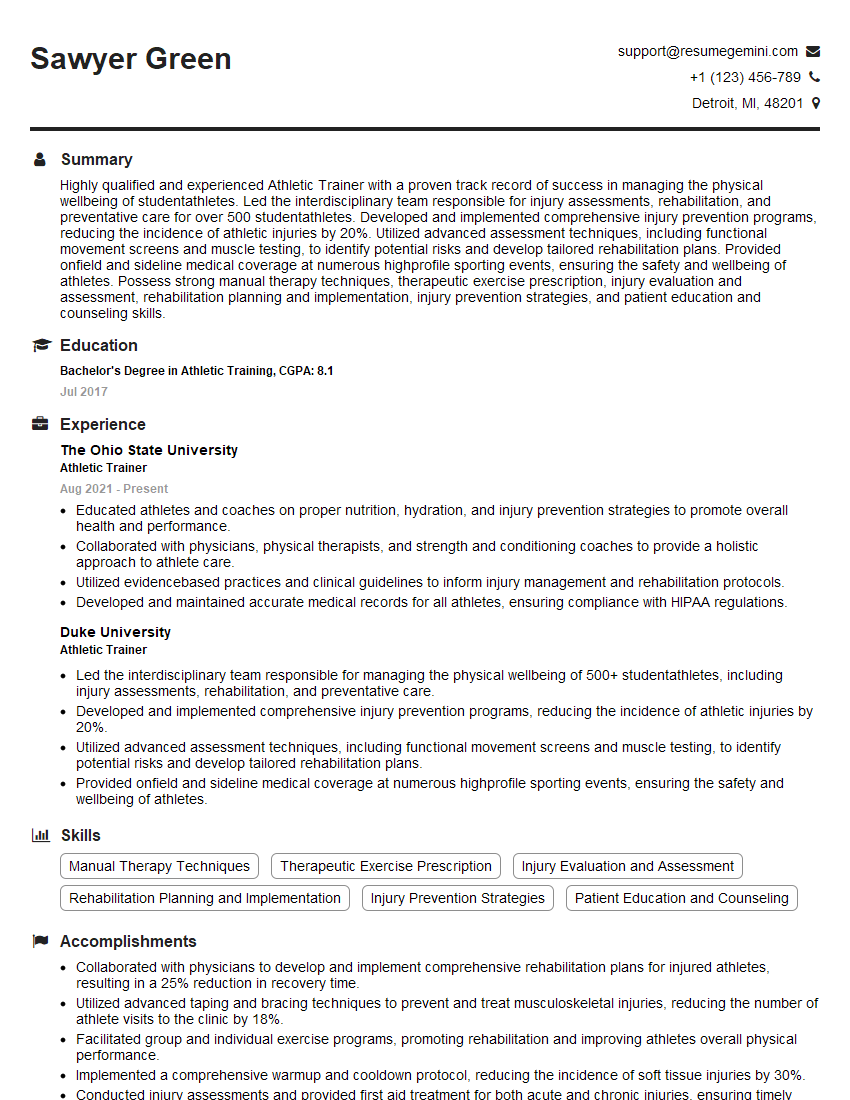
Athletic Trainer Resume Sample
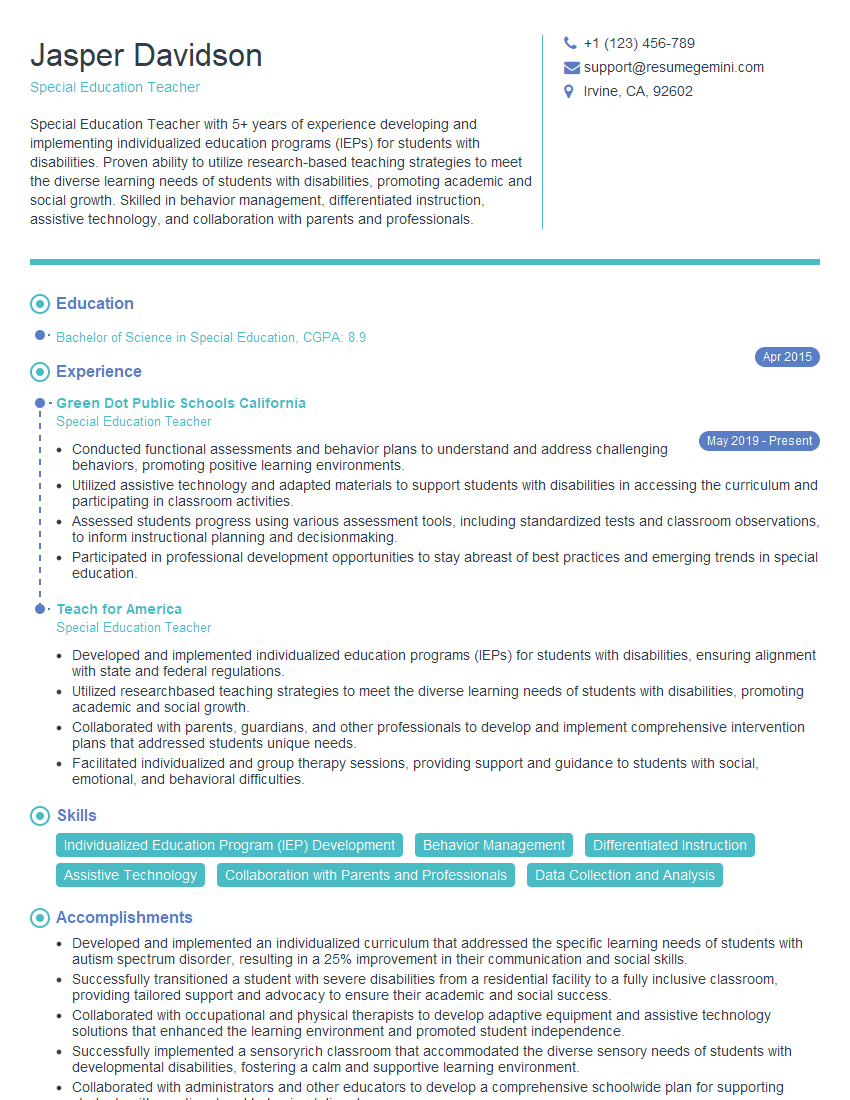
Special Education Teacher Resume Sample
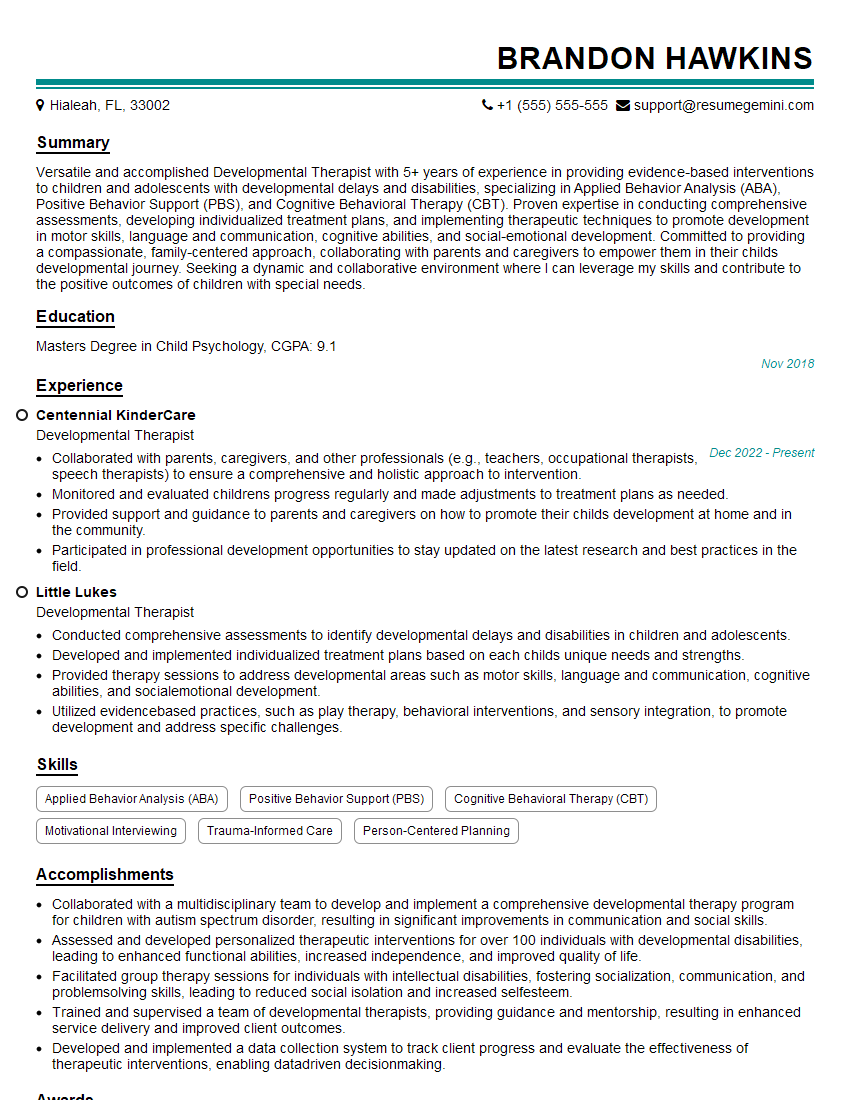
Developmental Therapist Resume Sample
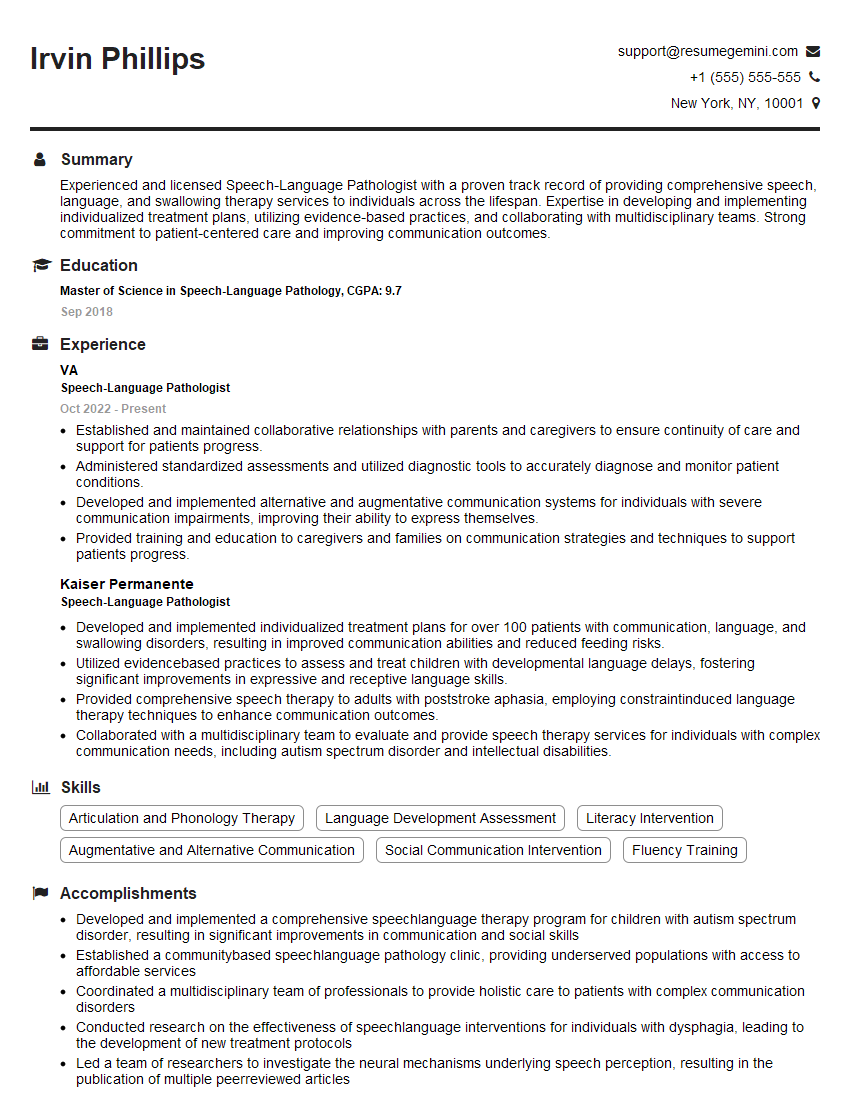
Speech-Language Pathologist Resume Sample
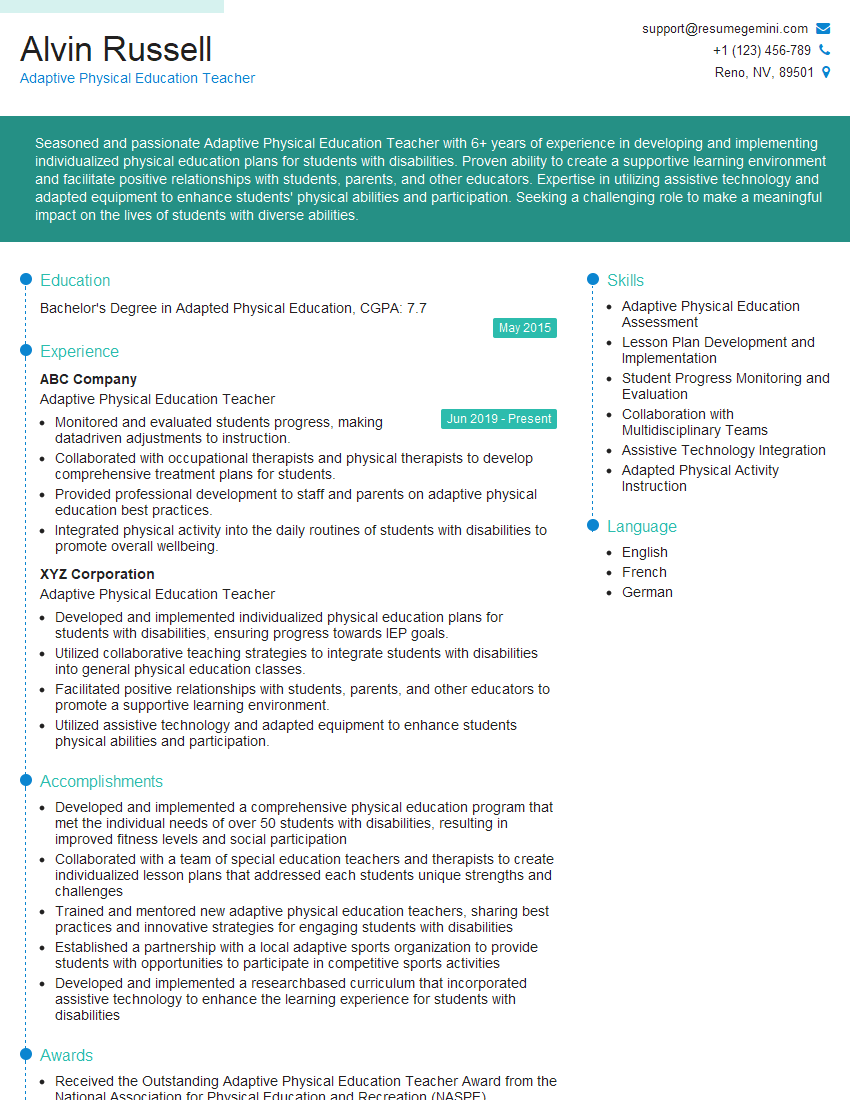
Adaptive Physical Education Teacher Resume Sample
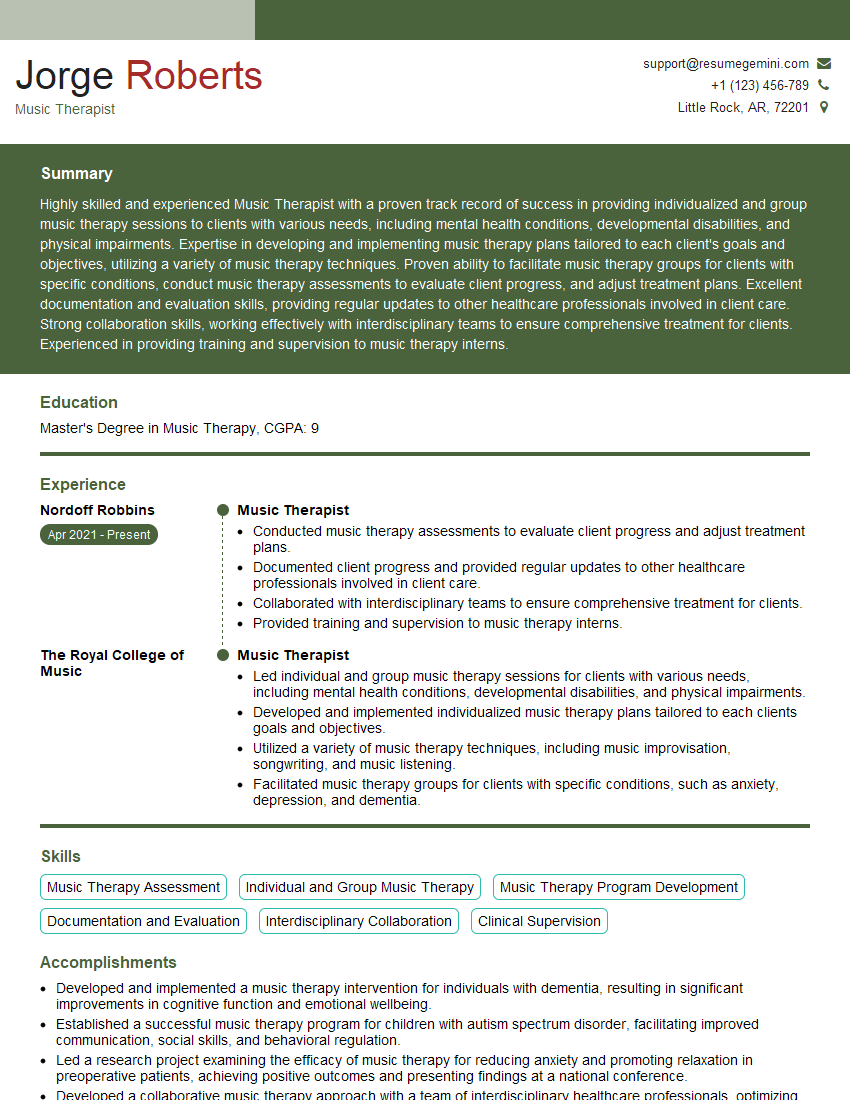
Music Therapist Resume Sample
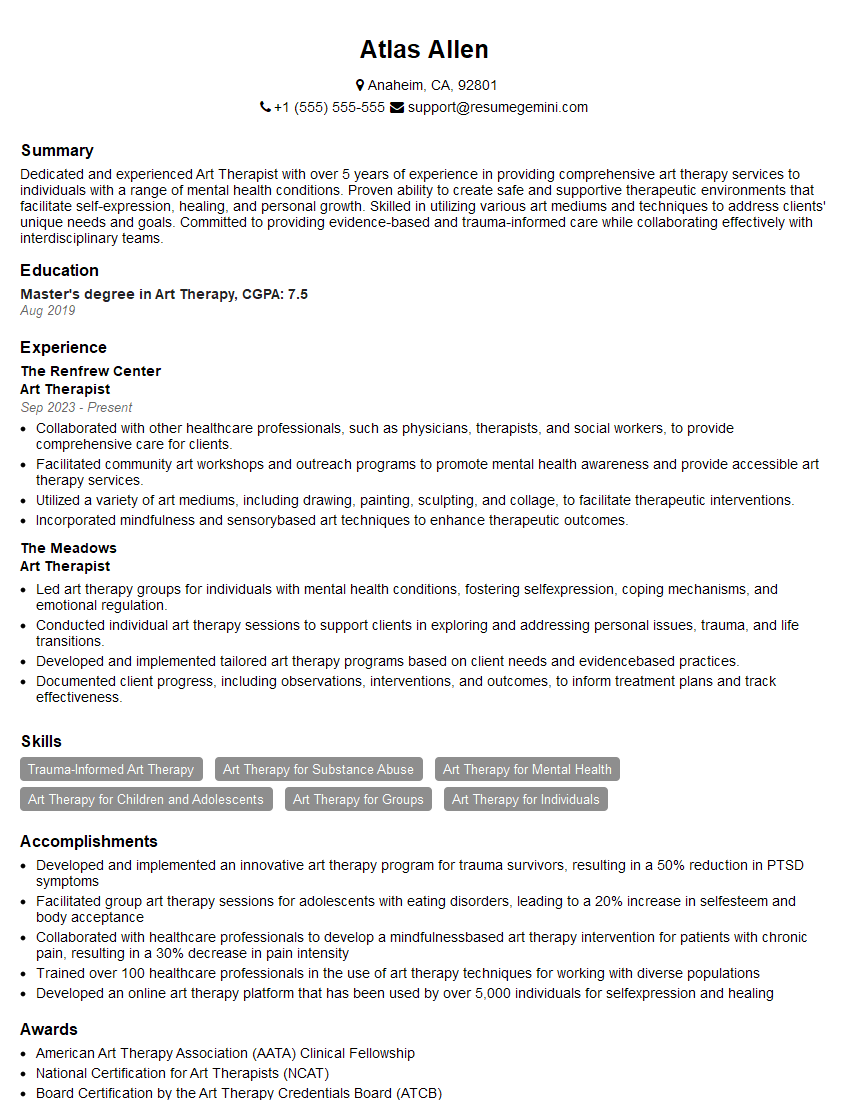
Art Therapist Resume Sample
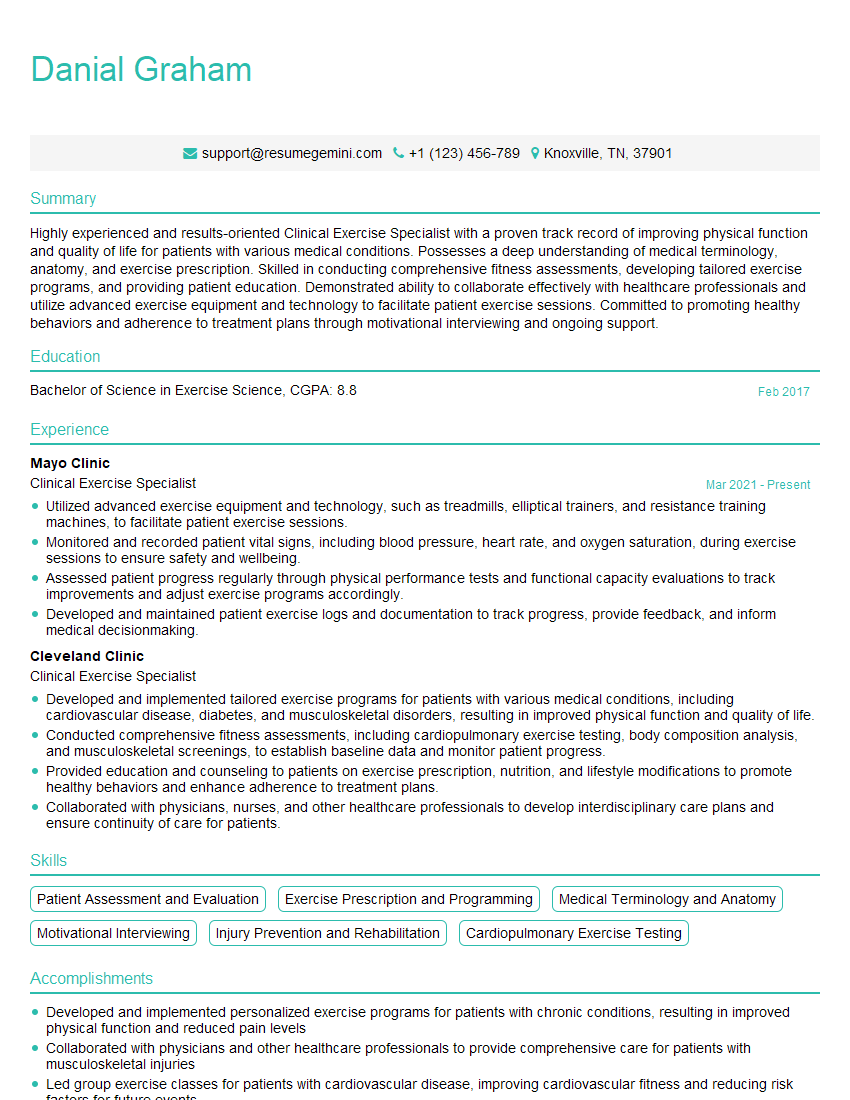
Clinical Exercise Specialist Resume Sample
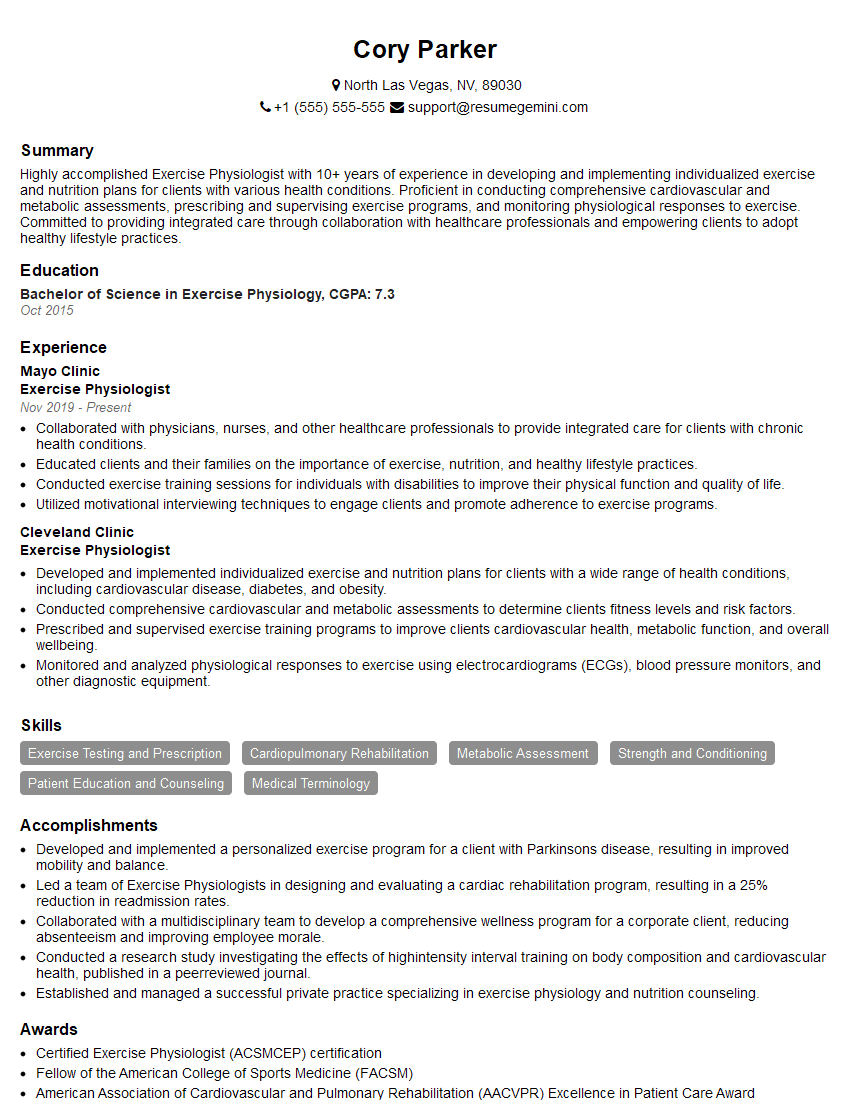
Exercise Physiologist Resume Sample
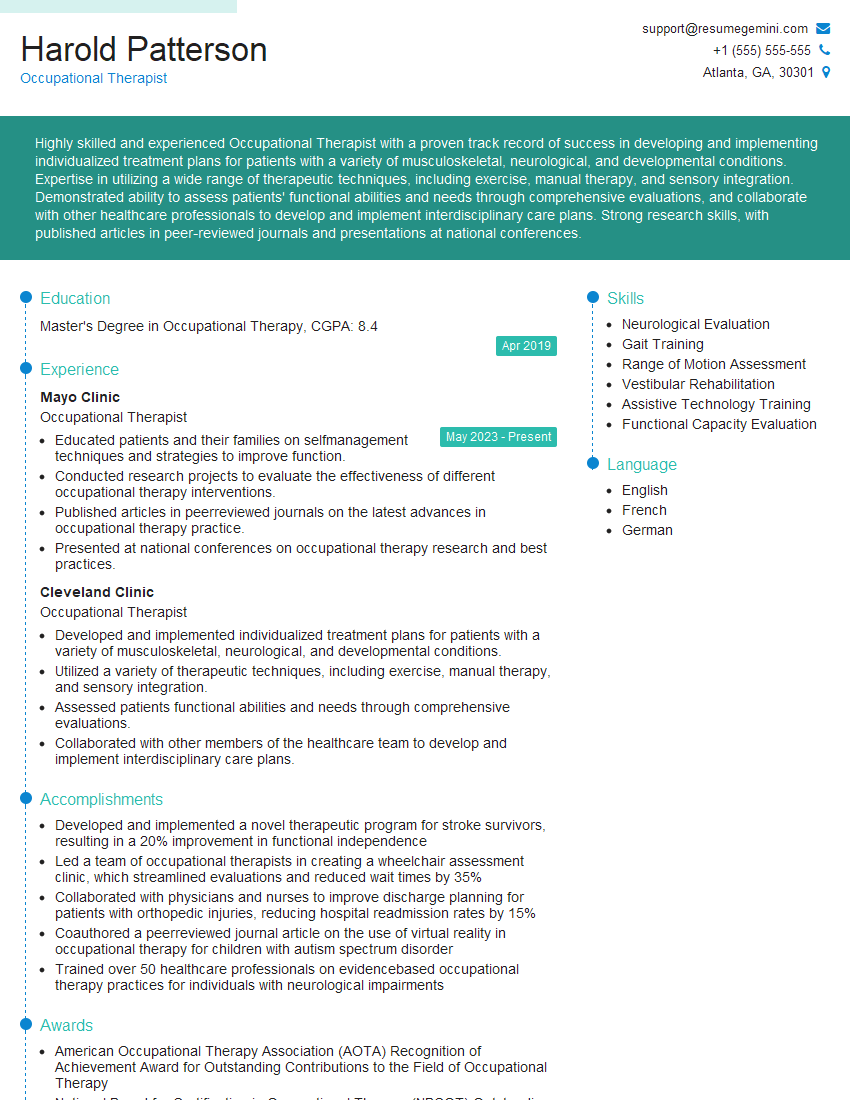
Occupational Therapist Resume Sample
- Ergonomist
- Sports Therapist
- Rehabilitation Engineer
- Rehabilitation Specialist
- Athletic Trainer
- Special Education Teacher
- Developmental Therapist
- Speech-Language Pathologist
- Adaptive Physical Education Teacher
- Music Therapist
- Art Therapist
- Clinical Exercise Specialist
- Exercise Physiologist
- Occupational Therapist
Explore more articles
Users Rating of Our Blogs
Share Your Experience
We value your feedback! Please rate our content and share your thoughts (optional).
What Readers Say About Our Blog
I Redesigned Spongebob Squarepants and his main characters of my artwork.
https://www.deviantart.com/reimaginesponge/art/Redesigned-Spongebob-characters-1223583608
IT gave me an insight and words to use and be able to think of examples
Hi, I’m Jay, we have a few potential clients that are interested in your services, thought you might be a good fit. I’d love to talk about the details, when do you have time to talk?
Best,
Jay
Founder | CEO