Cracking a skill-specific interview, like one for Must be able to obtain drivers license, requires understanding the nuances of the role. In this blog, we present the questions you’re most likely to encounter, along with insights into how to answer them effectively. Let’s ensure you’re ready to make a strong impression.
Questions Asked in Must be able to obtain drivers license Interview
Q 1. Have you ever had your driver’s license suspended or revoked?
No, I have never had my driver’s license suspended or revoked. Maintaining a clean driving record is a top priority for me, both personally and professionally. A clean record reflects responsibility and showcases my commitment to safe driving practices.
Q 2. What is your current driving record status?
My current driving record is clean. I have no points, violations, or accidents on my record. I regularly check my driving record to ensure it remains accurate and up-to-date. This proactive approach demonstrates my commitment to responsible driving.
Q 3. Describe your experience driving in various weather conditions.
I have extensive experience driving in various weather conditions. In heavy rain, I reduce my speed significantly, increase following distance, and use my headlights. In snowy or icy conditions, I drive even slower, accelerate and brake gradually, and avoid sudden maneuvers. I’m also familiar with the use of tire chains when necessary. For example, during a recent blizzard, I successfully navigated a challenging mountain pass by reducing my speed to a crawl and maintaining a safe distance from other vehicles. My experience driving in diverse weather conditions allows me to adapt to changing circumstances and prioritize safety above all else.
Q 4. How do you maintain the safety of your vehicle?
Maintaining my vehicle’s safety is an ongoing process. This includes regular maintenance checks such as oil changes, tire rotations, and fluid top-offs. I also ensure that the lights, brakes, and wipers are in good working condition. Before any long trip, I conduct a thorough pre-trip inspection, checking tire pressure, fluid levels, and overall functionality. This proactive approach not only ensures my safety but also contributes to the safety of others on the road. Think of it like regular health checkups; preventative care goes a long way.
Q 5. How do you handle stressful driving situations?
Handling stressful driving situations requires a calm and controlled approach. I prioritize deep breathing techniques to manage stress and avoid impulsive reactions. If I find myself getting frustrated, I consciously pull over to a safe location to compose myself before continuing my journey. I believe that maintaining a calm demeanor is crucial to making sound judgments and avoiding accidents, especially in high-pressure situations. For example, if another driver cuts me off aggressively, I avoid responding in kind and instead focus on regaining control and maintaining a safe distance.
Q 6. Have you been involved in any accidents? Describe them.
Fortunately, I have not been involved in any accidents. My commitment to safe driving practices has been consistently maintained.
Q 7. What is your defensive driving strategy?
My defensive driving strategy is based on anticipating potential hazards and reacting proactively. I maintain a safe following distance, scan the road ahead for potential risks, and remain aware of my surroundings at all times. I also regularly check my mirrors and use my signals appropriately to communicate my intentions to other drivers. It’s not just about reacting; it’s about anticipating and proactively avoiding dangerous situations. Think of it like playing chess, anticipating your opponent’s moves, not just reacting to them. This allows for a much safer and smoother driving experience.
Q 8. How do you ensure you remain alert while driving long distances?
Maintaining alertness during long drives is crucial for safety. My strategy involves a multi-pronged approach focusing on proactive measures to avoid fatigue.
- Regular Breaks: I adhere to a strict schedule of breaks, typically every two hours, even if I don’t feel tired. A short walk, some light stretches, or simply stepping out of the vehicle for fresh air significantly improves alertness.
- Hydration and Nutrition: Dehydration and low blood sugar contribute significantly to fatigue. I ensure I’m well-hydrated by drinking plenty of water throughout the journey and consuming light, healthy snacks to maintain energy levels. Avoid heavy meals that can lead to drowsiness.
- Comfortable Driving Environment: A comfortable driving posture, appropriate climate control (neither too hot nor too cold), and playing upbeat, non-distracting music help maintain focus. I also ensure my vehicle is well-maintained for a smooth ride.
- Sharing Driving Responsibilities (where applicable): For particularly long journeys, having a co-driver allows for shifts, ensuring neither driver experiences excessive fatigue.
- Awareness of Warning Signs: I am keenly aware of the signs of fatigue, such as yawning, difficulty concentrating, or drifting in my lane. If I notice any of these signs, I immediately pull over to a safe location for a longer break.
For example, on a recent 8-hour drive, I planned four 15-minute breaks, ensuring I stayed refreshed and alert throughout the journey. This proactive approach significantly reduces the risk of accidents.
Q 9. Describe your experience navigating using GPS or maps.
I’m proficient in using both GPS navigation systems and traditional maps. My experience encompasses various scenarios, from navigating unfamiliar urban environments to using maps for off-road travel.
- GPS Navigation: I utilize GPS for efficient route planning, especially in unfamiliar areas. I’m familiar with features like traffic updates, rerouting options, and setting waypoints. For instance, I often use the real-time traffic updates on my GPS to avoid congestion and arrive on time.
- Map Reading: I have a strong understanding of map symbols and can quickly interpret them to plan routes. This skill is invaluable in areas with limited or no cell service, ensuring I can still navigate effectively. For example, when using physical maps, I can identify landmarks and route efficiently even without signal.
- Combined Approach: I often combine both methods, using GPS for initial route planning and relying on map reading skills for understanding local areas or when GPS signal is unavailable. This ensures a reliable and flexible approach to navigation.
Q 10. How do you manage time effectively to meet delivery deadlines?
Effective time management is essential for meeting delivery deadlines. My approach involves meticulous planning and proactive problem-solving.
- Pre-Trip Planning: Before any delivery, I carefully review the route, considering traffic patterns, potential delays, and delivery window constraints. I utilize mapping tools to estimate travel time and factor in buffer time for unforeseen circumstances.
- Prioritization of Deliveries: When handling multiple deliveries, I prioritize based on urgency and location, optimizing the route for maximum efficiency. This often involves clustering deliveries geographically to minimize travel time and maximize fuel efficiency.
- Proactive Communication: I keep clients informed about my estimated arrival time and any potential delays. Open communication prevents misunderstandings and ensures smooth delivery execution.
- Contingency Planning: I anticipate potential problems, such as traffic jams or unexpected road closures, and have alternative routes planned beforehand to minimize delays. This includes being aware of alternative routes and local road closures that are announced in the news.
For example, on a day with multiple deliveries, I organized my route to group deliveries in close proximity, avoiding unnecessary backtracking and allowing me to complete all deliveries within the allocated time.
Q 11. Explain your understanding of traffic laws and regulations.
I possess a thorough understanding of traffic laws and regulations, including speed limits, right-of-way rules, signage interpretation, and defensive driving techniques. My knowledge is current and based on local and national guidelines.
- Speed Limits and Traffic Signs: I strictly adhere to posted speed limits and carefully observe all traffic signals and signs. I understand the implications of speeding, including potential fines and safety risks.
- Right-of-Way Rules: I am well-versed in the rules of right-of-way and always yield appropriately to other vehicles and pedestrians. This includes understanding rules at intersections, roundabouts, and merges.
- Defensive Driving: I practice defensive driving techniques, anticipating the actions of other drivers and maintaining a safe following distance. I continuously scan my surroundings, and am prepared for unexpected events.
- Vehicle Safety Checks: Before every trip, I perform a thorough vehicle safety check, including lights, tires, and mirrors to ensure the vehicle is roadworthy and safe to operate.
Staying informed about updated regulations through driver education programs or official channels is an ongoing process for me.
Q 12. Describe your experience handling vehicle maintenance.
I’m familiar with basic vehicle maintenance procedures and know when to seek professional help. This includes regular checks and minor repairs.
- Fluid Checks: I regularly check engine oil, coolant, brake fluid, and power steering fluid levels. I understand the importance of maintaining these fluids at the correct levels for optimal vehicle performance and safety.
- Tire Pressure and Condition: I regularly check tire pressure and visually inspect tires for wear and tear. I know the implications of under-inflated or damaged tires on vehicle handling and safety.
- Light Checks: I regularly check all lights, including headlights, taillights, brake lights, and turn signals, ensuring they are functioning correctly.
- Professional Maintenance: I understand the importance of regular professional maintenance, including oil changes, tire rotations, and other services, and schedule these accordingly.
For example, I recently noticed a slow leak in one of my tires and immediately took action to have it repaired, preventing a more serious issue from arising.
Q 13. How do you prioritize safety when transporting goods or passengers?
Prioritizing safety when transporting goods or passengers is paramount. My approach is built on a foundation of proactive measures and adherence to best practices.
- Secure Load: When transporting goods, I ensure the load is properly secured to prevent shifting or falling during transit. This includes using appropriate straps, nets, or other securing devices.
- Passenger Safety: When transporting passengers, I insist on seatbelt usage and ensure that car seats for children are correctly installed and appropriate for their age and size.
- Defensive Driving: I employ defensive driving techniques to avoid accidents, maintaining a safe following distance, and staying aware of my surroundings.
- Vehicle Maintenance: Regular vehicle maintenance is crucial for ensuring the vehicle is roadworthy and safe to operate, reducing the risk of breakdowns or mechanical failures.
- Emergency Preparedness: I always have a well-stocked emergency kit in my vehicle, including first-aid supplies, water, and a flashlight. I am also aware of emergency procedures to handle different scenarios.
Safety is not just a checklist for me; it’s a mindset that guides every decision I make behind the wheel.
Q 14. How do you adapt your driving to different road conditions?
Adapting driving to different road conditions is essential for safe and efficient travel. My approach involves a combination of experience, observation, and judgment.
- Reduced Speed: I always adjust my speed according to the prevailing conditions. This includes slowing down significantly on wet, icy, or snowy roads to maintain control and increase braking distance.
- Increased Following Distance: I increase my following distance in adverse weather conditions to allow for more reaction time in case of sudden braking or other unexpected events.
- Careful Cornering and Braking: I take corners slowly and smoothly and apply brakes gently, especially on slippery surfaces to avoid skidding or loss of control.
- Awareness of Surroundings: I pay close attention to my surroundings, watching for hazards such as potholes, debris, or animals on the road. I adjust my driving style accordingly to avoid these hazards.
For example, while driving in heavy rain recently, I reduced my speed significantly, increased my following distance, and avoided sudden braking or acceleration to maintain control and ensure safety. This adaptability ensured a safe and efficient journey despite adverse conditions.
Q 15. What is your experience with loading and unloading cargo?
My experience with loading and unloading cargo spans over five years, encompassing various types of goods and transportation methods. I’m proficient in using hand trucks, forklifts (certified), and pallet jacks, always prioritizing safe and efficient practices. I understand the importance of weight distribution to prevent damage and ensure stability during transit. For example, I’ve loaded fragile ceramics onto trucks using specialized padding and securing methods, meticulously stacking heavier items at the bottom and lighter ones on top. Similarly, I’ve handled bulkier items like furniture, requiring careful planning and maneuvering to fit within the vehicle’s space without compromising safety. My focus is always on maximizing space utilization while ensuring the integrity of the cargo throughout the journey.
Career Expert Tips:
- Ace those interviews! Prepare effectively by reviewing the Top 50 Most Common Interview Questions on ResumeGemini.
- Navigate your job search with confidence! Explore a wide range of Career Tips on ResumeGemini. Learn about common challenges and recommendations to overcome them.
- Craft the perfect resume! Master the Art of Resume Writing with ResumeGemini’s guide. Showcase your unique qualifications and achievements effectively.
- Don’t miss out on holiday savings! Build your dream resume with ResumeGemini’s ATS optimized templates.
Q 16. Describe your knowledge of vehicle mechanics.
While I’m not a certified mechanic, I possess a strong understanding of basic vehicle mechanics, crucial for safe and efficient operation. I can perform routine checks such as inspecting tire pressure, fluid levels (oil, coolant, brake fluid), and checking for leaks. I know how to jump-start a battery and change a tire. I understand the importance of regular maintenance and can identify potential problems – like unusual noises or vibrations – requiring professional attention. For instance, during a recent trip, I noticed a slight squeal from my brakes, prompting me to schedule a maintenance check immediately to prevent a more serious issue down the line. This proactive approach ensures vehicle reliability and minimizes downtime.
Q 17. How do you handle unexpected delays or route changes?
Unexpected delays and route changes are a common occurrence in this profession. My strategy involves remaining calm and adapting quickly. First, I’ll assess the situation: what caused the delay (traffic, accident, road closure)? Is there an alternative route? I always have backup routes planned and use GPS navigation with real-time traffic updates. If the delay impacts delivery time, I immediately contact the dispatcher and client, providing updates and alternative delivery arrangements. For instance, once I encountered an unexpected road closure due to an accident. Using my backup route, I successfully delivered the goods with minimal delay, keeping my client informed throughout the process. Effective communication and proactive problem-solving are key to handling such situations.
Q 18. How would you handle a flat tire or other vehicle malfunction?
I’m prepared to handle minor vehicle malfunctions. A flat tire, for example, is easily manageable with the proper tools and knowledge. I carry a spare tire, jack, lug wrench, and wheel chocks. I follow established safety procedures: parking on a level surface, activating hazard lights, and using chocks for added security. For more complex issues, I prioritize safety and contact roadside assistance immediately, carefully documenting the situation. I’ve had experience with minor electrical problems as well, troubleshooting basic issues but never attempting repairs beyond my skillset. Safety is paramount, and I always prioritize professional help when needed.
Q 19. What are your strategies for fuel efficiency?
Fuel efficiency is critical for both cost-effectiveness and environmental responsibility. My strategies include: maintaining proper tire pressure, optimizing vehicle speed (avoiding rapid acceleration and hard braking), and planning efficient routes to minimize unnecessary mileage. I also regularly check engine performance for optimal fuel consumption. For example, I avoid idling for extended periods and plan routes to take advantage of favorable traffic conditions, allowing for a smoother and more fuel-efficient journey. This conscious approach significantly reduces fuel expenses and minimizes my carbon footprint.
Q 20. How do you ensure the security of your vehicle and its contents?
Securing the vehicle and its contents is my top priority. I always park in well-lit, secure areas, and lock the vehicle doors and cargo doors. For valuable or sensitive cargo, I utilize additional security measures such as tamper-evident seals and GPS tracking devices (when available). I’m vigilant against theft attempts, reporting any suspicious activity to the authorities. I’ve also received training on cargo securing techniques, ensuring goods remain stable and safe during transit. These practices minimize the risk of loss or damage and maintain the integrity of the shipment.
Q 21. Describe your experience with different types of vehicles.
My experience encompasses driving various vehicle types, including vans, box trucks, and flatbed trailers. I’m familiar with operating both manual and automatic transmissions and have experience navigating different road conditions and terrains. I’m comfortable operating vehicles with varying cargo capacities and have experience in safely maneuvering large vehicles in tight spaces. I’ve even had experience operating smaller delivery vehicles for more urban deliveries, showcasing my adaptability to various vehicle types and transportation demands. This breadth of experience ensures I can handle diverse assignments effectively and safely.
Q 22. How do you communicate with dispatchers or customers?
Effective communication with dispatchers and customers is crucial for a smooth delivery process. I prioritize clear and concise language, actively listening to understand their needs and concerns. With dispatchers, I confirm pickup and delivery details, report any delays or issues promptly, and request clarification when needed. For example, if a delivery address is unclear, I’ll immediately contact the dispatcher for confirmation. With customers, I maintain a professional and courteous demeanor, providing updates on their delivery status and addressing any questions or concerns they may have. I’ve found that a simple phone call confirming their location prior to arrival is greatly appreciated. For instance, I might say, “Good morning, this is John from Speedy Delivery, your package is scheduled to arrive in 15 minutes, could you please confirm your location?”
Q 23. How do you manage your driving hours to comply with regulations?
Managing driving hours according to regulations is paramount for safety and legal compliance. I meticulously track my hours using electronic logging devices (ELDs) or a paper logbook, ensuring I never exceed the legally permitted limits. This includes understanding the difference between driving time, on-duty time, and off-duty time. For example, I know that I’m limited to 11 hours of driving within a 14-hour workday, and I must take a minimum 10-hour break after that. I plan my routes efficiently to minimize driving time and incorporate rest breaks throughout the day, prioritizing my health and safety as well as adherence to regulations. Regular maintenance checks on the vehicle are also critical to prevent unexpected issues, which could lead to exceeding my driving hours. I proactively monitor my hours to avoid any potential violations.
Q 24. What is your experience with different types of delivery methods?
My experience encompasses a variety of delivery methods, including standard curbside deliveries, contactless deliveries (leaving packages at designated locations), and specialized handling for fragile or time-sensitive goods. I’m comfortable with different vehicle types, from small vans for city deliveries to larger trucks for long-haul transport. For example, I’ve successfully handled deliveries requiring temperature control, ensuring sensitive items are maintained at the correct temperature throughout the entire process. I’ve also navigated congested city streets and rural areas, adapting my driving style and route planning to meet the unique demands of each situation. This adaptability is key to delivering goods efficiently and safely, no matter the environment.
Q 25. How do you handle customer complaints related to your driving?
Handling customer complaints related to my driving requires a calm and professional approach. I listen empathetically to their concerns, acknowledging their frustration without getting defensive. I carefully investigate the situation, gathering all necessary details, such as the time, location, and specifics of their complaint. I then explain the situation from my perspective, focusing on the steps I took to ensure safety and efficiency. If there was a legitimate mistake on my part, I sincerely apologize and explain what steps I’ll take to prevent a similar incident from happening again. For example, if a customer complains about a late delivery due to unexpected traffic, I would explain the situation, showing them I was proactive in adjusting my route to avoid further delays. Building trust and demonstrating accountability are critical in resolving these situations.
Q 26. Describe your familiarity with various transportation technologies.
I’m proficient with various transportation technologies, including GPS navigation systems, ELDs (electronic logging devices), route optimization software, and delivery management apps. I use GPS navigation daily to plan efficient routes, avoiding traffic congestion and finding the quickest paths to my destinations. ELDs ensure I comply with hours-of-service regulations, automatically recording my driving time and on-duty status. Route optimization software helps me plan efficient routes for multiple deliveries, minimizing travel time and fuel consumption. Delivery management apps allow me to receive and manage delivery assignments, communicate with dispatchers, and track the status of my deliveries in real-time. I’m constantly updating my skills to stay current with the latest technologies in the transportation industry.
Q 27. How do you maintain a clean driving record?
Maintaining a clean driving record is a top priority, achieved through careful and defensive driving techniques. I strictly adhere to all traffic laws, consistently practicing safe driving habits, such as maintaining a safe following distance, avoiding distractions (like cell phones), and being aware of my surroundings at all times. Regular vehicle maintenance plays a crucial role, ensuring my vehicle is in top condition to prevent mechanical failures. Further, I proactively take defensive driving courses to enhance my skills and knowledge of road safety regulations. I view safe driving not just as a requirement but as a responsibility towards myself and others on the road. A clean record is a testament to my commitment to safety.
Q 28. What steps do you take to prepare for long drives?
Preparing for long drives involves careful planning and preparation to ensure safety and comfort. I begin by thoroughly inspecting my vehicle, checking tire pressure, fluid levels, and overall mechanical condition. Sufficient rest is crucial, so I get a good night’s sleep before embarking on a long drive. I plan my route carefully, factoring in rest stops, gas stations, and potential traffic congestion. I pack essential supplies, such as water, snacks, and a first-aid kit. I also make sure my phone is fully charged and that I have access to a reliable communication system. I’ll also pre-select and listen to my favourite podcasts or audiobooks to help the time pass quickly. Prior planning and preparation help manage potential challenges during extended journeys, promoting safe and stress-free driving.
Key Topics to Learn for “Must be able to obtain a Driver’s License” Interview Requirement
Successfully navigating the “must be able to obtain a driver’s license” requirement in an interview goes beyond simply stating you can get a license. It’s about demonstrating responsibility, planning, and a proactive approach to meeting job demands.
- Understanding Transportation Needs: Analyze how a driver’s license will impact your potential role. Consider the type of driving required (local, long-distance, specific vehicle types), and how this aligns with your skills and experience.
- Demonstrating Responsibility and Planning: Be prepared to discuss your approach to obtaining a license. This might include outlining steps you’ve already taken (e.g., researching driving schools, saving for driving lessons, scheduling the learner’s permit test). This shows initiative and commitment.
- Addressing Potential Challenges: Proactively address any potential obstacles to obtaining a license (e.g., financial constraints, time limitations, or previous driving infractions if applicable). Highlight how you’ve planned to overcome these hurdles.
- Safety and Compliance: Showcase your understanding of road safety regulations and your commitment to responsible driving. This demonstrates your awareness of the importance of safe driving practices and your ability to comply with relevant laws.
- Adaptability and Problem-Solving: Be ready to discuss how you would adapt to unexpected situations that may arise while driving for work, showing problem-solving skills relevant to the role.
Next Steps
Mastering this requirement demonstrates your commitment to the job and your ability to meet its demands. A strong, ATS-friendly resume is crucial for showcasing these qualities to potential employers. ResumeGemini is a trusted resource to help you craft a compelling resume highlighting your relevant skills and experience, making you stand out from the competition. Examples of resumes tailored to address the “must be able to obtain a driver’s license” requirement are available to help guide you. Invest the time to create a professional resume; it’s a critical step in advancing your career.
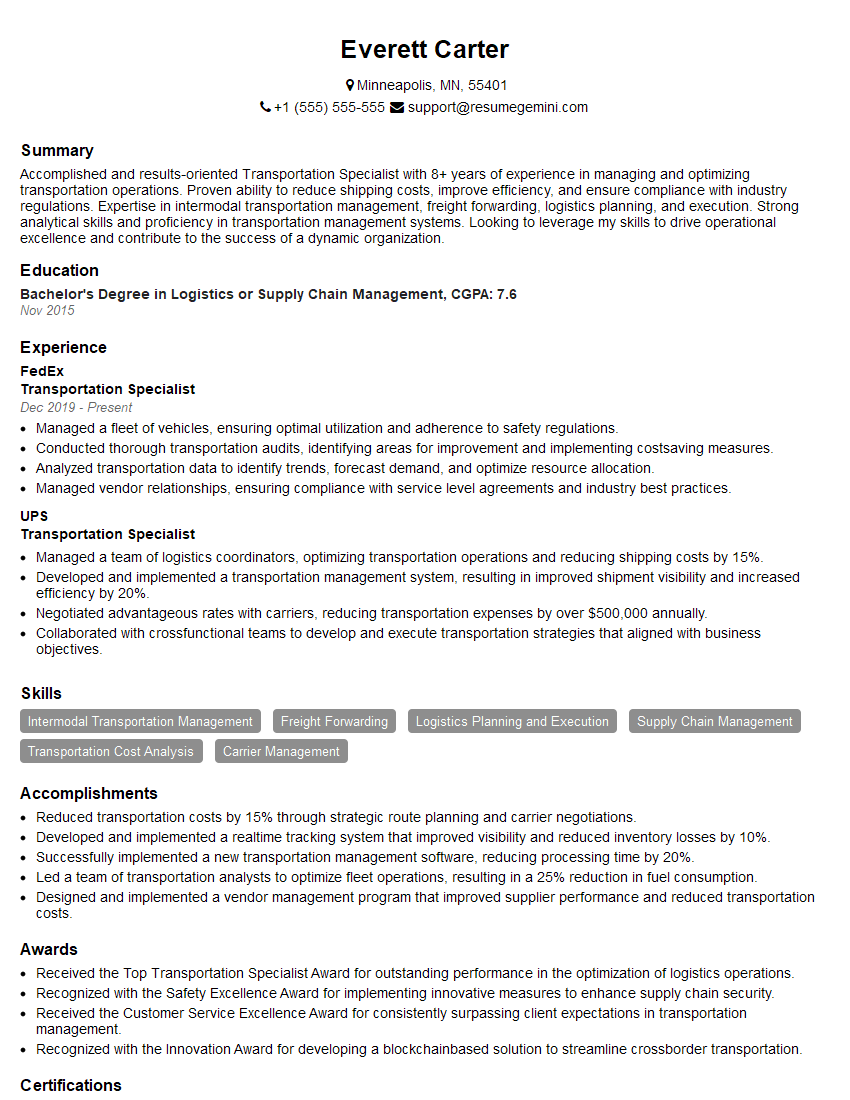
Transportation Specialist Resume Sample
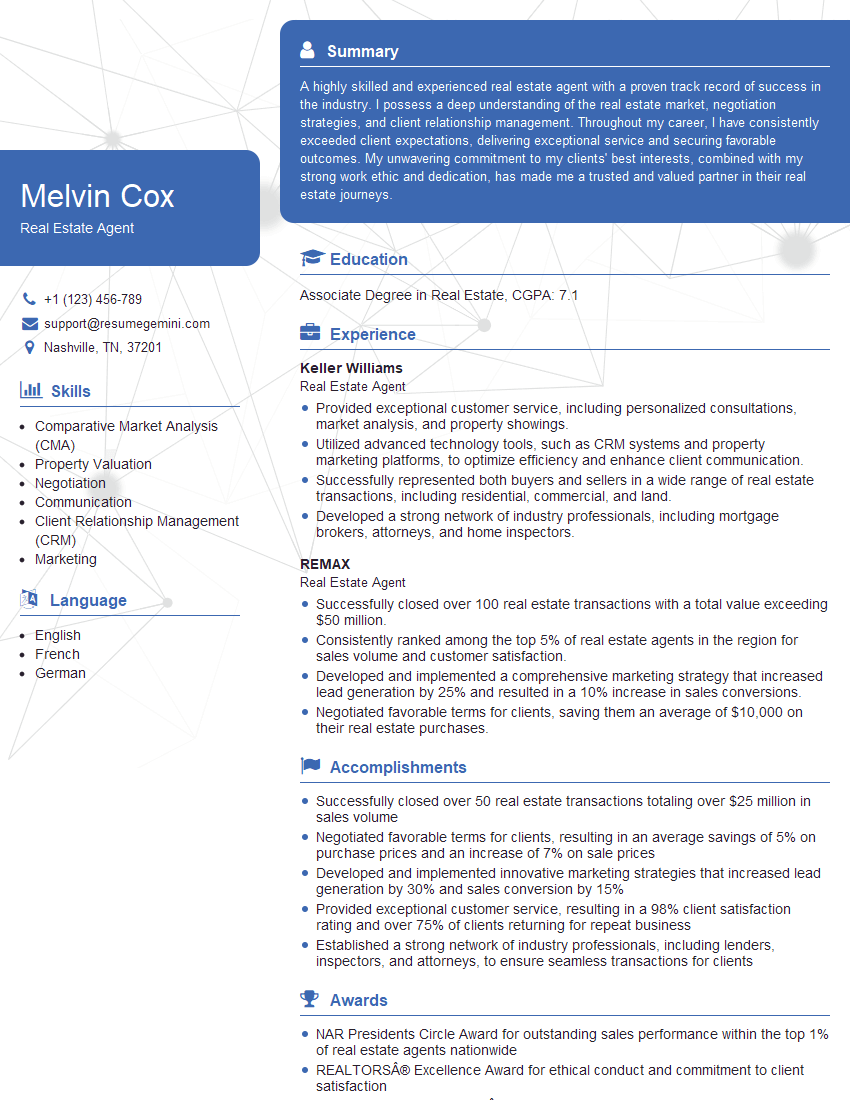
Real Estate Agent Resume Sample
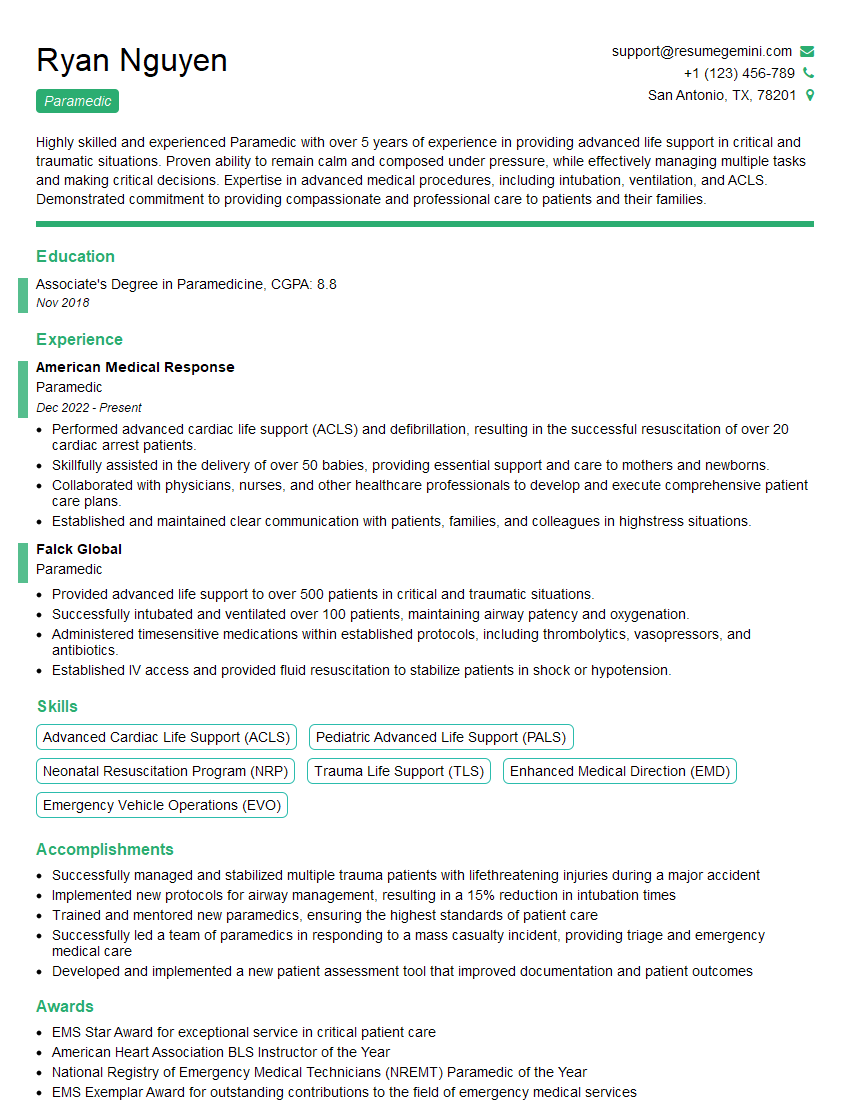
Paramedic Resume Sample
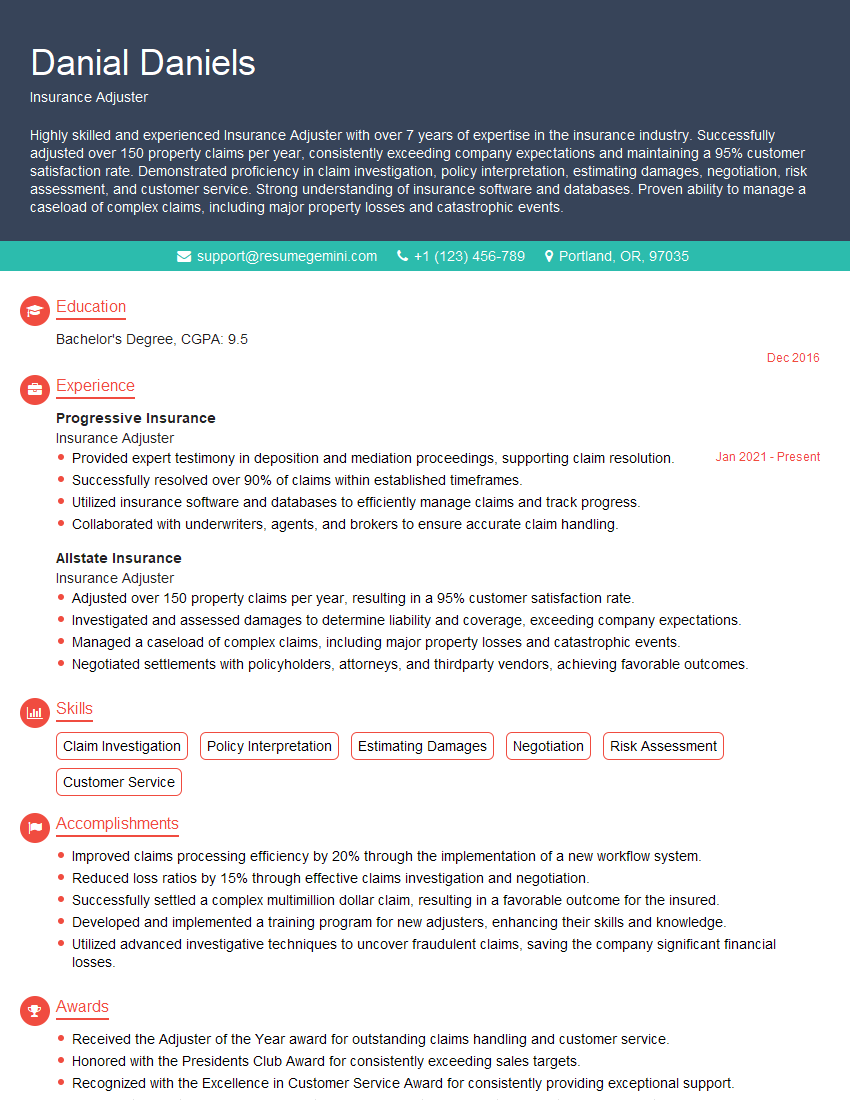
Insurance Adjuster Resume Sample
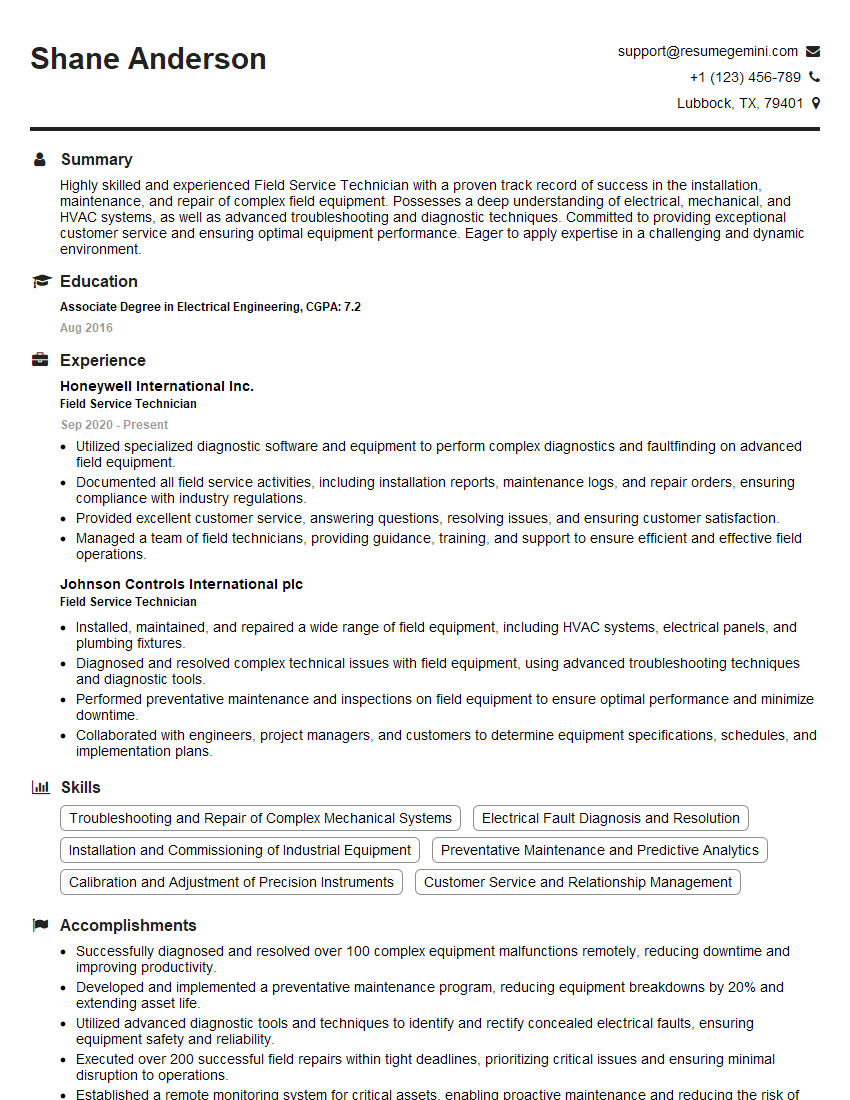
Field Service Technician Resume Sample
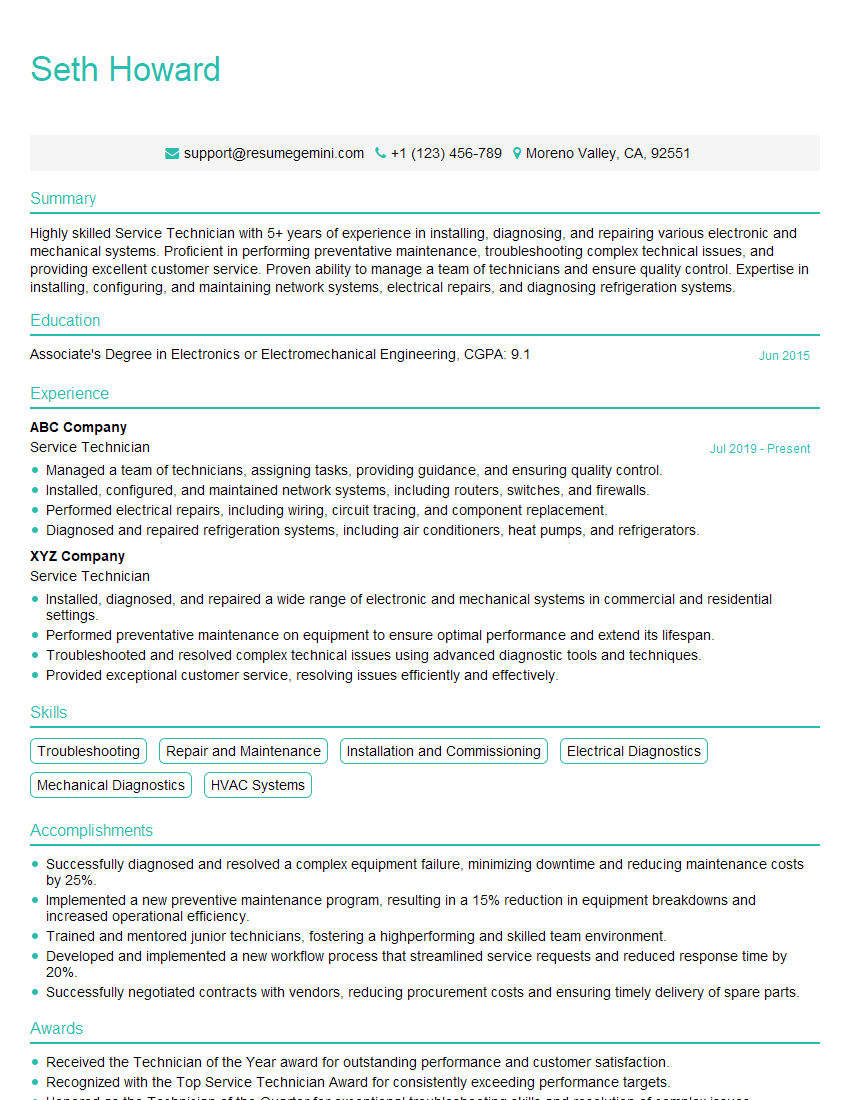
Service Technician Resume Sample
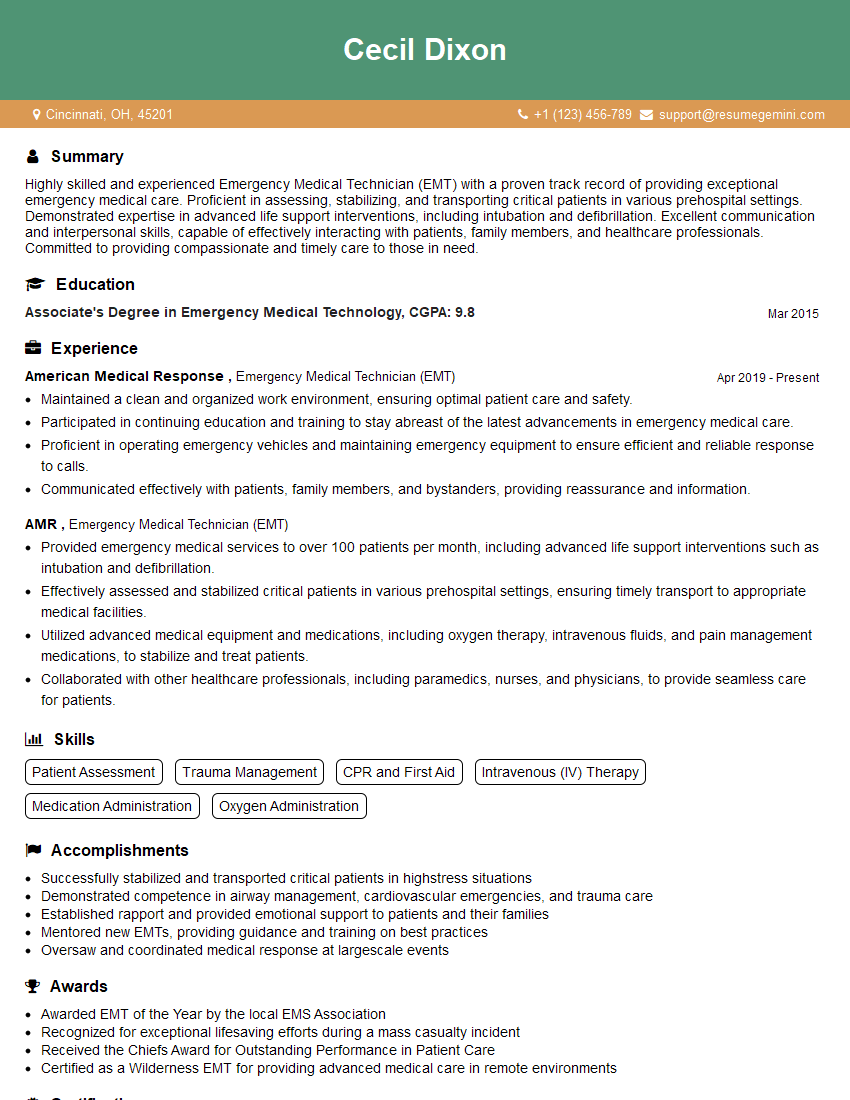
Emergency Medical Technician (EMT) Resume Sample
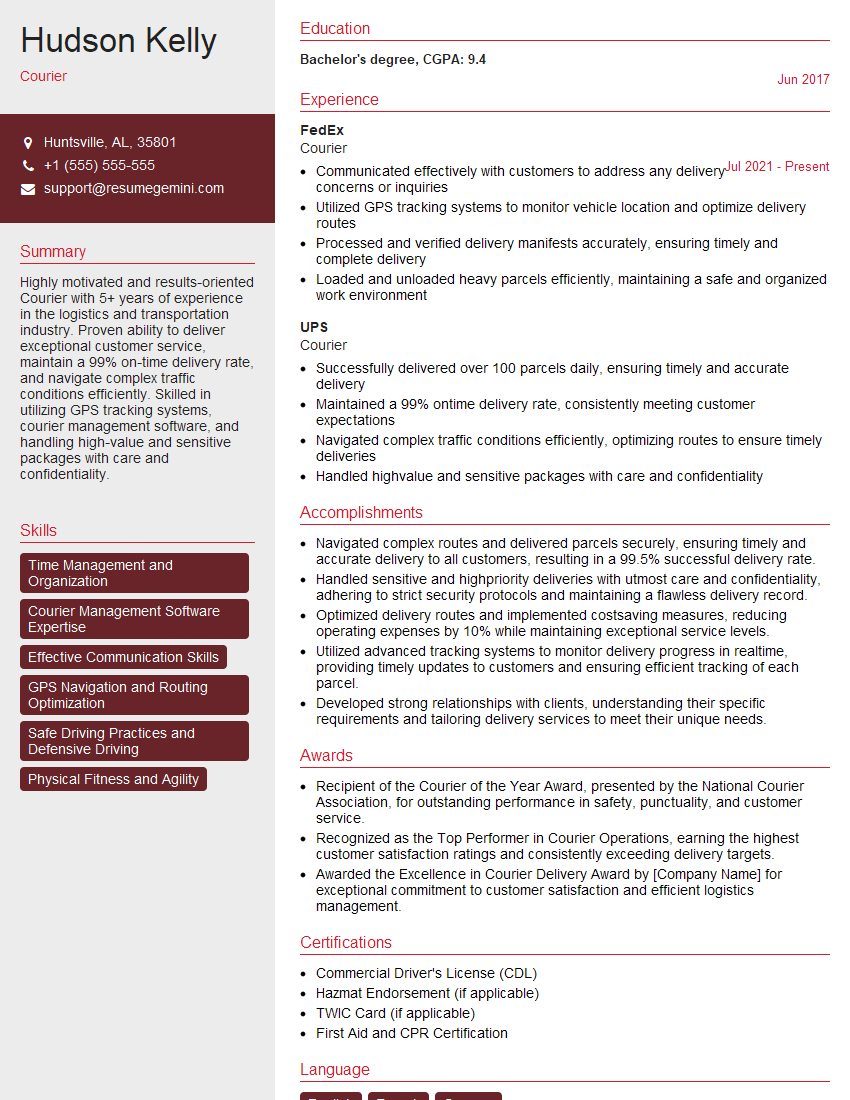
Courier Resume Sample
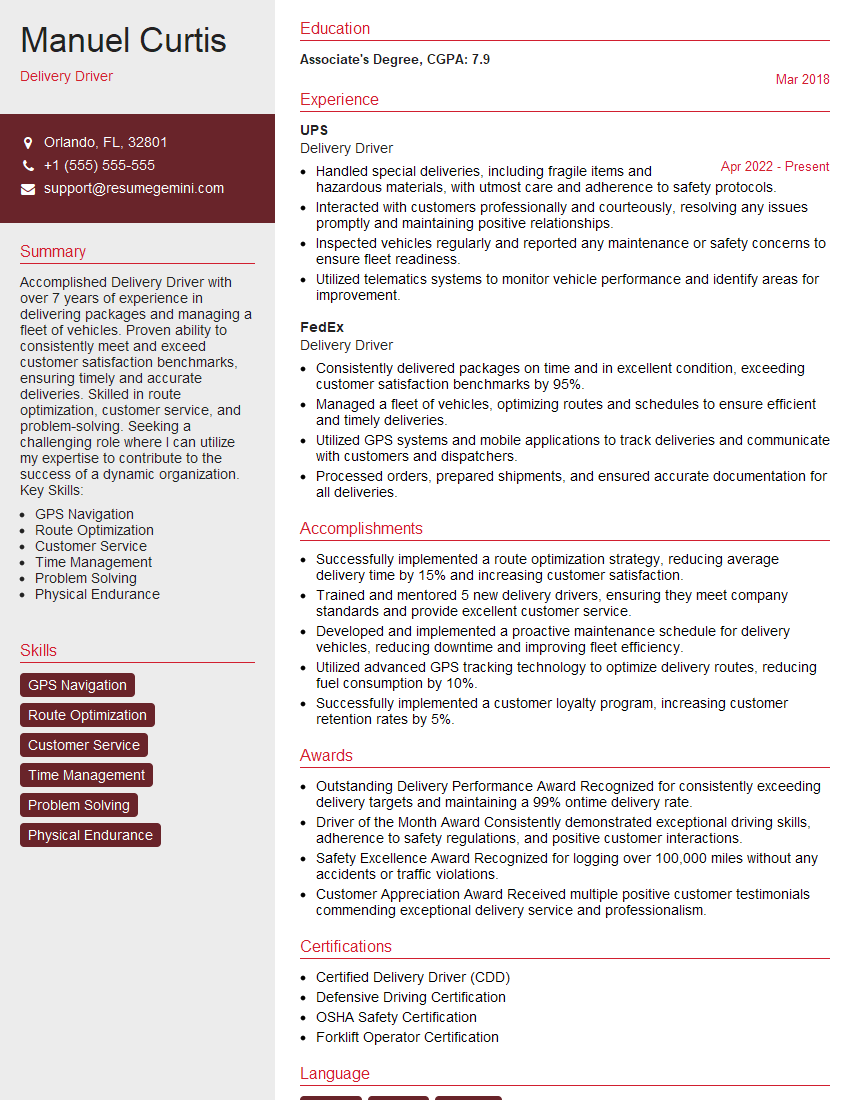
Delivery Driver Resume Sample
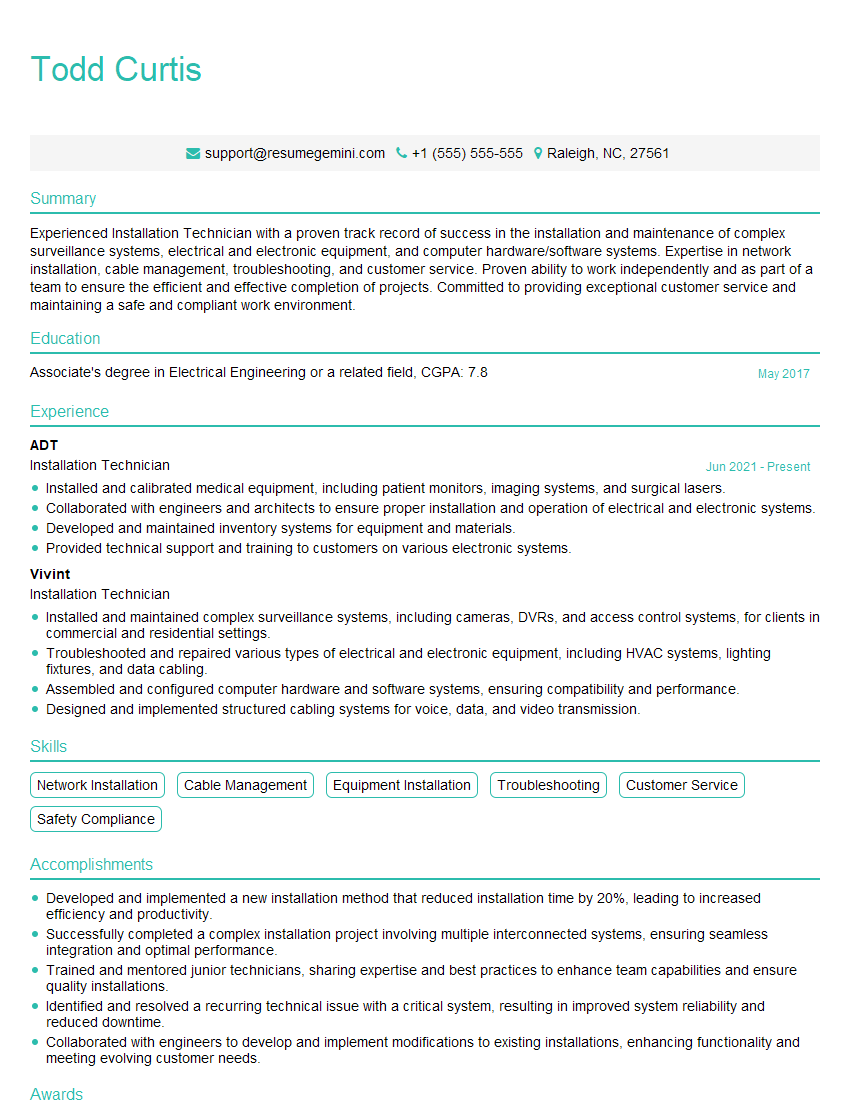
Installation Technician Resume Sample
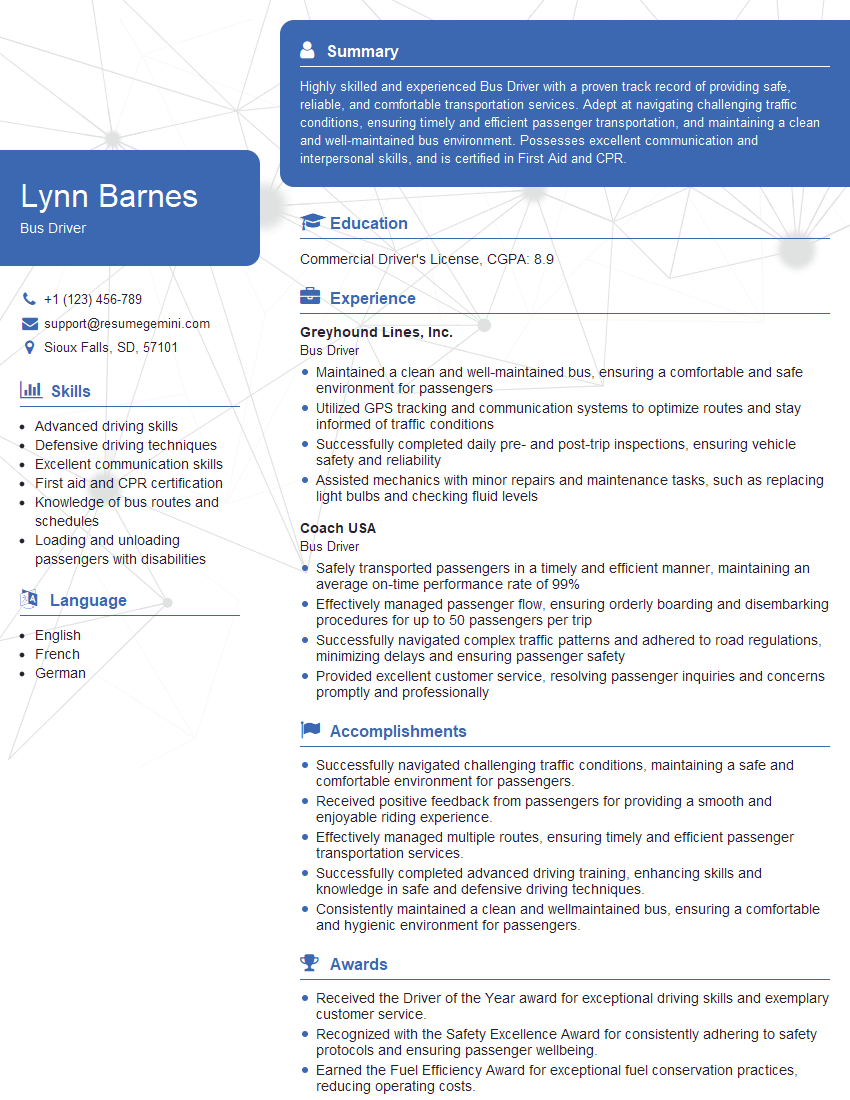
Bus Driver Resume Sample
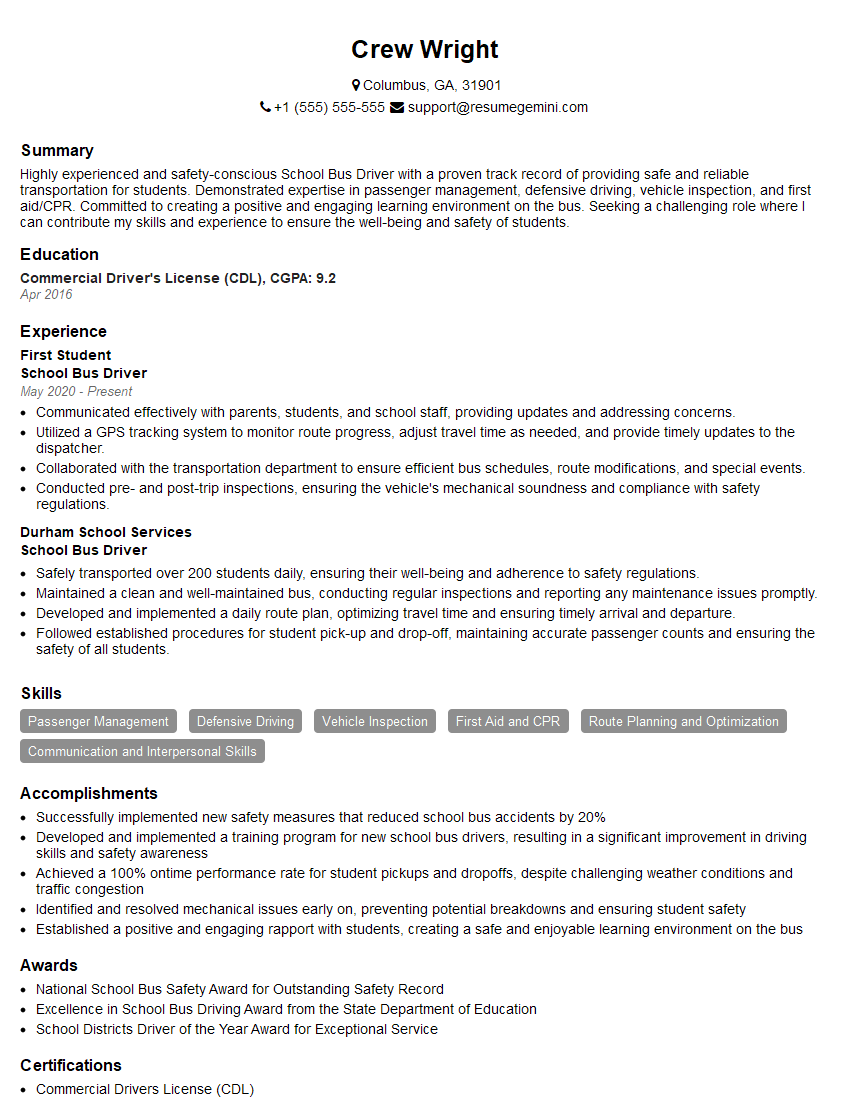
School Bus Driver Resume Sample
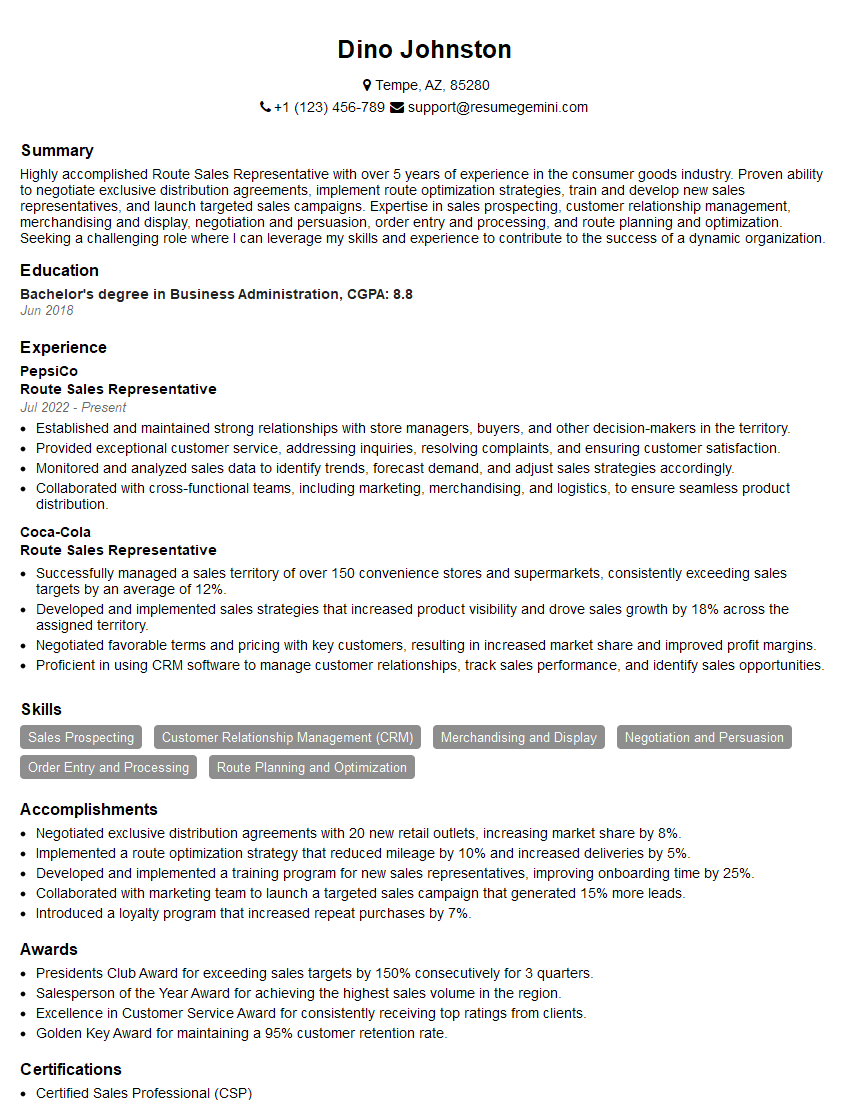
Route Sales Representative Resume Sample

Chauffeur Resume Sample
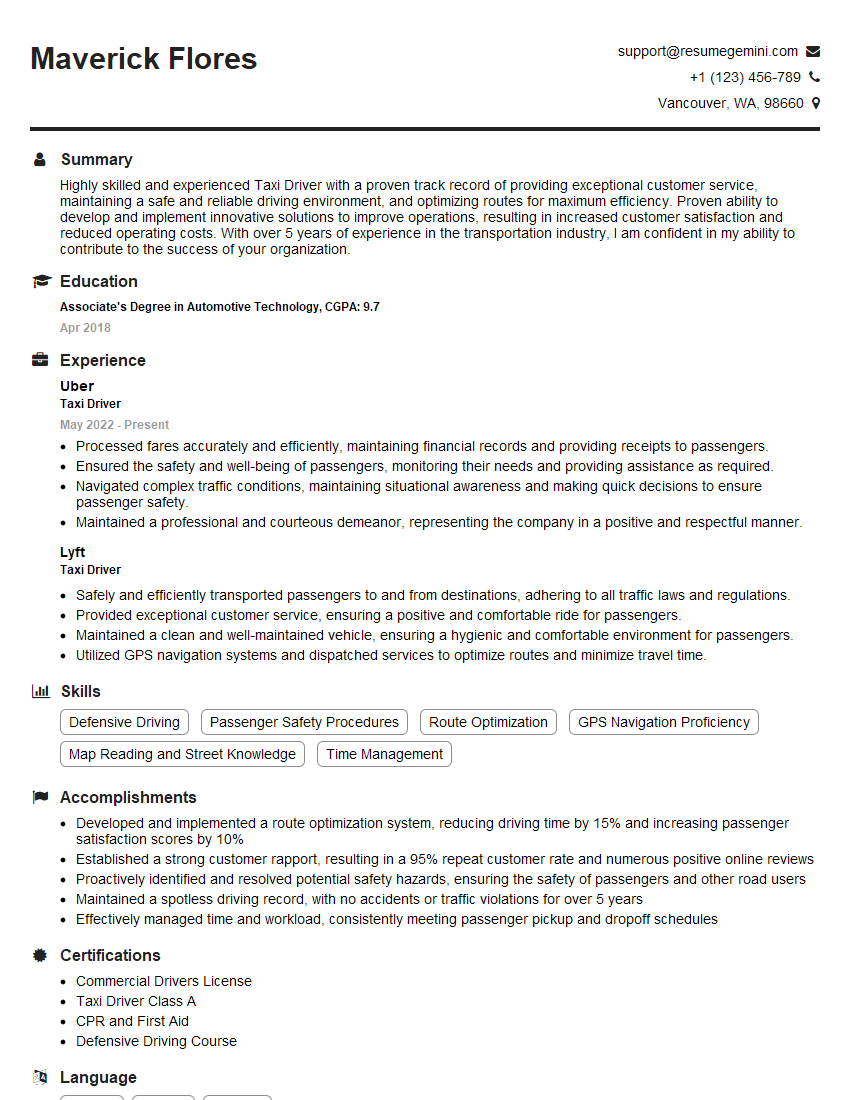
Taxi Driver Resume Sample
Explore more articles
Users Rating of Our Blogs
Share Your Experience
We value your feedback! Please rate our content and share your thoughts (optional).
What Readers Say About Our Blog
I Redesigned Spongebob Squarepants and his main characters of my artwork.
https://www.deviantart.com/reimaginesponge/art/Redesigned-Spongebob-characters-1223583608
IT gave me an insight and words to use and be able to think of examples
Hi, I’m Jay, we have a few potential clients that are interested in your services, thought you might be a good fit. I’d love to talk about the details, when do you have time to talk?
Best,
Jay
Founder | CEO