Unlock your full potential by mastering the most common Natural Environment Training (NET) interview questions. This blog offers a deep dive into the critical topics, ensuring you’re not only prepared to answer but to excel. With these insights, you’ll approach your interview with clarity and confidence.
Questions Asked in Natural Environment Training (NET) Interview
Q 1. Describe your experience designing and delivering NET programs.
Designing and delivering effective Natural Environment Training (NET) programs requires a holistic approach, encompassing meticulous planning, engaging delivery, and robust evaluation. My experience spans diverse contexts, from leading wilderness survival courses for corporate teams to developing bespoke environmental education programs for schools. I begin by conducting thorough needs assessments, identifying learning objectives, and aligning them with relevant environmental contexts. For example, a program for corporate teams might focus on leadership skills through wilderness challenges, while a school program might prioritize ecological understanding and conservation awareness. The program design then incorporates a mix of theoretical learning, practical activities, and reflective exercises. Delivery involves utilizing a range of teaching methods – lectures, discussions, demonstrations, simulations, and hands-on fieldwork – to cater to diverse learning styles. I always ensure that safety protocols are integrated into every activity. For instance, a river crossing exercise would include detailed safety briefings, demonstration of appropriate techniques, and the use of safety equipment. Post-program feedback, combined with participant observation, informs future program improvements.
Q 2. What methods do you employ to assess learning outcomes in NET?
Assessing learning outcomes in NET involves a multifaceted approach combining formative and summative assessments. Formative assessment, conducted throughout the program, utilizes methods like observation checklists, peer feedback, and informal discussions to monitor progress and adjust teaching strategies. For instance, during a bird identification session, I observe participants’ ability to use binoculars and field guides effectively, offering support where needed. Summative assessment, conducted at the end of the program, involves more formal methods such as written tests, practical skills demonstrations, and reflective portfolios. For example, participants might be asked to design a conservation plan for a local ecosystem, demonstrating their acquired knowledge and skills. Quantitative data like test scores and qualitative data like reflective journal entries provide a comprehensive understanding of learning outcomes. Importantly, assessment is not just about measuring knowledge but also evaluating skills such as problem-solving, teamwork, and environmental responsibility.
Q 3. Explain your approach to risk management in outdoor NET activities.
Risk management in outdoor NET is paramount. My approach is proactive and multi-layered, starting with a thorough risk assessment of the chosen location and planned activities. This assessment considers environmental factors (weather, terrain), activity-specific hazards (climbing, water activities), and participant capabilities. For instance, before a rock climbing session, I’d assess the climbing route for potential hazards, check equipment, and ensure participants have the necessary skills and experience or receive appropriate training. Mitigation strategies are then developed and implemented, including safety briefings, appropriate equipment provision, emergency procedures, and contingency plans. For example, a first-aid kit, communication devices, and evacuation protocols are essential for any outdoor NET program. Regular communication and monitoring of participants during activities are vital, allowing for immediate intervention if needed. Post-activity debriefs provide opportunities for participants to reflect on risks encountered and discuss how to mitigate them further. Thorough documentation and reporting ensure accountability and continuous improvement of risk management practices.
Q 4. How do you adapt your teaching style to diverse learning needs in a NET context?
Adapting my teaching style to diverse learning needs is crucial in NET. I use a differentiated instruction approach, tailoring activities and teaching methods to accommodate varying learning styles, prior knowledge, and physical abilities. For example, I might provide visual aids for visual learners, hands-on activities for kinesthetic learners, and group discussions for auditory learners. I also differentiate the level of challenge, providing support for learners who need it and extending opportunities for more advanced learners. In a session on water quality testing, I’d offer simplified instructions and visual cues for some participants, while providing more complex analysis tasks for others. I encourage peer learning and collaboration, where more experienced participants can mentor others. Regular informal checks, such as asking questions and observing body language, enable me to adapt my teaching in real-time. Furthermore, providing diverse assessment opportunities allows for showcasing understanding in various ways.
Q 5. Describe your experience using technology to enhance NET programs.
Technology significantly enhances NET programs. I integrate technology in various ways, from using Geographic Information Systems (GIS) software to map ecological features and plan routes, to employing interactive learning platforms for pre- and post-program materials. For example, students might use a GIS map to locate and identify different plant species in a virtual environment, followed by a field trip to the actual location. Digital cameras and drones can be used to document observations, analyze data, and create visual presentations. Interactive simulations and virtual reality can provide immersive learning experiences, allowing participants to explore ecosystems without physical limitations. Online forums and learning management systems facilitate communication and collaboration among participants, enabling them to share knowledge and resources even after the program concludes. Data logging devices can be used to collect environmental data in the field, further enhancing learning and analysis. Ethical considerations regarding data privacy and responsible technology use are always prioritized.
Q 6. What are the key principles of environmental sustainability you integrate into your NET?
Environmental sustainability is integral to my NET programs. The key principles I integrate are: minimizing environmental impact through responsible resource use and waste reduction; promoting biodiversity conservation by emphasizing the importance of healthy ecosystems; encouraging sustainable practices like recycling, composting, and water conservation; promoting responsible tourism and recreation; and fostering environmental stewardship by empowering participants to become active environmental citizens. For example, in a program on forest ecology, I might demonstrate sustainable forestry practices and discuss the impact of deforestation. We might engage in a clean-up activity to remove litter and restore a degraded habitat. Participants are encouraged to develop personal action plans to reduce their carbon footprint and adopt more sustainable lifestyles. The programs are designed to instill a sense of responsibility and motivate participants to contribute to environmental protection.
Q 7. How do you address challenging participant behaviors during a NET session?
Addressing challenging participant behaviors requires a calm, professional, and proactive approach. Firstly, I strive to create a positive and inclusive learning environment where everyone feels respected and valued. Early intervention is crucial; addressing minor issues before they escalate is key. For example, if a participant is disruptive, I’d address them privately, understanding the underlying cause. If the behavior persists or is more serious, a more structured approach involving clear communication of expectations, potential consequences, and support from other participants may be necessary. I maintain a clear and consistent set of rules and boundaries, explained at the start of the program. Collaboration with other instructors or support staff may be required for more complex situations. Documentation of the incident and actions taken is important, particularly for serious behavioral issues. Post-program reflection and debriefing help identify lessons learned and how to improve management of challenging behaviors in future programs. The emphasis is always on de-escalation, creating a safe learning space, and ensuring the well-being of all participants.
Q 8. Describe your experience developing curriculum for NET programs.
Developing curriculum for Natural Environment Training (NET) programs requires a deep understanding of both environmental science and effective pedagogical approaches. I begin by identifying clear learning objectives, aligning them with relevant environmental issues and desired participant outcomes. For example, a program focused on biodiversity might aim to increase participants’ knowledge of local ecosystems and their ability to identify common species. The curriculum then incorporates a variety of learning activities – lectures, hands-on field activities, group projects, and assessments – to achieve these objectives. I also prioritize creating a balance between theoretical knowledge and practical application, ensuring ample opportunities for experiential learning.
For instance, in a program on water quality, I might include a lecture on the impacts of pollution, followed by a hands-on activity where participants collect water samples, test them for various parameters, and interpret the results. This blended approach enhances engagement and knowledge retention. I meticulously review and update curricula based on feedback from past participants and emerging best practices in environmental education.
Q 9. How do you ensure the safety of participants during outdoor NET activities?
Safety is paramount in outdoor NET activities. My approach involves a multi-layered strategy. First, thorough risk assessments are conducted for each activity, identifying potential hazards (e.g., weather conditions, terrain, wildlife) and implementing appropriate mitigation measures. This includes providing participants with comprehensive safety briefings covering topics such as first aid, emergency procedures, and Leave No Trace principles.
Secondly, I ensure adequate supervision, often employing a high student-to-instructor ratio, especially for activities with inherent risks like rock climbing or kayaking. Participants are also required to use appropriate safety equipment, such as helmets, life jackets, and sturdy footwear, and are thoroughly trained in their use. Finally, contingency plans are developed to address potential emergencies, including communication protocols, evacuation procedures, and access to medical assistance. For example, during a wilderness survival course, we have designated emergency contact points and satellite phones to ensure rapid response in case of injury or unexpected weather changes.
Q 10. Explain your understanding of different learning styles and how you cater to them in NET.
I recognize that individuals learn in diverse ways, so I tailor my NET programs to cater to various learning styles, including visual, auditory, kinesthetic, and reading/writing preferences. For visual learners, I incorporate diagrams, maps, and videos into presentations and field guides. Auditory learners benefit from discussions, lectures, and audio recordings of natural sounds. Kinesthetic learners thrive on hands-on activities such as plant identification, stream surveys, or building shelters. For reading/writing learners, detailed worksheets, field journals, and research projects are included.
Furthermore, I use a variety of teaching methods to reach a broader audience. I often utilize group work to encourage collaboration and peer-to-peer learning, allowing individuals to share their unique insights and approaches. Activities such as nature journaling and photography assignments provide opportunities for self-expression and cater to different learning styles simultaneously. This diverse approach maximizes the learning experience for all participants.
Q 11. Describe a time you had to troubleshoot an unexpected issue during a NET program.
During a coastal ecology program, unexpected high tides flooded a planned field study area. This forced an immediate adaptation to the schedule. My first step was ensuring the safety of the participants, moving them to higher ground. Then, I quickly assessed the situation, considering alternative locations and activities. We relocated to a nearby elevated area with similar ecological features. The planned activity, initially focused on intertidal organisms, was adapted to focus on coastal dune ecosystems. I revised the lesson plan on the spot, adjusting the content to suit the new environment.
The participants, initially disappointed by the disruption, were impressed with the flexibility and quick thinking. The adjusted lesson proved engaging and educational. This experience highlighted the importance of adaptability and resourcefulness in outdoor education, reminding me to always have backup plans and to utilize unexpected challenges as opportunities for creative problem-solving.
Q 12. How do you incorporate experiential learning into your NET programs?
Experiential learning is central to my NET programs. I believe the best way to understand environmental concepts is through direct experience. I frequently incorporate activities that involve hands-on engagement with the natural world. This might involve conducting ecological surveys, restoring degraded habitats, building nature trails, or participating in citizen science projects.
For example, in a program on forest ecology, participants might engage in activities like tree identification, measuring tree diameter and height, and sampling forest floor litter to understand decomposition processes. They also participate in planting trees or removing invasive species, directly impacting the forest ecosystem. The combination of direct experience with reflection and discussion significantly enhances understanding and strengthens the connection with nature. This active approach transforms passive learning into a transformative and impactful experience.
Q 13. How do you promote environmental stewardship in your NET delivery?
Promoting environmental stewardship is woven throughout my NET programs. It’s not just about imparting knowledge but fostering a sense of responsibility towards the environment. I incorporate ethical considerations and responsible behavior in all activities, stressing Leave No Trace principles. Participants learn to minimize their impact on the environment through responsible waste management, careful trail use, and respectful wildlife observation.
Moreover, I encourage active participation in environmental conservation projects. This might involve community clean-up events, habitat restoration initiatives, or advocacy campaigns. By actively engaging in these projects, participants develop a deeper understanding of environmental challenges and a stronger commitment to protecting the natural world. This active involvement transforms participants from passive learners into engaged environmental stewards.
Q 14. What are some common challenges faced in delivering NET programs, and how would you address them?
Delivering NET programs presents unique challenges. Weather conditions can be unpredictable and often necessitate changes in plans. Accessibility to remote locations can also pose logistical hurdles. Managing diverse learning styles and ensuring participant engagement require careful planning and adaptability. Funding limitations can restrict program scope and resources.
To address these challenges, I employ proactive strategies such as comprehensive risk assessment and contingency planning for weather-related issues. I ensure programs are designed to be adaptable to varied conditions and locations. Effective communication and clear instructions are essential to maintain participant engagement. To overcome funding limitations, I explore grant opportunities and partnerships with conservation organizations. Collaborating with other professionals and organizations also expands my resources and reach, fostering innovation and effective program delivery.
Q 15. Describe your experience in creating engaging and interactive NET activities.
Creating engaging and interactive Natural Environment Training (NET) activities is crucial for effective learning. My approach focuses on experiential learning, moving beyond lectures to immersive experiences.
- Hands-on activities: I design activities like nature journaling, citizen science projects (e.g., water quality testing, bird surveys), and habitat restoration initiatives. For instance, we might plant native species in a degraded area, directly experiencing the impact of human actions and conservation efforts.
- Games and simulations: I use games like ecological simulations to illustrate complex concepts such as food webs or the effects of pollution. A simple example is a card game where students manage resources and make decisions with environmental consequences.
- Technology integration: Interactive apps, virtual reality (VR) experiences, and augmented reality (AR) overlays can significantly enhance engagement. Imagine using an AR app to identify plants and animals in a real-time setting, providing immediate feedback and fostering deeper understanding.
- Storytelling and case studies: Engaging narratives and real-world examples make learning more relatable. I incorporate stories about local environmental champions and challenges to connect theory with practice.
By combining these methods, I create dynamic learning environments that cater to diverse learning styles and ensure active participation.
Career Expert Tips:
- Ace those interviews! Prepare effectively by reviewing the Top 50 Most Common Interview Questions on ResumeGemini.
- Navigate your job search with confidence! Explore a wide range of Career Tips on ResumeGemini. Learn about common challenges and recommendations to overcome them.
- Craft the perfect resume! Master the Art of Resume Writing with ResumeGemini’s guide. Showcase your unique qualifications and achievements effectively.
- Don’t miss out on holiday savings! Build your dream resume with ResumeGemini’s ATS optimized templates.
Q 16. How do you evaluate the effectiveness of your NET programs?
Evaluating NET program effectiveness requires a multifaceted approach, combining quantitative and qualitative data.
- Pre- and post-tests: These assess changes in knowledge and understanding of environmental concepts. I design tests that measure both factual recall and application of knowledge to real-world situations.
- Observations and feedback: Direct observation of participant engagement during activities and gathering feedback through surveys, focus groups, and informal discussions provide valuable insights into the learning process and program impact.
- Project outcomes: For projects like habitat restoration, the success of the project itself serves as an indicator of program effectiveness. We track parameters like plant survival rates or water quality improvements.
- Long-term impact assessment: Following up with participants after the program concludes allows for evaluating lasting changes in their behavior and attitudes toward the environment. For example, we might survey participants several months later to assess their continued involvement in environmental activities.
Analyzing data from these sources allows for a comprehensive evaluation of program success and informs future program improvements.
Q 17. How do you stay current with best practices and new developments in the field of NET?
Staying current in the dynamic field of NET requires continuous professional development.
- Professional development workshops and conferences: Attending conferences and workshops allows me to learn about the latest research, teaching methodologies, and best practices from leading experts in the field.
- Peer networking: Engaging in discussions and collaborations with other NET professionals through online forums and professional organizations allows for knowledge sharing and staying abreast of new developments.
- Reading professional journals and publications: Staying updated on the latest research findings and advancements in environmental education through publications like the Journal of Environmental Education is crucial.
- Online courses and webinars: Many reputable organizations offer online courses and webinars on various aspects of NET, providing flexible and convenient learning opportunities.
By actively engaging in these activities, I ensure that my NET programs are informed by the most current research and best practices.
Q 18. What are your preferred methods for assessing participant knowledge and skills in NET?
Assessing participant knowledge and skills in NET necessitates diverse methods that cater to different learning styles and program objectives.
- Written assessments: Tests, quizzes, and essays evaluate comprehension of key concepts and ability to articulate understanding.
- Practical demonstrations: Observing participants performing tasks such as identifying species, using field equipment, or implementing conservation techniques allows for direct assessment of practical skills.
- Portfolio assessment: Participants might build portfolios showcasing their projects, field notes, and reflections, demonstrating their learning journey.
- Peer and self-assessment: Peer feedback and self-reflection promote metacognition and provide insights into individual learning processes.
The choice of assessment method depends on the specific learning outcomes and the nature of the NET program. Often, a combination of methods provides the most comprehensive picture of participant learning.
Q 19. Describe your experience working with diverse age groups in a NET setting.
Working with diverse age groups requires adapting teaching strategies to match developmental stages and learning styles.
- Children (K-12): I use hands-on activities, games, and storytelling to engage younger learners. For example, we might create a mini-ecosystem in a terrarium to explore ecological relationships.
- Adults: With adults, I often incorporate more complex discussions, problem-solving activities, and opportunities for leadership development. We might engage in a community-based environmental project, working collaboratively to address a local issue.
- Differentiated instruction: Regardless of age, I always tailor instruction to accommodate diverse learning styles and needs. This might involve using visual aids for visual learners, providing opportunities for kinesthetic learning through hands-on activities, and incorporating group work for collaborative learners.
My experience shows that by understanding and adapting to the unique characteristics of different age groups, I can create a more effective and engaging learning experience for all.
Q 20. How do you create a positive and inclusive learning environment in NET?
Creating a positive and inclusive learning environment in NET is paramount. I strive to foster a sense of community, respect, and shared responsibility.
- Establishing ground rules: Clear expectations for respectful communication and collaboration are established from the start.
- Active listening and valuing diverse perspectives: Creating space for all voices and ensuring everyone feels heard is crucial. I encourage open dialogue and respectful disagreement.
- Inclusive language and imagery: Using language and materials that are accessible and represent the diversity of the group is essential.
- Accessibility considerations: I ensure that activities and materials are accessible to participants with diverse abilities. Modifications might include providing alternative formats for materials or adapting activities to accommodate different physical needs.
By consciously building an inclusive atmosphere, I empower all participants to fully engage in the learning process and feel valued within the group.
Q 21. How do you incorporate local environmental issues into your NET curriculum?
Incorporating local environmental issues into the NET curriculum is critical for relevance and engagement. This allows participants to connect directly with their environment and understand the importance of their role in its protection.
- Community-based projects: Collaborating with local organizations or community members on projects like river cleanups, tree planting initiatives, or habitat restoration directly addresses pressing local concerns.
- Guest speakers: Inviting local experts like environmental scientists or activists to share their knowledge and experiences adds depth and authenticity.
- Site-specific investigations: Conducting field studies on local ecosystems and issues—water quality assessments, biodiversity surveys, or habitat mapping—provides hands-on experience with real-world environmental challenges.
- Case studies of local success stories and challenges: Analyzing local successes in environmental protection and challenges faced provides valuable lessons and inspires action.
By focusing on local issues, participants develop a deeper understanding of their environmental context and a sense of responsibility for its future.
Q 22. Explain your experience with different environmental education methodologies.
My experience in environmental education encompasses a wide range of methodologies, tailored to different learning styles and age groups. I’ve successfully implemented experiential learning, where participants actively engage with the environment through activities like nature walks, citizen science projects, and outdoor skills workshops. This approach fosters a deeper understanding and appreciation for ecological processes. I also utilize inquiry-based learning, encouraging students to ask questions, investigate, and draw their own conclusions, fostering critical thinking. Furthermore, I’ve used place-based education, focusing on the local environment to make learning relevant and meaningful. For example, a program focusing on water quality might involve testing local streams and researching the impact of land use on water quality. Finally, I’m proficient in integrating technology; using GIS mapping, online resources, and interactive simulations to enhance engagement and accessibility.
For younger audiences, storytelling and games are crucial for building connections with nature. For adult learners, I employ more sophisticated techniques, incorporating problem-solving scenarios related to conservation challenges and sustainable practices.
Q 23. How do you balance theoretical instruction with practical application in your NET programs?
Balancing theory and practice is paramount in effective NET. I avoid a purely lecture-based approach. Instead, I integrate theoretical concepts within practical activities. For instance, a lesson on biodiversity might start with a classroom discussion of the concept and its importance, followed by a field trip to observe different species in their natural habitat. Participants then analyze their observations, applying the theoretical framework to real-world data. This active learning process solidifies understanding and reinforces connections between theory and practice. I often use case studies of successful conservation projects or environmental management strategies to illustrate the practical application of theoretical knowledge.
For example, when discussing climate change, we would discuss the scientific evidence but also engage in activities that explore mitigation and adaptation strategies, like designing a sustainable garden or analyzing the carbon footprint of different transportation options.
Q 24. Describe your understanding of environmental regulations relevant to NET activities.
Understanding environmental regulations is essential for responsible NET activities. My knowledge covers a range of regulations, including those related to land access, wildlife protection, waste disposal, and water quality. I am familiar with relevant permits and licenses required for conducting field trips and research activities in protected areas. I ensure all NET programs comply with these regulations, emphasizing safety and environmental stewardship. For example, I meticulously plan activities to avoid disturbing sensitive habitats or protected species. Furthermore, I incorporate the principles of Leave No Trace ethics into all programs, teaching participants responsible outdoor practices to minimize their impact on the environment.
I regularly update my understanding of environmental regulations through professional development opportunities and staying current with changes in legislation. This ensures the safety and legality of all NET initiatives.
Q 25. What are your strategies for fostering teamwork and collaboration among participants in NET?
Fostering teamwork and collaboration is central to my NET approach. I design activities that require participants to work together, such as group projects, collaborative problem-solving exercises, and team-based challenges during field trips. For instance, participants might collaborate on a habitat restoration project, requiring them to plan, implement, and monitor their work collectively. I also use icebreaker activities and team-building exercises at the beginning of programs to create a supportive and inclusive learning environment. I emphasize the importance of communication, shared responsibility, and mutual respect during group activities. Regular feedback sessions allow participants to reflect on their teamwork and identify areas for improvement.
By creating a supportive atmosphere where everyone’s contributions are valued, I enhance the learning experience and build lasting relationships among participants.
Q 26. How do you incorporate feedback from participants to improve your NET programs?
Participant feedback is crucial for program improvement. I gather feedback through various channels, including post-program surveys, informal discussions, and focus groups. These methods allow me to understand participant experiences, identify areas of strength and weakness in the program, and assess the effectiveness of different teaching methodologies. I analyze feedback data to make targeted changes, refining program content, activities, and delivery methods. For example, if feedback indicates a lack of clarity in a specific concept, I revise the lesson plan to enhance understanding. If participants find an activity unengaging, I explore alternatives that better suit their learning preferences.
I use a continuous improvement cycle; feedback informs revisions, which are then tested and further refined based on subsequent feedback. This iterative approach ensures the ongoing quality and relevance of my NET programs.
Q 27. Describe your experience working with different stakeholders (e.g., schools, community groups) in NET.
I have extensive experience collaborating with diverse stakeholders, including schools, community groups, and government agencies. With schools, I develop customized NET programs aligned with curriculum objectives, providing teachers with resources and support for integrating environmental education into their classrooms. I work with community groups to design and implement community-based conservation projects, empowering local residents to protect their natural environment. I’ve partnered with government agencies to deliver educational programs on environmental regulations and conservation initiatives, expanding the reach and impact of NET.
Successful collaboration requires clear communication, mutual respect, and shared goals. I build relationships with stakeholders by actively listening to their needs and concerns, working collaboratively to develop programs that meet shared objectives, and ensuring regular communication throughout the project lifecycle.
Q 28. What are your career goals in the field of Natural Environment Training?
My career goals center around advancing environmental literacy and fostering a deeper appreciation for the natural world. I aim to develop innovative and engaging NET programs that empower individuals to become environmental stewards. I aspire to lead and mentor teams of educators, sharing my expertise and fostering a community of practice. I also envision contributing to research on effective environmental education strategies, sharing findings to improve the quality and reach of NET initiatives. Ultimately, I want to contribute to a more sustainable future by equipping individuals with the knowledge and skills to protect and conserve our planet.
This includes exploring opportunities in curriculum development, creating educational materials, and advocating for environmental education policies that promote sustainability and stewardship.
Key Topics to Learn for Natural Environment Training (NET) Interview
- Ecosystem Dynamics: Understanding the interactions between organisms and their environment, including energy flow, nutrient cycling, and succession. Consider practical applications like habitat restoration or impact assessments.
- Conservation Biology: Explore strategies for protecting biodiversity, including habitat preservation, species management, and combating threats like pollution and climate change. Think about case studies and practical conservation techniques.
- Environmental Monitoring and Assessment: Mastering techniques for data collection, analysis, and interpretation related to environmental health. This includes understanding different sampling methods and statistical analysis for interpreting results.
- Environmental Policy and Legislation: Familiarize yourself with relevant environmental laws, regulations, and policies, understanding their implications for environmental management and conservation efforts.
- GIS and Remote Sensing: Develop a strong understanding of Geographic Information Systems (GIS) and remote sensing techniques for spatial data analysis in environmental applications. Practice using relevant software and interpreting spatial data.
- Sustainable Resource Management: Explore principles of sustainable use of natural resources, including water, forests, and fisheries. Consider different management strategies and their potential impacts.
- Environmental Impact Assessment (EIA): Learn how to conduct and interpret EIAs, focusing on methodologies, data analysis, and mitigation strategies.
Next Steps
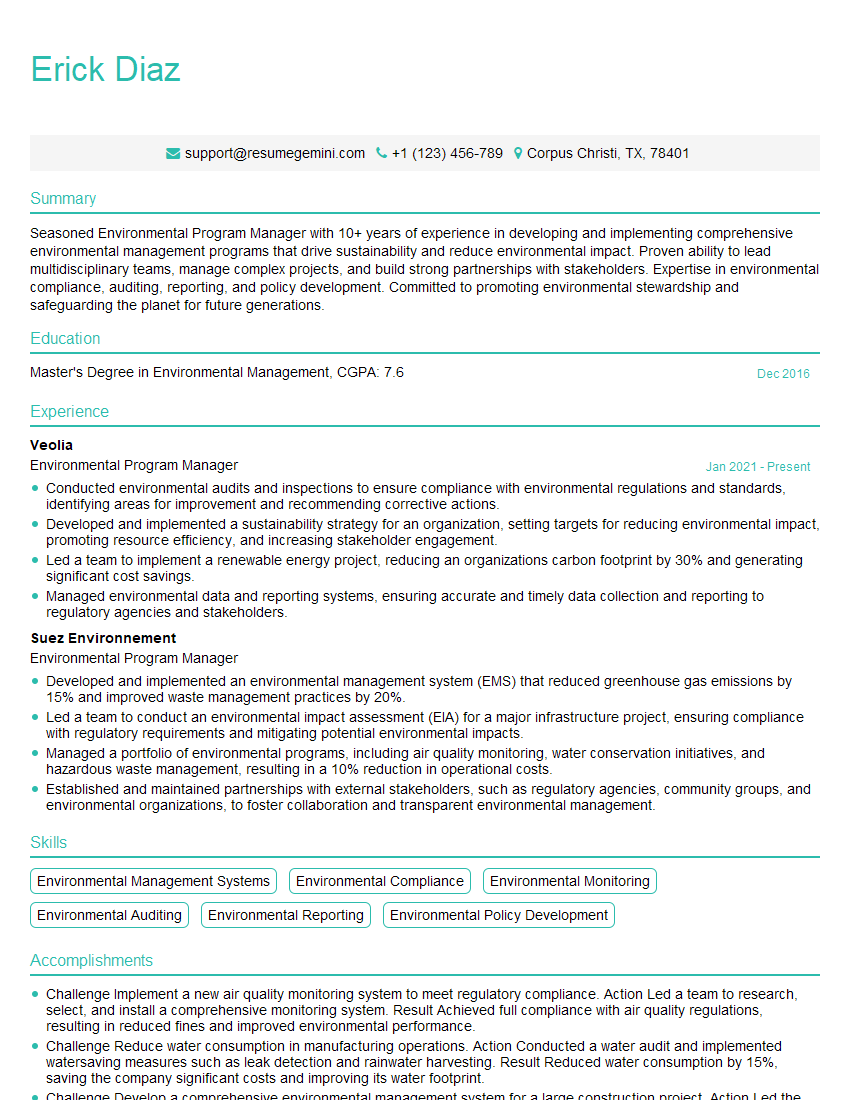
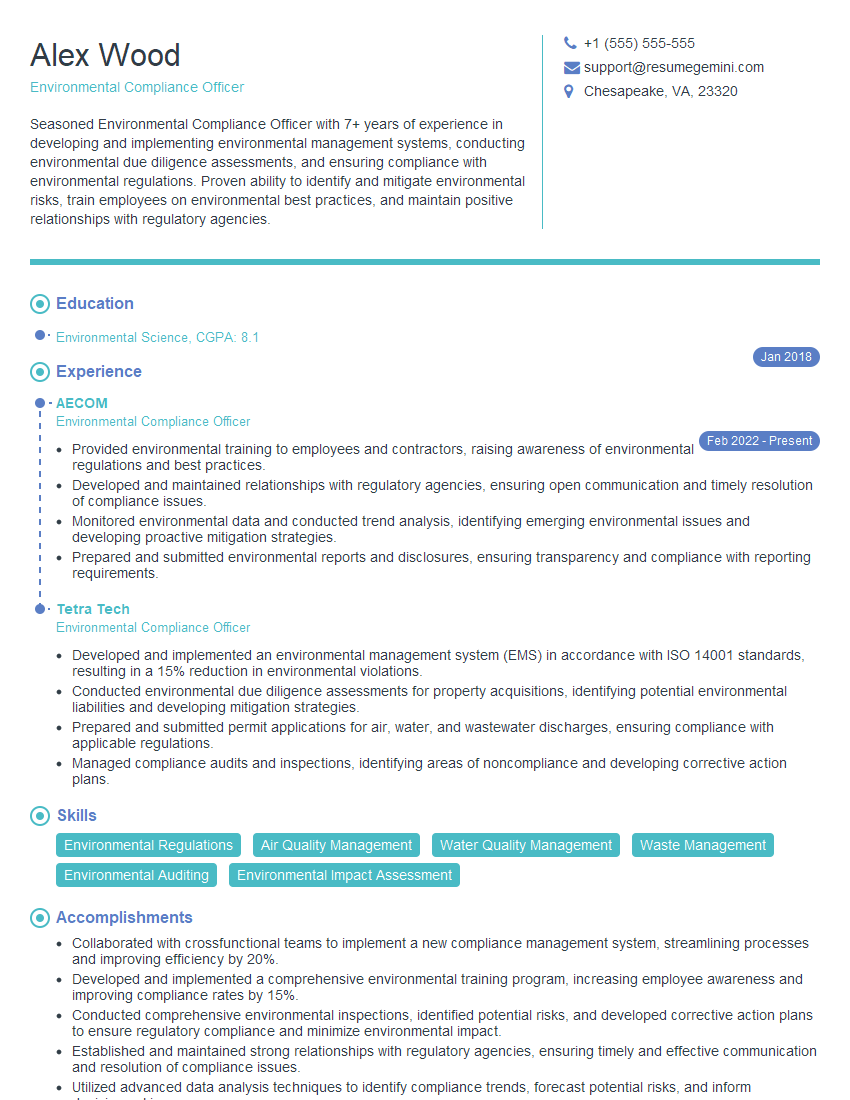
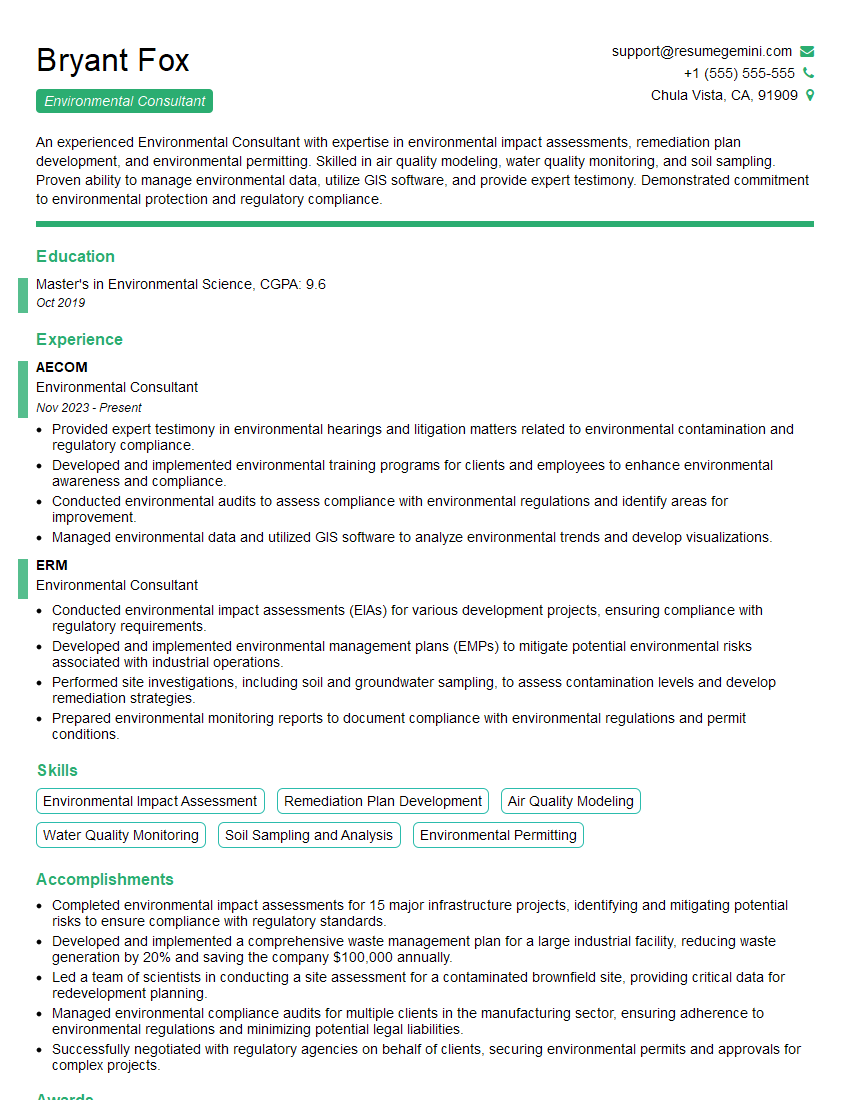
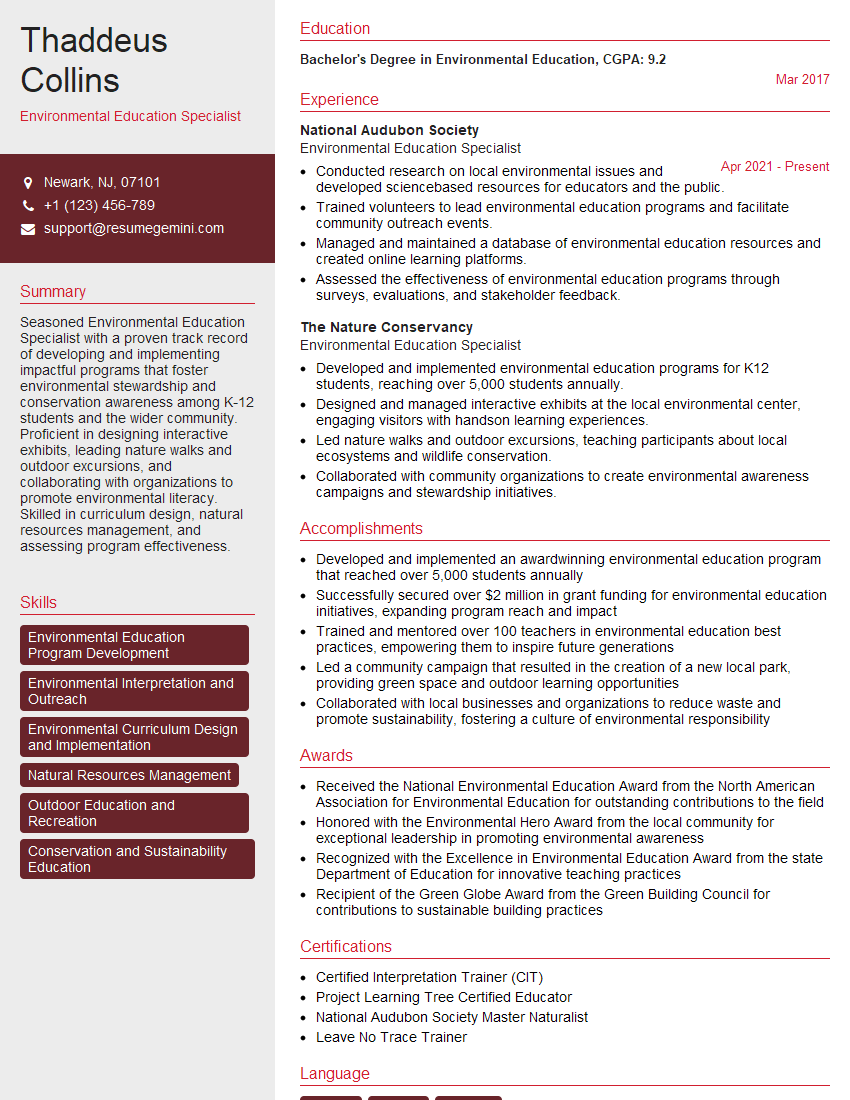
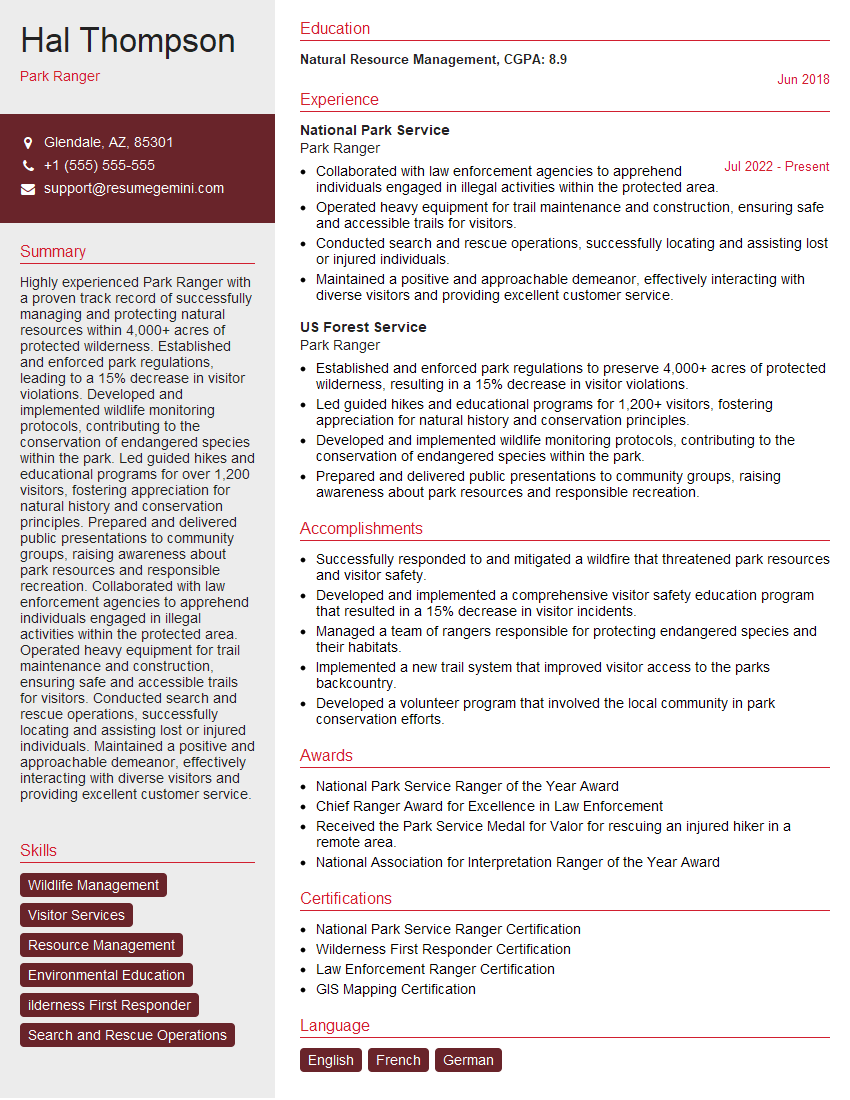
Mastering Natural Environment Training (NET) opens doors to rewarding careers in conservation, environmental management, and research. To maximize your job prospects, it’s crucial to present your skills and experience effectively. An ATS-friendly resume is key to getting your application noticed. We highly recommend using ResumeGemini to craft a professional and impactful resume tailored to your NET expertise. Examples of resumes specifically designed for Natural Environment Training (NET) professionals are available to help guide you. Invest the time to build a strong resume – it’s your first impression on potential employers.


Explore more articles
Users Rating of Our Blogs
Share Your Experience
We value your feedback! Please rate our content and share your thoughts (optional).
What Readers Say About Our Blog
I Redesigned Spongebob Squarepants and his main characters of my artwork.
https://www.deviantart.com/reimaginesponge/art/Redesigned-Spongebob-characters-1223583608
IT gave me an insight and words to use and be able to think of examples
Hi, I’m Jay, we have a few potential clients that are interested in your services, thought you might be a good fit. I’d love to talk about the details, when do you have time to talk?
Best,
Jay
Founder | CEO