The thought of an interview can be nerve-wracking, but the right preparation can make all the difference. Explore this comprehensive guide to Observation and Assessment Skills interview questions and gain the confidence you need to showcase your abilities and secure the role.
Questions Asked in Observation and Assessment Skills Interview
Q 1. Describe your process for systematically observing behavior.
Systematic observation is a crucial skill that involves a structured approach to collecting data on behavior. It’s not simply watching; it’s watching with a purpose. My process begins with clearly defining the target behavior I want to observe. This could be anything from a child’s social interaction to a patient’s motor skills or an employee’s problem-solving approach. Then, I develop a detailed observation plan, specifying the setting, duration of observation, and the specific behaviors I’ll be recording. This plan often includes a pre-defined checklist or coding system for objectively recording observations. During the observation period, I focus intently on the target behavior, minimizing distractions and biases. I use a reliable method for recording my observations—this could be a structured checklist, video recording, or field notes. Finally, I analyze the collected data, looking for patterns, trends, and significant events related to the target behavior. This analysis helps me draw accurate conclusions and inform any necessary interventions or recommendations.
For example, if observing a child’s classroom behavior, I’d first define specific behaviors like ‘on-task behavior,’ ‘social interaction,’ and ‘disruptive behavior.’ I’d then create a checklist to record the frequency and duration of each behavior during a pre-determined observation period. This would allow for a detailed, quantitative analysis later.
Q 2. What are the key differences between objective and subjective observation?
The core difference between objective and subjective observation lies in the level of bias involved. Objective observation focuses on factual, verifiable data. It relies on observable actions and events, avoiding interpretations or personal judgments. Think of it like a camera recording an event – it simply captures what happens without adding any commentary. Subjective observation, on the other hand, involves personal interpretations, opinions, and feelings. It’s colored by the observer’s biases, experiences, and perceptions. It’s like someone narrating the video – their own feelings and opinions shape how they describe the events.
For instance, objectively observing a student might involve noting: ‘The student slumped in their chair, looked away from the teacher three times, and did not participate in the class discussion.’ A subjective observation might say: ‘The student seemed disinterested and unengaged in the lesson.’ While both observations relate to the student’s behavior, only the first one is free from subjective interpretation. The goal is always to strive for objectivity, employing strategies to minimize bias, although complete objectivity is practically impossible.
Q 3. How do you ensure the reliability and validity of your observations?
Ensuring reliability and validity in observations is paramount. Reliability refers to the consistency of the observations. If multiple observers were to watch the same event, would they record similar observations? To enhance reliability, I use standardized observation protocols and clearly defined operational definitions for behaviors. Inter-rater reliability checks, where multiple observers independently score the same behavior, are essential. Validity refers to the accuracy of the observations; are they actually measuring what they intend to measure? Validity is strengthened by using multiple assessment methods (e.g., observations, interviews, questionnaires), triangulating data, and ensuring that the observation tools accurately reflect the targeted behaviors.
Imagine observing a child’s attention span. To improve reliability, I would use a standardized checklist with clearly defined criteria for ‘focused attention’ versus ‘distracted behavior.’ To improve validity, I might combine this observation with a teacher’s report on the child’s attention in various classroom settings.
Q 4. Explain the importance of using standardized assessment tools.
Standardized assessment tools are vital for several reasons. They offer structure and consistency, ensuring that observations are conducted in a fair and replicable manner. This improves the reliability and comparability of results across individuals and settings. They provide a pre-defined set of criteria and scoring guidelines, reducing subjective interpretations and promoting objectivity. This allows for a more accurate and meaningful interpretation of data. Many standardized tools are also norm-referenced, meaning the results can be compared to a larger population, providing context and aiding in making informed decisions.
For example, using a standardized developmental screening tool allows for accurate assessment of a child’s milestones in comparison to other children of the same age. This helps in early identification of potential delays and the appropriate interventions. Without standardized tools, assessments would be subjective and lack the precision needed for evidence-based decisions.
Q 5. Describe a situation where your observation skills led to a significant discovery or solution.
During my work in a residential care facility for adults with developmental disabilities, I observed a resident exhibiting unusual agitation and repetitive behaviors. Initially, it was attributed to general anxiety. However, through careful and systematic observation, I noted a clear pattern: the agitation peaked every time a particular staff member interacted with him. Further investigation revealed that this staff member’s unintentional, harsh verbal communication style was triggering the resident’s distress. This observation led to a change in staff training focused on more sensitive communication techniques. Subsequently, the resident’s agitation significantly decreased. This highlighted the power of detailed and objective observation in identifying and addressing underlying issues that might not be immediately apparent.
Q 6. How do you handle biases when making observations?
Handling biases is crucial for accurate observations. Self-awareness is the first step. I actively reflect on my own potential biases – my personal values, experiences, and expectations—that might influence my perception. To mitigate biases, I employ several strategies. I use standardized observation tools that minimize subjective interpretation. I seek out diverse perspectives by involving other observers, comparing our observations and discussing any discrepancies. I focus on factual descriptions of behavior rather than interpretations and strive to maintain a neutral and objective stance during observations. Regular supervision and peer review can also identify and address potential biases.
For example, if I have a preconceived notion that a certain demographic group behaves a certain way, I try to actively challenge that notion by deliberately paying attention to the diversity of behaviors exhibited within the group. Regularly reviewing my notes with a supervisor ensures another set of eyes is checking for unconscious biases.
Q 7. What methods do you employ to record and document observations accurately?
Accurate recording and documentation are essential. I use a combination of methods to ensure completeness and reliability. For detailed behavioral observations, I use structured checklists or coding systems. Video recording can provide a valuable record, enabling review and analysis later, reducing recall bias. For less structured observations, I maintain detailed field notes, including dates, times, settings, and specific behaviors observed. These notes follow a consistent format to ensure clarity and facilitate later analysis. Whether using checklists or field notes, I ensure my recordings are factual, specific, and avoid interpretations. I also regularly review my records to identify any inconsistencies or areas needing clarification. Accurate documentation is crucial for legal and ethical reasons, in addition to facilitating evidence-based decision-making.
For instance, when observing classroom behavior, I may use a checklist for specific behaviors (e.g., off-task, disruptive). Simultaneously, I might make field notes on more contextual information such as the student’s interactions with peers or responses to specific instruction.
Q 8. What are the ethical considerations related to observation and assessment?
Ethical considerations in observation and assessment are paramount. We must prioritize the rights and well-being of the individuals being observed. This includes obtaining informed consent (whenever possible and appropriate), ensuring confidentiality, and minimizing any potential harm or distress. Objectivity is crucial; biases must be actively managed to prevent skewed interpretations.
- Confidentiality: All observed information must be treated with strict confidentiality, adhering to relevant data protection laws and regulations. Sharing information only with authorized individuals and for legitimate purposes is crucial.
- Informed Consent: Individuals (or their legal guardians) should understand the purpose of the observation, how the data will be used, and their right to withdraw at any time. This is particularly important in research settings.
- Objectivity: We must strive to avoid subjective interpretations. Using standardized tools and methods helps ensure consistency and minimizes bias. Regular self-reflection helps identify and mitigate personal biases.
- Avoiding Harm: Observations should never put the individual at risk. If a situation appears unsafe or harmful, intervention is necessary.
For example, in a classroom setting, observing a student’s behavior requires obtaining permission from parents and ensuring the student feels comfortable and secure. Any sensitive information discovered should be handled with utmost discretion and reported through the appropriate channels.
Q 9. How do you adapt your observation techniques to different settings or individuals?
Adapting observation techniques is crucial for effective assessment. The context – whether it’s a classroom, a clinical setting, or a naturalistic observation – significantly influences the methods employed. Individual differences also necessitate flexibility.
- Setting: In a bustling classroom, structured observation schedules with pre-defined behavioral categories are useful. In a less structured environment like a playground, naturalistic observation with detailed field notes may be more appropriate.
- Individual Differences: A child’s age and developmental stage will impact the type of observation. For young children, observing play behavior might be more informative than academic tasks. For adults, the assessment might focus on professional skills or social interactions.
- Methods: Techniques like checklists, rating scales, anecdotal records, and time sampling can be adapted depending on the setting and individual. For instance, using a checklist for specific behaviors is more efficient in a structured setting, while anecdotal notes are better for capturing nuanced observations in less structured contexts.
Imagine observing a child with autism spectrum disorder. In a structured therapy session, a standardized checklist might be used to track specific communication behaviors. However, in a less formal setting like a park, naturalistic observation and detailed field notes would provide a richer understanding of their social interactions and sensory sensitivities.
Q 10. Explain the concept of inter-rater reliability and how it’s achieved.
Inter-rater reliability refers to the degree of agreement between two or more raters who independently observe and assess the same behavior or phenomenon. High inter-rater reliability indicates that the assessment is objective and not heavily influenced by individual biases.
Achieving high inter-rater reliability requires several steps:
- Clear Definitions: Operational definitions of behaviors or traits being observed must be unambiguous and shared with all raters.
- Training: Raters must receive thorough training on the observation protocol, ensuring they understand the coding system, scoring criteria, and any potential ambiguities.
- Pilot Testing: A pilot study with a small sample allows raters to practice and refine their skills. Analysis of the data reveals areas needing further clarification.
- Regular Calibration: Periodic meetings for raters to discuss discrepancies in their observations and to ensure consistent application of the protocol are critical.
- Statistical Analysis: Statistical measures like Cohen’s kappa or intraclass correlation coefficients (ICCs) are used to quantify inter-rater reliability. A higher kappa or ICC value indicates greater agreement.
For example, if multiple teachers are observing a student’s classroom behavior, providing them with a detailed behavioral checklist and training them on its use improves inter-rater reliability. Subsequently, comparing their observations using statistical measures provides a quantitative assessment of the agreement.
Q 11. Describe different types of assessment methods and their appropriate uses.
Various assessment methods exist, each with its strengths and limitations:
- Observations: Systematic watching and recording of behavior, suitable for understanding behavior in natural contexts. Types include naturalistic, structured, and participant observation.
- Interviews: Structured or unstructured conversations to gather information about thoughts, feelings, and experiences. Useful for subjective data but susceptible to bias.
- Questionnaires and Surveys: Standardized sets of questions to gather self-report data from large samples efficiently. Economical but relies on self-reporting accuracy.
- Tests and Assessments: Standardized measures designed to evaluate knowledge, skills, or abilities. Offer objective data but may not fully capture real-world performance.
- Portfolio Assessment: Collection of student work showcasing skills and progress over time. Offers a holistic view of learning but scoring can be subjective.
The choice of method depends on the assessment goal. For example, assessing a child’s social skills might involve observation in a playground setting and a parent interview. Evaluating academic achievement would utilize standardized tests, while assessing a student’s writing skills could involve a portfolio of their written work.
Q 12. How do you interpret assessment data to inform decision-making?
Interpreting assessment data involves moving beyond simply recording observations to understanding their meaning and implications. This involves a multi-step process:
- Data Organization: Organize collected data systematically (e.g., using spreadsheets, databases). This includes consolidating observations from multiple sources.
- Pattern Identification: Look for patterns and trends in the data. Are there recurring behaviors, consistent themes, or notable deviations from the norm?
- Contextualization: Consider the context in which the data was collected. Environmental factors, individual characteristics, and other relevant information influence interpretation.
- Comparison to Norms: If using standardized measures, compare the data to established norms to understand how the individual’s performance relates to the broader population.
- Triangulation: Validate findings by using multiple sources of data (e.g., observations, interviews, test scores). Consistency across sources strengthens interpretation.
For example, observing a student’s frequent off-task behavior in class, coupled with low test scores and teacher reports of difficulty focusing, suggests a need for further investigation into potential learning difficulties or attention issues.
Q 13. How do you communicate assessment results effectively to others?
Effective communication of assessment results is crucial. Clarity, sensitivity, and audience awareness are key:
- Audience Adaptation: Tailor the language and format to the audience’s understanding (e.g., parents, teachers, clinicians). Avoid jargon and use plain language.
- Clear and Concise Language: Present findings objectively and avoid subjective interpretations. Use specific examples to illustrate points.
- Visual Aids: Charts, graphs, and other visuals can help to communicate complex information clearly and engagingly.
- Collaborative Discussion: Encourage dialogue and interaction with the audience. Allow them to ask questions and clarify any uncertainties.
- Focus on Strengths and Areas for Growth: Frame the results in a balanced manner, highlighting both strengths and areas for improvement. This helps maintain a positive and solution-oriented approach.
When communicating assessment results to parents, for example, avoid overly technical terms. Instead, use simple language, highlighting specific examples of their child’s strengths and areas where support might be beneficial. Focus on collaborative strategies to support the child’s growth.
Q 14. How do you manage challenging behaviors while maintaining objective observation?
Managing challenging behaviors while maintaining objective observation requires a careful and balanced approach:
- Safety First: Prioritize the safety of the individual and those around them. If a situation becomes unsafe, intervention is necessary.
- De-escalation Techniques: Use appropriate de-escalation techniques to calm the situation. This might involve remaining calm, speaking softly, and creating a safe space.
- Objective Documentation: Despite the challenges, maintain objective recording of the behavior, focusing on observable actions rather than interpretations. Note the context and triggers.
- Seek Support: Don’t hesitate to seek support from colleagues, supervisors, or other professionals when dealing with particularly challenging behaviors.
- Self-Reflection: After the situation, reflect on your response. Identify areas for improvement and strategies for future situations.
Imagine observing a student exhibiting disruptive behavior in class. While managing the situation to ensure the safety and learning of all students, meticulously record the frequency, duration, and triggers of the behavior. This objective documentation, coupled with an understanding of the student’s context, informs future interventions and support strategies.
Q 15. Explain how you would assess the developmental progress of a child.
Assessing a child’s developmental progress involves a multi-faceted approach that goes beyond simply ticking off milestones. It requires a holistic understanding of the child’s physical, cognitive, social-emotional, and language development within their specific context.
- Developmental Screening Tools: I utilize standardized screening tools like the Ages & Stages Questionnaires (ASQ) or the Denver Developmental Screening Test (DDST) to identify potential delays or areas needing further investigation. These tools provide a structured framework for observing specific developmental milestones across different domains.
- Observation in Natural Settings: Direct observation of the child in their natural environment – at home, school, or play – is crucial. This allows me to observe their interactions, play styles, problem-solving abilities, and social skills in a less structured setting. For example, I might observe a child’s interaction with peers during playtime to assess their social skills and emotional regulation.
- Parent/Caregiver Interviews: Conversations with parents or caregivers provide valuable insights into the child’s development, including their behavior, routines, and milestones achieved. This information supplements the observations and screening tools, adding valuable context.
- Review of Records: Reviewing medical, educational, or therapy records can further enrich the assessment, providing a comprehensive picture of the child’s developmental journey.
- Formal Assessments: In cases where developmental delays are suspected, more comprehensive formal assessments might be necessary. This could involve specific cognitive tests, language evaluations, or occupational therapy evaluations.
By integrating information from these various sources, I can create a comprehensive picture of the child’s developmental strengths and challenges, guiding appropriate interventions and support.
Career Expert Tips:
- Ace those interviews! Prepare effectively by reviewing the Top 50 Most Common Interview Questions on ResumeGemini.
- Navigate your job search with confidence! Explore a wide range of Career Tips on ResumeGemini. Learn about common challenges and recommendations to overcome them.
- Craft the perfect resume! Master the Art of Resume Writing with ResumeGemini’s guide. Showcase your unique qualifications and achievements effectively.
- Don’t miss out on holiday savings! Build your dream resume with ResumeGemini’s ATS optimized templates.
Q 16. Describe your experience with performance appraisals and feedback based on observation.
Performance appraisals based on observation require meticulous record-keeping and objective feedback. In my previous role as a [mention your previous role, e.g., supervisor at a daycare center], I regularly observed staff interactions with children and colleagues. I utilized structured observation checklists to note specific behaviors – for example, a teacher’s responsiveness to a child’s emotional needs, or a team member’s collaboration skills during group activities.
For feedback, I would schedule regular one-on-one meetings. During these meetings, I’d present my observations using specific examples. For instance, instead of saying “You need to be more patient,” I might say, “During Tuesday’s circle time, I observed that when John became frustrated, you responded by redirecting his attention to a different activity rather than addressing his feelings first. Let’s discuss strategies for helping children manage their emotions effectively.” This approach focuses on specific behaviors, providing constructive feedback for improvement. After each observation period, I would provide a summary report documenting observed strengths and areas needing improvement. This ensured a clear and comprehensive record of employee performance.
Q 17. How do you identify and address potential confounding variables during observation?
Confounding variables – factors that can influence observations and distort the true picture – are a real concern. Identifying and addressing them is crucial for accurate assessment. This often involves a systematic approach.
- Careful Planning: Before observation, carefully consider potential confounding variables. For example, if observing a child’s behavior in a classroom, consider the time of day (are they tired?), the presence of a substitute teacher, or the current classroom activity (is it engaging?).
- Control Groups/Conditions: Where possible, creating control groups or comparing observations across different conditions can help isolate the impact of a specific variable. For example, comparing a child’s behavior during free play versus structured activities.
- Multiple Observers: Using multiple observers and comparing their observations helps to identify bias or subjective interpretations. This inter-rater reliability ensures consistency and minimizes individual biases.
- Data Triangulation: Using diverse methods, such as observations, interviews, and assessment tools, helps verify findings and offset the influence of single-source bias.
- Statistical Analysis: In larger studies, statistical analysis can help control for the influence of confounding variables.
By systematically considering and addressing these potential confounders, I can increase the validity and reliability of my observations.
Q 18. What are the limitations of observational methods?
Observational methods, while powerful, have inherent limitations:
- Observer Bias: Observers’ preconceived notions or expectations can influence what they see and how they interpret behaviors. This is why structured observation protocols and multiple observers are essential.
- Reactivity: The act of being observed can alter behavior. Individuals may act differently when they know they are being watched – this is especially true for children. This can be minimized through naturalistic observations or habituation, allowing the subject to become accustomed to the observer’s presence.
- Limited Generalizability: Observations made in one setting might not accurately reflect behavior in other contexts. Observations in a controlled lab setting might not reflect real-world behavior.
- Subjectivity: Interpreting observed behaviors can be subjective. Clear operational definitions and standardized rating scales help minimize this problem.
- Time-consuming: Thorough and detailed observations can be very time-consuming.
Understanding these limitations is crucial for interpreting observational data accurately and making informed conclusions.
Q 19. How do you maintain confidentiality and privacy during the observation process?
Maintaining confidentiality and privacy is paramount. This involves several steps:
- Informed Consent: Always obtain informed consent from parents or guardians (for children) and participants before initiating observation. Explain the purpose of the observation, the methods used, and how data will be stored and used.
- Anonymity and Pseudonyms: Use pseudonyms or identifiers rather than real names when recording observations or sharing data. This ensures that individuals cannot be identified from the data.
- Data Security: Store observational data securely, using password protection and restricted access. Data should be stored in compliance with all relevant privacy regulations (e.g., HIPAA, FERPA).
- Limited Sharing: Share observational data only with individuals who have a legitimate need to know, such as supervisors, collaborators, or relevant healthcare professionals. Always obtain necessary permissions before sharing any information.
- Confidentiality Agreements: If working with a team, ensure all team members understand and agree to confidentiality protocols.
By adhering to these practices, I can uphold the ethical responsibility to protect the privacy and confidentiality of the individuals I observe.
Q 20. Explain the importance of ongoing professional development in observation and assessment skills.
Ongoing professional development is crucial for staying abreast of the latest advancements in observation and assessment techniques, as well as maintaining ethical and best practices. This includes:
- Continuing Education Courses: Participating in workshops, seminars, or online courses focusing on new assessment tools, observational methods, and ethical considerations. This ensures that I am familiar with the latest research and best practices.
- Professional Organizations: Engaging with professional organizations like the American Psychological Association (APA) or related field-specific organizations to access resources, training opportunities, and networking with peers.
- Mentorship and Supervision: Seeking guidance and feedback from experienced professionals can help refine observational skills and identify areas for improvement.
- Reflective Practice: Regular self-reflection on my own observations, biases, and interpretations allows me to refine my techniques and improve my objectivity.
- Staying Updated with Research: Reading relevant journals and research articles helps maintain an understanding of the latest advancements and best practices.
Continuous learning is vital for providing accurate, reliable, and ethical observational assessments.
Q 21. How do you differentiate between normal and abnormal behavior using observational skills?
Differentiating between normal and abnormal behavior using observation requires careful consideration of developmental norms, cultural context, and the frequency, intensity, and duration of the behavior.
There’s no single checklist, but a multi-faceted approach is essential. I consider several factors:
- Developmental Appropriateness: Is the behavior consistent with the child’s developmental stage? A 2-year-old throwing a tantrum is different than a 10-year-old exhibiting the same behavior. Understanding developmental milestones is essential.
- Frequency and Intensity: How often does the behavior occur? How intense is it? A child exhibiting occasional shyness is different from a child who is consistently withdrawn and avoids social interaction.
- Duration: How long has the behavior been present? A transient behavior is different from a persistent pattern of behavior.
- Impact on Functioning: Does the behavior interfere with the child’s ability to participate in daily activities, form relationships, or succeed academically or socially? Significant impairment in functioning is a strong indicator of abnormality.
- Contextual Factors: Consider the child’s environment, family dynamics, and cultural background. What’s considered normal behavior in one culture may not be in another.
- Comparison with Peers: Comparing the child’s behavior with that of their peers can provide valuable context. However, it’s crucial to avoid making judgments solely based on comparisons.
When in doubt, it is essential to consult with other professionals, such as pediatricians, psychologists, or other relevant specialists, for further assessment and appropriate intervention strategies.
Q 22. Describe a time you had to make a difficult decision based on your observations.
Making difficult decisions based on observations often involves weighing multiple factors and understanding the nuances of human behavior. It’s about going beyond simply seeing something and interpreting its significance within a larger context.
For example, during a home visit with a family, I observed a child exhibiting signs of anxiety – withdrawn behavior, avoiding eye contact, and fidgeting excessively. This alone wouldn’t justify intervention. However, combining this observation with other factors – the parent’s reported struggles with maintaining a stable work schedule, the family’s financial stress evident in their living conditions, and the child’s consistently poor performance at school – painted a much clearer picture of potential child neglect or an unsafe home environment. The decision to report my concerns to the relevant authorities, knowing the potential impact on the family, was incredibly difficult, but necessary to protect the child’s well-being.
This involved careful consideration of ethical obligations, data privacy, and collaboration with other professionals to create a safety plan. The successful outcome, where the family received support and the child’s condition improved, reaffirmed the importance of making decisions rooted in thorough, insightful observation and responsible action.
Q 23. How do you use technology to enhance your observation and assessment processes?
Technology significantly enhances observation and assessment. Tools like video recording (with proper ethical considerations and consent) allow for repeated review and detailed analysis of behavior patterns that might be missed during a single observation. Software for analyzing qualitative data, such as NVivo, allows for efficient coding and thematic analysis of interview transcripts or field notes, ensuring thorough data interpretation.
For example, using a tablet, I can record observations during a classroom setting, later reviewing specific student interactions to identify learning patterns and social dynamics. This allows for a more objective and detailed assessment, helping me to design targeted educational strategies. Furthermore, digital platforms facilitate secure data storage and sharing among professionals for collaborative assessments and intervention planning.
Q 24. What strategies do you use to build rapport with individuals you are observing?
Building rapport is crucial for accurate and unbiased observations. It involves creating a safe and comfortable environment where individuals feel respected and understood. This starts with active listening and demonstrating genuine interest in their perspectives.
I use techniques like mirroring body language subtly to show empathy and creating a non-judgmental space through attentive silence. Starting conversations with open-ended questions like, “Tell me about your day,” or “What are your goals?” helps them to express themselves freely. In working with children, I often use playful engagement, games, or art activities to help them feel comfortable and build trust. It’s about being authentic and demonstrating a genuine concern for their well-being. This approach builds confidence in them, leading to more honest and revealing interactions which are essential for effective observation.
Q 25. How do you ensure the safety and well-being of individuals during observation?
Ensuring safety and well-being is paramount. This involves prioritizing the individual’s physical and emotional safety throughout the observation process.
Before any observation, I carefully consider the environment’s safety, adhering to all relevant safety protocols. When observing children, I always ensure adult supervision is available. If I observe any indications of potential harm or risk, I immediately take appropriate action, escalating concerns to the relevant authorities or supervisors as needed. Maintaining professional boundaries is crucial – documenting observations accurately without personal bias or judgment and respecting the individual’s privacy and confidentiality are non-negotiable elements of the process.
Q 26. Describe your experience using different types of assessment scales (e.g., Likert, rating scales).
I have extensive experience with various assessment scales. Likert scales are frequently used to measure attitudes or opinions on a range (e.g., strongly agree to strongly disagree). Rating scales provide a numerical score for specific attributes (e.g., rating a child’s social skills on a scale of 1-5).
For instance, I might use a Likert scale to assess a patient’s satisfaction with their treatment. A rating scale might be used to assess the severity of a specific symptom. The choice of scale depends heavily on the specific assessment goal and the nature of the data being collected. Understanding the limitations of each type is essential for accurate interpretation and to avoid bias in analysis. The importance of providing clear and unambiguous instructions while administering these scales is also a key aspect of the process.
Q 27. How do you handle situations where your observations contradict other information?
Discrepancies between observations and other information require careful investigation. This might involve additional observations, interviews, or a review of existing documentation. The goal is not to dismiss either source of information but to reconcile the differences and form a holistic understanding.
For example, if a child reports feeling happy at school but I observe signs of social isolation, I would seek further information by interviewing teachers and observing the child in different classroom contexts. This methodical approach helps to build a complete picture and ensures that the final assessment reflects the complexity of the situation, rather than a simplistic interpretation of conflicting data points.
Q 28. Describe how you prioritize observations when multiple factors are present.
Prioritizing observations when multiple factors are present requires a systematic approach. I usually employ a risk assessment framework. This involves identifying the potential risks or issues, assessing the severity and likelihood of each, and then prioritizing based on urgency and impact.
For example, in a child protection context, observing signs of physical injury would take precedence over observing minor behavioral issues. A framework that combines objective measures with subjective assessments based on professional judgment helps create a reliable and efficient system for managing a large amount of information in a complex situation. Clear documentation of the prioritization process is also necessary for transparency and accountability.
Key Topics to Learn for Observation and Assessment Skills Interview
- Systematic Observation Techniques: Understanding different observation methods (e.g., structured vs. unstructured, participant vs. non-participant) and their appropriate applications in various contexts.
- Data Collection and Recording: Mastering effective note-taking, using recording devices ethically, and maintaining accurate and detailed records of observations. This includes choosing appropriate tools and methods for different situations.
- Bias Mitigation in Observation: Recognizing and addressing personal biases that might influence observations, ensuring objectivity and fairness in assessment.
- Interpreting Observations: Developing the ability to analyze collected data, identify patterns and trends, and draw meaningful conclusions based on evidence.
- Assessment Methods: Familiarizing yourself with various assessment tools and techniques (e.g., checklists, rating scales, rubrics) and their strengths and limitations.
- Providing Constructive Feedback: Learning how to effectively communicate assessment findings, providing specific and actionable feedback that promotes improvement.
- Ethical Considerations: Understanding and adhering to ethical guidelines related to observation and assessment, including confidentiality, informed consent, and respect for individuals.
- Problem-Solving through Observation: Applying observation skills to identify underlying issues, analyze situations, and develop effective solutions.
- Case Study Analysis: Practicing analyzing case studies to hone your observation and assessment skills in a simulated environment.
Next Steps
Mastering observation and assessment skills is crucial for career advancement across numerous fields, allowing you to make informed decisions, provide valuable feedback, and drive positive change. To significantly boost your job prospects, crafting an ATS-friendly resume is essential. This ensures your application gets noticed by recruiters and hiring managers. ResumeGemini is a trusted resource to help you build a professional and effective resume that highlights your strengths. Examples of resumes tailored to showcase expertise in observation and assessment skills are available to help you build your own compelling application.
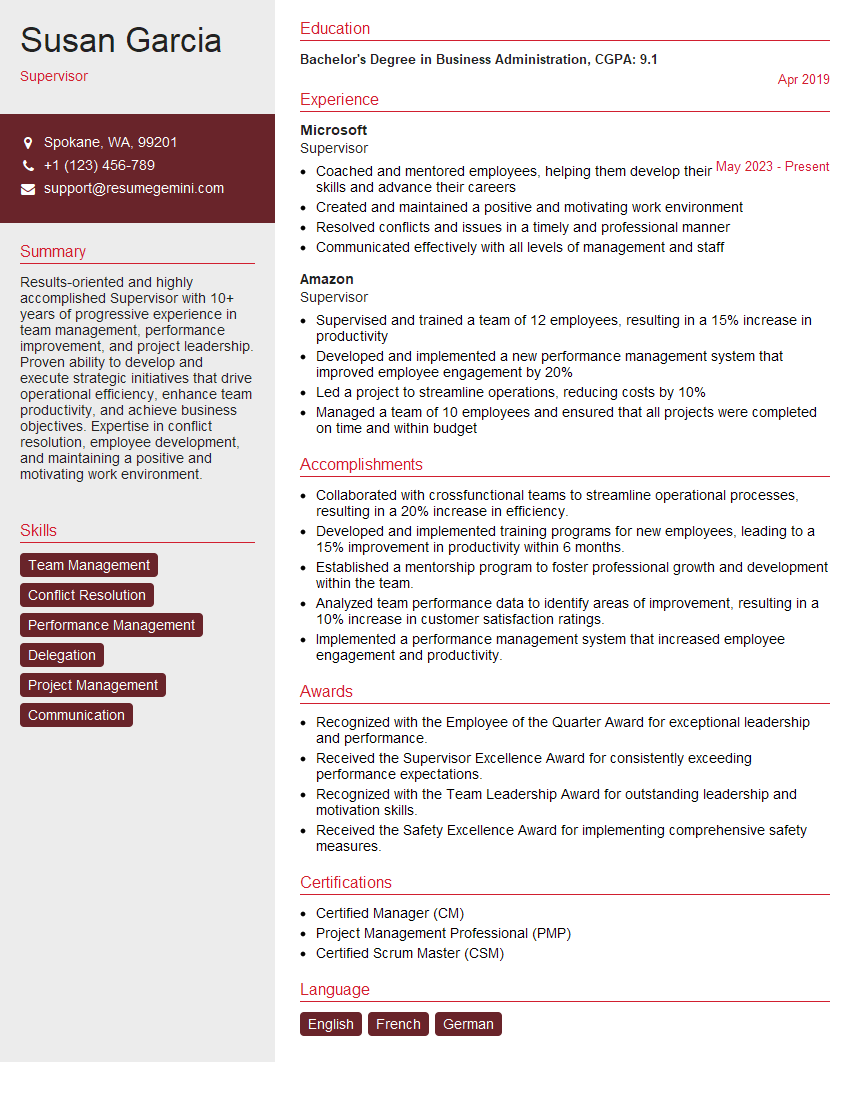
Supervisor Resume Sample
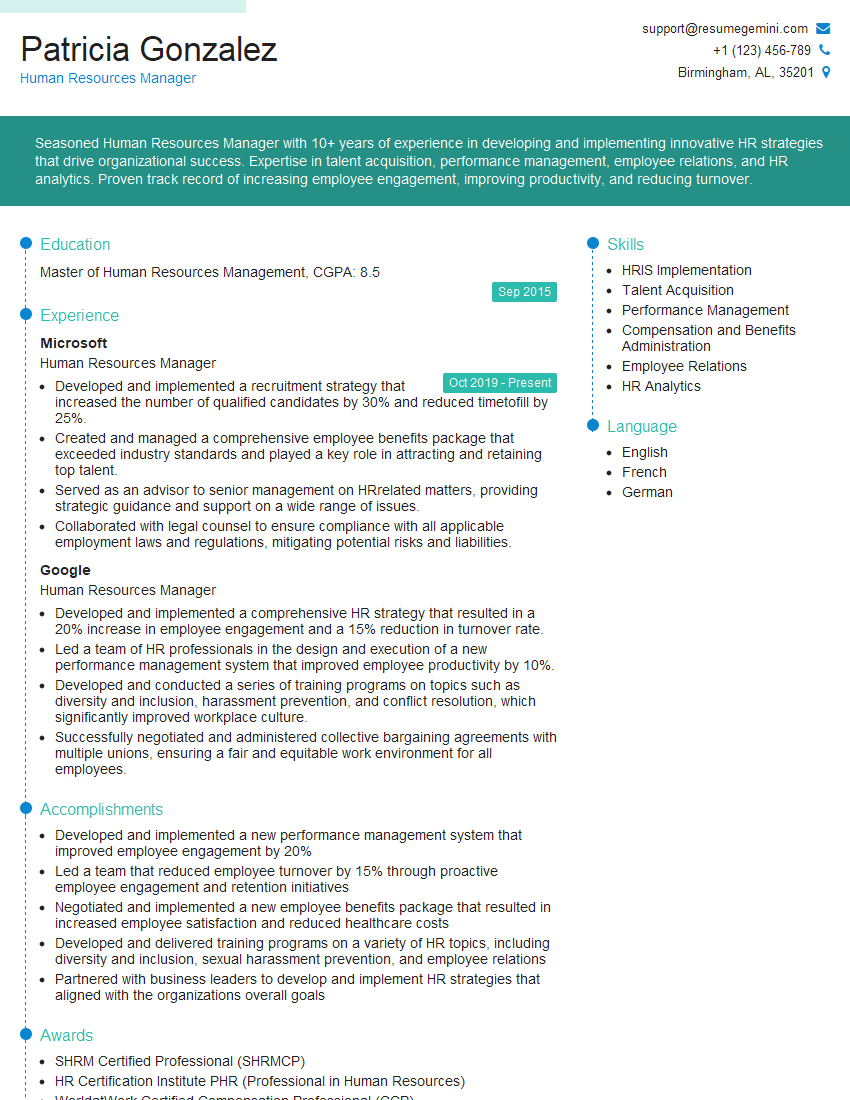
Human Resources Manager Resume Sample
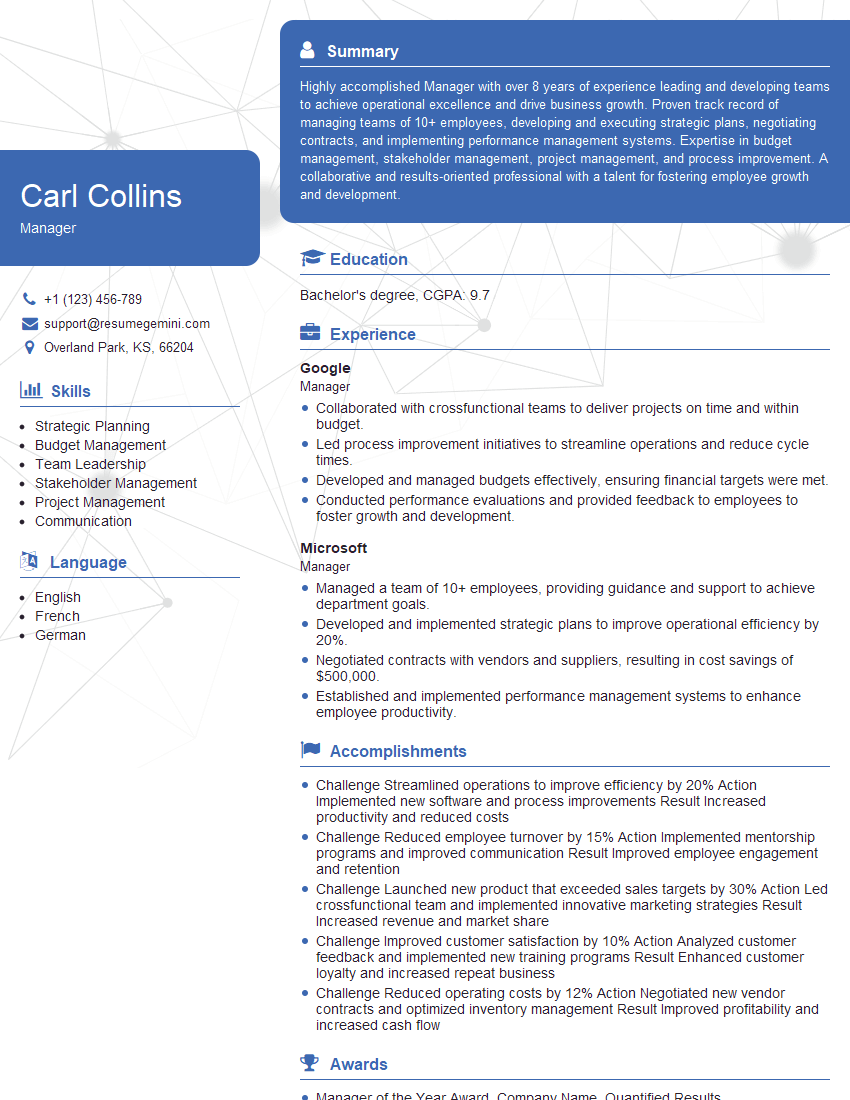
Manager Resume Sample
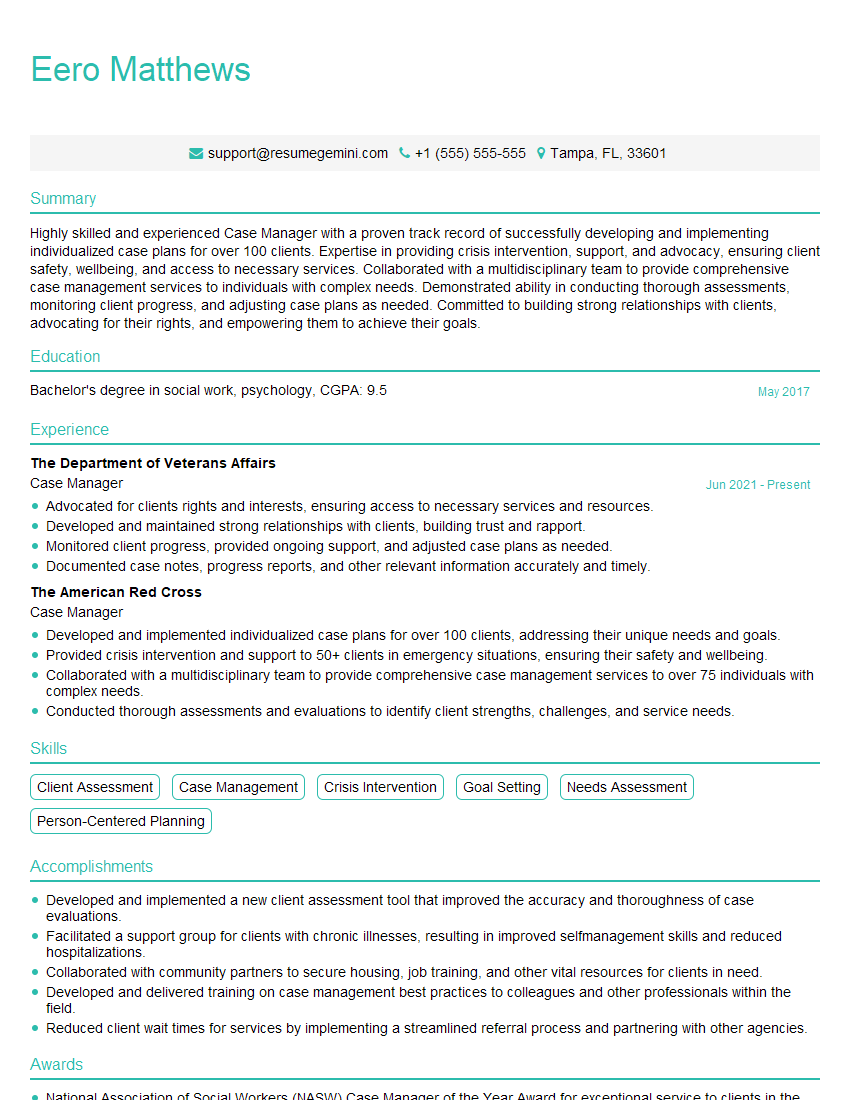
Case Manager Resume Sample
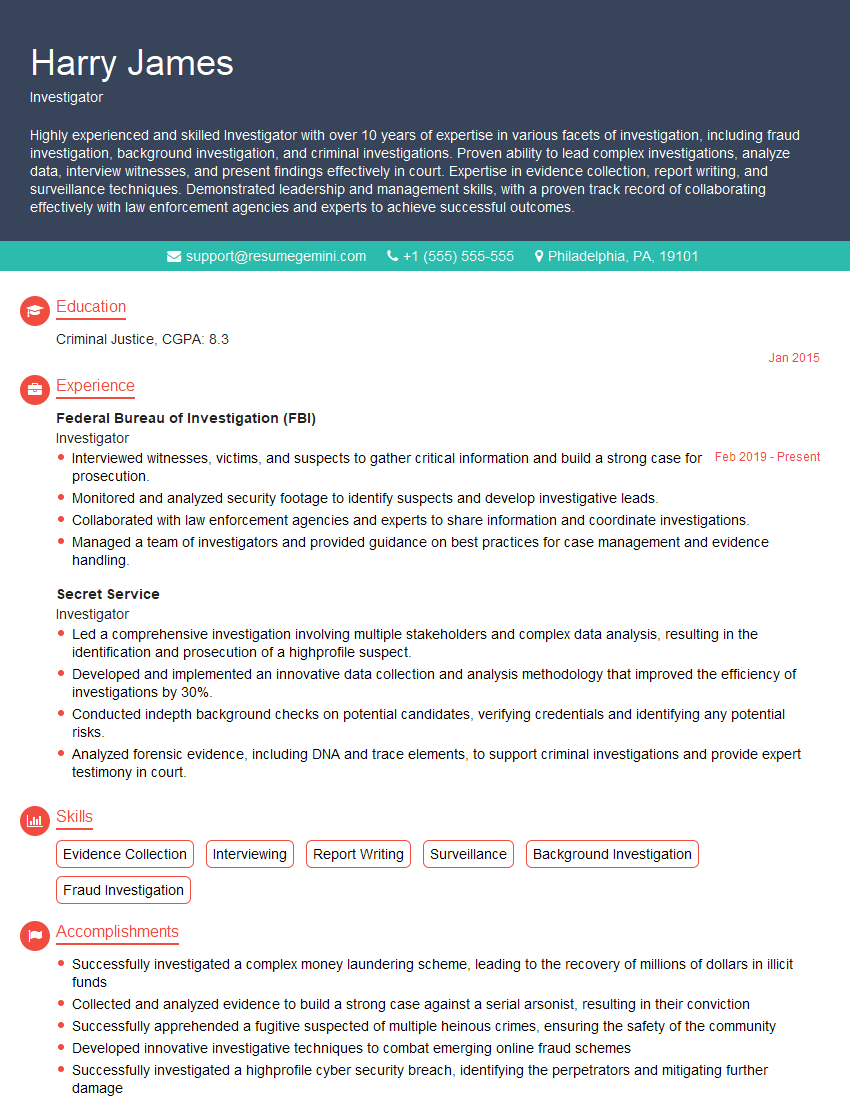
Investigator Resume Sample
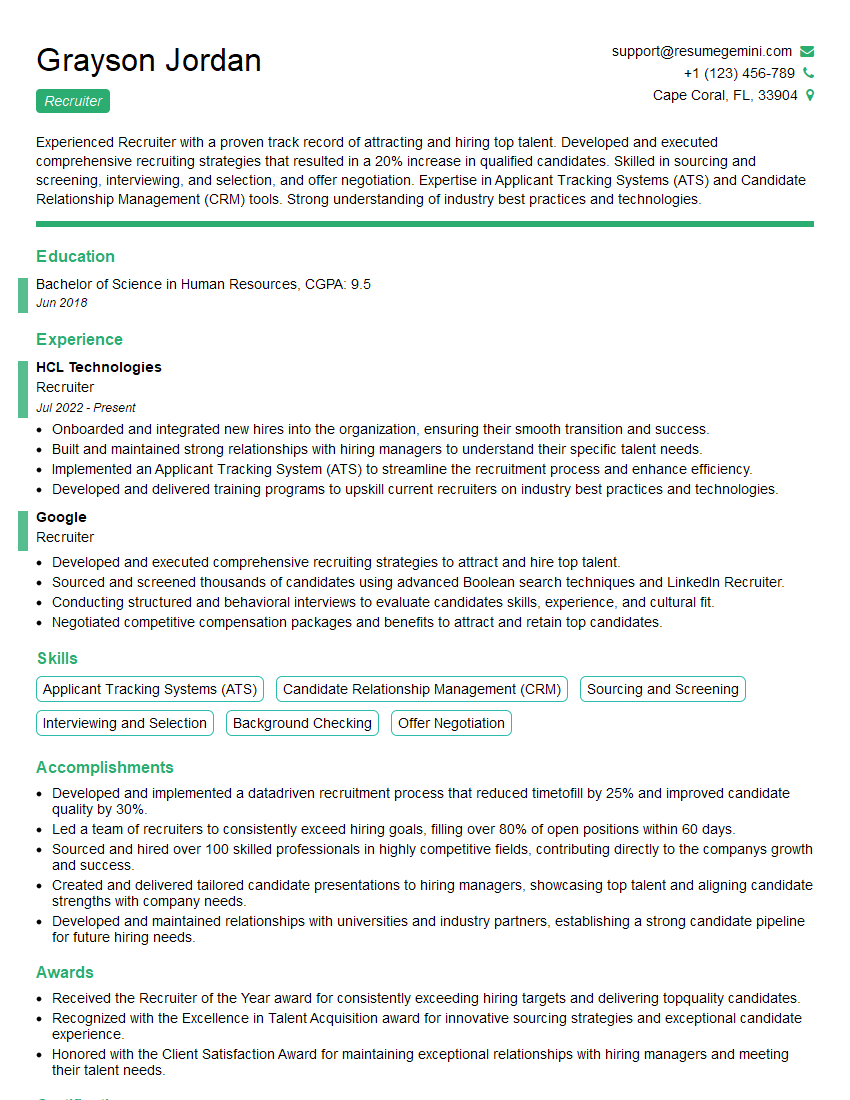
Recruiter Resume Sample
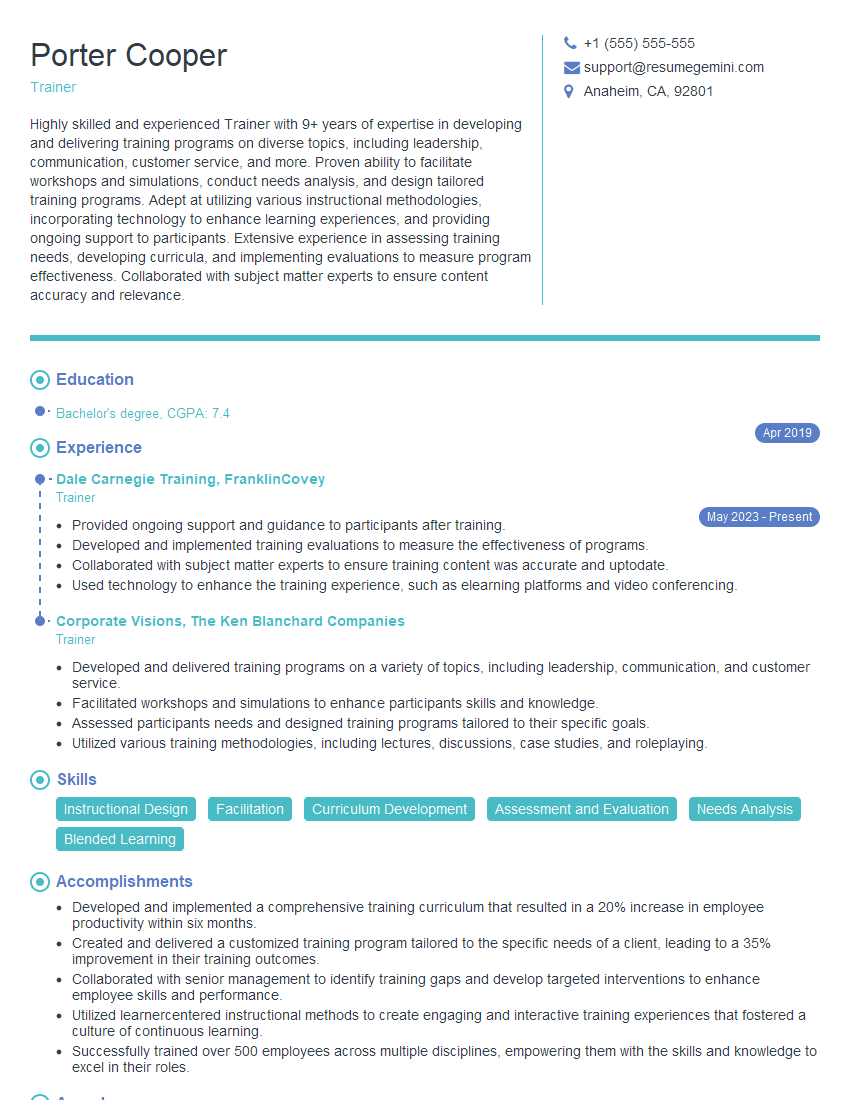
Trainer Resume Sample
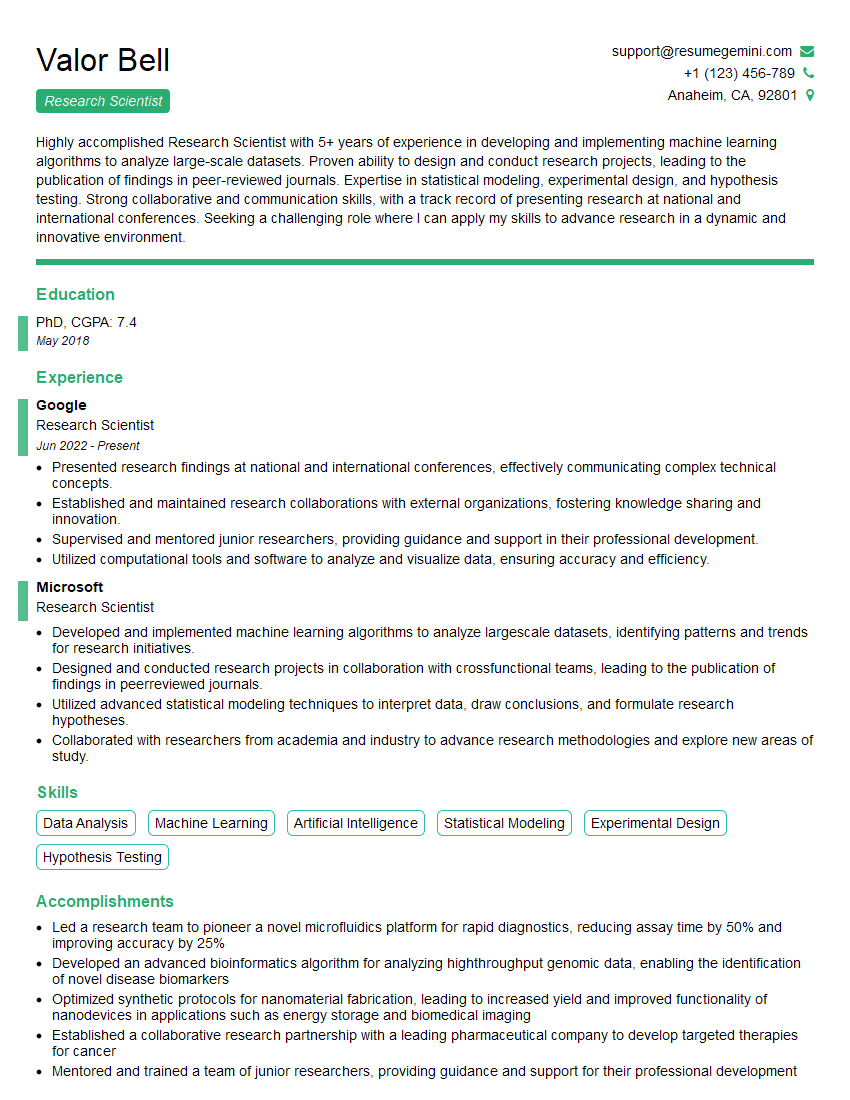
Research Scientist Resume Sample
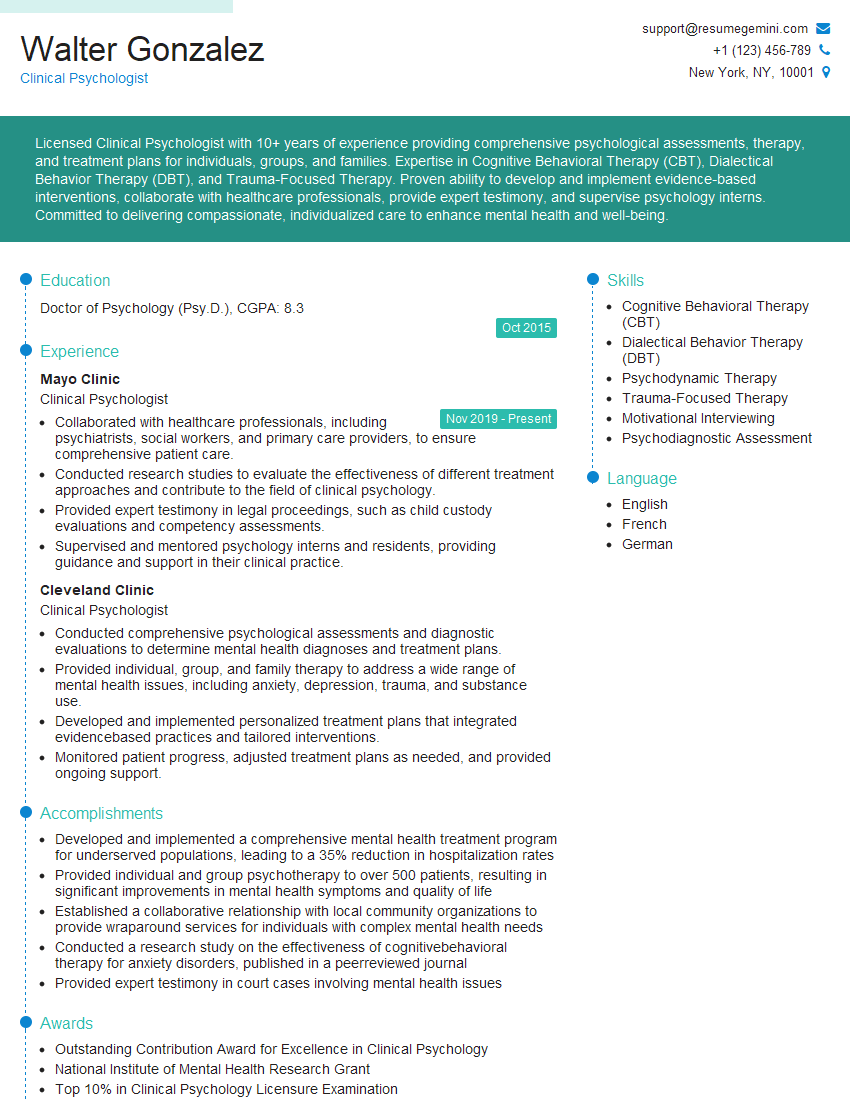
Clinical Psychologist Resume Sample
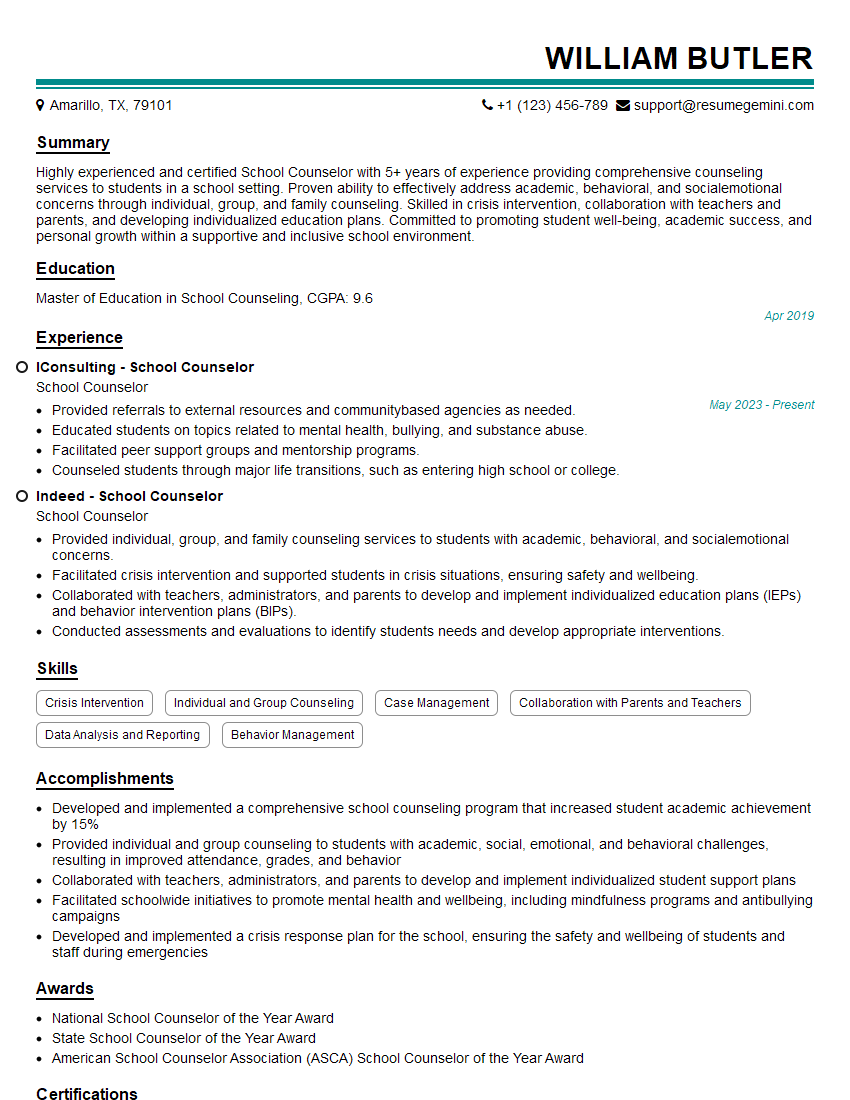
School Counselor Resume Sample
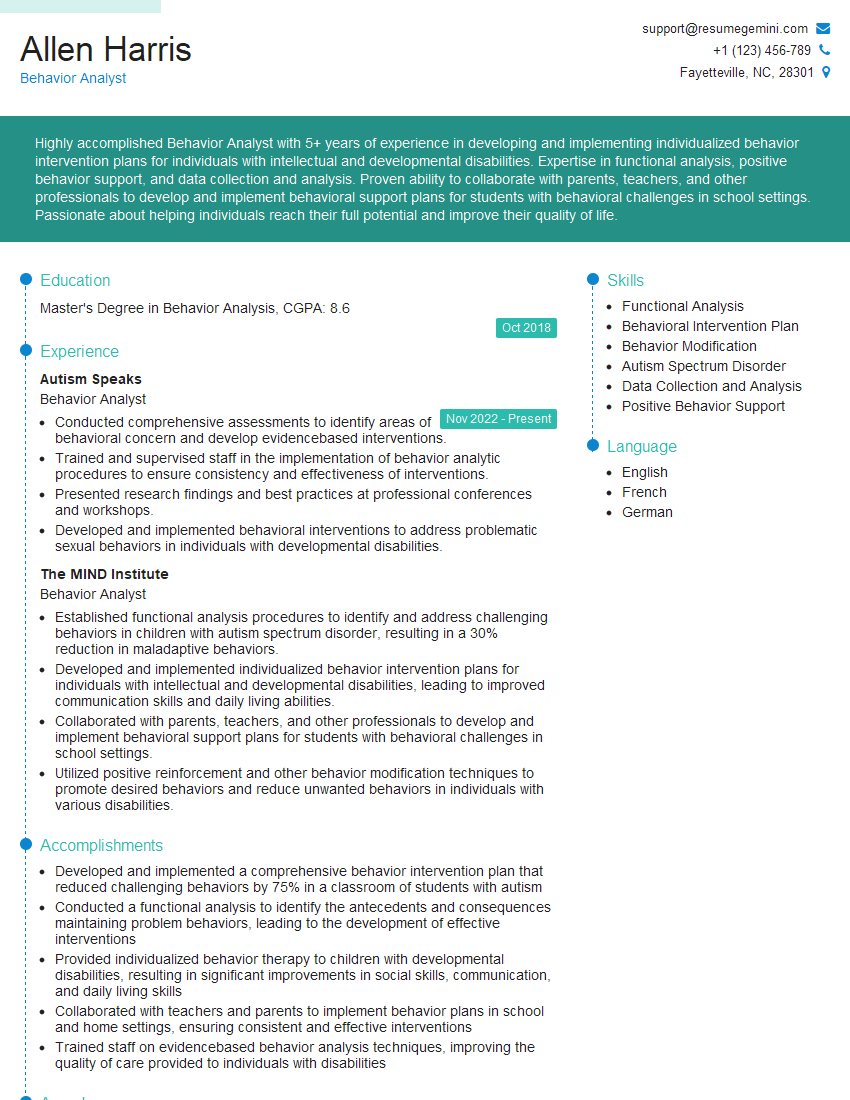
Behavior Analyst Resume Sample
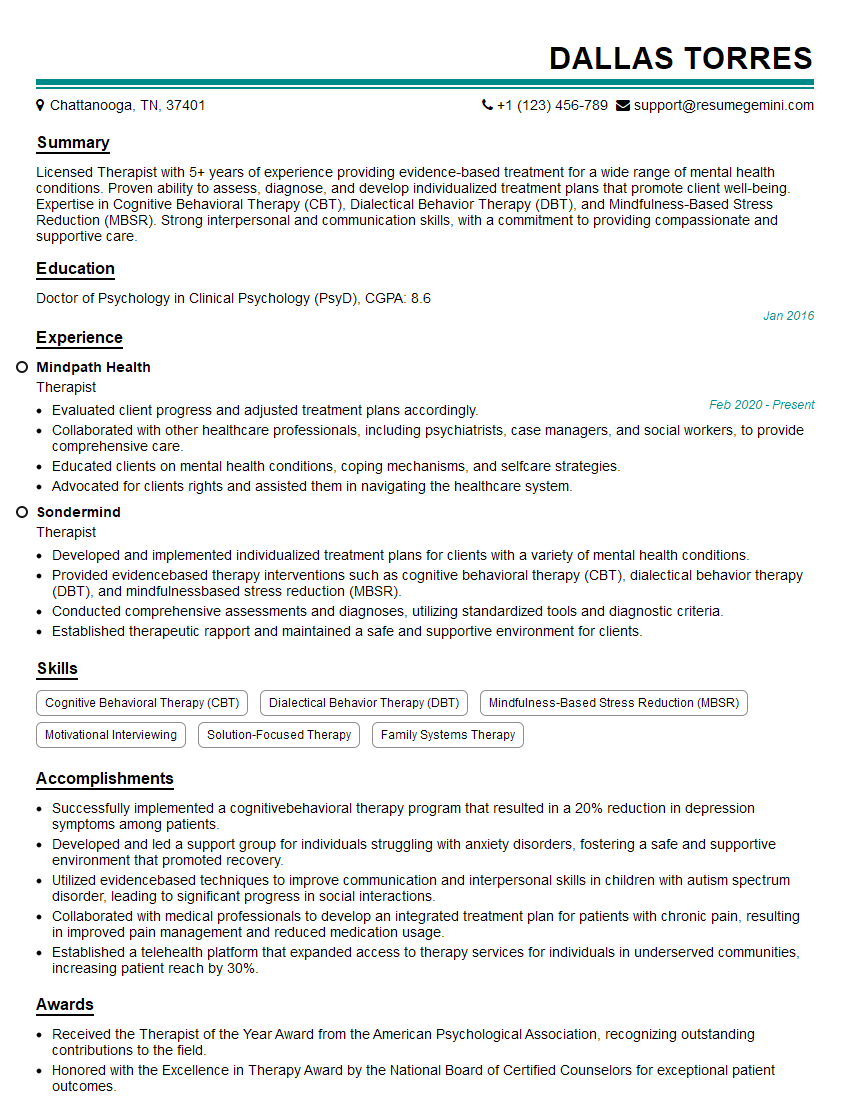
Therapist Resume Sample
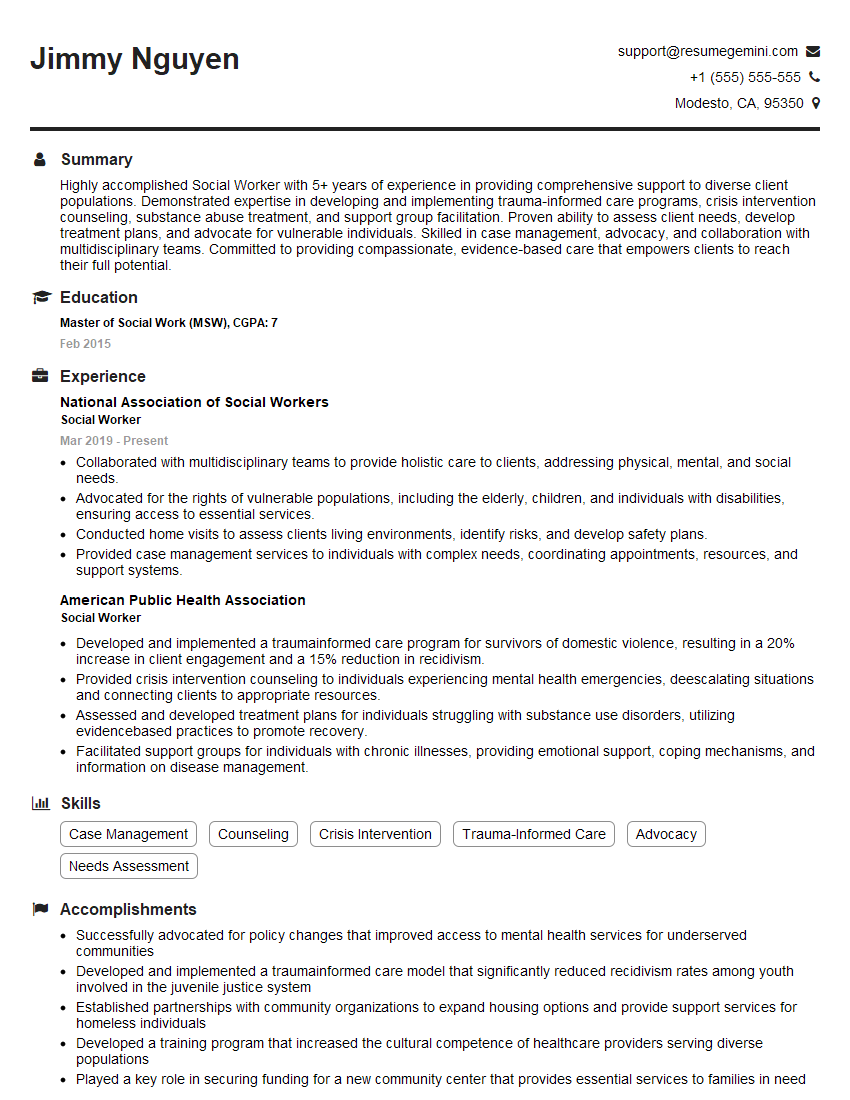
Social Worker Resume Sample
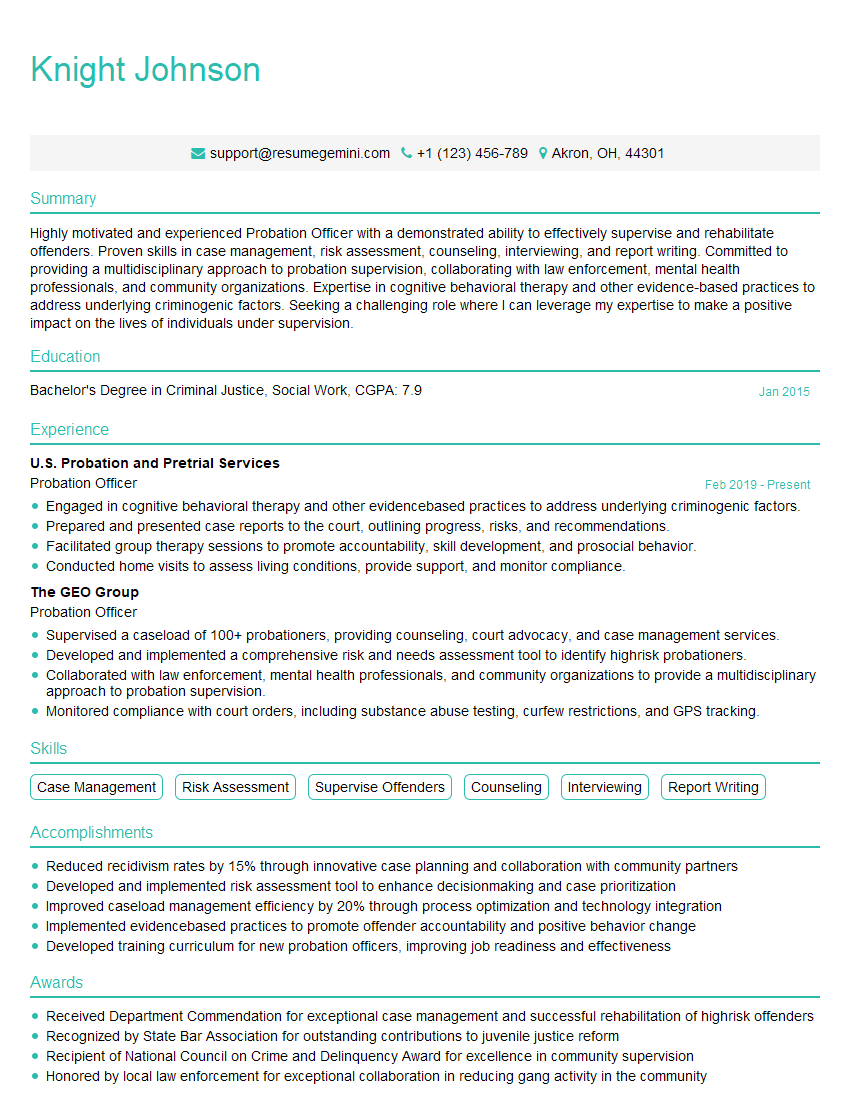
Probation Officer Resume Sample
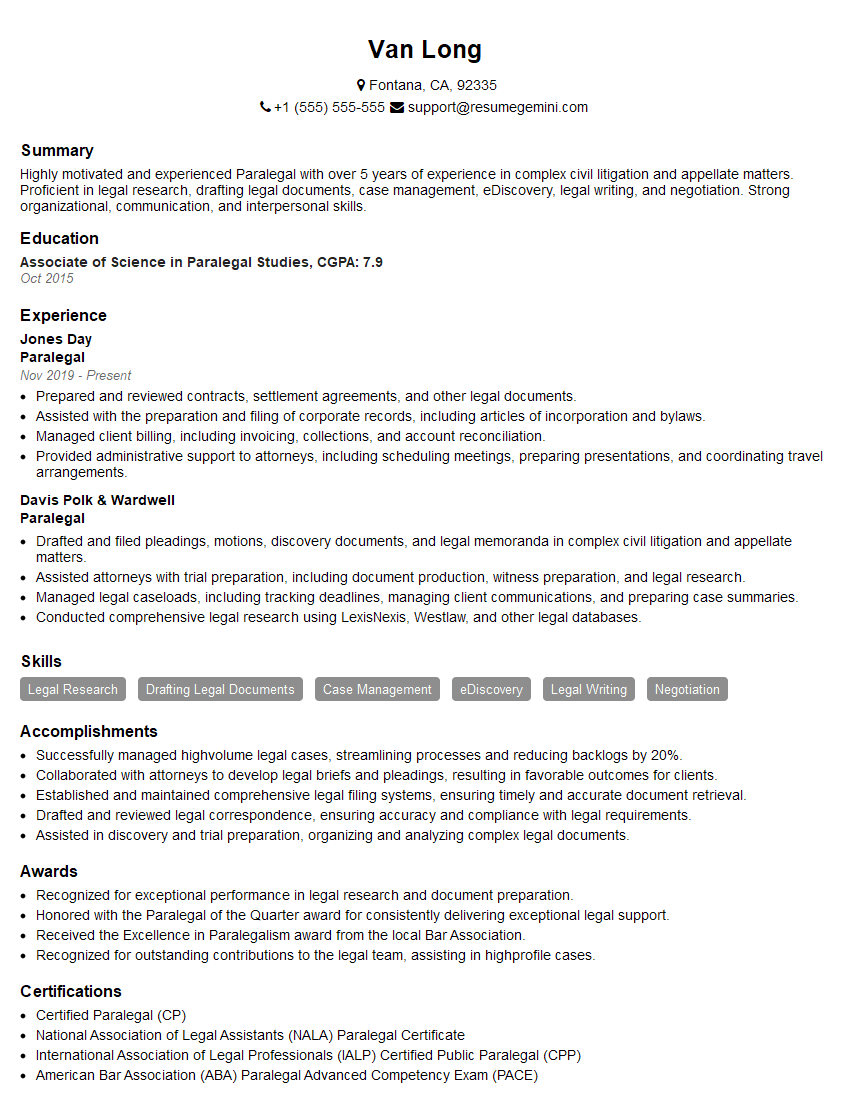
Paralegal Resume Sample
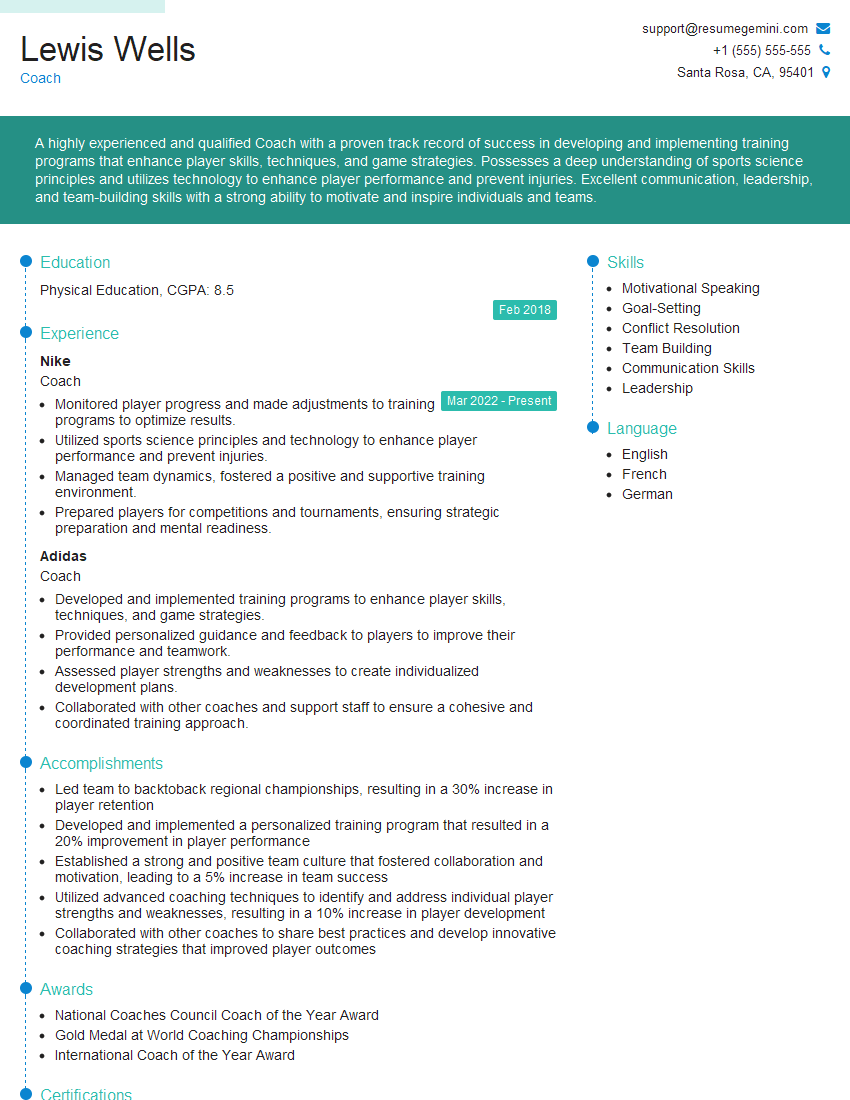
Coach Resume Sample
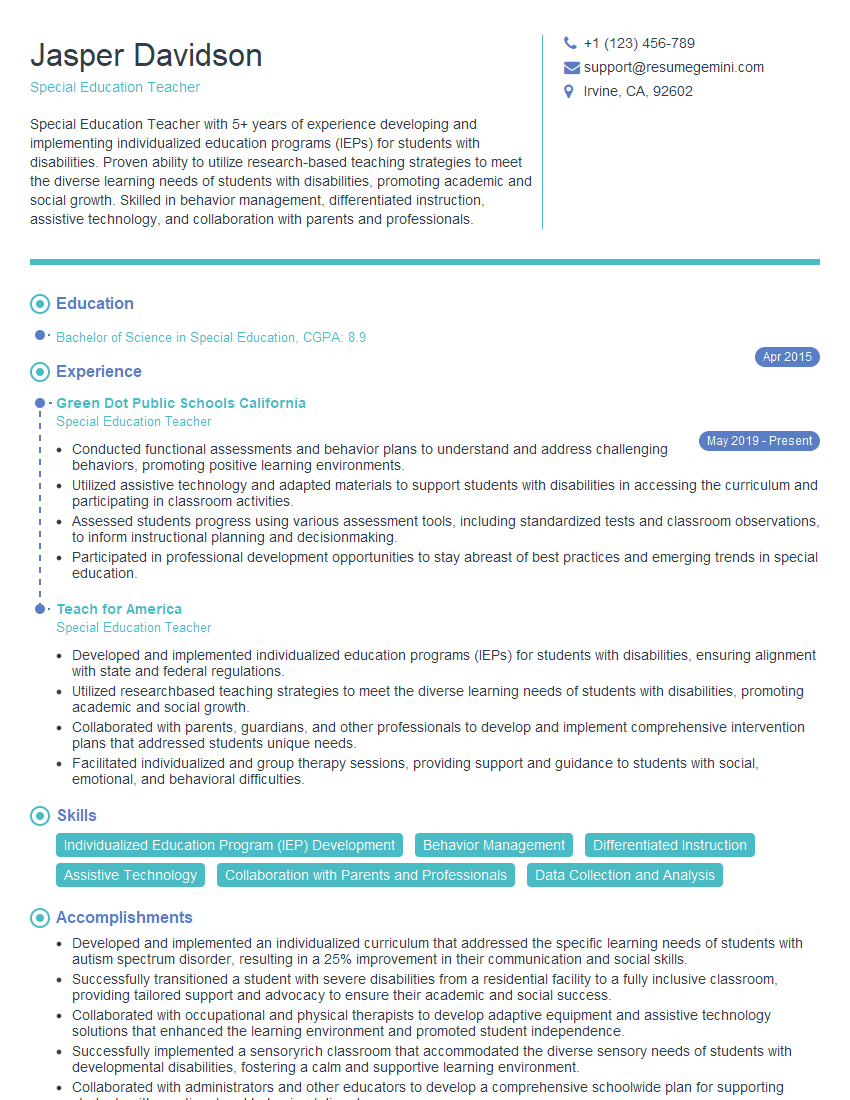
Special Education Teacher Resume Sample
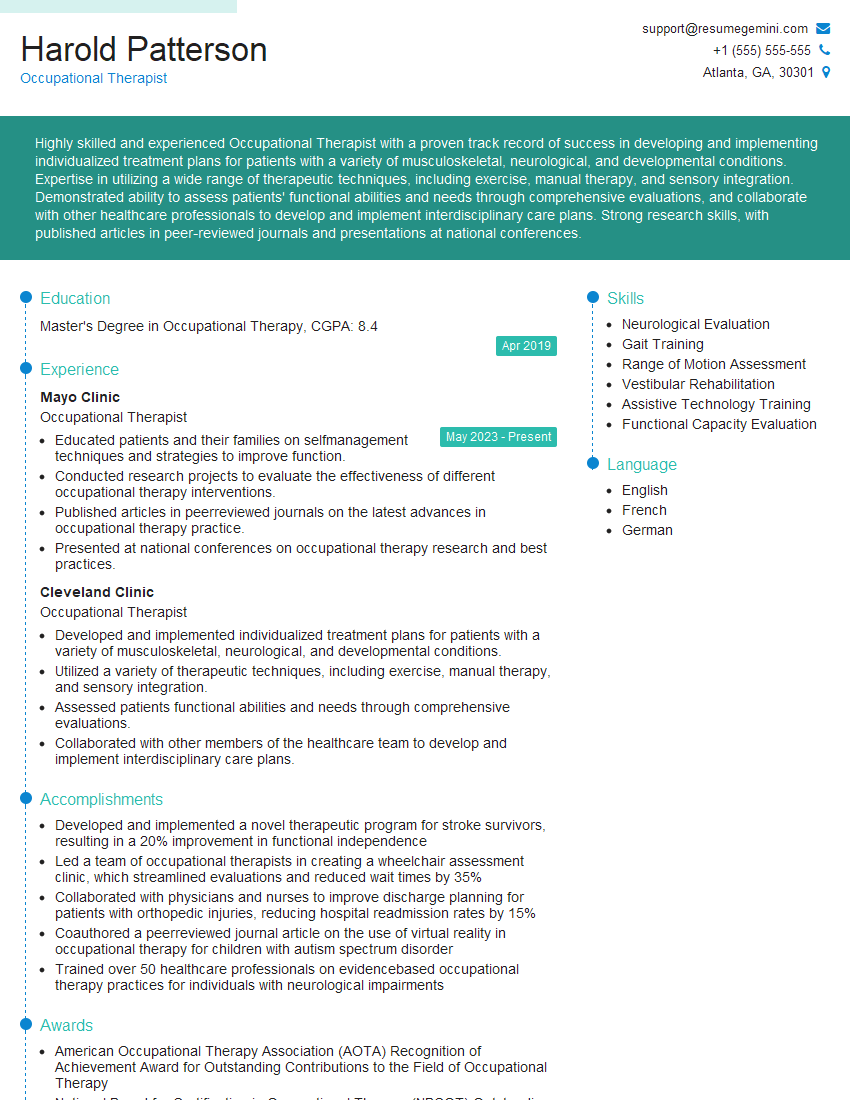
Occupational Therapist Resume Sample
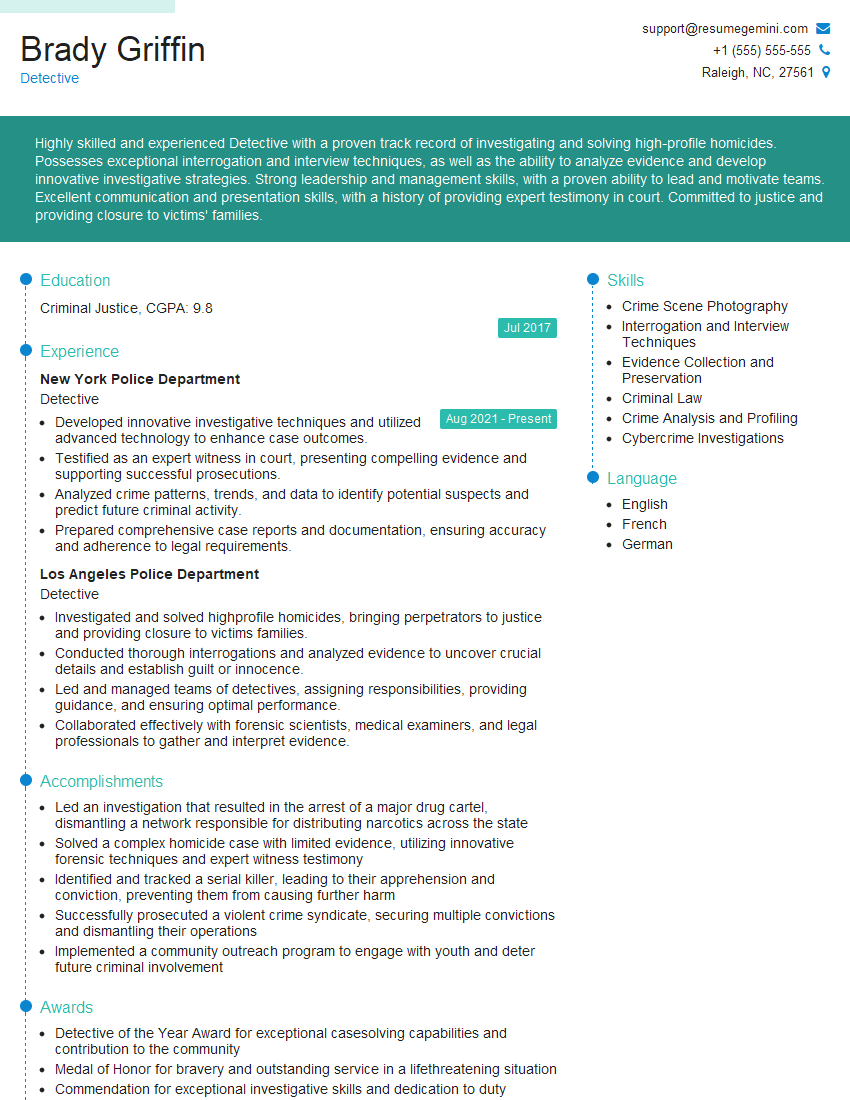
Detective Resume Sample
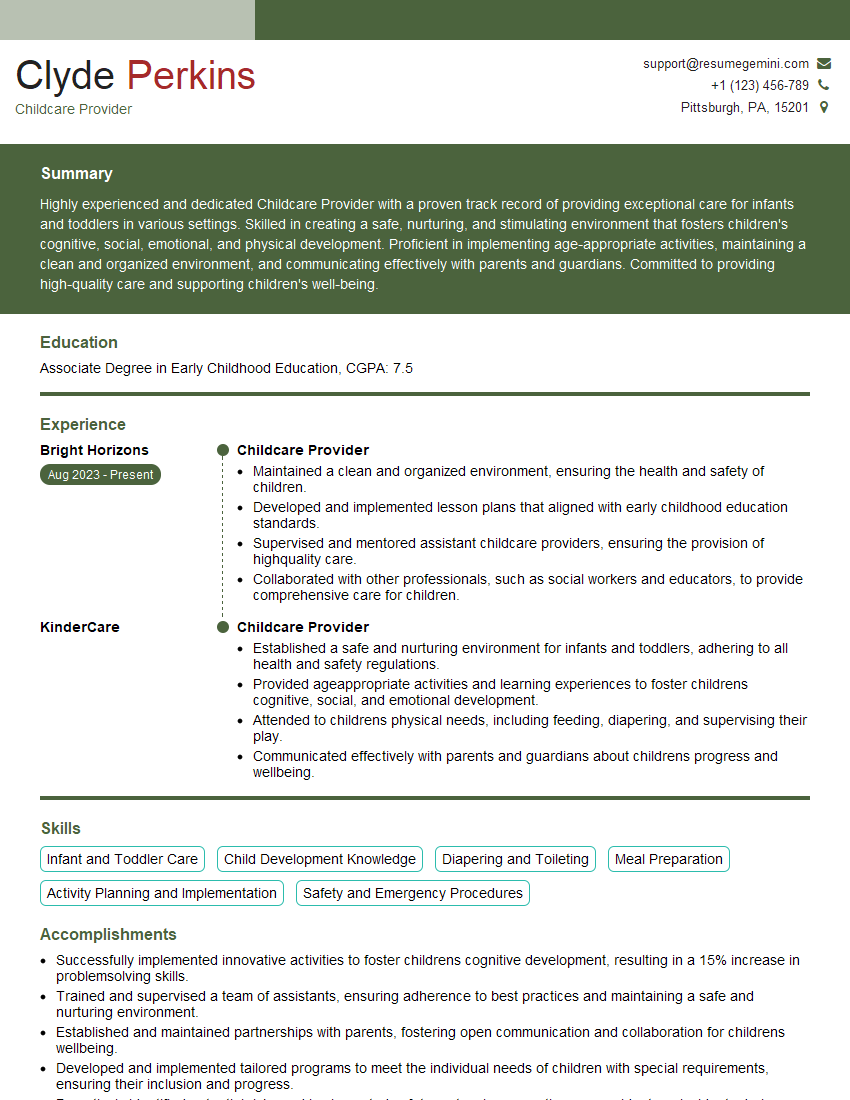
Childcare Provider Resume Sample
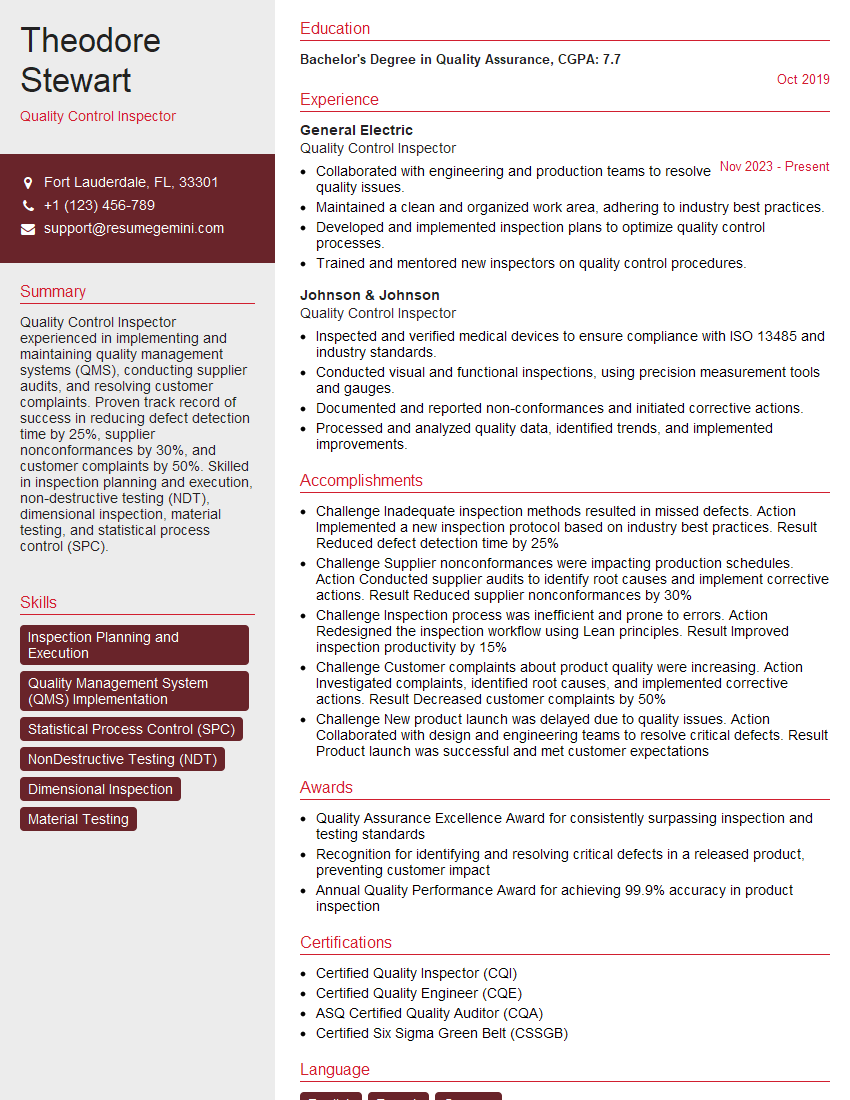
Quality Control Inspector Resume Sample
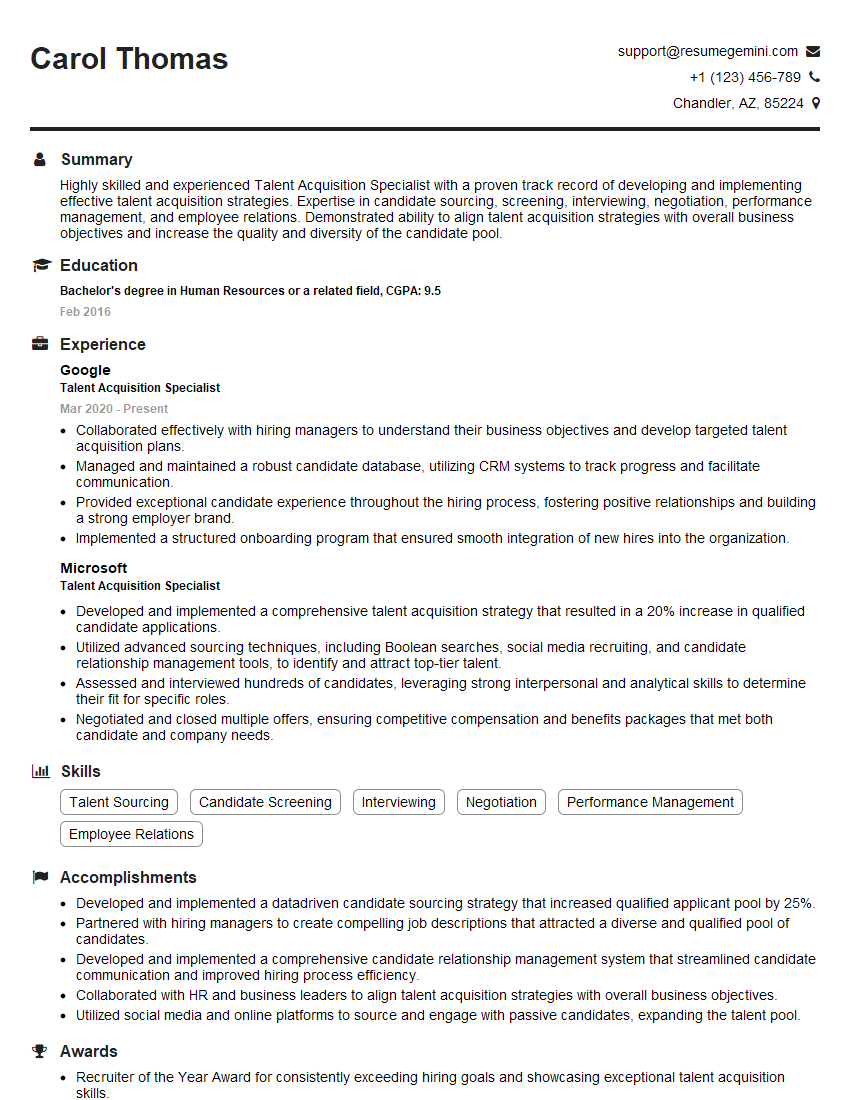
Talent Acquisition Specialist Resume Sample
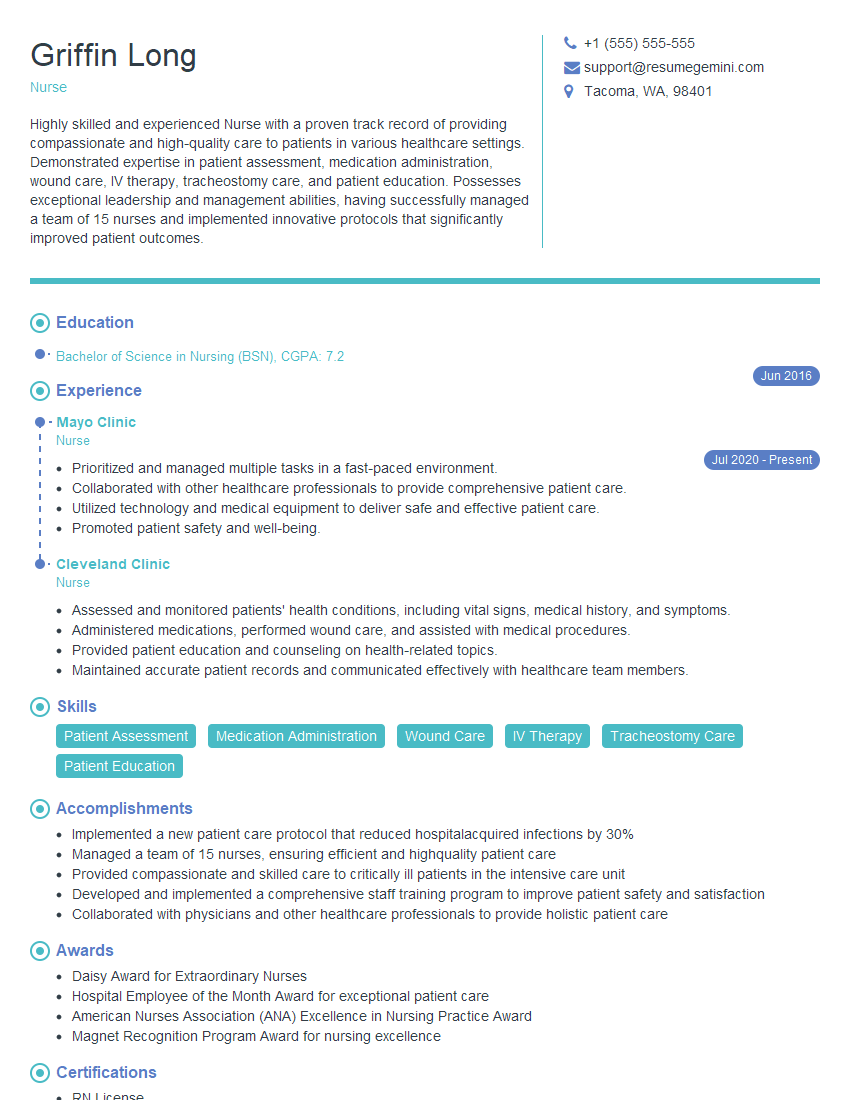
Nurse Resume Sample
- Supervisor
- Human Resources Manager
- Manager
- Case Manager
- Investigator
- Recruiter
- Trainer
- Research Scientist
- Clinical Psychologist
- School Counselor
- Behavior Analyst
- Therapist
- Social Worker
- Probation Officer
- Paralegal
- Coach
- Special Education Teacher
- Occupational Therapist
- Detective
- Childcare Provider
- Quality Control Inspector
- Talent Acquisition Specialist
- Nurse
Explore more articles
Users Rating of Our Blogs
Share Your Experience
We value your feedback! Please rate our content and share your thoughts (optional).
What Readers Say About Our Blog
Really detailed insights and content, thank you for writing this detailed article.
IT gave me an insight and words to use and be able to think of examples