Are you ready to stand out in your next interview? Understanding and preparing for Otoacoustic Emissions interview questions is a game-changer. In this blog, we’ve compiled key questions and expert advice to help you showcase your skills with confidence and precision. Let’s get started on your journey to acing the interview.
Questions Asked in Otoacoustic Emissions Interview
Q 1. Explain the physiological basis of otoacoustic emissions.
Otoacoustic emissions (OAEs) are sounds produced by the inner ear and measurable in the ear canal. Their physiological basis lies in the active mechanical properties of the outer hair cells (OHCs) within the cochlea. These OHCs possess specialized motor proteins that allow them to change their length in response to sound. This motility amplifies the mechanical vibrations of the basilar membrane, enhancing our sensitivity to sound, particularly at low intensities. When the OHCs contract and relax, they generate these subtle sounds, which are then transmitted out through the middle ear and captured by a sensitive microphone in the ear canal. Think of it like a tiny speaker within your ear that produces faint sounds as a byproduct of its normal function. The precise mechanisms involved are still being researched, but it’s understood to involve electromechanical processes within the OHCs.
Q 2. Differentiate between spontaneous and evoked otoacoustic emissions.
Spontaneous otoacoustic emissions (SOAEs) are sounds emitted by the ear without any external stimulation. They’re essentially self-generated ‘whispers’ from the cochlea, present in a significant percentage of the population, and often undetectable to the individual. Their presence doesn’t necessarily correlate with good or bad hearing. In contrast, evoked otoacoustic emissions (EOAEs) are generated in response to a stimulus. They are elicited by sound and reflect the active mechanical properties of the cochlea. Different types of EOAEs exist, such as transient-evoked OAEs (TEOAEs) and distortion-product OAEs (DPOAEs), each reflecting different aspects of cochlear function, explained further in later questions. Think of SOAEs as the ear’s background hum, always potentially there, while EOAEs are the ear’s response to a specific sound, like a musical instrument playing a note in response to being struck.
Q 3. Describe the clinical applications of distortion product otoacoustic emissions (DPOAEs).
Distortion product otoacoustic emissions (DPOAEs) are evoked by presenting two pure tones to the ear. The cochlea’s non-linear response creates distortion products – new frequencies that weren’t initially presented. These distortion products are then measured in the ear canal. DPOAEs are clinically important because their presence and characteristics provide information about the function of the outer hair cells in the cochlea. Specifically, DPOAE testing is extensively used as a screening tool for hearing loss, particularly in newborns and infants, where traditional audiometry is difficult to perform. The absence of DPOAEs suggests a significant problem with OHC function, often indicating hearing impairment. Their amplitude and characteristics can also help pinpoint the location and severity of the hearing loss. For example, a reduction in DPOAE amplitude in a specific frequency range may signal damage to the corresponding area of the cochlea.
Q 4. What are the limitations of using OAEs in clinical practice?
While OAEs are a valuable tool, they do have limitations. Firstly, OAEs are not a perfect indicator of hearing sensitivity. Individuals with mild sensorineural hearing loss can still have present OAEs, while severe hearing loss usually results in absent OAEs. Secondly, middle ear pathology, such as otitis media (middle ear infection) or cerumen (earwax) impaction, can mask OAEs even if the cochlea is healthy. This is because these middle ear issues impede the sound’s transmission from the cochlea to the ear canal, preventing the accurate measurement of OAEs. Thirdly, the test’s reliability is influenced by factors such as patient cooperation, especially with younger children or adults with significant cognitive impairment. Finally, certain individual differences in cochlear function can affect OAE results, making interpretation complex in certain cases.
Q 5. Explain the procedure for conducting transient evoked otoacoustic emissions (TEOAEs) testing.
Transient evoked otoacoustic emissions (TEOAEs) testing involves presenting a brief, click-like sound to the ear. This stimulus generates a response from the cochlea, which includes a complex waveform consisting of various frequency components. A sensitive microphone placed in the ear canal measures this response. The procedure is relatively simple and non-invasive. The patient typically sits comfortably, while a small probe is placed gently into their ear canal. The probe houses both the speaker that delivers the click stimulus and the microphone to capture the TEOAE response. The test usually takes only a few minutes and is well-tolerated by most individuals, even infants. The acquired data is then processed by a computer to analyze the presence and characteristics of the TEOAE response. Absence or abnormality in the waveform indicates possible hearing problems.
Q 6. How do you interpret TEOAE results in the context of hearing loss?
The interpretation of TEOAE results involves analyzing the amplitude and characteristics of the recorded waveform. The presence of clear, robust TEOAEs generally suggests normal or near-normal cochlear function and thus indicates a low probability of hearing loss. However, the absence of detectable TEOAEs, or the presence of significantly reduced amplitude or altered waveform characteristics, often suggests the presence of hearing impairment, primarily involving the outer hair cells. It’s crucial to understand that TEOAEs primarily assess the integrity of the OHCs and doesn’t directly measure the entire range of auditory function, particularly the inner hair cells’ response. Therefore, absent TEOAEs would warrant further investigations, including pure-tone audiometry, to fully assess the extent and nature of any hearing loss.
Q 7. Discuss the factors that can affect the quality and reliability of OAE measurements.
Several factors can influence the quality and reliability of OAE measurements. These include:
- Middle ear pathology: Fluid or other obstructions in the middle ear can significantly attenuate the OAEs.
- Cerumen impaction: Excessive earwax can block the sound pathway, preventing accurate measurements.
- Ambient noise: Background noise can contaminate the recordings, masking the subtle OAE signals. Proper sound-attenuating equipment is critical.
- Probe placement: Improper placement of the probe in the ear canal can affect the measurements, leading to unreliable results.
- Patient cooperation: Movement or other forms of non-compliance by the patient, particularly in young children, can hinder the acquisition of high-quality data.
- Individual variability: Some individuals naturally exhibit lower amplitude OAEs even with normal hearing.
Q 8. How do you differentiate between conductive, sensorineural, and mixed hearing losses using OAE findings?
Otoacoustic emissions (OAEs) are sounds produced by the inner ear. Their presence or absence helps differentiate hearing loss types. Conductive hearing loss, resulting from problems in the outer or middle ear (e.g., earwax, middle ear infection), prevents sound from reaching the inner ear effectively. Therefore, OAEs will typically be absent or significantly reduced because the sound cannot properly stimulate the cochlea. Sensorineural hearing loss originates from damage within the inner ear (cochlea or auditory nerve). This damage often affects the hair cells responsible for generating OAEs. Consequently, we’ll see absent or reduced OAEs, depending on the severity and location of the damage. Mixed hearing loss combines elements of both conductive and sensorineural loss. In this case, we’d expect reduced or absent OAEs due to the inner ear damage, and potentially further attenuation (reduction) due to the conductive component impacting sound delivery to the inner ear.
For example, a patient with a middle ear infection might show absent OAEs, indicating a conductive hearing loss. A patient with noise-induced hearing loss may present with reduced or absent OAEs, reflecting sensorineural damage. A patient with otosclerosis (a conductive problem that can affect the inner ear over time) may show some reduced OAEs, depending on the stage of the disease, representing mixed hearing loss.
Q 9. Explain the role of OAE testing in newborn hearing screening.
OAE testing plays a crucial role in newborn hearing screening because it’s a quick, non-invasive, and objective method for identifying hearing loss in infants. It’s particularly effective at detecting sensorineural hearing loss, a common type in newborns. OAEs are usually present in healthy newborns, while their absence or reduction can indicate a problem. This early detection is vital because early intervention significantly improves language development and overall communication skills in children with hearing loss. The test is typically performed while the baby is sleeping, minimizing discomfort. A failed OAE test usually prompts further investigations, like auditory brainstem response (ABR) testing, to confirm the diagnosis.
Think of it like this: just like a doctor uses a reflex test to check a baby’s neurological function, an OAE test is a quick check of the baby’s auditory system. An absent reflex indicates something requires further attention – the same logic applies here.
Q 10. What are the advantages and disadvantages of using OAEs compared to other hearing tests?
OAEs offer several advantages over other hearing tests, particularly ABR. They’re quick, non-invasive, relatively inexpensive, and require minimal patient cooperation (especially beneficial for newborns). They’re excellent for screening and identifying sensorineural hearing loss, and their results are often readily interpretable. However, OAEs are less sensitive than ABR, as they only assess the outer hair cells’ function and not the entire auditory pathway. Furthermore, OAEs can be affected by factors like middle ear fluid, which may yield false-negative results even when the inner ear is healthy. ABR, while more extensive and providing information about the neural pathway, is more time-consuming, requires specialized equipment, and can be more distressing for the patient, particularly infants.
In essence, OAEs are a fantastic first-line screening tool, but further investigation may be necessary to confirm findings or assess other types of hearing loss.
Q 11. Describe the equipment used in OAE testing and its maintenance.
OAE testing employs a specialized device called an OAE system. This system includes a probe containing a miniature loudspeaker and microphone, a computer for stimulus generation and data analysis, and software for presenting the results. The probe is inserted gently into the ear canal to deliver the stimulus sounds and capture the emitted OAEs. The microphone is highly sensitive to pick up the faint OAE signals. Regular maintenance includes cleaning the probe using appropriate methods, checking the calibration (usually daily) to ensure accuracy, and performing routine checks of the system’s functionality. Proper maintenance prevents incorrect measurements and ensures the longevity of the equipment.
Calibration is paramount; think of it like regularly calibrating a weighing scale to ensure accurate weight measurements. Without proper calibration, the OAE test results may be unreliable.
Q 12. How do you troubleshoot common problems encountered during OAE testing?
Troubleshooting OAE testing involves a systematic approach. Common problems include no response, excessive noise, or unreliable results. A ‘no response’ may result from an improperly fitted probe, excessive background noise, or a true absence of OAEs. Troubleshooting steps involve checking probe placement, ensuring the patient is quiet, minimizing environmental noise, and verifying proper equipment calibration. Excessive noise could stem from a poorly functioning probe or external noise sources. Check for any loose connections, inspect the probe for debris, and try reducing the ambient noise. Unreliable results may necessitate recalibration of the system and reassessment of the test procedure. Always document the troubleshooting steps and any adjustments made for clarity and proper record keeping.
A methodical approach, like a detective solving a case, is vital. Check the obvious first (probe, noise), then move to the more intricate aspects (calibration, system functionality).
Q 13. Explain the concept of the cochlear amplifier and its relationship to OAEs.
The cochlear amplifier is a mechanism within the cochlea that enhances the sensitivity of hearing. It’s primarily driven by the outer hair cells (OHCs), which actively amplify faint sounds. OAEs are directly generated by the OHCs’ electromotility; they’re a byproduct of this amplification process. When sounds enter the ear, they cause the OHCs to change their length, amplifying the signal. This amplification is crucial for our ability to detect quiet sounds. OAEs serve as a non-invasive way to assess the function of the cochlear amplifier; reduced or absent OAEs often indicate damage to the OHCs and impairment of this amplifier.
Imagine the cochlea as a finely-tuned musical instrument. The cochlear amplifier, powered by OHCs, is the amplification system. OAEs are like the ‘test tones’ produced by the system – when the ‘tones’ are weak or absent, something is amiss with the amplifier.
Q 14. How do different types of hearing loss affect OAE measurements?
Different types of hearing loss manifest differently in OAE measurements. Conductive hearing loss typically shows absent or reduced OAEs simply because sound can’t reach the inner ear properly to stimulate the OHCs. Sensorineural hearing loss, depending on its severity and location, displays reduced or absent OAEs. Damage to the OHCs directly affects OAE generation. Severe hearing loss usually results in absent OAEs, while mild loss might show reduced amplitudes. Mixed hearing loss combines effects, showing the reduced or absent OAEs characteristic of sensorineural loss, further attenuated by the reduced sound transmission of the conductive component. The location of the sensorineural damage (e.g., basal versus apical cochlea) can also influence the types of OAEs affected (e.g., distortion product OAEs versus transient evoked OAEs).
Essentially, OAEs provide a window into the functionality of the OHCs, the key players in both the cochlear amplifier and the production of OAEs themselves.
Q 15. Discuss the influence of age on OAE responses.
Otoacoustic emissions (OAEs) naturally decrease in amplitude and prevalence with age. This is particularly true for distortion product OAEs (DPOAEs), which are often absent or significantly reduced in older adults. Think of it like this: the tiny hair cells in your inner ear that generate OAEs can become less efficient with time, much like the springs in an old clock may lose some of their bounce. This age-related decline is gradual and varies between individuals, but it’s a normal part of the aging process. The impact is most pronounced on high-frequency OAEs, which are the first to diminish. In newborns, OAEs are often present and robust, serving as a quick and non-invasive screening tool for hearing problems. As individuals age, the presence of OAEs becomes less reliable as an indicator of normal hearing, making other audiological tests necessary for accurate assessment of older individuals.
Career Expert Tips:
- Ace those interviews! Prepare effectively by reviewing the Top 50 Most Common Interview Questions on ResumeGemini.
- Navigate your job search with confidence! Explore a wide range of Career Tips on ResumeGemini. Learn about common challenges and recommendations to overcome them.
- Craft the perfect resume! Master the Art of Resume Writing with ResumeGemini’s guide. Showcase your unique qualifications and achievements effectively.
- Don’t miss out on holiday savings! Build your dream resume with ResumeGemini’s ATS optimized templates.
Q 16. Describe the impact of noise exposure on OAEs.
Noise exposure is a significant threat to the delicate hair cells within the inner ear responsible for producing OAEs. Prolonged exposure to loud noises, like those from concerts or industrial machinery, can damage these cells, leading to a reduction or complete absence of OAEs. Imagine repeatedly hitting a delicate instrument – eventually, it’ll break down. The severity of OAE reduction directly correlates with the intensity and duration of noise exposure. High-frequency OAEs are typically affected first because high-frequency hair cells are more vulnerable to noise damage. This is why noise-induced hearing loss is often initially noticed in the high frequencies. Testing OAEs after a suspected noise exposure event can help assess the extent of potential hearing damage and guide subsequent management strategies, such as hearing protection or rehabilitative therapies.
Q 17. Explain how OAE results can be used to monitor the progression of hearing loss.
Serial OAE testing can be incredibly useful in monitoring the progression of hearing loss. By repeatedly assessing OAEs over time, audiologists can track changes in their amplitude and presence. For example, an individual with early signs of sensorineural hearing loss might show gradually decreasing DPOAE amplitudes over several months or years. This decline might precede any noticeable changes in their pure-tone audiometry, providing early warning signs of hearing deterioration. In other cases, monitoring OAE responses can help evaluate the effectiveness of treatment interventions for noise-induced hearing loss or other conditions, observing improvements (or lack thereof) in OAE amplitudes following treatments like corticosteroids or rehabilitation programs. This approach allows for proactive intervention, potentially slowing or even preventing further hearing loss.
Q 18. What are the ethical considerations involved in OAE testing?
Ethical considerations surrounding OAE testing primarily revolve around informed consent, test accuracy, and the potential for misinterpretation. It’s crucial to ensure that patients understand the purpose, procedure, and limitations of the test before it’s administered, obtaining their informed consent. Explaining potential implications of both normal and abnormal results is key. Further, it is critical to remember that OAEs are not a standalone diagnostic tool; results must be interpreted alongside other audiological assessments (such as pure-tone audiometry) to avoid misdiagnosis. OAE results should not be the sole basis for a diagnosis or treatment plan. Finally, maintaining the confidentiality of test results and ensuring data security is paramount.
Q 19. Describe the interpretation of absent or abnormal OAE findings.
Absent or abnormal OAE findings suggest potential dysfunction in the outer hair cells of the cochlea. This doesn’t automatically equate to hearing loss, but it warrants further investigation. The absence of OAEs, particularly when combined with abnormal auditory brainstem responses (ABRs) and hearing thresholds from pure tone audiometry, strongly suggests the presence of hearing impairment. Abnormal OAEs, meaning reduced or distorted responses, might indicate milder cochlear dysfunction. The pattern of abnormality (e.g., which frequencies are affected) helps pinpoint the location and extent of the problem. For instance, a complete absence across all frequencies might suggest severe cochlear pathology, whereas reduced OAEs in high frequencies might indicate early noise-induced hearing loss. It’s crucial to remember that OAE testing alone isn’t sufficient for a definitive diagnosis and needs to be interpreted in the context of the whole audiological assessment.
Q 20. How do you document and report OAE test results?
OAE test results are meticulously documented using standardized reporting formats. This typically includes the patient’s demographic information, the specific OAE type tested (e.g., TEOAEs, DPOAEs), the stimulus parameters used, and a detailed graphical representation of the OAE responses (e.g., amplitude and frequency). Quantitative data, such as the signal-to-noise ratio (SNR) and amplitude values, are included. Qualitative observations regarding the presence, shape, and amplitude of the waveforms are also crucial. A comprehensive summary statement that integrates the OAE findings with other test results and interprets their clinical significance is also provided, ensuring clarity and avoiding potentially ambiguous conclusions. These results are often stored digitally within the audiology clinic’s electronic medical record (EMR) system for long-term access and tracking.
Q 21. What are the current research trends in OAE technology and applications?
Current research trends in OAE technology and applications focus on several key areas. These include: developing more sensitive and robust OAE measurement techniques for improved accuracy, particularly in difficult-to-test populations (e.g., infants, individuals with significant hearing loss); refining OAE interpretation algorithms to increase diagnostic specificity and reduce the rate of false-positive or false-negative results; exploring the use of OAEs in early detection and monitoring of ototoxicity from various medications; improving the application of OAEs in objective hearing screening programs, and; investigating the use of OAEs to assess the effectiveness of various therapeutic interventions for various inner-ear conditions. The advancement of automated OAE testing and development of portable devices for point-of-care testing is also crucial for extending the reach of OAE technology and improving access to hearing healthcare services, especially in remote areas.
Q 22. Explain the difference between click-evoked and tone-burst evoked OAEs.
Both click-evoked otoacoustic emissions (CEOAEs) and tone-burst evoked otoacoustic emissions (TBOAEs) are objective measures of cochlear function, reflecting the activity of the outer hair cells. However, they differ significantly in their stimulus and the resulting response.
CEOAEs use a brief, broadband click stimulus. This produces a complex response, encompassing emissions from a broad range of frequencies. Think of it like hitting a bell – you get a rich sound with many overtones. Analysis focuses on the overall waveform and its characteristics to determine the presence or absence of OAEs. CEOAEs are quicker to administer and often used as a screening tool.
TBOAEs, conversely, utilize a pure tone stimulus at a specific frequency. This elicits a response at, or near, that frequency, providing a more focused assessment of outer hair cell function at that particular region of the cochlea. Think of it as striking a single note on a piano – you hear only that specific frequency. TBOAEs offer a more detailed frequency-specific analysis, enabling a more precise evaluation of cochlear function.
In short: CEOAEs are a broad brushstroke, while TBOAEs are a finely detailed painting. The choice between them depends on the clinical question.
Q 23. Discuss the use of OAEs in the assessment of auditory neuropathy spectrum disorder.
Auditory neuropathy spectrum disorder (ANSD) is a fascinating and complex hearing impairment where the inner hair cells may function normally, but the transmission of neural signals to the brain is disrupted. This makes standard hearing tests, which rely on the brain’s interpretation of sound, unreliable.
OAEs play a crucial role here. Because OAEs reflect the function of the outer hair cells and the cochlea’s mechanical response, they can often be present even when ANSD is present. This is because the OAE measurements aren’t reliant on neural transmission. Finding present OAEs in a patient with hearing loss strongly suggests ANSD. Conversely, if OAEs are absent, other types of hearing loss are more likely. A recent case involved a child who presented with significant hearing loss but normal OAEs. This was instrumental in leading us to diagnose ANSD, allowing us to focus on strategies to improve neural transmission rather than treating a cochlear impairment.
It’s important to note that while OAEs are a valuable tool in ANSD assessment, they should always be considered in conjunction with other diagnostic tests, such as auditory brainstem response (ABR) testing which assesses the neural pathway.
Q 24. How do you adapt OAE testing procedures for different patient populations (e.g., infants, adults with disabilities)?
Adapting OAE testing to different patient populations requires flexibility and attention to detail. For infants, the challenge lies in their inability to cooperate. Shorter testing times are crucial. We use a combination of techniques like keeping the testing environment calm and quiet, using infant-sized probes, and employing distraction techniques to reduce movement artifacts. We often include parents actively to help keep the infant calm.
For adults with disabilities, we customize the procedure based on the individual’s specific needs. Individuals with cognitive impairments may need a more simplified explanation of the procedure, or the test may need to be broken into shorter segments. Patients with physical disabilities may require modifications in probe placement or positioning to ensure comfort and accurate measurements. This might involve specialized equipment or adjustments to the testing environment. Building rapport and establishing trust is paramount in these situations. One example involved modifying the position of the patient in the chair to ensure a secure and relaxed fit of the probe, thereby minimizing artifacts from patient movement.
In all populations, thorough documentation of the procedure and any adaptations made is crucial for maintaining the integrity of the test results and ensuring the reporting is accurate and meaningful.
Q 25. Explain the role of OAE testing in the differential diagnosis of auditory disorders.
OAE testing is invaluable in differentiating between various auditory disorders. It helps distinguish between conductive hearing loss (problems with sound transmission in the outer or middle ear) and sensorineural hearing loss (damage to the inner ear, specifically the hair cells).
For instance, in conductive hearing loss, OAEs are usually present because the cochlea is functioning normally. The problem lies in the sound’s inability to reach the cochlea. However, in sensorineural hearing loss, the absence or reduction of OAEs indicates damage to the outer hair cells.
OAE testing aids in identifying the site of lesion and narrowing down the diagnostic possibilities. Consider a patient with hearing loss. If OAEs are absent, it points towards the inner ear as the site of damage. If present, then the cause of hearing loss may lie elsewhere in the auditory pathway. This information is then used alongside other tests, such as pure-tone audiometry and tympanometry, to form a comprehensive diagnosis. Combining OAE results with other audiological assessment improves diagnostic accuracy.
Q 26. How do you ensure the accuracy and reliability of OAE measurements?
Ensuring accurate and reliable OAE measurements requires meticulous attention to detail at every stage, starting with proper equipment calibration. We regularly calibrate our equipment according to manufacturer specifications to ensure accuracy. Proper probe placement and patient positioning are crucial for minimizing artifacts. We strive to create a quiet and comfortable testing environment to limit noise interference. Movement artifacts can significantly affect the results, so maintaining patient stillness is crucial. When assessing infants or children, parental cooperation and distraction techniques are often key.
Software algorithms play a critical role in analyzing the OAE waveforms. Reputable equipment uses sophisticated algorithms to differentiate between true OAEs and noise, minimizing false positives or negatives. Moreover, we always perform multiple measurements to ensure consistency. The repeatability of the results is a vital aspect of verifying their reliability.
Finally, thorough documentation of the testing procedure, including any adjustments or observations, is crucial for evaluating the test results and understanding the quality of data obtained. This comprehensive approach allows us to confidently interpret the measurements and communicate the findings clearly to the referring physician.
Q 27. Discuss the integration of OAE testing with other audiological assessment procedures.
OAE testing is rarely a standalone procedure. Its results are most meaningful when integrated with other audiological assessments. It complements pure-tone audiometry by providing objective information about cochlear function, often assisting in identifying the type and location of hearing loss.
The combination of OAEs and tympanometry (which assesses middle ear function) provides a comprehensive evaluation of the entire auditory pathway. For example, the presence of OAEs in conjunction with a normal tympanogram suggests a sensorineural hearing loss. But if OAEs are absent with abnormal tympanometry, it points toward a conductive hearing loss or mixed hearing loss.
In infants, OAE testing is often combined with auditory brainstem response (ABR) to assess both cochlear and neural function, providing a more comprehensive picture of the auditory system. This holistic approach is crucial in diagnosing conditions such as ANSD, where OAE testing plays a key role in identifying the site of the lesion along the auditory pathway. Careful integration of these different tests ultimately leads to more accurate diagnosis and management plans.
Key Topics to Learn for Otoacoustic Emissions Interview
- Physiological Basis of OAEs: Understand the generation mechanisms of spontaneous and evoked OAEs, including the role of the outer hair cells and the cochlear amplifier.
- Types of OAEs: Differentiate between spontaneous otoacoustic emissions (SOAEs), transient evoked otoacoustic emissions (TEOAEs), and distortion product otoacoustic emissions (DPOAEs). Know their characteristics and clinical significance.
- OAE Measurement Techniques: Familiarize yourself with the practical aspects of OAE testing, including equipment operation, stimulus parameters, and data interpretation. Understand the limitations of each technique.
- Clinical Applications of OAEs: Explore the use of OAEs in newborn hearing screening, assessment of hearing loss, and monitoring of auditory function. Understand how OAE results are integrated with other audiological assessments.
- Interpreting OAE Results: Master the analysis of OAE waveforms and the ability to diagnose normal versus abnormal findings. Be prepared to discuss factors that can influence OAE measurements.
- Troubleshooting OAE Equipment and Procedures: Understand common problems encountered during OAE testing and how to effectively troubleshoot them. This demonstrates practical experience and problem-solving skills.
- Comparison of OAE with other audiological tests: Be ready to discuss the relative advantages and disadvantages of OAEs compared to other hearing tests, such as ABR and pure-tone audiometry.
Next Steps
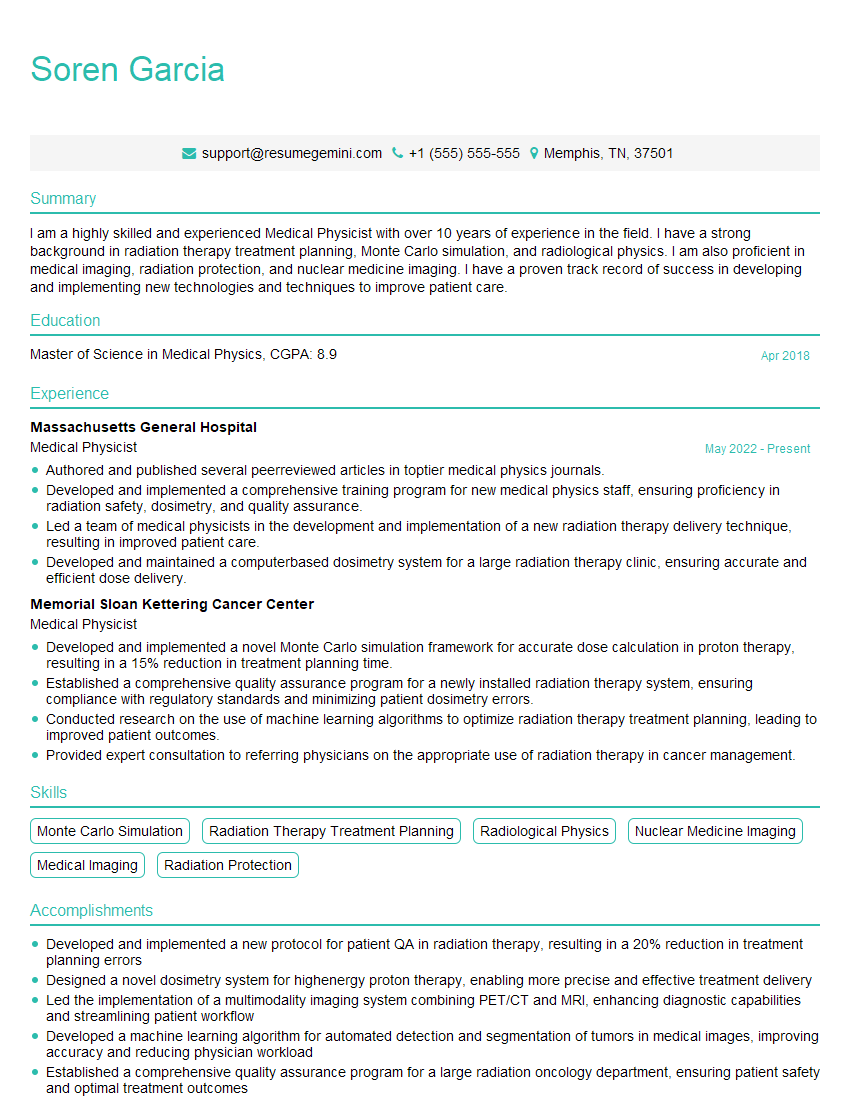
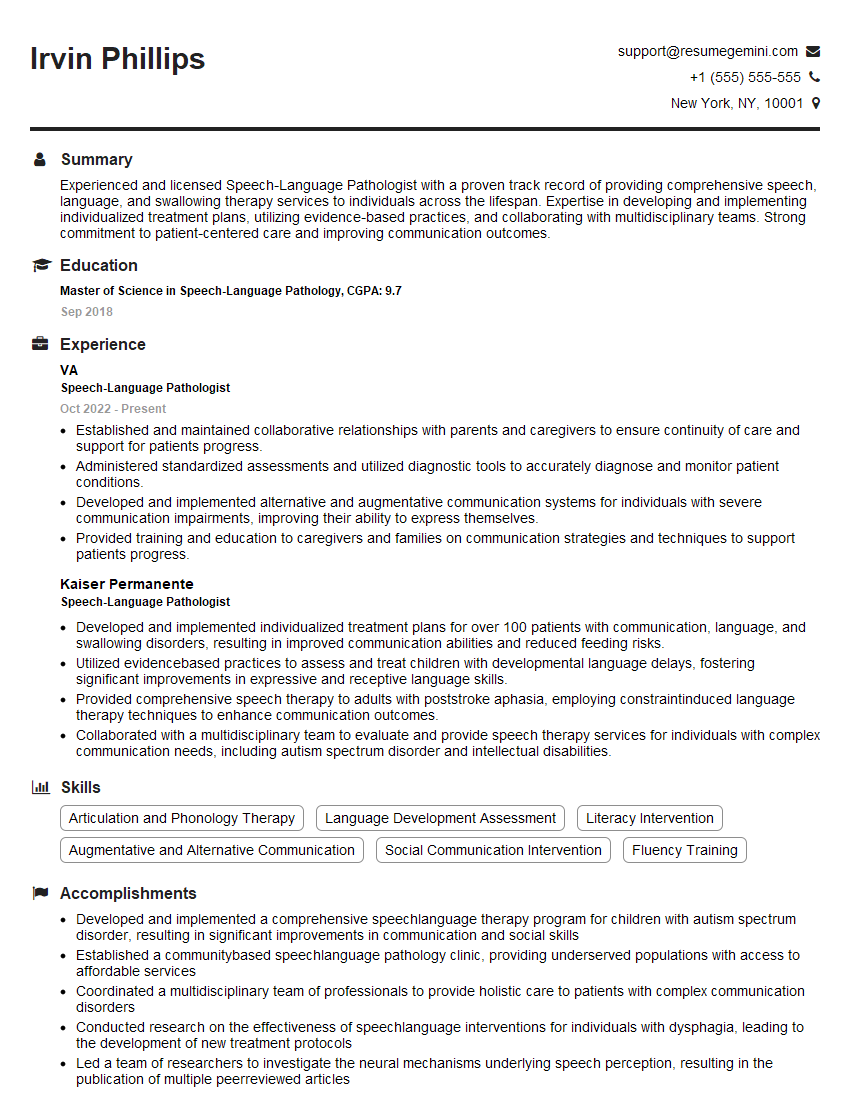
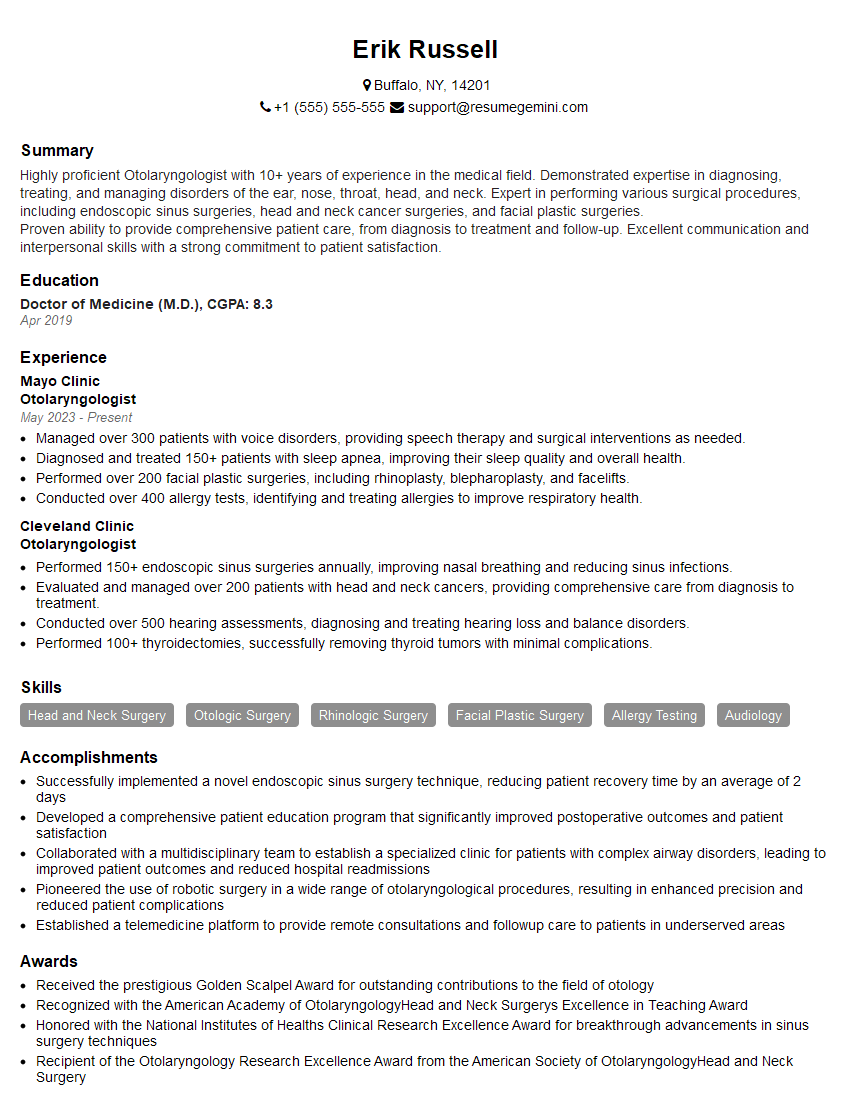
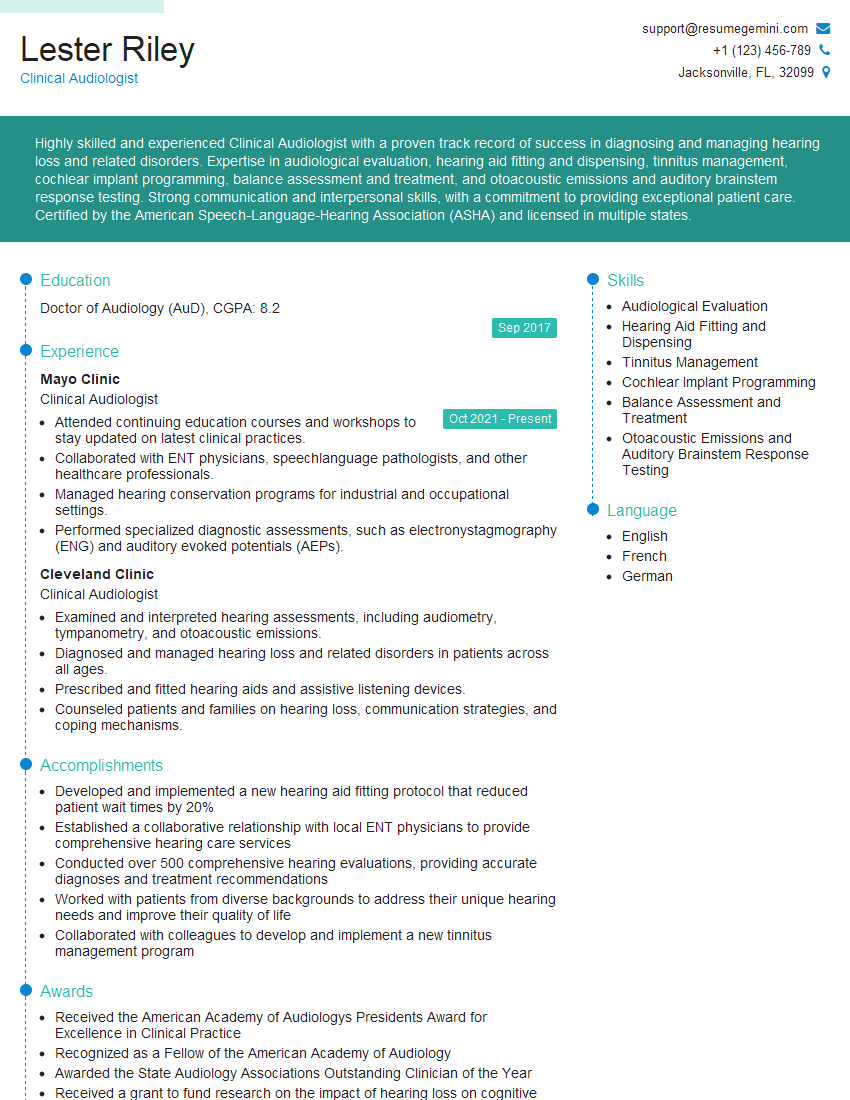
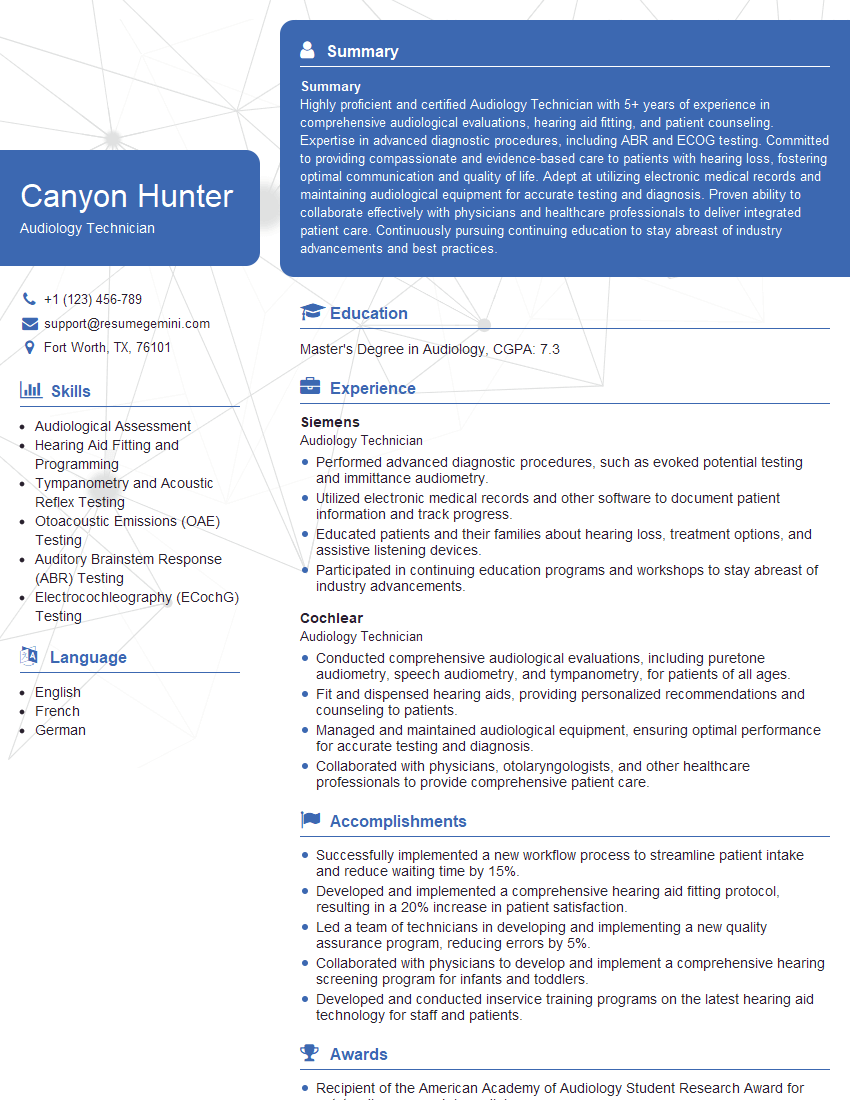
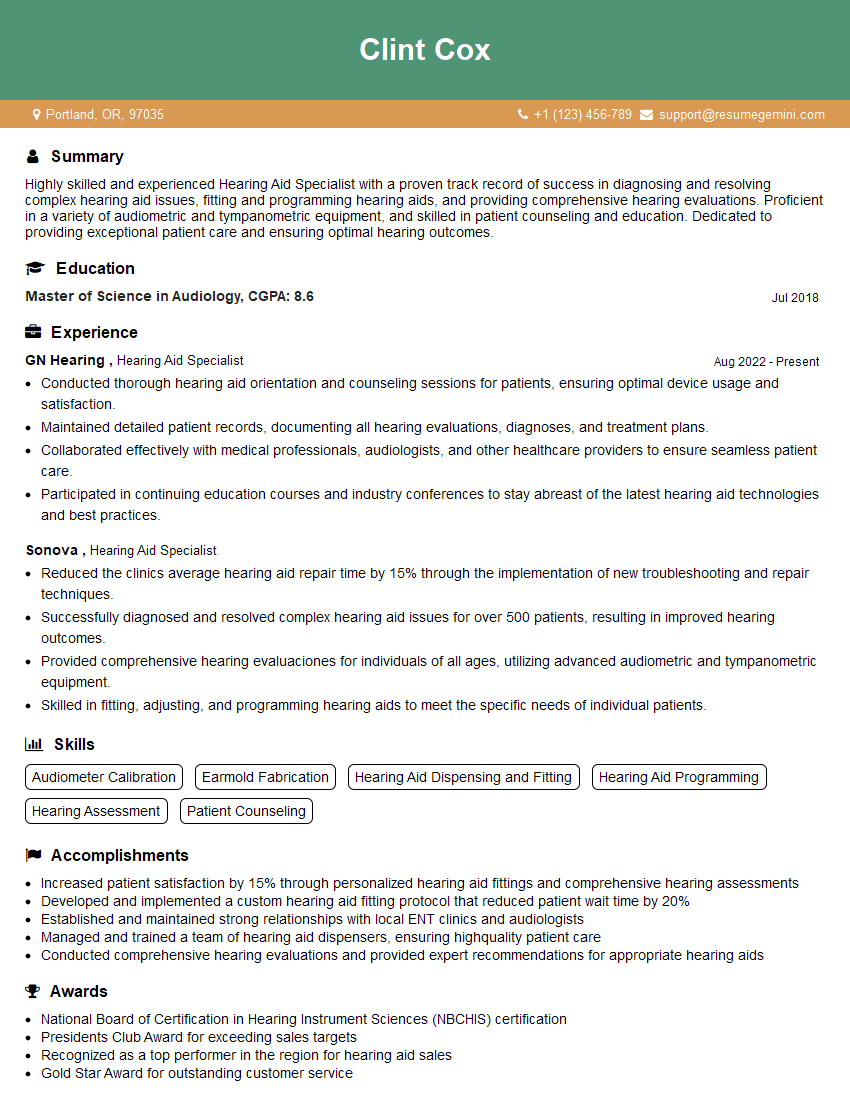
Mastering Otoacoustic Emissions opens doors to exciting career opportunities in audiology and hearing science. A strong understanding of OAE principles and applications is highly valued by employers. To significantly enhance your job prospects, creating a compelling and ATS-friendly resume is crucial. ResumeGemini offers a powerful and user-friendly platform to build a professional resume that showcases your skills and experience effectively. We provide examples of resumes tailored specifically to Otoacoustic Emissions professionals to help you get started. Invest in your future and build the perfect resume with ResumeGemini.

Explore more articles
Users Rating of Our Blogs
Share Your Experience
We value your feedback! Please rate our content and share your thoughts (optional).
What Readers Say About Our Blog
I Redesigned Spongebob Squarepants and his main characters of my artwork.
https://www.deviantart.com/reimaginesponge/art/Redesigned-Spongebob-characters-1223583608
IT gave me an insight and words to use and be able to think of examples
Hi, I’m Jay, we have a few potential clients that are interested in your services, thought you might be a good fit. I’d love to talk about the details, when do you have time to talk?
Best,
Jay
Founder | CEO