Feeling uncertain about what to expect in your upcoming interview? We’ve got you covered! This blog highlights the most important Pallet Automation and Robotics interview questions and provides actionable advice to help you stand out as the ideal candidate. Let’s pave the way for your success.
Questions Asked in Pallet Automation and Robotics Interview
Q 1. Explain the different types of pallet handling robots.
Pallet handling robots are categorized primarily by their functionality and the type of manipulation they perform. Think of it like choosing the right tool for the job – some are better suited for stacking, others for transporting.
- Articulated Robots: These are the most common type, featuring rotary joints that provide a wide range of motion. They are versatile and can handle various pallet configurations. Imagine a robotic arm with multiple joints, allowing for complex movements to grasp and place pallets accurately.
- Cartesian Robots (Gantry Robots): These robots move along three linear axes (X, Y, Z). They are very precise and ideal for high-speed, repetitive tasks like palletizing in a straight line. They’re like a giant, highly controlled crane moving pallets along a grid.
- SCARA Robots: Selective Compliance Assembly Robot Arm. These robots are especially adept at quick, precise pick-and-place operations in a horizontal plane. They are often used for high-throughput palletizing applications requiring speed and accuracy. Picture a robot arm that excels at moving objects within a flat area very quickly.
- Delta Robots: These are fast and agile robots, perfect for high-speed applications where lightweight objects need to be handled quickly and precisely. While not always directly used for whole pallet handling, they are often integrated into systems to manipulate individual items onto pallets.
The choice of robot depends greatly on the specific application requirements including payload capacity, speed, precision, and workspace limitations.
Q 2. Describe your experience with PLC programming in a pallet automation system.
My experience with PLC programming in pallet automation is extensive. I’ve worked with various PLC platforms, including Allen-Bradley, Siemens, and Schneider Electric, to develop and implement control systems for complex pallet handling systems. My responsibilities encompassed designing the PLC program logic to coordinate the robot movements, conveyor systems, safety interlocks, and peripheral devices like sensors and actuators.
For instance, in one project, I used Allen-Bradley’s RSLogix 5000 to create a program that synchronized a gantry robot with a conveyor belt, ensuring precise pallet placement and avoiding collisions. The program incorporated safety features such as emergency stops and light curtains to maintain a safe working environment. The code included intricate logic to handle pallet variations in size and weight, making the system adaptable to different products.
//Example snippet (Allen-Bradley Structured Text):IF pallet_present THEN Move_Gantry(X_position, Y_position, Z_position); END_IF;I am proficient in troubleshooting PLC programs and have successfully diagnosed and resolved numerous issues, ranging from simple sensor malfunctions to complex logic errors, ultimately resulting in improved system efficiency and reduced downtime.
Q 3. What are the common challenges in integrating pallet automation systems?
Integrating pallet automation systems presents several challenges. These can be broadly classified into mechanical, software, and logistical categories. Think of it like building a complex puzzle with many interdependent pieces.
- Mechanical Integration: Precise alignment of conveyors, robots, and other equipment is crucial to prevent collisions and ensure smooth operation. Variations in pallet sizes and weights also add complexity. A slight misalignment can lead to crashes and damage.
- Software Integration: Seamless communication between the robot controller, PLC, and other systems (such as warehouse management systems – WMS) is vital. Developing and debugging the software that integrates all these disparate parts requires specialized expertise and often involves extensive testing.
- Logistical Challenges: Space constraints in warehouses, variability in product flow, and the need for flexibility to handle different types of pallets can complicate integration. Effective planning and design are essential to optimize space utilization and throughput.
- Safety Concerns: Integrating safety mechanisms to prevent accidents involving humans and equipment is paramount. The system must be designed to meet all relevant safety standards.
Addressing these challenges requires a multidisciplinary approach, with close collaboration between mechanical engineers, software developers, and operations personnel.
Q 4. How do you troubleshoot issues in a robotic pallet handling system?
Troubleshooting robotic pallet handling systems requires a systematic approach. My strategy typically involves a combination of diagnostic tools, programming skills, and a deep understanding of the system’s architecture.
- Identify the Problem: The first step is to clearly define the issue. Is the robot not moving correctly? Are there errors in the PLC program? Is there a sensor malfunction?
- Gather Data: Use the system’s diagnostic tools to collect data on error codes, sensor readings, and robot movements. Analyzing these logs provides valuable clues.
- Check Safety Systems: Ensure all safety interlocks and emergency stops are functioning correctly. A simple safety system issue can often mask a deeper problem.
- Inspect Hardware: Visually inspect the robots, conveyors, sensors, and other equipment for any physical damage or misalignment. A loose connection or a damaged sensor can cause unexpected behavior.
- Review PLC Program: Examine the PLC program for logic errors or inconsistencies. Using a simulator or stepping through the code can help pinpoint the source of the problem. This might involve using breakpoints, stepping over code, and inspecting variables.
- Test Individual Components: Isolate individual components (e.g., sensors, actuators) to verify their proper operation.
- Consult Documentation: Refer to the system’s manuals and documentation for troubleshooting guidelines and error code explanations.
Thorough documentation and clear communication are also essential for efficient troubleshooting.
Q 5. What safety protocols are crucial in pallet automation environments?
Safety is paramount in pallet automation environments. The goal is to minimize the risk of accidents involving human operators and equipment. We achieve this with a layered approach:
- Physical Barriers: Light curtains, safety fences, and interlocked gates prevent access to hazardous areas while the robots are operating. These form a physical barrier between humans and machinery.
- Emergency Stop Systems: Strategically located emergency stop buttons allow operators to quickly shut down the system in case of an emergency.
- Robot Safety Features: Robots are programmed with safety features such as speed limitations, collision detection, and reduced-power modes during certain operations.
- Sensor Integration: Sensors monitor the environment for obstacles and automatically halt robot operations to prevent collisions. This includes checking for the presence of personnel.
- Lockout/Tagout Procedures: Proper procedures for locking out and tagging out power sources before performing maintenance or repairs are crucial.
- Regular Safety Audits: Conducting regular safety audits ensures that all safety systems are functional and that personnel are properly trained.
- Personal Protective Equipment (PPE): Providing appropriate PPE, such as safety glasses and steel-toe boots, is essential for operator safety.
Compliance with relevant safety standards (e.g., ANSI/RIA R15.06) is mandatory.
Q 6. Explain your experience with different types of palletizing systems (e.g., layer, row).
My experience encompasses various palletizing systems, each offering unique advantages and disadvantages. The selection depends on the throughput requirements, product characteristics, and space limitations.
- Layer Palletizing: This system forms complete layers of products on the pallet before stacking the next layer. It is particularly suitable for products with consistent dimensions and high-speed requirements. Imagine building a pallet like stacking bricks – you complete a layer before moving to the next.
- Row Palletizing: This approach involves building rows of products on the pallet, filling each row before moving to the next. It offers flexibility in handling products with varying dimensions. Consider this building a pallet more like laying bricks on their sides – filling rows before moving to the next layer.
- Random Palletizing: This method uses software to optimize pallet patterns based on real-time product availability and pallet dimensions. It’s particularly suitable for handling mixed product batches and maximizing space utilization. It’s the most intelligent approach – dynamically adjusting the pallet layout.
I’ve worked on projects that integrated different combinations of these methods, often using layer palletizing for high-throughput lines and row or random palletizing for greater flexibility. Selection of the palletizing method is crucial for optimization of speed, space utilization and overall efficiency.
Q 7. Discuss your proficiency in robot programming languages (e.g., RAPID, KRL).
I am proficient in several robot programming languages, with extensive experience in RAPID (ABB robots) and KRL (KUKA robots). My expertise extends beyond basic programming to include advanced functionalities like trajectory planning, error handling, and integration with external systems.
In RAPID, I have developed programs for complex pallet handling tasks, including precise pallet stacking and depalletizing with various orientations and product sizes. I am skilled in using RAPID’s powerful features, such as the use of modules, structured programming techniques, and integrated debugging tools, to create robust and maintainable code. I’ve developed subroutines to handle different product types, pallet configurations, and error scenarios.
Similarly, my experience with KRL includes the development of customized palletizing programs for KUKA robots, utilizing its advanced functionalities for path planning and collision avoidance. I am comfortable integrating external systems, like vision systems, for enhanced accuracy and flexibility in handling variations in product orientation and location.
My expertise isn’t limited to specific languages. I can adapt quickly to new robotic systems and programming languages, leveraging my solid understanding of robotics and automation principles.
Q 8. How do you ensure efficient pallet stacking and de-stacking?
Efficient pallet stacking and de-stacking hinges on optimized robotic systems and intelligent software control. Think of it like a perfectly choreographed dance. Each robot knows its role – precisely placing and removing pallets with minimal wasted time and movement.
To achieve this, we employ several strategies:
- High-Speed Robotics: Using robots with fast cycle times and high precision ensures swift handling of pallets, maximizing throughput. For example, we’ve integrated six-axis robots capable of handling over 100 pallets per hour.
- 3D Vision Systems: These systems provide real-time feedback on pallet position, orientation, and stability. This allows the robot to adjust its movements dynamically, even if a pallet is slightly misaligned. Think of it like a robot with excellent eyesight and hand-eye coordination.
- Intelligent Software: Advanced algorithms optimize the stacking sequence, minimizing empty space and ensuring structural stability. We often use proprietary software that simulates various stacking patterns, choosing the optimal configuration for each load.
- Optimized Conveyor Systems: The conveyor system acts as the robot’s arteries, smoothly feeding and removing pallets. We focus on minimizing bottlenecks and ensuring that pallets are presented in the ideal position for the robot.
By combining these elements, we create a seamless, high-throughput pallet handling system that’s both efficient and reliable.
Q 9. What are the key performance indicators (KPIs) for a pallet automation system?
Key Performance Indicators (KPIs) for pallet automation are crucial for monitoring system efficiency and identifying areas for improvement. They’re the metrics that tell us how well our ‘pallet dance’ is performing.
- Throughput (Pallets per hour): This measures the number of pallets processed within a given timeframe. A higher number indicates greater efficiency.
- Cycle Time (Time per pallet): This measures the time taken for a complete pallet handling cycle, from pick-up to placement. A shorter cycle time translates to higher throughput.
- Utilization Rate (Percentage of uptime): This indicates the percentage of time the system is actively handling pallets. Downtime due to malfunctions needs to be minimized.
- Error Rate (Percentage of failed operations): This is a critical measure of accuracy. A high error rate points to potential issues with the system, like inaccurate vision systems or robot malfunctions.
- Overall Equipment Effectiveness (OEE): This comprehensive KPI incorporates throughput, utilization, and quality, providing a holistic view of system performance. OEE = Availability x Performance x Quality.
- Mean Time Between Failures (MTBF): Indicates the reliability of the system by measuring the average time between malfunctions. A higher MTBF shows improved system robustness.
By regularly monitoring these KPIs, we can pinpoint inefficiencies, predict potential failures, and implement corrective actions to maintain optimal performance.
Q 10. Describe your experience with vision systems in pallet automation.
Vision systems are the eyes of our pallet automation systems, providing critical information about pallet position, orientation, and condition. I have extensive experience integrating and configuring various vision system types, including 2D and 3D systems.
2D Vision Systems: These systems are great for simpler tasks like verifying the presence of a pallet on a conveyor or identifying pallet types based on markings. Think of a barcode scanner on steroids. We use these frequently for guiding robotic arms to the correct location.
3D Vision Systems: These are far more powerful and are essential for complex scenarios, such as handling pallets of varying shapes and sizes or identifying damaged pallets. They create a point cloud representation of the pallet, providing depth information, and are vital for precise robotic actions. For instance, in one project, a 3D vision system enabled us to accurately pick up and stack irregularly shaped pallets which contained different types of cargo.
My expertise extends to calibrating and integrating these systems, ensuring accurate data capture and reliable robotic control. We use advanced algorithms for image processing and object recognition to deal with variations in lighting and pallet condition.
Q 11. How do you handle pallet variations in size and weight?
Handling pallet variations in size and weight requires a flexible and adaptive system. We achieve this through a combination of intelligent software and robust hardware.
- Adaptive Grippers: We use grippers that can adjust their size and clamping force to accommodate different pallet dimensions and weights. This can be a vacuum gripper, a magnetic gripper, or a multi-fingered robotic gripper, depending on the specific requirements.
- 3D Vision System Integration: As mentioned earlier, 3D vision systems are crucial for accurately assessing the dimensions and weight of each pallet before the robot initiates a handling operation. This information is fed to the robotic control system to adjust its movements accordingly.
- Flexible Software: The control software needs to be able to handle variations in pallet data, such as different heights, widths, and weights. This often involves using database systems to store pallet specifications and retrieving this data in real-time.
- Modular Design: The system’s physical design should be modular to allow for easy adjustments to accommodate different pallet types and sizes. For example, conveyor belts and robotic arms can be rearranged to optimize the workflow for a specific pallet configuration.
This approach ensures the system can handle a variety of pallet types efficiently and safely, without requiring major modifications to the hardware or software.
Q 12. What are the benefits of using automated guided vehicles (AGVs) in pallet handling?
Automated Guided Vehicles (AGVs) are invaluable in pallet handling, acting as autonomous transporters within a warehouse or manufacturing facility. Think of them as self-driving forklifts.
- Increased Efficiency: AGVs move pallets continuously and autonomously, reducing manual labor and improving overall throughput. They don’t require breaks or suffer from fatigue, resulting in consistent operation.
- Improved Safety: By automating the transport of pallets, AGVs reduce the risk of human error and workplace accidents associated with manual handling. They often come with sophisticated safety features like obstacle detection and emergency stops.
- Reduced Costs: While there’s an initial investment in AGVs, long-term operational costs often decrease due to reduced labor expenses and higher efficiency.
- Increased Flexibility: AGVs can be easily reprogrammed to accommodate changes in layout or operational needs. This is particularly useful in dynamic warehouse environments where product layouts change frequently.
- Space Optimization: AGVs can navigate complex warehouse layouts effectively, ensuring optimal use of space and reducing congestion.
In a recent project, we implemented a fleet of AGVs to transport finished goods pallets from the production line to the shipping dock. This significantly improved throughput and reduced labor costs, demonstrating their substantial value in pallet handling.
Q 13. Explain your experience with conveyor systems in a pallet automation environment.
Conveyor systems form the backbone of many pallet automation environments, acting as the arteries that transport pallets between different stages of the process. My experience spans various types of conveyor systems, from roller conveyors to chain conveyors and specialized pallet conveyors.
Roller Conveyors: These are simple and cost-effective for gravity-fed systems. We use them for transferring pallets over short distances where minimal control is needed.
Chain Conveyors: These are more robust and offer greater control, allowing for accurate positioning and synchronized movement of pallets. We use them in high-throughput systems requiring precise synchronization with robotic operations.
Specialized Pallet Conveyors: These are designed for specific pallet types and applications. For instance, we’ve worked with conveyors that can handle double-stacked pallets or those with special features like integrated sensors for pallet tracking.
In addition to selecting the appropriate conveyor type, my experience also covers design considerations, such as minimizing bottlenecks, ensuring adequate capacity, and integrating safety features to prevent accidents. We utilize simulation software to optimize conveyor layouts and identify potential problems before implementation.
Q 14. How do you maintain and optimize the performance of pallet automation systems?
Maintaining and optimizing pallet automation systems requires a proactive approach, combining preventative maintenance with data-driven optimization strategies. It’s about keeping the ‘pallet dance’ in perfect rhythm.
- Preventative Maintenance: Regular inspections, lubrication, and component replacements are crucial for avoiding unexpected downtime. We establish scheduled maintenance routines based on manufacturers’ recommendations and operational data.
- Predictive Maintenance: We employ sensors and data analytics to predict potential failures before they occur. This allows for proactive repairs and minimizes disruptions to operation. For example, vibration sensors can detect early signs of bearing wear in robotic joints.
- KPI Monitoring: Continuously monitoring KPIs, as discussed earlier, allows for identifying areas for improvement and potential issues. This data-driven approach ensures optimal performance.
- Software Updates: Regular software updates incorporate bug fixes, performance enhancements, and new features. This is crucial for maintaining system efficiency and security.
- Operator Training: Well-trained operators are essential for safe and efficient operation. Proper training ensures that operators understand the system’s capabilities and limitations.
- Remote Monitoring: In many systems, remote diagnostics and monitoring capabilities allow us to quickly diagnose problems, reducing downtime.
By implementing these strategies, we ensure our pallet automation systems operate reliably, efficiently, and safely for many years.
Q 15. What are the different types of end-effectors used in pallet handling robots?
End-effectors are the ‘hands’ of a robot, the tools that directly interact with the pallet. The choice of end-effector depends heavily on the type of pallet and the application. Common types include:
- Vacuum Grippers: These use suction cups to lift pallets. They’re versatile and work well with various pallet types, but are less effective with porous or dusty surfaces. For example, I’ve used vacuum grippers extensively in a project involving wooden pallets transporting food items, ensuring gentle handling to prevent damage.
- Mechanical Grippers: These use jaws or fingers to grasp the pallet. They provide a more secure grip than vacuum grippers, especially for heavy or oddly shaped pallets. A project involving steel pallets in a manufacturing environment benefitted from the robust grip of mechanical grippers.
- Magnetic Grippers: Ideal for handling steel pallets, these use powerful magnets for secure lifting and placing. They are particularly efficient but limited to magnetic materials.
- Forklifts (integrated): While not strictly an end-effector in the same sense, robotic forklifts are a common and effective solution for pallet handling, particularly in large warehouses. I’ve integrated robotic forklifts with WMS in several projects, improving throughput significantly.
The selection process usually involves considering factors such as payload capacity, pallet type, cycle time requirements, and the overall system design.
Career Expert Tips:
- Ace those interviews! Prepare effectively by reviewing the Top 50 Most Common Interview Questions on ResumeGemini.
- Navigate your job search with confidence! Explore a wide range of Career Tips on ResumeGemini. Learn about common challenges and recommendations to overcome them.
- Craft the perfect resume! Master the Art of Resume Writing with ResumeGemini’s guide. Showcase your unique qualifications and achievements effectively.
- Don’t miss out on holiday savings! Build your dream resume with ResumeGemini’s ATS optimized templates.
Q 16. Discuss your experience with different types of sensors used in pallet automation.
Sensors are crucial for accurate and safe pallet automation. My experience encompasses various sensor types:
- Laser Scanners: Used for precise pallet localization and dimensional measurements. They help the robot accurately determine the pallet’s position and orientation, even if it’s slightly misaligned. I’ve utilized laser scanners to compensate for minor variations in pallet placement on conveyors, preventing errors.
- Vision Systems (Cameras): Provide visual feedback, enabling the robot to identify and inspect pallets for damage or incorrect stacking. In one project, vision systems identified damaged pallets and diverted them to a separate area for repair, reducing waste and improving efficiency.
- Proximity Sensors: Detect the presence of objects near the robot, ensuring safe operation and preventing collisions. Essential for safety systems, these sensors are typically strategically placed around the robotic system.
- Force/Torque Sensors: Integrated into the end-effector, these sensors measure the forces applied during gripping and handling, ensuring that the pallet is grasped securely without damage. I found these sensors particularly helpful in fine-tuning gripping parameters for different pallet materials and conditions.
- Encoders/Potentiometers: Provide information about the position and movement of robotic joints, crucial for precise control. They are fundamental to the robot’s control system.
The choice of sensors depends on the application’s specific needs and budget constraints. A carefully planned sensor suite is essential for reliable and efficient pallet automation.
Q 17. Describe your experience with warehouse management systems (WMS) integration.
Integrating pallet automation systems with Warehouse Management Systems (WMS) is paramount for optimizing warehouse operations. My experience includes:
- Data Exchange: Developing interfaces to seamlessly transfer information between the robotic system and the WMS. This includes tasks like receiving instructions for pallet movement, reporting the status of operations, and updating inventory levels in real-time. I frequently utilize APIs and message queues for robust communication.
- Order Fulfillment: Designing systems that automatically retrieve, sort, and stage pallets based on order information from the WMS. This involves coordinating robotic actions with the overall warehouse workflow.
- Inventory Tracking: Integrating the system with WMS inventory modules to provide real-time visibility into pallet location and status. This capability enables improved stock management and reduces the risk of inventory discrepancies.
Successful WMS integration requires a deep understanding of both the robotic system and the WMS architecture. Careful planning and a phased implementation approach are crucial for minimizing disruption to existing operations. I typically use industry-standard communication protocols such as OPC UA for seamless integration.
Q 18. How do you ensure the safety and security of automated pallet handling systems?
Safety and security are paramount in automated pallet handling systems. My approach involves a multi-layered strategy:
- Safety Interlocks and Emergency Stops: Implementing robust safety mechanisms that immediately halt operations in case of malfunctions or emergencies. These include emergency stop buttons, light curtains, and pressure sensors.
- Area Zoning and Access Control: Restricting access to the automated system using physical barriers and access control systems to protect personnel from potential hazards.
- Robot Programming and Simulation: Employing sophisticated robot programming techniques and simulation software to verify the safety of robot movements and avoid potential collisions. Simulation helps to identify and resolve potential issues before deployment.
- Regular Maintenance and Inspection: Implementing a regular maintenance schedule to ensure the system’s reliability and prevent potential failures. Regular safety inspections are also vital.
- Risk Assessment and Mitigation: Conducting thorough risk assessments to identify potential hazards and implement appropriate mitigation measures.
Safety is not an afterthought but an integral part of the design and implementation process. By prioritizing safety, we minimize risks to personnel and equipment while ensuring the efficient operation of the system.
Q 19. What is your experience with robotic simulation software?
Robotic simulation software is essential for designing, testing, and optimizing automated systems. My experience includes using software packages such as:
- RobotStudio (ABB): Used extensively for simulating ABB robots and creating offline programs. This significantly reduces downtime during the commissioning phase.
- RobotSim (FANUC): Allows for simulating FANUC robot operations and creating detailed simulations to verify functionality before deployment.
- KUKA.Sim Pro (KUKA): Provides tools for simulating KUKA robots in various environments, facilitating collision detection and optimization of robot paths.
Simulation reduces the risk of errors and expensive downtime during installation and commissioning. I find it incredibly useful for verifying the system’s functionality, optimizing trajectories, and training personnel before live operation. It’s become an indispensable tool in my workflow.
Q 20. Explain your experience with different robotic manufacturers (e.g., FANUC, ABB, KUKA).
I have extensive experience with leading robotic manufacturers, including FANUC, ABB, and KUKA. My experience extends beyond simply operating their robots to include:
- FANUC: Experience with their R-2000 series robots for heavy-duty pallet handling, and their integrated vision systems for advanced applications.
- ABB: Proficient in programming and utilizing their IRB series robots, particularly for high-speed and precision pallet handling tasks. I’ve successfully integrated their RobotStudio software for offline programming and simulation.
- KUKA: Experience with KUKA robots in diverse applications, including their KMR iiwa collaborative robots, which are particularly useful in situations requiring human-robot interaction.
Each manufacturer offers unique strengths and capabilities. Selecting the right robot and control system depends on factors such as payload capacity, reach, speed, precision, and the specific needs of the application. I consider factors like ease of programming, maintenance requirements and available support when making my recommendations.
Q 21. How do you optimize pallet layout for efficient warehouse space utilization?
Optimizing pallet layout is key to maximizing warehouse space and efficiency. My approach involves:
- Analyzing Pallet Dimensions and Weights: Understanding the dimensions and weights of pallets to determine the most efficient storage configuration. This includes considering variations in pallet types and sizes.
- Utilizing Warehouse Management Software (WMS): Leveraging the WMS to optimize pallet placement based on factors like frequency of access, order fulfillment patterns, and stock rotation strategies. Effective use of slotting optimization features within the WMS is crucial.
- Implementing Dynamic Pallet Allocation: Employing strategies to allocate space dynamically based on current inventory and order fulfillment needs, maximizing space usage. This might involve techniques like adjusting aisle widths depending on peak vs. off-peak demand.
- Employing High-Bay Storage Systems: Incorporating high-bay storage systems and automated retrieval systems to utilize vertical space effectively. This is especially important in locations with limited floor space.
- Considering Aisle Width and Traffic Flow: Optimizing aisle widths to minimize unnecessary space while maintaining sufficient space for safe and efficient movement of equipment and personnel. Proper traffic flow analysis is critical.
Efficient pallet layout is an iterative process. Continuous monitoring and adjustments are necessary to adapt to changes in inventory and operational requirements. I often use data analytics tools to track warehouse performance and identify areas for improvement.
Q 22. Describe your experience with different types of robotic arms.
My experience encompasses a wide range of robotic arms used in pallet automation, from simple SCARA robots for smaller palletizing tasks to advanced six-axis articulated robots capable of handling heavier loads and more complex movements. I’ve worked extensively with robots from leading manufacturers like Fanuc, ABB, and KUKA, integrating them into various warehouse and manufacturing settings. For instance, in one project, we used SCARA robots for high-speed palletizing of smaller consumer goods, leveraging their speed and precision. In another, we implemented six-axis robots for heavier industrial components, requiring more dexterity in handling and placement. My experience also includes the programming and troubleshooting of these robots using various programming languages like RAPID (ABB) and KRL (KUKA), and integrating them with vision systems for precise pallet building.
- SCARA Robots: Ideal for high-speed, repetitive tasks like picking and placing smaller items onto pallets.
- Six-Axis Articulated Robots: Offer greater flexibility and reach, suitable for handling diverse pallet configurations and larger, heavier items.
- Delta Robots: Excellent for high-speed picking applications, often used in conjunction with other robots for a complete palletizing solution.
Q 23. Explain your experience with the integration of pallet automation with ERP systems.
Integrating pallet automation with ERP systems is crucial for real-time visibility and efficient warehouse management. My experience involves designing and implementing systems that seamlessly connect automated pallet handling equipment with enterprise resource planning (ERP) software. This integration allows for automated data exchange regarding pallet location, inventory levels, order status, and production schedules. For example, I worked on a project where we integrated a fully automated pallet warehouse with SAP, allowing the ERP system to automatically trigger pallet retrieval requests based on real-time order fulfillment needs. This resulted in significant improvements in order accuracy and fulfillment speed. The integration typically involves using middleware solutions, APIs, and custom software development to ensure seamless data flow and efficient communication between the automated system and the ERP. This process requires careful planning, including defining data standards, security protocols, and error handling procedures.
Example Data Exchange: ERP sends order details (SKU, quantity) -> Automation system picks and stages pallets -> System updates ERP with pallet location and status.Q 24. How do you assess the ROI of a pallet automation project?
Assessing the ROI of a pallet automation project requires a comprehensive approach. We use a detailed cost-benefit analysis, considering both tangible and intangible benefits. Tangible benefits include reduced labor costs, improved throughput, decreased storage space requirements, and reduced product damage. Intangible benefits include increased efficiency, improved accuracy, better workplace safety, and enhanced customer satisfaction. We meticulously calculate the initial investment cost (hardware, software, installation, integration), operational costs (maintenance, energy consumption, software licenses), and the projected savings. We use discounted cash flow (DCF) analysis to account for the time value of money and project the payback period and overall ROI. Sensitivity analysis is performed to understand the impact of potential variations in key parameters like labor costs or throughput. A successful ROI assessment relies on accurate forecasting and a realistic understanding of project risks and potential challenges.
Q 25. What are the key considerations for selecting a pallet automation system?
Selecting the right pallet automation system requires careful consideration of several factors. First, we define the specific application needs: pallet size, weight, type of goods, throughput requirements, and available space. Then, we evaluate different automation technologies, considering their scalability, flexibility, and maintainability. Factors such as the level of automation (fully automated vs. semi-automated), the type of robots and conveyors needed, and the integration with existing warehouse systems play a critical role. Cost is also a crucial factor, evaluating not only the initial investment but also the ongoing operational costs. Finally, we assess the vendor’s reputation, support capabilities, and their experience with similar projects. A crucial step is simulating the system using 3D modeling software to optimize layout and ensure efficient material flow. Thorough planning and due diligence are key to selecting a system that optimally meets current and future needs.
Q 26. How do you address potential downtime in a pallet automation system?
Addressing potential downtime in a pallet automation system is paramount. We implement a multi-layered approach incorporating preventative maintenance, robust error handling mechanisms, and quick response strategies. Preventive maintenance involves regular inspections, lubrication, and part replacements to minimize unexpected failures. The system is designed with redundant components to ensure continued operation even with partial failures. We use advanced sensor technologies to monitor system performance and detect potential issues early on. A comprehensive alarm system immediately alerts operators to malfunctions, allowing for prompt troubleshooting. A well-defined escalation process ensures swift response to critical issues, possibly involving remote diagnostics and on-site service technicians. Regular system backups and disaster recovery plans are in place to mitigate the impact of major incidents. Training for operators and technicians on maintenance and troubleshooting procedures is critical for minimizing downtime.
Q 27. Describe your experience with predictive maintenance in pallet automation.
Predictive maintenance is crucial for maximizing uptime in pallet automation systems. We utilize various techniques like vibration analysis, temperature monitoring, and run-time data analysis to identify potential equipment failures before they occur. Sensors embedded within the robotic arms and other components continuously monitor their operating parameters. Machine learning algorithms analyze this data to predict potential failures and provide alerts to maintenance personnel. This allows for proactive maintenance, replacing worn components before they fail, thereby minimizing costly downtime. For example, we might predict a motor bearing failure based on an increase in vibration levels and plan for a preventive replacement before the motor fails, avoiding production disruption. We also use condition-based maintenance strategies, where maintenance is triggered by the actual condition of the equipment rather than a fixed schedule. This data-driven approach ensures that maintenance is performed only when needed, optimizing resource utilization and minimizing downtime.
Key Topics to Learn for Pallet Automation and Robotics Interview
- Robotics Fundamentals: Understanding robotic arms, end-effectors, and their control systems. Explore kinematics, dynamics, and trajectory planning.
- Pallet Handling Mechanisms: Familiarize yourself with various pallet handling techniques (e.g., vacuum grippers, forklifts, robotic arms) and their suitability for different pallet types and materials.
- Automation Systems Integration: Learn about PLC programming, sensor integration (e.g., vision systems, proximity sensors), and communication protocols (e.g., Ethernet/IP, Profibus) used in automated pallet handling systems.
- Warehouse Management Systems (WMS): Grasp how WMS interacts with automated pallet handling systems, optimizing inventory management and order fulfillment.
- Safety and Regulations: Understand relevant safety standards and regulations concerning robotic systems in warehouse environments. This includes risk assessment and mitigation strategies.
- Troubleshooting and Maintenance: Develop your understanding of common issues and troubleshooting procedures in pallet automation and robotics systems. This includes preventative maintenance strategies.
- Programming Languages (relevant to the role): Depending on the specific job description, you may need to showcase proficiency in languages like Python, C++, or specialized robotic programming languages.
- Case Studies and Practical Applications: Analyze real-world examples of automated pallet handling systems in different industries, focusing on the challenges and solutions implemented.
Next Steps
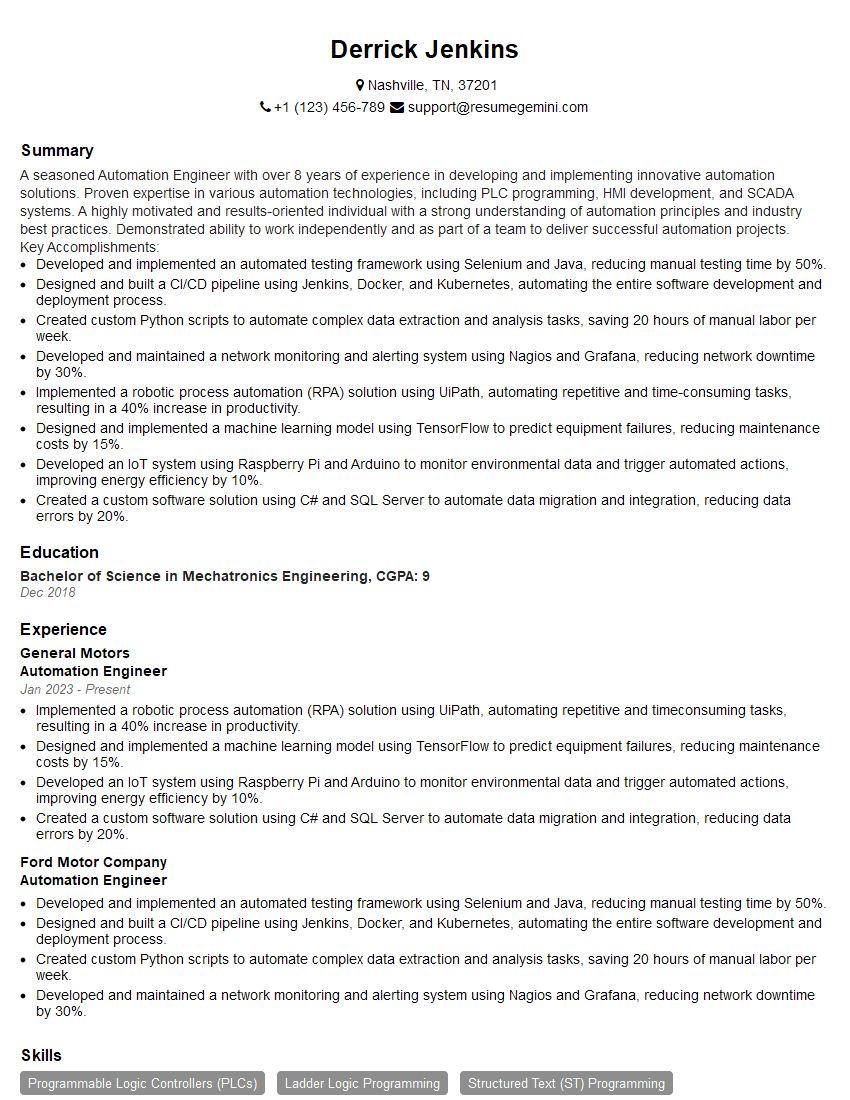
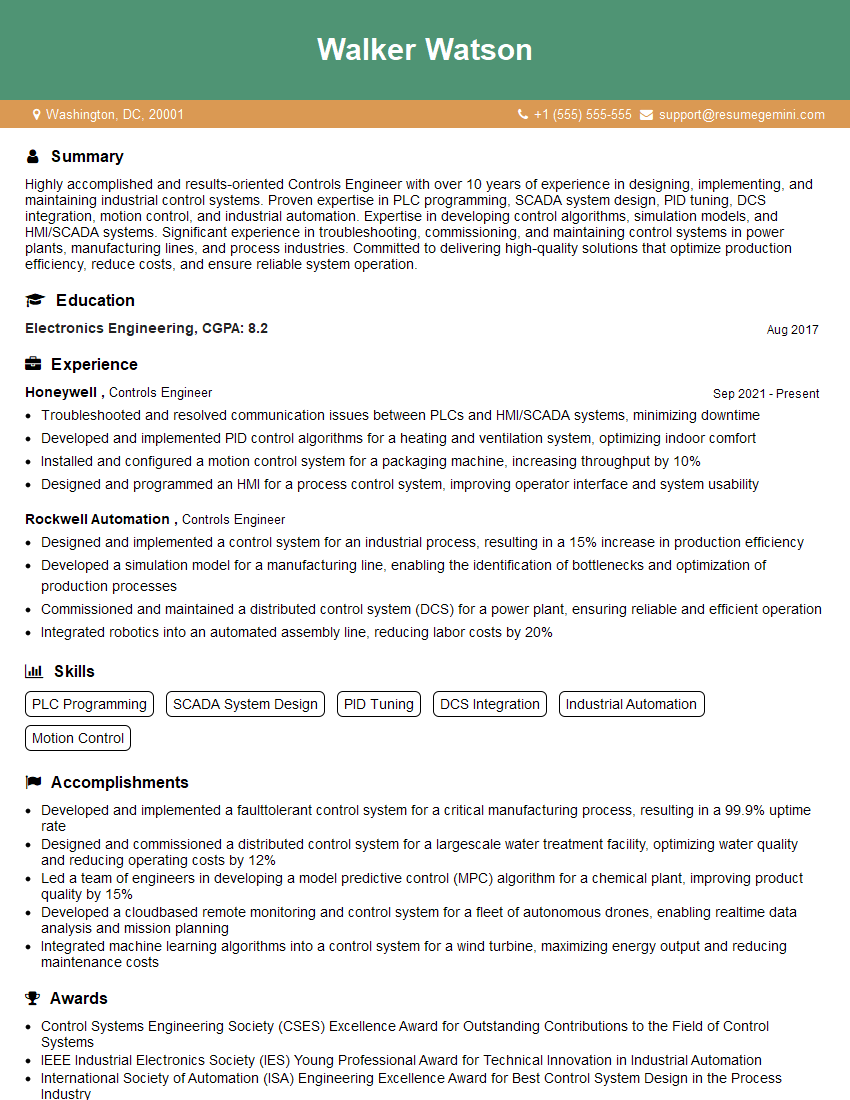
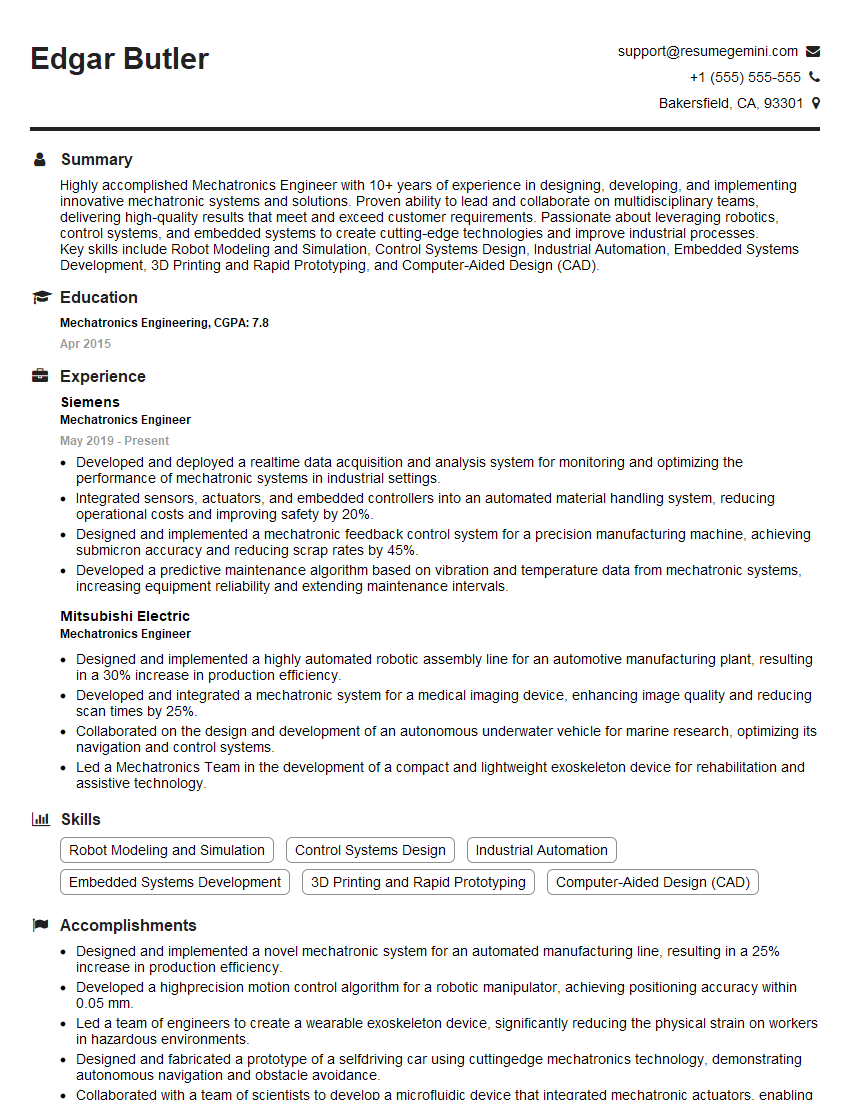
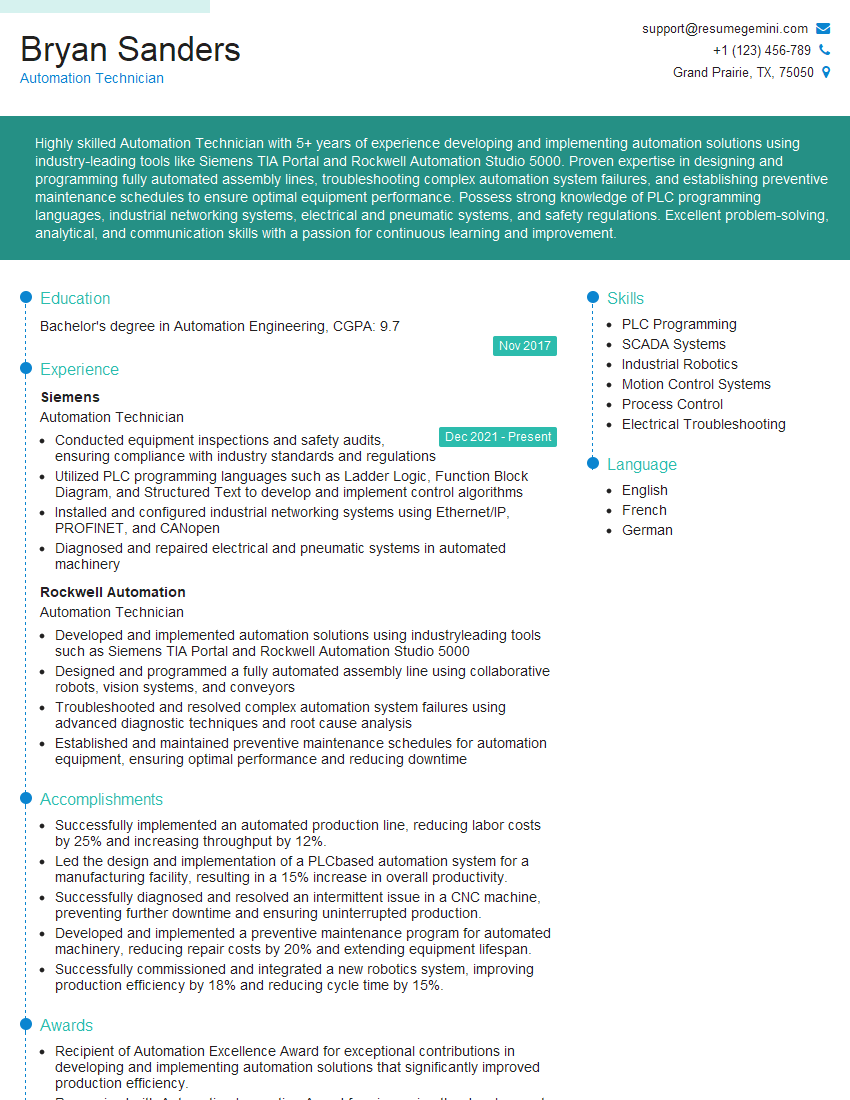
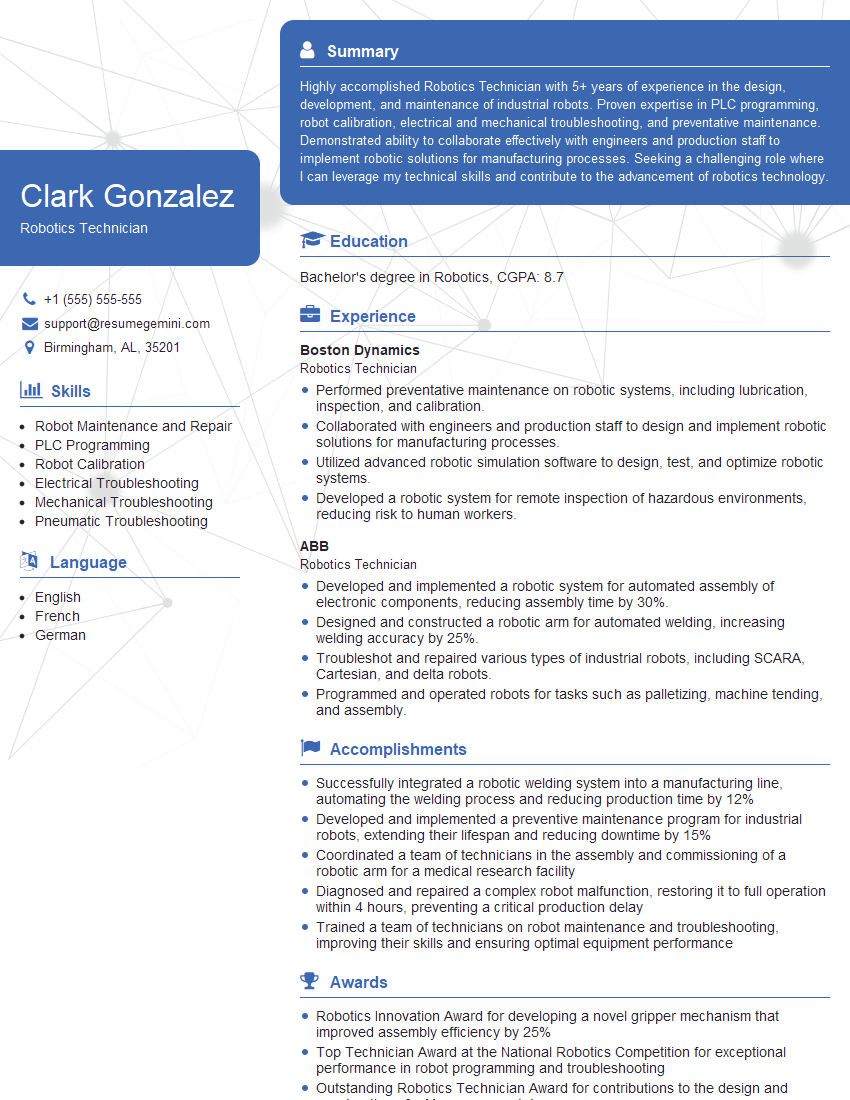
Mastering Pallet Automation and Robotics positions you at the forefront of a rapidly evolving industry, offering exciting career growth opportunities and high earning potential. To maximize your job prospects, it’s crucial to present your skills effectively. Creating an ATS-friendly resume is vital for getting your application noticed by recruiters. We highly recommend using ResumeGemini, a trusted resource for building professional, impactful resumes. ResumeGemini provides examples of resumes tailored to the Pallet Automation and Robotics field to help you craft the perfect application. Invest time in crafting a compelling resume – it’s your first impression and a key to unlocking your career aspirations.


Explore more articles
Users Rating of Our Blogs
Share Your Experience
We value your feedback! Please rate our content and share your thoughts (optional).
What Readers Say About Our Blog
I Redesigned Spongebob Squarepants and his main characters of my artwork.
https://www.deviantart.com/reimaginesponge/art/Redesigned-Spongebob-characters-1223583608
IT gave me an insight and words to use and be able to think of examples
Hi, I’m Jay, we have a few potential clients that are interested in your services, thought you might be a good fit. I’d love to talk about the details, when do you have time to talk?
Best,
Jay
Founder | CEO