The thought of an interview can be nerve-wracking, but the right preparation can make all the difference. Explore this comprehensive guide to Park and Recreation Planning interview questions and gain the confidence you need to showcase your abilities and secure the role.
Questions Asked in Park and Recreation Planning Interview
Q 1. Describe your experience with park master planning processes.
Park master planning is a comprehensive process that guides the long-term development and management of park systems. It involves a multi-phased approach, starting with assessing existing conditions, community needs, and environmental factors. This assessment informs the creation of a vision statement and guiding principles. Then comes the development of a conceptual plan, followed by detailed design, implementation, and ongoing monitoring and evaluation.
In my experience, I’ve led and contributed to numerous master planning projects. For example, in the development of the Willow Creek Park master plan, we started by conducting extensive community surveys and public forums to understand resident preferences for park amenities. We also conducted thorough site analysis, including topographic surveys and ecological assessments. This information was crucial in shaping the final plan which included the development of nature trails, a community garden, a playground, and an amphitheater, all carefully integrated into the existing landscape to minimize environmental impact.
Another key aspect of my experience involves utilizing Geographic Information Systems (GIS) to analyze data, visualize potential development scenarios, and optimize park layout for efficient resource utilization and accessibility. Finally, creating a financially feasible plan, with phased implementation strategies that consider funding availability, is essential.
Q 2. Explain your understanding of ADA accessibility guidelines in park design.
The Americans with Disabilities Act (ADA) Accessibility Guidelines are crucial in ensuring that parks are inclusive and accessible to individuals with disabilities. These guidelines cover a wide range of aspects, including parking, pathways, restrooms, playground equipment, and picnic areas. For example, pathways must have a smooth, stable surface with appropriate gradients and turning spaces. Ramps must meet specific slope requirements, and accessible parking must be provided in sufficient quantity and proximity to park amenities. Playgrounds need to include a variety of inclusive equipment, suitable for children with various physical abilities. Signage must be legible and easily understandable, and park information should be available in alternative formats.
In my work, I ensure ADA compliance by incorporating these guidelines throughout the design process. This often involves collaboration with accessibility specialists and utilizing ADA-compliant design software to ensure compliance with all relevant regulations. For instance, in a recent project, we worked closely with disability advocacy groups to review the design of a new inclusive playground to ensure it met all ADA standards and was actually usable and enjoyable for children of all abilities.
Q 3. How do you prioritize competing needs and interests in park development?
Prioritizing competing needs and interests in park development requires a strategic approach that balances diverse perspectives and resources. Often, stakeholders have different ideas about the best use of park space and available funding. For instance, some may advocate for a large sports field, while others might prioritize a quiet nature area.
My approach is to facilitate open communication and collaboration through a series of community meetings, workshops, and surveys. I use techniques such as multi-criteria decision analysis (MCDA) to weigh competing priorities and rank project elements based on community input and feasibility. This allows for a transparent and data-driven decision-making process. For example, we used MCDA to prioritize projects for a park renovation. We assigned weights to factors such as community need, environmental impact, cost, and feasibility. This allowed us to compare different potential projects and make informed choices based on established criteria. The results of this analysis were presented to the community and incorporated into the final project plan.
Q 4. What software programs are you proficient in for park planning and design?
Proficiency in various software programs is essential for efficient and effective park planning and design. I am highly proficient in AutoCAD for drafting and detailed design, SketchUp for 3D modeling and visualization, and ArcGIS for geographic information systems (GIS) analysis and mapping. Furthermore, I utilize project management software such as Microsoft Project to manage timelines, budgets, and resources effectively. I also have experience with specialized park planning and design software, such as OpenSpace, enhancing my ability to create detailed site plans, assess site suitability, and communicate design ideas to stakeholders.
For example, using ArcGIS, I can overlay various datasets (e.g., topography, soil type, existing infrastructure) to identify optimal locations for trails or amenities. AutoCAD allows for precise drafting of site plans and detailed drawings for construction documents.
Q 5. Describe your experience in conducting community engagement for park projects.
Community engagement is paramount in park planning and design. It ensures that the resulting park reflects the needs and desires of the community it serves. My experience includes conducting a variety of community engagement activities, from public forums and workshops to online surveys and focus groups. I am adept at facilitating meaningful dialogue, incorporating diverse viewpoints, and ensuring that all voices are heard. I also understand the importance of tailoring communication strategies to reach different demographics within the community.
For example, during the planning of a neighborhood park, I organized a series of interactive workshops where residents could provide input on the types of amenities they wanted, participate in design charrettes, and provide feedback on design concepts. We utilized both online and in-person engagement methods to ensure broad participation from all community members.
Q 6. How do you assess the environmental impact of park development projects?
Assessing the environmental impact of park development projects is crucial for responsible land management and ecological sustainability. This involves identifying potential impacts on flora, fauna, water resources, and air quality. It may include assessing the impact on existing habitats, potential for soil erosion, and the need for mitigation strategies. I utilize environmental impact assessment (EIA) methodologies to thoroughly evaluate these factors, collaborating with environmental scientists and specialists as needed.
For instance, in a recent project involving a wetland restoration within a park, we conducted a detailed EIA to assess the impact of construction activities on the sensitive ecosystem. This involved identifying endangered species, assessing water quality, and developing a mitigation plan to minimize any negative impact during and after construction. The mitigation plan included careful site preparation, erosion control measures, and post-construction monitoring to ensure the success of the restoration project.
Q 7. What is your experience with budgeting and resource allocation for park projects?
Budgeting and resource allocation are integral aspects of park project management. I am experienced in developing comprehensive budgets, identifying funding sources (grants, bonds, private donations), and allocating resources effectively to ensure projects remain within budget and are completed on time. This includes developing detailed cost estimates, tracking expenditures, and managing potential cost overruns. My approach involves creating a phased budgeting system that aligns with project milestones, enabling flexibility and proactive management.
For example, during the planning phase of a large-scale park renovation, I created a detailed budget that included separate line items for construction, landscaping, equipment, and ongoing maintenance. We also secured funding from various sources, including local government grants and private donations. By carefully tracking expenditures and managing resources throughout the project lifecycle, we were able to complete the renovation within the allocated budget and on schedule.
Q 8. Explain your approach to managing park maintenance and operations.
Effective park maintenance and operations hinge on a proactive, preventative approach, not just reactive fixes. My strategy involves a three-pronged approach: planning, execution, and evaluation.
- Planning: This begins with a thorough assessment of park assets – from playgrounds and trails to irrigation systems and restrooms. We create detailed maintenance schedules based on the type of asset, its usage frequency, and potential wear and tear. This might include daily checks of restrooms, weekly mowing, and seasonal inspections of playground equipment. We also budget meticulously, allocating funds based on predicted maintenance needs. For example, understanding that a certain type of tree is prone to disease in a particular season allows for proactive treatment, preventing costly replacements later.
- Execution: This phase leverages a skilled and well-trained maintenance team. Regular training sessions keep them updated on best practices, safety procedures, and new technologies. Efficient work flow management, including proper scheduling and resource allocation, is critical. I’ve successfully implemented computerized maintenance management systems (CMMS) in the past, which drastically improved efficiency by tracking work orders, scheduling repairs, and managing inventory.
- Evaluation: Ongoing monitoring is key. We use key performance indicators (KPIs) such as equipment downtime, repair costs, and customer satisfaction surveys to evaluate our maintenance program’s effectiveness. Regular audits help identify weaknesses and areas for improvement. For instance, if we notice a spike in playground equipment repairs, we might investigate if there’s a need for additional safety checks or equipment upgrades.
This systematic approach ensures that our parks are safe, well-maintained, and provide a positive experience for all users.
Q 9. How do you develop and implement recreation programs?
Developing and implementing successful recreation programs requires understanding the community’s needs and interests. My process is iterative and involves several key steps:
- Needs Assessment: This crucial first step involves gathering data through surveys, focus groups, and community meetings to understand the demographic makeup, interests, and existing recreational opportunities. This informs which programs to prioritize, such as senior fitness classes if there’s a large senior population, or youth sports leagues if interest is high among families with children.
- Program Design: Based on the needs assessment, I design programs that align with community needs and resources. This involves specifying program goals, objectives, target audience, activities, staffing requirements, and budget. A successful example is creating an inclusive adaptive recreation program after receiving feedback about a lack of opportunities for individuals with disabilities.
- Implementation: This stage focuses on securing necessary resources, recruiting staff, marketing the programs, and executing them effectively. Regular communication with participants and stakeholders is vital to ensure the program’s smooth operation and gather ongoing feedback.
- Evaluation: Post-program evaluations are essential to assess its impact, collect feedback, and make improvements for future offerings. This might involve measuring participant satisfaction, tracking participation rates, and analyzing cost-effectiveness.
For instance, if a youth soccer program had low participation despite good marketing, the evaluation might reveal scheduling conflicts, leading to changes for next year.
Q 10. How do you evaluate the success of park and recreation programs?
Evaluating the success of park and recreation programs requires a multifaceted approach, combining quantitative and qualitative data.
- Quantitative Data: This includes measurable metrics such as participation rates, attendance figures, program costs, and budget adherence. For instance, tracking the number of participants in a fitness class over several months shows its popularity and effectiveness.
- Qualitative Data: This focuses on participant feedback through surveys, interviews, and focus groups. This captures valuable information about satisfaction levels, program impact, and areas for improvement. Examples include feedback forms asking participants about what aspects they enjoyed and what could be better, or post-program interviews exploring the benefits of participation.
- Outcome Measurement: We go beyond simply measuring participation; we also assess the program’s overall impact. This might involve measuring changes in physical fitness levels, improved community cohesion, or increased environmental awareness, depending on the program’s objectives.
By combining these data sources, we create a comprehensive picture of program effectiveness, enabling data-driven improvements to ensure that future programs better serve the community.
Q 11. Describe your experience with grant writing for park projects.
Grant writing is a critical skill for securing funding for park projects. My experience includes successfully obtaining grants from various sources, including state and federal agencies, private foundations, and corporate sponsors.
- Needs Identification: I begin by identifying potential funding opportunities that align with our project needs and the funder’s priorities. This requires meticulous research to find appropriate grants, which often means studying grant guidelines carefully.
- Compelling Proposal: A successful grant proposal is clear, concise, and persuasive, highlighting the project’s impact, community benefits, and financial feasibility. This includes a well-defined budget, a realistic timeline, and clear evaluation metrics. I’ve found that using storytelling and illustrating the human impact is particularly effective in engaging grant reviewers.
- Relationship Building: Building relationships with grant officers and funders is crucial. Attending grant workshops and networking events provides opportunities to learn about their interests and discuss potential projects. This networking can significantly increase the success rate of grant applications.
- Post-Award Management: Once a grant is awarded, meticulous record-keeping, reporting, and adhering to the grant agreement are essential. I regularly provide progress reports to the funder and maintain thorough financial records to demonstrate responsible stewardship of funds.
For example, I successfully secured a grant to renovate a community playground by showcasing its positive impact on children’s health and social development, along with a detailed project plan and a robust budget.
Q 12. How do you address conflicts between park users with varying needs?
Addressing conflicts between park users requires a proactive and balanced approach that prioritizes safety and inclusivity.
- Clear Communication and Signage: Well-placed signage outlining park rules, designated areas for specific activities (e.g., dog walking areas, quiet zones, sports fields), and courteous usage guidelines is fundamental. This prevents potential conflicts before they arise.
- Conflict Resolution Training for Staff: Training park staff in de-escalation techniques and conflict resolution strategies is essential. They should be equipped to handle disagreements calmly and fairly, mediating disputes among users or reporting serious incidents.
- Community Engagement: Engaging the community in park planning and rule-making fosters a sense of shared ownership and responsibility. This involves hosting public forums, surveys, or focus groups to gather input on park usage guidelines.
- Enforcement of Rules: Consistent and fair enforcement of park rules is critical. This may involve issuing warnings, imposing fines for violations, or working with law enforcement in more serious cases.
For instance, if conflicts arise between dog walkers and families with young children, clearly designated areas for each group, combined with active communication and rule enforcement, can greatly reduce friction.
Q 13. What is your experience with risk management in park settings?
Risk management in parks is crucial for ensuring the safety and well-being of park users and staff. My approach involves a systematic process:
- Risk Identification: This involves identifying potential hazards and risks within the park environment. This could include issues like tripping hazards on uneven surfaces, potential for drowning in water bodies, or risks associated with playground equipment.
- Risk Assessment: Once risks are identified, we assess their likelihood and potential severity. This allows us to prioritize risks and allocate resources effectively, addressing high-risk situations first.
- Risk Control: This involves implementing strategies to mitigate identified risks. For example, installing safety surfacing under playground equipment reduces the risk of serious injury, while regular maintenance of trails minimizes tripping hazards.
- Emergency Preparedness: Having a comprehensive emergency plan in place is essential. This includes establishing communication protocols, training staff in emergency response procedures, and ensuring access to emergency equipment (e.g., first-aid kits, defibrillators).
- Insurance and Liability: Adequate insurance coverage is crucial to protect against potential liability claims. This might involve general liability insurance, property insurance, and other coverage relevant to park operations.
Regular risk assessments and proactive risk mitigation strategies minimize the potential for accidents and ensure a safe environment for park visitors and staff.
Q 14. How do you incorporate sustainability principles into park planning?
Incorporating sustainability principles into park planning is crucial for creating environmentally responsible and resilient green spaces. My approach includes:
- Sustainable Site Design: This considers the environmental impact of the park’s design and construction. This involves using native plants, reducing reliance on irrigation systems through xeriscaping (drought-tolerant landscaping), and minimizing the use of chemical pesticides and fertilizers.
- Water Conservation: Implementing water-efficient irrigation techniques, such as drip irrigation or rainwater harvesting, reduces water consumption. Choosing drought-resistant plant species further minimizes water usage.
- Energy Efficiency: This might involve using energy-efficient lighting, solar power for park amenities, and encouraging the use of alternative transportation methods (e.g., cycling, walking) to reduce carbon emissions.
- Waste Management: This includes implementing effective waste management systems, promoting recycling programs, and reducing waste generation through the use of compostable materials.
- Community Engagement: Engaging the community in sustainable practices is crucial. This might involve educational programs on composting, water conservation, or native plant identification.
A successful example is integrating a community garden into a park, reducing the reliance on external food sources and promoting sustainable agriculture practices.
Q 15. Describe your familiarity with relevant zoning regulations and permitting processes.
Navigating zoning regulations and permitting is crucial for successful park development. My experience encompasses a thorough understanding of local, regional, and sometimes state-level codes that govern land use, building heights, environmental impact, and accessibility. This includes familiarity with:
- Zoning ordinances: These dictate allowable land uses (e.g., recreational, conservation), building setbacks, parking requirements, and density limitations. For example, I’ve worked on projects where understanding setbacks was key to maximizing usable park space while adhering to local regulations.
- Environmental regulations: These address issues like wetland protection, stormwater management, and endangered species habitat. In one project, we had to meticulously navigate environmental permits to ensure minimal disruption to a local ecosystem during a park renovation.
- Building codes and permits: This includes securing permits for playgrounds, restrooms, pavilions, and other park structures, ensuring they meet safety and accessibility standards. I’m proficient in navigating the application process, addressing any concerns raised by the authorities, and ensuring timely approvals.
My approach involves proactive engagement with zoning officials early in the planning process, leading to smoother approvals and minimizing delays. I firmly believe that collaborative communication is key to a successful outcome.
Career Expert Tips:
- Ace those interviews! Prepare effectively by reviewing the Top 50 Most Common Interview Questions on ResumeGemini.
- Navigate your job search with confidence! Explore a wide range of Career Tips on ResumeGemini. Learn about common challenges and recommendations to overcome them.
- Craft the perfect resume! Master the Art of Resume Writing with ResumeGemini’s guide. Showcase your unique qualifications and achievements effectively.
- Don’t miss out on holiday savings! Build your dream resume with ResumeGemini’s ATS optimized templates.
Q 16. Explain your experience with the development and implementation of park safety plans.
Developing and implementing comprehensive park safety plans is paramount to ensuring visitor well-being. My approach is multi-faceted and includes:
- Risk assessment: This involves identifying potential hazards (e.g., playground equipment, water bodies, traffic areas) and evaluating their likelihood and severity. I use established methodologies to conduct thorough risk assessments and prioritize mitigation efforts based on the risk level.
- Emergency response planning: This includes developing protocols for various emergencies (e.g., medical emergencies, natural disasters, active shooter situations). It involves clear communication plans, designated emergency contact personnel, and regularly scheduled drills to ensure preparedness.
- Preventive measures: This includes implementing safety features such as improved lighting, signage, regular maintenance of equipment, and security patrols. For instance, I oversaw the installation of improved lighting and security cameras in a high-crime park area, leading to a significant reduction in incidents.
- Staff training: Equipping staff with the knowledge and skills to handle emergencies and prevent accidents is critical. This includes first-aid and CPR training, emergency response protocols, and de-escalation techniques.
Effective safety plans are not static documents; they require regular review and updating based on usage patterns, identified risks, and best practices in the field.
Q 17. How do you handle complaints or negative feedback regarding park services?
Handling complaints and negative feedback effectively is critical for maintaining positive community relations. My approach emphasizes active listening, empathy, and prompt action. The process includes:
- Acknowledgement and validation: I always acknowledge the complaint promptly and show that I understand the concerns. This demonstrates respect and helps de-escalate the situation.
- Investigation: I thoroughly investigate the complaint to determine the root cause of the issue, gathering information from various sources, including park staff, witnesses, and any available documentation.
- Resolution: Depending on the nature of the complaint, I work towards a resolution, whether it’s making repairs, implementing policy changes, or providing an explanation. For example, I once addressed complaints about insufficient playground surfacing by advocating for a budget allocation and overseeing the installation of new, safer surfacing.
- Communication: I keep the complainant informed throughout the process and provide updates on the progress. This transparency builds trust and shows that their feedback is valued.
Addressing complaints constructively provides opportunities for service improvement and enhances community satisfaction.
Q 18. Describe your experience with park security and emergency response planning.
Park security and emergency response planning are intertwined and essential for ensuring a safe and enjoyable environment. My experience involves:
- Security assessment: This involves identifying vulnerabilities and potential threats within the park system, considering factors like lighting, accessibility, and crime statistics. This informs the deployment of security measures.
- Security measures: This could range from improved lighting and landscaping to security cameras, patrols, and partnerships with local law enforcement. For instance, I’ve collaborated with local police departments to implement joint patrols during peak usage times in high-risk areas.
- Emergency communication systems: This is crucial for quick response times in emergencies. It includes establishing communication channels between park staff, emergency services, and park visitors, potentially incorporating systems such as two-way radios and emergency call boxes.
- Emergency response drills: Regular drills are essential to ensure preparedness and coordination between park staff and emergency responders. These simulations are a critical component of ensuring effectiveness in times of crisis.
A proactive and well-coordinated security and emergency response plan significantly contributes to a safe and secure park environment.
Q 19. How do you ensure the long-term financial sustainability of a park system?
Ensuring the long-term financial sustainability of a park system requires a multifaceted approach, encompassing:
- Diversified funding streams: Relying solely on one funding source is risky. A healthy park system should explore a mix of sources, including government funding (local, regional, and state), grants, sponsorships, user fees, and fundraising initiatives. For example, I successfully secured a grant to fund a major park renovation project, augmenting local government contributions.
- Cost-effective management: Efficient resource management is crucial. This includes optimizing maintenance schedules, leveraging technology to reduce operational costs, and implementing energy-efficient measures. I’ve championed the use of data-driven maintenance scheduling, resulting in significant cost savings.
- Strategic planning: A well-defined strategic plan outlines priorities and projects, ensuring funds are allocated efficiently and effectively toward the greatest community needs. Long-term planning ensures sustainability by prioritizing needs and maximizing resource allocation.
- Community engagement: Involving the community in park planning and management fosters a sense of ownership, increasing support for funding and maintenance efforts. I’ve facilitated numerous community workshops to gauge preferences and ensure projects align with community aspirations.
A robust and well-considered financial plan is crucial for the sustainable growth and well-being of a park system.
Q 20. What is your experience with data analysis and reporting in park management?
Data analysis and reporting are integral to effective park management. My experience involves leveraging data to make informed decisions and demonstrate the value of the park system. This encompasses:
- Data collection: Gathering data on park usage, visitor demographics, maintenance needs, and financial performance through various methods (e.g., visitor surveys, usage counters, maintenance logs, financial records).
- Data analysis: Using data analysis techniques to identify trends, patterns, and insights. For instance, I’ve used park usage data to optimize staffing levels and resource allocation.
- Report generation: Creating clear and concise reports to communicate findings to stakeholders. These reports highlight key performance indicators (KPIs), such as visitor satisfaction, park usage rates, and cost-effectiveness of operations.
- Data visualization: Using charts, graphs, and maps to effectively communicate complex information and make data easily understandable for various audiences. Visual representations make trends easier to grasp and communicate.
Data-driven decision making enhances efficiency, accountability, and continuous improvement in park management.
Q 21. How do you stay current with best practices in park and recreation planning?
Staying current with best practices is vital in this dynamic field. My approach to continuous learning involves:
- Professional development: Actively participating in conferences, workshops, and training sessions organized by relevant professional organizations such as the National Recreation and Park Association (NRPA).
- Publications and research: Regularly reading industry journals, publications, and research papers to stay informed about emerging trends, technologies, and best practices.
- Networking: Connecting with peers and experts through professional organizations and online platforms to exchange knowledge and learn from others’ experiences. Sharing experiences and best practices with other professionals is crucial for professional growth.
- Site visits: Visiting other parks and recreation facilities to observe innovative designs, management techniques, and best practices in action. Observing different models and approaches provides valuable insight.
Continuous learning ensures that my strategies and approaches are always up-to-date and aligned with the most effective and sustainable practices in park and recreation planning.
Q 22. Describe your experience with designing inclusive and accessible playgrounds.
Designing inclusive and accessible playgrounds is paramount to ensuring that children of all abilities can enjoy the benefits of play. This goes beyond simply complying with ADA regulations; it’s about creating spaces that are welcoming, stimulating, and genuinely usable by everyone.
My experience includes working on several projects where we incorporated a variety of inclusive design elements. For example, we used poured-in-place rubber surfacing to provide a soft, even surface for wheelchair users and children with mobility challenges. We included elements catering to different sensory needs, such as musical instruments, textured surfaces, and quiet areas. We integrated play structures designed for various physical abilities, ranging from ramps and transfer platforms to adaptive swings and sensory panels. A key strategy was to consult with disability advocacy groups and therapists specializing in child development during the planning phase. Their input was invaluable in ensuring the design met the needs of diverse users.
One specific project involved designing a playground for a community center serving a population with a high incidence of autism. We worked closely with occupational therapists to incorporate elements that promoted calming sensory experiences, such as water features and sand play, alongside stimulating activities like climbing structures and slides, ensuring a balanced and inclusive environment.
Q 23. How do you incorporate technology into park planning and management?
Technology plays a crucial role in modern park planning and management, enhancing efficiency, accessibility, and the overall user experience. I utilize technology in several key areas:
- Park Management Software: This software assists with managing maintenance schedules, tracking resource allocation (staffing, equipment), and handling park reservations. Examples include software that can optimize routes for park maintenance crews, leading to efficiency gains and reduced fuel consumption.
- GIS (Geographic Information Systems): GIS technology is essential for analyzing site data, mapping park features, and visualizing potential development impacts. This helps in identifying optimal locations for new facilities, analyzing accessibility, and managing tree inventories.
- Smart Park Features: Incorporating smart technologies, like Wi-Fi hotspots, interactive kiosks providing park information, and real-time monitoring systems for security and environmental conditions, enhances the user experience and promotes safety.
- Data Analytics: Collecting data on park usage through sensors, mobile apps, and feedback surveys allows us to understand usage patterns, identify popular areas, and plan improvements based on user needs. This helps justify funding requests to stakeholders.
For instance, in one project, we used GIS to analyze the distribution of existing park facilities and identify underserved areas, which then informed our recommendations for new park development.
Q 24. What is your experience with developing and implementing park marketing strategies?
Developing and implementing effective park marketing strategies is critical for attracting users and building community support. My approach is multifaceted and considers the unique aspects of the park and its target audience.
- Targeted Messaging: Creating marketing messages tailored to different segments of the community, whether it’s families, young adults, or senior citizens, is essential. This involves understanding their motivations and needs and crafting relevant content.
- Multi-Channel Approach: Utilizing a blend of traditional and digital marketing methods, including social media campaigns, website development, print advertisements, community events, and public relations outreach, ensures broad reach.
- Content Marketing: Producing high-quality content, such as blog posts, videos, and photographs, showcasing the park’s amenities and the experiences it offers, draws potential users and reinforces a positive image.
- Data-Driven Optimization: Monitoring the performance of marketing campaigns through analytics allows for continuous improvement and refinement. This ensures resources are allocated effectively and campaigns are achieving their desired impact.
For example, I developed a social media campaign for a newly renovated park that involved using drone footage to showcase the park’s stunning views and amenities, and this resulted in a significant increase in park visitation.
Q 25. Explain your understanding of the importance of community partnerships in park development.
Community partnerships are fundamental to successful park development. They provide invaluable insights, support, and resources, ultimately leading to parks that better reflect and serve the needs of the community.
My approach involves establishing collaborative relationships with various stakeholders, including residents, local businesses, non-profit organizations, community groups, and government agencies. This collaboration starts early in the planning process, ensuring that the park design incorporates community input and reflects their priorities.
Effective communication is crucial. This involves utilizing methods like community meetings, surveys, focus groups, and online forums to gather input and feedback. Actively seeking diverse perspectives and addressing community concerns is essential. For instance, in one project, we partnered with a local environmental group to integrate sustainable design features into the park, and this strengthened community support and alignment with the overall objectives of the project.
Q 26. How do you measure the social and economic impact of park and recreation programs?
Measuring the social and economic impact of park and recreation programs requires a multi-faceted approach. We utilize various methods to assess both the qualitative and quantitative effects:
- Social Impact: This involves measuring improvements in community health and well-being through surveys, interviews, and observations. We assess metrics like increased physical activity levels, reduced stress, improved social cohesion, and enhanced quality of life.
- Economic Impact: This aspect focuses on the economic benefits of parks and recreation programs, such as increased property values, job creation, tourism revenue, and reduced healthcare costs associated with improved public health. We use economic modeling techniques to estimate these impacts.
- Data Collection Methods: Surveys, focus groups, pre- and post-program evaluations, economic impact studies, and analysis of park usage data are all valuable tools.
For example, we conducted a study that showed a significant increase in property values in neighborhoods with well-maintained parks, demonstrating the economic benefits of park investments.
Q 27. Describe your experience with managing volunteers in park projects.
Managing volunteers effectively in park projects is essential for maximizing their contribution and ensuring a positive experience for all involved. My approach focuses on clear communication, well-defined roles, appropriate training, and recognition of their valuable contributions.
- Recruitment and Onboarding: We use clear job descriptions and detailed training sessions to prepare volunteers for their roles. This ensures they understand their responsibilities and are equipped with the necessary skills.
- Supervision and Support: Regular communication, both group and individual, helps address concerns and maintain motivation. Providing ongoing training and support is crucial to ensure quality of work.
- Safety and Liability: Implementing appropriate safety protocols and ensuring volunteers have necessary safety equipment is essential to protect their well-being and that of the park.
- Recognition and Appreciation: Showing appreciation for volunteers’ contributions through public acknowledgment, small events, or certificates boosts morale and encourages continued participation.
In one project, we organized a volunteer program for trail maintenance, resulting in significant cost savings and enhanced community engagement.
Q 28. How do you manage stakeholder expectations throughout the park planning process?
Managing stakeholder expectations throughout the park planning process requires proactive communication, transparency, and a collaborative approach. This is crucial to prevent misunderstandings and ensure project success.
- Early and Frequent Communication: Regular updates through newsletters, meetings, and online forums keep stakeholders informed about project progress, challenges, and decisions.
- Transparency and Openness: Sharing relevant documents, data, and decision-making processes fosters trust and builds confidence.
- Conflict Resolution: Establishing clear mechanisms for addressing stakeholder concerns and resolving conflicts helps maintain positive relationships.
- Collaboration and Compromise: Incorporating stakeholder input throughout the process, and where possible, reaching mutually acceptable solutions, ensures a park that reflects community needs and priorities.
One strategy I found very effective is creating a stakeholder advisory board comprised of representatives from key community groups, which provides ongoing input and helps manage expectations proactively.
Key Topics to Learn for Park and Recreation Planning Interview
- Community Needs Assessment: Understanding how to identify and analyze the recreational needs and desires of diverse community populations. This includes demographic analysis, surveys, and public engagement strategies.
- Site Analysis and Selection: Mastering the process of evaluating potential park sites, considering factors like accessibility, environmental impact, and cost-effectiveness. This involves practical application of GIS and mapping software.
- Park Design and Development: Familiarizing yourself with principles of inclusive design, universal accessibility, and sustainable landscaping practices. Consider the practical aspects of budgeting, permitting, and construction management.
- Programming and Recreation Management: Understanding how to develop and implement engaging recreation programs for various age groups and interests. This involves marketing, staffing, and evaluating program success.
- Park Maintenance and Operations: Gaining knowledge of effective maintenance strategies, budgeting for operational costs, and implementing safety protocols for park facilities and equipment.
- Funding and Grantsmanship: Exploring various funding sources for park projects, writing grant proposals, and managing park budgets effectively.
- Environmental Planning and Sustainability: Understanding the importance of incorporating environmental considerations into park planning, including stormwater management, habitat restoration, and minimizing environmental impact.
- Legal and Regulatory Compliance: Familiarizing yourself with relevant regulations and permits required for park development and operation, ensuring compliance with all applicable laws.
Next Steps
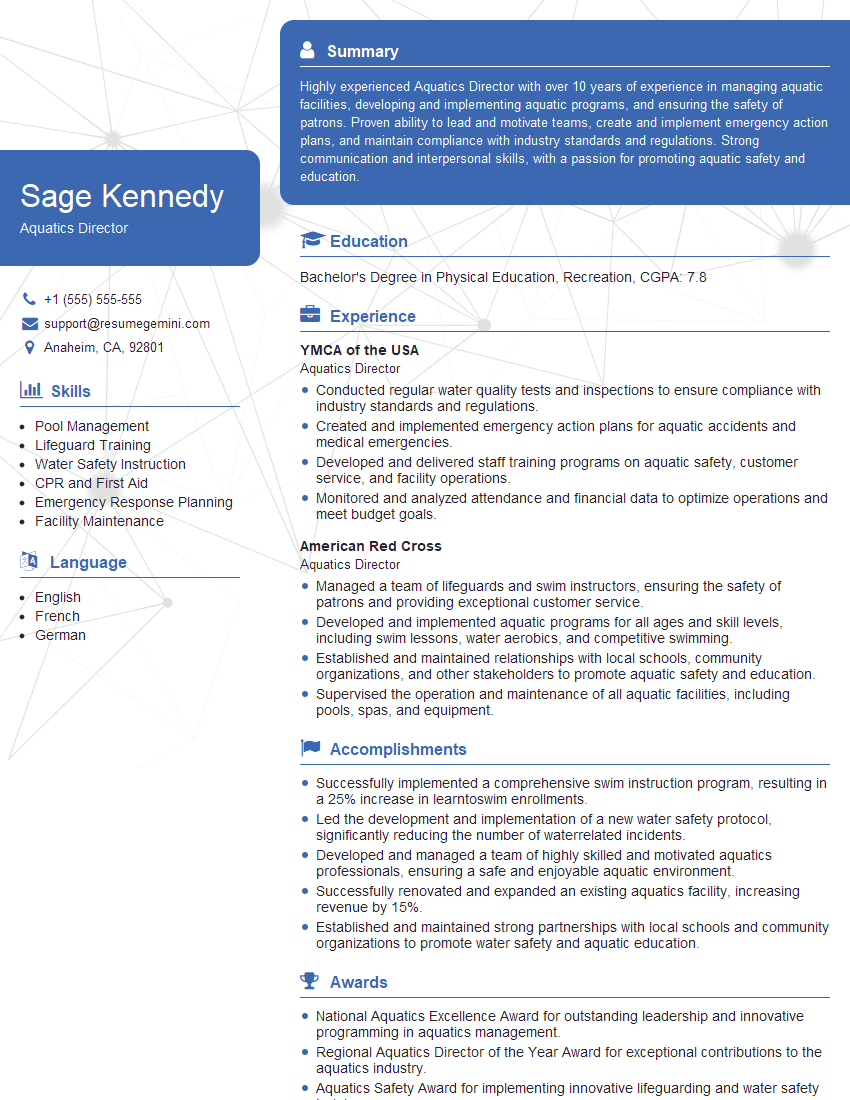
Mastering Park and Recreation Planning opens doors to a fulfilling career with significant impact on communities. Your expertise in creating vibrant and accessible public spaces is highly valued. To maximize your job prospects, it’s crucial to have an ATS-friendly resume that effectively showcases your skills and experience. ResumeGemini is a trusted resource for building professional, impactful resumes. They provide examples of resumes tailored to Park and Recreation Planning, giving you a head start in crafting a document that will impress potential employers. Invest time in building a strong resume – it’s your first impression!
Explore more articles
Users Rating of Our Blogs
Share Your Experience
We value your feedback! Please rate our content and share your thoughts (optional).
What Readers Say About Our Blog
I Redesigned Spongebob Squarepants and his main characters of my artwork.
https://www.deviantart.com/reimaginesponge/art/Redesigned-Spongebob-characters-1223583608
IT gave me an insight and words to use and be able to think of examples
Hi, I’m Jay, we have a few potential clients that are interested in your services, thought you might be a good fit. I’d love to talk about the details, when do you have time to talk?
Best,
Jay
Founder | CEO