The thought of an interview can be nerve-wracking, but the right preparation can make all the difference. Explore this comprehensive guide to Patient Care Assistant Certification interview questions and gain the confidence you need to showcase your abilities and secure the role.
Questions Asked in Patient Care Assistant Certification Interview
Q 1. Describe your experience with vital signs monitoring (temperature, pulse, respiration, blood pressure).
Monitoring vital signs is a fundamental aspect of patient care. It allows us to assess a patient’s overall condition and detect any changes that may indicate a developing problem. I have extensive experience accurately measuring temperature (using both oral, axillary, and tympanic methods), pulse (radial and apical), respiration rate, and blood pressure (using both manual and electronic sphygmomanometers).
For instance, I remember a patient whose respiration rate suddenly increased significantly. By promptly reporting this to the nurse, we were able to identify and address an underlying respiratory issue before it escalated. Accuracy is paramount; a slight variation in technique can significantly impact readings. Therefore, I always ensure proper patient positioning and use the appropriate equipment diligently, documenting all readings meticulously according to facility protocols.
Beyond recording the numbers, I also observe the quality of the vital signs. For example, a weak, thready pulse can signal low blood volume, while labored respirations might suggest pneumonia. Understanding this context is key to effective monitoring. My training also encompasses recognizing and understanding the normal ranges of vital signs for different age groups and health conditions.
Q 2. Explain the proper procedure for hand hygiene.
Hand hygiene is the cornerstone of infection prevention. The correct procedure involves several key steps. I always follow the five moments of hand hygiene: before touching a patient, before a clean/aseptic procedure, after a body fluid exposure risk, after touching a patient, and after touching patient surroundings.
The procedure starts with wetting hands with running water, applying soap, and lathering thoroughly for at least 15-20 seconds, covering all surfaces of hands and fingers. This includes the backs of hands, between fingers, and under fingernails. Then, I rinse thoroughly under running water, ensuring all soap is removed. Finally, I dry my hands with a clean towel or air dryer, avoiding touching the sink.
If soap and water aren’t available, I utilize an alcohol-based hand rub, ensuring that all surfaces are covered and the rub is allowed to dry completely. Think of it like this: if you were preparing food, you’d meticulously clean your hands. Patient care is no different; thorough hand hygiene protects both the patient and myself.
Q 3. How do you assist patients with personal hygiene tasks?
Assisting patients with personal hygiene is a very sensitive and important role. My approach always prioritizes respecting the patient’s dignity and independence. Before starting any task, I clearly explain the procedure, obtain consent, and provide privacy.
I offer assistance based on the patient’s individual needs, which can range from simply providing necessary supplies to providing more extensive help with bathing, dressing, or oral hygiene. I always remain mindful of safety concerns such as preventing falls and protecting the patient from injuries. If a patient has any limitations, I adapt my approach accordingly, perhaps using assistive devices or employing modified techniques. For example, I might use a transfer belt to assist a patient with mobility issues during bathing.
A key aspect is communicating throughout the process, making sure the patient is comfortable and asking if they need anything. Remember, this is a very personal interaction, and maintaining open communication ensures respect and trust.
Q 4. What are the common signs and symptoms of a potential emergency situation?
Recognizing potential emergency situations is crucial. Common signs and symptoms can vary greatly, but some key indicators include:
- Respiratory distress: Difficulty breathing, shortness of breath, rapid or shallow breathing, wheezing, or gasping for air.
- Chest pain or pressure: Often associated with heart attack or other cardiac issues.
- Sudden changes in level of consciousness: Confusion, disorientation, unresponsiveness, or fainting.
- Severe bleeding: Significant blood loss that requires immediate attention.
- Seizures: Sudden, uncontrolled muscle contractions and loss of awareness.
- Severe allergic reactions (anaphylaxis): Difficulty breathing, swelling, hives, and rapid pulse.
Any sudden, significant change in a patient’s condition, especially if they exhibit multiple of these signs, should be considered a potential emergency. Immediate reporting to the nursing staff is paramount.
Q 5. How do you respond to a patient’s fall?
Responding to a patient fall requires a calm and systematic approach. My first priority is patient safety. I would immediately assess the patient for injuries. Then, I would keep them still and reassure them while checking their pulse, breathing, and level of consciousness (ABCs).
Following this assessment, I would call for help immediately using the appropriate communication system within the facility. I would not attempt to move the patient unless absolutely necessary, as doing so could worsen any injuries. Once help arrives, I would assist the nurse or other medical professionals with any required interventions. I would also thoroughly document the incident, including the circumstances, the patient’s condition before and after the fall, any injuries, and the actions taken. This detailed documentation is crucial for tracking and preventing future occurrences.
Q 6. Describe your experience with assisting patients with mobility.
Assisting patients with mobility involves a range of techniques and considerations. My experience includes helping patients transfer from bed to chair, toilet, or wheelchair using appropriate transfer techniques, such as gait belts and slide boards. I tailor my assistance to the patient’s individual capabilities and limitations. For example, I wouldn’t use the same technique for assisting a patient who can bear some weight as I would for someone who is completely dependent.
I always ensure proper body mechanics to prevent injury to myself and the patient. I might use assistive devices such as walkers, canes, or crutches as appropriate, ensuring they are properly fitted and used. Safety is always paramount. I assess the environment to make sure there are no obstacles before assisting the patient with ambulation, and ensure that any assistive devices are functioning correctly.
I remember a patient who had recently had surgery, and moving was painful and challenging. By using a gait belt properly, I was able to assist her in standing and walking safely without causing her additional discomfort. This demonstrates the importance of understanding the different types of transfer techniques and how to adjust based on the patient’s specific needs.
Q 7. How do you communicate effectively with patients and their families?
Effective communication is the foundation of good patient care. I strive to communicate clearly and respectfully with patients and their families, using language that’s easy to understand and avoiding medical jargon. I actively listen to their concerns, answer questions honestly and patiently, and ensure they feel heard and understood.
I tailor my communication style to the individual. For some patients, a calm, reassuring presence is essential; for others, a more interactive and engaging approach is more suitable. I am mindful of cultural differences and communication barriers. If there is a language barrier, I will seek assistance from an interpreter.
With families, I maintain open communication regarding the patient’s progress and needs, always updating them appropriately and sensitively. I ensure that they are involved in the care plan to the extent they desire. The goal is to create a collaborative relationship built on trust and mutual respect.
Q 8. Explain your understanding of patient confidentiality.
Patient confidentiality is paramount in healthcare. It’s governed by laws like HIPAA (Health Insurance Portability and Accountability Act) in the US, and similar legislation in other countries. Essentially, it means I am ethically and legally bound to protect a patient’s private medical information from unauthorized access or disclosure. This includes their medical history, diagnoses, treatments, test results, and even the fact that they are a patient at a particular facility.
In practice, this means only authorized personnel directly involved in the patient’s care have access to their information. I never discuss patient details with anyone outside the care team, even family members unless explicitly authorized by the patient. I also carefully safeguard paper and electronic records, using secure password-protected systems and following strict protocols for data disposal.
For example, if a friend casually asks about a patient I’m caring for, I wouldn’t even confirm whether or not I know them. I maintain a professional boundary and strictly uphold the trust placed in me by my patients. I understand the serious implications of breaching confidentiality – it could lead to legal consequences, damage the patient’s trust, and compromise their well-being.
Q 9. Describe your experience with documentation of patient care.
Accurate and timely documentation is crucial for patient safety and continuity of care. My experience includes meticulous charting using both electronic health records (EHRs) and paper charts, depending on the facility’s system. I am trained in proper documentation techniques, adhering to facility standards and legal requirements. I record all relevant information, including observations of the patient’s vital signs, physical condition, medications administered, treatments performed, and patient responses.
For instance, if I assist a patient with their medication, I document the time of administration, the medication’s name and dosage, the route of administration, and the patient’s response. If a patient experiences a fall, I document the time, location, circumstances, any injuries sustained, and any actions taken to mitigate the situation. My notes are always objective, factual, and legible, avoiding subjective interpretations or personal opinions.
I understand that accurate documentation ensures other healthcare professionals can seamlessly continue providing care and minimizes the risk of errors or miscommunications. It’s also a critical component of legal defense, protecting both the patient and the care team.
Q 10. How do you handle a patient who is agitated or confused?
Handling agitated or confused patients requires a calm, empathetic, and patient approach. My first step is to assess the situation and identify any potential triggers for the agitation or confusion. This might involve observing their environment, medications, or underlying medical conditions. I then prioritize ensuring their safety and the safety of those around them.
I use de-escalation techniques, speaking softly and reassuringly, maintaining a calm body language and avoiding confrontational approaches. I try to understand their needs, offering comfort and support. If the patient’s behavior is escalating, I immediately call for assistance from a nurse or other qualified personnel.
For example, I once cared for a patient experiencing delirium. I remained calm and spoke to him in a gentle voice, offering reassurance. I provided a calm and quiet environment, minimizing stimuli. I kept his family informed, and with collaboration with the nursing staff and physician, his symptoms subsided.
It’s essential to always maintain personal safety while de-escalating. If the situation becomes unsafe, protecting myself is paramount while ensuring the patient’s safety.
Q 11. What is your experience with transferring patients?
I have experience transferring patients between beds, rooms, or even facilities. This involves careful planning and execution to ensure patient safety and comfort. I begin by confirming the transfer details, including the destination and any specific requirements. I then gather necessary equipment, such as a stretcher or wheelchair, ensuring they are clean and in good working order.
During the transfer, I use proper body mechanics to prevent injury to both myself and the patient. I communicate clearly with the patient, explaining each step of the process. I monitor the patient’s vital signs and report any changes to the nurse. Upon arrival at the destination, I carefully position the patient, ensuring their comfort and safety.
A specific example includes assisting in the transfer of a post-operative patient from the operating room to their bed. I carefully secured the patient’s IV lines and other medical equipment during the transfer, monitoring for any signs of distress throughout the process.
Q 12. How do you assist patients with feeding?
Assisting patients with feeding depends on their individual needs and abilities. Some patients may require total assistance, while others may only need minimal help. I always follow the care plan and any specific dietary restrictions. Before assisting, I confirm the patient’s identity and check for any allergies or dietary restrictions.
If a patient needs complete assistance, I provide a comfortable position and help them with eating, carefully monitoring for any signs of choking or difficulty swallowing. I offer small bites, allowing time between bites for swallowing. For patients who have some mobility, I assist them in a way that promotes independence while ensuring their safety.
An example would be assisting a patient with a stroke who has some difficulty swallowing. I provide smaller, softer food items and ensure they are sitting upright, offering frequent breaks and careful monitoring to prevent choking hazards. I always record the amount of food eaten and document any difficulties.
Q 13. How do you ensure patient safety?
Ensuring patient safety is my top priority. This involves a multifaceted approach, incorporating several key elements. Firstly, I maintain a safe environment, free from hazards. I regularly check the patient’s surroundings, removing clutter, securing equipment, and reporting any potential hazards to the appropriate personnel. I assist patients with mobility, ensuring they are stable and supported to prevent falls.
Secondly, I regularly monitor the patient’s condition, observing for any changes in their vital signs or behavior. Any significant changes are immediately reported to the nurse. I also provide patients with clear and concise information about their care, treatments, and potential risks.
Finally, I actively participate in infection control practices, practicing diligent hand hygiene, properly using personal protective equipment, and adhering to all infection control protocols. For example, if I noticed a patient’s bedrails were down, I would immediately raise them to prevent a fall.
Q 14. Explain your understanding of infection control protocols.
Infection control protocols are vital for preventing the spread of infectious diseases. My understanding encompasses various aspects, including hand hygiene, proper use of personal protective equipment (PPE), and environmental cleaning and disinfection. I am proficient in using appropriate PPE, such as gloves, gowns, masks, and eye protection, according to the situation and facility guidelines.
I am meticulous about hand hygiene, performing frequent hand washing with soap and water or using an alcohol-based hand rub. I understand the importance of following standard precautions for all patients, regardless of their diagnosis. I also know how to properly dispose of contaminated materials and maintain a clean and disinfected work environment.
For instance, before and after providing care to a patient with a known infection, I would meticulously wash my hands or use hand sanitizer. If the patient requires a procedure involving bodily fluids, I would don the necessary PPE according to protocol to minimize the risk of contamination and transmission of pathogens.
Q 15. Describe your experience with assisting patients with medication reminders.
Assisting patients with medication reminders is a crucial aspect of patient care, ensuring adherence to prescribed medication schedules and ultimately improving health outcomes. My approach involves a combination of organization, communication, and personalized strategies.
Firstly, I meticulously review the patient’s medication chart, noting the names, dosages, times, and routes of administration for each medication. Then, I create a clear and easy-to-understand medication schedule, perhaps using a visual aid like a simple chart or a pill organizer. I always confirm the patient’s understanding of their medications and any potential side effects.
For example, I once cared for a patient with multiple medications and a complicated schedule. By using a labeled pill organizer and setting reminders on their phone (with their consent and assistance), we were able to improve their adherence significantly. I also ensure the patient understands why taking their medication at the correct time and dose is so important for their health. Regular check-ins and open communication are key to maintaining adherence.
In situations where a patient has difficulty remembering, I work collaboratively with the care team to explore alternative strategies, such as using reminder apps, involving family members, or suggesting simpler organizational methods. Ultimately, my goal is to empower the patient to take an active role in managing their medication.
Career Expert Tips:
- Ace those interviews! Prepare effectively by reviewing the Top 50 Most Common Interview Questions on ResumeGemini.
- Navigate your job search with confidence! Explore a wide range of Career Tips on ResumeGemini. Learn about common challenges and recommendations to overcome them.
- Craft the perfect resume! Master the Art of Resume Writing with ResumeGemini’s guide. Showcase your unique qualifications and achievements effectively.
- Don’t miss out on holiday savings! Build your dream resume with ResumeGemini’s ATS optimized templates.
Q 16. How do you respond to a patient’s complaint or concern?
Responding to a patient’s complaint or concern requires empathy, active listening, and a commitment to resolving the issue. My approach is based on the principles of respectful communication and patient-centered care.
First, I create a calm and safe space for the patient to express their concerns without interruption. I listen attentively, making eye contact and using verbal cues to show I’m engaged. I paraphrase their concerns to confirm my understanding, ensuring they feel heard and validated. For example, I might say, “So, if I understand correctly, you’re concerned about…”
Once I understand the issue, I assess if I can resolve it directly. If I can, I take immediate action, explaining the steps I’m taking. If the issue requires input from other members of the care team, I promptly inform the appropriate personnel and keep the patient updated on the progress. Transparency and communication are vital.
Even if I can’t immediately resolve the issue, I always acknowledge the patient’s feelings and assure them that their concern is important and will be addressed. I document the complaint and the steps taken in the patient’s chart, following all relevant procedures and regulations.
Q 17. What is your experience with range-of-motion exercises?
Range-of-motion (ROM) exercises are essential for maintaining joint mobility and preventing contractures, especially for patients with limited mobility or recovering from surgery or illness. My experience encompasses assisting patients with a variety of ROM exercises, always prioritizing safety and comfort.
Before starting any exercises, I assess the patient’s capabilities and any limitations. I explain the purpose and benefits of the exercises clearly and simply, addressing any concerns or anxieties. I always obtain consent before proceeding. The exercises are performed slowly and gently, within the patient’s tolerance level. I support the patient’s joints properly, using appropriate techniques to prevent injury.
For instance, assisting a patient with shoulder ROM exercises involves gently supporting their arm while guiding them through flexion, extension, abduction, adduction, and internal and external rotation. I would monitor the patient for signs of pain or discomfort, adjusting the movements accordingly. I document the patient’s progress and any limitations observed.
Safety is paramount. I’m trained to recognize signs of pain or injury and know when to stop and notify the nursing staff. I am well versed in various types of ROM exercises and how to adapt them to individual needs and limitations.
Q 18. How do you assist patients with dressing and undressing?
Assisting patients with dressing and undressing requires sensitivity, respect for their dignity, and an understanding of their physical capabilities. My approach prioritizes patient comfort and independence while ensuring safety.
I always start by assessing the patient’s physical abilities and any limitations. I encourage the patient to do as much as they can independently, offering assistance only when necessary. I provide privacy by closing doors and curtains. I use appropriate techniques to support the patient and avoid causing them pain or discomfort.
For instance, when assisting a patient with limited mobility to dress, I might help them into a sitting position, and then help them put on their socks and shoes, allowing them to manage their upper body clothing. I’d adapt my assistance according to their needs; if they’re weak, I might take over more of the tasks. If they are able to perform some of it, I offer encouragement and guidance rather than doing everything for them.
I ensure that I handle clothing with care, avoiding any sudden pulls or tugs that could cause injury or discomfort. I always respect the patient’s preferences regarding clothing choices. Providing dignified and respectful care is crucial to maintain the patient’s self-esteem.
Q 19. Describe your understanding of basic first aid procedures.
My understanding of basic first aid procedures is comprehensive, covering a range of situations that might arise in a patient care setting. This includes assessment, treatment, and documentation.
I am proficient in assessing a patient’s condition, including checking vital signs (pulse, respiration, and blood pressure) and identifying any signs of injury or illness. My training covers the management of common injuries like cuts, bruises, and burns. I know how to correctly apply bandages and dressings to control bleeding and prevent infection.
I am also trained in the procedures for managing choking, administering CPR (cardiopulmonary resuscitation), and recognizing the signs of a stroke or heart attack. I know how to call for emergency medical assistance when necessary and follow established protocols for reporting incidents.
A key aspect is thorough documentation of any first aid provided, including the time, nature of the incident, treatment given, and the patient’s response. Following established procedures and maintaining accurate records is crucial for patient safety and legal compliance.
Q 20. How do you use assistive devices to aid patients?
Assistive devices play a significant role in enhancing the independence and mobility of patients. My experience includes using a wide variety of assistive devices, ranging from simple mobility aids to more complex equipment.
I am skilled in assisting patients with walkers, canes, crutches, and wheelchairs. Before using any device, I carefully assess the patient’s needs and capabilities to select the most appropriate aid. I demonstrate proper use, ensuring the patient understands how to use the device safely and effectively. I also provide guidance on safe ambulation techniques.
For patients requiring more specialized equipment, such as hospital beds, hoists, or other adaptive technology, I work closely with the nursing staff and therapists to ensure proper use and maintain patient safety. I understand the limitations of each device and am careful to prevent any potential hazards.
For example, when helping a patient use a walker, I would ensure the brakes are engaged, the walker is the appropriate height, and the patient’s grip is secure. I would walk alongside them, offering support as needed, but always encouraging their independence.
Q 21. What are the key components of a patient care plan?
A patient care plan is a comprehensive document that outlines the individualized care a patient requires. It serves as a roadmap for the healthcare team, ensuring consistent and coordinated care.
Key components typically include:
- Patient Assessment: A thorough evaluation of the patient’s physical, mental, and emotional status, including medical history, allergies, and current medications.
- Goals: Specific, measurable, achievable, relevant, and time-bound (SMART) goals that outline the desired outcomes of the care plan. These might include improving mobility, increasing independence in self-care, or managing pain effectively.
- Interventions: The actions or treatments that will be implemented to achieve the goals. This might include medications, therapies, exercises, or other supportive measures.
- Evaluation: A process for regularly monitoring the patient’s progress towards the goals and making adjustments to the plan as needed. This involves observing the patient’s response to interventions and documenting progress.
- Caregiver Responsibilities: A clear outline of the roles and responsibilities of the different members of the care team (doctors, nurses, therapists, PCAs) in achieving the goals of the plan.
A well-developed patient care plan ensures that all members of the care team are working collaboratively to deliver high-quality, patient-centered care, ultimately improving patient outcomes and satisfaction.
Q 22. How do you manage your time effectively when caring for multiple patients?
Effective time management when caring for multiple patients is crucial. It’s not just about speed, but about prioritizing tasks and utilizing time efficiently to ensure all patients receive the necessary care. I employ a combination of strategies. First, I perform a quick assessment of each patient’s immediate needs upon starting my shift, identifying urgent tasks like medication administration or assisting with toileting. Then, I create a mental (or sometimes written, if the situation demands it) schedule, allocating time slots for each patient based on their needs. This schedule is flexible, allowing for unforeseen events like a patient experiencing a sudden change in condition. I also utilize the principles of time blocking—dedicating specific time blocks to certain tasks—and prioritize tasks based on urgency and importance.
For example, I might allocate 15 minutes to help one patient with breakfast, 10 minutes to assist another with dressing, then 20 minutes to check vital signs for all patients. Continuously reassessing needs throughout the shift is key, adjusting the schedule as needed. Efficient movement between patients, minimizing wasted time, is also essential. Finally, I meticulously document everything, ensuring I don’t miss any tasks and providing clear information for handover to the next shift.
Q 23. How do you prioritize tasks when caring for patients with diverse needs?
Prioritizing tasks among patients with diverse needs relies heavily on understanding the concept of urgency and acuity. I use a tiered system, similar to what’s used in hospitals and emergency rooms. Tasks are categorized into three levels: Urgent (life-threatening situations), Important (potentially harmful if delayed) and Routine (non-urgent).
For instance, a patient experiencing chest pain is obviously urgent and needs immediate attention. Assisting with ambulation for a patient who is stable but needs support falls under important. Meanwhile, tasks like tidying a patient’s room are routine. I handle urgent tasks first, then work through important tasks, ensuring all my actions are documented. This system promotes systematic care and prevents less urgent needs from overshadowing critical ones. To handle the diverse needs, I often collaborate with the nursing staff, discussing concerns and ensuring a cohesive approach.
Q 24. Describe a situation where you had to deal with a difficult patient or family member.
I once cared for a patient who was extremely agitated and verbally abusive due to pain and confusion related to his dementia. His family members were also quite demanding, often disagreeing with the care plan. I addressed the situation by first prioritizing the patient’s immediate needs. I administered pain medication as prescribed, spoke to him calmly and reassuringly, and engaged him in simple, comforting activities. Simultaneously, I scheduled a meeting with his family to address their concerns. During this meeting, I actively listened to their concerns, empathized with their frustration, and clearly explained the patient’s condition and the rationale behind the care plan. We collaboratively adjusted the plan to accommodate some of their suggestions, while ensuring his safety and comfort. The situation improved significantly with open communication and collaborative problem-solving. This emphasized the importance of patience, empathy, and communication with both the patient and their family in challenging situations.
Q 25. How do you maintain a professional attitude in challenging situations?
Maintaining a professional attitude in challenging situations is paramount. I rely on several strategies, including self-reflection and emotional regulation techniques. If I feel overwhelmed or frustrated, I take a short break to compose myself. Deep breathing exercises and mindfulness techniques can help center me. I remind myself of the importance of my role and the patient’s needs. Active listening, even when faced with difficult patients or family members, is crucial. Avoiding defensive reactions and instead focusing on understanding their perspective often helps de-escalate tense situations. When necessary, I seek guidance from supervising nurses or other members of the healthcare team. Clear and concise communication is key; I avoid emotional language and stick to facts. Above all, maintaining patient confidentiality and adhering to professional ethics, even in highly stressful scenarios, is vital.
Q 26. How do you ensure patient dignity and respect?
Ensuring patient dignity and respect is a core principle in my practice. I treat each patient as an individual, recognizing their unique personality, values, and preferences. This begins with addressing them by their preferred name and respecting their personal space. I involve them in decisions about their care whenever possible, providing clear and understandable explanations. I always knock before entering their room and maintain privacy during personal care tasks. I treat their belongings with respect and maintain a clean and organized environment. Communication is key—I use respectful and empathetic language, even when delivering difficult news. Confidentiality is also paramount. I ensure that conversations about their health are held privately and that their personal information is protected. Most importantly, I focus on treating each patient with the kindness and compassion I would wish for myself or a loved one.
Q 27. Describe your experience with working as part of a healthcare team.
I’ve had extensive experience working as part of a healthcare team. Effective teamwork is crucial for providing holistic patient care. I’ve collaborated with nurses, physicians, physical therapists, and other healthcare professionals. My role often involves relaying observations about a patient’s condition to the nursing staff, assisting with treatments, and documenting all my interactions. Open communication is essential—I actively participate in care conferences and shift handovers, ensuring seamless communication and continuity of care. I’m a strong believer in a collaborative approach, respecting the expertise of each team member and contributing my own skills and knowledge to reach the best possible outcome for the patient. I am comfortable providing and receiving feedback, understanding that it fosters mutual learning and improvement.
Q 28. What are your career goals within patient care?
My career goals within patient care are centered on continuous learning and professional growth. I aim to advance my skills and knowledge, possibly pursuing further certification in a specialized area of patient care, like geriatric care or pediatrics. I’m also interested in gaining experience in different healthcare settings to broaden my perspective and expertise. Ultimately, my goal is to become a highly skilled and compassionate Patient Care Assistant, consistently contributing to the well-being and comfort of my patients. Leadership opportunities within my team also appeal to me, as I am passionate about mentoring and fostering a positive team environment.
Key Topics to Learn for Patient Care Assistant Certification Interview
- Patient Safety and Infection Control: Understanding and applying standard precautions, recognizing and reporting potential hazards, and maintaining a clean and safe environment for patients.
- Basic Nursing Skills: Practical application of vital signs measurement (temperature, pulse, respiration, blood pressure), assisting with personal care (bathing, dressing, toileting), and understanding basic wound care procedures.
- Communication and Interpersonal Skills: Effective communication with patients, families, and healthcare professionals; active listening, empathy, and conflict resolution techniques in diverse patient populations.
- Medical Terminology and Documentation: Understanding common medical terms and abbreviations; accurately recording patient observations and care provided in patient charts and electronic health records.
- Patient Mobility and Transfer Techniques: Safe and effective techniques for assisting patients with mobility, including ambulation, transfers, and range of motion exercises; recognizing and preventing falls.
- Medical Equipment and Supplies: Familiarity with common medical equipment (e.g., oxygen tanks, suction machines) and supplies, their proper use, and maintenance.
- Legal and Ethical Considerations: Understanding patient confidentiality (HIPAA), scope of practice for PCAs, and ethical dilemmas in patient care. Applying professional boundaries and reporting procedures.
- Observation and Reporting: Recognizing changes in patient condition, accurately documenting observations, and promptly reporting concerns to the nursing staff.
- Emergency Response: Understanding basic emergency procedures, such as responding to cardiac arrest or other emergencies, and knowing when to seek immediate assistance.
Next Steps
Mastering your Patient Care Assistant Certification opens doors to a rewarding career in healthcare, providing you with valuable skills and experience for growth and advancement. To maximize your job prospects, creating a strong, ATS-friendly resume is crucial. ResumeGemini is a trusted resource to help you build a professional resume that highlights your skills and experience effectively. ResumeGemini provides examples of resumes tailored to Patient Care Assistant Certification to help you create a compelling application. Invest time in building a resume that showcases your capabilities – it’s the first step to landing your dream job!
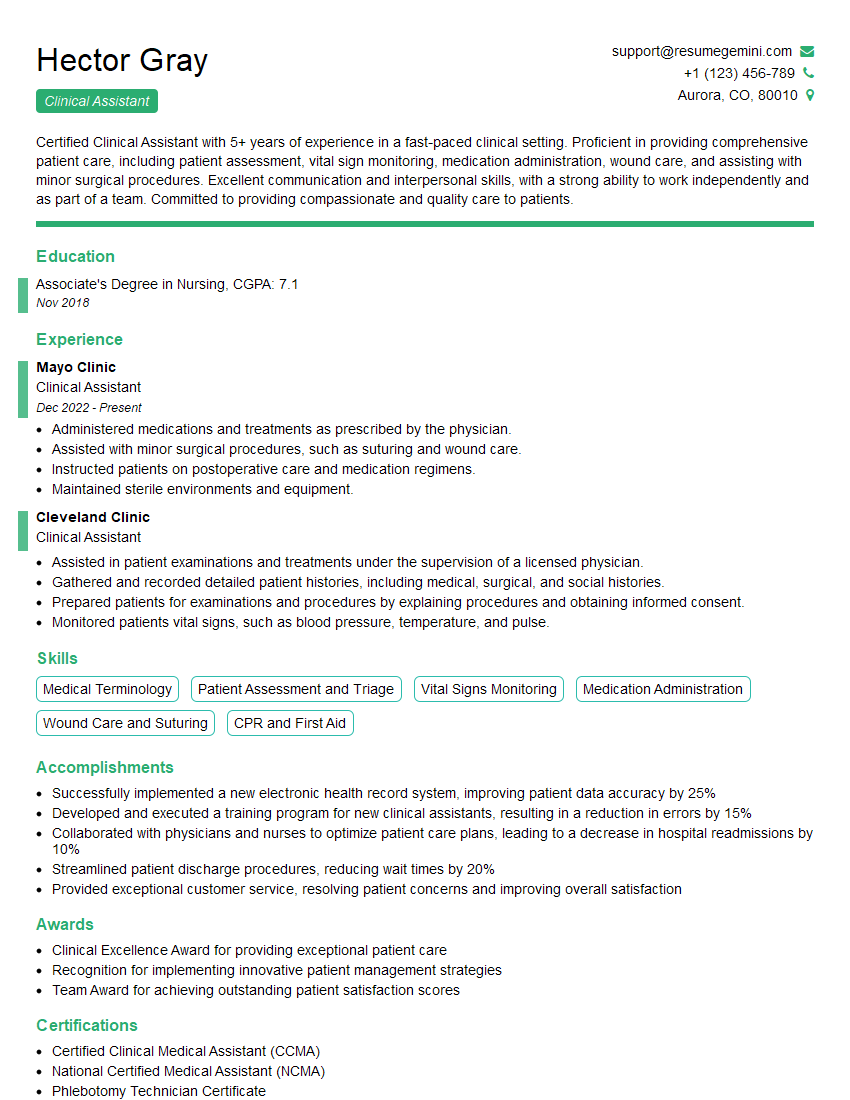
Clinical Assistant Resume Sample
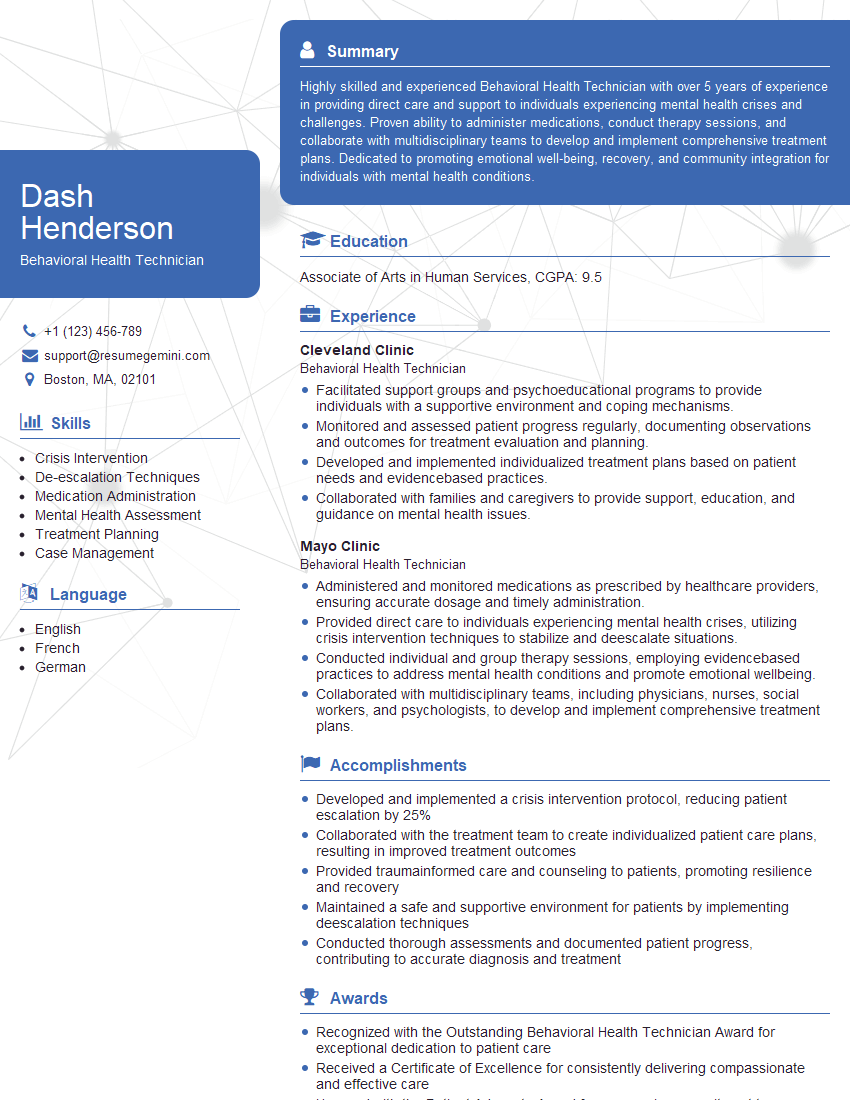
Behavioral Health Technician Resume Sample
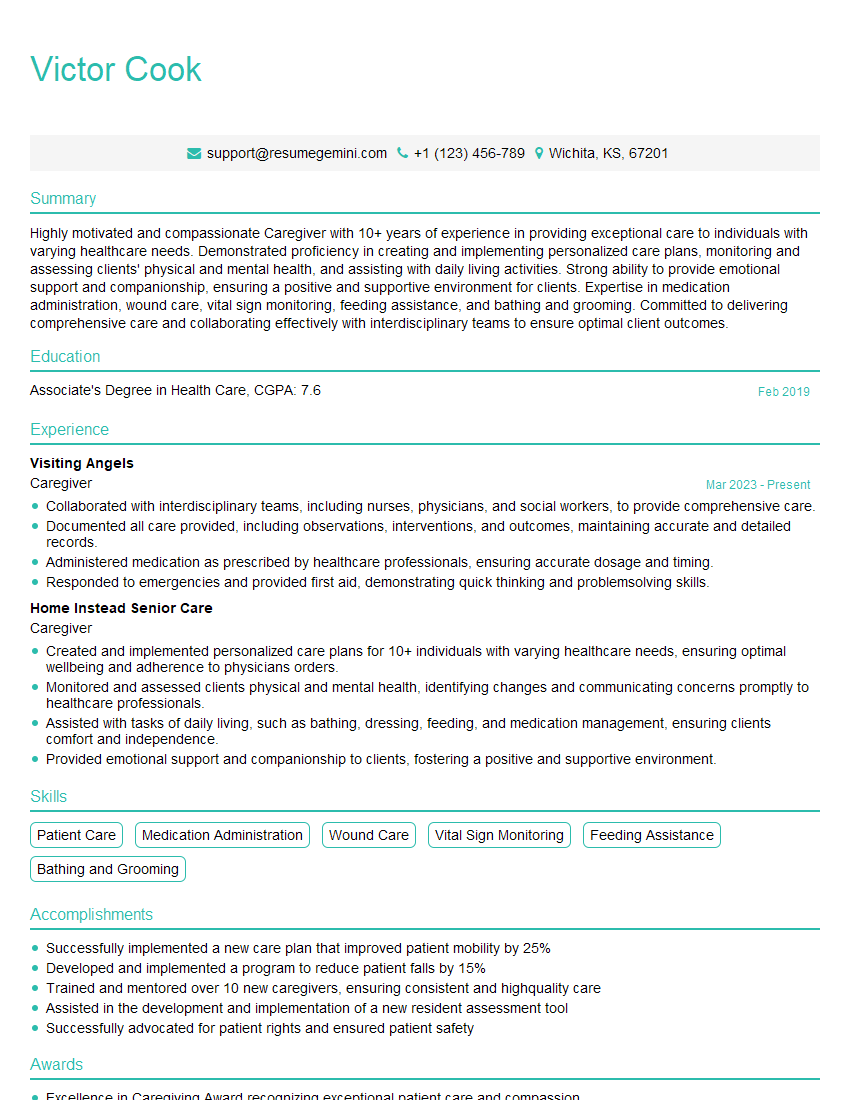
Caregiver Resume Sample
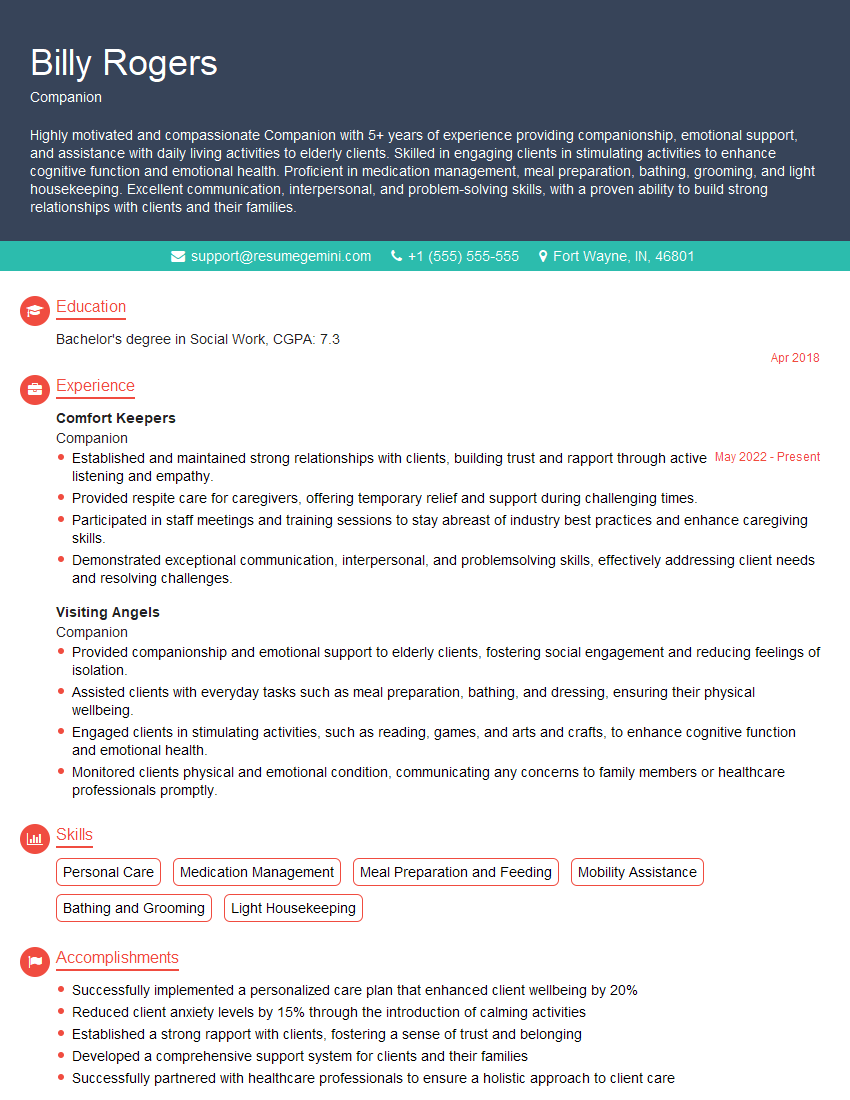
Companion Resume Sample
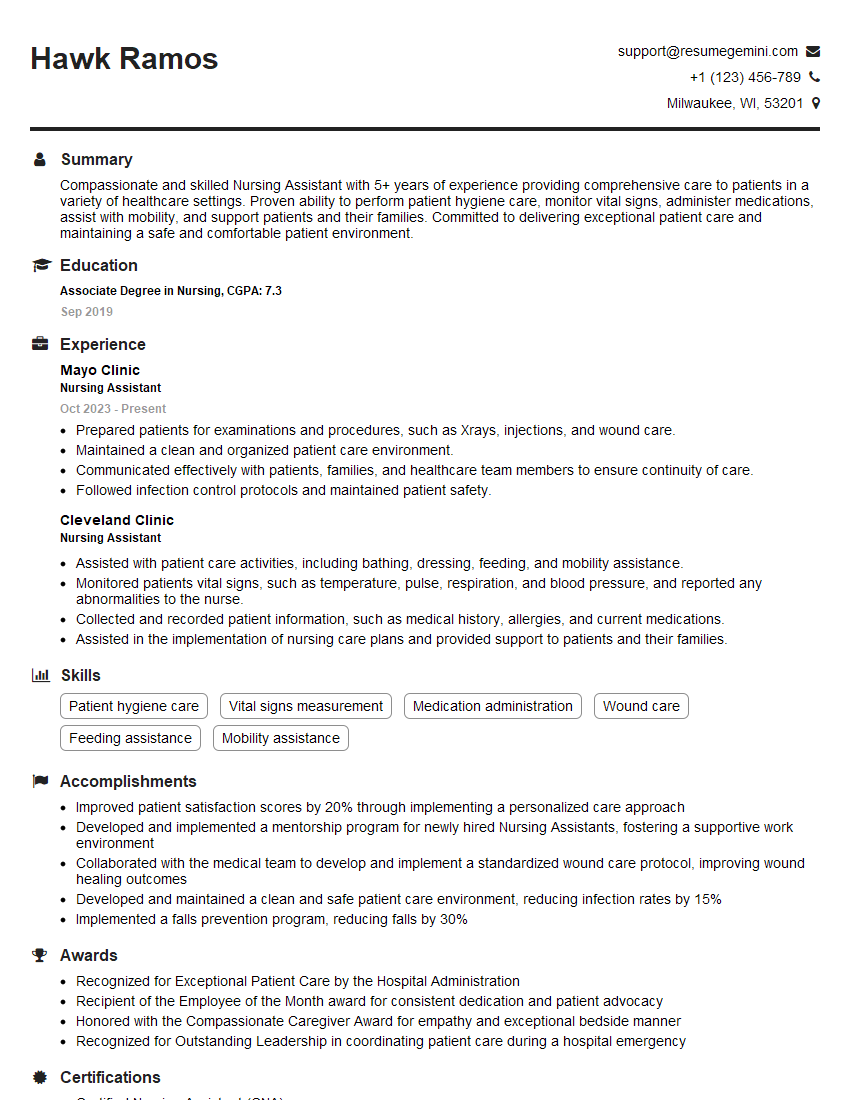
Nursing Assistant Resume Sample
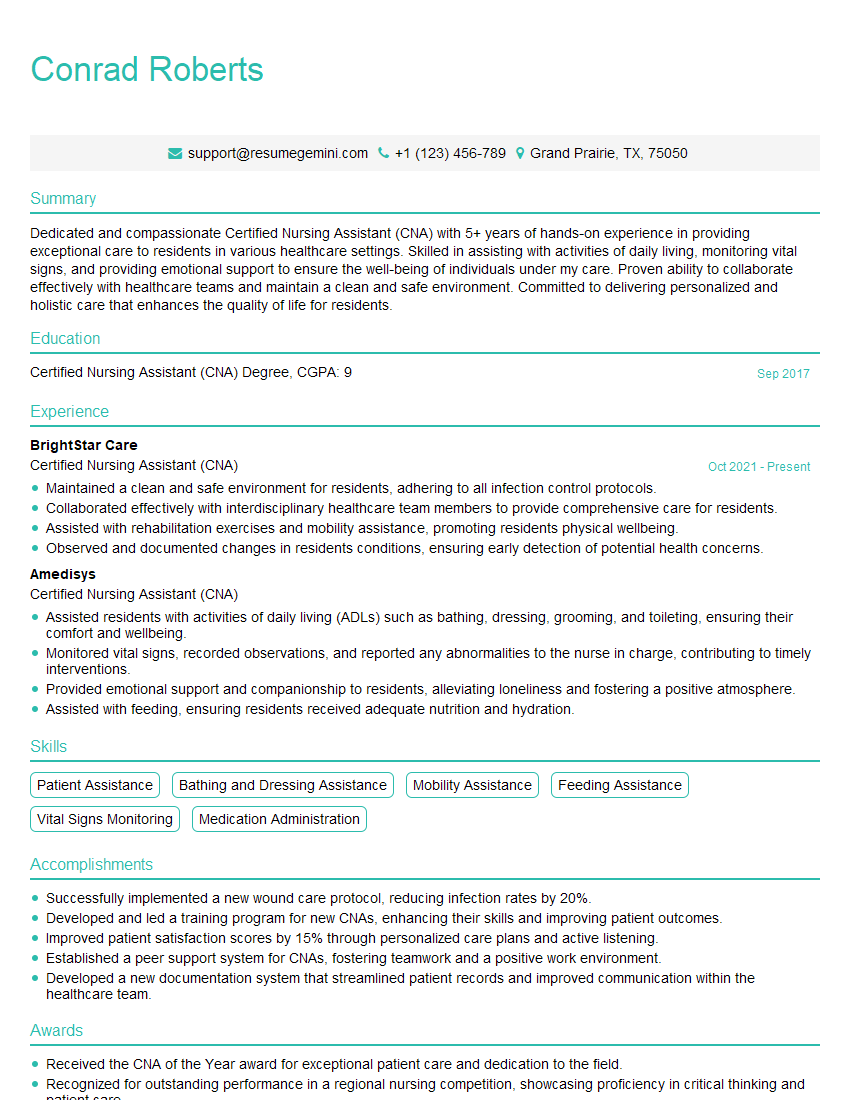
Certified Nursing Assistant (CNA) Resume Sample
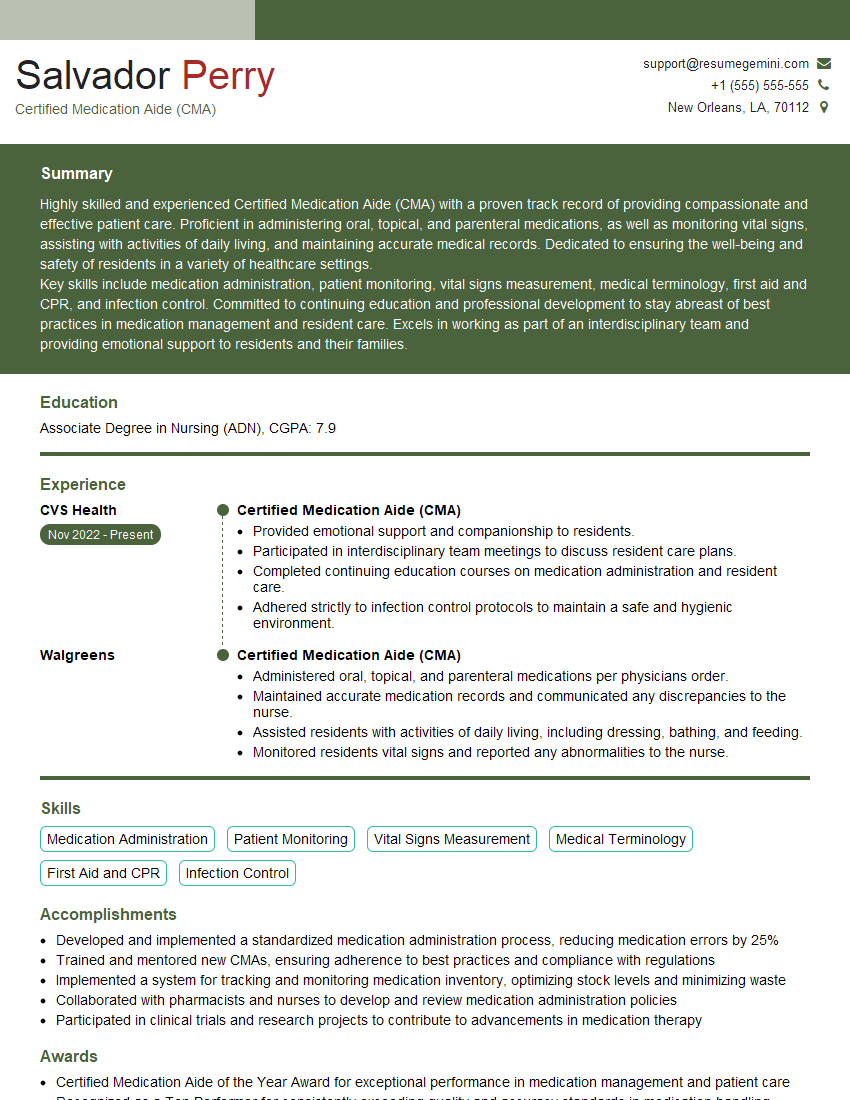
Certified Medication Aide (CMA) Resume Sample
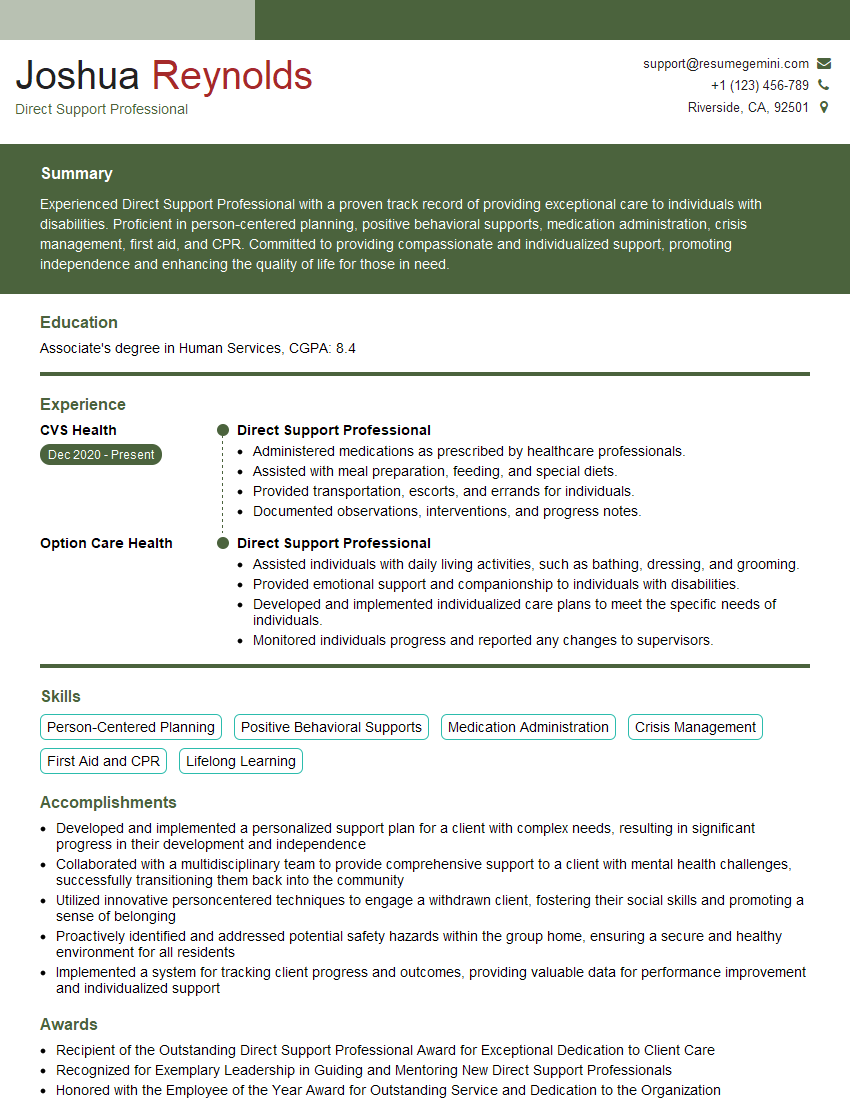
Direct Support Professional Resume Sample
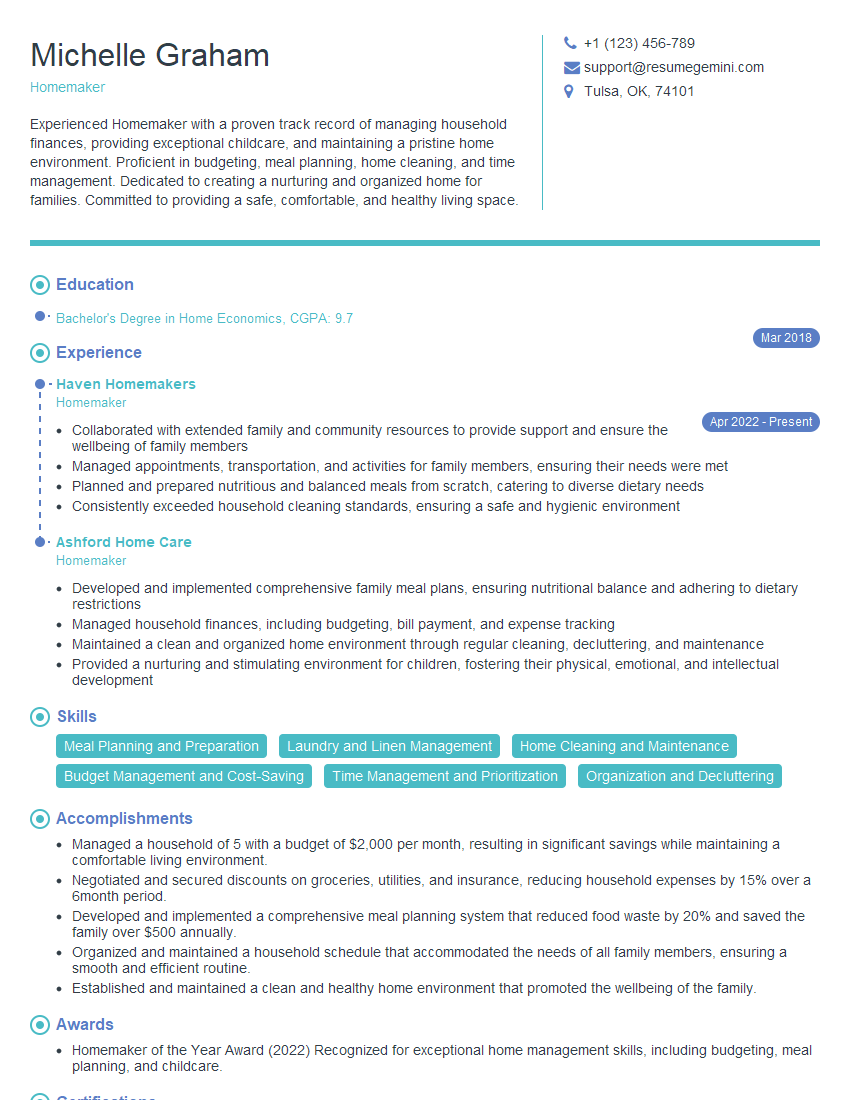
Homemaker Resume Sample
Explore more articles
Users Rating of Our Blogs
Share Your Experience
We value your feedback! Please rate our content and share your thoughts (optional).
What Readers Say About Our Blog
I Redesigned Spongebob Squarepants and his main characters of my artwork.
https://www.deviantart.com/reimaginesponge/art/Redesigned-Spongebob-characters-1223583608
IT gave me an insight and words to use and be able to think of examples
Hi, I’m Jay, we have a few potential clients that are interested in your services, thought you might be a good fit. I’d love to talk about the details, when do you have time to talk?
Best,
Jay
Founder | CEO