Feeling uncertain about what to expect in your upcoming interview? We’ve got you covered! This blog highlights the most important Physical ability to perform inspections and lift heavy objects interview questions and provides actionable advice to help you stand out as the ideal candidate. Let’s pave the way for your success.
Questions Asked in Physical ability to perform inspections and lift heavy objects Interview
Q 1. Describe your experience lifting objects weighing over 50 lbs.
Throughout my career, I’ve frequently lifted objects exceeding 50 lbs, often in the context of machinery maintenance and industrial inspections. This has included lifting components of engines, removing heavy panels from equipment, and handling large crates of parts. For instance, during a recent inspection of a large industrial press, I regularly lifted hydraulic cylinders weighing upwards of 75 lbs to inspect for wear and tear. Another example involves moving heavy steel plates, each weighing around 60 lbs, to access inspection points during a factory shutdown. I always assess the weight and stability of the object before attempting to lift, ensuring I have a clear path and appropriate lifting techniques.
Q 2. What safety precautions do you take when lifting heavy objects?
Safety is paramount when handling heavy objects. My approach always involves a risk assessment. This includes checking the object’s weight, its stability, and the surrounding environment for potential hazards. Before lifting, I ensure a clear path, free from obstacles, and I utilize appropriate lifting aids like dollies or hoists when necessary.
- I always maintain a stable base and proper posture, bending at the knees and keeping my back straight.
- I lift with my legs, not my back, minimizing strain.
- I keep the object close to my body to maintain balance and reduce leverage.
- I communicate with colleagues if assistance is needed to avoid unnecessary strain.
- I use appropriate safety equipment like gloves and steel-toed boots.
Q 3. Explain your process for inspecting large, heavy machinery for damage.
Inspecting large, heavy machinery requires a systematic approach. I start with a visual inspection, checking for obvious signs of damage like cracks, dents, or loose parts. Then, I use a checklist to ensure I don’t miss anything.
- I examine the base for stability and look for signs of wear and tear or damage on the structural components.
- I check hydraulic lines and pneumatic systems for leaks or damage.
- I inspect all moving parts for proper functioning and lubrication.
- I examine electrical components for signs of overheating or damage.
- I look for any fluid leaks.
Q 4. How do you handle a situation where a heavy object is improperly secured?
If a heavy object is improperly secured, I immediately stop work and alert my supervisor. I would never attempt to move or work around an insecure object. The primary concern is safety. Before any action can be taken, the object needs to be properly secured by qualified personnel using appropriate rigging and securing methods. If it’s a significant hazard, I would also ensure the area is properly barricaded to prevent accidental contact or injury.
Q 5. Have you ever experienced a workplace injury related to lifting or handling heavy objects? How was it addressed?
Yes, early in my career, I strained my back while lifting a heavy motor without proper assistance. This resulted in a few days of missed work and a period of physical therapy. This experience emphasized the critical importance of proper lifting techniques and teamwork in handling heavy objects. It also highlighted the value of reporting all incidents, no matter how minor they may seem, to allow for thorough investigation and preventive measures.
Q 6. What is your understanding of proper lifting techniques?
Proper lifting techniques are fundamental to avoiding injury. The key principles include:
- Assessment: Evaluate the weight, size, and stability of the object before lifting.
- Posture: Maintain a stable base, bending at the knees and keeping your back straight.
- Grip: Secure a firm grip on the object.
- Lift with Legs: Use leg muscles to lift the object, keeping it close to your body.
- Controlled Movement: Lift and move the object smoothly, avoiding sudden jerks or twists.
- Lowering: Lower the object slowly, using your leg muscles, and maintaining proper posture.
- Assistance: Seek help if the object is too heavy to lift alone.
Q 7. Describe your experience working in physically demanding environments.
I have extensive experience in physically demanding environments, working both indoors and outdoors. This includes long hours on my feet, repetitive lifting and bending, and exposure to various weather conditions. Working in a factory setting involved daily heavy lifting and maneuvering of machinery, frequently involving extended periods of physical exertion. My experience has equipped me with the stamina, resilience, and knowledge of safety protocols needed to work effectively and safely in these challenging environments. I understand the importance of pacing myself, staying hydrated, and taking regular breaks to prevent fatigue and injury.
Q 8. How do you maintain your physical fitness for demanding jobs?
Maintaining peak physical fitness for demanding jobs requires a holistic approach. It’s not just about brute strength, but also endurance, flexibility, and injury prevention. My routine centers around three key areas:
- Strength Training: I incorporate regular weight training focusing on compound exercises like squats, deadlifts, and overhead presses to build strength and muscle mass needed for lifting and carrying heavy objects. I vary my routine to avoid plateaus and target different muscle groups. For example, one day might focus on legs and back, another on chest and shoulders.
- Cardiovascular Exercise: Maintaining cardiovascular health is crucial for endurance. I incorporate activities like running, cycling, or swimming at least three times a week to improve stamina and reduce the risk of fatigue during long inspection periods or strenuous lifting tasks. This helps me stay energized throughout the workday.
- Flexibility and Mobility: Flexibility and mobility training, including yoga or Pilates, are vital for preventing injuries. Tight muscles are more prone to injury, especially during demanding physical activities. This aspect of my fitness routine focuses on maintaining a wide range of motion and reducing muscle stiffness.
Regular check-ups with my doctor and a physical therapist also help me identify and address any potential physical issues before they become major problems. This proactive approach ensures I’m always in top physical condition to perform my job safely and efficiently.
Q 9. How do you prioritize safety when conducting inspections in hazardous environments?
Prioritizing safety in hazardous environments is paramount. My approach is layered, starting with thorough risk assessment and extending to meticulous on-site procedures. Before any inspection, I meticulously review the site’s safety protocols, identify potential hazards (e.g., unstable structures, exposed wiring, chemicals), and acquire necessary Personal Protective Equipment (PPE). This PPE might include safety harnesses, hard hats, respirators, and high-visibility clothing, depending on the specific hazards.
During the inspection itself, I maintain constant awareness of my surroundings and adhere strictly to established safety procedures. If I encounter any unforeseen hazards, I immediately halt the inspection and report the issue to the appropriate personnel. Communication is key; I always maintain clear communication channels with my team and supervisors to ensure everyone is aware of my location and any potential risks.
For example, during an inspection of a refinery, I would wear a full-body harness and use safety lines when working at heights. In an area with potential chemical exposure, I would use a respirator and protective clothing. This layered approach is critical to preventing accidents.
Q 10. What is your experience with using lifting equipment such as forklifts or cranes?
I have extensive experience operating various lifting equipment, including forklifts and cranes. My experience includes both practical operation and theoretical knowledge of safe operating procedures. I hold certifications for operating forklifts and have undergone rigorous training on crane operation, including pre-operational checks, load calculations, and safety protocols. This training emphasizes not only the mechanics of operating the equipment but also understanding load limits, stability considerations, and the importance of signaling procedures for safe operation.
For example, before operating a forklift, I always perform a pre-operational inspection, checking fluid levels, tire pressure, and the overall functionality of the equipment. I never exceed the rated load capacity and always consider the center of gravity when lifting heavy loads. Similar meticulousness is applied when operating a crane, always ensuring secure rigging, proper load balancing, and correct signaling with the crane operator.
Q 11. What are the common causes of back injuries related to lifting?
Back injuries related to lifting are commonly caused by a combination of factors, often stemming from improper lifting techniques. These factors include:
- Improper Lifting Technique: Lifting with a bent back and twisting the body puts immense strain on the spine. Lifting heavy objects from an awkward position increases the risk of injury significantly.
- Overexertion: Attempting to lift objects that are too heavy for one’s capabilities leads to muscle strains, sprains, and even more serious spinal injuries.
- Poor Physical Condition: Individuals with weak core muscles and limited flexibility are more vulnerable to back injuries. A lack of proper training and conditioning can significantly impact the body’s ability to handle heavy lifting safely.
- Repetitive Lifting: Repeatedly lifting objects, even if they’re relatively light, can cause cumulative stress on the back, leading to injuries over time.
- Lack of Proper Equipment: Not using assistive devices like dollies, hand trucks, or lifting belts significantly increases the risk of injury. These devices can help distribute the weight and reduce strain on the back.
Understanding these common causes allows for preventative measures, such as emphasizing proper lifting techniques, prioritizing ergonomics, and ensuring the use of appropriate lifting equipment.
Q 12. How do you assess the weight of an object before attempting to lift it?
Assessing the weight of an object before lifting involves a multi-faceted approach that goes beyond simple visual estimation. I use a combination of techniques:
- Visual Inspection: I examine the object’s size and material. Experience helps estimate the weight based on these factors. For example, a large steel beam will be significantly heavier than a similar-sized wooden plank.
- Manual Estimation (If Safe): If possible and safe, I carefully attempt to move or shift the object slightly to gauge its weight. This provides a sense of its resistance to movement, helping refine my weight estimation.
- Using Weighing Equipment: When precision is required or the object’s weight is unclear, I utilize weighing equipment such as scales or load cells. This provides an accurate weight measurement to inform lifting plans and prevent accidents.
- Considering the Context: I always consider the object’s shape, center of gravity, and the surface it rests on. These factors can significantly influence the perceived weight and difficulty of lifting.
By combining these techniques, I can make a reasonably accurate assessment of an object’s weight before attempting to lift it, significantly reducing the risk of injury.
Q 13. How do you ensure that a workplace complies with regulations regarding heavy lifting?
Ensuring workplace compliance with heavy lifting regulations involves several key steps. First, I familiarize myself with all applicable regulations, including OSHA guidelines (or equivalent local regulations). These often specify maximum allowable weights, lifting techniques, and the mandatory use of personal protective equipment and assistive devices. I then conduct regular inspections to verify adherence to these standards.
My inspections include checking for proper lifting equipment, assessing the adequacy of training programs for employees handling heavy objects, and verifying that workers are using appropriate lifting techniques. I also look for potential hazards such as uneven flooring or obstructed walkways, which can contribute to lifting injuries. Any non-compliance is documented and reported immediately, with recommendations for corrective actions.
For example, I would ensure that lifting aids, like pallet jacks or hoists, are readily available and in good working order. I would also check to see if employees are wearing appropriate back supports, and if they’ve received adequate training on safe lifting practices. By proactively identifying and addressing issues, I help create a safer and more compliant work environment.
Q 14. Describe your experience with inspecting materials for defects.
My experience with inspecting materials for defects is extensive and spans various materials and applications. I’m proficient in both visual and non-destructive testing methods. Visual inspection includes careful examination for surface flaws like cracks, dents, corrosion, or discoloration. This often requires close scrutiny, sometimes aided by magnification tools.
Non-destructive testing (NDT) methods that I employ include:
- Ultrasonic Testing: Used to detect internal flaws in materials like metals and composites by using high-frequency sound waves.
- Magnetic Particle Testing: Used to detect surface and near-surface flaws in ferromagnetic materials.
- Radiographic Testing (X-ray/Gamma-ray): Used to detect internal flaws in a wide range of materials by passing radiation through the material.
The specific methods employed depend on the material type, the potential defect types, and the required level of detail. My detailed inspection reports meticulously document any observed defects, including their location, size, and type, providing crucial information for quality control and ensuring product safety. For example, when inspecting a steel bridge component, I might use ultrasonic testing to identify any internal cracks before installation.
Q 15. How do you record and document your inspection findings?
Recording inspection findings is crucial for maintaining accurate records and ensuring accountability. My process involves a multi-step approach. First, I use a standardized checklist tailored to the specific inspection type to ensure consistency and completeness. This checklist guides me through each critical aspect of the inspection. Second, I use high-quality digital photography and videography to visually document the condition of equipment, structures, or materials. These visual aids are incredibly helpful in identifying damage, wear and tear, or other issues. Third, I meticulously record all findings in a detailed report, using precise language and measurements. I clearly state the location of the defect, its nature, and its severity. Finally, I utilize digital reporting software to manage, organize, and store all inspection data securely and efficiently. This allows for easy retrieval and sharing of information with other stakeholders. For example, during a recent bridge inspection, I used a drone to capture high-resolution aerial images of potential structural damage, complementing my on-site observations and measurements. This combination of visual and textual data created a comprehensive and irrefutable record of the inspection.
Career Expert Tips:
- Ace those interviews! Prepare effectively by reviewing the Top 50 Most Common Interview Questions on ResumeGemini.
- Navigate your job search with confidence! Explore a wide range of Career Tips on ResumeGemini. Learn about common challenges and recommendations to overcome them.
- Craft the perfect resume! Master the Art of Resume Writing with ResumeGemini’s guide. Showcase your unique qualifications and achievements effectively.
- Don’t miss out on holiday savings! Build your dream resume with ResumeGemini’s ATS optimized templates.
Q 16. Explain your experience with using inspection tools and equipment.
My experience with inspection tools and equipment is extensive. I am proficient in using a wide range of tools including: calibrated measuring tapes, levels, ultrasonic thickness gauges, infrared thermometers, borescopes, and various types of lifting equipment. For example, I am certified to operate a variety of cranes and forklifts, with different weight capacities. I understand the safety procedures and limitations of every tool and equipment I use, prioritizing safety throughout the inspection process. I routinely undergo training and certification updates to stay current with the latest technologies and safety regulations. I also have experience utilizing specialized software for data analysis and report generation, which helps to streamline the inspection process and enhance data accuracy. For instance, using a thermal imaging camera to detect potential overheating in electrical systems allows for early identification of potential failures, preventing costly downtime and safety hazards.
Q 17. How do you handle discrepancies between your inspection findings and documentation?
Discrepancies between inspection findings and existing documentation require a thorough investigation. My approach involves a systematic process. First, I carefully re-examine the area of discrepancy, verifying my initial findings using multiple methods where possible. Second, I cross-reference my observations with historical documentation, looking for any evidence that may explain the difference. Third, if the discrepancy still persists, I consult with more senior colleagues or supervisors. A detailed report documenting the initial findings, the subsequent verification process, and the resolution of the discrepancy is created and filed, demonstrating a clear chain of events and contributing to continuous improvement of our processes. For example, if my inspection reveals damage not documented previously, I’ll thoroughly investigate if this could be a result of recent events or if it was overlooked previously, creating a clear and transparent record of the process.
Q 18. How do you communicate your inspection results to relevant parties?
Communicating inspection results effectively is vital. I tailor my communication to the audience. For technical audiences, I use detailed reports with precise measurements and technical terminology. For non-technical audiences, I provide concise summaries highlighting key findings and implications. I use various methods for communication, including detailed written reports, presentations using visual aids, and direct verbal briefings. All my communications emphasize clarity, conciseness, and accuracy. In instances where urgent safety concerns are identified, I prioritize immediate communication with the relevant parties, ensuring swift action to mitigate any potential risks. For example, during a recent inspection, I discovered a critical structural weakness. I immediately reported this finding to the project manager and safety officer, triggering immediate remediation action and preventing a potential accident.
Q 19. What is your experience with different types of inspection methods?
My experience spans several inspection methods, including visual inspection (the most common), non-destructive testing (NDT) methods like ultrasonic testing and magnetic particle inspection, and destructive testing where necessary. I’m proficient in using various NDT techniques to detect internal flaws in materials without causing damage. Visual inspection forms the basis of many of my inspections, often combined with other methods for a comprehensive assessment. The choice of method depends on the type of asset being inspected and the specific objectives of the inspection. For example, during a pipeline inspection, I may utilize ultrasonic testing to assess pipe wall thickness and detect corrosion, while visual inspection helps identify external damage or leaks.
Q 20. How do you stay organized and efficient during physically demanding inspections?
Maintaining organization and efficiency during physically demanding inspections is key to both productivity and safety. I utilize a methodical approach. I begin by planning the inspection route efficiently, minimizing unnecessary movement. I carry ergonomically designed tools and equipment to reduce strain. I take regular breaks to prevent fatigue and ensure hydration. I use checklists and digital tools to track progress and record findings efficiently. I also prioritize safety by using appropriate personal protective equipment (PPE) and adhering to safety protocols. For instance, when inspecting a large industrial facility, I plan my route to minimize unnecessary walking distances, strategically organize my tools to prevent excessive bending or reaching, and utilize a lightweight, ruggedized tablet for data entry instead of bulky paperwork. This approach enhances both efficiency and safety.
Q 21. Describe a time you had to improvise a solution to a lifting challenge.
During an inspection of a large, obsolete piece of machinery, I faced a challenge lifting a heavy component to access its internal mechanisms for inspection. The component was too heavy to lift manually and the existing crane was out of service. My solution involved using a combination of leverage, heavy-duty straps, and a smaller, available winch. I carefully secured the component with the straps, using the leverage of a sturdy beam to lift it partially, and then carefully winched the component into the accessible position for inspection. This improvised solution ensured that I could complete the inspection without compromising safety or causing further damage to the machinery. The key was careful planning and a thorough risk assessment to ensure a safe lifting procedure. Thorough documentation of this method was vital for future reference.
Q 22. What are the limitations of your physical abilities in relation to this role?
While I possess excellent physical strength and stamina, my limitations are primarily centered around repetitive strain injuries and the cumulative effects of prolonged physical exertion. For instance, repeated bending, lifting, or reaching above shoulder height, especially with heavy objects, can lead to fatigue and potential injury if not managed properly. Therefore, I prioritize using proper lifting techniques, taking regular breaks, and utilizing available equipment like hoists and lifting aids whenever possible to mitigate these risks. I would always assess the task and my physical capacity before undertaking it to avoid unnecessary risks.
For example, if a task involves repeated lifting of 50 lbs objects over an extended period, I would plan for short, frequent breaks to prevent muscular fatigue and potential strain. I would also ensure the workspace is free of obstacles to facilitate smooth movement and prevent awkward lifting postures.
Q 23. How do you adapt your inspection techniques for different types of equipment or materials?
Adapting inspection techniques depends heavily on the equipment and materials involved. For example, inspecting delicate electronics requires a gentler, more precise approach than inspecting heavy machinery. My adaptable methodology involves:
- Visual Inspection: A comprehensive visual examination is always the first step, regardless of the equipment. This includes checking for obvious damage, corrosion, or wear and tear.
- Non-Destructive Testing (NDT): Techniques like ultrasonic testing, radiography, or magnetic particle inspection are employed to assess internal structural integrity without causing damage. The choice of NDT method is tailored to the specific material and potential defects.
- Specialized Tools: I utilize appropriate tools for different tasks. This might include precision measuring instruments for intricate components or heavy-duty torque wrenches for bolting.
- Documentation: Detailed and methodical documentation is crucial. I use checklists, photos, and videos to ensure a thorough record of the inspection findings.
For instance, while inspecting a large pressure vessel, I would prioritize visual checks for corrosion and cracks, complemented by ultrasonic testing to assess wall thickness and identify any hidden flaws. Conversely, when inspecting a circuit board, I would use a magnifying glass and multimeter, focusing on precise measurements and component integrity.
Q 24. Describe your experience with performing inspections in varying weather conditions.
Experience with varied weather conditions is essential for effective inspections. I’ve conducted inspections in extreme temperatures (both hot and cold), rain, snow, and high winds. My approach involves:
- Safety Precautions: I prioritize personal safety using appropriate personal protective equipment (PPE). This includes high-visibility clothing, rain gear, insulated clothing for cold conditions, and safety footwear.
- Environmental Considerations: I acknowledge environmental limitations. In heavy rain or snow, certain inspections might need to be postponed for safety. In extreme heat, I take more frequent breaks to avoid heat stroke.
- Equipment Adaptation: I use equipment appropriate for the weather. For example, waterproof equipment for documentation and specialized lighting for low-light conditions.
For example, during a winter inspection of an outdoor pipeline, I ensured I wore appropriate cold-weather gear and used anti-slip boots to prevent falls on icy surfaces. Documentation was done using a waterproof tablet. On the other hand, during summer inspections, I used sunscreen, a hydration pack, and took regular breaks in shaded areas.
Q 25. How do you ensure that the workplace is safe from hazards related to heavy lifting?
Maintaining a safe workplace when handling heavy objects involves a multi-faceted approach:
- Risk Assessment: Thoroughly assessing the risks associated with specific lifting tasks is crucial. This includes identifying potential hazards like uneven surfaces, obstructions, and inadequate lighting.
- Proper Lifting Techniques: Training and enforcing proper lifting techniques amongst workers (including myself) is paramount. This minimizes strain and reduces the risk of injury.
- Mechanical Aids: Utilizing appropriate mechanical aids like hoists, forklifts, or cranes for heavier objects drastically reduces the risk of manual handling injuries.
- Workplace Organization: A well-organized workspace reduces the chances of trips and falls, a significant cause of heavy object-related accidents. Keeping pathways clear and using appropriate storage for heavy items is essential.
- PPE: Ensuring workers use appropriate PPE, such as gloves and safety shoes, minimizes the risk of hand and foot injuries.
For example, before lifting a heavy engine block, I’d ensure that I have a clear pathway, use an appropriate lifting harness, and get assistance from colleagues, if necessary. This ensures the safety of all involved.
Q 26. What is your experience with documenting near misses or accidents?
Documenting near misses and accidents is critical for continuous improvement in safety. My approach is:
- Immediate Reporting: Near misses and accidents are reported immediately to the appropriate supervisor using the company’s incident reporting system.
- Detailed Documentation: A comprehensive report is created outlining the circumstances leading to the event, including time, location, individuals involved, and any witnesses.
- Photographs and Videos: Visual evidence, such as photographs or videos, is collected to support the report.
- Root Cause Analysis: I participate in root cause analysis to identify underlying issues and prevent future incidents. This could involve interviewing personnel, examining equipment, or analyzing work procedures.
I’ve been involved in several near-miss investigations, where a timely report helped us identify a potential hazard and implement preventative measures before an accident occurred. One instance involved a colleague nearly dropping a heavy component due to inadequate equipment. The report led to an upgrade of lifting gear and retraining on proper lifting techniques.
Q 27. What are your strategies for maintaining focus during long and physically demanding inspections?
Maintaining focus during lengthy and physically demanding inspections requires a proactive strategy:
- Physical Fitness: Maintaining a good level of physical fitness is crucial. Regular exercise ensures I have the stamina to handle prolonged tasks.
- Hydration and Nutrition: Staying hydrated and maintaining a proper diet are essential. Dehydration and hunger affect concentration and physical performance.
- Breaks and Rest: Taking scheduled breaks helps to avoid fatigue and maintain focus. Short rest periods allow me to recharge and reassess the task.
- Mindfulness Techniques: Incorporating mindfulness techniques, like deep breathing, can improve concentration and reduce mental fatigue.
Think of it like running a marathon—you need to pace yourself and stay hydrated. I often use short mental breaks to visualize the task completion, preventing mental burnout. Regular breaks, combined with maintaining a high level of physical fitness, are vital to keeping me sharp throughout a long inspection.
Q 28. How do you prioritize tasks when faced with multiple inspection requests with different urgency levels?
Prioritizing multiple inspection requests requires a structured approach:
- Urgency Assessment: The first step is to evaluate each request based on its urgency and potential impact. For instance, a safety-critical inspection will always take precedence over a routine inspection.
- Risk Assessment: Assessing potential risks associated with each inspection is vital. Requests posing higher risks are prioritized.
- Resource Allocation: Consider the resources required for each task, including time, equipment, and personnel.
- Scheduling: Develop a realistic schedule that optimizes time and resource allocation. Utilize tools such as project management software for effective task management.
I use a matrix system to prioritize—I list all requests, then assign urgency levels (high, medium, low), and risk levels (high, medium, low). High urgency/high risk tasks are tackled first. This approach ensures that critical tasks are addressed promptly, while still accounting for overall workload management.
Key Topics to Learn for Physical Ability to Perform Inspections and Lift Heavy Objects Interview
- Understanding Workplace Safety Regulations: Learn about OSHA guidelines and industry-specific safety protocols related to lifting and manual handling. This includes understanding proper lifting techniques and recognizing potential hazards.
- Ergonomics and Body Mechanics: Master the principles of proper posture, lifting techniques, and body mechanics to minimize strain and risk of injury. This includes understanding how to use lifting aids and equipment safely and effectively.
- Inspection Techniques: Familiarize yourself with various inspection methods, including visual inspections, dimensional checks, and functional testing. Understand how physical limitations might impact inspection accuracy and efficiency.
- Equipment Operation and Maintenance: Understand the operation and maintenance of relevant equipment used in the inspection process, including any equipment requiring significant physical exertion. This includes understanding safety procedures related to the equipment.
- Assessment of Physical Capabilities: Be prepared to discuss your own physical capabilities honestly and objectively, focusing on your strengths and highlighting any accommodations or strategies you’d utilize to perform the job safely and effectively. This could include explaining how you’ve overcome physical challenges in past roles.
- Problem-Solving and Adaptability: Be prepared to discuss how you would handle unexpected physical challenges during inspections or when lifting heavy objects. This could include scenarios involving equipment malfunction or unexpected weight variations.
Next Steps
Mastering the physical demands of inspections and heavy lifting is crucial for career advancement in many industries. Proficiency in these areas demonstrates your commitment to safety, efficiency, and reliable performance. To significantly improve your job prospects, focus on creating an ATS-friendly resume that clearly highlights your relevant skills and experience. ResumeGemini is a trusted resource to help you build a professional resume that stands out to potential employers. Examples of resumes tailored to this specific skillset are available to help you craft the perfect application.

Operations Manager Resume Sample
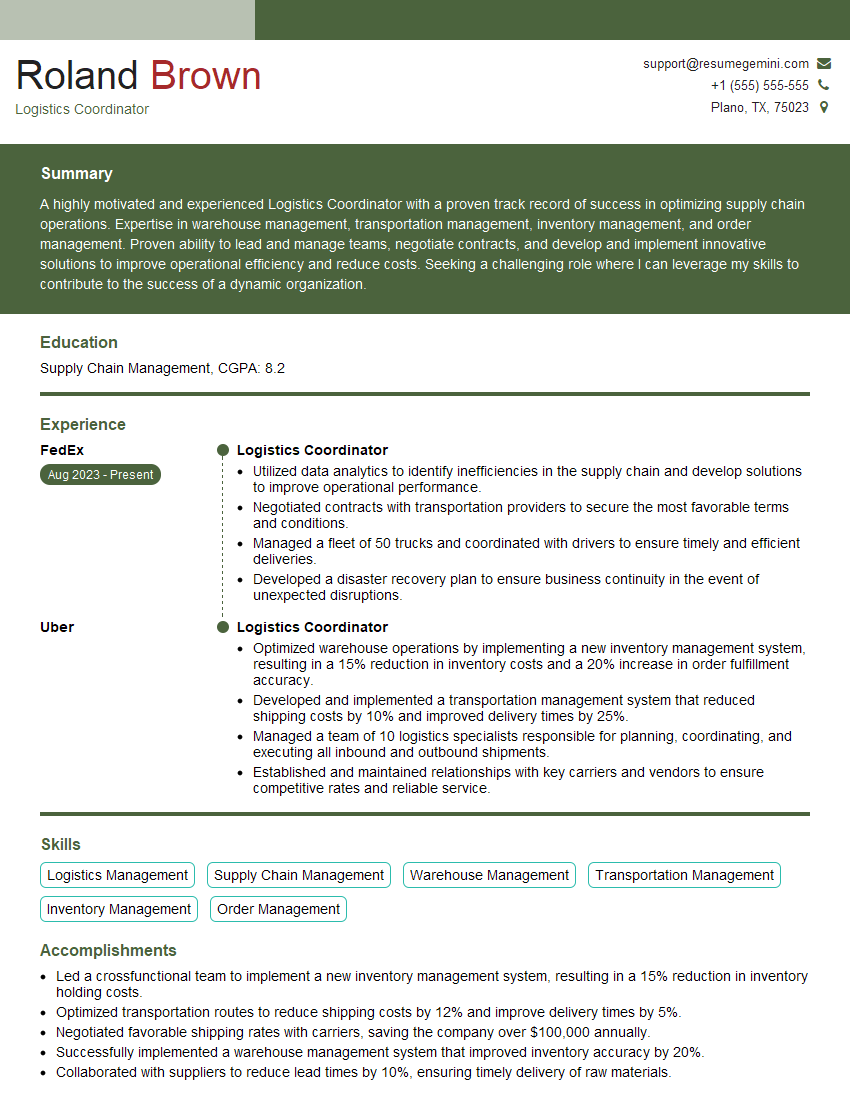
Logistics Coordinator Resume Sample
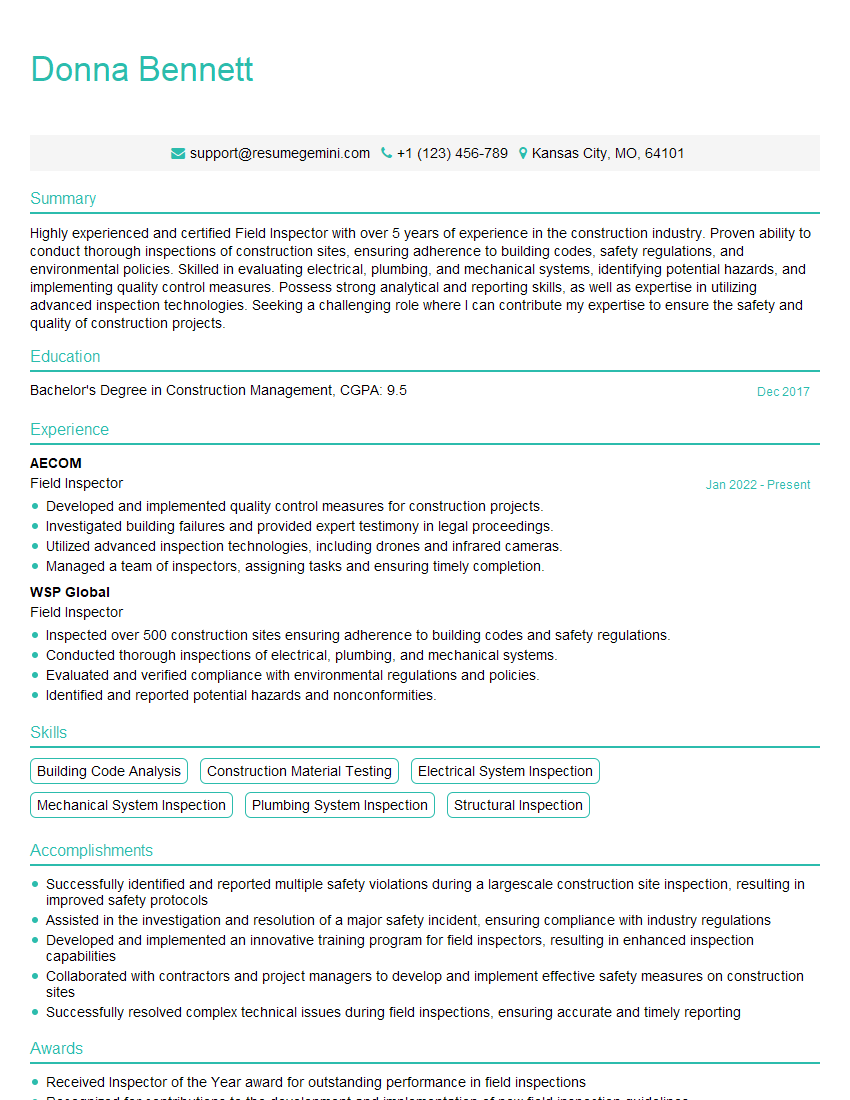
Field Inspector Resume Sample
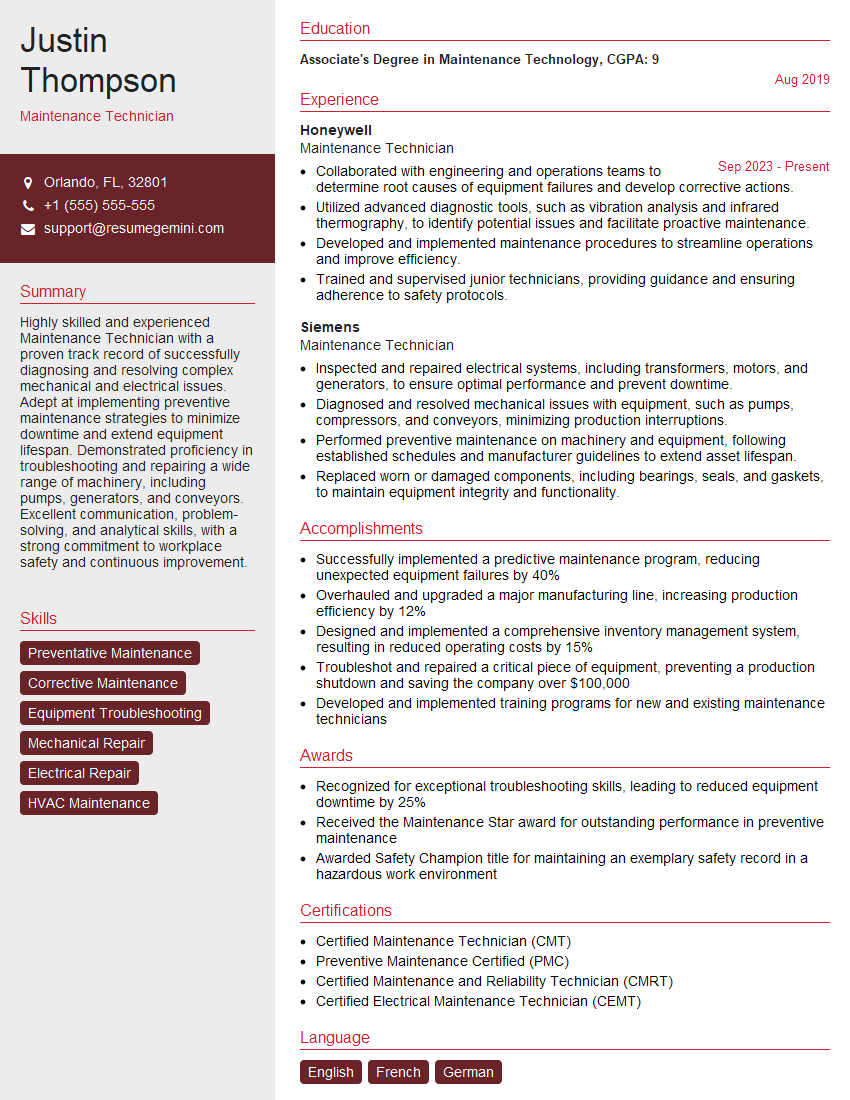
Maintenance Technician Resume Sample
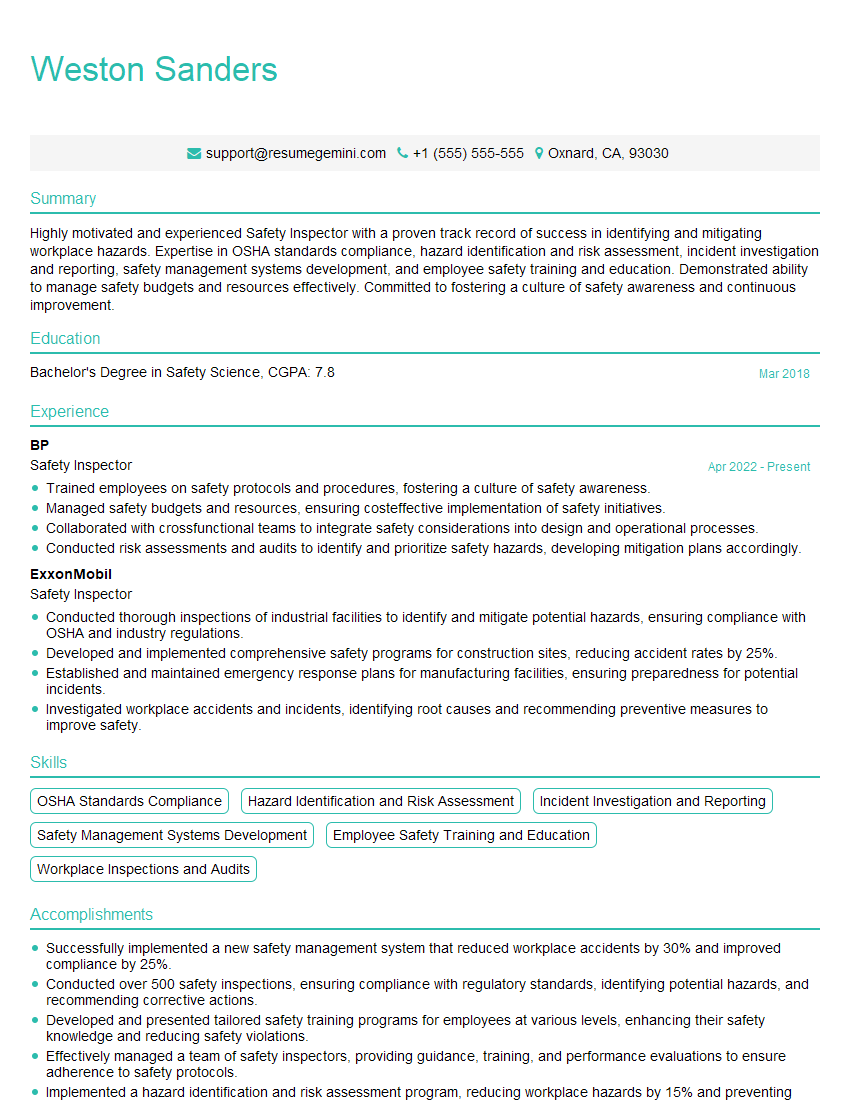
Safety Inspector Resume Sample
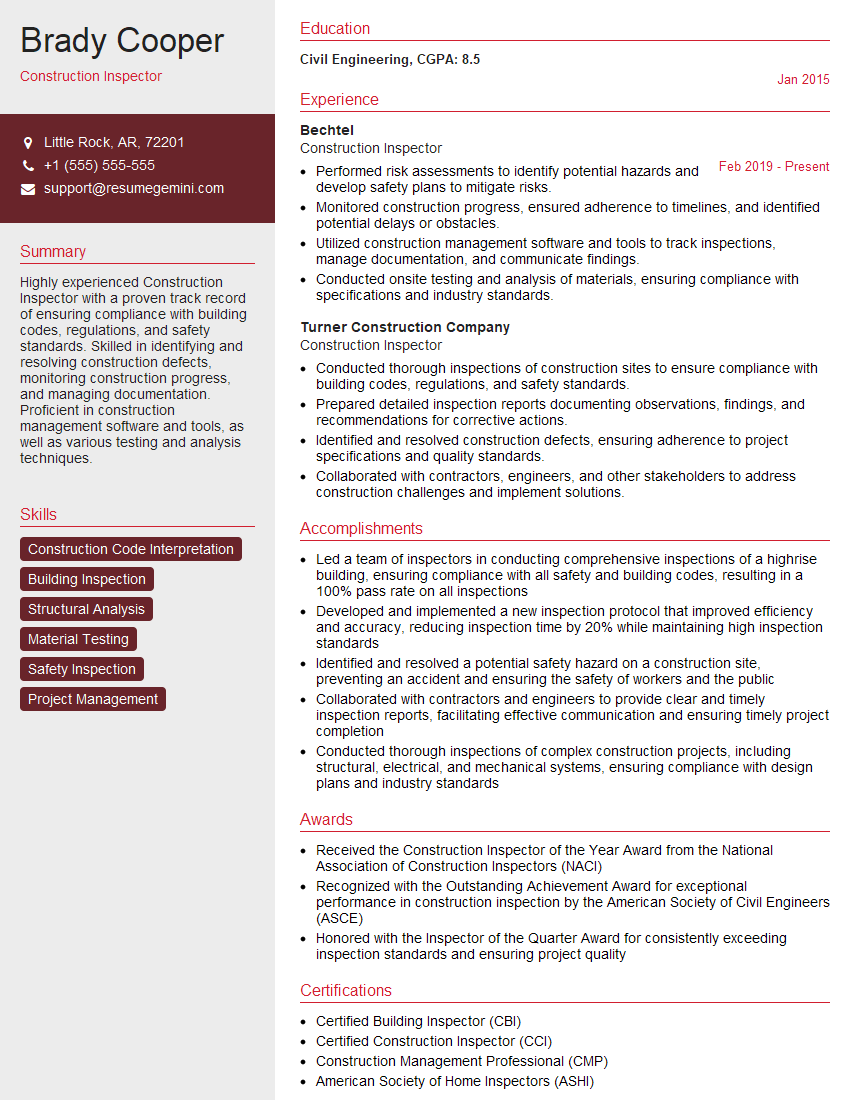
Construction Inspector Resume Sample
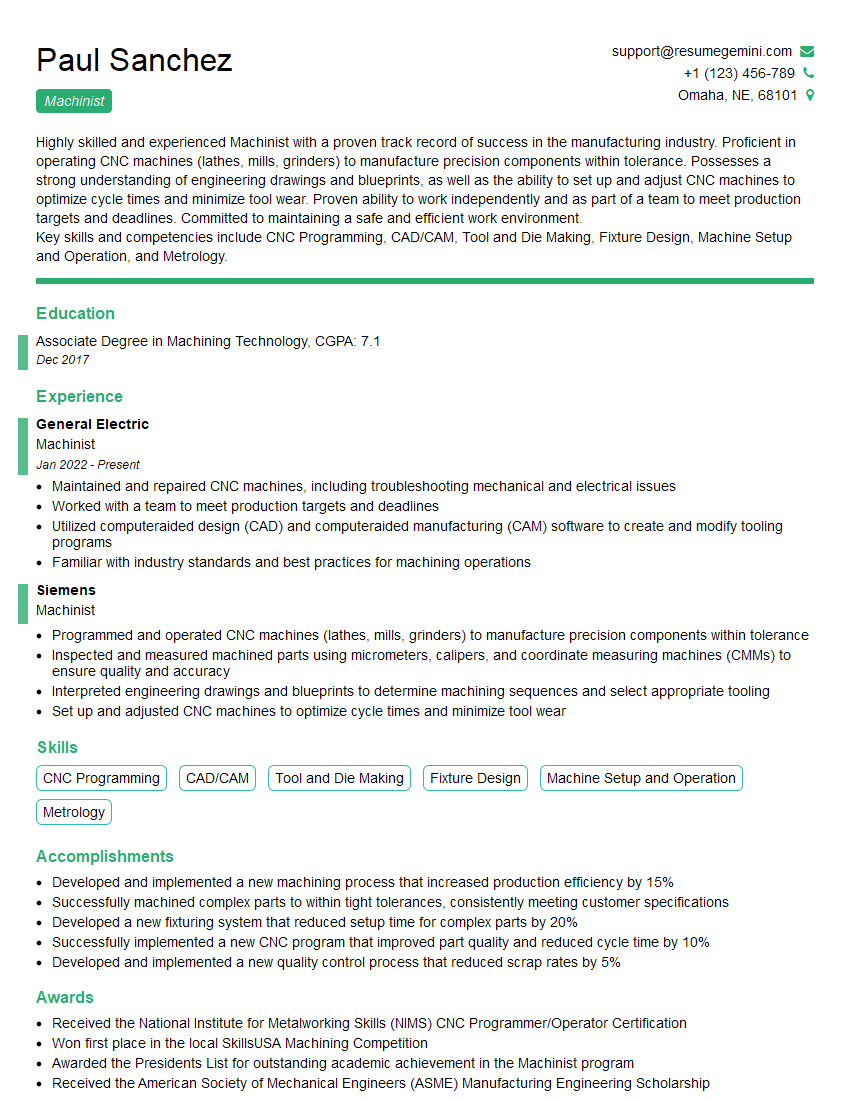
Machinist Resume Sample

Crane Operator Resume Sample

Shipping and Receiving Clerk Resume Sample
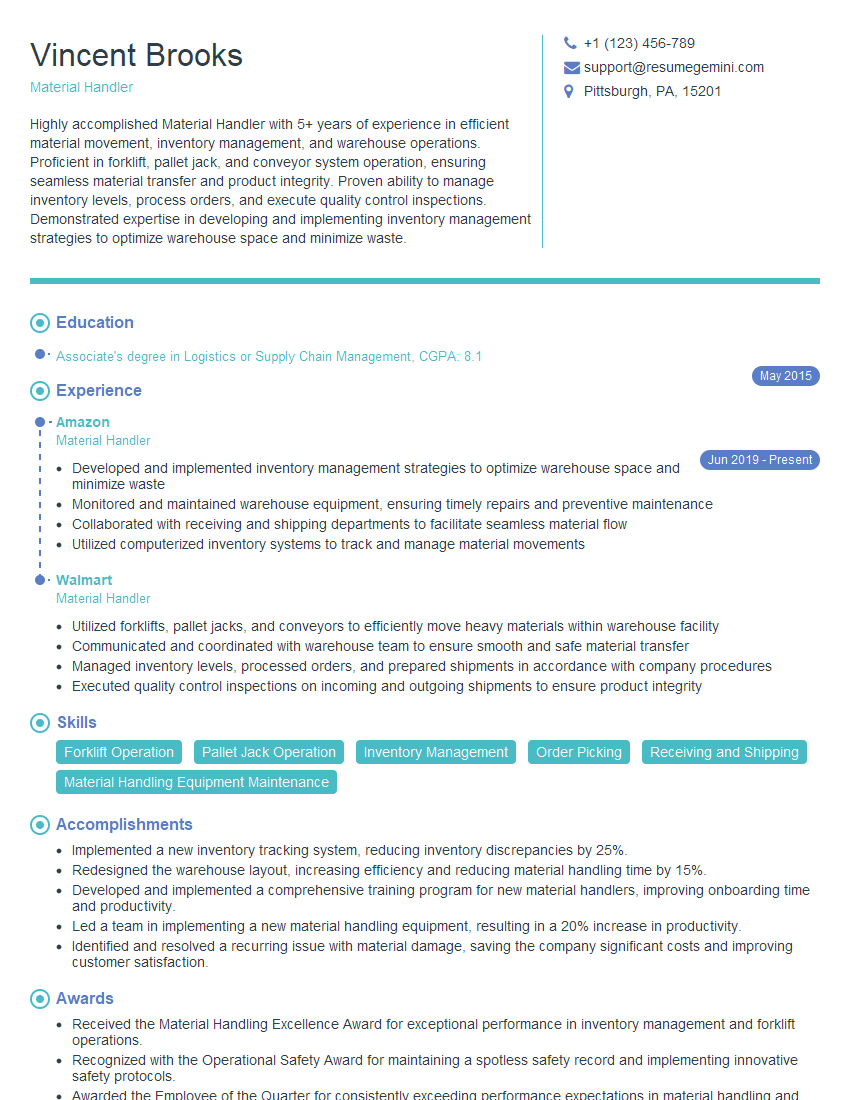
Material Handler Resume Sample
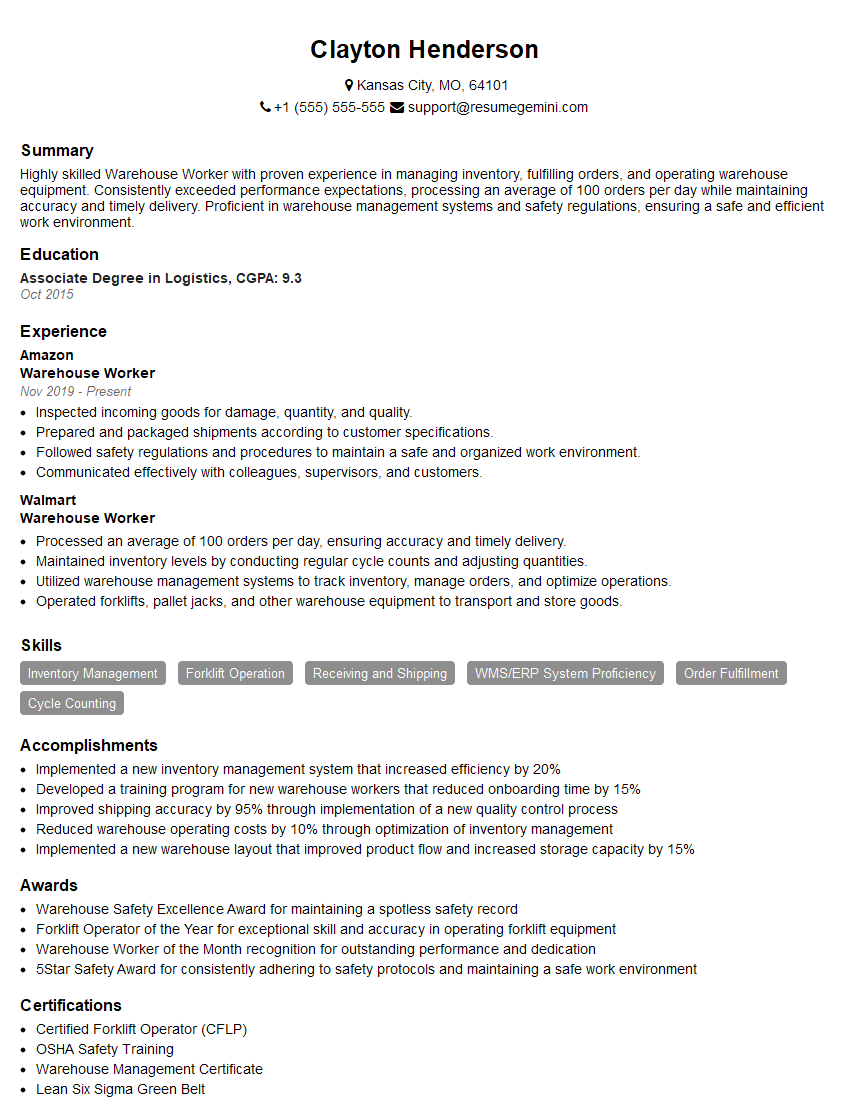
Warehouse Worker Resume Sample
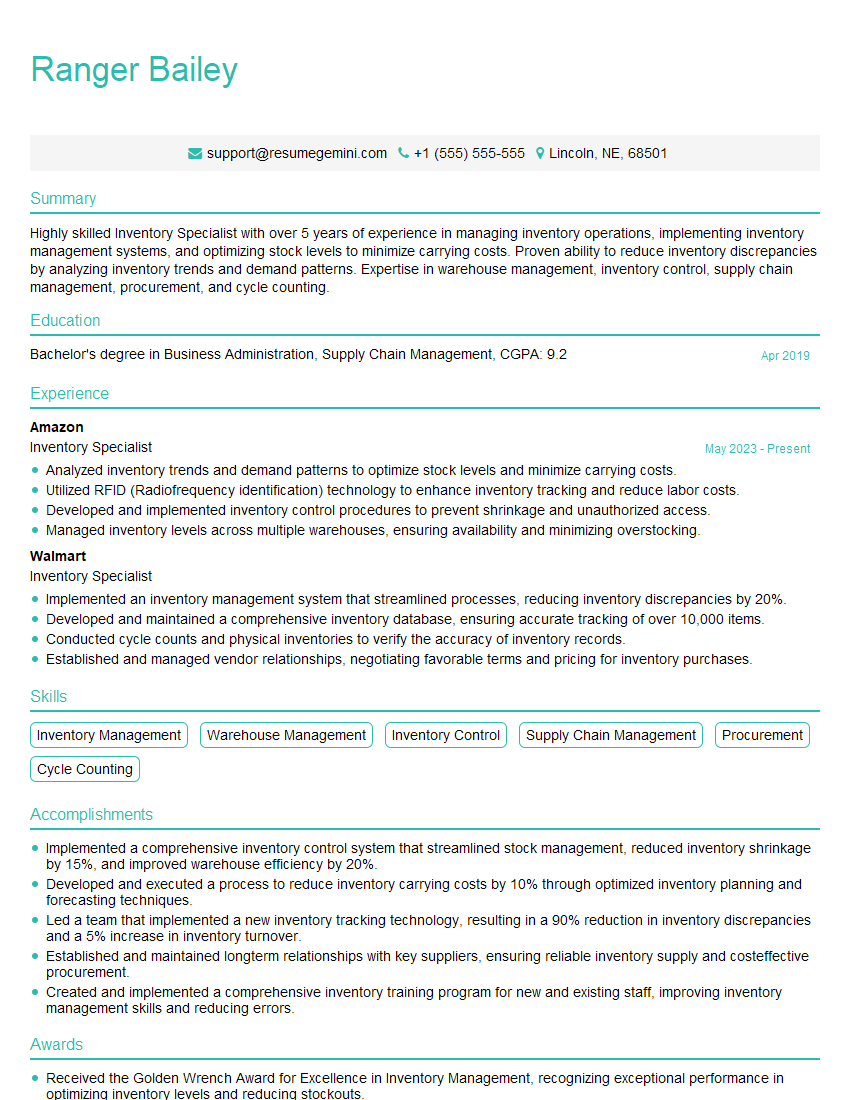
Inventory Specialist Resume Sample
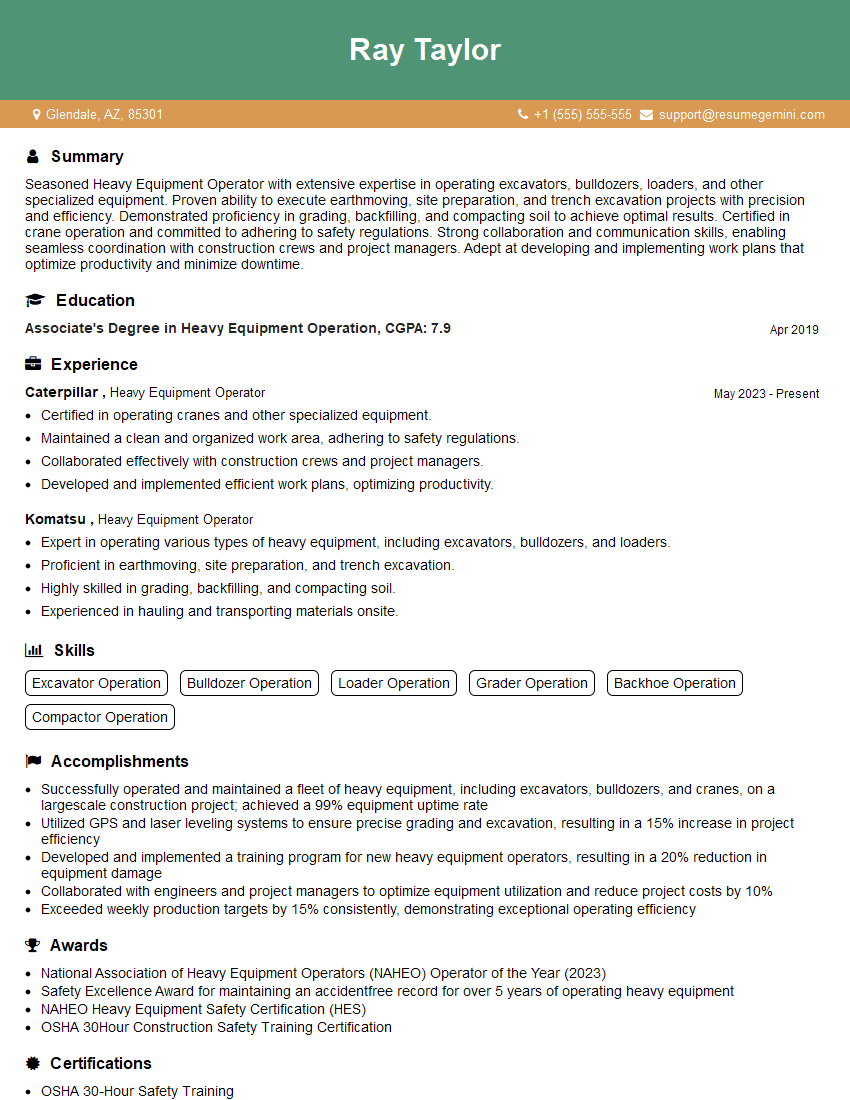
Heavy Equipment Operator Resume Sample
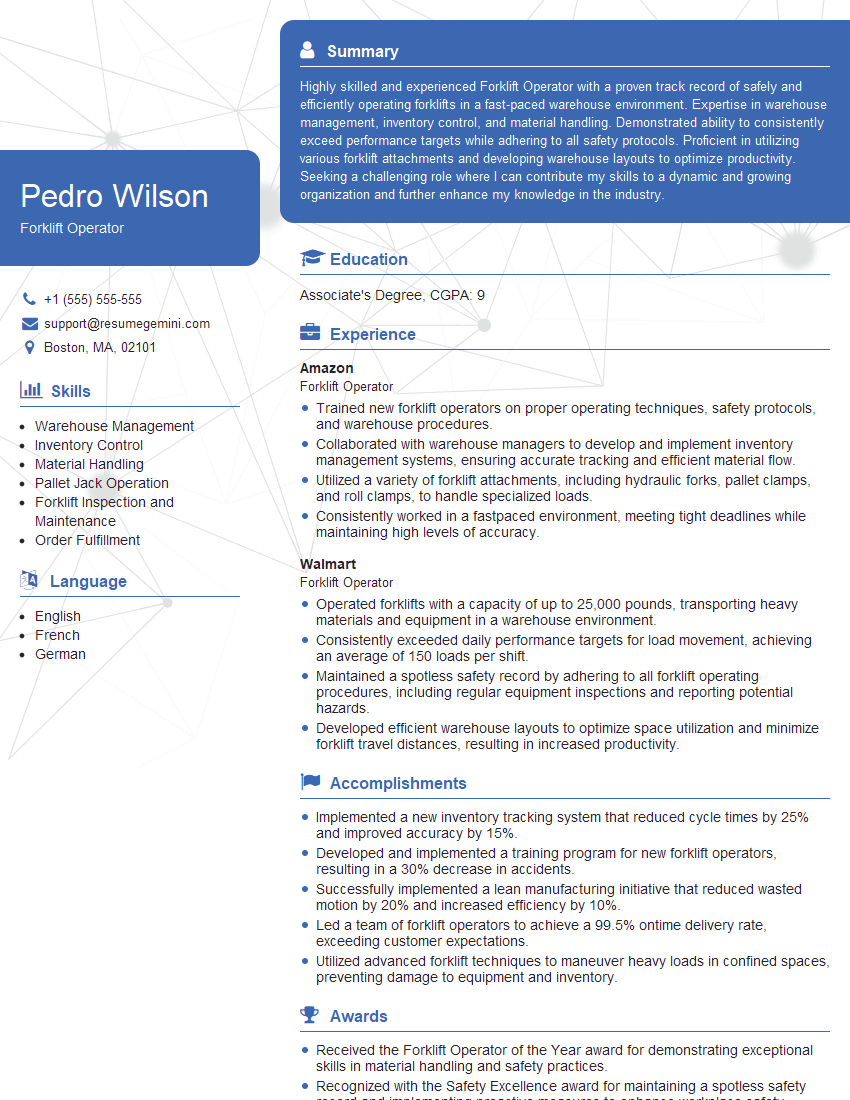
Forklift Operator Resume Sample
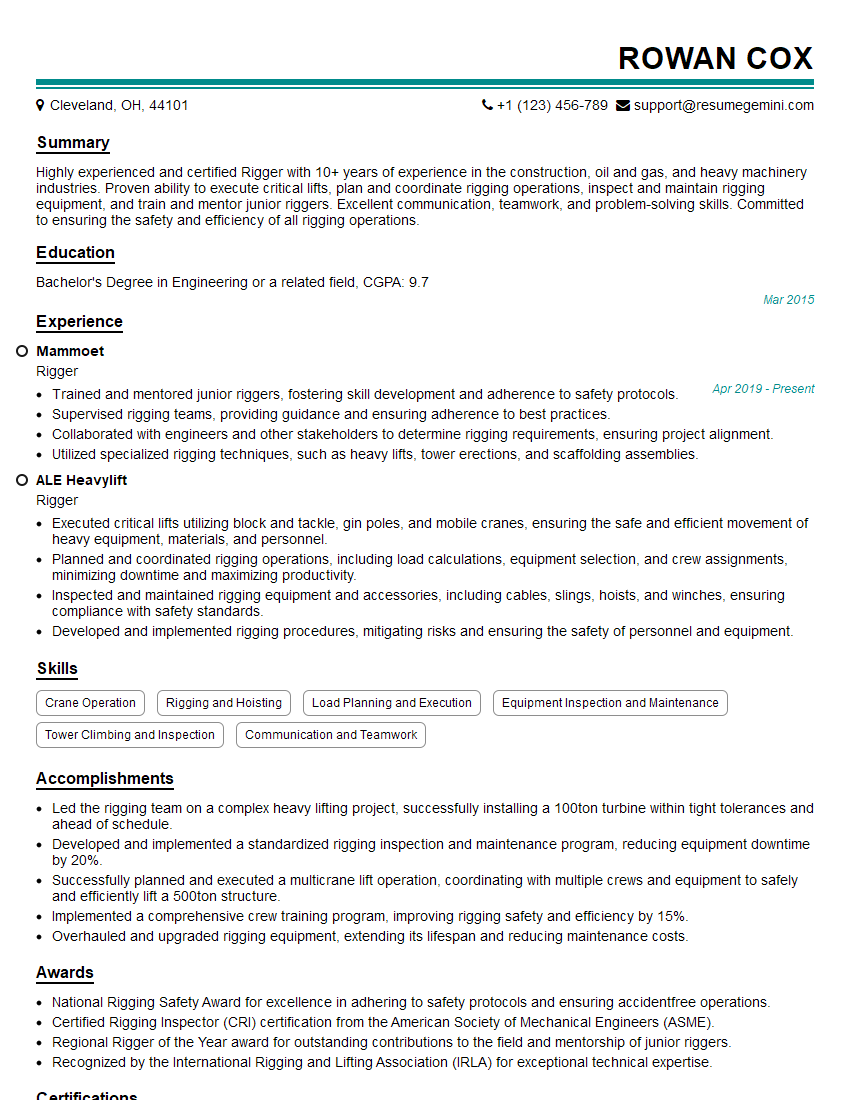
Rigger Resume Sample
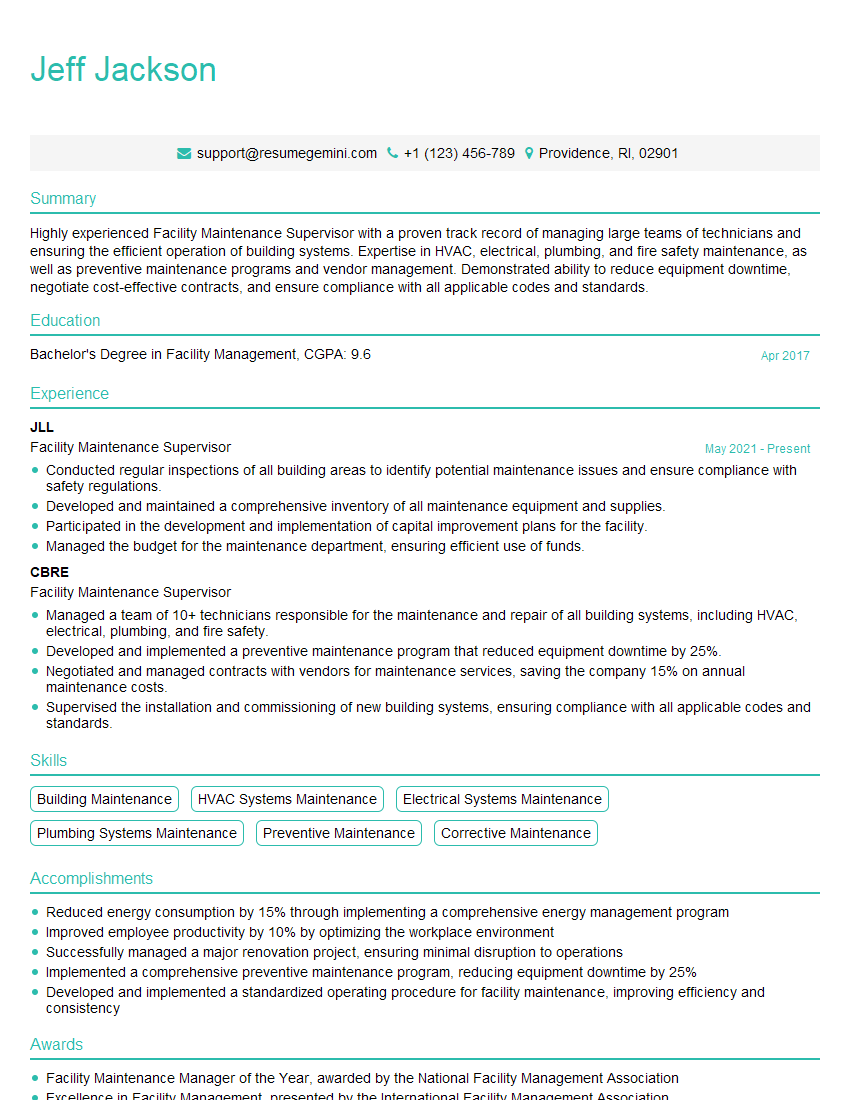
Facility Maintenance Supervisor Resume Sample
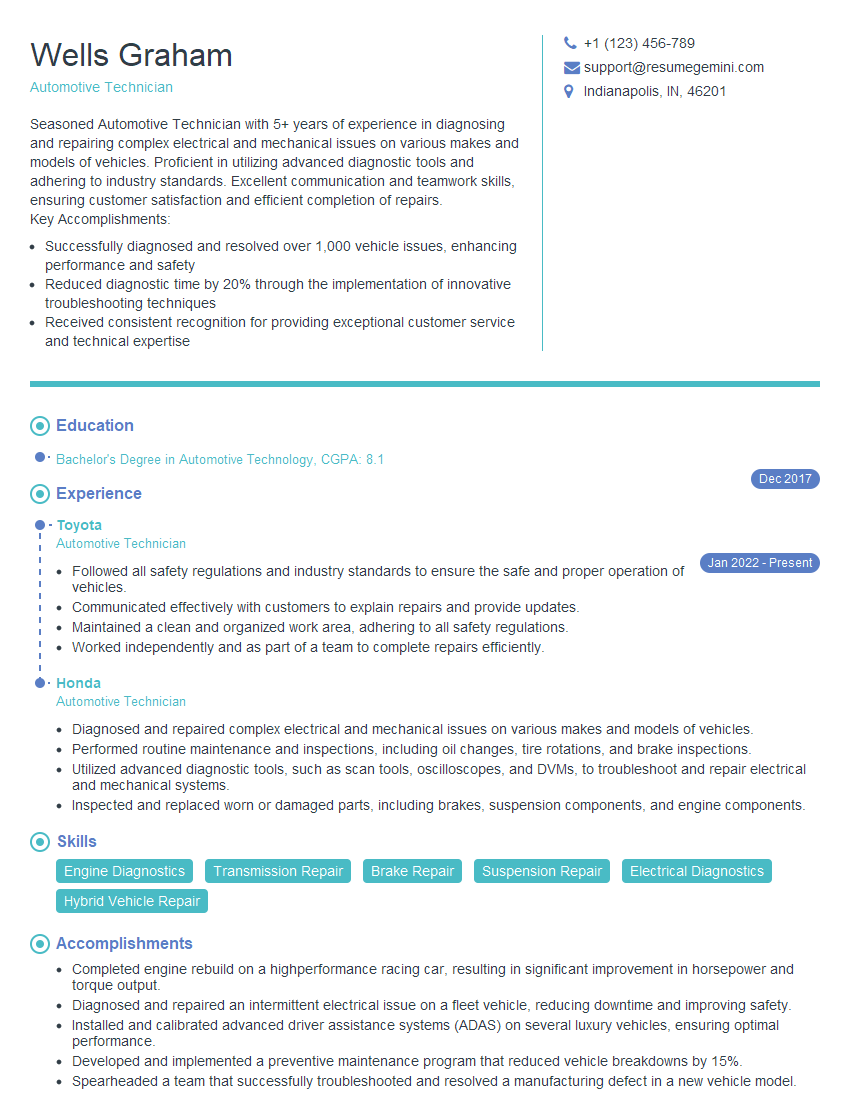
Automotive Technician Resume Sample
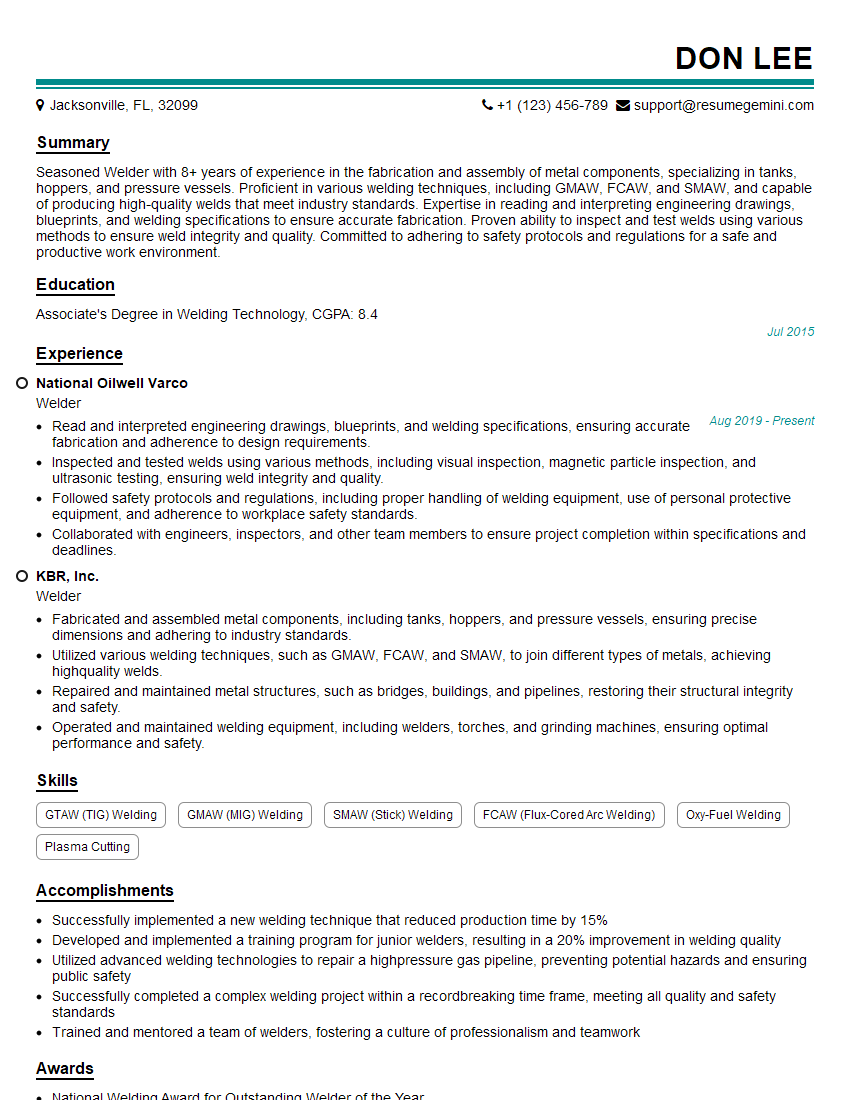
Welder Resume Sample
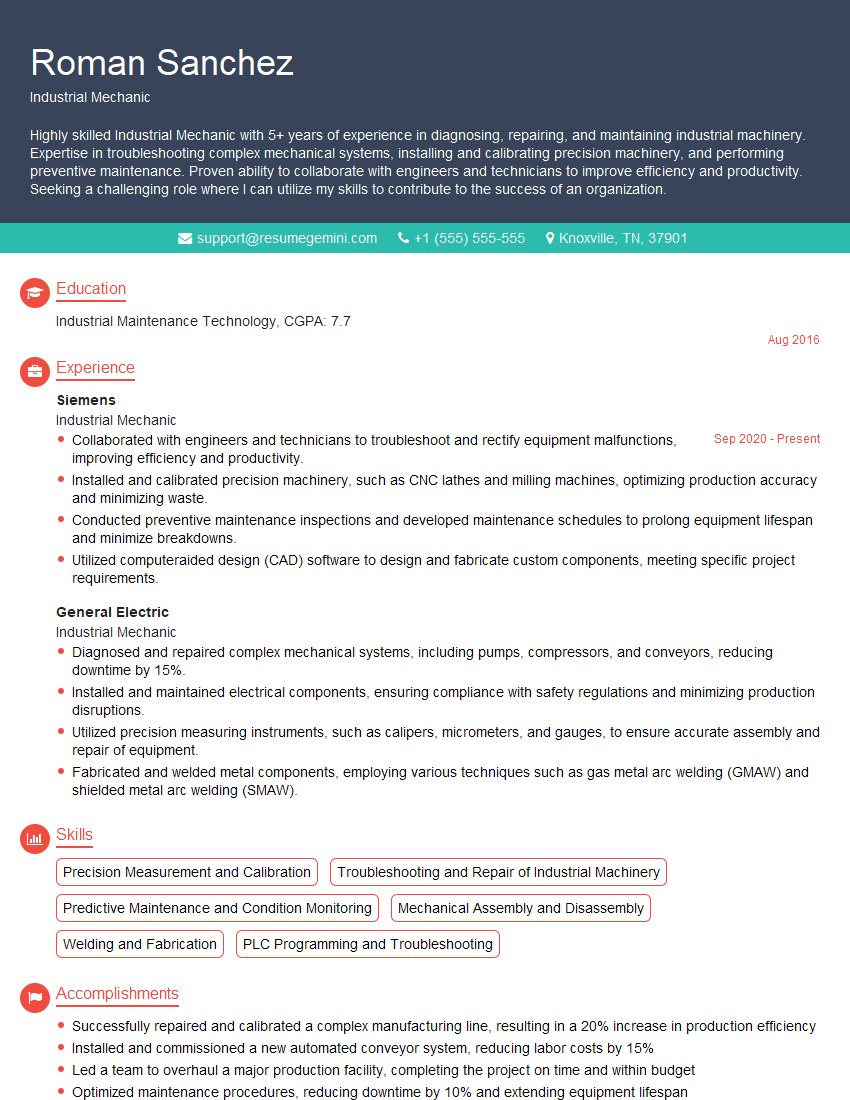
Industrial Mechanic Resume Sample
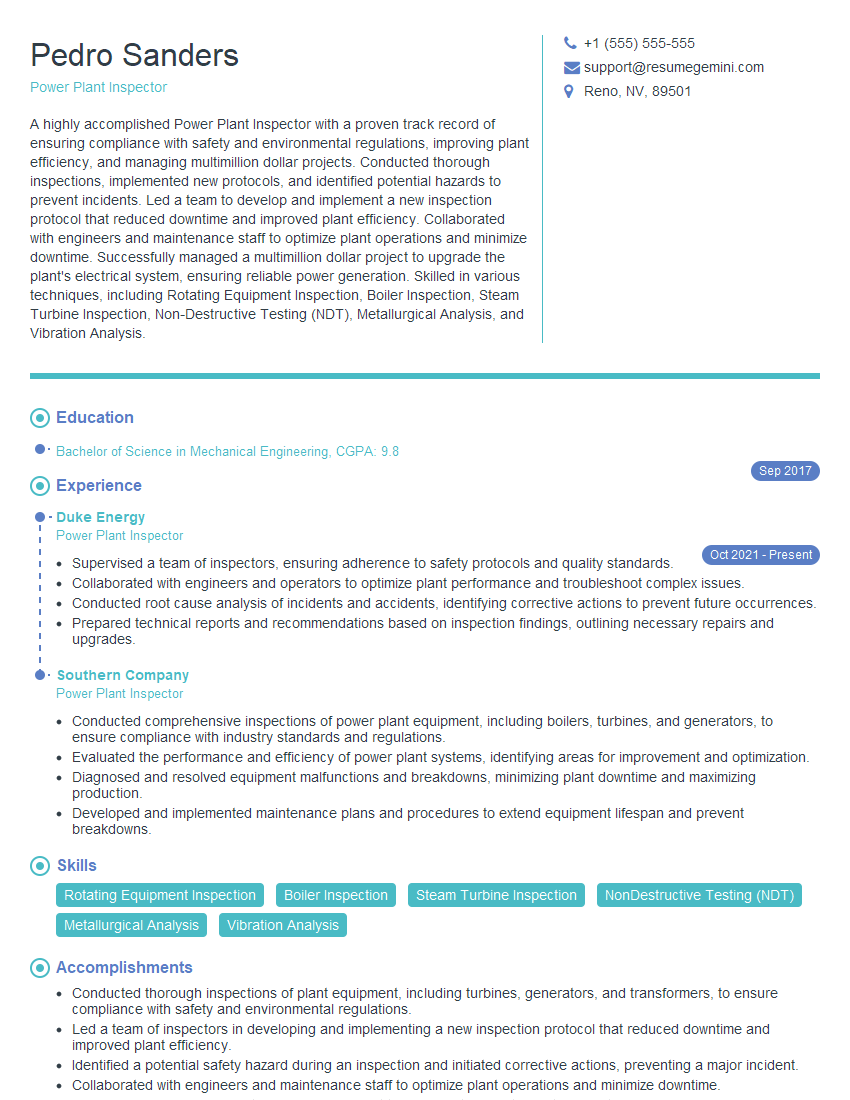
Power Plant Inspector Resume Sample

Quality Control Inspector Resume Sample
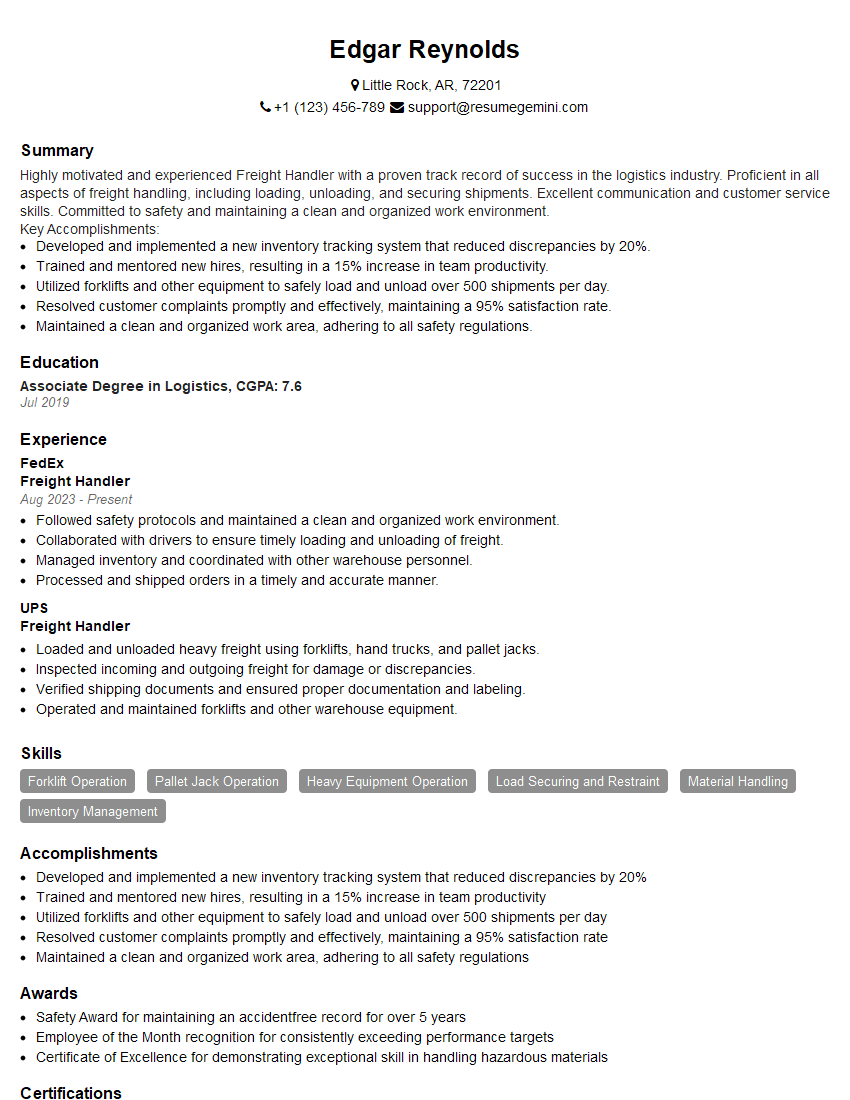
Freight Handler Resume Sample
- Operations Manager
- Logistics Coordinator
- Field Inspector
- Maintenance Technician
- Safety Inspector
- Construction Inspector
- Machinist
- Crane Operator
- Shipping and Receiving Clerk
- Material Handler
- Warehouse Worker
- Inventory Specialist
- Heavy Equipment Operator
- Forklift Operator
- Rigger
- Facility Maintenance Supervisor
- Automotive Technician
- Welder
- Industrial Mechanic
- Power Plant Inspector
- Quality Control Inspector
- Freight Handler
Explore more articles
Users Rating of Our Blogs
Share Your Experience
We value your feedback! Please rate our content and share your thoughts (optional).
What Readers Say About Our Blog
I Redesigned Spongebob Squarepants and his main characters of my artwork.
https://www.deviantart.com/reimaginesponge/art/Redesigned-Spongebob-characters-1223583608
IT gave me an insight and words to use and be able to think of examples
Hi, I’m Jay, we have a few potential clients that are interested in your services, thought you might be a good fit. I’d love to talk about the details, when do you have time to talk?
Best,
Jay
Founder | CEO