Feeling uncertain about what to expect in your upcoming interview? We’ve got you covered! This blog highlights the most important Physical Ability to Perform Job Duties interview questions and provides actionable advice to help you stand out as the ideal candidate. Let’s pave the way for your success.
Questions Asked in Physical Ability to Perform Job Duties Interview
Q 1. Describe your experience with repetitive movements and how you manage potential strain.
Repetitive movements, if not managed properly, can lead to significant strain and injury. My experience involves a deep understanding of ergonomics and preventative measures. I’ve worked in environments requiring repetitive tasks like assembly line work and data entry. To mitigate strain, I prioritize proper posture, taking frequent micro-breaks to stretch and change positions, and utilizing ergonomic tools like adjustable chairs and keyboard trays. For example, during a long assembly project, I consciously took a 5-minute break every hour to stretch my wrists and back, preventing the onset of carpal tunnel syndrome or back pain. This proactive approach ensured my efficiency and well-being throughout the workday.
- Posture: Maintaining a neutral spine and avoiding hunching.
- Micro-breaks: Short, frequent breaks to stretch and change positions.
- Ergonomic tools: Utilizing tools designed to support proper posture and reduce strain.
Q 2. How do you prioritize safety when performing physically demanding tasks?
Prioritizing safety in physically demanding tasks is paramount. My approach is multi-faceted and involves a thorough risk assessment before commencing any task. This includes identifying potential hazards, assessing my own physical capabilities, and utilizing appropriate safety equipment. For instance, before lifting heavy boxes, I’d always assess the weight, the distance I need to carry it, and the surface condition. I’d then utilize proper lifting techniques, like bending at the knees and keeping the load close to my body. Furthermore, I’d never hesitate to ask for assistance if a task is beyond my safe lifting capacity. Safety is not just about following regulations; it’s about a proactive mindset that prioritizes personal well-being and prevents injuries.
Q 3. What is your experience with lifting heavy objects? What is your maximum comfortable lift?
I have extensive experience lifting heavy objects, ranging from boxes in warehousing to equipment in industrial settings. My maximum comfortable lift is 50 pounds. However, this is a guideline; the actual weight I can comfortably lift safely depends on factors like the object’s shape, distance I need to carry it, and the overall work environment. For heavier objects, I always utilize proper lifting techniques and seek assistance from colleagues or machinery when necessary. Safety is always my top priority, and I never compromise my physical well-being to meet a deadline.
Q 4. Explain your approach to maintaining physical fitness for your job.
Maintaining physical fitness is integral to my ability to perform my job effectively and safely. My approach is holistic and includes regular exercise, a balanced diet, and sufficient rest. I focus on strength training exercises to build muscle endurance and reduce the risk of injury from strenuous activity. This includes activities like weightlifting, bodyweight exercises, and regular cardiovascular workouts. Furthermore, I prioritize a nutritious diet rich in protein and essential nutrients to support muscle recovery and overall health. Adequate sleep is also crucial for energy levels and injury prevention.
Q 5. Have you ever experienced a work-related injury? How did you handle it?
Yes, I once experienced a minor back strain while lifting a heavy piece of equipment improperly. I immediately reported the incident to my supervisor, and sought medical attention. The injury was treated with rest, ice, and over-the-counter pain relievers. Following the doctor’s advice, I took a short period of leave to recover fully. This experience reinforced the importance of proper lifting techniques and the need for reporting even minor injuries to prevent further complications. The incident also prompted me to refine my lifting techniques and to be more cautious in my approach to physically demanding tasks.
Q 6. Describe a time you had to adapt to a physically demanding task.
In a previous role, we had a new piece of equipment that required a different lifting technique than what I was accustomed to. The equipment was bulky and awkward to maneuver. Instead of attempting to lift it using my usual method which would have risked injury, I took the time to observe more experienced colleagues. I learned a modified lifting technique that distributed the weight more evenly and minimized strain. This experience highlighted the importance of adaptability and continuous learning in physically demanding roles. I documented the new technique and shared it with my team, thereby enhancing overall workplace safety.
Q 7. What strategies do you use to avoid physical fatigue during a long workday?
Avoiding physical fatigue during a long workday requires a strategic approach. This includes proper hydration throughout the day, taking regular breaks to stretch and rest, and maintaining a balanced posture. I also prioritize eating nutritious snacks and meals to maintain energy levels. Additionally, I utilize pacing techniques, distributing the workload throughout the day to avoid periods of intense exertion. If I feel overwhelmed, I don’t hesitate to ask for assistance from colleagues or utilize available tools and equipment to reduce physical strain. My focus is on maintaining consistent, safe productivity rather than pushing myself to exhaustion.
Q 8. How do you handle physical discomfort or pain while working?
Addressing physical discomfort or pain at work requires a multi-pronged approach prioritizing safety and well-being. My first step is always to identify the source of the discomfort. Is it a repetitive strain injury? A muscle pull? Something else entirely? Accurate diagnosis is crucial.
Once identified, I’ll utilize appropriate strategies. This might include taking short, frequent breaks to stretch and change positions, using ergonomic tools like a supportive back rest or adjusting my workstation, or employing pain-management techniques like applying ice or heat. If the discomfort persists or worsens, I’ll immediately report it to my supervisor and seek medical attention if necessary. Ignoring pain can lead to serious injuries and long-term health problems. Prevention is always better than cure, so I also focus on proactive measures like maintaining good posture and staying hydrated.
Q 9. Describe your understanding of ergonomics and how it relates to your work.
Ergonomics is the science of designing the workplace to fit the worker, minimizing risk of injury and maximizing productivity and comfort. It involves optimizing the relationship between people and their working environment. In my work, this means ensuring my workstation is set up correctly to support my posture, reducing strain on my body. This includes adjusting chair height and positioning my monitor and keyboard at an appropriate distance. I also make sure I frequently change positions to avoid prolonged static postures.
For example, if my job involves prolonged standing, I ensure I have access to an anti-fatigue mat to reduce pressure on my feet and legs. If I’m working with heavy equipment, I’ll always use the correct lifting techniques to avoid straining my back and using appropriate safety equipment. Applying ergonomic principles directly contributes to preventing workplace injuries and reducing fatigue, resulting in increased efficiency and overall well-being.
Q 10. What is your experience with using physical aids, such as lifting belts or equipment?
I have extensive experience using various physical aids to assist with demanding tasks and enhance safety. Lifting belts, for instance, provide crucial lumbar support during heavy lifting, reducing the risk of back injuries. I’ve used them frequently in roles requiring significant physical effort, such as moving heavy materials or equipment. Proper usage involves ensuring the belt fits correctly and is properly tightened before lifting. I also know the limitations of a lifting belt; it’s a supportive tool, not a replacement for correct lifting techniques.
Beyond lifting belts, I’m proficient in using other equipment like ergonomic hand tools, adjustable workbenches, and powered lift assist devices. Knowing when and how to use these aids is crucial for protecting myself from injury and maximizing efficiency. I always prioritize safety and ensure that the use of any physical aid aligns with company safety protocols.
Q 11. How do you assess the physical demands of a new task before beginning?
Before undertaking a new task, I always conduct a thorough assessment of its physical demands. This involves several steps. First, I review any job descriptions or instructions available to understand the specifics of the task. I then visually inspect the workspace and the equipment I’ll be using, identifying potential hazards or physical stressors.
Next, I consider the movements involved: will I be lifting, carrying, pushing, pulling, or performing repetitive motions? What are the weights involved? What are the postures required? Finally, I assess my own physical capabilities and limitations, considering any existing health conditions or previous injuries. If the task appears to present significant physical risks, I’ll discuss it with my supervisor to ensure adequate safety measures are in place or alternative methods are explored. This proactive approach helps prevent injuries and maximizes workplace safety.
Q 12. How do you handle unexpected physical challenges on the job?
Unexpected physical challenges on the job require quick thinking and a calm, decisive response. My first priority is always safety. If faced with an unexpected heavy lift, for example, I would immediately seek assistance instead of attempting it alone. This might involve asking a coworker or using available machinery to reduce the strain.
If I experience an unexpected injury, such as a minor strain or sprain, I’ll immediately report it to my supervisor and seek first aid if necessary. For more serious injuries, emergency services will be called. Adaptability and problem-solving are key in these situations. I remain focused on mitigating the risk and protecting my well-being while completing the immediate task or ensuring the safety of myself and those around me.
Q 13. Describe a situation where you had to work in physically challenging conditions.
In a previous role, I worked on a construction site during a particularly harsh winter. The conditions were extremely challenging: low temperatures, icy surfaces, and constant exposure to wind and rain. Moving materials was difficult due to the slick ground. In one instance, we needed to move a heavy load of roofing materials across a muddy and uneven surface.
To overcome this challenge, we collaborated, utilizing proper lifting techniques, safety harnesses, and additional traction support to prevent slips and falls. We adjusted our schedule to perform the heaviest tasks during warmer periods of the day. Through careful planning and teamwork, we completed the task safely and efficiently, highlighting the importance of adaptability and teamwork in physically challenging environments. Proper planning and communication are key to navigating unexpected difficulties in physically demanding jobs.
Q 14. What measures do you take to prevent workplace injuries?
Preventing workplace injuries is paramount, and it requires a holistic approach. I begin by following all company safety regulations and guidelines meticulously. This includes wearing appropriate personal protective equipment (PPE), such as safety shoes, gloves, and eye protection, whenever necessary. I also consistently practice safe lifting techniques, avoiding twisting or bending motions whenever possible. Maintaining good posture and taking regular breaks to stretch are crucial aspects of my injury prevention strategy.
Furthermore, I actively participate in workplace safety training and actively seek opportunities to improve my knowledge of safe work practices. I also report any potential hazards or unsafe conditions I observe to my supervisor immediately. By proactively addressing risks and adhering to established safety protocols, I contribute to a safer work environment for myself and my colleagues. A culture of safety awareness is vital in minimizing workplace injuries.
Q 15. How do you maintain a balance between productivity and physical well-being at work?
Maintaining a balance between productivity and physical well-being is crucial for long-term success and job satisfaction. It’s not about choosing one over the other; it’s about integrating them. Think of it like a finely tuned engine – it needs the right fuel (physical health) and regular maintenance (rest and recovery) to run optimally.
- Prioritization and Time Management: I prioritize tasks, focusing on high-impact activities during periods of peak energy. I also schedule regular breaks to stretch, move around, and avoid prolonged static postures. This prevents burnout and maintains focus.
- Ergonomics: I ensure my workspace is ergonomically sound, utilizing adjustable chairs, proper monitor placement, and supportive keyboard/mouse setups to minimize strain. This reduces the risk of repetitive strain injuries (RSIs).
- Active Lifestyle: I incorporate regular exercise into my routine, even if it’s just a short walk during lunch or a quick workout after work. This improves physical stamina, boosts energy levels, and enhances mental clarity, which directly impacts productivity.
- Hydration and Nutrition: I ensure I’m well-hydrated and consume a balanced diet to fuel my body and brain. Dehydration and poor nutrition significantly affect energy levels and concentration.
For example, during a particularly demanding project, I might prioritize the most critical tasks in the morning when my energy levels are highest and schedule shorter breaks throughout the day to prevent fatigue.
Career Expert Tips:
- Ace those interviews! Prepare effectively by reviewing the Top 50 Most Common Interview Questions on ResumeGemini.
- Navigate your job search with confidence! Explore a wide range of Career Tips on ResumeGemini. Learn about common challenges and recommendations to overcome them.
- Craft the perfect resume! Master the Art of Resume Writing with ResumeGemini’s guide. Showcase your unique qualifications and achievements effectively.
- Don’t miss out on holiday savings! Build your dream resume with ResumeGemini’s ATS optimized templates.
Q 16. What are your strategies for staying physically fit and prepared for the demands of this job?
Staying physically fit and prepared for the demands of this job requires a proactive and comprehensive approach. It’s an ongoing commitment, not a one-time effort.
- Regular Exercise: I maintain a regular exercise regimen that focuses on cardiovascular health, strength training, and flexibility. This builds endurance, strength, and reduces the risk of injury. Activities like running, weight training, and yoga are all beneficial.
- Preventive Care: I prioritize preventive health measures, including regular checkups with my doctor and any specialists necessary. This includes addressing any pre-existing conditions and managing them effectively to avoid exacerbation.
- Proper Sleep: Adequate sleep (7-9 hours) is critical for muscle recovery and overall physical and cognitive function. Insufficient sleep significantly increases the risk of injury and reduces performance.
- Stress Management: I actively manage stress through techniques like mindfulness, meditation, or other relaxation methods. Chronic stress can negatively impact physical health and increase vulnerability to injury.
For instance, if the job requires significant lifting, I would focus on strength training exercises like squats and deadlifts to build the necessary muscle strength and prevent back injuries. If the job involves prolonged standing, I would ensure I have proper footwear and incorporate exercises to improve my lower body strength and flexibility.
Q 17. Describe your experience with manual handling techniques.
My experience with manual handling techniques is extensive. I’m proficient in applying the principles of safe lifting and moving techniques to minimize the risk of musculoskeletal injuries (MSIs).
- Assess the Load: Before attempting to lift or move anything, I carefully assess the weight, size, and shape of the object. I check for any potential hazards or obstructions.
- Proper Lifting Technique: I always use proper lifting techniques, keeping my back straight, bending at the knees and hips, and using my leg muscles to lift, avoiding twisting movements.
- Team Lifting: When lifting heavy objects, I always utilize teamwork and communication to ensure that the load is evenly distributed and moved safely.
- Using Equipment: I am experienced with using various material handling equipment, including hand trucks, dollies, and hoists, appropriately and safely to reduce strain.
For example, if I need to move a heavy box, I would first assess its weight and ensure I have enough space to maneuver. I would then bend my knees, keep my back straight, and lift the box using my leg muscles. If it’s too heavy for one person, I would find a colleague to help and coordinate our movements.
Q 18. How do you communicate physical limitations or concerns to your supervisor?
Communicating physical limitations or concerns to my supervisor is paramount for both my safety and the team’s efficiency. I approach this with open and professional communication, focusing on solutions, not complaints.
- Prompt Reporting: I immediately report any new or worsening physical limitations or concerns. Delaying communication can worsen the situation.
- Clear and Concise Communication: I use clear and concise language, specifying the nature of the limitation, its impact on my work, and any potential risks.
- Collaborative Problem Solving: I engage in collaborative problem-solving with my supervisor, exploring potential solutions such as modified work schedules, assistive devices, or task adjustments.
- Documentation: I maintain proper documentation of all reported issues, including the date, time, details of the issue, and any agreed-upon solutions.
For instance, if I experience back pain after performing a particular task, I would inform my supervisor, explain the nature of the pain, and propose alternative methods of completing the task or suggest using appropriate equipment. I would also document this interaction for reference.
Q 19. What is your understanding of workplace safety regulations related to physical demands?
My understanding of workplace safety regulations related to physical demands is comprehensive. I’m familiar with OSHA (Occupational Safety and Health Administration) guidelines and relevant legislation, which vary by location. These regulations aim to protect workers from injuries and illnesses caused by physical stressors.
- Hazard Identification and Risk Assessment: I understand the importance of identifying and assessing physical hazards in the workplace, including manual handling risks, working at heights, repetitive movements, and exposure to extreme temperatures.
- Personal Protective Equipment (PPE): I know how to use and maintain appropriate PPE, such as safety shoes, gloves, back supports, and harnesses, as required.
- Ergonomic Principles: I’m well-versed in ergonomic principles and how to apply them to prevent musculoskeletal disorders. This includes proper lifting techniques, posture, and workspace design.
- Reporting Procedures: I understand the importance of reporting any workplace incidents, injuries, or near misses immediately, following the established procedures.
For example, I know that OSHA regulations specify requirements for using proper lifting techniques and provide guidelines for safe handling of materials. I also understand the importance of wearing safety glasses when operating machinery.
Q 20. How familiar are you with the physical requirements of this specific role?
I am very familiar with the physical requirements of this specific role. I have carefully reviewed the job description and understand the demands it places on physical capabilities. [Here, I would insert a specific description based on the actual job requirements provided. For example: “The job description indicates that the role involves frequent lifting of up to 50 pounds, prolonged standing, and occasional bending and reaching.”]
My skills and experience align well with these requirements. I have a proven track record of successfully managing similar physical demands in my previous roles. I am confident in my ability to meet the physical challenges of this position without compromising safety or productivity.
Q 21. Describe your experience with working at heights or in confined spaces.
My experience with working at heights and in confined spaces varies depending on the context. I always prioritize safety and adhere strictly to all relevant safety regulations and protocols.
- Working at Heights: [Here, describe specific experiences, certifications, and training related to working at heights. This might include experience using fall arrest systems, harnesses, and working platforms. Mention any relevant certifications like OSHA 10-hour or similar.]
- Confined Spaces: [Here, describe experiences working in confined spaces. Mention any training received on confined space entry procedures, including atmospheric monitoring, rescue techniques, and use of appropriate safety equipment.]
In both instances, I always conduct a thorough risk assessment before commencing any work, follow all safety protocols, and utilize appropriate safety equipment. Safety is my utmost priority in these potentially hazardous environments.
Q 22. Explain your approach to teamwork when undertaking physically demanding tasks.
My approach to teamwork on physically demanding tasks centers around clear communication, shared responsibility, and mutual respect for physical limitations. Before starting any task, we collaboratively assess the workload, identifying potential hazards and assigning roles based on individual strengths and capabilities. This prevents overexertion and ensures safety. For example, during a warehouse move involving heavy lifting, we’d discuss the weight of each item, determine optimal lifting techniques, and pair up for particularly heavy loads, rotating partners to distribute the strain evenly. We also establish clear communication channels – if someone feels they’re struggling, they can signal for assistance without hesitation. This proactive approach minimizes risk and fosters a supportive work environment.
Q 23. How do you react to stressful situations that involve physical demands?
Stressful situations involving physical demands require a calm and methodical response. My first step is to assess the situation objectively, identifying the source of stress and any immediate safety concerns. Then, I prioritize tasks, focusing on the most critical and urgent, delegating if possible. I utilize stress-reducing techniques like deep breathing and mindfulness to manage my physical and mental state. For instance, during an unexpected equipment malfunction that created a backlog of work, I remained calm, quickly assessed the situation, prioritized tasks based on deadlines, and delegated tasks to available team members. Maintaining a calm demeanor and focusing on problem-solving are key to efficient and safe task completion under pressure.
Q 24. What is your experience working with various types of physical equipment?
My experience encompasses a wide range of physical equipment, including forklifts, pallet jacks, hand trucks, and various types of power tools. I’m proficient in operating these machines safely and efficiently, adhering to all safety regulations and training protocols. For example, my experience operating forklifts includes certifications and a proven track record of safe and productive operation in diverse warehouse settings. I’m also familiar with preventative maintenance procedures for this equipment, recognizing signs of wear and tear to prevent accidents. Similarly, my proficiency with power tools extends to understanding their safe operation, appropriate safety gear use, and recognizing potential hazards.
Q 25. How do you adapt to changes in physical workload or demands?
Adapting to changes in physical workload demands involves flexibility and a proactive approach. I monitor my energy levels and adjust my pace accordingly, prioritizing tasks based on urgency and physical demands. If a sudden increase in workload occurs, I’ll communicate with my team to reassess task assignments and ensure equitable distribution of effort. For example, if an unexpected rush order arrives, I’d work with the team to strategically prioritize tasks, assigning lighter tasks to those who may be experiencing fatigue and ensuring breaks are taken to avoid burnout. Flexibility and open communication are vital in navigating fluctuating workloads.
Q 26. What are your personal strategies for managing stress and fatigue?
My personal strategies for managing stress and fatigue include regular exercise, a balanced diet, and sufficient sleep. I also incorporate mindfulness techniques, such as meditation or deep breathing exercises, to manage stress levels. Regular breaks during physically demanding tasks are crucial. I also prioritize adequate hydration throughout the day. This holistic approach keeps me physically and mentally prepared to handle challenges, preventing burnout and promoting sustained energy levels. Regular self-assessment of my physical and mental state helps me identify early signs of fatigue, prompting me to adjust my workload or take a break.
Q 27. How do you prioritize tasks based on their physical demands?
Prioritizing tasks based on physical demands involves a systematic approach. I begin by assessing the physical requirements of each task, considering factors such as weight, distance, and repetitive motions. Then, I categorize tasks based on their level of physical exertion – high, medium, and low. High-demand tasks are scheduled for periods when I have optimal energy levels, while less demanding tasks can be interspersed throughout the day to provide recovery periods. For example, I would tackle heavy lifting first thing in the morning, when my energy is highest, followed by lighter tasks in the afternoon. This approach optimizes efficiency while preventing fatigue and injury.
Q 28. Describe a time you had to overcome a physical challenge to complete a task.
During a large-scale inventory, we experienced a critical equipment malfunction – our forklift broke down. This created a significant backlog, and we had a tight deadline. We couldn’t afford delays. Instead of panicking, we assessed the situation, determining that the heaviest items could be temporarily moved manually using a team-lifting system. This required coordinating with my team members, using proper lifting techniques to minimize risk of injury. We divided the workload, rotating team members to ensure fair distribution of effort. Through careful planning and teamwork, we overcame the physical challenge and completed the inventory on time, demonstrating resilience and collaborative problem-solving.
Key Topics to Learn for Physical Ability to Perform Job Duties Interview
- Understanding Job Demands: Analyze job descriptions to identify specific physical requirements like lifting, carrying, bending, reaching, and repetitive movements. Consider the frequency and intensity of these demands.
- Self-Assessment: Honestly evaluate your own physical capabilities and limitations. Identify areas where you excel and areas needing improvement. This self-awareness is crucial for realistic goal setting and showcasing your strengths.
- Safety Procedures and Ergonomics: Demonstrate understanding of safe work practices to prevent injuries. Discuss your knowledge of proper lifting techniques, use of assistive devices, and maintaining a healthy work posture.
- Adaptability and Problem-Solving: Explain how you adapt to changing physical demands. Provide examples of how you’ve overcome physical challenges in previous roles or situations, highlighting your problem-solving skills in such contexts.
- Communication and Teamwork: Discuss how you effectively communicate physical limitations or concerns to supervisors and colleagues, and how you collaborate with teammates to ensure tasks are completed safely and efficiently.
- Physical Fitness and Health Maintenance: Articulate your commitment to maintaining physical fitness and health, and explain strategies you use to stay healthy and injury-free. This demonstrates responsibility and proactive approach to job performance.
Next Steps
Mastering the ability to articulate your physical capabilities and preparedness for a job’s demands is vital for career advancement. It demonstrates responsibility, professionalism, and a commitment to safety. Building an ATS-friendly resume that clearly highlights these skills is crucial for increasing your job prospects. ResumeGemini is a trusted resource to help you create a compelling and effective resume that showcases your strengths. We provide examples of resumes tailored to Physical Ability to Perform Job Duties to guide you in crafting your own professional document.
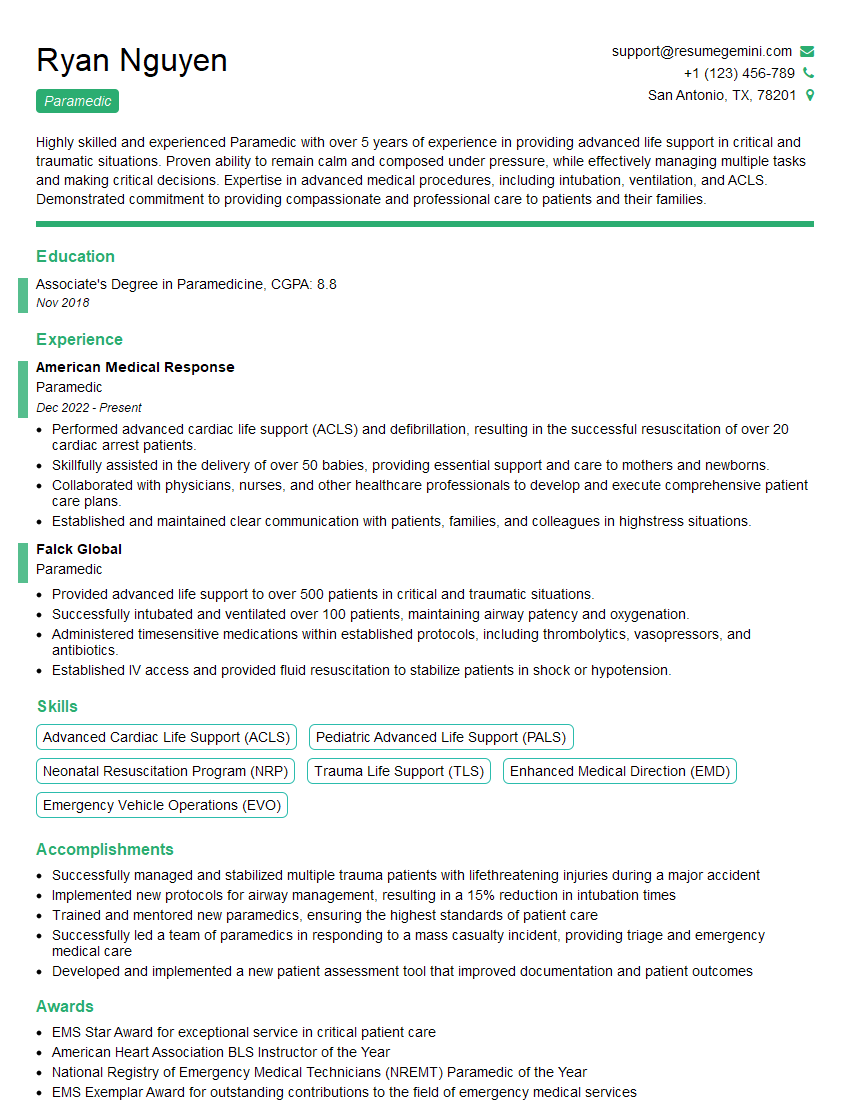
Paramedic Resume Sample
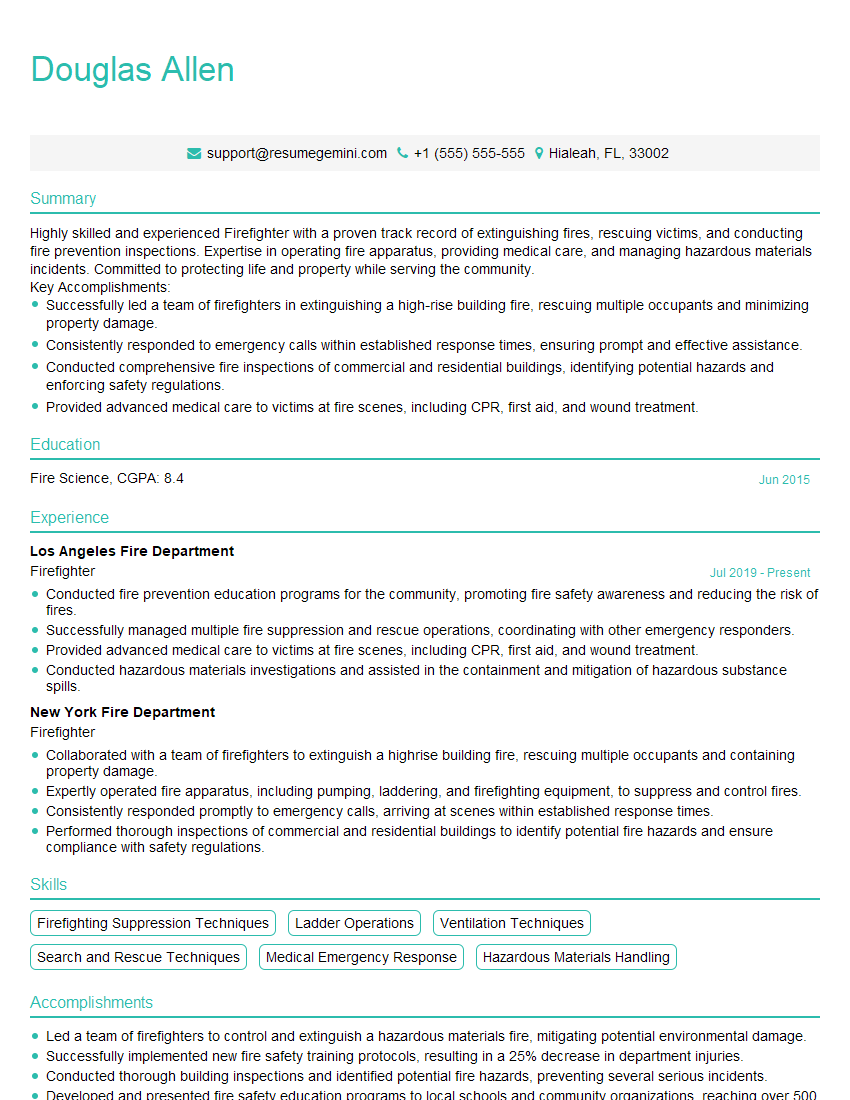
Firefighter Resume Sample
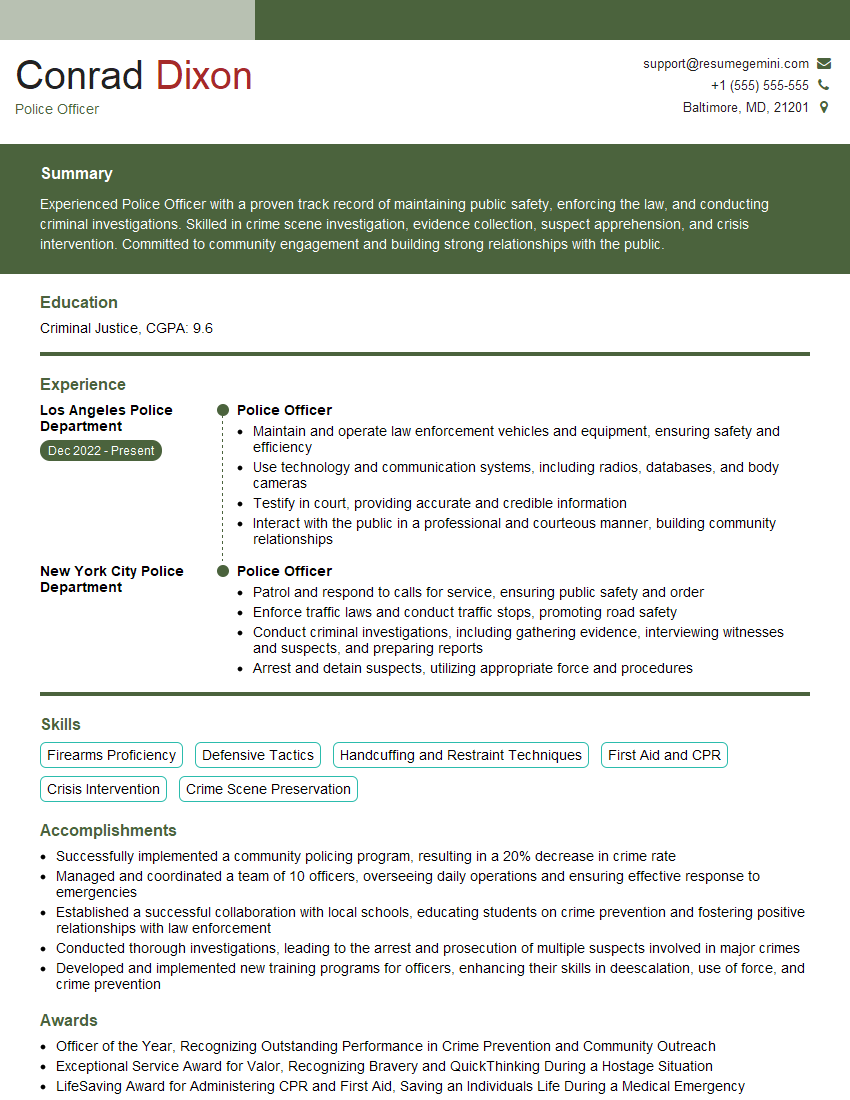
Police Officer Resume Sample
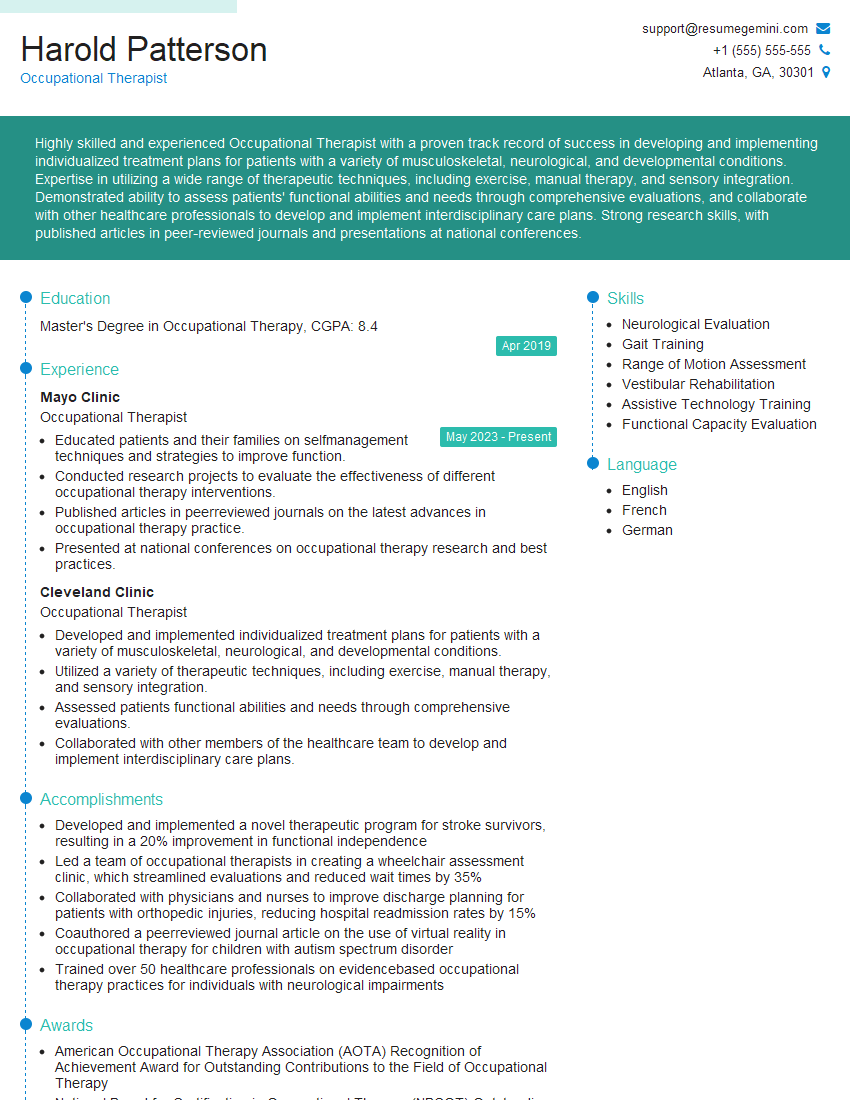
Occupational Therapist Resume Sample
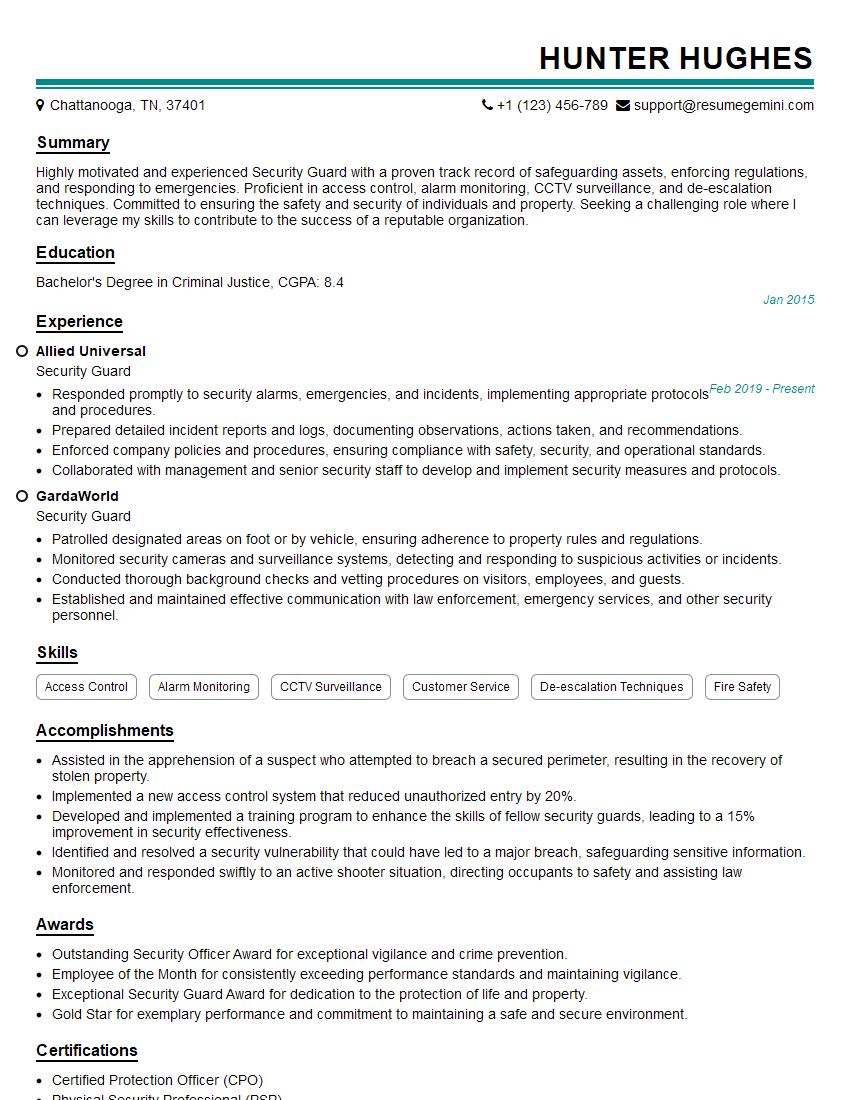
Security Guard Resume Sample
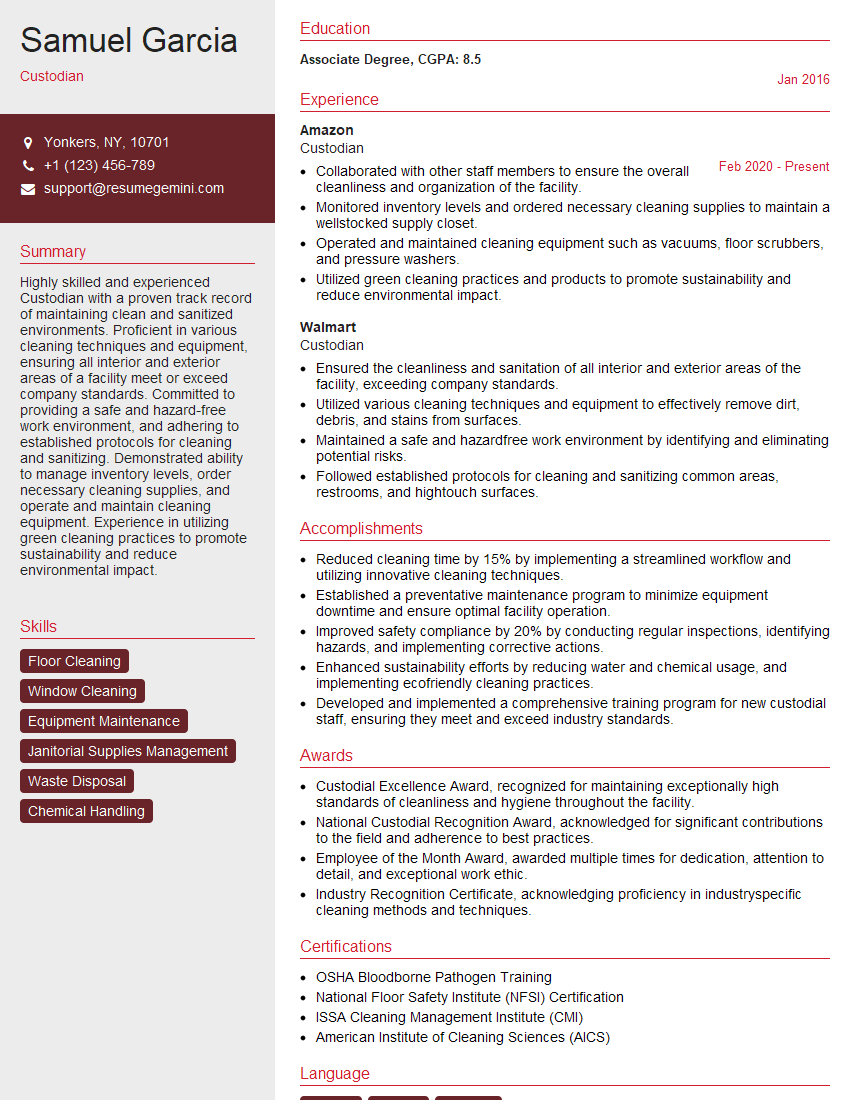
Custodian Resume Sample
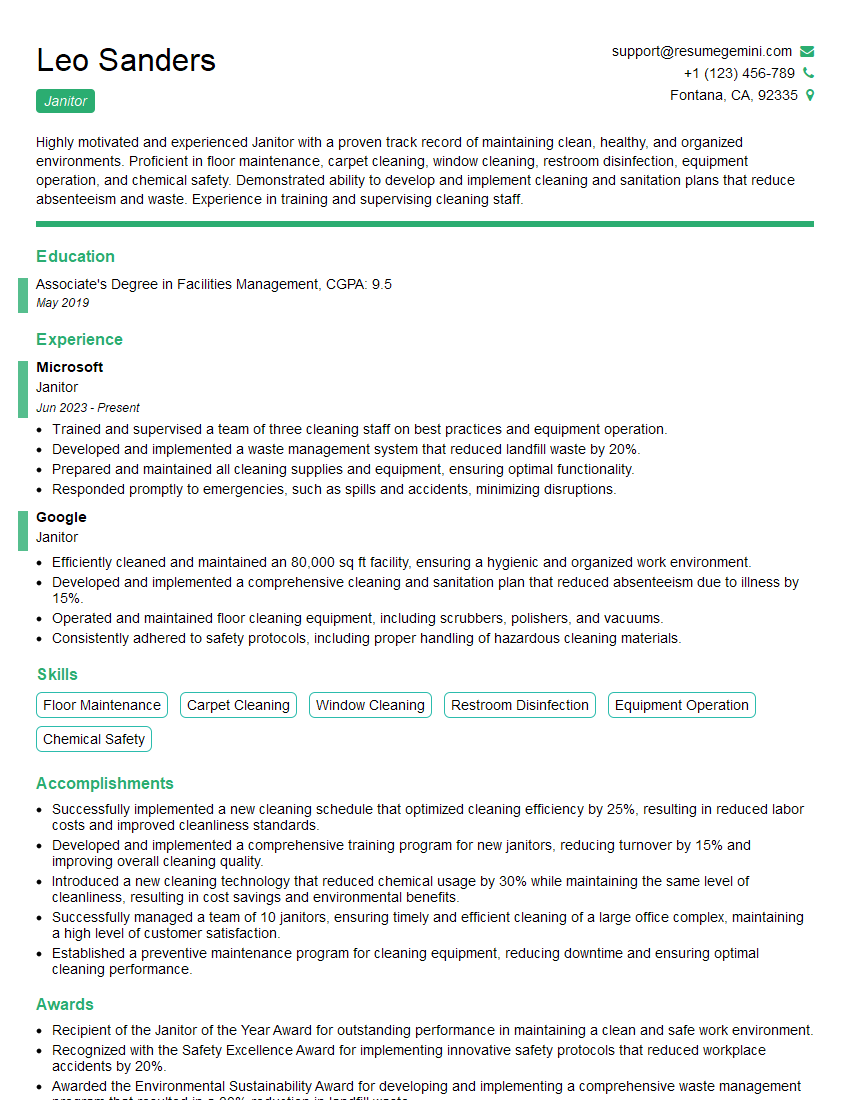
Janitor Resume Sample
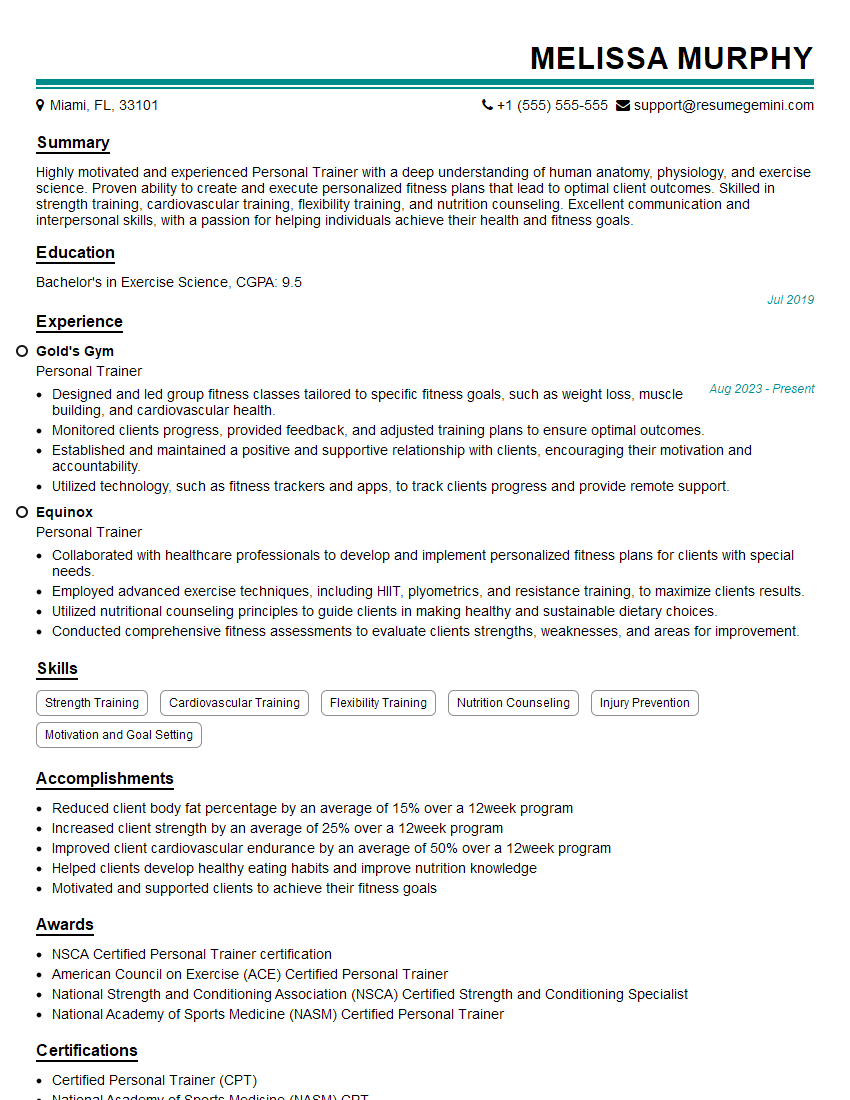
Personal Trainer Resume Sample
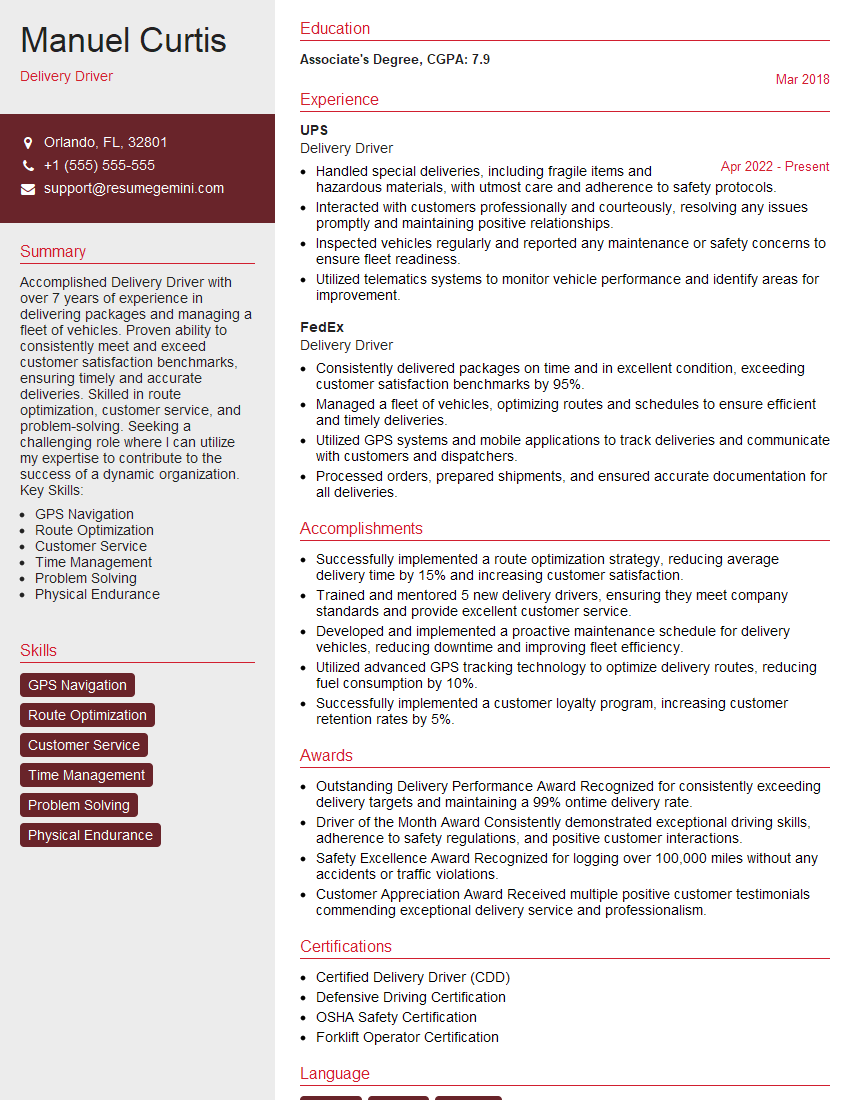
Delivery Driver Resume Sample
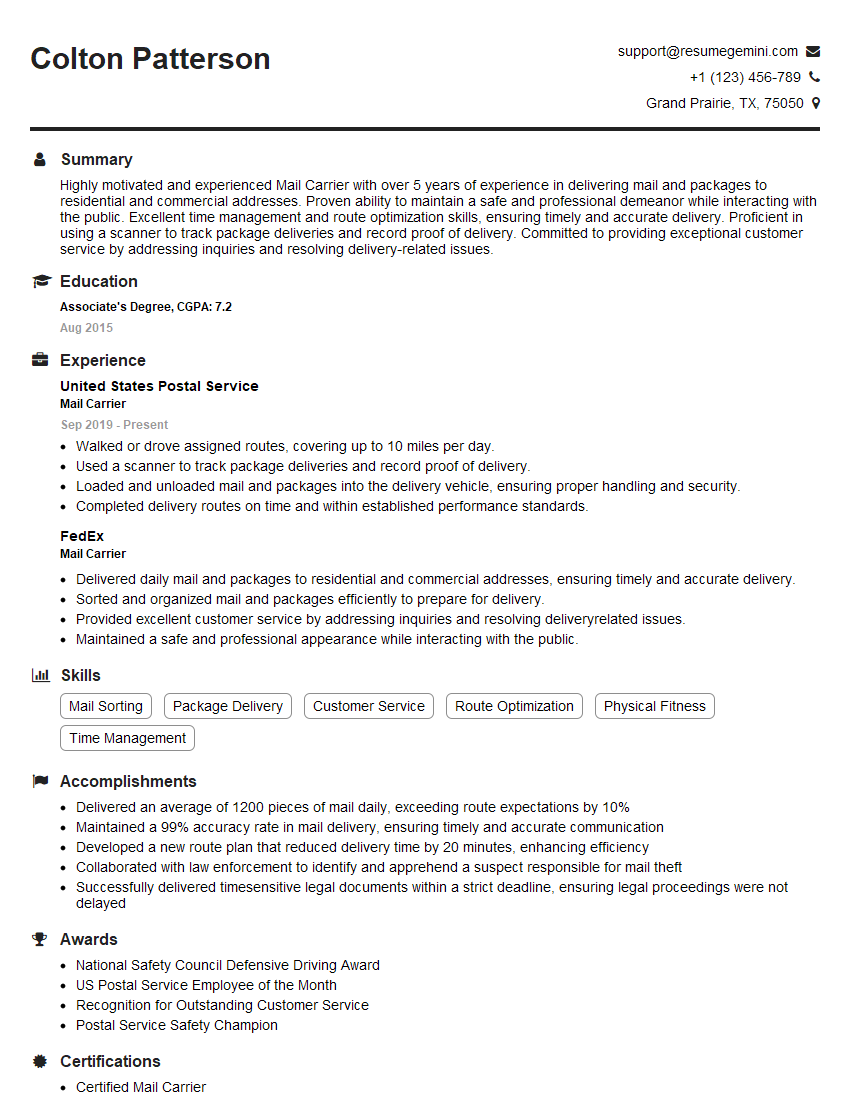
Mail Carrier Resume Sample
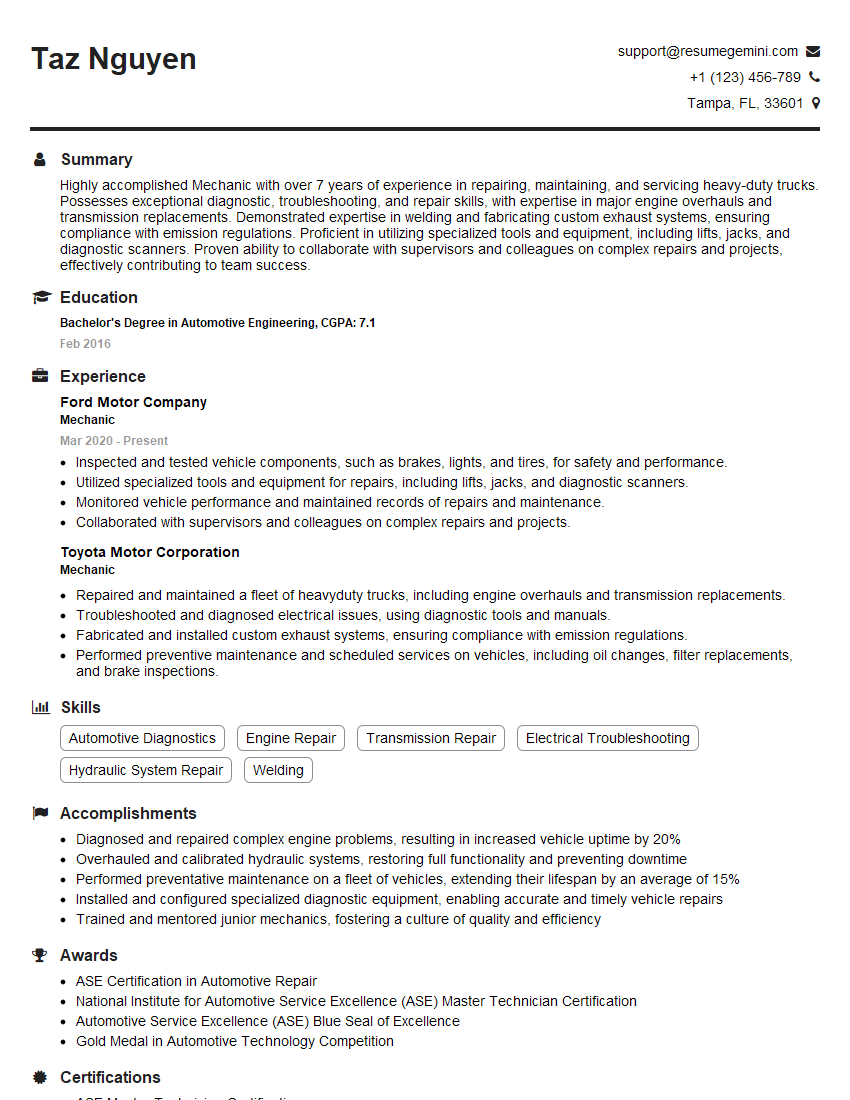
Mechanic Resume Sample
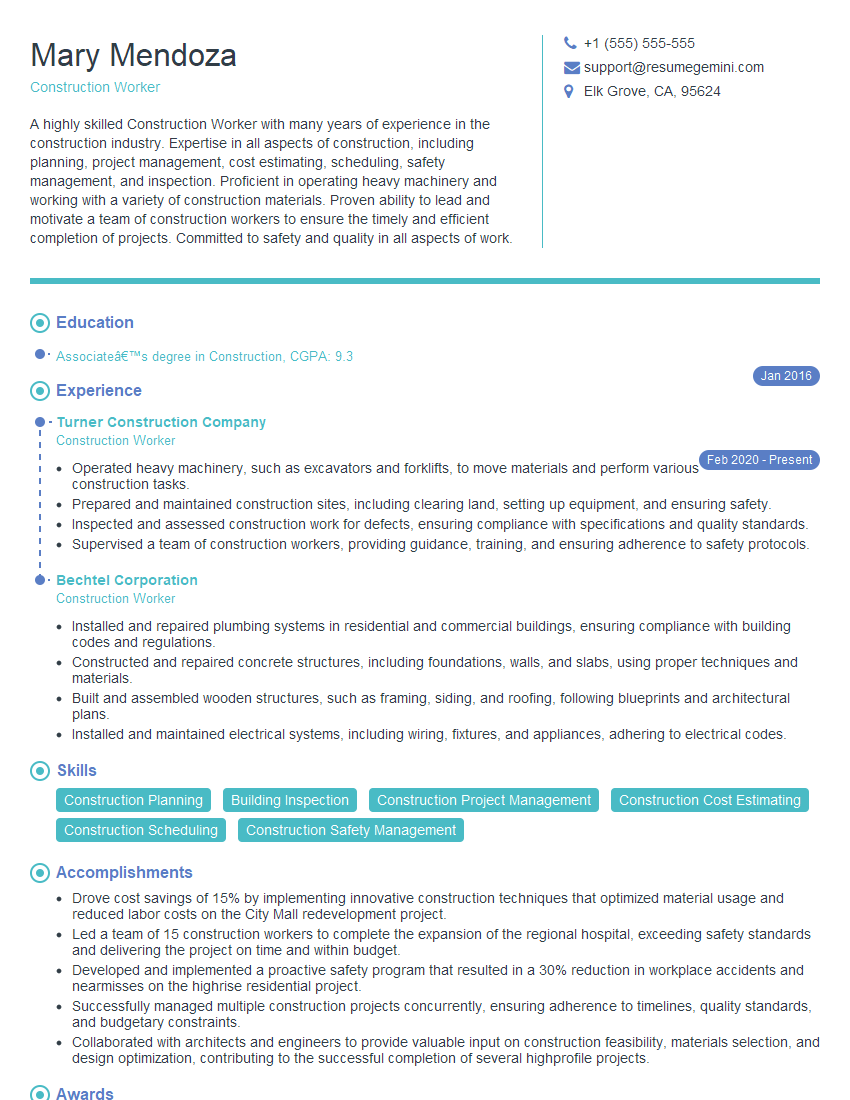
Construction Worker Resume Sample
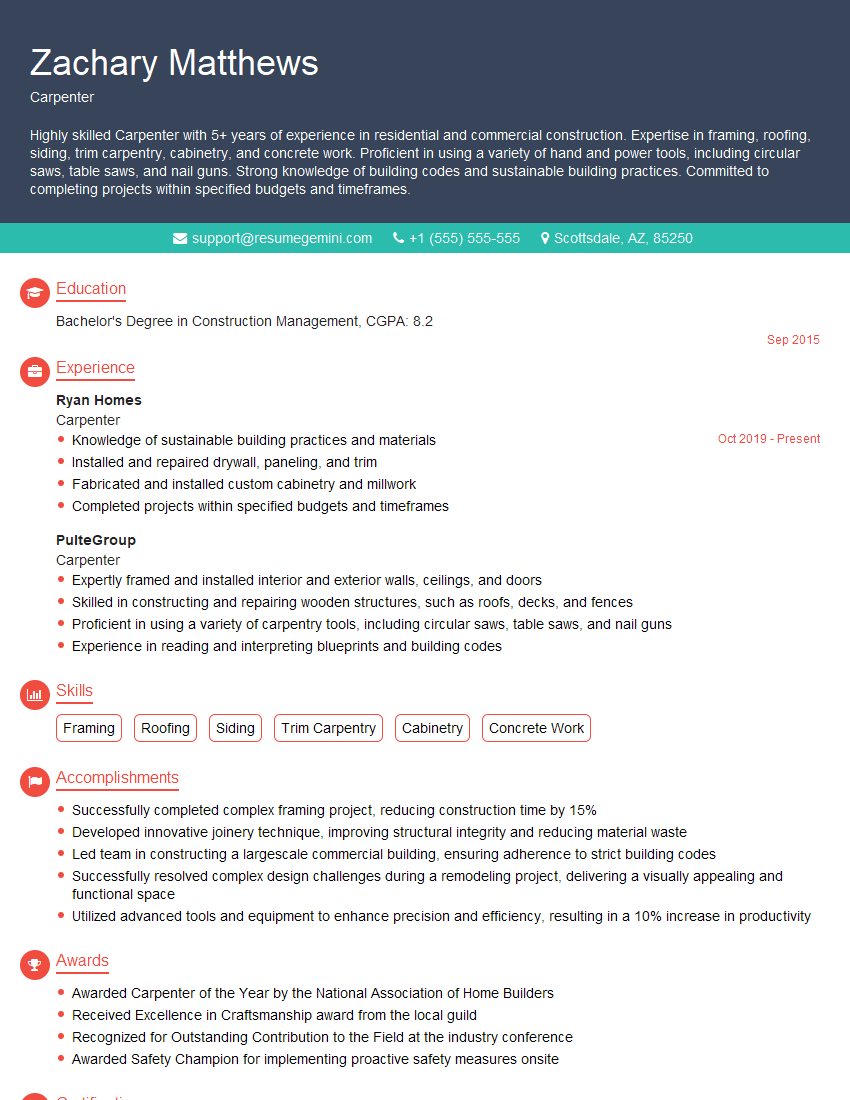
Carpenter Resume Sample
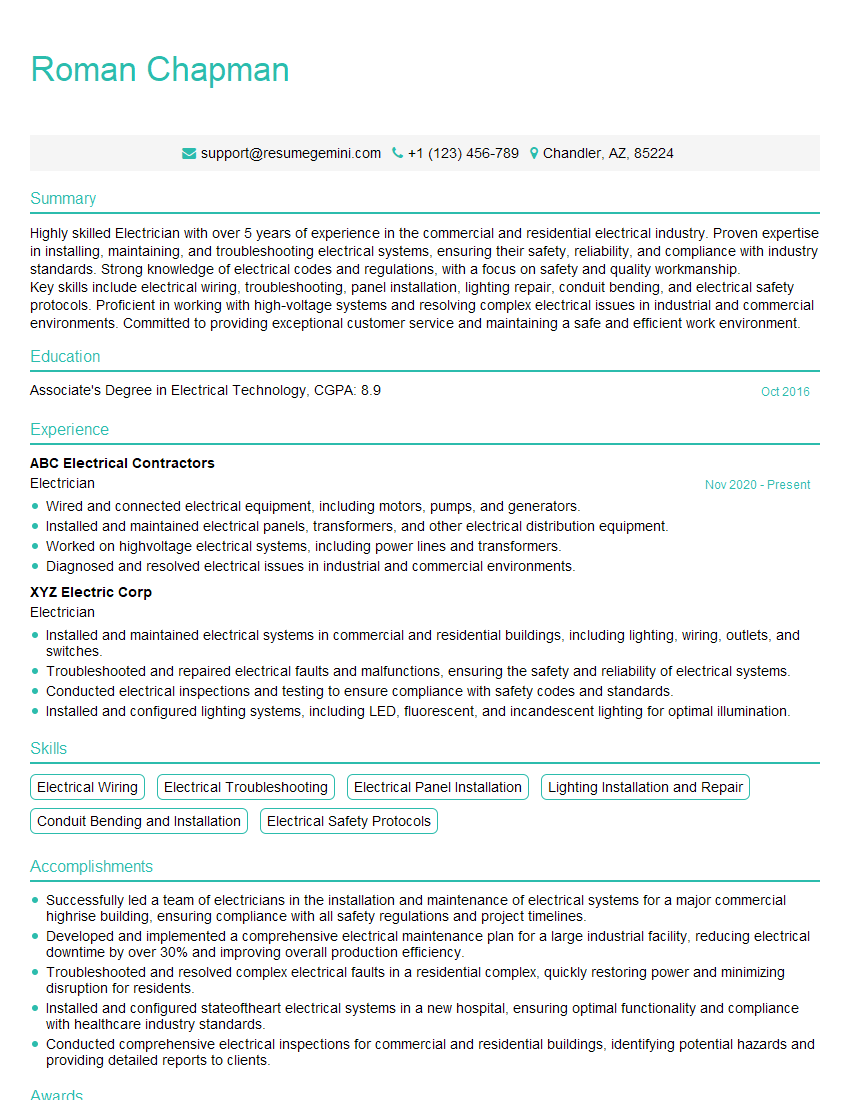
Electrician Resume Sample
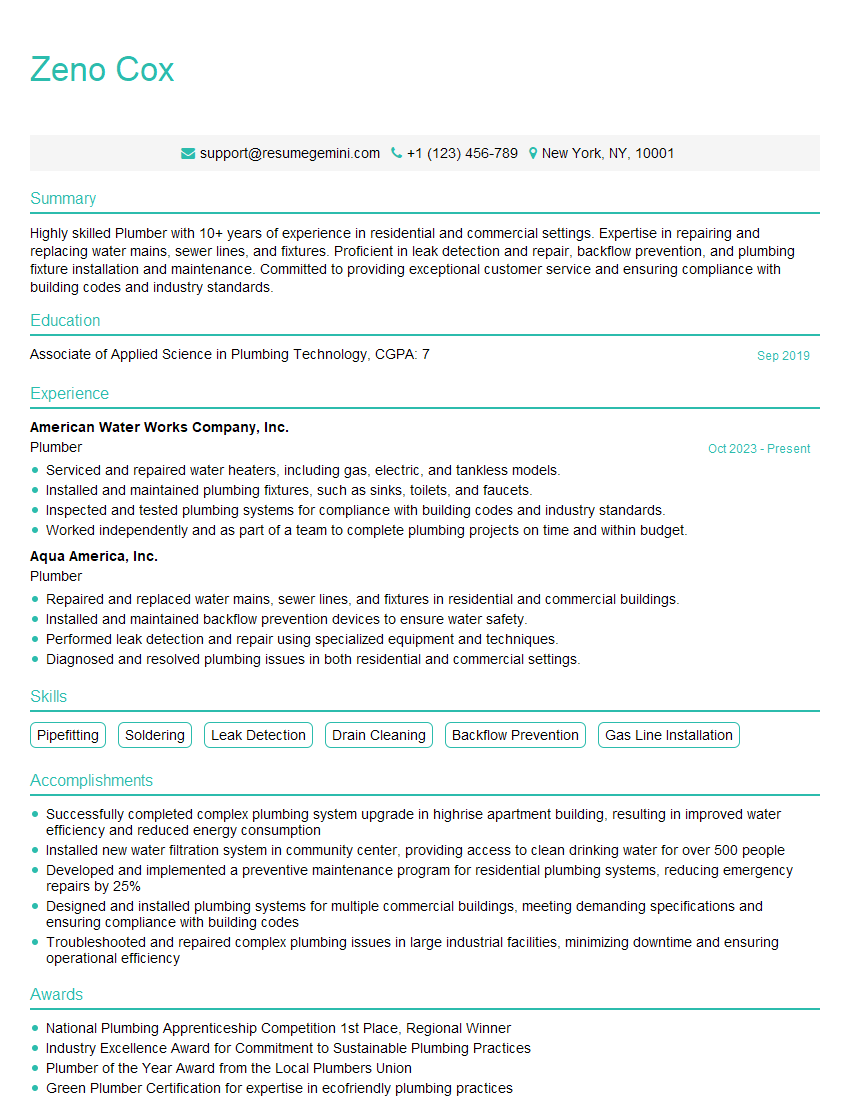
Plumber Resume Sample
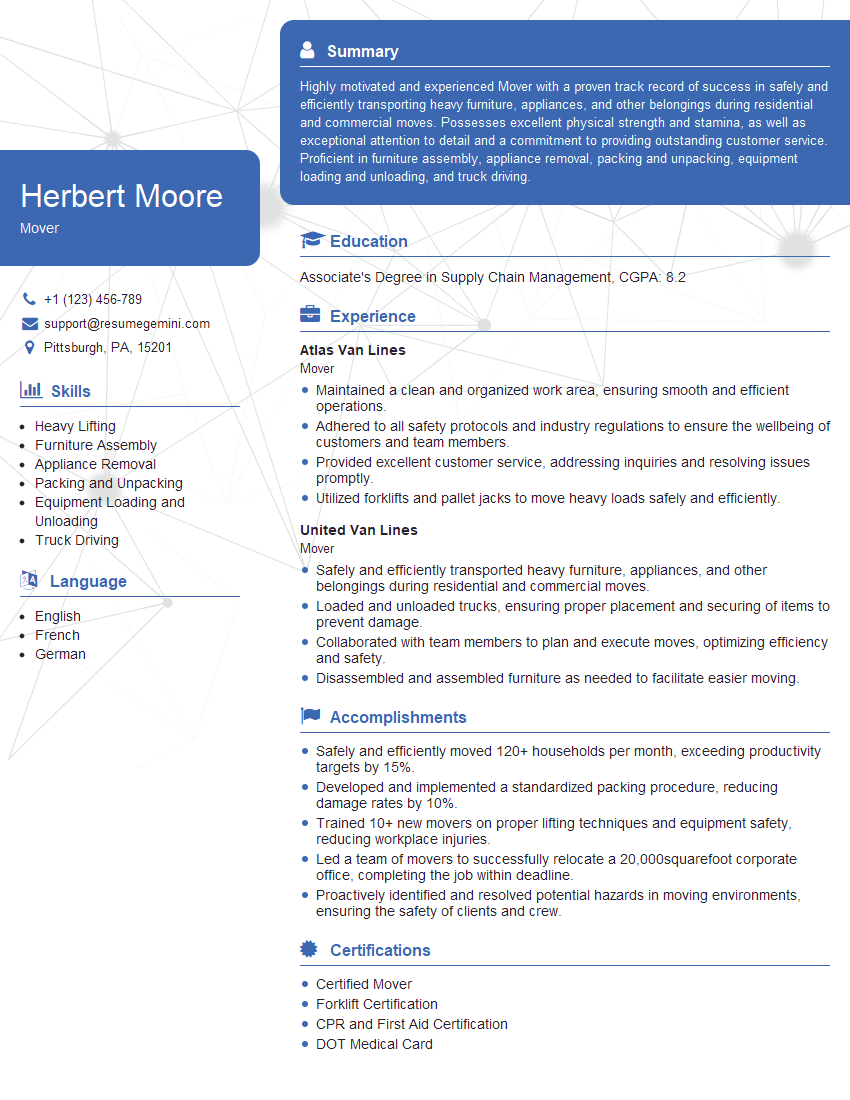
Mover Resume Sample
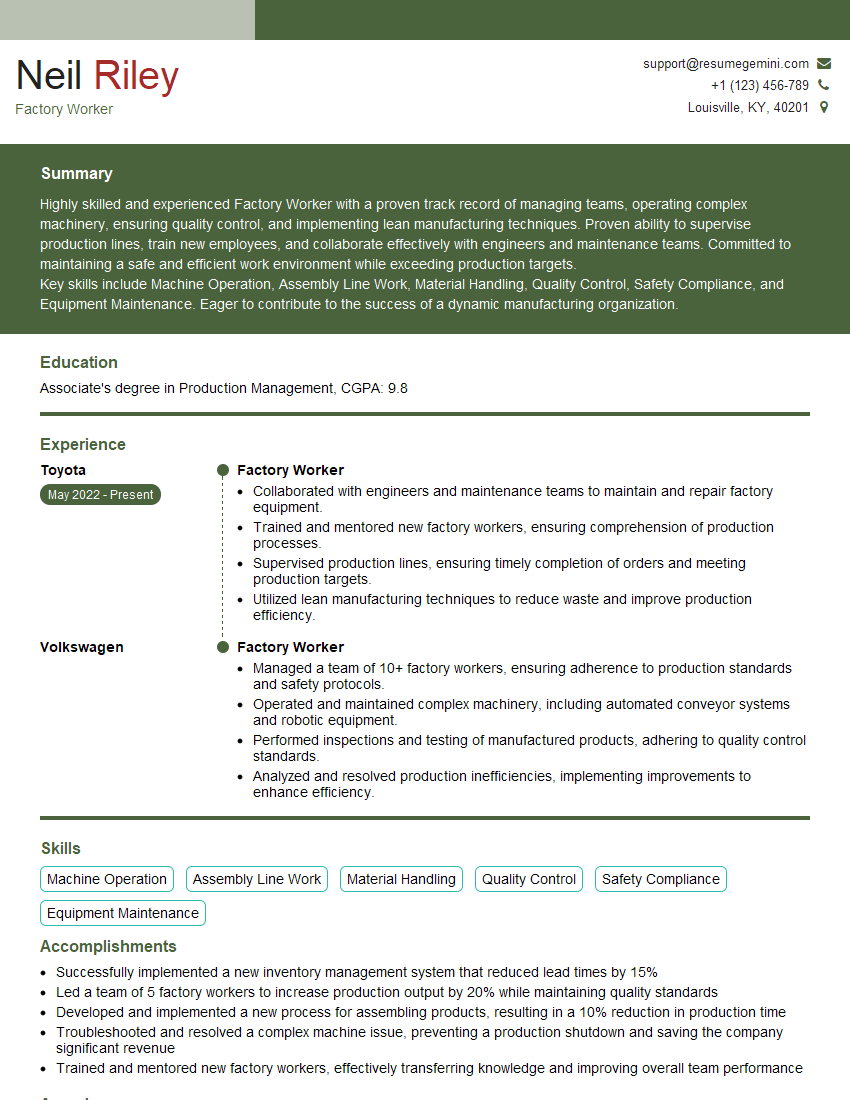
Factory Worker Resume Sample
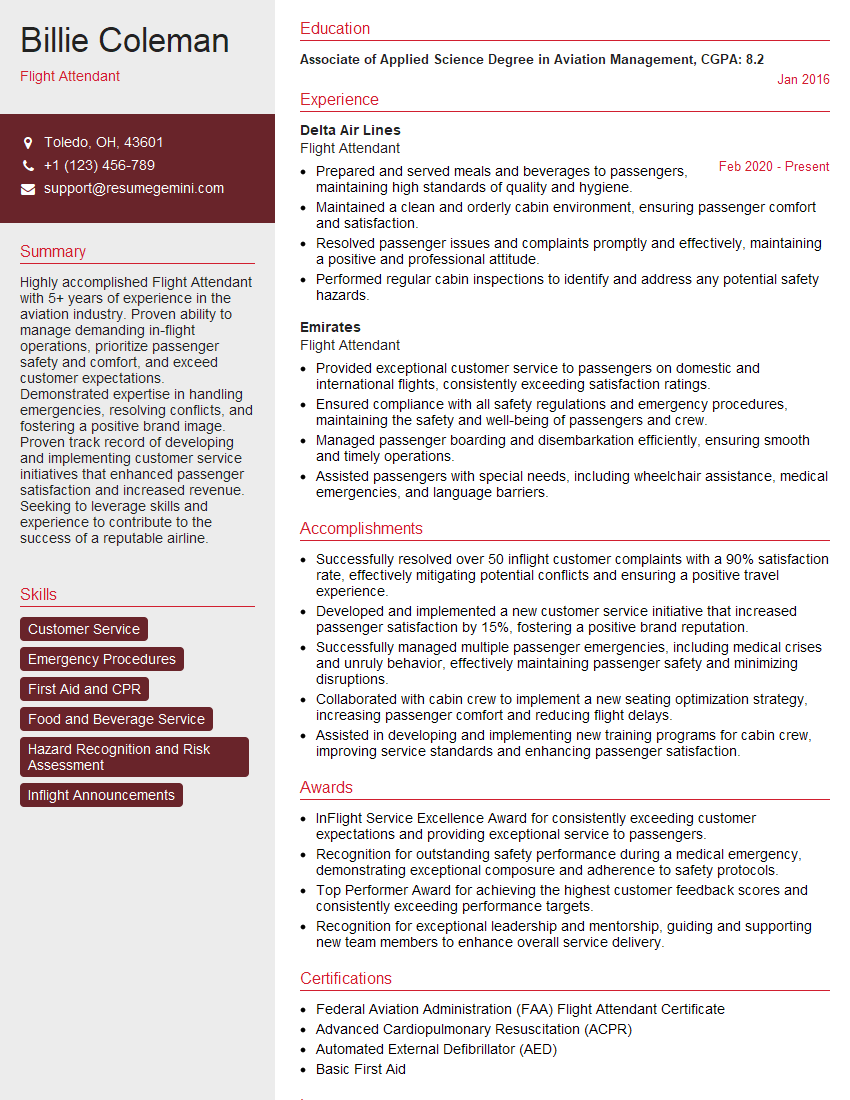
Flight Attendant Resume Sample
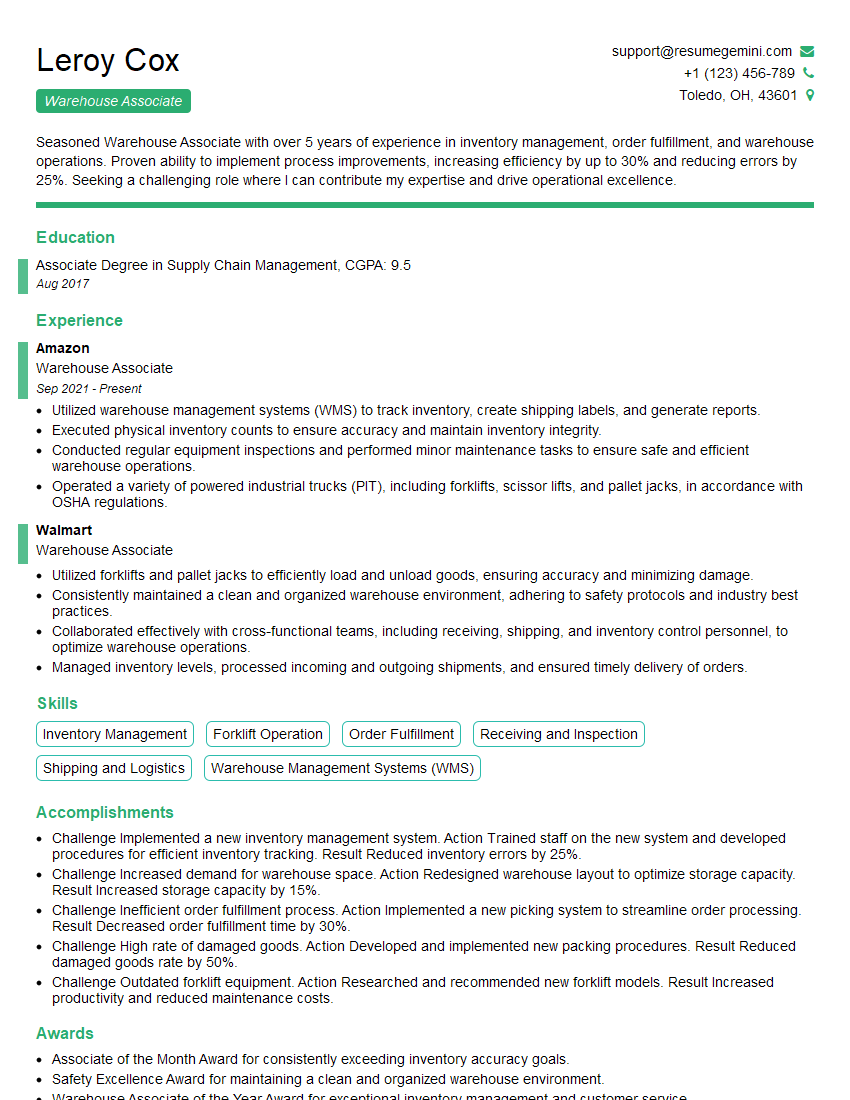
Warehouse Associate Resume Sample
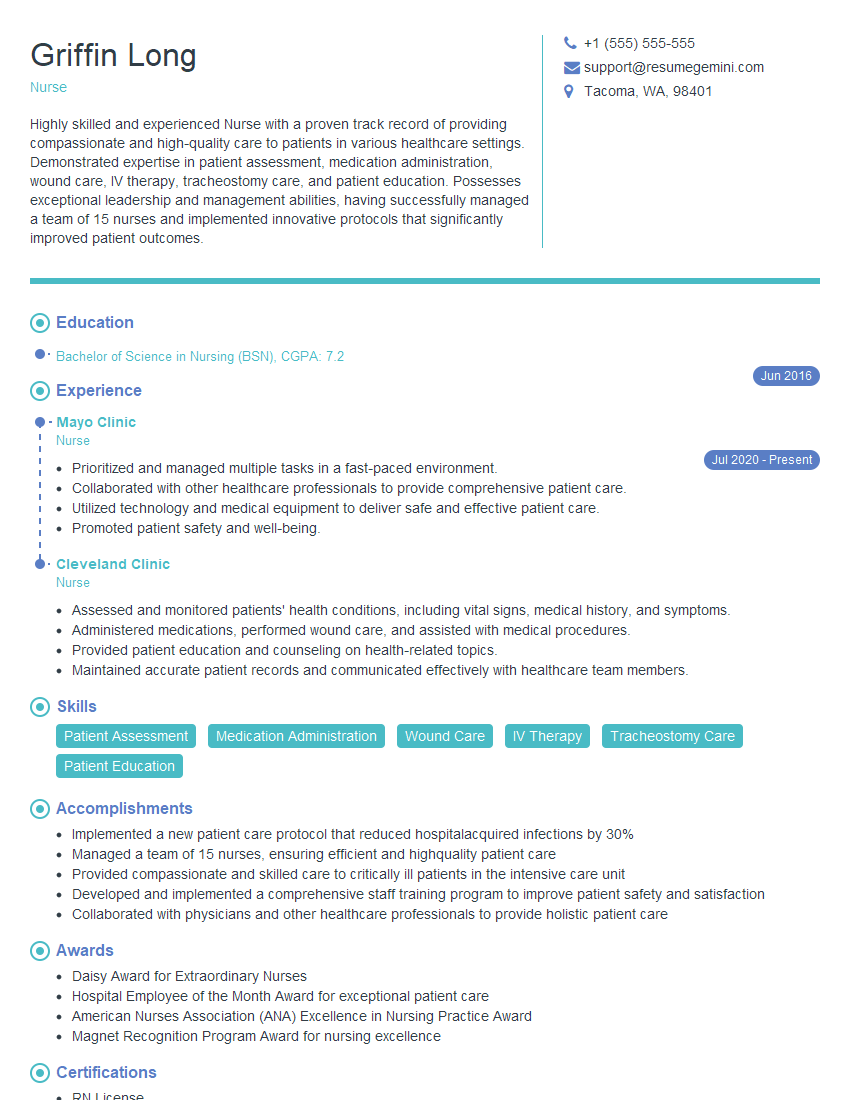
Nurse Resume Sample
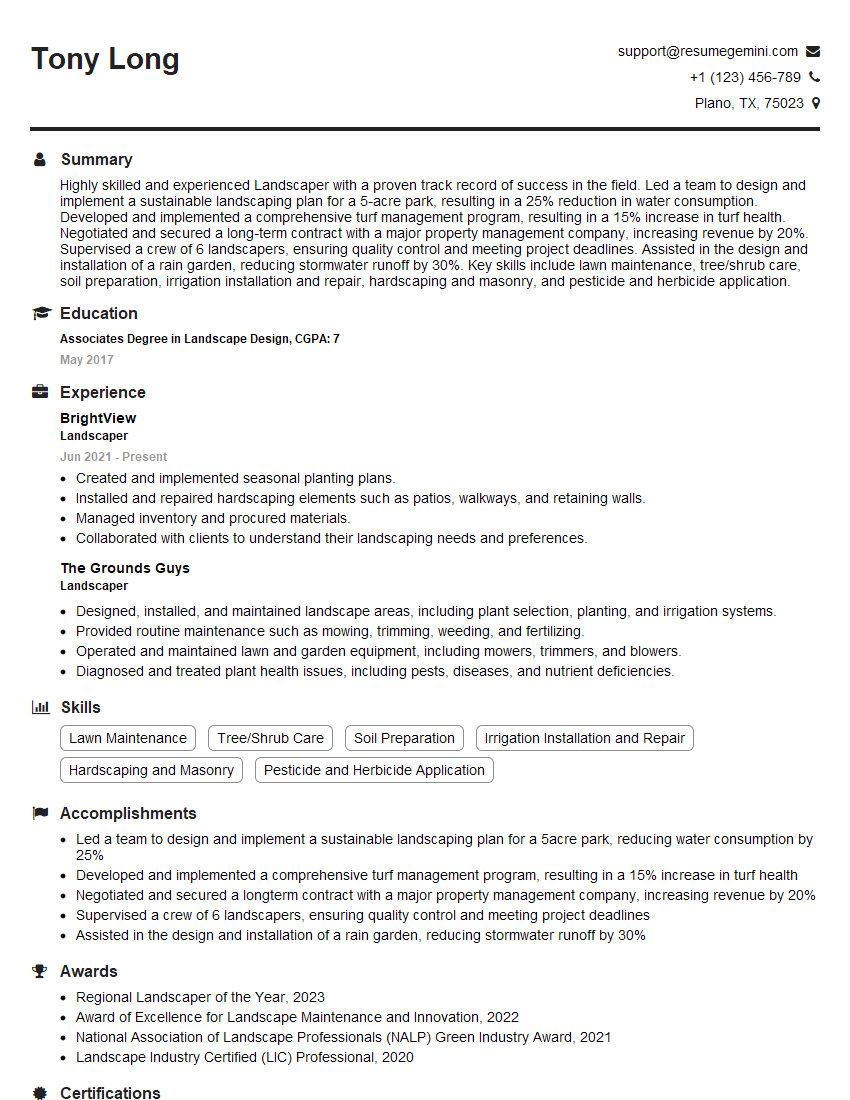
Landscaper Resume Sample
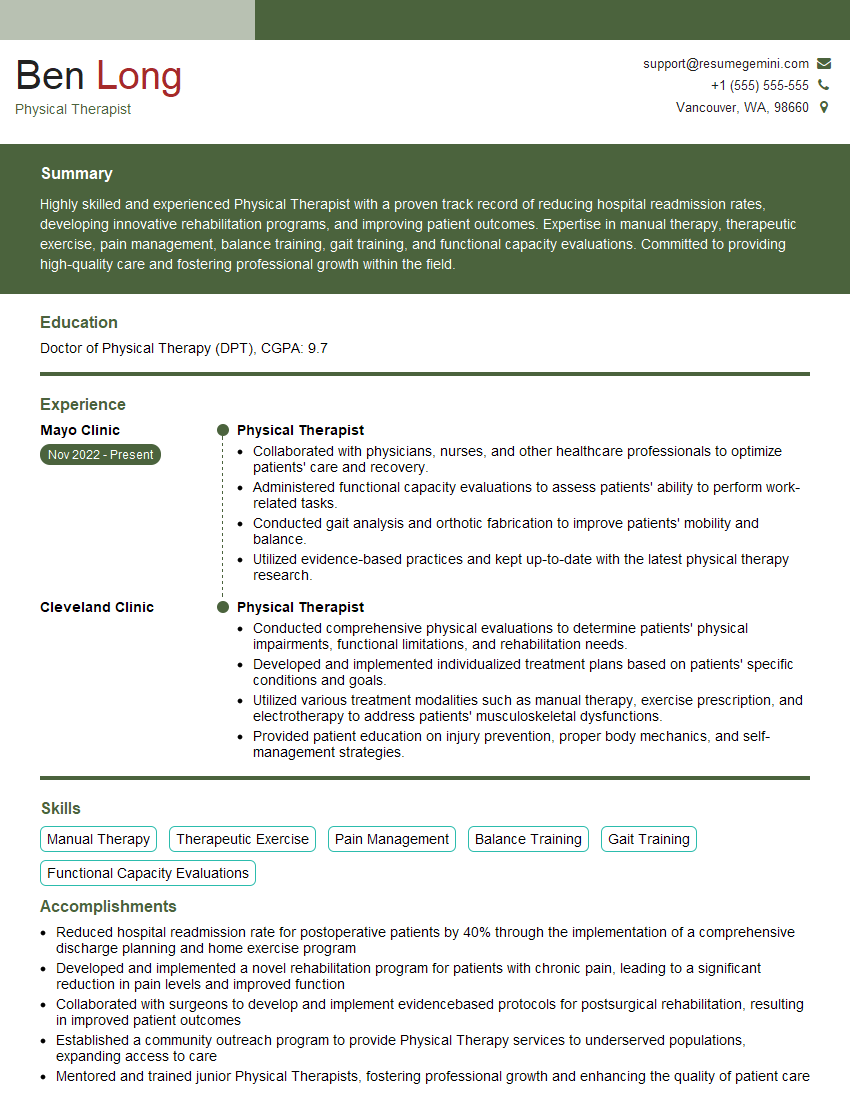
Physical Therapist Resume Sample
Explore more articles
Users Rating of Our Blogs
Share Your Experience
We value your feedback! Please rate our content and share your thoughts (optional).
What Readers Say About Our Blog
I Redesigned Spongebob Squarepants and his main characters of my artwork.
https://www.deviantart.com/reimaginesponge/art/Redesigned-Spongebob-characters-1223583608
IT gave me an insight and words to use and be able to think of examples
Hi, I’m Jay, we have a few potential clients that are interested in your services, thought you might be a good fit. I’d love to talk about the details, when do you have time to talk?
Best,
Jay
Founder | CEO