Every successful interview starts with knowing what to expect. In this blog, we’ll take you through the top Plan and Execute Loading Strategies interview questions, breaking them down with expert tips to help you deliver impactful answers. Step into your next interview fully prepared and ready to succeed.
Questions Asked in Plan and Execute Loading Strategies Interview
Q 1. Explain the difference between inbound and outbound loading strategies.
Inbound and outbound loading strategies focus on different stages of the supply chain. Inbound loading refers to the receiving and unloading of goods arriving at a warehouse or distribution center. This involves efficiently unloading trucks or containers, verifying shipments against purchase orders, and storing goods in the appropriate locations within the warehouse. Think of it as the ‘incoming’ aspect of logistics.
Outbound loading, conversely, focuses on the preparation and loading of goods for shipment to customers or retail locations. This includes order picking, staging, and loading onto trucks or other transportation vehicles for delivery. It’s the ‘outgoing’ leg of the journey. Key differences lie in the focus (receiving vs. dispatching), the equipment used (receiving docks vs. shipping docks), and the primary goal (storage optimization vs. efficient delivery).
For example, inbound loading might prioritize efficient unloading and quick transfer to storage, while outbound loading might focus on optimizing truck space to minimize the number of vehicles needed for delivery, reducing transportation costs.
Q 2. Describe various loading techniques (e.g., block stacking, cross-docking).
Several loading techniques aim to maximize space utilization and efficiency. Block stacking is a simple method where items are stacked in uniform blocks within a vehicle or storage area. It’s easy to understand and implement but may not always be the most space-efficient if items are of different sizes or shapes.
Cross-docking is a more advanced technique where goods are unloaded from incoming shipments and immediately loaded onto outgoing shipments, bypassing storage. This is extremely efficient for high-volume, fast-moving goods but requires precise coordination and real-time tracking. Think of it like a relay race: goods are passed directly from one truck to another without stopping.
Other techniques include layer picking (building layers of items for a specific order), random stacking (suitable for homogenous items), and dedicated stacking (for fragile or high-value items). The optimal technique depends on factors like product type, order volume, and transportation constraints.
Q 3. How do you optimize loading to minimize transportation costs?
Minimizing transportation costs requires a holistic approach to loading optimization. Efficient space utilization is crucial; maximizing the volume of goods loaded per truck reduces the number of shipments needed. This can be achieved through careful planning using software like WMS (explained later), considering item dimensions and weights, and employing efficient loading techniques. Careful route planning and carrier selection also play a vital role.
For instance, using software to generate load plans that perfectly fit the truck’s dimensions and weight capacity can significantly reduce fuel consumption and associated costs. Furthermore, consolidating shipments and using full-truckload (FTL) instead of less-than-truckload (LTL) shipments whenever feasible can lead to significant savings.
Q 4. What are the key metrics you use to evaluate loading efficiency?
Key metrics for evaluating loading efficiency include:
- Cubic Utilization: The percentage of available truck space utilized. A higher percentage indicates better space optimization.
- Weight Utilization: The percentage of the truck’s weight capacity utilized. Similar to cubic utilization, maximizing this minimizes the number of shipments.
- Order Fulfillment Rate: The percentage of orders picked and loaded correctly. Accuracy is critical to avoid delays and returns.
- Loading Time: The time taken to load a vehicle. Reducing loading time improves operational efficiency.
- Transportation Cost per Unit: This metric considers both transportation cost and volume shipped, providing a comprehensive view of efficiency.
Tracking these metrics allows for continuous improvement and identification of bottlenecks in the loading process.
Q 5. Explain your experience with Warehouse Management Systems (WMS) in loading optimization.
My experience with Warehouse Management Systems (WMS) in loading optimization has been extensive. WMS software plays a vital role in planning efficient loading by providing real-time visibility into inventory levels, order details, and available resources. It can generate optimized load plans based on various constraints such as weight capacity, volume, fragility, and delivery schedules.
In my previous role, we implemented a WMS that integrated with our Transportation Management System (TMS). This enabled us to automatically generate optimized load plans, assign shipments to appropriate carriers, and track shipments in real-time. This integration reduced loading times by 15% and transportation costs by 10% within six months. The system also improved order accuracy, resulting in fewer returns and customer complaints.
Specifically, the WMS features I found most valuable included:
- Load optimization algorithms: these algorithms automatically generated efficient load plans based on defined parameters.
- Real-time tracking: This allowed us to monitor progress, identify delays, and proactively adjust schedules.
- Integration with other systems: the seamless integration with our TMS ensured streamlined operations and reduced manual data entry.
Q 6. How do you handle unexpected delays or changes in loading schedules?
Handling unexpected delays or changes requires a flexible and responsive approach. Real-time communication is paramount. Using a robust WMS with real-time tracking capabilities allows for immediate identification of issues. We use a combination of strategies:
- Replanning: The WMS can recalculate load plans based on the updated information, prioritizing urgent orders and accommodating new constraints.
- Communication: Immediate communication with all stakeholders (carriers, warehouse staff, customers) is crucial to manage expectations and coordinate revised plans.
- Prioritization: A clear prioritization scheme helps decide which orders to prioritize based on urgency and customer impact.
- Contingency planning: Having pre-defined contingency plans for common disruptions (e.g., driver shortages, equipment malfunctions) minimizes the impact of unexpected events.
For example, if a truck breaks down, we immediately re-route the shipment using alternative carriers and communicate the delay to the customer. The WMS automatically updates the delivery schedule and sends notifications to all affected parties.
Q 7. Describe a time you had to solve a complex loading problem. What was your approach?
In a previous role, we faced a significant challenge with a large, last-minute order that needed to be shipped overnight. The order consisted of items with varied dimensions and weights, causing logistical issues. The available trucks were smaller than originally planned for. My approach was systematic:
- Data Gathering: First, I meticulously gathered data on the items’ dimensions, weights, and fragility.
- Software Utilization: Then, I utilized our WMS’s advanced load planning features to simulate various loading configurations. This involved experimenting with different loading techniques and item placement.
- Optimization: Through trial and error, I found a configuration that maximized space utilization while adhering to weight and safety regulations. This involved strategically placing heavier items lower and lighter, more fragile items higher.
- Communication: I communicated the finalized plan to the warehouse team, ensuring they understood the specific item placement and handling requirements.
- Monitoring: I closely monitored the loading process to ensure the plan was followed and that no issues arose.
Through this approach, we successfully loaded all items within the available trucks and met the overnight delivery deadline. This experience reinforced the importance of effective planning, data analysis, and the utilization of appropriate software tools in solving complex loading challenges.
Q 8. What safety measures do you implement during the loading process?
Safety is paramount in loading operations. We implement a multi-layered approach, starting with comprehensive training for all personnel. This includes instruction on safe lifting techniques, proper use of equipment, hazard identification, and emergency procedures. We also maintain a meticulously clean and well-lit loading area, free from obstructions that could cause trips or falls. Before loading begins, a thorough pre-trip inspection of all equipment – forklifts, cranes, straps, and so on – is mandatory. We utilize safety harnesses and other personal protective equipment (PPE) as needed, and regularly conduct safety audits and toolbox talks to reinforce best practices and address any potential hazards. For example, when loading fragile items, we might use specialized cushioning and bracing to prevent damage, and employ additional spotters to guide the equipment.
Q 9. How do you ensure compliance with regulations regarding loading and transportation?
Compliance is achieved through a rigorous system of documentation and adherence to relevant regulations. This includes understanding and complying with weight limits, dimension restrictions, and hazardous materials handling regulations (like those set by the DOT or equivalent). We maintain detailed records of loads, including weight, dimensions, contents, and the route. We ensure all drivers possess the necessary licenses and certifications, and that vehicles undergo regular maintenance checks to ensure they are roadworthy. We also utilize electronic logging devices (ELDs) to track hours of service and comply with driver fatigue regulations. For example, when shipping hazardous materials, we meticulously follow the proper labeling, packaging, and documentation requirements, ensuring compliance with the appropriate regulations.
Q 10. What software or tools have you used to plan and execute loading strategies?
I’ve extensively used various software and tools for loading planning and execution. This includes Transportation Management Systems (TMS) like Oracle Transportation Management or SAP TM, which allow for optimized route planning and load consolidation. Warehouse Management Systems (WMS) such as Manhattan Associates or Blue Yonder help in efficient inventory management and order fulfillment, which are crucial for streamlined loading. I’ve also utilized specialized loading optimization software that uses algorithms to determine the most efficient placement of goods in a vehicle, maximizing space utilization and minimizing wasted space. For example, in one project, we used a 3D loading simulation software to visualize the loading process before execution, allowing us to identify and address potential issues early on.
Q 11. How do you balance speed and safety in loading operations?
Balancing speed and safety involves a careful optimization process. Rushing the loading process increases the risk of accidents and damages. We employ lean principles to streamline workflows, minimizing unnecessary movements and delays. This includes efficient materials handling, optimized loading sequences, and well-trained personnel. We use technology to help, like barcode scanners for efficient inventory tracking and automated guided vehicles for faster and safer material movement. However, we always prioritize safety. If a situation arises where speed compromises safety, we will always err on the side of caution. For instance, if weather conditions deteriorate, we might choose to delay loading until conditions improve, even if it means a slight delay in the shipment.
Q 12. How do you manage the loading process for different types of goods (e.g., fragile, hazardous)?
Handling different goods requires adapting our strategies. Fragile items require careful handling, specialized packaging (like air-ride suspension trucks), and potentially additional cushioning and bracing within the vehicle. Hazardous materials necessitate adherence to strict regulations, specialized containers, and proper labeling. We use different loading techniques depending on the product. For example, we might use block stacking for stable goods, and a more dispersed approach for fragile items to prevent damage. We segregate hazardous materials from other goods to prevent cross-contamination and potential hazards. We also create load plans considering weight distribution to maintain balance and prevent damage during transit.
Q 13. Explain your experience with different types of loading equipment.
My experience encompasses a wide range of loading equipment. I’m proficient with forklifts, both sit-down and stand-up varieties, and have experience operating and supervising the use of various types of cranes – from overhead cranes to mobile cranes. I’m familiar with different types of conveyors, including roller conveyors, belt conveyors, and pallet jacks. I have worked with automated guided vehicles (AGVs) and other automated material handling systems, which significantly improve efficiency and safety. My experience also includes working with specialized equipment for handling specific goods, such as vacuum lifters for glass or specialized cradles for oversized or oddly shaped items. Understanding the capabilities and limitations of each piece of equipment is essential for safe and efficient loading.
Q 14. How do you incorporate environmental considerations into loading strategies?
Environmental considerations are integrated into our loading strategies in several ways. We prioritize fuel efficiency by optimizing routes and load consolidation, reducing the number of trips needed and minimizing CO2 emissions. We select sustainable packaging materials whenever possible and work with suppliers who share our commitment to environmental responsibility. We also focus on waste reduction by carefully planning loads to minimize unused space and ensuring proper disposal of any packaging waste. For example, we might choose to consolidate multiple smaller shipments into one larger one to reduce the overall number of trucks on the road, thereby minimizing fuel consumption and emissions.
Q 15. How do you measure and improve the efficiency of your loading processes?
Measuring and improving loading efficiency involves a multi-faceted approach focusing on key performance indicators (KPIs). We begin by establishing baseline metrics. This includes tracking metrics like loading time per unit, cube utilization (how effectively space is used in the vehicle), order fulfillment rate, and the number of loading errors. We then analyze these metrics to identify bottlenecks. For instance, if loading time is consistently high, we investigate potential causes such as inefficient warehouse layout, inadequate equipment, or insufficient worker training.
Improvement strategies are then implemented based on the identified bottlenecks. This could involve implementing a new warehouse management system (WMS) with optimized routing algorithms for pickers, investing in automated guided vehicles (AGVs) to reduce manual handling, or providing more comprehensive training to improve worker skills and reduce errors. We regularly monitor the KPIs after implementing changes to measure the effectiveness of the improvements. For example, if we implemented a new WMS, we’d compare pre- and post-implementation data for loading time, cube utilization, and error rates to assess its impact. This continuous monitoring allows for iterative improvement and refinement of our loading processes.
Career Expert Tips:
- Ace those interviews! Prepare effectively by reviewing the Top 50 Most Common Interview Questions on ResumeGemini.
- Navigate your job search with confidence! Explore a wide range of Career Tips on ResumeGemini. Learn about common challenges and recommendations to overcome them.
- Craft the perfect resume! Master the Art of Resume Writing with ResumeGemini’s guide. Showcase your unique qualifications and achievements effectively.
- Don’t miss out on holiday savings! Build your dream resume with ResumeGemini’s ATS optimized templates.
Q 16. How do you manage inventory levels to optimize loading?
Inventory management is crucial for optimized loading. Overstocking leads to wasted space and increased handling costs, while understocking can result in delays and lost sales. We use a combination of techniques to maintain optimal inventory levels. This includes demand forecasting – accurately predicting future demand based on historical sales data, seasonality, and market trends – and utilizing Just-in-Time (JIT) inventory management principles where possible, to minimize storage needs.
We also employ sophisticated inventory tracking systems that provide real-time visibility into stock levels. This helps us to identify slow-moving items, which can then be re-evaluated or strategically placed for easier loading. Additionally, we analyze order patterns to optimize picking routes and consolidate orders whenever possible, ensuring that loads are as full and efficient as possible. For instance, if we see a surge in demand for a specific product, we adjust our inventory levels accordingly to avoid stockouts and ensure that the corresponding shipments are properly planned and loaded.
Q 17. Explain the importance of proper documentation and tracking in loading operations.
Proper documentation and tracking are paramount for efficient and auditable loading operations. Accurate records ensure accountability and help identify areas for improvement. We utilize a comprehensive system that includes detailed manifests listing all items loaded onto each vehicle, along with their respective weight, dimensions, and destination. This documentation is crucial for tracking shipments, managing inventory, and resolving any potential discrepancies or disputes.
Tracking involves using barcodes or RFID tags to monitor the movement of goods throughout the loading process. This allows us to monitor loading time, identify any delays, and ensure that orders are loaded correctly. This data is used for performance analysis, helping us to continuously refine our processes. For example, we might use this data to identify if a particular item is consistently causing delays due to its size or weight, prompting us to reconsider its placement or packaging. We also ensure that all documentation is easily accessible, both physically and digitally, for quick reference and reporting purposes.
Q 18. Describe your experience with load planning software.
I have extensive experience with various load planning software solutions, including both cloud-based and on-premise systems. These systems significantly enhance efficiency by providing features like automated route optimization, load balancing, and 3D visualization of vehicle space. For example, I’ve used software that allows us to input order details, dimensions, and weight, and the system automatically generates an optimized loading plan, minimizing wasted space and ensuring efficient utilization of the vehicle capacity.
Furthermore, many systems offer real-time tracking capabilities, allowing us to monitor the status of shipments and identify any potential issues promptly. The integration with other systems, such as Warehouse Management Systems (WMS) and Transportation Management Systems (TMS), is also crucial. This seamless integration streamlines the entire process, from order placement to final delivery, making the entire logistics process more efficient and less error-prone.
Q 19. How do you coordinate with transportation providers to ensure efficient loading?
Coordination with transportation providers is essential for seamless loading and delivery. Effective communication is key to this process. We use a variety of tools to maintain consistent communication, including regular meetings, shared online platforms for real-time updates, and pre-agreed service level agreements (SLAs). These SLAs clearly define expectations concerning pickup times, delivery schedules, and vehicle specifications.
Before loading commences, we communicate the required vehicle type, dimensions, and weight capacity to ensure that the appropriate vehicle is dispatched. We also share the load manifest, providing detailed information about the cargo and ensuring the driver understands the specifics of the shipment. This collaborative approach helps avoid costly delays and ensures that our customers receive their goods on time and in perfect condition. For example, if there is a potential delay with a transporter, we communicate this proactively to our customer to avoid unexpected disruptions.
Q 20. How do you handle customer requests related to loading and delivery?
Handling customer requests regarding loading and delivery involves clear communication and proactive problem-solving. We have established a system for receiving and processing customer requests, ensuring that all inquiries are addressed promptly and efficiently. We maintain open lines of communication with our customers, keeping them informed throughout the entire process.
We accommodate customer-specific requirements whenever possible, such as providing specific loading times or specialized handling instructions. For example, if a customer requires temperature-controlled transportation, we coordinate this with the transportation provider well in advance. However, we maintain clear boundaries by clearly communicating any constraints related to our loading capabilities and emphasizing the importance of advance notice to ensure efficient handling of their requests. For unexpected changes, we work with the customer to identify alternative solutions and keep them informed about the impact on the delivery schedule.
Q 21. What is your experience with different loading dock configurations?
My experience encompasses various loading dock configurations, including single-dock setups, multi-dock facilities, and those employing advanced technologies like automated guided vehicles (AGVs) and conveyor systems. Understanding the strengths and weaknesses of each configuration is crucial for optimizing the loading process. Single-dock facilities are simpler but can be bottlenecks, while multi-dock setups offer greater throughput but require more complex management.
Advanced configurations, such as those utilizing AGVs and automated conveyors, drastically reduce manual handling and improve efficiency, but require significant upfront investment. The choice of configuration depends on factors such as volume, throughput requirements, budget constraints, and the specific needs of the business. My experience allows me to assess the optimal configuration for any given situation, considering all the relevant factors and ensuring the selection aligns with the operational needs and budgetary constraints of the company. For example, a fast-growing e-commerce business might benefit from a multi-dock facility with advanced automation, while a smaller business might find a well-organized single-dock sufficient.
Q 22. Explain your understanding of weight distribution and its importance in loading.
Weight distribution is the art of arranging cargo within a vehicle to ensure stability and prevent overloading. It’s crucial for safety, fuel efficiency, and preventing damage to the goods and the vehicle itself. Imagine balancing a stack of books – if you load them unevenly, the stack will topple. Similarly, an improperly weighted truck is at risk of tipping over, especially during turns or on uneven terrain.
In practice, we consider factors like the vehicle’s center of gravity, the weight of individual items, and their placement. Heavier items should generally be placed lower and towards the center, distributing the weight evenly across the axles. Software tools and load planners can assist in optimizing weight distribution, offering a visual representation of the cargo’s placement and weight profile.
For instance, in a delivery truck carrying heavy appliances and light boxes, we’d place the appliances towards the bottom and center, surrounding them with the lighter boxes for optimal balance and space utilization. This approach minimizes stress on the vehicle’s suspension and reduces the risk of an accident.
Q 23. How do you address potential loading space constraints?
Space constraints are a common challenge. My approach involves a multi-pronged strategy that begins with detailed pre-planning. We use specialized software to create detailed loading plans based on the dimensions of the cargo and the vehicle. This software helps visualize how best to utilize the space available, maximizing efficiency while accounting for irregular shapes or fragile items.
If space is severely limited, we explore alternative solutions like using smaller, more maneuverable vehicles or optimizing packing techniques, such as using filler materials to prevent shifting during transit. This could involve using void fillers (like air pillows or foam) to ensure the items are snugly secured and don’t move around during transport. Prioritization is key; we might prioritize the most urgent deliveries, assessing which items can wait or be shipped via a different method if necessary.
We also communicate proactively with clients, keeping them informed of any potential delays or space limitations. Transparent communication is vital to manage expectations and ensure a smooth process.
Q 24. How do you maintain accurate loading records?
Maintaining accurate loading records is essential for traceability, accountability, and efficient operations. We use a combination of digital and physical methods. Every loading event is documented using a digital system with barcodes or RFID tags to track individual items. This information is automatically captured into a central database, which then produces detailed reports.
A physical record, signed by both the loading personnel and the receiving party, serves as a secondary confirmation and legal documentation. This includes the weight of the load, a detailed inventory of the items, and any special handling instructions. In case of discrepancies or damages during transit, these records provide crucial evidence to facilitate prompt resolution of any issues.
Regular audits of our records ensure accuracy and data integrity. This process helps identify any inconsistencies or areas for improvement in our documentation processes, strengthening our overall operational efficiency and accountability.
Q 25. What is your approach to continuous improvement in loading strategies?
Continuous improvement is fundamental. We utilize data analysis to identify areas for optimization in our loading strategies. Our loading management system provides reports that highlight metrics like loading time, fuel consumption, and damage rates. By analyzing these reports we can pin-point bottlenecks and inefficiencies.
We regularly hold team meetings to brainstorm improvements, encouraging everyone to share their experiences and suggestions. We actively seek feedback from drivers and customers to better understand their needs and identify areas for enhancement. We also stay updated on the latest loading technologies and best practices through industry conferences and publications to ensure that our processes remain current and highly efficient.
For example, we recently implemented a new software that uses AI to optimize weight distribution, resulting in a significant reduction in fuel consumption and damage rates.
Q 26. How do you train and supervise your team on safe loading practices?
Safety is paramount. Our team receives comprehensive training on safe loading practices, covering topics such as proper lifting techniques, hazard identification, and the correct use of load securing equipment. New employees undergo rigorous training before they are allowed to participate in loading operations.
We conduct regular refresher courses and safety audits to reinforce these procedures. Supervisors actively monitor loading activities and provide on-the-spot coaching to correct any unsafe behaviors. We use videos and interactive simulations to engage the team and ensure everyone understands the importance of safety.
Furthermore, we promote a strong safety culture through open communication and by actively encouraging employees to report any potential hazards. Our company invests in high-quality safety equipment and ensures that everything is well-maintained, promoting a safe and productive work environment.
Q 27. Describe your experience with load securing techniques.
My experience encompasses a wide range of load securing techniques, from the use of simple straps and ropes to more advanced methods involving specialized equipment. The choice of technique depends on the type of cargo, its weight, and the length of the journey. We adhere strictly to all applicable regulations and industry best practices.
For example, when securing heavy machinery, we might use chains and ratchet straps in conjunction with blocking and bracing to prevent movement. For fragile goods, we use protective padding and specialized dunnage to minimize the risk of damage during transit. We also utilize specialized load securement devices like anti-slip mats or edge protectors to help keep the cargo in place.
Regular inspections of our securing equipment are conducted to ensure its proper function and safety. This preventative maintenance minimizes the risk of accidents and ensures the safe transportation of goods.
Q 28. How do you handle returns and damaged goods during unloading?
Handling returns and damaged goods during unloading requires a systematic approach to minimize disruption and potential losses. We have designated areas for inspecting returned and damaged goods, ensuring they are segregated from undamaged items. This prevents accidental mixing and potential damage to undamaged inventory.
Damaged goods are thoroughly documented, with photographs and detailed descriptions of the damage recorded. This is crucial for insurance claims and identifying potential issues in the supply chain. The returned goods are checked against the delivery documentation to confirm their identity and quantity. Any discrepancies are noted and reported.
We have established procedures for disposing of or returning damaged goods appropriately, depending on the nature of the damage and the product itself. This ensures compliance with environmental regulations and minimizes waste. A robust communication system keeps all stakeholders—clients, suppliers, and internal teams—informed of the status of returned and damaged goods.
Key Topics to Learn for Plan and Execute Loading Strategies Interview
- Load Planning Fundamentals: Understanding different loading methods (e.g., FIFO, LIFO, prioritized loading), capacity constraints, and resource allocation.
- Route Optimization & Sequencing: Developing efficient loading sequences to minimize travel time, reduce congestion, and improve overall efficiency. Practical application: Optimizing delivery routes for a logistics company.
- Safety and Compliance: Adhering to safety regulations, weight limits, and other legal requirements during loading operations. Consider real-world scenarios involving hazardous materials.
- Load Balancing and Stability: Techniques for ensuring even weight distribution to prevent accidents and damage during transit. Practical application: Calculating center of gravity and securing loads properly.
- Technology and Software: Familiarity with loading optimization software, warehouse management systems (WMS), and other relevant technologies.
- Communication and Teamwork: Effective communication with drivers, warehouse staff, and other stakeholders throughout the loading process. Consider conflict resolution in a team setting.
- Problem-Solving and Troubleshooting: Identifying and resolving issues that may arise during loading operations, such as unexpected delays or equipment malfunctions. Think about your approach to unexpected challenges.
- Metrics and Performance Measurement: Understanding key performance indicators (KPIs) related to loading efficiency, such as loading time, cost per unit, and on-time delivery rates.
Next Steps
Mastering Plan and Execute Loading Strategies is crucial for career advancement in logistics, supply chain management, and related fields. Proficiency in these skills demonstrates efficiency, problem-solving abilities, and a commitment to safety and compliance – highly sought-after qualities by employers. To enhance your job prospects, create a compelling, ATS-friendly resume that highlights your relevant skills and experience. ResumeGemini is a trusted resource that can help you build a professional resume tailored to your specific career goals. Examples of resumes tailored to Plan and Execute Loading Strategies are provided to further assist you.
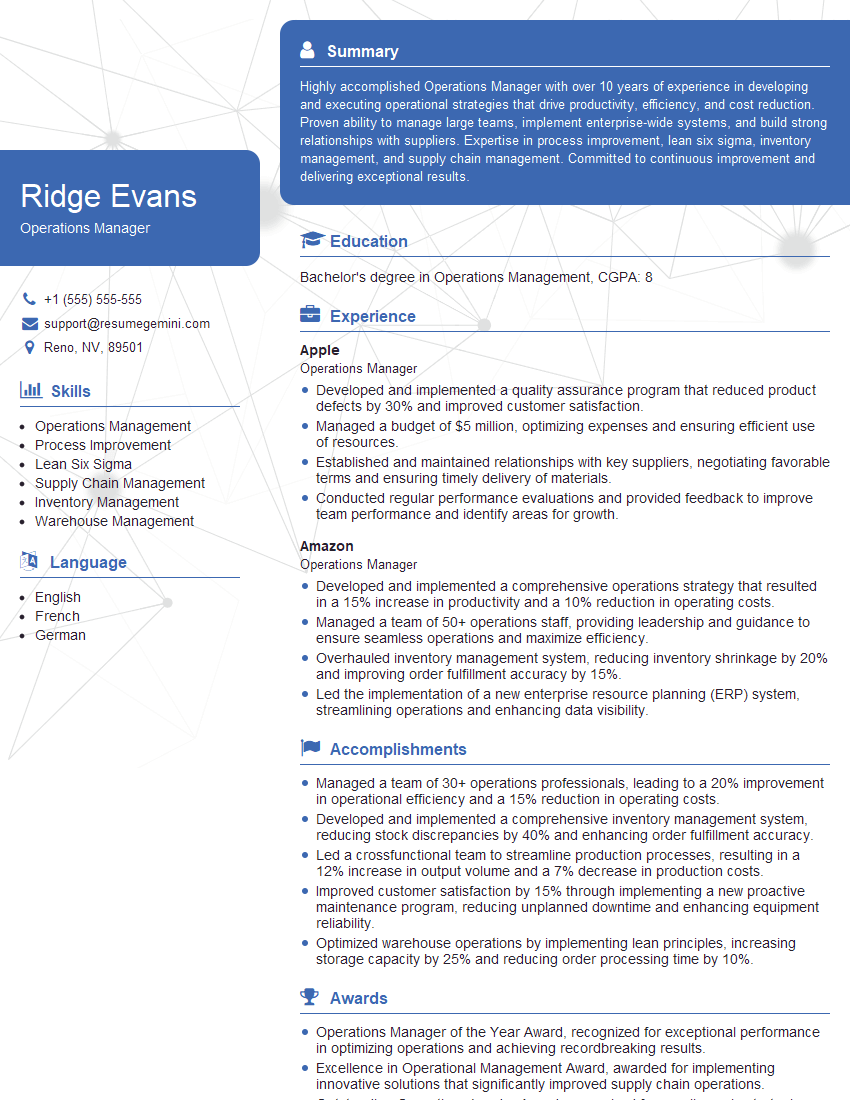
Operations Manager Resume Sample
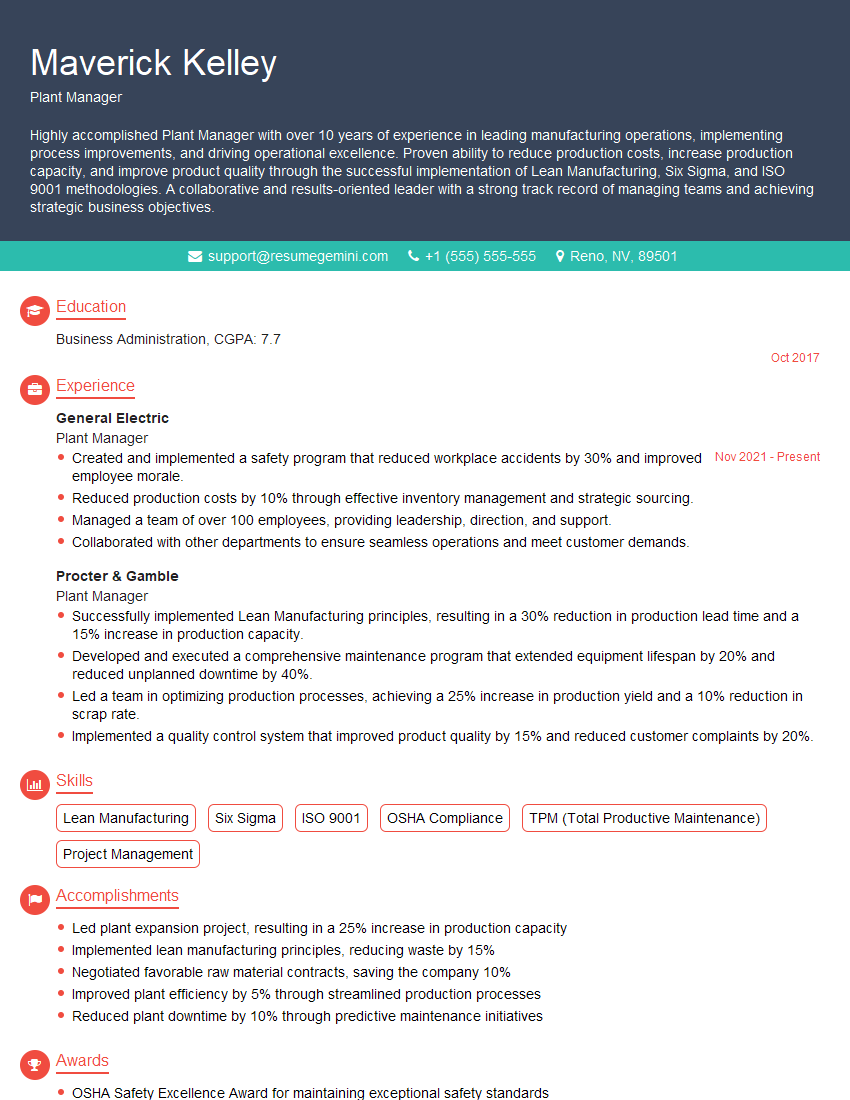
Plant Manager Resume Sample
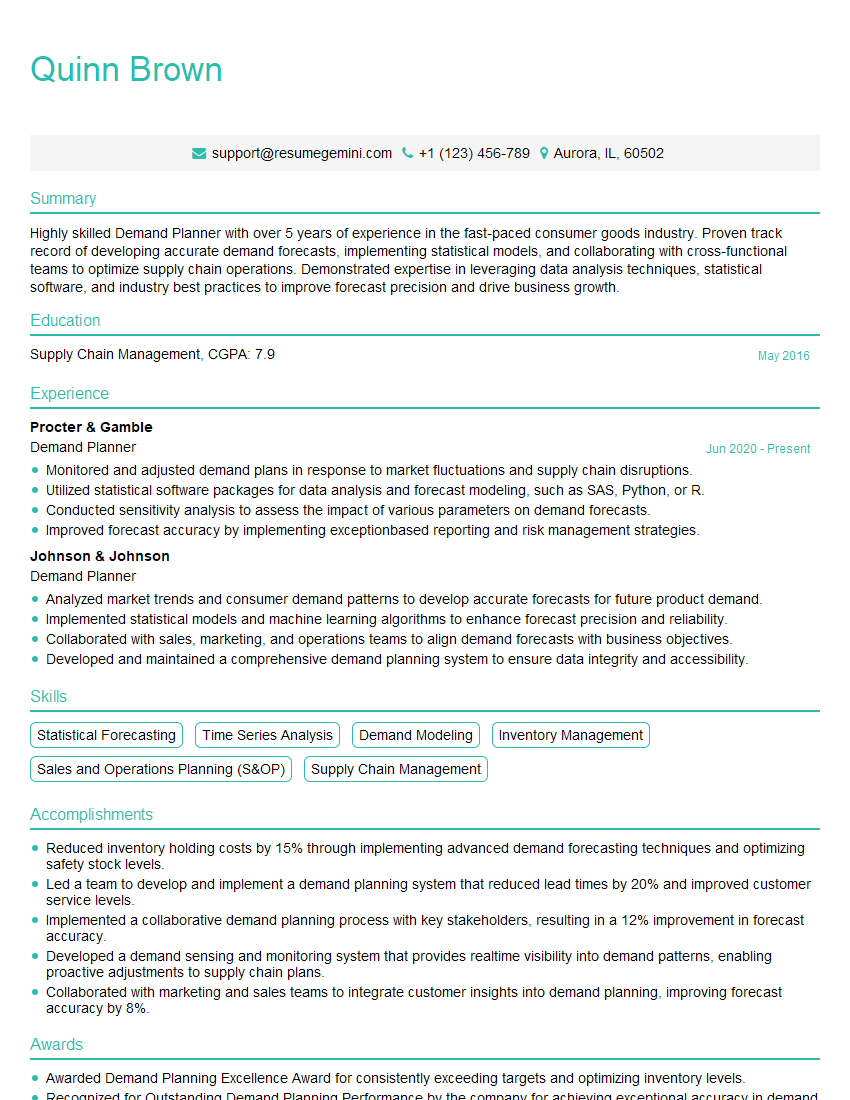
Demand Planner Resume Sample
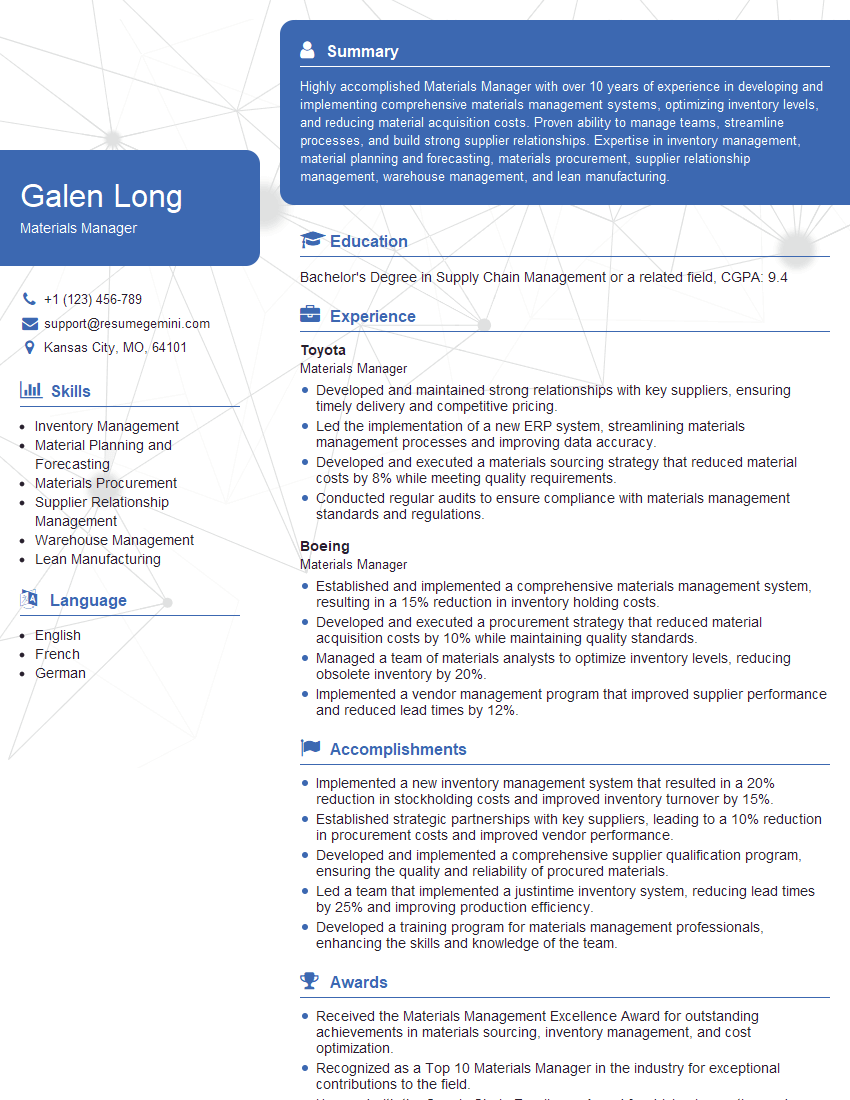
Materials Manager Resume Sample

Procurement Manager Resume Sample
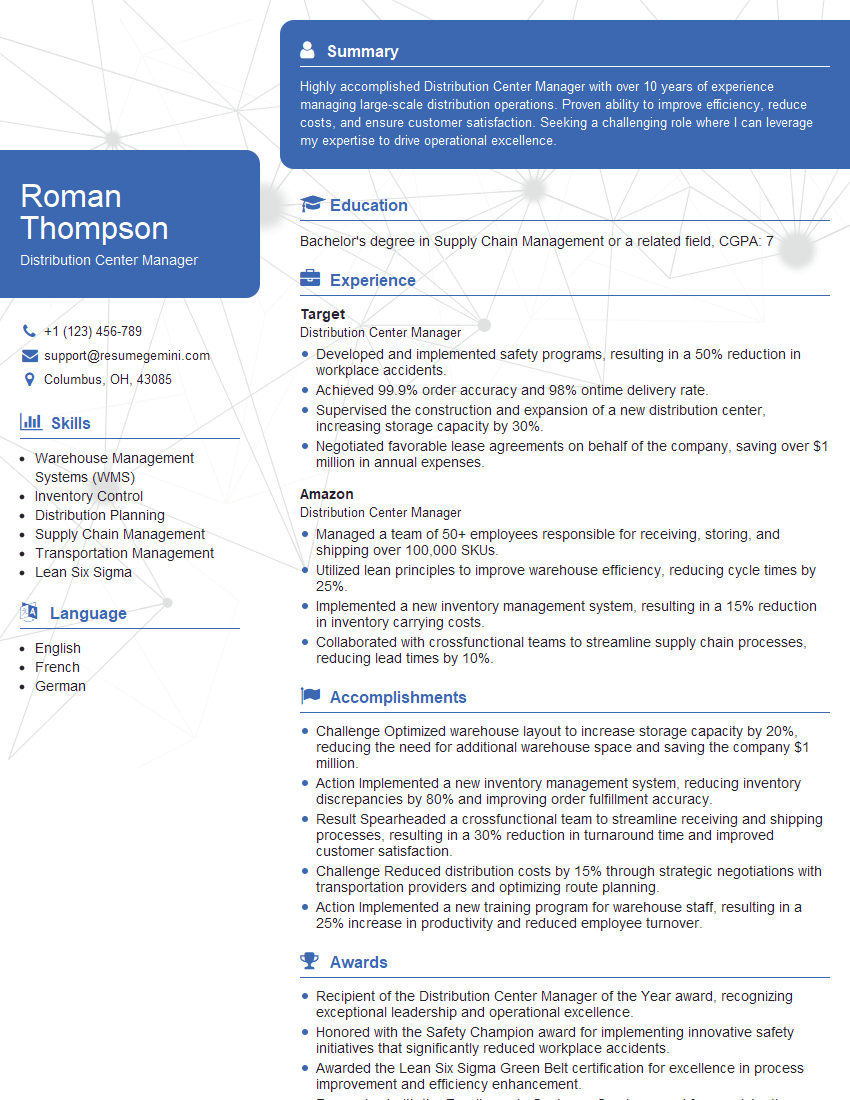
Distribution Center Manager Resume Sample

Logistics Manager Resume Sample
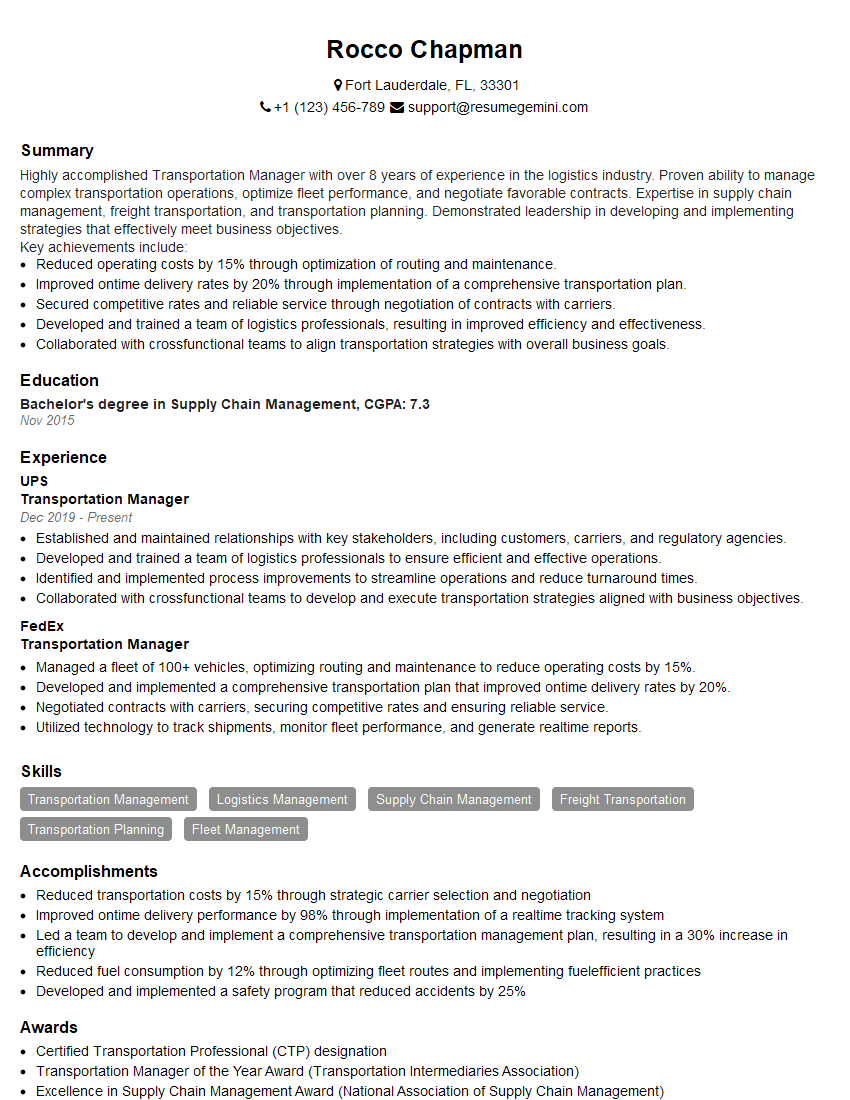
Transportation Manager Resume Sample
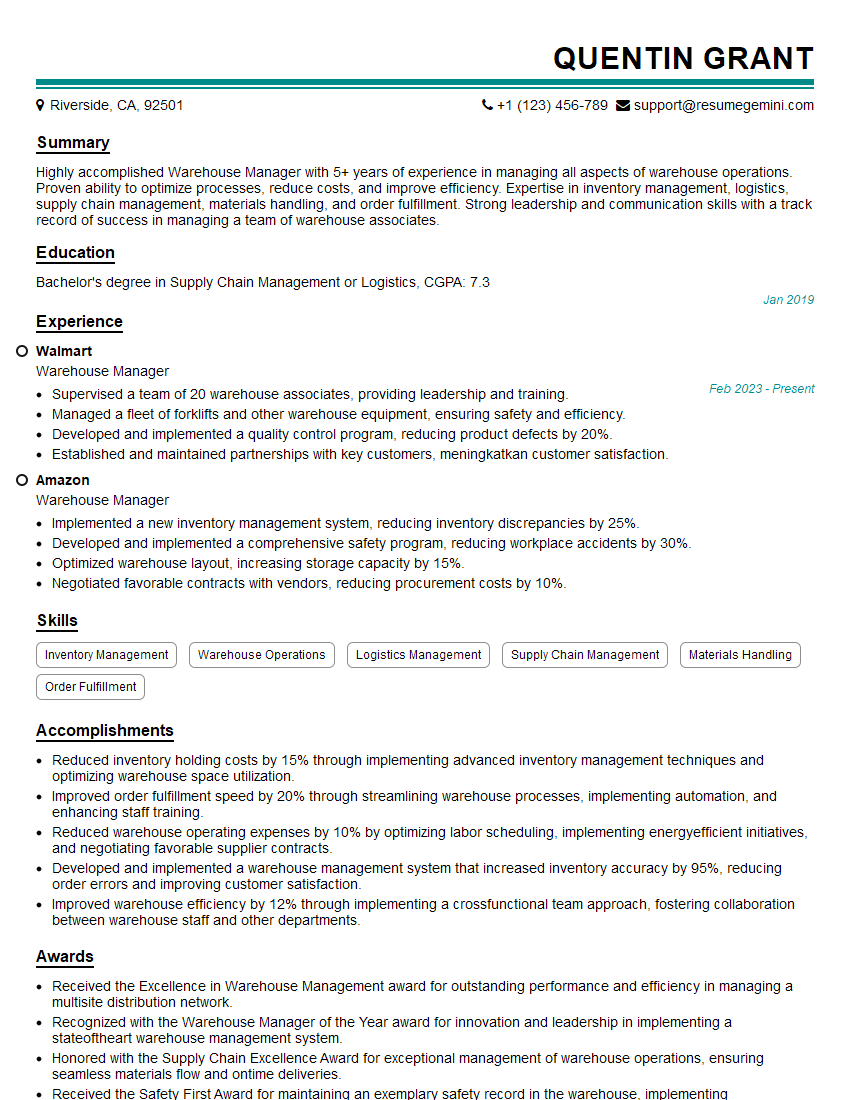
Warehouse Manager Resume Sample

Dispatch Manager Resume Sample
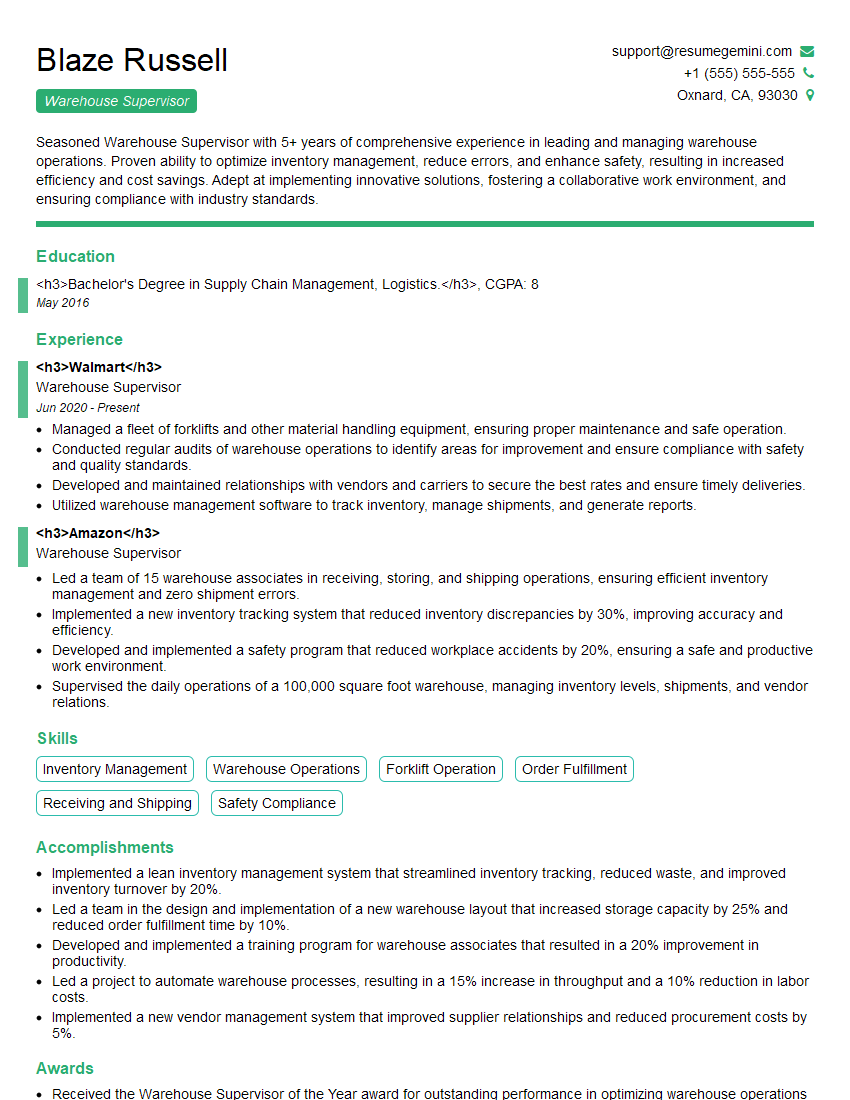
Warehouse Supervisor Resume Sample
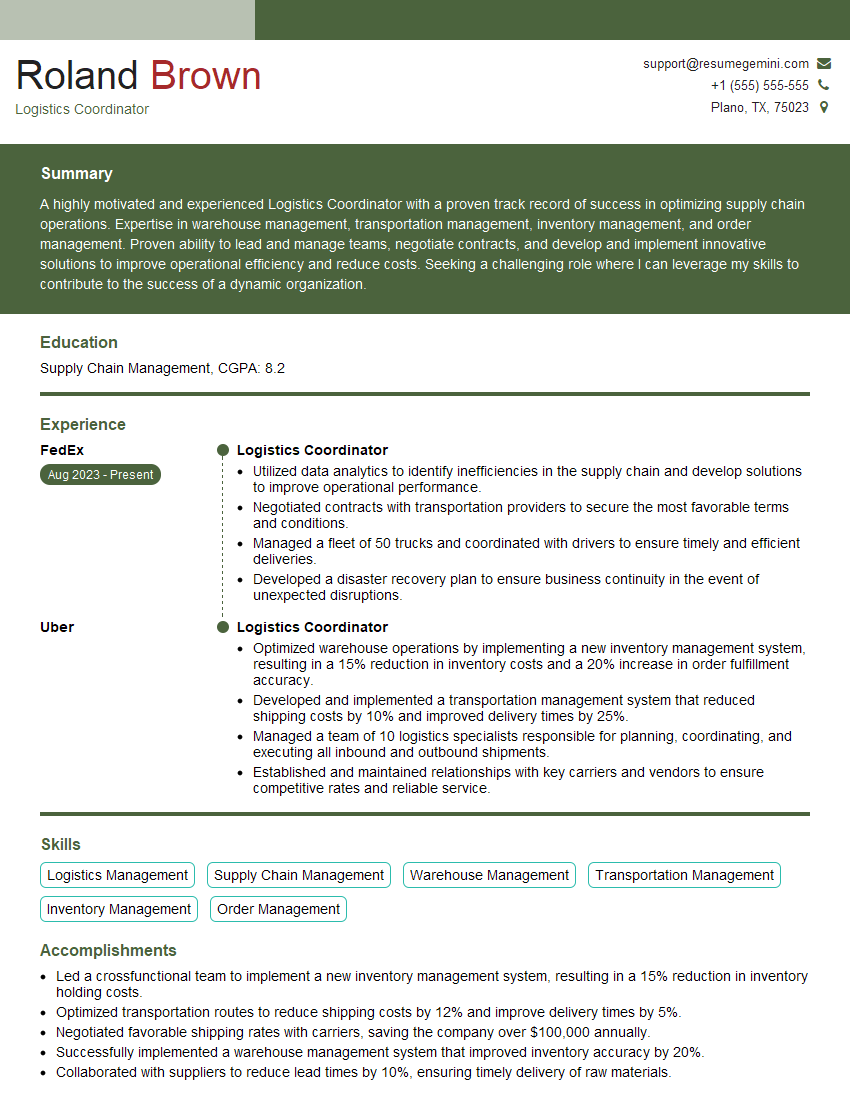
Logistics Coordinator Resume Sample
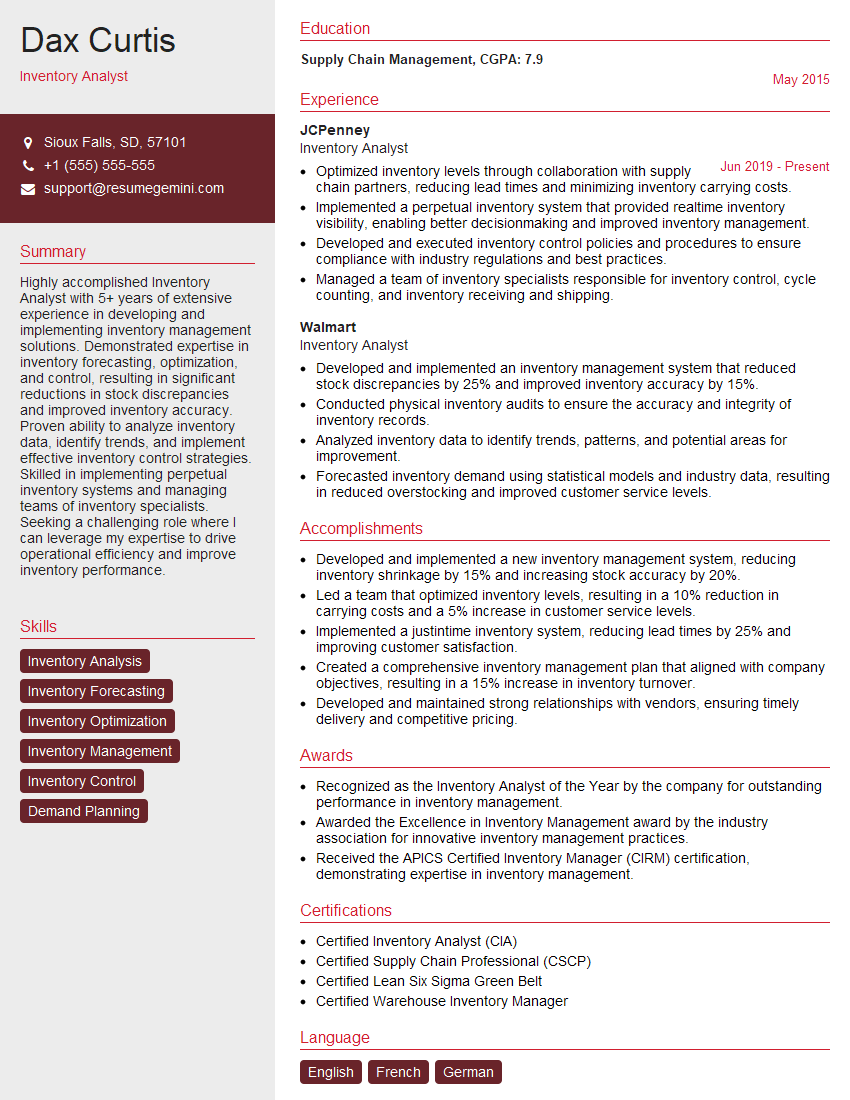
Inventory Analyst Resume Sample
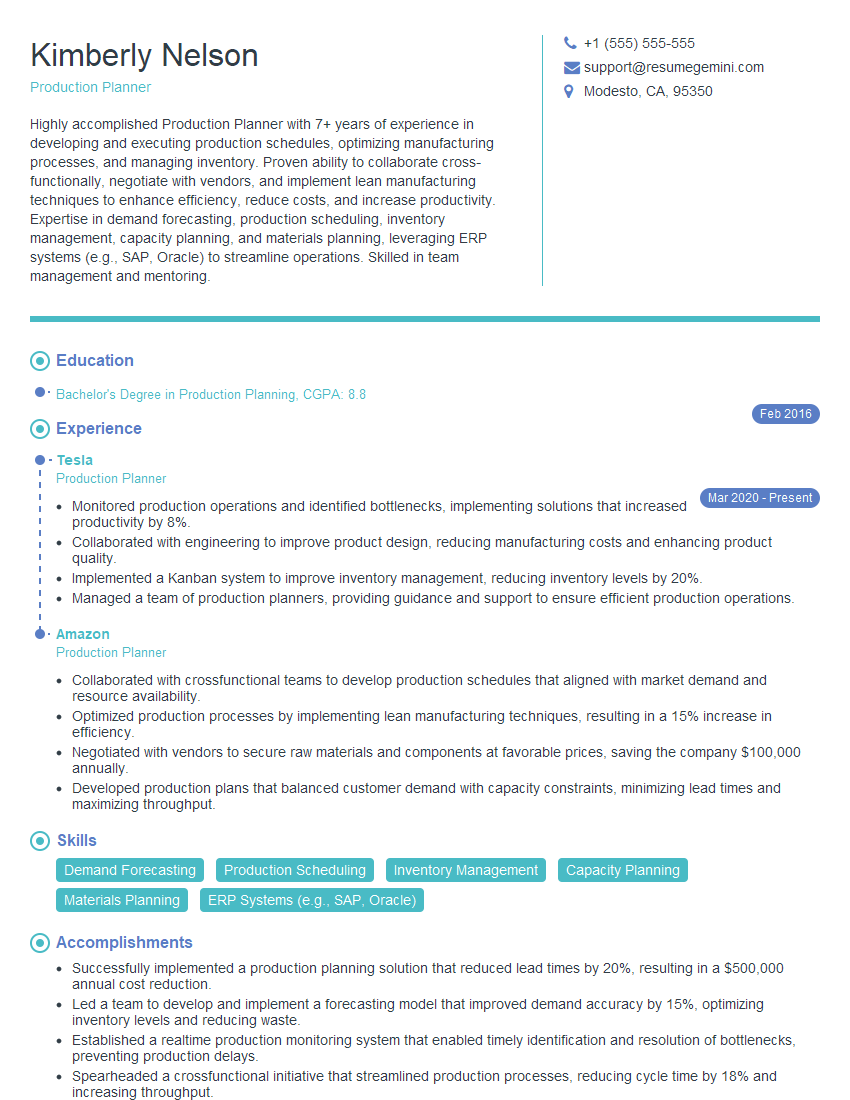
Production Planner Resume Sample
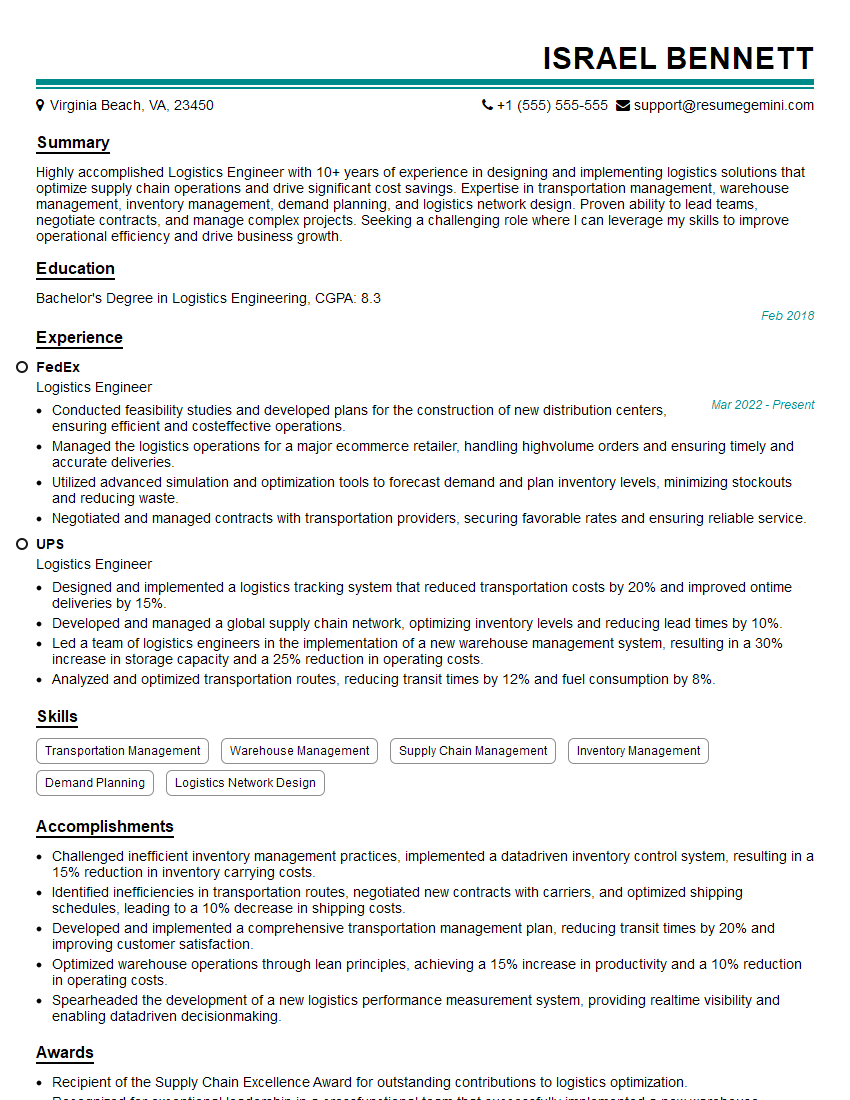
Logistics Engineer Resume Sample
Supply Chain Analyst Resume Sample
Operations Analyst Resume Sample
Transportation Planner Resume Sample
Inventory Control Manager Resume Sample
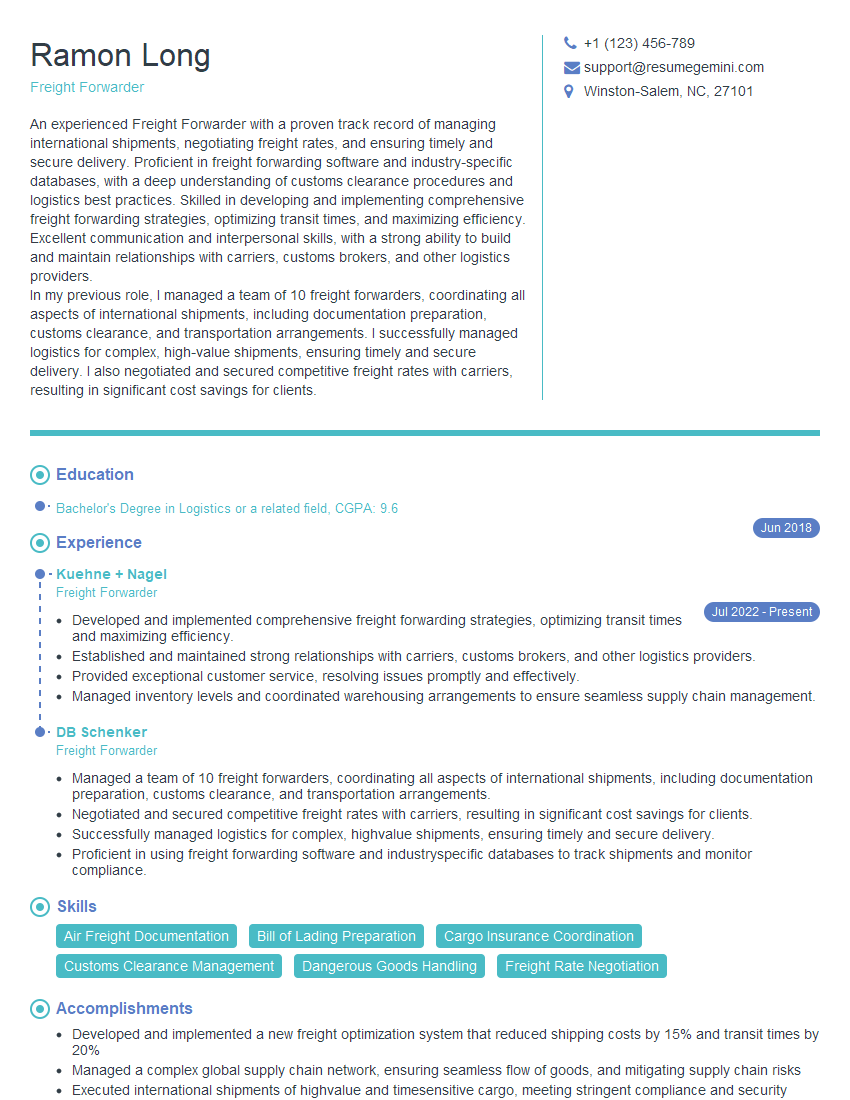
Freight Forwarder Resume Sample
- Operations Manager
- Plant Manager
- Demand Planner
- Materials Manager
- Procurement Manager
- Distribution Center Manager
- Logistics Manager
- Transportation Manager
- Warehouse Manager
- Dispatch Manager
- Warehouse Supervisor
- Logistics Coordinator
- Inventory Analyst
- Production Planner
- Logistics Engineer
- Supply Chain Analyst
- Operations Analyst
- Transportation Planner
- Inventory Control Manager
- Freight Forwarder
Explore more articles
Users Rating of Our Blogs
Share Your Experience
We value your feedback! Please rate our content and share your thoughts (optional).
What Readers Say About Our Blog
I Redesigned Spongebob Squarepants and his main characters of my artwork.
https://www.deviantart.com/reimaginesponge/art/Redesigned-Spongebob-characters-1223583608
IT gave me an insight and words to use and be able to think of examples
Hi, I’m Jay, we have a few potential clients that are interested in your services, thought you might be a good fit. I’d love to talk about the details, when do you have time to talk?
Best,
Jay
Founder | CEO