The thought of an interview can be nerve-wracking, but the right preparation can make all the difference. Explore this comprehensive guide to Plant Hardening interview questions and gain the confidence you need to showcase your abilities and secure the role.
Questions Asked in Plant Hardening Interview
Q 1. Explain the process of plant hardening-off.
Plant hardening-off, also known as acclimatization, is a crucial process where seedlings or plants grown in a protected environment, like a greenhouse or nursery, are gradually introduced to the harsher conditions of the outdoors before transplanting. This prepares them to withstand environmental stresses such as temperature fluctuations, wind, and intense sunlight, increasing their survival rate and overall health.
Think of it like slowly introducing a pampered house cat to the outside world – you wouldn’t just throw it into a field! Hardening-off is all about gradual adjustment.
Q 2. Describe the physiological changes plants undergo during hardening.
During hardening, plants undergo significant physiological changes to enhance their resilience. These include:
- Increased cuticle thickness: The waxy layer on leaves thickens, reducing water loss through transpiration.
- Enhanced stomatal regulation: Plants become more efficient at controlling the opening and closing of stomata (tiny pores on leaves), optimizing gas exchange while minimizing water loss.
- Strengthened cell walls: Cells become tougher, providing better protection against mechanical damage from wind or pests.
- Improved root development: The root system expands and strengthens, enabling better water and nutrient uptake from the soil.
- Increased production of protective compounds: Plants may produce antioxidants and other compounds that help protect them from UV radiation and other environmental stresses.
These changes are triggered by the environmental cues encountered during the hardening process, like increased sunlight, lower humidity, and cooler temperatures. It’s a remarkable example of plant adaptation.
Q 3. What environmental factors are crucial for successful plant hardening?
Several environmental factors significantly impact the success of plant hardening. Optimal conditions are crucial:
- Light intensity: Gradual increase in sunlight exposure is essential to prevent leaf burn. Start with partial shade and progressively increase exposure.
- Temperature: A slow decrease in temperature helps plants acclimate to cooler nighttime temperatures and prevents shock. Nighttime temperatures should be slightly cooler than daytime temperatures.
- Humidity: Reducing humidity gradually prepares plants for drier outdoor conditions and decreases the risk of fungal diseases.
- Wind: Gentle wind exposure helps strengthen stems and enhances overall plant robustness, but avoid strong, desiccating winds.
- Watering: Watering should be adjusted to match the changing environmental conditions. Overwatering can be detrimental during hardening.
Monitoring these factors and making adjustments as needed is critical for successful hardening.
Q 4. How do different plant species respond differently to hardening-off?
Different plant species respond to hardening-off at varying rates and in different ways. For example, hardy annuals like zinnias are relatively quick to acclimatize, while more delicate plants like orchids require a much more gradual and extended hardening process. Some species are more sensitive to temperature fluctuations, while others are more vulnerable to direct sunlight. Tropical plants generally require a longer hardening period than temperate plants.
Understanding the specific needs of each plant species is vital for optimal results. Consult reliable resources or plant specialists for species-specific hardening guidelines.
Q 5. What are the common indicators of successful hardening?
Successful hardening is indicated by several key factors:
- Strong, healthy stems and leaves: Plants should appear vigorous, not wilted or leggy.
- Good turgor pressure: Leaves should be firm and not drooping.
- Healthy root system: A well-developed root system enhances water and nutrient uptake, vital for survival after transplanting.
- Absence of signs of stress: There shouldn’t be leaf burn, wilting, or other indications of damage from environmental stress.
Observing these indicators allows you to assess the plant’s readiness for transplanting and make necessary adjustments to the hardening process.
Q 6. What are the risks associated with improper plant hardening?
Improper hardening-off can have serious consequences, leading to:
- Transplant shock: Sudden exposure to harsh environmental conditions can cause significant stress, leading to wilting, leaf drop, and even plant death.
- Increased susceptibility to diseases: Plants that haven’t been properly hardened are more vulnerable to fungal and bacterial infections.
- Reduced growth and yield: Stressed plants will have impaired growth and may produce fewer flowers or fruits.
- Lower survival rate: Improperly hardened plants are less likely to survive transplanting into the garden.
Careful planning and gradual acclimatization are essential to minimize these risks.
Q 7. Describe various hardening-off techniques (e.g., gradual exposure, shading).
Several techniques enhance the effectiveness of plant hardening:
- Gradual exposure: This is the cornerstone of successful hardening. Start with a few hours of outdoor exposure in partial shade, gradually increasing the duration and intensity of sunlight over several days or weeks.
- Shading: Use shade cloth or other materials to protect plants from intense sunlight, especially during the initial stages of hardening.
- Hardening structures: Cold frames and lath houses provide a controlled environment that gradually reduces humidity and increases light exposure.
- Wind protection: Place plants in a sheltered location to protect them from strong winds, especially during early stages.
- Controlled watering: Reduce watering frequency as plants acclimate to outdoor conditions to encourage deeper root growth.
The specific techniques used will depend on the plant species, the climate, and the available resources. A combination of these techniques is often the most effective approach.
Q 8. How do you adjust hardening procedures for different plant types?
Hardening-off procedures need to be tailored to the specific plant species because different plants have varying tolerances to environmental stresses. Think of it like training athletes for different sports – a marathon runner needs a different training regimen than a sprinter.
- Succulents and cacti, for example, are incredibly drought-tolerant and require a gradual reduction in watering during hardening. They can also handle more intense sunlight than other plants.
- Tropical plants, on the other hand, are often sensitive to temperature fluctuations and require a much gentler introduction to cooler temperatures and less intense sunlight. Sudden exposure can result in severe leaf burn and shock.
- Hardy annuals, such as zinnias or sunflowers, are typically quite resilient and can handle a faster hardening process than more delicate plants. They can tolerate more fluctuations in temperature and humidity.
Consider factors like the plant’s origin (tropical, temperate, desert), growth habit (fast growing, slow growing), and leaf type (thin-leaved, thick-leaved) when designing your hardening-off program. Always research the specific needs of the plant species you are working with.
Q 9. What role does light intensity play in the hardening process?
Light intensity is crucial in the hardening process. Plants acclimated to the low-light conditions of a greenhouse or indoor environment need a gradual increase in light exposure to avoid sunburn and stress. Think of it as slowly introducing someone to a sunbed – gradual exposure builds tolerance.
Increasing light intensity too quickly can cause bleaching or burning of leaves, impacting photosynthesis and overall plant health. A gradual increase allows the plant to produce protective pigments and strengthen its cellular structures to withstand higher UV radiation.
For example, you might start with shaded conditions for a few days, then gradually move plants to areas with dappled shade before finally exposing them to full sun. This approach mimics the natural transition from a sheltered environment to the outdoors.
Q 10. What role does temperature play in the hardening process?
Temperature plays a vital role in hardening. Plants need to adapt to fluctuating temperatures to survive outside. A sudden drop in temperature can cause chilling injury, while a rapid increase can lead to heat stress.
The hardening process involves gradually decreasing nighttime temperatures and increasing daytime temperatures, mirroring the natural fluctuations experienced outdoors. This allows the plant to adjust its metabolic processes and physiological responses to cope with the temperature variations. For example, a plant transitioning from 70°F (21°C) nighttime temperatures might be gradually reduced by 5-10°F (3-5°C) each night over a week.
The speed of temperature adjustment depends on the plant’s hardiness. Tender plants require a slower, more gradual process than hardy ones. Monitoring minimum and maximum temperatures is essential during the hardening period. Protecting plants from frost is crucial, especially during cooler nights.
Q 11. How does humidity affect plant hardening?
Humidity levels significantly impact the hardening process. High humidity can encourage fungal diseases, while low humidity can lead to desiccation (water loss). Finding the right balance is key to healthy hardening.
Generally, a gradual decrease in humidity is beneficial during hardening. This mimics the drier conditions found outdoors compared to the often humid environments of greenhouses. However, a sudden drop can be stressful, leading to wilting and reduced growth.
Adequate air circulation is important in managing humidity. Well-ventilated areas allow for better moisture management, preventing fungal growth and excessive water loss. Consider using fans or positioning plants strategically to enhance airflow during the hardening process.
Q 12. How do you manage water stress during plant hardening?
Water stress management is a critical component of successful hardening. The goal isn’t to completely deprive plants of water, but to gradually reduce watering to encourage the development of drought tolerance.
Overwatering during hardening can make plants vulnerable to root rot and other diseases. Underwatering, on the other hand, can lead to wilting and stunted growth. The key is finding the sweet spot – reducing watering frequency gradually to encourage deeper root growth and improved water uptake efficiency.
Observe the plants closely. Allow the topsoil to dry slightly between waterings. Avoid overhead watering, which can increase humidity and promote fungal diseases. Instead, water at the base of the plant to minimize wetting the foliage.
Q 13. What are the signs of transplant shock, and how can it be avoided?
Transplant shock occurs when a plant experiences a significant environmental change during transplanting, leading to stress and potentially death. Signs include wilting, leaf drop, stunted growth, and discoloration of foliage. It’s like a person experiencing culture shock when moving to a new country.
Avoiding transplant shock involves careful planning and execution. The hardening-off process is the primary preventative measure. Properly hardened plants are better equipped to withstand the changes associated with transplanting.
- Proper timing: Transplant when weather conditions are favorable – avoiding extreme heat, cold, or wind.
- Careful handling: Minimize root disturbance during transplanting. Use a good quality potting mix for successful transplant.
- Watering: Water thoroughly after transplanting and maintain consistent moisture levels.
- Shading: Provide some shade immediately after transplanting to reduce sun stress.
By following these steps, you can significantly reduce the risk of transplant shock and ensure the successful establishment of plants in their new location.
Q 14. How do you assess the readiness of plants for transplanting after hardening?
Assessing plant readiness for transplanting involves careful observation and consideration of several factors. The goal is to ensure the plant is robust enough to handle the stress of transplanting and the environmental conditions of its new location.
Signs of readiness include:
- Strong, healthy root system: Gently check the root ball; healthy roots are firm, white, and plentiful.
- Vigorous growth: The plant should show signs of active growth, with new leaves and stems.
- Resilience to environmental stress: The plant should have shown an ability to withstand the gradual changes in temperature, light, and humidity during the hardening-off process.
- Appropriate size: The plant should be large enough to handle the environmental conditions of its new location.
If plants show signs of weakness, such as wilting, discoloration, or stunted growth, it’s best to continue the hardening process before transplanting. A healthy, well-hardened plant is more likely to thrive in its new environment.
Q 15. Describe different types of plant containers suitable for hardening.
Choosing the right container for plant hardening is crucial for success. The ideal container promotes good drainage, aeration, and allows for easy handling. Several options exist, each with its own advantages and disadvantages.
- Standard Seedling Trays: These are widely available, inexpensive, and excellent for starting many seedlings. However, they can dry out quickly, requiring frequent watering.
- Cell Packs: These individual cells reduce the risk of root tangling and make transplanting easier. They also offer better moisture retention than seedling trays, but can be more expensive.
- Potted Plants: Larger pots, especially those with drainage holes, are suitable for larger plants that are being hardened off before transplanting. The size should be appropriate for the plant’s root system.
- Hanging Baskets: Useful for certain plants, they offer good air circulation but need frequent watering.
The best container choice depends on the specific plant species, the size of the seedlings, and the available resources.
Career Expert Tips:
- Ace those interviews! Prepare effectively by reviewing the Top 50 Most Common Interview Questions on ResumeGemini.
- Navigate your job search with confidence! Explore a wide range of Career Tips on ResumeGemini. Learn about common challenges and recommendations to overcome them.
- Craft the perfect resume! Master the Art of Resume Writing with ResumeGemini’s guide. Showcase your unique qualifications and achievements effectively.
- Don’t miss out on holiday savings! Build your dream resume with ResumeGemini’s ATS optimized templates.
Q 16. What are the advantages and disadvantages of using different media for hardening?
The growing medium significantly impacts the success of plant hardening. Different media offer varying levels of water retention, aeration, and nutrient availability.
- Coco Coir: A sustainable alternative to peat moss, coco coir retains moisture well and offers good aeration. However, it can be slightly acidic, requiring pH adjustment for certain plants.
- Peat Moss: Traditionally used, it retains moisture effectively but can become compacted, reducing aeration. Its sustainability is also a growing concern.
- Perlite: Added to other media to improve drainage and aeration. It doesn’t retain moisture on its own.
- Vermiculite: Similar to perlite, it improves aeration and water retention but provides minimal nutrients.
Advantages of well-draining mixes: Reduced risk of root rot, better aeration leading to healthier roots. Disadvantages of poorly draining mixes: Increased risk of root rot, waterlogging, stunted growth.
The optimal media blend varies depending on the plant’s needs and the climate. For example, succulent cuttings might prefer a more gritty mix, while leafy greens may benefit from a higher moisture-retention blend.
Q 17. What pests or diseases are common during plant hardening?
Several pests and diseases can affect plants during hardening. Early detection and preventative measures are essential.
- Damping-off: A fungal disease attacking seedlings at the soil line, causing wilting and death. Good sanitation and avoiding overwatering are key to prevention.
- Aphids: These sap-sucking insects can weaken plants. Insecticidal soap or neem oil can be effective.
- Whiteflies: Similar to aphids, they can cause significant damage. Sticky traps and systemic insecticides can help manage infestations.
- Leaf Miners: Insects that feed within leaves, causing unsightly blotches. Biological control methods or targeted insecticides might be necessary.
Regular inspections, proper spacing of plants to improve air circulation, and maintaining optimal moisture levels help minimize pest and disease problems. A healthy, robust plant going into hardening is less susceptible.
Q 18. Describe your experience with implementing plant hardening protocols.
In my experience, successful plant hardening involves a gradual transition from the protected environment of a greenhouse or grow room to outdoor conditions. I’ve worked with a wide range of species, from delicate seedlings to hardier perennials. One project involved hardening thousands of tomato seedlings for a large-scale commercial operation. We implemented a multi-stage approach, starting with brief periods of exposure to outdoor conditions, gradually increasing the duration and intensity of exposure over several weeks. We monitored environmental conditions meticulously, adjusting the hardening process based on weather patterns, especially temperature and sunlight.
Another key element was meticulous record-keeping. We tracked growth rates, pest infestations, and any other relevant observations. This allowed for data-driven adjustments to our protocols, ultimately optimizing our hardening process and improving plant survival rates significantly.
Q 19. Explain how to identify and treat common issues during plant hardening.
Identifying and addressing issues during plant hardening requires careful observation and prompt action.
- Wilting: Often indicates underwatering, but could also be caused by disease or pest infestation. Check soil moisture and inspect for pests. Adjust watering accordingly and treat any infestations.
- Leaf discoloration (yellowing, browning): Could indicate nutrient deficiencies, overwatering, or disease. Soil testing can reveal nutrient deficiencies, while adjustments to watering and disease treatments address other causes.
- Leggy growth: Insufficient light causes weak, elongated stems. Provide more light, either by moving plants closer to a light source or supplementing with artificial light.
For example, if seedlings exhibit damping-off, immediately remove affected plants to prevent the spread of the fungus. Improve air circulation and ensure the growing medium isn’t overly wet. A fungicide might be necessary in severe cases.
Q 20. How do you monitor the health of plants during the hardening process?
Monitoring plant health during hardening involves regular visual inspections and data recording. I typically check plants daily, looking for signs of stress such as wilting, discoloration, or pest infestations.
Specific aspects I monitor include:
- Growth rate: Regular measurements of height and leaf development help assess overall health.
- Leaf color and texture: Healthy leaves are typically vibrant green and firm. Changes indicate potential problems.
- Soil moisture: This is vital to prevent both underwatering and overwatering.
- Air temperature and humidity: These environmental factors significantly impact plant health.
Recording this data allows me to identify trends and adjust the hardening process as needed. For example, consistently high temperatures may necessitate increased shading or more frequent watering.
Q 21. How do you document plant hardening procedures and results?
Documentation is paramount for consistent and effective plant hardening. I use a combination of methods for detailed record-keeping.
- Spreadsheets: I record daily observations including date, plant species, growth measurements, environmental conditions (temperature, humidity, sunlight), and any treatments applied (watering, fertilization, pest control).
- Photographs: Visual documentation captures the overall plant health and any observable issues at different stages of the process.
- Plant tags: Clearly labeled plant tags provide essential information about the plant species, planting date, and any specific requirements.
- Detailed reports: At the end of the hardening process, a comprehensive report summarizes observations, results, and any adjustments made to the protocol.
This detailed documentation enables accurate analysis of the success of the hardening process, allowing for continuous improvement of the protocol.
Q 22. What are the key performance indicators (KPIs) for successful plant hardening?
Successful plant hardening hinges on several key performance indicators (KPIs). These metrics track the plant’s ability to withstand the stresses of transplantation and its overall vigor. Essentially, we’re measuring how well the plant is adapting to its new, harsher environment.
- Growth Rate: We monitor stem elongation, leaf development, and overall biomass increase. A healthy plant will continue to grow steadily even after hardening.
- Root System Development: A robust root system is critical for survival. We assess root mass, length, and branching. This is often assessed through destructive sampling of a subset of plants.
- Water Stress Tolerance: We evaluate how well the plants cope with temporary water deprivation. This could involve gradually reducing watering frequency during hardening. Wilting is monitored closely.
- Disease Resistance: Hardening should enhance the plant’s resistance to common pathogens. We monitor for disease symptoms during and after the hardening process. Healthy plants show no signs of disease.
- Transplant Survival Rate: Ultimately, the most significant KPI is the percentage of plants that survive transplantation to the field or final destination. This is the ultimate measure of a successful hardening program.
For example, in a recent project with bedding plants, we aimed for a minimum 95% transplant survival rate, a growth rate of at least 1 cm of stem elongation per week during hardening, and minimal wilting (<5%) under controlled water stress. These KPIs helped us fine-tune our hardening protocols to achieve optimal results.
Q 23. How do you integrate plant hardening into a larger production system?
Integrating plant hardening into a larger production system requires careful planning and coordination. It’s not a standalone process but an integral part of the overall production workflow. We consider several factors:
- Timing: Hardening timing is crucial, starting at the optimal growth stage to maximize success. The timing depends on the specific plant species and the environmental conditions.
- Space Allocation: Dedicated space is needed for hardening, which might include greenhouses, shade houses, or even outdoor plots. This area needs to be easily accessible and equipped with appropriate environmental control systems (if needed).
- Resource Allocation: Hardening necessitates resources such as labor, water, fertilizers, and potentially energy for controlled environment systems. These costs need to be factored into the production budget.
- Workflow Integration: Hardening should seamlessly integrate with other production stages – seeding/propagation, growing, and final planting or sale. This requires careful scheduling and coordination between teams.
- Data Management: Record-keeping is vital. We track KPIs, environmental parameters, and any adjustments made during the hardening process. This helps improve future hardening protocols and provides data for analysis.
For instance, in our nursery, the hardening phase seamlessly follows the vegetative growth phase. Plants move from the greenhouse to the shade house for gradual acclimatization before field planting, all within a precisely planned schedule.
Q 24. What are the environmental considerations for outdoor hardening?
Outdoor hardening presents unique environmental challenges that must be carefully managed. The goal is to gradually expose plants to outdoor conditions while minimizing stress.
- Sunlight Intensity: Sudden exposure to full sunlight can scorch plants. We use shade cloth or staggered acclimation periods to gradually increase light intensity.
- Temperature Fluctuations: Nighttime temperatures can drop significantly, causing chilling injury. Monitoring minimum temperatures is essential, and frost protection may be necessary.
- Wind Exposure: Strong winds can desiccate and damage plants. Windbreaks or sheltered locations are often needed, especially for young seedlings.
- Rainfall and Humidity: Excessive rainfall can lead to fungal diseases, while low humidity can cause desiccation. Monitoring rainfall and humidity levels and adjusting watering strategies accordingly is key.
- Pest and Disease Pressure: Outdoor environments harbor more pests and diseases. Monitoring for infestations and implementing preventive measures is critical.
Think of it like slowly introducing a person to a new, hotter climate. You wouldn’t suddenly take them from the Arctic to the Sahara. Instead, you’d gradually acclimatize them to the new environment to prevent heatstroke.
Q 25. Describe your experience with controlled environment hardening (greenhouses).
My extensive experience with controlled environment hardening in greenhouses involves utilizing technology to optimize the process. Greenhouses provide a controlled environment that allows for fine-tuning of critical factors.
- Temperature and Humidity Control: We use climate control systems to maintain optimal temperatures and humidity levels, gradually reducing humidity and increasing temperature to mimic natural acclimatization.
- Light Management: Supplemental lighting can be used to maintain optimal light levels, ensuring sufficient photosynthesis and preventing etiolation.
- Ventilation: Proper ventilation is essential to prevent fungal diseases and ensure adequate gas exchange. This can involve fans and vents controlled by sensors.
- Irrigation Control: Automated irrigation systems enable precise water management to prevent both overwatering and underwatering, leading to healthier, more robust plants.
- Monitoring Systems: Sensors and data loggers allow for continuous monitoring of environmental parameters and plant responses, allowing for real-time adjustments to maintain optimal conditions.
In a recent greenhouse hardening project, using automated control systems reduced water consumption by 15% compared to manual irrigation, while maintaining a higher transplant survival rate. The data collected also allowed us to refine our protocols for future hardening cycles.
Q 26. Explain how you would troubleshoot a failed hardening process.
Troubleshooting a failed hardening process requires a systematic approach. It’s crucial to identify the root cause to prevent recurrence.
- Assess the symptoms: Observe the plants closely. Are they wilting, exhibiting discoloration, showing signs of disease, or failing to grow?
- Review the hardening protocol: Compare the actual hardening conditions (temperature, humidity, light, watering) with the intended protocol. Were there any deviations or inconsistencies?
- Analyze environmental data: If data loggers were used, examine temperature, humidity, and light levels recorded during the hardening period. Identify any extreme or prolonged deviations from the optimal range.
- Examine plant health prior to hardening: Was there any underlying issue with the plants before they entered the hardening phase? Were they already stressed from nutrient deficiencies or diseases?
- Consider pest and disease pressure: Were there any pest or disease outbreaks during the hardening period? If so, what measures were taken to control them?
- Adjust the protocol: Based on the findings, modify the hardening protocol to address the identified issues. This may involve changing temperature regimes, watering frequencies, or implementing disease control measures.
For example, if we observe widespread wilting, we would first check for watering issues, followed by examining for root diseases or checking for root damage. Data from the environmental sensors can confirm if there were significant temperature fluctuations or periods of drought.
Q 27. How do you stay up-to-date on the latest advancements in plant hardening techniques?
Staying current in plant hardening requires continuous learning and engagement with the scientific community. I utilize several strategies:
- Professional Journals and Publications: I regularly read peer-reviewed journals such as the Journal of the American Society for Horticultural Science and Hortscience to stay informed about the latest research and advancements.
- Industry Conferences and Workshops: Attending conferences and workshops provides opportunities to learn about new techniques and network with other professionals in the field. This is also a great way to learn about practical applications of new technology.
- Online Resources and Databases: I utilize online databases like Web of Science and Scopus to search for relevant research articles and reports.
- Networking with Colleagues: Discussions with colleagues and experts in the field through professional organizations like the American Society for Horticultural Science provides invaluable insights and practical advice.
- Continuing Education Courses: I actively participate in continuing education courses and workshops to expand my knowledge base and stay abreast of the newest developments in the field.
For instance, I recently attended a workshop on the use of biostimulants in plant hardening, learning about promising new methods to enhance plant resilience.
Q 28. What is your experience with automated systems in plant hardening?
My experience with automated systems in plant hardening is significant, having implemented and managed several automated systems in both greenhouse and outdoor settings. Automation significantly enhances efficiency, consistency, and data collection.
- Automated Irrigation Systems: These systems use sensors to monitor soil moisture and automatically adjust watering schedules, optimizing water use and preventing both overwatering and underwatering.
- Environmental Control Systems: Automated systems control temperature, humidity, and ventilation within greenhouses, creating a precise and consistent environment for hardening.
- Data Logging Systems: These systems continuously monitor environmental parameters and plant responses, generating valuable data for analysis and optimization of hardening protocols.
- Robotics and Automation: Although still emerging, robotic systems are starting to play a larger role in tasks such as transplanting, automated monitoring, and even the application of treatments during hardening.
For example, in one project we implemented an automated irrigation system that reduced water usage by 20%, increased the uniformity of watering, and minimized the risk of plant stress from either over- or underwatering. The system also collected detailed data on water usage, soil moisture, and plant response, allowing for a data-driven approach to refining the hardening protocol.
Key Topics to Learn for Plant Hardening Interview
- Acclimatization Strategies: Understanding the gradual process of transitioning plants from controlled environments to outdoor conditions, including factors like light intensity, temperature fluctuations, and humidity changes.
- Stress Tolerance Mechanisms: Exploring how plants respond to environmental stressors (drought, frost, high winds) and the physiological adaptations involved in building resilience. Practical application: Discussing specific techniques like hardening-off seedlings before transplanting.
- Nutrient Management for Hardening: Examining the role of fertilization and soil conditions in plant vigor and stress response during the hardening process. Practical application: Understanding how to adjust nutrient levels to optimize plant strength and disease resistance.
- Pest and Disease Management during Hardening: Identifying potential vulnerabilities during the hardening phase and outlining preventative and curative measures. Practical application: Discussing integrated pest management (IPM) strategies and their importance in minimizing losses.
- Environmental Monitoring and Control: Understanding the importance of monitoring weather patterns, soil moisture, and other environmental variables to adjust hardening practices. Practical application: Discussing the use of weather forecasting and data logging to optimize hardening schedules.
- Species-Specific Hardening Requirements: Recognizing that different plant species have unique sensitivities and optimal hardening protocols. Practical application: Describing how to adapt hardening techniques based on plant type and growth stage.
- Hardening Techniques for Various Propagation Methods: Understanding how hardening differs for plants grown from seed, cuttings, or tissue culture. Practical application: Comparing and contrasting appropriate hardening approaches for diverse propagation methods.
Next Steps
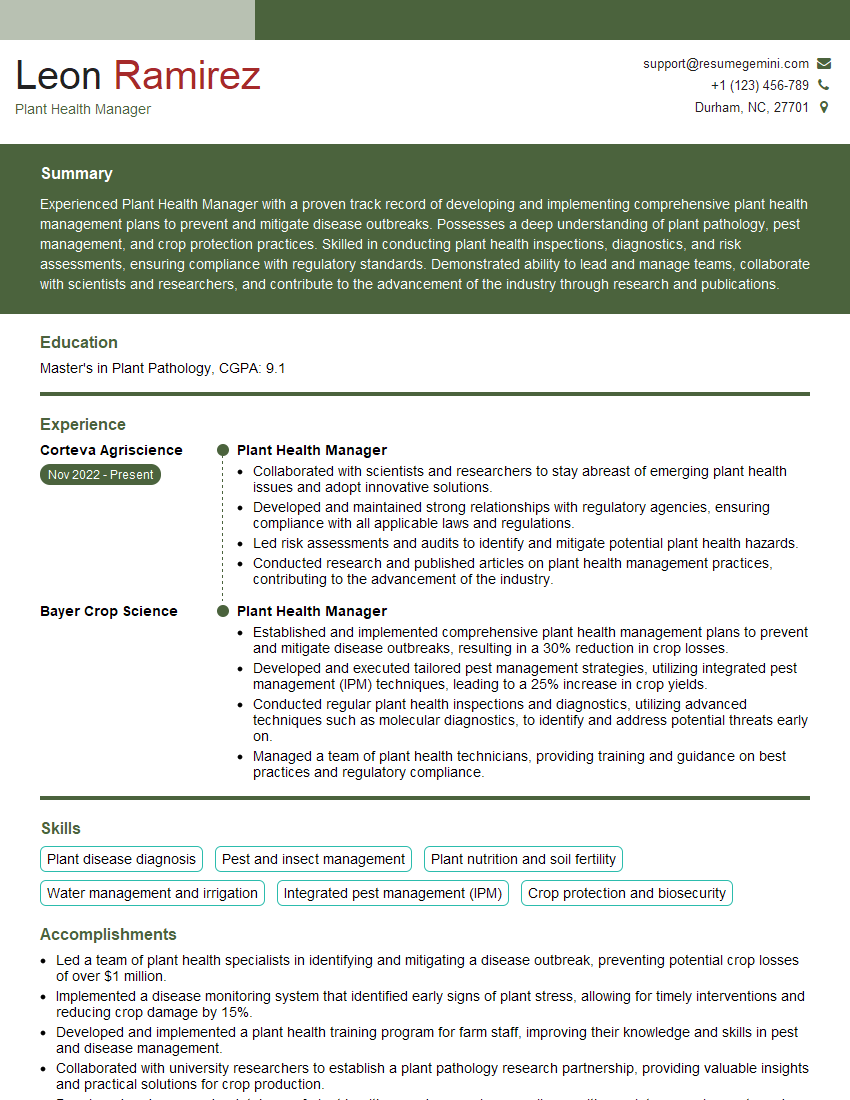
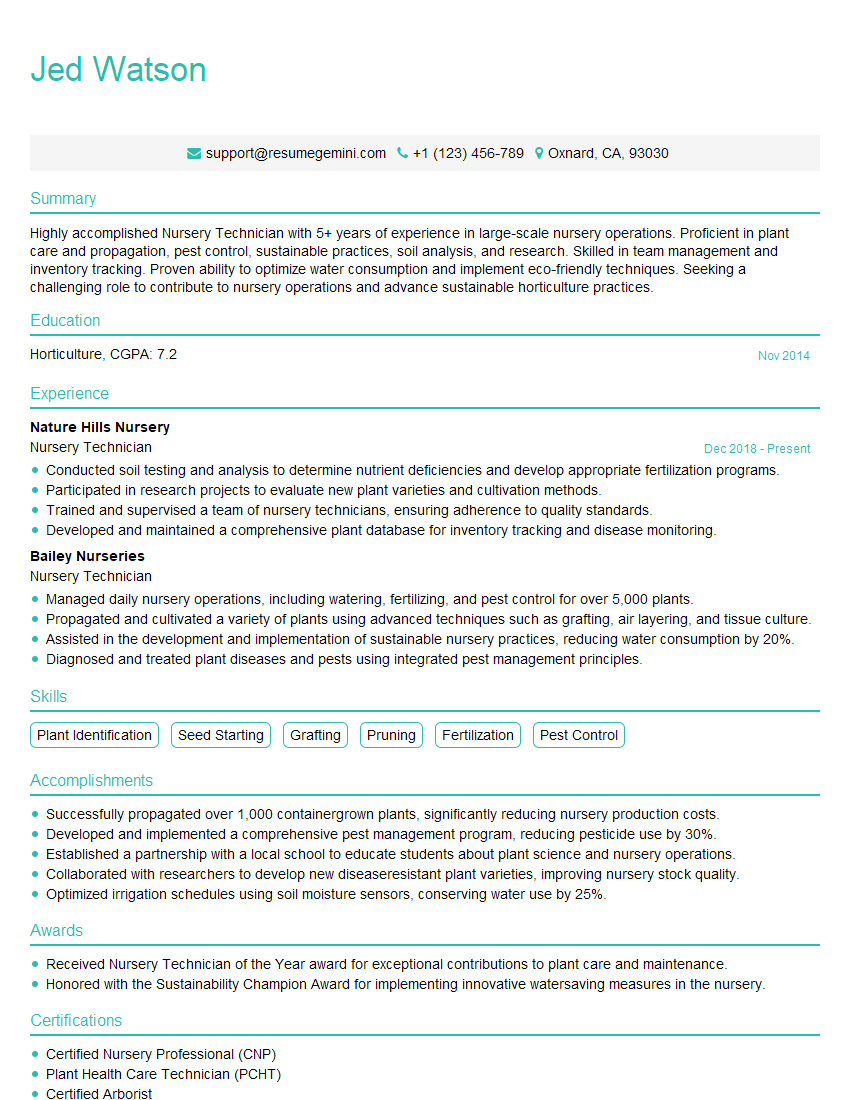
Mastering plant hardening is crucial for advancing your career in horticulture, agriculture, and related fields. A strong understanding of these principles demonstrates your practical skills and commitment to sustainable practices. To significantly increase your chances of landing your dream role, focus on crafting a compelling and ATS-friendly resume. ResumeGemini is a trusted resource to help you build a professional resume that highlights your skills and experience effectively. Examples of resumes tailored specifically to Plant Hardening are provided to help guide you. Invest the time to create a strong application – it’s an investment in your future success.
Explore more articles
Users Rating of Our Blogs
Share Your Experience
We value your feedback! Please rate our content and share your thoughts (optional).
What Readers Say About Our Blog
I Redesigned Spongebob Squarepants and his main characters of my artwork.
https://www.deviantart.com/reimaginesponge/art/Redesigned-Spongebob-characters-1223583608
IT gave me an insight and words to use and be able to think of examples
Hi, I’m Jay, we have a few potential clients that are interested in your services, thought you might be a good fit. I’d love to talk about the details, when do you have time to talk?
Best,
Jay
Founder | CEO