Interviews are more than just a Q&A session—they’re a chance to prove your worth. This blog dives into essential Plate Loading interview questions and expert tips to help you align your answers with what hiring managers are looking for. Start preparing to shine!
Questions Asked in Plate Loading Interview
Q 1. Describe your experience with different types of plate loading equipment.
My experience encompasses a wide range of plate loading equipment, from manual hand-loading systems to automated robotic loaders. I’ve worked extensively with conveyor belt systems, utilizing both gravity-fed and powered conveyors for efficient plate transport. I’m also familiar with specialized equipment for handling delicate or unusually shaped plates, such as vacuum lifters and articulated robotic arms. For instance, in a previous role, we transitioned from a manual system to an automated robotic loader, significantly increasing throughput and reducing the risk of human error. This involved not only the physical installation and setup but also extensive training on the new system’s operation and maintenance.
- Manual Loading: This involves physically placing plates onto a conveyor or directly into a machine. It’s suitable for low-volume operations but is prone to human error and fatigue.
- Conveyor Belt Systems: These systems automate the movement of plates, increasing efficiency. Gravity-fed systems rely on the incline, while powered conveyors utilize motors for consistent speed and control.
- Robotic Loaders: These sophisticated systems utilize robotic arms to precisely and efficiently place plates. They are ideal for high-volume, high-precision applications and significantly reduce the risk of damage.
Q 2. What safety precautions do you follow when loading plates?
Safety is paramount in plate loading. My approach always begins with a thorough risk assessment, identifying potential hazards specific to the equipment, plates, and work environment. I strictly adhere to all safety regulations and company protocols. This includes wearing appropriate personal protective equipment (PPE), such as safety glasses, gloves, and steel-toe boots. Furthermore, I regularly inspect equipment for malfunctions and ensure all safety interlocks are functioning correctly. Before commencing any loading operation, I verify the stability of the work area and the secure placement of all equipment. I also maintain situational awareness, avoiding distractions and ensuring a clear work space free from obstacles. Think of it like a pilot’s pre-flight checklist – methodical and thorough.
- PPE: Safety glasses, gloves, steel-toe boots, and hearing protection (depending on the equipment).
- Equipment Inspection: Checking for malfunctions, loose parts, and proper function of safety interlocks.
- Work Area Safety: Ensuring a stable and unobstructed workspace.
- Following Protocols: Adhering strictly to company safety regulations and procedures.
Q 3. Explain the process of verifying plate counts and ensuring accuracy.
Verifying plate counts and ensuring accuracy is critical for maintaining operational efficiency and preventing errors. I typically use a combination of visual checks and automated counting systems. Visual checks are essential for identifying any missing or damaged plates. For larger quantities, automated counting systems, such as barcode scanners or optical counters, are integrated into the loading process. I regularly cross-reference these automated counts with manual checks to ensure accuracy. Discrepancies are thoroughly investigated and documented. For example, if there is a discrepancy between the automated count and a subsequent manual count, a re-count is performed to locate and correct the error. I meticulously document all counts and any discrepancies, maintaining a clear audit trail.
- Visual Inspection: Manually checking for missing or damaged plates.
- Automated Counting Systems: Using barcode scanners or optical counters for higher volumes.
- Cross-Referencing: Comparing automated counts with manual checks to ensure accuracy.
- Documentation: Maintaining detailed records of all counts and discrepancies.
Q 4. How do you handle damaged or defective plates during the loading process?
Damaged or defective plates are handled according to established procedures, prioritizing safety and minimizing waste. Damaged plates are immediately segregated from the good plates, clearly marked as defective, and reported to the supervisor. Depending on the extent of the damage and company policy, they may be repaired, recycled, or discarded. The disposal process always adheres to environmental regulations. For example, if a ceramic plate is chipped, it’s immediately removed from the loading line and placed in a designated bin for damaged plates. This prevents it from damaging other plates or the loading equipment.
- Segregation: Removing damaged plates from the loading line immediately.
- Marking: Clearly labeling damaged plates as defective.
- Reporting: Informing supervisors about damaged plates.
- Disposal: Following established procedures for repair, recycling, or disposal in accordance with environmental regulations.
Q 5. What is your experience with different types of plates (size, weight, material)?
My experience spans a wide range of plate types, including various sizes, weights, and materials. I’ve handled everything from small, lightweight plastic plates used in laboratory settings to large, heavy metal plates used in industrial applications. Material variations include ceramics, metals (steel, aluminum), plastics, and even specialized materials used in high-temperature or high-pressure environments. Understanding the properties of each material is critical for selecting the correct loading techniques and equipment to prevent damage. For example, handling delicate ceramic plates requires gentler techniques and potentially specialized equipment like vacuum lifters, whereas robust metal plates can be handled with more conventional methods.
- Size: From small laboratory plates to large industrial plates.
- Weight: Light plastic plates to heavy metal plates.
- Material: Ceramics, metals, plastics, and specialized materials.
Q 6. How do you prioritize tasks when dealing with multiple plate loading requests?
Prioritizing tasks when dealing with multiple plate loading requests requires a systematic approach. I generally follow a priority system that balances urgency, importance, and the specific requirements of each request. Urgent requests, such as those related to time-sensitive experiments or production deadlines, are given top priority. I also consider the type of plates and equipment required to optimize workflow. A Kanban-style system, using a visual board to track requests, has proved helpful in managing multiple requests effectively. Each request is assigned a priority level (e.g., high, medium, low) based on its urgency and importance, and then handled sequentially. This approach ensures efficient resource allocation and meets all deadlines.
- Urgency: Time-sensitive requests take precedence.
- Importance: Critical projects are prioritized.
- Resource Optimization: Grouping similar requests to optimize workflow.
- Visual Tracking: Using a Kanban-style board to manage tasks efficiently.
Q 7. Describe your experience with inventory management related to plate loading.
Inventory management is crucial for efficient plate loading operations. I’m experienced in tracking plate quantities, locations, and usage. This involves maintaining detailed inventory records, regularly auditing stock levels, and proactively ordering replacements to prevent shortages. Software-based inventory management systems are essential tools, providing real-time tracking and forecasting capabilities. For instance, I’ve used systems that integrate with loading equipment, automatically updating inventory levels as plates are used. This enables accurate forecasting of future needs, preventing stockouts and minimizing waste.
- Record Keeping: Maintaining detailed records of plate quantities, locations, and usage.
- Regular Audits: Conducting periodic stock checks to ensure accuracy.
- Software Systems: Using inventory management software for real-time tracking and forecasting.
- Proactive Ordering: Anticipating needs and ordering replacements in advance.
Q 8. How do you ensure the stability and security of loaded plates during transport?
Ensuring the stability and security of loaded plates during transport is paramount. It involves a multi-faceted approach focusing on secure fastening, weight distribution, and adherence to safety regulations. Think of it like building a sturdy tower of blocks – each block (plate) needs to be placed carefully to avoid collapse.
- Secure Fastening: Plates should be properly secured using appropriate straps, chains, or other restraining devices. The type of restraint will depend on the type of plate, its weight, and the mode of transport. For instance, heavier plates might require multiple securing points and stronger straps than lighter ones.
- Weight Distribution: Evenly distributing the weight across the transport vehicle is crucial to prevent instability. This often involves strategically placing heavier plates lower and distributing them evenly across the load bed. Imagine a seesaw; uneven weight distribution leads to imbalance and potential tipping.
- Protective Measures: Using protective materials like padding or dunnage (packing materials) between plates can prevent shifting and damage during transit. This is particularly important for fragile plates or those with uneven surfaces.
- Compliance with Regulations: Adhering to relevant transport regulations (both local and national) is essential. These regulations often specify maximum weight limits, load securing techniques, and documentation requirements.
Failure to follow these procedures can lead to accidents, cargo damage, and legal ramifications.
Q 9. What is your understanding of load balancing and weight distribution?
Load balancing and weight distribution are interconnected concepts crucial for safe and efficient plate loading. Load balancing aims to distribute the weight evenly across the load area, minimizing stress on any single point or area. Weight distribution specifically addresses how the weight is arranged to achieve this balance. Think of it like balancing a tray of drinks – you wouldn’t put all the heavy ones on one side!
In plate loading, improper weight distribution can lead to uneven stress on the transport vehicle, increasing the risk of damage to the vehicle itself and the load. It can also affect stability, making the load more prone to shifting or tipping during transport. Effective load balancing and weight distribution are achieved through careful planning and placement of the plates, considering their weight and dimensions. Utilizing software for load optimization is becoming increasingly common for complex loading scenarios.
Q 10. Describe a time you had to solve a problem related to plate loading efficiency.
During a large-scale project involving the transportation of thousands of plates, we encountered a significant delay due to inefficient loading procedures. Our initial stacking method, while seemingly simple, resulted in wasted space and an unbalanced load. This led to longer loading times and increased fuel consumption.
To solve this, I implemented a new layering technique using specialized software to optimize space utilization. We categorized the plates by size and weight, and the software generated a loading plan maximizing space efficiency while ensuring balanced weight distribution. This significantly reduced loading times by 25% and minimized fuel consumption. The improved efficiency saved the company both time and money, and the software is now part of our standard loading procedure. It highlighted the importance of leveraging technology to improve efficiency in seemingly simple tasks.
Q 11. How do you handle situations where there are discrepancies in the number of plates?
Discrepancies in the number of plates are a serious issue that needs immediate attention. Thorough verification before, during, and after loading is crucial. The first step is to identify the source of the discrepancy: was there a counting error, damage during loading, theft, or a problem with the inventory records?
- Verification: A careful recount of plates is necessary, ideally by two people independently. This verifies the accuracy of the initial count and identifies any missing plates.
- Investigation: Investigate the possible causes of the discrepancy. Review loading documents, security footage (if available), and inventory records. This can help pinpoint the source of the problem and prevent future occurrences.
- Documentation: Document all findings, including the initial count, the recount, the discrepancy, and the investigative findings. This creates a record to resolve any disputes and inform future loading procedures.
- Corrective Action: Implement corrective actions, such as retraining staff, improving inventory management, or enhancing security measures, to prevent similar discrepancies in the future.
Addressing discrepancies swiftly and meticulously is crucial for maintaining accuracy and avoiding potential losses or delays.
Q 12. How familiar are you with different loading techniques (e.g., stacking, layering)?
I am highly familiar with various loading techniques, understanding that the optimal method depends heavily on the characteristics of the plates (size, weight, fragility) and the transport vehicle.
- Stacking: A straightforward method where plates are stacked vertically, suitable for uniform, sturdy plates. However, it requires careful consideration of weight distribution to avoid instability. Think of stacking books – you wouldn’t stack heavy ones on top of fragile ones.
- Layering: Involves arranging plates in layers, often alternating orientation (e.g., landscape and portrait) for better stability and space optimization. It’s useful for a mix of plate sizes and shapes.
- Block Stacking: Creating stable blocks of plates using interlocking or bracing techniques, minimizing movement. Ideal for transportation over long distances or rough terrain.
- Interleaving: Placing protective materials (e.g., cardboard, foam) between plates to prevent damage during transport. This is critical for fragile or delicate items.
My experience enables me to select the most efficient and safe technique for each specific scenario, considering factors like space constraints, weight limits, and the condition of the plates.
Q 13. Explain your understanding of warehouse safety regulations related to plate loading.
Warehouse safety regulations related to plate loading are crucial for preventing injuries and damage. These regulations typically cover areas such as:
- Load Stability: Regulations often specify maximum weight limits, load securing methods, and safe stacking practices to ensure load stability and prevent tipping or collapse.
- Personal Protective Equipment (PPE): Employees involved in plate loading should use appropriate PPE, such as gloves, safety shoes, and back supports, to minimize the risk of injury. Heavy lifting and potential for falls necessitate appropriate safety gear.
- Safe Handling Procedures: Clear procedures for handling plates, including lifting techniques, communication protocols between team members, and using mechanical aids when appropriate, are essential.
- Clear Passageways: Maintaining clear and unobstructed passageways within the warehouse to prevent accidents is critical.
- Emergency Procedures: Clearly defined emergency procedures, including procedures for handling accidents and reporting injuries, must be in place.
Adherence to these regulations is non-negotiable, and regular safety audits and training programs are essential to maintain a safe working environment.
Q 14. How do you maintain accurate records of plate loading activities?
Maintaining accurate records of plate loading activities is vital for tracking inventory, ensuring accountability, and managing logistics efficiently. We use a combination of digital and physical methods to ensure accuracy and traceability.
- Digital Systems: We use specialized warehouse management systems (WMS) to track plate movements, including counts, locations, and transport information. This provides real-time visibility into inventory and allows for accurate reporting.
- Loading Manifests: Physical loading manifests document the details of each load, including the number and type of plates, their weight, the transport vehicle, and the destination. This provides a paper trail for auditing purposes.
- Barcodes and RFID Tags: We utilize barcodes or RFID tags on individual plates or pallets to facilitate efficient tracking and identification during the loading process. This reduces errors and allows for quick inventory checks.
- Regular Audits: Regular audits of the loading records ensure accuracy and identify any inconsistencies or potential issues. This helps to improve our processes and prevent errors.
By combining these methods, we maintain a comprehensive and accurate record of plate loading activities, providing vital information for operational efficiency and compliance.
Q 15. What software or systems are you familiar with for plate loading management?
My experience encompasses several software systems used for plate loading management. These range from simple spreadsheet-based tracking systems to sophisticated Warehouse Management Systems (WMS). I’m proficient with WMS platforms like SAP EWM and Manhattan Associates, which allow for real-time tracking of plate location, inventory levels, and loading schedules. I also have experience using specialized software for optimizing load planning, minimizing wasted space, and ensuring efficient truck utilization. This includes software that considers weight distribution, center of gravity, and the fragility of different plate types to generate optimal loading patterns. For instance, I used a WMS to manage a high-volume project where real-time updates prevented delays in shipping delicate ceramic plates. In another project, a specialized loading optimization software allowed us to reduce transportation costs by 15% by improving space utilization on pallets.
Career Expert Tips:
- Ace those interviews! Prepare effectively by reviewing the Top 50 Most Common Interview Questions on ResumeGemini.
- Navigate your job search with confidence! Explore a wide range of Career Tips on ResumeGemini. Learn about common challenges and recommendations to overcome them.
- Craft the perfect resume! Master the Art of Resume Writing with ResumeGemini’s guide. Showcase your unique qualifications and achievements effectively.
- Don’t miss out on holiday savings! Build your dream resume with ResumeGemini’s ATS optimized templates.
Q 16. Describe your experience using material handling equipment (e.g., forklifts, pallet jacks).
I’m highly experienced in operating various material handling equipment, including forklifts (both sit-down and stand-up), pallet jacks, and electric pallet trucks. I hold the necessary certifications for safe and efficient operation of these machines, adhering strictly to all safety regulations. My experience extends beyond basic operation to include the safe handling of diverse plate types, from lightweight ceramic plates requiring careful placement to heavy metal plates demanding precise maneuvering. For example, I’ve used forklifts to load and unload hundreds of pallets of plates in a warehouse setting, ensuring load stability and preventing damage. My proficiency with pallet jacks allows me to quickly and efficiently move individual pallets or stacks of plates within the warehouse, especially in tight spaces. I am also familiar with the proper use of load securing equipment to prevent shifting during transportation.
Q 17. How do you adapt to changes in plate loading schedules or priorities?
Adaptability is crucial in plate loading. When schedules or priorities change, my approach is systematic. I begin by reviewing the revised schedule, identifying the impact on existing tasks, and prioritizing based on urgency and impact. I utilize communication tools like shared spreadsheets or project management software to keep everyone informed of changes. For example, if a rush order comes in, I immediately re-prioritize my tasks, communicating the change to the team and potentially requesting additional resources. This prioritization involves assessing the size and type of plates, the equipment available, and the available personnel to ensure efficient reallocation of resources. Using a visual Kanban board has proved remarkably helpful in this context. I also proactively communicate potential delays or challenges to management, proposing solutions and offering alternative approaches.
Q 18. How do you communicate effectively with colleagues and supervisors regarding plate loading?
Effective communication is paramount. I believe in open and transparent communication with colleagues and supervisors. I frequently use verbal updates, email, and project management software to share progress, highlight potential problems, and request assistance. For example, I utilize daily stand-up meetings to share loading progress, discuss roadblocks, and coordinate with other departments. If a problem arises, I immediately communicate it to my supervisor, providing context and potential solutions. My clear and concise communication style helps prevent misunderstandings and ensures everyone is on the same page. Active listening and feedback are essential to ensuring smooth collaboration.
Q 19. What is your experience with quality control procedures related to plate loading?
Quality control is a top priority. My experience includes implementing and adhering to rigorous quality control procedures, including visual inspections for damage, verifying plate count against manifests, and using specialized measuring tools to ensure accurate dimensions. We utilize a barcode scanning system to track every plate throughout the process, minimizing the risk of errors. Before loading, I always conduct a thorough inspection of both the plates and the packaging, checking for cracks, chips, or any other damage that could impact the integrity of the shipment. If any damaged plates are found, they are appropriately documented and set aside. Regular calibration of weighing equipment and accurate record keeping are fundamental to the quality control process, guaranteeing accurate and reliable data for inventory management and shipping documentation.
Q 20. Explain your experience with different types of plate materials and their handling requirements.
I have extensive experience handling diverse plate materials, each with unique handling requirements. This includes ceramic plates, which require careful handling to prevent breakage, metal plates that may require specialized equipment for lifting or securing, and plastic plates with varying degrees of fragility. My knowledge extends to understanding material safety data sheets (MSDS) and adhering to safety protocols for each material. For instance, ceramic plates often necessitate the use of protective padding and careful stacking to prevent chipping. Metal plates may require the use of specialized lifting equipment to prevent damage or injury. Understanding the weight, fragility, and potential hazards associated with each material is crucial for safe and efficient handling. This knowledge informs decisions on stacking techniques, packaging materials, and the selection of appropriate material handling equipment.
Q 21. Describe a time you had to work under pressure to meet a plate loading deadline.
During a large-scale exhibition setup, we faced a tight deadline to load and transport thousands of fragile glass plates. A sudden unexpected surge in orders added pressure, and a key piece of loading equipment malfunctioned, putting the entire shipment at risk. Under intense pressure, I quickly assessed the situation. I collaborated with my team, re-allocating tasks and utilizing available resources creatively. We worked extended hours, coordinating with maintenance to expedite repairs and utilizing backup equipment. By effectively communicating with all stakeholders and maintaining a calm, organized approach, we managed to meet the deadline without any significant damage to the plates. This experience highlighted the importance of proactive planning, resourcefulness, and effective team communication under high-pressure situations.
Q 22. How do you contribute to a safe and efficient work environment during plate loading?
Safety and efficiency are paramount in plate loading. My approach centers around proactive risk mitigation and optimized workflows. This includes adhering strictly to safety protocols like wearing appropriate Personal Protective Equipment (PPE), including safety shoes, high-visibility vests, and gloves, depending on the material being handled. I ensure the work area is well-lit and free of obstructions to prevent trips and falls. Before commencing loading, I meticulously inspect the plates for any damage and ensure the load is properly secured using appropriate straps and chains to prevent shifting during transport. Regular communication with the forklift operator and other team members is crucial to coordinate movements safely and efficiently. I actively look for potential hazards, reporting any issues immediately to the supervisor. For instance, if I notice a damaged pallet, I’d immediately report it to prevent accidents. Furthermore, I’m always mindful of the weight limits of the equipment and the load capacity of the trucks. This is checked against the weight of the plates via load sheets or by using weighing scales, preventing overloading and potential accidents.
Q 23. How familiar are you with different types of loading docks and their safety considerations?
I’m familiar with various loading dock types, including ground-level docks, dock levelers, and ramps. Each presents unique safety considerations. Ground-level docks, while simpler, require careful manual handling and can be more physically demanding. Dock levelers, which bridge the gap between the truck and the dock, require regular inspections to ensure they are functioning correctly and safely. Malfunctioning levelers can cause serious accidents. Ramps also need to be checked for structural integrity, ensuring they are able to handle the weight of the load and offer a safe incline. In any case, proper securing of the plates on the truck during loading is paramount. We always consider the weather; rain or snow can create slippery conditions, increasing the risk of accidents. I prioritize the use of anti-slip mats and ensure adequate lighting in all loading areas. Regular safety inspections, training on equipment operation, and adherence to safe operating procedures are essential.
Q 24. Explain your understanding of the importance of proper documentation and traceability in plate loading.
Proper documentation and traceability are critical for ensuring accountability and preventing errors in plate loading. This involves meticulously recording every stage of the process, from the initial receipt of the plates to their final delivery. This documentation typically includes: plate identification numbers, quantities, weight, date and time of loading, destination, truck number, and the names of personnel involved. Each step needs clear and accurate records, often using barcode scanning and digital loading manifests. This detailed record-keeping allows us to trace the location and status of each plate at any time. In case of discrepancies, missing items, or damages, the traceability system enables quick investigation and corrective actions. For example, if a customer receives damaged goods, we can accurately pinpoint the point of failure in the loading process by reviewing the documentation and taking corrective steps. This improves customer satisfaction and minimizes losses due to damage or misplaced items.
Q 25. How do you ensure compliance with industry regulations and standards related to plate loading?
Compliance with industry regulations is a top priority. We adhere to all relevant safety standards, including OSHA regulations (in the US) or equivalent local standards, ensuring all equipment is regularly inspected and maintained, and that all personnel receive proper training. This involves understanding and implementing regulations on weight limits, load securing, hazardous material handling, and workplace safety. For instance, we ensure that all hazardous materials are properly labelled, handled, and stored according to regulations, using appropriate safety measures and PPE. We maintain detailed records of inspections, training, and any incidents to demonstrate our compliance. We actively participate in safety audits and continuously update our practices to meet the evolving regulatory landscape. Any non-compliance incidents are thoroughly investigated, corrective actions documented, and any necessary training implemented to prevent recurrence.
Q 26. Describe your proficiency in using relevant technology (scanners, software) in plate loading.
I’m proficient in using various technologies to enhance efficiency and accuracy in plate loading. This includes handheld barcode scanners for accurate plate identification and tracking, RFID readers for real-time inventory management, and warehouse management systems (WMS) software for optimizing loading schedules and tracking the location of each plate within the facility and during transport. I’m familiar with using software to generate loading manifests, track shipments, and produce reports on loading efficiency and safety incidents. My experience allows me to integrate these technologies effectively into the loading process to minimize errors, improve speed, and generate valuable data for analysis and improvement. For example, using WMS, I can optimize the loading sequence to minimize the travel time for the forklift operator, ensuring faster loading and reducing the risk of accidents.
Q 27. How do you handle situations where equipment malfunctions during the plate loading process?
Equipment malfunctions are addressed promptly and safely. My first response is to immediately halt the loading process to prevent accidents. I then assess the nature of the malfunction and, if safe to do so, attempt basic troubleshooting steps (e.g., checking power supply or minor adjustments). If the issue is beyond my expertise or if it poses a safety risk, I immediately report it to the maintenance team and follow established emergency procedures. Depending on the severity of the malfunction, this could involve shutting down the affected equipment and rerouting the workflow. During downtime, I prioritize the safety of personnel and protect the plates from potential damage. A detailed report of the malfunction, troubleshooting steps taken, and the resolution is documented for future reference and to prevent recurrence.
Q 28. What are your strengths and weaknesses concerning plate loading operations?
My strengths in plate loading include a strong understanding of safety protocols, a keen eye for detail, the ability to work efficiently under pressure, and proficiency in using relevant technologies. I’m also adept at problem-solving and teamwork. I consistently strive to improve efficiency and safety. My weakness is perhaps the potential for complacency due to repetitive tasks. To mitigate this, I actively seek out opportunities to improve my skills and knowledge through additional training and actively stay alert during operations to maintain focus and attention to detail. This includes self-checking and peer-checking procedures to ensure highest standards are met.
Key Topics to Learn for Plate Loading Interview
- Plate Loading Fundamentals: Understanding the basic principles of plate loading, including definitions, terminology, and different types of plate loading systems.
- Load Distribution and Stability: Analyzing load distribution patterns and ensuring the stability of loaded plates. This includes understanding factors affecting stability and potential failure points.
- Material Science Considerations: Knowledge of the materials used in plate loading and their properties (strength, durability, etc.) and how those impact loading capacity and safety.
- Safety Procedures and Regulations: Understanding and applying relevant safety protocols and industry regulations pertaining to plate loading operations.
- Practical Applications: Analyzing different real-world scenarios and applying your knowledge to determine appropriate loading techniques and configurations for various applications.
- Troubleshooting and Problem-Solving: Developing strategies to identify and solve common problems encountered in plate loading processes, such as uneven loading or structural instability.
- Efficiency and Optimization: Exploring methods to improve the efficiency of plate loading procedures, minimizing downtime and maximizing throughput.
- Automation and Technology: Familiarizing yourself with automated plate loading systems and the technologies used to manage and optimize the process.
Next Steps
Mastering plate loading opens doors to exciting career opportunities in various industries, offering excellent growth potential and the chance to work on cutting-edge technologies. To maximize your chances of landing your dream job, building a strong, ATS-friendly resume is crucial. ResumeGemini can help you create a professional and impactful resume that highlights your skills and experience effectively. We provide examples of resumes tailored to Plate Loading to guide you in crafting a compelling application. Take advantage of this resource to showcase your qualifications and make a lasting impression on potential employers.
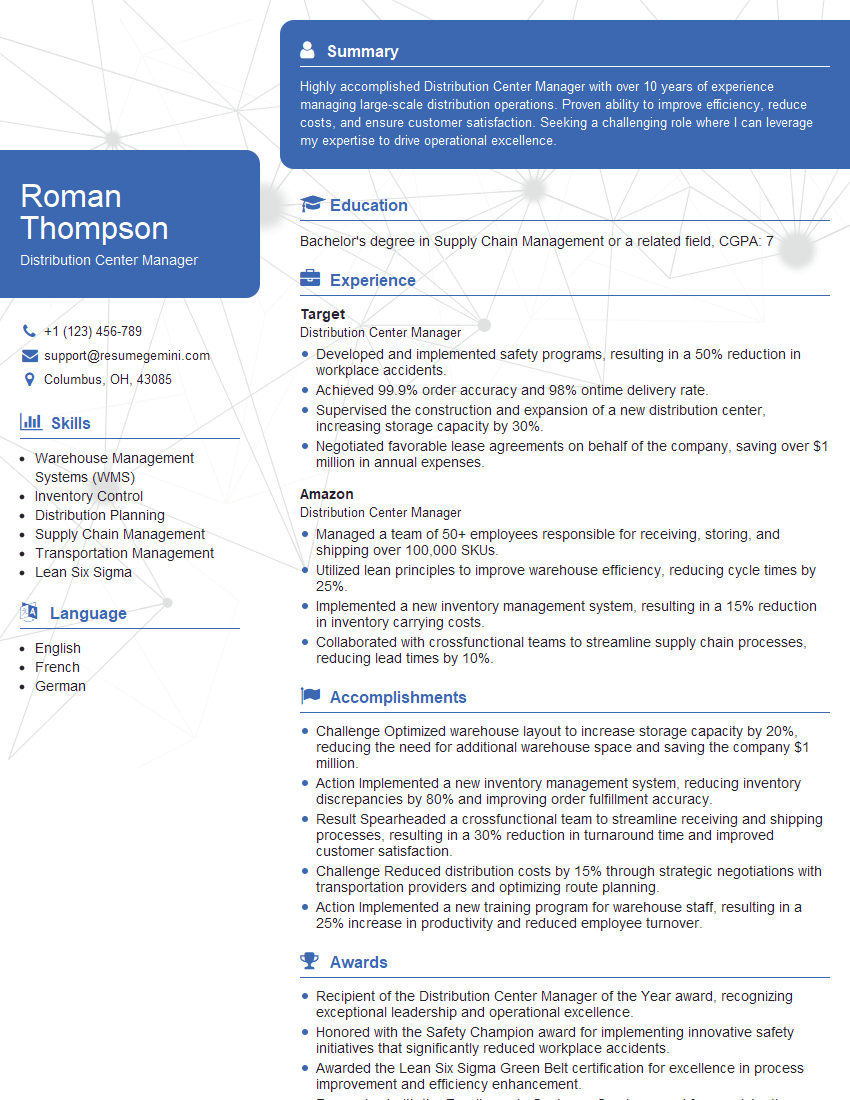
Distribution Center Manager Resume Sample
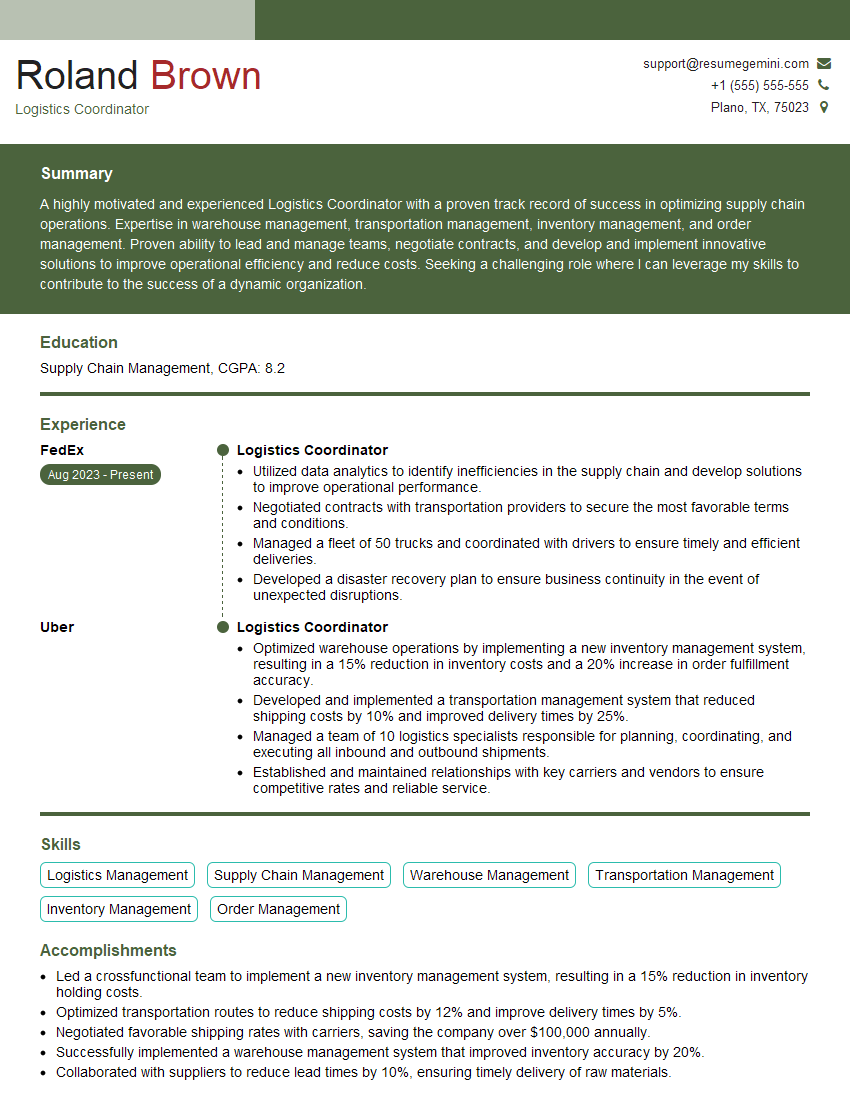
Logistics Coordinator Resume Sample

Inventory Control Specialist Resume Sample

Order Fulfillment Specialist Resume Sample

Shipping and Receiving Clerk Resume Sample
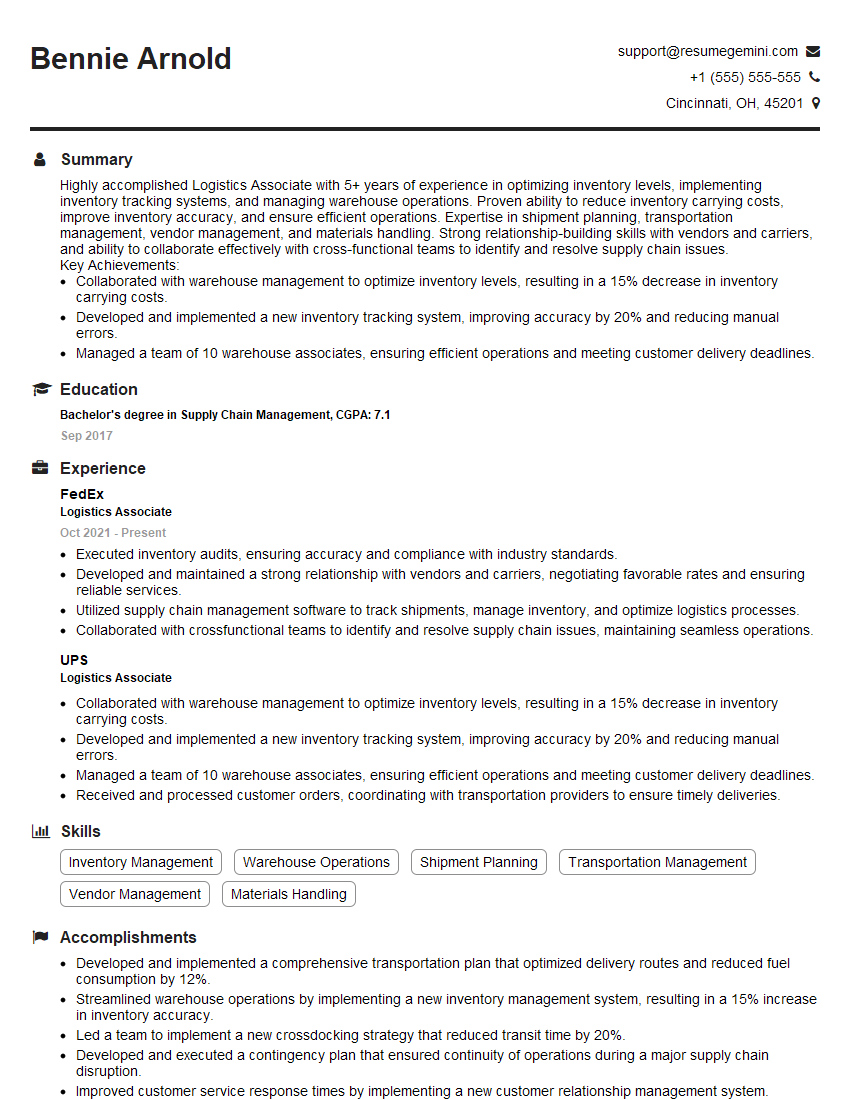
Logistics Associate Resume Sample
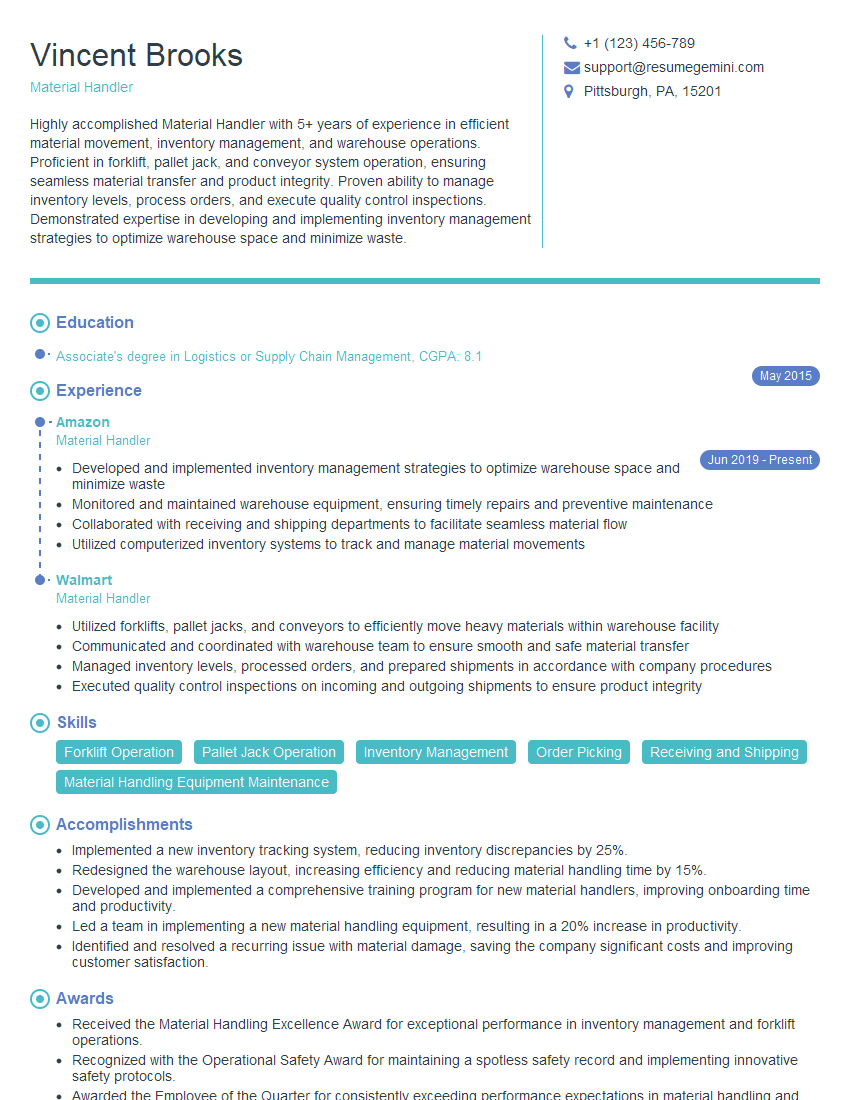
Material Handler Resume Sample

Packaging Specialist Resume Sample

Conveyor System Operator Resume Sample
Explore more articles
Users Rating of Our Blogs
Share Your Experience
We value your feedback! Please rate our content and share your thoughts (optional).
What Readers Say About Our Blog
I Redesigned Spongebob Squarepants and his main characters of my artwork.
https://www.deviantart.com/reimaginesponge/art/Redesigned-Spongebob-characters-1223583608
IT gave me an insight and words to use and be able to think of examples
Hi, I’m Jay, we have a few potential clients that are interested in your services, thought you might be a good fit. I’d love to talk about the details, when do you have time to talk?
Best,
Jay
Founder | CEO