Interviews are more than just a Q&A session—they’re a chance to prove your worth. This blog dives into essential Policy Wording Analysis interview questions and expert tips to help you align your answers with what hiring managers are looking for. Start preparing to shine!
Questions Asked in Policy Wording Analysis Interview
Q 1. Explain the importance of clear and unambiguous policy wording.
Clear and unambiguous policy wording is paramount because it prevents disputes, ensures fair treatment of all parties, and maintains the integrity of the policy itself. Think of it like a well-written recipe – if the instructions are vague, the outcome is unpredictable. Similarly, unclear policy wording can lead to inconsistent application, legal challenges, and reputational damage for the organization.
For example, a clause stating ‘reasonable efforts’ to resolve a claim can be highly subjective. Instead, specifying concrete actions and timeframes makes the expectation explicit and avoids potential conflicts. Ambiguity opens the door to differing interpretations, potentially favoring one party over another. Clarity ensures fairness and predictability.
Q 2. How do you identify potential ambiguities or loopholes in policy wording?
Identifying ambiguities and loopholes requires a systematic approach. I start by carefully reading each clause, paying attention to the use of qualifying words like ‘may,’ ‘could,’ and ‘should,’ which often introduce uncertainty. I then look for any contradictory or overlapping clauses that create inconsistencies.
I use a combination of techniques including:
- Word-by-word analysis: Dissecting each word and phrase to understand its precise meaning in context.
- Cross-referencing: Comparing clauses to ensure consistency across the entire document.
- Scenario testing: Applying the policy to different hypothetical situations to identify potential gaps or conflicts.
For example, a policy might state coverage for ‘accidental damage’ but fail to define what constitutes an accident. This ambiguity could lead to disputes. By systematically analyzing and testing, these issues are brought to the surface.
Q 3. Describe your process for analyzing complex policy documents.
My process for analyzing complex policy documents is a multi-stage approach:
- Preliminary review: Gaining a high-level understanding of the policy’s purpose, scope, and key terms.
- Detailed clause-by-clause analysis: Thoroughly examining each clause for clarity, consistency, and potential ambiguities. I often use mind maps or flowcharts to visualize the relationships between clauses.
- Legal terminology review: Ensuring a clear understanding of any legal terminology used and its implications.
- Scenario testing: Applying the policy to various hypothetical scenarios to identify potential problems.
- Comparison with industry standards: Benchmarking the policy against best practices and similar policies in the industry to identify any gaps or weaknesses.
- Documentation: Creating a detailed report summarizing findings, including identified ambiguities, potential loopholes, and recommendations for improvement.
This methodical approach ensures a thorough and comprehensive analysis, allowing for the identification and resolution of even subtle issues that might otherwise go unnoticed.
Q 4. What techniques do you use to ensure consistent interpretation of policy wording?
Consistent interpretation is crucial. I employ several techniques to achieve this:
- Precise definitions: Defining key terms explicitly to minimize ambiguity. For example, instead of ‘damaged goods,’ specify ‘goods with structural damage exceeding 20% of their market value.’
- Standardized language: Using consistent terminology throughout the document to avoid confusion caused by synonyms or multiple meanings.
- Clear structure and formatting: Employing clear headings, subheadings, bullet points, and numbering to improve readability and understanding.
- Cross-referencing: Ensuring all related clauses are properly referenced to maintain logical flow and avoid contradictions.
- Legal review: Engaging legal experts for critical review of the wording, especially in areas of high legal risk.
These techniques collectively minimize interpretive differences and ensure that the policy’s intentions are consistently reflected in its application.
Q 5. How do you handle conflicting clauses within a policy document?
Conflicting clauses are a serious problem. Resolving them requires a careful consideration of the policy’s overall intent and legal context. Generally, I follow a hierarchical approach:
- Identify the conflict: Clearly articulate where the clauses clash.
- Determine the hierarchy: Examine the policy for any indications of which clause takes precedence (e.g., later clauses overriding earlier ones, or specific clauses overriding general ones).
- Contextual analysis: Consider the overall purpose and intent of the policy. Which clause better aligns with the overall goal?
- Legal interpretation: Consult legal counsel for guidance on the legal implications of each interpretation.
- Amend the policy: If the conflict cannot be resolved through interpretation, the policy needs revision to eliminate the ambiguity.
The goal is to find an interpretation that is both legally sound and aligns with the policy’s underlying purpose. Ignoring conflicting clauses can have significant legal ramifications.
Q 6. Explain how you would address a situation where policy wording is unclear or contradictory.
Addressing unclear or contradictory wording requires a proactive approach. First, I identify the specific areas of concern. Then, I collaborate with stakeholders (legal counsel, subject matter experts, policy writers) to:
- Clarify the intent: Understand the original purpose and desired outcome of the affected clause.
- Suggest alternative wording: Propose revised text that eliminates the ambiguity or contradiction. This might involve rephrasing, adding definitions, or restructuring sentences.
- Test the revised wording: Apply the revised text to different scenarios to validate its clarity and consistency.
- Document changes: Thoroughly document all changes made, including the rationale behind each modification.
- Obtain approvals: Seek formal approval from all relevant stakeholders before implementing the changes.
Addressing ambiguity is not just about fixing a problem, it’s about enhancing the policy’s overall effectiveness and reducing potential for future disputes.
Q 7. How familiar are you with legal terminology and its application in policy analysis?
I am highly familiar with legal terminology commonly used in policy documents. My understanding encompasses concepts such as:
- Contract law principles: Offer and acceptance, consideration, breach of contract.
- Tort law: Negligence, liability, causation.
- Statutory interpretation: Understanding how legislation shapes policy interpretation.
- Specific legal terms: ‘Force majeure,’ ‘indemnification,’ ‘exclusion clauses,’ etc.
This knowledge is essential for accurate policy analysis. For instance, recognizing the legal implications of an ‘exclusion clause’ requires understanding its limitations and the potential for its invalidity under specific circumstances. This ensures I don’t just interpret the words, but also understand the legal weight they carry.
Q 8. Describe your experience with different types of policy documents (e.g., insurance, contracts, regulatory).
My experience spans a wide range of policy documents, encompassing insurance policies, commercial contracts, and regulatory compliance frameworks. I’ve worked with everything from simple individual health insurance policies to complex multi-million dollar reinsurance treaties. With contracts, I’ve analyzed everything from standard vendor agreements to intricate intellectual property licensing deals. In the regulatory space, I’ve examined compliance documents for various industries, including finance and healthcare. This diverse experience allows me to approach policy wording analysis with a nuanced understanding of the context and legal implications specific to each type of document.
- Insurance Policies: I’ve analyzed the intricacies of coverage clauses, exclusions, and definitions of terms, ensuring clarity and avoiding ambiguity. For instance, I once identified a poorly worded exclusion that could have left the insurer liable for significant uninsured losses.
- Contracts: My work has included identifying potential breaches, analyzing termination clauses, and ensuring the overall enforceability of contractual obligations. One notable project involved reviewing a contract where a vague clause regarding intellectual property rights could have led to major disputes.
- Regulatory Documents: My expertise includes deciphering complex legal language in regulatory documents and ensuring compliance. I’ve helped organizations understand and implement new regulations, mitigating potential legal risks.
Q 9. How do you prioritize different aspects of policy wording during analysis?
Prioritizing aspects of policy wording depends heavily on the document type and its purpose. However, a common framework I use focuses on these key elements:
- Clarity and Unambiguity: This is paramount. Vague or confusing wording can lead to disputes and misinterpretations, so I always prioritize identifying and resolving these issues first. Think of it as building a strong foundation – without it, the entire structure is shaky.
- Coverage and Exclusions: For insurance policies and contracts, thoroughly examining coverage parameters and any exclusions is crucial. Ensuring these are clearly defined and balanced is key to avoiding disputes.
- Legal Compliance: Ensuring the policy wording complies with all relevant laws and regulations is non-negotiable. This requires a deep understanding of the legal landscape.
- Risk Management: Identifying potential risks and liabilities arising from the wording is vital. I consider the potential impact of different interpretations and aim to mitigate them proactively.
- Business Objectives: The policy should align with the intended business goals. I evaluate the wording to ensure it effectively achieves these objectives.
I use a combination of automated tools and manual review to identify potential issues across these priorities. I often employ a risk-based approach, focusing first on the most critical areas with the highest potential impact.
Q 10. How do you incorporate feedback into your policy wording analysis process?
Incorporating feedback is a continuous and iterative process. I actively seek feedback from stakeholders throughout the analysis process. This usually involves:
- Regular Check-ins: I schedule regular meetings with stakeholders to present findings and discuss any ambiguities or concerns.
- Collaborative Review: I often share drafts of my analysis with stakeholders, inviting them to provide feedback on interpretations and suggested improvements.
- Version Control: I use version control systems to track changes and ensure everyone is working with the most up-to-date version.
- Documentation: I meticulously document all feedback received, the rationale behind changes made, and any outstanding issues.
This collaborative approach ensures the final analysis reflects the collective knowledge and expertise of all involved parties, leading to a more comprehensive and accurate outcome.
Q 11. How do you ensure the accuracy of your policy wording analysis?
Accuracy is paramount in policy wording analysis. I ensure accuracy through several measures:
- Multiple Reviewers: Whenever possible, I involve multiple reviewers with diverse expertise to cross-check my analysis and identify potential biases.
- Reference Materials: I consistently cross-reference the policy wording with relevant laws, regulations, industry standards, and case law.
- Fact-Checking: I meticulously verify all interpretations and conclusions against the policy text and supporting documentation.
- Quality Assurance Procedures: I adhere to strict quality assurance procedures to ensure consistency and accuracy across all my analyses.
Think of it like a scientific experiment – multiple trials and rigorous verification are necessary to ensure reliable results. This multi-faceted approach minimizes the risk of errors and promotes confidence in the final analysis.
Q 12. How do you manage large volumes of policy documents efficiently?
Managing large volumes of policy documents requires efficient strategies and the right tools. My approach involves:
- Document Management Systems: I leverage robust document management systems to organize and categorize documents effectively. This allows for easy retrieval and comparison.
- Data Extraction and Analysis Tools: I use data extraction and analysis tools to identify key phrases, clauses, and potential inconsistencies across multiple documents.
- Automated Search and Keyword Analysis: Automated search functions and keyword analysis are used to quickly locate relevant information within large document sets.
- Prioritization and Segmentation: I prioritize documents based on risk and importance, analyzing the most critical ones first and segmenting the work into manageable chunks.
These tools and strategies enable me to handle large datasets efficiently, focusing my efforts on the most critical aspects of each document.
Q 13. Describe a time you identified a critical flaw in policy wording.
In a recent project involving a commercial insurance policy, I discovered a significant flaw in the definition of a key term, “covered event.” The policy used ambiguous language that could be interpreted in multiple ways, leaving the insurer potentially liable for losses they didn’t intend to cover. The definition lacked specificity, creating a loophole that could have been exploited by the policyholder. I highlighted this flaw and proposed a revised definition that provided greater clarity and explicitly excluded the scenarios that were not intended to be covered. This prevented a potentially significant financial loss for the insurer and ensured a fairer outcome for all parties involved.
Q 14. How do you translate complex legal language into plain English?
Translating complex legal language into plain English requires careful consideration and a deep understanding of both legal terminology and plain language principles. My approach focuses on:
- Defining Technical Terms: I clearly define any legal jargon or technical terms, providing simple explanations in plain English.
- Simplifying Sentence Structure: I break down complex sentences into shorter, more easily understandable ones. Long, convoluted sentences are the enemy of clarity!
- Using Active Voice: I favor active voice over passive voice to improve readability and clarity.
- Avoiding Jargon and Legalisms: I replace complex legal phrases with their everyday equivalents wherever possible.
- Providing Examples: I use concrete examples to illustrate abstract concepts, making the language more accessible.
Think of it as translating a foreign language – you need to know the nuances of both languages to create an accurate and meaningful translation. The goal is to maintain the original meaning while ensuring the revised language is easily grasped by a non-legal audience.
Q 15. How do you ensure that policy wording aligns with relevant regulations and laws?
Ensuring policy wording aligns with regulations and laws is paramount for legal compliance and risk mitigation. This involves a multi-step process. First, we thoroughly identify all applicable laws and regulations, such as data privacy acts (like GDPR or CCPA), consumer protection laws, and industry-specific rules. Next, we meticulously analyze the policy wording, clause by clause, comparing it against the identified legal requirements. This involves looking for potential gaps, ambiguities, or contradictions. For example, if a data privacy policy doesn’t explicitly mention the right to erasure (as mandated by GDPR), it’s a non-compliance issue. We then revise the wording to ensure complete alignment, making it unambiguous and legally sound. Finally, we conduct rigorous testing and review to confirm that the revised policy fully complies with the identified laws and regulations before deployment. We often use checklists and matrices to document our compliance efforts and ensure traceability.
Career Expert Tips:
- Ace those interviews! Prepare effectively by reviewing the Top 50 Most Common Interview Questions on ResumeGemini.
- Navigate your job search with confidence! Explore a wide range of Career Tips on ResumeGemini. Learn about common challenges and recommendations to overcome them.
- Craft the perfect resume! Master the Art of Resume Writing with ResumeGemini’s guide. Showcase your unique qualifications and achievements effectively.
- Don’t miss out on holiday savings! Build your dream resume with ResumeGemini’s ATS optimized templates.
Q 16. Explain your experience in using policy wording analysis tools or software.
I have extensive experience using policy wording analysis tools, particularly those specializing in legal tech. These tools often include features such as automated compliance checks against legal databases, natural language processing (NLP) for identifying ambiguities, and risk scoring for potential legal issues. For example, I’ve used software that automatically flags clauses that might violate consumer protection laws based on keywords or contextual analysis. In one project, I leveraged a tool that compared our company’s privacy policy against the GDPR text, highlighting discrepancies and suggesting modifications. The software’s ability to automate the initial assessment saved significant time and resources, enabling us to focus on nuanced legal interpretations and complex scenarios.
Q 17. How do you stay updated on changes in relevant laws and regulations?
Staying updated on legal and regulatory changes is critical. My strategy involves a multi-pronged approach. First, I subscribe to legal updates and newsletters from reputable sources specializing in relevant areas of law. Second, I actively monitor government websites and regulatory bodies for announcements and updates. Third, I attend industry conferences and webinars, allowing me to network with legal experts and learn about the latest developments. Fourth, I utilize legal research databases to access up-to-date case law and legislation. Finally, I maintain a robust network of legal professionals, allowing for a constant flow of information and discussion regarding changes in regulations. Think of it like maintaining a living document – continuously updated and checked for accuracy.
Q 18. How do you communicate your policy wording analysis findings to non-technical audiences?
Communicating complex policy wording analysis findings to non-technical audiences requires a simplified approach. I avoid jargon and utilize plain language, focusing on the implications of the analysis rather than technical details. For instance, instead of saying ‘the clause exhibits semantic ambiguity leading to potential non-compliance,’ I might say ‘this part of the policy is unclear and could cause problems with the law.’ I often use visual aids such as charts and diagrams to illustrate complex concepts, and I create concise summaries outlining key findings and recommendations. In presentations, I prioritize clear storytelling, using real-world examples to explain abstract concepts and highlight potential risks and benefits. Ultimately, my goal is to ensure that everyone understands the importance of policy clarity and the potential consequences of poorly worded policies.
Q 19. Describe your experience collaborating with legal or compliance teams.
I’ve collaborated extensively with legal and compliance teams throughout my career. This collaboration is crucial for ensuring that policy wording reflects not only the business needs but also complies with relevant laws and regulations. For example, in a recent project, I worked closely with the legal team to draft a new data privacy policy. This involved iterative reviews, discussions about potential legal interpretations, and incorporating their feedback into the policy wording. I also worked with the compliance team to implement a process for ensuring ongoing compliance with the updated policy. Effective collaboration is a continuous back-and-forth process of review, refinement, and validation. This ensures that the final policy is both legally sound and practically implementable.
Q 20. What are the potential risks associated with poorly worded policies?
Poorly worded policies pose several significant risks. Firstly, they can lead to legal non-compliance, resulting in fines, lawsuits, and reputational damage. Secondly, ambiguous wording can create confusion amongst employees and customers, potentially leading to operational inefficiencies and increased risk. Thirdly, poorly defined responsibilities and procedures can result in internal conflicts and errors. Consider, for instance, a poorly defined data breach response policy. If the policy isn’t clear on who is responsible for reporting, investigating, and remediating breaches, it could lead to delays, increased damage, and significant legal liabilities. Finally, inconsistent enforcement of poorly worded policies can damage trust and morale within an organization.
Q 21. How do you assess the potential impact of policy wording changes?
Assessing the impact of policy wording changes requires a structured approach. First, I identify the scope of the proposed changes and the specific sections of the policy being affected. Next, I conduct a risk assessment, identifying potential impacts on legal compliance, operational processes, and stakeholder relations. This often involves stakeholder consultations to understand their perspectives and concerns. Then, I use impact analysis matrices to systematically evaluate the potential positive and negative consequences of the changes. Finally, I develop a mitigation plan to address any identified risks, perhaps through training, improved communication, or revised procedures. This detailed process ensures that any changes are carefully considered and implemented with minimal disruption and maximum benefit.
Q 22. How would you approach the analysis of a policy with multiple versions or amendments?
Analyzing policies with multiple versions requires a systematic approach. Think of it like piecing together a puzzle – each amendment is a new piece that changes the overall picture. My approach involves:
- Version Control: First, I meticulously document all versions, noting the date of each amendment and the specific changes implemented. This might involve creating a version history table or using version control software.
- Comparative Analysis: I then perform a line-by-line comparison of successive versions, highlighting additions, deletions, and modifications. This helps identify the evolution of the policy and pinpoint critical changes in coverage, exclusions, or definitions.
- Impact Assessment: Each change is assessed for its potential impact on the policy’s overall meaning and its implications for stakeholders. For example, a seemingly minor wording change could significantly alter the interpretation of a key clause.
- Reconciliation: Finally, I synthesize the findings to create a consolidated, accurate, and up-to-date understanding of the policy. This often involves creating a ‘master’ version reflecting all amendments, clearly indicating the source and effective date of each change.
For example, imagine an insurance policy amended to exclude flood damage. My analysis would clearly show the original coverage, the amendment adding the exclusion, and the effective date of that change, preventing future misinterpretations.
Q 23. How do you use data analytics in policy wording analysis?
Data analytics plays a crucial role in policy wording analysis, particularly when dealing with large volumes of policies or needing to identify trends. I leverage several techniques:
- Frequency Analysis: Analyzing the frequency of specific words or phrases can reveal common themes, potential ambiguities, and areas requiring clarification. For example, repeatedly using ambiguous terms like ‘reasonable’ can highlight a potential risk area.
- Sentiment Analysis: While less common in strict policy wording, this technique can help gauge the overall tone and potential for misinterpretation. A policy with overly complex or negative language may increase the likelihood of disputes.
- Statistical Analysis: This allows me to identify patterns and correlations in policy features and claim outcomes. This could show, for instance, that policies using a certain phrasing are associated with a higher rate of disputes.
- Natural Language Processing (NLP): NLP techniques allow for automated analysis of large policy datasets, identifying key clauses, extracting relevant information, and classifying policies based on shared characteristics.
These techniques help me move beyond a purely manual review, providing data-driven insights into potential areas of risk and improvement in policy wording.
Q 24. What is your experience with different policy drafting styles?
I have experience with various policy drafting styles, ranging from the concise and legally precise style favored in commercial contracts to the more explanatory style found in consumer-facing documents. Key differences include:
- Formal vs. Informal: Formal styles use precise legal jargon and structured sentences. Informal styles prioritize clarity and readability, sometimes at the expense of strict legal precision.
- Structured vs. Narrative: Some policies are highly structured, using numbered clauses and sub-clauses. Others use a more narrative approach, flowing more like a story.
- Definition-heavy vs. Contextual: Some rely heavily on upfront definitions, whereas others rely on contextual understanding to convey meaning.
Understanding these nuances is vital because interpreting a policy requires considering its intended audience and the style in which it’s written. A poorly drafted policy, regardless of style, can easily lead to confusion and disputes.
Q 25. How do you balance brevity and clarity in policy wording analysis?
Balancing brevity and clarity is crucial in policy wording. It’s a delicate dance—too brief, and the policy becomes ambiguous; too long, and it becomes cumbersome and difficult to understand. My approach involves:
- Plain Language Principles: I actively apply plain language principles, using simple and straightforward language, avoiding jargon, and organizing information logically.
- Active Voice and Concise Sentences: Prioritizing active voice and short, declarative sentences enhances readability and avoids potential misinterpretations.
- Structured Layout: Using headings, subheadings, bullet points, and white space improves readability and allows for quick comprehension of key sections.
- Targeted Definitions: Clearly defining key terms upfront prevents ambiguity and ensures consistent understanding.
The goal is to create a policy that is both legally sound and readily accessible to the intended audience, reducing the potential for disputes arising from unclear wording.
Q 26. Explain your understanding of the principles of legal interpretation.
Legal interpretation involves understanding and applying rules of statutory construction to determine the meaning and effect of legal texts, including policy wordings. Key principles include:
- Literal Rule: The words are given their ordinary, plain meaning.
- Golden Rule: If the literal rule leads to absurdity, the words are interpreted to avoid that absurdity.
- Mischief Rule: The court looks at the problem the legislation was intended to address and interprets the words in a way that achieves the intended purpose.
- Contextual Interpretation: The policy is interpreted within its overall context, considering the purpose of the document, the circumstances in which it was created, and the relationship between the parties involved.
- Contra Proferentem: Ambiguities are generally interpreted against the party who drafted the policy (usually the insurer).
These principles act as guiding lights, assisting in resolving any ambiguities and ensuring a fair and just interpretation of the policy wording.
Q 27. Describe a situation where you had to resolve a dispute related to policy wording.
In a previous role, a dispute arose concerning a commercial insurance policy’s definition of ‘business interruption.’ The policy stated that coverage applied to losses resulting from ‘direct physical loss or damage.’ The insured experienced a significant loss due to a cyberattack that disabled their operations, but there was no physical damage to their property. The insurer argued the loss wasn’t covered.
My analysis involved examining the policy’s wording, relevant case law, and industry practices. I argued that while the policy explicitly mentioned ‘physical damage’, the broader context of ‘business interruption’ coverage suggested an intent to cover losses stemming from events preventing business operations, even without physical property damage. This interpretation was supported by case law recognizing the evolving nature of business risks and the potential for indirect losses due to cyberattacks. Ultimately, the dispute was settled favorably for the insured, demonstrating the importance of understanding context and applying relevant legal principles when interpreting potentially ambiguous policy wording.
Key Topics to Learn for Policy Wording Analysis Interview
- Understanding Policy Structure and Logic: Learn to dissect policy documents, identifying clauses, definitions, and exclusions. This includes understanding the hierarchical structure and logical flow of information within a policy.
- Identifying Ambiguity and Gaps: Practice recognizing potential loopholes, inconsistencies, or areas of unclear wording that could lead to misinterpretations or disputes. Develop strategies for clarifying ambiguous language.
- Interpreting Legal and Technical Jargon: Familiarize yourself with common legal and technical terms used in policy documents. Develop skills in translating complex terminology into plain language.
- Applying Analytical Frameworks: Explore different analytical frameworks for evaluating policy wording, such as risk assessment and scenario planning. Understand how to apply these frameworks to solve real-world problems.
- Comparative Analysis of Policies: Develop skills in comparing and contrasting different policy documents to identify similarities, differences, and potential areas of conflict or overlap.
- Practical Application: Case Studies and Simulations: Practice analyzing real-world policy scenarios and applying your knowledge to solve complex problems. Consider using hypothetical case studies to test your understanding.
- Communication and Presentation Skills: Practice clearly and concisely explaining complex policy analyses to both technical and non-technical audiences. Develop strong communication skills to articulate your findings effectively.
Next Steps
Mastering Policy Wording Analysis opens doors to exciting career opportunities in risk management, compliance, and legal fields. A strong understanding of this skillset significantly enhances your value to potential employers. To maximize your job prospects, create an ATS-friendly resume that highlights your analytical abilities and relevant experience. ResumeGemini is a trusted resource to help you build a professional and impactful resume. We provide examples of resumes tailored to Policy Wording Analysis to guide you in crafting your own compelling application materials.
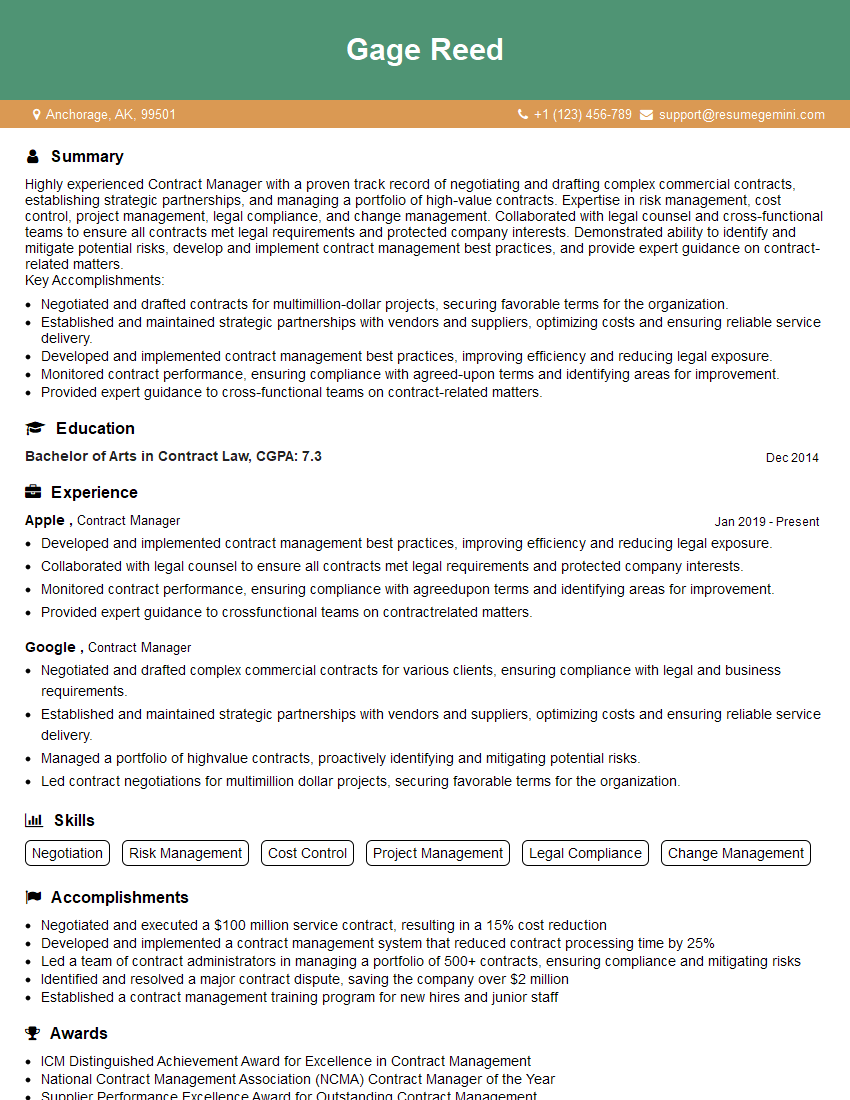
Contract Manager Resume Sample
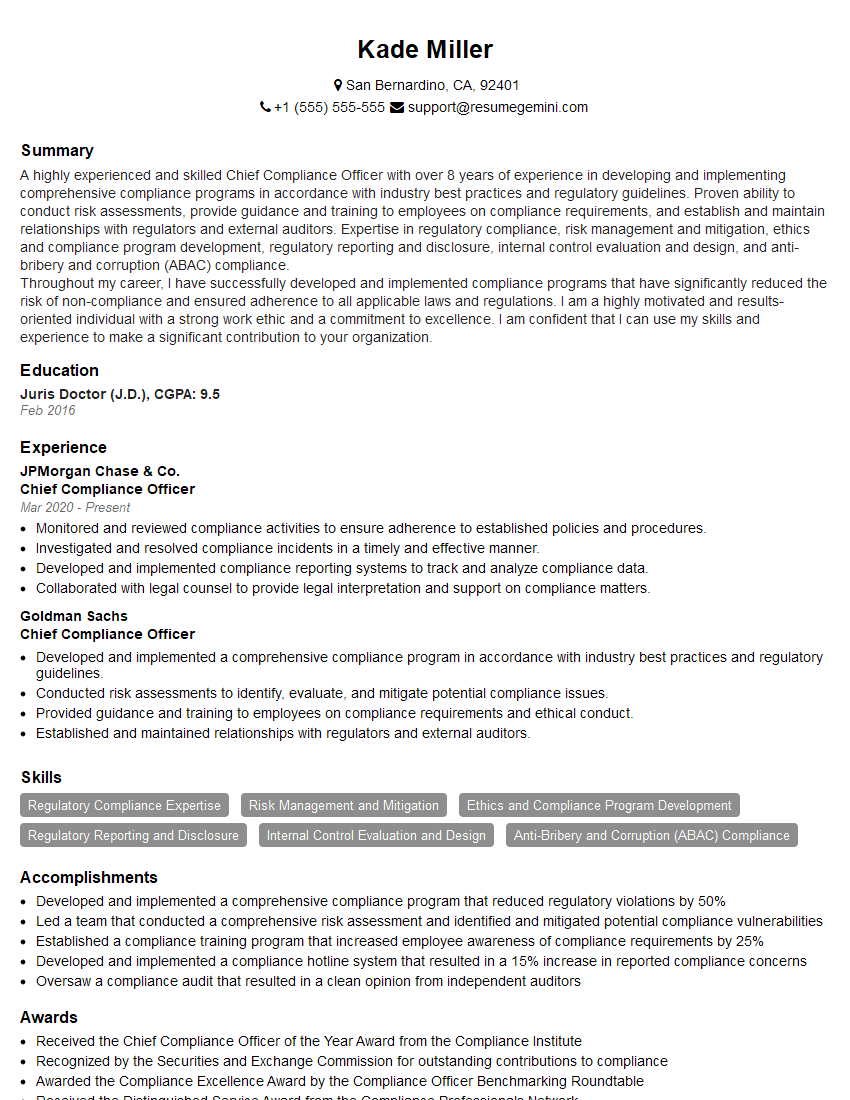
Chief Compliance Officer Resume Sample
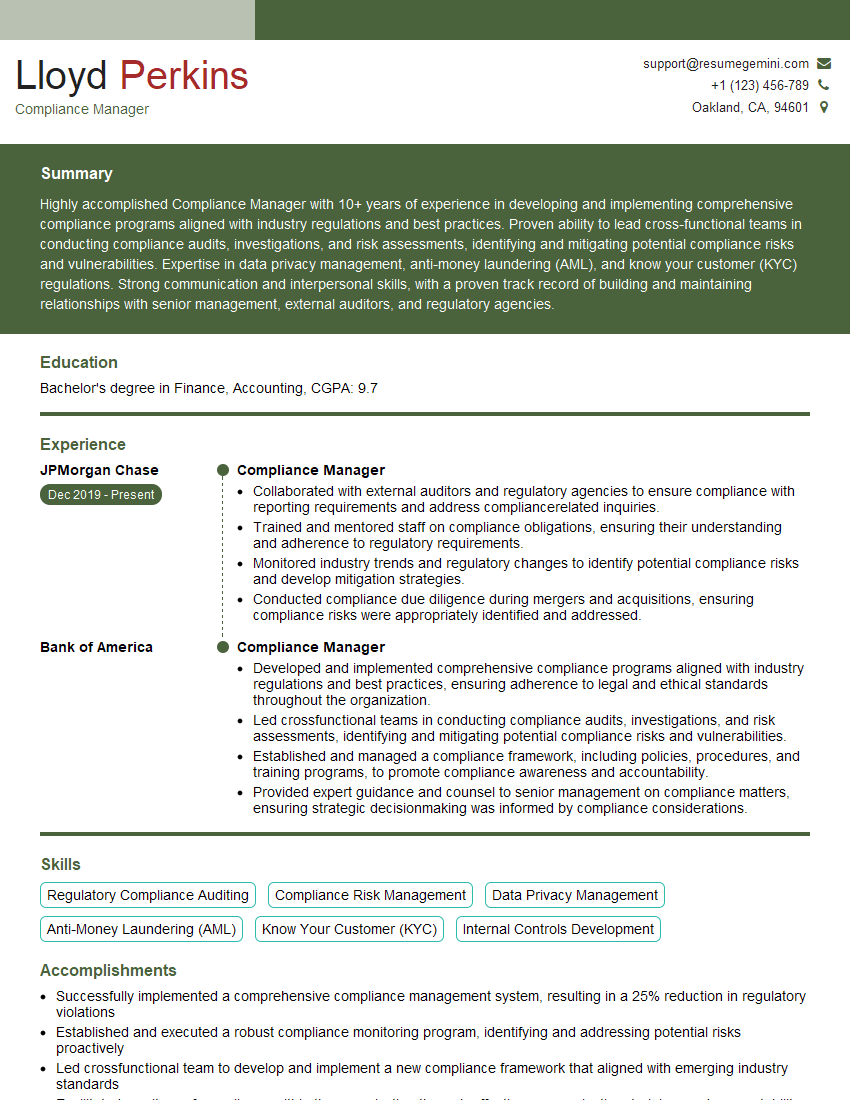
Compliance Manager Resume Sample
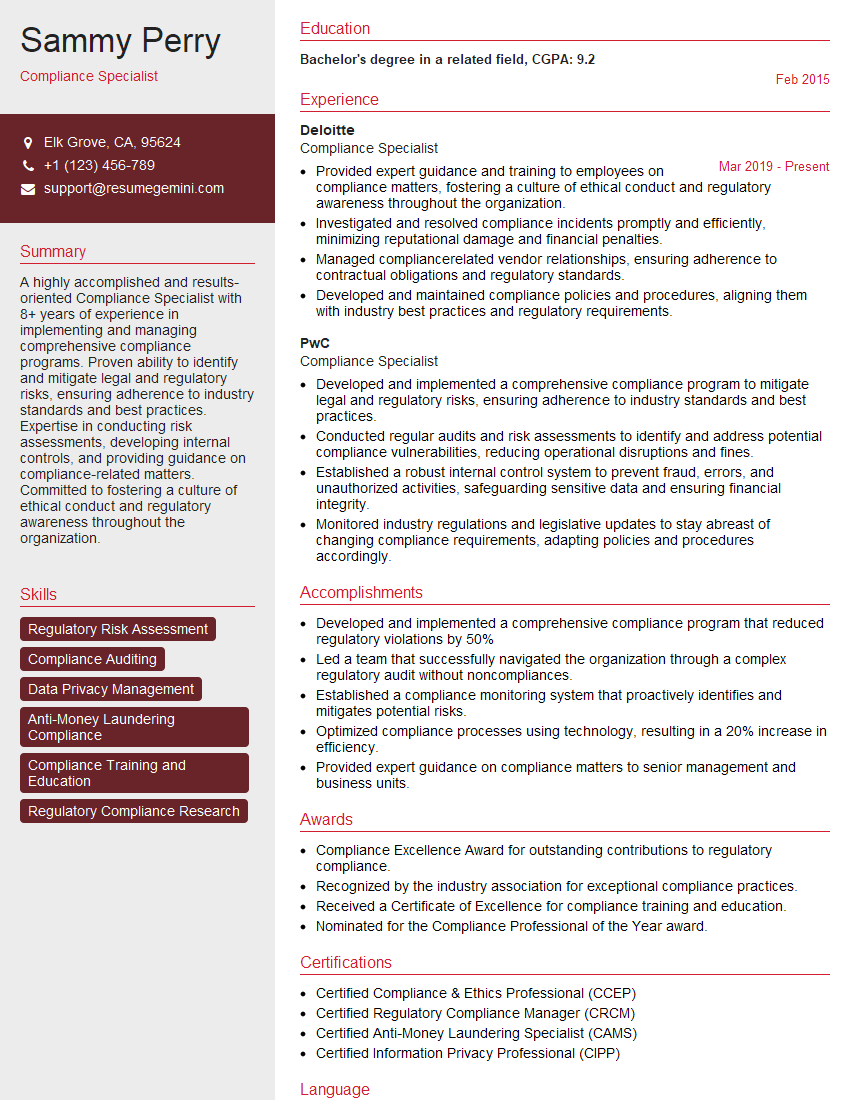
Compliance Specialist Resume Sample
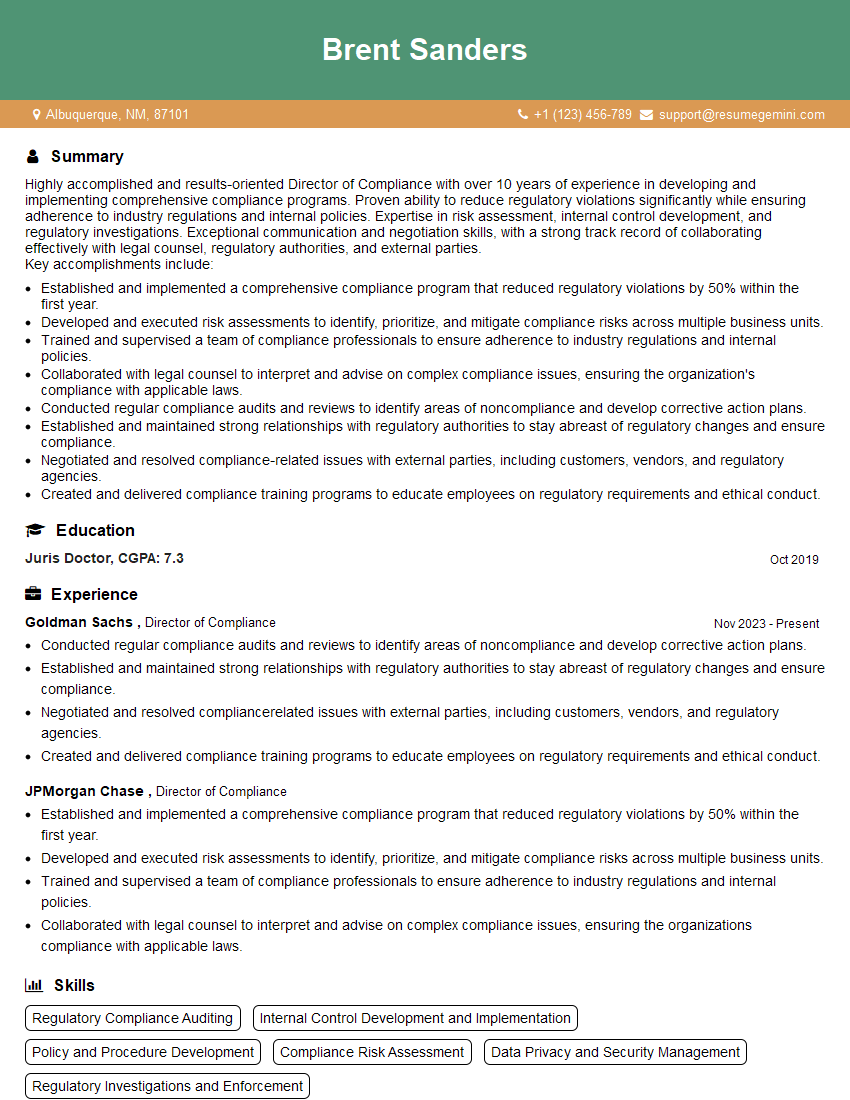
Director of Compliance Resume Sample
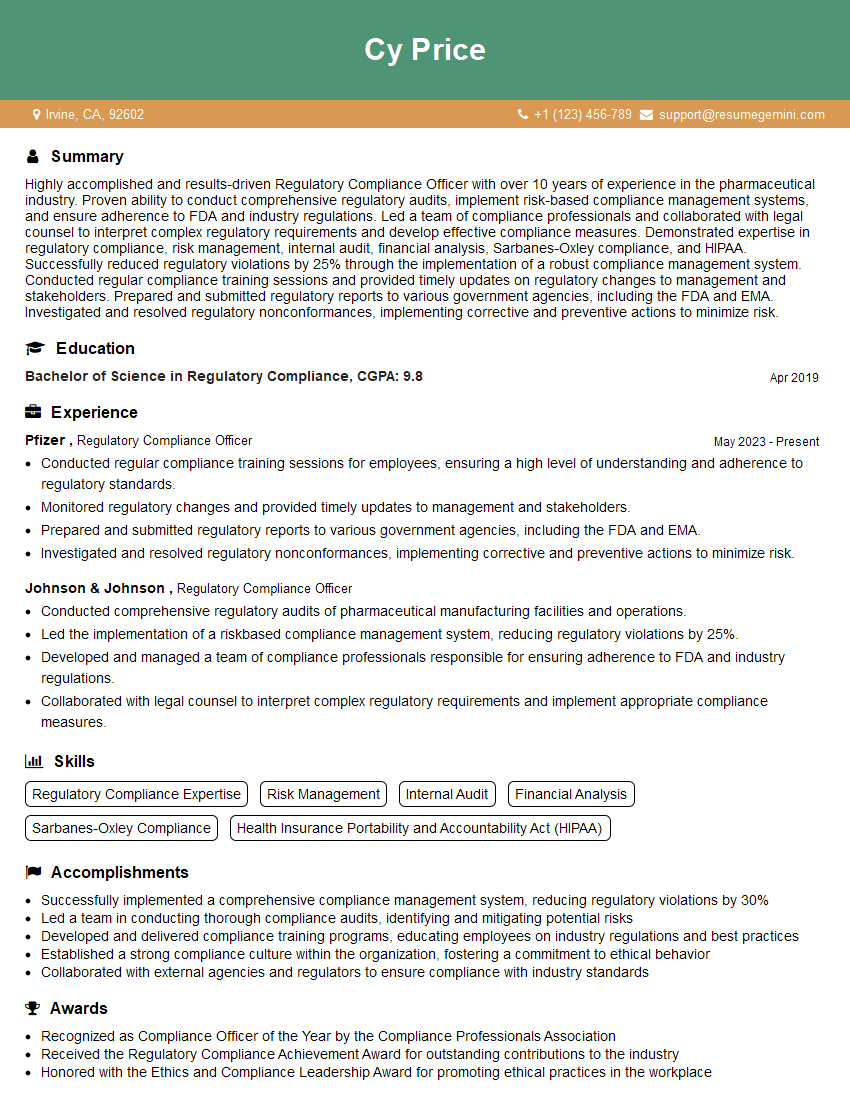
Regulatory Compliance Officer Resume Sample
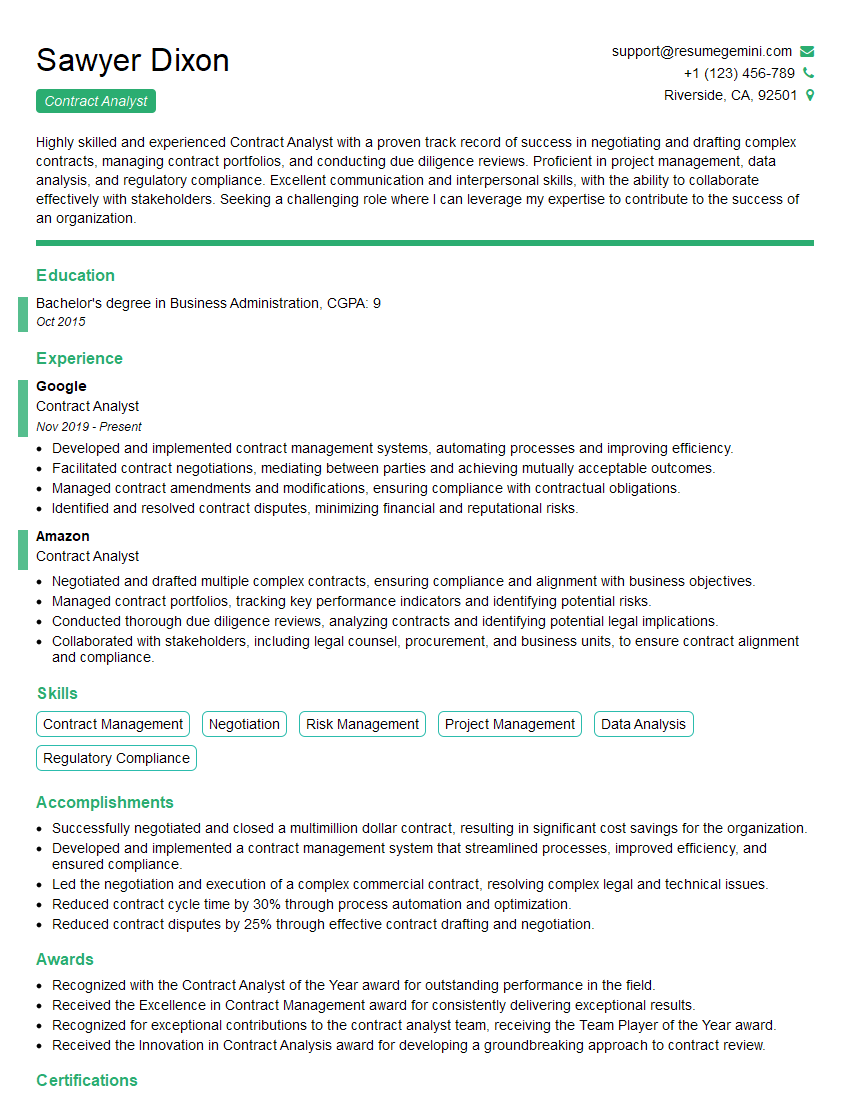
Contract Analyst Resume Sample
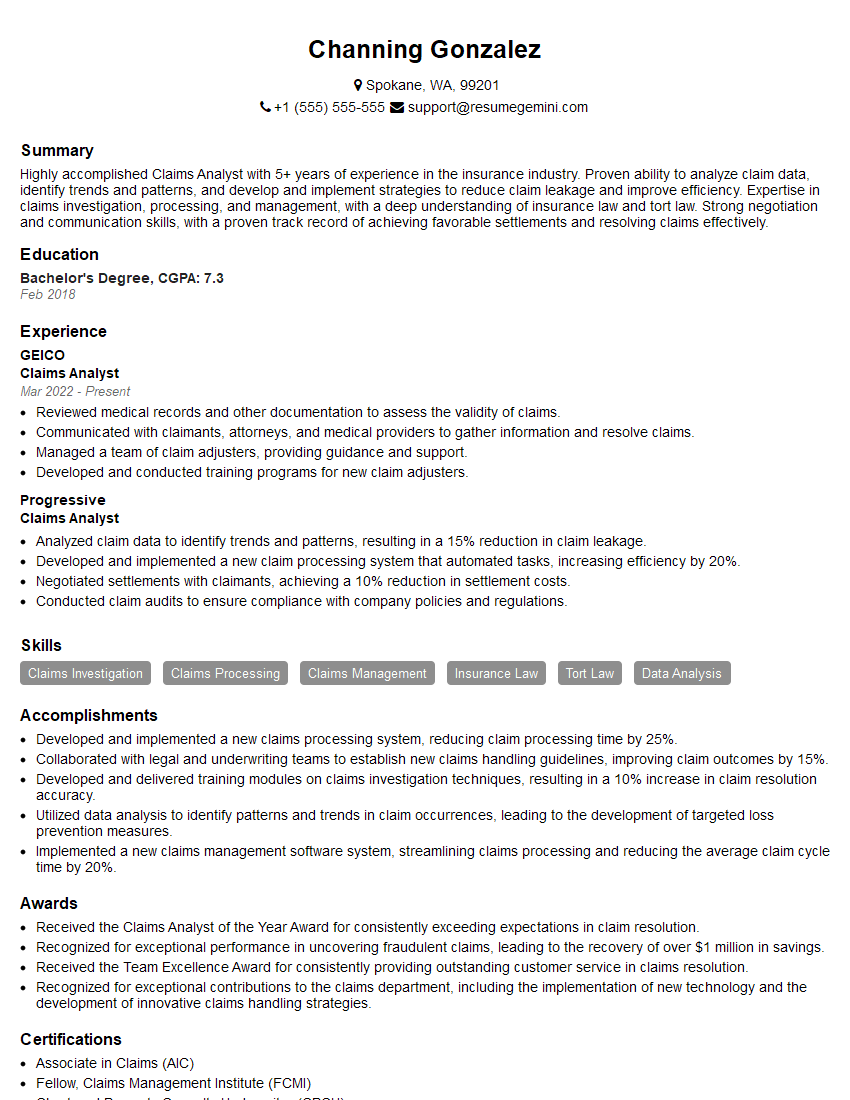
Claims Analyst Resume Sample
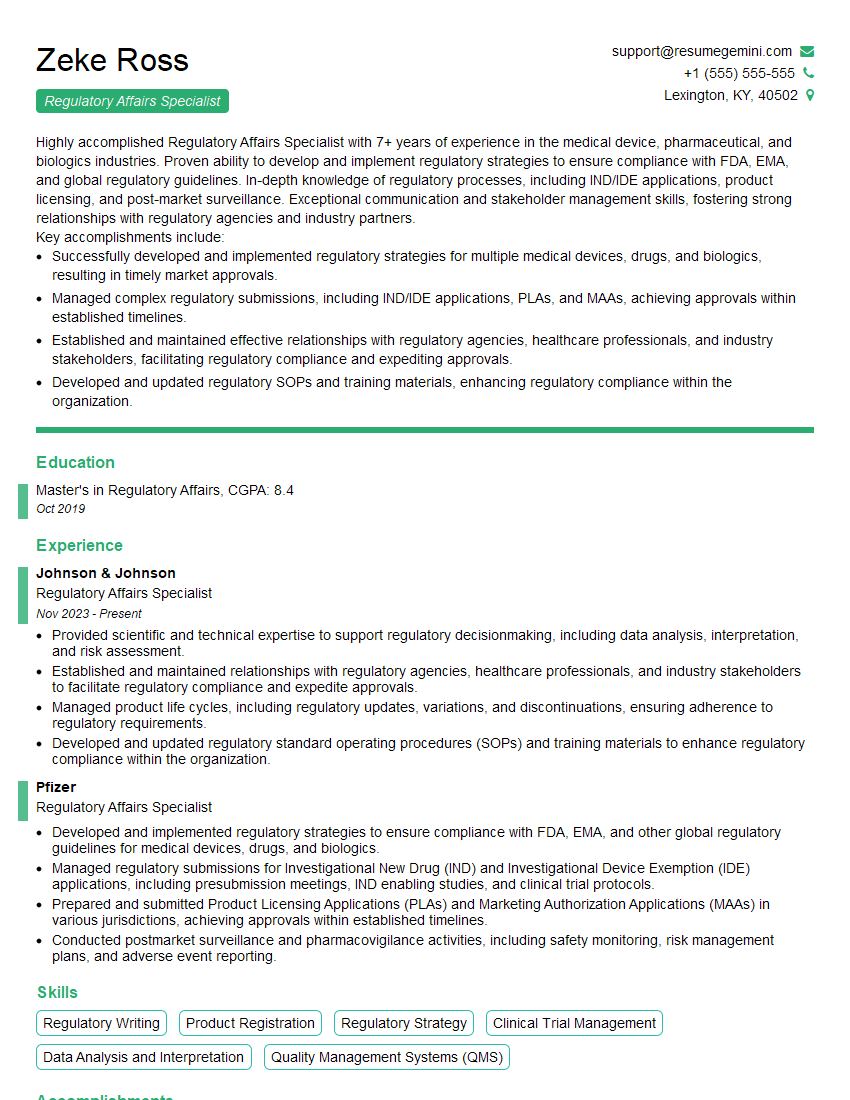
Regulatory Affairs Specialist Resume Sample
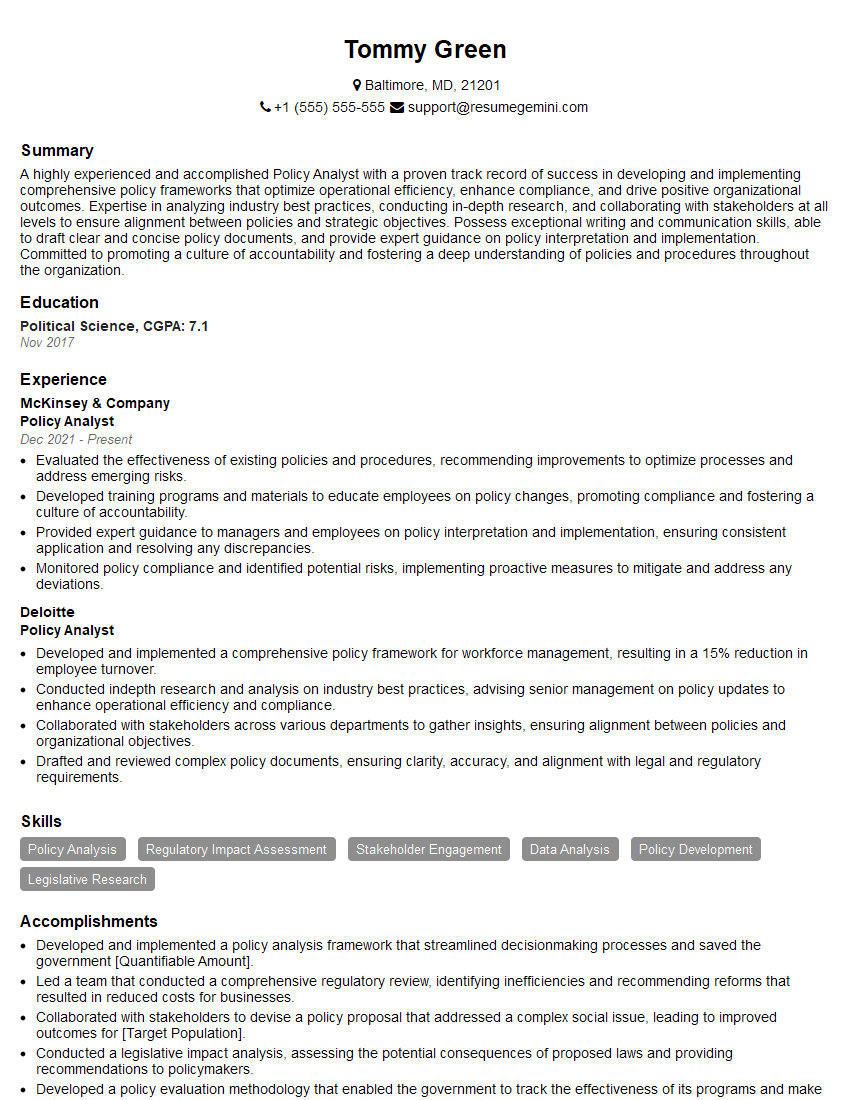
Policy Analyst Resume Sample
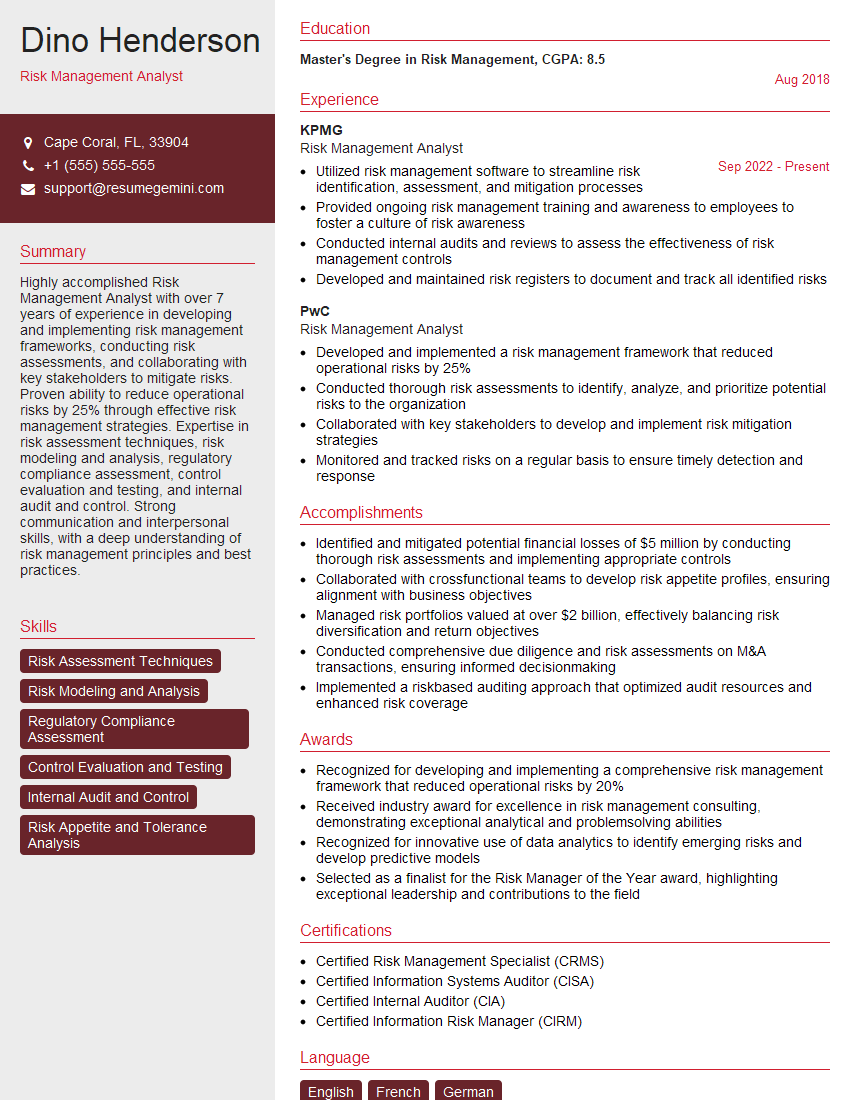
Risk Management Analyst Resume Sample
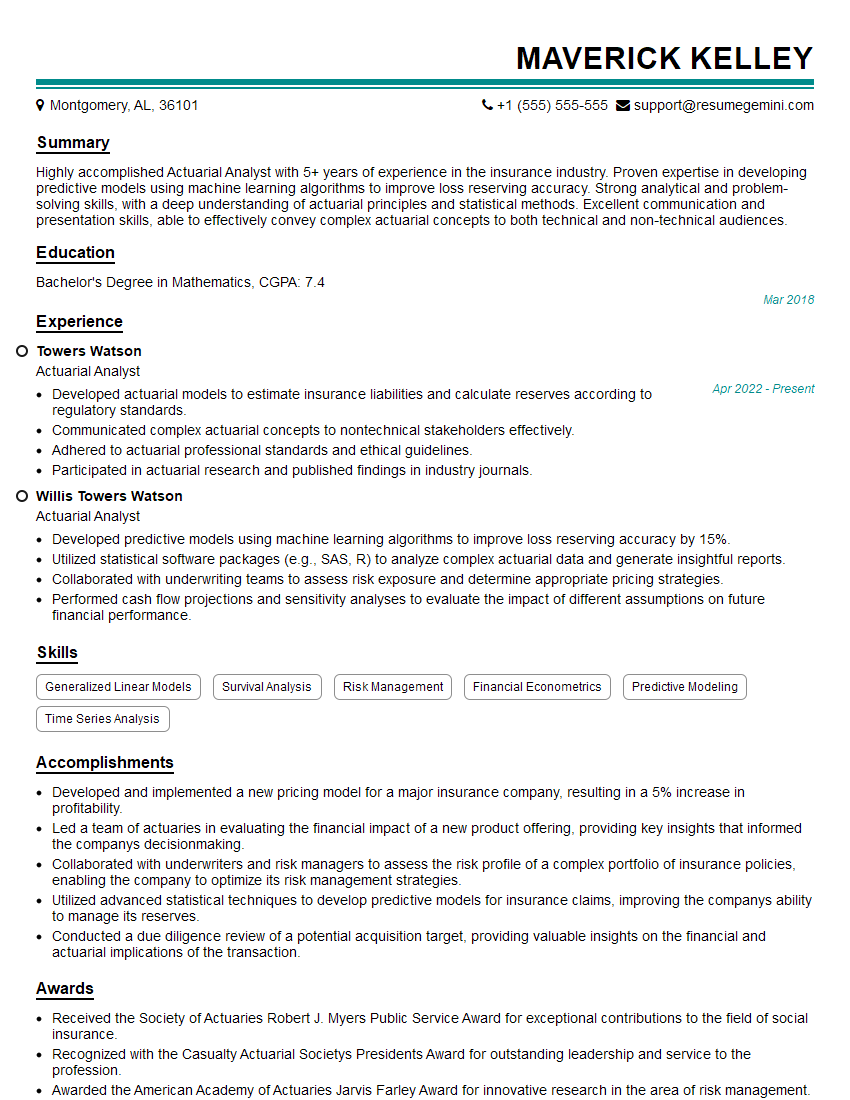
Actuarial Analyst Resume Sample
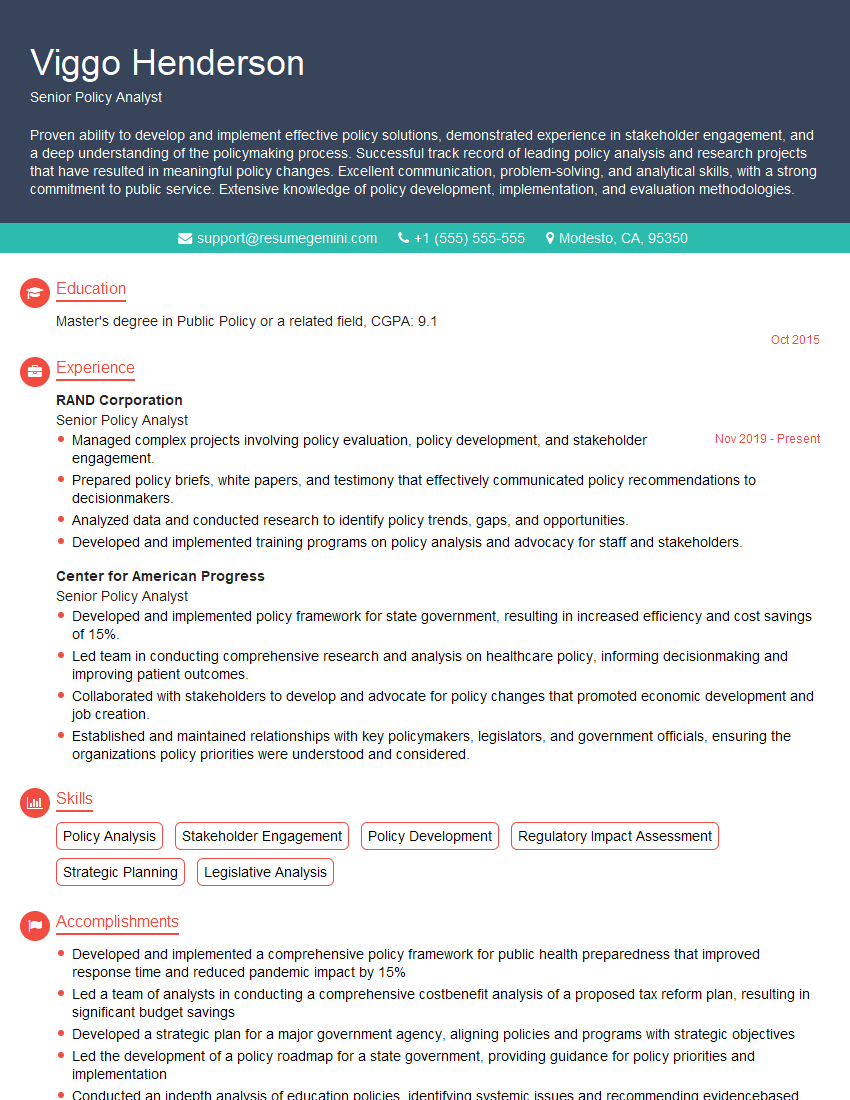
Senior Policy Analyst Resume Sample
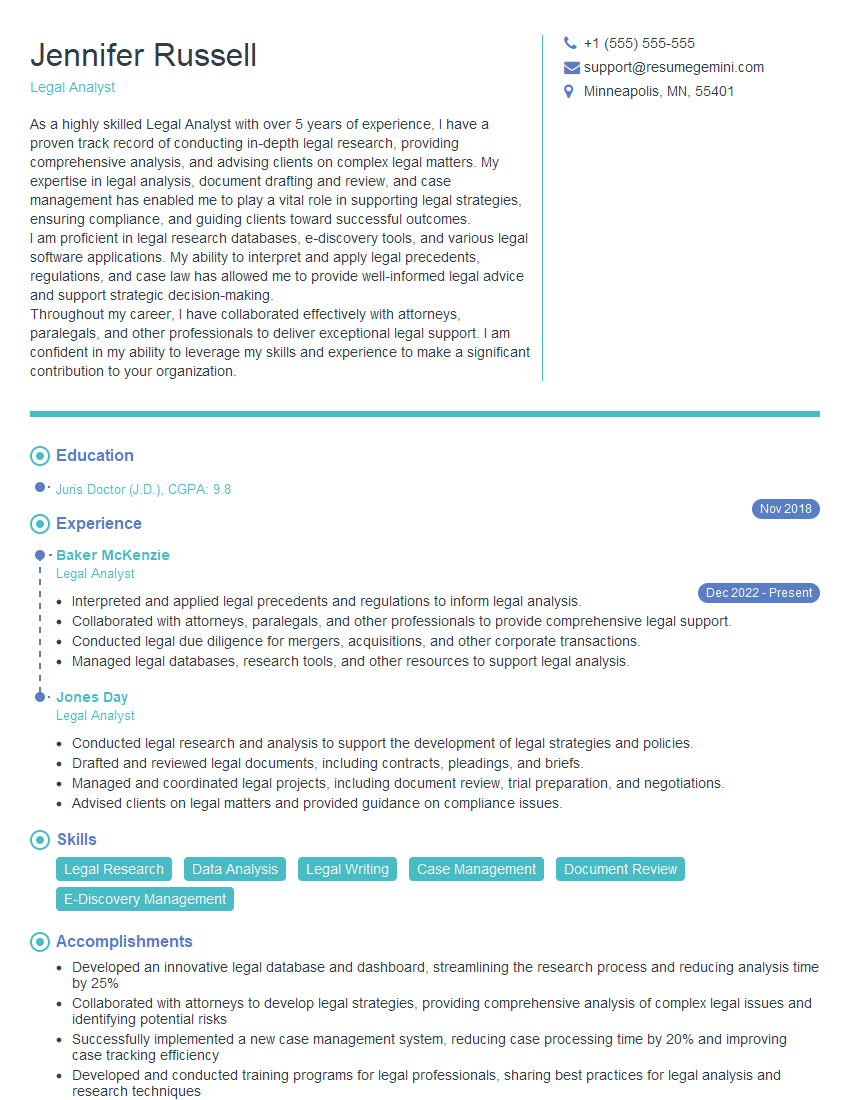
Legal Analyst Resume Sample
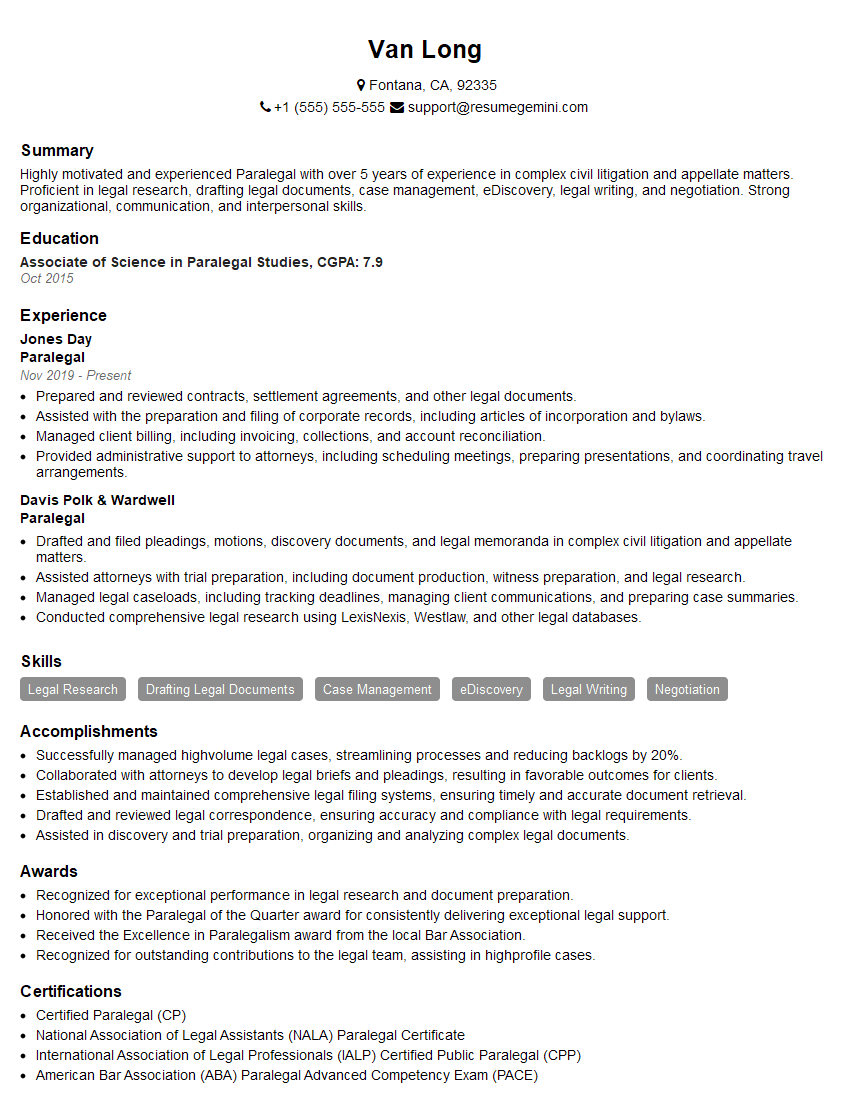
Paralegal Resume Sample
- Contract Manager
- Chief Compliance Officer
- Compliance Manager
- Compliance Specialist
- Director of Compliance
- Regulatory Compliance Officer
- Contract Analyst
- Claims Analyst
- Regulatory Affairs Specialist
- Policy Analyst
- Risk Management Analyst
- Actuarial Analyst
- Senior Policy Analyst
- Legal Analyst
- Paralegal
Explore more articles
Users Rating of Our Blogs
Share Your Experience
We value your feedback! Please rate our content and share your thoughts (optional).
What Readers Say About Our Blog
I Redesigned Spongebob Squarepants and his main characters of my artwork.
https://www.deviantart.com/reimaginesponge/art/Redesigned-Spongebob-characters-1223583608
IT gave me an insight and words to use and be able to think of examples
Hi, I’m Jay, we have a few potential clients that are interested in your services, thought you might be a good fit. I’d love to talk about the details, when do you have time to talk?
Best,
Jay
Founder | CEO