The right preparation can turn an interview into an opportunity to showcase your expertise. This guide to Pollution Control interview questions is your ultimate resource, providing key insights and tips to help you ace your responses and stand out as a top candidate.
Questions Asked in Pollution Control Interview
Q 1. Explain the difference between point and non-point source pollution.
Point and non-point source pollution differ significantly in how pollutants enter the environment. Point source pollution comes from a single, identifiable location. Think of it like a faucet – the water (pollutant) is coming from one specific spout. Examples include a smokestack from a factory, a discharge pipe from a wastewater treatment plant, or a leaking underground storage tank. It’s easier to monitor and regulate because you know exactly where the pollution originates.
Non-point source pollution, on the other hand, is diffuse, coming from multiple, widely spread sources. Imagine rainfall washing pollutants from a large area into a river; it’s impossible to pinpoint one single source. Examples include agricultural runoff (fertilizers, pesticides), urban stormwater runoff (oil, litter, pet waste), and atmospheric deposition (acid rain). Managing non-point source pollution is considerably more challenging because of its dispersed nature and the difficulty in identifying and controlling all contributing factors.
Q 2. Describe the Clean Air Act and its key provisions.
The Clean Air Act (CAA) is a comprehensive U.S. federal law designed to control air pollution nationwide. It establishes National Ambient Air Quality Standards (NAAQS) for six common pollutants: ozone, particulate matter, carbon monoxide, sulfur dioxide, nitrogen dioxide, and lead. These standards set limits on the allowable concentration of each pollutant in the ambient air. The CAA also regulates emissions from stationary and mobile sources through various programs. Key provisions include:
- National Ambient Air Quality Standards (NAAQS): Setting legally enforceable limits on air pollutants.
- State Implementation Plans (SIPs): Requiring states to develop and implement plans to achieve and maintain NAAQS.
- New Source Performance Standards (NSPS): Setting emission limits for new or modified stationary sources.
- National Emission Standards for Hazardous Air Pollutants (NESHAP): Regulating emissions of hazardous air pollutants.
- Mobile Source Emission Standards: Setting emission standards for vehicles and other mobile sources.
The CAA has significantly improved air quality in the United States since its enactment, but challenges remain, particularly in addressing sources of non-point source pollution like vehicle emissions and industrial emissions requiring ongoing innovation and stricter regulation.
Q 3. What are the primary pollutants contributing to acid rain?
Acid rain, more accurately termed acid deposition, is primarily caused by the release of sulfur dioxide (SO₂) and nitrogen oxides (NOx) into the atmosphere. These gases react with water, oxygen, and other chemicals to form sulfuric and nitric acids. These acids then fall to the earth as rain, snow, fog, or dry particles.
Sources of SO₂ primarily include the combustion of fossil fuels (coal and oil) in power plants and industrial processes. NOx emissions originate from both mobile sources (vehicles) and stationary sources (power plants, industrial facilities). The reactions that transform these gases into acids occur both in the atmosphere and in clouds, resulting in widespread acid deposition that can impact ecosystems hundreds of kilometers downwind from the original emission sources.
Q 4. Explain the process of wastewater treatment.
Wastewater treatment is a crucial process to remove pollutants and contaminants from wastewater before it is discharged back into the environment. The process typically involves several stages:
- Preliminary Treatment: This stage removes large debris like sticks and rags through screening and grit removal.
- Primary Treatment: This involves settling solids in sedimentation tanks, removing a significant portion of suspended solids and organic matter.
- Secondary Treatment: This is where biological processes break down the remaining organic matter. Common methods include activated sludge processes (using microorganisms to consume organic matter) and trickling filters (using a bed of media to support microbial growth).
- Tertiary Treatment (Optional): This additional stage removes nutrients (nitrogen and phosphorus) and other pollutants, often employing advanced techniques like filtration, disinfection, and advanced oxidation processes.
- Disinfection: The treated water is disinfected using chemicals (chlorine, ultraviolet light) to kill harmful bacteria and viruses before discharge.
The effluent (treated wastewater) is then usually discharged into a body of water, while the sludge (solids removed during treatment) is further processed and often used for agricultural purposes (after stabilization) or disposed of safely.
Q 5. What are the different types of water pollution and their sources?
Water pollution encompasses various types of contaminants affecting water quality. These include:
- Biological Pollutants: Bacteria, viruses, and parasites from sewage, animal waste, and industrial discharges. These pose significant risks to human health.
- Chemical Pollutants: Inorganic pollutants (heavy metals like mercury and lead, salts) and organic pollutants (pesticides, herbicides, industrial chemicals) from various industrial and agricultural sources. They can have toxic effects on aquatic life and humans.
- Physical Pollutants: Sediment, plastics, and other solid waste from construction sites, erosion, and improper waste disposal. These can clog waterways, damage habitats, and affect water clarity.
- Thermal Pollution: Elevated water temperature from industrial discharge, affecting dissolved oxygen levels and aquatic organisms’ survival.
- Nutrient Pollution (Eutrophication): Excess nutrients (nitrogen and phosphorus) from fertilizers and sewage, leading to algal blooms and oxygen depletion in water bodies.
Sources can be point sources (industrial discharge pipes, sewage treatment plants) or non-point sources (agricultural runoff, urban stormwater runoff).
Q 6. Describe various methods for air pollution control.
Numerous methods exist for controlling air pollution, categorized broadly into:
- Source Controls: These aim to reduce emissions at their source. Examples include:
- Improved Combustion Technologies: More efficient burning of fuels in power plants and industrial boilers reduces pollutants.
- Emission Control Devices: Scrubbers, filters, and catalytic converters remove pollutants from exhaust gases.
- Process Modifications: Changing industrial processes to minimize pollutant generation.
- End-of-Pipe Controls: These treat emissions after they are generated. Examples include:
- Electrostatic Precipitators: Remove particulate matter using electrostatic forces.
- Fabric Filters (Baghouse Filters): Collect particulate matter using fabric filters.
- Selective Catalytic Reduction (SCR): Reduces NOx emissions using catalysts.
- Transportation Controls: These focus on reducing emissions from vehicles:
- Vehicle Emission Standards: Stricter emission standards for new vehicles.
- Promoting Public Transportation: Reducing reliance on personal vehicles.
- Fuel Efficiency Improvements: Improving fuel economy to reduce fuel consumption and emissions.
The most effective approach often involves a combination of source and end-of-pipe controls tailored to the specific pollutant and source.
Q 7. Explain the concept of a ‘pollution prevention hierarchy’.
The pollution prevention hierarchy prioritizes pollution control strategies, emphasizing preventing pollution at its source rather than merely treating it after it’s generated. It follows a sequential approach:
- Prevention: This is the most preferred strategy, aiming to eliminate or reduce pollutant generation at the source. Examples include using less hazardous materials, improving process efficiency, and redesigning products.
- Reduction: If complete prevention is not feasible, reducing pollutant generation through process optimization or waste minimization is the next step.
- Recycling/Reuse: Reusing materials or recycling waste products can minimize the need for new materials and reduce waste disposal.
- Treatment: If prevention and reduction are not sufficient, treatment methods (like wastewater treatment) can be employed to remove or neutralize pollutants.
- Disposal: This is the least desirable option, only used for unavoidable wastes. Safe and responsible disposal methods are crucial.
This hierarchy guides decision-making in environmental management, ensuring that pollution control measures are implemented in the most effective and sustainable way, prioritizing source reduction and prevention.
Q 8. What are the common methods for soil remediation?
Soil remediation involves cleaning up contaminated soil to make it safe for use. The methods used depend heavily on the type and extent of contamination. Common approaches fall into several categories:
- Physical Methods: These methods remove contaminants without changing their chemical form. Examples include excavation and removal (digging up and disposing of contaminated soil), soil washing (using water or other solvents to remove contaminants), and soil vapor extraction (using vacuum pumps to remove volatile contaminants from the soil).
- Chemical Methods: These methods alter the chemical form of contaminants, making them less harmful or easier to remove. Examples include chemical oxidation (using chemicals to break down contaminants), chemical reduction (using chemicals to convert contaminants into less harmful forms), and solidification/stabilization (mixing the soil with binding agents to immobilize contaminants).
- Biological Methods: These methods use microorganisms to break down contaminants. This is known as bioremediation. Examples include phytoremediation (using plants to absorb or break down contaminants), bioaugmentation (introducing microorganisms to enhance the breakdown of contaminants), and biostimulation (providing nutrients to stimulate the growth of naturally occurring microorganisms that break down contaminants).
- Thermal Methods: These methods use heat to destroy or volatilize contaminants. Examples include incineration (burning contaminated soil to destroy contaminants) and soil heating (using heat to volatilize or degrade contaminants).
Choosing the right method depends on factors like the type and concentration of contaminants, the soil type, the cost, and the regulatory requirements. For instance, a small area contaminated with petroleum hydrocarbons might be effectively remediated by bioremediation, while a large area contaminated with heavy metals might require excavation and disposal.
Q 9. How do you assess the environmental impact of a project?
Assessing the environmental impact of a project is crucial to minimize its negative effects. It’s a systematic process involving several steps:
- Baseline Studies: Initial environmental surveys are conducted to determine the current state of the environment in the project area. This includes studying air and water quality, flora and fauna, and soil conditions.
- Impact Prediction: This stage involves identifying and predicting the potential environmental impacts of the project throughout its lifecycle – construction, operation, and decommissioning. This often utilizes specialized software and models.
- Impact Assessment: The predicted impacts are then assessed in terms of their significance. Factors such as magnitude, duration, and reversibility are considered.
- Mitigation Measures: Strategies are developed to reduce or eliminate negative environmental impacts. This might involve using cleaner technologies, implementing pollution control measures, or selecting alternative project locations.
- Monitoring and Evaluation: Post-project monitoring is crucial to verify the effectiveness of mitigation measures and identify any unforeseen impacts.
Tools used in this assessment include Life Cycle Assessment (LCA), Environmental Risk Assessment (ERA), and Geographic Information Systems (GIS).
For example, building a new highway requires assessing its impact on air quality (increased emissions), water quality (potential runoff), and habitat fragmentation. Mitigation measures could include noise barriers, green infrastructure to manage runoff, and wildlife crossings.
Q 10. What are the key regulations governing hazardous waste disposal?
Regulations governing hazardous waste disposal vary significantly by location but generally aim to prevent contamination of soil, water, and air. Key aspects often include:
- Manifest System: A tracking system that documents the generation, transportation, and disposal of hazardous waste.
- Treatment, Storage, and Disposal Facilities (TSDFs): These facilities must meet stringent requirements regarding design, operation, and monitoring to prevent environmental releases.
- Waste Minimization and Recycling: Regulations often promote reducing hazardous waste generation through source reduction and recycling programs.
- Land Disposal Restrictions: Restrictions on landfilling hazardous wastes are common, often requiring treatment to reduce toxicity or volume before disposal.
- Emergency Response Planning: Facilities must have plans in place to handle accidental releases of hazardous materials.
Examples of regulations include the Resource Conservation and Recovery Act (RCRA) in the United States and similar legislation in other countries. These regulations establish standards for generators, transporters, and disposal facilities, and often include specific permitting requirements.
Q 11. Explain the role of environmental impact assessments (EIAs).
Environmental Impact Assessments (EIAs) are systematic studies designed to identify, predict, and evaluate the likely environmental impacts of a proposed project or development. The core role is to inform decision-making by providing a comprehensive understanding of potential environmental consequences before a project proceeds.
The process typically involves:
- Scoping: Identifying the key environmental issues and determining the scope of the EIA.
- Impact Prediction: Using various models and expert judgment to predict the magnitude and likelihood of impacts.
- Impact Assessment: Evaluating the significance of predicted impacts, considering factors like severity, duration, and reversibility.
- Mitigation Planning: Developing strategies to reduce or avoid negative impacts.
- Reporting and Review: Preparing a comprehensive EIA report and undergoing public review and consultation.
- Decision-Making: The EIA findings inform the decision on whether to approve the project and under what conditions.
EIAs are used in a wide range of projects, from infrastructure development to industrial projects, ensuring environmental protection is integrated into planning and decision-making. A poorly conducted EIA can lead to significant environmental damage and costly remediation efforts later.
Q 12. What are the principles of sustainable development?
Sustainable development aims to meet the needs of the present without compromising the ability of future generations to meet their own needs. Key principles include:
- Environmental Protection: Conserving natural resources, reducing pollution, and protecting biodiversity.
- Social Equity: Ensuring fair distribution of resources and opportunities, promoting social justice, and protecting vulnerable populations.
- Economic Viability: Promoting economic growth that is environmentally sound and socially responsible.
- Intergenerational Equity: Considering the needs of future generations and ensuring they have access to the resources they need.
- Precautionary Principle: Taking preventive action in the face of uncertainty about potential environmental harm.
- Polluter Pays Principle: Those responsible for pollution should bear the costs of remediation and prevention.
In practice, these principles guide decision-making in various sectors, from urban planning and energy production to agriculture and industry, promoting long-term sustainability and reducing environmental risks.
Q 13. Describe different types of air pollution monitoring equipment.
Air pollution monitoring equipment varies depending on the pollutants being measured. Common types include:
- Gas Analyzers: Used to measure the concentration of specific gases like carbon monoxide (CO), sulfur dioxide (SO2), nitrogen oxides (NOx), and ozone (O3). These can be based on various principles like infrared spectroscopy, chemiluminescence, or electrochemical methods.
- Particulate Matter (PM) Monitors: Measure the amount of particulate matter in the air, categorized by size (e.g., PM2.5 and PM10). Techniques include gravimetric methods (weighing collected particles), optical methods (measuring light scattering), and beta attenuation methods.
- Meteorological Sensors: Measure weather parameters like wind speed and direction, temperature, and humidity, crucial for understanding pollutant dispersion.
- Air Quality Index (AQI) Monitors: Combine data from multiple sensors to calculate an AQI, providing a single indicator of overall air quality.
- Remote Sensing Technologies: Techniques like satellite imagery and LIDAR provide large-scale measurements of pollutants.
The choice of equipment depends on the specific monitoring objective, budget, and required accuracy.
Q 14. How do you calculate air emission rates?
Calculating air emission rates involves determining the mass or volume of pollutants released into the atmosphere per unit of time. The approach depends on the source of emissions.
For stationary sources (e.g., power plants, factories): Emission rates are often determined using emission factors, which represent the amount of pollutant released per unit of fuel burned or product produced. The calculation might involve:
Emission Rate = Emission Factor × Activity Rate
where the activity rate is the amount of fuel consumed or product manufactured. Emission factors are often obtained from published databases or through specific testing.
For mobile sources (e.g., vehicles): Emission rates are typically determined through on-road testing or using emission models that account for vehicle characteristics, driving patterns, and fuel properties.
For area sources (e.g., residential heating, agricultural activities): Emissions are often estimated using emission inventories, which compile emissions from numerous smaller sources within a specific area. These inventories often rely on statistical data and emission factors for various activities.
Accurate calculation requires precise measurements of pollutant concentrations, flow rates, and activity levels. Appropriate units (e.g., kg/hr, g/s, tons/year) should be used according to the context.
Q 15. Explain different types of water quality indicators.
Water quality indicators are the parameters used to assess the health of a water body. They provide a snapshot of the water’s suitability for various uses, from drinking to aquatic life support. These indicators can be broadly classified into physical, chemical, and biological parameters.
- Physical Indicators: These describe the water’s appearance and properties. Examples include temperature, turbidity (cloudiness), color, odor, and taste. High turbidity, for instance, often indicates sediment pollution, reducing light penetration and harming aquatic plants.
- Chemical Indicators: These measure the presence and concentration of various chemicals in the water. Key indicators include pH (acidity/alkalinity), dissolved oxygen (DO), nutrients (nitrogen and phosphorus), heavy metals (lead, mercury, etc.), and pesticides. Low DO levels, for example, can lead to fish kills, while high nutrient levels can cause eutrophication (excessive algae growth).
- Biological Indicators: These assess the presence and abundance of living organisms in the water. Examples include the types and numbers of bacteria, algae, macroinvertebrates (e.g., insects, crustaceans), and fish. The presence of indicator species, such as certain types of algae or sensitive insect larvae, can point to specific pollution problems. For example, the presence of E. coli bacteria indicates fecal contamination.
Monitoring these indicators helps us track pollution levels, identify sources of contamination, and implement effective water quality management strategies. Regular monitoring is crucial for protecting both human health and aquatic ecosystems.
Career Expert Tips:
- Ace those interviews! Prepare effectively by reviewing the Top 50 Most Common Interview Questions on ResumeGemini.
- Navigate your job search with confidence! Explore a wide range of Career Tips on ResumeGemini. Learn about common challenges and recommendations to overcome them.
- Craft the perfect resume! Master the Art of Resume Writing with ResumeGemini’s guide. Showcase your unique qualifications and achievements effectively.
- Don’t miss out on holiday savings! Build your dream resume with ResumeGemini’s ATS optimized templates.
Q 16. What are the methods for monitoring and controlling noise pollution?
Controlling noise pollution involves both monitoring its levels and implementing measures to reduce its impact. Monitoring uses specialized equipment like sound level meters to measure noise levels (in decibels) at various locations and times. This data helps identify noise hotspots and sources.
- Monitoring Methods: Sound level meters measure the overall noise level, while more sophisticated equipment can analyze the frequency content of noise. Noise mapping uses geographic information systems (GIS) to create visual representations of noise levels across an area.
- Control Methods: Strategies focus on reducing noise at the source, along the path, or at the receiver. Examples include:
- Source Control: Using quieter machinery, employing noise-dampening materials in equipment, and optimizing industrial processes.
- Path Control: Creating noise barriers (e.g., walls, berms), using sound-absorbing materials, and implementing land-use planning that separates noise sources from sensitive areas.
- Receiver Control: Providing hearing protection to workers, educating the public about noise reduction, and designing buildings with better sound insulation.
Regulations and enforcement play a vital role. Many jurisdictions have noise ordinances that set limits on allowable noise levels in different zones. Effective noise control requires a multi-pronged approach that addresses both the source and the impact of noise pollution.
Q 17. Describe the process of conducting a risk assessment for environmental hazards.
A risk assessment for environmental hazards is a systematic process to identify, analyze, and evaluate potential hazards and their associated risks. It’s like a detective’s investigation, but for environmental dangers. The goal is to understand the likelihood and severity of negative impacts on human health and the environment.
- Hazard Identification: This involves identifying potential hazards, such as air pollution, water contamination, chemical spills, or climate change impacts. This often involves reviewing historical data, conducting site surveys, and consulting relevant literature.
- Hazard Characterization: This stage involves determining the nature of the hazard, its potential pathways of exposure, and its toxicity or other harmful effects. For example, we might assess the toxicity of a specific chemical and how it could be inhaled or ingested.
- Exposure Assessment: This involves estimating the likelihood and magnitude of exposure to the hazard. Factors such as the concentration of the pollutant, duration of exposure, and the number of people potentially affected are considered.
- Risk Characterization: This combines the information from the previous steps to determine the overall risk. It often involves a qualitative or quantitative estimation of the risk, such as ‘high,’ ‘medium,’ or ‘low,’ or expressed as a numerical probability.
- Risk Management: Based on the risk assessment, appropriate risk management measures are implemented to reduce or eliminate the identified risks. This might involve implementing engineering controls, administrative controls, or personal protective equipment.
Effective risk assessment is iterative. As new information becomes available or circumstances change, the assessment should be revisited and updated.
Q 18. What are the best practices for managing industrial waste?
Managing industrial waste effectively is crucial for protecting the environment and human health. It requires a multi-faceted approach incorporating the principles of waste reduction, reuse, recycling, and disposal.
- Waste Minimization: The most effective approach is to prevent waste generation in the first place. This involves improving production processes, using less material, and designing products for durability and recyclability. Think of it as ‘prevention is better than cure’.
- Waste Segregation and Sorting: Separating different types of waste (hazardous, non-hazardous, recyclable) simplifies processing and allows for efficient recycling and treatment.
- Recycling and Reuse: Many industrial materials can be reused or recycled, reducing the amount of waste sent to landfills. This conserves resources and reduces pollution.
- Treatment and Disposal: Waste that cannot be reused or recycled needs appropriate treatment before disposal. This might involve incineration, chemical treatment, biological treatment, or landfilling. Hazardous waste requires specialized treatment and disposal to prevent environmental contamination.
- Compliance with Regulations: Industries must adhere to relevant environmental regulations concerning waste management, including permits and reporting requirements.
A well-managed industrial waste program can significantly reduce environmental impacts and operational costs. It also fosters a culture of environmental responsibility within the organization.
Q 19. Explain the importance of life cycle assessment (LCA).
Life Cycle Assessment (LCA) is a comprehensive method for evaluating the environmental impacts associated with a product, process, or service throughout its entire life cycle. Think of it as a cradle-to-grave analysis.
Stages of LCA:
- Goal and Scope Definition: Clearly defining the purpose of the LCA and its boundaries (e.g., which stages of the life cycle are included).
- Inventory Analysis: Quantifying the inputs and outputs of energy, materials, and emissions associated with each stage of the life cycle.
- Impact Assessment: Evaluating the environmental impacts of the identified inputs and outputs, considering factors like global warming potential, ozone depletion, and resource depletion.
- Interpretation: Analyzing the results of the impact assessment to draw conclusions and identify areas for improvement.
Importance of LCA:
- Environmental Decision-Making: LCA provides valuable data for making informed decisions about product design, manufacturing processes, and waste management practices.
- Product Improvement: Identifying environmental hotspots in the life cycle helps companies to develop more sustainable products and processes.
- Marketing and Communication: LCA results can be used to demonstrate environmental performance and attract environmentally conscious consumers.
- Regulatory Compliance: In some cases, LCA is required to meet regulatory compliance requirements.
LCA plays a critical role in promoting sustainability and reducing the environmental footprint of various products and services.
Q 20. How do you address public concerns about pollution issues?
Addressing public concerns about pollution requires open communication, transparency, and a collaborative approach. It’s about building trust and ensuring the public feels heard and informed.
- Open Communication: Establish clear and accessible channels for public engagement, such as public forums, town hall meetings, and online platforms. This allows for direct dialogue and the exchange of information.
- Transparency: Be open and honest about pollution data, monitoring results, and mitigation efforts. Transparency builds trust and demonstrates accountability.
- Public Education: Provide accurate and easily understandable information about pollution sources, health risks, and remediation strategies. Use clear language and visuals to communicate complex information effectively.
- Community Involvement: Engage with community groups and stakeholders to address their concerns, gather feedback, and collaboratively develop solutions.
- Responsive Action: Acknowledge and promptly address public concerns, taking appropriate measures to mitigate pollution and reduce risks. A swift response can prevent issues from escalating.
Addressing public concerns effectively not only reduces social unrest but also fosters a sense of community ownership in environmental protection.
Q 21. What are the common methods for treating contaminated groundwater?
Treating contaminated groundwater is complex and depends on the nature and extent of the contamination. Methods range from simple to highly sophisticated, often involving a combination of techniques.
- Pump and Treat: This involves pumping out contaminated groundwater, treating it using methods such as activated carbon adsorption, air stripping, or advanced oxidation processes, and then re-injecting the treated water or disposing of it safely.
- Bioremediation: This uses naturally occurring microorganisms to break down contaminants in the groundwater. This method is cost-effective and environmentally friendly but can be slow.
- In-situ Chemical Oxidation (ISCO): Chemicals are injected into the groundwater to oxidize and break down contaminants. This method is effective for a wide range of contaminants but requires careful monitoring.
- In-situ Chemical Reduction (ISCR): Similar to ISCO but uses reducing agents to break down contaminants. This is particularly useful for certain types of heavy metals and chlorinated solvents.
- Phytoremediation: Using plants to remove or break down contaminants. This method is suitable for some organic contaminants and can be aesthetically pleasing.
- Permeable Reactive Barriers (PRBs): These are underground walls containing reactive materials that filter and treat the groundwater as it flows through.
The choice of treatment method depends on several factors, including the type and concentration of contaminants, the hydrogeology of the site, and cost considerations. A thorough site investigation is essential to select the most effective and appropriate treatment strategy.
Q 22. Explain the principles of environmental auditing.
Environmental auditing is a systematic process of evaluating an organization’s environmental performance against established standards, regulations, and best practices. It involves a comprehensive review of environmental aspects and impacts across all organizational activities. Think of it like a health checkup for a company’s environmental footprint. The principles revolve around objectivity, transparency, and continuous improvement.
- Objectivity: The audit should be conducted impartially, using verifiable data and evidence to avoid bias.
- Compliance: It assesses adherence to relevant environmental laws, regulations, permits, and company policies.
- Performance Measurement: It identifies areas of strength and weakness in environmental performance, quantifying impacts where possible (e.g., greenhouse gas emissions, waste generation).
- Continuous Improvement: The audit should provide recommendations for corrective and preventive actions to enhance environmental performance and reduce risks.
For example, an environmental audit might assess a manufacturing facility’s waste management practices, energy consumption, and air emissions, comparing them to industry benchmarks and legal requirements. This allows the company to identify inefficiencies, reduce environmental impacts, and prevent potential regulatory penalties.
Q 23. How do you ensure compliance with environmental regulations?
Ensuring compliance with environmental regulations requires a multi-faceted approach that integrates legal expertise, robust monitoring, and proactive management. It’s not just about reacting to issues; it’s about building a culture of compliance.
- Legal Research and Interpretation: Staying updated on constantly evolving environmental laws and regulations is crucial. This often involves collaborating with environmental lawyers to interpret complex legislation and ensure compliance.
- Environmental Management System (EMS): Implementing a robust EMS, such as ISO 14001, provides a framework for identifying, managing, and monitoring environmental aspects and impacts.
- Monitoring and Reporting: Regular monitoring of emissions, waste generation, and resource consumption is essential. Data must be accurately recorded, analyzed, and reported to regulatory bodies as required. This often involves using specialized monitoring equipment and software.
- Employee Training: All employees must understand and adhere to environmental regulations and company policies. Regular training and communication are essential.
- Audits and Inspections: Regular internal and external audits help identify areas of non-compliance and ensure corrective actions are taken promptly.
For example, a chemical plant might need to regularly monitor its wastewater discharge for pollutants, ensuring they meet the specified limits set by the Environmental Protection Agency (EPA) or equivalent regulatory body. Failure to do so could result in significant penalties.
Q 24. Describe your experience with environmental modeling software.
I have extensive experience with various environmental modeling software packages, including ArcGIS, EPA’s BenMAP, and various air and water quality modeling programs. These tools are crucial for predicting the impact of pollution sources, evaluating mitigation strategies, and forecasting future environmental conditions.
For instance, I used ArcGIS to create geographic information system (GIS) maps visualizing pollution hotspots in a city, allowing for targeted interventions. With BenMAP, I’ve assessed the health impacts of air pollution from industrial sources, quantifying the number of premature deaths and respiratory illnesses attributable to specific pollutants. My expertise extends to understanding the limitations and assumptions inherent in these models, crucial for accurate interpretation of results and robust decision-making.
Q 25. What are the different types of environmental permits?
The types of environmental permits vary significantly depending on the nature of the activity and the relevant jurisdiction. However, some common examples include:
- Air Quality Permits: Authorize the emission of air pollutants from stationary sources, such as industrial facilities or power plants.
- Water Discharge Permits (NPDES): Allow the discharge of treated or untreated wastewater into surface waters (rivers, lakes, oceans).
- Solid Waste Permits: Govern the management and disposal of solid waste, including landfills and hazardous waste facilities.
- Hazardous Waste Permits: Regulate the generation, storage, transportation, treatment, and disposal of hazardous materials.
- Stormwater Permits: Control the discharge of stormwater runoff from industrial and construction sites.
The specific requirements for each permit vary greatly and are typically dictated by the relevant regulatory agency. Obtaining and maintaining these permits is crucial to operating legally and sustainably.
Q 26. Explain your understanding of environmental toxicology.
Environmental toxicology studies the harmful effects of chemical, biological, and physical agents on living organisms and ecosystems. It’s essentially understanding how pollutants affect the environment and its inhabitants, including humans. This includes the following key aspects:
- Exposure Assessment: Determining the levels and routes of exposure to pollutants in various environmental media (air, water, soil).
- Toxicity Testing: Evaluating the adverse effects of pollutants on different species, considering factors like dosage, duration, and route of exposure.
- Risk Assessment: Estimating the probability and magnitude of adverse effects based on exposure assessment and toxicity data.
- Risk Management: Developing strategies to mitigate the risks associated with pollutant exposure.
For example, environmental toxicology might investigate the effects of pesticide runoff on aquatic life, or the impact of air pollution on human respiratory health. Understanding these toxic effects is essential for creating effective pollution control strategies and protecting both human health and the environment.
Q 27. What are the challenges of implementing pollution control measures in developing countries?
Implementing pollution control measures in developing countries presents numerous challenges, often stemming from limited resources and competing priorities. These challenges include:
- Limited Financial Resources: Implementing advanced pollution control technologies can be expensive, exceeding the budgetary capabilities of many developing nations.
- Lack of Infrastructure: Inadequate waste management infrastructure, insufficient sewage treatment plants, and poor transportation networks hinder effective pollution control efforts.
- Weak Institutional Capacity: Limited enforcement of environmental regulations and a lack of skilled personnel hinder effective monitoring and regulation.
- Rapid Industrialization and Population Growth: The pressure of rapid economic growth and population increase puts immense strain on environmental resources and increases pollution.
- Competing Priorities: Addressing immediate needs like poverty and food security often overshadow environmental concerns.
Addressing these challenges requires international cooperation, technology transfer, capacity building initiatives, and sustainable development strategies that prioritize both economic growth and environmental protection. Innovative, low-cost solutions are crucial to make pollution control feasible in developing contexts.
Q 28. Describe a time you had to solve a complex pollution control problem.
I once faced a complex problem involving elevated levels of arsenic in groundwater affecting a rural community. The source was initially unclear, and the community lacked access to safe drinking water. My team and I employed a multi-pronged approach:
- Source Identification: We conducted a thorough investigation, sampling various sources (wells, surface water, soil) and analyzing the arsenic concentrations. This revealed the contamination stemmed from naturally occurring arsenic in the geological formations.
- Community Engagement: We worked closely with the community, educating them about the health risks of arsenic and involving them in the decision-making process. This ensured trust and cooperation throughout the project.
- Mitigation Strategies: We explored several remediation options, including installing arsenic removal filters in individual households and constructing a centralized water treatment plant. A cost-benefit analysis guided our choice, prioritizing feasibility and long-term sustainability.
- Monitoring and Evaluation: After implementing the chosen solution (a combination of household filters and a community well with treatment), we continued to monitor water quality to ensure effectiveness and identify any emerging issues.
This experience highlighted the importance of integrating scientific investigation, community engagement, and sustainable solutions to overcome complex environmental challenges. The success of this project demonstrated the value of a holistic, participatory approach.
Key Topics to Learn for Pollution Control Interview
- Air Pollution Control: Understanding sources (mobile, stationary), pollutants (PM, NOx, SOx), control technologies (scrubbers, filters, catalytic converters), and regulatory frameworks (Clean Air Act).
- Water Pollution Control: Familiarize yourself with wastewater treatment processes (primary, secondary, tertiary), water quality parameters (BOD, COD, TSS), and the impact of various pollutants on aquatic ecosystems. Consider practical applications like designing efficient treatment plants or managing industrial discharge.
- Soil Pollution Control: Explore soil remediation techniques (bioremediation, phytoremediation), the impact of contaminants on soil health, and the role of risk assessment in managing contaminated sites. Think about case studies involving contaminated land cleanup.
- Environmental Regulations and Compliance: Master relevant environmental laws and regulations at local, national, and international levels. Understand permit applications, compliance monitoring, and enforcement procedures. This is crucial for practical application in the field.
- Pollution Prevention and Sustainable Practices: Go beyond remediation. Understand the principles of pollution prevention, life cycle assessment, and sustainable development. This demonstrates a forward-thinking approach valued by employers.
- Environmental Impact Assessment (EIA): Learn the process of conducting EIAs, including identifying potential impacts, developing mitigation strategies, and presenting findings effectively. This showcases your ability to analyze complex environmental problems.
- Data Analysis and Modeling: Develop skills in using statistical software and modeling techniques to analyze environmental data, predict pollution patterns, and evaluate the effectiveness of control measures. This is highly valued in modern pollution control.
Next Steps
Mastering pollution control principles is key to a successful and rewarding career in environmental protection. A strong understanding of these concepts will significantly enhance your job prospects and open doors to exciting opportunities in research, consulting, or regulatory agencies. To maximize your chances of landing your dream role, creating an ATS-friendly resume is crucial. ResumeGemini is a trusted resource that can help you build a professional and impactful resume tailored to the specific requirements of pollution control jobs. Examples of resumes optimized for this field are available to guide you. Invest time in crafting a compelling resume – it’s your first impression to potential employers.
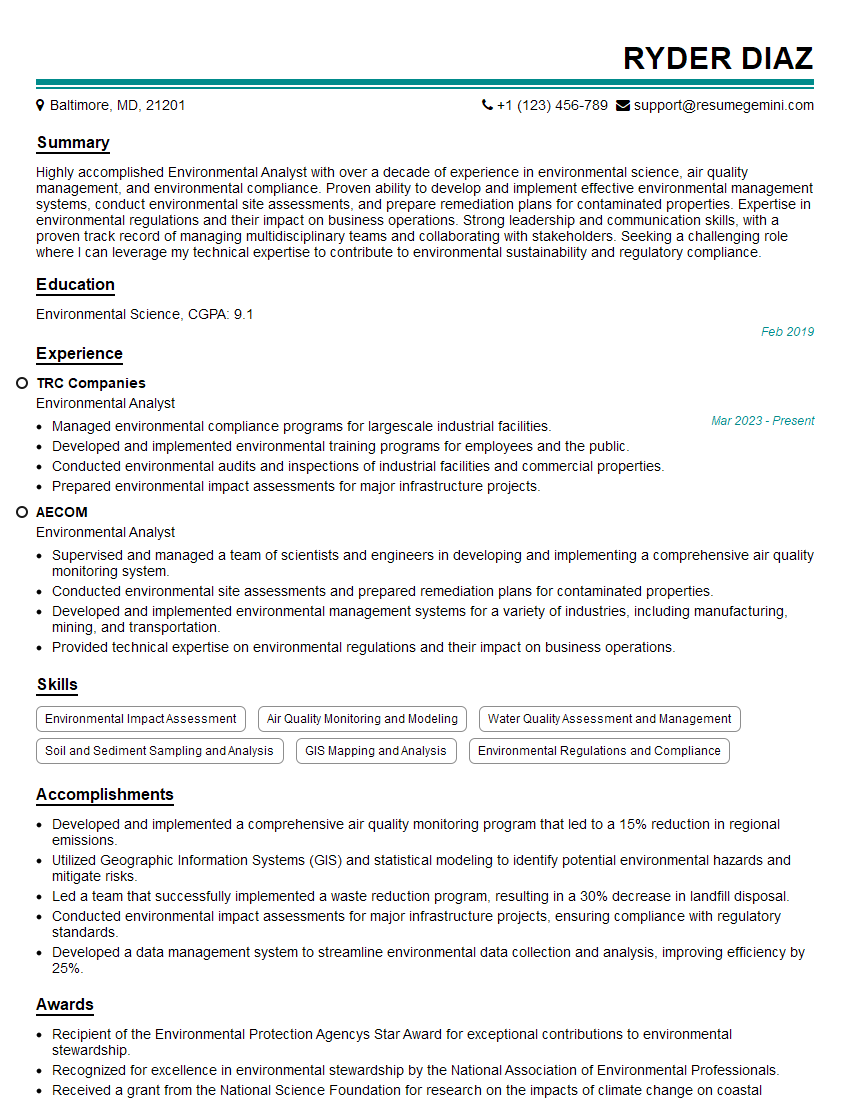
Environmental Analyst Resume Sample
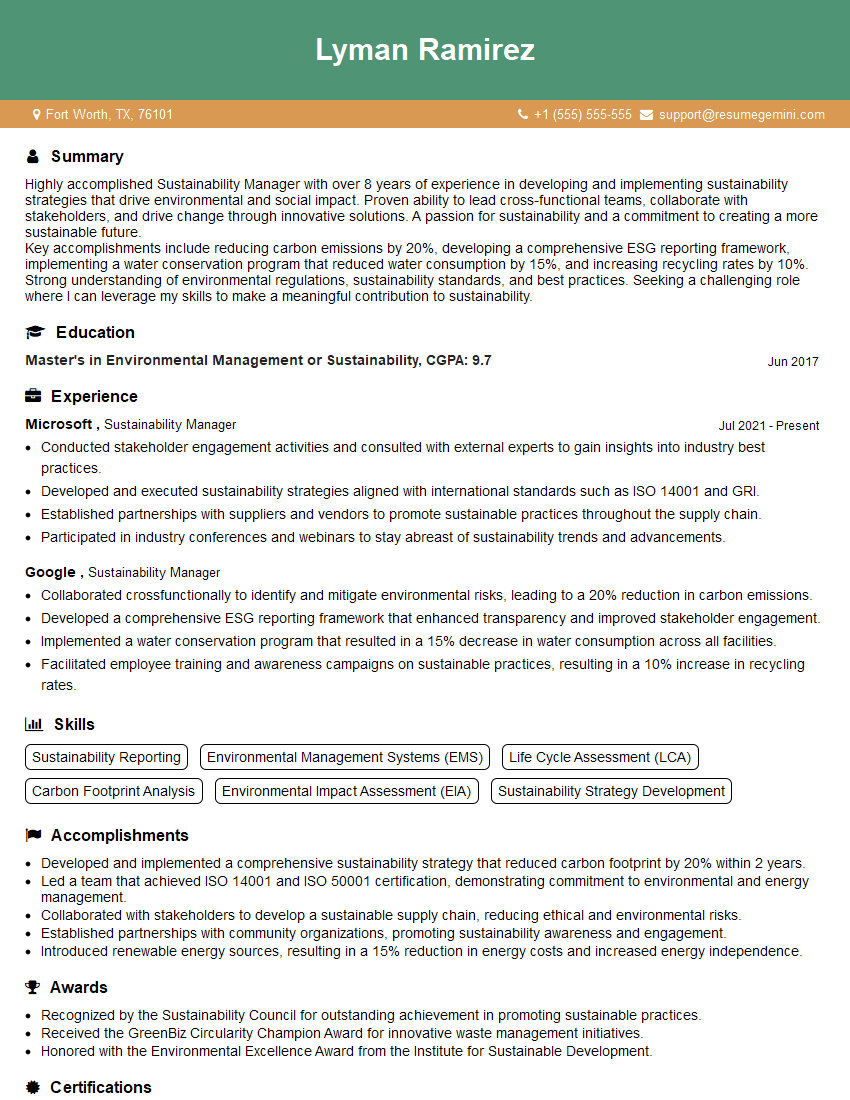
Sustainability Manager Resume Sample
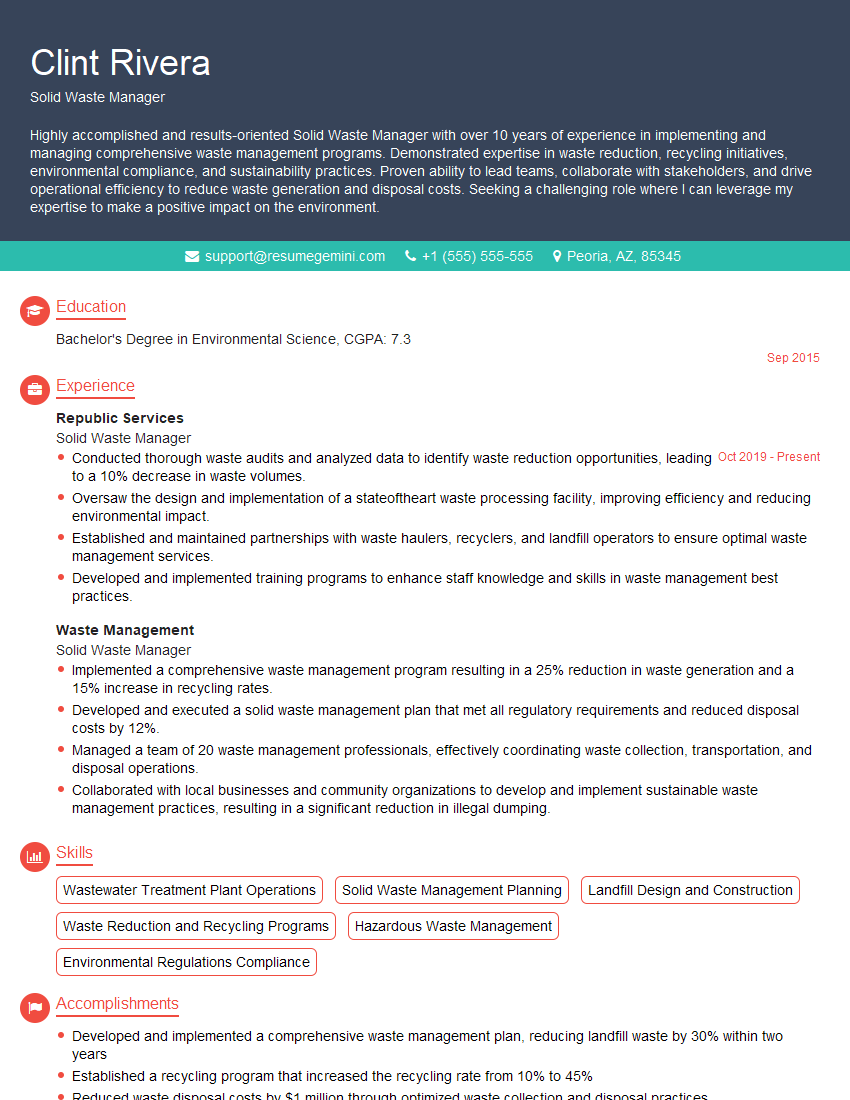
Solid Waste Manager Resume Sample
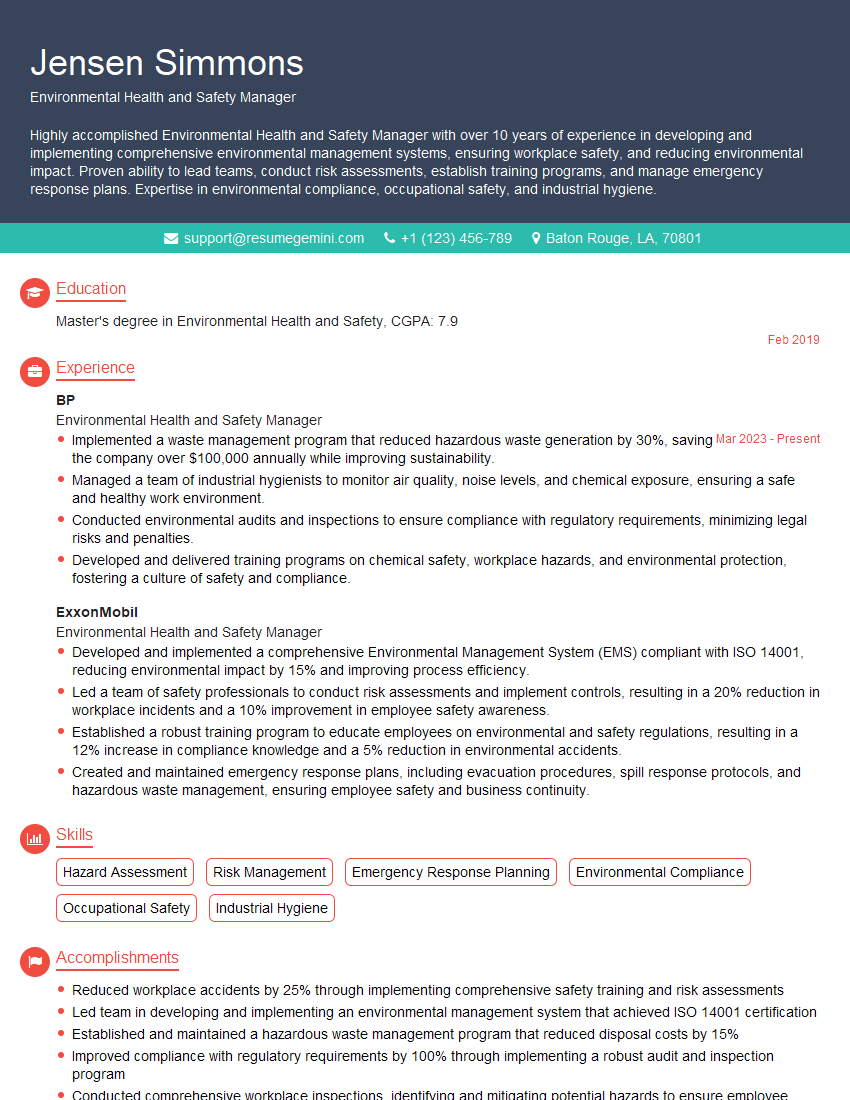
Environmental Health and Safety Manager Resume Sample
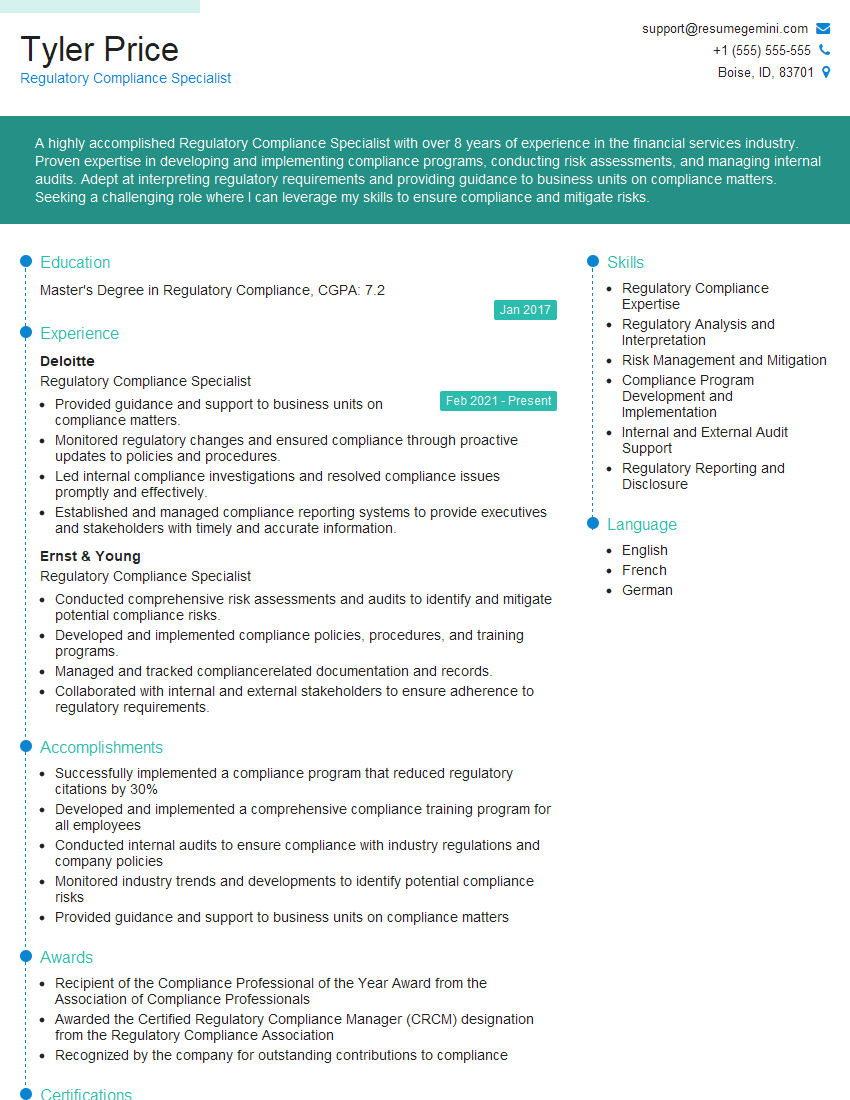
Regulatory Compliance Specialist Resume Sample
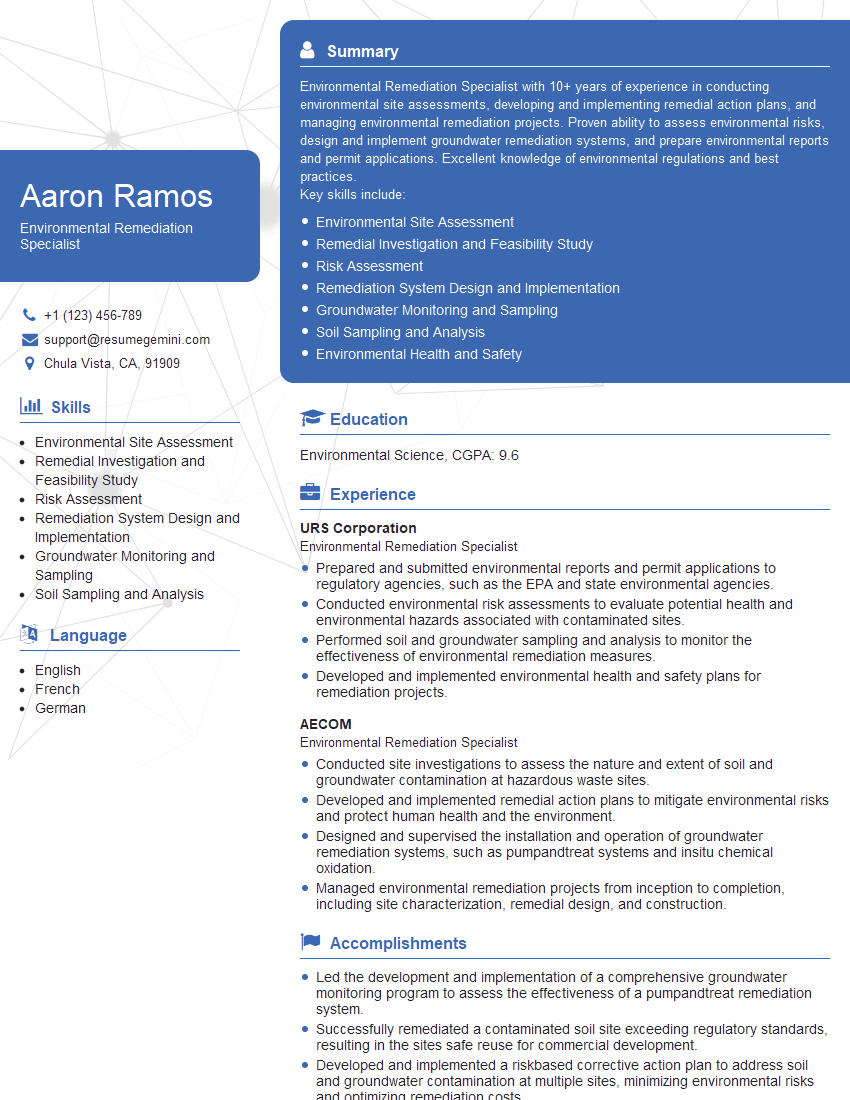
Environmental Remediation Specialist Resume Sample
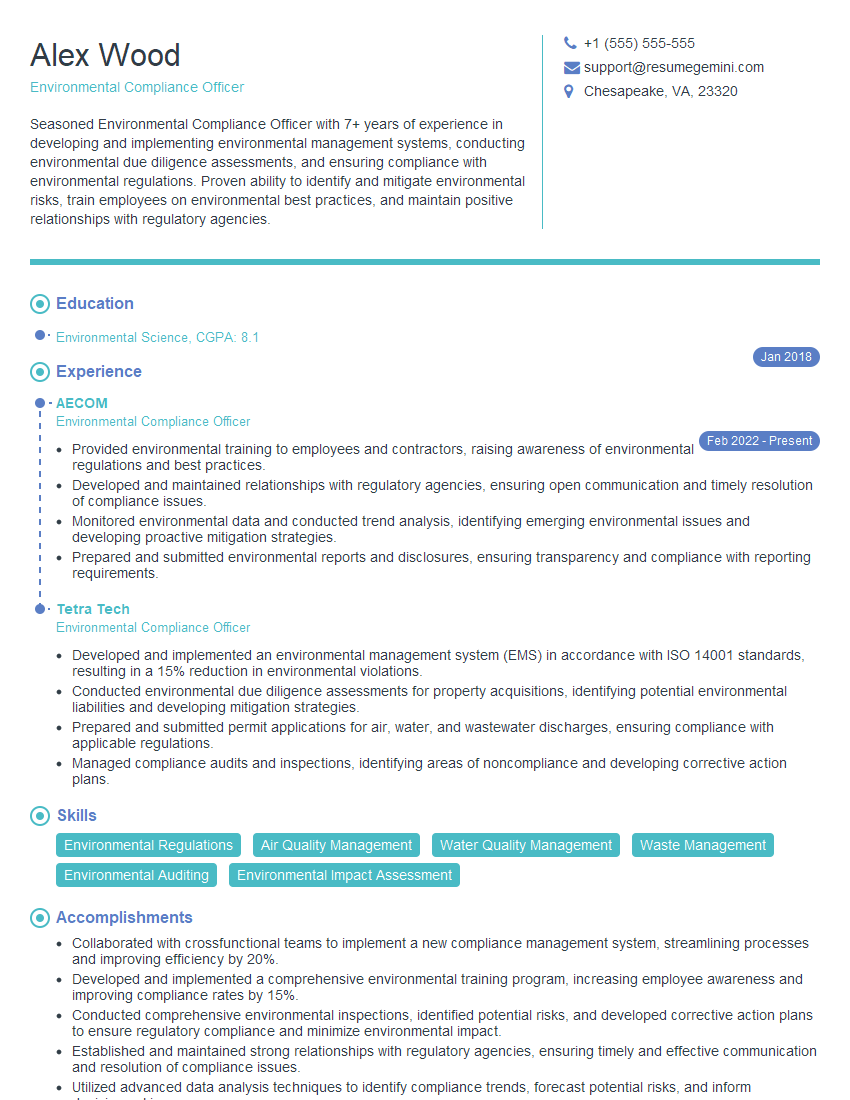
Environmental Compliance Officer Resume Sample
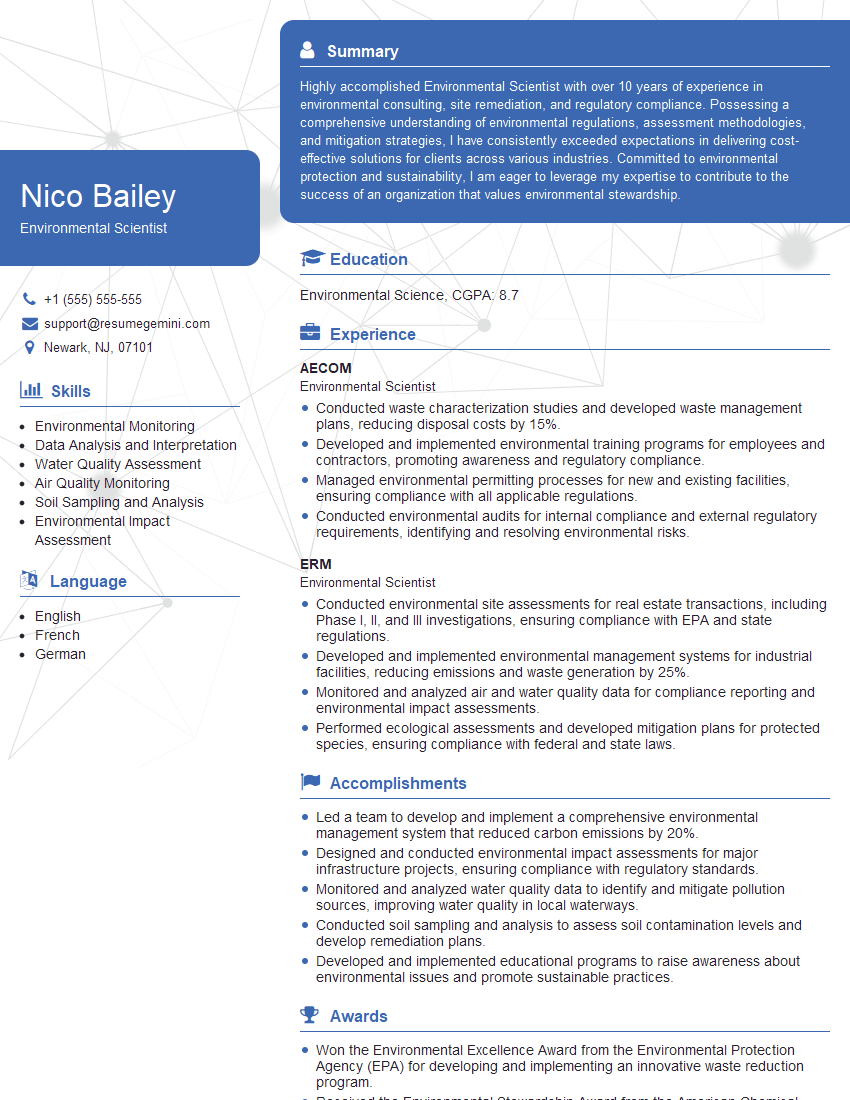
Environmental Scientist Resume Sample
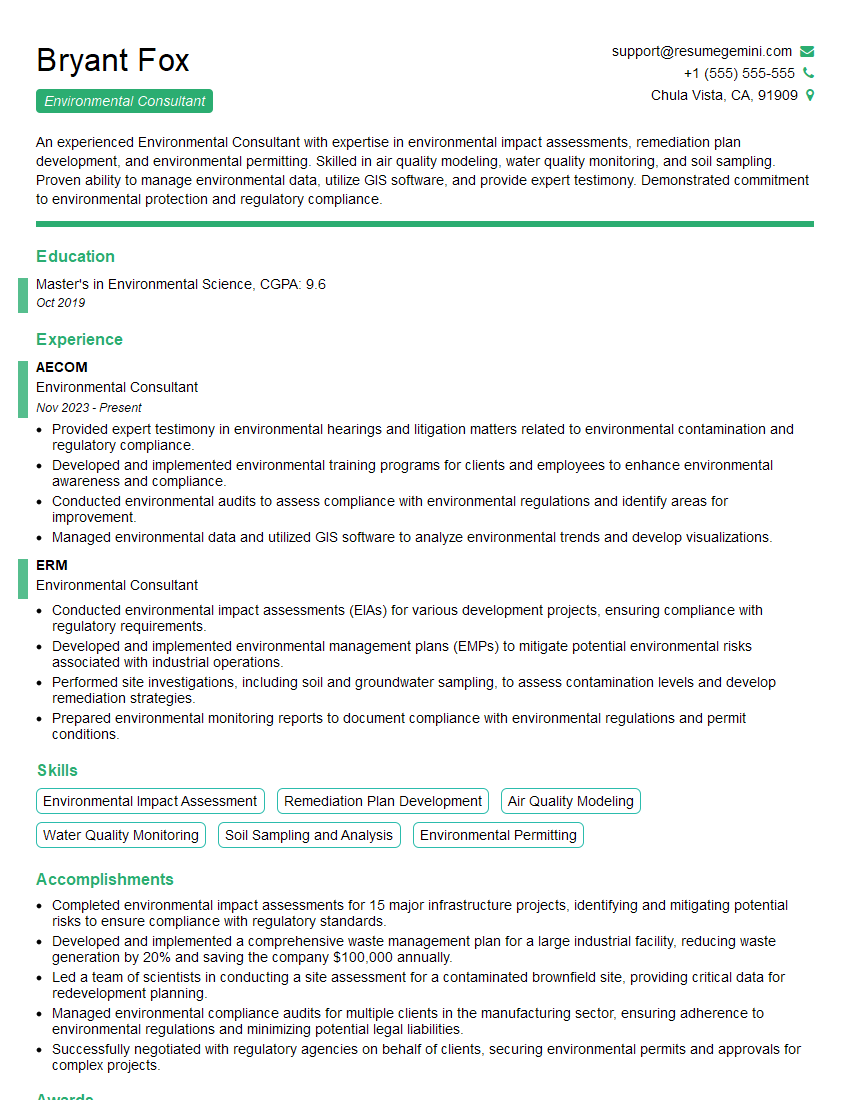
Environmental Consultant Resume Sample
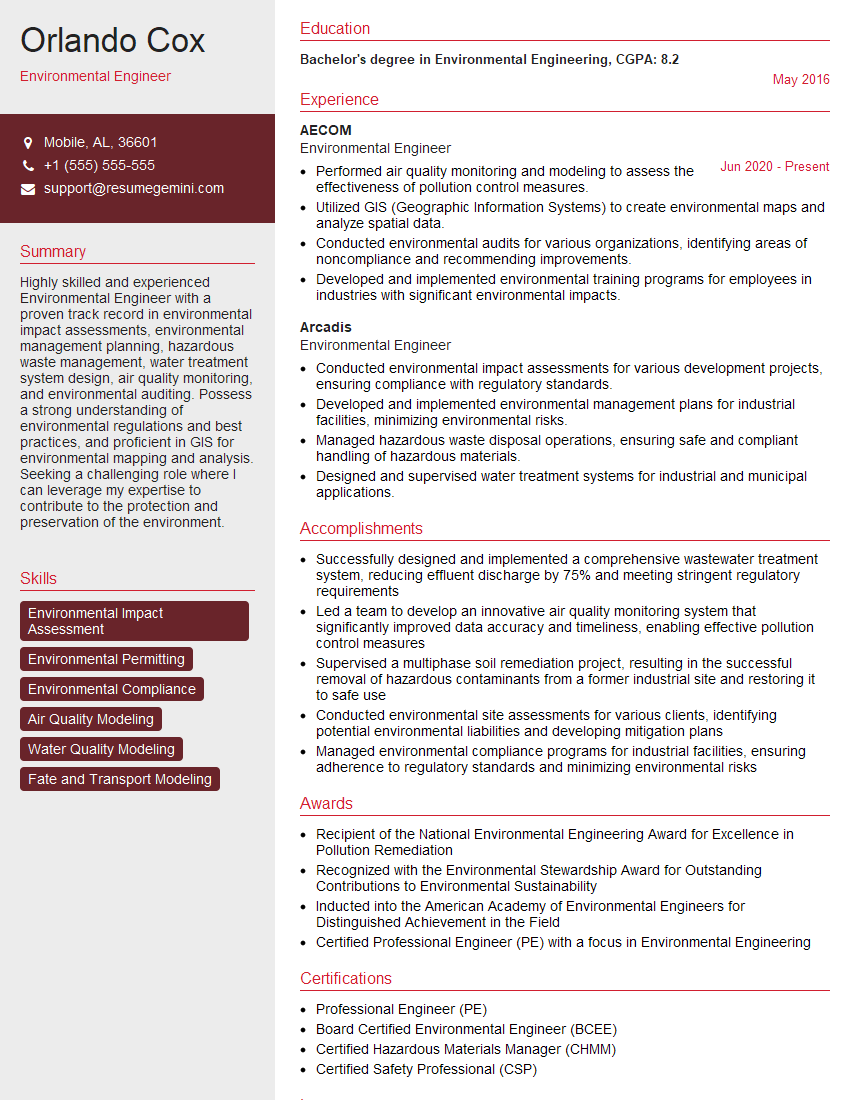
Environmental Engineer Resume Sample
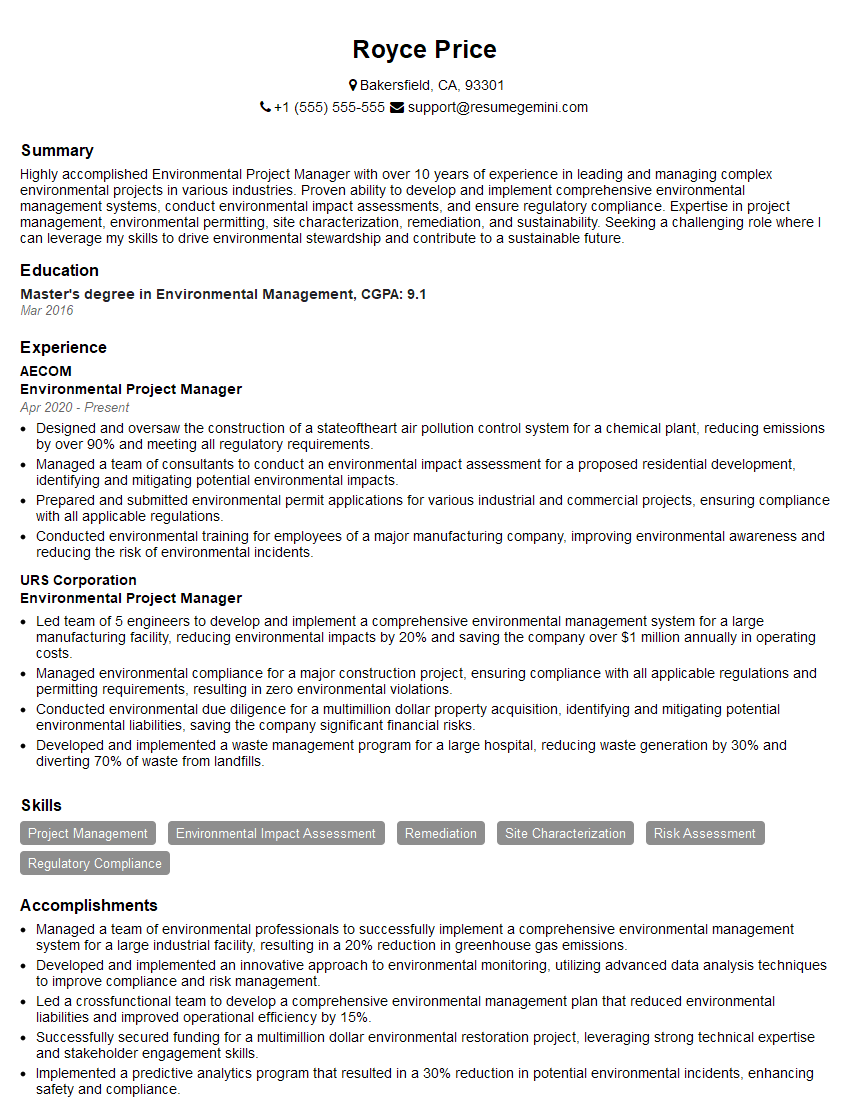
Environmental Project Manager Resume Sample
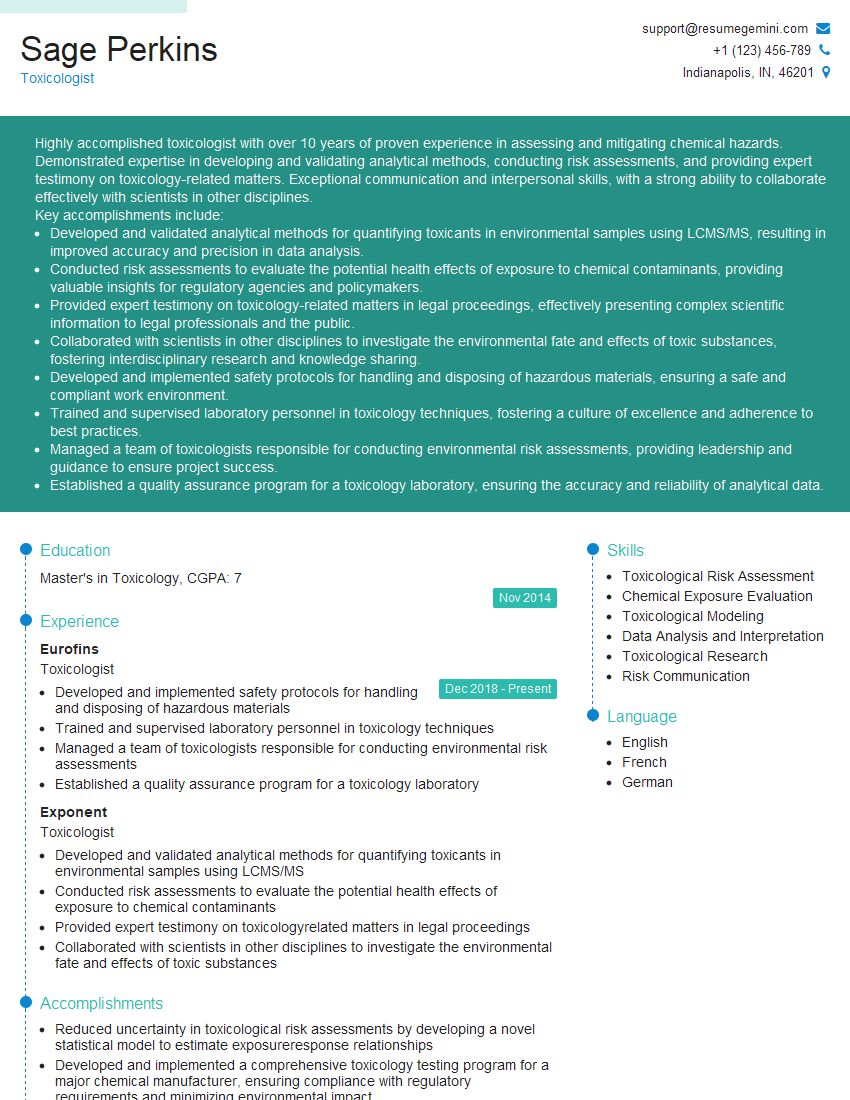
Toxicologist Resume Sample
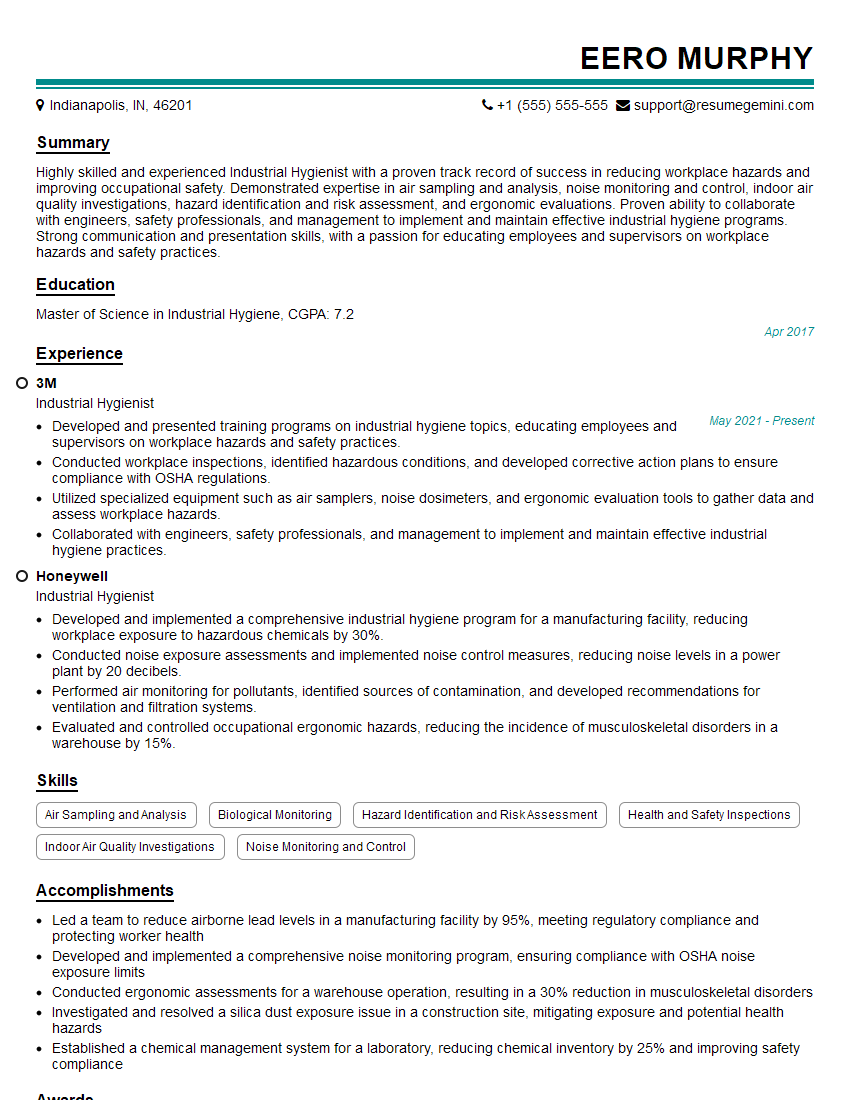
Industrial Hygienist Resume Sample
- Environmental Analyst
- Sustainability Manager
- Solid Waste Manager
- Environmental Health and Safety Manager
- Regulatory Compliance Specialist
- Environmental Remediation Specialist
- Environmental Compliance Officer
- Environmental Scientist
- Environmental Consultant
- Environmental Engineer
- Environmental Project Manager
- Toxicologist
- Industrial Hygienist
Explore more articles
Users Rating of Our Blogs
Share Your Experience
We value your feedback! Please rate our content and share your thoughts (optional).
What Readers Say About Our Blog
I Redesigned Spongebob Squarepants and his main characters of my artwork.
https://www.deviantart.com/reimaginesponge/art/Redesigned-Spongebob-characters-1223583608
IT gave me an insight and words to use and be able to think of examples
Hi, I’m Jay, we have a few potential clients that are interested in your services, thought you might be a good fit. I’d love to talk about the details, when do you have time to talk?
Best,
Jay
Founder | CEO