Are you ready to stand out in your next interview? Understanding and preparing for Portable Belt Grinders interview questions is a game-changer. In this blog, we’ve compiled key questions and expert advice to help you showcase your skills with confidence and precision. Let’s get started on your journey to acing the interview.
Questions Asked in Portable Belt Grinders Interview
Q 1. Explain the different types of abrasive belts used in portable belt grinders.
Abrasive belts for portable belt grinders come in a variety of types, each suited for different materials and applications. The key differentiators are the abrasive material, grain size, and backing material.
- Abrasive Material: Aluminum oxide is the most common, offering a good balance of cutting speed and durability. Zirconia alumina is preferred for tougher materials due to its higher hardness and longer life. Silicon carbide is excellent for sharpening tools and working with stone or glass.
- Grain Size: This refers to the coarseness of the abrasive particles. Lower numbers (e.g., 24 grit) indicate coarser belts for heavy stock removal, while higher numbers (e.g., 320 grit) are for finer finishing work. Think of it like sandpaper – low grit removes material quickly, high grit smooths surfaces.
- Backing Material: The backing material supports the abrasive and influences the belt’s flexibility and durability. Cloth backings are flexible and ideal for contour work, while paper backings are stronger but less flexible. Some belts even use a combination, like a cloth backing with a layer of resin for increased strength.
For example, you would use a coarse aluminum oxide belt on a rough steel casting for initial shaping, and then switch to a finer grit belt for smoothing and polishing. Choosing the right combination ensures efficient material removal and a quality finish.
Q 2. Describe the safety procedures for operating a portable belt grinder.
Safety is paramount when using a portable belt grinder. Always remember the acronym PPE: Personal Protective Equipment.
- Eye Protection: Safety glasses or a face shield are essential to protect against flying debris.
- Hearing Protection: Grinding can be loud; earplugs or earmuffs are recommended.
- Respiratory Protection: A dust mask is necessary when working with materials that produce fine dust, like certain metals or stones.
- Gloves: Sturdy work gloves provide protection for your hands.
Beyond PPE, follow these practices:
- Secure Workpiece: Always use a vise or clamp to hold the workpiece securely. Never hold it by hand.
- Proper Posture: Maintain a balanced stance to avoid fatigue and maintain control.
- Avoid Overloading: Apply even pressure and avoid forcing the grinder. Overloading can cause the belt to break or the grinder to bind.
- Regular Inspection: Check the belt and grinder for damage before each use.
- Disengage Power: Always unplug the grinder before making adjustments or changing belts.
Ignoring these procedures can lead to serious injury. Think of it like driving a car – following safety rules protects you and others.
Q 3. How do you select the appropriate abrasive belt for a specific material?
Selecting the correct abrasive belt depends heavily on the material you’re working with and the desired finish. Consider these factors:
- Material Hardness: Harder materials (like hardened steel) require harder abrasives (like zirconia alumina). Softer materials (like aluminum) can be worked with softer abrasives (like aluminum oxide).
- Desired Finish: A coarse grit is used for rough stock removal, followed by progressively finer grits for smoothing and polishing. For a mirror finish, you’d likely need multiple stages of grinding with increasingly fine grits.
- Material Type: The type of material also influences the choice of abrasive. For example, silicon carbide is best for sharpening tools or working with stone and ceramics, while aluminum oxide is more versatile for metals.
For example, if you need to shape a piece of mild steel, you might start with a 36-grit aluminum oxide belt, then move to 80-grit, then 120-grit, and finally finish with a fine grit like 220 or higher. The type of metal, hardness and desired finish will all influence your belt selection.
Q 4. What are the common causes of belt tracking problems?
Belt tracking problems, where the belt rides off-center on the wheels, are common in portable belt grinders. Several factors can cause this:
- Improper Belt Installation: If the belt isn’t installed correctly, it may not track properly. Ensure the belt is seated correctly on both wheels.
- Worn or Damaged Wheels: Uneven wear or damage to the contact wheels can cause tracking issues. Inspect the wheels for damage and replace them if necessary.
- Bent or Damaged Belt: A bent or damaged belt is unlikely to track properly. Replace a damaged belt.
- Misaligned Wheels: If the contact wheels are not properly aligned, the belt will not track correctly. Carefully check the alignment of the wheels.
- Build-up of Debris: Debris on the wheels can interfere with proper tracking. Regularly clean the wheels and the grinder.
Troubleshooting involves systematically checking each of these points. Start with the simplest solution (checking belt installation) and progressively move to more complex repairs (wheel alignment).
Q 5. How do you troubleshoot a portable belt grinder that is not running?
If your portable belt grinder isn’t running, the problem can stem from several sources:
- Power Supply: Check the power cord, outlet, and circuit breaker. Ensure that the grinder is plugged in securely and that power is reaching the outlet.
- Switch: Make sure the power switch on the grinder is turned on.
- Motor: The motor itself might be faulty. This often requires professional repair or replacement.
- Belt: A broken or severely damaged belt can prevent the grinder from running. Inspect the belt and replace it as needed. Sometimes, even a slightly misaligned belt can cause the motor to overload and shut down.
- Overload Protection: Some grinders have an overload protection mechanism that shuts the motor down if it gets overloaded. Check if this is triggered and reset it accordingly.
Troubleshooting requires a systematic approach. Start with the simplest checks (power supply and switch) and then progressively move towards the more complex possibilities (motor and belt). If you’re not comfortable working with electrical equipment, call a qualified technician.
Q 6. Explain the importance of proper belt tension.
Proper belt tension is crucial for optimal performance and safety. Insufficient tension leads to belt slippage, which reduces grinding efficiency and can damage the belt. Excessive tension increases stress on the motor and components, potentially causing damage or premature wear. The correct tension will allow the belt to run smoothly without slipping or creating undue stress.
Many grinders have a tension adjustment mechanism, usually a knob or lever. The manufacturer’s instructions will provide guidance on setting the proper tension. The ideal tension will ensure the belt tracks properly and grips the wheels sufficiently. Too little tension will cause slippage while too much tension might lead to rapid wear on bearings and the drive system. You should be able to push the belt down slightly, but it shouldn’t easily bend or sag.
Q 7. How do you maintain a portable belt grinder to ensure optimal performance?
Regular maintenance is key to prolonging the life and ensuring optimal performance of your portable belt grinder.
- Clean the Grinder: After each use, clean the grinder to remove any dust, debris, or metal shavings. Compressed air is ideal for this.
- Inspect the Belt: Regularly check the belt for wear, tears, or damage. Replace worn or damaged belts promptly.
- Lubricate Moving Parts: Consult your owner’s manual for lubrication points and the type of lubricant to use. Proper lubrication reduces friction and extends the life of bearings and other components.
- Inspect Wheels: Check the contact wheels for wear or damage. Replace them if necessary to maintain proper belt tracking and prevent premature belt wear.
- Check for Loose Parts: Tighten any loose screws, nuts, or bolts to prevent vibration and potential damage.
- Store Properly: Store the grinder in a clean, dry place to protect it from rust and damage.
Regular maintenance is like regular car servicing – small investments of time prevent larger problems down the line, extending the life of the tool and maximizing its performance.
Q 8. What are the signs of a worn or damaged abrasive belt?
A worn or damaged abrasive belt shows several telltale signs. The most obvious is reduced cutting ability; you’ll notice it taking longer to remove material or struggling to achieve the desired finish. Visually, you’ll see loading – the clogging of the belt with material being ground – which appears as a build-up of metal or other debris on the abrasive surface. Cracking or glazing of the belt’s surface indicates significant wear, where the abrasive particles have been dulled or broken down. You might also observe uneven wear, with certain sections of the belt more worn than others, often due to improper use or a misaligned grinder. Finally, fraying or tearing at the edges signifies the end of the belt’s lifespan and it needs immediate replacement.
Imagine trying to cut a cake with a dull knife. A worn belt is similar; it loses its effectiveness and requires more effort. Regular inspection is crucial to prevent damage to your workpiece and ensure safety.
Q 9. Describe the process of changing an abrasive belt.
Changing an abrasive belt is straightforward but requires careful attention to safety. First, unplug the grinder to prevent accidental starting. Then, open the belt tensioning mechanism, typically a lever or knob. Next, carefully remove the worn belt, ensuring to keep your fingers clear of the moving parts. Now, insert the new belt, ensuring it’s correctly aligned with the drive pulleys and sits flat. Close the tensioning mechanism, ensuring sufficient tension for proper operation. Finally, re-check the alignment of the belt and the grinder’s platen before plugging the unit back in and testing it at a low speed.
Think of it like changing a bicycle chain – it requires proper alignment and tension for smooth, efficient operation. Always consult the manufacturer’s instructions for your specific grinder model as the process may vary slightly.
Q 10. How do you prevent overheating of the workpiece during grinding?
Overheating the workpiece during grinding can lead to warping, discoloration, and even structural damage. Preventing this involves several key strategies. First, use proper grinding techniques, ensuring light pressure and consistent passes. Avoid dwelling in one spot for too long. Second, use a coolant or lubricant such as water or specialized grinding fluids. This helps dissipate heat generated during the grinding process. Third, take frequent breaks to allow the workpiece to cool down. Fourth, choose the correct abrasive belt for the material being ground. A finer grit will generate less heat than a coarser grit. Fifth, ensure adequate ventilation around the workpiece to allow heat to escape.
Imagine repeatedly rubbing your hands together – they get hot. The same principle applies to grinding. By managing heat appropriately, you protect the workpiece’s integrity and ensure a superior finish.
Q 11. What are the different grinding techniques used with portable belt grinders?
Portable belt grinders offer a variety of grinding techniques depending on the desired outcome. Contour grinding follows the curves and shapes of the workpiece, ideal for shaping irregular objects. Flat grinding involves moving the workpiece across the belt’s surface to create a smooth, flat surface. Edge grinding focuses on sharpening or smoothing the edges of a workpiece. Blending grinding is used to transition between different surfaces or to remove sharp edges smoothly. The specific technique employed depends on the material, desired finish, and the workpiece’s geometry.
Think of it as sculpting with power. Each technique requires a nuanced approach to achieve a desired effect. Experimentation with different approaches and pressures is key to mastering these techniques.
Q 12. How do you achieve a specific surface finish using a portable belt grinder?
Achieving a specific surface finish using a portable belt grinder relies heavily on belt grit selection and grinding technique. Coarser grits (lower numbers like 36 grit) remove material quickly but leave a rough finish, suitable for initial shaping or stock removal. Finer grits (higher numbers like 220 grit) produce finer finishes and are ideal for smoothing or polishing. The pressure applied also influences the finish; light pressure yields a finer finish while heavier pressure removes material faster but leaves a rougher surface. The speed of the grinder also plays a role; slower speeds offer more control for finer finishes, while faster speeds are better for aggressive stock removal. Finally, the type of abrasive belt material (aluminum oxide, zirconia alumina, etc.) impacts the finish achieved.
Imagine sanding wood – starting with coarse sandpaper and gradually moving to finer grits to achieve a smooth, polished surface. The same principle applies to belt grinding, but with greater control and power.
Q 13. Explain the concept of stock removal.
Stock removal refers to the process of removing excess material from a workpiece to achieve the desired shape, size, or dimensions. It’s a fundamental concept in metalworking and fabrication. The amount of stock removal depends on the initial dimensions of the workpiece and the desired final dimensions. This process can involve various techniques and tools such as milling, turning, grinding, and even hand filing. Portable belt grinders are particularly effective for stock removal when dealing with irregular shapes or needing to remove significant material quickly.
Think of it as sculpting from a larger block of material. You’re removing excess ‘stock’ until you reach the desired form. Efficient stock removal ensures that projects are completed quickly and effectively, minimizing waste.
Q 14. Describe the importance of using appropriate personal protective equipment (PPE).
Using appropriate personal protective equipment (PPE) is paramount when working with portable belt grinders. The high speeds and potential for flying debris necessitate a comprehensive safety approach. Eye protection, such as safety glasses or a face shield, is crucial to prevent eye injuries from flying particles. Hearing protection, such as earplugs or earmuffs, is recommended due to the high noise levels generated by the grinder. Respiratory protection may be necessary depending on the material being ground, especially if it produces dust or fumes. Gloves provide protection for hands and prevent cuts. Finally, proper clothing that covers exposed skin is recommended to prevent injuries.
Safety should never be compromised. Imagine the potential consequences of a single flying particle hitting an unprotected eye. PPE ensures a safe and productive work environment.
Q 15. How do you identify and address common grinding defects?
Identifying and addressing grinding defects requires a keen eye and understanding of the grinding process. Common defects include uneven surface finish, burning (discoloration and heat damage), chatter marks (vibrations causing wavy patterns), and excessive material removal.
Uneven Surface Finish: This often results from inconsistent pressure application, worn abrasive belts, or improper machine setup. Solution: Maintain consistent pressure, replace worn belts, and ensure proper belt tracking.
Burning: Happens when too much pressure is applied, the grinder moves too slowly, or the wrong grit is used. The metal literally overheats. Solution: Reduce pressure, increase speed, or switch to a coarser grit. Think of it like trying to cut wood with a dull saw – you need to apply much more force, leading to potentially burned wood.
Chatter Marks: These are wavy patterns caused by vibrations in the grinder or workpiece. Solution: Secure the workpiece firmly, check for any looseness in the grinder’s components, and ensure the belt is properly tensioned.
Excessive Material Removal: This points to using too coarse a grit or applying too much pressure. Solution: Switch to a finer grit or reduce the pressure and increase the speed.
Addressing these defects often involves a systematic approach: inspect the work, identify the cause, adjust the process parameters (pressure, speed, grit), and then re-evaluate the results.
Career Expert Tips:
- Ace those interviews! Prepare effectively by reviewing the Top 50 Most Common Interview Questions on ResumeGemini.
- Navigate your job search with confidence! Explore a wide range of Career Tips on ResumeGemini. Learn about common challenges and recommendations to overcome them.
- Craft the perfect resume! Master the Art of Resume Writing with ResumeGemini’s guide. Showcase your unique qualifications and achievements effectively.
- Don’t miss out on holiday savings! Build your dream resume with ResumeGemini’s ATS optimized templates.
Q 16. What are the limitations of portable belt grinders?
While portable belt grinders offer great versatility, they do have limitations. Their primary limitations stem from their size and power source.
Limited Power: They generally have less power than stationary bench grinders, making them less suitable for heavy-duty grinding tasks or very hard materials. Think of trying to fell a large tree with a hand saw compared to a chainsaw – the chainsaw will be much more efficient.
Size and Accessibility: Their compact size limits the size of the workpieces that can be effectively ground. Accessing certain areas on larger or awkwardly shaped components can also be challenging.
Less Precision: The inherent portability can introduce less precision compared to stationary grinders with more robust support systems. It’s much harder to maintain a perfectly consistent distance and angle with a hand-held tool.
Safety Concerns: The lack of guarding on some portable models increases the risk of injury from accidental contact with the abrasive belt.
Q 17. How do you adjust the speed of a portable belt grinder?
Speed adjustment on a portable belt grinder varies depending on the model. Some models have a variable speed control dial or switch, allowing you to select the desired speed within a given range. Others may have fixed speeds, usually indicated by settings or switches for high, medium, and low speed.
Always consult your grinder’s manual for specific instructions. Incorrect speed settings can lead to poor surface finishes, belt damage, and potentially injury.
Q 18. Explain the difference between coarse and fine grit abrasive belts.
The difference between coarse and fine grit abrasive belts lies in the size of the abrasive particles. Coarse grit belts have larger particles, resulting in faster material removal but a rougher surface finish. Fine grit belts have smaller particles, leading to slower material removal but a smoother, finer finish.
Coarse Grit (e.g., 36-60 grit): Ideal for heavy stock removal, shaping, and initial grinding of rough surfaces. Think of preparing a piece of wood for finer work – you start with a rough plane to remove the bulk of the material.
Fine Grit (e.g., 120-400 grit): Used for finishing, polishing, and removing minor imperfections from previously ground surfaces. This is like sanding your wood project smooth, ready for finishing.
The grit number is inversely proportional to the particle size – a lower grit number means a coarser grit, and a higher number means a finer grit.
Q 19. What are the safety precautions related to using different materials?
Safety precautions vary considerably depending on the material being ground.
Always wear appropriate personal protective equipment (PPE): This includes safety glasses or a face shield, hearing protection, work gloves, and a respirator, especially when grinding materials that produce dust or fumes. Dust from certain metals, like aluminum or beryllium, can be extremely hazardous.
Handle different materials with caution: Some materials are more prone to producing sparks or are toxic when heated (e.g., lead, certain plastics). Ensure proper ventilation and avoid grinding flammable materials near open flames.
Secure the workpiece: Use clamps or vices to firmly secure the workpiece and prevent it from moving unexpectedly during grinding. An unsecured piece can easily cause injury.
Avoid grinding too close to edges: This can cause the workpiece to chip or break. Maintain a safe distance and allow the belt to do its work.
Understanding the properties of the material being ground is crucial for implementing appropriate safety measures.
Q 20. Describe your experience working with different metals and materials.
My experience encompasses a wide range of materials. I’ve worked extensively with ferrous metals (steel, iron, cast iron), non-ferrous metals (aluminum, brass, copper), and even some plastics and composites. Each material presents unique challenges and requires different grinding techniques.
Steel: Requires careful attention to avoid burning, and often necessitates multiple grinding stages using different grits. Cooling lubricants can be beneficial to prevent overheating.
Aluminum: Tends to clog abrasive belts quickly, so frequent belt changes might be needed. Using a coarser grit at lower speeds is often effective.
Plastics: Need gentler grinding methods to avoid melting or damaging the surface. Lower speeds and finer grits are generally recommended.
Adaptability is key when working with various materials – understanding their properties and adjusting the grinding parameters accordingly allows for efficient and safe operation.
Q 21. How do you deal with a jammed belt?
A jammed belt is a common issue and usually indicates one of a few problems. Before attempting any repairs, always unplug the grinder from the power source!
Inspect the belt: Check the belt for damage like tears, cracks, or excessive wear. Replace the belt if necessary.
Check for obstructions: Examine the belt path for any debris or obstructions that might be preventing the belt from moving freely. Carefully remove any foreign material.
Check belt tracking: Ensure the belt is properly tracking within the guides. Adjust the tracking wheel or guides as needed. Improper tracking is a major cause of jamming.
Check for tension: Verify that the belt tension is correct. Consult the grinder’s manual for proper tensioning procedures. Too loose or too tight of a belt will both contribute to jamming.
Check the motor: In rare cases, the problem might be with the motor itself. If the problem persists, seek professional assistance.
Addressing a jammed belt involves careful investigation and systematically checking each potential cause. It is important to handle this issue appropriately to prevent further damage or injury.
Q 22. How do you clean and maintain the grinder after use?
Cleaning and maintaining a portable belt grinder after each use is crucial for extending its lifespan and ensuring optimal performance. Think of it like cleaning your tools after a woodworking project – neglecting it leads to rust, damage, and inefficiency.
My cleaning procedure typically involves:
- Disconnecting the power: Always disconnect the grinder from the power source before beginning any cleaning or maintenance.
- Removing debris: Using a brush or compressed air, thoroughly remove any metal shavings, dust, or debris from the belt, platen, and motor housing. I pay particular attention to the areas around the motor and belt tracking mechanism, as buildup can impede functionality.
- Cleaning the belt: If the belt is heavily soiled, I might use a specialized belt cleaner or a soft cloth dampened with a suitable solvent (always check the manufacturer’s recommendations first). Never use harsh chemicals that could damage the belt material.
- Inspecting the belt: I carefully examine the belt for any signs of wear, damage, or glazing. If necessary, I replace it to prevent inconsistent grinding or potential belt failure.
- Lubricating moving parts: Depending on the grinder’s design, some models may require lubrication of moving parts like the tracking mechanism. I always refer to the manufacturer’s instructions for recommended lubricants and application methods.
- Wiping down the entire unit: Finally, I wipe down the entire grinder with a clean cloth to remove any remaining dust or debris.
This routine cleaning helps prevent premature wear, ensures consistent performance, and increases the overall life of the grinder.
Q 23. Describe your experience troubleshooting mechanical issues.
Troubleshooting mechanical issues in portable belt grinders requires a systematic approach. I’ve encountered various problems, from simple belt tracking issues to more complex motor malfunctions. My strategy involves:
- Identifying the problem: Carefully observe the grinder’s behavior to pinpoint the exact issue. Is the belt slipping? Is the motor making unusual noises? Is the grinder vibrating excessively?
- Checking the obvious: First, I verify simple things like the power connection, belt tension, and the alignment of the belt on the platens. Often, a loose belt or misaligned platen is the culprit.
- Using diagnostic tools: In more complex cases, I might use tools like multimeters to test motor windings or check for voltage fluctuations. This helps to isolate problems within the electrical system.
- Referring to manuals & diagrams: Manufacturer’s manuals and schematics are invaluable resources for understanding the grinder’s internal components and their interconnections. They provide detailed troubleshooting guides and exploded diagrams.
- Systematic approach: I follow a step-by-step approach. For instance, if the motor isn’t working, I’d first check the power supply, then the fuses, then the motor itself, and finally the wiring.
- Seeking expert help: If I can’t identify or fix the problem, I don’t hesitate to seek help from a qualified technician. It’s better to prevent further damage by calling a professional rather than risk damaging the machine further.
For example, I once diagnosed a grinder that wouldn’t start by checking the power cord and the internal fuses – a simple solution to a seemingly complex problem.
Q 24. Explain the importance of regular inspection and maintenance of the grinder.
Regular inspection and maintenance are paramount for the safe and efficient operation of a portable belt grinder. Think of it as preventative car maintenance; regular check-ups prevent major breakdowns and costly repairs down the line.
The importance lies in:
- Preventing accidents: Regular inspections identify potential hazards like worn belts, loose components, or damaged electrical wiring, preventing accidents during operation.
- Ensuring accuracy: A well-maintained grinder performs more accurately and consistently, producing better results with less effort. Worn belts or misaligned platens can lead to inconsistent grinding.
- Extending lifespan: Preventive maintenance significantly extends the grinder’s operational life by preventing premature wear and tear on critical components. This saves money in the long run.
- Maintaining efficiency: A clean and well-lubricated grinder runs smoothly and efficiently, reducing energy consumption and extending the lifespan of moving parts.
- Protecting your investment: Regular maintenance protects your investment in the grinder by preventing costly repairs or premature replacement.
I recommend a pre-use inspection before each job and a more thorough monthly maintenance check to ensure continued safety and productivity.
Q 25. How do you ensure the accuracy and precision of grinding operations?
Accuracy and precision in grinding operations are achieved through a combination of factors, focusing on both the machine’s setup and the operator’s skill.
- Belt selection: Choosing the right abrasive belt for the material and the desired finish is critical. Different grits are suitable for different applications. A coarser grit is used for stock removal, while a finer grit is used for finishing.
- Proper belt tension: Maintaining the correct belt tension is crucial. Too much tension can lead to premature belt wear and damage to the grinder, while too little tension can cause slippage and inconsistent grinding.
- Platen alignment: Ensuring the platens are properly aligned is essential for even grinding. Misalignment can result in uneven grinding and damage to the workpiece.
- Workpiece support: Securely supporting the workpiece during grinding prevents vibrations and ensures a consistent grinding surface.
- Grinding technique: The operator’s skill and technique play a significant role. Consistent pressure, smooth movements, and proper workpiece positioning contribute to accuracy.
- Regular calibration (if applicable): Some high-precision grinders have calibration settings that need periodic checking to maintain accuracy.
For example, when working with delicate parts, I use a finer grit belt and apply gentle pressure to avoid removing too much material or damaging the workpiece.
Q 26. What are the factors that affect the life of an abrasive belt?
Several factors significantly affect the life of an abrasive belt. It’s not just about the quality of the belt itself; it’s about the entire system.
- Type of abrasive: Different abrasive materials (e.g., aluminum oxide, silicon carbide) have varying lifespans depending on the application and material being ground.
- Grit size: Finer grit belts generally wear out faster than coarser grit belts, as they are used for finer finishing work and are subject to more frictional forces.
- Belt tension: Excessive tension leads to premature wear, while insufficient tension causes slipping and uneven grinding, also shortening the lifespan.
- Grinding pressure: Applying excessive pressure accelerates belt wear. It’s essential to find the right balance between efficient stock removal and belt life.
- Material being ground: The hardness and abrasiveness of the material being ground directly impact the belt’s wear rate. Grinding harder materials will obviously lead to faster wear.
- Cooling: Adequate cooling during grinding prevents excessive heat buildup, which can accelerate belt degradation and reduce its effectiveness.
- Contaminants: The presence of contaminants (like metal chips or foreign materials) on the belt can cause premature wear and tearing.
- Proper storage: Belts should be stored in a cool, dry place to prevent moisture damage and degradation.
Choosing the right belt for the job and maintaining proper grinding technique is key to maximizing the lifespan of the belt.
Q 27. How would you handle a situation where a component is damaged during grinding?
Handling a damaged component during grinding requires a careful and methodical approach, prioritizing safety and damage control.
- Immediate shutdown: Immediately turn off the grinder and disconnect it from the power source. Safety is paramount.
- Assess the damage: Carefully assess the extent of the damage to both the component and the grinder. Determine if the damage poses a safety hazard.
- Identify the cause: Try to identify the root cause of the damage. Was it due to a faulty component, improper technique, or a defect in the workpiece?
- Repair or replacement: If the damaged component is repairable, proceed with the repair. If not, replace the component with a new, identical part, ensuring compatibility.
- Document the incident: Document the incident, including the type of damage, the cause, the corrective actions taken, and any lessons learned. This helps prevent similar incidents in the future.
- Seek expert help if needed: If the damage is extensive or if you’re unsure how to repair it, consult with a qualified technician. This prevents further damage and ensures a proper repair.
For instance, if a platen gets cracked, I would immediately stop the operation, assess the damage, order a replacement, and in the meantime document everything and ensure I take preventive actions such as reducing the grinding pressure on the grinder in future applications. A cracked platen is a serious safety concern.
Q 28. What are your preferred methods for sharpening and maintaining the grinder’s components?
Sharpening and maintaining a portable belt grinder’s components depends on the specific components in question. The belt itself is replaced, not sharpened. For other components, the process is usually:
- Platens: Platens typically don’t require sharpening. However, they might require cleaning, and if severely damaged, they would need to be replaced. I inspect for cracks, gouges, or excessive wear. Excessive wear necessitates replacement to ensure the belt tracks correctly and to prevent inconsistencies in the grinding process.
- Tracking mechanism: This mechanism often benefits from periodic lubrication, as per the manufacturer’s recommendations. I’d carefully clean and lubricate it to prevent stiffness or binding.
- Spindles/shafts: These typically require professional attention if damaged or worn. I wouldn’t attempt to sharpen or repair them myself unless I have the expertise and appropriate tooling.
- Contact points: All moving parts with contact points need regular inspection for wear and cleaning to prevent friction and binding.
I prefer to use manufacturer-recommended lubricants and cleaning agents to avoid damaging the components or voiding warranties. Regular inspection and prompt attention to minor issues prevent more significant problems down the line.
Key Topics to Learn for Portable Belt Grinders Interview
- Types of Portable Belt Grinders: Understanding the differences between various models (e.g., benchtop, handheld, angle grinders) and their applications.
- Abrasive Belt Selection: Knowledge of different grit sizes, materials (e.g., aluminum oxide, zirconia alumina), and their suitability for various materials and applications.
- Safety Procedures and Regulations: Comprehensive understanding of safety protocols, including personal protective equipment (PPE) requirements and safe operating practices.
- Maintenance and Troubleshooting: Familiarity with routine maintenance tasks, common problems, and troubleshooting techniques for portable belt grinders.
- Applications and Techniques: Practical understanding of various applications, including sharpening tools, deburring, surface finishing, and material removal techniques.
- Grinding Wheel Selection and Use: Understanding the various types of grinding wheels and how to select the appropriate one for a given task.
- Understanding of Motor Types and Power Sources: Knowledge of the different types of motors used in portable belt grinders (e.g., AC, DC) and their power sources.
- Working with Different Materials: Experience and knowledge of grinding various materials (e.g., metals, wood, plastics) and adapting techniques accordingly.
- Cost-Effectiveness and Efficiency: Analyzing different grinding techniques to identify optimal methods for cost-effectiveness and efficiency.
Next Steps
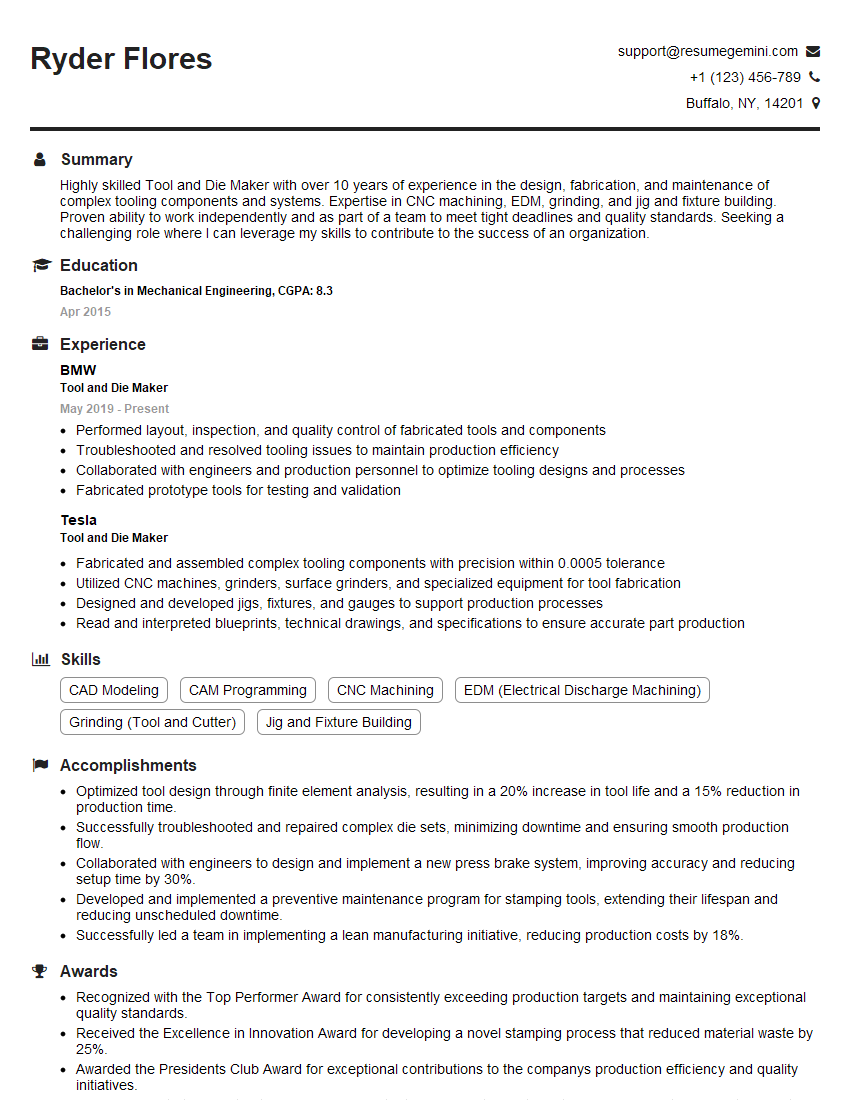
Mastering the intricacies of portable belt grinders demonstrates valuable skills in precision, safety, and problem-solving—highly sought-after attributes in many manufacturing and industrial settings. This expertise can significantly boost your career prospects and open doors to exciting opportunities. To maximize your chances, create an ATS-friendly resume that highlights your relevant skills and experience. ResumeGemini is a trusted resource that can help you build a professional and impactful resume. They even provide examples of resumes tailored specifically to the portable belt grinder industry to help guide your resume creation process.







Explore more articles
Users Rating of Our Blogs
Share Your Experience
We value your feedback! Please rate our content and share your thoughts (optional).
What Readers Say About Our Blog
I Redesigned Spongebob Squarepants and his main characters of my artwork.
https://www.deviantart.com/reimaginesponge/art/Redesigned-Spongebob-characters-1223583608
IT gave me an insight and words to use and be able to think of examples
Hi, I’m Jay, we have a few potential clients that are interested in your services, thought you might be a good fit. I’d love to talk about the details, when do you have time to talk?
Best,
Jay
Founder | CEO