Are you ready to stand out in your next interview? Understanding and preparing for Poultry Health and Welfare interview questions is a game-changer. In this blog, we’ve compiled key questions and expert advice to help you showcase your skills with confidence and precision. Let’s get started on your journey to acing the interview.
Questions Asked in Poultry Health and Welfare Interview
Q 1. Describe the common diseases affecting broiler chickens.
Broiler chickens, raised for meat production, are susceptible to various diseases. These can be broadly categorized into bacterial, viral, and parasitic infections. The most common ones significantly impact production and profitability.
- Bacterial Diseases: Colibacillosis (caused by Escherichia coli), leading to various issues like airsacculitis (inflammation of the air sacs) and septicemia (blood infection); Salmonellosis (caused by Salmonella spp.), resulting in diarrhea, dehydration, and mortality; and Mycoplasmosis (caused by Mycoplasma gallisepticum and Mycoplasma synoviae), often causing respiratory problems and reduced growth.
- Viral Diseases: Infectious bursal disease (IBD), severely impacting the immune system of young birds; Newcastle disease (ND), a highly contagious respiratory disease with significant mortality; and Avian influenza (AI), a serious viral infection with various subtypes, some highly pathogenic and causing devastating outbreaks.
- Parasitic Diseases: Coccidiosis (caused by Eimeria spp.), leading to intestinal damage and blood in droppings; and various external parasites like lice and mites, causing irritation, feather loss, and reduced growth.
Effective disease management requires a multifaceted approach, combining biosecurity measures, vaccination, and appropriate medication when necessary. Early detection is critical in minimizing economic losses and preventing widespread outbreaks. For example, regular monitoring of mortality rates and clinical signs is crucial.
Q 2. Explain the role of biosecurity in preventing poultry disease outbreaks.
Biosecurity is the cornerstone of preventing disease outbreaks in poultry. Think of it as a fortress protecting your flock. It involves a series of practices designed to minimize the introduction and spread of pathogens onto the farm. These practices are crucial because once a disease enters a flock, controlling it can be incredibly difficult and costly.
- Farm Hygiene: Regular cleaning and disinfection of poultry houses, equipment, and surrounding areas are essential to eliminate pathogens. This includes cleaning manure and removing any debris that can serve as a breeding ground for disease.
- Rodent and Pest Control: Rodents and wild birds can carry and spread diseases. Implementing effective control measures, such as trapping and sealing entry points, is vital.
- Vehicle and Personnel Hygiene: Visitors and vehicles should be carefully managed. This involves appropriate footwear and clothing changes, disinfection of vehicles, and limiting access to the poultry houses to essential personnel.
- Quarantine: Newly introduced birds should always be quarantined separately for a period of time before introduction to the main flock to monitor for any signs of disease.
- All-in-All-out System: This system involves completely emptying and thoroughly cleaning and disinfecting a poultry house before introducing a new flock. This greatly minimizes the risk of disease transmission between flocks.
A comprehensive biosecurity plan is vital. It must be tailored to the specific farm’s environment and implemented consistently. Think of it like a fire drill – everyone needs to know their role and what to do in case of an outbreak.
Q 3. What are the key indicators of good poultry welfare?
Good poultry welfare is about providing birds with the conditions they need to express their natural behaviors and thrive. It’s not just about preventing disease; it’s about ensuring the birds have a good quality of life, resulting in better productivity and a more ethical farming practice.
- Freedom from Hunger and Thirst: Access to adequate feed and clean, fresh water is crucial. This ensures the birds can maintain proper body weight and health.
- Freedom from Discomfort: Birds need appropriate housing conditions, including suitable temperature, ventilation, and sufficient space to avoid overcrowding and stress.
- Freedom from Pain, Injury, and Disease: Regular health checks, appropriate disease prevention measures, and prompt veterinary attention when necessary are essential to minimizing suffering. Minimising risks is a cornerstone of welfare.
- Freedom to Express Normal Behavior: Birds should have enough space to engage in natural behaviors such as dust-bathing, pecking, and perching. Restricting these behaviours can lead to stress and ill health.
- Freedom from Fear and Distress: Minimising handling stress and ensuring a calm environment are crucial. Loud noises, sudden movements, and aggressive handling can cause significant stress in birds.
Monitoring these indicators through regular observation and record keeping allows for early identification of potential welfare issues. Think of it like a health check for your flock – proactive monitoring means quicker intervention and better overall health.
Q 4. How do you manage stress in poultry flocks?
Stress in poultry can manifest in various ways, impacting both their health and productivity. It’s important to remember that stress is cumulative; many stressors can act together to overwhelm the bird’s capacity to cope.
- Environmental Management: Maintaining optimal environmental conditions, such as temperature, humidity, and ventilation, is key to minimizing stress. Sudden changes in temperature or overcrowding are major contributors to stress.
- Minimizing Handling Stress: Birds should be handled gently and efficiently. Avoid sudden movements and loud noises. Proper training of personnel in handling techniques is crucial.
- Nutritional Management: Providing a balanced diet that meets the birds’ nutritional needs helps to build resilience to stress. Nutritional deficiencies weaken immune systems and make birds more vulnerable.
- Vaccination: Providing effective vaccination programs reduces disease-related stress. Well-vaccinated flocks are healthier and more resilient to stressors.
- Stocking Density: Overcrowding is a major stressor. Ensuring adequate space per bird allows birds to exhibit natural behaviours, resulting in reduced stress and improved welfare.
Regularly observing flock behavior for signs of stress, such as feather pecking, cannibalism, or reduced feed intake, is vital. Early detection allows for prompt intervention and mitigation of stress factors.
Q 5. Discuss different vaccination strategies for poultry.
Vaccination strategies for poultry aim to provide immunity against various diseases, significantly reducing mortality and morbidity. The choice of strategy depends on several factors, including the specific disease, the age of the birds, the prevalence of the disease in the region, and the available vaccines.
- Live Vaccines: These contain a weakened form of the virus, triggering a strong and long-lasting immune response. They are often administered via drinking water or by spraying. An example is the use of live attenuated ND vaccines. However, they may have a risk of causing reversion to virulence in birds with compromised immune systems.
- Inactivated Vaccines: These vaccines contain killed virus particles, producing a less potent immune response compared to live vaccines. They generally require multiple doses for effective immunity and are usually administered by injection. An example is the use of inactivated AI vaccines, which are safer for use and help to protect flocks against the severe outcomes of the disease.
- Mass Vaccination: This involves vaccinating the entire flock simultaneously, usually via drinking water or spray vaccination. This is cost-effective and efficient but requires careful monitoring to ensure all birds receive the vaccine.
- Individual Vaccination: This method involves injecting each bird individually, which is more accurate but time-consuming and labor-intensive.
- Combination Vaccines: These vaccines protect against multiple diseases simultaneously, simplifying the vaccination process and reducing labor costs. This is a common practice to reduce the time spent vaccinating the flock and simplify management.
Effective vaccination programs are developed based on risk assessment, considering the history of disease on the farm and in the surrounding area. Consistent implementation and monitoring are essential to maximize vaccine efficacy and protect the flock from disease.
Q 6. Explain the importance of poultry nutrition in disease prevention.
Poultry nutrition plays a pivotal role in disease prevention. A well-balanced diet enhances the immune system, making birds more resistant to infections. Nutritional deficiencies can significantly weaken the immune system, making birds more susceptible to diseases and increasing their severity.
- Protein: Adequate protein is essential for growth, development, and immune function. Deficiencies can lead to reduced growth, impaired immunity, and increased susceptibility to diseases.
- Vitamins and Minerals: Vitamins (like A, D, E, and K) and minerals (like zinc, selenium, and copper) are crucial for immune function. Deficiencies can compromise immune responses, increasing the risk of infections.
- Energy: Sufficient energy intake is necessary to support the bird’s metabolism, growth, and immune function. Energy deficits can weaken the immune system, making birds more vulnerable to diseases.
- Amino Acids: Certain amino acids are essential for immune function and antibody production. Imbalances can impair immune responses.
- Prebiotics and Probiotics: Prebiotics and probiotics can positively influence gut health and immunity, helping to prevent intestinal infections.
Providing a properly formulated diet that meets the bird’s nutritional needs at each stage of growth significantly reduces disease risk. Regular monitoring of feed intake, body weight, and overall flock health is essential to ensure the nutritional program is effective. Think of it like giving your flock the best possible armor against disease – a strong immune system is the best defense.
Q 7. How do you diagnose Newcastle Disease in a poultry flock?
Diagnosing Newcastle Disease (ND) requires a multi-pronged approach combining clinical signs, laboratory testing, and epidemiological investigation. ND is a highly contagious and potentially fatal viral disease that affects birds. It is important to promptly diagnose and initiate measures to contain an outbreak.
- Clinical Signs: Observe the flock for respiratory distress (coughing, sneezing, gasping), nervous signs (tremors, paralysis, twisting of the neck), and digestive issues (diarrhea). High mortality rates are a hallmark of ND, and these vary depending on the severity of the virus.
- Post-mortem Examination: A necropsy (examination of a dead bird) can reveal characteristic lesions, such as haemorrhages in various organs. However, this is not definitive, and further lab tests are required.
- Laboratory Testing: This is essential for definitive diagnosis. Samples (tracheal swabs, cloacal swabs, blood) are sent to a diagnostic laboratory for various tests, including:
- Virus Isolation: Growing the virus in cell cultures to confirm its presence.
- Serological Tests: Detecting antibodies against ND virus in blood serum (e.g., ELISA, HI tests).
- PCR (Polymerase Chain Reaction): A molecular test highly sensitive in detecting the viral genetic material directly from samples.
- Epidemiological Investigation: Tracing the source of the outbreak is crucial for preventing further spread. This involves determining the movement of birds, contact with other flocks, and possible sources of infection. It is also important to check the vaccination history of the flock, as it may help to determine the cause and how widespread the virus is.
Prompt diagnosis and implementation of control measures are vital for limiting the spread of ND. This includes isolating infected birds, implementing strict biosecurity measures, and potentially culling affected flocks in severe outbreaks. It’s important to work with veterinary authorities to ensure the appropriate steps are followed.
Q 8. What are the symptoms of Avian Influenza?
Avian Influenza (AI), also known as bird flu, presents a wide range of symptoms depending on the virulence of the virus and the species of bird affected. In general, symptoms can range from mild to severe and even fatal. Highly pathogenic AI strains often result in rapid death with few noticeable symptoms, while low pathogenic strains can manifest more subtly.
- Respiratory signs: These include coughing, sneezing, gasping for breath, and nasal discharge. You might observe birds with swollen sinuses or heads.
- Nervous system signs: These can vary from tremors and paralysis to complete loss of coordination and head tilting. These are often seen in more severe cases.
- Gastrointestinal signs: Diarrhea, reduced appetite, and decreased egg production are common. You might observe droppings that are unusually watery or bloody.
- Sudden death: This is a hallmark of highly pathogenic AI, often with minimal or no prior warning signs. A significant increase in mortality rate within a flock should trigger immediate investigation.
- Decreased egg production: In laying hens, a marked drop in egg production, along with changes in egg shell quality (thin, soft shells), is a common indicator.
It’s crucial to remember that not all birds will show all symptoms, and the presentation can vary significantly. Therefore, any suspicion of AI requires immediate veterinary intervention and reporting to the relevant authorities.
Q 9. Describe your experience with necropsy procedures in poultry.
Necropsy, or post-mortem examination, is a crucial diagnostic tool in poultry health. My experience encompasses hundreds of necropsies, ranging from routine investigations to those focusing on specific disease outbreaks. The procedure involves a systematic examination of the bird’s organs and tissues to identify any abnormalities. I always follow strict biosecurity protocols, wearing appropriate personal protective equipment (PPE) to prevent contamination and protect myself.
A typical necropsy begins with an external examination, noting any external lesions or abnormalities. Subsequently, we open the body cavity and carefully examine the heart, lungs, liver, spleen, kidneys, intestines, and other organs, looking for changes in size, color, texture, and the presence of lesions. Samples are collected for histopathology (microscopic examination of tissues), bacteriology (identification of bacteria), virology (identification of viruses), and other laboratory tests as needed. Detailed photographic documentation is crucial for record-keeping and future reference.
For instance, I recall an outbreak where several birds showed signs of respiratory distress. Necropsy revealed lesions in the lungs consistent with avian influenza. Further laboratory testing confirmed the diagnosis, allowing for prompt implementation of control measures and prevention of further spread.
Q 10. How do you monitor and control poultry parasites?
Monitoring and controlling poultry parasites is a vital aspect of poultry health management. Parasites, including internal (e.g., coccidia, worms) and external (e.g., lice, mites) parasites, can significantly impact bird health, productivity, and welfare.
- Monitoring: Regular monitoring is crucial. This involves fecal examinations to detect internal parasites, visual inspection for external parasites (looking for lice or mites on the birds’ feathers and skin), and observing for clinical signs of parasitism such as weight loss, poor feathering, and decreased egg production.
- Control: Control strategies are multifaceted and involve preventative and treatment measures. Prevention is key. Good biosecurity practices are essential – this includes cleaning and disinfecting housing, minimizing bird density, preventing wild bird access, and implementing a good hygiene program.
- Treatment:When parasites are detected, appropriate treatment is necessary. This involves the strategic use of anthelmintics (for internal parasites) and insecticides (for external parasites). The choice of medication depends on the specific parasite identified, the age of the birds, and the severity of the infection. It’s important to always follow the manufacturer’s instructions and consult with a veterinarian on treatment protocols to avoid developing resistant parasite strains. Regular rotation of anthelmintics and insecticides is vital.
Integrating these strategies results in healthier, more productive flocks.
Q 11. What are the key elements of a comprehensive poultry health management plan?
A comprehensive poultry health management plan is built upon several key elements working in synergy. It’s not just about treating illness; it’s about proactive prevention and maintenance of flock health.
- Biosecurity: Strict biosecurity protocols are paramount. This includes controlling access to the farm, implementing hygiene measures (disinfection, hand washing, etc.), and preventing wild bird contact.
- Vaccination: A well-designed vaccination program protects against common diseases. The choice of vaccines depends on the prevalent diseases in the area and the age of the birds.
- Nutrition: Providing balanced and appropriate nutrition is crucial for bird health and disease resistance. This involves carefully formulating feed based on the bird’s age and production stage.
- Housing and environment: Appropriate housing and environmental conditions (temperature, ventilation, lighting) contribute significantly to bird health and welfare. Overcrowding must be avoided.
- Parasite control: A proactive parasite control program as described in the previous answer.
- Health monitoring: Regular health monitoring is essential. This involves daily observation of the flock, recording mortality rates, and conducting regular fecal and blood examinations.
- Veterinary consultation: Regular veterinary consultation is necessary for preventive health planning, disease diagnosis, and treatment guidance.
- Record keeping: Maintaining accurate and detailed records is critical for tracking disease trends, making informed management decisions, and meeting regulatory requirements.
Think of this plan as building a strong immune system for your flock. By strengthening all aspects, you’re less likely to experience devastating outbreaks.
Q 12. Explain your understanding of poultry housing and its impact on welfare.
Poultry housing significantly impacts bird welfare. Inappropriate housing can lead to stress, disease, and reduced productivity. Ideal housing provides sufficient space, appropriate ventilation, proper lighting, and protection from the elements and predators. The design should minimize stress and maximize bird comfort.
Factors to consider include:
- Space allowance: Birds need adequate space to move freely, avoid overcrowding, and minimize aggression. Insufficient space increases stress and can lead to injuries.
- Ventilation: Proper ventilation is crucial for maintaining optimal air quality, removing ammonia, and preventing respiratory diseases. Poor ventilation can lead to respiratory problems, increased mortality, and reduced egg production.
- Temperature control: Birds require specific temperature ranges for optimal health and productivity. Extreme temperatures cause stress and reduce performance.
- Lighting: Appropriate lighting schemes affect bird behavior, reproduction, and productivity.
- Perching and nesting spaces: Providing adequate perches and nesting sites (for laying hens) is crucial for natural behavior expression and comfort.
- Floor type: The floor type affects foot health and hygiene. Litter management is key to prevent the buildup of pathogens and parasites.
For example, I’ve seen cases where poor ventilation in a broiler house led to high mortality rates due to respiratory diseases. Similarly, inadequate space in layer houses resulted in increased aggression and reduced egg production.
Q 13. How do you handle a sudden mortality event in a poultry flock?
A sudden mortality event in a poultry flock requires a rapid and coordinated response. The first step is to assess the situation and determine the extent of the mortality.
- Isolate affected birds: If possible, immediately isolate any birds showing signs of illness to prevent further spread.
- Record details: Carefully document the number of dead birds, the time of death, and any observable symptoms in the affected birds. Gather as much information as possible to aid in diagnosis.
- Contact a veterinarian: Immediately contact a veterinarian to conduct a thorough investigation. This is critical to diagnose the cause of mortality and implement appropriate control measures.
- Conduct a necropsy: A post-mortem examination (necropsy) of representative dead birds is crucial for establishing a diagnosis. Samples may need to be sent to a diagnostic laboratory.
- Implement biosecurity measures: Strict biosecurity measures are implemented to prevent the spread of the disease. This might involve restricting access to the farm, disinfecting equipment and premises, and implementing enhanced hygiene protocols.
- Implement treatment and control measures: Based on the diagnostic findings, appropriate treatment and control measures are implemented. This might involve medication, vaccination, or other strategies to mitigate the impact of the disease.
- Notify authorities: Depending on the nature of the mortality event and the suspicion of reportable diseases, authorities may need to be notified.
Timely and decisive action is crucial to minimize losses and prevent the spread of disease.
Q 14. Describe your experience with different poultry breeds and their specific health concerns.
My experience spans a wide range of poultry breeds, each with its unique health concerns. For example:
- Broiler breeds: These breeds are selected for rapid growth and meat production, which can predispose them to musculoskeletal problems (leg weakness, lameness), ascites (fluid accumulation in the abdominal cavity), and other health challenges associated with rapid growth.
- Layer breeds: Laying hens have specific health concerns related to egg production, such as osteoporosis (thinning of bones), prolapse (internal organs protruding), and reproductive disorders. Certain breeds may be more prone to specific diseases.
- Dual-purpose breeds: These breeds are selected for both meat and egg production, and may share health concerns of both broiler and layer breeds.
- Heritage or rare breeds: These breeds often have less information available concerning their specific health concerns, demanding careful monitoring and appropriate management strategies.
Understanding the specific breed characteristics and associated health risks allows for targeted preventative and control strategies. For instance, we might implement different housing and management practices depending on the breed’s predisposition to certain problems. This ensures optimal flock health and minimizes production losses.
Q 15. What are your preferred methods for controlling coccidiosis in poultry?
Coccidiosis control in poultry relies on a multi-pronged approach, prioritizing prevention and minimizing reliance on medication. My preferred methods combine robust biosecurity measures with strategic vaccination and judicious use of coccidiostats.
Biosecurity: This forms the cornerstone of our strategy. It involves strict hygiene protocols in the poultry house, including regular cleaning and disinfection, rodent control, and preventing wild bird access. Think of it like building a strong castle wall to keep out invaders. We also carefully manage litter moisture levels, as excessively wet litter can promote coccidia development.
Vaccination: Live attenuated vaccines are highly effective in building immunity against specific Eimeria species. The choice of vaccine depends on the prevalent species in the region and the age of the birds. Vaccination programs must be tailored to the specific needs of each farm, and their effectiveness is carefully monitored (as discussed in the next question).
Coccidiostats: These are anticoccidial drugs that can be incorporated into feed. However, we utilize them judiciously, following strict withdrawal periods to avoid medication residue in meat and eggs, and to minimize the development of drug-resistant strains of Eimeria. We always strive to minimize drug use. Think of it as using a targeted weapon only when absolutely necessary, rather than relying on constant bombardment.
Monitoring and Surveillance: Regular fecal egg counts provide crucial data to assess the prevalence of coccidiosis and the efficacy of control measures. Clinical observation for signs of disease (diarrhea, depression, poor weight gain) is also critical. We treat only when needed and based on sound evidence.
Career Expert Tips:
- Ace those interviews! Prepare effectively by reviewing the Top 50 Most Common Interview Questions on ResumeGemini.
- Navigate your job search with confidence! Explore a wide range of Career Tips on ResumeGemini. Learn about common challenges and recommendations to overcome them.
- Craft the perfect resume! Master the Art of Resume Writing with ResumeGemini’s guide. Showcase your unique qualifications and achievements effectively.
- Don’t miss out on holiday savings! Build your dream resume with ResumeGemini’s ATS optimized templates.
Q 16. How do you assess the effectiveness of a vaccination program?
Assessing the effectiveness of a poultry vaccination program is a multi-faceted process. We don’t just rely on one metric; it requires a combination of pre- and post-vaccination data.
Pre-vaccination Serology: Testing a sample of birds before vaccination helps establish baseline antibody levels. This allows us to identify flocks with pre-existing immunity or potential issues.
Post-vaccination Serology: We repeat serological tests several weeks after vaccination to assess the birds’ antibody response to the vaccine. A significant increase in antibody titers suggests a successful immune response.
Challenge Studies (Controlled Environments): In research settings or for specific vaccine evaluations, we may conduct challenge studies exposing vaccinated and unvaccinated birds to a known dose of the pathogen. This provides a robust measure of vaccine efficacy in protecting against disease.
Field Observations: We monitor the flock’s overall health, including morbidity (disease incidence) and mortality rates, comparing vaccinated flocks with unvaccinated flocks (where appropriate and ethical considerations allow) or historical data from the same farm. A significant reduction in disease outbreaks or severity is a clear indicator of success.
Economic Analysis: Finally, we look at the economic impact of the vaccination program. While a cost-benefit analysis shows if the vaccination prevented more losses than its cost.
Q 17. Explain your experience with antibiotic stewardship in poultry production.
Antibiotic stewardship is paramount in poultry production. My approach centers around minimizing antibiotic use through prevention, diagnostics, and judicious treatment.
Prevention: This encompasses all strategies mentioned earlier in coccidiosis control (biosecurity, vaccination) and extends to other diseases. A healthy flock is less likely to require antibiotics.
Diagnostics: Before administering any antibiotics, I insist on accurate diagnosis. This might involve bacterial culture and sensitivity testing to identify the pathogen and determine the most effective antibiotic with the lowest possible dose and duration.
Judicious Treatment: Antibiotics are used only when necessary, based on evidence-based guidelines, and with appropriate dosage and duration. We avoid blanket treatment of flocks. Metaphylactic use (treatment of an entire flock without individual diagnosis) is employed only in exceptional circumstances under strict veterinary oversight.
Monitoring: We regularly monitor antibiotic usage on the farm, tracking consumption per bird and recording the types of antibiotics used. This data helps identify trends and potential overuse.
Alternative Therapies: We explore alternative therapies like probiotics, prebiotics, and immunomodulators whenever feasible to enhance bird immunity and reduce reliance on antibiotics.
Essentially, antibiotic stewardship isn’t just about reducing antibiotic use; it’s about ensuring their effectiveness for the long term, safeguarding both animal and human health.
Q 18. Describe your understanding of the regulatory framework for poultry health and welfare.
The regulatory framework for poultry health and welfare varies by country and region, but generally involves a combination of national and international regulations, guidelines, and standards. It addresses several key areas:
Animal Welfare: Regulations dictate minimum standards for housing, stocking density, environmental enrichment, and humane handling and slaughter practices. These regulations are designed to minimize stress and suffering in the birds.
Disease Control: Regulations address disease prevention and control, often mandating vaccination programs, biosecurity protocols, and reporting procedures for outbreaks. This often involves monitoring and testing programs to detect and prevent the spread of infectious diseases.
Food Safety: Regulations ensure the safety of poultry products for human consumption, focusing on antibiotic residue limits, pathogen control, and proper processing and handling.
Environmental Protection: Regulations address manure management, waste disposal, and overall environmental impact of poultry production to minimize pollution.
Trade and Import/Export: Regulations govern the import and export of poultry and poultry products, often requiring health certificates and compliance with specific standards to prevent the introduction of diseases.
Staying updated on these regulations is crucial for compliance and responsible poultry production.
Q 19. How do you communicate effectively with poultry farmers and stakeholders?
Effective communication with poultry farmers and stakeholders is essential for successful poultry health management. My approach focuses on clear, concise, and tailored messaging.
Active Listening: I start by understanding the farmer’s concerns, challenges, and production practices. This fosters trust and facilitates collaboration.
Plain Language: I avoid technical jargon and explain complex issues in straightforward language, using analogies and visual aids when appropriate.
Tailored Communication: My communication style varies based on the audience; for example, I will communicate differently with a large-scale commercial farmer than with a smaller, backyard operation.
Multiple Channels: I utilize various communication channels, including farm visits, phone calls, emails, workshops, and online resources, to reach farmers and disseminate information efficiently.
Feedback and Follow-up: I encourage feedback and provide regular follow-up support to address questions and monitor progress. This ensures that the farmers understand and implement the recommendations effectively.
Building a strong relationship based on mutual respect and trust is fundamental to effective communication and successful outcomes.
Q 20. What are the ethical considerations in poultry production?
Ethical considerations in poultry production are multifaceted and crucial for responsible farming. They encompass various aspects:
Five Freedoms: Adhering to the ‘Five Freedoms’ of animal welfare (freedom from hunger and thirst, discomfort, pain, injury, and disease; freedom to express normal behavior; freedom from fear and distress) is paramount. This involves providing appropriate housing, nutrition, and environmental conditions to ensure the birds’ well-being.
Sustainable Practices: Ethical production considers the environmental impact of poultry farming, including minimizing waste, conserving resources, and reducing greenhouse gas emissions. It’s about balancing production efficiency with environmental responsibility.
Antibiotic Use: Responsible and judicious antibiotic use is crucial from both an animal welfare and public health perspective. Minimizing antibiotic use to prevent the development of resistant strains and maintaining the effectiveness of these drugs for when they are truly needed.
Animal Handling and Slaughter: Ethical practices require humane handling procedures throughout the bird’s life, from hatching to slaughter, to minimize stress and pain. This includes proper transportation and slaughter methods.
Transparency and Traceability: Consumers are increasingly concerned about how their food is produced. Transparency in production practices and clear traceability systems build trust and contribute to ethical poultry production.
Ethical considerations are not just moral obligations but are also essential for building a sustainable and responsible poultry industry.
Q 21. How do you identify and mitigate risks associated with poultry disease outbreaks?
Identifying and mitigating risks associated with poultry disease outbreaks require a proactive approach, combining preparedness with rapid response.
Surveillance and Early Detection: Regular monitoring of flock health, including clinical observation, mortality rates, and diagnostic testing, helps detect early signs of disease outbreaks.
Biosecurity: Implementing stringent biosecurity measures – as mentioned before – is crucial in preventing disease introduction and spread. This includes restricting access to poultry farms, proper disinfection procedures, and rodent control.
Vaccination Programs: Targeted vaccination programs tailored to the specific risks in the region provide strong protection against many common poultry diseases.
Emergency Preparedness Plan: Developing a detailed emergency response plan including clear protocols for outbreak investigation, containment, and disposal of infected birds, is vital.
Rapid Response Team: Having a dedicated and well-trained team to respond quickly to potential outbreaks is critical for controlling the spread and minimizing losses.
Communication and Reporting: Effective communication and prompt reporting of suspected outbreaks to relevant authorities are essential to facilitate timely interventions.
Disease Investigation: If an outbreak occurs, thorough investigation is crucial to identify the source, transmission routes, and contributing factors to prevent future outbreaks.
By combining proactive prevention strategies with a rapid and effective response system, we can significantly minimize the impact of poultry disease outbreaks.
Q 22. What is your approach to handling a suspected zoonotic disease in poultry?
Suspected zoonotic diseases in poultry require immediate and decisive action to protect both animal and human health. My approach begins with rapid assessment: isolating suspected birds, implementing strict biosecurity measures (restricting access, disinfecting equipment), and collecting samples for laboratory testing. This involves careful collection of fecal, cloacal, and potentially tissue samples, following established protocols to avoid contamination.
Next, I’d initiate immediate notification to the relevant veterinary authorities and public health officials. This is crucial for initiating a coordinated response, including contact tracing (if applicable) and potential public health interventions. Following laboratory confirmation, I would implement a comprehensive control plan based on the specific pathogen identified, which could include culling, vaccination, or other control measures designed to prevent further spread.
For example, if Avian Influenza (highly pathogenic) is suspected, the response would involve rapid depopulation of the affected flock, strict movement control within a defined radius, and rigorous disinfection of the premises. The specific actions taken are determined by the risk assessment, considering the pathogen’s transmissibility, virulence, and potential impact. Throughout the process, detailed record-keeping is paramount to tracking the outbreak, evaluating the effectiveness of interventions, and preventing future occurrences.
Q 23. How do you manage environmental factors affecting poultry health?
Managing environmental factors is fundamental to poultry health. It involves creating an optimal environment that minimizes stress and disease risk. This includes careful consideration of factors such as:
- Temperature and humidity: Maintaining appropriate temperature and humidity levels is crucial for preventing heat stress, respiratory diseases, and maintaining optimal growth.
- Ventilation: Adequate ventilation removes harmful gases (ammonia, carbon dioxide) and reduces the risk of respiratory infections. Proper airflow also keeps humidity levels in check.
- Lighting: Appropriate light intensity and photoperiod (light/dark cycle) influences growth, reproduction, and behavior, minimizing stress.
- Litter management: Regular cleaning and disinfection of litter helps control parasitic infestations and reduces pathogen exposure. Deep litter systems, if managed correctly, provide some degree of natural disease control.
- Biosecurity: Strict biosecurity protocols, including disinfection of equipment, vehicles, and personnel entering the poultry facilities, are essential to prevent the introduction of pathogens.
For instance, I’ve implemented successful strategies involving using automated ventilation systems with real-time monitoring, optimizing litter quality through regular testing and appropriate management, and employing strict disinfection protocols based on established scientific guidance. These actions directly reduce morbidity and mortality, improving bird welfare and productivity.
Q 24. Explain your understanding of poultry genetics and its role in disease resistance.
Poultry genetics play a vital role in disease resistance. Selective breeding programs focus on identifying and selecting birds with superior genetic traits associated with increased immunity and resistance to specific diseases. This involves using genomic selection techniques to identify genetic markers linked to disease resistance, enabling breeders to select and mate birds with a higher probability of passing on these beneficial genes to their offspring.
For example, lines of chickens have been developed with increased resistance to Marek’s disease, a highly contagious viral disease. This involved extensive genetic selection and testing, focusing on genes related to the immune system’s response to the virus. The advancements in genomics allow for more precise selection, accelerating the development of disease-resistant lines. However, it’s crucial to note that genetic resistance is not a complete solution. Other biosecurity and management practices remain vital for overall flock health.
Q 25. Describe your experience with record-keeping and data analysis in poultry health.
Accurate and comprehensive record-keeping is the cornerstone of effective poultry health management. My experience involves using various methods for data collection, from simple paper-based systems to sophisticated software programs for flock monitoring. This includes recording daily mortality rates, feed consumption, water intake, egg production (for layers), and any observed clinical signs of disease. I’m proficient in using statistical software packages (like R or SAS) to analyze this data, identifying trends and patterns that can aid in early disease detection and optimizing management strategies.
For example, analyzing daily mortality data can reveal unusual increases, prompting immediate investigation. Similarly, tracking feed conversion ratios helps identify nutritional deficiencies or underlying health problems. Data analysis is not just about identifying problems; it allows for evidence-based decision-making. This might involve adjusting vaccination protocols, modifying feeding strategies, or optimizing environmental controls based on data-driven insights.
Q 26. What is your proficiency with diagnostic tools for poultry diseases?
Proficiency with diagnostic tools is critical for accurate disease diagnosis and effective treatment. My expertise includes the use of various diagnostic techniques, both in-field and through collaboration with diagnostic laboratories. This includes:
- Clinical examination: Observing birds for signs of disease (e.g., respiratory distress, diarrhea, lameness).
- Necropsy: Performing post-mortem examinations to identify lesions and collect samples for further testing.
- Microscopy: Using microscopes to identify parasites or microorganisms in samples.
- Serology: Testing blood samples for antibodies to specific pathogens.
- PCR (Polymerase Chain Reaction): A molecular technique used to detect the genetic material of pathogens.
- Bacteriology and Virology: Culturing samples to identify specific bacteria or viruses.
Accurate diagnosis is paramount for effective treatment. In my experience, I’ve used a combination of these methods, often tailoring the approach based on the suspected disease and available resources, ensuring timely and accurate results that directly inform disease management.
Q 27. How do you ensure compliance with poultry health and welfare standards?
Ensuring compliance with poultry health and welfare standards is an ongoing process involving adherence to both national and international regulations. This encompasses various aspects, including:
- Biosecurity: Implementing and maintaining strict biosecurity measures to prevent the introduction and spread of diseases.
- Vaccination programs: Developing and implementing vaccination protocols based on disease prevalence and recommendations from veterinary authorities.
- Record-keeping: Maintaining accurate and comprehensive records of flock health, management practices, and disease outbreaks.
- Animal welfare: Providing adequate space, nutrition, and environmental conditions to ensure the well-being of the birds.
- Legislation: Staying informed about and adhering to all relevant poultry health and welfare legislation, regulations, and guidelines.
For example, I’ve worked extensively with farms to achieve certification under various welfare schemes, ensuring compliance through regular audits and implementation of best practices. This includes training farm staff on biosecurity protocols and monitoring environmental conditions to guarantee compliance with standards.
Q 28. Describe your experience with emergency response planning for poultry health crises.
Developing and executing emergency response plans is crucial for mitigating the impact of poultry health crises. My experience involves creating detailed plans that address various scenarios, including disease outbreaks, natural disasters, and biosecurity breaches. These plans include:
- Rapid response teams: Identifying and training personnel to respond quickly and effectively to emergencies.
- Communication protocols: Establishing clear communication channels for notifying relevant authorities and stakeholders.
- Containment and control measures: Defining steps to contain the spread of disease or other crises.
- Disposal procedures: Outlining procedures for the safe disposal of carcasses and contaminated materials.
- Resource allocation: Identifying and securing resources needed for effective response (e.g., personnel, equipment, medications).
For instance, I’ve developed and implemented emergency plans for highly pathogenic avian influenza outbreaks, including detailed protocols for depopulation, disinfection, and communication with regulatory agencies. Regular drills and simulations are key to ensuring the effectiveness of these plans in real-world scenarios, optimizing the response time and limiting the economic and health impacts of such events.
Key Topics to Learn for Poultry Health and Welfare Interview
- Poultry Diseases: Understanding common bacterial, viral, and parasitic diseases affecting poultry, including their transmission, diagnosis, and treatment. Practical application: Discussing biosecurity protocols and vaccination strategies.
- Biosecurity and Hygiene: Implementing effective biosecurity measures to prevent disease outbreaks. Practical application: Designing and implementing a farm biosecurity plan, analyzing risk factors.
- Poultry Welfare: Understanding the five freedoms of animal welfare and how they apply to poultry farming. Practical application: Evaluating housing systems for welfare implications, implementing enrichment strategies.
- Nutrition and Management: The role of nutrition in poultry health and productivity. Practical application: Formulating balanced rations, identifying nutritional deficiencies and their impact.
- Environmental Control: The impact of environmental factors (temperature, humidity, ventilation) on poultry health and performance. Practical application: Troubleshooting environmental issues affecting bird health, designing climate control systems.
- Legislation and Regulations: Familiarity with relevant animal welfare and biosecurity regulations. Practical application: Ensuring compliance with regulations, interpreting guidelines.
- Data Analysis and Record Keeping: Analyzing production data to identify trends and potential health issues. Practical application: Interpreting mortality rates, using data to inform management decisions.
- Problem-Solving and Critical Thinking: Developing effective strategies for diagnosing and resolving poultry health challenges. Practical application: Analyzing case studies of poultry disease outbreaks, proposing solutions.
Next Steps
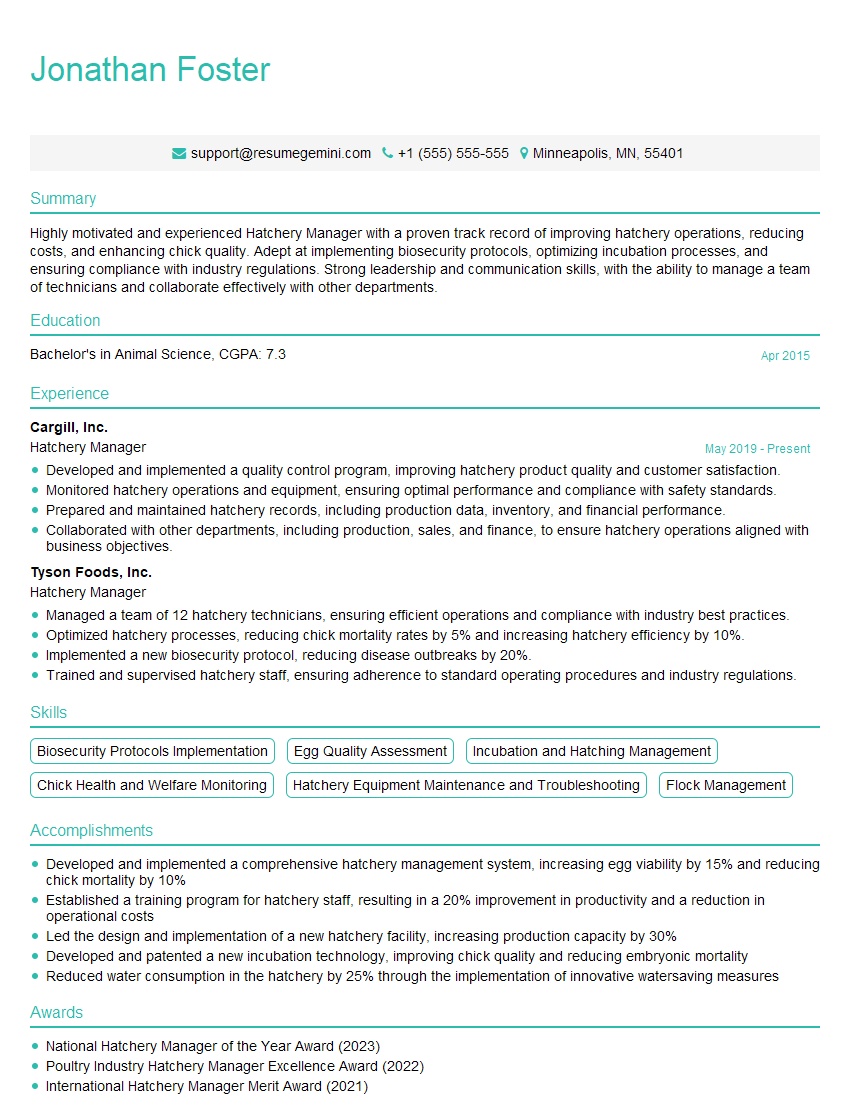
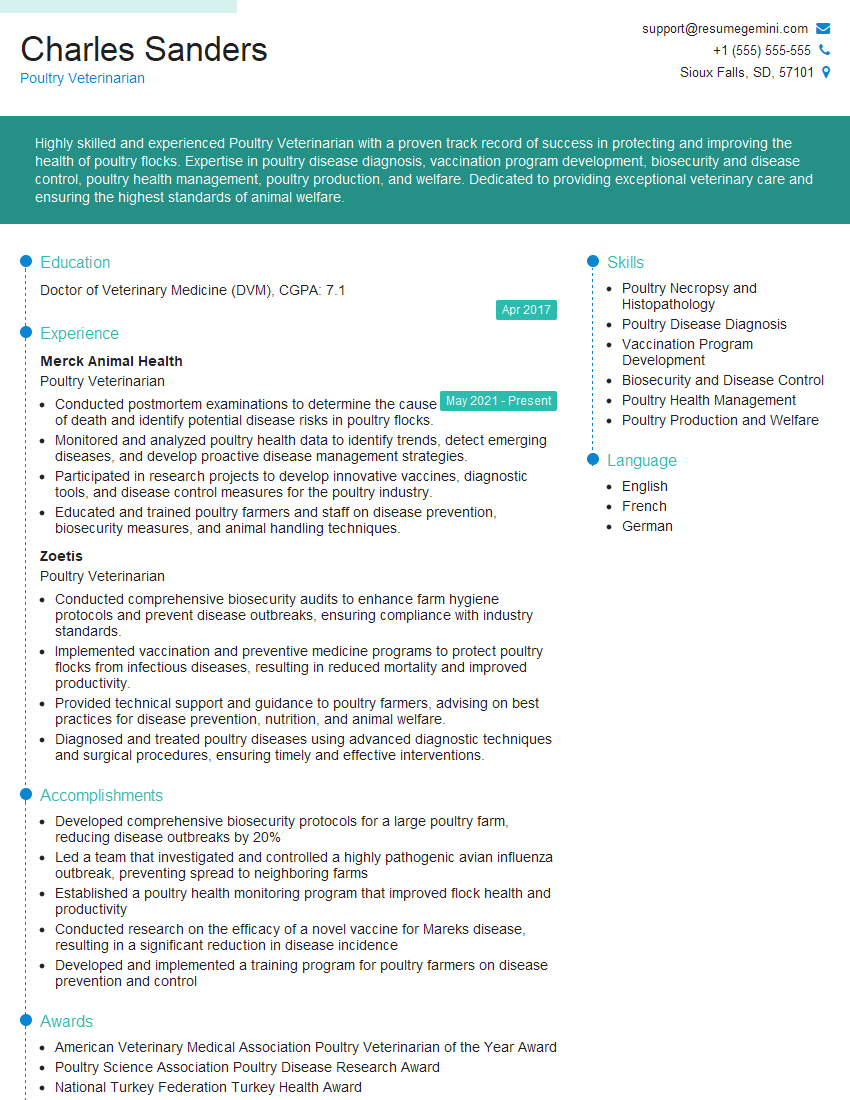
Mastering Poultry Health and Welfare is crucial for career advancement in this growing field. A strong understanding of these principles opens doors to leadership roles, specialized positions, and higher earning potential. To significantly increase your chances of securing your dream role, creating an ATS-friendly resume is paramount. ResumeGemini is a trusted resource to help you build a professional and impactful resume that showcases your skills and experience effectively. Examples of resumes tailored specifically to Poultry Health and Welfare are available through ResumeGemini to help you get started. Investing time in crafting a compelling resume will significantly improve your job prospects.
Explore more articles
Users Rating of Our Blogs
Share Your Experience
We value your feedback! Please rate our content and share your thoughts (optional).
What Readers Say About Our Blog
I Redesigned Spongebob Squarepants and his main characters of my artwork.
https://www.deviantart.com/reimaginesponge/art/Redesigned-Spongebob-characters-1223583608
IT gave me an insight and words to use and be able to think of examples
Hi, I’m Jay, we have a few potential clients that are interested in your services, thought you might be a good fit. I’d love to talk about the details, when do you have time to talk?
Best,
Jay
Founder | CEO