The thought of an interview can be nerve-wracking, but the right preparation can make all the difference. Explore this comprehensive guide to Pre-Referral Intervention interview questions and gain the confidence you need to showcase your abilities and secure the role.
Questions Asked in Pre-Referral Intervention Interview
Q 1. Explain the core principles of Pre-Referral Intervention.
Pre-Referral Intervention (PRI) is a proactive, problem-solving approach designed to address student academic, behavioral, or social-emotional difficulties before a formal referral for special education or other intensive services is made. The core principles revolve around early identification, collaboration, and evidence-based interventions. It emphasizes a multi-tiered system of support (MTSS) framework, focusing on providing increasingly intensive support as needed.
- Early Identification and Prevention: PRI aims to address issues early on, preventing escalation and potential need for more intensive interventions later.
- Data-Driven Decision Making: Interventions are implemented based on data collected on student performance and behavior, allowing for adjustments based on effectiveness.
- Collaboration and Teamwork: Successful PRI relies on collaboration among teachers, administrators, parents, support staff, and potentially specialists to create a cohesive support system for the student.
- Evidence-Based Practices: Interventions are chosen based on research and proven efficacy in addressing the specific student needs.
- Individualized Support: Interventions are tailored to the specific needs of each student, recognizing that a ‘one-size-fits-all’ approach is ineffective.
Q 2. Describe your experience implementing Tier 1 interventions.
My experience implementing Tier 1 interventions involves designing and delivering high-quality instruction for all students. This includes implementing school-wide positive behavior interventions and supports (PBIS), creating a positive and engaging classroom environment, and using differentiated instruction to meet the diverse learning needs of my students. For example, I regularly used data from formative assessments to adjust my teaching strategies and provide targeted support to struggling learners. This included providing supplemental materials, adjusting pacing, and offering small group instruction. I also actively participated in professional development focused on effective instructional strategies, such as explicit instruction, cooperative learning, and the use of technology to enhance learning. I consistently monitored student progress using data from classroom assessments, observations, and teacher-made tests to ensure that all students were making adequate progress.
Q 3. How do you identify students who would benefit from Pre-Referral Intervention?
Identifying students who may benefit from PRI involves a multifaceted approach. We utilize universal screening tools to assess all students’ academic and behavioral performance. This could include standardized tests, curriculum-based measurements (CBM), and behavioral rating scales. We also look for patterns of concern, such as:
- Consistent low performance on classroom assessments and assignments
- Difficulty following classroom rules and expectations
- Social-emotional challenges, such as anxiety or difficulty interacting with peers
- Teacher observations indicating a significant need for additional support
- Concerns raised by parents or other school staff
The key is to not focus solely on low achievement but to consider the overall context of the student’s performance within the classroom and school environment.
Q 4. What are the key differences between Tier 1, Tier 2, and Tier 3 interventions?
The three tiers represent increasing levels of intensity and support within an MTSS framework:
- Tier 1: Universal Interventions – These are high-quality, evidence-based instructional and behavioral practices implemented for all students. The goal is to prevent problems from developing and provide a strong foundation for learning for all students. Think of it as preventative maintenance – oiling the engine before it breaks down.
- Tier 2: Targeted Interventions – These interventions are provided to small groups of students who are demonstrating a need for additional support, despite receiving Tier 1 interventions. These interventions are more intensive and focused on addressing specific student needs. This would be like minor repairs before the problem becomes bigger.
- Tier 3: Intensive Interventions – These interventions are highly individualized and provided to students who have not responded adequately to Tier 1 and Tier 2 interventions. They may involve specialized instruction, therapy, or other intensive supports. This is like major repairs or replacing a crucial engine component.
The progression through tiers is data-driven and aims to prevent the escalation of difficulties.
Q 5. Describe a time you successfully implemented a Pre-Referral Intervention strategy.
I once worked with a student, let’s call him Alex, who was exhibiting disruptive behaviors in class, impacting his learning and that of his peers. He wasn’t meeting grade-level expectations in reading. Instead of immediately referring him for special education, we implemented a Tier 2 intervention focusing on positive behavior supports and targeted reading instruction. We collaborated with Alex’s teacher, parents, and a school psychologist. The teacher implemented a behavior chart rewarding positive behaviors and a tailored reading intervention focusing on phonics and fluency. Parents were involved in consistent homework support and positive reinforcement at home. We tracked Alex’s behavior and reading progress weekly. Within a few months, his behavior significantly improved, and he started catching up in reading. This successful PRI avoided unnecessary referral and allowed Alex to thrive in the general education setting.
Q 6. What data do you collect to monitor the effectiveness of Pre-Referral Interventions?
Monitoring the effectiveness of PRI requires collecting and analyzing various data points. This includes:
- Academic data: Classroom assessments, CBM data, standardized test scores, and progress monitoring data related to the specific areas of concern.
- Behavioral data: Observations of student behavior, frequency counts of problem behaviors, and data from behavior rating scales. We may utilize tools like behavior charts.
- Social-emotional data: Information about the student’s social skills, emotional regulation, and relationships with peers and adults. This may come from teacher observations, peer ratings, or self-report measures.
This data is regularly reviewed to determine the effectiveness of the intervention and whether adjustments are needed. The data provides a clear picture of the student’s progress and informs decisions about continued support or a move to a more intensive intervention tier.
Q 7. How do you collaborate with teachers, parents, and administrators during the Pre-Referral process?
Collaboration is the cornerstone of successful PRI. I communicate regularly with teachers to monitor student progress, adapt interventions as needed, and share information about best practices. I involve parents by providing regular updates, explaining the interventions being implemented, and seeking their input and support. With administrators, I collaborate to ensure that resources and support are available for PRI, and we jointly make decisions regarding resource allocation and program adjustments. Regular team meetings with all stakeholders are essential to creating a shared understanding of the student’s needs and ensuring consistent support across settings.
Q 8. What strategies do you use to build positive relationships with students?
Building positive relationships with students is the cornerstone of effective Pre-Referral Intervention. It’s about creating a safe, supportive, and respectful learning environment where students feel valued and understood. I achieve this through several key strategies:
- Active Listening and Empathy: I make a conscious effort to truly listen to students, understand their perspectives, and validate their feelings. For instance, if a student is frustrated about a task, I’ll ask them to explain their difficulty, rather than just telling them what to do.
- Building Rapport Through Shared Interests: I try to find common ground with each student, whether it’s a shared interest in sports, music, or a particular hobby. This helps to build trust and create a connection beyond the teacher-student dynamic. For example, I might casually chat with a student about their recent soccer game.
- Positive Reinforcement and Encouragement: I focus on celebrating successes, both big and small, and offer consistent, genuine praise and encouragement. Instead of solely focusing on mistakes, I highlight areas where a student has improved or demonstrated effort.
- Consistency and Fairness: Students need to know they can rely on consistent application of classroom rules and expectations. Fairness in my approach ensures everyone feels treated respectfully and equally.
- Open Communication with Parents/Guardians: Maintaining open communication with parents/guardians is vital to creating a cohesive support system for the student. Regular updates and collaborative problem-solving significantly enhance the effectiveness of interventions.
Q 9. Explain your understanding of Response to Intervention (RTI).
Response to Intervention (RTI) is a multi-tiered framework designed to provide early and effective support to struggling learners. It’s a proactive approach, focusing on preventing academic and behavioral difficulties before they escalate to the point of needing special education services. Imagine it like a tiered system of support:
- Tier 1: Universal Screening and Instruction: All students receive high-quality instruction in the general education classroom. This includes evidence-based teaching strategies and regular monitoring of student progress.
- Tier 2: Targeted Interventions: Students who aren’t making sufficient progress in Tier 1 receive additional, more targeted support. This might involve small-group instruction, differentiated activities, or supplemental materials.
- Tier 3: Intensive Interventions: Students who continue to struggle in Tier 2 receive intensive, individualized interventions. This may involve one-on-one tutoring, specialized instruction, or other intensive supports. If progress is still not made, special education evaluation may be considered.
RTI emphasizes data-driven decision making. Regular assessment helps to identify students who need support and track their progress throughout the intervention process. The goal is to support students within the general education setting as much as possible.
Q 10. How do you adapt Pre-Referral Interventions to meet the diverse needs of students?
Adapting Pre-Referral Interventions to meet diverse student needs is crucial. I do this by considering several factors:
- Learning Styles: I differentiate instruction to cater to various learning styles (visual, auditory, kinesthetic). For example, for a visual learner, I might use diagrams or charts, while for a kinesthetic learner, I might incorporate hands-on activities.
- Cultural and Linguistic Backgrounds: I’m sensitive to cultural differences and linguistic needs. I use culturally responsive teaching strategies and ensure materials and communication are accessible to all students. If needed, I collaborate with interpreters or bilingual educators.
- Individualized Goals: Interventions are tailored to each student’s unique strengths, weaknesses, and learning goals. Instead of a one-size-fits-all approach, I create personalized plans based on individual assessments and observations.
- Collaboration with Parents/Guardians: I actively involve parents/guardians in the intervention process, ensuring that interventions are aligned with family values and expectations. This collaborative approach ensures that interventions are both effective and culturally appropriate.
- Collaboration with Specialists: I work closely with other professionals, such as special education teachers, counselors, and speech-language pathologists, to address complex needs and access specialized expertise.
Q 11. Describe your experience with Functional Behavior Assessments (FBAs).
Functional Behavior Assessments (FBAs) are systematic processes used to understand the function of a student’s challenging behavior. It’s not about labeling a student, but about identifying the underlying reasons for their behavior. My experience with FBAs involves:
- Gathering Information: This involves interviews with the student, teachers, parents, and other relevant individuals, observations of the student’s behavior in various settings, and review of any relevant records.
- Identifying Antecedents, Behaviors, and Consequences (ABCs): We analyze the events that precede the behavior (antecedents), the behavior itself, and the consequences that follow the behavior. This helps to identify patterns and triggers.
- Developing Hypotheses: Based on the gathered information, we develop hypotheses about the function of the behavior – what the student is trying to achieve through their actions (e.g., attention, escape from a task, access to something desired).
- Developing Intervention Strategies: The FBA informs the development of a Behavior Intervention Plan (BIP), focusing on teaching replacement behaviors and addressing the underlying function of the challenging behavior.
For example, I conducted an FBA for a student who frequently disrupted class. Through observation and interviews, we discovered the disruptive behavior was primarily occurring when he was asked to complete difficult math problems. The function appeared to be avoidance of the task. The BIP we developed focused on providing him with additional support in math and teaching him alternative strategies for managing frustration.
Q 12. How do you develop Behavior Intervention Plans (BIPs)?
Developing Behavior Intervention Plans (BIPs) is a collaborative process based on the findings of the FBA. It’s a proactive, positive approach that focuses on teaching replacement behaviors and addressing the underlying reasons for challenging behaviors.
The key steps in developing a BIP are:
- Clearly Define the Target Behavior: The behavior must be defined in observable and measurable terms. For example, instead of saying ‘disruptive behavior,’ we might specify ‘leaving seat without permission more than three times during class’.
- Identify Antecedents and Consequences: This information comes directly from the FBA. We pinpoint situations that trigger the behavior and what usually follows it.
- Develop Replacement Behaviors: We identify appropriate behaviors the student can use instead of the challenging behavior. For instance, instead of leaving their seat, they could raise their hand to ask for help.
- Create Strategies for Teaching and Reinforcing Replacement Behaviors: This might include positive reinforcement (praising the student when they use the replacement behavior), visual supports (e.g., a chart showing expected behaviors), or other strategies based on the student’s needs.
- Develop Strategies for Preventing Challenging Behaviors: This involves modifying the environment or antecedent events to reduce the likelihood of the challenging behavior. For example, providing frequent breaks, adjusting task difficulty, or proactively providing support.
- Monitoring and Data Collection: Regular monitoring of the student’s behavior and progress is vital, allowing for adjustments to the plan as needed. Data collection provides objective evidence of the plan’s effectiveness.
Q 13. What are some common challenges in implementing Pre-Referral Interventions, and how do you address them?
Implementing Pre-Referral Interventions presents several challenges:
- Time Constraints: Teachers often have limited time to implement interventions alongside their regular teaching responsibilities.
- Lack of Resources: Schools may lack sufficient resources (personnel, materials, funding) to adequately support interventions.
- Buy-in from Stakeholders: Securing commitment from all stakeholders (teachers, parents, administrators) is vital for success. Resistance from any party can hinder implementation.
- Data Collection and Monitoring: Consistently tracking student progress and gathering data can be time-consuming and require specialized skills.
- Lack of Training and Support: Teachers might need additional training and ongoing support to effectively implement interventions.
Addressing these challenges involves:
- Prioritizing Interventions: Focus on the most impactful interventions, using data to guide decisions.
- Seeking Collaboration: Work with other professionals to share the workload and leverage expertise.
- Utilizing Technology: Employ technology tools to streamline data collection and management.
- Advocating for Resources: Actively advocate for necessary resources at the school and district levels.
- Professional Development: Engage in professional development opportunities to enhance skills and knowledge related to Pre-Referral Interventions.
Q 14. How do you prioritize interventions based on student needs and available resources?
Prioritizing interventions requires a strategic approach balancing student needs and resource availability. I utilize a multi-faceted approach:
- Data-Driven Decision Making: I rely on assessment data to identify students who are most at risk and whose needs are most urgent. This includes academic performance data, behavior data, and any other relevant information.
- Severity of Need: Interventions are prioritized based on the severity of the student’s challenges. Students with significant academic or behavioral difficulties will receive higher priority.
- Response to Previous Interventions: I consider the student’s response to previous interventions. If an intervention has been ineffective, a more intensive approach is warranted.
- Resource Availability: I carefully consider the available resources (time, staff, materials) when prioritizing interventions. I aim for a balance between student needs and feasible interventions.
- Collaboration: I collaborate with colleagues, administrators, and parents/guardians to develop a shared understanding of priorities and effectively allocate resources.
Imagine a scenario where I have several students struggling. A student exhibiting significant self-harm behaviors would receive top priority given its severity, even if it means temporarily shifting resources from less critical issues. For other students, we might implement tiered interventions, starting with less intensive supports before escalating to more intensive ones if needed.
Q 15. What is your experience with different intervention strategies (e.g., positive reinforcement, behavioral modification)?
Pre-Referral Intervention (PRI) relies heavily on various intervention strategies to address student learning and behavioral challenges before resorting to special education referrals. My experience encompasses a wide range of approaches, including positive reinforcement, behavioral modification, and collaborative problem-solving.
Positive Reinforcement: This involves rewarding desired behaviors to increase their frequency. For example, I’ve worked with students who struggled with completing assignments. By implementing a token economy system where they earned points for completed work, redeemable for small rewards, we saw a significant improvement in their engagement and task completion. This is effective because it focuses on building positive habits rather than solely punishing negative ones.
Behavioral Modification: This strategy focuses on identifying the antecedents (events preceding the behavior), the behavior itself, and the consequences. By analyzing these elements, we can create interventions that alter the environment or consequences to change the behavior. For instance, a student exhibiting disruptive classroom behavior might be receiving attention (a positive reinforcer) as a result. We might implement a plan to ignore minor disruptions while consistently rewarding on-task behavior. This helps break the cycle of negative attention seeking.
Collaborative Problem Solving (CPS): This approach involves a team (teacher, student, parents, and support staff) working together to understand the root causes of the student’s challenges and develop individualized solutions. I’ve successfully used CPS to address a student’s anxiety impacting their school performance. Through collaborative meetings, we identified triggers and developed strategies to help the student manage their anxiety and improve their academic performance.
Career Expert Tips:
- Ace those interviews! Prepare effectively by reviewing the Top 50 Most Common Interview Questions on ResumeGemini.
- Navigate your job search with confidence! Explore a wide range of Career Tips on ResumeGemini. Learn about common challenges and recommendations to overcome them.
- Craft the perfect resume! Master the Art of Resume Writing with ResumeGemini’s guide. Showcase your unique qualifications and achievements effectively.
- Don’t miss out on holiday savings! Build your dream resume with ResumeGemini’s ATS optimized templates.
Q 16. How do you document the Pre-Referral Intervention process?
Documentation is crucial for effective PRI. My process involves meticulously recording each step, ensuring transparency and accountability. I utilize a multi-faceted approach:
Initial Assessment: Detailed notes on the student’s strengths, weaknesses, and specific concerns, including observation data and teacher input.
Intervention Plan: A clearly defined plan outlining the chosen strategies, goals, timelines, and the individuals responsible for implementing each component. This plan must be specific, measurable, achievable, relevant, and time-bound (SMART).
Progress Monitoring: Regular data collection to track the student’s response to the intervention. This may involve documenting behaviors, academic performance, or other relevant indicators. I often utilize charts and graphs to visualize progress.
Team Meetings: Minutes from all meetings detailing discussions, decisions, and progress updates. This ensures everyone stays informed and contributes to the ongoing intervention.
Parent Communication: Copies of all correspondence, including emails, phone calls, and meeting summaries.
All documentation is stored securely and confidentially, adhering to school and district policies.
Q 17. How do you determine when Pre-Referral Intervention is not effective and referral to special education is necessary?
Determining when PRI is ineffective is a critical decision requiring careful consideration. It’s not a failure to move to a special education referral; rather, it’s a recognition that the student’s needs require more intensive support. I consider several factors:
Lack of Significant Progress: If, despite consistent implementation of the PRI plan, the student shows minimal or no progress toward the established goals after a reasonable timeframe (often 4-6 weeks, but this varies), it may be time to consider other options.
Severity of the Need: Some challenges may require immediate and specialized interventions that PRI cannot adequately address. For example, severe emotional disturbances or significant cognitive impairments often necessitate a more intensive approach.
Data Analysis: Consistent monitoring data showing a lack of positive trend warrants a thorough review of the intervention plan and consideration for a referral.
Teacher and Parent Input: Valuable feedback from the teacher and parents is critical. Their observations and perspectives provide a holistic view of the student’s progress and needs.
Ultimately, the decision is made collaboratively with parents, teachers, administrators, and support staff, ensuring the student receives the most appropriate services.
Q 18. What ethical considerations are important during Pre-Referral Intervention?
Ethical considerations are paramount in PRI. My practice is guided by principles of:
Confidentiality: All information gathered and discussed regarding the student’s needs is kept strictly confidential and shared only with authorized personnel.
Informed Consent: Parents are fully informed about the PRI process, the intervention strategies being used, and their right to consent or refuse participation. Their involvement is crucial.
Fairness and Equity: The intervention strategies chosen should be appropriate for the student’s individual needs and not based on biases or discriminatory practices.
Least Restrictive Environment: The goal of PRI is to support the student in the least restrictive environment possible, prioritizing inclusion and maintaining the student’s presence in the general education classroom whenever feasible.
Due Process: All decisions regarding PRI and any subsequent referrals are made in accordance with established legal and school district procedures, ensuring fairness and transparency.
Q 19. How do you ensure parental involvement in the Pre-Referral process?
Parental involvement is essential for successful PRI. I actively seek to include parents from the beginning:
Initial Contact: I initiate contact early, explaining the PRI process and seeking their perspectives on their child’s strengths and challenges. I strive to build a collaborative partnership.
Joint Goal Setting: I work collaboratively with parents to develop shared goals for the intervention, ensuring their input is valued and incorporated into the plan.
Regular Communication: I maintain consistent communication, providing regular updates on progress, challenges, and any necessary adjustments to the intervention plan. This might include weekly email updates, phone calls, or scheduled meetings.
Home-School Collaboration: I explore ways to involve parents in implementing strategies at home, to reinforce what is being taught and practiced at school. Consistency between home and school environments is vital for success.
Open Dialogue: I encourage open communication and welcome parental questions and concerns, creating a safe space for collaborative problem-solving.
Q 20. How do you communicate effectively with parents about their child’s progress?
Effective communication with parents is crucial. I use a multifaceted approach:
Clear and Concise Language: I avoid jargon and use language easily understood by parents, focusing on the student’s progress and needs in a straightforward manner.
Visual Aids: I use graphs and charts to illustrate progress visually, making data easier to understand. This provides concrete evidence of progress or areas that need further attention.
Regular Updates: I provide consistent updates, not just when there are problems but also to celebrate successes. This creates a positive and supportive environment.
Two-Way Communication: I encourage parents to share their observations and concerns, actively listening and addressing their questions and anxieties. This fosters trust and collaboration.
Various Communication Methods: I adapt to parents’ preferences, utilizing email, phone calls, meetings, or even brief notes depending on individual needs and schedules. Flexibility is key.
I always frame conversations positively, focusing on the student’s strengths and potential while addressing challenges constructively. The emphasis is always on collaboration and support.
Q 21. Describe your experience with data-driven decision making in Pre-Referral Intervention.
Data-driven decision making is fundamental to effective PRI. I rely on data to inform every stage of the process:
Baseline Data Collection: Before implementing an intervention, I collect baseline data on the target behavior or academic skill to establish a starting point for measuring progress. This might involve direct observation, teacher ratings, or student work samples.
Ongoing Monitoring: I systematically collect data throughout the intervention to monitor progress toward the established goals. This ensures the chosen strategies are effective and allows for timely adjustments if needed.
Data Analysis: I regularly analyze the collected data to determine if the student is making adequate progress. This might involve calculating averages, creating graphs, or utilizing other data analysis techniques.
Decision Making: Based on data analysis, I make informed decisions about continuing, modifying, or terminating the intervention. Data provides the evidence to justify changes to the intervention plan.
Communication: Data is used to communicate progress to parents and other stakeholders, providing objective evidence to support my conclusions.
For instance, if a student’s disruptive behaviors are being targeted, I might track the frequency and duration of those behaviors using a daily data sheet. If the data show a consistent downward trend, it suggests the intervention is working. If not, it guides changes in strategy.
Q 22. How do you use assessment data to inform your intervention strategies?
Assessment data is the cornerstone of effective Pre-Referral Intervention (PRI). It helps us understand a student’s strengths and weaknesses, pinpoint the root causes of academic or behavioral struggles, and tailor interventions accordingly. We don’t just look at test scores; we consider a holistic picture.
For example, if a student is struggling in reading, we wouldn’t just look at their reading comprehension scores. We’d analyze their phonics skills, fluency, vocabulary knowledge, and even their classroom behavior and engagement. We might use curriculum-based measurement (CBM) to track progress in specific skills, observations to assess classroom behavior, and interviews with the student and teacher to gain multiple perspectives. This multifaceted approach helps us create a truly targeted intervention.
Based on this data, we might identify a need for explicit phonics instruction, strategies to improve reading fluency, or adjustments to the classroom environment to better support the student’s focus. The data guides our decisions every step of the way, ensuring that the intervention is both effective and efficient.
Q 23. What is your experience with different assessment tools?
My experience encompasses a wide range of assessment tools, both formal and informal. Formal assessments include standardized tests like the Woodcock-Johnson IV Tests of Achievement, which provide a comprehensive evaluation of cognitive abilities and academic achievement. I also utilize curriculum-based measurements (CBM) regularly to monitor progress in core academic areas like reading and math. These provide frequent, data-driven insights into student performance, allowing for quick adjustments to intervention strategies.
Informal assessments are equally crucial. These might include observations of student behavior in the classroom, teacher interviews to understand the student’s learning style and challenges, and informal reading inventories to assess reading fluency and comprehension. I also utilize work samples and portfolios to assess student progress over time. The combination of formal and informal methods provides a richer and more accurate understanding of the student’s needs.
Q 24. How do you ensure confidentiality and maintain student privacy during the Pre-Referral process?
Confidentiality and student privacy are paramount in the PRI process. I strictly adhere to all relevant federal and state laws, including FERPA (Family Educational Rights and Privacy Act). All assessment data and intervention plans are kept in secure locations, accessible only to authorized personnel. Student names are never used in any discussions unless absolutely necessary, and I always obtain informed consent from parents or guardians before initiating any assessment or intervention.
During team meetings, we use pseudonyms or coded identifiers to protect student privacy. All electronic records are password-protected and stored securely. I am proactive in training all staff members on confidentiality protocols to ensure consistent practice across the board. Maintaining trust and ethical conduct is an essential component of effective PRI.
Q 25. Describe your experience working with students with specific learning disabilities.
I have extensive experience working with students with specific learning disabilities (SLDs). My approach is always individualized, based on a thorough assessment of the student’s specific needs and strengths. I’ve worked with students who have dyslexia, dysgraphia, and dyscalculia, among others. For example, I’ve supported students with dyslexia through explicit phonics instruction, multisensory learning techniques, and assistive technology. Students with dysgraphia might benefit from graphic organizers, assistive writing tools, and adaptations to classroom tasks. The key is to create a learning environment that addresses their unique challenges while fostering their academic success.
Collaboration with parents and special education teachers is essential in these cases. I ensure regular communication to ensure consistency and create a unified support system. My interventions are always data-driven, and I regularly monitor student progress to adjust strategies as needed. The goal is to help these students achieve their academic potential and build their confidence.
Q 26. How do you differentiate instruction during Pre-Referral Intervention?
Differentiated instruction is at the heart of effective PRI. It means tailoring instruction to meet the diverse needs of all students within a classroom. This isn’t just about ability levels; it also encompasses learning styles, interests, and cultural backgrounds. During PRI, we closely monitor each student’s response to intervention. If a student isn’t responding to the general classroom instruction, we implement targeted strategies.
For instance, if a student is struggling with reading comprehension, we might provide them with graphic organizers, pre-reading activities to build background knowledge, or guided reading sessions with small group instruction. For students who need more support with writing, I’ve used sentence starters, writing templates, and peer support strategies. Regular monitoring of student progress through data collection allows for continuous adjustment of these differentiated strategies.
Q 27. What professional development activities have you engaged in related to Pre-Referral Intervention?
I’ve actively participated in numerous professional development activities focused on PRI. These have included workshops on evidence-based interventions for various learning challenges, training on specific assessment tools, and seminars on effective collaboration with parents and special education staff. I’ve attended conferences on Response to Intervention (RTI) models and best practices in differentiated instruction. I also regularly participate in professional learning communities (PLCs) focused on improving PRI outcomes within my school.
For example, I recently completed a professional development course on using data to inform instructional decisions and learned to effectively implement CBM to better tailor my interventions. Ongoing professional development ensures that my skills and knowledge remain current and aligned with best practices in the field.
Q 28. How do you stay current with best practices in Pre-Referral Intervention?
Staying current with best practices in PRI requires ongoing effort. I regularly review professional journals and research articles related to RTI and specific learning disabilities. I actively participate in professional organizations such as the National Association of School Psychologists (NASP) to network with colleagues and stay informed about emerging trends and research findings. Attending conferences and workshops allows me to learn from experts and share best practices with others in the field.
I also use online resources and professional development opportunities to keep myself updated on new assessment tools, intervention strategies, and legal regulations. This commitment to continuous learning ensures that I’m equipped to provide the most effective and evidence-based support for students.
Key Topics to Learn for Pre-Referral Intervention Interview
- Understanding the Pre-Referral Process: Explore the stages involved, from initial identification of at-risk students to the implementation of interventions.
- Identifying At-Risk Students: Learn to recognize behavioral, academic, and social-emotional indicators that suggest a need for intervention. Practice analyzing case studies to develop your assessment skills.
- Developing and Implementing Intervention Strategies: Master the creation and execution of effective intervention plans tailored to individual student needs. Consider various intervention models and their application in diverse classroom settings.
- Collaboration and Communication: Understand the importance of effective communication with parents, teachers, administrators, and support staff. Practice strategies for building collaborative relationships.
- Data Collection and Analysis: Learn how to track student progress, analyze data to inform intervention adjustments, and effectively communicate outcomes to stakeholders. This includes understanding different data collection methods and their limitations.
- Ethical Considerations in Pre-Referral Intervention: Examine the ethical implications of intervention strategies, ensuring fairness, equity, and respect for student rights and confidentiality.
- Legal and Regulatory Frameworks: Understand relevant laws, policies, and regulations impacting Pre-Referral Intervention practices within your specific context (state or district).
- Problem-Solving and Critical Thinking: Develop your ability to analyze complex situations, identify root causes of student difficulties, and design creative solutions. Practice applying your knowledge to hypothetical scenarios.
Next Steps
Mastering Pre-Referral Intervention significantly enhances your career prospects in education, opening doors to specialized roles and leadership opportunities. A strong resume is crucial to showcasing your skills and experience effectively. To maximize your chances of securing interviews, create an ATS-friendly resume that highlights your relevant expertise. We strongly recommend using ResumeGemini, a trusted resource for building professional resumes. ResumeGemini provides examples of resumes tailored to Pre-Referral Intervention to help you craft a compelling application that stands out from the competition.
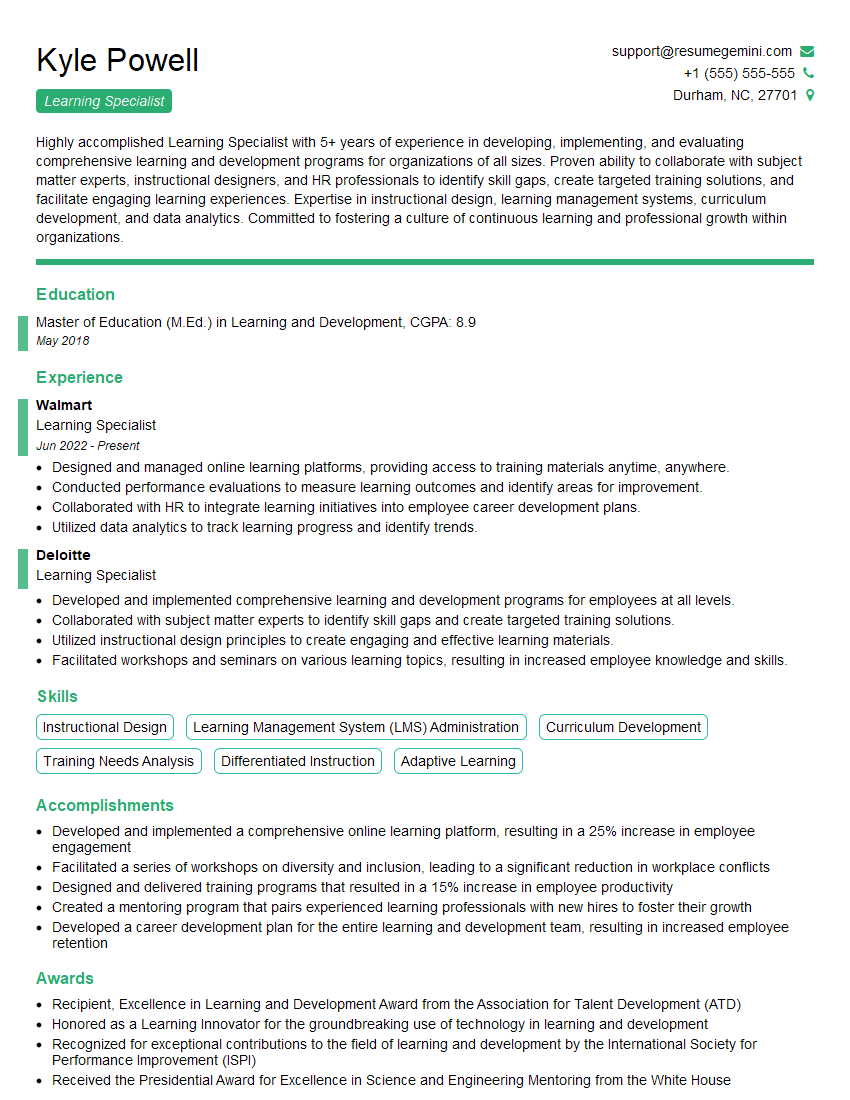
Learning Specialist Resume Sample
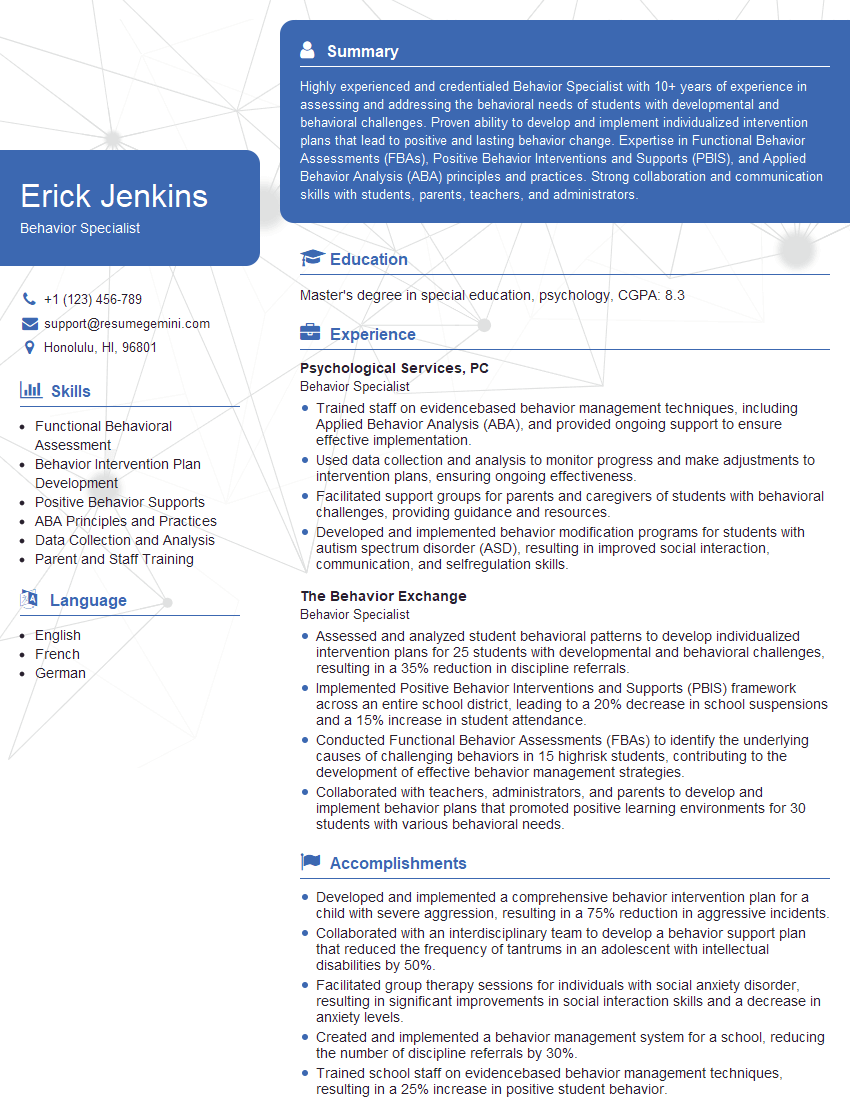
Behavior Specialist Resume Sample
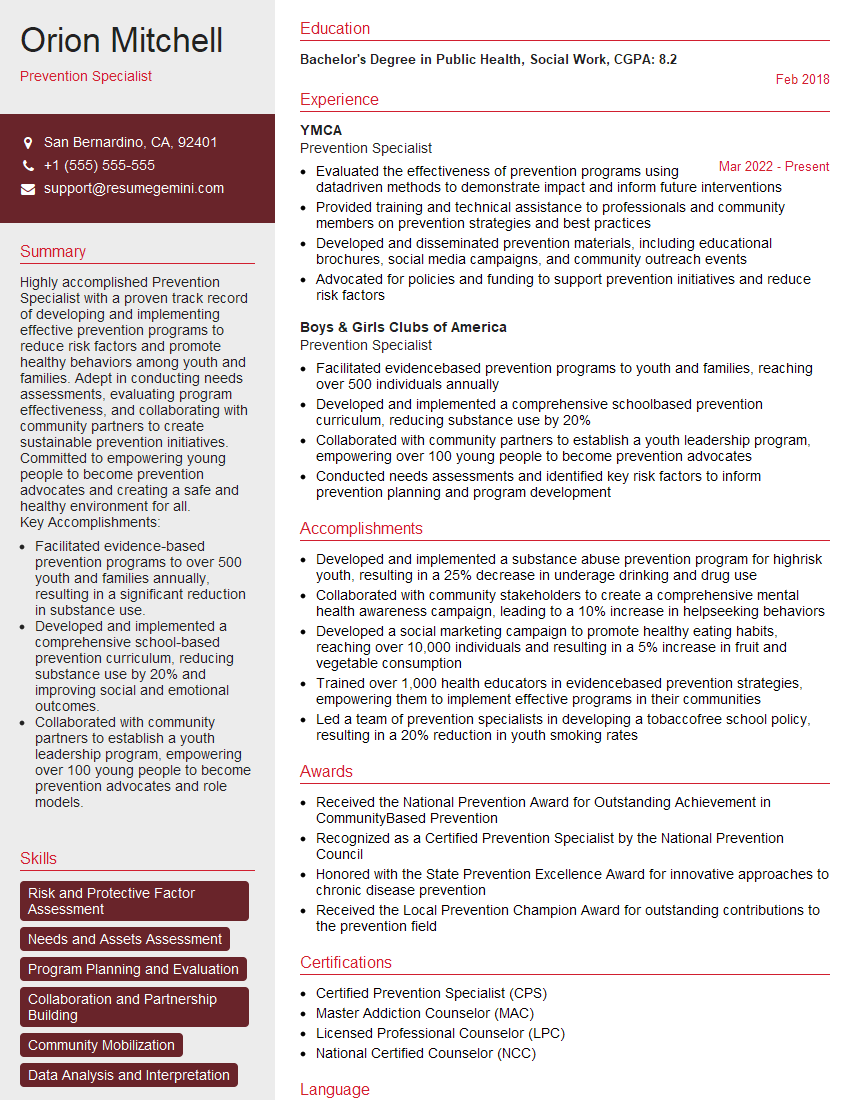
Prevention Specialist Resume Sample
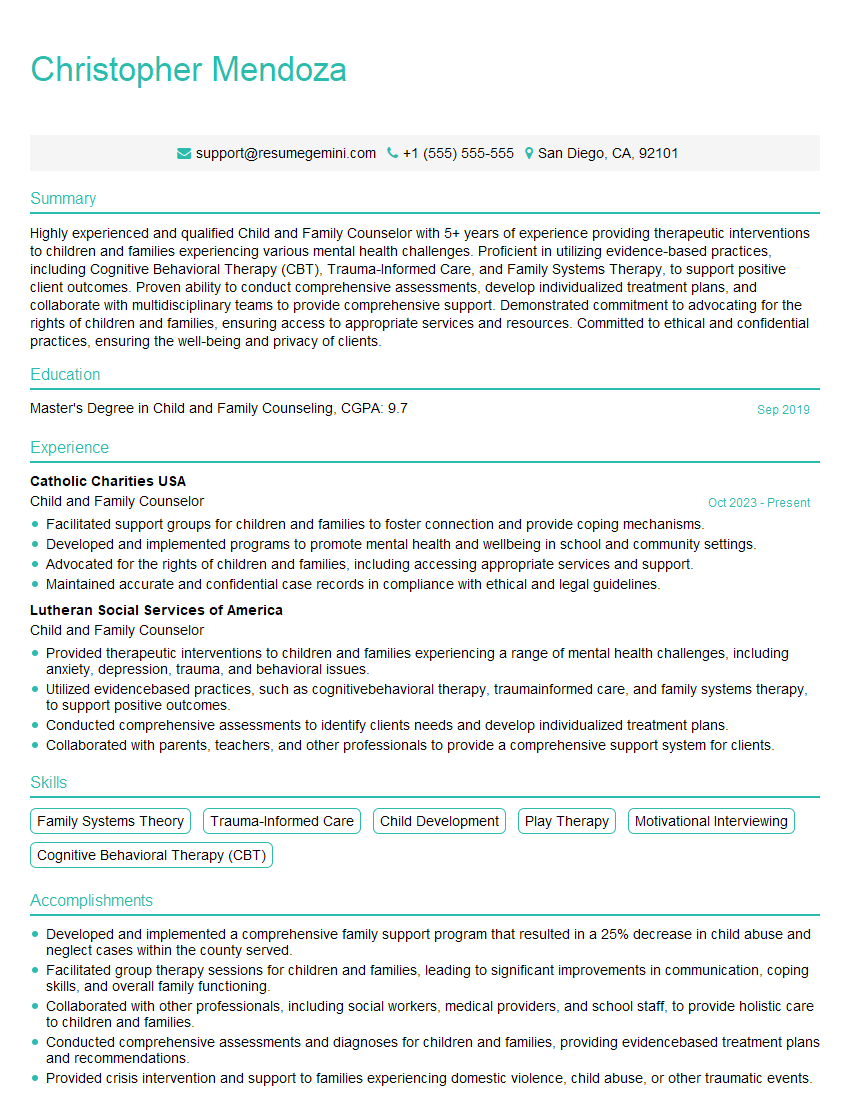
Child and Family Counselor Resume Sample
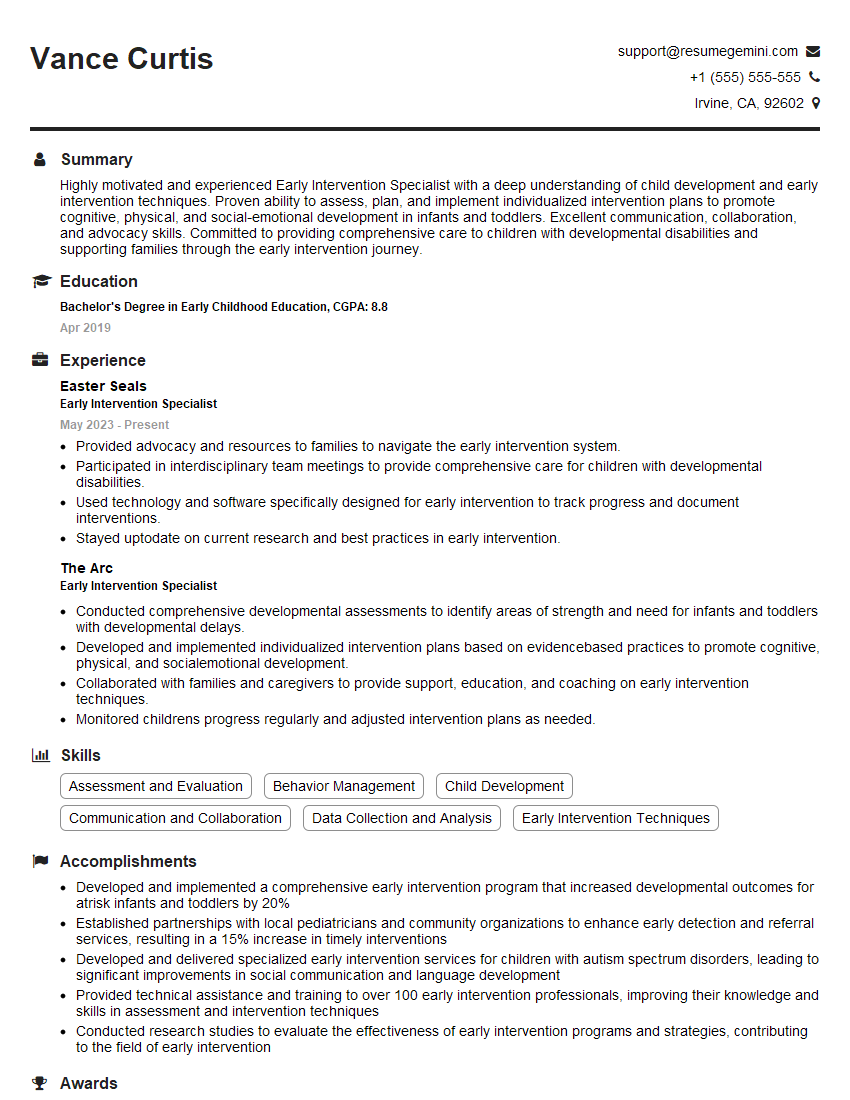
Early Intervention Specialist Resume Sample
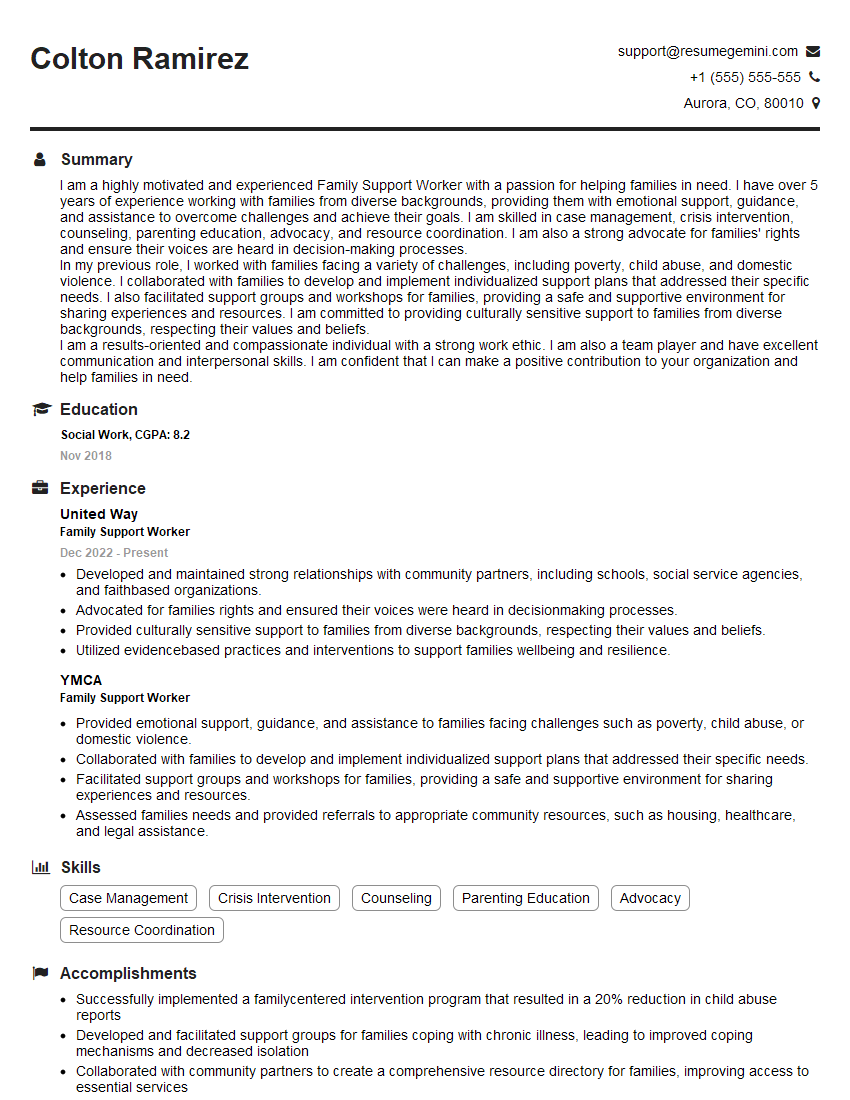
Family Support Worker Resume Sample

Crisis Intervention Specialist Resume Sample
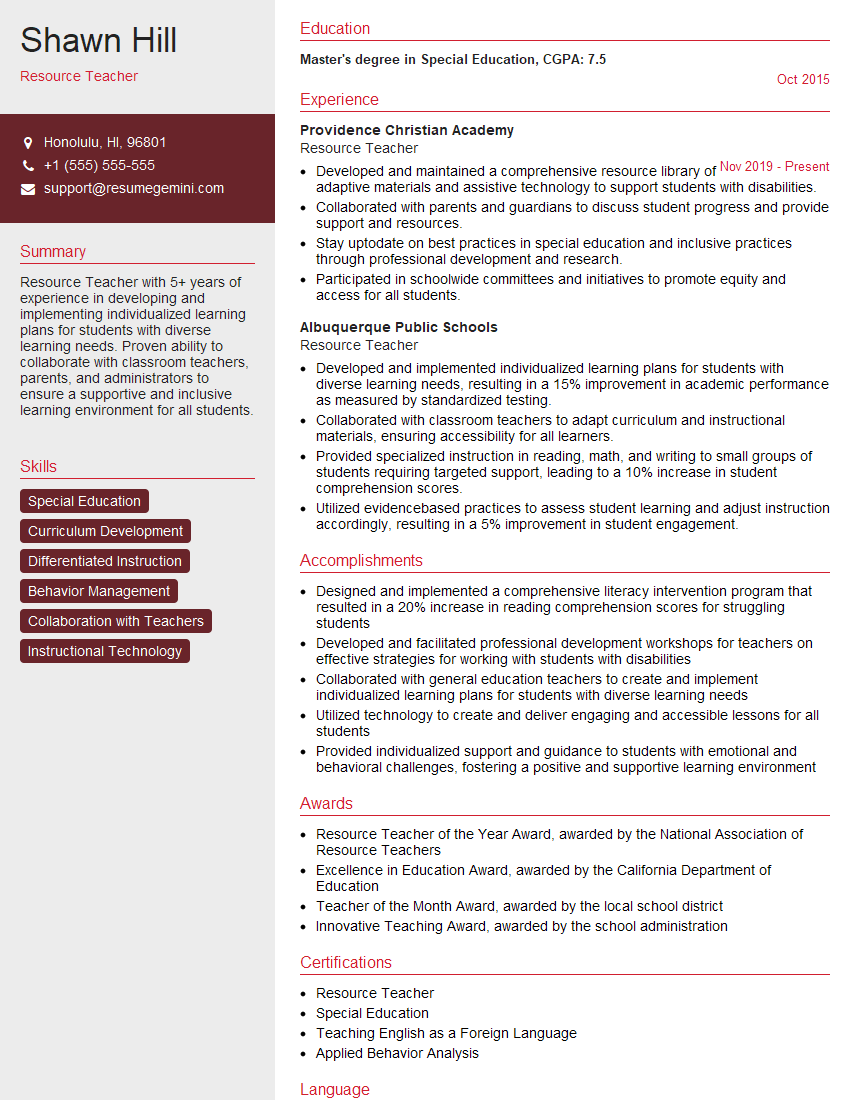
Resource Teacher Resume Sample
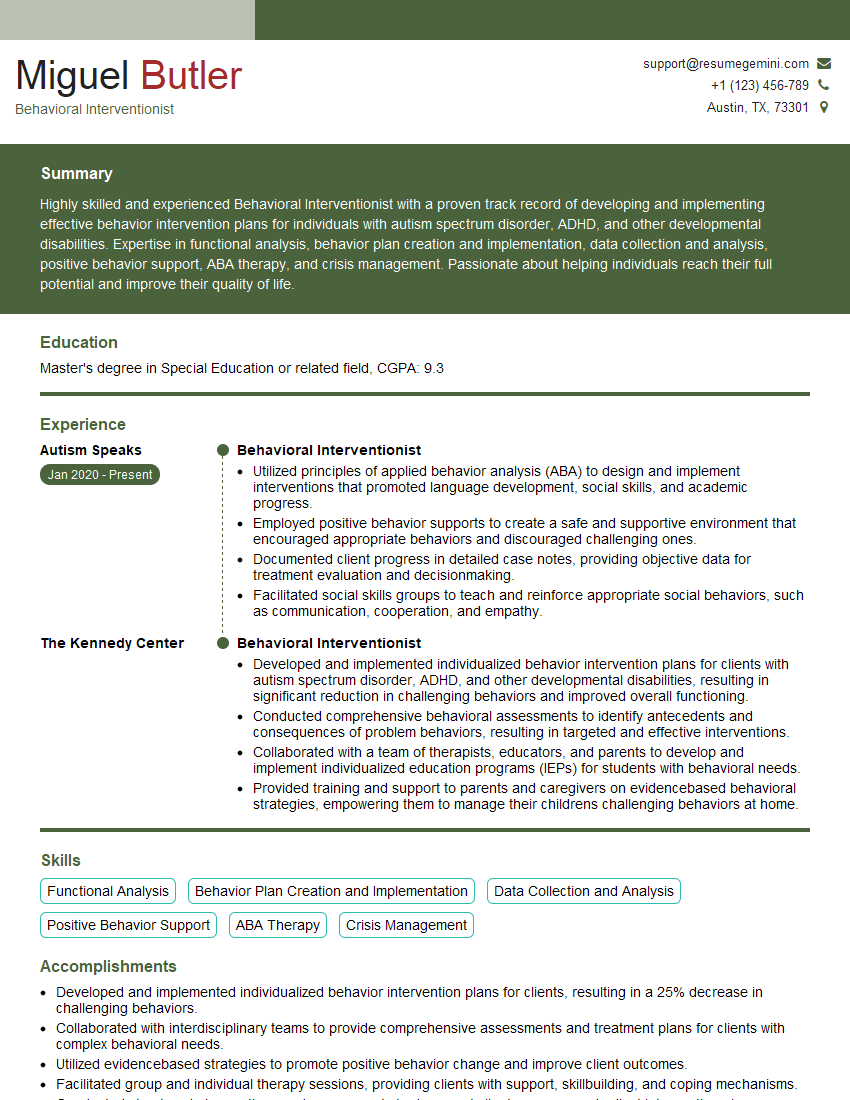
Behavioral Interventionist Resume Sample
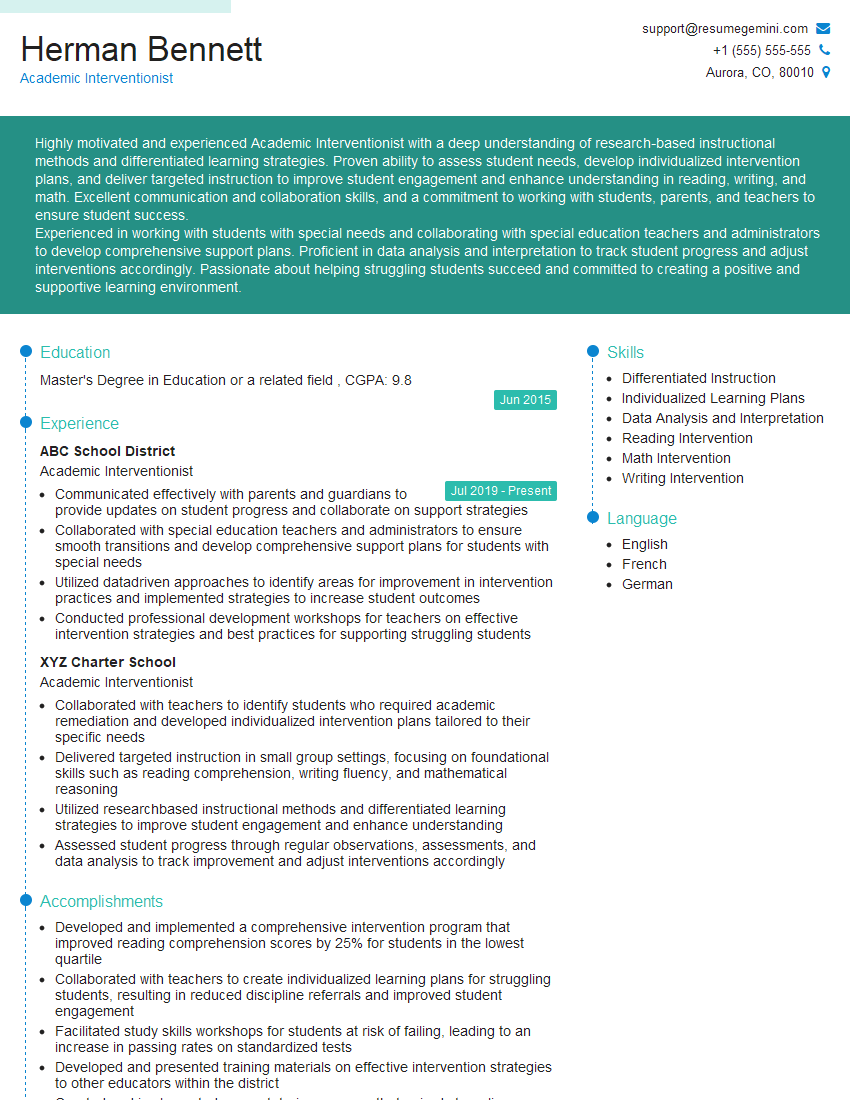
Academic Interventionist Resume Sample
Explore more articles
Users Rating of Our Blogs
Share Your Experience
We value your feedback! Please rate our content and share your thoughts (optional).
What Readers Say About Our Blog
I Redesigned Spongebob Squarepants and his main characters of my artwork.
https://www.deviantart.com/reimaginesponge/art/Redesigned-Spongebob-characters-1223583608
IT gave me an insight and words to use and be able to think of examples
Hi, I’m Jay, we have a few potential clients that are interested in your services, thought you might be a good fit. I’d love to talk about the details, when do you have time to talk?
Best,
Jay
Founder | CEO