Interviews are more than just a Q&A session—they’re a chance to prove your worth. This blog dives into essential Preschool Lesson Planning interview questions and expert tips to help you align your answers with what hiring managers are looking for. Start preparing to shine!
Questions Asked in Preschool Lesson Planning Interview
Q 1. Describe your experience developing age-appropriate lesson plans for preschoolers.
Developing age-appropriate lesson plans for preschoolers requires a deep understanding of their developmental stages and learning styles. I begin by focusing on the specific learning objectives aligned with national early childhood education standards. These objectives should be broken down into smaller, manageable steps. For example, instead of broadly aiming for ‘letter recognition,’ a more appropriate objective might be ‘identifying uppercase letters A, B, and C.’ My lesson plans always incorporate hands-on activities, interactive games, and plenty of opportunities for free play, as this age group thrives on active learning. I ensure that the activities are short, engaging, and allow for frequent transitions to maintain focus. I also incorporate themes that are relatable and interesting to preschoolers, such as animals, colors, shapes, and familiar stories. For instance, a lesson on counting could be integrated into a playful ‘feeding the animals’ activity. This ensures that the learning process is enjoyable and relevant.
Q 2. How do you incorporate various learning styles (visual, auditory, kinesthetic) into your lesson plans?
Catering to diverse learning styles is crucial for effective preschool teaching. I utilize a multi-sensory approach, incorporating visual, auditory, and kinesthetic learning elements into each lesson. For visual learners, I use colorful charts, flashcards, and picture books. Auditory learners benefit from songs, rhymes, and storytelling. For kinesthetic learners, I incorporate activities like building blocks, playing with playdough, and engaging in movement-based games. For example, teaching the alphabet can involve showing letter flashcards (visual), singing the alphabet song (auditory), and tracing letters in sand or using magnetic letters on a board (kinesthetic).
Q 3. Explain your approach to assessing children’s learning and progress in a preschool setting.
Assessing preschoolers’ learning is less about formal testing and more about observing their progress through various methods. I employ a combination of observation checklists, anecdotal records, and informal assessments. Observation checklists help me track specific skills, such as a child’s ability to count to ten or recognize basic shapes. Anecdotal records capture spontaneous observations of a child’s behavior and learning during play or activities. Informal assessments might involve asking simple questions, observing their participation in activities, and reviewing their artwork or projects. These methods provide a holistic picture of a child’s development, allowing me to tailor instruction to meet individual needs. For instance, if I observe a child struggling with fine motor skills during art activities, I can provide additional support with adapted materials or one-on-one guidance.
Q 4. How do you create a positive and engaging learning environment for preschool-aged children?
Creating a positive and engaging learning environment is paramount. This involves creating a classroom that is physically stimulating, emotionally safe, and intellectually enriching. I utilize bright colors, age-appropriate furniture, and plenty of learning centers focused on different areas like art, dramatic play, and building blocks. I establish clear routines and expectations, making transitions smooth and predictable. Positive reinforcement and encouragement are key, with regular praise and celebrating accomplishments. Creating a warm and welcoming atmosphere where children feel safe to explore, experiment, and express themselves is paramount. For example, a dedicated ‘calm down corner’ allows children to self-regulate when they feel overwhelmed, fostering emotional intelligence.
Q 5. How do you differentiate instruction to meet the needs of children with diverse learning abilities?
Differentiating instruction involves adapting teaching methods and materials to address the diverse learning abilities within the classroom. This might involve providing extra support for children who are struggling or offering enrichment activities for those who are excelling. For children with specific learning needs, I collaborate closely with their parents and any support specialists. This collaboration helps me implement individualized education plans (IEPs) or other support strategies effectively. Modifications may include using adapted materials, providing one-on-one assistance, or breaking down tasks into smaller, more manageable steps. For example, a child with fine motor difficulties might use larger crayons or adapted scissors.
Q 6. What strategies do you use to manage classroom behavior and promote positive social interactions?
Managing classroom behavior effectively requires a proactive and positive approach. I use a combination of strategies like establishing clear rules and expectations, using positive reinforcement, and modeling appropriate behavior. Positive reinforcement, such as praising good behavior or offering small rewards, motivates children to repeat positive actions. Predictable routines and transitions help reduce disruptive behavior. For example, a visual schedule displayed in the classroom allows children to anticipate changes throughout the day. When dealing with challenging behaviors, I focus on understanding the underlying cause and implementing strategies to address the root issue rather than simply punishing the child. For instance, if a child is acting out, I might try to identify if they are hungry, tired, or feeling overwhelmed.
Q 7. Describe your experience with implementing developmentally appropriate practices in a preschool classroom.
Implementing developmentally appropriate practices (DAP) is central to my teaching philosophy. DAP recognizes that children learn at different paces and through varied experiences. My lesson plans are designed to support children’s social, emotional, physical, and cognitive development. This includes providing opportunities for play-based learning, fostering creativity, and promoting social interactions. I also ensure that the activities are challenging but achievable, and I provide differentiated instruction to support children’s individual needs. I regularly evaluate my teaching practices to ensure they align with DAP principles and adapt my strategies as needed. For instance, incorporating open-ended activities allows children to explore concepts at their own pace and express their individuality. A good example is providing various art materials and letting children create their own masterpieces instead of following specific instructions.
Q 8. How familiar are you with different preschool curriculum frameworks (e.g., Reggio Emilia, Montessori)?
I have extensive experience with various preschool curriculum frameworks. My understanding encompasses the core principles and practical applications of Reggio Emilia, Montessori, and other approaches like the Creative Curriculum and HighScope.
Reggio Emilia emphasizes child-led learning, project-based exploration, and the documentation of children’s learning journeys. Think of it as a child-centered investigative process where the teacher acts as a facilitator, guiding exploration rather than dictating learning. For example, a project on ‘water’ might organically evolve from a child’s initial fascination with puddles to include investigations of its properties, its role in the environment, and artistic representations.
Montessori, in contrast, focuses on self-directed activity, hands-on learning, and carefully designed materials that cater to specific developmental stages. The teacher’s role is to prepare the environment and guide the child’s exploration of self-chosen activities. A practical example is the use of Montessori math materials like the golden beads, designed to allow children to grasp mathematical concepts through tactile experiences.
Understanding these frameworks allows me to adapt my teaching methods and create a rich learning environment that caters to diverse learning styles and developmental needs.
Q 9. How do you integrate technology effectively into preschool lesson plans?
Integrating technology in preschool requires careful consideration of age-appropriateness and educational goals. It’s not about replacing hands-on activities but enhancing them.
I use technology to:
- Enhance literacy: Interactive storybook apps, educational games that focus on phonics and vocabulary building.
- Support math skills: Apps that teach counting, number recognition, and basic shapes, always focusing on playful interaction rather than rote memorization.
- Boost creativity: Age-appropriate drawing and music apps.
- Facilitate communication with parents: Secure platforms for sharing photos, updates, and lesson plans.
For example, I might use a whiteboard app to collaboratively create a class story, or a simple coding app to introduce basic programming concepts through playful activities like directing a robot on screen. The key is to use technology as a tool, not a replacement for hands-on learning and social interaction.
Q 10. How do you plan for transitions between activities to minimize disruptions?
Smooth transitions are crucial for maintaining a positive and productive learning environment in preschool. I employ a multi-pronged approach:
- Visual cues: Using timers, picture schedules, or transition songs to signal upcoming changes. Children thrive on predictability.
- Verbal cues: Giving clear, simple warnings about upcoming transitions, “In five minutes, we’ll be cleaning up and getting ready for circle time.”
- Engaging activities: Making the transition itself fun. A short, playful song or a quick game as we tidy up.
- Positive reinforcement: Praising children for their cooperation and participation during transitions.
For instance, a transition from free play to circle time might involve a five-minute warning, followed by a cleanup song, and ending with a brief discussion about the day’s activities before beginning the formal lesson. Consistency and positive reinforcement are key to creating smooth and efficient transitions.
Q 11. Explain your method for creating thematic units in a preschool setting.
Creating thematic units provides a framework for integrating learning across different subject areas. My process involves:
- Choosing a theme: Based on children’s interests, seasonal events, or curriculum goals. Examples include “animals,” “transportation,” or “plants.”
- Developing learning objectives: Defining what children will learn during the unit, aligning with developmental milestones.
- Planning activities: Designing a range of activities addressing various learning domains: literacy, math, science, art, music, and dramatic play. For example, a “farm” theme might include reading farm-themed books, counting farm animals, learning about different farm animals’ habitats, creating farm animal paintings, and enacting farm scenes through dramatic play.
- Integrating assessment: Incorporating ongoing assessment to track children’s progress and adjust activities as needed.
I ensure the unit is engaging, hands-on, and caters to diverse learning styles, making it a rich and memorable experience for all children.
Q 12. How do you involve parents in their child’s preschool learning experience?
Parental involvement is essential for a child’s success. I proactively involve parents in several ways:
- Regular communication: Newsletters, emails, or parent-teacher conferences to share updates on children’s progress and classroom activities.
- Parent workshops: Conducting workshops on topics relevant to children’s development, such as literacy development or healthy eating habits.
- Volunteer opportunities: Offering opportunities for parents to volunteer in the classroom, helping with activities, or reading to children.
- Home-school connections: Suggesting activities that parents can do at home to reinforce what’s learned at school. For example, a simple worksheet or an extension of a class project.
Open communication and collaboration creates a supportive environment that fosters the child’s learning journey both in school and at home.
Q 13. Describe your experience with creating and utilizing assessment tools for preschoolers.
Assessment in preschool focuses on observing children’s development and progress rather than formal testing. I utilize a variety of tools:
- Anecdotal records: Observing children’s behavior, interactions, and learning during play and activities, noting their progress and any challenges they may be facing.
- Checklists: Tracking the development of key skills and milestones, such as fine motor skills or language development.
- Work samples: Collecting children’s artwork, writing samples, and projects to demonstrate their learning.
- Portfolios: Compiling children’s work and assessments to provide a comprehensive picture of their development over time.
I use these tools to provide personalized feedback, inform instruction, and communicate children’s progress to parents. The goal isn’t to rank children, but to identify their individual needs and strengths, and plan accordingly.
Q 14. How do you incorporate play-based learning into your curriculum?
Play-based learning is the cornerstone of my curriculum. I believe play is how children learn, explore, and make sense of the world. I incorporate it by:
- Providing ample opportunities for unstructured play: Dedicated time for free play allows children to choose their activities, develop creativity, and practice social skills.
- Designing purposeful play activities: Incorporating educational goals into play, such as using blocks for building and spatial reasoning, or pretend play to develop language and social skills.
- Using play-based assessments: Observing children during play to assess their skills and developmental progress.
- Creating a stimulating play environment: Providing a variety of materials and spaces that encourage imaginative play and exploration. For example, a dramatic play area with dress-up clothes, a construction area with blocks and building materials, or a sensory area with different textures.
Play is not just fun; it’s a powerful tool for learning and development. By carefully integrating educational goals into playful experiences, I make learning engaging and meaningful for young children.
Q 15. How do you address challenging behaviors in a preschool classroom?
Addressing challenging behaviors in preschool requires a proactive and positive approach. It’s crucial to understand the root cause of the behavior, rather than just reacting to the surface manifestation. This often involves careful observation, documentation, and collaboration with parents.
- Positive Reinforcement: Focusing on rewarding positive behaviors is key. For example, if a child is struggling with sharing, praising them when they share a toy reinforces that behavior. A reward system with stickers or small privileges can also be effective.
- Redirection: When a child exhibits undesirable behavior, gently redirecting their attention to a more appropriate activity can often prevent escalation. For instance, if a child is hitting, redirect them to a quiet corner with a calming activity like building blocks.
- Environmental Modifications: Sometimes, the classroom environment itself contributes to challenging behaviors. Ensuring the classroom is well-organized, stimulating, and appropriately stimulating for the children’s developmental stage can significantly minimize disruptive behavior. For example, removing potentially problematic toys or creating designated areas for different activities can be beneficial.
- Consistency and Clear Expectations: Children thrive on consistency. Establishing clear, age-appropriate rules and consistently enforcing them builds a sense of security and predictability. Using visual aids, like charts or pictures, can help young children understand expectations.
- Collaboration with Parents: Open communication with parents is vital. Sharing observations and strategies helps create a consistent approach at home and school, maximizing the positive impact on the child.
For example, I once worked with a child who frequently threw tantrums. By observing him closely, I realized he was often frustrated by his inability to express himself verbally. We introduced picture cards for communication, and paired this with patience and positive reinforcement. This significantly reduced his tantrums.
Career Expert Tips:
- Ace those interviews! Prepare effectively by reviewing the Top 50 Most Common Interview Questions on ResumeGemini.
- Navigate your job search with confidence! Explore a wide range of Career Tips on ResumeGemini. Learn about common challenges and recommendations to overcome them.
- Craft the perfect resume! Master the Art of Resume Writing with ResumeGemini’s guide. Showcase your unique qualifications and achievements effectively.
- Don’t miss out on holiday savings! Build your dream resume with ResumeGemini’s ATS optimized templates.
Q 16. Explain your approach to lesson plan documentation and record-keeping.
Lesson plan documentation and record-keeping are essential for effective teaching and assessment in preschool. My approach focuses on clarity, organization, and accessibility. Each lesson plan includes a detailed overview, learning objectives, materials needed, activities, assessment methods and a space for reflection.
- Detailed Lesson Plans: I use a standardized format for my lesson plans, which include:
- Theme/Topic: A clear statement of the overall theme or topic for the day’s lesson.
- Learning Objectives: Measurable, age-appropriate goals outlining what children should achieve by the end of the lesson (e.g., “Children will be able to identify three primary colors”).
- Materials: A complete list of all materials needed for the lesson.
- Activities: A step-by-step description of the planned activities, including transitions and time estimations.
- Assessment: How will learning be assessed? This might involve observation, participation, or a simple project.
- Differentiation: How will the lesson be adapted to meet the needs of diverse learners?
- Record Keeping: I maintain individual student portfolios showcasing their work, progress and observations. I use anecdotal notes to record children’s behaviors, learning progress, and interactions, which helps with ongoing assessment and individualized planning.
- Digital Documentation: I also utilize digital tools to streamline documentation, such as creating digital portfolios or using classroom management software to track progress and communication with parents. This allows for easy access and sharing of information.
This organized approach ensures that I can effectively track each child’s progress and adapt my teaching accordingly.
Q 17. Describe your experience with adapting lesson plans to meet individual student needs.
Adapting lesson plans to meet individual student needs is paramount in a preschool setting. Children develop at different paces and have diverse learning styles and needs. My approach involves careful observation, differentiated instruction, and collaborative planning.
- Observation: I carefully observe each child’s strengths and challenges during play and learning activities. This informs my differentiation strategies.
- Differentiated Instruction: I adjust the complexity, pacing, and presentation of the lesson to suit individual needs. This might involve providing additional support to struggling learners, offering more challenging activities for advanced learners, or modifying the materials or instructions to match various learning styles (visual, auditory, kinesthetic).
- Individualized Learning Plans (ILPs): For children with significant learning needs, I collaborate with specialists to create ILPs that outline specific goals, strategies, and assessments. These plans help to ensure that each child receives appropriate support.
- Flexible Grouping: I use flexible grouping strategies to cater to various learning needs. This could involve small group instruction, peer tutoring, or independent work, based on the children’s skills and progress.
For example, I once had a child who struggled with fine motor skills. I adjusted a craft activity by providing larger crayons and pre-cutting some shapes. This allowed the child to participate fully and experience success.
Q 18. How do you ensure all learning materials are safe and accessible for preschool children?
Ensuring the safety and accessibility of learning materials is a top priority. This involves careful selection, storage, and maintenance.
- Age-Appropriate Materials: All materials are carefully selected to be age-appropriate and developmentally suitable. I avoid small parts that could pose a choking hazard and ensure that materials are durable and well-maintained.
- Safe Storage: Materials are stored safely and securely, out of reach of children when not in use. This prevents accidents and keeps the learning environment organized.
- Accessibility: Materials are arranged in a way that is accessible to all children, including those with mobility challenges. This might involve low shelves, clear labeling, and visual aids.
- Regular Inspection: Materials are regularly inspected for damage, wear and tear, and potential hazards. Damaged or unsafe materials are immediately removed or repaired.
- Hygiene: Materials, especially those used for art and playdough, are cleaned and disinfected regularly to ensure a clean and healthy learning environment.
For instance, I always check for sharp edges on wooden blocks, ensure that paint is non-toxic and store scissors securely when not in use.
Q 19. How do you foster creativity and imagination in your preschool classroom?
Fostering creativity and imagination in the preschool classroom is crucial for holistic development. I use various strategies to encourage children’s natural creativity.
- Open-Ended Activities: I provide plenty of open-ended activities that encourage children to explore their ideas and express themselves creatively. Examples include block building, art projects with various mediums (paint, clay, collage), dramatic play, and loose parts play.
- Storytelling and Dramatic Play: I incorporate storytelling and dramatic play into our daily routine. This allows children to create their own stories, characters, and scenarios, fostering imagination and language development.
- Music and Movement: Music and movement activities are also excellent for sparking creativity and self-expression. We incorporate singing, dancing, and musical instruments into our lessons.
- Nature Exploration: Nature walks and outdoor play provide opportunities for creative exploration and sensory experiences. Children can collect natural materials to create art or build structures.
- Encouraging experimentation: I create a safe space for children to experiment and make “mistakes”. This encourages them to take risks and develop confidence in their creative abilities.
For instance, we once created a ‘junk art’ project using recycled materials, and the children came up with amazing creations that exceeded my expectations.
Q 20. Explain your experience working with children with special needs in a preschool setting.
Working with children with special needs requires a collaborative, individualized approach. I have experience working with children with various needs, such as Autism Spectrum Disorder (ASD), speech delays, and physical disabilities.
- Collaboration with Specialists: Close collaboration with specialists, such as speech therapists, occupational therapists, and special education teachers, is essential. I work closely with these professionals to understand each child’s needs and develop individualized learning plans.
- Individualized Support: I adapt my teaching methods and materials to cater to each child’s unique learning style and abilities. This may involve using visual aids, simplified instructions, assistive technologies, or modified activities.
- Patience and Understanding: Working with children with special needs requires immense patience and understanding. I create a supportive and inclusive classroom environment where every child feels safe, valued, and respected.
- Positive Reinforcement: I use positive reinforcement to encourage and motivate children, focusing on their strengths and celebrating their progress.
- Inclusion: I actively work to include all children in classroom activities, adapting the activities as needed to ensure everyone can participate meaningfully.
For example, I worked with a child with ASD who had difficulty transitioning between activities. By using visual schedules and providing clear warnings, we successfully eased his transitions, leading to improved participation in classroom activities.
Q 21. How do you collaborate with other teachers and staff members to plan and implement curriculum?
Collaboration is key to creating a cohesive and effective preschool curriculum. I actively participate in collaborative planning with other teachers and staff members to ensure a well-rounded and engaging learning experience for all children.
- Team Meetings: Regular team meetings are held to discuss curriculum planning, assess student progress, share best practices, and address challenges.
- Curriculum Mapping: I actively contribute to curriculum mapping, ensuring that our lessons align with developmental milestones and learning objectives.
- Shared Resources: I share resources, ideas, and materials with my colleagues, creating a rich pool of learning opportunities for our students.
- Co-Teaching: I engage in co-teaching activities with other teachers to provide differentiated instruction and support to all learners.
- Open Communication: I maintain open and consistent communication with other teachers and staff to ensure smooth transitions and consistency in our approach.
For instance, we recently collaborated to plan a thematic unit on transportation. Each teacher took on a different aspect, resulting in a comprehensive and engaging learning experience that integrated various learning areas.
Q 22. Describe a time you had to modify a lesson plan due to unforeseen circumstances.
Adaptability is key in preschool teaching. One instance involved a planned outdoor nature walk focusing on identifying different leaves. However, an unexpected downpour forced a change of plans. Instead of abandoning the lesson, I quickly transitioned to an indoor activity. We used images of leaves projected onto a screen, discussed leaf shapes and colors, and then engaged in a creative art project using leaf-shaped stencils and paint. This maintained the learning objective while addressing the unforeseen weather conditions. The children were just as engaged, demonstrating that flexibility is crucial in maintaining a positive learning environment.
Q 23. How do you incorporate social-emotional learning into your lesson plans?
Social-emotional learning (SEL) is integrated throughout my lesson plans, not as a separate subject, but as an integral part of the learning process. For example, during circle time, we might use a story about sharing to initiate a discussion about empathy and taking turns. In a collaborative art project, children learn cooperation, negotiation, and conflict resolution. I incorporate activities like mindfulness exercises (deep breathing) to help regulate emotions. Regular check-ins with individual children help me understand their emotional state and address any challenges proactively. My goal is to create a classroom environment that fosters a sense of belonging, safety, and emotional security, thereby promoting positive social interactions and self-regulation.
Q 24. How familiar are you with child development milestones for preschool-aged children?
I am very familiar with child development milestones for preschoolers (ages 3-5). My understanding encompasses physical development (fine and gross motor skills), cognitive development (language acquisition, problem-solving), social-emotional development (emotional regulation, social skills), and language development (vocabulary, sentence structure). I utilize this knowledge to differentiate instruction, ensuring that activities are appropriately challenging and engaging for each child’s developmental stage. For instance, I know that while some children might be ready for more complex puzzles, others may still be working on mastering basic hand-eye coordination. Tailoring activities to their individual needs maximizes learning and engagement.
Q 25. How do you assess the effectiveness of your lesson plans?
Assessing lesson effectiveness is an ongoing process. I employ a variety of methods including observation (both formal and informal), anecdotal records, children’s work samples, and child-led assessments. For example, observing children’s interactions during play provides insights into their social-emotional development. Collecting children’s artwork allows me to track their fine motor skills and creative expression. I also utilize informal assessments, like asking open-ended questions during circle time, to gauge their understanding of concepts. Regular reflection on these data points helps me adjust my teaching strategies to better meet the children’s needs and ensure optimal learning outcomes. This cyclical process of assessment and adjustment is vital for continuous improvement in my teaching practice.
Q 26. What are some common challenges you face when planning preschool lessons, and how do you overcome them?
Common challenges include managing diverse learning styles and developmental levels within a single classroom. Another challenge is maintaining engagement for extended periods, especially with younger children who have shorter attention spans. To address these, I differentiate instruction by providing a range of activities and materials catering to different learning preferences and skill levels. I incorporate movement breaks, music, and hands-on activities to maintain engagement. Establishing clear routines and predictable structures also aids in managing transitions and minimizing disruptions. Collaboration with parents, sharing observations and strategies, proves extremely effective in creating a supportive network for each child.
Q 27. What resources do you typically use when creating lesson plans?
My resource pool is varied and extensive. I rely heavily on age-appropriate books, educational websites (aligned with early childhood education standards), and curriculum guides. I also utilize thematic units, integrating learning across different subject areas. Teacher-created materials, such as flashcards and manipulatives, are also a valuable tool. Collaboration with other preschool educators is a significant resource, sharing lesson plans, activities, and best practices. Finally, the children themselves are an incredible resource, their interests and questions guiding the direction of our learning.
Q 28. Describe your experience with creating and using visual schedules for preschool children.
Visual schedules are indispensable in a preschool setting. They provide a sense of predictability and control, reducing anxiety and promoting independence. I create simple, picture-based schedules using images representing the daily routine: circle time, snack time, outdoor play, etc. The schedules are displayed prominently in the classroom. For younger children, I use very simple schedules, adding complexity as they develop. Children actively participate in creating the visuals, either by selecting images or by drawing pictures. This fosters ownership and makes the schedule more meaningful. I find that visual schedules significantly improve transitions and reduce behavioral issues by helping children understand what to expect throughout the day.
Key Topics to Learn for Preschool Lesson Planning Interview
- Developmentally Appropriate Practice (DAP): Understanding the principles of DAP and how to apply them to create engaging and effective lessons for preschoolers of varying developmental stages.
- Curriculum Development: Designing a cohesive and thematic curriculum that aligns with learning objectives and incorporates various learning styles and modalities (e.g., play-based learning, hands-on activities, storytelling).
- Lesson Planning Frameworks: Familiarity with different lesson planning structures (e.g., backward design, thematic units) and the ability to choose the most appropriate framework for specific learning goals.
- Assessment Strategies: Knowing how to assess children’s learning effectively through observation, documentation, and informal assessments; understanding the importance of formative and summative assessment.
- Classroom Management Techniques: Demonstrating knowledge of effective classroom management strategies to create a safe, supportive, and engaging learning environment for young children; incorporating positive reinforcement and behavior guidance techniques.
- Integration of Play-Based Learning: Articulating the importance of play in early childhood development and outlining how to integrate purposeful play into lessons to enhance learning and social-emotional growth.
- Adapting Lessons for Diverse Learners: Explaining how to differentiate instruction to meet the needs of children with diverse learning styles, abilities, and cultural backgrounds; including strategies for inclusive teaching practices.
- Materials and Resources: Demonstrating awareness of age-appropriate materials and resources and the ability to source and utilize them effectively in lesson planning.
- Health and Safety Procedures: Understanding and adhering to relevant health and safety regulations and procedures in a preschool setting.
- Collaboration and Communication: Highlighting the importance of collaboration with colleagues, parents, and other stakeholders; effectively communicating lesson plans and assessment findings.
Next Steps
Mastering preschool lesson planning is crucial for career advancement in early childhood education. A strong understanding of these concepts demonstrates your commitment to creating enriching learning experiences for young children and significantly enhances your candidacy. To maximize your job prospects, it’s essential to create an ATS-friendly resume that highlights your skills and experience effectively. ResumeGemini is a trusted resource to help you build a professional resume that stands out. Examples of resumes tailored to Preschool Lesson Planning are available to guide you, making the process even easier. Invest the time to create a compelling resume – it’s a key step in securing your dream role.
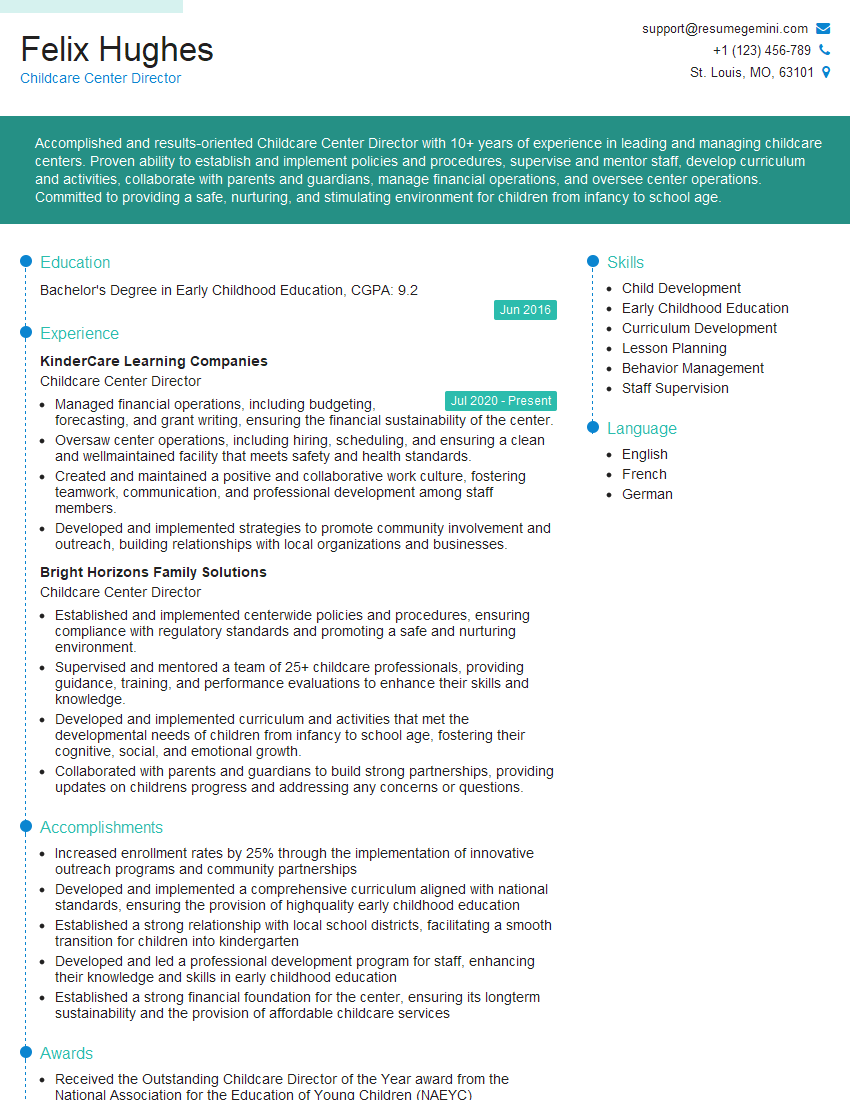
Childcare Center Director Resume Sample
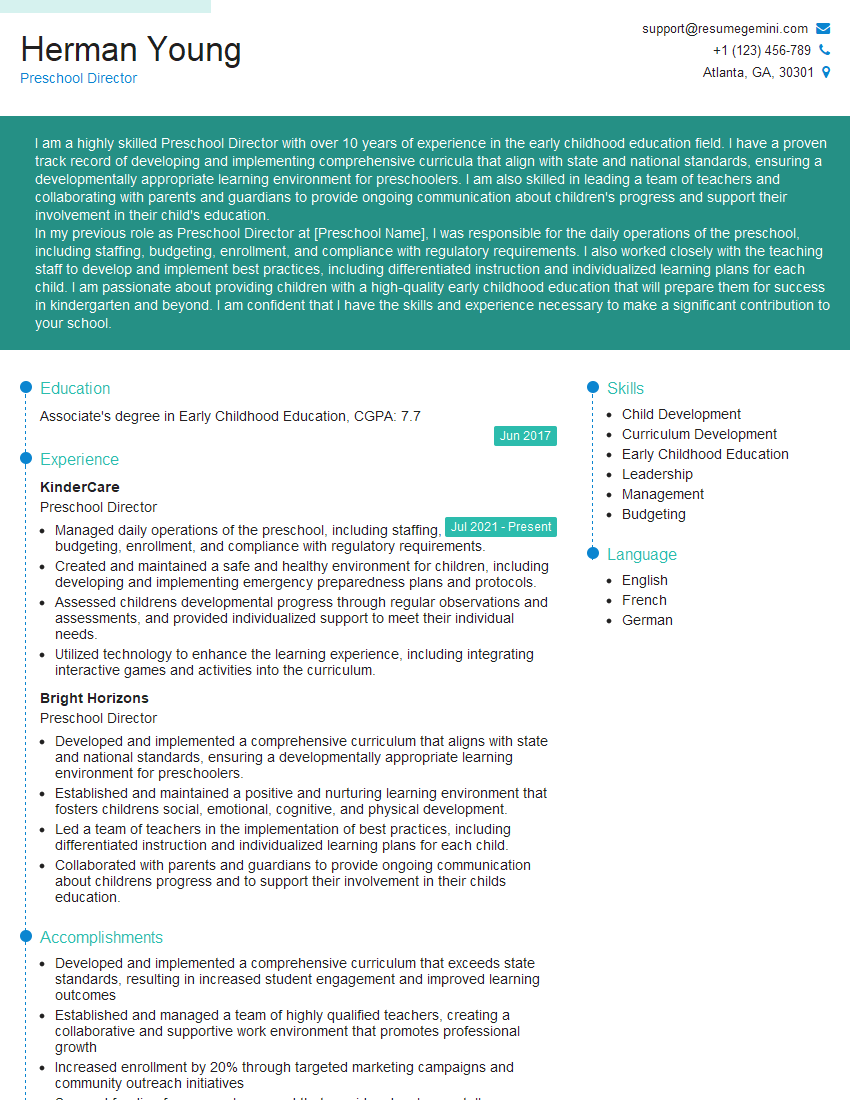
Preschool Director Resume Sample
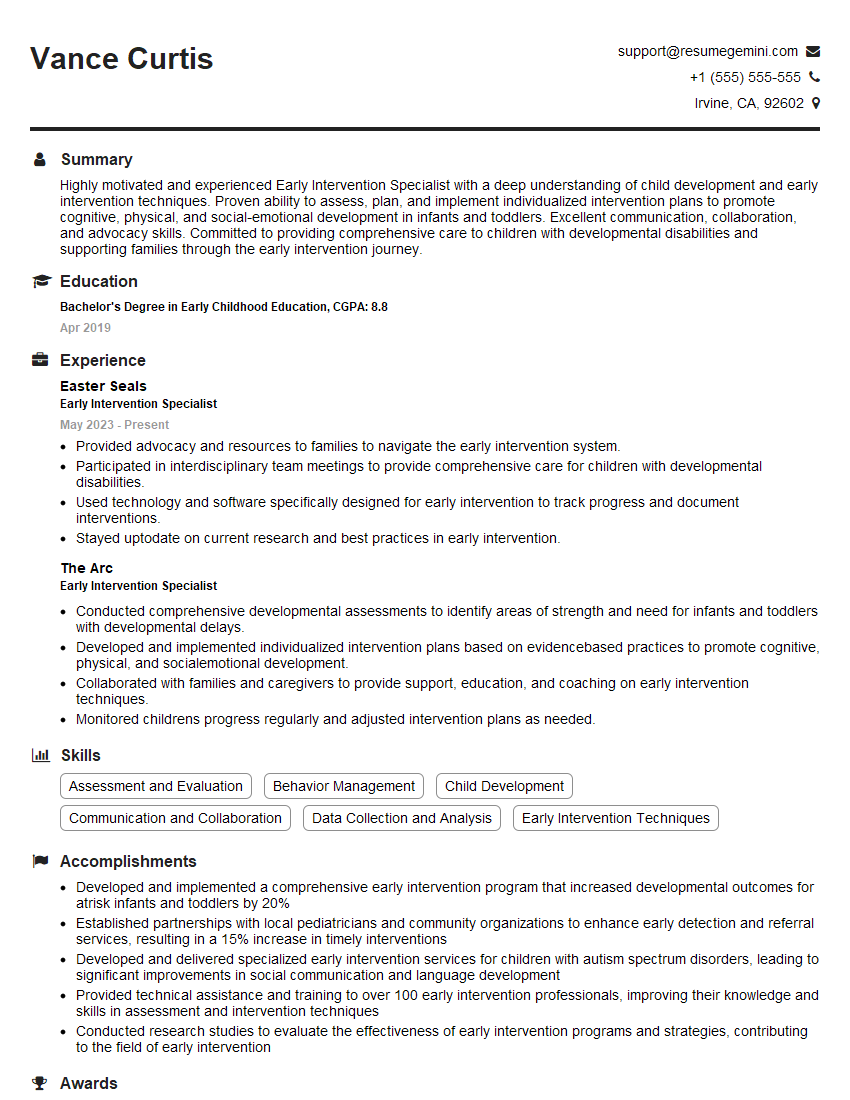
Early Intervention Specialist Resume Sample
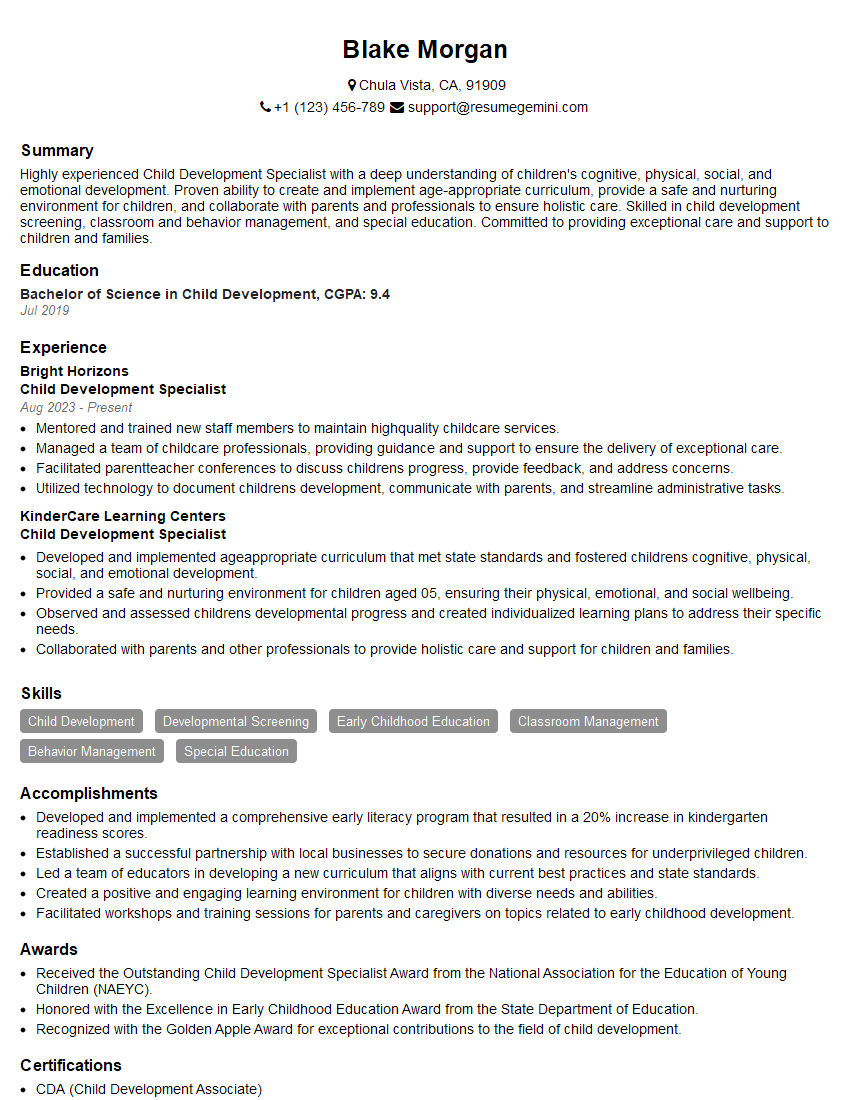
Child Development Specialist Resume Sample
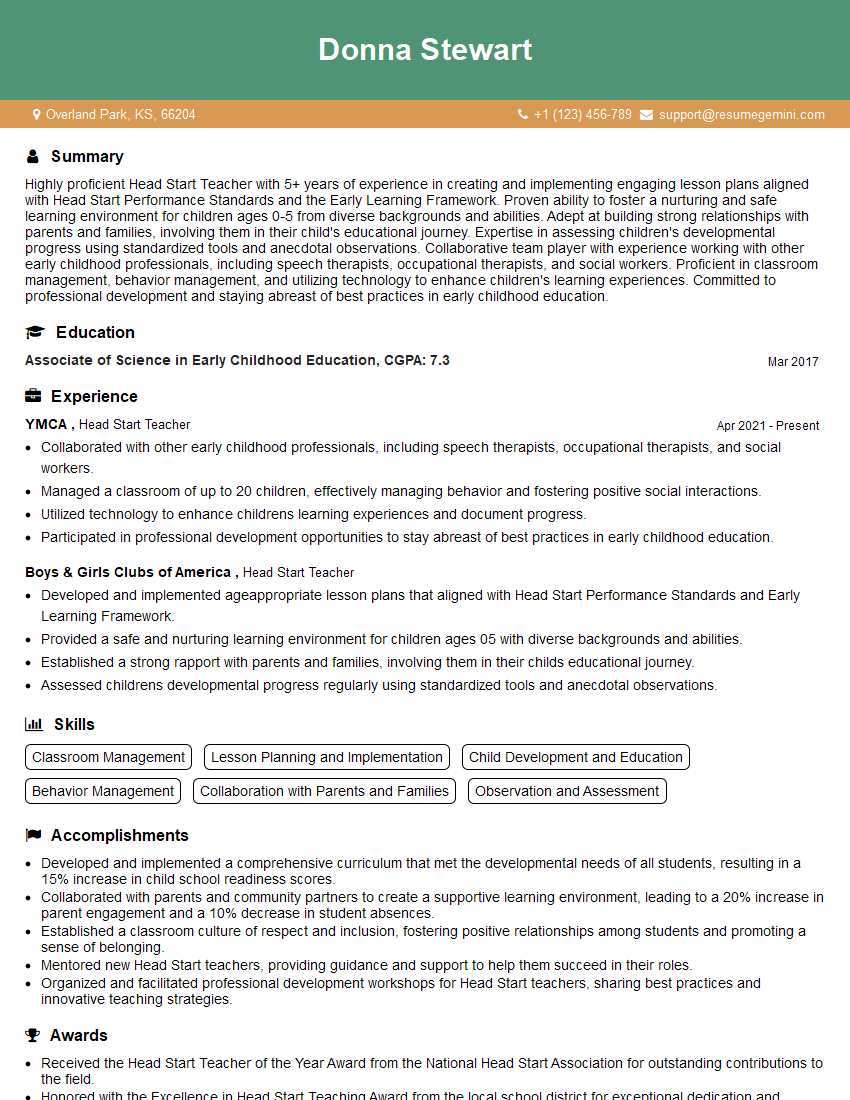
Head Start Teacher Resume Sample
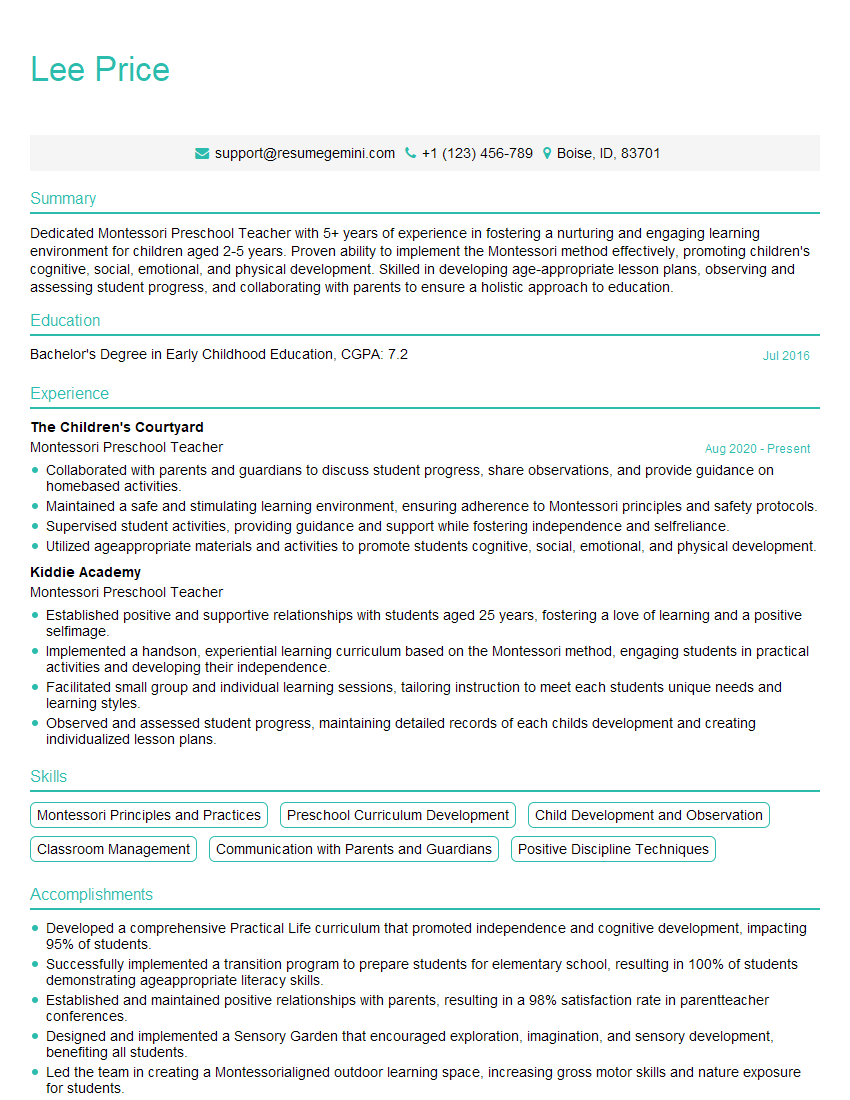
Montessori Preschool Teacher Resume Sample
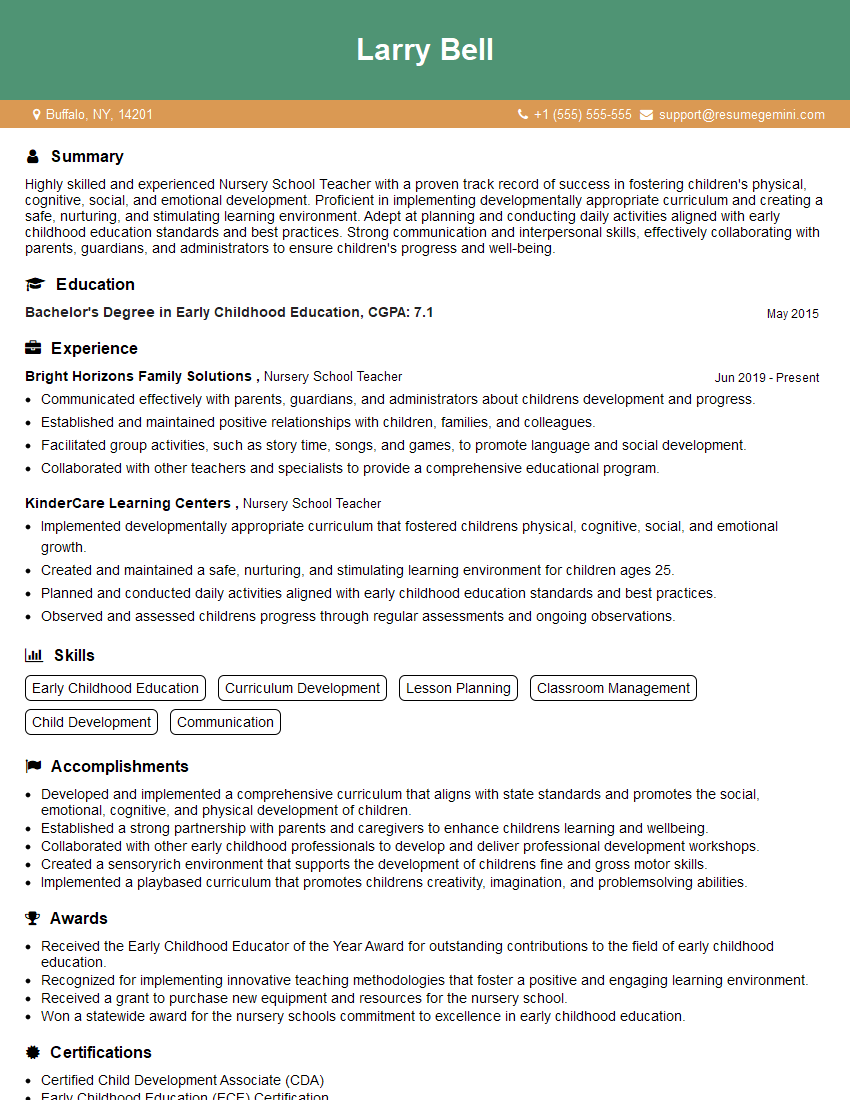
Nursery School Teacher Resume Sample
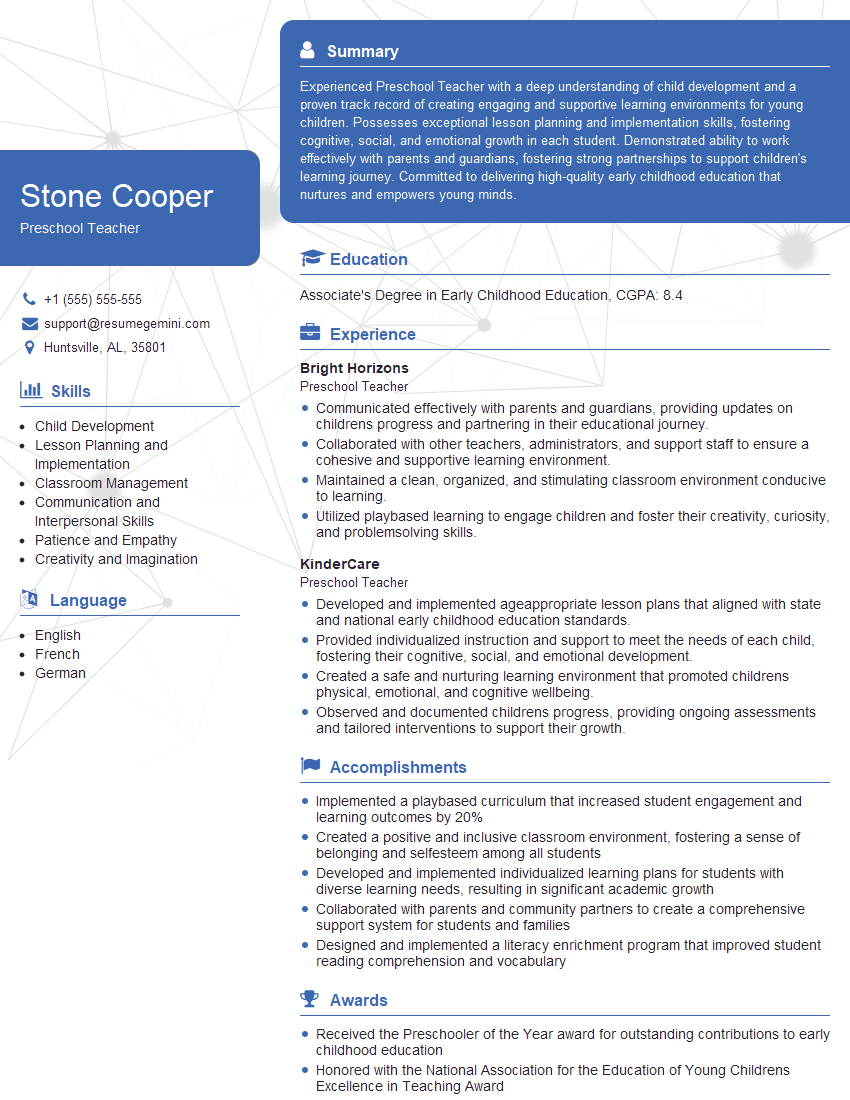
Preschool Teacher Resume Sample
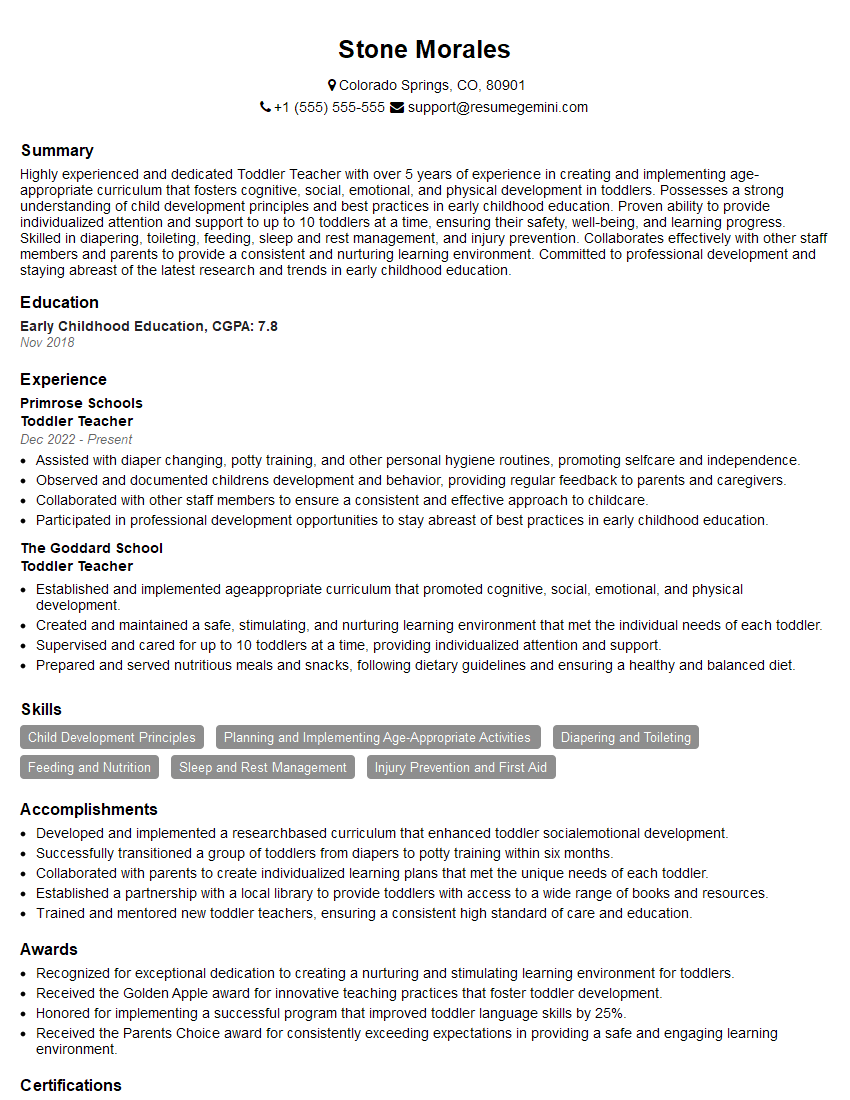
Toddler Teacher Resume Sample
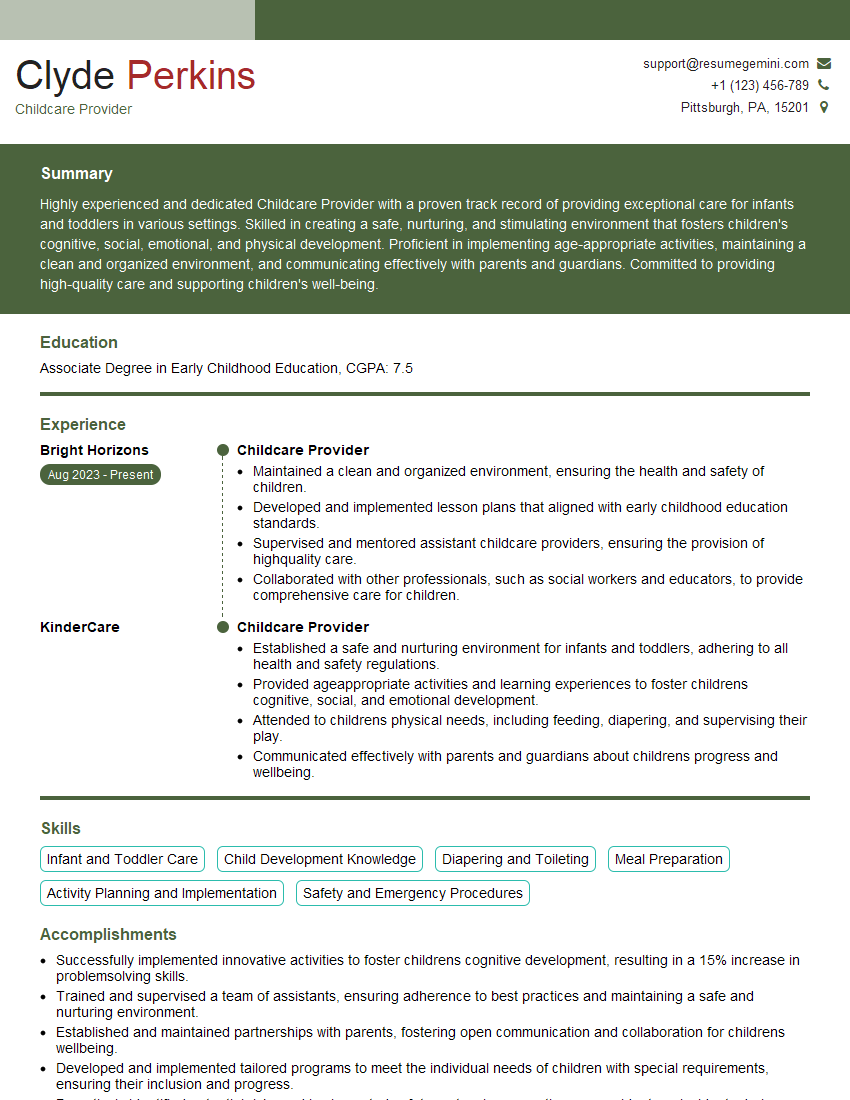
Childcare Provider Resume Sample
Explore more articles
Users Rating of Our Blogs
Share Your Experience
We value your feedback! Please rate our content and share your thoughts (optional).
What Readers Say About Our Blog
I Redesigned Spongebob Squarepants and his main characters of my artwork.
https://www.deviantart.com/reimaginesponge/art/Redesigned-Spongebob-characters-1223583608
IT gave me an insight and words to use and be able to think of examples
Hi, I’m Jay, we have a few potential clients that are interested in your services, thought you might be a good fit. I’d love to talk about the details, when do you have time to talk?
Best,
Jay
Founder | CEO