Interviews are more than just a Q&A session—they’re a chance to prove your worth. This blog dives into essential Professional demeanor and strong work ethic interview questions and expert tips to help you align your answers with what hiring managers are looking for. Start preparing to shine!
Questions Asked in Professional demeanor and strong work ethic Interview
Q 1. Describe a situation where you had to maintain composure under pressure.
Maintaining composure under pressure is crucial for professional success. It involves managing your emotions and reactions in stressful situations, ensuring you remain calm, focused, and effective. Think of it like a tightrope walker – maintaining balance even when faced with unexpected challenges.
During a critical software launch, a major bug was discovered just hours before the deadline. Panic could have easily ensued. However, I initiated a calm, focused team meeting. We prioritized the most critical fixes, delegated tasks efficiently, and communicated transparently with stakeholders. We managed to resolve the most pressing issues, minimizing the impact on the launch, and demonstrating the importance of controlled reactions under extreme pressure. This experience taught me the power of strategic thinking and clear communication in high-stress situations.
Q 2. How do you prioritize tasks when facing competing deadlines?
Prioritizing tasks with competing deadlines requires a structured approach. I use a combination of methods, including the Eisenhower Matrix (urgent/important), to categorize tasks. This helps me identify what needs immediate attention and what can be delegated or scheduled.
For example, if I have a high-priority report due tomorrow and a less urgent project with a longer deadline, I’ll focus on the report first. I break down large tasks into smaller, manageable steps, creating a detailed to-do list. This approach allows me to track progress and manage time effectively. Regularly reviewing and adjusting my priorities based on changing circumstances is essential for maintaining momentum and meeting all deadlines.
Q 3. Explain your approach to handling difficult colleagues or clients.
Handling difficult colleagues or clients requires empathy, clear communication, and a problem-solving approach. It’s about understanding their perspectives while upholding professional boundaries.
I once dealt with a client who was consistently demanding and unreasonable. Instead of reacting defensively, I actively listened to their concerns, validated their feelings (without agreeing with their behavior), and then calmly explained the limitations and offered alternative solutions. This approach, focused on understanding and finding common ground, de-escalated the situation and ultimately improved the working relationship. Open communication and a willingness to collaborate are key to resolving conflicts effectively.
Q 4. Describe a time you had to adapt to a significant change in your work environment.
Adaptability is key to navigating a changing work environment. It’s about embracing new challenges and learning new skills while maintaining a positive attitude.
When my team transitioned to a new project management software, I actively participated in the training sessions and sought out additional resources to quickly grasp the new system. I also supported my colleagues who were struggling with the transition, offering assistance and sharing my knowledge. This proactive approach enabled me to not only adapt quickly but also contribute to the team’s overall success in embracing the change.
Q 5. How do you ensure you meet deadlines consistently?
Meeting deadlines consistently requires meticulous planning, effective time management, and proactive communication. It’s about being realistic about your capacity and setting achievable goals.
I use project management tools to track my progress, set realistic deadlines, and identify potential roadblocks. I also prioritize tasks based on urgency and importance, and communicate any potential delays proactively to stakeholders. Regularly reviewing my schedule and adjusting my plan as needed ensures I stay on track and deliver quality work on time.
Q 6. How do you handle constructive criticism?
Constructive criticism is valuable for professional growth. It provides an opportunity to learn and improve. It’s important to approach it with an open mind and a willingness to learn.
When I receive criticism, I actively listen, ask clarifying questions to fully understand the feedback, and reflect on how I can improve. I avoid becoming defensive and focus on identifying specific areas for development. I then create an action plan to address the feedback and demonstrate my commitment to improvement.
Q 7. Describe your process for managing your workload effectively.
Effective workload management is a critical skill. It’s about balancing multiple tasks, prioritizing effectively, and avoiding burnout. Think of it as conducting an orchestra – each instrument (task) needs to be coordinated to create a harmonious whole.
My process involves creating detailed to-do lists, breaking down large tasks into smaller, manageable steps, and scheduling time blocks for specific activities. I regularly review my progress, adjust my schedule as needed, and delegate tasks when appropriate. This structured approach helps me stay organized, avoid feeling overwhelmed, and deliver high-quality work consistently.
Q 8. Give an example of a time you went above and beyond your job responsibilities.
Going above and beyond involves exceeding expectations and demonstrating initiative. It’s about proactively identifying areas where you can contribute beyond your formal job description and taking ownership of tasks to enhance team success.
For example, during a particularly busy period in my previous role as a project manager, we were facing a critical deadline for a major client presentation. While my responsibilities primarily involved project scheduling and resource allocation, I noticed our design team was struggling to meet their deadline due to unexpected technical difficulties. Instead of simply reporting the issue, I volunteered to assist them, leveraging my past experience with similar software. I spent several evenings after work helping them troubleshoot and optimize their workflow, ultimately ensuring the presentation materials were completed on time and to a high standard. This not only saved the project but also strengthened my relationships with the design team and demonstrated my commitment to the overall success of the project.
Q 9. How do you handle setbacks and challenges at work?
Setbacks and challenges are inevitable in any professional environment. My approach centers around a structured problem-solving process that emphasizes maintaining a positive outlook and focusing on solutions.
- Analyze the situation: I first thoroughly assess the challenge, identifying its root cause and the impact it’s having.
- Develop a plan: Based on my analysis, I create a step-by-step plan to address the problem. This often involves breaking down larger challenges into smaller, more manageable tasks.
- Seek support: I don’t hesitate to seek guidance from colleagues or supervisors when necessary. Collaboration is key to overcoming obstacles.
- Learn from the experience: Once the challenge has been resolved, I take time to reflect on what happened, identifying lessons learned and areas for improvement in future situations.
For instance, once I faced a significant delay on a project due to an unforeseen technical glitch. Instead of panicking, I systematically analyzed the problem, identified the root cause, and collaborated with the IT team to develop a solution. We implemented temporary workarounds, and communicated the delays transparently to stakeholders, mitigating potential damage to client relationships. Ultimately, this experience enhanced my troubleshooting skills and reinforced the importance of proactive risk management.
Q 10. Describe a time you had to work collaboratively with a difficult team member.
Working effectively with difficult colleagues requires tact, diplomacy, and a focus on achieving shared goals. It’s about understanding different communication styles and finding common ground.
In a previous project, I had to collaborate with a team member who had a very different work style and was prone to negativity. Instead of directly confronting their behavior, I focused on establishing clear communication channels. I initiated regular check-ins, clearly defining roles and responsibilities, and documenting decisions. I actively listened to their concerns and attempted to find areas of agreement, focusing on the common objective of delivering a successful project. While I couldn’t entirely change their behavior, by focusing on the project itself and maintaining a professional demeanor, we were able to successfully complete the project and even improve our working relationship over time. The key was to prioritize the project’s success while showing respect for the individual.
Q 11. How do you demonstrate respect for colleagues and clients?
Respect is fundamental to a positive and productive work environment. I demonstrate respect for colleagues and clients through active listening, clear communication, and valuing diverse perspectives.
- Active Listening: I pay attention to what others say, ask clarifying questions, and ensure I understand their viewpoints before responding.
- Clear Communication: I communicate clearly and concisely, avoiding jargon and ensuring my messages are easily understood. I also actively solicit feedback.
- Valuing Diverse Perspectives: I recognize that everyone brings unique skills and experiences to the table. I actively encourage and value these differences and seek input from diverse team members.
- Professionalism: I maintain a professional demeanor at all times, treating everyone with courtesy and respect, regardless of their position or background.
For instance, I always address colleagues and clients by their preferred names and titles. I make a conscious effort to understand their perspectives and needs, and to tailor my communication to their specific preferences. This simple act of respect builds trust and fosters stronger working relationships.
Q 12. How do you maintain a positive attitude in a stressful work environment?
Maintaining a positive attitude in a stressful environment is crucial for both personal well-being and professional success. It requires a conscious effort to focus on solutions rather than problems.
- Practice self-care: This includes getting enough sleep, eating well, and engaging in activities that help reduce stress, such as exercise or meditation.
- Focus on what you can control: Instead of worrying about things you can’t control, concentrate on tasks you can influence and make progress on.
- Celebrate small victories: Acknowledging and celebrating small successes along the way keeps morale high.
- Practice mindfulness and gratitude: Focusing on the positive aspects of your work and life can greatly improve your outlook.
For instance, during a particularly intense project, I made a conscious effort to take short breaks throughout the day, focusing on deep breaths and mindfulness exercises. This helped me stay focused and prevent burnout. I also celebrated milestones with my team to maintain enthusiasm and acknowledge our collective achievements.
Q 13. How do you proactively identify and address potential problems?
Proactive problem identification is about anticipating potential issues before they arise. This involves a combination of foresight, attention to detail, and communication.
- Regular Monitoring: I consistently monitor projects and processes, looking for patterns or anomalies that may signal potential problems.
- Risk Assessment: I conduct regular risk assessments, identifying potential obstacles and developing mitigation strategies.
- Communication: I openly communicate potential problems to relevant stakeholders, ensuring timely intervention and collaborative problem-solving.
- Continuous Improvement: I use data analysis and feedback to identify recurring issues and implement process improvements to prevent future problems.
For example, while managing a website launch, I proactively identified potential bandwidth issues based on projected traffic. I then collaborated with our IT team to scale our servers in advance, ensuring a smooth launch and preventing a potential service disruption.
Q 14. Explain your approach to time management.
Effective time management is about prioritizing tasks, optimizing workflows, and avoiding procrastination. My approach is based on a combination of planning, organization, and prioritization.
- Prioritization: I use methods like the Eisenhower Matrix (urgent/important) to prioritize tasks based on their impact and urgency.
- Planning: I create daily and weekly to-do lists, breaking down large tasks into smaller, more manageable steps.
- Time Blocking: I allocate specific time slots for particular tasks, minimizing distractions and maximizing focus.
- Regular Review: I regularly review my progress and adjust my schedule as needed to stay on track.
- Delegation: I delegate tasks effectively when appropriate to maximize my time and the team’s productivity.
For example, I use a digital calendar and task management software to schedule meetings, appointments, and deadlines, ensuring efficient use of my time. I also routinely review my schedule to ensure tasks are appropriately prioritized and allocated, allowing me to manage my time effectively even under pressure.
Q 15. Describe a time you had to make a difficult decision with limited information.
Making difficult decisions with limited information is a common challenge in professional life. It requires a structured approach combining critical thinking, risk assessment, and effective communication.
In my previous role, we needed to choose a new software platform with a tight deadline, but market research was incomplete due to time constraints. My approach involved:
- Prioritizing Key Criteria: I identified the most critical aspects (cost, functionality, integration with existing systems). This helped focus the evaluation despite incomplete data.
- Data Gathering & Analysis: I worked with the team to gather available information, analyzing existing documentation, speaking with potential vendors and colleagues with relevant experience.
- Risk Assessment Matrix: We created a matrix identifying the potential risks associated with each option and their likelihood. This allowed us to make informed choices, acknowledging the uncertainties.
- Decision & Contingency Planning: We chose the option that minimized the risks, considering that the information was incomplete. Simultaneously, we developed a contingency plan to address potential issues that might arise from the lack of complete data.
This approach allowed us to make a timely decision despite limited information, minimizing potential negative impacts. The chosen platform proved largely suitable; the contingency plan was never needed but having it instilled confidence in the team.
Career Expert Tips:
- Ace those interviews! Prepare effectively by reviewing the Top 50 Most Common Interview Questions on ResumeGemini.
- Navigate your job search with confidence! Explore a wide range of Career Tips on ResumeGemini. Learn about common challenges and recommendations to overcome them.
- Craft the perfect resume! Master the Art of Resume Writing with ResumeGemini’s guide. Showcase your unique qualifications and achievements effectively.
- Don’t miss out on holiday savings! Build your dream resume with ResumeGemini’s ATS optimized templates.
Q 16. How do you handle confidential information?
Confidentiality is paramount in any professional setting. Handling confidential information responsibly involves a combination of ethical conduct, adherence to company policy, and practical security measures.
- Strict Adherence to Policy: I always follow my company’s data protection policies and procedures to the letter. This includes secure storage of sensitive information, controlling access, and using secure communication channels.
- Need-to-Know Basis: I only share confidential information on a strict need-to-know basis, ensuring that only authorized individuals have access. I never discuss confidential matters in public spaces or with unauthorized persons.
- Secure Data Handling: I utilize secure password management practices and employ encryption whenever handling sensitive data, both digitally and physically. This includes securely disposing of hard copies and using secure platforms for digital communication.
- Reporting Breaches: In case of any suspected or confirmed breach of confidentiality, I immediately report it to the relevant authorities within the company, ensuring the appropriate response is implemented swiftly.
Maintaining confidentiality builds trust and protects the organization and its stakeholders. My commitment to this principle is unwavering.
Q 17. Describe your experience working independently.
Working independently is a skill I’ve honed over many years. It requires self-discipline, effective time management, and proactive communication.
In a previous project, I was responsible for designing a new marketing campaign from concept to launch. Working autonomously, I:
- Developed a detailed project plan: This outlined specific tasks, deadlines, and resource allocation.
- Set achievable goals and milestones: This allowed me to track progress and identify potential roadblocks early.
- Proactively sought feedback: I scheduled regular check-ins with my supervisor to share progress and address any concerns.
- Maintained open communication: I kept my supervisor updated on my progress, challenges faced, and potential solutions. This prevented unexpected delays.
Successfully completing this project independently demonstrated my ability to manage my time, prioritize tasks, and consistently deliver high-quality work under minimal supervision.
Q 18. How do you stay organized and manage your tasks?
Staying organized and managing tasks effectively is crucial for productivity and minimizing stress. I utilize a combination of tools and strategies:
- Prioritization Techniques: I use methods like Eisenhower Matrix (urgent/important) to prioritize tasks. This ensures I focus on high-impact activities first.
- Project Management Tools: I employ project management software such as Asana or Trello to track tasks, deadlines, and progress. This provides a clear visual representation of my workload.
- Time Blocking: I allocate specific time slots for different tasks in my day. This improves focus and helps avoid multitasking, leading to increased efficiency.
- Regular Review & Adjustment: I regularly review my schedule and adjust it as needed based on changing priorities or unexpected events. This ensures my organization remains dynamic and responsive.
By combining these approaches, I maintain a clear overview of my responsibilities and ensure efficient task completion.
Q 19. How do you handle conflict resolution in the workplace?
Conflict resolution requires a calm and professional approach focused on understanding perspectives and finding mutually acceptable solutions.
My approach involves:
- Active Listening: I listen attentively to all parties involved, seeking to understand their perspectives and concerns without interrupting.
- Identify the Root Cause: I focus on identifying the underlying issue driving the conflict, rather than focusing solely on the symptoms.
- Neutral Facilitation: I aim to facilitate a discussion where each party feels heard and respected, guiding them towards a solution.
- Collaborative Problem-Solving: I encourage collaborative brainstorming to develop solutions that address the needs of all parties involved.
- Documenting Agreements: Once a solution is reached, I ensure it’s documented clearly, assigning responsibilities and timelines to ensure accountability.
Through this structured approach, I’ve consistently managed to resolve conflicts efficiently and maintain positive working relationships.
Q 20. How do you maintain a professional appearance and conduct?
Maintaining a professional appearance and conduct is essential for building credibility and fostering positive working relationships. It’s not just about clothing; it’s a holistic approach.
- Appropriate Attire: I always dress appropriately for the workplace and the situation, adhering to company dress code or industry standards. This demonstrates respect for the workplace and my colleagues.
- Positive Communication: I prioritize respectful and courteous communication, both verbally and in writing. I avoid gossip and maintain a professional tone in all interactions.
- Punctuality & Time Management: I consistently arrive on time for meetings and deadlines, demonstrating respect for other people’s time.
- Body Language: I pay attention to my body language – maintaining appropriate eye contact, posture, and overall demeanor. This conveys confidence and professionalism.
- Digital Etiquette: I maintain a professional online presence, ensuring my online communications are appropriate and respectful.
By adopting a holistic approach, I cultivate a professional image that reflects my commitment to excellence and fosters trust amongst my colleagues and clients.
Q 21. How do you demonstrate accountability for your work?
Accountability is about taking ownership of your work, both successes and failures. It involves recognizing your role in outcomes and actively addressing any shortcomings.
I demonstrate accountability through:
- Setting Clear Goals & Expectations: I always ensure I understand the expectations for a project and communicate any uncertainties proactively.
- Taking Ownership: I take ownership of my work, even when facing challenges. I don’t make excuses; I seek solutions.
- Seeking Feedback & Learning: I actively seek feedback on my work, both positive and constructive, using it to improve my performance.
- Addressing Mistakes: When I make mistakes, I acknowledge them openly, learn from them, and take steps to prevent similar errors in the future. I never try to hide mistakes.
- Consistent Follow-Through: I consistently follow through on commitments, ensuring tasks are completed to the best of my ability and on time.
Accountability is a cornerstone of my work ethic and is essential for building trust and contributing to team success.
Q 22. How do you contribute to a positive team environment?
Contributing to a positive team environment involves fostering collaboration, respect, and open communication. It’s about being a supportive teammate and creating an atmosphere where everyone feels valued and can thrive.
- Active Listening: I make a conscious effort to actively listen to my colleagues’ ideas and perspectives, even if they differ from my own. This shows respect and encourages open dialogue.
- Offering Help and Support: I proactively offer assistance to teammates when they’re facing challenges. This could involve sharing my expertise, helping with a workload, or simply providing encouragement.
- Positive Attitude and Communication: I maintain a positive attitude and communicate constructively, focusing on solutions rather than dwelling on problems. I avoid gossip and negativity.
- Celebrating Successes: I actively celebrate team achievements, both big and small. This strengthens team bonds and reinforces positive behavior.
- Respectful Conflict Resolution: When disagreements arise, I approach them constructively, focusing on finding mutually acceptable solutions rather than placing blame.
For example, during a recent project, a colleague was struggling with a particularly complex task. I offered to help by pairing up with them, sharing my knowledge, and providing support. This not only helped them complete the task but also strengthened our working relationship.
Q 23. Describe a time you had to deliver bad news professionally.
Delivering bad news professionally requires tact, empathy, and clear communication. The key is to be direct, honest, and considerate of the recipient’s feelings.
In a previous role, I had to inform a team member that their performance was not meeting expectations. I scheduled a private meeting, started by acknowledging their contributions, then clearly stated the areas needing improvement, providing specific examples and avoiding vague generalizations. I offered support and resources to help them improve and outlined a clear plan with achievable goals and timelines. I concluded by reiterating my belief in their potential and willingness to help them succeed.
The crucial elements were: preparing thoroughly, choosing the right time and place, focusing on solutions, and expressing empathy. This approach minimized negative impact and fostered a constructive discussion.
Q 24. How do you balance work and personal life effectively?
Balancing work and personal life is a continuous process requiring careful planning and prioritization. It’s about establishing boundaries and creating a sustainable rhythm.
- Time Management: Utilizing time management techniques like time blocking and prioritizing tasks helps me allocate sufficient time to both work and personal commitments.
- Setting Boundaries: I establish clear boundaries between work and personal time. This could mean disconnecting from work emails and calls after a certain hour or reserving specific time slots for personal activities.
- Prioritization: I prioritize tasks effectively, focusing on high-impact activities that contribute most significantly to both my work goals and personal well-being.
- Self-Care: I make time for self-care activities that help me recharge and reduce stress. This could include exercise, spending time with loved ones, or pursuing hobbies.
- Delegation: When possible, I delegate tasks at work to ensure my workload is manageable.
For example, I have a dedicated ‘no-work’ hour in the evening to spend time with my family, and I regularly schedule weekend activities unrelated to work to ensure a balance.
Q 25. How do you learn from your mistakes?
Learning from mistakes is crucial for professional growth. It involves a reflective process of identifying what went wrong, understanding the root causes, and developing strategies to prevent similar issues in the future.
- Self-Reflection: After making a mistake, I take time for self-reflection, analyzing what happened and identifying my role in the situation.
- Seeking Feedback: I actively seek feedback from colleagues and supervisors to gain different perspectives on the situation.
- Identifying Root Causes: I delve deeper to identify the underlying causes of the mistake, not just the surface-level issues.
- Developing Actionable Steps: I develop concrete steps to improve my performance and avoid repeating the same mistakes.
- Documentation: I document my mistakes and lessons learned to ensure I can easily refer back to them.
For instance, in a previous project, a deadline was missed due to poor time management on my part. I analyzed the situation, identified my poor planning as the root cause, and implemented a new time management system that included detailed task breakdowns and regular progress checks.
Q 26. How do you handle interruptions and distractions during your workday?
Handling interruptions and distractions is essential for maintaining focus and productivity. It requires proactive strategies to minimize disruptions and effectively manage those that do occur.
- Time Blocking: I allocate specific time blocks for focused work, minimizing interruptions during those periods.
- Communication: I clearly communicate my availability and need for focused work to colleagues.
- Designated Workspace: I work in a designated workspace that’s free from distractions as much as possible.
- Technology Management: I utilize technology to minimize distractions, such as turning off notifications or using website blockers.
- Batching Similar Tasks: I group similar tasks together to reduce context switching and maximize efficiency.
For example, I dedicate my mornings to deep work, turning off all notifications and letting colleagues know I’m unavailable except for urgent matters. This allows me to concentrate on my most demanding tasks.
Q 27. How do you adapt your communication style to different audiences?
Adapting communication style to different audiences is crucial for effective communication. It involves understanding your audience’s background, knowledge level, and communication preferences.
- Audience Analysis: Before communicating, I assess my audience’s needs and preferences. This includes considering their level of technical expertise, their cultural background, and their preferred communication channels.
- Choosing the Right Medium: I choose the appropriate communication medium for the message and audience. This could range from email to in-person meetings or presentations.
- Adjusting Tone and Language: I adjust the tone and language of my communication to suit the audience. For example, I use more formal language when communicating with senior management but a more informal tone when communicating with peers.
- Active Listening and Feedback: I actively listen to the audience and incorporate feedback to ensure clarity and understanding.
- Visual Aids: When appropriate, I use visual aids such as charts and graphs to enhance comprehension.
For example, when explaining a technical concept to a non-technical audience, I avoid jargon and use simple analogies to make it easier to understand. Conversely, when communicating with technical experts, I use more precise and technical language.
Q 28. Describe a time you had to make a difficult ethical decision at work.
Ethical decision-making at work requires careful consideration of values, principles, and potential consequences. It’s about aligning your actions with your ethical compass and organizational policies.
In a previous role, I faced a situation where a colleague was falsifying data in a report. This violated company policy and ethical standards. I first privately approached my colleague, expressing my concerns and highlighting the potential consequences. When my concerns were not addressed, I reported the issue to my supervisor following company protocol. This was a difficult decision, but I believed it was ethically necessary to maintain integrity and compliance within the organization. It underscored the importance of transparency, adherence to ethical guidelines, and reporting mechanisms within any workplace.
The key was adhering to company policy while ensuring a respectful and professional approach to address the situation.
Key Topics to Learn for Professional Demeanor and Strong Work Ethic Interviews
- Understanding Professionalism: Defining what constitutes professional behavior in the workplace, including communication styles, attire, and etiquette.
- Practical Application: Providing examples of how you’ve demonstrated professionalism in past roles, highlighting situations where you’ve navigated challenging interpersonal dynamics or maintained composure under pressure.
- Demonstrating a Strong Work Ethic: Articulating your commitment to hard work, dedication, and consistently exceeding expectations. This includes discussing your approach to time management, prioritization, and problem-solving.
- Practical Application: Using the STAR method (Situation, Task, Action, Result) to illustrate specific instances where your strong work ethic led to positive outcomes. Quantify your achievements whenever possible.
- Teamwork and Collaboration: Explaining your ability to work effectively within a team, contribute positively, and resolve conflicts constructively. Highlight your communication skills and ability to adapt to diverse working styles.
- Practical Application: Describe a situation where you collaborated effectively with a team to achieve a common goal, emphasizing your role and contribution to the success.
- Initiative and Proactiveness: Demonstrating your ability to identify opportunities for improvement, take initiative, and anticipate needs without being prompted.
- Practical Application: Share examples where you proactively identified and addressed a problem or implemented a solution that benefited your team or organization.
- Adaptability and Resilience: Showcasing your ability to adapt to changing circumstances, handle setbacks effectively, and maintain a positive attitude in the face of challenges.
- Practical Application: Describe a situation where you faced a significant challenge or unexpected change and how you successfully adapted and persevered.
Next Steps
Mastering professional demeanor and a strong work ethic are crucial for career advancement. They demonstrate your commitment to excellence and your ability to thrive in any professional environment. To significantly increase your job prospects, focus on building an ATS-friendly resume that highlights these key attributes. ResumeGemini is a trusted resource to help you craft a compelling resume that showcases your strengths effectively. Examples of resumes tailored to highlight professional demeanor and strong work ethic are available to guide you.

Operations Manager Resume Sample
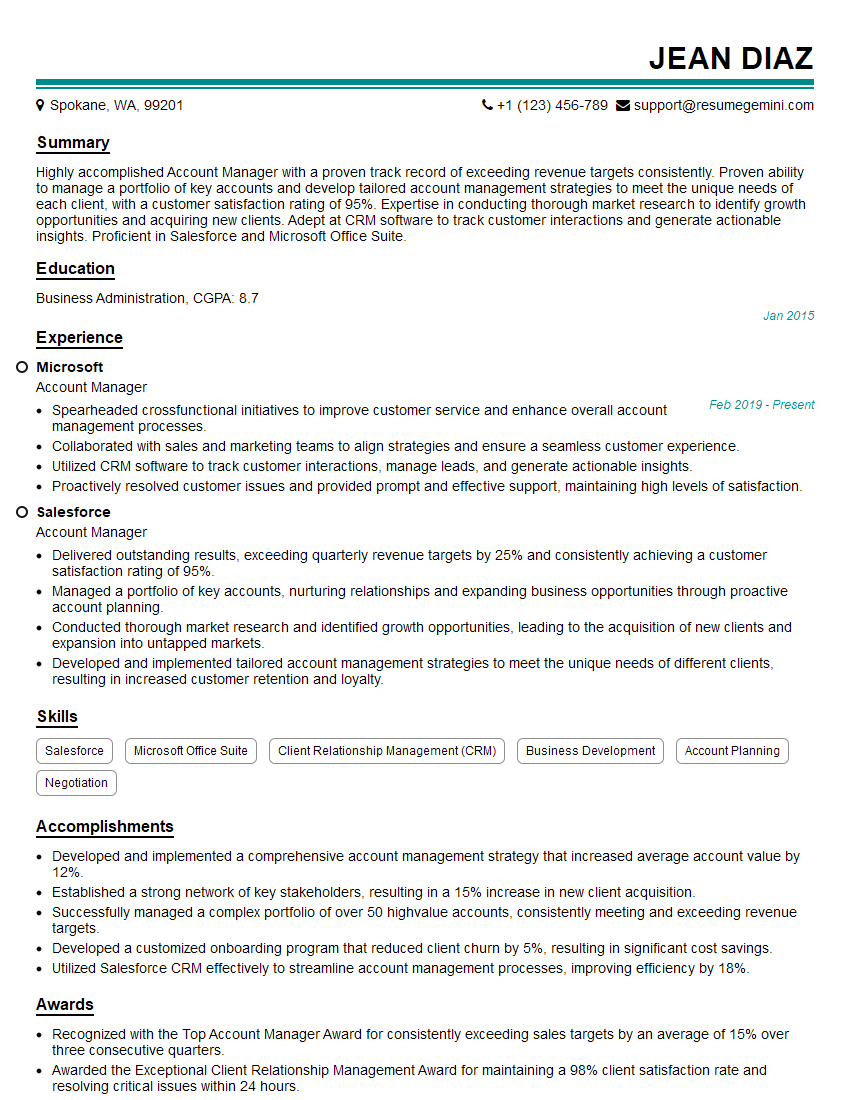
Account Manager Resume Sample
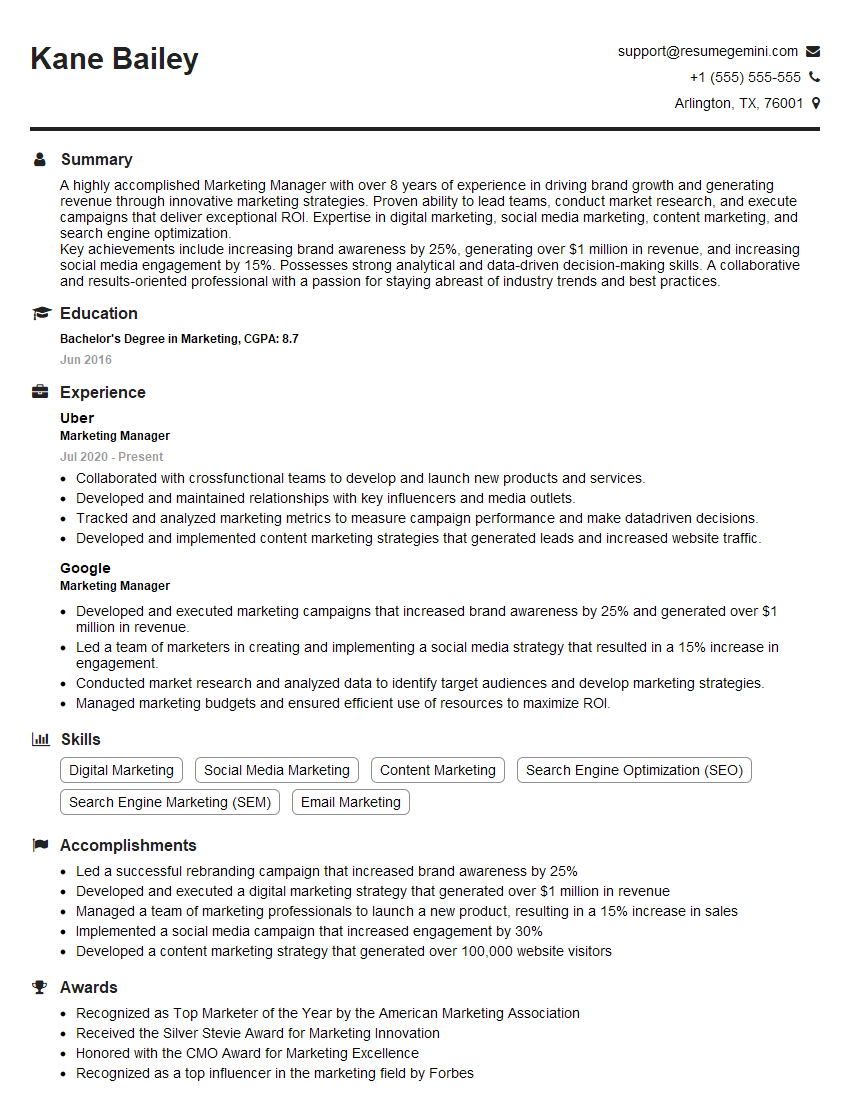
Marketing Manager Resume Sample
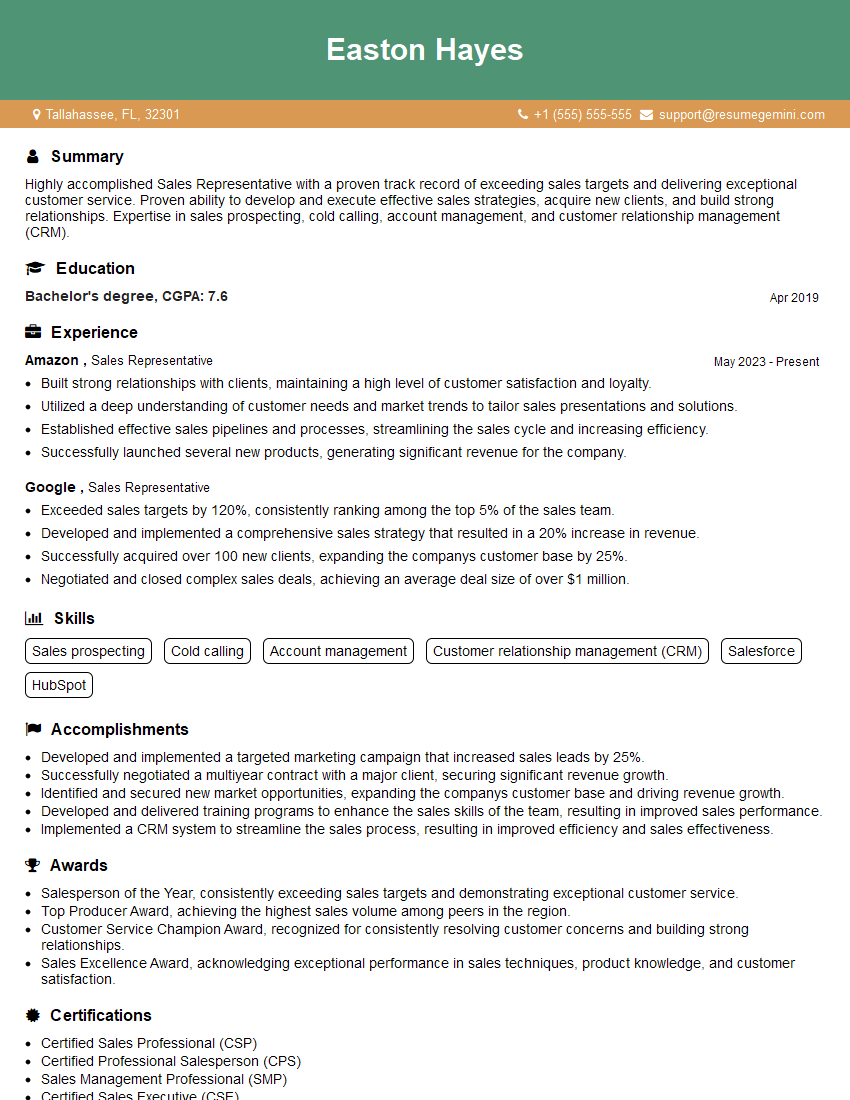
Sales Representative Resume Sample
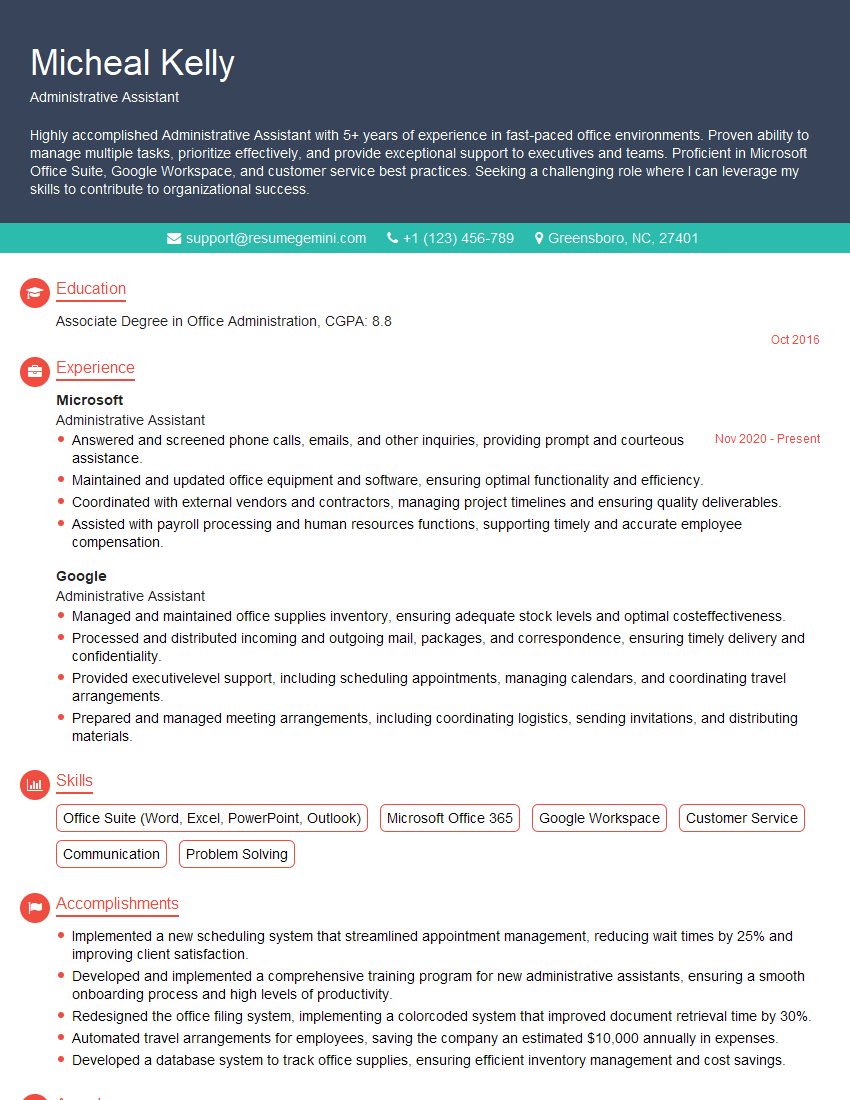
Administrative Assistant Resume Sample
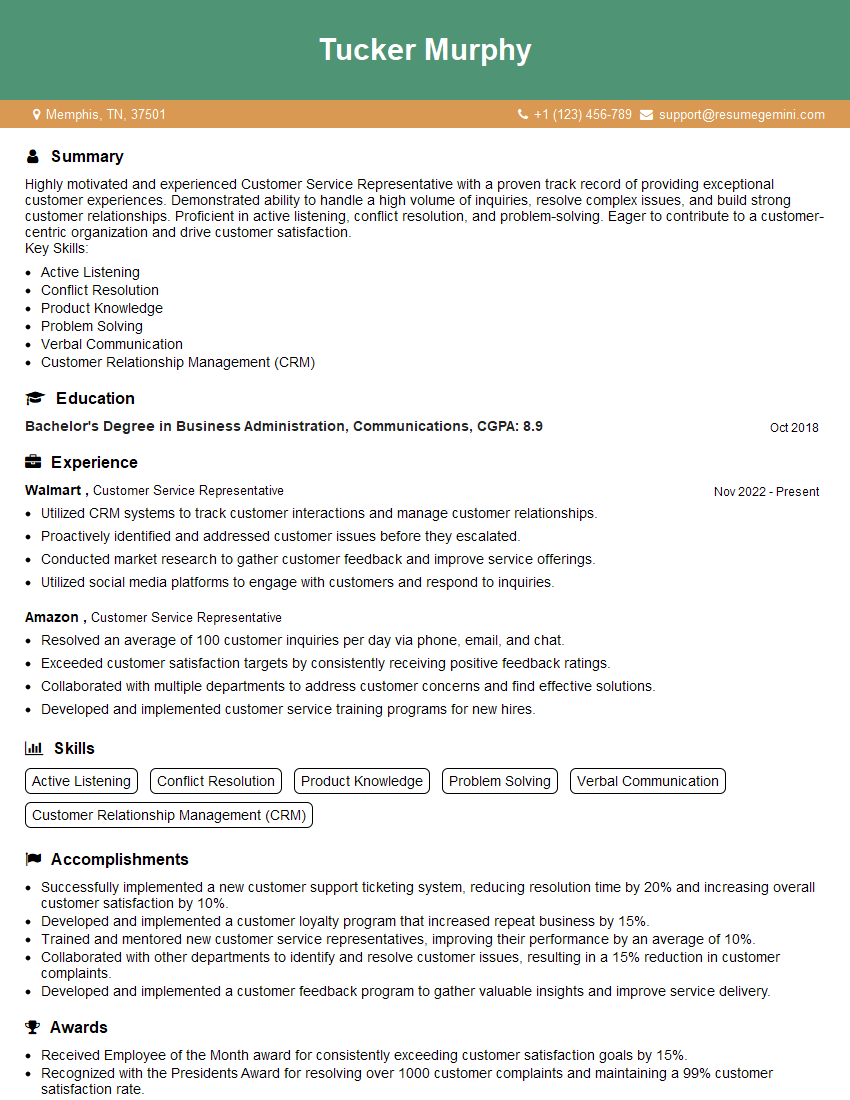
Customer Service Representative Resume Sample
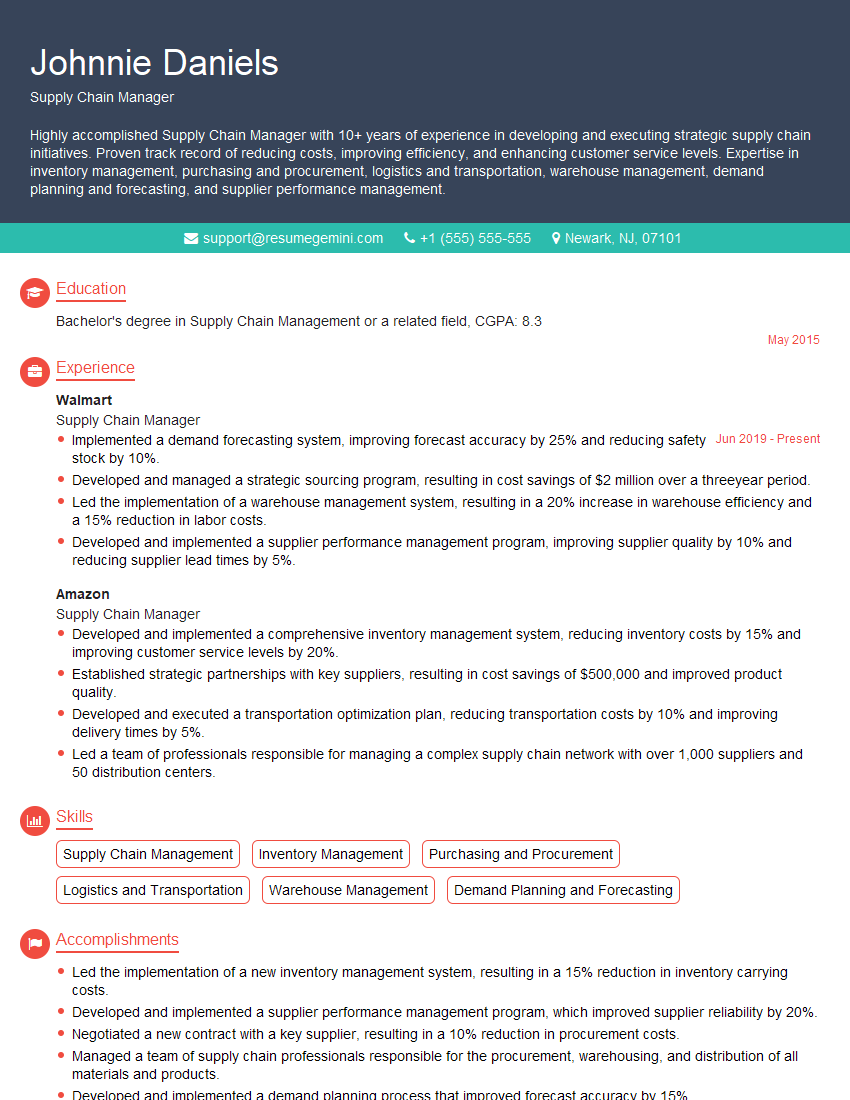
Supply Chain Manager Resume Sample
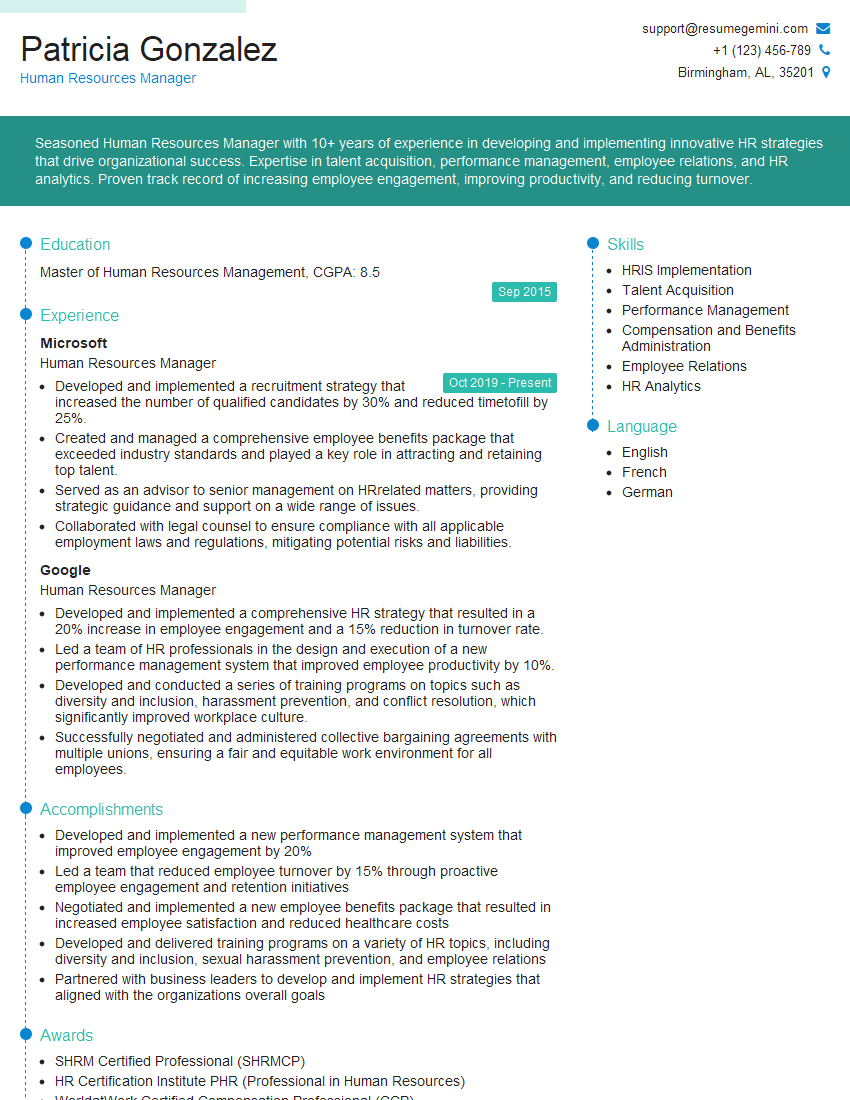
Human Resources Manager Resume Sample
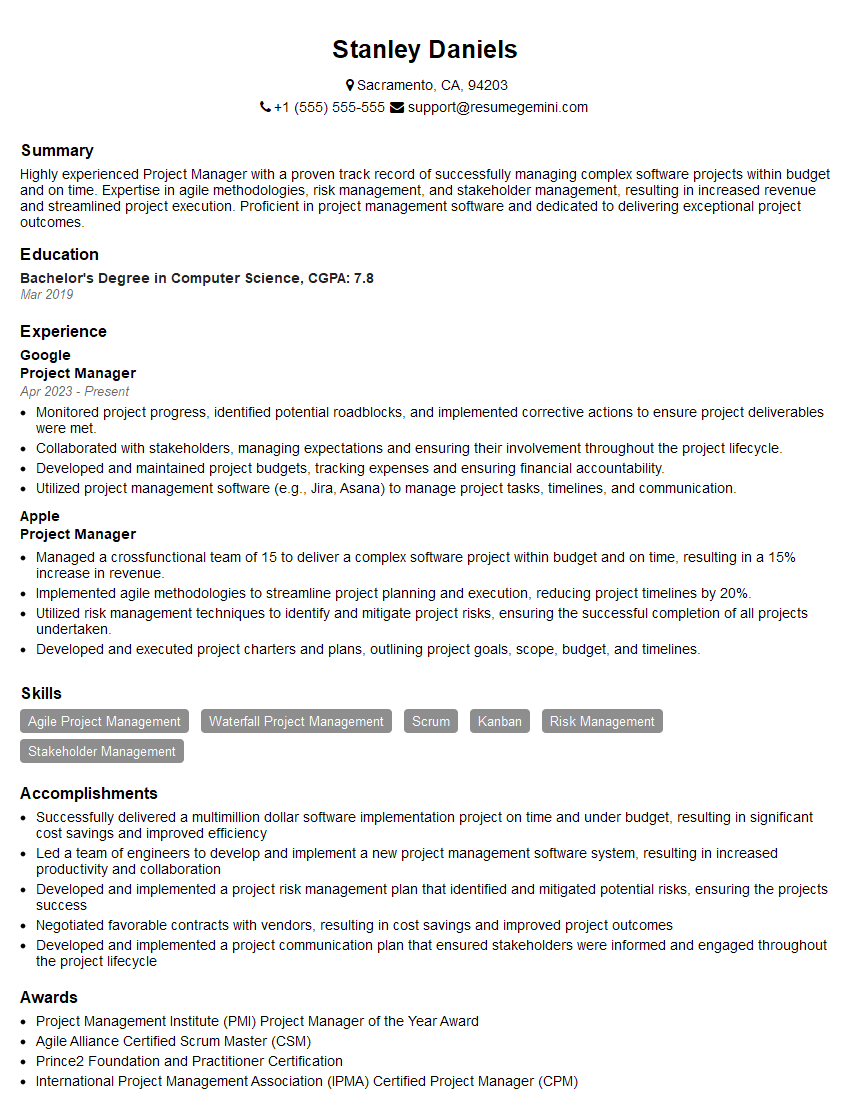
Project Manager Resume Sample
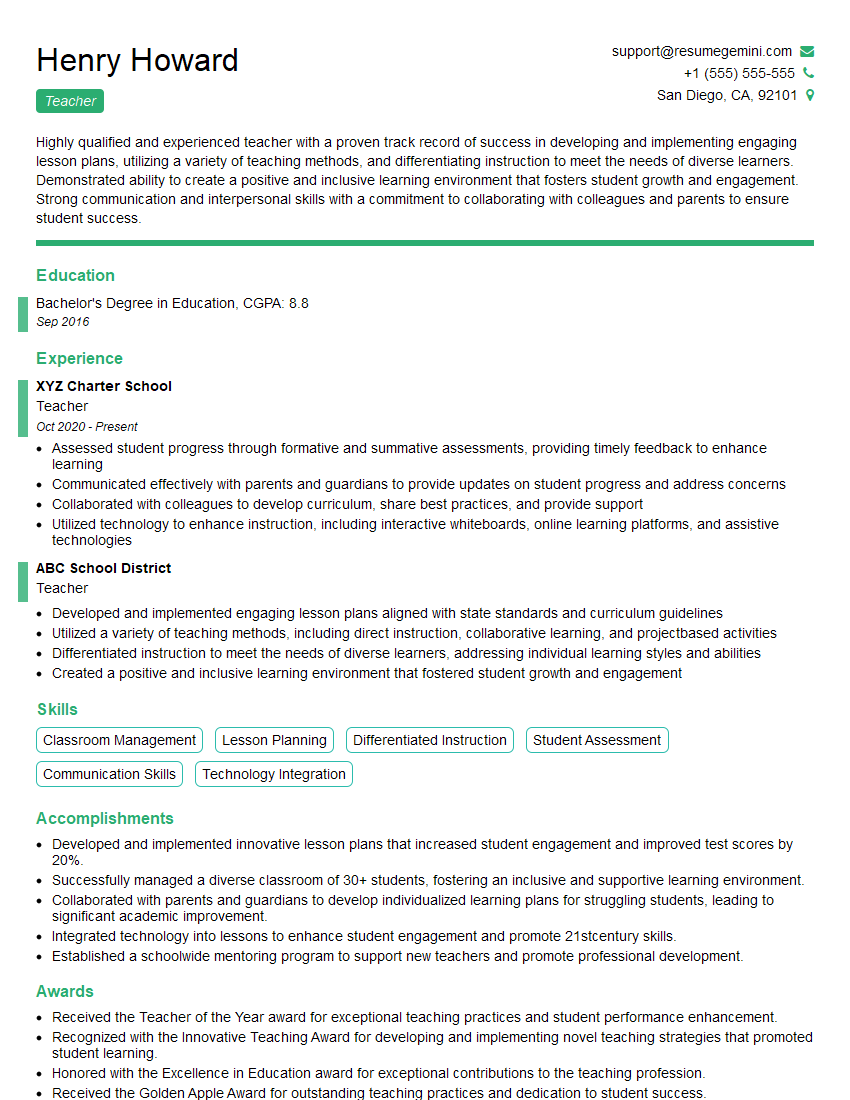
Teacher Resume Sample
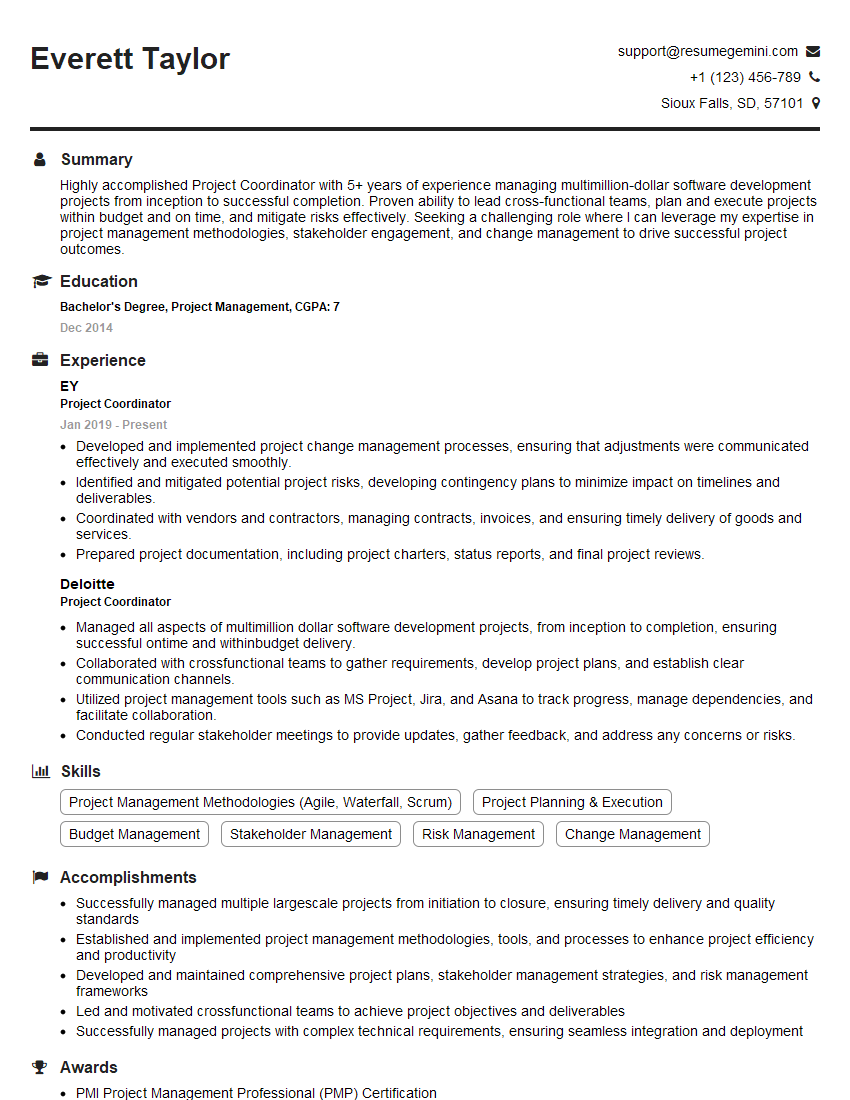
Project Coordinator Resume Sample
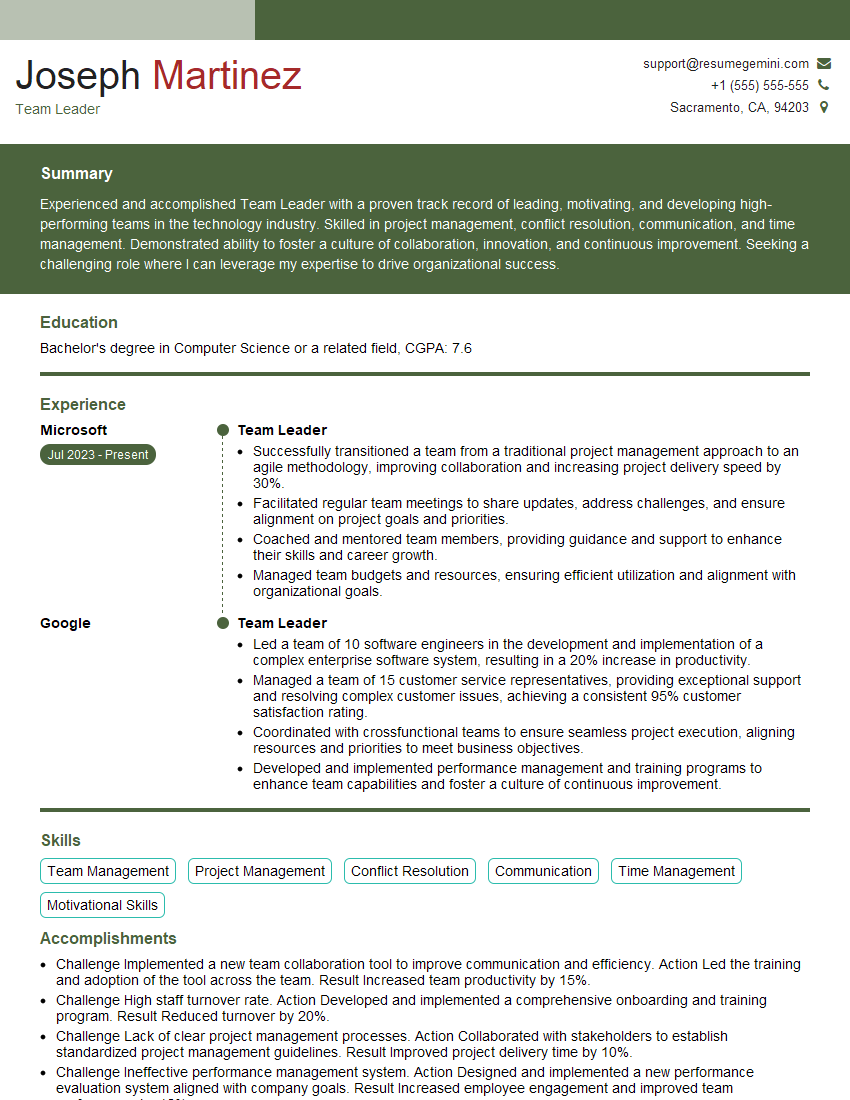
Team Leader Resume Sample
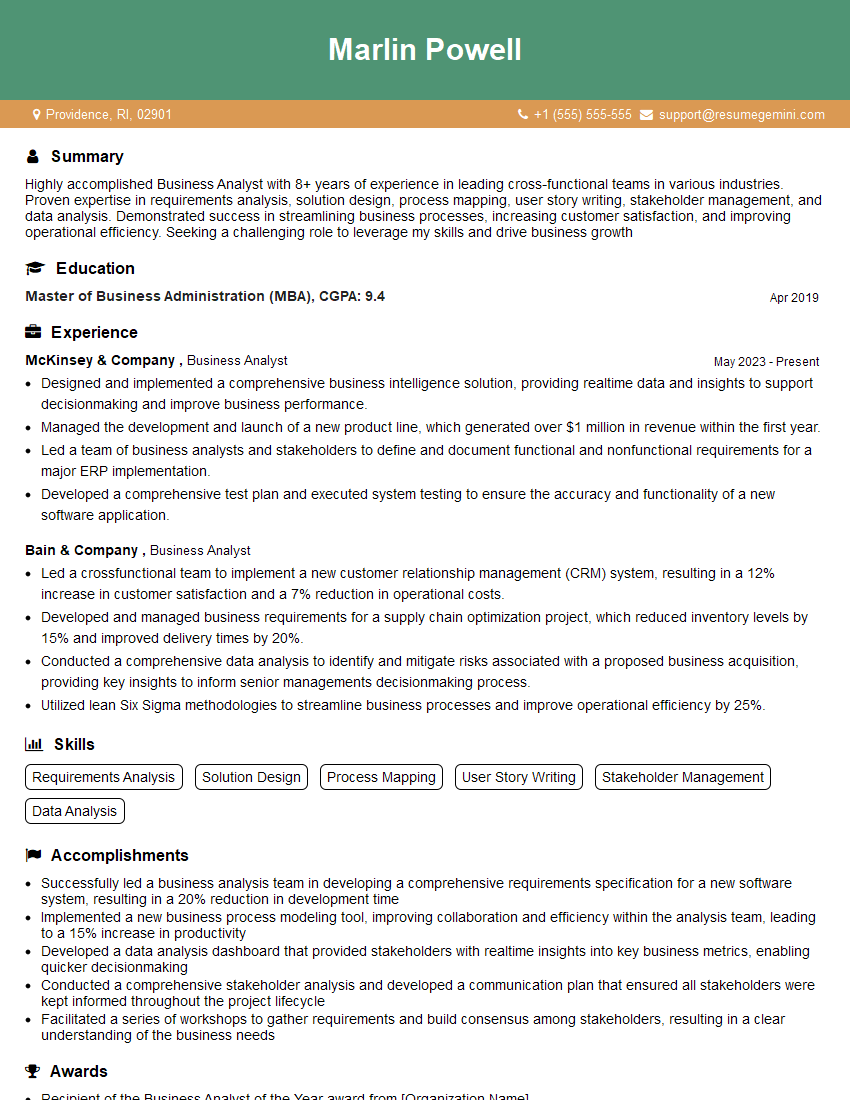
Business Analyst Resume Sample
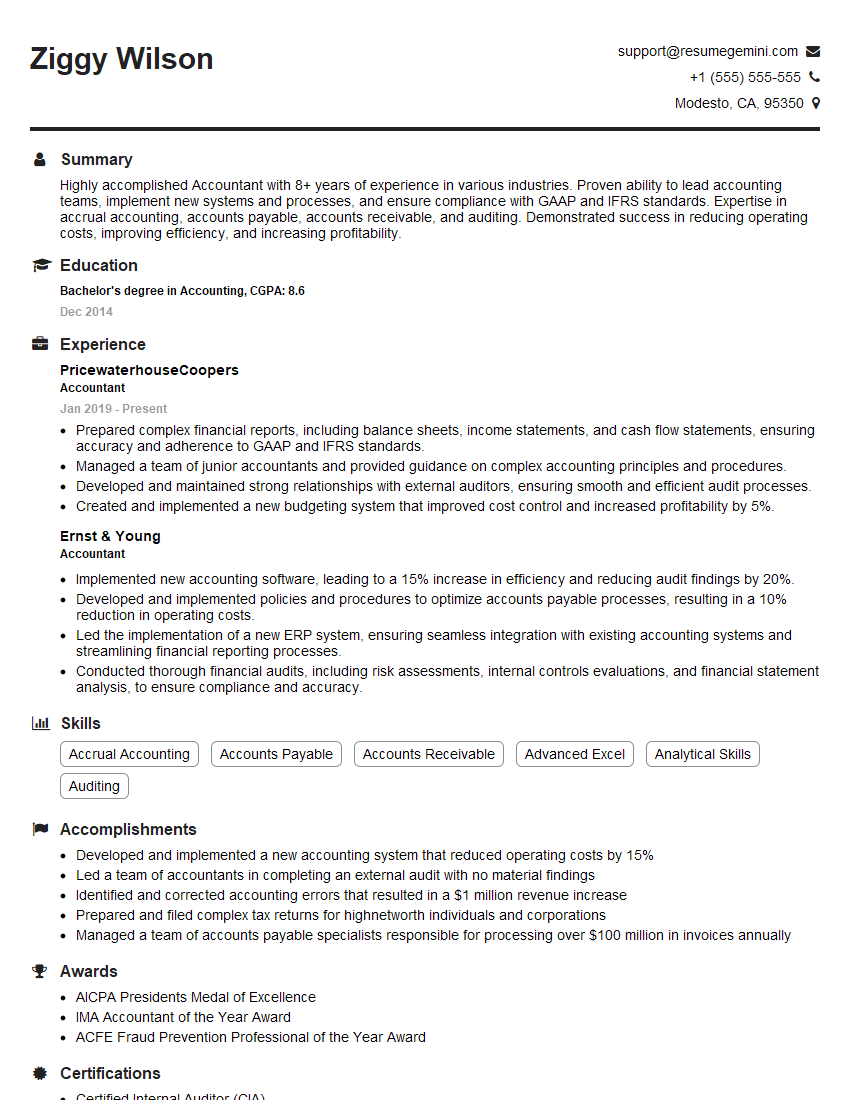
Accountant Resume Sample
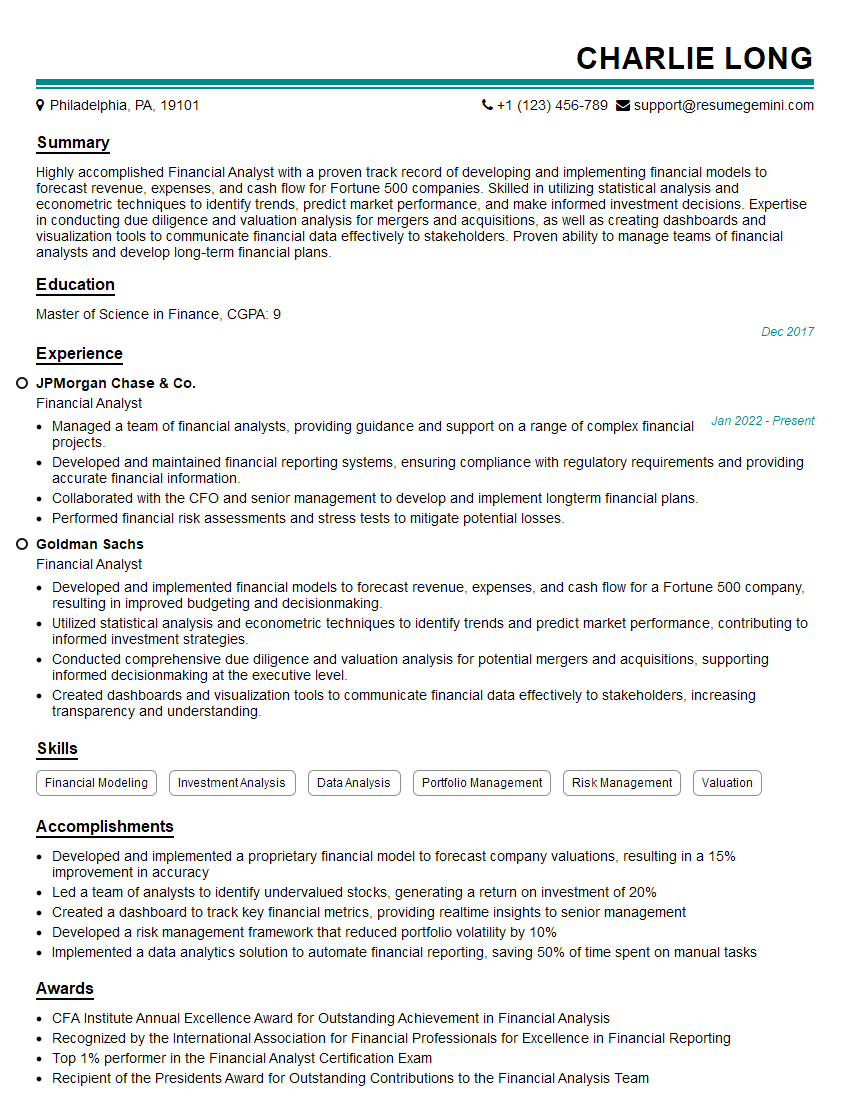
Financial Analyst Resume Sample
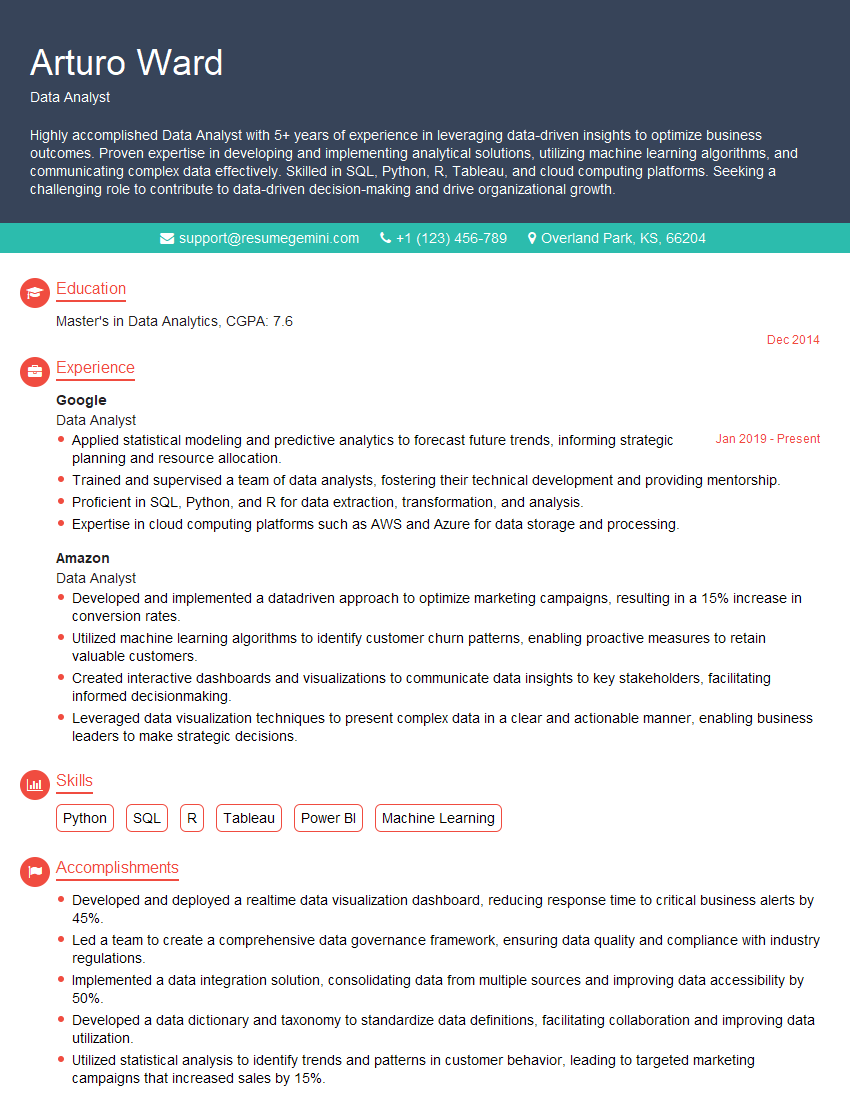
Data Analyst Resume Sample
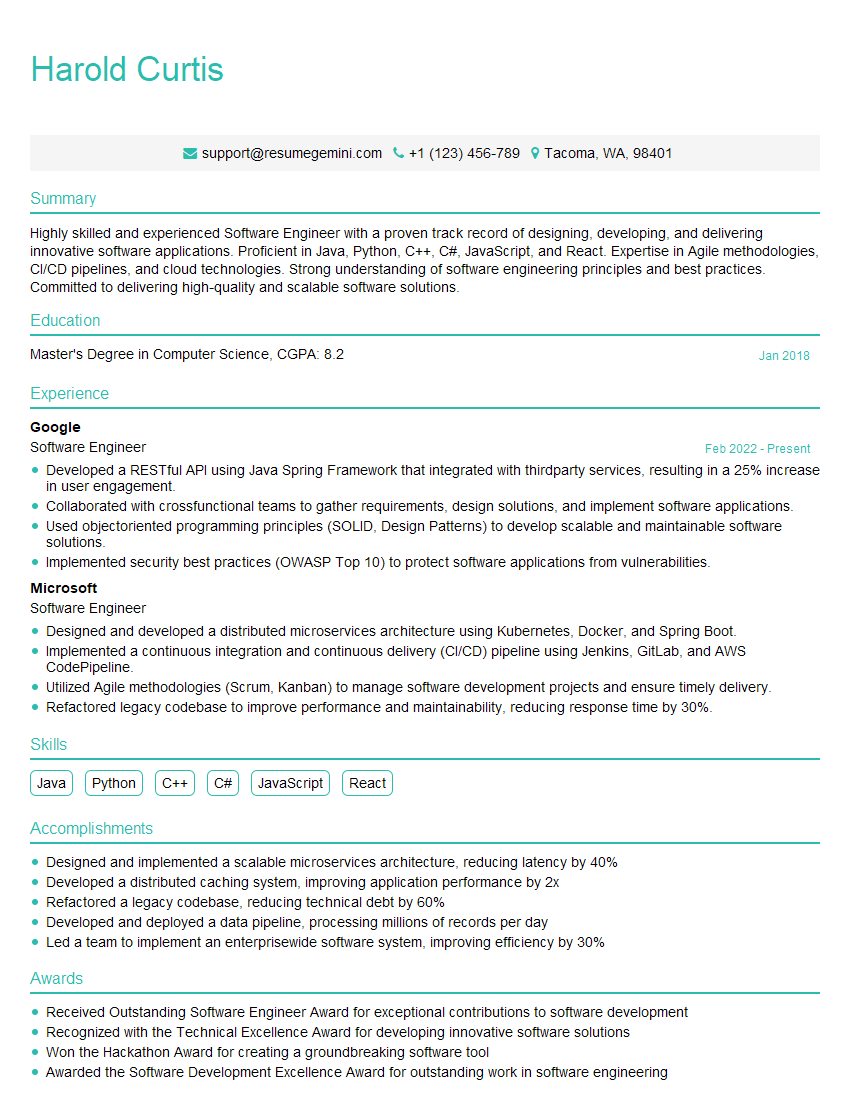
Software Engineer Resume Sample
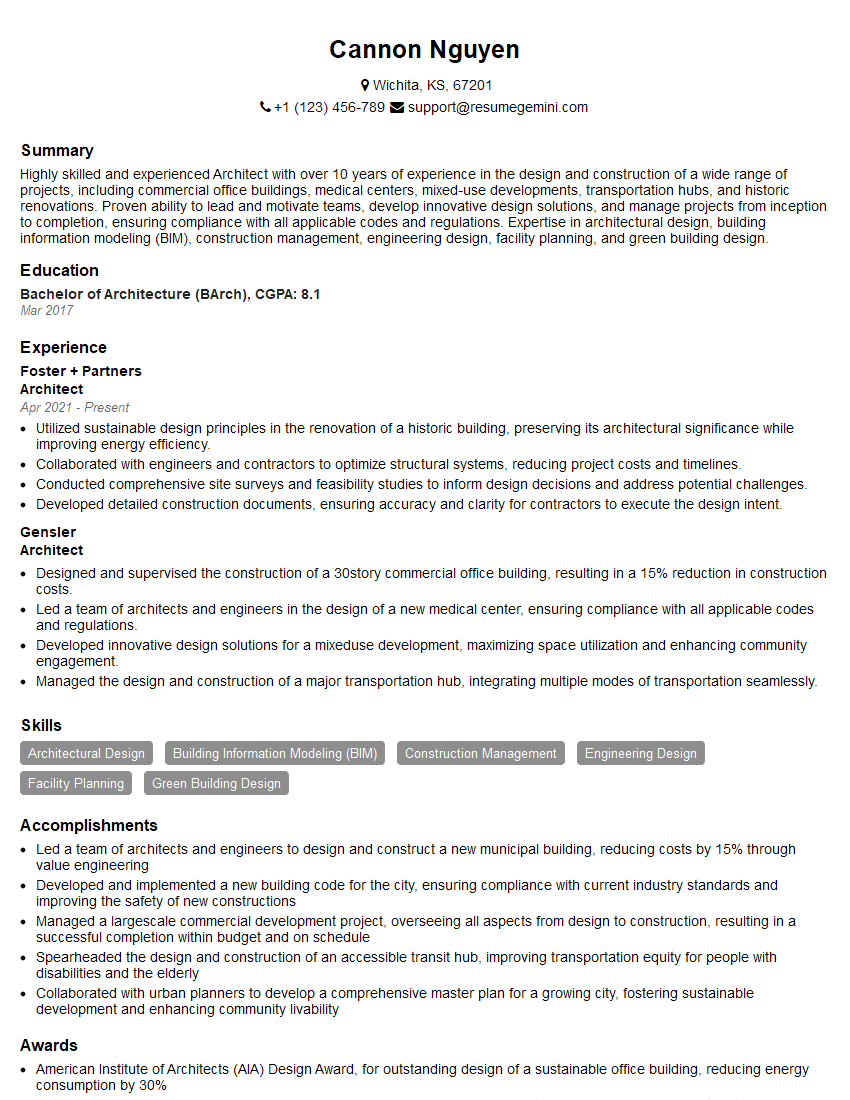
Architect Resume Sample
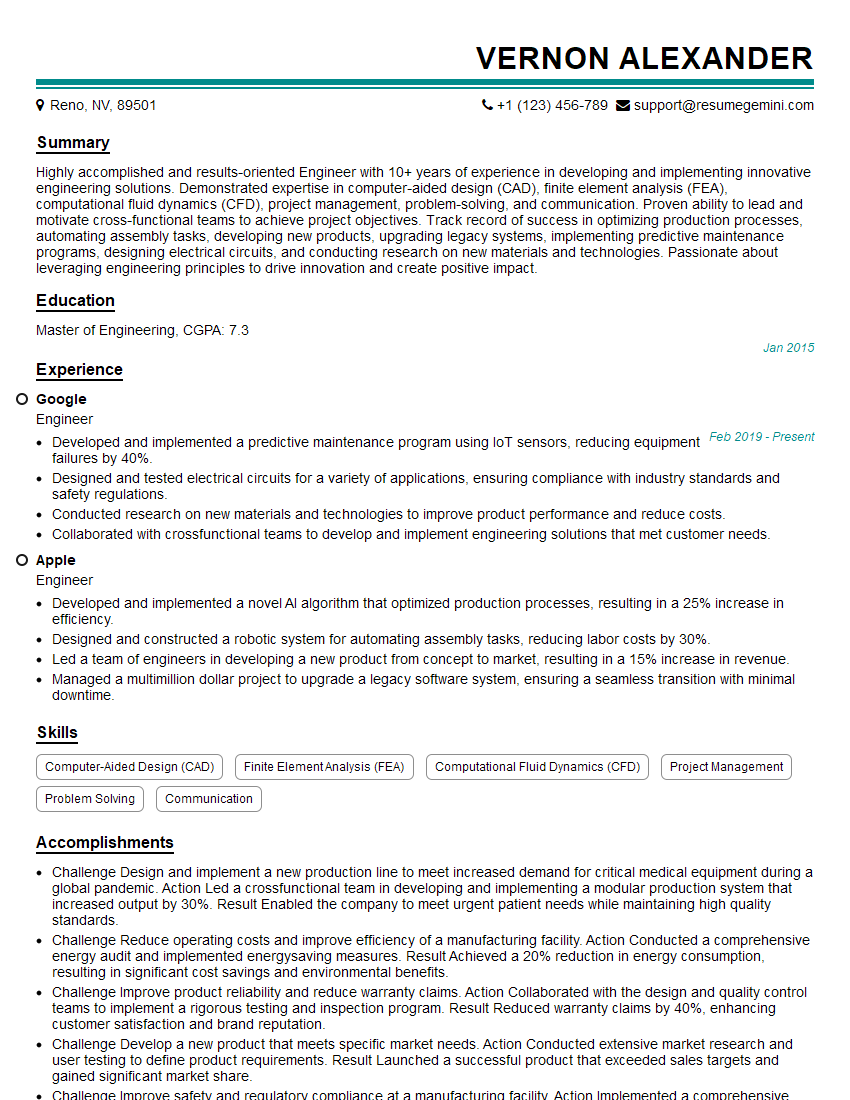
Engineer Resume Sample
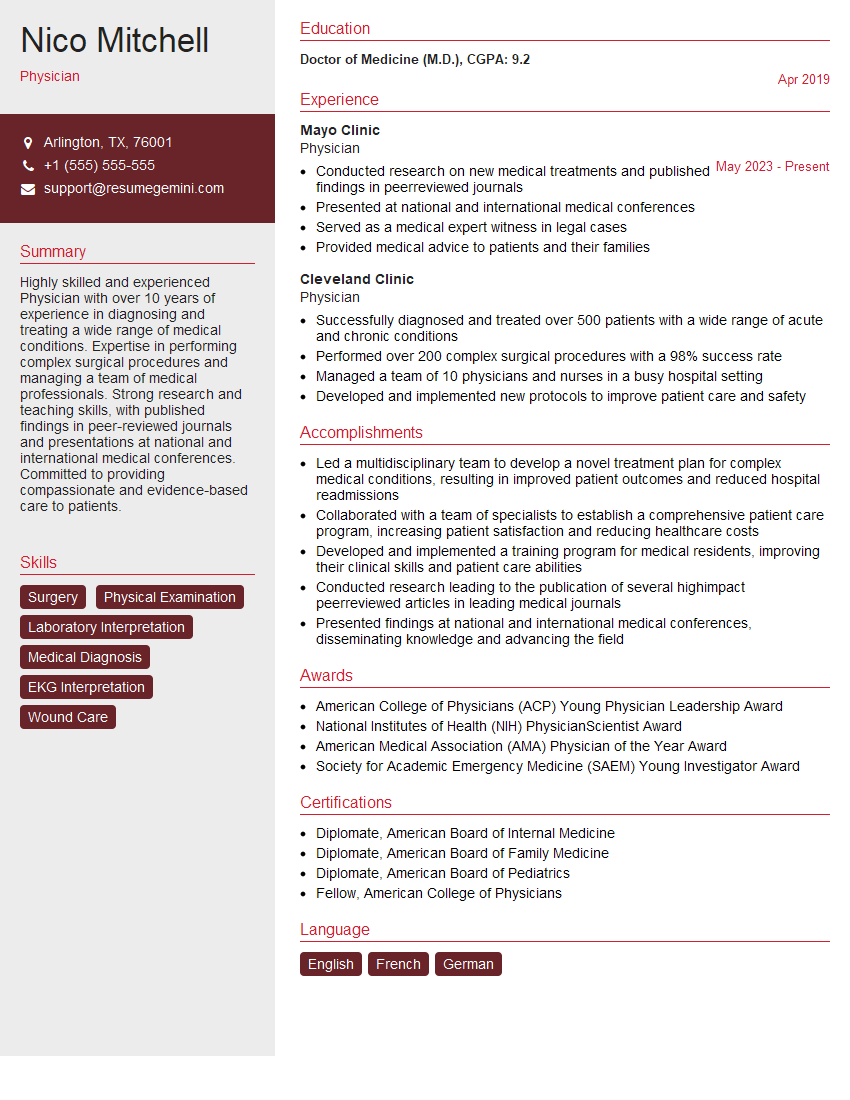
Physician Resume Sample
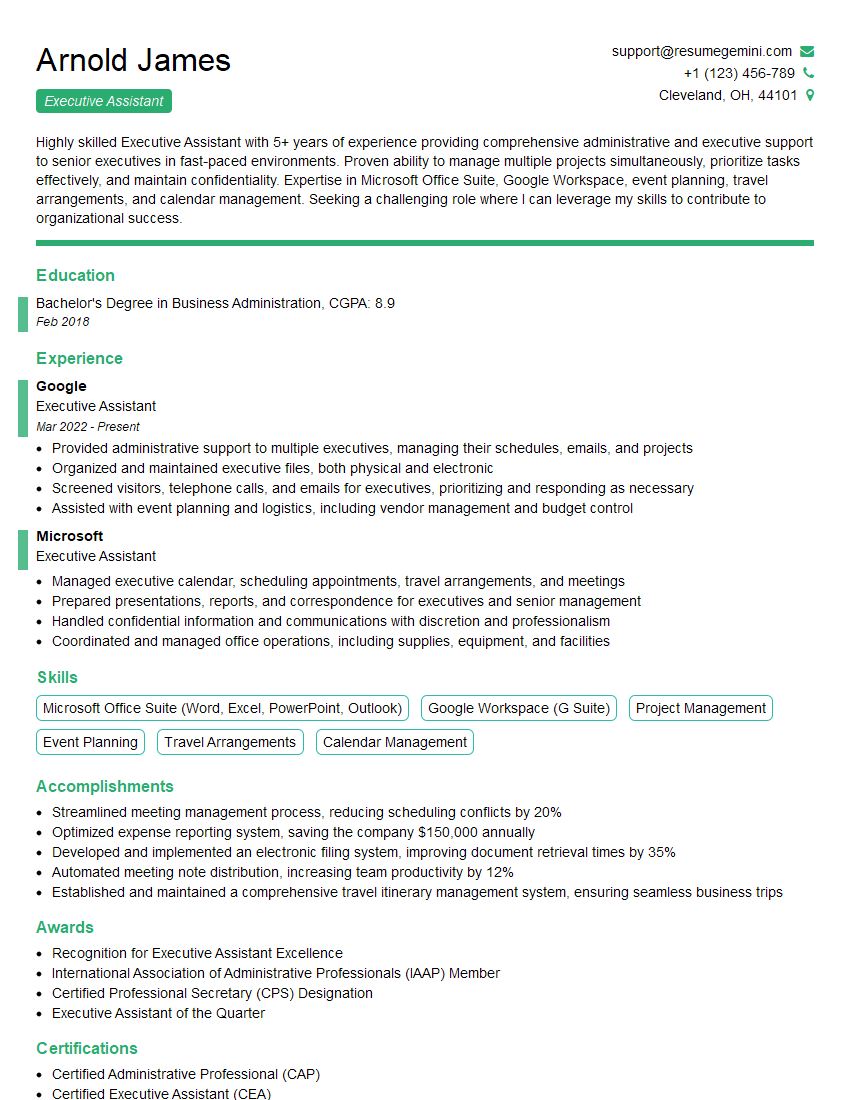
Executive Assistant Resume Sample
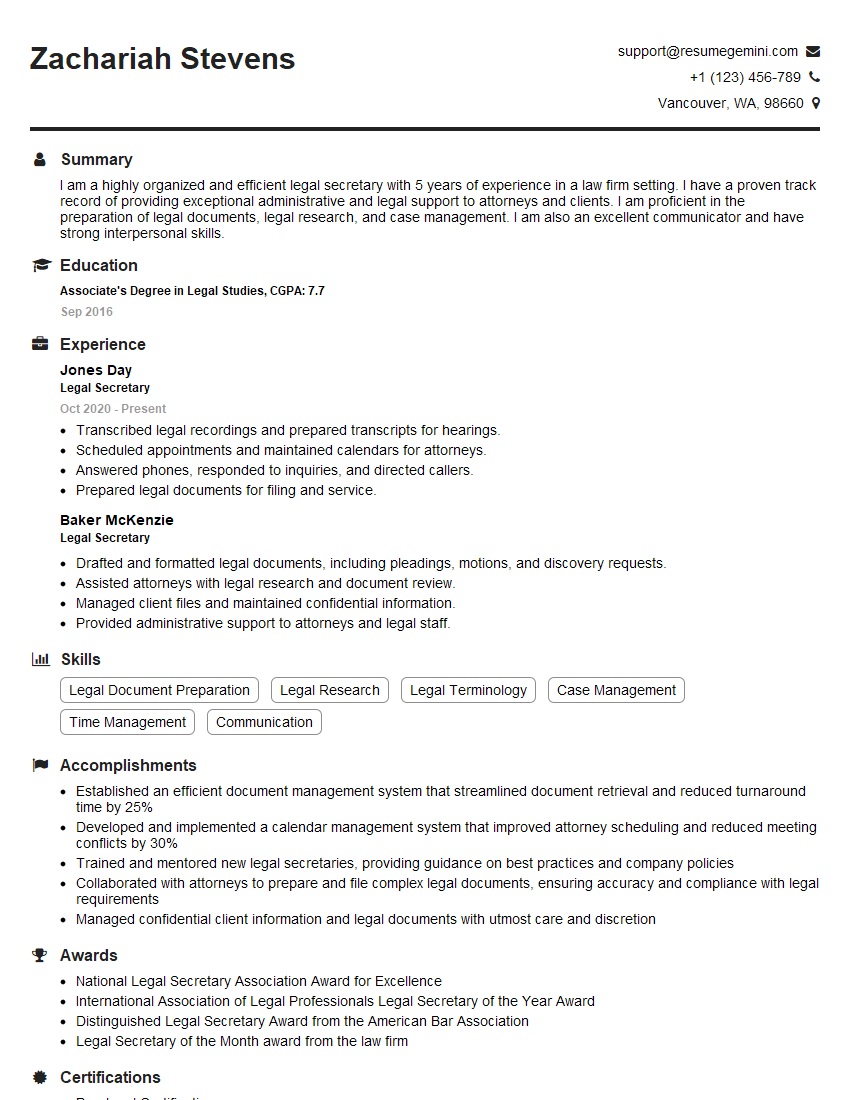
Legal Secretary Resume Sample
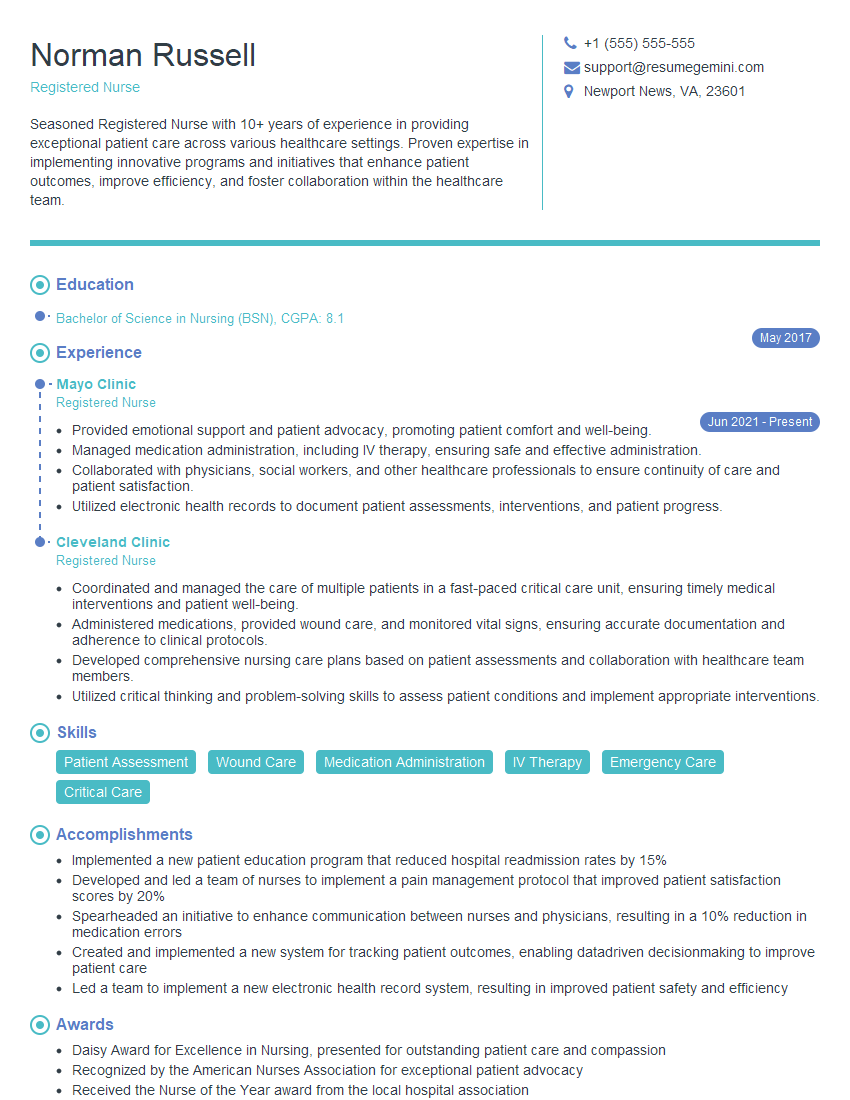
Registered Nurse Resume Sample
- Operations Manager
- Account Manager
- Marketing Manager
- Sales Representative
- Administrative Assistant
- Customer Service Representative
- Supply Chain Manager
- Human Resources Manager
- Project Manager
- Teacher
- Project Coordinator
- Team Leader
- Business Analyst
- Accountant
- Financial Analyst
- Data Analyst
- Software Engineer
- Architect
- Engineer
- Physician
- Executive Assistant
- Legal Secretary
- Registered Nurse
Explore more articles
Users Rating of Our Blogs
Share Your Experience
We value your feedback! Please rate our content and share your thoughts (optional).
What Readers Say About Our Blog
I Redesigned Spongebob Squarepants and his main characters of my artwork.
https://www.deviantart.com/reimaginesponge/art/Redesigned-Spongebob-characters-1223583608
IT gave me an insight and words to use and be able to think of examples
Hi, I’m Jay, we have a few potential clients that are interested in your services, thought you might be a good fit. I’d love to talk about the details, when do you have time to talk?
Best,
Jay
Founder | CEO