The right preparation can turn an interview into an opportunity to showcase your expertise. This guide to Proficient in data collection, processing, and analysis interview questions is your ultimate resource, providing key insights and tips to help you ace your responses and stand out as a top candidate.
Questions Asked in Proficient in data collection, processing, and analysis Interview
Q 1. Explain the difference between structured and unstructured data.
The key difference between structured and unstructured data lies in its organization and format. Structured data is highly organized and easily searchable because it resides in a predefined format, typically relational databases with rows and columns. Think of a spreadsheet or a SQL database table – each piece of information neatly fits into a designated field. Unstructured data, on the other hand, lacks a predefined format or organization. It’s like a free-form text document, an image, or an audio file. Extracting meaningful information from unstructured data requires more complex techniques.
Example: A customer’s name, age, and address stored in a database table represent structured data. A customer’s feedback in a free-form text box, however, would be considered unstructured data.
Q 2. Describe your experience with various data collection methods.
My experience spans a wide range of data collection methods. I’ve extensively used surveys (both online and offline), designed to collect quantitative and qualitative data on specific topics, ensuring questions are clear, unbiased, and cover the desired aspects. I’m also proficient in utilizing web scraping techniques to extract information from websites. This involves using tools like Beautiful Soup and Scrapy to automate the data extraction process and handle challenges like dynamic content and CAPTCHAs. Additionally, I’ve worked with APIs (Application Programming Interfaces) to access and integrate data from various sources, ranging from social media platforms to financial market data providers. I have even used sensor data acquisition in projects involving IoT devices, capturing real-time data on parameters like temperature, humidity, and pressure. Finally, I’ve conducted observational studies to gather qualitative data through direct observation of behaviours and interactions, carefully documenting my findings.
Q 3. What are some common challenges in data collection, and how have you overcome them?
Data collection often presents challenges. One common issue is incomplete data – missing values due to respondent non-response or sensor malfunctions. For example, in a customer survey, some respondents might skip certain questions. To overcome this, I implement strategies like imputation techniques, using statistical methods to estimate missing values based on available data. Another hurdle is inconsistent data, where data is entered in different formats or with inconsistencies. A simple solution might involve data standardization or normalization techniques. Another significant challenge is data bias – where the data doesn’t accurately reflect the population it aims to represent, leading to skewed results. To combat this, I meticulously design sampling strategies to ensure representation across all relevant groups. Finally, handling large datasets and ensuring efficient data storage and retrieval is crucial. I address this with appropriate database systems and cloud storage solutions.
Q 4. How do you ensure data quality during the collection process?
Ensuring data quality is paramount. I employ several strategies, beginning with meticulous data validation, where I build checks to ensure data conforms to the expected format and range. For example, I’d use regular expressions to validate email addresses or check that age values fall within reasonable limits. I also use data cleansing techniques to identify and rectify inconsistencies or errors. Next, data documentation is crucial. I create clear documentation detailing data sources, definitions, and any transformations applied. Finally, regular audits are performed to monitor data quality and identify potential areas for improvement. This proactive approach minimizes errors and ensures the data is reliable for analysis.
Q 5. Explain your experience with data cleaning and preprocessing techniques.
Data cleaning and preprocessing are integral to effective analysis. My experience includes handling missing values using various imputation techniques such as mean/median imputation, k-Nearest Neighbors imputation, or more sophisticated methods based on the data context. I frequently employ outlier detection methods like Z-score or IQR (Interquartile Range) to identify and address extreme values that can skew results. Data transformation involves techniques like normalization (scaling data to a specific range) or standardization (centering data around a mean of 0 and standard deviation of 1) to improve the performance of certain algorithms. I’m also proficient in handling categorical data using techniques such as one-hot encoding or label encoding, converting them into numerical representations suitable for algorithms.
For example, I might use one-hot encoding to represent colors (red, green, blue) as binary vectors [1,0,0], [0,1,0], [0,0,1].
Q 6. What data processing tools and technologies are you proficient in?
My proficiency extends to various data processing tools and technologies. I’m experienced with programming languages such as Python, utilizing libraries like Pandas, NumPy, and Scikit-learn for data manipulation, analysis, and machine learning. I’m also skilled in using SQL for database management and querying, allowing efficient data retrieval and manipulation within relational databases. I’m familiar with big data technologies like Spark and Hadoop for processing large datasets, enabling scalable and distributed computing. I also have experience using cloud-based platforms like AWS (Amazon Web Services) or Azure for data storage and processing.
Q 7. Describe your experience with ETL (Extract, Transform, Load) processes.
ETL (Extract, Transform, Load) processes are central to my workflow. I’ve designed and implemented ETL pipelines for various projects, starting with the extraction phase, where data is gathered from disparate sources – databases, APIs, files – using appropriate tools and technologies based on the source type. The transformation phase involves cleaning, converting, and enriching the extracted data, using techniques I previously discussed, to make it suitable for analysis or loading into the target system. Finally, the load phase involves transferring the transformed data to the target destination, which could be a data warehouse, data lake, or a specific database. For instance, I might use Apache Kafka for real-time data streaming, or tools like Informatica PowerCenter for batch processing in more traditional ETL contexts. I always ensure that each phase is thoroughly documented and monitored to guarantee data integrity and pipeline efficiency.
Q 8. How do you handle missing data in a dataset?
Handling missing data is crucial for accurate analysis. The best approach depends on the nature of the data, the extent of missingness, and the analytical goals. Ignoring missing data can lead to biased results, so a thoughtful strategy is essential.
- Deletion: The simplest method is to remove rows or columns with missing values. This is suitable only if the missing data is minimal and random. However, it can lead to significant information loss if a large portion of the data is affected. For example, if 10% of your customer data is missing purchase history, simply deleting those rows might significantly skew your analysis of average purchase value.
- Imputation: This involves replacing missing values with estimated values. Several techniques exist:
- Mean/Median/Mode Imputation: Replacing missing values with the mean (for numerical data), median (for numerical data with outliers), or mode (for categorical data). Simple but can distort the distribution if the missing data isn’t Missing Completely at Random (MCAR).
- Regression Imputation: Using regression models to predict missing values based on other variables. This is more sophisticated and accounts for relationships between variables. For instance, if you’re missing income data, you might use age, education level, and occupation to predict it.
- K-Nearest Neighbors (KNN) Imputation: This method finds the ‘k’ nearest data points with complete information and uses their average to estimate the missing value. It’s useful for handling non-linear relationships.
- Multiple Imputation: Creates multiple plausible imputed datasets, analyzes each one, and then combines the results. This reduces bias and provides a measure of uncertainty.
- Model-Based Methods: Some machine learning models (e.g., XGBoost, Random Forest) can handle missing data internally without pre-processing. This is often the most efficient approach.
Choosing the right method requires careful consideration. If the missing data is not MCAR (Missing Completely at Random) or MAR (Missing at Random), more sophisticated methods like multiple imputation are necessary to avoid bias. Always document the method used and its potential impact on the results.
Q 9. What are your preferred methods for data visualization?
Data visualization is key to communicating insights effectively. My preferred methods depend on the type of data and the story I’m trying to tell. I frequently use a combination of techniques for a comprehensive view.
- Histograms and Density Plots: For visualizing the distribution of a single numerical variable. Histograms show the frequency of data within specific bins, while density plots offer a smoother representation of the distribution.
- Scatter Plots: Excellent for showing the relationship between two numerical variables. Adding color or size to points can show a third variable’s influence.
- Box Plots: Useful for comparing the distribution of a numerical variable across different categories. They display the median, quartiles, and outliers.
- Bar Charts: Effective for displaying categorical data, showing counts or proportions for each category.
- Line Charts: Ideal for showing trends over time or other continuous variables.
- Heatmaps: For visualizing correlation matrices or other two-dimensional data, showing the relationship between multiple variables.
- Interactive dashboards: Using tools like Tableau or Power BI allows for exploring data dynamically and creating customized visualizations.
For example, I recently used a combination of scatter plots and heatmaps to identify correlations between different marketing channels and customer acquisition costs. The scatter plots showed individual relationships, while the heatmap provided a holistic view of all correlations.
Q 10. Explain your experience with different data analysis techniques (e.g., regression, clustering).
I have extensive experience with various data analysis techniques. My experience spans both supervised and unsupervised learning methods.
- Regression: I regularly use linear regression, logistic regression, and polynomial regression to model relationships between variables. For instance, I used multiple linear regression to predict house prices based on features like size, location, and age. Logistic regression is valuable for classification problems – I’ve employed it to predict customer churn.
- Clustering: I’m proficient in K-means, hierarchical clustering, and DBSCAN for grouping similar data points. I once used K-means to segment customers based on purchasing behavior, allowing for targeted marketing campaigns. DBSCAN is useful for identifying clusters of arbitrary shapes, unlike K-means which assumes spherical clusters.
- Classification: I’ve worked extensively with algorithms like Support Vector Machines (SVM), Decision Trees, Random Forest, and Naive Bayes. For example, I used a Random Forest model to classify images of handwritten digits with high accuracy.
- Dimensionality Reduction: I use Principal Component Analysis (PCA) and t-SNE to reduce the number of variables while retaining important information, simplifying analysis and visualization. This is especially helpful when dealing with high-dimensional datasets.
The choice of technique depends entirely on the problem’s nature and the characteristics of the dataset. For instance, if I need to predict a continuous variable, I’d use regression; for grouping data, I’d use clustering; and for classifying data into categories, I’d use classification algorithms.
Q 11. How do you choose the appropriate statistical methods for a given dataset?
Selecting appropriate statistical methods is crucial for reliable analysis. The choice depends on several factors:
- Research Question: What are you trying to learn from the data? Are you trying to predict an outcome, identify relationships, or describe the data?
- Data Type: Are your variables categorical or numerical? Are they continuous or discrete?
- Data Distribution: Is your data normally distributed? Are there outliers?
- Sample Size: Do you have enough data to use certain methods?
- Assumptions of the Test: Some statistical tests have specific assumptions (e.g., normality, independence) that must be met.
For example, if I wanted to compare the means of two groups, I might use a t-test if the data is normally distributed. If the data is not normally distributed, I might use a non-parametric test like the Mann-Whitney U test. If I wanted to analyze the relationship between two continuous variables, I’d consider correlation or regression analysis. Careful consideration of these factors ensures the chosen methods are appropriate and the results are valid and meaningful.
Q 12. Describe your experience with data mining and pattern recognition.
Data mining and pattern recognition are integral parts of my workflow. I have experience applying various techniques to extract meaningful insights from large datasets.
- Association Rule Mining (Apriori): I’ve used Apriori to discover frequent itemsets and association rules in transactional data. For example, in a supermarket dataset, this helped identify products frequently purchased together, informing product placement strategies.
- Classification and Regression Trees (CART): I’ve used CART to build decision trees for both classification and regression tasks. These models are interpretable and provide insights into the factors influencing the outcome.
- Sequential Pattern Mining: I’ve applied this to identify patterns in sequential data, such as customer browsing history or website clickstream data. This helps understand user behavior and improve website design or marketing campaigns.
- Neural Networks: I’ve leveraged neural networks for complex pattern recognition tasks, such as image classification or natural language processing. Deep learning models can uncover subtle patterns in data that other methods may miss.
A recent project involved using sequential pattern mining to analyze customer interactions with a website. By identifying common sequences of actions, we were able to optimize the user experience and increase conversion rates.
Q 13. How do you interpret the results of your data analysis?
Interpreting data analysis results requires careful consideration and critical thinking. It goes beyond simply reporting numbers; it’s about understanding the implications of the findings.
- Contextualization: Results must be understood within the context of the research question and the limitations of the data and methods. For instance, a statistically significant result might not be practically significant.
- Visualization: Visualizing the results helps communicate findings effectively. Charts and graphs make complex information accessible to a wider audience.
- Statistical Significance vs. Practical Significance: A statistically significant result doesn’t always mean it’s practically important. Consider the effect size and its real-world impact.
- Uncertainty and Error: Acknowledge the inherent uncertainty in data analysis. Report confidence intervals and error margins to communicate the level of precision.
- Causation vs. Correlation: Correlation does not imply causation. Avoid making causal claims unless supported by strong evidence and appropriate research design.
For example, finding a strong correlation between ice cream sales and drowning incidents doesn’t mean ice cream causes drowning. Both are likely influenced by a third factor – hot weather.
Q 14. Explain your experience working with large datasets (Big Data).
I have experience working with large datasets using distributed computing frameworks like Spark and Hadoop. Handling Big Data requires specialized techniques to manage the volume, velocity, and variety of the data.
- Distributed Computing: Frameworks like Spark enable parallel processing of large datasets across multiple machines, significantly reducing processing time. I’ve used Spark to perform large-scale data transformations and machine learning tasks on datasets exceeding terabytes.
- Data Warehousing and Data Lakes: I’m familiar with designing and utilizing data warehouses and data lakes for storing and managing large volumes of structured and unstructured data. This provides a scalable and efficient way to store and access data for analysis.
- NoSQL Databases: I’ve used NoSQL databases like MongoDB and Cassandra to handle semi-structured and unstructured data that doesn’t fit easily into relational databases. These are particularly useful for handling diverse data sources.
- Data Sampling and Feature Engineering: For extremely large datasets, efficient sampling techniques and careful feature engineering are crucial to reduce computational costs while preserving data integrity and meaningful insights.
In a recent project, I used Spark to process a large sensor dataset to identify patterns indicating equipment malfunction. This would have been impossible to accomplish with traditional data processing tools. Efficient handling of big data allowed us to detect potential problems early and minimize downtime.
Q 15. What experience do you have with database management systems (e.g., SQL, NoSQL)?
My experience spans both relational and NoSQL databases. With relational databases, I’m proficient in SQL, using it daily for tasks like data extraction, transformation, and loading (ETL), querying, and data manipulation. I’ve worked extensively with MySQL, PostgreSQL, and SQL Server, optimizing queries for performance and leveraging advanced features like stored procedures and indexing for complex datasets. For example, in a previous role, I optimized a slow-running query that was impacting reporting by rewriting it using common table expressions (CTEs) and appropriate indexing, resulting in a 90% performance improvement.
In the NoSQL space, I have experience with MongoDB and Cassandra, utilizing them for scenarios requiring high scalability and flexibility, such as handling large volumes of unstructured or semi-structured data. For instance, I used MongoDB to build a real-time analytics dashboard for a social media platform, efficiently storing and retrieving user activity data. My expertise includes choosing the right database technology based on project requirements, considering factors like data volume, velocity, variety, and veracity.
Career Expert Tips:
- Ace those interviews! Prepare effectively by reviewing the Top 50 Most Common Interview Questions on ResumeGemini.
- Navigate your job search with confidence! Explore a wide range of Career Tips on ResumeGemini. Learn about common challenges and recommendations to overcome them.
- Craft the perfect resume! Master the Art of Resume Writing with ResumeGemini’s guide. Showcase your unique qualifications and achievements effectively.
- Don’t miss out on holiday savings! Build your dream resume with ResumeGemini’s ATS optimized templates.
Q 16. Describe your experience with data warehousing and data lakes.
Data warehousing and data lakes represent different approaches to data storage and management. Data warehouses are designed for analytical processing, typically using a structured, relational model optimized for querying large datasets. I’ve worked with several data warehousing projects, designing star schemas and snowflake schemas to effectively organize data for business intelligence reporting. This often involves working with ETL processes to extract data from multiple sources, cleanse and transform it, and load it into the warehouse.
Data lakes, on the other hand, provide a more flexible, schema-on-read approach, storing raw data in its native format. This allows for greater flexibility in exploring different analytical possibilities. My experience includes designing and implementing data lakes using cloud-based storage solutions like AWS S3 and Azure Data Lake Storage. I’ve worked on projects where we used Apache Spark for processing data within the lake, performing large-scale data transformations and analysis.
Choosing between a data warehouse and a data lake depends on the specific business needs and data characteristics. Often, a hybrid approach is most effective, combining the structure and performance of a data warehouse with the flexibility and scalability of a data lake.
Q 17. How do you ensure data security and privacy?
Data security and privacy are paramount. My approach involves implementing a multi-layered security strategy. This starts with secure data storage, using encryption at rest and in transit. Access control is crucial, so I rigorously implement role-based access control (RBAC) to limit access to data based on user roles and responsibilities. Data masking and anonymization techniques are used to protect sensitive information during development and testing.
Regular security audits and vulnerability assessments are essential, and I’m familiar with implementing and monitoring security information and event management (SIEM) systems to detect and respond to potential threats. Compliance with regulations like GDPR and CCPA is critical, and I ensure data handling practices adhere to these standards. For instance, I’ve developed data retention policies to comply with regulatory requirements, and designed procedures for managing data subject requests.
Q 18. Explain your experience with data governance and compliance.
Data governance and compliance are fundamental to ensuring data quality, consistency, and adherence to regulatory requirements. My experience includes developing and implementing data governance frameworks, defining data policies, and establishing data quality metrics. This involves working with stakeholders across the organization to establish clear roles and responsibilities for data management.
I’ve participated in numerous compliance audits and have a strong understanding of regulations such as HIPAA, GDPR, and CCPA. I’ve been involved in designing data retention and disposal policies, ensuring that data is handled ethically and securely throughout its lifecycle. For example, I’ve led initiatives to document and improve data lineage, creating clear trails of data transformations to enhance traceability and accountability.
Q 19. How do you communicate your data analysis findings to a non-technical audience?
Communicating data analysis findings to a non-technical audience requires clear, concise, and visual communication. I avoid technical jargon and focus on using simple language, clear visualizations, and compelling storytelling to convey insights. I often start by outlining the business problem, then present my findings using charts, graphs, and dashboards, focusing on the key takeaways and their implications for the business.
For example, instead of stating “The correlation coefficient between X and Y is 0.8,” I might say “There’s a strong positive relationship between X and Y, suggesting that an increase in X is likely to lead to an increase in Y.” I use analogies and real-world examples to make complex concepts easier to understand. I also emphasize the impact of the findings and suggest actionable recommendations based on the analysis.
Q 20. What are your preferred programming languages for data analysis?
My preferred programming languages for data analysis include Python and R. Python’s versatility and extensive libraries like Pandas, NumPy, and Scikit-learn make it ideal for data manipulation, cleaning, analysis, and machine learning. R’s strength lies in its statistical computing capabilities and its rich ecosystem of packages for statistical modeling and visualization.
I also have experience with SQL, which is essential for querying and managing data in relational databases. My choice of language often depends on the specific task and project requirements. For example, I might use Python for building machine learning models and R for advanced statistical analysis.
Q 21. Describe a time you had to deal with conflicting data sources.
In a previous project, we encountered conflicting data sources for customer demographics. One database indicated that a significant number of customers were located in a specific region, while another database showed a much lower number. This discrepancy impacted our marketing campaign targeting.
To resolve this, I first investigated the data sources, examining their data collection methods and potential biases. I discovered that one database was older and less frequently updated compared to the other, leading to the inconsistency. We then implemented data quality checks and data cleansing procedures. Using SQL queries and data profiling techniques, we identified and addressed data inconsistencies and errors. We prioritized the more up-to-date database but also cross-referenced data to identify patterns and outliers. Ultimately, this process allowed us to create a more accurate and consistent view of customer demographics, leading to a more effective marketing campaign.
Q 22. How do you evaluate the accuracy and reliability of your data analysis results?
Evaluating the accuracy and reliability of data analysis results is crucial for drawing valid conclusions. This involves a multi-faceted approach, encompassing data quality checks, validation of methods, and assessment of uncertainty.
- Data Quality Assessment: Before analysis, I meticulously check for completeness, consistency, and accuracy of the data. This includes identifying missing values, handling duplicates, and validating data against known ranges or expected patterns. For instance, if analyzing customer ages, I’d flag any values below 0 or above 120 as potential errors.
- Methodological Validation: I select appropriate analytical techniques based on the data type and research question. I then justify my choices, considering the assumptions and limitations of each method. For example, choosing linear regression requires verifying assumptions like linearity and independence of errors.
- Uncertainty Quantification: I quantify uncertainty in my results using techniques like confidence intervals, p-values, and standard errors. This helps understand the range of plausible values and the confidence we can have in our findings. For example, a 95% confidence interval for the mean of a dataset shows the range within which the true mean is likely to lie.
- Cross-Validation: To ensure generalizability, I employ techniques like cross-validation to assess the model’s performance on unseen data. This helps determine how well the model will perform in real-world scenarios, reducing the risk of overfitting.
- Sensitivity Analysis: I perform sensitivity analysis to understand how changes in input variables affect the results. This helps determine the robustness of the findings and identify key drivers of the results.
By combining these approaches, I can build confidence in the reliability and validity of my findings, enabling data-driven decision-making with a high degree of certainty.
Q 23. What are some common pitfalls to avoid during data analysis?
Data analysis is prone to several pitfalls, and awareness of these is essential for producing reliable results. Some common pitfalls include:
- Confirmation Bias: This involves seeking out or interpreting data to confirm pre-existing beliefs, rather than objectively evaluating the evidence. To combat this, I maintain a rigorous, objective approach, and clearly define my hypotheses before analyzing the data.
- Overfitting: This occurs when a model is too complex and fits the training data too closely, leading to poor performance on unseen data. Techniques like cross-validation and regularization help mitigate overfitting.
- Ignoring Data Quality Issues: Failing to properly clean and pre-process data can lead to inaccurate and misleading results. Thorough data cleaning, including handling missing values and outliers, is paramount.
- Misinterpreting Correlations: Correlation does not imply causation. I carefully consider potential confounding variables and avoid drawing causal conclusions from correlational analyses alone.
- Using Inappropriate Statistical Methods: Applying statistical tests or models inappropriately can lead to incorrect conclusions. Choosing the right method requires careful consideration of data characteristics and research question.
- Data Dredging (p-hacking): Repeatedly analyzing data in different ways until a statistically significant result is found increases the chance of false positives. Pre-registering analyses and adhering to a predetermined analysis plan minimizes this risk.
By being mindful of these pitfalls and employing best practices, I can ensure the integrity and reliability of my analyses.
Q 24. How do you stay current with the latest advancements in data analysis techniques?
Staying up-to-date in the rapidly evolving field of data analysis requires a proactive and multi-pronged approach.
- Conferences and Workshops: Attending industry conferences, like those hosted by academic institutions or professional organizations (e.g., NeurIPS, KDD), allows me to learn about the latest advancements and network with other experts.
- Online Courses and Tutorials: Platforms like Coursera, edX, and DataCamp offer a wealth of courses on various data analysis techniques, enabling continuous learning at my own pace.
- Reading Research Papers: Staying current with the latest research findings is crucial. I regularly read papers published in leading journals like JMLR, and explore research presented at conferences.
- Following Key Influencers and Blogs: Following prominent researchers and industry experts on platforms like Twitter and LinkedIn provides insights into the latest trends and developments.
- Participating in Open-Source Projects: Contributing to or following open-source projects allows me to learn from experienced practitioners and gain hands-on experience with new tools and techniques.
- Experimentation and Application: I actively apply and experiment with new techniques in my projects, allowing for practical learning and refinement of my skillset.
This combination of formal and informal learning ensures I remain at the forefront of advancements in data analysis.
Q 25. Describe your experience with A/B testing and experimental design.
A/B testing, also known as split testing, is a powerful experimental design used to compare two versions of something (e.g., a website, an email, an advertisement) to determine which performs better. My experience encompasses all stages, from design to analysis.
- Experimental Design: I carefully define the metrics to be measured (e.g., click-through rate, conversion rate), select a sample size appropriate for detecting meaningful differences, and ensure random assignment of users to the different versions (A and B) to avoid bias.
- Implementation: I use tools and platforms designed for A/B testing to manage the experiment and collect data. This might involve implementing code snippets on websites or configuring email marketing platforms. Careful monitoring during the experiment is essential to ensure data quality and identify potential issues.
- Data Analysis: Once the experiment is complete, I perform statistical analyses (often using hypothesis testing) to determine if there’s a statistically significant difference in performance between versions A and B. I also assess the effect size to understand the practical significance of any differences.
- Reporting and Interpretation: I present the results clearly and concisely, highlighting the statistical significance and practical implications of the findings. I avoid drawing unwarranted conclusions and acknowledge limitations of the experiment.
For instance, in a recent project for an e-commerce website, we used A/B testing to compare two different versions of the product page. One version had a larger call-to-action button, while the other used a smaller one. The analysis revealed that the larger button led to a statistically significant increase in conversions, providing valuable insights for website optimization.
Q 26. How do you handle outliers in your data?
Outliers are data points that significantly deviate from the rest of the data. Handling them requires careful consideration to avoid bias and ensure accurate results.
- Identification: I employ various methods to identify outliers, including box plots, scatter plots, z-scores, and interquartile range (IQR) methods. Visual inspection often plays a crucial role in identifying unusual patterns.
- Investigation: Once outliers are identified, it’s critical to investigate their cause. They may represent genuine extreme values or errors in data collection or entry. Incorrect data should be corrected if possible, or removed if it’s clearly erroneous.
- Handling Strategies: The appropriate method for handling outliers depends on the context. Options include:
- Removal: Only if the outliers are clearly due to errors and are not representative of the underlying population. This method is sometimes criticized for potential data loss and bias.
- Transformation: Applying mathematical transformations (e.g., logarithmic transformation) can reduce the influence of outliers.
- Winsorizing/Trimming: Replacing outliers with less extreme values (Winsorizing) or removing them (Trimming) are other options that can be less severe than complete removal.
- Robust Methods: Using statistical methods robust to outliers, such as median instead of mean, or robust regression techniques.
- Documentation: Regardless of the chosen approach, I always document how outliers were handled and the rationale behind it for transparency and reproducibility.
The decision of how to handle outliers requires careful judgment based on their likely cause and impact on the analysis. Simply removing outliers without investigation can be misleading and should be avoided.
Q 27. What is your approach to building data-driven insights?
Building data-driven insights involves a structured and iterative process focused on translating raw data into actionable intelligence.
- Define the Business Question: The process begins by clearly articulating the business question or problem we aim to address. This provides the framework for all subsequent steps.
- Data Collection and Preparation: Relevant data is gathered from various sources and meticulously prepared for analysis. This includes cleaning, transforming, and integrating data from different formats and sources.
- Exploratory Data Analysis (EDA): I perform EDA to gain an understanding of the data’s characteristics, identify patterns, and formulate hypotheses. This involves creating visualizations, summary statistics, and exploring relationships between variables.
- Modeling and Analysis: Appropriate statistical or machine learning models are selected and applied based on the research question and data characteristics. The results are thoroughly analyzed and interpreted.
- Communication and Visualization: The findings are clearly communicated using visualizations and concise narratives tailored to the audience’s understanding. This often involves creating dashboards, reports, or presentations to effectively convey the insights.
- Iteration and Refinement: The process is iterative, with insights gained from one analysis informing subsequent iterations. This continuous improvement loop is crucial for developing deep and actionable insights.
For example, in a recent project for a marketing team, we used data analysis to identify the most effective marketing channels for acquiring new customers. This involved analyzing customer acquisition data, identifying key drivers of customer acquisition, and using the insights to optimize the marketing strategy. The process involved multiple iterations based on the initial findings.
Q 28. Describe a situation where you had to analyze a complex dataset with numerous variables.
In a recent project for a telecommunications company, I analyzed a massive dataset containing customer usage patterns, demographic information, billing details, and technical support interactions. The dataset contained millions of records with hundreds of variables.
- Data Reduction Techniques: Due to the high dimensionality of the data, I employed dimensionality reduction techniques like Principal Component Analysis (PCA) to reduce the number of variables while retaining most of the information. This helped simplify the analysis and avoid the curse of dimensionality.
- Feature Engineering: I created new variables (features) by combining existing ones to capture more meaningful relationships. For example, I combined call duration and frequency to create a composite measure of customer support usage.
- Data Visualization and Exploration: I used interactive data visualization tools to explore the data and identify patterns and relationships between variables. This involved creating interactive dashboards and using various plotting techniques to visualize high-dimensional data.
- Machine Learning Techniques: I employed various machine learning algorithms, such as clustering and regression, to predict customer churn and identify factors that contribute to it. The algorithms were tuned to optimize performance on various metrics.
- Model Evaluation and Validation: The models were rigorously evaluated using appropriate metrics, cross-validation, and other techniques to ensure their reliability and accuracy before deploying them.
This involved careful planning and selection of appropriate methods for high-dimensional data. The final results led to improvements in customer retention and operational efficiency for the telecommunications company.
Key Topics to Learn for Proficient in Data Collection, Processing, and Analysis Interviews
- Data Collection Strategies: Understanding various data collection methods (surveys, experiments, APIs, web scraping), their strengths and weaknesses, and choosing the appropriate method for a given problem. Consider ethical implications and biases inherent in different approaches.
- Data Cleaning and Preprocessing: Mastering techniques for handling missing data, outliers, and inconsistencies. Familiarize yourself with data transformation methods (normalization, standardization) and feature engineering.
- Data Exploration and Visualization: Proficiency in descriptive statistics and data visualization tools (e.g., Matplotlib, Seaborn, Tableau) to effectively communicate insights from data. Practice interpreting visualizations and identifying patterns.
- Data Analysis Techniques: A strong understanding of statistical methods (regression, hypothesis testing, ANOVA) and their application to solve real-world problems. Be prepared to discuss your experience with different analytical approaches.
- Data Processing Tools and Technologies: Familiarity with relevant programming languages (Python, R, SQL) and data processing frameworks (Pandas, Spark). Demonstrate your ability to efficiently process and manipulate large datasets.
- Database Management Systems (DBMS): Understanding relational databases and SQL is crucial. Practice writing queries to extract, filter, and aggregate data efficiently.
- Communication of Results: Ability to clearly and concisely communicate complex analytical findings to both technical and non-technical audiences through presentations and reports. Practice structuring your explanations logically.
- Problem-Solving and Critical Thinking: Demonstrate your ability to approach analytical problems systematically, define clear objectives, and critically evaluate results. Be ready to discuss your analytical thought process.
Next Steps
Mastering data collection, processing, and analysis is vital for career advancement in numerous fields. It demonstrates critical thinking, problem-solving skills, and the ability to extract valuable insights from raw information—highly sought-after qualities in today’s data-driven world. To maximize your job prospects, create an ATS-friendly resume that showcases your skills and experience effectively. ResumeGemini is a trusted resource to help you build a professional and impactful resume. We provide examples of resumes tailored specifically to highlight proficiency in data collection, processing, and analysis, ensuring your application stands out. Take the next step and craft a resume that reflects your capabilities and secures your dream role.
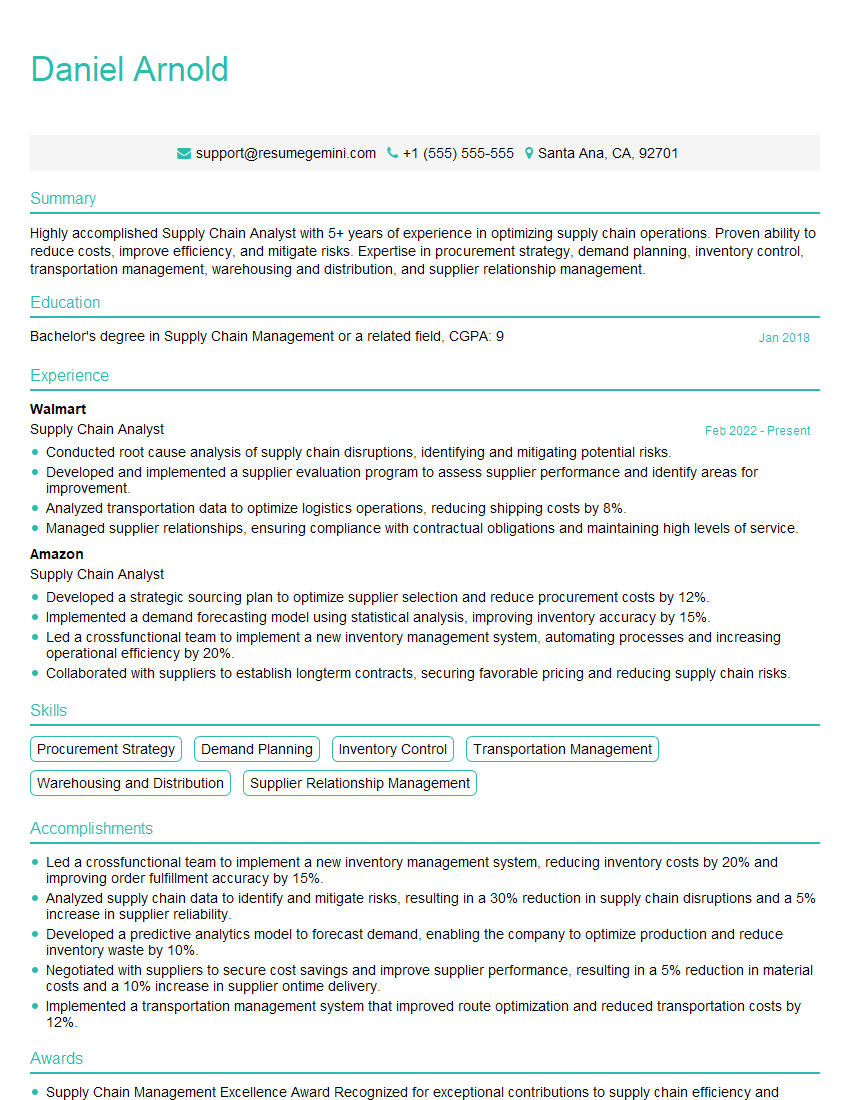
Supply Chain Analyst Resume Sample
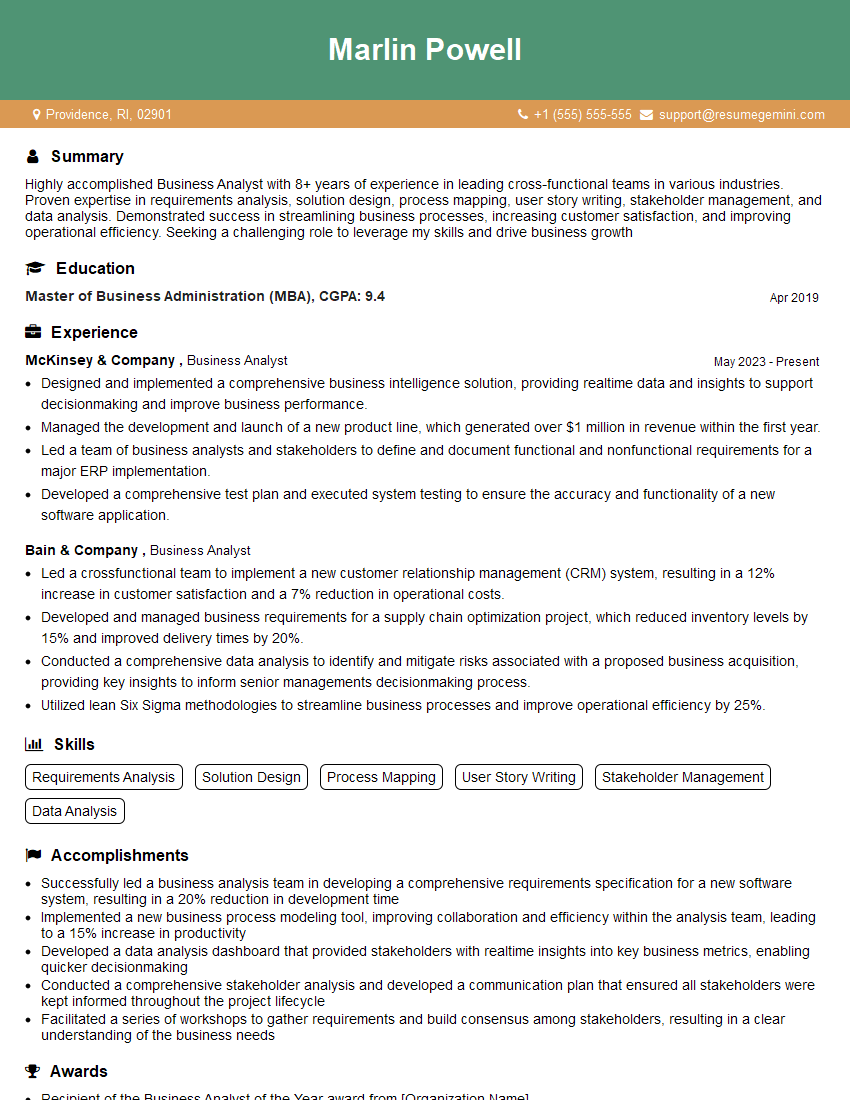
Business Analyst Resume Sample
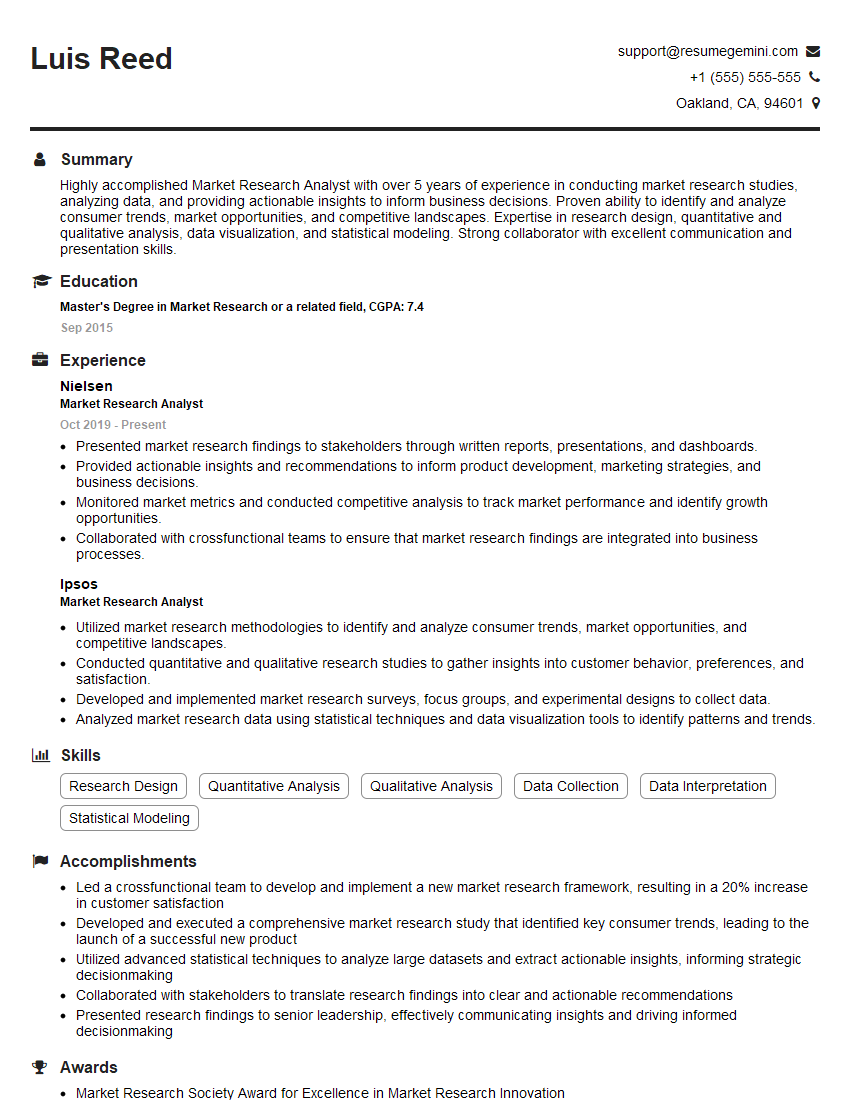
Market Research Analyst Resume Sample
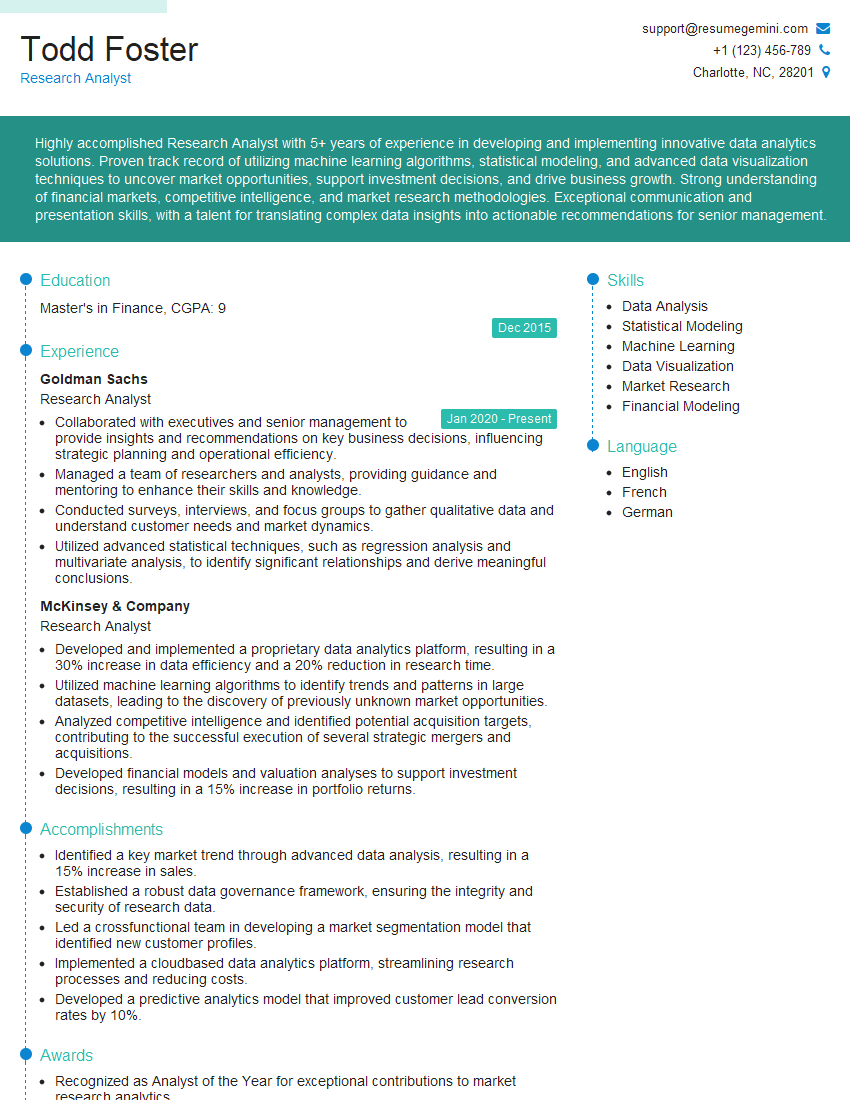
Research Analyst Resume Sample
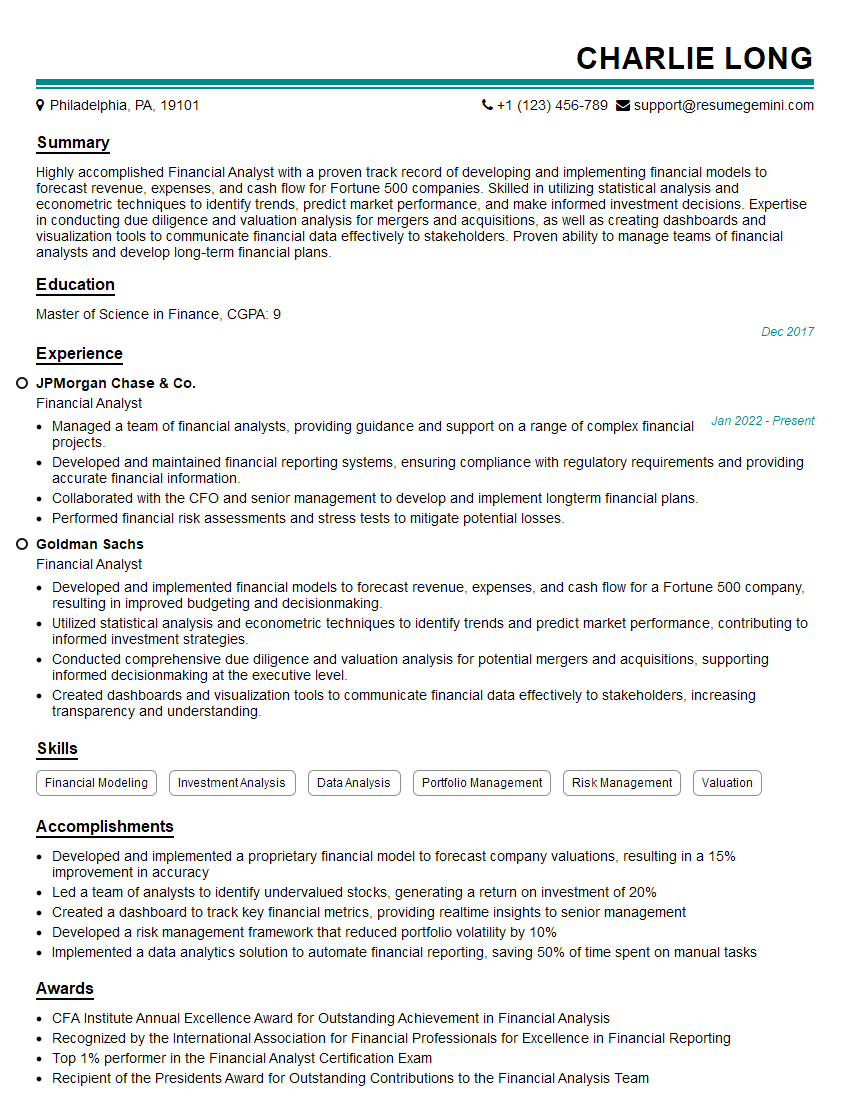
Financial Analyst Resume Sample
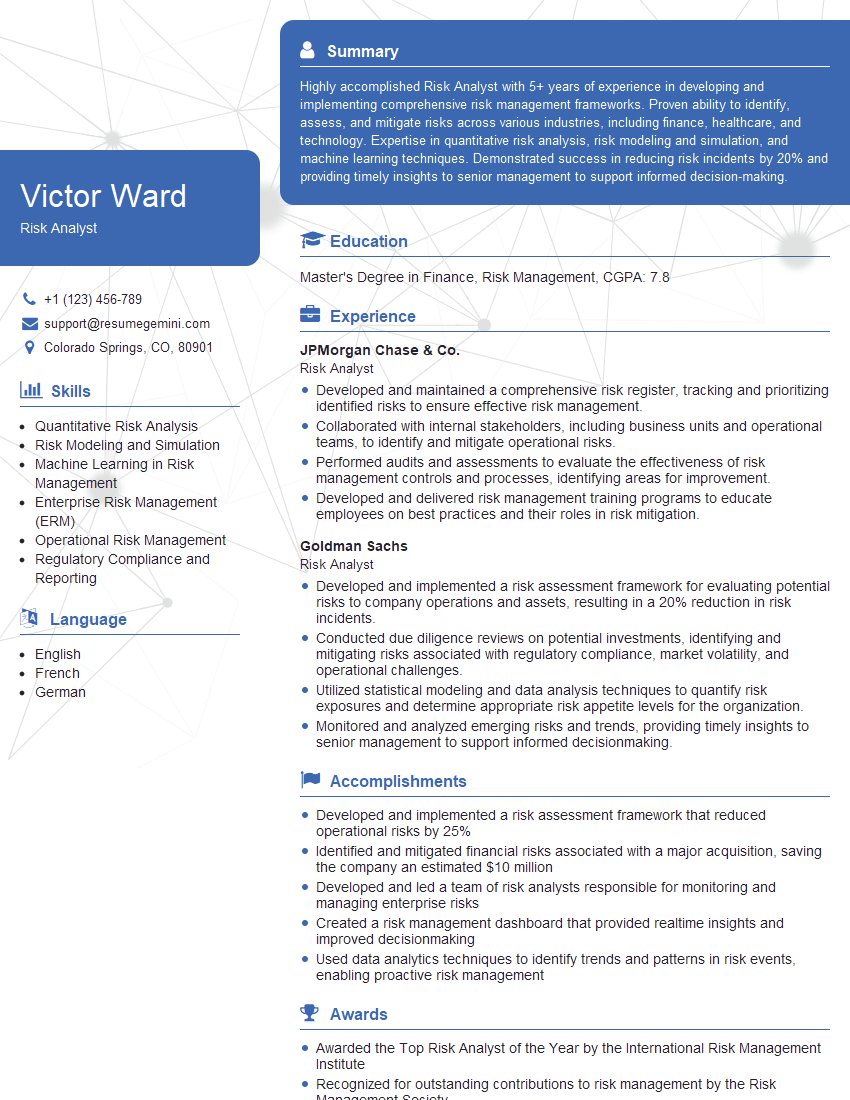
Risk Analyst Resume Sample
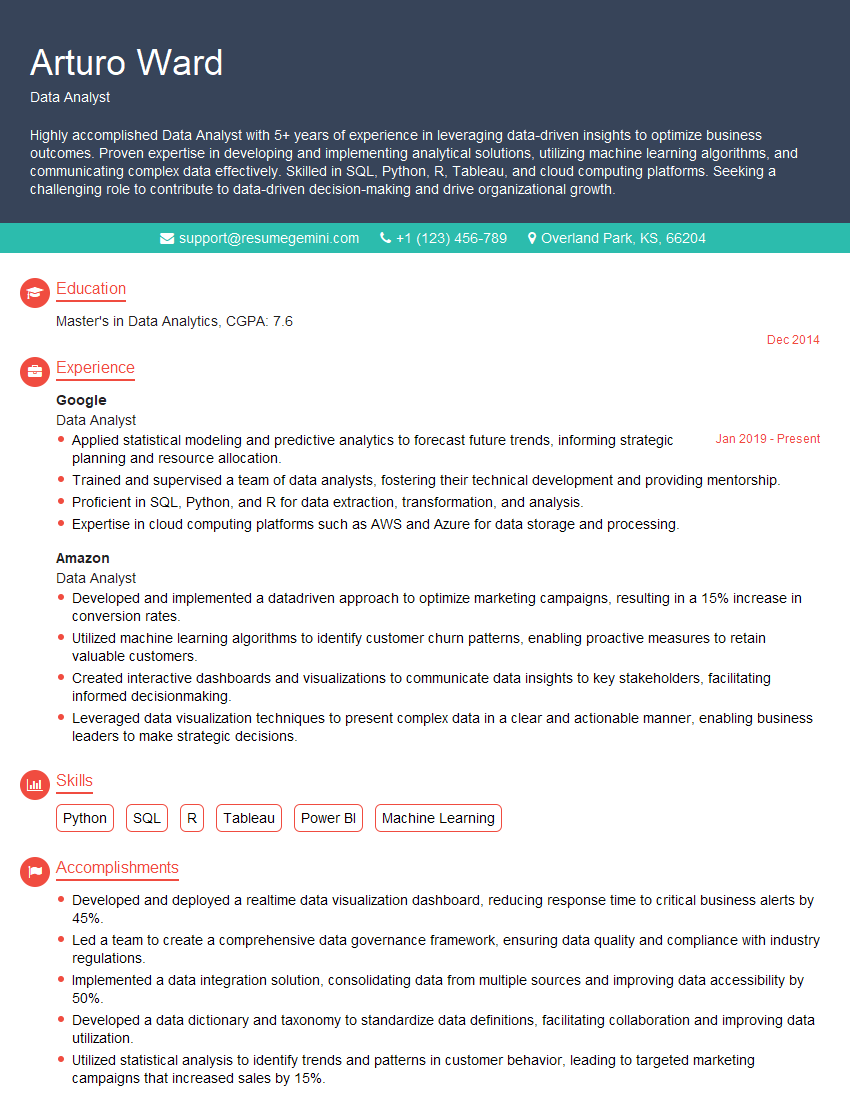
Data Analyst Resume Sample
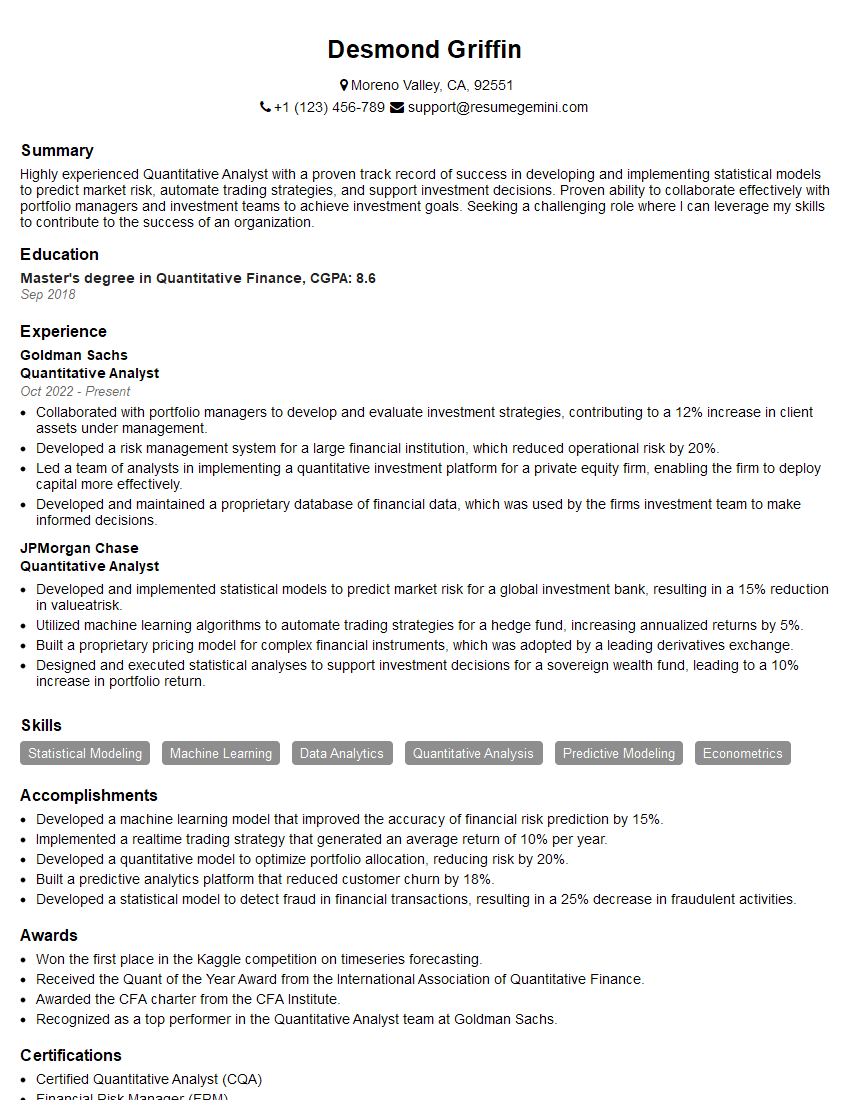
Quantitative Analyst Resume Sample
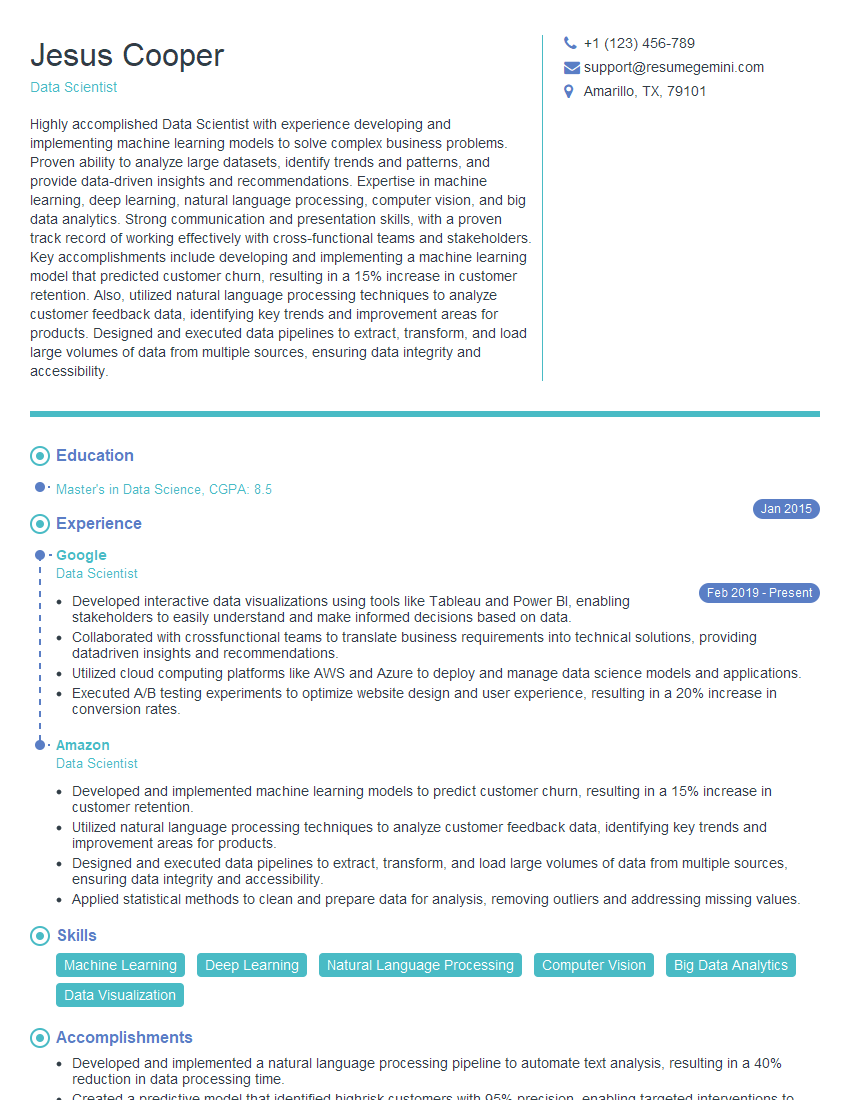
Data Scientist Resume Sample
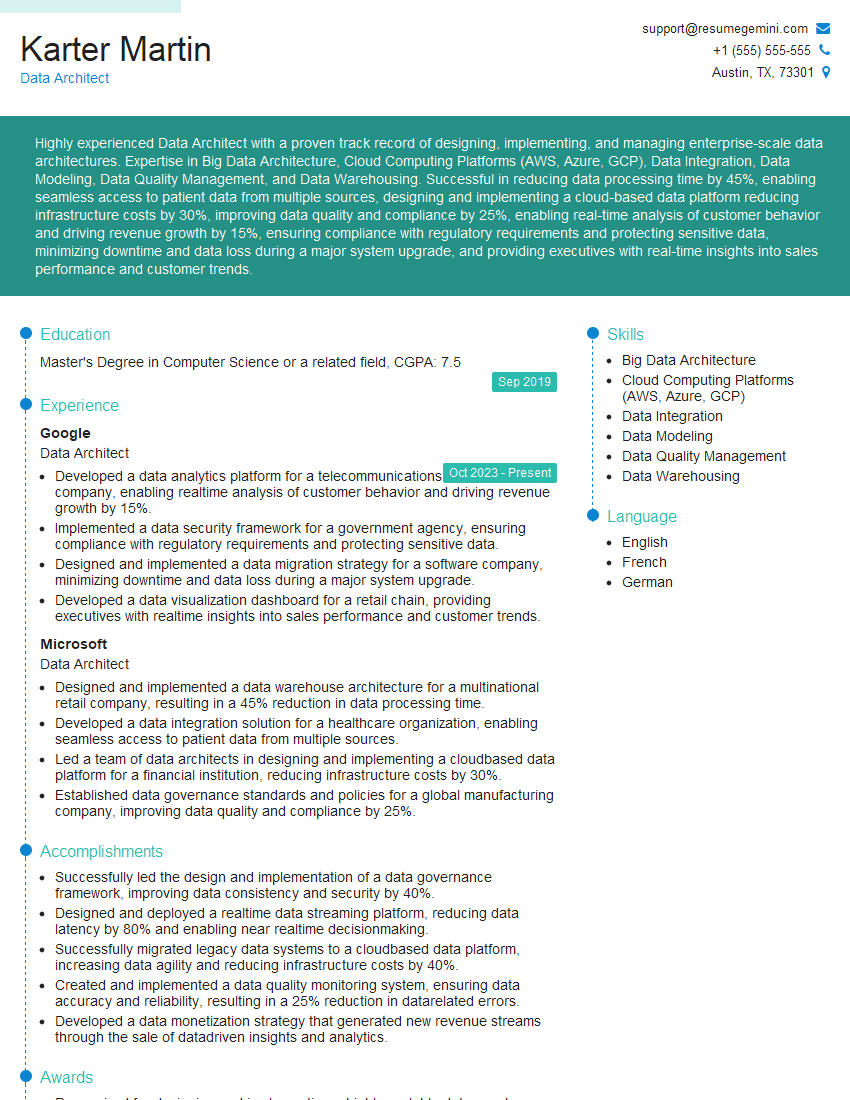
Data Architect Resume Sample
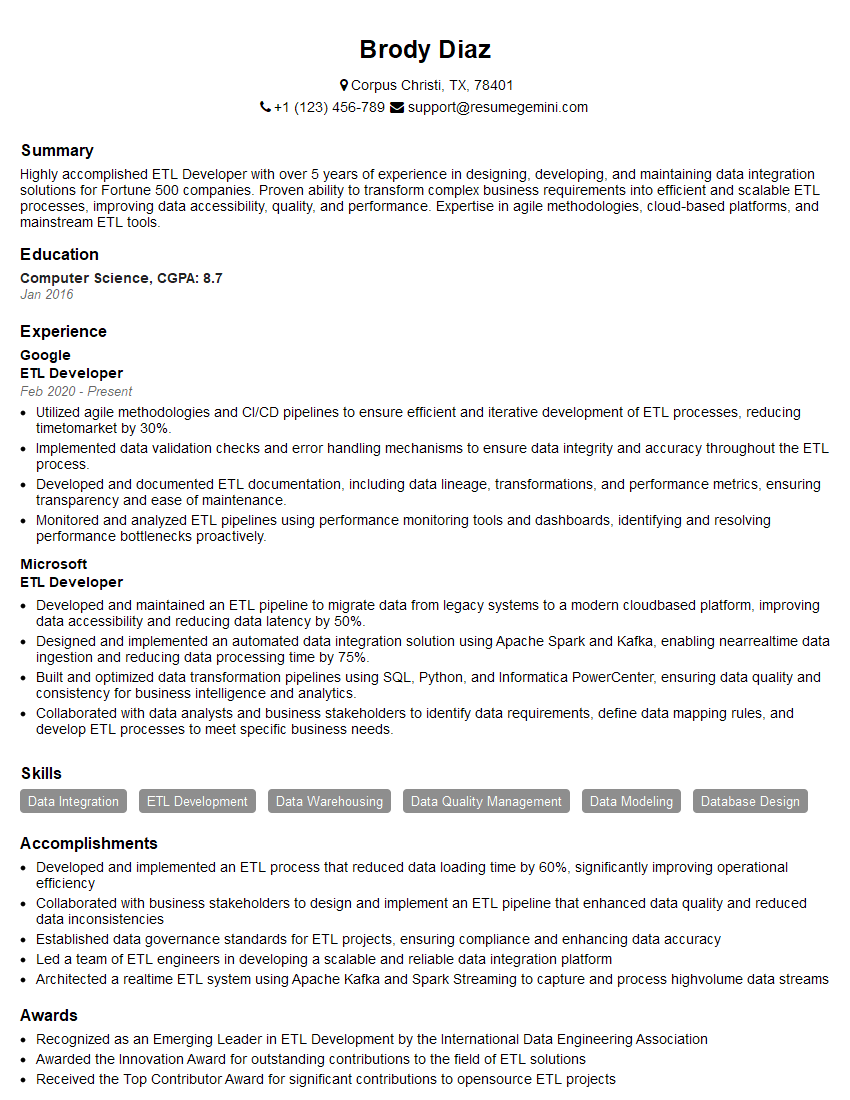
ETL Developer Resume Sample
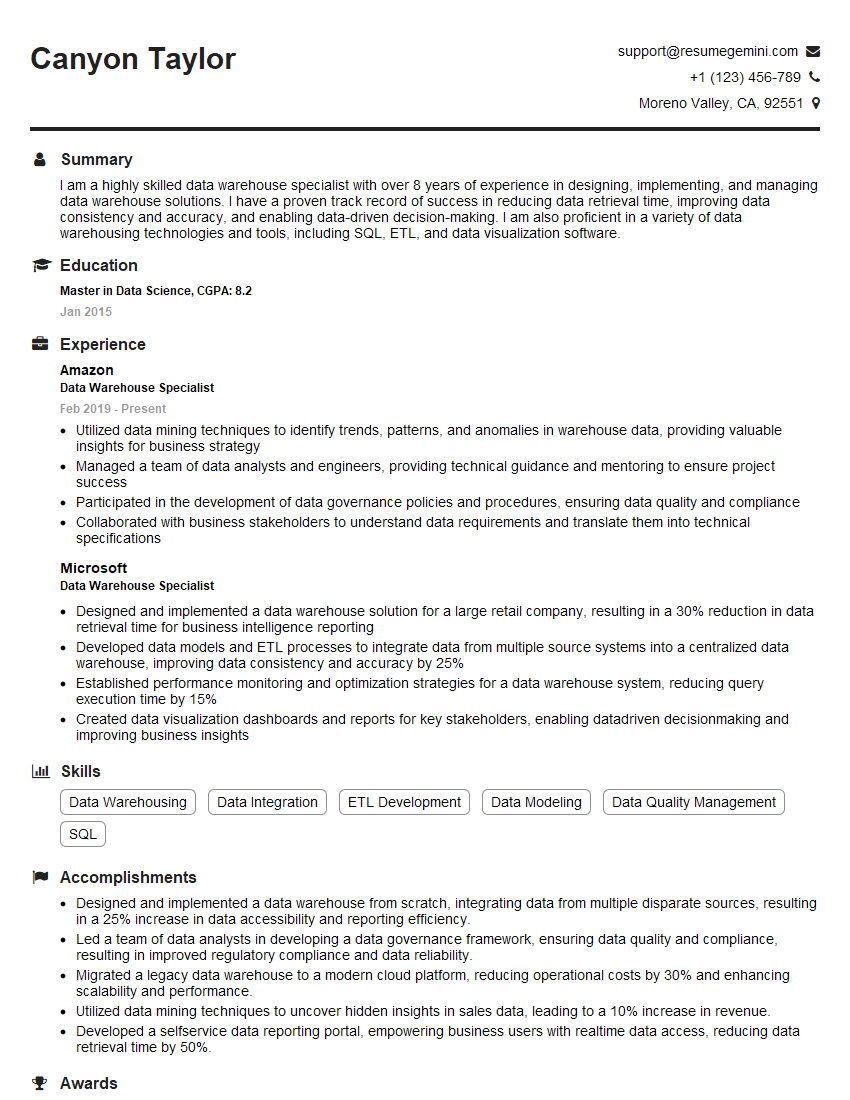
Data Warehouse Specialist Resume Sample
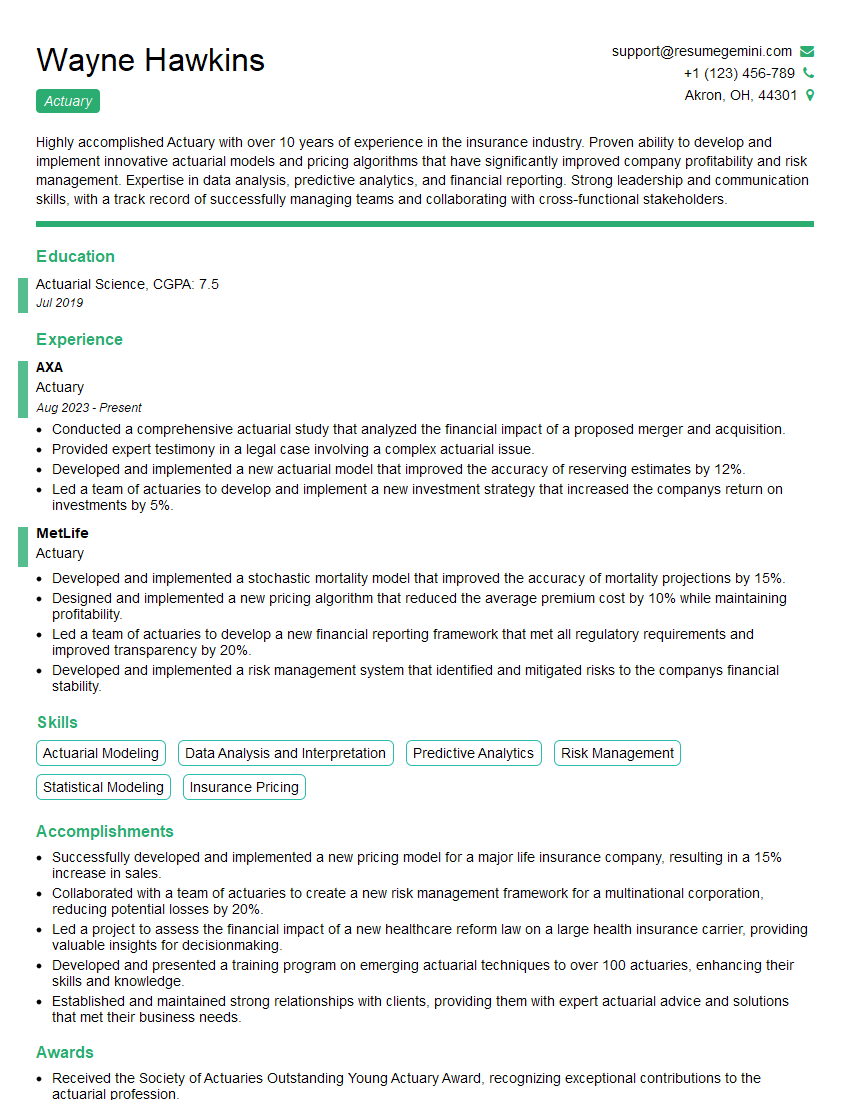
Actuary Resume Sample
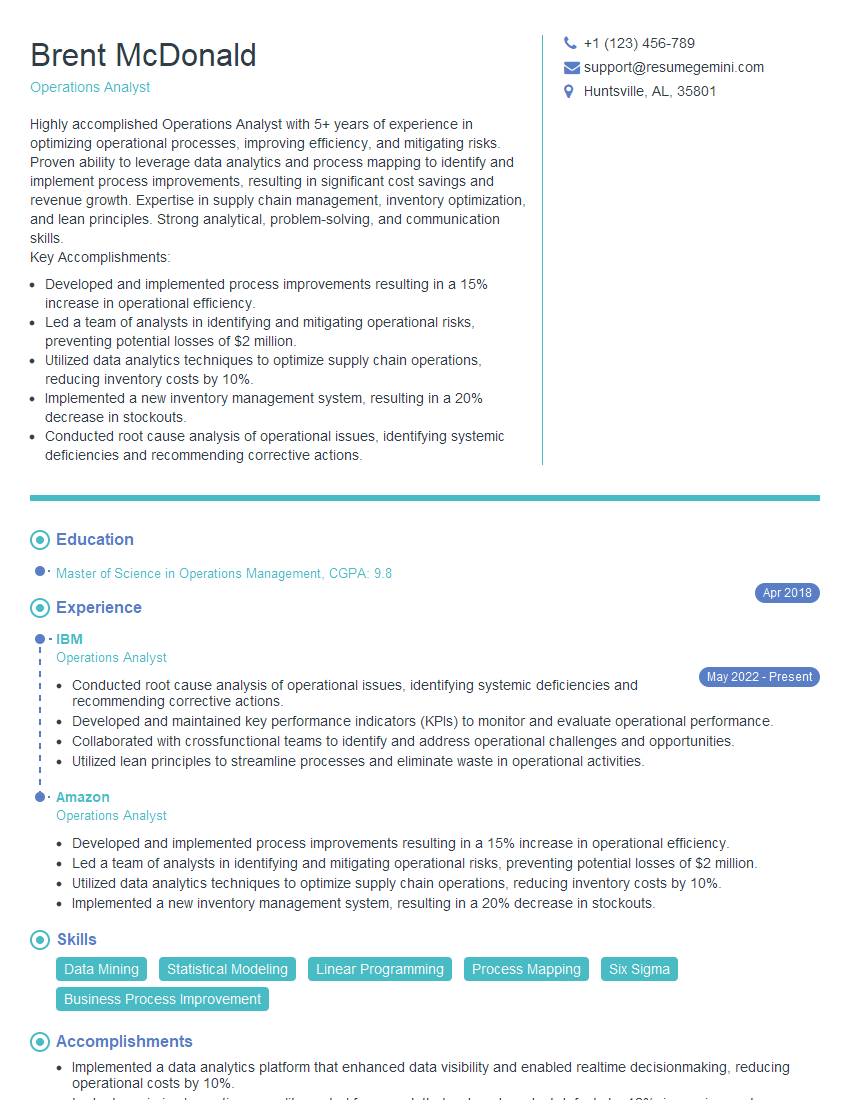
Operations Analyst Resume Sample

Statistical Analyst Resume Sample
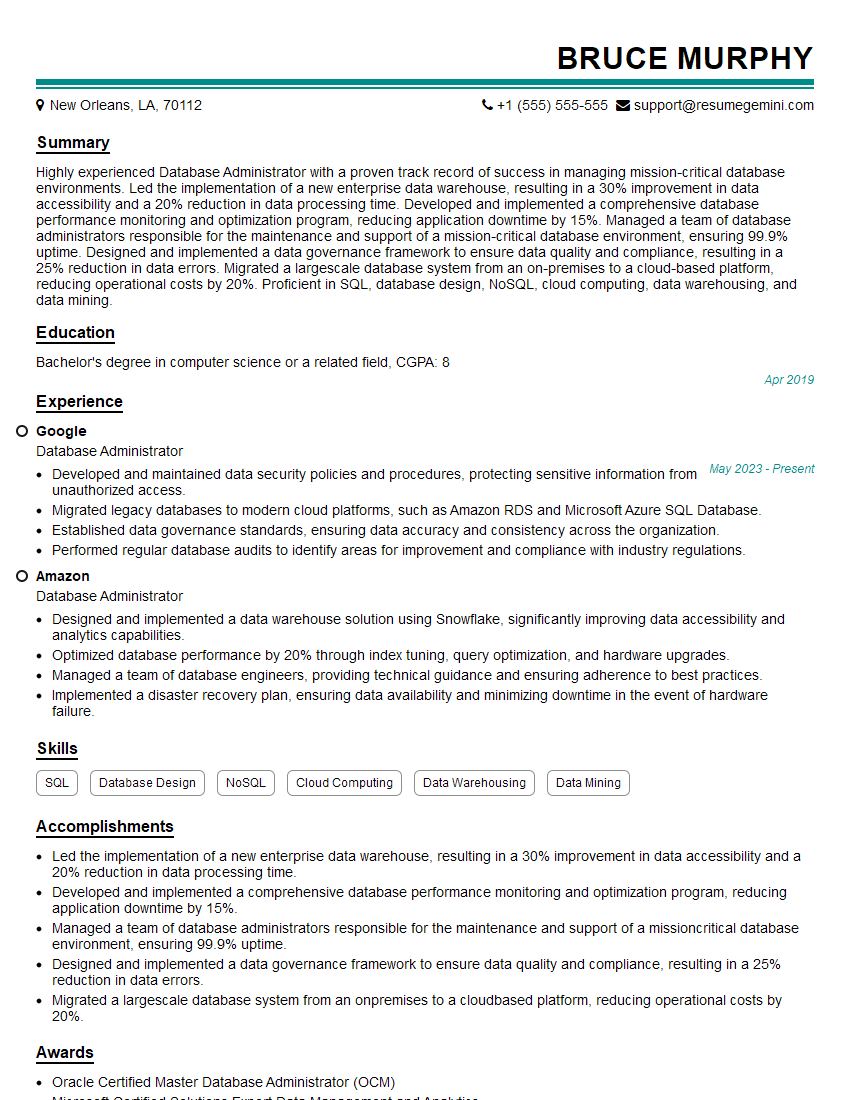
Database Administrator Resume Sample
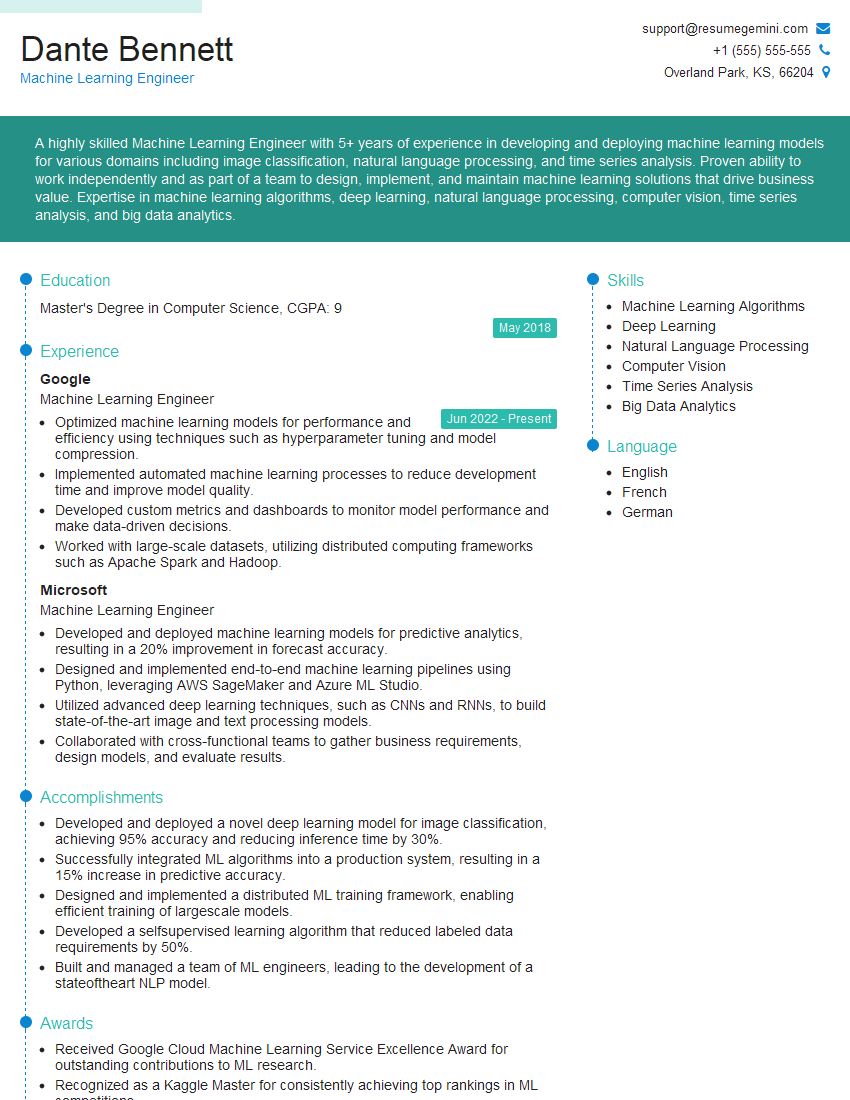
Machine Learning Engineer Resume Sample
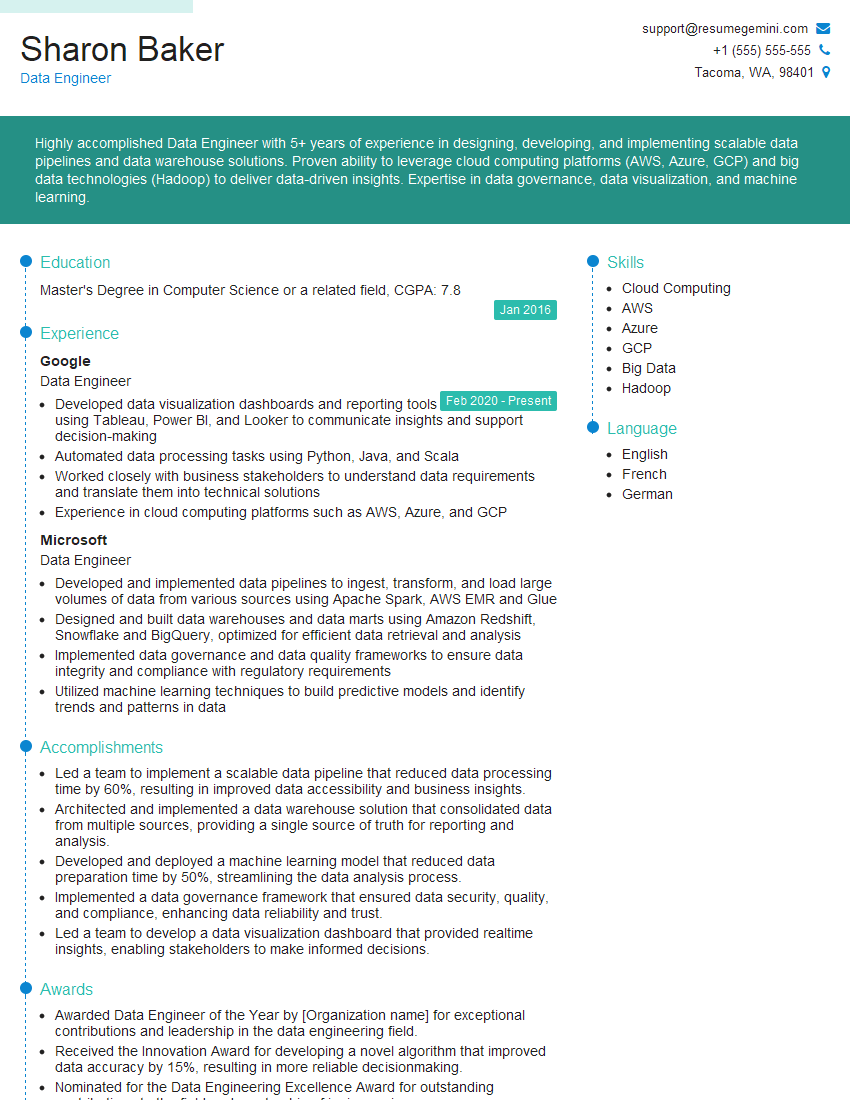
Data Engineer Resume Sample
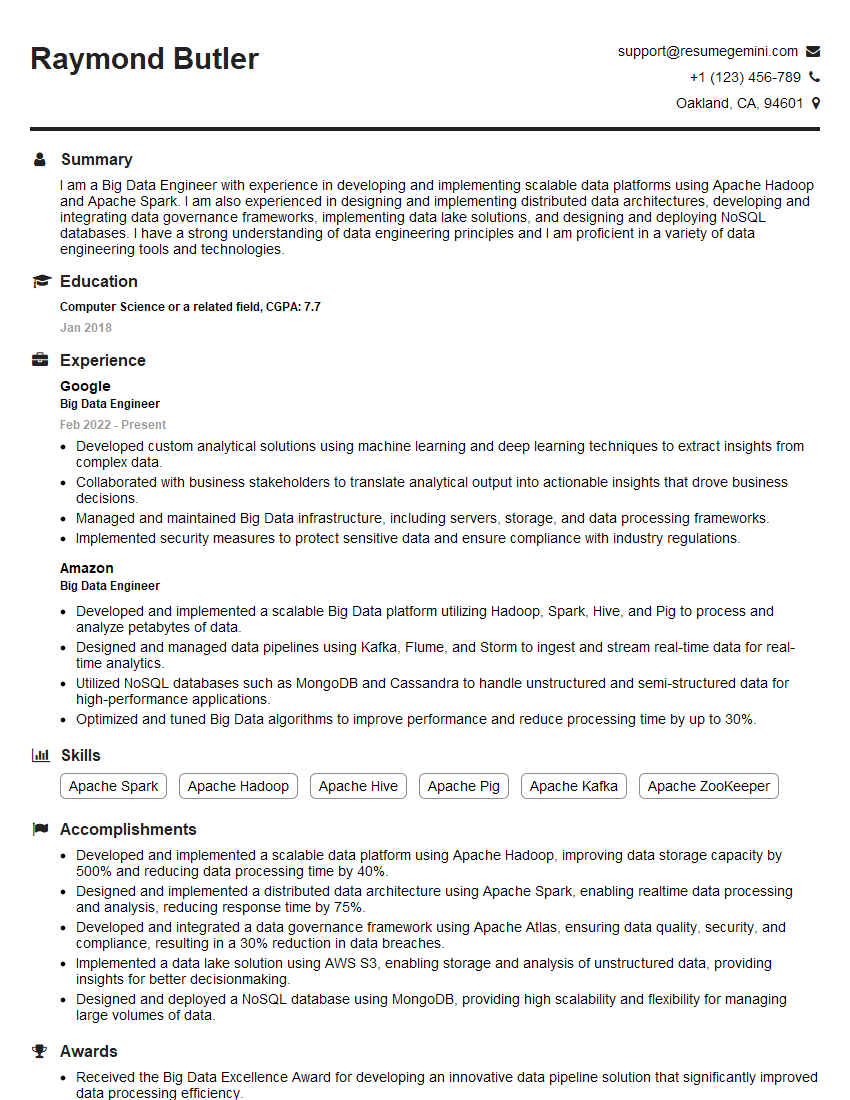
Big Data Engineer Resume Sample
- Supply Chain Analyst
- Business Analyst
- Market Research Analyst
- Research Analyst
- Financial Analyst
- Risk Analyst
- Data Analyst
- Quantitative Analyst
- Data Scientist
- Data Architect
- ETL Developer
- Data Warehouse Specialist
- Actuary
- Operations Analyst
- Statistical Analyst
- Database Administrator
- Machine Learning Engineer
- Data Engineer
- Big Data Engineer
Explore more articles
Users Rating of Our Blogs
Share Your Experience
We value your feedback! Please rate our content and share your thoughts (optional).
What Readers Say About Our Blog
I Redesigned Spongebob Squarepants and his main characters of my artwork.
https://www.deviantart.com/reimaginesponge/art/Redesigned-Spongebob-characters-1223583608
IT gave me an insight and words to use and be able to think of examples
Hi, I’m Jay, we have a few potential clients that are interested in your services, thought you might be a good fit. I’d love to talk about the details, when do you have time to talk?
Best,
Jay
Founder | CEO