The thought of an interview can be nerve-wracking, but the right preparation can make all the difference. Explore this comprehensive guide to Publicity and Marketing interview questions and gain the confidence you need to showcase your abilities and secure the role.
Questions Asked in Publicity and Marketing Interview
Q 1. Describe your experience with crisis communication management.
Crisis communication management is about protecting an organization’s reputation during a negative event. It involves swiftly and effectively addressing the situation, minimizing damage, and restoring public trust. My experience includes developing and implementing crisis communication plans for various clients, from small businesses facing product recalls to large corporations dealing with public relations scandals. For example, I once worked with a tech company whose new software had a critical bug that caused data loss for some users. We immediately launched a website with transparent information, offered solutions, and proactively communicated with affected customers through email and social media. This open and honest approach helped mitigate negative press and retain customer loyalty. A key element is having a pre-prepared crisis communication plan that outlines roles, responsibilities, and communication channels. This ensures a coordinated and timely response.
- Proactive Monitoring: Constant vigilance of social media, news outlets, and other channels for early warning signs.
- Rapid Response Team: A designated team ready to act quickly and decisively.
- Transparent Communication: Honesty and openness with stakeholders, even if admitting mistakes.
- Consistent Messaging: Ensuring all communication conveys the same message across all channels.
Q 2. Explain your understanding of different marketing channels (digital, print, etc.).
Marketing channels are the avenues through which we reach our target audience. They can be broadly categorized into digital and traditional (or offline) channels. Digital channels leverage the internet and encompass a wide range of options:
- Search Engine Optimization (SEO): Improving website ranking in search engine results.
- Search Engine Marketing (SEM): Paid advertising on search engines (e.g., Google Ads).
- Social Media Marketing (SMM): Engaging audiences on platforms like Facebook, Instagram, Twitter, etc.
- Email Marketing: Sending targeted emails to nurture leads and build relationships.
- Content Marketing: Creating valuable content (blog posts, videos, infographics) to attract and engage audiences.
Traditional channels, while still relevant, involve non-internet methods:
- Print Advertising: Ads in newspapers, magazines, brochures.
- Television and Radio Advertising: Commercials broadcast on television and radio.
- Direct Mail Marketing: Sending promotional materials via mail.
- Public Relations (PR): Building relationships with media outlets to secure positive coverage.
- Event Marketing: Hosting events such as conferences or trade shows.
The optimal channel mix depends on the target audience, budget, and campaign objectives. For instance, a younger audience may be more effectively reached through social media, while an older demographic might respond better to traditional channels like print or radio.
Q 3. How do you measure the success of a marketing campaign?
Measuring the success of a marketing campaign requires setting clear, measurable, achievable, relevant, and time-bound (SMART) goals beforehand. We then track key performance indicators (KPIs) to assess progress and make data-driven adjustments. KPIs will vary depending on the campaign’s objectives, but may include:
- Website Traffic: Number of visitors, bounce rate, time on site.
- Lead Generation: Number of inquiries, form submissions, etc.
- Sales Conversion: Percentage of leads converting into customers.
- Brand Awareness: Social media mentions, search volume, media coverage.
- Return on Investment (ROI): The return generated on the marketing investment.
For example, a campaign aiming to increase brand awareness might measure social media engagement (likes, shares, comments) and search volume for relevant keywords. A sales-focused campaign would prioritize conversion rates and revenue generated. Regular reporting and analysis are critical to identify what’s working and what needs improvement.
Q 4. What is your experience with SEO and SEM strategies?
SEO (Search Engine Optimization) and SEM (Search Engine Marketing) are crucial for online visibility. SEO focuses on organic (unpaid) search results, improving website ranking through techniques like keyword research, on-page optimization (meta descriptions, title tags, content), and link building. My experience includes conducting keyword research using tools like SEMrush and Ahrefs, optimizing website content for search engines, and building high-quality backlinks from reputable websites. SEM, on the other hand, involves paid advertising on search engines like Google Ads. I have managed paid search campaigns, creating ad copy, setting bids, and tracking campaign performance using Google Ads platform. A successful SEO/SEM strategy requires a holistic approach that combines technical optimization, content marketing, and paid advertising. For example, I have successfully implemented a strategy for a client that involved improving website speed and structure (SEO), combined with a paid Google Ads campaign targeting specific keywords, which resulted in a significant increase in website traffic and lead generation.
Q 5. Explain your approach to building brand awareness.
Building brand awareness involves creating a strong and memorable brand identity and then getting that identity in front of the target audience consistently. My approach involves a multi-pronged strategy:
- Consistent Branding: Developing a clear brand message, visual identity (logo, colors, fonts), and brand voice that resonates with the target audience.
- Content Marketing: Creating high-quality, engaging content that provides value to the audience and showcases the brand’s expertise.
- Social Media Marketing: Building a strong social media presence, engaging with followers, and running targeted advertising campaigns.
- Public Relations: Securing positive media coverage through press releases, media outreach, and influencer marketing.
- Event Marketing: Participating in industry events, sponsoring relevant events, and hosting brand-related events.
For example, I helped a new coffee shop build brand awareness by partnering with local influencers for Instagram posts and stories, creating eye-catching social media content featuring their unique coffee blends, and sponsoring a local farmers’ market. The result was a significant increase in foot traffic and brand recognition within the community.
Q 6. How do you handle conflicting priorities in a fast-paced marketing environment?
In a fast-paced marketing environment, conflicting priorities are common. My approach to handling these involves prioritization, communication, and flexibility. I use frameworks such as the Eisenhower Matrix (urgent/important) to prioritize tasks and allocate resources effectively. I also clearly communicate with stakeholders about potential trade-offs and involve them in decision-making. Transparency is key to avoid misunderstandings and ensure everyone is on the same page. Furthermore, I maintain flexibility in my approach, acknowledging that priorities may shift based on new developments or emerging opportunities. Regular review meetings and project management software help to keep things on track and adjust plans as needed.
Q 7. Describe your experience with content creation and distribution.
Content creation and distribution are crucial for reaching and engaging audiences. My experience covers a wide range of content formats, including blog posts, articles, social media posts, videos, infographics, and email newsletters. I collaborate with writers, designers, and videographers to create high-quality, engaging content that aligns with the brand’s voice and messaging. The distribution strategy depends on the target audience and content format. For example, a blog post might be distributed through email marketing and social media channels, while a video might be shared on YouTube and other video-sharing platforms. I utilize analytics to track the performance of different content pieces and distribution channels, allowing for data-driven optimization of our content strategy. For instance, I identified a high engagement rate on short-form video content on TikTok for one client, and we adjusted our strategy to produce more of those videos.
Q 8. How do you stay updated on the latest marketing trends?
Staying ahead in the ever-evolving world of marketing requires a multi-pronged approach. It’s not just about reading industry blogs; it’s about actively participating in the conversation.
Industry Publications and Blogs: I regularly read publications like Marketing Week, Ad Age, and various specialist blogs focusing on digital marketing, content marketing, and social media trends. This keeps me abreast of the latest strategies and technologies.
Conferences and Webinars: Attending industry conferences and webinars – both in-person and online – provides invaluable networking opportunities and exposure to cutting-edge thinking. I actively seek out sessions on emerging technologies and innovative campaigns.
Competitor Analysis: I consistently analyze the marketing strategies of our competitors and industry leaders. This allows me to identify best practices and areas for potential improvement. I look beyond just their ads; I examine their content, social media presence, and overall brand message.
Professional Networks: Engaging with marketing professionals through LinkedIn and other professional networks helps me stay connected to the latest discussions and developments. Participating in relevant groups fosters valuable knowledge sharing.
Data and Analytics: Constantly monitoring marketing analytics provides real-time feedback on the effectiveness of strategies and emerging trends. This data-driven approach ensures my understanding is grounded in practical results.
Q 9. What is your experience with social media marketing platforms?
My experience with social media marketing platforms is extensive, encompassing both organic and paid strategies across various platforms. I’m proficient in using platforms like Facebook, Instagram, Twitter, LinkedIn, and TikTok, tailoring strategies to each platform’s unique audience and algorithm.
Facebook & Instagram: I’ve managed campaigns focusing on targeted advertising, influencer marketing, and community engagement, utilizing features like Facebook Ads Manager and Instagram Insights for optimization.
Twitter & LinkedIn: These platforms are crucial for building brand awareness and thought leadership. I’ve utilized them to create engaging content, monitor brand mentions, and engage in industry conversations. LinkedIn, in particular, has been highly effective for B2B marketing.
TikTok: I understand the unique characteristics of TikTok and its fast-paced, trend-driven environment. I’ve developed successful strategies using short-form video content and creative challenges to reach younger demographics.
Analytics and Reporting: Beyond platform-specific tools, I use comprehensive analytics dashboards to track key performance indicators (KPIs) across all platforms, providing detailed reports on campaign performance and ROI.
Q 10. How do you analyze marketing data and use it to inform decisions?
Data analysis is the cornerstone of effective marketing. I use a structured approach to analyze marketing data, focusing on both quantitative and qualitative insights to drive informed decisions.
Data Collection: I begin by identifying the relevant data sources – website analytics (Google Analytics), social media insights, CRM data, sales figures, and customer surveys.
Data Cleaning and Organization: Raw data often requires cleaning and organization before analysis. This involves handling missing values, identifying outliers, and transforming data into a usable format.
KPI Identification: I define key performance indicators (KPIs) relevant to the marketing objectives. These might include website traffic, conversion rates, customer acquisition cost (CAC), and return on investment (ROI).
Data Analysis Techniques: I employ various analytical techniques, such as regression analysis, cohort analysis, and A/B testing analysis to identify trends and patterns.
Data Visualization: Data visualization tools (like Tableau or Google Data Studio) are crucial for presenting findings clearly and concisely to stakeholders. Visual representations of data make complex information easily digestible.
Decision Making: Finally, the insights gleaned from data analysis inform marketing strategy adjustments, resource allocation, and future campaign planning.
For example, if website bounce rate is high, I might analyze the data to understand why. This could lead to improvements in website design, content, or user experience.
Q 11. Describe your experience with budget management for marketing campaigns.
Effective budget management is essential for maximizing ROI in marketing. My experience involves developing and managing marketing budgets across various projects and campaigns.
Budget Allocation: I start by understanding the overall marketing objectives and then allocate budget across different channels based on their potential ROI and alignment with the goals. This often involves a combination of paid and organic strategies.
Tracking and Monitoring: Throughout the campaign, I continuously monitor spending against the budget, identifying any variances and taking corrective action as needed. This often includes regular budget reviews and reports.
Performance Analysis: Regular performance analysis is critical to ensure budget is being spent efficiently. I track key metrics like cost per acquisition (CPA) and return on ad spend (ROAS) to optimize spending and reallocate resources.
Reporting and Forecasting: I provide regular reports to stakeholders, outlining budget performance and forecasting future spending based on campaign performance and market trends.
Contingency Planning: It is important to build in a contingency fund to address unforeseen circumstances or opportunities that may arise during the campaign.
For example, if a particular social media campaign is underperforming, I might reallocate budget to a more effective channel or adjust the campaign strategy.
Q 12. What is your understanding of A/B testing and its application?
A/B testing, also known as split testing, is a crucial methodology for optimizing marketing campaigns. It involves comparing two versions of a marketing element (e.g., website headline, email subject line, ad creative) to determine which performs better.
Hypothesis Formulation: Before conducting an A/B test, a clear hypothesis must be formulated. For example, "A headline emphasizing benefits will result in a higher click-through rate than a headline focusing on features."
Test Design: The test should be designed to isolate the variable being tested. Other elements should remain consistent to ensure accurate results.
Sample Size: A sufficient sample size is crucial for statistically significant results. Tools are available to calculate the required sample size based on desired confidence levels.
Data Analysis: Once the test has run, statistical analysis is performed to determine if there is a significant difference in performance between the variations.
Implementation: The winning variation is then implemented across the broader campaign or platform.
For example, I might A/B test two different email subject lines to see which generates a higher open rate. The data would inform future email marketing strategies.
Q 13. How do you develop a marketing strategy for a new product launch?
Developing a successful marketing strategy for a new product launch requires a comprehensive and phased approach. It’s not just about advertising; it’s about building anticipation and establishing brand awareness.
Market Research: Thorough market research is crucial to understand the target audience, competitor landscape, and market trends. This informs the overall strategy and messaging.
Target Audience Definition: Clearly defining the target audience helps tailor messaging and channel selection. Understanding their needs, preferences, and online behavior is critical.
Value Proposition: Articulating a clear and compelling value proposition is essential. What makes this product unique and desirable to the target audience?
Marketing Mix: Develop a comprehensive marketing mix (Product, Price, Place, Promotion) considering factors such as pricing strategy, distribution channels, and promotional activities.
Content Marketing: Create engaging content (blog posts, videos, infographics) to educate the target audience about the product and its benefits. This helps build anticipation and establish thought leadership.
Social Media Strategy: Utilize social media platforms to engage with the target audience, build excitement, and drive traffic to the product launch.
Public Relations: Reach out to relevant media outlets to secure coverage and build brand awareness.
Launch Event (Optional): Consider hosting a launch event (online or in-person) to generate buzz and build excitement around the product.
Post-Launch Monitoring: Track key metrics to assess the success of the launch and make necessary adjustments to the marketing strategy.
For example, a new software product launch might involve a combination of content marketing (blog posts explaining its features), social media engagement (running contests and giveaways), and paid advertising (targeting specific user demographics).
Q 14. Explain your experience with public relations and media outreach.
Public relations and media outreach are critical for building brand awareness and credibility. My experience encompasses a range of activities designed to cultivate positive media relationships and secure favorable coverage.
Media List Development: I begin by identifying relevant media outlets (journalists, bloggers, influencers) and creating a targeted media list based on the specific product or campaign.
Press Release Development: I craft compelling press releases that highlight newsworthy information about the product or company, ensuring they are tailored to the specific publication’s style and audience.
Media Pitching: I develop customized pitches for each media outlet, highlighting the unique angle of the story and demonstrating its relevance to their audience. This often involves personalizing messages to build rapport.
Media Relations: I build and maintain strong relationships with journalists and influencers, providing them with timely and relevant information.
Crisis Communication: I have experience managing and mitigating reputational risks through effective crisis communication strategies. This involves swift and transparent communication to address concerns and protect the brand’s image.
Media Monitoring: I consistently monitor media coverage to track the effectiveness of PR efforts and identify areas for improvement.
For example, I successfully secured features in several key industry publications for a client launching a new eco-friendly product line by crafting compelling press releases and developing strong relationships with relevant journalists.
Q 15. How do you build and maintain relationships with media contacts?
Building and maintaining strong relationships with media contacts is crucial for successful publicity. It’s about cultivating genuine connections, not just transactional ones. Think of it like building friendships – it takes time, effort, and consistent nurturing.
Targeted Outreach: I begin by identifying journalists and bloggers whose work aligns with my clients’ industries and target audiences. This ensures relevance and increases the chance of a positive response.
Personalized Communication: Generic press releases rarely work. I personalize each pitch, highlighting the unique angle that resonates with the specific publication and journalist. I show I’ve done my research and understand their work.
Value-Driven Interactions: I don’t just reach out when I need something. I regularly share relevant industry news, insights, or interesting stories that I think they would find valuable. This keeps me top-of-mind and builds trust.
Relationship Management Tools: I utilize CRM (Customer Relationship Management) systems to track interactions, deadlines, and preferences of each contact, ensuring no detail is missed. This helps maintain consistency and avoids duplicated efforts.
Follow-up and Feedback: Following up after a pitch, regardless of the outcome, shows professionalism and respect. Providing feedback on published articles further strengthens the relationship.
For example, I once built a strong relationship with a technology journalist by consistently sharing insightful articles and research on emerging AI trends. This led to several successful features on my client’s innovative AI software.
Career Expert Tips:
- Ace those interviews! Prepare effectively by reviewing the Top 50 Most Common Interview Questions on ResumeGemini.
- Navigate your job search with confidence! Explore a wide range of Career Tips on ResumeGemini. Learn about common challenges and recommendations to overcome them.
- Craft the perfect resume! Master the Art of Resume Writing with ResumeGemini’s guide. Showcase your unique qualifications and achievements effectively.
- Don’t miss out on holiday savings! Build your dream resume with ResumeGemini’s ATS optimized templates.
Q 16. How do you handle negative publicity or online reviews?
Handling negative publicity requires a swift, transparent, and empathetic approach. Ignoring it is never an option. The goal is to mitigate damage and rebuild trust.
Rapid Response: Acknowledge the issue promptly. Delaying only exacerbates the situation. A timely response demonstrates responsibility and concern.
Empathy and Understanding: Express empathy for those affected. Avoid defensiveness and acknowledge the validity of concerns, even if you don’t agree with all the criticisms.
Transparency and Honesty: Be upfront and honest about the situation. Don’t try to hide or downplay the issue. Transparency builds trust.
Corrective Action: If the negative publicity is due to a genuine mistake, outline the steps taken to correct the problem and prevent future occurrences. This shows accountability.
Proactive Monitoring: Regularly monitor online reviews and social media for potential issues. This allows for early intervention before minor problems escalate.
Address Online Reviews: Respond to negative reviews professionally and respectfully, addressing the concerns directly and offering solutions wherever possible.
For instance, when a client faced negative reviews due to a delayed product launch, we immediately issued a public apology, clearly explained the reasons for the delay, offered compensation, and provided a revised timeline. This proactive and transparent response significantly reduced the damage.
Q 17. Describe your experience with influencer marketing.
Influencer marketing is a powerful tool for reaching specific target audiences. My experience involves selecting relevant influencers, crafting engaging campaigns, and meticulously tracking results. Success relies on choosing the right influencers and aligning their brand with that of the client.
Influencer Selection: I prioritize authentic influencers with a genuine following, aligning their values and audience with the client’s brand. It’s about quality over quantity.
Campaign Strategy: Each campaign is carefully designed with clear goals, relevant content, and key performance indicators (KPIs). This includes identifying the ideal platform for the influencer and the client’s target audience.
Content Collaboration: I work closely with influencers to develop engaging and authentic content that resonates with their audience without feeling forced or inauthentic. I focus on high-quality, creative campaigns.
Performance Tracking: I utilize analytics to meticulously track campaign performance, measuring engagement, reach, and conversion rates. This data helps optimize future campaigns.
In one project, we partnered with a food blogger who had a large and engaged following to promote a new line of organic snacks. By creating visually appealing content that truly showcased the product’s quality, we saw a significant increase in brand awareness and sales.
Q 18. What are your skills in using marketing automation tools?
I’m proficient in several marketing automation tools, including HubSpot, Mailchimp, and Marketo. These tools streamline marketing processes, improving efficiency and effectiveness. My skills extend beyond simply using the software; I understand how to leverage their capabilities to achieve specific marketing objectives.
Email Marketing Automation: I can create automated email sequences for lead nurturing, onboarding, and customer retention. This improves engagement and boosts conversions.
Social Media Management: I use automation tools to schedule posts, analyze engagement, and track campaign performance across multiple platforms.
CRM Integration: I integrate marketing automation tools with CRM systems to provide a holistic view of customer interactions and improve data-driven decision-making.
Lead Scoring and Segmentation: I utilize automation to score leads based on their interactions and segment them into targeted groups for personalized messaging.
For example, using HubSpot, I automated a lead nurturing sequence that resulted in a 25% increase in qualified leads within three months. The system automatically sends targeted emails based on lead behavior and preferences.
Q 19. How do you develop a compelling brand message?
A compelling brand message succinctly communicates the unique value proposition of a brand. It’s what sets a brand apart and resonates with the target audience. Crafting such a message requires understanding the brand’s essence, its target audience, and the competitive landscape.
Brand Audit: I begin by thoroughly understanding the brand’s values, mission, and unique selling points (USPs).
Target Audience Research: I delve into the demographics, psychographics, and needs of the target audience to tailor the message for maximum impact.
Competitive Analysis: I assess the competitive landscape to identify opportunities to differentiate the brand and create a unique message.
Message Testing: I test various versions of the message through focus groups or surveys to gauge resonance and effectiveness.
Consistent Messaging: I ensure the brand message is consistently applied across all touchpoints – website, social media, marketing materials, and customer service interactions.
For example, when working with a sustainable fashion brand, we developed a brand message emphasizing ethical sourcing, high-quality craftsmanship, and timeless style. This message resonated with their environmentally conscious target audience.
Q 20. Explain your experience with email marketing campaigns.
My experience with email marketing campaigns spans various industries and objectives. It’s more than just sending emails; it’s about building relationships, nurturing leads, and driving conversions. I leverage data-driven strategies for optimal results.
Segmentation and Targeting: I segment email lists based on demographics, behavior, and preferences to deliver personalized messages.
Content Strategy: I create engaging and valuable email content, including newsletters, promotional offers, and educational resources. I prioritize clear call-to-actions.
Automation and Personalization: I use automation to personalize emails, trigger welcome sequences, and nurture leads through automated email flows.
A/B Testing: I conduct A/B tests to optimize subject lines, email content, and call-to-actions to maximize open and click-through rates.
Performance Tracking: I carefully track email metrics, including open rates, click-through rates, conversion rates, and unsubscribe rates, using these insights to improve future campaigns.
One successful campaign involved creating a series of automated emails that nurtured leads for a software company. By segmenting leads based on their interests and providing tailored content, we increased conversion rates by 30%.
Q 21. How do you measure the ROI of different marketing activities?
Measuring the ROI (Return on Investment) of marketing activities is crucial for demonstrating the value of marketing efforts and informing future strategies. I use a variety of methods to track and analyze the effectiveness of different marketing initiatives.
Defining KPIs: I begin by defining specific, measurable, achievable, relevant, and time-bound (SMART) KPIs for each activity. These KPIs will depend on the marketing objective. For example, for a brand awareness campaign, we may focus on reach and engagement. For a sales-driven campaign, we’ll measure conversion rates and revenue generated.
Attribution Modeling: I use attribution modeling to understand which marketing channels and activities contribute most to conversions. This helps allocate resources effectively.
Analytics and Reporting: I utilize analytics platforms like Google Analytics and social media analytics to track website traffic, engagement, and conversions. Regular reports help monitor progress and identify areas for improvement.
Cost Analysis: I meticulously track marketing expenses for each activity to calculate the total cost. This is critical in determining ROI.
ROI Calculation: The ROI is calculated by subtracting the total cost of the marketing activity from the revenue generated, divided by the cost and multiplied by 100%. For example:
(Revenue - Cost) / Cost * 100%
For a recent client, we tracked the ROI of a social media advertising campaign. By carefully analyzing data on ad spend, reach, engagement, and conversions, we demonstrated a positive ROI of 45%, justifying continued investment in social media advertising.
Q 22. Describe your experience with market research and competitive analysis.
Market research and competitive analysis are fundamental to successful marketing. Market research involves systematically gathering and analyzing data about a target market to understand consumer needs, preferences, and behaviors. Competitive analysis, on the other hand, focuses on understanding the strengths and weaknesses of competitors to identify opportunities and threats.
In my experience, I’ve led numerous market research projects, utilizing both quantitative (surveys, data analysis) and qualitative (focus groups, interviews) methods. For example, when launching a new organic skincare line, we conducted extensive surveys to understand consumer preferences regarding ingredients, packaging, and price points. This informed our product development and marketing messaging. Simultaneously, we performed a thorough competitive analysis, examining the pricing strategies, marketing channels, and product offerings of established competitors like Lush and Kiehl’s. This helped us identify our unique selling proposition and carve out a competitive niche.
This combined approach allowed us to develop a highly targeted marketing strategy that resonated with our ideal customer and effectively differentiated us from the competition. We understood not only what our target market wanted but also how to present our product in a way that stood out in a crowded marketplace.
Q 23. How do you adapt your marketing strategies to different target audiences?
Adapting marketing strategies to different target audiences is crucial for maximizing impact. Different demographics, psychographics (lifestyle, values), and buying behaviors require tailored approaches. A ‘one-size-fits-all’ strategy rarely works.
For instance, when marketing a new line of athletic wear, we segmented our audience based on age, fitness level, and preferred activities. For younger audiences (18-25), we focused on social media marketing, influencer collaborations, and short, engaging video content. We used platforms like TikTok and Instagram, emphasizing trends and a vibrant visual aesthetic. For older, more established athletes (35+), we utilized email marketing, print advertising in relevant fitness magazines, and partnered with health and wellness experts for endorsements. Our messaging also adapted – highlighting durability, comfort, and technological features for the older demographic, while emphasizing style and trends for younger audiences. This targeted approach resulted in significantly higher conversion rates across all segments.
Q 24. What is your experience with website analytics and reporting?
Website analytics are essential for measuring marketing effectiveness and informing future strategies. My experience encompasses utilizing various analytics platforms, primarily Google Analytics, to track website traffic, user behavior, and conversion rates.
I regularly analyze key metrics such as bounce rate, time on site, conversion rates (e.g., purchases, newsletter sign-ups), and traffic sources. For example, by identifying a high bounce rate on a specific landing page, we can pinpoint areas for improvement in website design or messaging. Similarly, analyzing traffic sources helps us understand which marketing channels are most effective in driving qualified leads. We use this data to optimize our campaigns, improve user experience, and ultimately drive more conversions. Regular reporting, often presented visually through dashboards and presentations, allows stakeholders to understand performance and make data-driven decisions.
Q 25. How do you manage a team of marketing professionals?
Managing a team of marketing professionals requires strong leadership, delegation, and communication skills. I foster a collaborative environment where each team member feels valued and empowered. My approach emphasizes clear goals, individual responsibilities, and regular feedback sessions.
I utilize project management methodologies such as Agile to ensure efficient workflow and timely project completion. I delegate tasks based on individual strengths and expertise, ensuring everyone is working on projects aligned with their skills. Regular team meetings, both formal and informal, promote open communication and address challenges proactively. Providing constructive feedback, recognizing achievements, and creating opportunities for professional development are all key to motivating and retaining a high-performing team.
For instance, I implemented a system of weekly check-ins to track progress, identify roadblocks, and provide support. This improved transparency and accountability, leading to significantly improved project timelines and team morale.
Q 26. Explain your experience with project management within marketing.
Project management within marketing is crucial for successful campaign execution. My experience includes planning, budgeting, scheduling, and executing diverse marketing campaigns, using various methodologies.
I employ project management software (e.g., Asana, Trello) to track tasks, deadlines, and budgets. I use Gantt charts to visualize timelines and dependencies between tasks. Risk management is a critical part of my approach; I identify potential challenges early on and develop contingency plans to mitigate risks. For example, when launching a large-scale social media campaign, we developed a detailed plan outlining content calendars, budget allocation for each platform, key performance indicators (KPIs), and contingency plans in case of unexpected issues, such as negative press or algorithm changes. This structured approach allowed us to launch a successful campaign, staying on budget and meeting all our objectives.
Q 27. How familiar are you with different marketing analytics platforms (e.g., Google Analytics)?
I am highly familiar with various marketing analytics platforms, particularly Google Analytics, which I use extensively. My experience extends to other platforms like Adobe Analytics, SEMrush, and social media analytics dashboards (Facebook Insights, Twitter Analytics, etc.).
I understand how to extract valuable insights from these platforms, using data to inform strategic decisions. For instance, in Google Analytics, I regularly analyze user acquisition, behavior, and conversion data to optimize website performance and marketing campaigns. I’m proficient in using custom reports, segments, and dashboards to gain deeper insights into specific areas of interest. This data-driven approach helps us make informed decisions about resource allocation, campaign optimization, and overall marketing strategy.
Q 28. Describe your experience with developing and implementing a comprehensive marketing plan.
Developing and implementing a comprehensive marketing plan involves a strategic, multi-step process. It begins with defining clear marketing objectives, target audiences, and key performance indicators (KPIs). Following this, I conduct thorough market research and competitive analysis to inform the strategy.
Next, I develop a detailed plan outlining the marketing mix (product, price, place, promotion), including specific tactics for each channel. This would involve creating content calendars, outlining social media strategies, devising email marketing campaigns, and determining advertising budgets. The plan also includes a detailed budget and timeline. Throughout the implementation phase, I closely monitor performance against KPIs, using analytics data to make adjustments as needed. Regular reporting and feedback sessions with stakeholders ensure alignment and transparency.
For example, I recently spearheaded the launch of a new mobile app. Our comprehensive marketing plan involved a pre-launch influencer marketing campaign, an aggressive app store optimization (ASO) strategy, and a post-launch social media and paid advertising campaign. By closely tracking KPIs such as app downloads, user engagement, and in-app purchases, we were able to identify areas for improvement and optimize our marketing efforts throughout the launch.
Key Topics to Learn for Publicity and Marketing Interview
- Branding & Positioning: Understanding brand identity, target audience analysis, and developing compelling brand narratives. Practical application: Developing a concise brand positioning statement for a hypothetical product.
- Digital Marketing Strategies: SEO, SEM, social media marketing, email marketing, content marketing, and analytics. Practical application: Outlining a social media campaign strategy for a new product launch, including key performance indicators (KPIs).
- Public Relations & Media Outreach: Press release writing, media pitching, crisis communication, and building relationships with journalists. Practical application: Developing a media strategy to generate positive press coverage for a company facing negative publicity.
- Marketing Analytics & Measurement: Using data to track campaign performance, analyze ROI, and make data-driven decisions. Practical application: Interpreting marketing analytics data to identify successful and underperforming campaigns.
- Content Creation & Strategy: Developing engaging and informative content across various platforms, aligned with marketing goals. Practical application: Creating a content calendar for a specific target audience, focusing on different content formats.
- Marketing Budget Management & Allocation: Understanding marketing ROI and strategically allocating resources across different channels. Practical application: Justifying budget allocation decisions based on projected ROI and market trends.
- Marketing Communication & Storytelling: Crafting compelling messages that resonate with the target audience and drive desired actions. Practical application: Developing a marketing message that clearly communicates the value proposition of a product or service.
Next Steps
Mastering Publicity and Marketing opens doors to exciting and rewarding career opportunities, offering diverse roles and continuous learning. A strong resume is crucial for showcasing your skills and experience effectively to potential employers. To significantly increase your chances of landing your dream job, creating an ATS-friendly resume is essential. ResumeGemini is a trusted resource that can help you build a professional and impactful resume tailored to the demands of the Publicity and Marketing field. Examples of resumes tailored to Publicity and Marketing are available to guide your process. Invest time in crafting a compelling resume; it’s your first impression on recruiters.
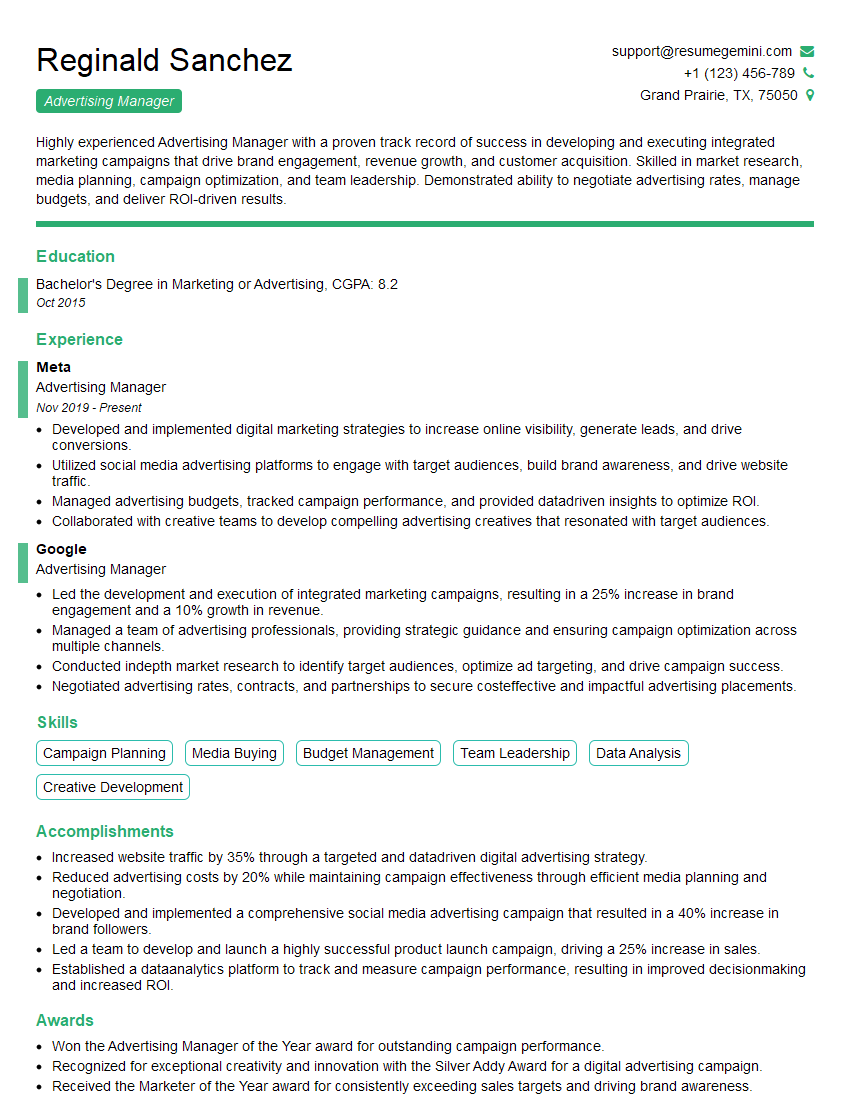
Advertising Manager Resume Sample
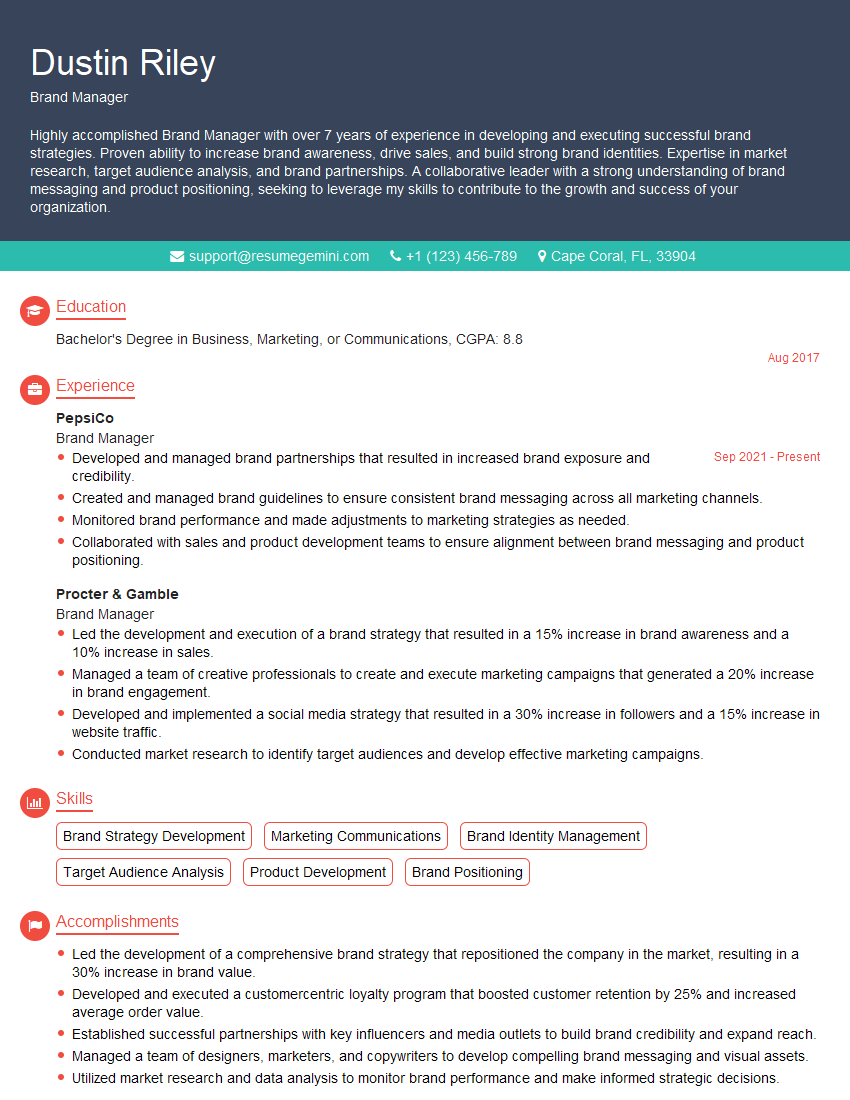
Brand Manager Resume Sample
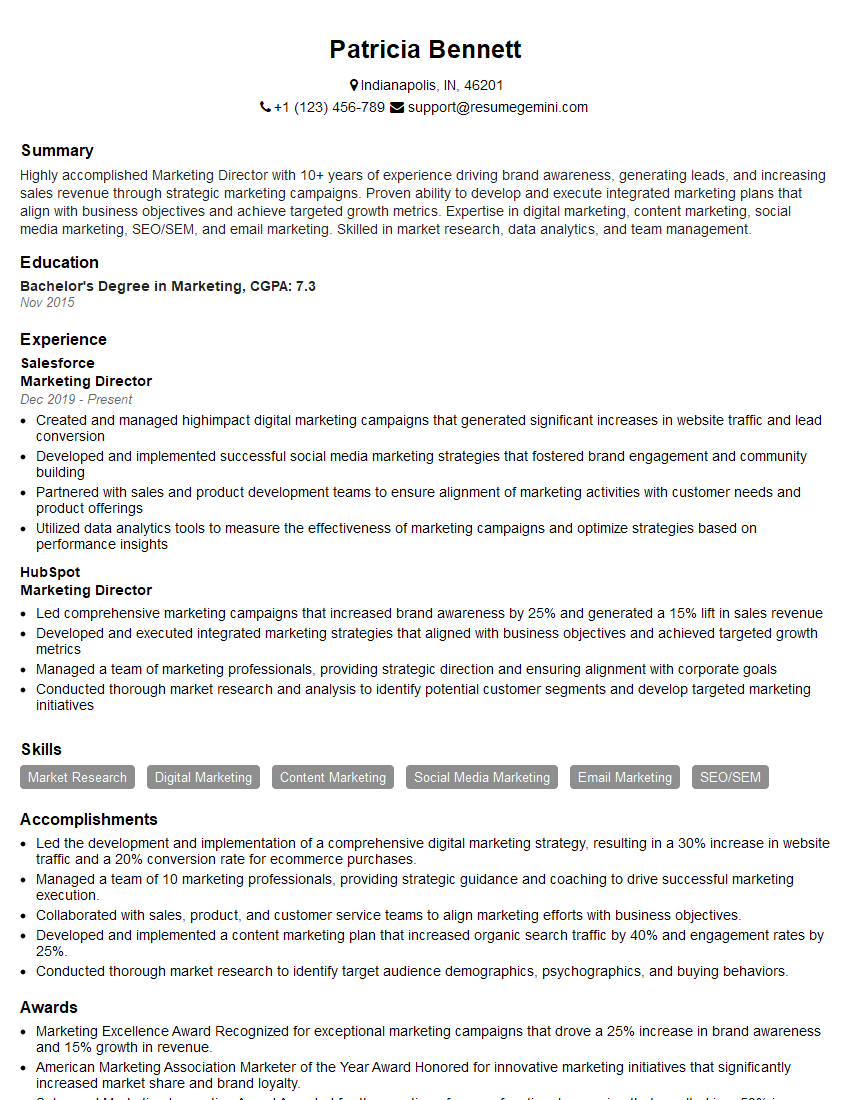
Marketing Director Resume Sample
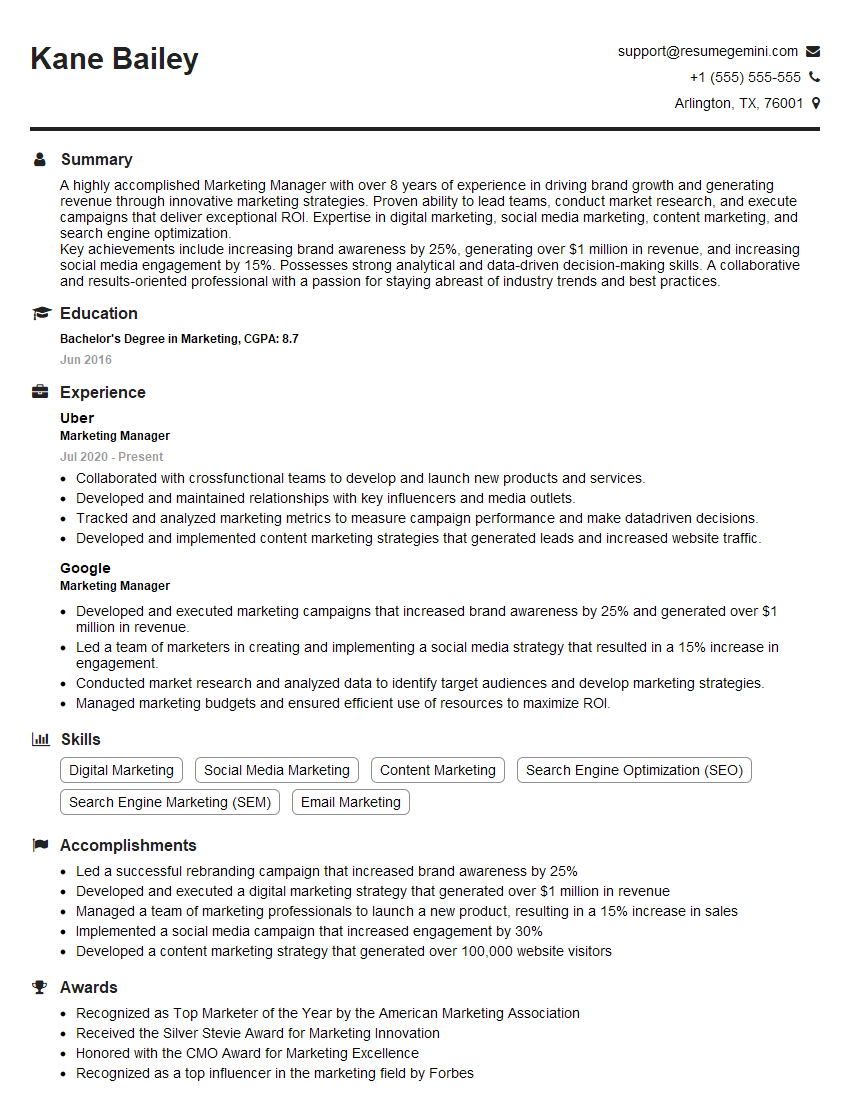
Marketing Manager Resume Sample
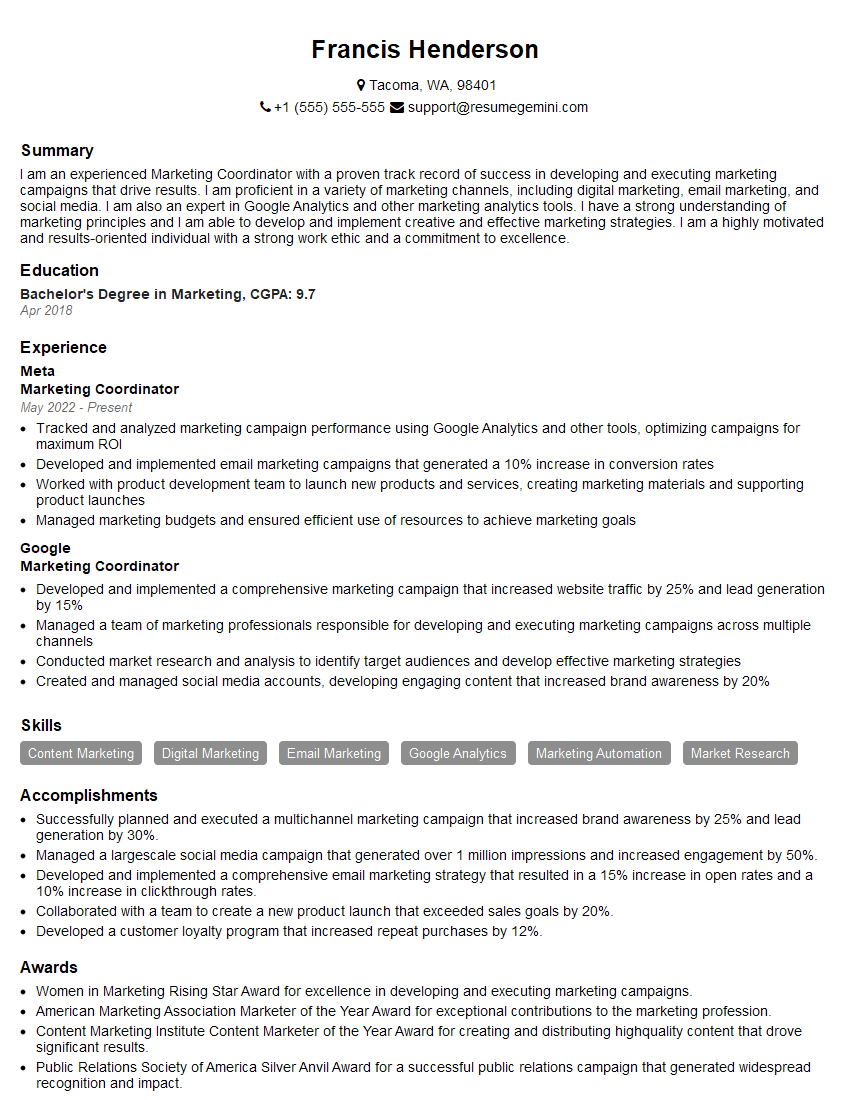
Marketing Coordinator Resume Sample

Communications Manager Resume Sample

Marketing Communications Manager Resume Sample
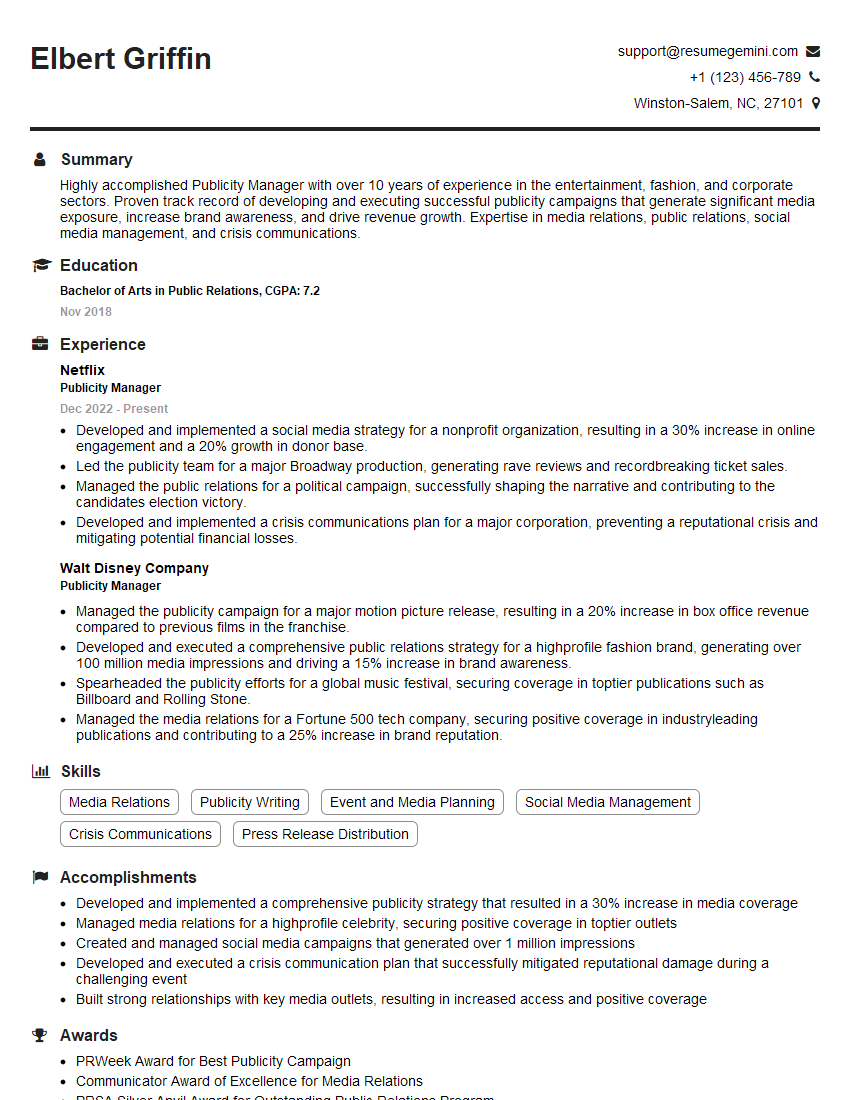
Publicity Manager Resume Sample
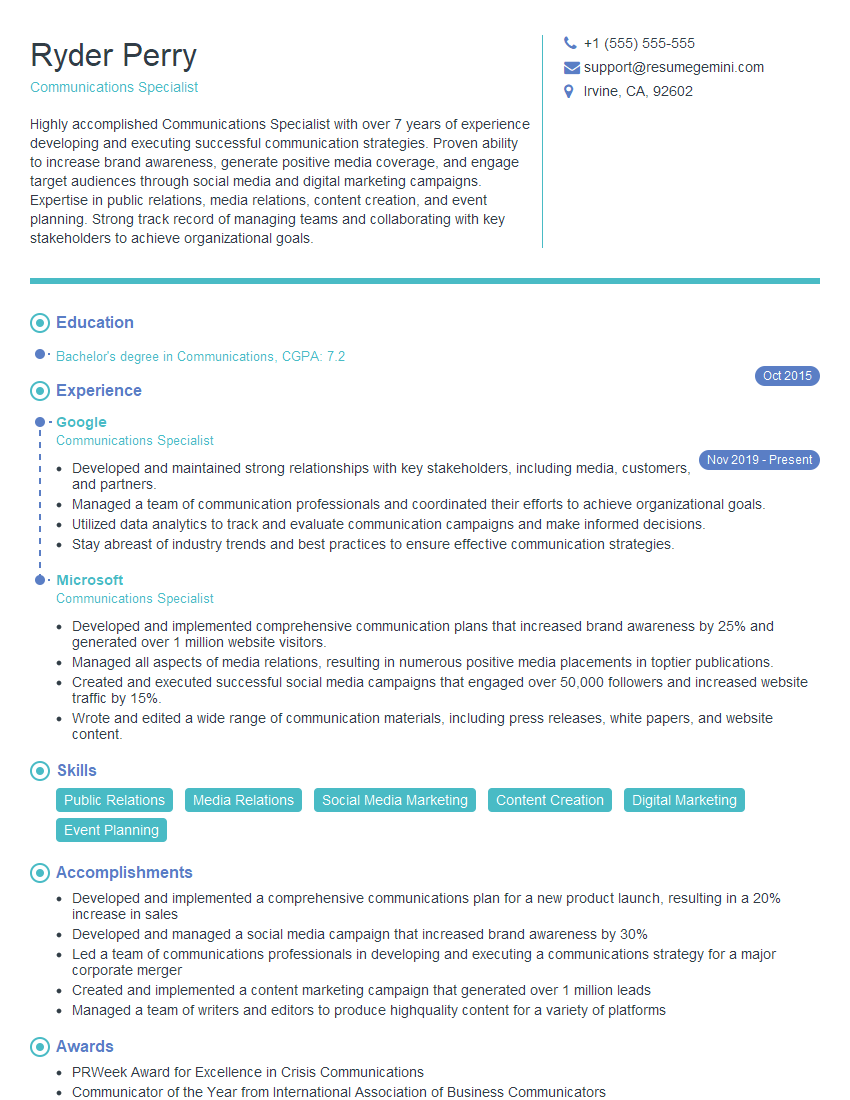
Communications Specialist Resume Sample
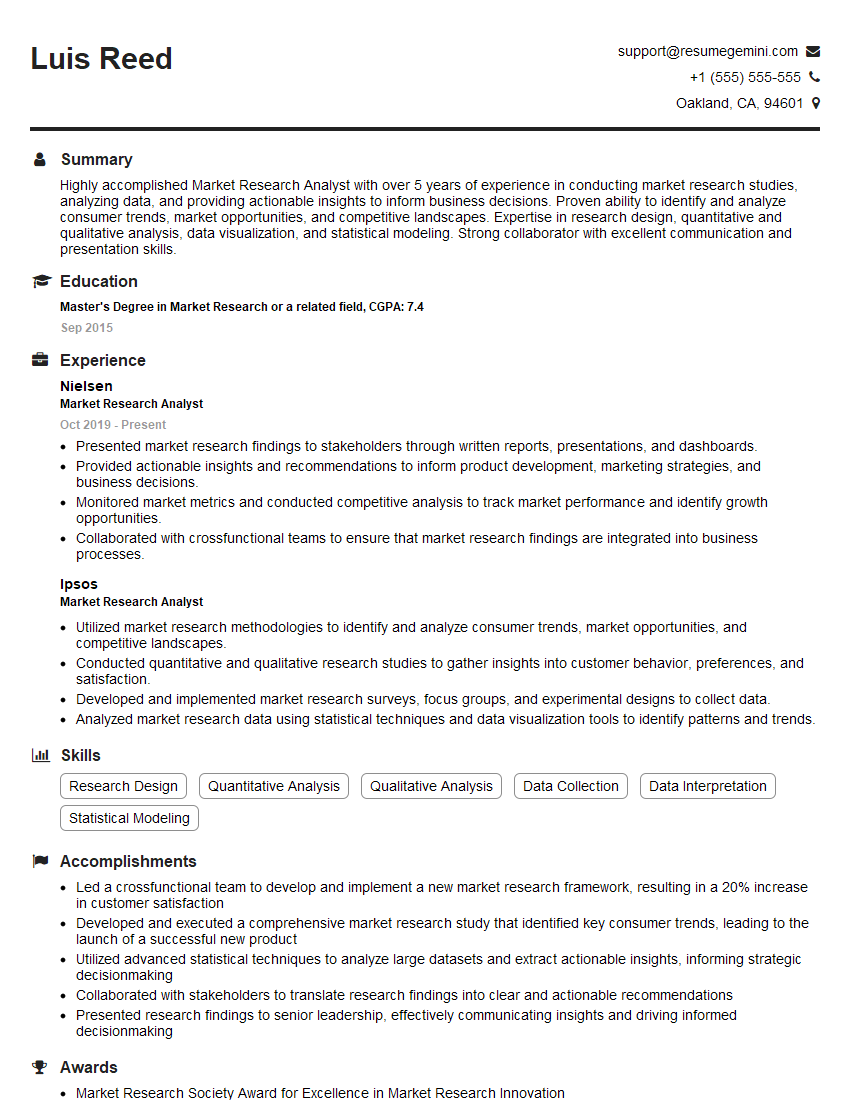
Market Research Analyst Resume Sample
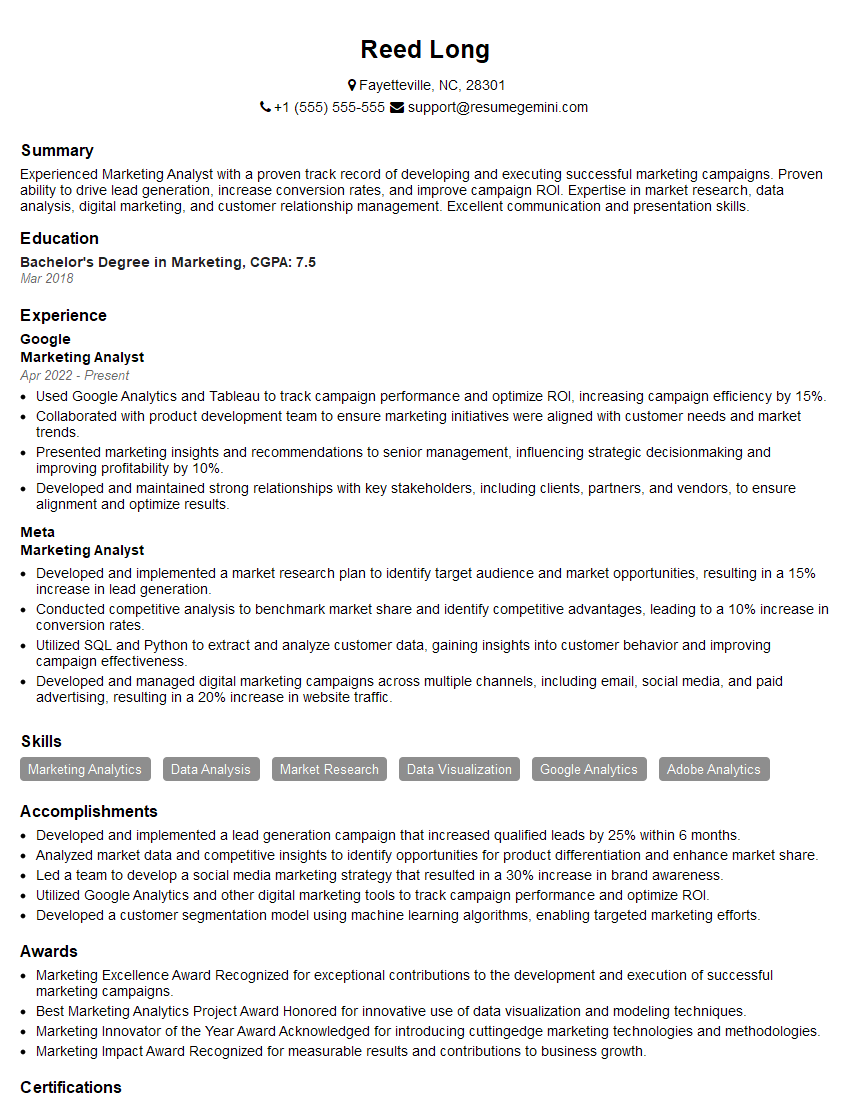
Marketing Analyst Resume Sample
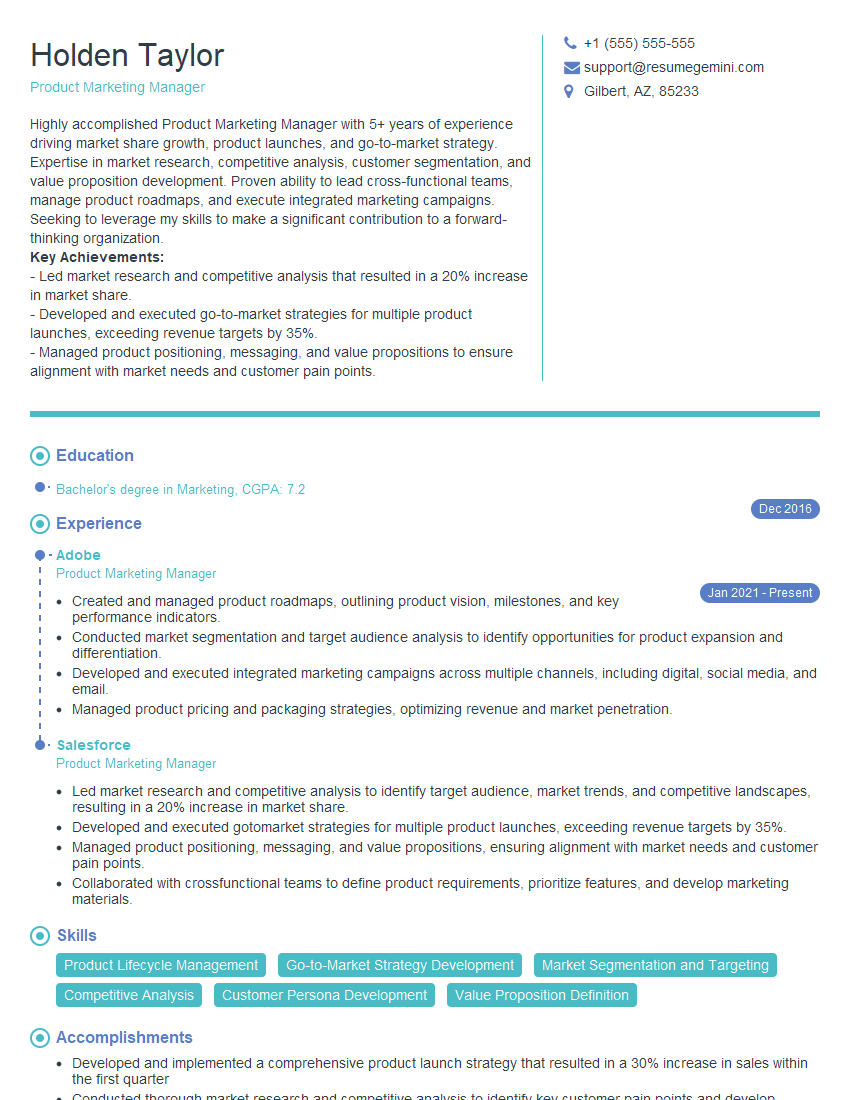
Product Marketing Manager Resume Sample

Social Media Manager Resume Sample
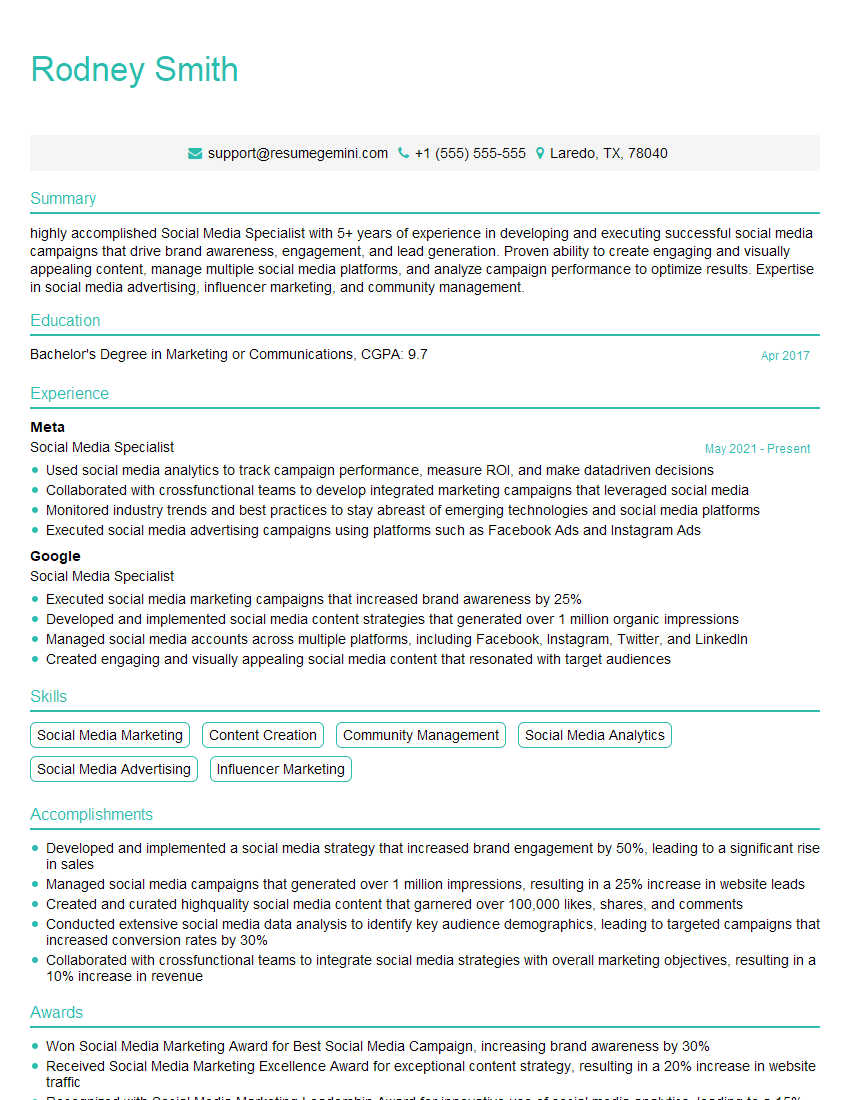
Social Media Specialist Resume Sample

Content Strategist Resume Sample
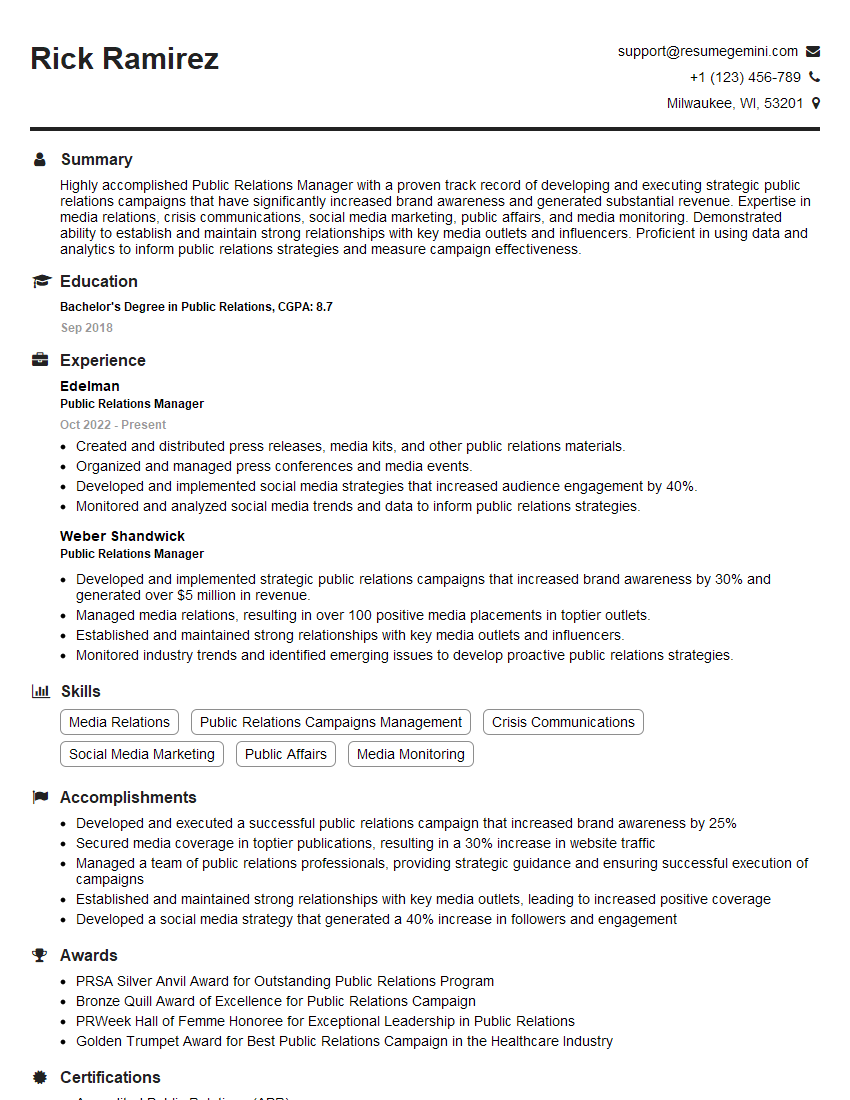
Public Relations Manager Resume Sample
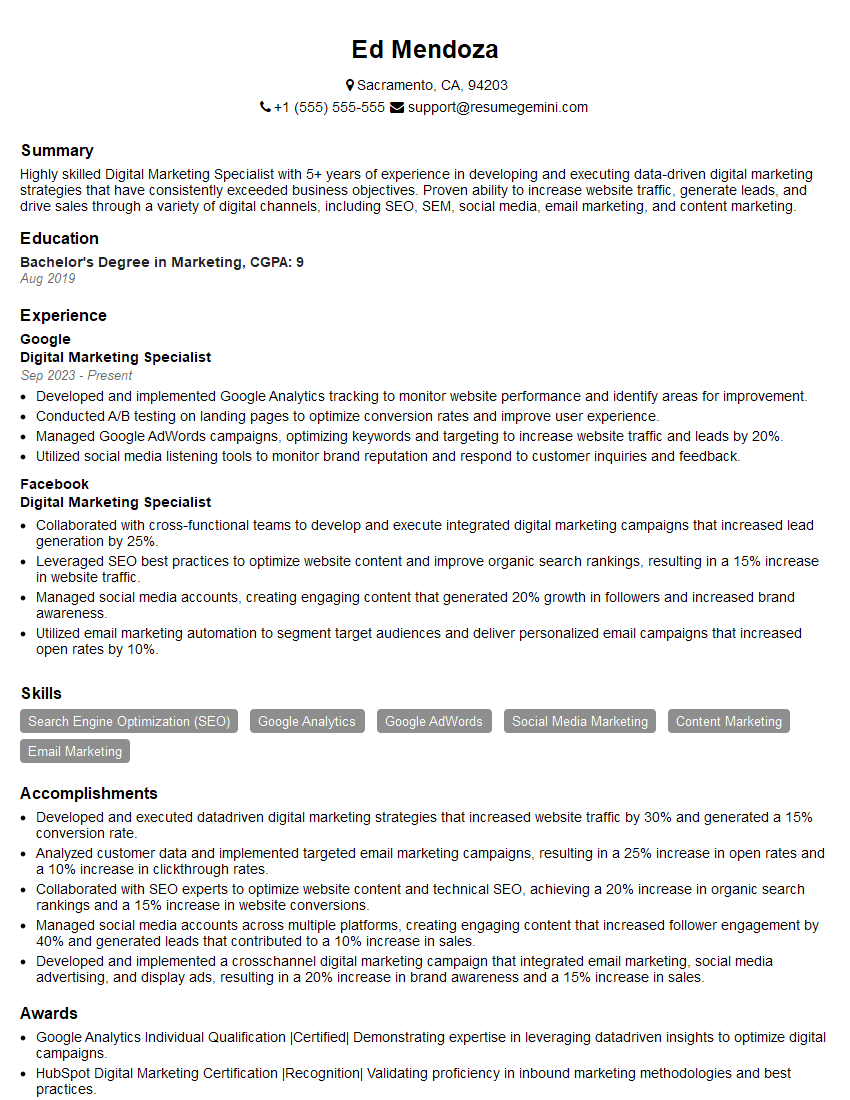
Digital Marketing Specialist Resume Sample
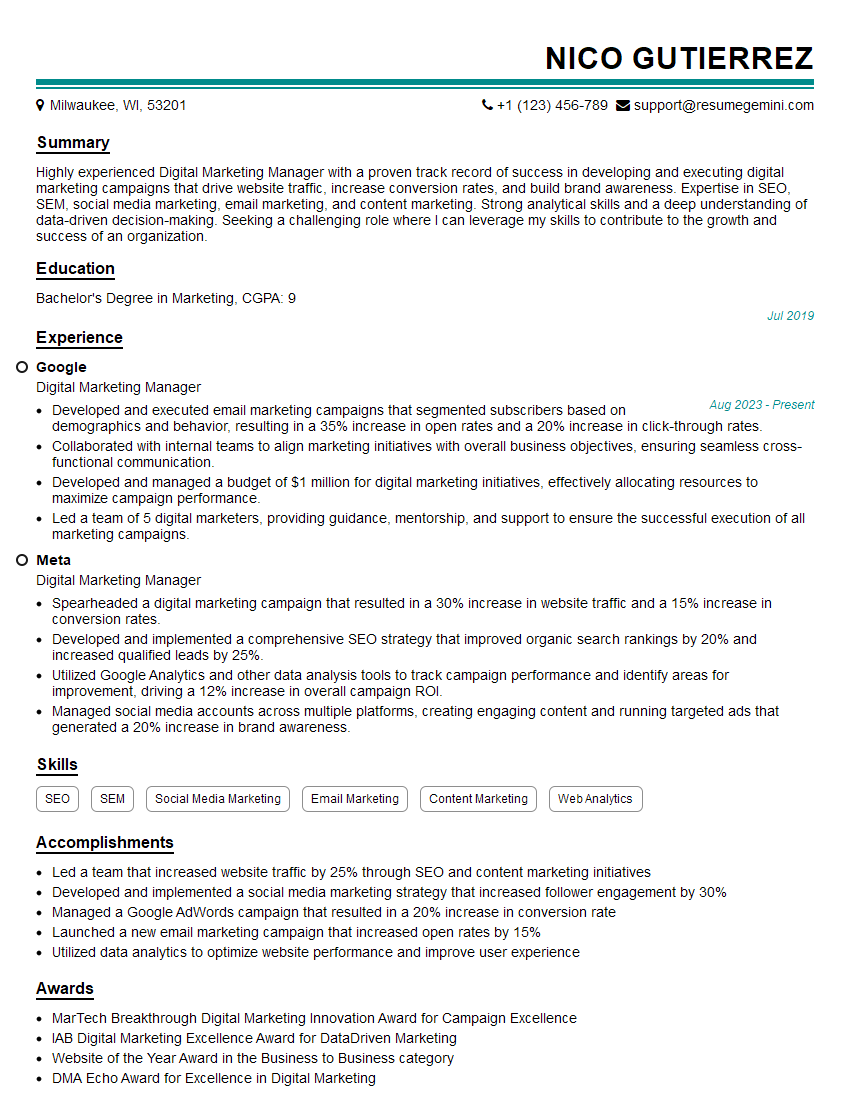
Digital Marketing Manager Resume Sample
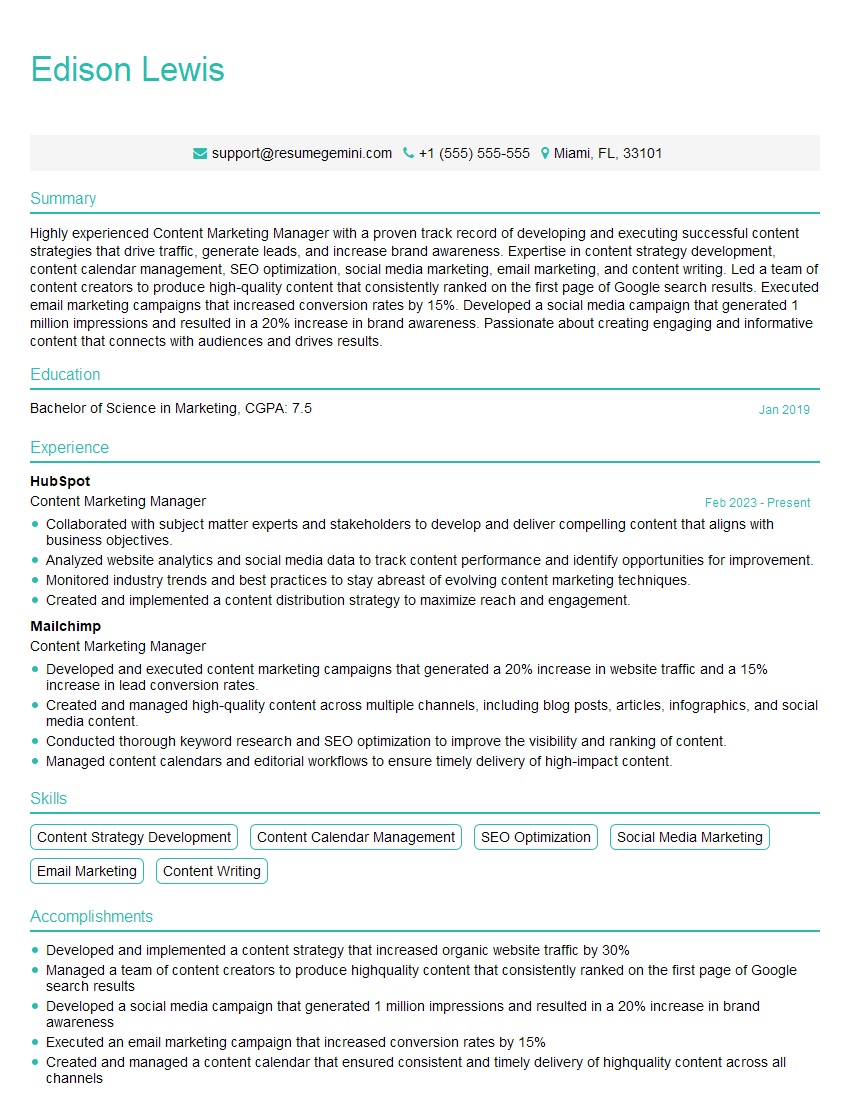
Content Marketing Manager Resume Sample
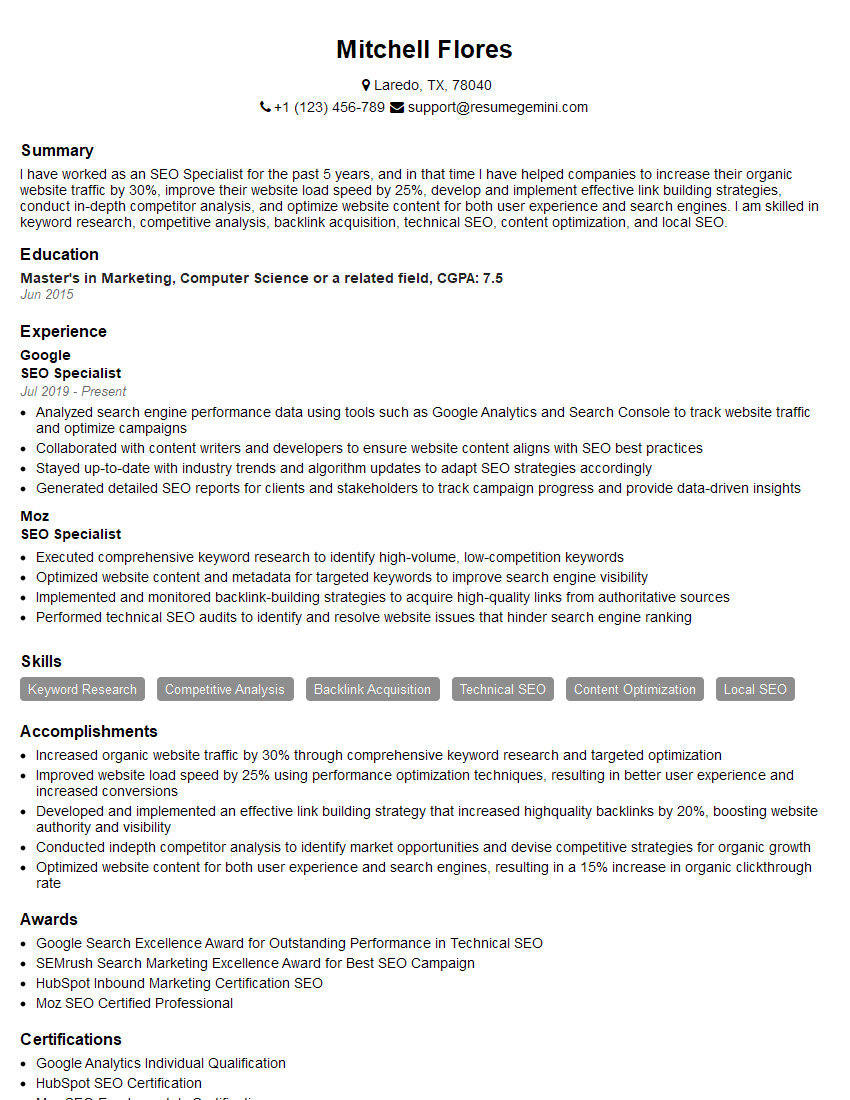
SEO Specialist Resume Sample
- Advertising Manager
- Brand Manager
- Marketing Director
- Marketing Manager
- Marketing Coordinator
- Communications Manager
- Marketing Communications Manager
- Publicity Manager
- Communications Specialist
- Market Research Analyst
- Marketing Analyst
- Product Marketing Manager
- Social Media Manager
- Social Media Specialist
- Content Strategist
- Public Relations Manager
- Digital Marketing Specialist
- Digital Marketing Manager
- Content Marketing Manager
- SEO Specialist
Explore more articles
Users Rating of Our Blogs
Share Your Experience
We value your feedback! Please rate our content and share your thoughts (optional).
What Readers Say About Our Blog
I Redesigned Spongebob Squarepants and his main characters of my artwork.
https://www.deviantart.com/reimaginesponge/art/Redesigned-Spongebob-characters-1223583608
IT gave me an insight and words to use and be able to think of examples
Hi, I’m Jay, we have a few potential clients that are interested in your services, thought you might be a good fit. I’d love to talk about the details, when do you have time to talk?
Best,
Jay
Founder | CEO