Unlock your full potential by mastering the most common Rapid Prototyping Tools interview questions. This blog offers a deep dive into the critical topics, ensuring you’re not only prepared to answer but to excel. With these insights, you’ll approach your interview with clarity and confidence.
Questions Asked in Rapid Prototyping Tools Interview
Q 1. What are the different types of rapid prototyping technologies?
Rapid prototyping technologies encompass a range of methods for quickly creating physical models of designs. The choice depends heavily on the project’s requirements, budget, and desired level of detail. Here are some key categories:
- Additive Manufacturing (AM): This builds parts layer by layer from a digital model. Examples include Fused Deposition Modeling (FDM), Stereolithography (SLA), Selective Laser Sintering (SLS), and PolyJet.
- Subtractive Manufacturing: This starts with a block of material and removes material to create the final shape. CNC machining and 3D milling fall under this category.
- Casting: Molten material is poured into a mold to create a part. This can include investment casting or other rapid casting methods.
- Forming: Techniques like sheet metal bending and vacuum forming shape materials into the desired form. These methods are particularly suited for simple geometries.
- Rapid Tooling: Methods like 3D printed molds for casting or injection molding, speeding up the creation of production tools.
Each method has its own strengths and weaknesses, making the selection crucial for project success.
Q 2. Explain the advantages and disadvantages of Fused Deposition Modeling (FDM).
Fused Deposition Modeling (FDM) is an additive manufacturing process that uses a heated nozzle to extrude thermoplastic filament layer by layer, building up a three-dimensional object.
Advantages:
- Relatively inexpensive: FDM printers are generally less costly than other 3D printing technologies.
- Ease of use: FDM is considered relatively easy to learn and operate.
- Wide range of materials: While not as extensive as some other methods, a variety of thermoplastics are available for FDM.
- Large build volumes: Some FDM printers offer very large build areas, enabling the creation of larger prototypes.
Disadvantages:
- Lower resolution and surface finish: Compared to SLA or SLS, FDM often produces parts with visible layer lines and a less smooth surface finish.
- Material limitations: FDM is limited to thermoplastics, which may not be suitable for all applications.
- Slower build speeds for complex geometries: Complex designs with many overhangs and supports can significantly increase build time.
- Warping and shrinkage: Depending on the material and design, warping can occur during the printing process.
For example, FDM is excellent for creating functional prototypes with a focus on form and fit, but it might not be ideal for creating highly detailed aesthetic models.
Q 3. Compare and contrast Stereolithography (SLA) and Selective Laser Sintering (SLS).
Both Stereolithography (SLA) and Selective Laser Sintering (SLS) are additive manufacturing processes, but they differ significantly in their mechanism and resulting properties.
Stereolithography (SLA): Uses a laser to cure liquid photopolymer resin layer by layer, creating highly accurate and detailed parts. The process takes place in a vat of resin.
Selective Laser Sintering (SLS): Uses a laser to fuse powdered material (typically plastics or metals) together layer by layer. The process involves a powder bed and does not require support structures for many designs.
Comparison Table:
| Feature | SLA | SLS |
|---|---|---|
| Material | Liquid photopolymers | Powdered materials (plastics, metals) |
| Resolution | High | Medium |
| Surface Finish | Very smooth | Slightly rougher |
| Support Structures | Often required | Often not required |
| Material Properties | Strong, accurate, detailed | Stronger, less brittle, can handle higher temperatures (depending on material) |
| Cost | Generally more expensive per part | Can be more expensive for initial setup but cost-effective for larger batches |
In essence: Choose SLA for high-detail, smooth surface finish prototypes. Choose SLS for stronger, functional prototypes, especially those with complex geometries that would require extensive supports in SLA.
Q 4. Describe the process of designing a part for rapid prototyping.
Designing a part for rapid prototyping involves a structured approach:
- Conceptualization and Design Requirements: Clearly define the purpose of the prototype. What needs to be demonstrated? What are the critical dimensions and functionalities?
- 3D Modeling: Create a digital 3D model using CAD software. This should include all necessary details, features, and tolerances. Consider simplifying complex geometries to reduce printing time and cost.
- Design for Manufacturing (DFM): Analyze the model for manufacturability considering the chosen rapid prototyping method. Are there features that might cause printing issues (e.g., thin walls, unsupported overhangs)? Modifications might be needed.
- Material Selection: Choose a material suitable for the application and the chosen rapid prototyping method. Consider factors like strength, flexibility, durability, and aesthetics.
- Support Structure Generation (if needed): For some methods, like SLA, support structures are essential to prevent sagging or deformation during the build process. The software often automatically generates these, but manual adjustments might be needed.
- File Preparation: Export the 3D model in the correct file format (e.g., STL) for the specific rapid prototyping machine. Check the orientation of the model to minimize support structures and optimize build time.
- Prototyping and Iteration: Print the prototype and inspect it. Adjust the design or parameters based on the results. Iterate until the prototype meets the required specifications.
For instance, if designing a phone case, the initial design might be highly detailed. However, during DFM, simplifications may be necessary for FDM to avoid very thin walls. Then the model would be prepared for FDM printing and iterations made based on the first printed prototype.
Q 5. What software packages are you proficient in for CAD modeling?
I am proficient in several industry-standard CAD software packages, including:
- SolidWorks: Excellent for complex mechanical designs.
- Autodesk Inventor: Strong capabilities in parametric modeling and simulation.
- Fusion 360: A cloud-based platform offering a range of functionalities, ideal for collaborative projects.
- Creo Parametric: A robust and feature-rich software, particularly useful in large-scale industrial design.
My experience extends to using these tools for creating detailed 3D models for various applications, including product design, tooling, and jigs and fixtures. I am comfortable working with various design constraints and utilizing advanced modeling techniques.
Q 6. How do you select the appropriate rapid prototyping method for a given project?
Selecting the appropriate rapid prototyping method requires careful consideration of several factors:
- Project requirements: What are the key functionalities and aesthetics that need to be demonstrated?
- Budget: Different methods have different cost structures. Some prioritize speed, others precision.
- Material properties: The desired material properties (strength, flexibility, temperature resistance) dictate the suitable method.
- Geometric complexity: Complex shapes may require methods capable of handling intricate details and overhangs.
- Lead time: How quickly is the prototype needed? Some methods offer faster turnaround times than others.
- Required surface finish: The needed level of detail impacts the choice, with some methods offering smoother surfaces than others.
For example, if I need a strong and functional prototype quickly but don’t need a highly detailed surface finish, I might select SLS. If I need a very precise, highly detailed prototype with a smooth finish, I’d choose SLA. For simple functional prototypes, FDM might be suitable due to its lower cost and accessibility.
Q 7. What are the key considerations for material selection in rapid prototyping?
Material selection is critical for successful rapid prototyping. Several key considerations guide this decision:
- Mechanical Properties: Consider strength, stiffness, elasticity, impact resistance, and hardness. The chosen material must withstand the intended stresses and strains.
- Thermal Properties: If the prototype will be subjected to high temperatures, the material needs to withstand this without significant deformation or degradation.
- Chemical Properties: The material’s resistance to chemicals and solvents is critical if the prototype will be exposed to these substances. Biocompatibility is vital for medical applications.
- Appearance and Aesthetics: The visual appeal of the prototype can be important, especially for showcasing a final product’s design.
- Cost: Material costs can vary significantly. Finding a balance between performance and cost is essential.
- Compatibility with the Manufacturing Method: The selected material must be compatible with the chosen rapid prototyping technology (e.g., thermoplastics for FDM, photopolymers for SLA).
For example, if prototyping a car part that will be exposed to high temperatures, a high-temperature resin or nylon would be ideal. For a medical implant, a biocompatible material is non-negotiable. The selection process requires careful evaluation of all these factors to ensure the prototype appropriately simulates the final product.
Q 8. Explain the concept of tolerance in rapid prototyping.
Tolerance in rapid prototyping refers to the permissible variation in the dimensions of a manufactured part compared to its design specifications. Think of it like baking a cake – you have a recipe (design) with specific measurements, but some variation in ingredient amounts or baking time is acceptable (tolerance) and still results in a palatable cake. In rapid prototyping, exceeding these tolerances can render a prototype unusable. For example, a precisely fitting part might not assemble correctly if its dimensions are outside the acceptable tolerance range.
Tolerances are usually expressed as plus or minus a certain value (e.g., ±0.1mm). These values depend on the application and the prototyping method. Fused Deposition Modeling (FDM) 3D printing, for instance, generally has larger tolerances than Stereolithography (SLA) printing. Understanding and managing tolerances is crucial for ensuring the prototype functions as intended.
In practice, I meticulously analyze the design and its intended function to define appropriate tolerances before starting the prototyping process. I use CAD software to model parts with consideration for manufacturing limitations and expected tolerances of the chosen rapid prototyping technology. This proactive approach significantly reduces the risk of creating non-functional prototypes.
Q 9. How do you handle design changes during the rapid prototyping process?
Handling design changes during rapid prototyping is a critical aspect of the process. It requires flexibility and efficient workflows. My approach involves a collaborative process with the design team and stakeholders.
- Version Control: We strictly maintain version control of all design files. Each iteration, including design changes, is clearly documented and saved, allowing us to revert to previous versions if necessary.
- Iterative Prototyping: Instead of creating one large prototype, we prefer iterative prototyping, building smaller, functional modules or sections first. This allows for early detection and incorporation of design changes without significant waste of materials or time.
- Agile Methodology: We often use agile methodologies, embracing short development cycles (sprints) with frequent design reviews and feedback sessions. This approach allows for flexible incorporation of design changes throughout the process.
- Digital Mockups: Before physical prototyping, we utilize digital mockups and simulations to preview the impact of design changes, minimizing the need for extensive physical revisions.
For example, in a recent project designing a phone case, an initial prototype revealed an ergonomic issue. Through iterative prototyping, we quickly incorporated feedback, creating several revised versions until a comfortable design was achieved. The use of version control ensured we could easily compare and contrast different iterations and revert if needed.
Q 10. Describe your experience with post-processing techniques for rapid prototypes.
Post-processing is essential to enhancing the functionality, aesthetics, and durability of rapid prototypes. My experience spans various techniques depending on the material and the prototype’s requirements.
- Support Removal: For methods like SLA and SLS, removing support structures carefully and completely is crucial. I use various tools, from specialized cutters to micro-abrasive blasting, to ensure clean removal without damaging the prototype.
- Surface Finishing: To improve the surface quality, I employ techniques like sanding, polishing, and painting. For intricate details, hand-finishing might be necessary. For larger prototypes, automated processes such as bead blasting or media blasting can be more efficient.
- Functional Coating: To achieve specific properties like improved wear resistance, corrosion protection, or enhanced aesthetics, I apply various coatings, including powder coating, electroplating, or conformal coating. The choice of coating depends on the prototype’s application.
- Assembly: In many cases, post-processing includes assembling multiple prototype components. This requires precision and attention to detail to ensure proper functionality and fit.
For instance, in a recent project involving a complex mechanical assembly, we used selective laser sintering (SLS) to create the parts. Post-processing included meticulous support removal, sanding of rough surfaces, application of a protective coating to enhance durability, and then the careful assembly of all components.
Q 11. How do you ensure the accuracy and precision of rapid prototypes?
Ensuring the accuracy and precision of rapid prototypes involves a multi-faceted approach.
- CAD Model Accuracy: The foundation lies in a highly accurate CAD model. I meticulously review designs for any errors or inconsistencies before proceeding to prototyping. Design for Manufacturing (DFM) principles are applied from the initial design stage.
- Calibration and Maintenance: Regular calibration and maintenance of the rapid prototyping equipment is critical. This includes checking the printer’s accuracy, nozzle diameter, and ensuring the build plate is level. This preventative maintenance directly impacts the accuracy of the finished parts.
- Material Selection: The choice of material plays a vital role. Materials with inherent dimensional stability, such as some resins in SLA, tend to produce more precise prototypes. Materials with inherent shrinkage should have their dimensions accounted for in the design phase.
- Process Parameters Optimization: Fine-tuning the process parameters, such as layer height, printing speed, and temperature, for the specific material and printer can significantly improve accuracy. Experiments and adjustments are often required.
- Post-Processing Precision: Careful post-processing, as mentioned earlier, can further refine the prototype’s accuracy. Precise support removal, and surface finishing methods contribute to overall precision.
For example, for a prototype requiring extremely tight tolerances, I might select SLA 3D printing and meticulously optimize its print parameters, leading to a part with significantly higher precision than what would have been achieved with FDM.
Q 12. What are the common challenges encountered in rapid prototyping?
Rapid prototyping, while offering numerous advantages, presents several challenges.
- Cost: Depending on the complexity and the chosen technology, rapid prototyping can be costly, especially for high-volume production.
- Material Limitations: The range of materials available for rapid prototyping is often less extensive than in traditional manufacturing processes, limiting material selection based on required properties.
- Surface Finish: Depending on the method, the surface finish of rapid prototypes can be rough, requiring post-processing which adds to costs and time.
- Scale-Up Challenges: Scaling up from a prototype to mass production requires a significant change in manufacturing processes, and often involves considerable re-design for manufacturability.
- Design Complexity: Highly complex designs can pose challenges in both the design and prototyping phases, requiring specialized skills and sometimes custom software or processes.
For example, a complex part requiring intricate internal geometries might need support structures, leading to additional cost and time for support removal in post-processing. This might even require a change to a different rapid prototyping technology.
Q 13. How do you manage costs and timelines in rapid prototyping projects?
Managing costs and timelines in rapid prototyping projects requires careful planning and execution.
- Clear Scope Definition: Defining a clear and concise scope from the beginning, specifying the required functionality and tolerances, is critical. This avoids scope creep which can dramatically increase both cost and time.
- Technology Selection: Choosing the appropriate rapid prototyping technology is crucial. FDM might be suitable for functional prototypes, while SLA is preferred for high-precision prototypes. Each technology has a cost and time implication.
- Iterative Approach: The iterative approach, as mentioned earlier, minimizes wasted effort on incorrect designs and saves time and materials.
- Material Optimization: Choosing less expensive, suitable materials can significantly impact the overall cost, without compromising functionality.
- Project Management: Using project management tools and techniques, including Gantt charts and tracking software, to monitor progress and address potential delays is essential. This includes clear communication with all stakeholders.
For instance, in a project with a tight deadline, we might choose a faster, though potentially more expensive, prototyping method, to meet the timeline requirements. In a cost-sensitive project, we would carefully evaluate and potentially utilize lower-cost materials or processes, potentially compromising some level of surface finish for cost efficiency.
Q 14. Explain your experience with different types of 3D printing filaments/resins.
My experience encompasses a wide range of 3D printing filaments and resins.
- PLA (Polylactic Acid): A common FDM filament, PLA is biodegradable, easy to print, and relatively inexpensive. It’s suitable for prototypes where high strength and heat resistance are not critical. It is environmentally preferable to many other options.
- ABS (Acrylonitrile Butadiene Styrene): Another common FDM filament, ABS offers greater strength and heat resistance than PLA, but it requires higher printing temperatures and often needs an enclosed build chamber to prevent warping.
- PETG (Polyethylene Terephthalate Glycol-modified): PETG combines the ease of printing of PLA with improved strength and impact resistance compared to PLA. It’s a good all-around material for many applications.
- Various Resins (SLA/DLP): SLA and DLP printers use liquid photopolymers, offering high resolution and surface quality. Resin types vary significantly in properties, such as flexibility, strength, and UV resistance. Specific resins are chosen based on application requirements.
- Nylon (SLS): Nylon powder is used in SLS 3D printing, offering high strength and durability, making it suitable for functional prototypes requiring robust mechanical properties.
The selection of filament or resin is dictated by the specific application, desired properties of the prototype, and the chosen additive manufacturing method. I always conduct material testing to ensure that the chosen material meets the required specifications for the project.
Q 15. How do you troubleshoot issues during the rapid prototyping process?
Troubleshooting in rapid prototyping is iterative and often involves a systematic approach. It’s like detective work, systematically eliminating possibilities. I start by carefully examining the prototype for visual defects – cracks, warping, layer inconsistencies – and then correlate these with the design file and the machine settings.
For example, if a 3D-printed part shows significant warping, I’d first check the design for unsupported areas, then review the printer’s bed adhesion settings, build platform temperature, and the print speed. If a CNC-machined part has dimensional inaccuracies, I’d look at the toolpaths generated by the CAM software, machine calibration, and the material properties. I use data logging from the machines as much as possible for detailed analysis. If the problem persists, I might even revisit the CAD model to identify potential design flaws.
Documenting every step, including troubleshooting attempts, is vital. This helps me learn from mistakes and refine the process for future projects. Often, it’s a combination of factors. For instance, a weak joint in a prototype could be caused by both a design flaw (insufficient overlap) and a processing flaw (insufficient curing in the case of resin printing).
Career Expert Tips:
- Ace those interviews! Prepare effectively by reviewing the Top 50 Most Common Interview Questions on ResumeGemini.
- Navigate your job search with confidence! Explore a wide range of Career Tips on ResumeGemini. Learn about common challenges and recommendations to overcome them.
- Craft the perfect resume! Master the Art of Resume Writing with ResumeGemini’s guide. Showcase your unique qualifications and achievements effectively.
- Don’t miss out on holiday savings! Build your dream resume with ResumeGemini’s ATS optimized templates.
Q 16. What is your experience with reverse engineering using rapid prototyping techniques?
Reverse engineering using rapid prototyping is a powerful technique for analyzing existing products and creating improved or modified versions. I’ve used this extensively to understand the internal structures and functionalities of various components. My process usually begins with detailed dimensional measurements of the target object, often using 3D scanning techniques. This generates a point cloud that’s then processed into a usable 3D model using specialized software.
Once I have a digital model, I can analyze the design, identify areas for improvement, and modify the CAD model accordingly. This might involve simplifying the design for easier manufacturing, improving the aesthetics, or enhancing its functionality. For example, I once reverse-engineered a broken plastic toy to identify the failure point and then redesigned it using stronger materials and improved structural support. Then I used rapid prototyping (3D printing, specifically) to create a stronger, improved prototype. This iterative process of analysis, design modification, and prototyping is key to successful reverse engineering. The final step always includes rigorous testing to validate the improved design.
Q 17. Describe your experience with different CAD software (e.g., SolidWorks, AutoCAD, Fusion 360).
I have extensive experience with several CAD software packages, including SolidWorks, AutoCAD, and Fusion 360. SolidWorks excels in creating complex, parametric models, making it ideal for detailed mechanical designs. AutoCAD is more suitable for 2D drafting and detailed drawings, which are often critical for communicating with manufacturers. Fusion 360 is a versatile cloud-based platform that combines both 2D and 3D modeling capabilities with integrated CAM functionality, streamlining the entire design-to-manufacturing process.
My experience includes utilizing the advanced features of each software, such as surface modeling in SolidWorks, creating detailed drawings with AutoCAD, and leveraging the simulation tools within Fusion 360 to analyze stress and strain on prototypes before physical creation. I’m adept at transitioning between these platforms depending on project requirements, ensuring the most efficient workflow. For instance, I might use SolidWorks for the core mechanical design, then export the model to Fusion 360 for CAM programming and simulation, before utilizing AutoCAD for generating detailed manufacturing drawings.
Q 18. How do you ensure the functionality of your rapid prototypes?
Ensuring functionality in rapid prototypes is crucial. This involves more than just visual inspection; it requires rigorous testing. The approach I take depends on the prototype’s intended function. For a mechanical part, this may include testing its strength, durability, and tolerance to wear and tear. For an electronic device, this might involve testing its circuitry, power consumption, and operational performance. I use a variety of methods, from simple manual testing (e.g., fitting parts together, testing button functionality) to more sophisticated techniques like finite element analysis (FEA) simulations to predict structural integrity.
A practical example involves creating a prototype of a new phone case. I’d test its ability to protect the phone from drops, its ease of installation and removal, and its overall fit and finish. For more complex prototypes, iterative testing and refinement are needed. This involves creating multiple prototypes, each addressing the shortcomings of the previous one. This iterative process ensures the final prototype effectively fulfills its intended function. I always document the testing procedures and results, providing valuable data for further development and improvement.
Q 19. What quality control measures do you implement during rapid prototyping?
Quality control in rapid prototyping is a multi-faceted process that begins with the design and extends through to the final prototype. I implement several measures to ensure consistent and high-quality results. These include:
- Design Review: Thoroughly checking the CAD model for errors, inconsistencies, and manufacturability issues before proceeding.
- Material Selection: Choosing appropriate materials based on the prototype’s intended function and environmental conditions.
- Process Parameter Optimization: Fine-tuning the settings of the rapid prototyping machine to achieve optimal results, minimizing defects.
- Dimensional Inspection: Using tools like calipers, micrometers, and CMM (Coordinate Measuring Machine) for accurate dimensional measurements and comparisons to the CAD model.
- Visual Inspection: Carefully examining the prototype for surface defects, such as cracks, layer lines, or warping.
- Functional Testing: Subjecting the prototype to rigorous tests to verify its performance and durability.
- Documentation: Maintaining detailed records of the entire process, including material used, machine settings, and test results.
By implementing these quality control measures, I can ensure that the rapid prototypes meet the required specifications and are suitable for further development or testing.
Q 20. Explain your experience with CAM software and its role in rapid prototyping.
CAM (Computer-Aided Manufacturing) software plays a vital role in the rapid prototyping process, particularly for subtractive manufacturing techniques like CNC machining. It translates the 3D CAD model into instructions for the manufacturing machine, specifying toolpaths, speeds, feeds, and other parameters. My experience involves using various CAM packages, which I select based on the specific manufacturing process. For example, I might use Mastercam for CNC milling or Vectric for routing.
The accuracy and efficiency of the CAM programming directly impact the quality and speed of the prototyping process. I meticulously check the generated toolpaths to ensure they avoid collisions, optimize machining time, and produce the desired surface finish. CAM software often includes simulation capabilities, allowing me to virtually test the toolpaths before actually machining the part, preventing costly errors. This process is crucial in minimizing material waste and ensuring the final prototype adheres to the design specifications.
Q 21. How familiar are you with different rapid prototyping file formats (e.g., STL, OBJ)?
I am very familiar with common rapid prototyping file formats, including STL (Stereolithography) and OBJ (Wavefront OBJ). STL is a widely used format for 3D printing, representing the model as a mesh of triangles. OBJ is a more versatile format that can also include texture and normal maps, useful for rendering and visualization. Understanding the nuances of these formats is crucial for ensuring compatibility between CAD software, rapid prototyping machines, and other design tools. For example, a high-polygon count STL file might lead to longer printing times and potential errors, whereas a low-polygon model might lack detail.
Beyond STL and OBJ, I’m also proficient with other formats as needed, such as STEP (Standard for the Exchange of Product data), IGES (Initial Graphics Exchange Specification), and others used for transferring CAD models between different software packages. The choice of file format often depends on the specific needs of the project and the capabilities of the chosen rapid prototyping method. For instance, some 3D printers prefer STL files with specific settings, while others might work with other formats directly.
Q 22. Describe your experience with different types of rapid prototyping machines.
My experience with rapid prototyping machines spans a wide range of technologies, each with its strengths and weaknesses. I’ve worked extensively with:
- Stereolithography (SLA): This additive manufacturing process uses a laser to cure liquid resin, layer by layer, creating highly detailed and accurate prototypes. I’ve used SLA for creating intricate designs with smooth surfaces, particularly in medical device prototyping where precision is paramount. For instance, I prototyped a complex surgical tool requiring extremely tight tolerances using an SLA printer, achieving exceptional results.
- Selective Laser Sintering (SLS): SLS uses a laser to fuse powdered materials (like nylon or metal) into a solid object. This is ideal for creating strong, functional prototypes, especially for parts with complex internal geometries. In one project, we used SLS to prototype a durable housing for a new drone, successfully testing its resilience against impacts.
- Fused Deposition Modeling (FDM): FDM, or 3D printing, is a more accessible and cost-effective method that extrudes molten plastic to build the object layer by layer. While the surface finish isn’t as smooth as SLA, it’s perfect for quick iterations and functional testing. I frequently use FDM for rapid prototyping of product enclosures and mechanical components during early design stages.
- CNC Machining: This subtractive manufacturing process uses computer-controlled tools to remove material from a block of stock. This is excellent for creating highly accurate prototypes from metals and other materials, but it’s generally slower and more expensive than additive methods. I leverage CNC machining when high precision and material strength are critical, for example, when prototyping components for a high-performance engine.
My experience encompasses not only operating these machines but also optimizing printing parameters, troubleshooting issues, and selecting the most appropriate technology for a given project based on factors like material properties, required accuracy, and budget constraints.
Q 23. How do you evaluate the success of a rapid prototyping project?
Evaluating the success of a rapid prototyping project goes beyond simply creating a physical model. I use a multi-faceted approach:
- Meeting Design Goals: Did the prototype accurately reflect the intended design? Did it meet the required functional specifications (strength, weight, fit, etc.)?
- Time Efficiency: Was the prototype created within the allocated timeframe and budget? Rapid prototyping is, after all, about speed. Any delays impact project timelines.
- Testing and Feedback: How did the prototype perform during testing? Did it reveal critical design flaws or areas for improvement? Feedback from stakeholders is crucial in this step. For example, user testing revealed an ergonomic issue in a prototype handheld device, leading to design modifications.
- Iteration and Improvement: Did the prototyping process facilitate iterative design improvements? Did it allow for quick adjustments based on testing and feedback?
- Cost-Effectiveness: Was the chosen method cost-effective considering the project’s goals and resources?
Ultimately, a successful rapid prototyping project leads to a well-informed design, improved product quality, and reduced development time and costs.
Q 24. Explain your approach to documenting and managing rapid prototyping projects.
My approach to documenting and managing rapid prototyping projects involves a structured system that ensures clarity and traceability throughout the process. I utilize a combination of digital tools and physical records:
- Design Software: All designs are meticulously documented in CAD software (e.g., SolidWorks, Fusion 360), including detailed drawings, specifications, and version history. This allows for easy retrieval and collaboration.
- Project Management Software: I use project management tools (like Jira or Asana) to track tasks, deadlines, resource allocation, and team communication. This keeps everyone informed and on track.
- Version Control: Each iteration of the design is carefully versioned, allowing for easy comparison and rollback if necessary. This is particularly important when multiple designers are involved.
- Physical Documentation: Each prototype is labeled with its version number, date of creation, and any relevant notes. Detailed photographs and videos of the prototyping process are taken and stored securely.
- Testing and Feedback Records: All test results, including measurements, images, and stakeholder feedback, are meticulously recorded and analyzed. This provides valuable insights for future iterations.
This comprehensive documentation process enables efficient collaboration, seamless knowledge transfer, and rapid problem-solving, ultimately contributing to the successful completion of the project.
Q 25. What are the ethical considerations related to rapid prototyping?
Ethical considerations in rapid prototyping are crucial and often overlooked. Key aspects include:
- Intellectual Property: Ensuring the designs and prototypes are protected from unauthorized use or copying is vital. Proper licensing and confidentiality agreements are essential.
- Environmental Impact: The materials used in rapid prototyping can have environmental consequences. Choosing sustainable materials and responsible disposal methods is crucial to minimize the ecological footprint.
- Data Privacy: If prototyping involves sensitive data, appropriate measures must be taken to protect it from unauthorized access or breaches.
- Responsible Use of Technology: Prototypes should not be used for malicious or unethical purposes. This includes ensuring that prototypes are used responsibly and do not cause harm.
- Transparency and Openness: Transparency about the prototyping process and its limitations is essential, especially when dealing with clients or stakeholders.
By considering these ethical implications, we can ensure the responsible and sustainable use of rapid prototyping technologies while maintaining the highest standards of professional conduct.
Q 26. How do you stay up-to-date with the latest advancements in rapid prototyping?
Staying current with advancements in rapid prototyping requires a proactive approach. I utilize several methods:
- Industry Publications and Journals: Regularly reading industry publications like Additive Manufacturing, 3D Printing Industry, and attending conferences like RAPID keeps me informed about the latest materials, technologies, and techniques.
- Online Resources and Webinars: I actively participate in online forums, follow leading experts on social media, and attend webinars offered by manufacturers and research institutions.
- Networking and Collaboration: I engage with colleagues and professionals in the field through conferences, workshops, and online communities. This facilitates the exchange of knowledge and experiences.
- Hands-on Experience: I actively seek opportunities to work with new technologies and materials. This practical experience complements theoretical knowledge, deepening my understanding and expertise.
By continuously learning and expanding my knowledge base, I can apply the latest advancements to enhance the efficiency and effectiveness of my rapid prototyping work.
Q 27. Describe a time you had to overcome a technical challenge in rapid prototyping.
During a project involving the rapid prototyping of a complex medical device, we encountered significant challenges with the dimensional accuracy of parts produced using SLA. The initial prototypes exhibited unacceptable deviations from the CAD model, exceeding the allowable tolerances.
To overcome this, we systematically investigated several potential causes:
- Resin Properties: We carefully analyzed the resin’s viscosity, cure time, and other properties, optimizing the printing parameters based on the manufacturer’s recommendations and our own experiments.
- Machine Calibration: We meticulously calibrated the SLA printer, checking for any misalignments or inconsistencies in the laser and platform movements.
- Post-Processing: We refined our post-processing techniques, including cleaning, curing, and support removal, to minimize dimensional inaccuracies.
- Design Optimization: We reviewed the CAD model, identifying potential areas for design modifications to reduce the complexity and improve printability.
Through a combination of these approaches, we were able to significantly improve the dimensional accuracy of the prototypes, ultimately achieving the required specifications and successfully completing the project. This experience reinforced the importance of thorough investigation, systematic troubleshooting, and iterative problem-solving in rapid prototyping.
Q 28. How would you explain the concept of rapid prototyping to a non-technical audience?
Imagine you need a custom-made cake, but you’re not sure about the exact design yet. Instead of baking the final cake immediately, you create a few smaller, simpler versions – these are your prototypes. You can test different flavors, shapes, and decorations before committing to the final masterpiece.
Rapid prototyping is similar, but instead of cakes, we’re building products, parts, or tools. We use advanced machines to quickly create models from computer designs, allowing us to test, modify, and improve our ideas before investing heavily in final production. This saves time, money, and helps ensure that the final product is exactly what’s needed.
It’s like a preview for a movie – you get a quick look at what the final product will be like, allowing you to make adjustments before the full production begins. Rapid prototyping allows businesses to innovate, refine designs, and minimize risks before mass production.
Key Topics to Learn for Rapid Prototyping Tools Interview
- Understanding Prototyping Methodologies: Explore different approaches like low-fidelity vs. high-fidelity prototyping, iterative design, and agile methodologies. Understand the strengths and weaknesses of each approach and when to apply them.
- Popular Rapid Prototyping Tools: Gain hands-on experience with at least two leading tools (e.g., Figma, Adobe XD, InVision, Axure). Be prepared to discuss their features, limitations, and suitability for different project types.
- User Interface (UI) and User Experience (UX) Principles: Demonstrate a strong understanding of UI/UX design principles and how they are applied during the prototyping process. Be ready to discuss usability testing and iterative improvements based on user feedback.
- Interactive Prototyping Techniques: Master the creation of interactive prototypes, including animations, transitions, and micro-interactions. Be prepared to discuss how these elements enhance user engagement and understanding.
- Prototyping for Different Platforms: Showcase your understanding of designing prototypes for various platforms (web, mobile, desktop) and adapting your approach based on the target device and user experience.
- Collaboration and Workflow: Discuss your experience collaborating with designers, developers, and stakeholders throughout the prototyping process. Highlight your proficiency in using version control and feedback mechanisms within your chosen tools.
- Problem-Solving with Prototypes: Be prepared to discuss how you’ve used prototyping to identify and solve design challenges, iterate on solutions, and improve the overall user experience.
- Accessibility Considerations: Demonstrate an understanding of accessibility best practices and how to incorporate them into your prototypes to ensure inclusivity.
Next Steps
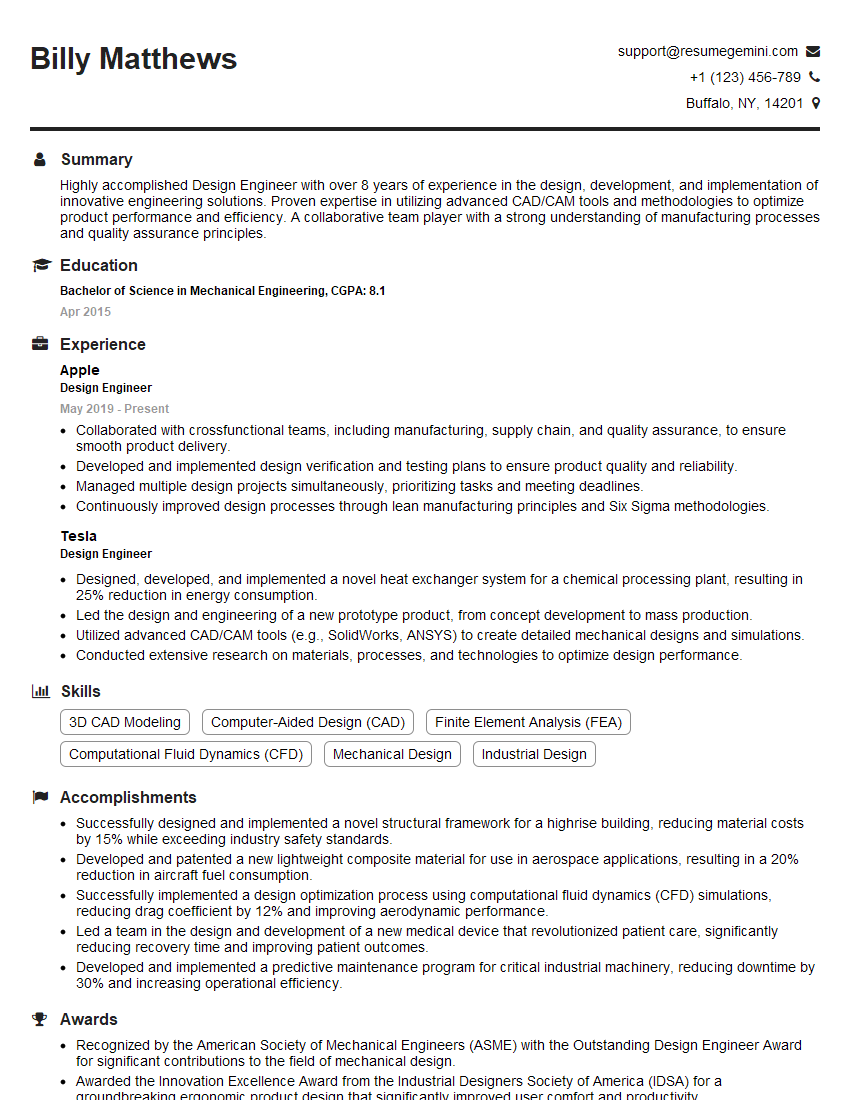
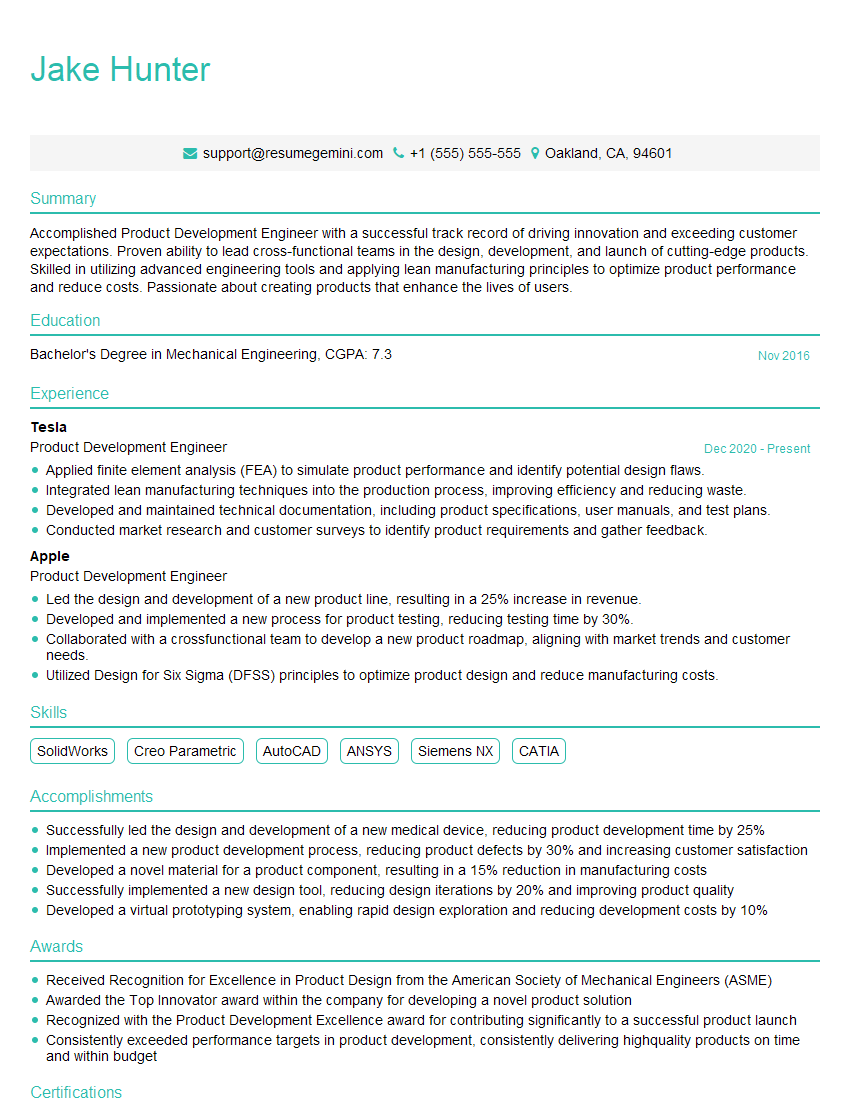
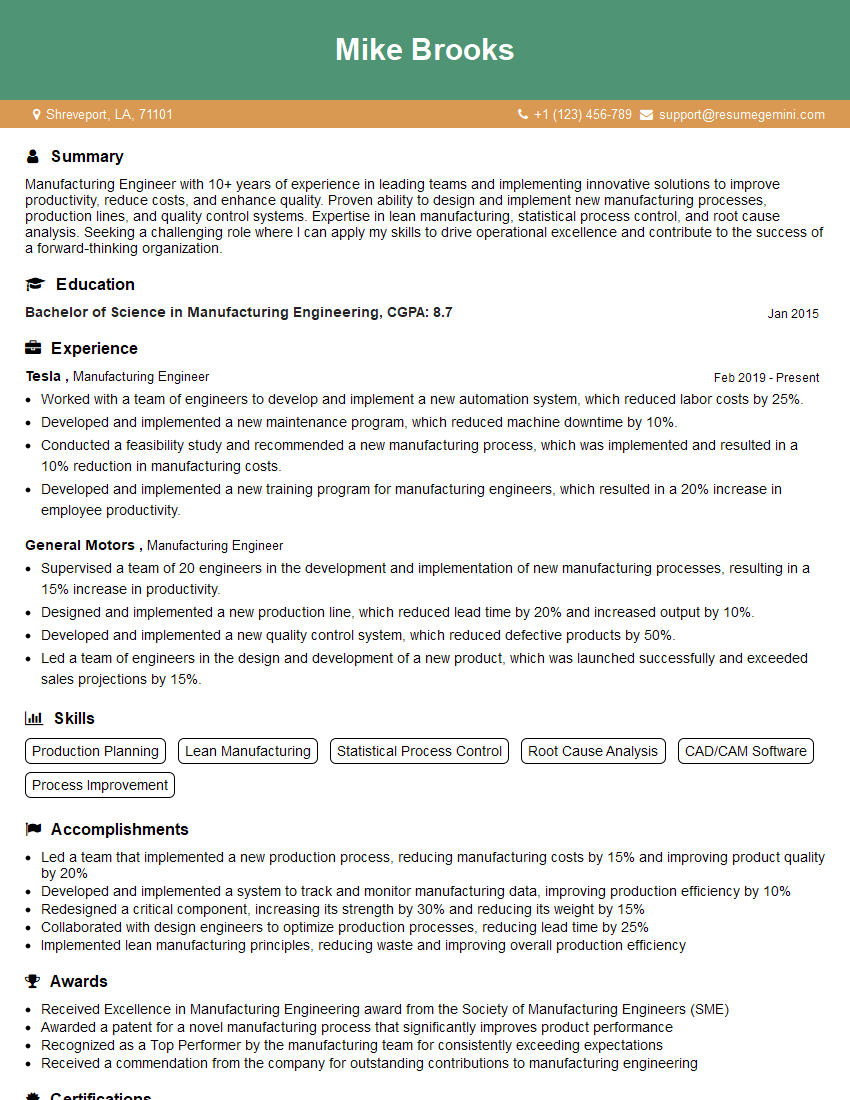
Mastering rapid prototyping tools is crucial for career advancement in today’s design-centric world. A strong understanding of these tools demonstrates your ability to create innovative and user-friendly solutions, making you a highly valuable asset to any team. To increase your chances of landing your dream role, focus on building an ATS-friendly resume that showcases your skills and experience effectively. ResumeGemini is a trusted resource that can help you craft a compelling and professional resume tailored to the specific requirements of your target roles. Examples of resumes tailored to Rapid Prototyping Tools are available to guide you. Take the next step towards your dream job today!
Explore more articles
Users Rating of Our Blogs
Share Your Experience
We value your feedback! Please rate our content and share your thoughts (optional).
What Readers Say About Our Blog
I Redesigned Spongebob Squarepants and his main characters of my artwork.
https://www.deviantart.com/reimaginesponge/art/Redesigned-Spongebob-characters-1223583608
IT gave me an insight and words to use and be able to think of examples
Hi, I’m Jay, we have a few potential clients that are interested in your services, thought you might be a good fit. I’d love to talk about the details, when do you have time to talk?
Best,
Jay
Founder | CEO