The right preparation can turn an interview into an opportunity to showcase your expertise. This guide to Receiving and Shipping Operations interview questions is your ultimate resource, providing key insights and tips to help you ace your responses and stand out as a top candidate.
Questions Asked in Receiving and Shipping Operations Interview
Q 1. Explain the process of receiving a shipment from a vendor.
Receiving a shipment involves a multi-step process designed to ensure accuracy and efficiency. It begins with expecting the shipment – confirming the purchase order and anticipated delivery date. Upon arrival, the process includes verification against the purchase order, inspecting the goods for damage, counting items to match the packing slip, and documenting everything.
- Confirmation: Before the truck even arrives, I cross-reference the expected delivery with our purchase order and delivery schedule.
- Inspection: Once the shipment arrives, a visual inspection is conducted to check for any external damage to the packaging. I document any visible damage with photos.
- Verification: I meticulously compare the contents of the shipment (quantity and items) with the packing slip and the purchase order. This involves checking the item numbers, descriptions, and quantities to ensure complete accuracy.
- Quality Check (if applicable): Depending on the nature of the goods, a quality check might be necessary before signing the delivery receipt. This could involve testing a sample of the goods to verify quality standards.
- Documentation: All discrepancies are documented immediately. The receiving team signs the delivery receipt, acknowledging receipt of the goods, noting any damage or discrepancies. The entire process is logged in our inventory management system.
For example, if we ordered 100 widgets and the packing slip shows 98, I’d immediately flag that discrepancy and contact the vendor. We would then conduct a thorough investigation to determine the root cause and appropriate action.
Q 2. Describe your experience with inventory management systems.
I have extensive experience with various inventory management systems, from simple spreadsheet-based solutions to sophisticated ERP (Enterprise Resource Planning) systems like SAP and Oracle. My experience includes data entry, reporting, inventory adjustments, cycle counting, and system configuration.
In my previous role, we utilized SAP to manage our inventory. This system allowed for real-time tracking of stock levels, automated reordering based on predefined parameters, and provided valuable reporting capabilities for analysis. I was involved in setting up and maintaining the inventory parameters within the system, ensuring accuracy and efficiency.
I’m proficient in using different inventory management techniques, including FIFO (First-In, First-Out), LIFO (Last-In, First-Out), and weighted average costing methods. Understanding these methods is vital for accurate cost accounting and efficient inventory turnover. I also have experience with barcode scanning and RFID technology for streamlining inventory tracking.
Q 3. How do you handle discrepancies between a purchase order and a received shipment?
Discrepancies between purchase orders and received shipments are handled systematically and thoroughly. The first step involves immediately documenting the discrepancy— what was ordered, what was received, and any discrepancies in quantity or quality. I will then contact the vendor to clarify and resolve the issue. The next steps depend on the nature of the discrepancy.
- Minor Discrepancies: For minor discrepancies (e.g., a small difference in quantity), we might issue a credit memo for the missing items.
- Major Discrepancies: For significant discrepancies (e.g., wrong items, damaged goods), a more thorough investigation is launched. We might require the vendor to replace the incorrect or damaged goods. This includes sending back the incorrect goods with appropriate documentation.
- Documentation: Throughout the process, I maintain detailed records, including photos, emails, and the credit memo or replacement request, as proof of the problem and resolution.
For example, if a shipment of 1000 units was received but only 950 units matched the purchase order, we would document the missing 50 units, and obtain a credit note or replacement from the vendor. This ensures that our inventory records remain accurate and that we don’t pay for goods we didn’t receive.
Q 4. What methods do you use to ensure accurate inventory tracking?
Accurate inventory tracking is crucial for efficient operations and financial management. We employ several methods to ensure this.
- Barcode/RFID Scanning: We use barcode or RFID scanners to track items during receiving, put-away, picking, and shipping. This minimizes manual data entry errors and speeds up the process.
- Regular Cycle Counting: Instead of a full annual physical inventory count, we conduct regular cycle counts of specific areas or product categories. This allows us to identify discrepancies quickly and adjust inventory records proactively.
- Inventory Management System: Our inventory management system is the heart of our tracking process. It integrates with our receiving, shipping, and sales systems, providing real-time updates on inventory levels and helping to predict future demand.
- Physical Verification: Periodically, we conduct a full physical inventory count to verify the accuracy of our inventory records. This helps to identify any significant discrepancies and ensure that our system is up to date.
In a recent project, we implemented RFID technology to track high-value items throughout our warehouse. This significantly improved our accuracy and reduced the time spent on manual inventory counting.
Q 5. How do you prioritize shipments based on urgency and delivery deadlines?
Prioritizing shipments is essential for meeting deadlines and ensuring customer satisfaction. We use a combination of factors to determine the order in which we process shipments.
- Delivery Deadlines: Shipments with the most urgent delivery deadlines are prioritized. This often involves using expedited shipping methods like air freight or same-day delivery services.
- Customer Importance: High-value or key customers are given priority to maintain strong relationships and avoid potential disruptions to their operations.
- Product Urgency: Shipments of products that are in high demand or have a short shelf life receive priority.
- Order Value: Larger orders may be prioritized because of their higher revenue contribution.
We use a Kanban system to visualize the workflow and manage the prioritization. This ensures transparency and allows us to efficiently allocate resources based on the urgency of each shipment.
Q 6. Explain your experience with different shipping methods (e.g., LTL, FTL, air freight).
I have experience with various shipping methods, each suited to different needs and budgets.
- Less-than-Truckload (LTL): LTL shipping is cost-effective for smaller shipments that don’t require a full truck. It’s a good option for balancing cost and speed.
- Full Truckload (FTL): FTL is best for large shipments where a full truck is required. It’s faster and more efficient than LTL, but more expensive.
- Air Freight: Air freight is the fastest shipping method, ideal for urgent shipments or time-sensitive goods. It’s typically the most expensive option.
- Sea Freight: Sea freight is a cost-effective solution for large, non-urgent shipments, but is the slowest method.
The choice of shipping method depends on factors like the size and weight of the shipment, the urgency of delivery, the distance, and the cost. In my experience, selecting the optimal shipping method requires a careful assessment of these factors and a keen understanding of the trade-offs involved.
Q 7. Describe your experience with shipping documentation and compliance (e.g., bills of lading, commercial invoices).
Accurate and compliant shipping documentation is critical for smooth international and domestic shipping. I am experienced in preparing and managing all necessary documentation.
- Bills of Lading (BOL): The BOL acts as a contract between the shipper and the carrier, detailing the terms of the shipment. It’s essential for tracking and claims. I ensure the BOL accurately reflects the shipment contents, weight, and destination.
- Commercial Invoices: This document outlines the goods being shipped, the price, and other relevant financial information. It’s critical for customs clearance and international trade compliance.
- Packing Lists: The packing list details the contents of each package in the shipment, which facilitates customs inspection and aids in efficient unloading.
- Certificates of Origin: For international shipments, certificates of origin verify the country of origin of the goods, often required for customs purposes.
- Compliance: I stay abreast of all relevant regulations and trade laws to ensure compliance. This involves understanding export controls, import duties, and other relevant requirements.
In one instance, I successfully navigated a complex international shipment by ensuring all necessary documentation was accurately completed and submitted on time, preventing delays and potential penalties. This included verifying the Harmonized System (HS) codes and ensuring all regulatory requirements were met for the destination country.
Q 8. How do you manage damaged or lost goods during shipping and receiving?
Managing damaged or lost goods requires a proactive approach encompassing prevention, documentation, and recourse. Prevention starts with careful packaging and handling procedures, training staff on proper techniques, and selecting reliable carriers. Think of it like building a sturdy house – a strong foundation (packaging) and skilled builders (staff) are crucial.
When damage or loss occurs, meticulous documentation is paramount. This includes detailed descriptions of the damage, photographs, carrier manifests, and any relevant communication with the carrier or supplier. We use a standardized damage report form to ensure consistency and completeness. For example, if a pallet of goods arrives with crushed boxes, we document the number of damaged boxes, the contents, and the condition of the surrounding packaging.
Finally, pursuing recourse involves filing claims with the carrier or supplier based on the terms of the service agreement or insurance policy. We actively negotiate with carriers to achieve fair settlements. In one instance, a shipment of fragile ceramics was damaged due to improper handling. Detailed documentation, including photographic evidence, helped us secure full reimbursement from the carrier.
Q 9. What are your strategies for maintaining a safe and organized warehouse environment?
Maintaining a safe and organized warehouse hinges on a multi-faceted approach. Safety starts with clearly defined procedures and regular safety training for all personnel. This includes proper forklift operation, safe stacking techniques, and emergency procedures. We conduct regular safety audits to identify and rectify potential hazards. Think of it as a well-maintained garden – regular weeding (hazard identification) and watering (training) keep everything flourishing (safe and productive).
Organization involves implementing a clear layout for storage, utilizing appropriate racking systems, and employing efficient inventory management practices. Clear signage, well-lit areas, and designated walkways are crucial for preventing accidents and improving productivity. We also use color-coded zones to group similar items, making picking and restocking quicker. A well-organized warehouse saves time and minimizes the risk of injuries and product damage.
Q 10. How do you handle customer inquiries related to shipping and delivery?
Handling customer inquiries requires a prompt, professional, and accurate response. We aim to resolve inquiries within a specified timeframe, usually 24-48 hours. This involves using a ticketing system to track and manage incoming requests, ensuring that no inquiry falls through the cracks. We use a dedicated customer service team that has access to real-time shipping information and is trained to handle various customer concerns.
Our communication strategy prioritizes clarity and empathy. We provide regular updates on shipment status and proactively address any delays or issues. For example, if a customer reports a delayed shipment, we immediately investigate the cause of the delay, communicate the findings to the customer, and provide an estimated delivery date. This builds trust and demonstrates our commitment to customer satisfaction.
Q 11. Explain your experience with warehouse management systems (WMS).
My experience with Warehouse Management Systems (WMS) spans several years, utilizing systems like Oracle NetSuite and SAP Warehouse Management. I’m proficient in implementing, configuring, and utilizing these systems to manage various aspects of warehouse operations. This includes inventory tracking, order fulfillment, putaway and picking strategies, and reporting. A WMS acts like the brain of the warehouse, coordinating all activities seamlessly.
In my previous role, I was instrumental in implementing a new WMS that resulted in a 20% increase in order fulfillment efficiency and a 15% reduction in inventory discrepancies. I understand the importance of integrating WMS with other enterprise systems, like ERP and TMS, to streamline the entire supply chain. The key to WMS success lies in proper configuration, user training, and ongoing optimization.
Q 12. Describe your experience with barcode scanning and RFID technology.
I have extensive experience with barcode scanning and RFID technology for inventory management and tracking. Barcode scanning is a fundamental part of our receiving and shipping processes, ensuring accurate identification and tracking of individual items. We use handheld scanners to scan barcodes during receiving, putaway, picking, and shipping. This helps eliminate manual entry errors and speeds up processes.
RFID technology offers enhanced tracking capabilities, allowing for real-time visibility of inventory movements throughout the warehouse. We’ve experimented with RFID tags on pallets and high-value items to improve inventory accuracy and prevent loss. While the initial investment in RFID can be higher, the long-term benefits in improved accuracy and efficiency are significant. For example, using RFID tags, we were able to dramatically reduce cycle counting time and improve inventory accuracy.
Q 13. How do you ensure the security of inventory and shipments?
Ensuring inventory and shipment security involves a layered approach. This includes physical security measures like access control systems, surveillance cameras, and secure storage areas. We also implement robust procedures for handling high-value items and controlled substances. Access to the warehouse is strictly controlled, with only authorized personnel allowed entry. Security cameras monitor all areas, providing a visual record of activities.
Beyond physical security, we employ strong internal controls and regular audits to detect and prevent theft or loss. We use a system of checks and balances and conduct regular inventory counts to verify accuracy. In addition, we train employees on security protocols and emphasize the importance of reporting any suspicious activities. We also work with reputable carriers to ensure secure transportation of our shipments.
Q 14. What are your strategies for optimizing warehouse space and efficiency?
Optimizing warehouse space and efficiency involves strategic planning and continuous improvement. This includes maximizing vertical space using high-bay racking, implementing efficient storage layouts, and optimizing picking routes. We use slotting optimization techniques to place frequently accessed items in easily accessible locations. Imagine it like organizing a kitchen – placing frequently used items within easy reach significantly improves efficiency.
Continuous improvement initiatives involve regularly reviewing warehouse processes, identifying bottlenecks, and implementing improvements. This could involve implementing lean manufacturing principles, using data analytics to identify areas for improvement, and leveraging technology such as automated guided vehicles (AGVs) to streamline material handling. We continuously strive for improvements, aiming for a lean and highly efficient warehouse operation.
Q 15. How do you handle returns and exchanges?
Handling returns and exchanges efficiently is crucial for customer satisfaction and minimizing losses. Our process begins with a clear and accessible returns policy, communicated clearly on our website and packaging. When a return arrives, we meticulously inspect the item to verify its condition against the customer’s claim. This includes checking for any damage beyond normal wear and tear. We use a barcode scanning system to quickly identify the item and access its order history.
Depending on the reason for the return (e.g., damaged goods, wrong size, buyer’s remorse), we follow different procedures. For damaged goods, we may initiate a claim with the shipping carrier. For wrong sizes or unwanted items, the customer may choose a replacement or refund. Refunds are processed swiftly, typically within 2-3 business days of receiving the returned item. The entire process is tracked using our internal system, ensuring accountability and transparency. Regular audits of the return process help identify areas for improvement, such as streamlining procedures or reducing processing times. For instance, we recently implemented a self-service return portal, which significantly reduced customer service inquiries and processing time.
Career Expert Tips:
- Ace those interviews! Prepare effectively by reviewing the Top 50 Most Common Interview Questions on ResumeGemini.
- Navigate your job search with confidence! Explore a wide range of Career Tips on ResumeGemini. Learn about common challenges and recommendations to overcome them.
- Craft the perfect resume! Master the Art of Resume Writing with ResumeGemini’s guide. Showcase your unique qualifications and achievements effectively.
- Don’t miss out on holiday savings! Build your dream resume with ResumeGemini’s ATS optimized templates.
Q 16. What experience do you have with international shipping regulations?
My experience with international shipping regulations is extensive. I’ve worked extensively with shipping goods to various countries, understanding the nuances of customs regulations, import duties, and prohibited items. This involved familiarizing myself with regulations specific to different countries, such as the EU’s General Data Protection Regulation (GDPR) concerning data privacy for shipped items containing customer data, the different HS codes required for various product categories for customs declarations, and the specific documentation needed for each shipment (e.g., commercial invoice, packing list, certificate of origin).
I am proficient in using online resources like the World Customs Organization website to stay up-to-date on the latest regulations. In one instance, we faced a significant delay in a shipment to Japan due to an overlooked requirement on the documentation. This experience taught me the critical importance of thorough research and proactive communication with customs brokers. Since then, we developed a comprehensive checklist to ensure compliance with all international regulations.
Q 17. Describe your experience with different types of shipping carriers.
I have extensive experience with a variety of shipping carriers, including FedEx, UPS, USPS, DHL, and regional carriers. Each carrier has its strengths and weaknesses, and selecting the right carrier depends on factors like delivery speed, cost, destination, and package size and weight. For instance, for time-sensitive deliveries, express services from FedEx or UPS are preferred, whereas USPS offers more affordable options for less urgent shipments within the country. DHL is often a good choice for international shipping.
My experience includes negotiating contracts with carriers to secure favorable rates and service level agreements (SLAs). I have also dealt with carrier issues, such as damaged shipments or missed delivery deadlines, and implemented strategies for preventing and resolving such issues. This includes tracking key performance indicators (KPIs) for each carrier to ensure they consistently meet the agreed upon SLAs, and using the data to justify negotiating better terms for future contracts.
Q 18. How do you manage peak shipping seasons?
Managing peak shipping seasons, like the holiday season or back-to-school period, requires meticulous planning and proactive measures. We begin by forecasting demand based on historical data and market trends. This allows us to adjust staffing levels, secure additional warehouse space, and negotiate preferential rates with carriers well in advance. We also implement strategies to streamline our processes and reduce bottlenecks. This might include optimizing warehouse layouts, implementing more efficient picking and packing procedures, or leveraging technology such as automated sorting systems.
Effective communication with customers is crucial during peak seasons. We provide transparent updates on delivery times and proactively communicate potential delays. We might offer alternative shipping options or adjust our marketing campaigns to manage customer expectations. For example, we implemented a real-time order tracking system and proactive email alerts which greatly improved customer satisfaction during peak seasons.
Q 19. What metrics do you use to track the performance of receiving and shipping operations?
Tracking the performance of receiving and shipping operations relies on a variety of key performance indicators (KPIs). We monitor metrics like order fulfillment rate (the percentage of orders shipped on time and in full), shipping cost per unit, receiving accuracy (the percentage of incoming shipments accurately received and verified), inventory turnover rate, and on-time delivery rate. We also track customer satisfaction scores related to shipping and delivery.
These metrics are analyzed regularly, using dashboards and reporting tools, allowing us to identify trends, pinpoint areas of improvement, and measure the effectiveness of implemented changes. For example, a low on-time delivery rate might indicate a need for improved carrier selection or warehouse process optimization. A high receiving error rate suggests that improved training or updated technology might be necessary in the receiving department. We use this data to make data-driven decisions and optimize our processes continuously.
Q 20. How do you handle unexpected delays or disruptions in the supply chain?
Handling unexpected delays or disruptions requires a proactive and adaptable approach. Our first step is identifying the root cause of the delay, whether it’s a natural disaster, carrier issues, or supplier problems. Once the cause is identified, we implement contingency plans. This might involve finding alternative carriers, rerouting shipments, or adjusting production schedules.
Open and honest communication with our customers and suppliers is vital during disruptions. We keep stakeholders informed about the situation and provide realistic timelines for resolution. We also leverage our relationships with carriers and suppliers to find solutions and minimize the impact of delays. For example, during a recent port strike, we were able to reroute a significant portion of our shipments via alternative ports, minimizing delays and maintaining customer satisfaction.
Q 21. Describe your experience with cycle counting and inventory audits.
Cycle counting and inventory audits are essential for maintaining inventory accuracy and minimizing stock discrepancies. Cycle counting involves regularly counting a subset of inventory items, rather than a full inventory count. This is done randomly or based on risk assessment – for instance, high-value or high-demand items are counted more frequently. This provides a continuous check on inventory accuracy, reducing the need for lengthy and disruptive full-scale audits.
Annual inventory audits involve a complete physical count of all inventory items, comparing the physical count with the recorded inventory levels in our system. Any discrepancies are investigated and reconciled. We utilize barcode scanners and inventory management software to streamline these processes, improving efficiency and accuracy. These audits help us identify areas of loss, theft, or data entry errors, allowing us to make necessary improvements and prevent future issues. For example, an audit revealed a systematic error in our inventory system, which was promptly corrected, improving inventory accuracy significantly.
Q 22. How do you utilize technology to improve receiving and shipping processes?
Technology is absolutely crucial for efficient receiving and shipping operations. We leverage several key technologies to streamline processes and minimize errors. For instance, Warehouse Management Systems (WMS) are the backbone of our operations. A WMS like Manhattan Associates or Blue Yonder manages inventory, tracks shipments in real-time, optimizes warehouse layout, and directs staff on tasks such as putaway and picking. This eliminates manual processes, reducing human error and increasing speed.
Furthermore, Transportation Management Systems (TMS), such as Oracle Transportation Management, help us select the most cost-effective carriers, optimize routes, and track shipments from origin to destination. Real-time tracking via GPS integration within the TMS allows for proactive issue resolution. Finally, Radio Frequency Identification (RFID) technology allows for rapid and accurate scanning of goods, further enhancing inventory control and reducing manual data entry. RFID tags attached to pallets can be scanned in seconds as they move through the warehouse, providing immediate visibility into their location and status.
In addition, we integrate our WMS and TMS with our clients’ systems using Application Programming Interfaces (APIs) for seamless data exchange, improving collaboration and reducing delays.
Q 23. How do you ensure compliance with all relevant health and safety regulations?
Health and safety are paramount. We maintain a robust safety program aligned with OSHA (Occupational Safety and Health Administration) regulations and other relevant industry standards. This includes regular safety training for all staff covering topics such as proper lifting techniques, forklift operation, hazard identification, and emergency procedures. We conduct thorough risk assessments of our facilities and workflows, identifying potential hazards and implementing control measures.
Examples of these control measures include providing appropriate Personal Protective Equipment (PPE) such as safety shoes, gloves, and high-visibility vests, ensuring proper lighting and clear walkways, implementing lockout/tagout procedures for machinery maintenance, and implementing regular equipment inspections. We also conduct regular safety audits and drills to ensure the effectiveness of our safety program and maintain compliance. Detailed records of training, inspections, and incidents are meticulously maintained to demonstrate our commitment to a safe working environment. We also emphasize a culture of safety reporting, encouraging employees to report near misses and hazards without fear of reprisal.
Q 24. Explain your experience with load planning and optimization.
Load planning and optimization are critical for efficient and cost-effective shipping. My experience involves using various methods to maximize space utilization within containers or trucks while considering weight distribution and the fragility of goods. I utilize software tools that create optimized load plans based on factors such as dimensions, weight, and fragility of the items, ensuring they are securely packed to prevent damage during transit.
For instance, I’ve successfully managed to reduce shipping costs by 15% on a particular project by optimizing the loading sequence in a container using 3D load planning software. This software allows for a visual representation of the load, helping avoid empty space and potential shifting during transport. Beyond software, a deep understanding of packaging materials and their properties is vital. The right choice of packaging can significantly impact the efficiency of loading and prevent damage. My experience also encompasses load securing techniques, including the use of appropriate straps, dunnage, and bracing materials to prevent shifting and damage during transit.
Q 25. What is your experience with different types of packaging and materials?
I possess extensive experience with a wide range of packaging materials and their applications. My knowledge spans from corrugated cardboard boxes, various types of wood crates (e.g., ISPM 15 compliant for international shipping), to specialized packaging solutions such as air pillows, foam inserts, and vacuum-sealed bags. The selection of packaging is highly dependent on the nature of the goods being shipped; fragile items require more protection than robust ones.
For instance, I’ve worked with clients shipping delicate electronics, requiring custom-designed foam inserts to perfectly cradle each component and prevent any shifting or damage during transport. On the other hand, I’ve also managed the packaging and shipment of heavy machinery, requiring robust wooden crates secured with steel straps to ensure structural integrity and prevent damage. Choosing the right material is about balancing protection, cost, environmental impact (using recycled materials where possible), and ease of handling. I’m also proficient in understanding relevant international shipping regulations and standards related to packaging, including the International Maritime Dangerous Goods (IMDG) code.
Q 26. How do you resolve conflicts with shipping carriers or vendors?
Resolving conflicts with shipping carriers or vendors requires a professional and diplomatic approach, focusing on communication and collaboration. My strategy involves systematically documenting all communication and agreements to ensure transparency and traceability. I start by calmly gathering all relevant information, such as delivery receipts, tracking numbers, and communication logs. Then I directly engage with the relevant party (carrier or vendor) to clearly explain the issue.
For example, if there’s a shipment delay, I’ll present the documented evidence of the expected delivery date and the actual delay, clearly stating the impact this delay has on our operations. I’ll then work collaboratively to find a mutually acceptable solution; this may involve negotiating a revised delivery date, obtaining compensation for damages incurred, or finding an alternative carrier if needed. Should negotiation fail, we have a formal escalation procedure involving higher-level management to ensure the conflict is resolved fairly and efficiently. Ultimately, maintaining a positive relationship with carriers and vendors is crucial for long-term success; therefore, finding a resolution that satisfies both parties is always prioritized.
Q 27. Describe a time you had to solve a challenging logistics problem.
One challenging logistics problem involved a sudden, unexpected closure of a major port due to a severe storm. We had a substantial shipment of time-sensitive goods scheduled to arrive through this port, with significant financial penalties for delay. Initially, we faced a potential loss of thousands of dollars in penalties.
My solution involved a multi-pronged approach. First, I immediately contacted all stakeholders, including our clients, the shipping carrier, and alternative port authorities. I then leveraged our TMS to identify and assess alternative routing options, exploring the possibility of rerouting the shipment through a nearby, less congested port. I coordinated with the carrier to secure an expedited delivery at the alternative port, incurring extra costs. Simultaneously, I worked with our clients to manage their expectations and prevent disruptions to their operations. By working tirelessly and strategically utilizing our available resources and technology, we managed to reroute the shipment minimizing delays and preventing any significant financial losses. The situation underscored the importance of contingency planning and proactive risk management in logistics.
Key Topics to Learn for Receiving and Shipping Operations Interview
- Inventory Management: Understanding inventory control systems, cycle counting, and stock rotation methods. Practical application: Explain how you would handle a discrepancy between physical inventory and system records.
- Warehouse Management Systems (WMS): Familiarity with WMS software, data entry accuracy, and order fulfillment processes. Practical application: Describe your experience using a WMS to track shipments and manage inventory levels.
- Shipping and Receiving Procedures: Knowledge of proper documentation (Bills of Lading, packing slips), shipping methods (LTL, FTL), and carrier selection. Practical application: Outline the steps you would take to ensure a timely and accurate shipment.
- Logistics and Supply Chain: Understanding the overall flow of goods, from supplier to customer. Practical application: Explain how delays in one part of the supply chain might impact other areas.
- Safety and Compliance: Adherence to safety regulations (OSHA), proper handling of materials, and maintaining a clean and organized work environment. Practical application: Describe your experience implementing safety protocols in a warehouse setting.
- Problem-solving and Troubleshooting: Ability to identify and resolve issues related to damaged goods, incorrect shipments, and inventory discrepancies. Practical application: Detail a time you successfully resolved a logistical challenge under pressure.
- Technology Proficiency: Familiarity with relevant software (scanners, ERP systems), and ability to adapt to new technologies. Practical application: Describe your experience using technology to improve efficiency in receiving or shipping.
Next Steps
Mastering Receiving and Shipping Operations is crucial for career advancement in logistics, supply chain management, and warehousing. A strong understanding of these processes demonstrates efficiency, organization, and problem-solving skills – highly sought-after attributes in today’s competitive job market. To maximize your job prospects, focus on building an ATS-friendly resume that highlights your skills and experience effectively. ResumeGemini is a trusted resource that can help you create a professional and impactful resume tailored to the specific requirements of Receiving and Shipping Operations roles. Examples of resumes tailored to this field are provided to help you get started.
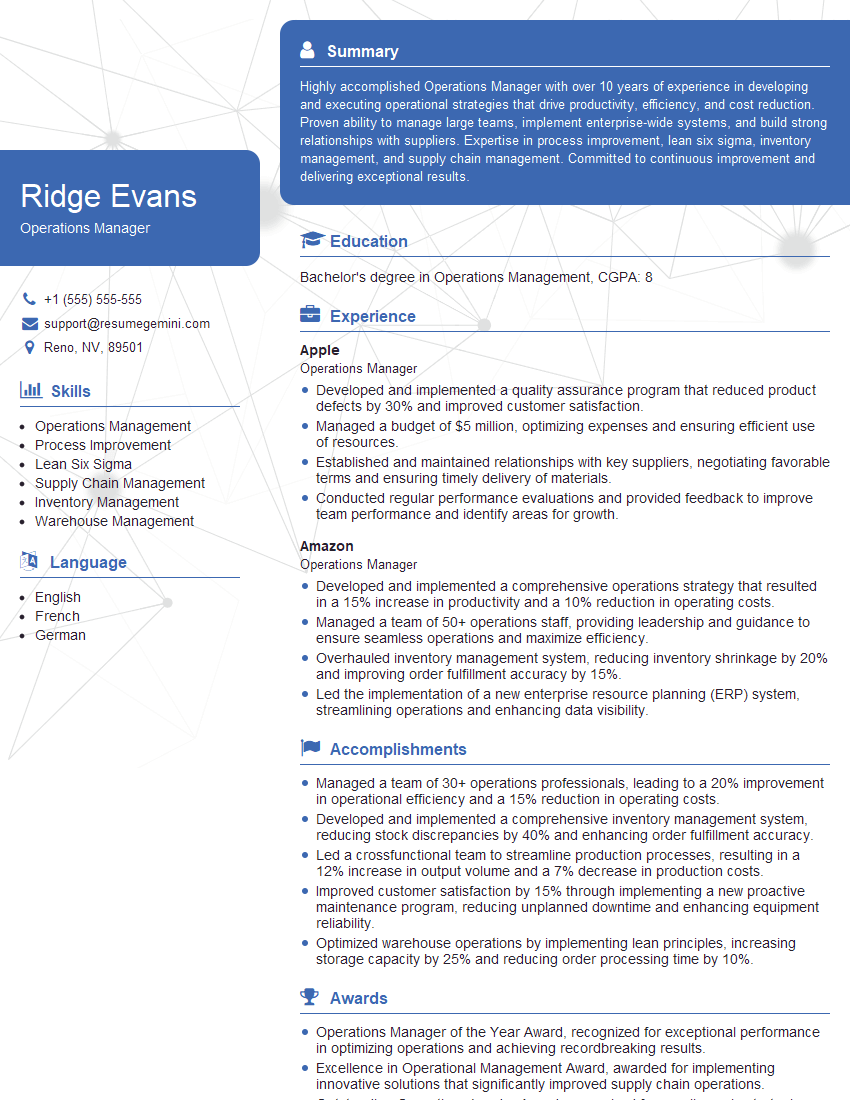
Operations Manager Resume Sample
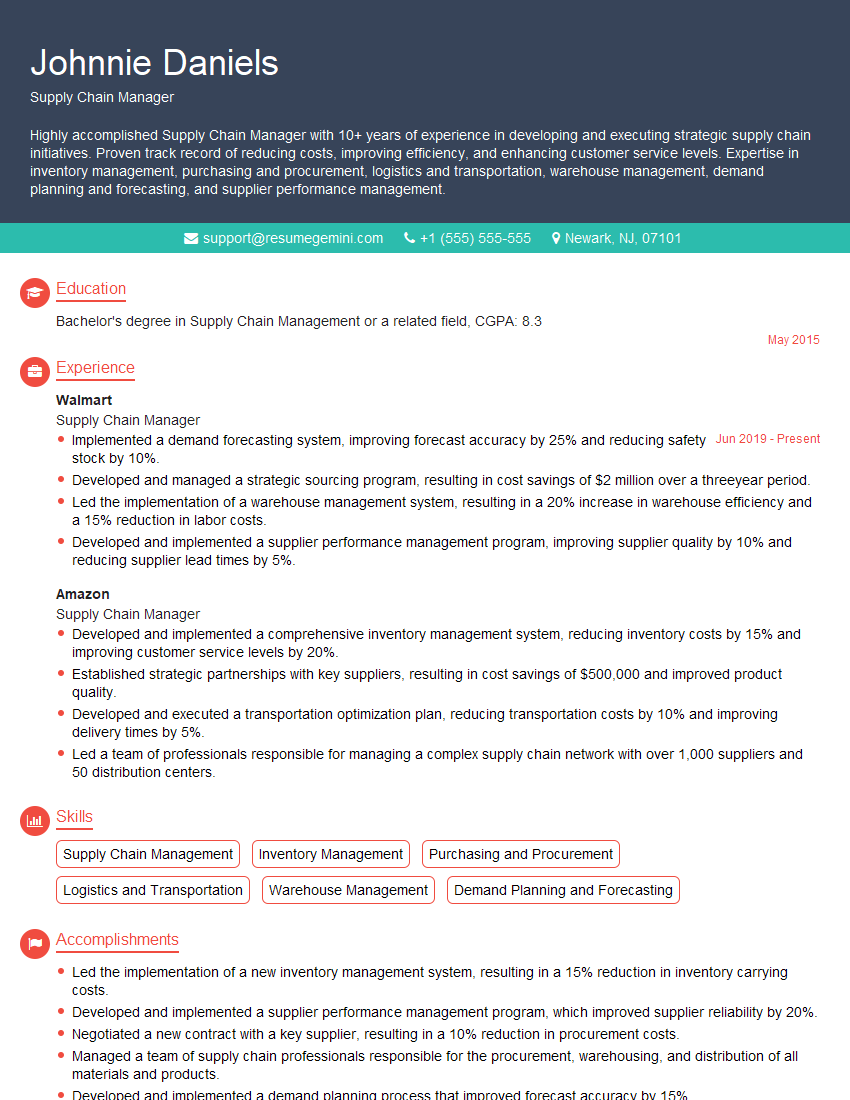
Supply Chain Manager Resume Sample
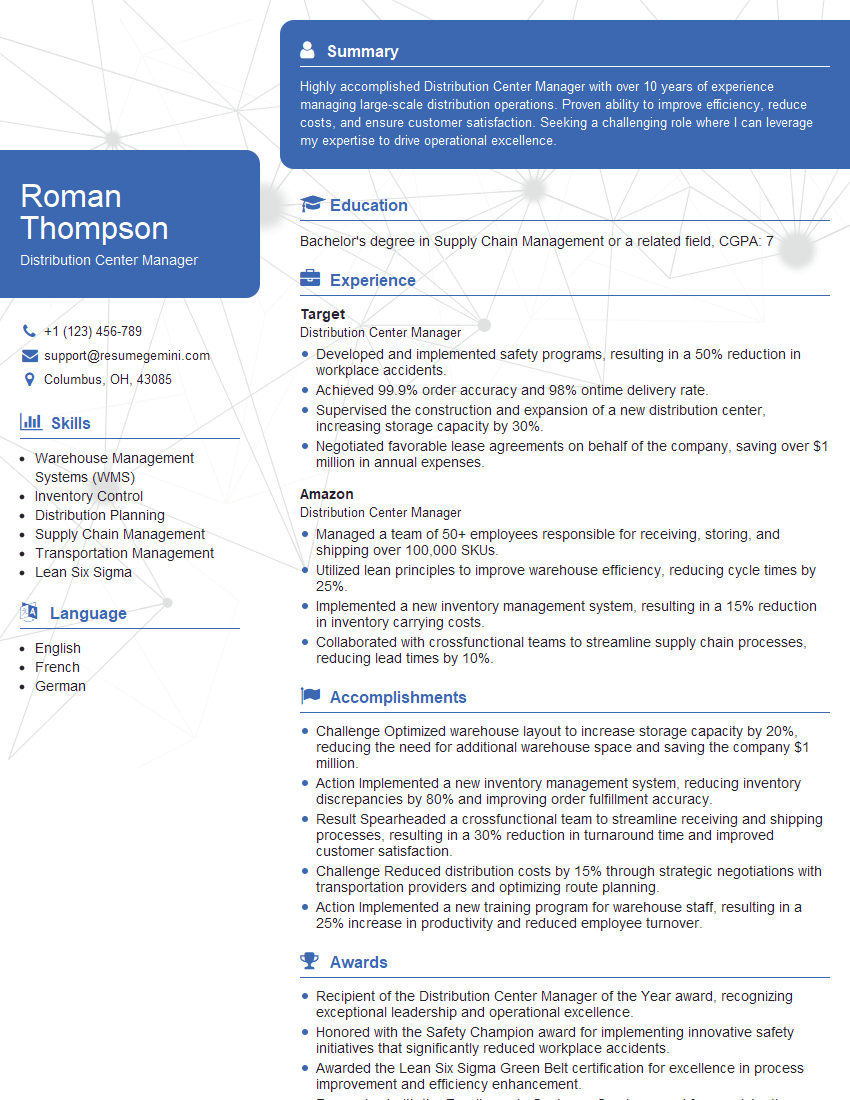
Distribution Center Manager Resume Sample
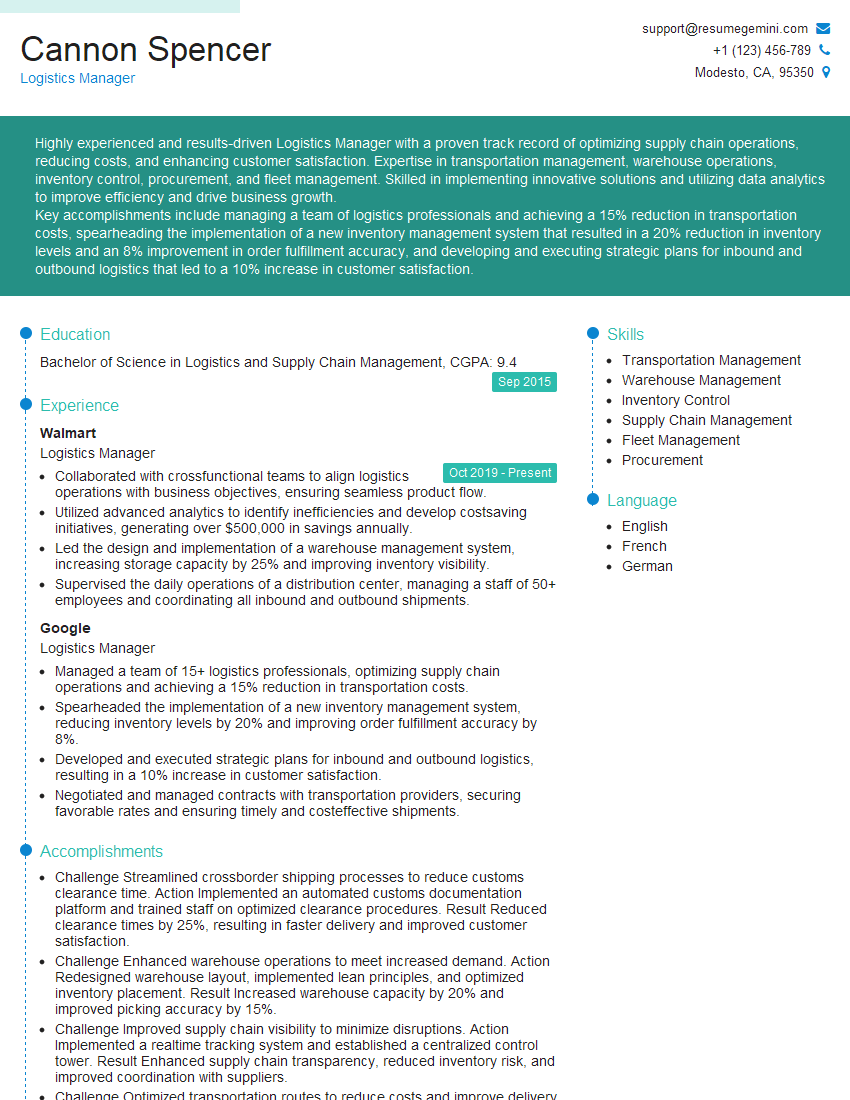
Logistics Manager Resume Sample
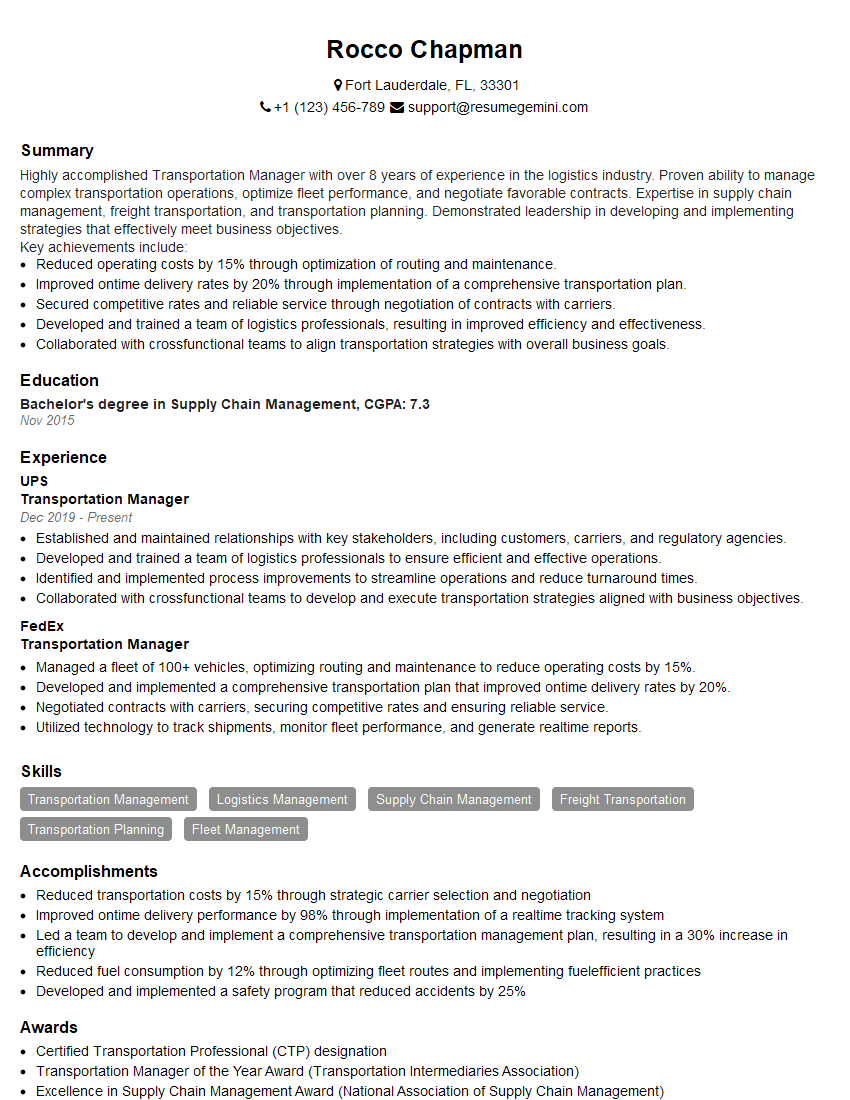
Transportation Manager Resume Sample
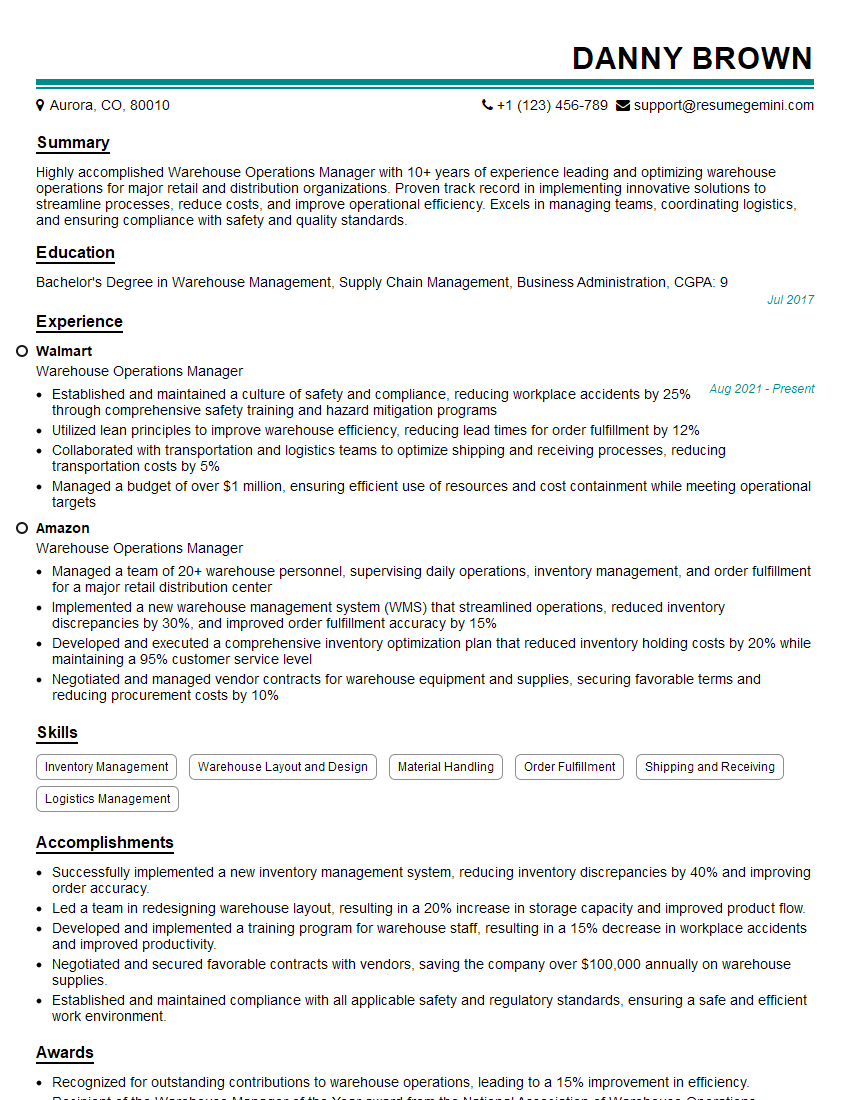
Warehouse Operations Manager Resume Sample
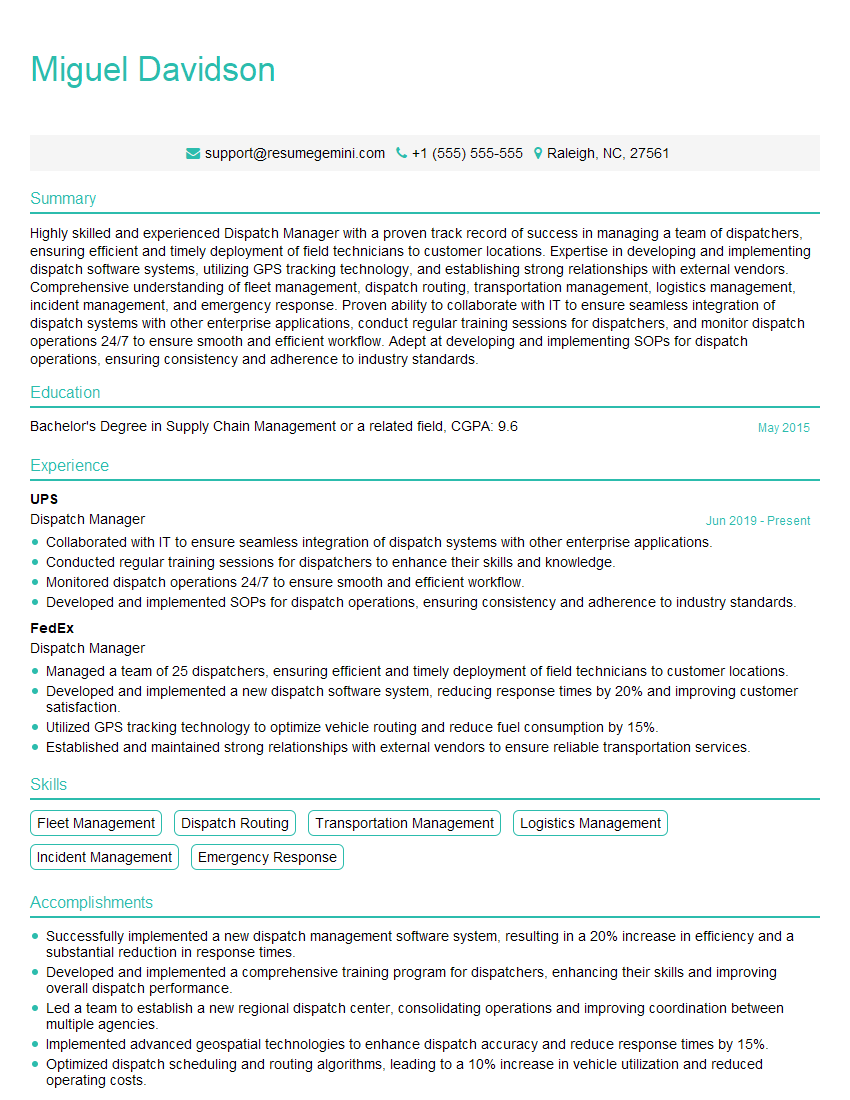
Dispatch Manager Resume Sample
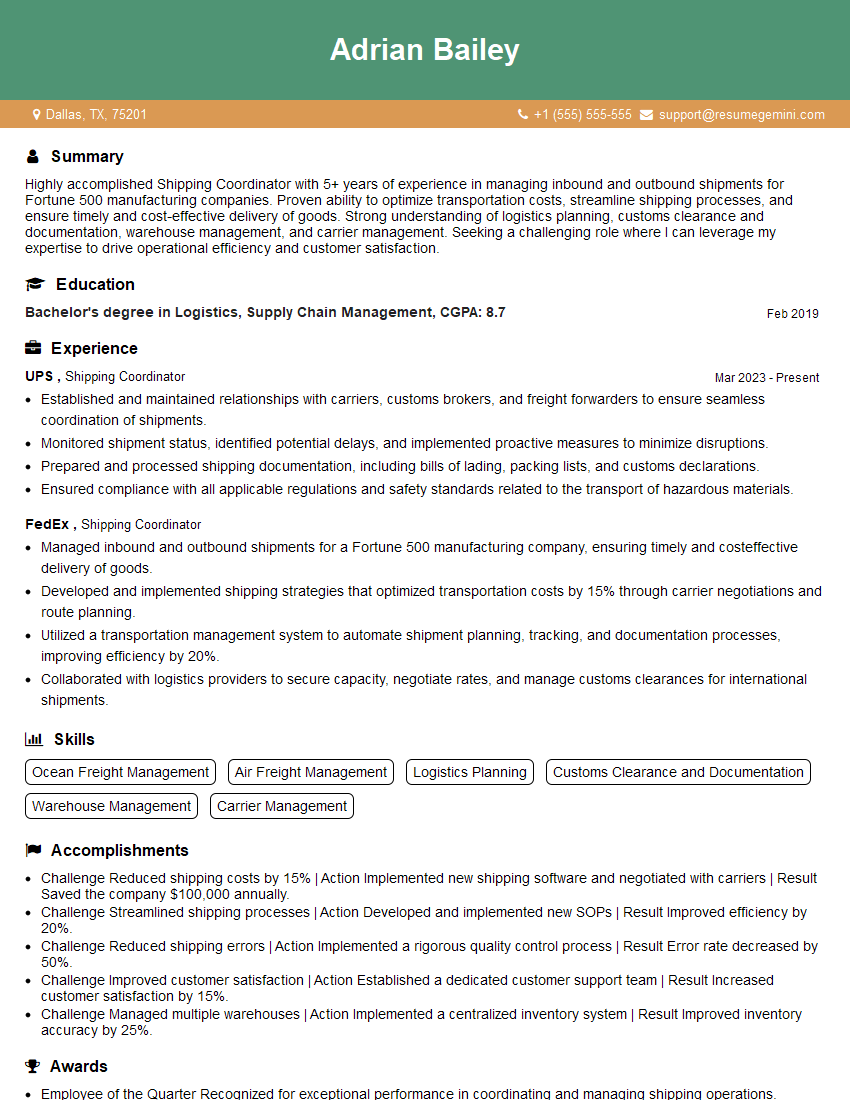
Shipping Coordinator Resume Sample
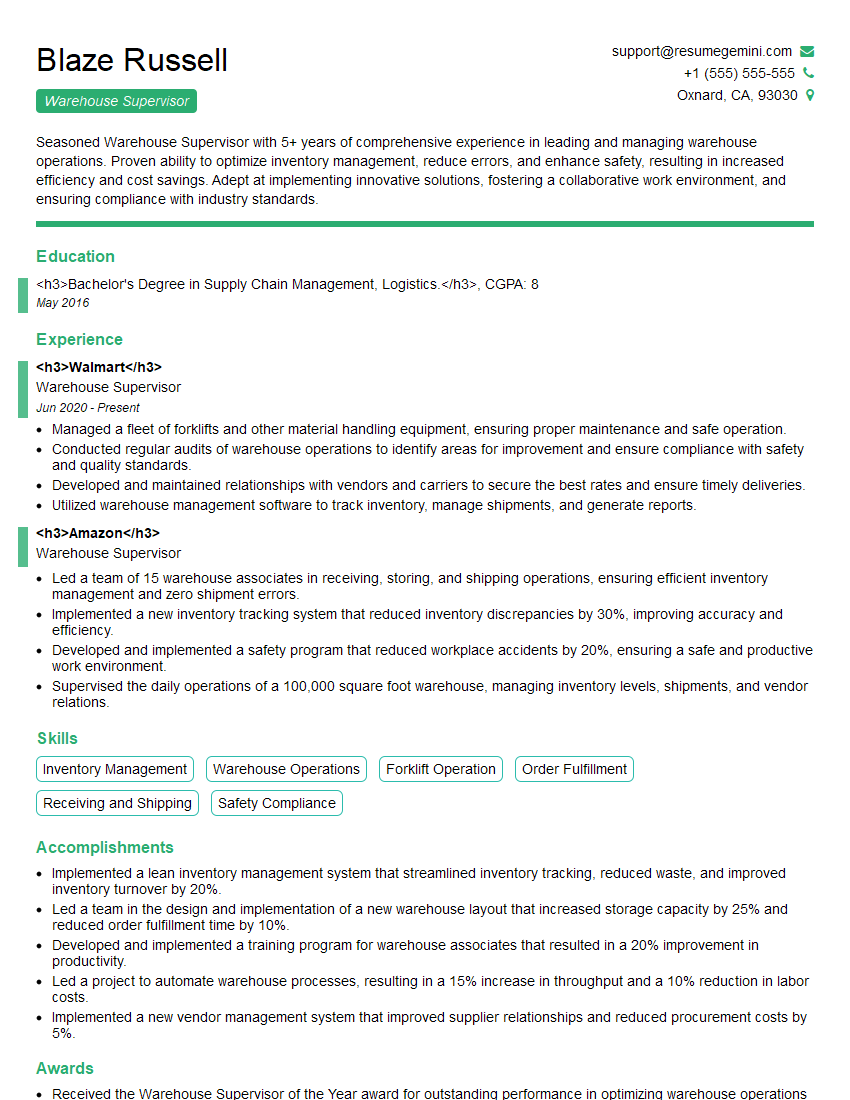
Warehouse Supervisor Resume Sample
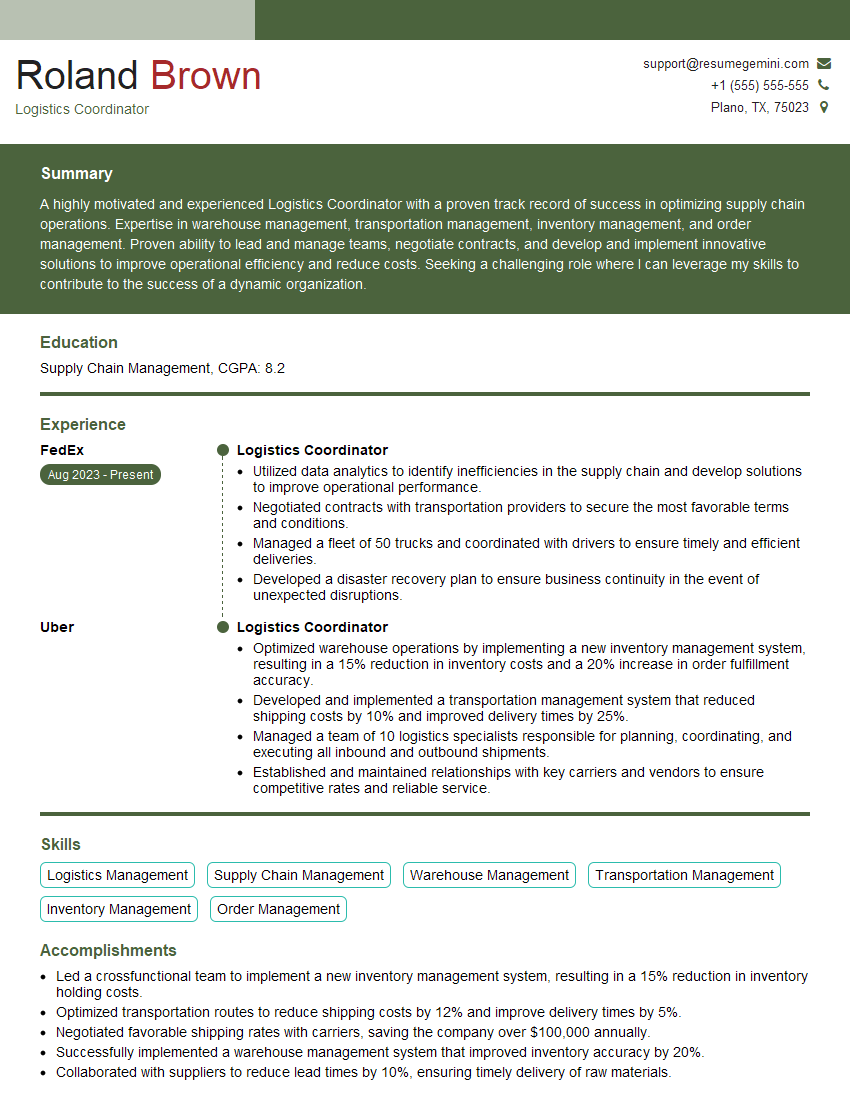
Logistics Coordinator Resume Sample
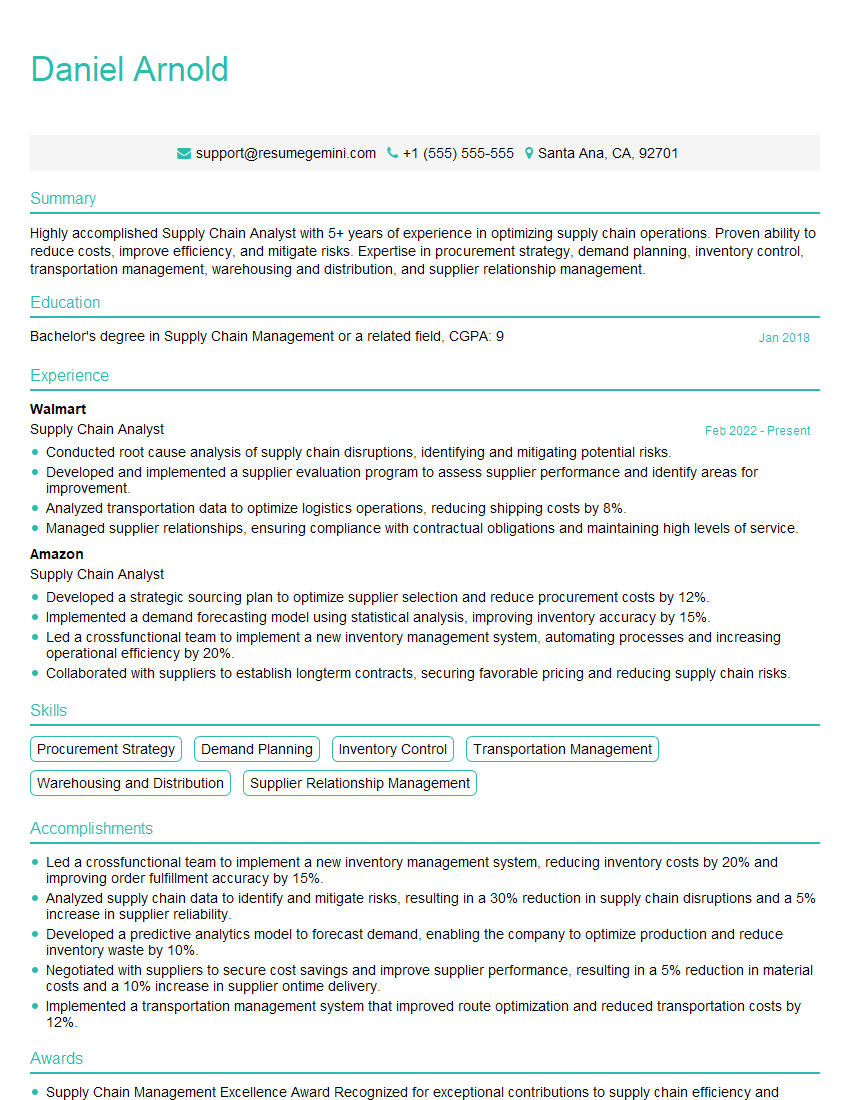
Supply Chain Analyst Resume Sample
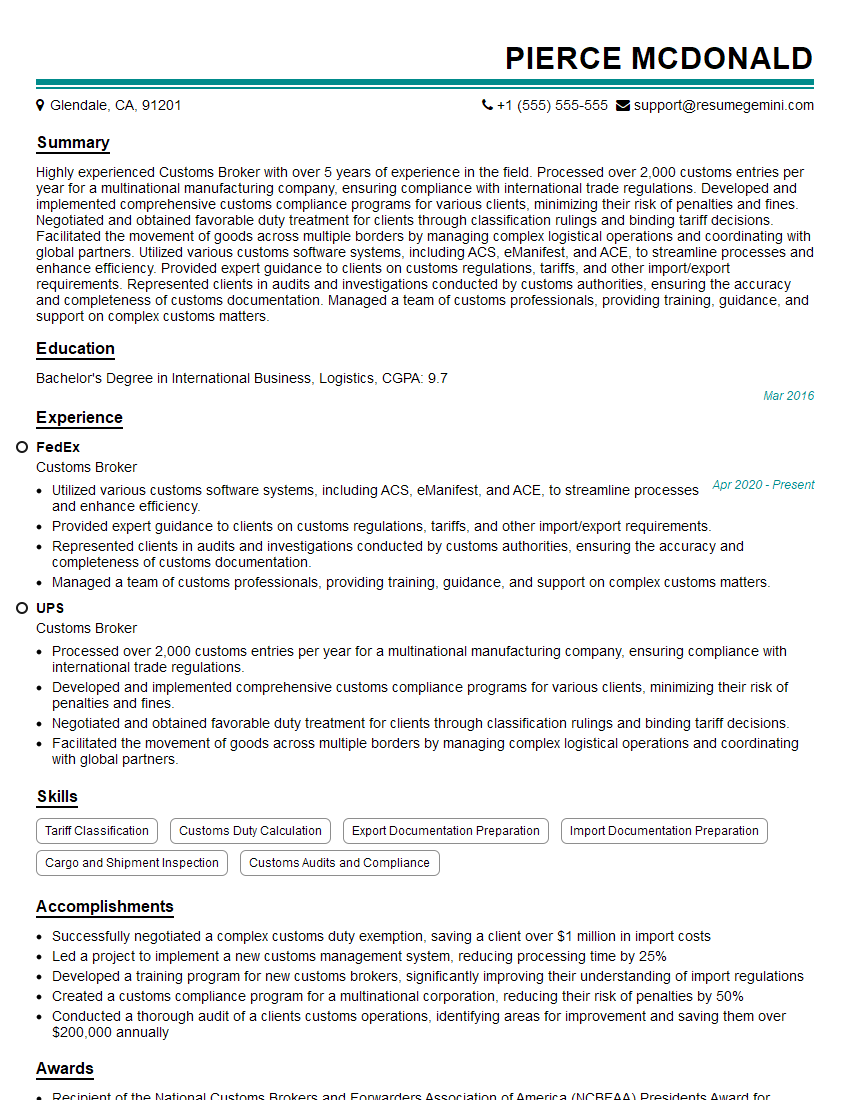
Customs Broker Resume Sample
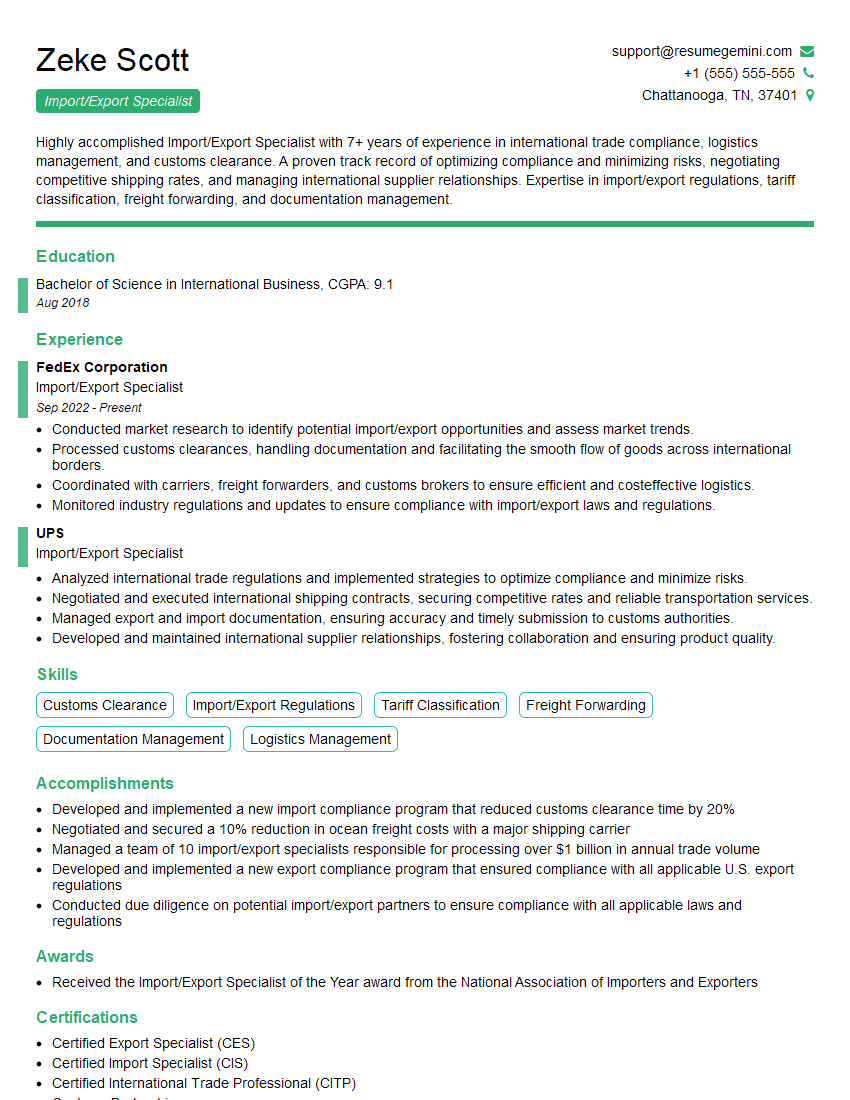
Import/Export Specialist Resume Sample
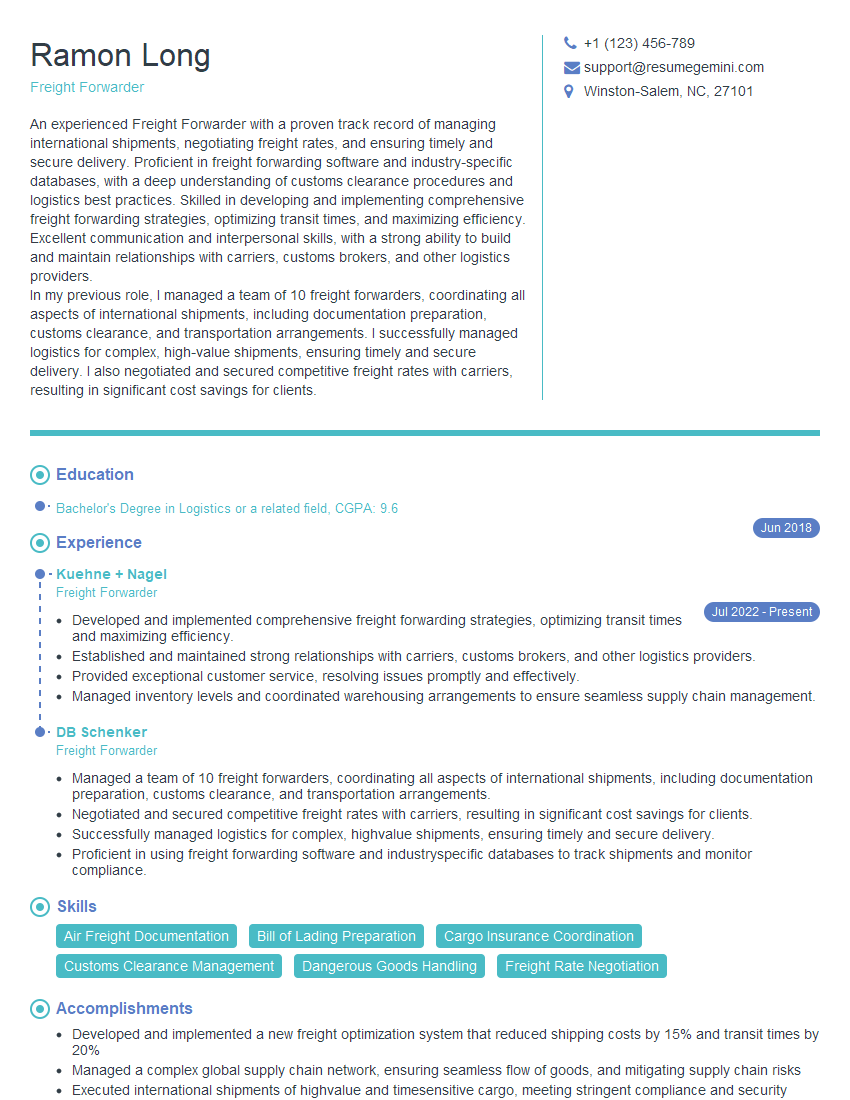
Freight Forwarder Resume Sample
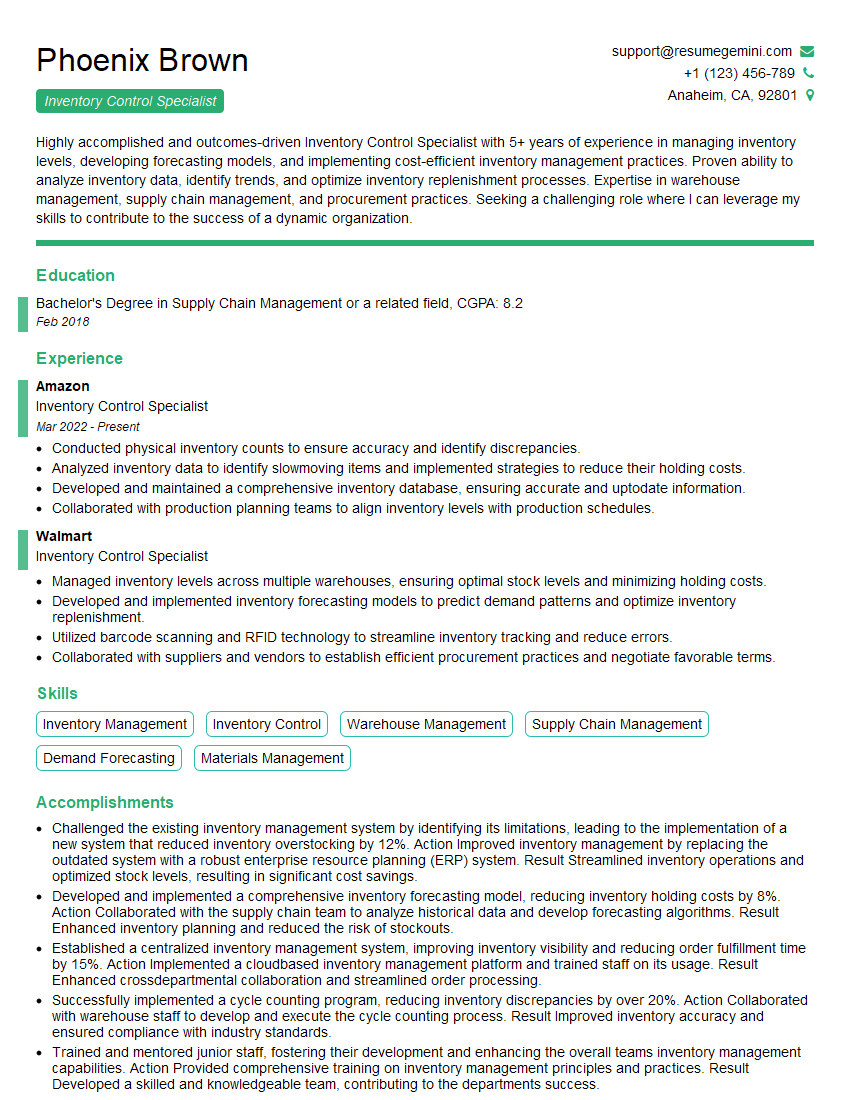
Inventory Control Specialist Resume Sample
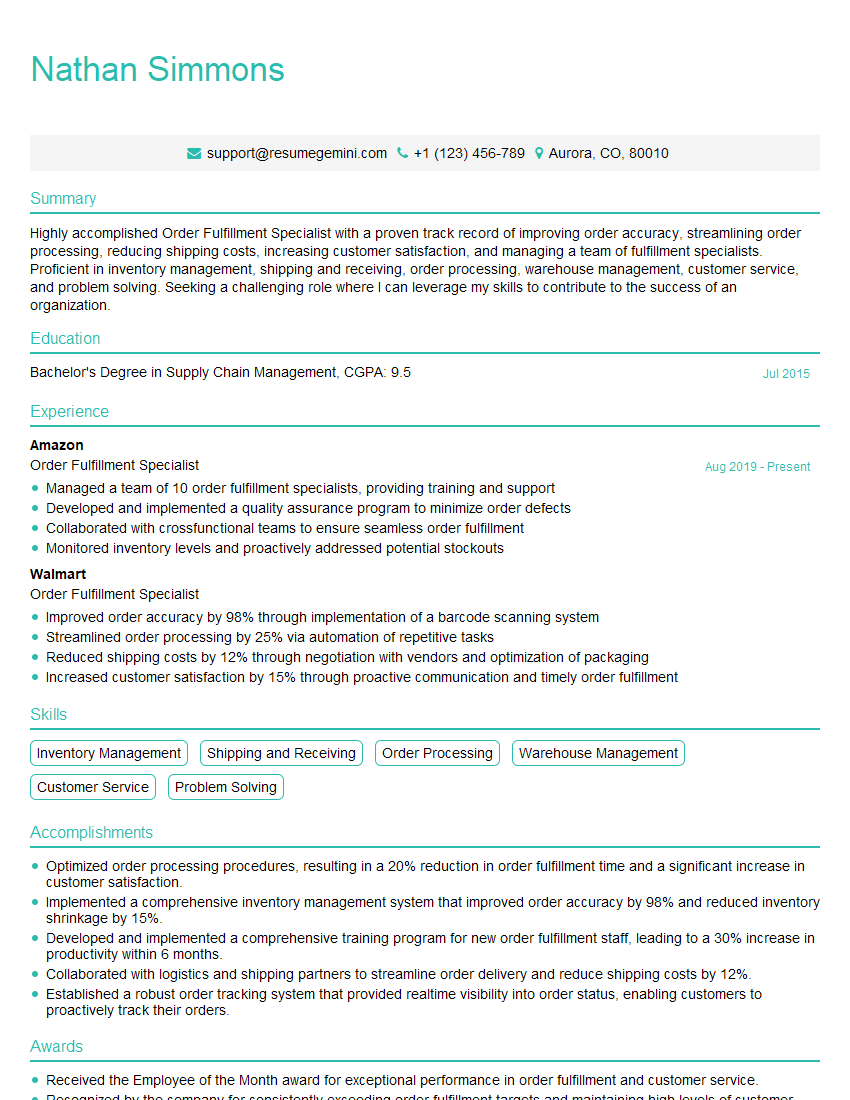
Order Fulfillment Specialist Resume Sample
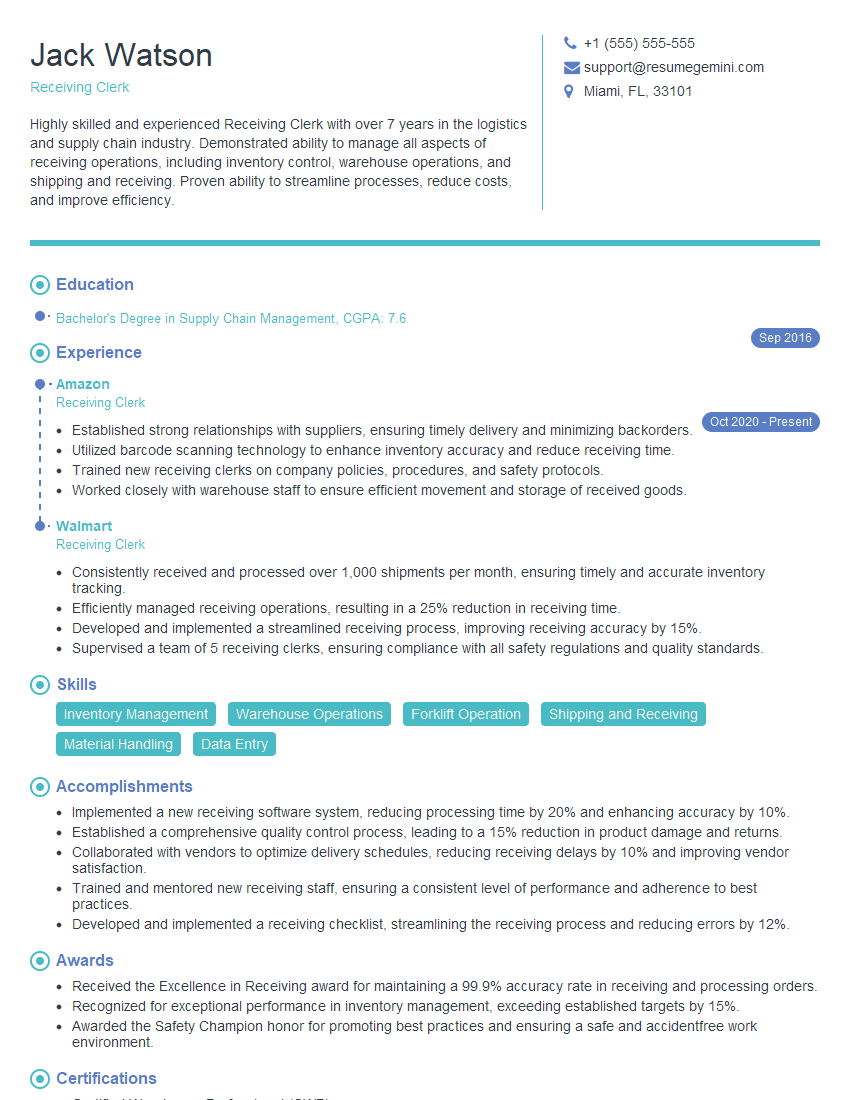
Receiving Clerk Resume Sample
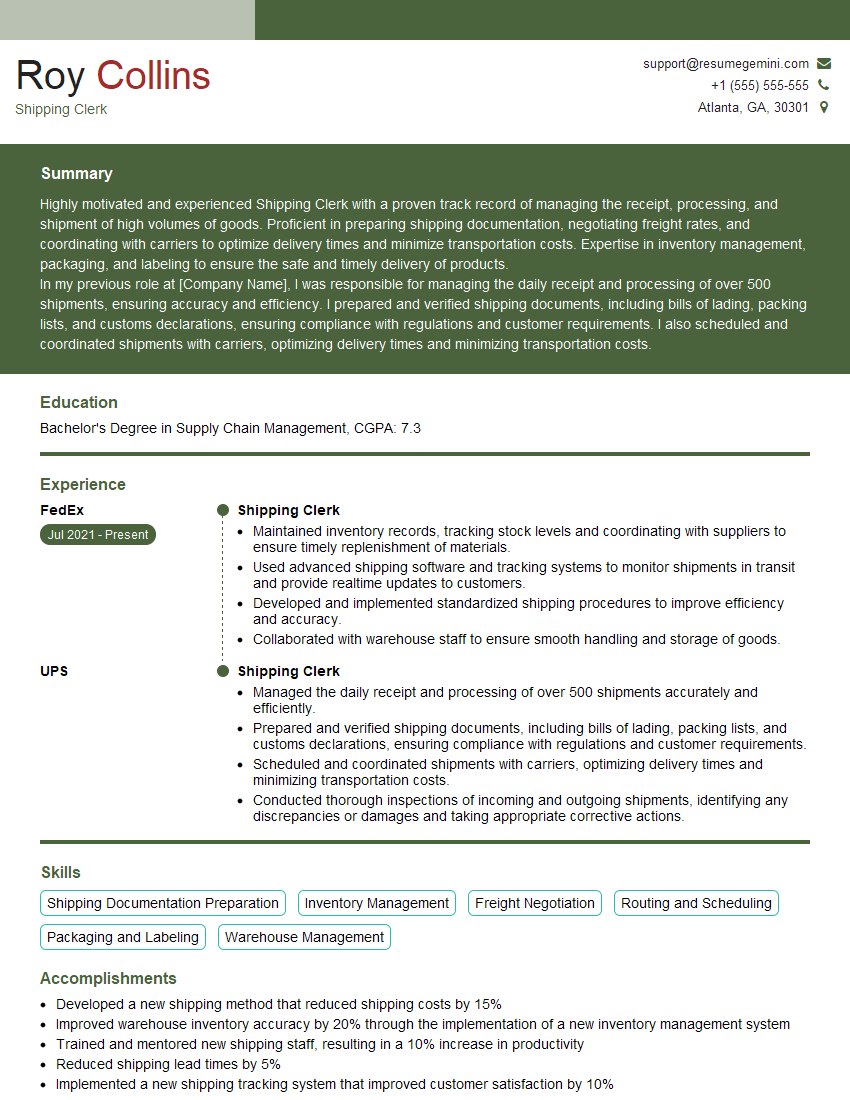
Shipping Clerk Resume Sample
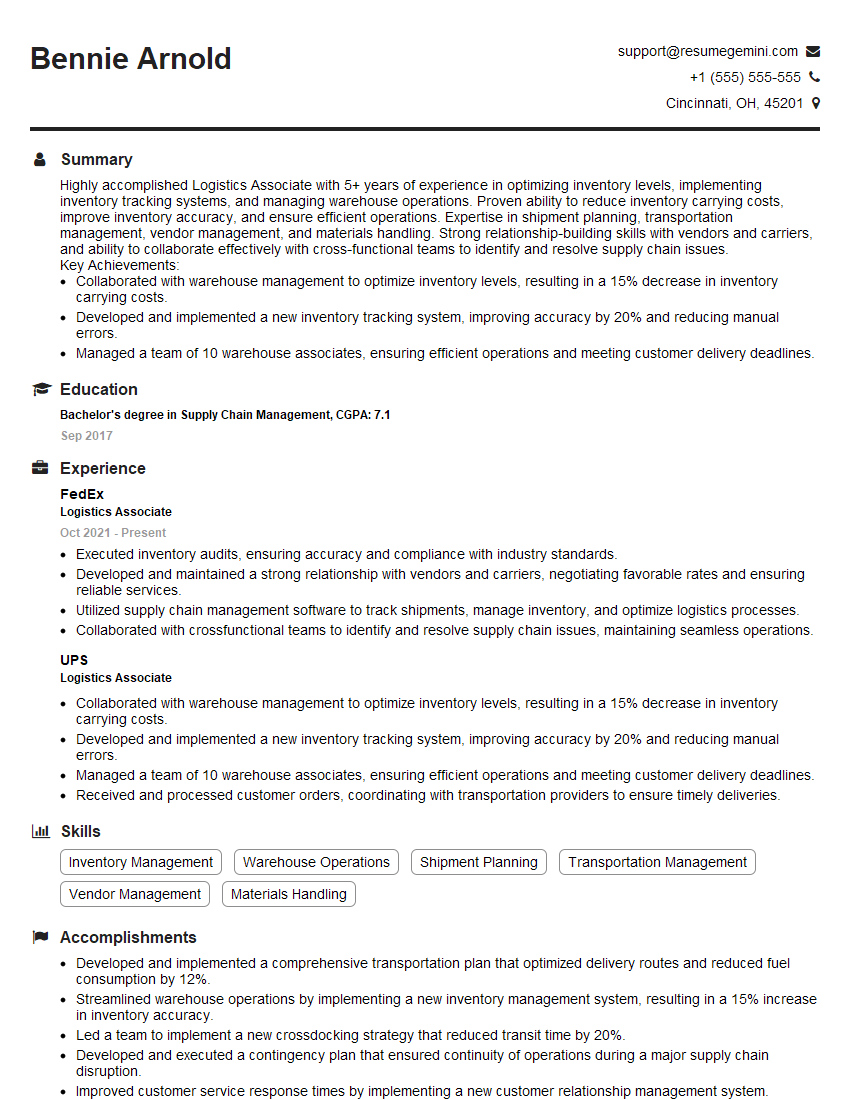
Logistics Associate Resume Sample
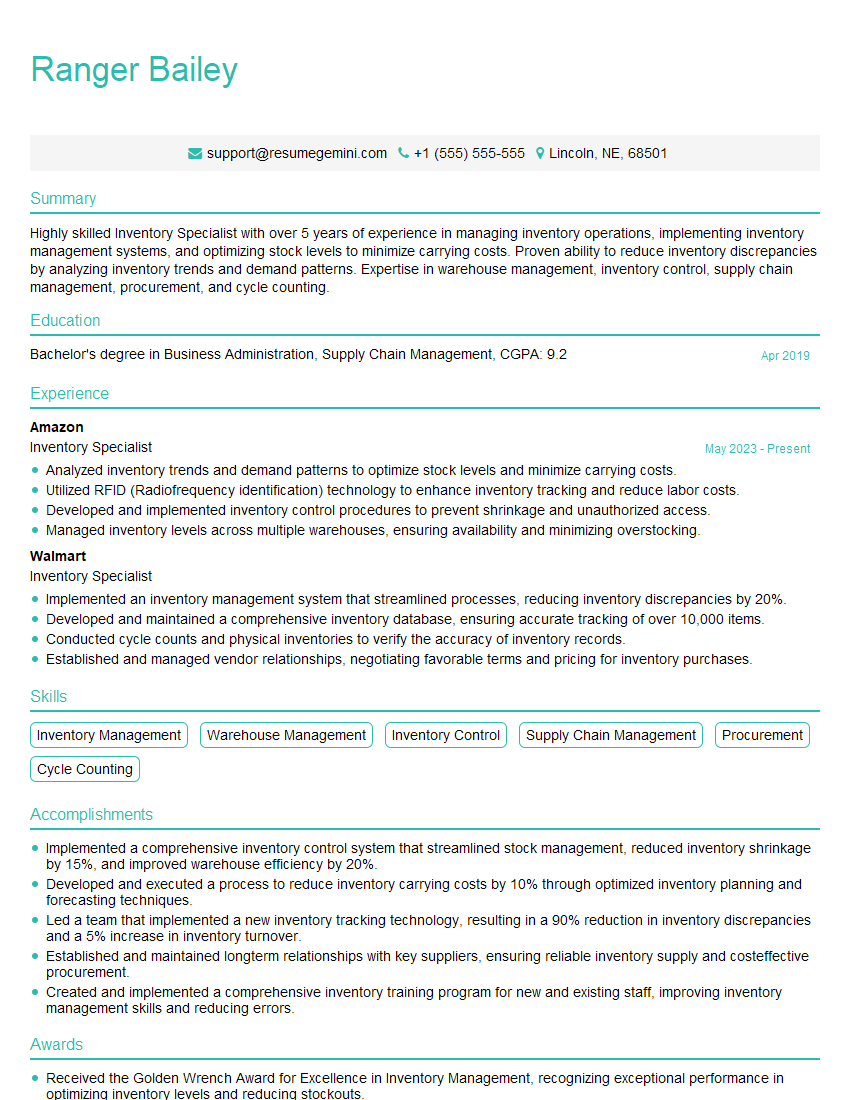
Inventory Specialist Resume Sample
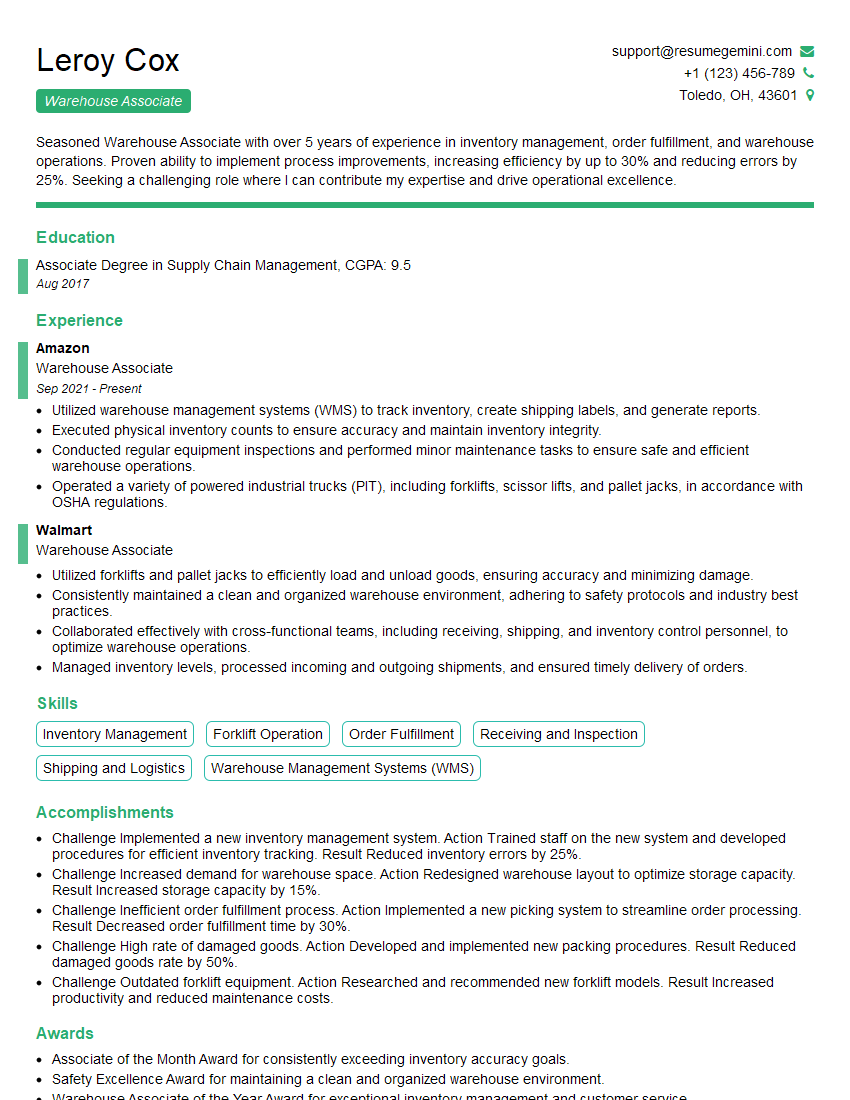
Warehouse Associate Resume Sample
- Operations Manager
- Supply Chain Manager
- Distribution Center Manager
- Logistics Manager
- Transportation Manager
- Warehouse Operations Manager
- Dispatch Manager
- Shipping Coordinator
- Warehouse Supervisor
- Logistics Coordinator
- Supply Chain Analyst
- Customs Broker
- Import/Export Specialist
- Freight Forwarder
- Inventory Control Specialist
- Order Fulfillment Specialist
- Receiving Clerk
- Shipping Clerk
- Logistics Associate
- Inventory Specialist
- Warehouse Associate
Explore more articles
Users Rating of Our Blogs
Share Your Experience
We value your feedback! Please rate our content and share your thoughts (optional).
What Readers Say About Our Blog
I Redesigned Spongebob Squarepants and his main characters of my artwork.
https://www.deviantart.com/reimaginesponge/art/Redesigned-Spongebob-characters-1223583608
IT gave me an insight and words to use and be able to think of examples
Hi, I’m Jay, we have a few potential clients that are interested in your services, thought you might be a good fit. I’d love to talk about the details, when do you have time to talk?
Best,
Jay
Founder | CEO