Interviews are more than just a Q&A session—they’re a chance to prove your worth. This blog dives into essential Reference Services and Research Assistance interview questions and expert tips to help you align your answers with what hiring managers are looking for. Start preparing to shine!
Questions Asked in Reference Services and Research Assistance Interview
Q 1. Describe your experience using various library databases and online research tools.
My experience with library databases and online research tools is extensive. I’m proficient in navigating a wide range of platforms, from comprehensive academic databases like JSTOR, EBSCOhost, and ProQuest, to specialized resources such as PubMed (for biomedical literature), LexisNexis (for legal research), and Westlaw (for legal research). I also utilize open-access repositories like Google Scholar and arXiv, recognizing their value alongside subscription-based resources. My familiarity extends to various search interfaces and functionalities, including Boolean operators (AND, OR, NOT), truncation (using wildcard characters like *), and advanced search features to refine search results effectively. For example, when researching the impact of social media on political polarization, I would use Boolean operators in EBSCOhost to combine keywords like “social media,” “political polarization,” and “election,” ensuring I retrieve only relevant articles. Beyond databases, I’m adept at using online research tools like Google Advanced Search, specialized government websites, and institutional repositories for locating specific types of information, such as government reports or grey literature. I regularly assess the effectiveness of different search strategies and adapt my approach depending on the research question and the available resources.
Q 2. How do you evaluate the credibility and reliability of information sources?
Evaluating the credibility and reliability of information sources is paramount in research. My approach involves a multifaceted assessment. Firstly, I consider the authority of the source: Who authored the information? What are their credentials and expertise? Are they affiliated with a reputable institution? Secondly, accuracy is key. I look for evidence of fact-checking, peer review (particularly for academic articles), and consistency with information from other reliable sources. Thirdly, objectivity is crucial. I scrutinize the source for potential bias, conflicts of interest, or persuasive language. Fourthly, currency matters; I assess the publication date and determine if the information is up-to-date and relevant. Finally, purpose is considered – what is the intended audience, and what is the overall aim of the information presented? For example, a blog post might offer valuable insight, but its reliability hinges on the author’s expertise and the overall quality of evidence presented. Contrast this with a peer-reviewed journal article, which undergoes rigorous scrutiny, enhancing its credibility significantly. I also look for citations and verify information from multiple independent sources to ensure its accuracy and avoid relying on single sources.
Q 3. Explain your process for conducting thorough literature reviews.
Conducting thorough literature reviews is a systematic process that starts with a clearly defined research question. I begin by identifying relevant keywords and search terms. Then I utilize a combination of library databases and online resources, employing advanced search strategies as previously mentioned. I then critically evaluate each source using the criteria outlined earlier, focusing on the relevance, quality, and contribution to the overall understanding of the research question. I organize the selected sources using a citation management tool (discussed later) and synthesize the information, identifying themes, gaps, and controversies within the existing literature. The process is iterative; as I read more, I may refine my search terms and incorporate new sources, ultimately creating a comprehensive overview of the current state of knowledge on the topic. For instance, if I was conducting a literature review on the effectiveness of online learning, I would start with broad terms like “online learning” and “educational technology” and progressively refine my search based on initial findings, potentially adding terms like “student engagement” or “learning outcomes” to focus the search.
Q 4. How familiar are you with different research methodologies (e.g., qualitative, quantitative)?
I have a strong understanding of various research methodologies. I’m familiar with both qualitative methods, such as interviews, focus groups, case studies, and ethnography, which emphasize in-depth understanding of experiences, perspectives, and meanings. I also understand quantitative methods like surveys, experiments, and statistical analysis, which focus on numerical data and statistical relationships. My understanding extends to mixed-methods approaches, which combine qualitative and quantitative methods to provide a more comprehensive understanding of a research problem. I can critically evaluate the strengths and limitations of different methodologies and determine which approach is most appropriate for a given research question. For example, understanding the underlying reasons for a particular trend would require qualitative methods to explore subjective experiences, while measuring the prevalence of that trend across a population would require quantitative methods.
Q 5. Describe your experience with citation management tools (e.g., Zotero, Mendeley).
I have extensive experience with citation management tools like Zotero and Mendeley. These tools are invaluable for organizing research sources, generating citations in various styles (APA, MLA, Chicago, etc.), and creating bibliographies. I utilize them to efficiently manage large numbers of sources, ensuring accuracy and consistency in referencing. I find Zotero’s browser extension particularly useful for quickly saving articles and web pages directly to my library. Mendeley’s collaborative features are beneficial when working on group projects, allowing for shared access and efficient management of a shared bibliography. These tools significantly streamline the research process and reduce the risk of plagiarism by facilitating proper citation and attribution.
Q 6. How would you handle a patron/client request for information you cannot immediately find?
Handling a patron request for information I cannot immediately find requires a structured approach. First, I would clarify the patron’s information need to ensure complete understanding. I would then systematically search multiple databases and resources, expanding my search strategy if necessary. If the information remains elusive, I would explain the situation transparently to the patron, outlining the steps I’ve taken. I would then explore alternative options, such as suggesting related resources or contacting other libraries or experts in the field. If the information is truly unavailable, I would provide guidance on alternative strategies, such as reformulating the research question or exploring different search methods. Documenting the search process and communication with the patron is crucial, both for transparency and to improve future service delivery. I prioritize providing thoughtful and helpful assistance even when the desired information isn’t readily available.
Q 7. What strategies do you employ for efficient information retrieval?
Efficient information retrieval involves a combination of strategic planning and refined search techniques. I begin by clearly defining the information need, breaking down complex questions into smaller, manageable components. I then select appropriate resources based on the nature of the information sought. I leverage Boolean operators, truncation, and advanced search features in databases to precisely target relevant results. I regularly reassess my search strategy, refining keywords and approaches based on initial findings. I also prioritize using a variety of resources, combining databases, specialized websites, and other relevant sources. Furthermore, I’m adept at identifying and utilizing relevant subject headings and controlled vocabularies within databases, which significantly improves the precision of my searches. It’s like piecing together a puzzle – each search technique and resource contributes to a more complete picture, leading to efficient and effective information retrieval.
Q 8. Explain your experience with data analysis and interpretation.
Data analysis and interpretation are crucial aspects of reference services. My experience involves extracting meaningful insights from various data sources to answer research questions. This includes quantitative analysis, such as using statistical software to analyze survey results or citation counts, and qualitative analysis, such as identifying themes and patterns in interview transcripts or literature reviews.
For instance, I once analyzed library usage data to determine peak hours and popular resources. This analysis helped the library optimize staffing and resource allocation, leading to improved service efficiency. Another example involved analyzing feedback surveys to assess user satisfaction with a new online research database. The results helped identify areas for improvement and ultimately enhanced the user experience.
My analytical skills extend to interpreting complex datasets and presenting findings clearly and concisely, whether through reports, presentations, or informal consultations.
Q 9. How do you stay up-to-date with changes in information technology and research methods?
Staying current in the rapidly evolving fields of information technology and research methods is paramount. I actively engage in several strategies to maintain my expertise. This includes:
- Professional Development: Regularly attending conferences, webinars, and workshops focused on library science, information technology, and research methodologies.
- Continuing Education: Pursuing online courses and certifications to enhance my skills in areas like database management, data visualization, and specific research software (e.g., Zotero, EndNote).
- Professional Networks: Participating in professional organizations like the American Library Association (ALA) and engaging with colleagues through online forums and communities to share best practices and learn about new developments.
- Journal Articles and Industry Publications: Consistently reading peer-reviewed articles and industry publications to stay informed about the latest trends and breakthroughs.
This multifaceted approach ensures I can effectively leverage the most current and appropriate technologies and research methods to serve patrons and support research endeavors.
Q 10. Describe your experience with providing research assistance to diverse populations.
I have extensive experience assisting diverse populations with their research needs. This includes working with students from various academic backgrounds, faculty members across disciplines, community members with diverse technological skills, and researchers from different professional fields.
My approach centers on adapting my communication style and research strategies to meet each individual’s unique needs and learning preferences. For example, I might tailor my explanation of a complex database to a student’s academic level, or provide simplified instructions for a community member less familiar with technology. I also focus on creating a welcoming and inclusive environment where everyone feels comfortable seeking assistance, regardless of their background or level of research expertise. I believe in empowering individuals to become independent researchers, providing them with the tools and skills to conduct their own research effectively.
Q 11. How would you approach conducting research on a complex and unfamiliar topic?
Approaching research on a complex and unfamiliar topic requires a structured and systematic approach. My strategy typically involves these steps:
- Defining the Scope: Carefully clarifying the research question and identifying key concepts. This often involves breaking down a broad topic into smaller, manageable components.
- Background Research: Conducting preliminary research using general resources like encyclopedias and introductory texts to gain a foundational understanding of the topic.
- Identifying Relevant Keywords and Databases: Developing a robust set of keywords to effectively search relevant databases, including both academic and specialized databases.
- Systematic Searching: Utilizing a combination of search strategies, such as Boolean operators and subject headings, to locate relevant information. I also evaluate search results critically, refining my search terms as needed.
- Evaluating Sources: Critically assessing the credibility, relevance, and quality of identified sources. This includes considering authorship, publication date, and methodology.
- Synthesizing Information: Organizing and synthesizing information from multiple sources to form a cohesive understanding of the topic.
This approach ensures a thorough and efficient research process, even when dealing with a challenging topic.
Q 12. How do you prioritize multiple research requests with varying deadlines?
Prioritizing multiple research requests with varying deadlines requires careful planning and effective time management. I typically use a combination of techniques:
- Task Prioritization Matrix: I categorize requests based on urgency and importance (using a matrix like Eisenhower’s Urgent/Important matrix). This helps me quickly identify high-priority tasks that require immediate attention.
- Time Blocking: I allocate specific time slots for each research task, ensuring adequate time for research, analysis, and response. This method promotes focused work and prevents task switching.
- Project Management Tools: I utilize project management tools (like task management software) to track deadlines, progress, and assigned tasks. This ensures clarity and facilitates efficient workflow.
- Communication: Open and clear communication with requesters is critical. I keep them updated on the progress of their requests and manage expectations proactively regarding potential delays.
By using a combination of these techniques, I ensure that all research requests are addressed efficiently and effectively, meeting deadlines where possible and maintaining transparency with requesters.
Q 13. Describe a time you had to overcome a challenge in finding specific information.
I once faced a challenge locating a specific, out-of-print government report detailing historical land use patterns in a particular region. Standard library catalogs and online databases yielded no results.
To overcome this, I employed several strategies:
- Expanded Search Terms: I broadened my search terms, incorporating synonyms and related keywords.
- Alternative Databases: I explored specialized government databases and archives, both at the national and state levels.
- Interlibrary Loan: I utilized the interlibrary loan system to request the report from other libraries.
- Contacting Experts: I contacted subject matter experts and researchers in the relevant field, seeking guidance on potential sources.
Ultimately, through persistent searching and resourceful networking, I located a digitized version of the report in a university’s digital archive. This experience underscored the importance of utilizing a multi-pronged approach and leveraging professional networks when dealing with challenging information retrieval tasks.
Q 14. How familiar are you with different types of research formats (e.g., reports, presentations)?
I am highly familiar with various research formats, including:
- Formal Reports: I am proficient in preparing comprehensive research reports, incorporating elements like abstracts, literature reviews, methodologies, findings, analyses, and conclusions. I understand different citation styles (APA, MLA, Chicago, etc.) and formatting guidelines.
- Presentations: I can create effective presentations using various software (PowerPoint, Google Slides) tailored to the audience and purpose. This includes designing visually appealing slides with concise text, compelling visuals, and clear narratives.
- Annotated Bibliographies: I can compile comprehensive annotated bibliographies, providing detailed summaries and critical evaluations of relevant sources.
- Literature Reviews: I can conduct thorough literature reviews, synthesizing information from diverse sources and identifying key themes and trends.
- Database Searches: I’m expert in generating effective search strategies to retrieve relevant information from various databases.
My experience encompasses adapting these formats to meet specific research needs and communication objectives.
Q 15. What is your experience with archival research and preservation?
Archival research and preservation are critical for ensuring the long-term accessibility and integrity of historical materials. My experience encompasses working with various archival formats, from fragile manuscripts and photographs to born-digital materials. I’m proficient in techniques for handling delicate materials, including proper handling procedures, environmental controls, and the use of preservation-quality storage and enclosures. For instance, while working on a project involving local historical society records, I successfully identified and implemented a digitization strategy that preserved the original documents while making them more widely accessible through a searchable online database. This involved carefully assessing the condition of the materials, selecting appropriate imaging equipment, and adhering to best practices for metadata creation and long-term digital preservation.
Furthermore, I understand the importance of cataloging and metadata creation to ensure findability and appropriate use. I have experience with various archival description standards, such as Dublin Core and Encoded Archival Description (EAD), ensuring researchers can efficiently locate relevant materials. For example, I’ve worked on projects where I helped create detailed finding aids that included not only basic descriptive metadata but also contextual information to help researchers understand the historical significance of the archives. This includes careful assessment of provenance, context, and potential risks to the original documents.
Career Expert Tips:
- Ace those interviews! Prepare effectively by reviewing the Top 50 Most Common Interview Questions on ResumeGemini.
- Navigate your job search with confidence! Explore a wide range of Career Tips on ResumeGemini. Learn about common challenges and recommendations to overcome them.
- Craft the perfect resume! Master the Art of Resume Writing with ResumeGemini’s guide. Showcase your unique qualifications and achievements effectively.
- Don’t miss out on holiday savings! Build your dream resume with ResumeGemini’s ATS optimized templates.
Q 16. Explain your knowledge of intellectual property rights and copyright law.
Intellectual property rights (IPR) and copyright law are crucial considerations in research. My understanding encompasses various aspects, including copyright ownership, fair use, Creative Commons licensing, and public domain materials. I’m skilled in identifying and assessing the copyright status of resources, determining appropriate uses, and citing sources accurately to avoid infringement. For example, I’ve helped researchers navigate the complexities of fair use in educational settings, ensuring that their projects complied with legal requirements. I understand that fair use is a complex area of law and requires careful consideration of factors such as the purpose and character of the use, the nature of the copyrighted work, the amount and substantiality of the portion used, and the effect of the use upon the potential market. I also stay updated on changes in copyright legislation and best practices related to intellectual property.
I always emphasize the importance of ethical research and proper attribution. My approach includes actively seeking out openly licensed resources or obtaining permission from copyright holders whenever necessary. This ensures that the research process is legally sound and ethically responsible. For example, I’ve helped create internal guidelines for staff regarding best practices in managing copyright-protected materials and ensuring proper attribution.
Q 17. How proficient are you in using Boolean search operators?
I’m highly proficient in using Boolean search operators (AND, OR, NOT) to refine search strategies and retrieve more precise results. Boolean operators significantly enhance search efficiency by allowing for complex combinations of keywords, improving both recall and precision of information retrieval. For example, if I’m researching the impact of climate change on coastal communities, I might use the search string "climate change" AND ("coastal communities" OR "sea level rise") NOT "inland". This would focus the search on relevant results and eliminate irrelevant information.
My understanding extends beyond simple keyword searching. I understand how to effectively utilize truncation (using wildcards like * or ?) to broaden search terms and nested parentheses to create complex queries. This allows for effective searching within diverse databases and search engines. I regularly train colleagues on effective Boolean searching techniques to improve their research efficiency. Practicing effective Boolean search strategies is vital in the context of large databases, allowing for efficient and effective research. For example, when conducting research within an academic database like JSTOR or ProQuest, sophisticated Boolean searches are essential.
Q 18. Describe your experience with metadata creation and management.
Metadata creation and management are essential for organizing, describing, and accessing information effectively. My experience involves creating and managing metadata for various types of resources, including digital archives, library collections, and research datasets. I’m familiar with various metadata schemas, such as Dublin Core, MODS, and MARC, and can adapt my approach based on the specific needs of the project. For example, in a recent project involving digitizing historical maps, I created detailed metadata records that included geographic coordinates, date of creation, map scale, and descriptive keywords, ensuring that the maps were easily discoverable and searchable for researchers.
Moreover, I understand the importance of data quality and consistency in metadata management. I can implement procedures for quality control and utilize various metadata management tools to ensure accuracy and efficiency. Understanding the various schema and implementation is crucial for efficient and effective metadata management to ensure resources are discoverable, accessible, interoperable and reusable (FAIR).
Q 19. How do you ensure the accuracy and completeness of your research findings?
Ensuring the accuracy and completeness of research findings is paramount. My approach involves a multi-faceted strategy. Firstly, I critically evaluate the credibility and reliability of sources, considering factors such as authorship, publication date, and potential biases. I use a variety of sources to corroborate information and avoid reliance on single perspectives. This includes utilizing both primary and secondary sources where appropriate to validate information.
Secondly, I employ rigorous fact-checking techniques, meticulously verifying information across multiple sources and consulting with subject matter experts when necessary. Thirdly, I maintain detailed records of my research process, including source materials, search strategies, and methodological notes, to enhance transparency and reproducibility. This methodical approach is important to ensure that the research findings are not just accurate, but also can be validated by others independently.
Q 20. What are your strategies for effective communication of research findings to different audiences?
Effective communication of research findings is vital for their impact. My approach is tailored to the specific audience. For academic audiences, I use precise language, appropriate citations, and structured reports. For non-academic audiences, I adapt my language to be more accessible, using visual aids like graphs and charts to enhance understanding. I focus on conveying the key findings clearly and concisely, while also acknowledging limitations and uncertainties.
I utilize various communication channels, including written reports, presentations, and visual aids. I am comfortable presenting my research findings to diverse audiences, whether through formal presentations, informal discussions, or written reports. The choice of communication channel is always based on the preferences and knowledge level of the audience. For example, when communicating with researchers, I would include a detailed methodology; when communicating with the general public, I would focus on the implications of the research.
Q 21. Describe your experience with data visualization and presentation.
Data visualization and presentation are crucial for conveying complex information effectively. My experience includes creating various types of visualizations, such as charts, graphs, maps, and infographics, using tools like Excel, Tableau, and other data visualization software. I tailor the choice of visualization to the specific data and intended message. For example, for showing trends over time, I would use a line graph; for comparing different categories, I would use a bar chart. Understanding the strengths and weaknesses of each type of visualization is crucial for conveying the information accurately and effectively.
I also understand the principles of effective visual communication, such as clear labeling, consistent color schemes, and appropriate scaling. I ensure that my visualizations are accessible and understandable to a broad range of audiences. For instance, I’ve created interactive dashboards to allow users to explore data dynamically and gain deeper insights. The aim is always to use data visualization to communicate complex data in a clear, concise, and engaging manner.
Q 22. How would you handle a patron/client inquiry that requires specialized knowledge outside your expertise?
Handling inquiries outside my expertise begins with honestly acknowledging the limitation. Instead of pretending to know, I’ll politely inform the patron that the question requires specialized knowledge beyond my current scope. This builds trust and avoids misinformation. Next, I’ll work collaboratively to find a solution. This might involve:
- Identifying the appropriate expert: I’d leverage internal resources like subject matter experts within the organization, or external resources such as professional organizations or databases of experts.
- Providing alternative resources: I’d direct the patron to relevant databases, websites, or publications that could offer the necessary information. This showcases resourcefulness and demonstrates commitment to the patron’s research success.
- Suggesting a consultation: If appropriate, I might suggest the patron contact a specialist directly or schedule a consultation with someone better equipped to answer their question.
- Documenting the interaction: This ensures future reference and helps to improve service delivery by highlighting areas where specialized resources or training might be needed.
For example, if a patron asked about the intricacies of quantum physics, I wouldn’t attempt a response. Instead, I’d suggest resources like the American Physical Society website or direct them to a university physics department.
Q 23. Explain your experience with reference interview techniques.
The reference interview is the cornerstone of effective reference service. It’s a dynamic conversation aimed at understanding the patron’s information need. I employ several techniques, including:
- Open-ended questions: Starting with broad questions like, “Tell me more about what you’re looking for,” helps avoid assumptions and encourages the patron to elaborate on their information need.
- Active listening: This involves paying close attention to both verbal and nonverbal cues, clarifying ambiguities, and paraphrasing to ensure understanding. I make eye contact and use encouraging body language.
- Clarifying vocabulary and concepts: I avoid jargon and ensure the patron understands the terminology used. I’ll ask clarifying questions to confirm understanding.
- Negotiating scope: Sometimes, the initial information request is too broad. Through collaborative discussion, we narrow the scope to manageable parameters.
- Following up: After providing resources, I follow up to ascertain the usefulness of the information provided and further refine the search if needed.
For instance, a patron asking for ‘information on the Civil War’ might be refined through questioning to specify their area of interest: battles, political figures, social impact, etc. This refined approach ensures more relevant and targeted results.
Q 24. How do you maintain confidentiality and data privacy in your work?
Confidentiality and data privacy are paramount. I adhere strictly to organizational policies and relevant regulations like FERPA (Family Educational Rights and Privacy Act) or HIPAA (Health Insurance Portability and Accountability Act), depending on the context. My practices include:
- Protecting patron information: I never share patron information with unauthorized individuals. I use secure systems for storing and accessing data.
- Appropriate use of technology: I understand data security protocols and ensure all online searches and interactions adhere to organizational guidelines. I never use personal devices to access sensitive information.
- Understanding data privacy laws: I am aware of and comply with all relevant legislation related to data protection and confidentiality.
- Secure disposal of documents: I follow established procedures for the secure disposal of documents containing sensitive patron information. This includes shredding or other secure methods.
For example, if I have access to a patron’s library records, I would never share their borrowing history with anyone except authorized personnel. I am extremely careful to protect their right to privacy.
Q 25. Describe your experience with subject indexing and classification systems.
I have extensive experience with subject indexing and classification systems, including the Library of Congress Classification (LCC), Dewey Decimal Classification (DDC), and various controlled vocabularies like MeSH (Medical Subject Headings). Understanding these systems is crucial for effective information retrieval and organization.
My experience involves not only utilizing these systems to locate information but also understanding their structure and logic to improve search strategies. I can identify subject headings and classifiers to build effective search strings and understand the relationships between different concepts. For instance, knowing the LCC structure allows me to efficiently navigate through library catalogs and databases to locate relevant materials. I understand the nuances of each system and can adapt my approach based on the specific database or catalog I am using. The ability to effectively utilize controlled vocabularies like MeSH helps provide targeted, relevant results in the context of biomedical literature searches.
Q 26. How do you adapt your research strategies to different research questions and contexts?
Adapting research strategies is essential. Each research question has unique characteristics influencing the search approach. I consider several factors:
- Type of question: A factual question requires a different strategy than a research-oriented one. Factual questions might involve quick searches using specific keywords while research questions require a more in-depth systematic approach.
- Target audience: The intended audience significantly impacts the complexity and style of the research. Research for a specialized audience requires more advanced resources and methodologies than for a general audience.
- Time constraints: The available time guides the depth and scope of the research. A tight deadline might require a more focused search strategy, while a lengthy project allows for more comprehensive exploration.
- Available resources: The resources at hand, including databases, libraries, and tools, shape the research process. A well-stocked library offers different possibilities compared to online resources alone.
For instance, researching a historical event requires archival materials and primary sources, whereas a current news topic might involve accessing online news aggregators and databases. I consistently adapt my approach to the specifics of each situation.
Q 27. How do you assess the ethical implications of research and information sharing?
Assessing the ethical implications of research and information sharing is crucial. I consider several aspects:
- Source credibility and bias: I evaluate the credibility of sources, considering potential biases and conflicts of interest. I cross-reference information from multiple sources to ensure accuracy and avoid misinformation.
- Copyright and intellectual property: I respect copyright laws and intellectual property rights. I ensure proper attribution and avoid plagiarism.
- Data privacy and confidentiality: I always maintain the confidentiality of patron information and comply with relevant data privacy regulations.
- Responsible information sharing: I carefully consider the potential consequences of sharing information, especially sensitive or potentially harmful data. I ensure the information is accurate and presented in context.
For example, before sharing research findings, I verify the accuracy and assess whether the information could be misinterpreted or cause harm. If there’s a risk, I might refrain from sharing or consult with a supervisor to determine the appropriate course of action.
Q 28. What are your career goals related to reference services and research assistance?
My career goals center on continuous professional development and making a significant contribution to the field of reference services and research assistance. I aim to:
- Develop expertise in emerging technologies: Staying abreast of advancements in information technology and adapting my skills to leverage new tools and resources for efficient information retrieval.
- Enhance leadership skills: Contributing to team success through collaboration and mentoring junior colleagues, taking initiative in process improvement, and embracing innovative strategies.
- Pursue advanced education: Obtaining further education or certifications in areas like information science or archival studies will deepen my expertise and allow me to tackle more complex research needs.
- Become a recognized authority: I hope to become a trusted resource for patrons and colleagues, demonstrating a commitment to excellence in providing high-quality reference services.
Ultimately, I want to create an impact by helping others access and utilize information effectively to achieve their goals, whether it is through research, education, or personal enrichment.
Key Topics to Learn for Reference Services and Research Assistance Interview
- Information Literacy and Research Strategies: Understanding different research methodologies, database searching techniques (Boolean operators, truncation, wildcards), and evaluating information sources for credibility and bias. Practical application: Demonstrate your ability to design a research strategy for a complex query, considering various information needs and constraints.
- Reference Interviewing Techniques: Mastering the art of effective communication with patrons, clarifying information needs, guiding users through the research process, and adapting your approach to diverse audiences and levels of research expertise. Practical application: Describe a scenario where you successfully navigated a challenging reference interaction and resolved a patron’s information need.
- Cataloging and Classification Systems: Familiarity with library catalogs (e.g., OCLC WorldCat, Library of Congress Online Catalog), classification systems (Dewey Decimal Classification, Library of Congress Classification), and subject headings. Practical application: Explain how understanding these systems enables efficient and effective retrieval of information resources.
- Databases and Online Resources: Proficiency in navigating various databases (e.g., academic databases, government databases, specialized databases), understanding their strengths and limitations, and effectively using advanced search features. Practical application: Discuss your experience with specific databases and how you leverage them to find relevant and authoritative information.
- Copyright and Intellectual Property: Understanding copyright law and its implications for research and information dissemination. Practical application: Explain how you would handle a situation involving potential copyright infringement in a research context.
- Data Analysis and Interpretation: Ability to analyze and interpret data from various sources, including statistical data, research articles, and other data sets. Practical application: Describe a situation where you used data analysis skills to inform your response to a research question or patron need.
- Ethical Considerations in Research and Reference Services: Understanding ethical principles and guidelines related to information access, privacy, and intellectual property. Practical application: Discuss how ethical considerations shape your approach to assisting patrons with their research needs.
Next Steps
Mastering Reference Services and Research Assistance skills opens doors to rewarding careers in libraries, archives, information centers, and research institutions. Building a strong foundation in these areas is crucial for career advancement and higher earning potential. To significantly boost your job prospects, creating an ATS-friendly resume is essential. ResumeGemini is a trusted resource that can help you build a professional and impactful resume tailored to your skills and experience. Examples of resumes tailored to Reference Services and Research Assistance positions are provided to guide you. Take this opportunity to showcase your skills and experience effectively and land your dream job!

Knowledge Manager Resume Sample
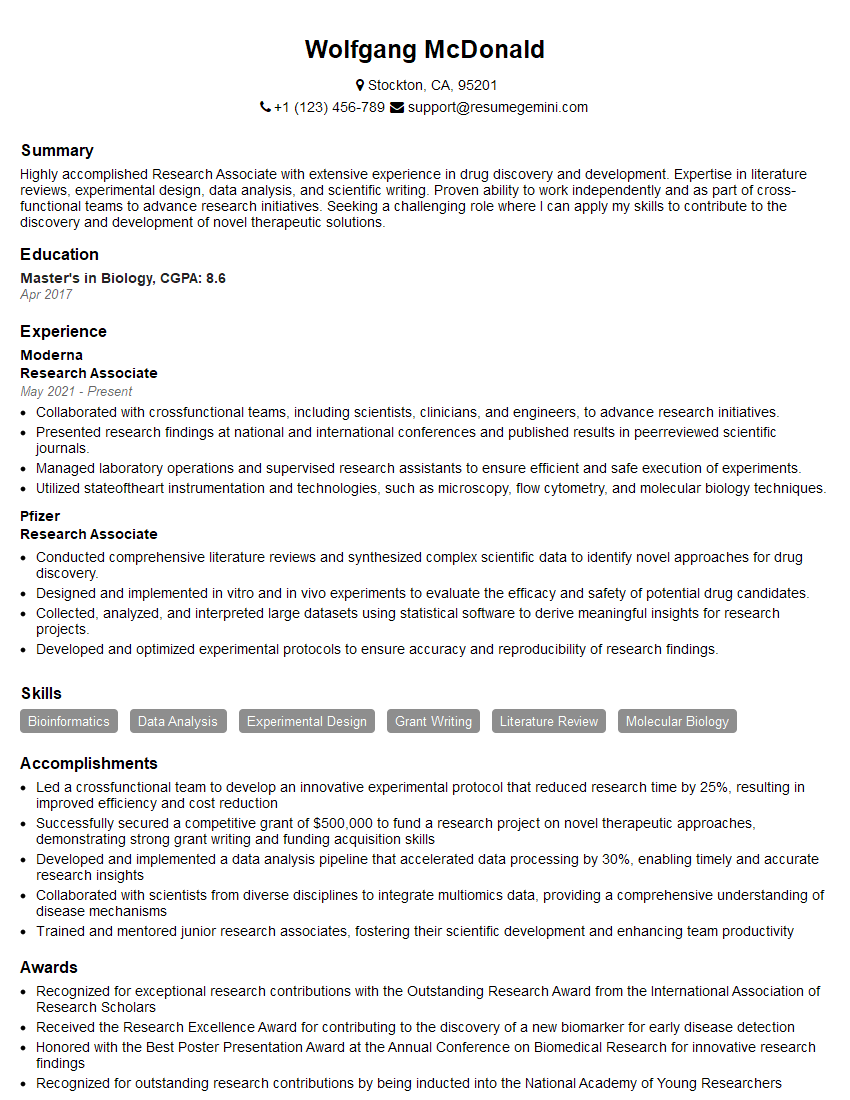
Research Associate Resume Sample
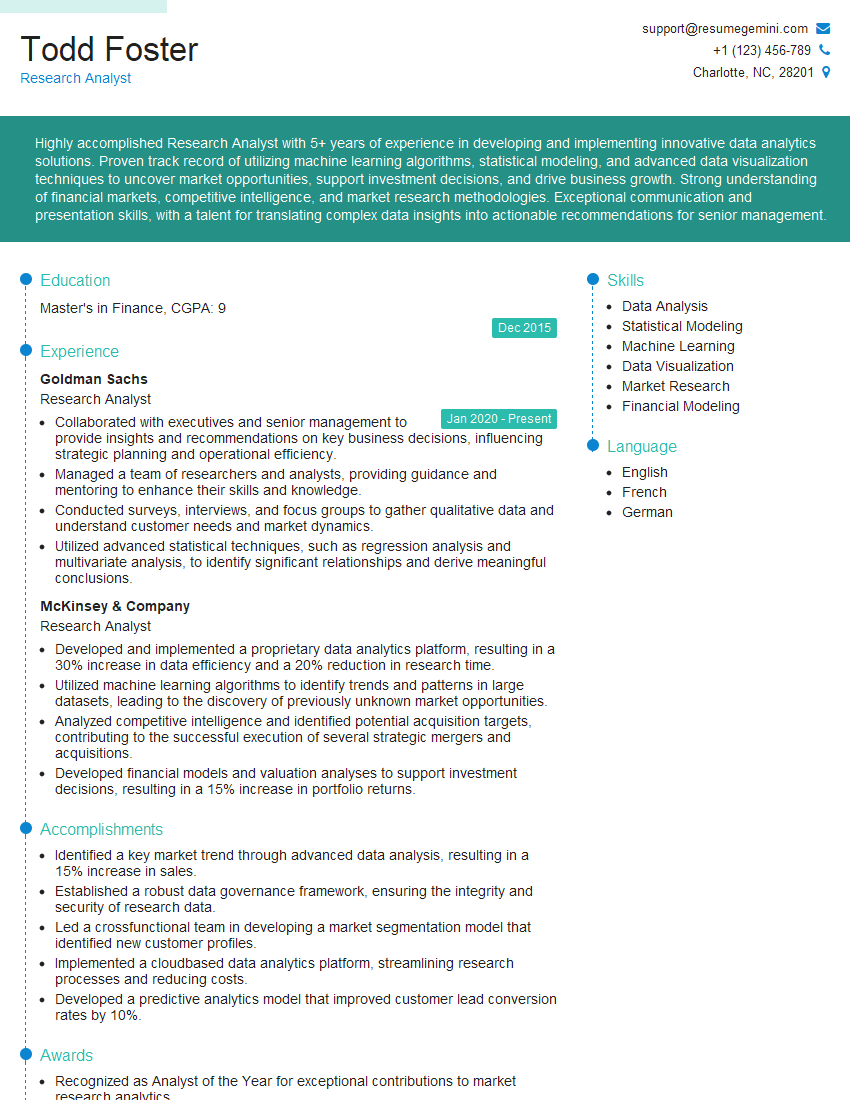
Research Analyst Resume Sample
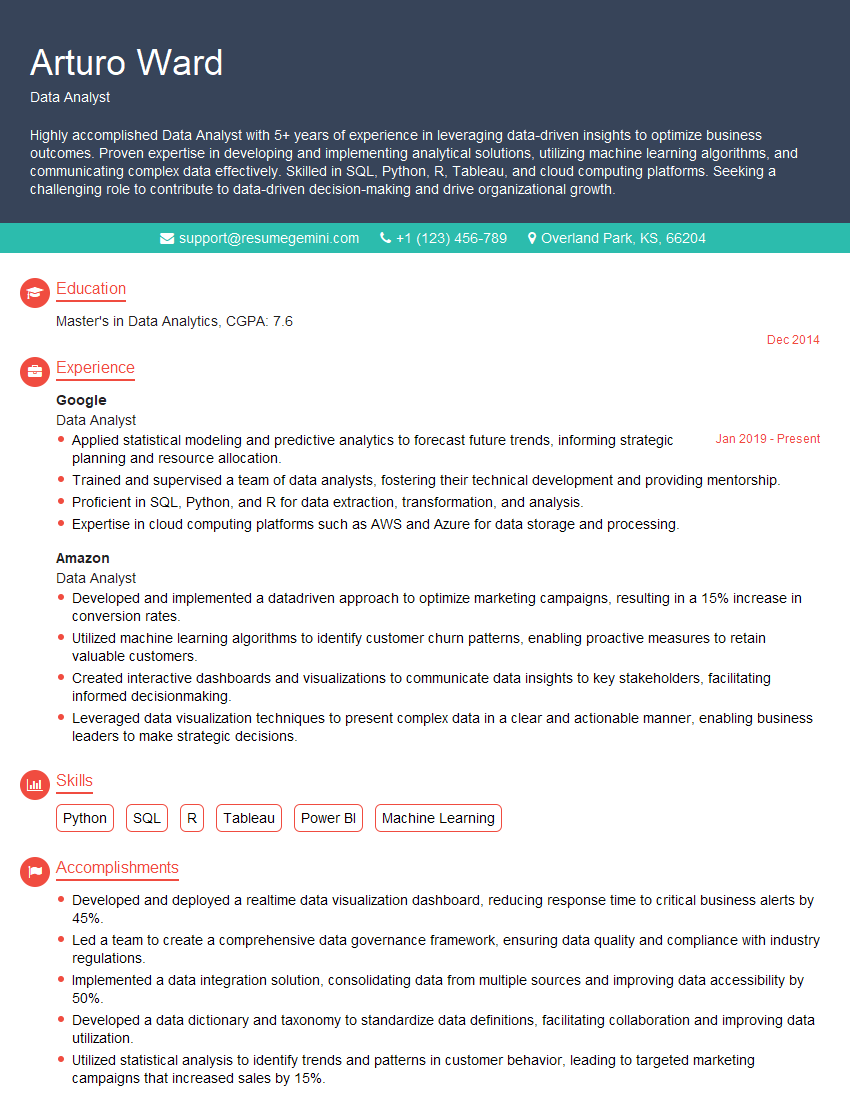
Data Analyst Resume Sample
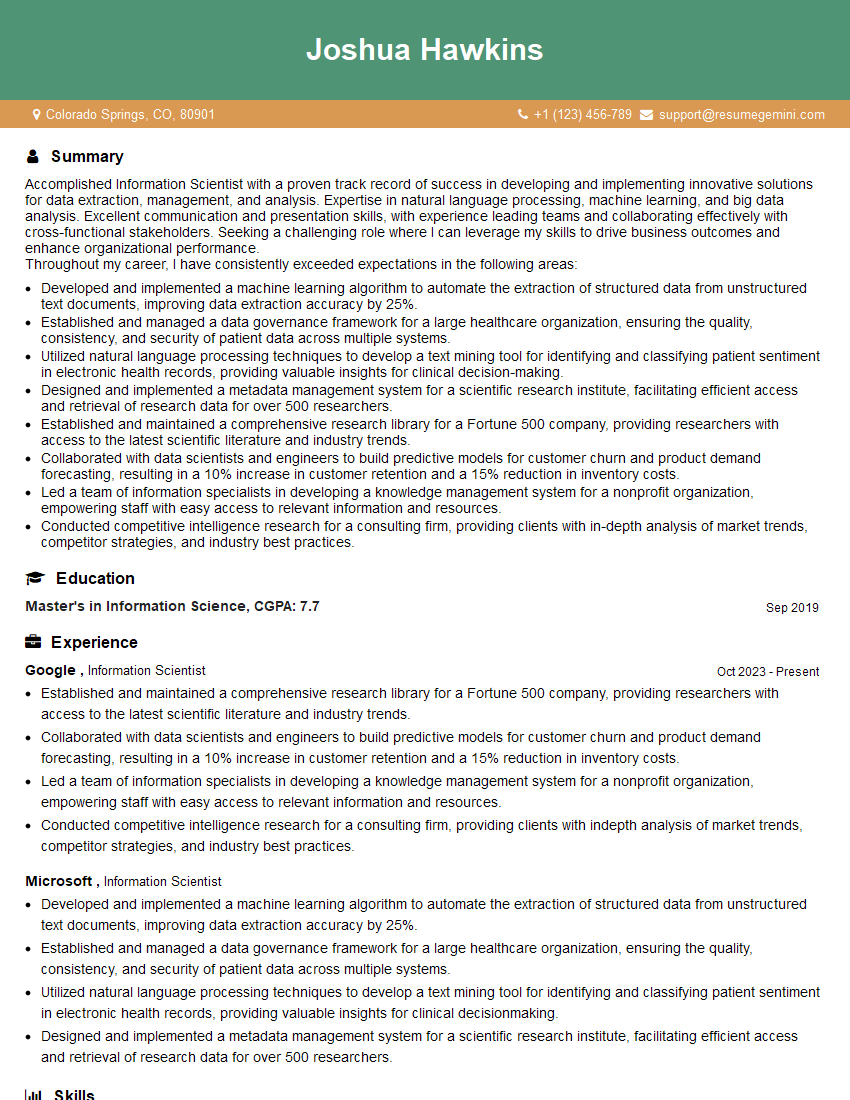
Information Scientist Resume Sample

Information Architect Resume Sample
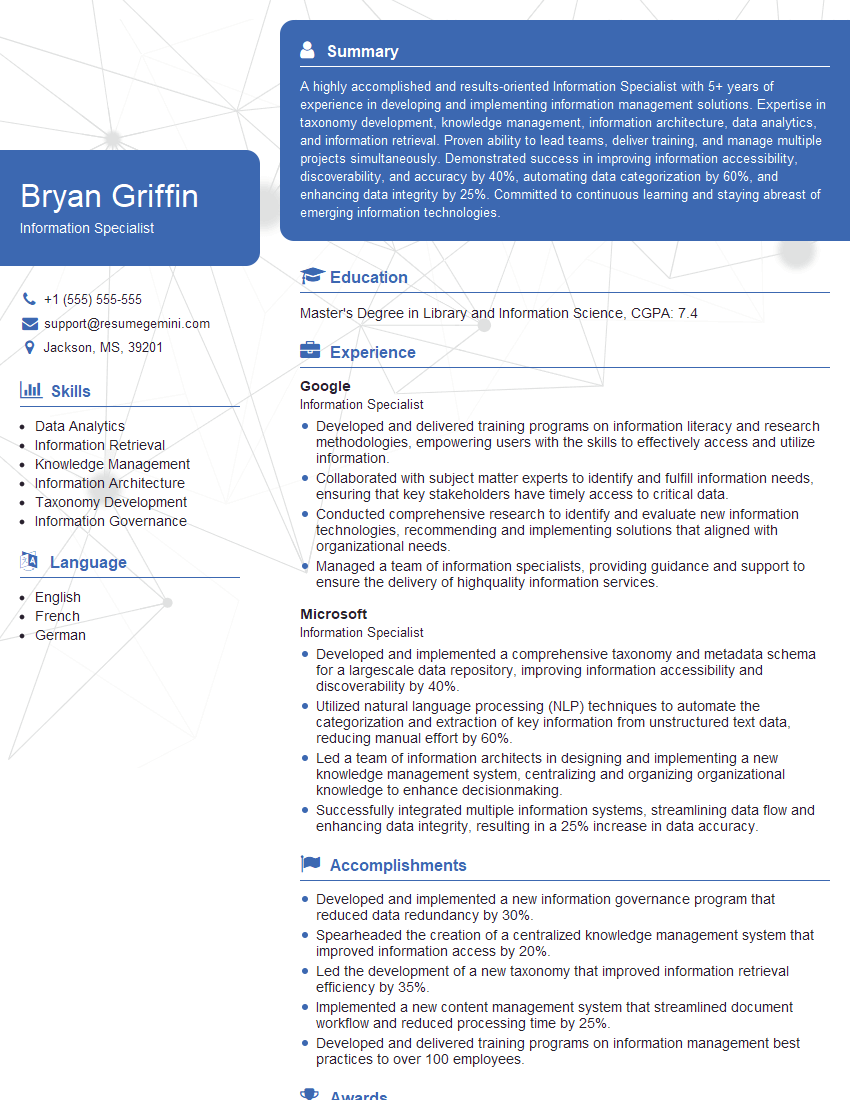
Information Specialist Resume Sample
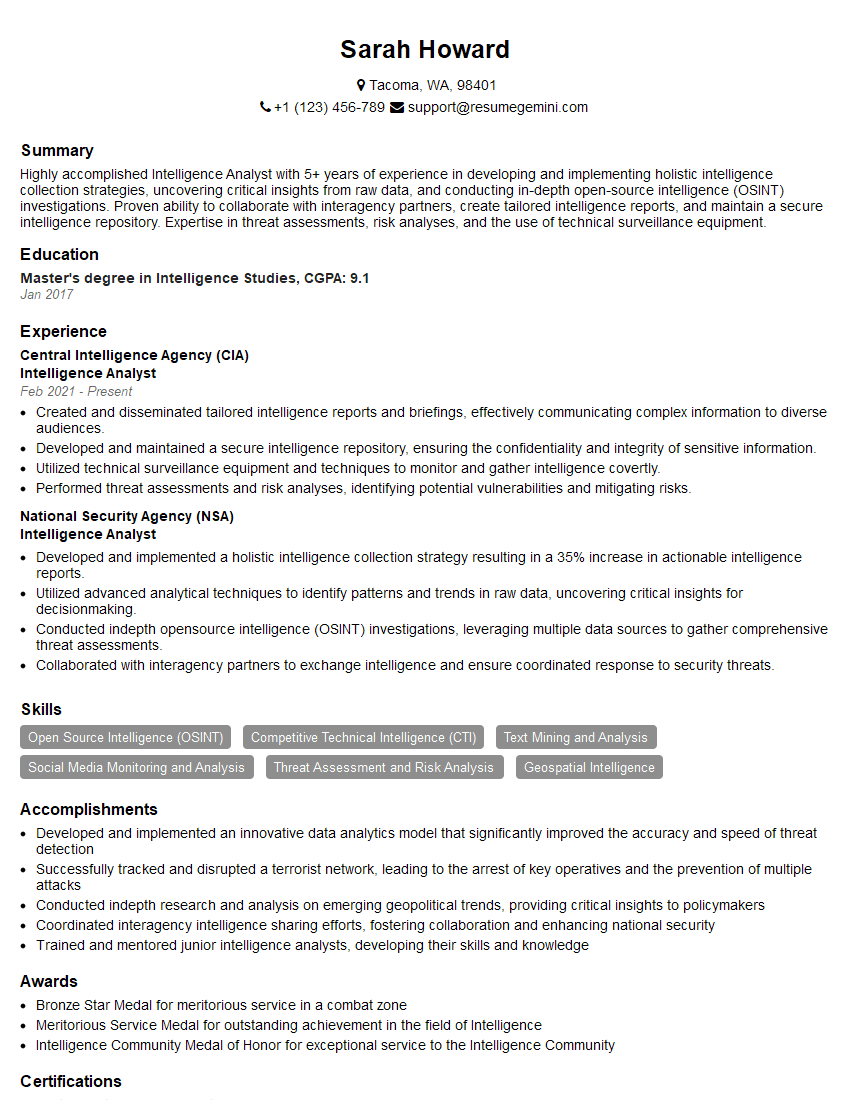
Intelligence Analyst Resume Sample
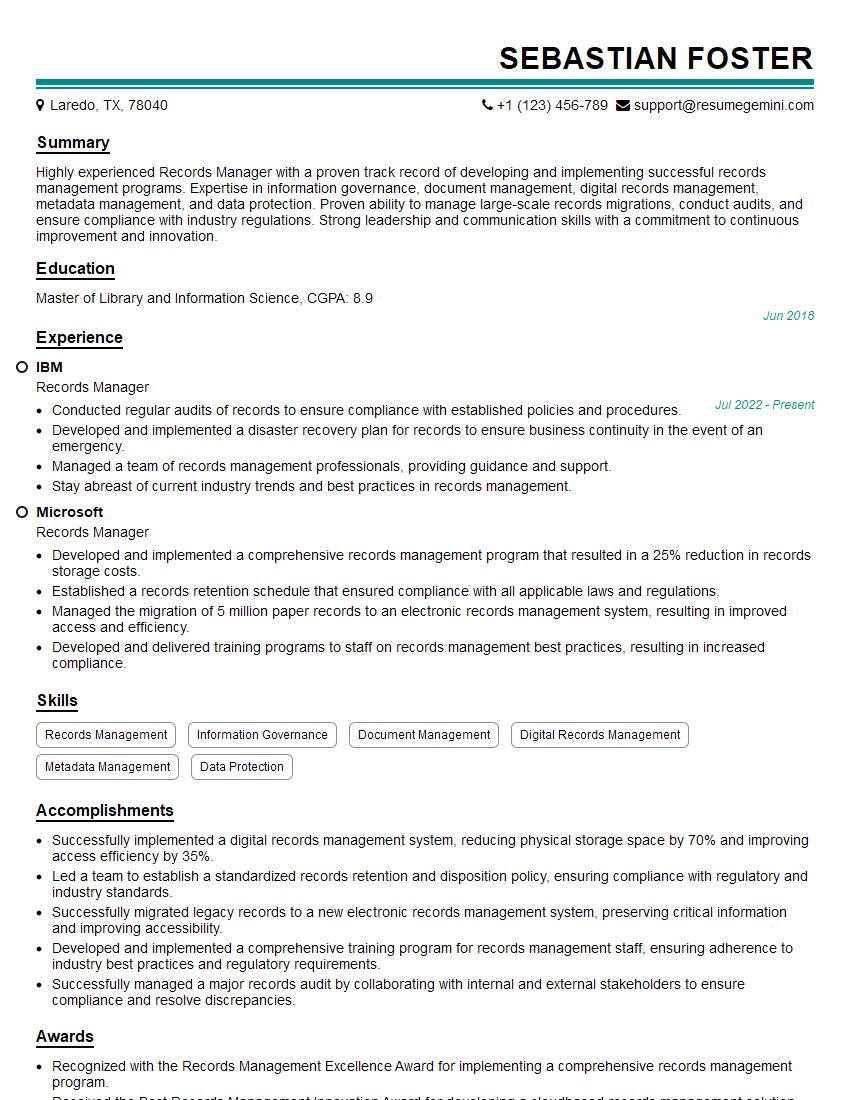
Records Manager Resume Sample
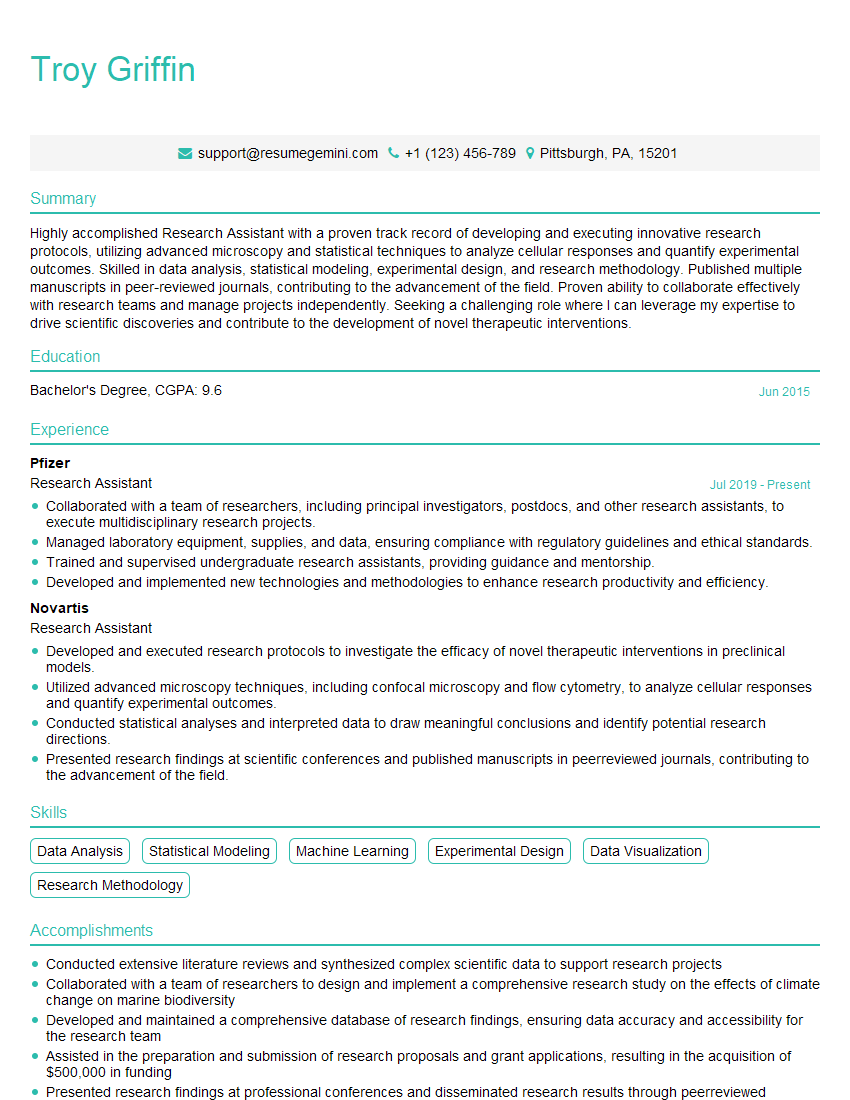
Research Assistant Resume Sample
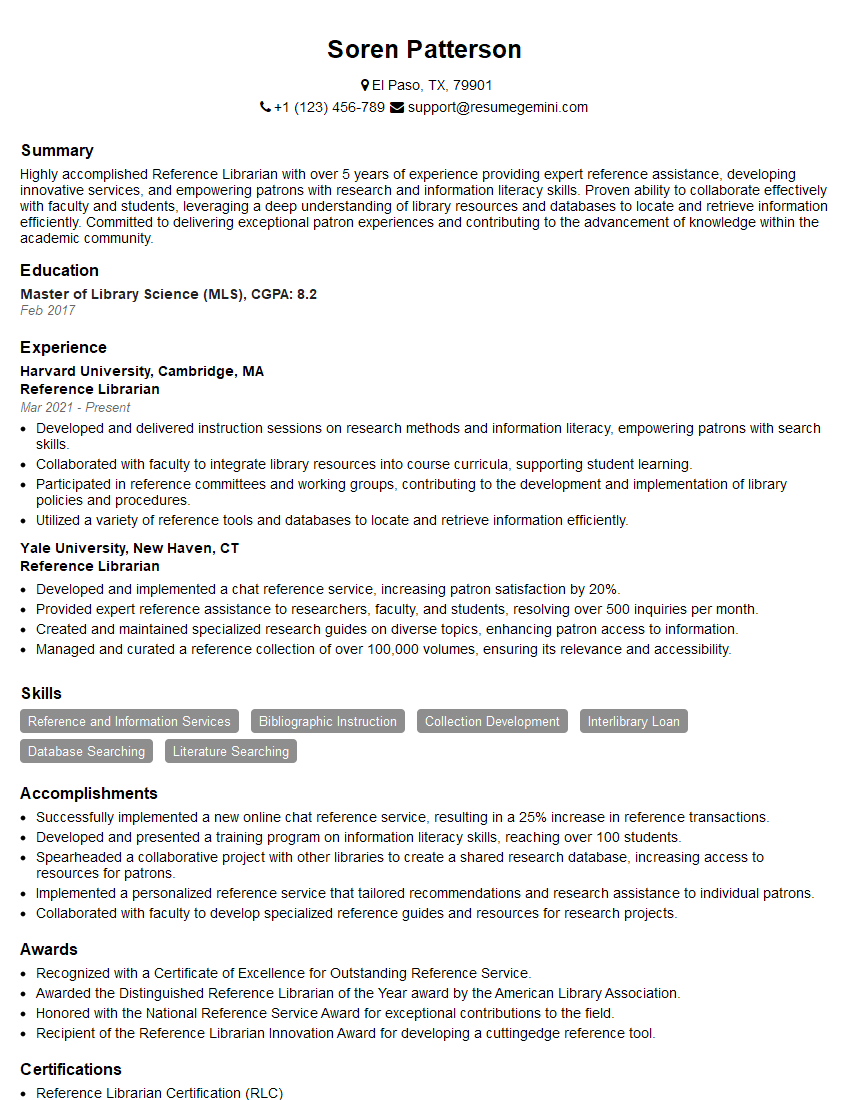
Reference Librarian Resume Sample
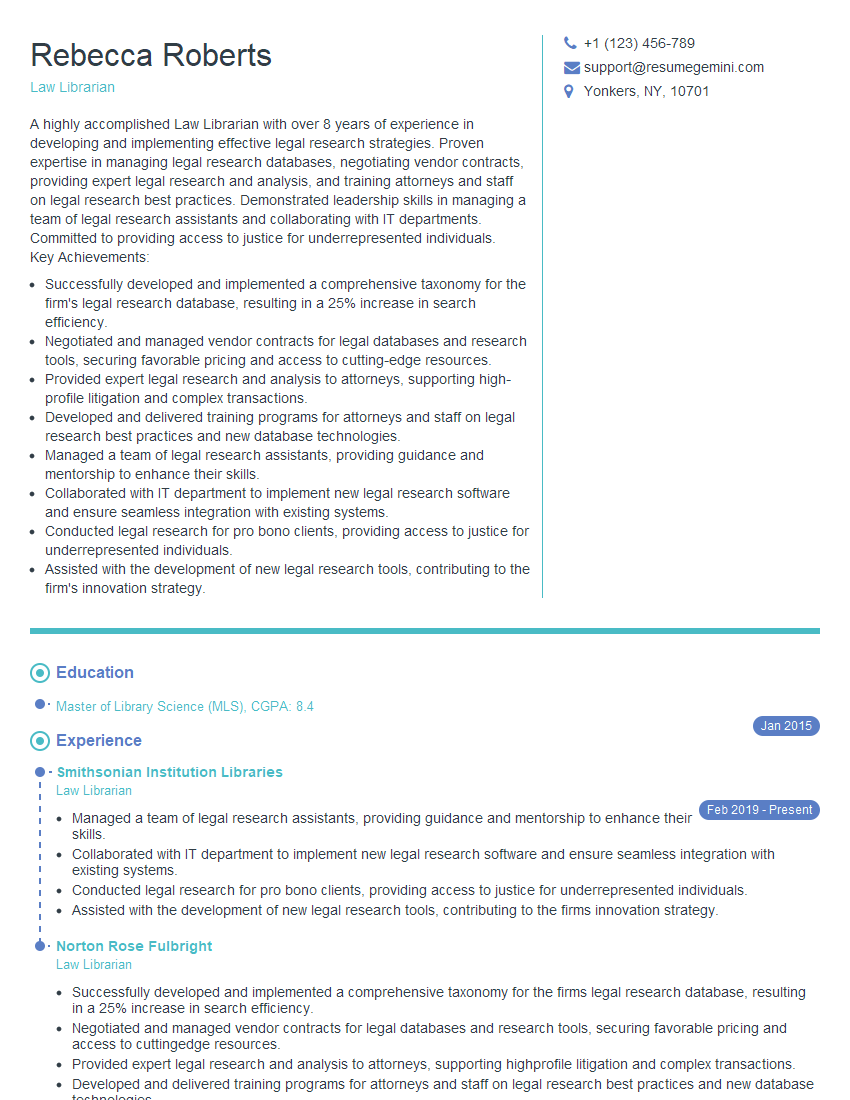
Law Librarian Resume Sample
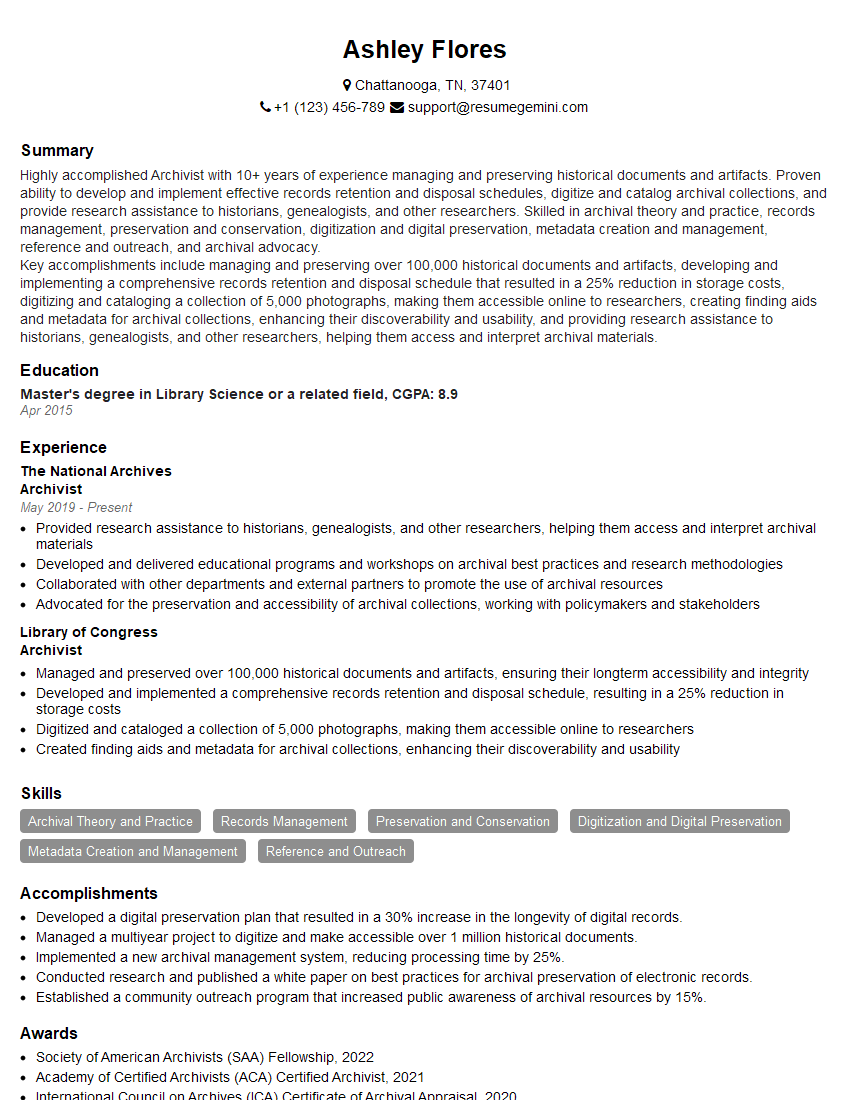
Archivist Resume Sample
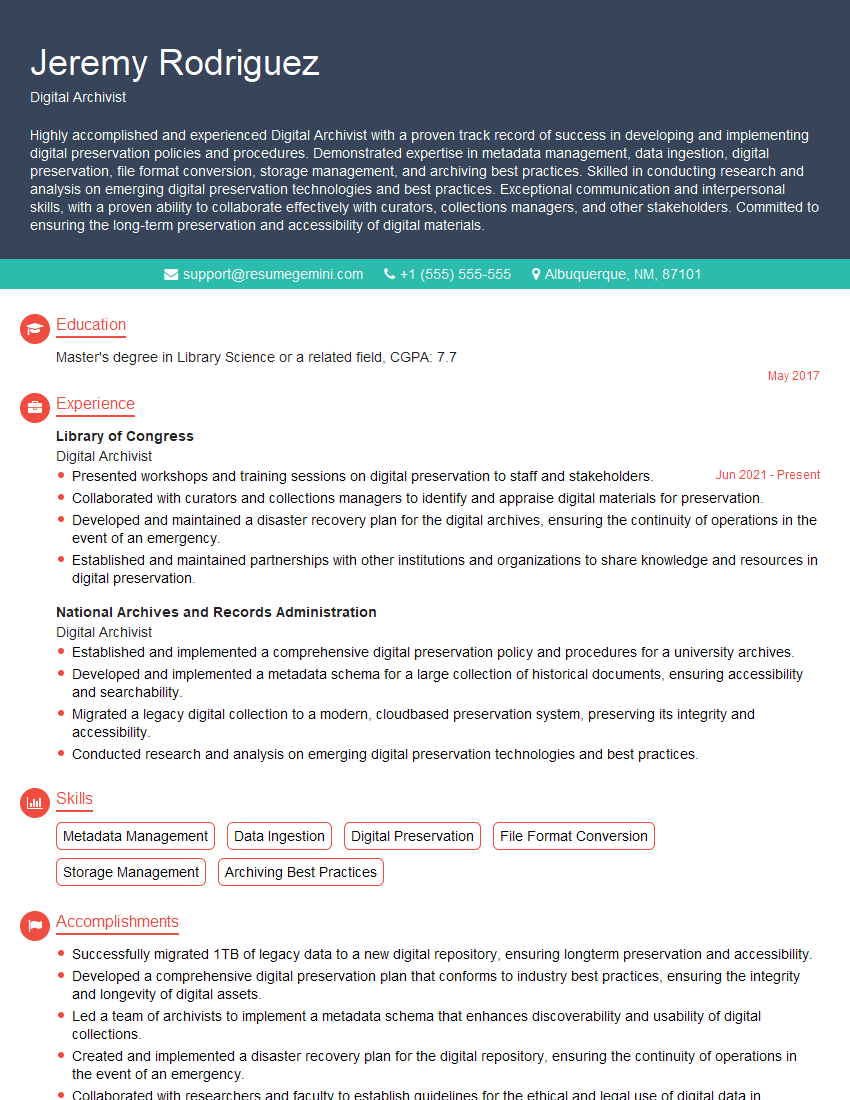
Digital Archivist Resume Sample
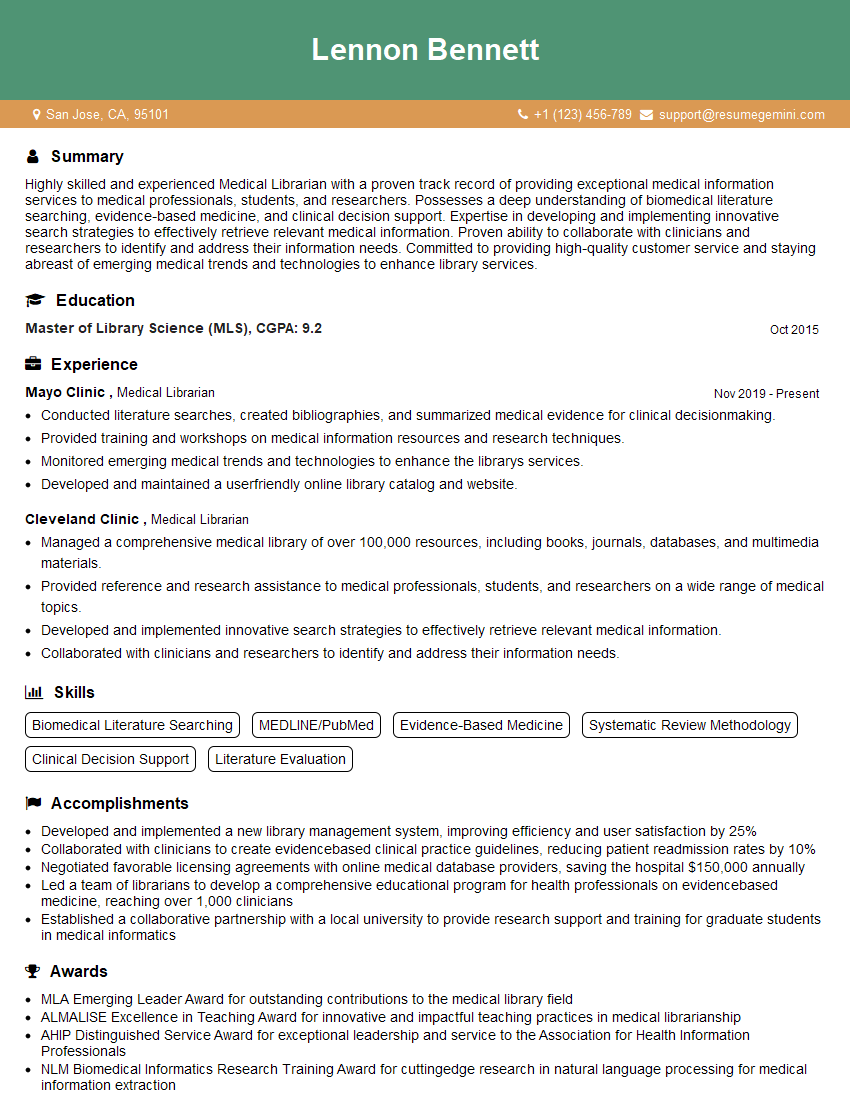
Medical Librarian Resume Sample
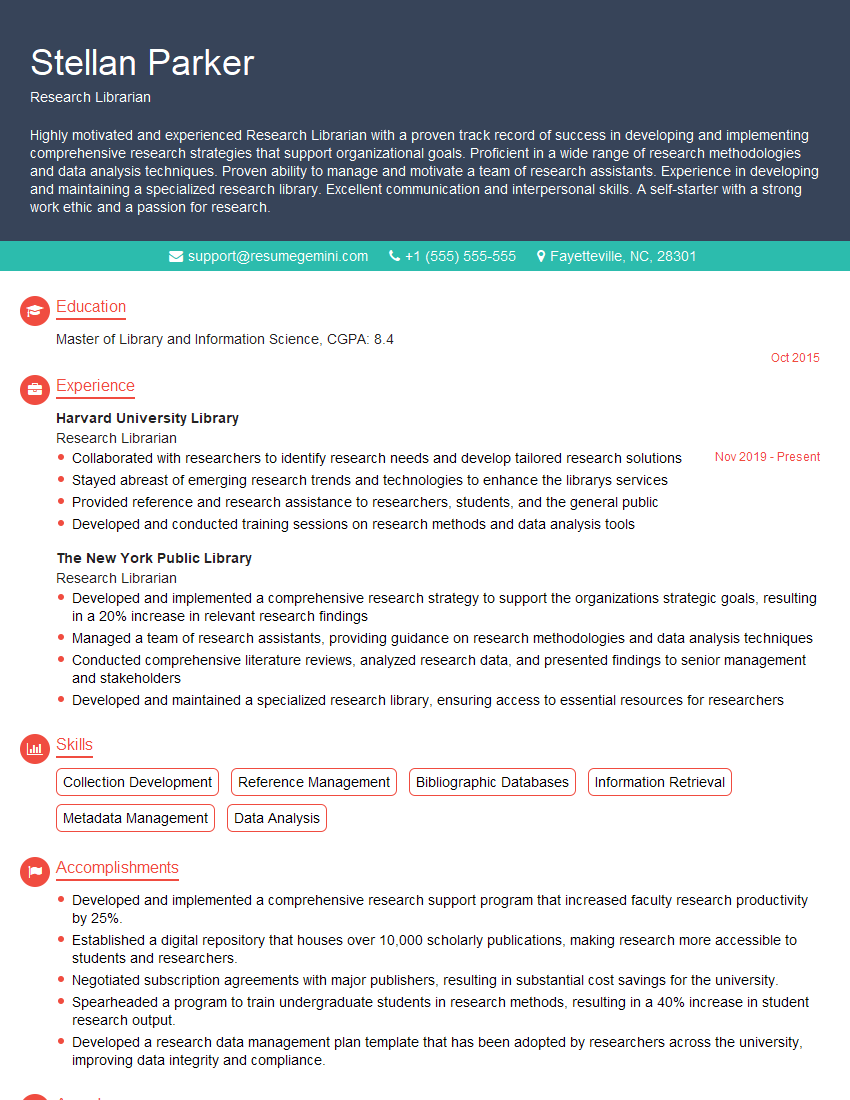
Research Librarian Resume Sample

Technical Writer Resume Sample
- Knowledge Manager
- Research Associate
- Research Analyst
- Data Analyst
- Information Scientist
- Information Architect
- Information Specialist
- Intelligence Analyst
- Records Manager
- Research Assistant
- Reference Librarian
- Law Librarian
- Archivist
- Digital Archivist
- Medical Librarian
- Research Librarian
- Technical Writer
Explore more articles
Users Rating of Our Blogs
Share Your Experience
We value your feedback! Please rate our content and share your thoughts (optional).
What Readers Say About Our Blog
I Redesigned Spongebob Squarepants and his main characters of my artwork.
https://www.deviantart.com/reimaginesponge/art/Redesigned-Spongebob-characters-1223583608
IT gave me an insight and words to use and be able to think of examples
Hi, I’m Jay, we have a few potential clients that are interested in your services, thought you might be a good fit. I’d love to talk about the details, when do you have time to talk?
Best,
Jay
Founder | CEO