The right preparation can turn an interview into an opportunity to showcase your expertise. This guide to Refueling and Servicing Locomotives interview questions is your ultimate resource, providing key insights and tips to help you ace your responses and stand out as a top candidate.
Questions Asked in Refueling and Servicing Locomotives Interview
Q 1. Describe the different types of locomotive fuel systems.
Locomotive fuel systems vary depending on the type of locomotive and its intended use. Most commonly, we see diesel fuel systems, but some older locomotives might use electric or even steam power, each with unique fueling requirements. Let’s focus on the predominant diesel systems:
- Direct Injection Systems: These are the most common. Fuel is directly injected into the combustion chamber under high pressure, offering efficient combustion. Think of it like a precise spray of fuel directly into the engine’s ‘heart’.
- Common Rail Systems: Here, fuel is first pumped to a common rail, then injected into the cylinders by individual injectors, controlled by sophisticated electronics. This provides more precise fuel metering and better control over engine performance. It’s like having a highly managed fuel distribution center before it reaches the cylinders.
- Unit Injectors: Each cylinder has its own injector pump, eliminating the need for a high-pressure fuel rail. This design tends to be more robust and easier to maintain, albeit sometimes less fuel-efficient than a common rail system. This is akin to each cylinder having its own dedicated fuel supply.
Understanding the specific type of fuel system is crucial for efficient and safe refueling and troubleshooting.
Q 2. Explain the safety procedures for refueling a locomotive.
Safety is paramount when refueling a locomotive. A single spark could ignite the highly flammable fuel. Our standard operating procedure always includes:
- Engine Shutdown: The locomotive’s engine must be completely shut down and allowed to cool sufficiently to prevent ignition hazards.
- Area Clearance: The refueling area needs to be free of personnel and any potential ignition sources. ‘No Smoking’ signs are mandatory.
- Grounding: Both the locomotive and the refueling equipment must be properly grounded to prevent static electricity buildup. This is crucial to prevent sparks.
- Spill Prevention: We employ spill containment measures, such as berms or absorbent pads, to catch any accidental fuel spills. Proper handling of fuel nozzles is critical to prevent spills.
- Ventilation: Adequate ventilation is essential to disperse any fuel vapors which are heavy and could accumulate in low-lying areas.
- Personal Protective Equipment (PPE): All personnel involved wear appropriate safety gear, including safety glasses, gloves, and flame-resistant clothing.
- Emergency Response Plan: A plan must be in place to handle potential emergencies, including fire.
Regular training and drills reinforce safe refueling practices. Failure to adhere to these procedures can lead to serious accidents, fires and injuries.
Q 3. What are the common causes of locomotive fuel leaks?
Locomotive fuel leaks can stem from various sources. Identifying the root cause is critical for prompt and effective repair. Common culprits include:
- Damaged Fuel Lines: Deterioration, corrosion, or physical damage (e.g., impact) to fuel lines can cause leaks.
- Faulty Fuel Connectors: Worn or improperly secured fuel connectors are frequently the source of leaks, especially at the points where lines connect to tanks or injectors.
- Leaks in the Fuel Tank: Corrosion or damage to the fuel tank itself can result in leaks.
- Failed Fuel Pump Seals: Worn or damaged seals in the fuel pump can allow fuel to escape.
- Injector Leaks: Faulty injector seals or worn injector nozzles can also leak fuel into the engine compartment.
Regular inspections are vital to identify and address minor issues before they escalate into major fuel leaks and environmental hazards.
Q 4. How do you troubleshoot a malfunctioning locomotive fuel pump?
Troubleshooting a malfunctioning locomotive fuel pump involves a systematic approach:
- Visual Inspection: Start with a visual inspection of the fuel pump, checking for any obvious damage, leaks, or loose connections.
- Fuel Pressure Check: Use a fuel pressure gauge to measure the fuel pressure at the pump outlet. Compare this reading against the manufacturer’s specifications. Low pressure suggests a pump problem.
- Listen for Unusual Noises: A malfunctioning pump might exhibit unusual noises like whining, grinding, or knocking. These sounds provide clues about the nature of the problem.
- Check Electrical Connections: Ensure that the electrical connections to the fuel pump are secure and undamaged. A faulty connection can prevent the pump from operating properly.
- Test the Fuel Pump Relay: Verify that the fuel pump relay is functioning correctly. A faulty relay can prevent the pump from receiving power.
- Check Fuel Filter: A clogged fuel filter can restrict fuel flow and lead to pump failure. Replacing it often resolves the issue.
If the problem persists after these checks, a more in-depth inspection or replacement of the fuel pump might be necessary.
Q 5. What are the steps involved in performing a routine locomotive service?
Routine locomotive servicing is crucial for safety and reliability. The steps involved can vary depending on the locomotive model and manufacturer guidelines, but typically include:
- Visual Inspection: A thorough visual inspection of the entire locomotive, including the undercarriage, engine compartment, and electrical systems, to identify any obvious damage or wear.
- Fluid Level Checks: Checking and topping off engine oil, coolant, and fuel levels. Low levels might indicate a leak.
- Fuel Filter Replacement: Replacing the fuel filter at specified intervals helps prevent fuel contamination and pump failure.
- Lubrication: Lubricating moving parts and components, according to the manufacturer’s recommendations.
- Brake System Inspection: Inspecting the brake system for wear and tear, leaks, or malfunctions.
- Wheel and Axle Inspection: Checking wheels and axles for wear, cracks, or other damage.
- Electrical System Check: Inspecting the electrical system, including batteries, wiring, and lights, for any problems.
- Cleaning: Cleaning the engine compartment and other areas of the locomotive to remove dirt and debris.
Record keeping is critical during a service, enabling identification of trends and anticipating potential failures.
Q 6. Describe the different types of locomotive lubricants and their applications.
Locomotives require various lubricants for optimal performance and longevity. The choice depends on the specific application and operating conditions:
- Engine Oil: High-quality engine oil is vital for proper lubrication of engine components, reducing friction and wear. The type of oil used depends on the engine manufacturer’s recommendations, often specifying the viscosity grade and API classification.
- Gear Oil: Used in the transmission and final drive gears, gear oil provides lubrication and protection against extreme pressures and shock loads. Its viscosity and additives are crucial for gear life.
- Grease: Various types of grease are used to lubricate bearings, chassis components, and other moving parts. Grease selection depends on the operating temperature and the type of bearing. Lithium-based greases are common.
- Hydraulic Oil: Used in hydraulic systems, such as brakes and power steering, hydraulic oil must have specific properties to ensure proper system performance. This oil needs to resist oxidation and maintain its viscosity under pressure.
Using the correct lubricant is non-negotiable. Incorrect lubrication can lead to premature wear, costly repairs, and safety hazards.
Q 7. How do you inspect locomotive wheels and axles for wear and tear?
Inspecting locomotive wheels and axles for wear and tear is a critical part of routine maintenance. A thorough inspection typically involves:
- Visual Inspection: Carefully examine the wheels and axles for any visible signs of wear, cracks, fractures, or damage. Look for flat spots, flange wear, or unusual surface irregularities.
- Gauge Measurement: Use specialized gauges to measure wheel diameter and tread depth. Comparing these measurements to the manufacturer’s specifications helps determine the extent of wear.
- Ultrasonic Testing: This non-destructive testing method can detect internal flaws or cracks in the wheels and axles that may not be visible on the surface. Early detection is key.
- Wheel Profile Measurement: Measuring the wheel profile to ensure it conforms to the track geometry. Significant deviations can lead to derailment.
- Axle Bearing Inspection: Inspect the axle bearings for signs of wear or damage. Excessive play or noise suggests problems.
Regular inspections, combined with precise measurements, are vital for preventing derailments and ensuring safe operation.
Q 8. What are the common issues related to locomotive braking systems?
Locomotive braking systems, primarily air-brake systems, are complex and prone to several issues. Think of them like a giant, intricate network of pipes and valves, all working together to slow down a massive machine. Problems can stem from air leaks, faulty components, or improper maintenance. Common issues include:
- Air Leaks: Leaks in hoses, valves, or cylinders can drastically reduce braking power, leading to extended stopping distances. Imagine a punctured tire – the air pressure is lost, and the braking force weakens. Finding these leaks requires systematic pressure testing and careful visual inspection.
- Brake Cylinder Issues: The brake cylinders, which translate air pressure into mechanical force to actuate the brakes, can malfunction due to wear, corrosion, or internal damage. This might manifest as uneven braking or complete brake failure on one or more axles.
- Brake Shoe/Pad Wear: Excessive wear on brake shoes or pads leads to reduced braking efficiency and can damage other components. Regular inspection and timely replacement are crucial, just like replacing worn tires on a car.
- Malfunctioning Valves: Air brake valves control the flow of compressed air throughout the system. A faulty valve can cause inconsistent braking, partial application, or complete system failure. These valves are highly precise components requiring skilled maintenance.
- Compressor Issues: The air compressor is the heart of the air brake system; a malfunctioning compressor reduces air pressure, affecting braking capabilities. Think of it like the engine of your car – without it, nothing works.
Addressing these issues requires a thorough understanding of pneumatic systems and the ability to diagnose problems using specialized tools and techniques. Safety is paramount; any brake-related issue demands immediate attention and repair.
Q 9. Explain the process of replacing a locomotive brake pad.
Replacing a locomotive brake pad is a multi-step process requiring specialized tools and safety precautions. Imagine it like changing brake pads on a car, but on a much larger and more powerful scale. Safety first! Always ensure the locomotive is securely blocked, the air pressure is released, and the area is clear of obstructions.
- Prepare the area and secure the locomotive: Properly block the wheels to prevent movement and engage all necessary safety systems.
- Remove the wheel assembly: Depending on the locomotive model, this may involve using jacks, air wrenches, and other specialized tools. Consult the locomotive’s maintenance manual for specific instructions.
- Inspect the brake components: Before replacement, carefully assess the condition of the brake shoes/pads, cylinder, and other related components for wear or damage.
- Remove the old brake pads: Using appropriate tools, carefully remove the worn brake pads, paying attention to how they were installed.
- Install the new brake pads: Position the new pads according to the manufacturer’s instructions and ensure they are correctly seated and aligned.
- Reassemble the wheel assembly: Carefully reassemble the wheel, ensuring all components are securely fastened and in their correct positions.
- Inspect and test the brakes: Once reassembled, conduct a thorough inspection of the brake system. Ensure proper brake operation after reassembly through a series of tests.
Accurate record-keeping is crucial. Document the date, time, and parts replaced, along with any observations or issues encountered.
Q 10. How do you inspect and maintain locomotive air compressors?
Locomotive air compressors are vital for supplying compressed air to the braking and other pneumatic systems. Think of them as the lungs of the locomotive. Regular inspection and maintenance are critical for ensuring their reliability and preventing failures that could lead to serious safety hazards. The inspection process typically involves:
- Visual Inspection: Check for leaks, damage to the casing, and loose connections. Look for signs of wear and tear, such as rust or corrosion.
- Pressure Test: Verify that the compressor is able to achieve and maintain the specified operating pressure. This often involves specialized pressure gauges and testing procedures.
- Performance Test: Assess the compressor’s ability to deliver sufficient air volume at the required pressure under varying load conditions.
- Lubrication: Check the oil level and lubricate as per the manufacturer’s instructions. Adequate lubrication is vital to prevent premature wear.
- Unloader Valve Function: Verify that the unloader valve cycles correctly, preventing overpressure and wear on the compressor components.
- Air Filter Inspection and Replacement: A clogged air filter reduces efficiency and lifespan, and therefore requires routine checks and replacements.
Maintenance might include replacing worn components such as the unloader valve or piston rings, or a full overhaul as needed, which is usually done by experienced technicians.
Q 11. Describe the safety protocols for working on a locomotive’s electrical system.
Safety is paramount when working on a locomotive’s electrical system, which carries high voltage and can deliver potentially lethal electrical shocks. Treat it with the utmost respect. Never attempt to work on the electrical system without proper training and the necessary safety equipment. Key safety protocols include:
- Lockout/Tagout (LOTO): This is the most critical step, involving completely isolating the power source to prevent accidental energization. Think of it as turning off the main breaker in your house before working on any electrical wiring.
- Personal Protective Equipment (PPE): This includes insulated gloves, eye protection, and safety shoes. It’s your shield against potential hazards.
- Voltage Testing: Before starting any work, always use a voltage tester to confirm the power is indeed off. Never assume the power is off.
- Grounding: Ensure the equipment and yourself are properly grounded to prevent the build-up of static electricity.
- Emergency Procedures: Be aware of emergency procedures and have a plan in place in case of an electrical shock or other accidents. Knowing where the nearest emergency shut-off switches are is crucial.
- Work Permits: In most professional settings, work permits are needed to authorize any work on electrical equipment.
These safety protocols are non-negotiable. Failure to adhere to them can result in serious injury or death. A slight oversight can have devastating consequences.
Q 12. How do you troubleshoot a faulty locomotive headlight?
Troubleshooting a faulty locomotive headlight involves a systematic approach. Start by checking the simplest things first, just like when your car’s headlight goes out. Think of it as a process of elimination.
- Check the Bulb: The most common cause is a burned-out bulb. Replace the bulb with a known good one.
- Inspect the Wiring: Look for any broken wires, loose connections, or corrosion in the wiring harness leading to the headlight. A visual inspection can often pinpoint the problem.
- Verify Power Supply: Use a voltmeter to check if power is reaching the headlight socket. This eliminates potential issues with the power circuit.
- Test the Switch: Verify that the headlight switch is functioning correctly and is making proper contact.
- Examine the Fuse: A blown fuse can also cut the power to the headlight; check and replace the fuse if necessary.
- Ground Connection: Check for a good ground connection; a poor ground can lead to dimming or non-operation.
If the problem persists after checking these components, more advanced troubleshooting, possibly involving electrical schematics and specialized equipment, may be required.
Q 13. What are the common causes of locomotive engine overheating?
Locomotive engine overheating is a serious issue that can lead to significant damage. Think of it as a fever in a human body; it indicates something is wrong and needs attention. Common causes include:
- Insufficient Coolant: Low coolant levels reduce the engine’s ability to dissipate heat, leading to overheating. Regular coolant checks are crucial.
- Coolant Leaks: Leaks in the radiator, hoses, or water pump result in coolant loss and reduced cooling capacity.
- Clogged Radiator: A radiator clogged with debris or sediment hinders efficient heat transfer, causing overheating. Regular cleaning or replacement might be needed.
- Faulty Thermostat: A malfunctioning thermostat can prevent the coolant from circulating properly, leading to uneven temperature distribution and overheating.
- Faulty Water Pump: A failing water pump is unable to circulate coolant efficiently, leading to insufficient cooling.
- Fan Problems: A malfunctioning cooling fan, whether electrically driven or mechanically driven, will compromise cooling, leading to overheating.
- Engine Oil Issues: Low oil levels, use of incorrect oil, or an oil change interval that is too long can compromise engine cooling capabilities.
Regular maintenance, including coolant level checks, inspections of cooling system components, and timely oil changes are essential in preventing overheating.
Q 14. Explain the procedure for changing locomotive engine oil and filters.
Changing locomotive engine oil and filters is a critical maintenance task, similar to changing the oil in your car but on a significantly larger scale. Safety is paramount; always follow the manufacturer’s guidelines and use appropriate safety equipment.
- Prepare the locomotive: Ensure the locomotive is properly secured, and the engine is cool enough to safely work on. Allow adequate time for cooling after operation.
- Locate the drain plug and oil filter: Identify the correct drain plug and oil filter for the engine type.
- Drain the old oil: Carefully remove the drain plug, allowing the old oil to drain completely into a suitable container.
- Remove the old oil filter: Use the appropriate wrench to remove the old oil filter and collect any oil spillage.
- Install the new oil filter: Lubricate the rubber gasket on the new filter and tighten it to the manufacturer’s specifications.
- Replace the drain plug: Tighten the drain plug securely, ensuring there are no leaks.
- Add new oil: Add the correct type and quantity of oil according to the manufacturer’s recommendations, checking regularly to avoid overfilling.
- Check the oil level: Use the dipstick to check the oil level and add more if needed.
- Run the engine: Start the engine and let it run for a few minutes, then check for any leaks.
- Dispose of the used oil and filter properly: Used oil should be disposed of responsibly and in accordance with environmental regulations.
Accurate record-keeping of the date, time, oil type, and quantity used is crucial for effective maintenance tracking.
Q 15. How do you inspect and maintain locomotive batteries?
Locomotive battery inspection and maintenance are crucial for ensuring reliable operation. It’s a multi-step process focusing on safety and preventing costly breakdowns.
- Visual Inspection: We begin with a thorough visual check, looking for signs of corrosion on terminals, cracks in the battery case, loose connections, or any leaking electrolyte. A simple analogy is checking your car battery – you’d look for similar signs of damage or leakage.
- Terminal Cleaning: Corroded terminals are a common issue, leading to poor conductivity. We carefully clean them using a wire brush and baking soda solution, ensuring a tight connection.
- Specific Gravity Test: This test measures the electrolyte’s density, indicating the battery’s charge level and overall health. A hydrometer is used for this test; low readings might suggest a need for charging or replacement.
- Voltage Test: A voltmeter checks the battery’s voltage to determine its charging status and identify any cells that might be failing. A significantly low voltage indicates a problem.
- Water Level Check (for flooded batteries): Some locomotive batteries are flooded, requiring regular topping off with distilled water. This prevents sulfation and premature failure. It’s important to never use tap water.
- Charging: Batteries might need charging using a suitable charger. It’s crucial to follow the manufacturer’s instructions to avoid overcharging and damage.
- Record Keeping: Detailed records are kept for each inspection, including the date, findings, and actions taken. This information is crucial for preventative maintenance.
For example, on one occasion, a seemingly minor corrosion on a terminal led to a significant voltage drop, preventing the locomotive from starting. Thorough cleaning resolved the issue, highlighting the importance of regular inspections.
Career Expert Tips:
- Ace those interviews! Prepare effectively by reviewing the Top 50 Most Common Interview Questions on ResumeGemini.
- Navigate your job search with confidence! Explore a wide range of Career Tips on ResumeGemini. Learn about common challenges and recommendations to overcome them.
- Craft the perfect resume! Master the Art of Resume Writing with ResumeGemini’s guide. Showcase your unique qualifications and achievements effectively.
- Don’t miss out on holiday savings! Build your dream resume with ResumeGemini’s ATS optimized templates.
Q 16. What are the regulatory requirements for locomotive maintenance?
Locomotive maintenance is heavily regulated to ensure safety and operational efficiency. Regulations vary by country and governing body but generally include:
- Federal Railroad Administration (FRA) Regulations (in the US): These are comprehensive and cover all aspects of locomotive maintenance, including safety inspections, brake systems, and record-keeping. Failure to comply can result in significant penalties and operational shutdowns.
- Manufacturer’s Specifications: Each locomotive manufacturer provides detailed maintenance schedules and procedures. Adherence to these is critical for warranty validity and optimal performance.
- Environmental Regulations: Regulations address the proper disposal of hazardous materials like used oil and batteries. Strict protocols must be followed to minimize environmental impact.
- Safety Standards: Regular safety inspections are mandatory, focusing on crucial systems such as braking, signaling, and communication equipment. These ensure the safe operation of the locomotive and the prevention of accidents.
- Documentation and Record Keeping: Comprehensive documentation is paramount. Detailed records of all maintenance activities, including inspections, repairs, and parts replacements, are required for audit purposes and to track the locomotive’s history.
Non-compliance can lead to hefty fines, operational delays, and potential safety hazards. We always prioritize strict adherence to all applicable regulations.
Q 17. Describe your experience with using diagnostic tools for locomotives.
Modern diagnostic tools are indispensable for efficient locomotive maintenance. They allow for quick identification and resolution of complex issues, minimizing downtime.
- Onboard Diagnostic Systems (OBD): Many newer locomotives have integrated OBD systems that provide real-time data on various parameters like engine performance, fuel consumption, and electrical systems. These systems often use standardized protocols such as J1939.
- Specialized Scan Tools: These are used to access and interpret data from the locomotive’s various control modules. They can identify fault codes, monitor sensor readings, and provide detailed troubleshooting information. Think of it as an advanced version of the diagnostic tools used for modern cars.
- Data Loggers: These record extensive data over time, allowing technicians to analyze trends and identify potential problems before they lead to major failures. This is especially useful for identifying intermittent issues that might be difficult to diagnose otherwise.
- Multimeters: While not specifically locomotive-specific, multimeters are essential tools for basic electrical diagnostics, measuring voltage, current, and resistance.
For instance, recently, I used a specialized scan tool to diagnose an intermittent braking issue. The tool helped me pinpoint a faulty sensor, which was quickly replaced, preventing a potentially hazardous situation. The data logging capabilities of the tool also allowed us to understand the root cause of the intermittent failure and prevent similar problems from occurring in the future.
Q 18. What is your experience with preventative maintenance schedules for locomotives?
Preventative maintenance is paramount in locomotive operations. It significantly reduces the likelihood of unexpected breakdowns and ensures optimal performance and safety. Schedules are generally based on:
- Mileage-Based Maintenance: Certain tasks, like oil changes and filter replacements, are scheduled based on the locomotive’s mileage.
- Time-Based Maintenance: Other tasks, such as inspections of safety-critical components, are scheduled at fixed time intervals, regardless of mileage.
- Condition-Based Maintenance: This approach utilizes data from diagnostic tools to determine when maintenance is needed. Sensors monitor components’ health, triggering maintenance only when necessary, maximizing efficiency.
- Manufacturer’s Recommendations: The manufacturer’s prescribed maintenance schedule serves as the foundation. It’s often supplemented with experience and data to create customized schedules tailored to our operational needs.
We utilize a computerized maintenance management system (CMMS) to track maintenance schedules, parts inventory, and historical data. This system helps us anticipate potential issues, manage resources efficiently, and ensure compliance with regulations.
Q 19. How do you prioritize maintenance tasks based on urgency and importance?
Prioritizing maintenance tasks involves a combination of urgency and importance. We utilize a system that combines various factors:
- Safety Criticality: Tasks affecting safety-critical components like brakes and signaling systems are always given top priority.
- Urgency: Immediate threats to operational availability are prioritized. For example, a failing engine component will take precedence over a less critical maintenance task.
- Cost/Benefit Analysis: Balancing the cost of maintenance with its impact on the operational efficiency and safety is crucial. Preventative maintenance, although costly upfront, significantly reduces the cost of unexpected breakdowns and delays.
- Downtime Minimization: Scheduling tasks strategically to minimize downtime is essential. Tasks can be grouped to reduce overall disruption.
We often use a risk matrix to visually represent the urgency and importance of various tasks, making prioritization straightforward and transparent. This approach ensures that critical tasks are addressed promptly while preventing unnecessary disruptions.
Q 20. Describe your experience with troubleshooting complex locomotive problems.
Troubleshooting complex locomotive problems requires a systematic and logical approach. It’s a combination of experience, diagnostic tools, and problem-solving skills.
- Gather Information: The process starts by collecting all relevant information – error codes, symptoms, operational history, etc. This helps narrow down the potential causes.
- Systematic Diagnosis: We follow a structured troubleshooting process, systematically checking components and systems based on the information gathered. This might involve visual inspection, diagnostic tool usage, and component testing.
- Isolate the Problem: The goal is to pinpoint the exact source of the problem. This frequently involves a process of elimination.
- Repair or Replacement: Once the faulty component is identified, it’s either repaired or replaced, using only approved parts.
- Verification: After the repair, thorough testing is done to ensure the problem is resolved and the locomotive is functioning safely and efficiently.
- Documentation: All troubleshooting steps, findings, and repairs are meticulously documented for future reference.
A recent example involved a locomotive experiencing erratic acceleration. By using diagnostic tools and systematically checking the fuel system, we pinpointed a faulty fuel injector. Replacing it resolved the issue, demonstrating the importance of methodical troubleshooting.
Q 21. How familiar are you with different locomotive models and their specific maintenance requirements?
Familiarity with various locomotive models and their specific maintenance requirements is critical for effective maintenance. This knowledge is acquired through:
- Formal Training: Manufacturer-provided training on specific locomotive models.
- On-the-Job Experience: Hands-on experience working with diverse locomotive models over several years provides invaluable practical knowledge.
- Technical Manuals and Documentation: Consultations of detailed technical manuals and diagrams.
- Continuous Learning: Staying updated on new technologies and maintenance procedures through professional development courses and industry publications.
I have extensive experience working on various models, including General Electric ES44ACs and EMD SD70ACes, understanding their unique characteristics and maintenance needs. This includes variations in engine types, braking systems, and electrical systems. This broad knowledge enables me to quickly diagnose and resolve problems efficiently, regardless of the locomotive model.
Q 22. What are your safety procedures for working at height on a locomotive?
Safety when working at height on a locomotive is paramount. It’s not just about preventing falls; it’s about preventing injuries from falling objects, slips, and electrical hazards. Our procedures begin with a thorough risk assessment of the specific task and the locomotive’s condition. This assessment identifies potential hazards, and from this, we determine the appropriate personal protective equipment (PPE). This always includes a full-body harness, appropriate anchor points, and fall arrest systems. We utilize scaffolding or mobile elevating work platforms (MEWPs) whenever possible, ensuring they are properly set up and inspected before use. Furthermore, we employ a buddy system, where a second person acts as a spotter and assists with securing tools and equipment. Before commencing any work, a toolbox talk is conducted, reinforcing safe working practices, emergency procedures, and the specific hazards identified during the risk assessment. We rigorously adhere to the company’s safety regulations and the relevant industry standards (e.g., OSHA guidelines for fall protection). For instance, working on the locomotive’s roof requires additional measures like securing tools to prevent them from falling, and using specialized harnesses with additional tie-off points to ensure stability.
Q 23. How do you ensure compliance with environmental regulations during locomotive maintenance?
Environmental compliance is integrated into every aspect of locomotive maintenance. We strictly adhere to regulations concerning the handling and disposal of hazardous materials such as used oil, lubricants, and spent filters. All such materials are collected in designated containers, properly labeled, and transported to licensed disposal facilities. Spills are dealt with immediately and reported according to the established protocol. We regularly check our equipment for leaks, ensuring that no fluids are accidentally released into the environment. Wastewater from cleaning processes is treated to remove contaminants before discharge, and we constantly monitor our operations to ensure adherence to emission standards regarding air quality. Our facility employs various environmental controls, such as oil/water separators and spill containment areas. Regular training and audits are conducted to reinforce best practices and maintain compliance. Documentation of waste disposal, maintenance activities, and environmental checks is meticulously recorded and maintained to ensure traceability and accountability. For instance, if we have to replace a fuel filter, we follow a strict procedure for the proper disposal of the old filter, which includes documenting everything from the filter’s removal to its disposal, the date, and the disposal facility used.
Q 24. What are your methods for documenting maintenance procedures and repairs?
Maintenance and repair procedures are meticulously documented using a computerized maintenance management system (CMMS). This system allows for comprehensive records of each locomotive’s history. When a maintenance task is initiated, a work order is created which details the work to be performed, required parts, and assigned technicians. Progress is tracked within the CMMS, and any deviations from the plan are noted, along with justifications. Upon completion, the work order is closed, including details of the repairs, parts used, and time taken. Digital photos or videos are often included for visual documentation of the condition before and after repair, making it easier to identify any recurrence of a problem. We also employ checklists for routine maintenance to ensure consistency and completeness, and these are directly integrated into the CMMS. This ensures that all essential checks are performed and recorded, reducing the chance of overlooking crucial tasks. This robust system facilitates proactive maintenance and troubleshooting, which leads to improved reliability and safety of our locomotives. All this ensures our records are readily accessible, auditable, and useful for trend analysis.
Q 25. Describe a time you had to deal with a critical locomotive malfunction under pressure.
During a late-night shift, a key locomotive experienced a sudden and complete power failure. This locomotive was crucial for an urgent freight shipment, and the delay threatened significant financial losses for the company. Initially, there was a sense of panic, but we immediately shifted to our established emergency protocols. We first assessed the situation, using our diagnostic tools to pinpoint the possible cause of the failure. After some initial investigation, it was determined to be a major issue with the main traction motor. It turned out to be a rare short circuit within the motor windings. Under pressure, we collaborated closely – the mechanics worked on disassembling the motor, while the electricians diagnosed the electrical issue. We also reached out to our senior engineer for advice on the necessary parts replacement. With teamwork, problem-solving, and efficient parts procurement, we managed to restore the locomotive to full operation within six hours, minimizing the disruption to the shipping schedule. The successful repair was a testament to our team’s expertise and the effectiveness of our emergency response planning.
Q 26. How do you manage your time effectively when working on multiple locomotive repairs?
Efficient time management when juggling multiple locomotive repairs requires a structured approach. We prioritize tasks based on urgency and impact using a system that balances short-term and long-term needs. A critical locomotive requiring immediate repair takes precedence over routine maintenance. I use a combination of daily planning, task delegation (when appropriate), and constant monitoring of progress to keep everything on track. The CMMS helps by providing a clear overview of all scheduled and unscheduled repairs, their statuses, and their deadlines. Regular team meetings allow for communication regarding potential challenges or resource constraints, enabling us to adjust our plan proactively. Furthermore, I advocate for preventative maintenance, which helps minimize unexpected repairs and creates a more predictable workload. This reduces the likelihood of having too many critical repairs demanding attention simultaneously, reducing stressful last-minute rushes.
Q 27. What are your strategies for continuous learning and professional development in locomotive maintenance?
Continuous learning is essential in this dynamic field. I actively pursue professional development through several avenues: I regularly attend workshops and seminars on the latest locomotive technologies and maintenance techniques. I also participate in online training modules offered by manufacturers and industry associations. Moreover, I actively seek out opportunities to work on different locomotive models and systems to broaden my experience. I’m currently studying for a certification in advanced locomotive diagnostics, which will enhance my troubleshooting skills. Staying updated on evolving safety regulations and environmental standards is also a crucial part of my professional development. I frequently review relevant documentation and engage with colleagues to share knowledge and best practices. This ensures I’m equipped to handle challenges and contribute to the continuous improvement of our maintenance processes.
Q 28. Describe your experience working as part of a team in a locomotive maintenance environment.
Teamwork is fundamental in locomotive maintenance. Our team comprises mechanics, electricians, and technicians, each with specialized skills. Effective communication and collaboration are crucial for problem-solving, especially during complex repairs. We share knowledge and experience, supporting each other and learning from one another. In our team, we have a clear hierarchy but encourage open communication, making sure everyone feels comfortable contributing ideas and raising concerns. This collaborative approach leads to faster and more efficient repairs, higher quality outcomes, and a safer work environment. For example, when faced with a challenging electrical fault, the electricians’ expertise was invaluable in guiding the mechanical repairs, while the mechanics’ mechanical knowledge was essential for electrical troubleshooting. This collaborative approach, based on mutual respect and trust, makes our team highly effective.
Key Topics to Learn for Refueling and Servicing Locomotives Interview
- Fuel Systems: Understanding different fuel types (diesel, electric), fuel storage, transfer systems, and safety protocols related to handling and refueling.
- Lubrication Systems: Knowledge of lubrication principles, types of lubricants used in locomotives, lubrication schedules, and the importance of proper lubrication for engine longevity and performance. Practical application: troubleshooting lubrication system issues and identifying potential causes of malfunctions.
- Engine Maintenance: Familiarization with routine maintenance procedures, including oil changes, filter replacements, and inspection of vital engine components. Practical application: performing preventative maintenance tasks and identifying potential problems during inspections.
- Electrical Systems: Understanding locomotive electrical systems, including batteries, generators, and control systems. Troubleshooting electrical malfunctions and understanding safety procedures related to high-voltage systems.
- Braking Systems: Knowledge of different braking systems used in locomotives (air brakes, dynamic braking), their maintenance, and safety regulations. Practical application: diagnosing braking system problems and ensuring safe operational procedures.
- Safety Regulations and Procedures: In-depth understanding of all relevant safety regulations and procedures related to refueling and servicing locomotives. This includes lockout/tagout procedures, personal protective equipment (PPE) requirements, and hazard identification and risk assessment.
- Environmental Regulations: Awareness of environmental regulations concerning fuel handling, waste disposal, and spill prevention. Practical application: implementing environmentally friendly practices during refueling and servicing.
- Troubleshooting and Diagnostics: Developing problem-solving skills to diagnose and resolve mechanical, electrical, and hydraulic issues within the locomotive’s systems. This includes using diagnostic tools and interpreting data.
Next Steps
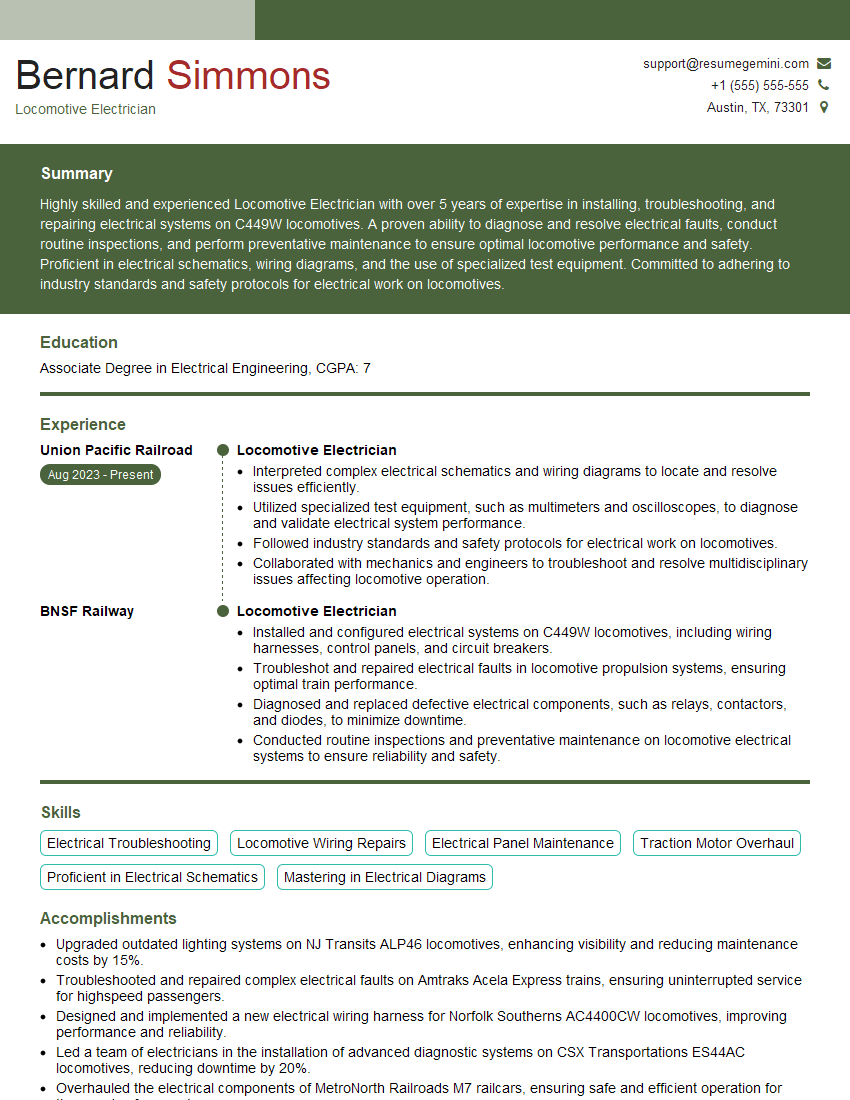
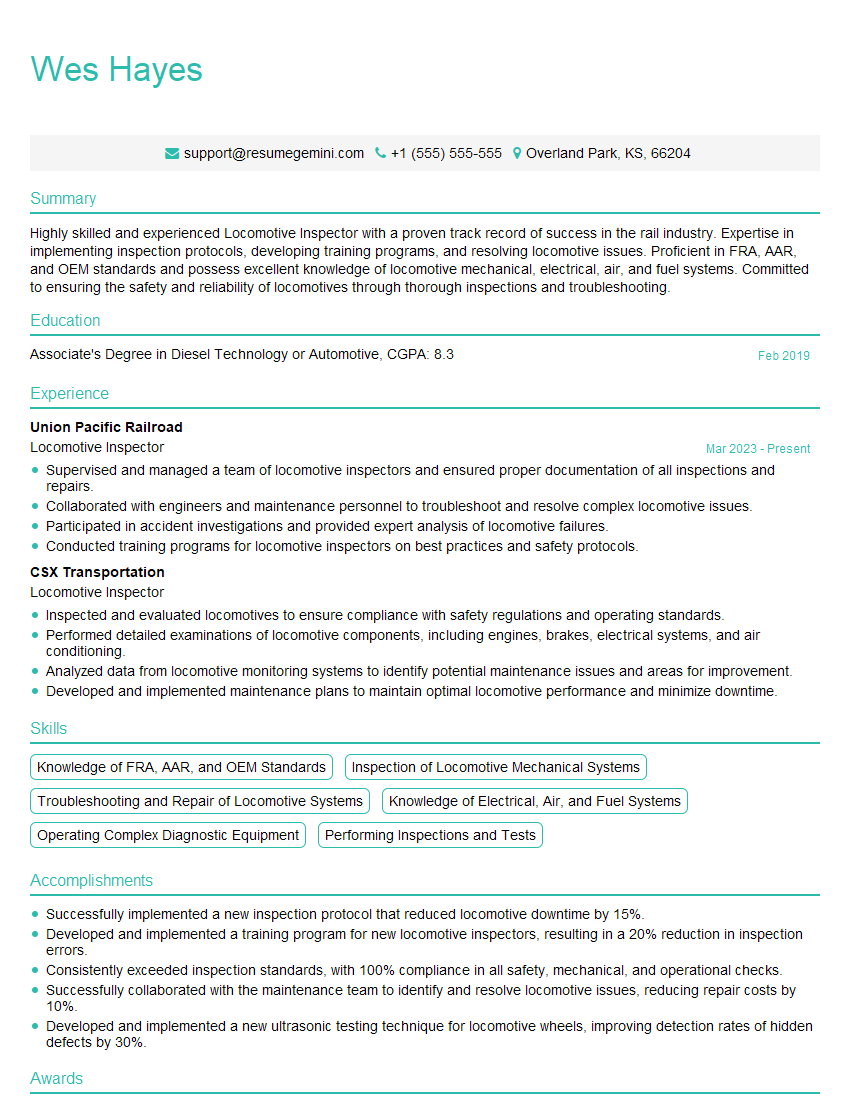
Mastering the skills and knowledge related to Refueling and Servicing Locomotives is crucial for a successful and rewarding career in the transportation industry. It opens doors to diverse roles with increasing responsibility and compensation. To maximize your job prospects, creating a strong, ATS-friendly resume is essential. ResumeGemini is a trusted resource that can help you craft a professional and impactful resume tailored to your specific skills and experience. We provide examples of resumes tailored to Refueling and Servicing Locomotives to help guide you in building your own compelling application. Take the next step towards your dream career today!

Explore more articles
Users Rating of Our Blogs
Share Your Experience
We value your feedback! Please rate our content and share your thoughts (optional).
What Readers Say About Our Blog
I Redesigned Spongebob Squarepants and his main characters of my artwork.
https://www.deviantart.com/reimaginesponge/art/Redesigned-Spongebob-characters-1223583608
IT gave me an insight and words to use and be able to think of examples
Hi, I’m Jay, we have a few potential clients that are interested in your services, thought you might be a good fit. I’d love to talk about the details, when do you have time to talk?
Best,
Jay
Founder | CEO