Every successful interview starts with knowing what to expect. In this blog, we’ll take you through the top Renovation and Restoration interview questions, breaking them down with expert tips to help you deliver impactful answers. Step into your next interview fully prepared and ready to succeed.
Questions Asked in Renovation and Restoration Interview
Q 1. Describe your experience with different types of building materials and their suitability for renovation projects.
My experience spans a wide range of building materials, from traditional to cutting-edge. Understanding material suitability is crucial for successful renovations. For example, when renovating a historic home, I’d prioritize using reclaimed lumber or materials that complement the existing architecture, ensuring historical accuracy and structural integrity. This contrasts with a modern renovation where sustainability might lead me to specify engineered lumber or recycled content materials for their strength and eco-friendliness.
- Brick: Durable, aesthetically pleasing, but can be expensive and labor-intensive to work with.
- Wood: Versatile, but susceptible to rot and insect damage; requires proper treatment and maintenance. Different types of wood (like oak, pine, cedar) offer varying properties.
- Concrete: Strong and durable, offering excellent fire resistance but can crack if not properly reinforced.
- Steel: Strong and versatile, often used for framing, but susceptible to rust if not properly protected.
- Gypsum board (drywall): Commonly used for interior walls and ceilings, offering fire resistance and easy installation.
- Insulation: Crucial for energy efficiency, choices include fiberglass, cellulose, spray foam, each with pros and cons regarding cost, R-value, and installation.
The selection process always involves considering factors like budget, aesthetic goals, structural requirements, environmental impact, and the building’s existing structure. For instance, in a coastal renovation, I’d specify materials resistant to salt corrosion.
Q 2. Explain your approach to managing a renovation project budget and schedule.
Managing budget and schedule effectively is critical. My approach begins with a detailed cost breakdown during the initial planning phase, collaborating closely with the client to establish a realistic budget. This involves creating a comprehensive scope of work, detailing every aspect of the project. I use project management software to track expenses, and we establish regular budget reviews.
Similarly, scheduling is meticulously planned using Gantt charts, outlining tasks, dependencies, and deadlines. Contingency time is built in to account for unforeseen delays. Regular site meetings with the contractor ensure progress aligns with the schedule. Transparent communication with the client is paramount, ensuring they’re informed of any potential adjustments needed.
For example, in a recent kitchen remodel, I underestimated the time required for plumbing adjustments. By proactively communicating this to the client and adjusting the schedule, we avoided significant delays and cost overruns. Open communication and realistic planning are key.
Q 3. How do you identify and mitigate potential risks on a renovation project?
Risk mitigation is proactive. My process begins with a thorough site assessment, identifying potential hazards (e.g., asbestos, lead paint). We engage specialists for testing and remediation as necessary. Thorough contract review with all parties involved (including subcontractors) clearly defines responsibilities and liabilities.
We also establish quality control measures, regular inspections, and documentation at each stage. This minimizes risks associated with material defects, workmanship issues, or scheduling conflicts. Insurance coverage is carefully reviewed to ensure adequate protection against potential losses.
For example, during a basement renovation, we discovered unexpected water damage. Our pre-emptive risk assessment had included this possibility, allowing for a swift response with specialized waterproofing techniques. This prevented more significant damage and cost overruns.
Q 4. What are your preferred methods for communicating with clients and contractors?
Effective communication is paramount. With clients, I maintain regular communication – weekly progress reports, on-site walkthroughs, and open channels for questions. I use a combination of email, phone calls, and project management software to share documents, updates, and photos. I emphasize clear, concise language, avoiding technical jargon when possible.
With contractors, clear, detailed contracts, regular site meetings, and prompt feedback are key. I utilize collaborative project management software for task assignments, progress tracking, and issue reporting. This ensures transparency and prevents misunderstandings. Open communication fosters strong working relationships and promotes project success.
Q 5. Describe your experience with historical building restoration techniques.
I’ve extensive experience in historical building restoration. This involves understanding the building’s history, architectural style, and original construction methods. It requires using traditional techniques and materials wherever possible, while integrating modern technologies for structural integrity and energy efficiency. For example, repairing historic plasterwork requires specific skills and materials to maintain authenticity.
In one project, restoring a Victorian-era home, we meticulously researched original materials and techniques, utilizing lime plaster, traditional woodworking joinery, and historically appropriate paint colors. This ensures the building maintains its character while meeting modern building codes. The key is balancing preservation with functionality and safety.
Q 6. How do you ensure compliance with building codes and regulations during a renovation?
Compliance with building codes and regulations is non-negotiable. This begins with obtaining the necessary permits before starting any work. Throughout the project, we work closely with building inspectors to ensure all work meets required standards.
This involves meticulous documentation – plans, specifications, material certifications, and inspection reports. We maintain an up-to-date understanding of the current building codes relevant to the project location. Any deviation from the approved plans requires a formal request for amendments. Prioritizing compliance prevents costly delays and potential legal issues.
Q 7. Explain your process for selecting subcontractors for a renovation project.
Subcontractor selection is a thorough process. I start by identifying potential subcontractors based on their experience, reputation, and specialization. I then request bids and qualifications, carefully reviewing references and insurance policies.
I choose subcontractors based on a combination of factors including cost, experience, and their proposed approach to the work. This includes a review of past projects, understanding their safety protocols, and confirming their licensing and insurance. A well-vetted subcontractor team is essential for a successful project.
Q 8. How do you handle unexpected issues or delays during a renovation?
Unexpected issues are inevitable in renovations. My approach involves proactive planning, diligent communication, and a flexible problem-solving strategy. Before starting, we thoroughly document the scope of work, including potential risks. This includes a detailed site survey which anticipates potential hidden problems such as old plumbing, electrical issues, or structural weaknesses.
When unforeseen problems arise – say, discovering rotted joists during demolition – I immediately assess the severity and cost implications. I then present the client with transparent options, outlining the repair’s necessity, the different approaches, and their respective budgetary and scheduling impacts. We work collaboratively to choose the best solution, often involving contingency funds built into the original budget. Open communication is crucial here; I keep the client informed every step of the way, explaining technical details in a clear and accessible manner. This prevents misunderstandings and maintains trust.
For example, on a recent kitchen renovation, we uncovered unexpected lead paint. Instead of panicking, we immediately contacted a certified abatement specialist, incorporated the cost into the revised budget, and adjusted the timeline accordingly. The project experienced a delay, but transparent communication minimized client anxiety.
Q 9. What software or tools do you use for project management and documentation?
Effective project management and documentation are essential. I rely on a combination of software and tools to ensure efficiency and accuracy. For project management, I primarily use Procore. Its features, including scheduling, task management, cost tracking, and document control, are invaluable. I utilize the integrated communication tools to keep clients, subcontractors, and suppliers updated in real-time. This minimizes confusion and allows everyone to stay on the same page.
For documentation, I use Bluebeam Revu for PDF markup and collaboration. It allows for clear communication regarding revisions and approvals. All drawings, specifications, change orders, and photos are meticulously organized and stored in the project’s dedicated Procore folder. This ensures easy access to crucial project information at any stage. I also use Autodesk BIM 360 for more complex projects requiring 3D modeling and collaboration features. The right tools help streamline workflows and enhance communication, resulting in smoother projects.
Q 10. Describe your experience with different types of restoration materials and techniques.
My experience spans a wide range of restoration materials and techniques. I’m proficient in working with historic materials like lime plaster, reclaimed timber, and period-specific paints. I understand the importance of using appropriate techniques to preserve the historical integrity of a structure. For example, I’ve worked on projects involving the careful restoration of Victorian-era stained glass windows, requiring specialized cleaning and repair methods. I also have extensive experience with modern materials, such as high-performance insulation and sustainable building products. The choice of material depends entirely on the project’s specifics, balancing the need for preservation with the client’s requirements for functionality and longevity.
Furthermore, I’m skilled in various techniques, including traditional methods like lime rendering and modern techniques like epoxy injection for crack repair. Understanding the properties of each material and the appropriate application technique is crucial for long-lasting, aesthetically pleasing results. For instance, when restoring old timber beams, I might use traditional joinery techniques combined with modern stabilization methods to ensure both structural integrity and historical authenticity.
Q 11. How do you assess the structural integrity of a building before starting a renovation?
Assessing structural integrity is a critical first step. This involves a thorough visual inspection, complemented by non-destructive testing (NDT) methods where necessary. The visual inspection checks for obvious signs of distress, like cracks, settling, or water damage. I’ll document these findings with detailed photographs and notes.
NDT methods, such as ground penetrating radar (GPR) or ultrasonic testing, provide a more detailed, non-invasive look into the structure’s condition. For example, GPR can help detect voids or weaknesses beneath the surface without causing damage. Based on the findings, we determine if further investigations (like core drilling for material analysis) are required. These assessments inform the design and construction phases, ensuring the renovation strengthens the building while addressing any existing structural issues. In cases where significant structural problems exist, I consult with structural engineers to design appropriate remediation strategies. Ignoring potential structural weaknesses can lead to expensive and dangerous problems down the line.
Q 12. What are your methods for quality control during a renovation project?
Quality control is an ongoing process, not a one-time event. It begins with careful planning and specification writing, ensuring that all materials and workmanship meet the required standards. Regular site inspections are essential; I typically visit the site multiple times a week to monitor progress and identify potential issues early on. I maintain detailed photographic records and conduct regular quality checks at each stage of the project—from foundation work to final finishes. We utilize checklists and standardized procedures to ensure consistency and adherence to best practices.
Subcontractor performance is a key aspect of quality control. I carefully select qualified and experienced subcontractors and maintain open communication with them throughout the project. Regular meetings and progress updates help identify and address potential problems quickly. I also implement a rigorous inspection process for all subcontractor work before it’s hidden from view. For example, before drywall goes up, all plumbing and electrical work is inspected to ensure code compliance. By adopting a proactive approach to quality control, we can minimize errors and rework, leading to a higher-quality finished product.
Q 13. How do you handle conflicts between clients, contractors, and other stakeholders?
Conflict resolution requires clear communication and a collaborative approach. I strive to create a positive and respectful working environment where all stakeholders feel heard and valued. I encourage open communication from the outset, establishing clear expectations and responsibilities. Regular meetings, including the client, contractors, and relevant professionals, are crucial to prevent misunderstandings and address potential conflicts early.
If conflicts do arise, I facilitate productive discussions, emphasizing finding mutually agreeable solutions. My approach focuses on understanding the concerns of each party and finding a common ground. Mediation techniques can be beneficial in resolving more complex disagreements. Documentation is crucial; I keep detailed records of all communication and agreements to provide clarity and support in resolving disputes. By focusing on collaboration and clear communication, I aim to transform potential conflicts into opportunities for improved understanding and project success.
Q 14. Explain your experience with asbestos abatement and other hazardous materials.
Experience with hazardous materials like asbestos is paramount in renovation and restoration. I always prioritize safety and adhere strictly to all relevant regulations and guidelines. Before starting any demolition or renovation, we conduct thorough inspections for the presence of asbestos, lead paint, or other hazardous materials. This usually involves taking samples for laboratory analysis. If hazardous materials are found, we engage licensed abatement professionals to safely remove and dispose of them according to established protocols.
For example, during a recent project involving an older school building, asbestos-containing materials were discovered in the pipe insulation. We immediately halted the work and contracted a qualified asbestos abatement contractor. They performed the abatement, following strict safety procedures and providing certification upon completion. All work involving hazardous materials is carefully documented, and we follow all the necessary reporting procedures with the relevant authorities. Prioritizing safety and compliance isn’t just a matter of following regulations; it’s about protecting the health and safety of everyone involved in the project.
Q 15. Describe your experience with moisture intrusion and its effects on building structures.
Moisture intrusion is a significant threat to building structures, causing various problems from minor cosmetic damage to severe structural failure. It occurs when water enters a building through various pathways – cracks in the foundation, leaky roofs, inadequate drainage, or even high humidity. The effects depend on the extent and duration of the intrusion.
- Cosmetic Damage: Mold growth, paint peeling, and wood rot are common early signs. Think of it like a persistent stain that refuses to come off, only much worse.
- Structural Damage: Prolonged moisture weakens structural components like wood framing and concrete, leading to warping, cracking, and even collapse. Imagine a tree constantly exposed to rain; it would eventually rot and weaken.
- Health Issues: Mold growth stemming from moisture intrusion poses serious health risks, triggering allergies, respiratory problems, and other illnesses. This is why early detection and remediation are crucial.
In my experience, I’ve addressed numerous cases of moisture intrusion, employing methods like identifying the source (using moisture meters and thermal imaging), repairing leaks, improving drainage, and implementing proper ventilation to mitigate humidity. For example, on a recent project, we discovered a hidden leak behind a wall, leading to extensive mold growth. After locating and repairing the leak, we completely removed the affected materials, applied antimicrobial treatments, and replaced the damaged sections with moisture-resistant materials.
Career Expert Tips:
- Ace those interviews! Prepare effectively by reviewing the Top 50 Most Common Interview Questions on ResumeGemini.
- Navigate your job search with confidence! Explore a wide range of Career Tips on ResumeGemini. Learn about common challenges and recommendations to overcome them.
- Craft the perfect resume! Master the Art of Resume Writing with ResumeGemini’s guide. Showcase your unique qualifications and achievements effectively.
- Don’t miss out on holiday savings! Build your dream resume with ResumeGemini’s ATS optimized templates.
Q 16. How do you maintain a safe work environment on a construction site?
Safety is paramount on any construction site. My approach to maintaining a safe environment involves a multi-pronged strategy encompassing planning, training, and proactive measures.
- Pre-planning: Before work begins, a thorough risk assessment is essential. This includes identifying potential hazards (e.g., working at heights, electrical risks, confined spaces) and developing a site-specific safety plan outlining preventative measures.
- Training and Communication: All workers receive comprehensive training on safety procedures, including the use of personal protective equipment (PPE) and emergency response protocols. Regular toolbox talks reinforce safety awareness and address any emerging concerns.
- Proactive Measures: Implementing clear signage, maintaining organized workspaces, providing adequate lighting, and ensuring proper equipment maintenance are crucial. We also utilize safety harnesses, scaffolding, and other safety devices as needed.
- Compliance: Strict adherence to all relevant safety regulations and building codes is mandatory. Regular inspections are conducted to identify and rectify any safety violations.
For instance, on a recent renovation, we implemented a strict ‘lockout/tagout’ procedure for electrical work to prevent accidental electrocution. This proactive measure minimized risks and ensured a safe working environment for everyone.
Q 17. What is your experience with LEED certification or sustainable building practices?
I have extensive experience integrating sustainable building practices into renovation projects, though formal LEED certification isn’t a personal credential. My focus is on minimizing the environmental impact throughout the project lifecycle.
- Material Selection: Prioritizing recycled, reclaimed, and locally sourced materials reduces transportation emissions and supports sustainable forestry practices. For example, we recently used reclaimed wood flooring for a project, reducing landfill waste and adding a unique character to the space.
- Energy Efficiency: Improving insulation, installing energy-efficient windows, and upgrading HVAC systems are core elements of our approach. This lowers energy consumption and reduces the carbon footprint of the building.
- Water Conservation: Implementing low-flow fixtures, rainwater harvesting systems, and efficient irrigation techniques help conserve water resources. We’ve successfully implemented rainwater harvesting in several projects, reducing the reliance on municipal water supplies.
- Waste Management: Rigorous waste management practices, including proper sorting and recycling of construction debris, are crucial in minimizing landfill waste.
My experience aligns strongly with LEED principles, even without the formal certification. We always strive to create healthier, more sustainable environments.
Q 18. How do you estimate the cost of a renovation project?
Accurate cost estimation is crucial for successful renovation projects. It’s not a simple calculation; it requires a detailed understanding of the scope of work.
- Detailed Scope of Work: Begin with a comprehensive breakdown of every aspect of the project—demolition, material costs, labor, permits, and contingencies.
- Material Pricing: Obtain multiple quotes from reputable suppliers to ensure competitive pricing. Factor in potential price fluctuations.
- Labor Costs: Accurately estimate labor hours based on the complexity of each task, factoring in experience level and prevailing wage rates.
- Contingency Planning: Always include a contingency buffer (typically 10-20%) to account for unforeseen expenses or delays. This protects against financial surprises.
- Software & Technology: Utilizing construction management software can streamline the process and provide more accurate estimates.
For example, when estimating a kitchen renovation, I would break down costs into categories like demolition, cabinetry, countertops, appliances, plumbing, electrical, and finishing work. Each category would have its own detailed breakdown, enabling precise costing. We also utilize specialized software that helps us generate accurate estimates and track project expenses.
Q 19. Describe your experience with different types of finishing work, such as painting and flooring.
Finishing work is the final touch that transforms a structure into a finished product. My experience encompasses a broad range of techniques.
- Painting: From meticulous preparation (surface cleaning, priming, patching) to applying various paints (latex, oil-based, specialized finishes), I’m proficient in achieving high-quality, durable results. Understanding different paint types and their suitability for various surfaces is key.
- Flooring: Experience with various flooring materials—hardwood, tile, carpet, laminate—ensures proper installation, addressing subfloor preparation, and ensuring seamless transitions. Understanding the nuances of each material’s installation is critical for lasting results.
- Drywall Finishing: This involves taping, mudding, sanding, and priming to create smooth, flawless surfaces, requiring precision and attention to detail.
- Trim Work: Installing baseboards, crown molding, and casings requires careful measurement, cutting, and installation to achieve a clean, professional finish.
Recently, I oversaw a project involving intricate woodwork and custom staining. The client’s vision required specific techniques and stains to achieve the desired color and finish. Meticulous attention to detail and a deep understanding of woodworking techniques were critical to the project’s success.
Q 20. What are your skills in blueprint reading and understanding architectural drawings?
Blueprint reading and understanding architectural drawings are fundamental skills for any renovation professional. It’s more than just deciphering lines and symbols; it’s about comprehending the design intent and structural elements.
- Understanding Symbols and Conventions: Proficiency in recognizing architectural symbols, dimensions, notations, and specifications is essential for interpreting drawings correctly.
- Spatial Reasoning: The ability to visualize three-dimensional spaces from two-dimensional drawings is crucial for understanding the project’s layout and construction sequencing.
- Interpreting Specifications: Understanding material specifications, finishes, and construction details is crucial for selecting appropriate materials and coordinating work with various trades.
- Identifying Conflicts and Discrepancies: Experienced professionals can identify potential conflicts or inconsistencies in the drawings, preventing costly errors during construction.
I’ve worked with various drawing formats, from traditional blueprints to digital models. My experience allows me to quickly and accurately interpret plans, sections, elevations, and details, ensuring that the construction process is seamless and aligns precisely with the architectural design.
Q 21. How do you ensure the project meets the client’s expectations and timeline?
Meeting client expectations and adhering to project timelines requires proactive communication, meticulous planning, and effective project management.
- Clear Communication: Maintaining open and consistent communication with the client throughout the project is crucial. Regular updates, progress reports, and addressing concerns promptly build trust and manage expectations.
- Detailed Project Planning: A well-defined project schedule with clearly defined milestones and deadlines is essential for efficient execution. This ensures tasks are completed on time and within budget.
- Effective Project Management: Utilizing project management tools and techniques to track progress, manage resources, and address challenges effectively is essential for timely completion.
- Contingency Planning: Having a plan to address potential setbacks or delays is critical for mitigating risks and ensuring the project remains on track.
- Regular Site Meetings: Holding regular meetings with the client and the construction team ensures everyone is on the same page and any arising issues can be promptly addressed.
On a recent project, we encountered an unexpected delay due to material supply issues. By proactively communicating the situation to the client, adjusting the schedule accordingly, and exploring alternative solutions, we were able to minimize the impact and still deliver the project on time, albeit with minor adjustments. Effective communication and proactive problem-solving were key to this success.
Q 22. Describe a time you had to resolve a significant conflict on a project.
One particularly challenging conflict arose during a historic home renovation. The homeowner, deeply attached to the original architectural details, clashed with the structural engineer over the necessity of replacing a compromised load-bearing beam. The homeowner preferred a less intrusive, albeit less structurally sound, solution.
My approach involved several steps: First, I facilitated a calm, collaborative meeting involving all parties. We used visual aids – blueprints, photos of the damage, and 3D renderings – to clearly illustrate the structural risks. Second, I presented various solutions, carefully detailing the pros and cons of each, including the homeowner’s preferred option, highlighting its limitations. Finally, I presented a compromise: a solution that maintained the original aesthetic as much as possible while ensuring structural integrity. This involved using a reinforced beam that was cleverly concealed, preserving the historic character. Open communication, empathy, and a focus on finding a mutually acceptable solution were key to resolving this conflict.
Q 23. What is your experience with different types of foundation repair techniques?
My experience encompasses a wide range of foundation repair techniques, tailored to the specific needs of the structure and the nature of the damage. This includes:
- Underpinning: This involves strengthening existing foundations by adding new support structures beneath the existing ones. I’ve used techniques like mass concrete underpinning for larger structures and resin injection for less invasive solutions in smaller projects.
- Piering: This technique involves installing helical piers or other types of support piers into the ground to stabilize the foundation. This is particularly effective for settling foundations.
- Crack Repair: For minor cracks, I utilize techniques like epoxy injection or specialized fillers, while major cracks may necessitate more extensive solutions, like underpinning.
- Drainage Improvement: Often, foundation problems stem from poor drainage. I routinely incorporate solutions like French drains, grading adjustments, and waterproofing membranes to mitigate water damage and prevent future issues.
The choice of technique depends heavily on a thorough assessment of the foundation’s condition, soil type, and the overall structural integrity. Each project demands a customized approach, and my expertise lies in selecting and implementing the most effective and cost-efficient method.
Q 24. How do you manage and document changes to a project scope during a renovation?
Managing and documenting scope changes is crucial for maintaining project integrity and preventing disputes. My process involves the following:
- Formal Change Request: All changes, no matter how minor, are documented through a formal change request form. This form clearly states the proposed change, rationale, cost implications, and timelines.
- Client Approval: The client must review and approve all change requests in writing. This ensures everyone is on the same page and prevents misunderstandings later on.
- Revised Plans and Specifications: Approved changes are incorporated into updated plans and specifications. These revised documents are then distributed to all relevant parties.
- Change Order: A formal change order document is issued, reflecting the changes and the updated costs and schedule. This is a legally binding agreement.
- Detailed Documentation: Every change, from minor material substitutions to major design alterations, is meticulously documented with photos, emails, and signed approvals. This detailed record helps to track progress, maintain transparency, and resolve any disputes that might arise.
This systematic approach ensures that all changes are accounted for, and the project remains transparent, financially sound, and aligns with client expectations.
Q 25. Explain your understanding of building permits and inspections.
Building permits and inspections are essential components of any renovation project, ensuring compliance with building codes and safety standards. My understanding encompasses the following:
- Permit Application: I’m adept at navigating the process of obtaining the necessary permits from local authorities, ensuring all required documents and plans are submitted accurately and timely.
- Code Compliance: I have an in-depth understanding of building codes and regulations relevant to my work. I design and execute projects to meet these standards consistently.
- Inspections: I proactively schedule and prepare for inspections by ensuring that the work meets the required standards at each stage of construction. Open communication with inspectors is crucial to address any issues promptly.
- Corrective Actions: In case of non-compliance, I promptly address the inspector’s concerns, implementing corrective actions and scheduling re-inspections until full compliance is achieved.
- Permitting Variances: When necessary, I handle the application process for variances where design elements might deviate from standard code requirements.
My experience ensures that projects are legally compliant and meet safety standards, thereby avoiding costly delays and potential legal issues.
Q 26. How do you prioritize tasks and manage multiple projects simultaneously?
Managing multiple projects concurrently requires a structured and organized approach. I utilize a combination of techniques:
- Prioritization Matrix: I rank projects based on urgency, importance, and deadline, ensuring that critical tasks are addressed first. This is often done using a visual tool like a Kanban board.
- Detailed Scheduling: Each project has a detailed schedule with clearly defined milestones and deadlines. This allows for efficient allocation of resources and monitoring of progress.
- Dedicated Teams: Where possible, I allocate dedicated teams to each project to ensure focused attention and efficient workflow. This also helps to ensure specialized skills are utilized optimally.
- Regular Progress Meetings: I conduct regular meetings with team members and clients to review progress, address challenges, and make necessary adjustments. This promotes transparency and timely issue resolution.
- Project Management Software: I leverage project management software to track progress, manage tasks, and facilitate communication amongst team members. This improves collaboration and efficiency significantly.
This structured approach ensures that all projects receive the attention they require, and that deadlines are met effectively.
Q 27. What is your experience with energy-efficient renovation strategies?
Energy-efficient renovation strategies are crucial for minimizing environmental impact and reducing operating costs. My experience includes implementing a range of such strategies:
- Insulation Upgrades: This involves adding or upgrading insulation in walls, attics, and crawl spaces, significantly reducing energy loss. I often utilize high-performance insulation materials.
- High-Performance Windows: Replacing old windows with energy-efficient ones with low-E coatings significantly reduces heat transfer.
- Air Sealing: Air sealing reduces drafts and air infiltration, minimizing energy waste. I identify and seal air leaks using appropriate techniques and sealants.
- Energy-Efficient HVAC Systems: Upgrading HVAC systems to high-efficiency models significantly reduces energy consumption for heating and cooling.
- Renewable Energy Sources: I also have experience integrating renewable energy sources, such as solar panels, into renovation projects where feasible and appropriate.
By implementing a combination of these strategies, I help clients reduce their energy bills, decrease their carbon footprint, and increase the value of their properties. This is not just about cost savings; it’s about sustainable building practices.
Q 28. Describe a challenging renovation project you completed and the lessons you learned.
One particularly challenging project involved the complete renovation of a 1920s Victorian home with significant structural issues, hidden water damage, and asbestos abatement requirements. The timeline was extremely tight, and unexpected discoveries throughout the process frequently derailed the original plan.
The biggest lessons learned were:
- Thorough Preliminary Assessment: While we conducted a thorough initial assessment, unforeseen issues – such as extensive termite damage concealed beneath layers of flooring – highlighted the importance of even more rigorous preliminary investigations. Non-destructive testing methods should be more widely deployed.
- Contingency Planning: Unforeseen complications are inevitable in old buildings. Developing robust contingency plans, including additional time and budget allocations, proved invaluable in mitigating delays and cost overruns.
- Communication and Transparency: Maintaining open and transparent communication with the client throughout the entire process was crucial in managing expectations and addressing concerns effectively. Regular updates and prompt responses to questions helped to build trust and confidence.
Despite the challenges, the successful completion of the project reinforced the importance of proactive planning, flexible problem-solving, and clear communication in navigating complex and unpredictable renovation projects. The final result was a beautifully restored home, a testament to perseverance and meticulous attention to detail.
Key Topics to Learn for Renovation and Restoration Interview
- Building Codes and Regulations: Understanding local, state, and national building codes is crucial for safe and legal renovations. Practical application includes interpreting blueprints and ensuring compliance throughout the project.
- Project Management: Efficient project planning, budgeting, scheduling, and resource allocation are essential. This includes understanding critical paths, risk management, and client communication.
- Construction Materials and Techniques: Deep knowledge of various materials (wood, concrete, masonry, etc.) and their appropriate applications is vital. Practical application involves selecting the right materials for specific projects and understanding their limitations.
- Structural Integrity: Assessing the structural soundness of existing buildings is paramount. This involves understanding load-bearing elements, potential weaknesses, and necessary reinforcement techniques.
- Restoration Techniques: Understanding methods for restoring historical or damaged structures, including preservation techniques and material matching. This includes understanding the importance of historical accuracy in restoration projects.
- Health and Safety Regulations: Adherence to OSHA and other safety regulations is non-negotiable. Practical application includes implementing safety protocols on-site and ensuring worker safety.
- Estimating and Budgeting: Accurately estimating project costs, including labor, materials, and permits, is crucial for profitability and client satisfaction. This includes understanding contingency planning for unexpected issues.
- Client Communication and Management: Effective communication with clients is vital for successful project delivery. This includes managing expectations, addressing concerns, and maintaining positive relationships.
Next Steps
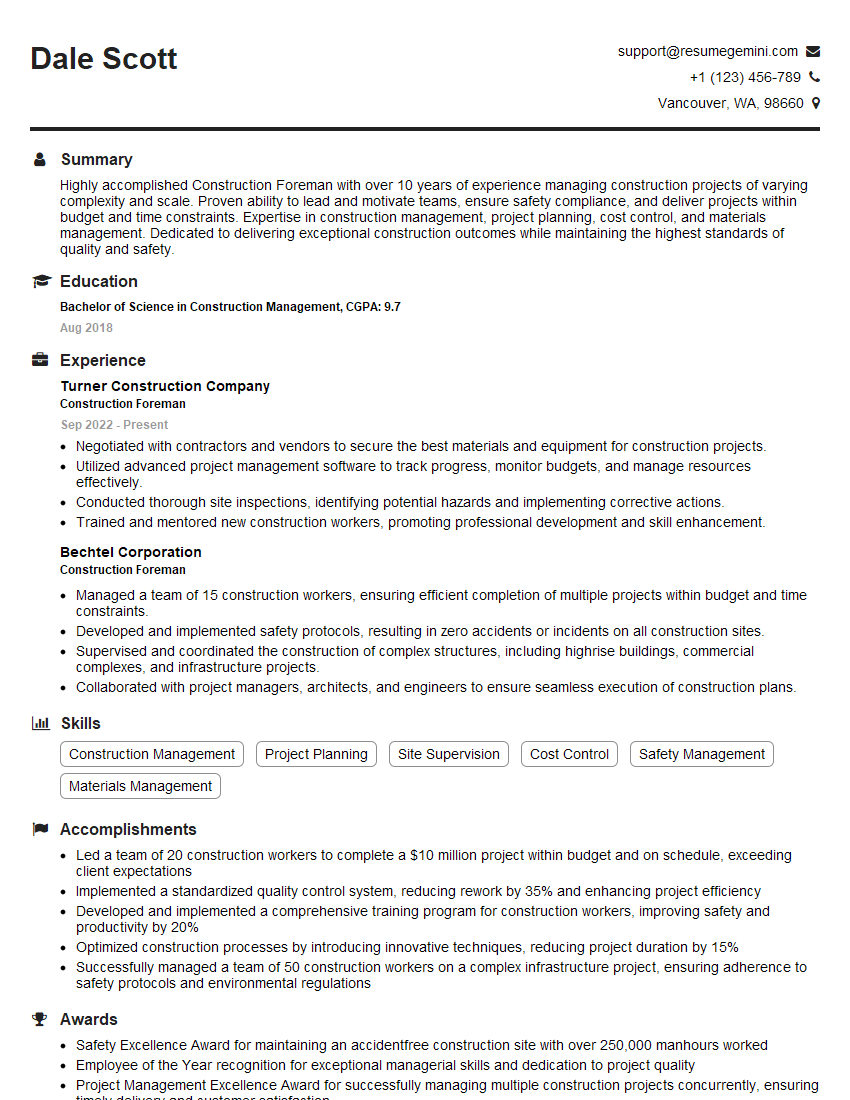
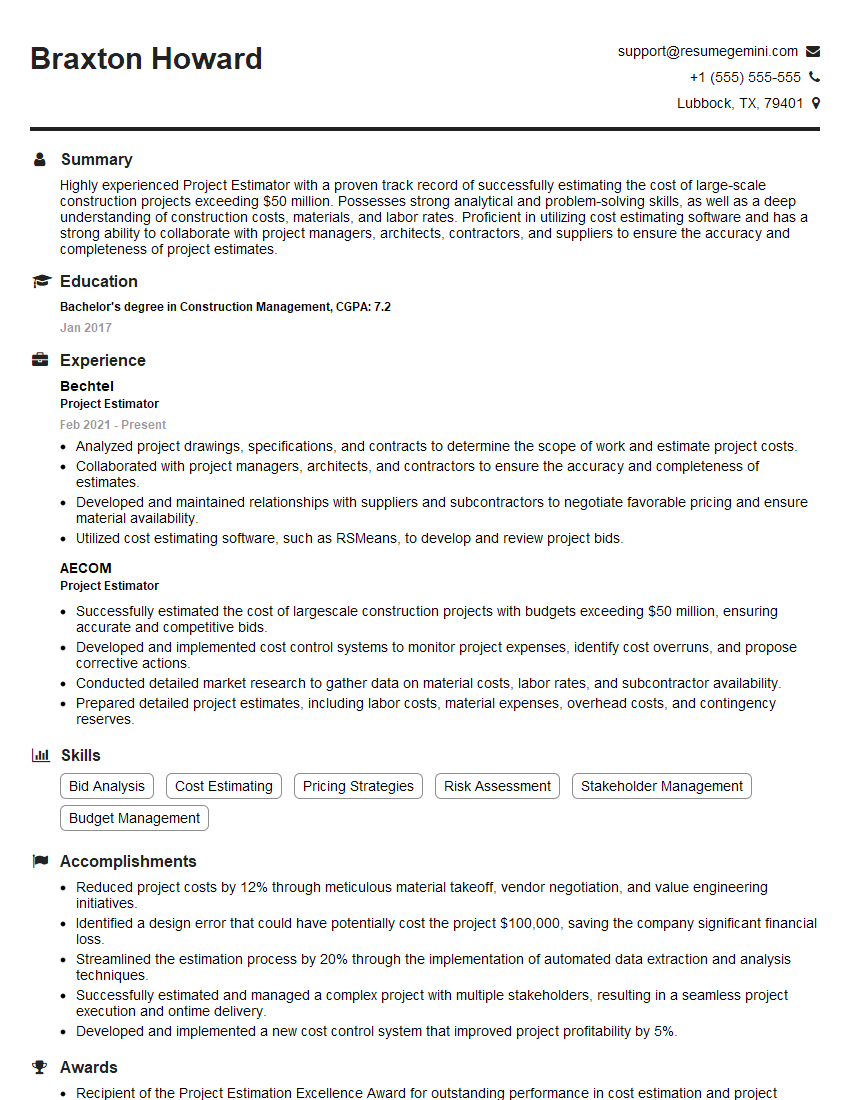
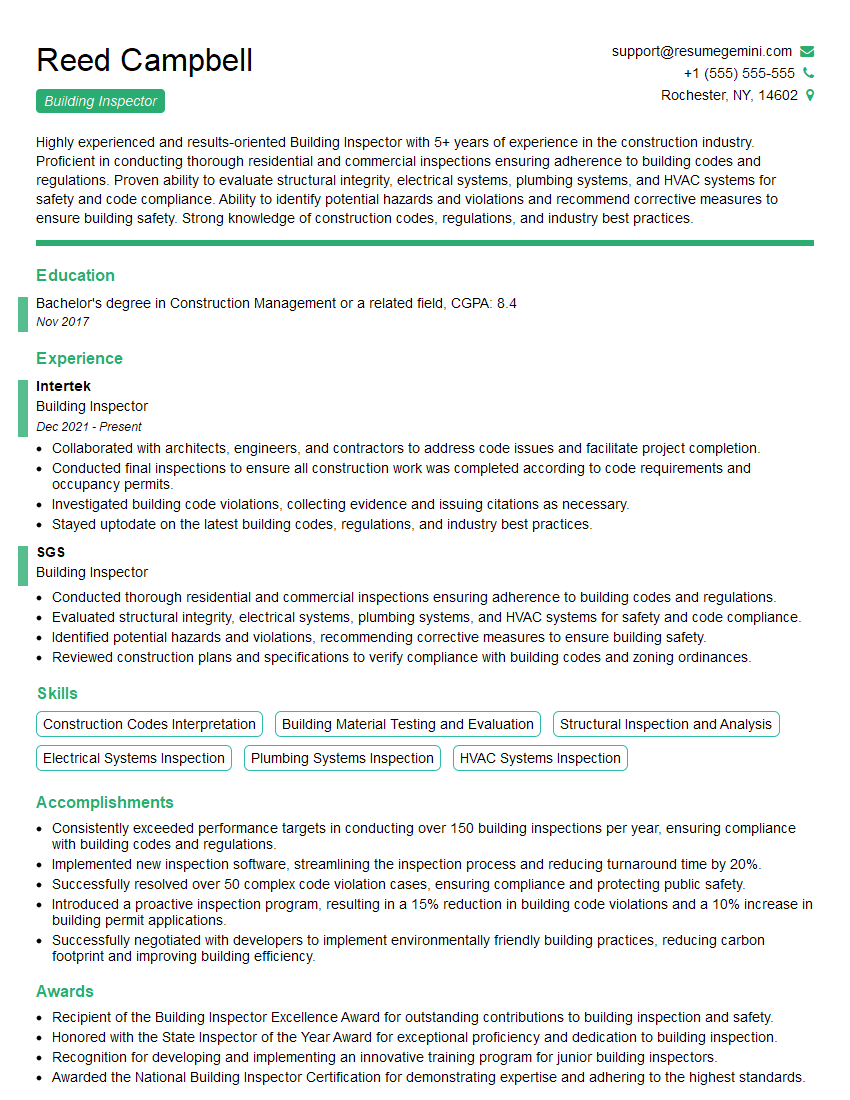
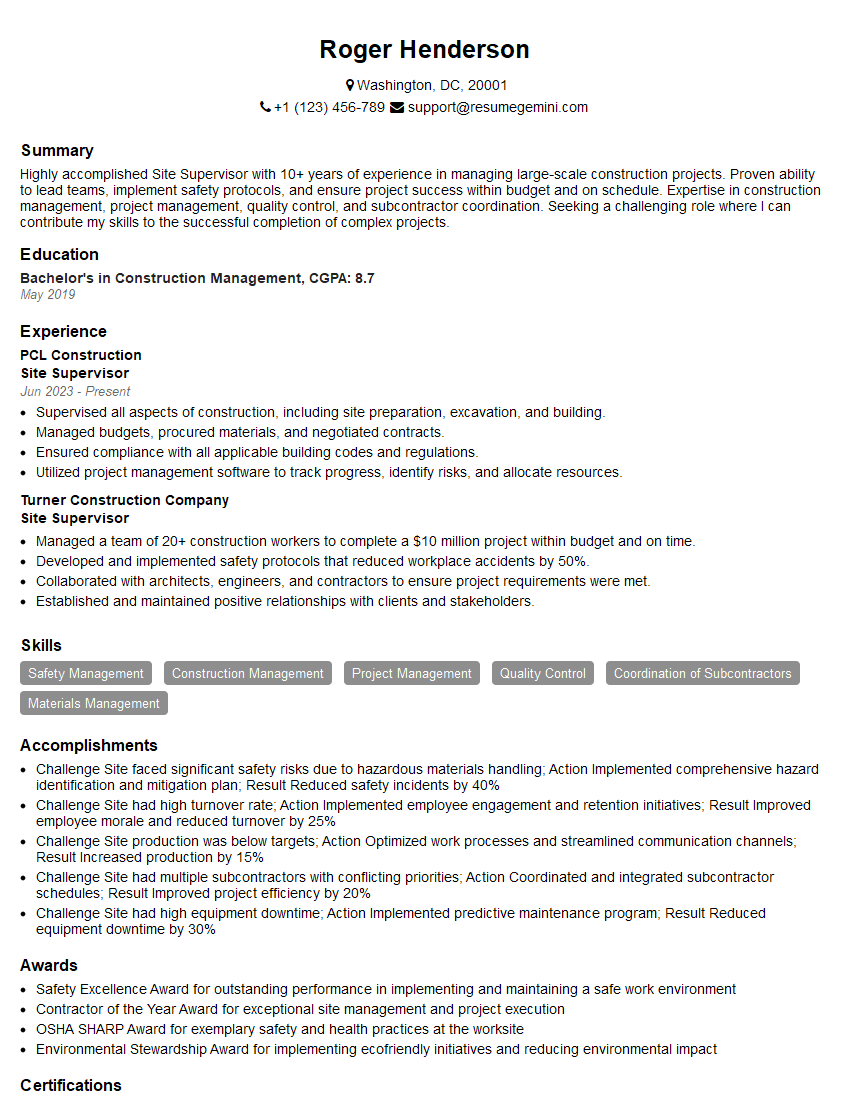
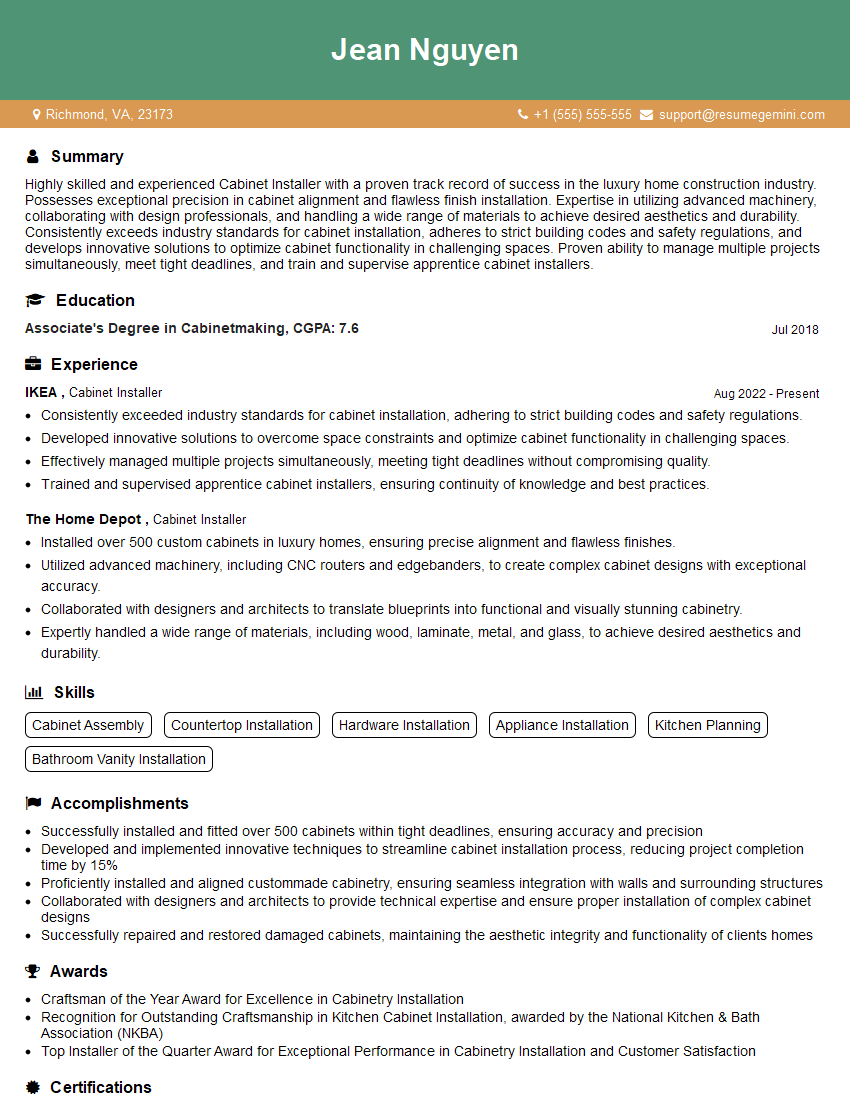
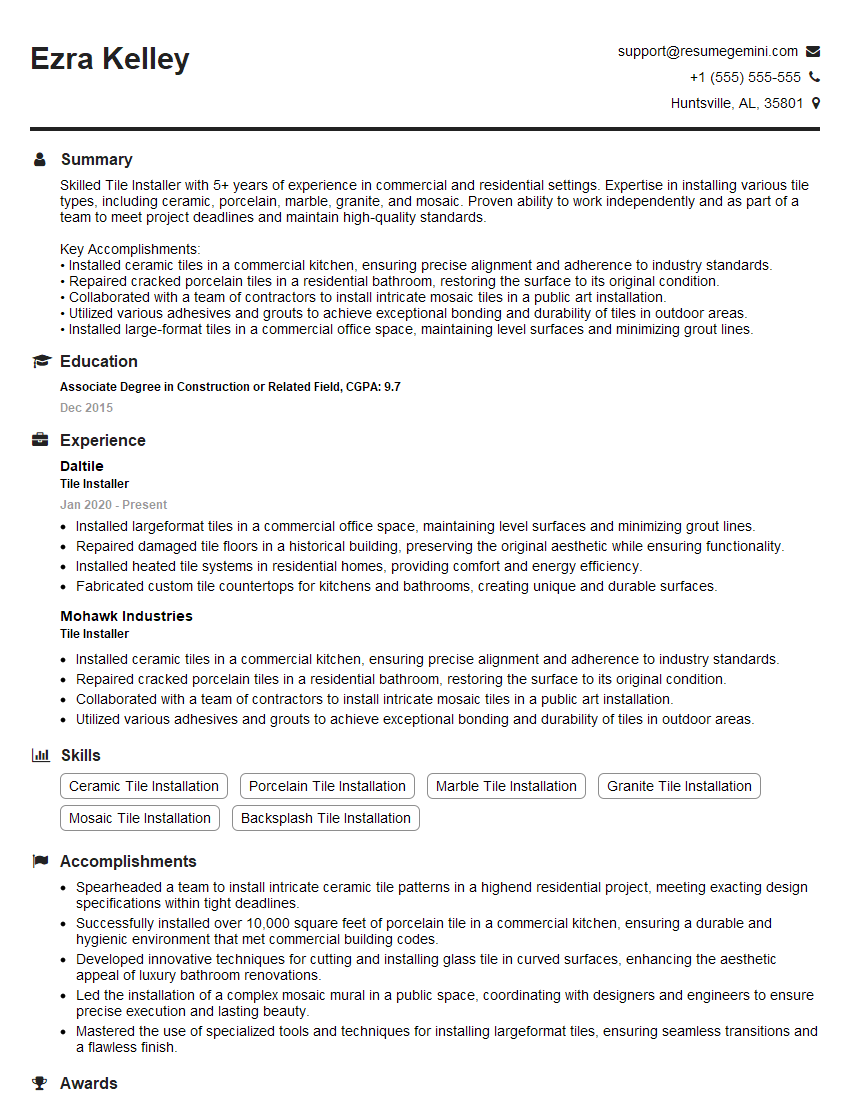
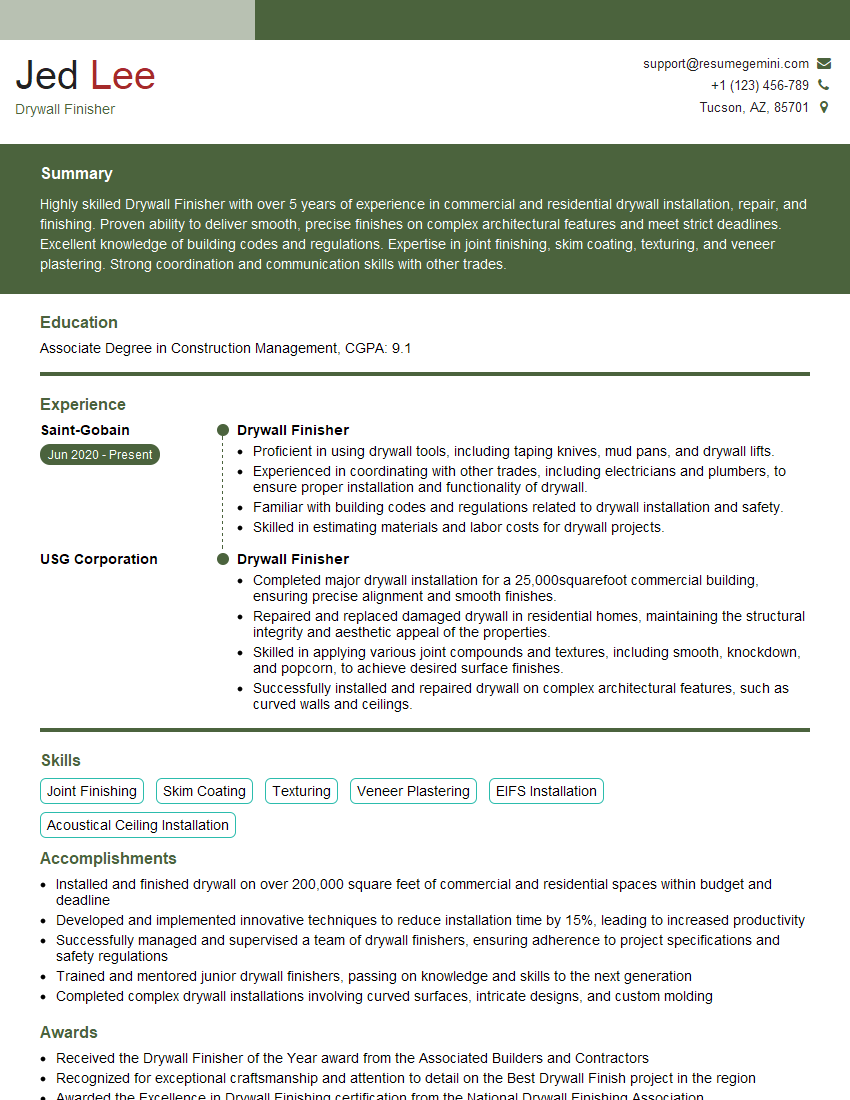
Mastering Renovation and Restoration opens doors to a rewarding career with diverse opportunities for growth and specialization. To stand out, create a strong, ATS-friendly resume that highlights your skills and experience. ResumeGemini is a trusted resource to help you build a professional and impactful resume that showcases your qualifications effectively. Examples of resumes tailored to Renovation and Restoration are available to guide you.

Explore more articles
Users Rating of Our Blogs
Share Your Experience
We value your feedback! Please rate our content and share your thoughts (optional).
What Readers Say About Our Blog
I Redesigned Spongebob Squarepants and his main characters of my artwork.
https://www.deviantart.com/reimaginesponge/art/Redesigned-Spongebob-characters-1223583608
IT gave me an insight and words to use and be able to think of examples
Hi, I’m Jay, we have a few potential clients that are interested in your services, thought you might be a good fit. I’d love to talk about the details, when do you have time to talk?
Best,
Jay
Founder | CEO