Interviews are more than just a Q&A session—they’re a chance to prove your worth. This blog dives into essential ROP – Real-time Operation Planning interview questions and expert tips to help you align your answers with what hiring managers are looking for. Start preparing to shine!
Questions Asked in ROP – Real-time Operation Planning Interview
Q 1. Explain the concept of real-time optimization in ROP.
Real-time optimization (RTO) within Real-time Operation Planning (ROP) refers to the continuous adjustment of operational plans in response to real-time data and changing conditions. Unlike static, pre-planned schedules, RTO leverages advanced algorithms and models to dynamically find the optimal operational strategy at each moment, maximizing efficiency and minimizing costs while adhering to constraints.
Imagine a traffic control system. A static plan might pre-allocate traffic flow based on average rush hour patterns. RTO, however, would constantly monitor actual traffic conditions, identifying congestion points and dynamically adjusting traffic light timings to optimize overall traffic flow in real-time. This minimizes delays and improves overall throughput.
RTO is crucial in industries like energy, transportation, and manufacturing where rapid changes can significantly impact efficiency and profitability. It requires sophisticated systems capable of data acquisition, model execution, and decision implementation in milliseconds.
Q 2. Describe your experience with different ROP scheduling algorithms.
My experience encompasses a range of ROP scheduling algorithms, each with its own strengths and weaknesses. I’ve worked extensively with:
- Linear Programming (LP): Used for optimizing linear objective functions subject to linear constraints. Excellent for problems with well-defined linear relationships, but can struggle with non-linear complexities.
- Mixed Integer Programming (MIP): Extends LP to handle integer or binary variables, essential for scheduling decisions involving discrete choices like starting or stopping a machine. More computationally intensive than LP but necessary for many realistic scenarios.
- Constraint Programming (CP): A powerful technique that directly encodes constraints, offering flexibility to handle complex relationships. It’s particularly useful for problems with intricate logical dependencies. I’ve used CP extensively for rostering problems, optimizing crew assignments, and equipment allocation.
- Heuristics and Metaheuristics: These approximate solution methods are invaluable when dealing with large-scale, complex problems where optimal solutions are computationally intractable. Examples include Genetic Algorithms, Simulated Annealing, and Tabu Search. These techniques often deliver good-quality solutions in reasonable timeframes.
The choice of algorithm depends heavily on the specific problem, the data available, and the computational resources available. In practice, I often combine different techniques, using heuristics to find a good initial solution and then refining it with LP or CP.
Q 3. How do you handle unexpected events or disruptions in real-time operations?
Handling unexpected events requires a robust ROP system with built-in resilience. My approach involves a combination of proactive measures and reactive responses:
- Proactive Measures: This includes developing contingency plans for anticipated disruptions (e.g., equipment failure, weather events). We incorporate uncertainty into our models using techniques like stochastic programming or robust optimization.
- Real-time Monitoring and Alerting: Implementing real-time monitoring of key operational parameters allows for immediate detection of deviations from the plan. Automated alerts inform operators of potential issues, enabling prompt corrective action.
- Reactive Rescheduling: Once a disruption is detected, the ROP system uses the chosen algorithm to rapidly recalculate the optimal schedule, considering the new constraints. This might involve adjusting resource allocation, rerouting, or delaying tasks.
- Human-in-the-Loop: While automation is crucial, human expertise remains important, especially during critical events. The system should allow operators to review and override automated decisions when necessary, ensuring a balance between automation and human judgment.
For example, in a power grid, a sudden surge in demand could trigger a re-dispatch of generating units to maintain grid stability. The ROP system would quickly identify the shortfall, predict the impact, and automatically adjust power generation, taking into account transmission line constraints and generator limitations.
Q 4. What metrics do you use to measure the effectiveness of ROP strategies?
Measuring the effectiveness of ROP strategies requires a balanced set of metrics, tailored to the specific operational context. Key metrics include:
- Cost Optimization: This could be fuel cost, labor cost, or material cost, depending on the industry.
- Throughput/Productivity: Measuring the quantity of goods produced or services delivered.
- Resource Utilization: Assessing how efficiently resources (equipment, personnel, energy) are used.
- Compliance with Constraints: Ensuring the schedule adheres to operational limits (e.g., safety regulations, capacity limits).
- Responsiveness to Disruptions: Measuring the time it takes to recover from unexpected events and the associated costs.
- Forecast Accuracy: Evaluating the accuracy of demand forecasts or other input data used in the ROP system.
The choice of metrics should reflect the organization’s overall goals and priorities. Regular monitoring and analysis of these metrics are crucial for continuous improvement of the ROP system.
Q 5. Explain your understanding of constraint programming in ROP.
Constraint Programming (CP) is a powerful paradigm for solving complex scheduling and resource allocation problems within ROP. Unlike LP which focuses on optimizing an objective function, CP directly encodes constraints that define the feasible solution space. This makes it highly suitable for problems with intricate relationships and logical dependencies.
In ROP, CP allows us to model various constraints such as:
- Precedence constraints: Task A must finish before Task B can start.
- Resource constraints: A machine can only process one task at a time.
- Time window constraints: A task must start and finish within a specific time interval.
- Capacity constraints: The total resource usage cannot exceed a predefined limit.
CP solvers use sophisticated algorithms to find solutions that satisfy all constraints. They are particularly effective for problems that are difficult to model using LP or other optimization techniques. For example, in crew scheduling, CP can handle complex rules related to rest periods, skill requirements, and union agreements.
Q 6. How do you balance competing objectives in real-time resource allocation?
Balancing competing objectives in real-time resource allocation often requires a multi-objective optimization approach. This involves formulating the problem with multiple, potentially conflicting objectives, such as minimizing cost while maximizing throughput or minimizing energy consumption while maintaining reliability.
Several techniques can be used:
- Weighted Sum Method: Assign weights to each objective, reflecting their relative importance. The weighted sum is then optimized, creating a single objective function.
- Goal Programming: Set target values for each objective and minimize deviations from these targets. This is useful when specific targets are desired.
- Pareto Optimization: Find a set of non-dominated solutions (Pareto optimal solutions), where no improvement in one objective can be achieved without sacrificing another. This provides a trade-off frontier, allowing decision-makers to choose the best compromise.
The choice of technique depends on the nature of the objectives and the preferences of the decision-maker. Often, interactive methods are used, where the decision-maker can explore the trade-off frontier and adjust the parameters or weights based on their preferences.
Q 7. Describe your experience with different forecasting techniques used in ROP.
Accurate forecasting is crucial for effective ROP. I have experience with a variety of techniques, selecting the most appropriate method depending on the data characteristics and the forecasting horizon:
- Time Series Analysis: Techniques like ARIMA, Exponential Smoothing, and Prophet are used for forecasting time-dependent data. These models capture patterns and trends in historical data to predict future values.
- Regression Models: Linear or non-linear regression can be used to model the relationship between demand and other relevant factors (e.g., weather, economic indicators).
- Machine Learning: Advanced machine learning algorithms, such as neural networks or support vector machines, can be employed for more complex forecasting problems where relationships are non-linear and difficult to model explicitly. These often require significant data.
- Expert Judgement: In some cases, incorporating expert knowledge and qualitative information is necessary, particularly when dealing with infrequent or unpredictable events.
The accuracy of forecasts is crucial for effective planning. Regular monitoring and evaluation of forecasting performance, along with model recalibration, are essential for maintaining accuracy over time. Furthermore, incorporating uncertainty into the forecasts using techniques such as bootstrapping or Bayesian methods can improve the robustness of the ROP plan.
Q 8. How do you ensure data accuracy and reliability in real-time operations?
Data accuracy and reliability are paramount in ROP. Think of it like piloting an airplane – inaccurate data is like faulty instruments; it leads to disastrous consequences. We ensure accuracy through a multi-pronged approach:
- Data Validation and Cleansing: Before any data enters the ROP system, we rigorously validate its source, format, and reasonableness. This often involves automated checks and manual reviews by experienced analysts to identify and correct inconsistencies or outliers.
- Redundant Data Sources: We rarely rely on a single data source. Multiple sources (e.g., SCADA systems, field reports, weather data) provide redundancy, allowing us to cross-check and identify potential errors. Discrepancies trigger investigations to pinpoint the source of the error.
- Real-time Data Quality Monitoring: We constantly monitor data streams for anomalies, spikes, or drops in quality using statistical process control techniques. Any deviation from expected behavior immediately alerts the operations team, allowing for swift intervention.
- Data Governance and Security: Strict protocols govern data access, modification, and archival. This includes role-based access control, audit trails, and regular security checks to prevent unauthorized alterations or data breaches.
- Calibration and Maintenance: All sensors and equipment feeding data into the ROP system undergo regular calibration and maintenance to minimize measurement errors. This ensures that the data reflects the true state of the system.
For example, in a power grid, inaccurate load forecasts can lead to cascading failures. Our rigorous data validation procedures help us avoid such scenarios.
Q 9. What software or tools have you used for ROP?
My experience with ROP software and tools is extensive. I’ve worked with a range of solutions, adapting my approach depending on the specific needs of the project. These include:
- Advanced Planning and Scheduling (APS) systems: Such as SAP APO, Oracle Advanced Supply Chain Planning. These systems help optimize resource allocation and scheduling, considering constraints like equipment availability and material limitations.
- Supervisory Control and Data Acquisition (SCADA) systems: These systems provide real-time monitoring and control of operational assets. I’ve used various SCADA platforms, including GE Proficy and Schneider Electric EcoStruxure.
- Geographic Information Systems (GIS): ArcGIS and QGIS are invaluable for visualizing and analyzing geographically dispersed assets, allowing for effective resource deployment and incident response.
- Data analytics and visualization tools: Tableau and Power BI are critical for extracting insights from large datasets, creating dashboards to monitor key performance indicators (KPIs), and identifying trends and anomalies.
- Programming languages: Python and R are vital for automating tasks, developing custom algorithms for optimization and predictive modeling, and integrating data from diverse sources.
The specific tools employed always depend on the project’s unique demands and the existing infrastructure.
Q 10. How do you communicate effectively during real-time operational crises?
Effective communication during operational crises is about clarity, speed, and collaboration. Think of it as orchestrating a symphony – each instrument (team member) must play its part in perfect harmony.
- Clear and Concise Communication: We use pre-defined communication protocols and standardized terminology to avoid ambiguity. Information must be relayed quickly and accurately, without unnecessary jargon.
- Multiple Communication Channels: We leverage various channels, including dedicated communication systems (e.g., two-way radios, emergency notification systems), email, and video conferencing. Redundancy ensures that critical messages reach everyone.
- Centralized Command Center: A centralized command center acts as a hub for information dissemination and coordination. This facilitates real-time situational awareness and efficient decision-making.
- Regular Briefings and Updates: Frequent briefings and updates keep everyone informed about the evolving situation and assigned roles. This fosters transparency and shared understanding.
- After-Action Reviews: Following any crisis, we conduct thorough after-action reviews to identify areas for improvement in communication and overall crisis management.
For instance, during a major power outage, efficient communication is critical to restoring power quickly and safely. Clear instructions to field crews and regular updates to the public ensure a coordinated response.
Q 11. Explain your experience with predictive maintenance in ROP.
Predictive maintenance is crucial in ROP, preventing equipment failures and optimizing maintenance schedules. It’s like getting your car regularly serviced – preventing a breakdown is far more cost-effective than dealing with an emergency repair.
My experience involves using data-driven techniques to predict potential equipment failures. This typically includes:
- Data Collection and Preprocessing: Gathering sensor data, operational logs, and historical maintenance records.
- Feature Engineering: Creating relevant variables (features) from raw data that might predict failures, such as vibration levels, temperature, and operational hours.
- Model Development and Training: Employing machine learning algorithms (e.g., regression models, survival analysis) to predict the probability of failure based on the engineered features. We use techniques like time series analysis to account for temporal dependencies in the data.
- Model Deployment and Monitoring: Integrating the predictive models into the ROP system to generate maintenance alerts and recommendations. Continuous monitoring and model retraining are essential to adapt to changing operational conditions.
In a power generation plant, for example, predictive maintenance on turbines can prevent costly shutdowns, ensuring a stable electricity supply.
Q 12. How do you handle conflicting priorities in real-time resource management?
Conflicting priorities are common in ROP. It’s like juggling multiple balls – you need to prioritize effectively to avoid dropping any. I address these conflicts using a structured approach:
- Prioritization Framework: Employing frameworks like MoSCoW (Must have, Should have, Could have, Won’t have) or a weighted scoring system to objectively rank tasks based on their urgency, importance, and impact.
- Risk Assessment: Analyzing the potential risks and consequences associated with each task to help prioritize those with the highest potential impact.
- Resource Allocation: Optimizing the allocation of resources (personnel, equipment, budget) based on the prioritized tasks. This often involves trade-offs and negotiations among stakeholders.
- Communication and Collaboration: Open communication with all stakeholders is critical to ensure that everyone understands the priorities and the rationale behind the decisions.
- Adaptive Planning: Regularly reviewing and adjusting the plan in response to changing conditions and new information.
For example, if a pipeline leak and a power outage occur simultaneously, we must prioritize based on the severity of the immediate threat and the potential downstream consequences.
Q 13. Describe a situation where you had to make a critical decision under pressure in ROP.
During a severe storm, a major transmission line failed, causing a widespread power outage. We had to make critical decisions under immense pressure to restore power as quickly as possible while ensuring the safety of our crews.
The situation demanded quick thinking and decisive action:
- Rapid Assessment: We quickly assessed the damage and determined the extent of the outage. GIS mapping was crucial in visualizing the impacted areas.
- Prioritization: We prioritized restoring power to critical facilities, such as hospitals and emergency services, before addressing widespread outages.
- Resource Allocation: We deployed repair crews and equipment to the most critical areas, considering road closures and hazardous conditions.
- Communication: Clear and constant communication was maintained with crews, emergency services, and the public to update them on the progress and estimated restoration times.
- Contingency Planning: We implemented contingency plans to prevent further cascading failures by selectively shedding load in affected areas.
The successful resolution of this crisis highlighted the importance of preparedness, quick decision-making, and effective teamwork under pressure.
Q 14. How do you integrate ROP with other business functions?
ROP isn’t an isolated function; it’s deeply integrated with other business functions to ensure a holistic approach to operations.
- Supply Chain Management: ROP works closely with supply chain management to ensure that materials and resources are available when and where they are needed.
- Maintenance Management: ROP integrates with maintenance management to optimize maintenance schedules and prevent costly equipment failures (as discussed in predictive maintenance).
- Financial Planning and Control: ROP helps to optimize resource allocation, reducing costs and improving operational efficiency. Cost-benefit analysis plays a key role in ROP decision making.
- Safety Management: ROP incorporates safety considerations into all planning and operational decisions to ensure worker safety and prevent accidents.
- Customer Service: ROP helps to improve service reliability and responsiveness, which positively impacts customer satisfaction. ROP provides insights to improve service delivery and communication.
For example, in a manufacturing setting, ROP’s integration with the supply chain ensures timely delivery of raw materials, optimizing production schedules and preventing costly delays.
Q 15. What are the key challenges you foresee in the future of ROP?
The future of ROP faces several significant challenges. One key challenge is the increasing complexity of power systems. The integration of renewable energy sources like solar and wind power introduces significant variability and uncertainty, making real-time planning far more difficult. Predicting their output accurately is crucial for maintaining grid stability, and current forecasting methods are still under development.
Another challenge is the need for faster, more responsive solutions. As more distributed energy resources (DERs) like rooftop solar panels and electric vehicle charging stations come online, the speed at which ROP algorithms must adapt is increasing exponentially. Traditional optimization models might not be fast enough to handle the real-time adjustments needed.
Finally, cybersecurity threats are becoming increasingly sophisticated. ROP systems are critical infrastructure, and a successful cyberattack could have severe consequences. Robust security measures are vital to protect the integrity and reliability of these systems.
Career Expert Tips:
- Ace those interviews! Prepare effectively by reviewing the Top 50 Most Common Interview Questions on ResumeGemini.
- Navigate your job search with confidence! Explore a wide range of Career Tips on ResumeGemini. Learn about common challenges and recommendations to overcome them.
- Craft the perfect resume! Master the Art of Resume Writing with ResumeGemini’s guide. Showcase your unique qualifications and achievements effectively.
- Don’t miss out on holiday savings! Build your dream resume with ResumeGemini’s ATS optimized templates.
Q 16. Explain your understanding of different types of optimization models used in ROP.
ROP employs a variety of optimization models, each with its strengths and weaknesses. Linear Programming (LP) is a common choice for its simplicity and efficiency, especially when dealing with linear relationships between variables. For example, LP can be used to optimize generation dispatch by minimizing cost while meeting demand constraints.
Mixed Integer Programming (MIP) extends LP by allowing for integer variables, essential for modelling discrete decisions like unit commitment (deciding which power plants to switch on). Imagine a scenario where you have multiple power plants with different start-up costs and capacities; MIP would help decide which plants to operate to minimize overall cost.
Nonlinear Programming (NLP) handles scenarios with nonlinear relationships, such as those involving voltage or reactive power constraints in transmission networks. These models often require more complex algorithms and longer computation times, but are necessary for highly accurate representations of real-world power systems.
Stochastic Programming addresses uncertainty in renewable energy generation or demand. It involves creating scenarios representing different possible outcomes and finding a solution that performs well across all scenarios. This helps mitigate the risk associated with unpredictable energy sources.
Q 17. How do you assess the risk associated with different ROP strategies?
Assessing the risk associated with different ROP strategies requires a multifaceted approach. We start by defining key risk factors: loss of load (LOLP), frequency deviation, voltage instability, and economic costs. For each strategy, we use simulations based on historical data and future projections to estimate the probability of these risk events.
Monte Carlo simulations are particularly useful for modelling uncertainty and quantifying risk. We run thousands of simulations, each with slightly different input parameters (e.g., renewable energy generation), to build a distribution of potential outcomes. This gives us a statistical measure of the risk associated with a given strategy.
Sensitivity analysis helps understand how the risk changes when we change key input parameters. This allows us to identify the most critical factors and prioritize mitigation efforts. For example, we might find that the LOLP is highly sensitive to wind power forecasting accuracy, prompting us to invest in improved forecasting technologies.
Q 18. How do you ensure the scalability of ROP solutions?
Scalability in ROP is critical given the ever-growing size and complexity of power systems. We achieve scalability through several strategies. First, we use efficient algorithms and data structures. Sparse matrix techniques are particularly useful for large-scale optimization problems, reducing memory requirements and computation time.
Secondly, distributed computing architectures play a vital role. We can break down the ROP problem into smaller subproblems and solve them on multiple processors in parallel, significantly reducing the overall solution time. This is crucial for handling the massive datasets involved in real-time operation of large grids.
Thirdly, cloud computing offers significant scalability benefits. Cloud platforms provide on-demand access to vast computational resources, allowing us to adapt to changing needs and accommodate future growth without significant upfront investment in hardware.
Q 19. Describe your experience with different data visualization techniques for ROP.
Effective data visualization is crucial for understanding complex ROP data and communicating insights to stakeholders. We use a variety of techniques, including time-series plots to show the evolution of generation, load, and prices over time. These plots reveal trends and patterns that are otherwise difficult to identify in raw data.
Geographical Information Systems (GIS) provide a powerful visual representation of spatial information, such as the location of generators, transmission lines, and load centers. This is vital for visualizing the flow of power across the grid and identifying potential bottlenecks or vulnerabilities.
Interactive dashboards provide a dynamic view of real-time system operations, allowing users to drill down into specific areas of interest. These dashboards are invaluable for monitoring system performance, identifying issues, and making informed decisions during emergencies. Color-coded maps indicating areas of high load or low voltage are particularly effective.
Q 20. How do you use data analytics to improve ROP efficiency?
Data analytics plays a pivotal role in improving ROP efficiency. We use machine learning techniques to improve forecasting accuracy of renewable energy generation and electricity demand. For example, sophisticated models can predict solar power output based on weather forecasts and historical data, improving the accuracy of our optimization models. This leads to a more reliable and cost-effective operation.
Anomaly detection algorithms help identify unusual patterns in the system, such as unexpected load increases or equipment malfunctions. Early detection of anomalies allows for proactive interventions, preventing potential failures and reducing downtime.
Predictive maintenance is another area where data analytics is transformative. By analyzing sensor data from power plants and transmission lines, we can predict potential equipment failures and schedule preventative maintenance, reducing the risk of unexpected outages and improving overall grid reliability.
Q 21. Explain your understanding of the trade-offs between optimality and feasibility in ROP.
In ROP, there’s an inherent trade-off between optimality and feasibility. An optimal solution represents the best possible outcome based on the optimization model, minimizing cost or maximizing some other objective function. However, this optimal solution might not always be feasible in the real world due to physical constraints, operational limitations, or unforeseen events.
For example, an optimal solution might call for operating a particular power plant at its maximum capacity. However, if that plant unexpectedly experiences a failure, the solution becomes infeasible. In such cases, we need to adjust the solution to maintain feasibility while minimizing deviations from the optimal plan. Robust optimization techniques are designed to create solutions that remain feasible even under uncertainty.
The balance between optimality and feasibility depends on the specific context. In normal operations, we might prioritize optimality. However, during emergencies or unexpected events, we might need to prioritize feasibility, ensuring the system’s continued operation even if it means sacrificing some level of optimality. This often involves human-in-the-loop decision-making, leveraging the expertise of operators.
Q 22. How do you measure the ROI of ROP initiatives?
Measuring the ROI of ROP initiatives requires a multifaceted approach that goes beyond simple cost savings. We need to consider both tangible and intangible benefits. Tangible benefits are easily quantifiable, such as reduced operational costs (e.g., fuel consumption, maintenance), increased throughput, and minimized delays. Intangible benefits, like improved customer satisfaction, enhanced safety, and strengthened regulatory compliance, are harder to quantify but equally crucial.
To measure ROI, I typically employ a combination of methods. This includes:
- Cost-benefit analysis: This involves meticulously calculating all costs associated with implementing the ROP initiative (software, training, hardware) against the projected savings and revenue increases. For example, if a new scheduling algorithm reduces fuel consumption by 10%, we can calculate the direct monetary savings.
- Key Performance Indicators (KPIs): We track KPIs relevant to the specific ROP goals. This could include on-time performance, reduction in unplanned downtime, improved asset utilization, or decreased emissions. These metrics provide concrete evidence of the initiative’s impact.
- Surveys and feedback: Gathering feedback from stakeholders – operators, dispatchers, and clients – offers insights into the intangible benefits. For instance, a reduction in delays can lead to increased customer satisfaction which can be assessed through customer surveys.
- Scenario modeling: We conduct what-if analyses to compare performance under different operational scenarios, with and without the ROP initiative. This helps to demonstrate the potential gains and the value proposition.
Ultimately, the ROI calculation needs to be tailored to the specific context and objectives of the ROP initiative. A robust framework considers both short-term and long-term impacts, providing a holistic view of the initiative’s value.
Q 23. How do you manage stakeholder expectations during real-time operations?
Managing stakeholder expectations in real-time operations demands proactive communication and transparency. It’s crucial to establish clear communication channels and maintain regular updates. This starts with defining realistic expectations upfront, clearly outlining the capabilities and limitations of the ROP system. Avoid overpromising, and instead, highlight achievable improvements.
I employ a multi-pronged approach:
- Regular meetings: Conducting frequent meetings with stakeholders allows for direct feedback and addresses concerns promptly. These meetings should include progress reports, highlighting both successes and challenges faced.
- Transparent reporting: Utilizing dashboards and reports that visualize key performance indicators allows stakeholders to monitor progress and understand the impact of the ROP system in real-time.
- Proactive communication: Anticipate potential issues and communicate them proactively to avoid surprises. Openly addressing challenges demonstrates transparency and fosters trust.
- Feedback mechanisms: Establishing mechanisms for continuous feedback, such as surveys or suggestion boxes, ensures that stakeholder concerns are heard and addressed.
For example, in a recent project involving a major transportation company, we held weekly meetings with the operations team, providing detailed reports on schedule adherence and fuel efficiency. Addressing their concerns proactively and incorporating their feedback significantly improved buy-in and project success.
Q 24. Describe your experience with collaborative ROP solutions.
My experience with collaborative ROP solutions centers on leveraging technology to foster seamless information sharing and coordination among different entities in the operational ecosystem. This typically involves integrating various data sources and systems, facilitating real-time collaboration among stakeholders.
In a recent project involving grid management, we implemented a collaborative platform that integrated data from diverse sources – generation units, transmission lines, and distribution networks – into a single, unified view. This allowed different operators (generation companies, transmission system operators, distribution system operators) to collaborate effectively in real time, optimizing power flow and preventing grid instability. The platform utilized a secure, cloud-based architecture and incorporated features such as:
- Real-time data visualization: Providing a shared view of the operational status, allowing all stakeholders to make informed decisions.
- Secure communication channels: Facilitating efficient communication and coordination among teams.
- Automated alerts and notifications: Providing timely alerts in case of unusual events or deviations from planned operations.
- Collaborative decision-making tools: Supporting joint decision-making processes among stakeholders through tools like shared workspaces and discussion forums.
The success of this collaborative approach significantly improved grid reliability, reduced operational costs, and enhanced the overall efficiency of power system management.
Q 25. How do you adapt ROP strategies to changing market conditions?
Adapting ROP strategies to changing market conditions requires a flexible and agile approach. The key is to build a system that can quickly respond to shifts in demand, supply, regulatory changes, or unforeseen events (e.g., natural disasters). This demands continuous monitoring of market trends and incorporating that data into the ROP process.
My strategies involve:
- Scenario planning: Developing different operational scenarios based on potential market changes. This allows for proactive adjustments in the ROP plan based on anticipated conditions.
- Data-driven decision making: Leveraging real-time data and advanced analytics to detect patterns, identify trends, and adjust strategies accordingly. This could involve employing machine learning algorithms for forecasting and predictive modeling.
- Agile methodologies: Adopting an agile approach allows for iterative improvements and adjustments to the ROP strategy based on real-time feedback and learning.
- Robust optimization algorithms: Using optimization algorithms that are capable of handling dynamic constraints and adjusting the optimal plan based on changing conditions.
For example, in the energy sector, a sudden surge in demand during a heatwave necessitates a quick revision of the generation schedule. An adaptable ROP system can automatically adjust the generation mix to meet the increased demand while minimizing operational costs.
Q 26. Explain your understanding of the role of artificial intelligence in ROP.
Artificial intelligence (AI) is transforming ROP by enabling more sophisticated optimization, prediction, and automation. AI algorithms, particularly machine learning and deep learning, can analyze vast amounts of data to identify patterns, predict future conditions, and optimize operational decisions in real-time.
Specific applications include:
- Predictive maintenance: AI can analyze sensor data from assets to predict potential failures, allowing for proactive maintenance and preventing unplanned downtime. This leads to significant cost savings and improved reliability.
- Demand forecasting: AI algorithms can accurately predict future demand, leading to more efficient resource allocation and improved customer service.
- Optimized scheduling and routing: AI can optimize transportation schedules, routes, and resource allocation based on real-time conditions, reducing costs and improving efficiency.
- Anomaly detection: AI can detect unusual patterns or anomalies in operational data, alerting operators to potential issues that might require immediate attention.
However, the successful integration of AI into ROP requires careful consideration of data quality, algorithm selection, and human-in-the-loop oversight. AI should augment human decision-making, not replace it entirely. The human expert’s knowledge and experience remain crucial for effective ROP.
Q 27. How do you ensure compliance with relevant regulations in ROP?
Ensuring compliance with relevant regulations in ROP is paramount. This involves a structured approach that incorporates regulatory requirements throughout the entire ROP lifecycle. It’s not just about meeting minimum standards; it’s about embedding compliance into the very fabric of the system.
My strategies include:
- Regulatory mapping: Identifying all relevant regulations applicable to the specific operational domain (e.g., environmental regulations, safety standards, data privacy laws).
- Compliance checks in the ROP system: Integrating compliance checks within the ROP software to ensure that all operational plans adhere to relevant regulations. For instance, the system should automatically flag any potential violations.
- Auditing and monitoring: Regular audits and monitoring ensure continuous compliance and identify any potential gaps. This can involve internal audits, external reviews, and use of automated monitoring tools.
- Documentation and traceability: Maintaining detailed records of all operational plans and decisions, including justifications for any deviations from standard procedures. This ensures transparency and helps during audits.
- Training and awareness: Regular training programs for operators and personnel to ensure awareness and understanding of regulatory requirements.
For example, in the transportation industry, compliance with hours-of-service regulations is crucial. The ROP system should incorporate these regulations, automatically generating schedules that comply with all legal limits, and providing alerts if any potential violations are detected.
Q 28. What are your strategies for continuous improvement in ROP?
Continuous improvement in ROP is an iterative process. It involves regularly reviewing the ROP process, identifying areas for enhancement, and implementing changes to optimize performance. This isn’t a one-time effort but a continuous cycle of learning and refinement.
My strategies are:
- Performance monitoring and analysis: Regularly monitoring key performance indicators (KPIs) and analyzing data to identify areas where improvements can be made. This involves using advanced analytics techniques to pinpoint bottlenecks and inefficiencies.
- Feedback loops: Establishing feedback loops from operators, stakeholders, and customers to gather insights and suggestions for improvements. This might involve surveys, interviews, and focus groups.
- Regular reviews and updates: Conducting regular reviews of the ROP process and the underlying data and algorithms to identify areas for improvement. This includes reviewing the accuracy of forecasting models and the effectiveness of optimization algorithms.
- Benchmarking: Comparing the performance of the ROP system against industry best practices and identifying areas where improvements can be made. This helps to set realistic goals and measure progress.
- Innovation and technology adoption: Staying updated with the latest technologies and innovations in the field and exploring opportunities to incorporate them into the ROP process to enhance efficiency and effectiveness.
For instance, by regularly analyzing operational data, we might identify a specific route or task that consistently leads to delays. We can then investigate the root cause and implement changes – such as optimizing the route or adjusting the scheduling algorithm – to mitigate the problem. This continuous process of monitoring, analysis, and improvement is key to maintaining a high-performing ROP system.
Key Topics to Learn for ROP – Real-time Operation Planning Interview
- ROP Fundamentals: Understanding the core principles of real-time operation planning, including its goals, objectives, and key performance indicators (KPIs).
- Data Analysis & Interpretation: Proficiency in analyzing real-time data streams to identify trends, anomalies, and potential issues impacting operational efficiency.
- Optimization Techniques: Familiarity with various optimization algorithms and methodologies used to enhance resource allocation, scheduling, and overall operational performance in real-time scenarios. This includes understanding the trade-offs between different optimization strategies.
- Scenario Planning & Response: Ability to develop and evaluate different operational scenarios, anticipating potential disruptions and formulating effective responses to minimize their impact.
- Decision Support Systems (DSS): Knowledge of different DSS tools and technologies used in ROP, including their capabilities and limitations. Understanding how to effectively utilize these systems for decision-making.
- Communication & Collaboration: Effective communication skills to convey complex information clearly and concisely to various stakeholders, and the ability to collaborate effectively within a team environment.
- Risk Management & Mitigation: Identifying and assessing operational risks, developing strategies to mitigate those risks, and implementing contingency plans.
- Practical Applications: Understanding how ROP principles are applied in specific industries or contexts (e.g., energy grids, transportation networks, manufacturing). Be prepared to discuss real-world examples and case studies.
- Problem-Solving Approaches: Demonstrating proficiency in systematic problem-solving methodologies, including root cause analysis and solution implementation within the context of real-time operational challenges.
Next Steps
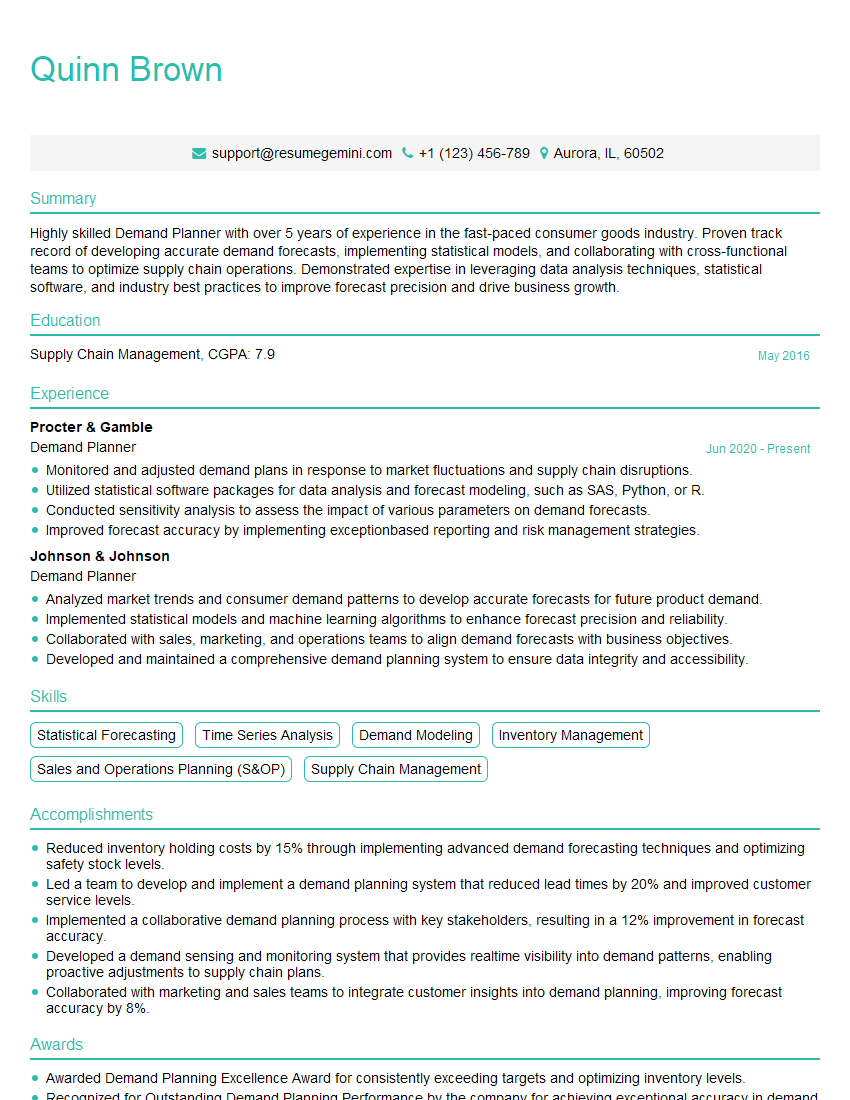
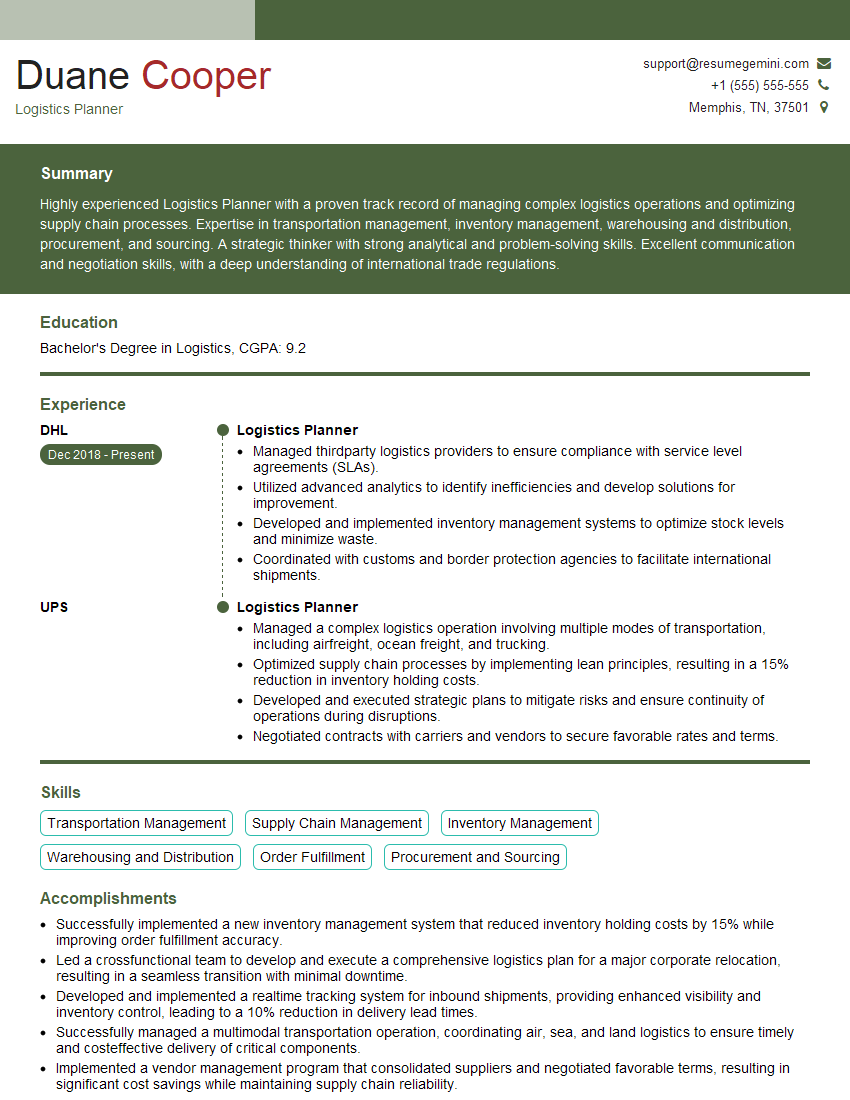
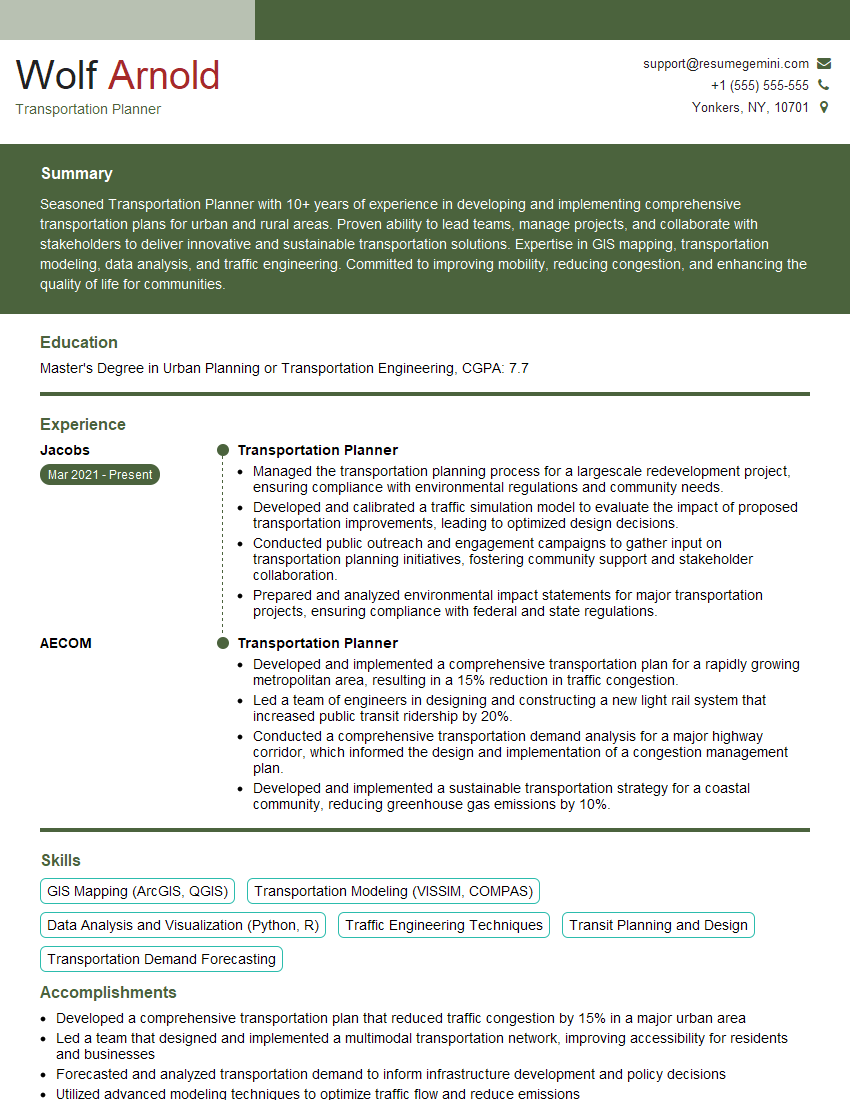
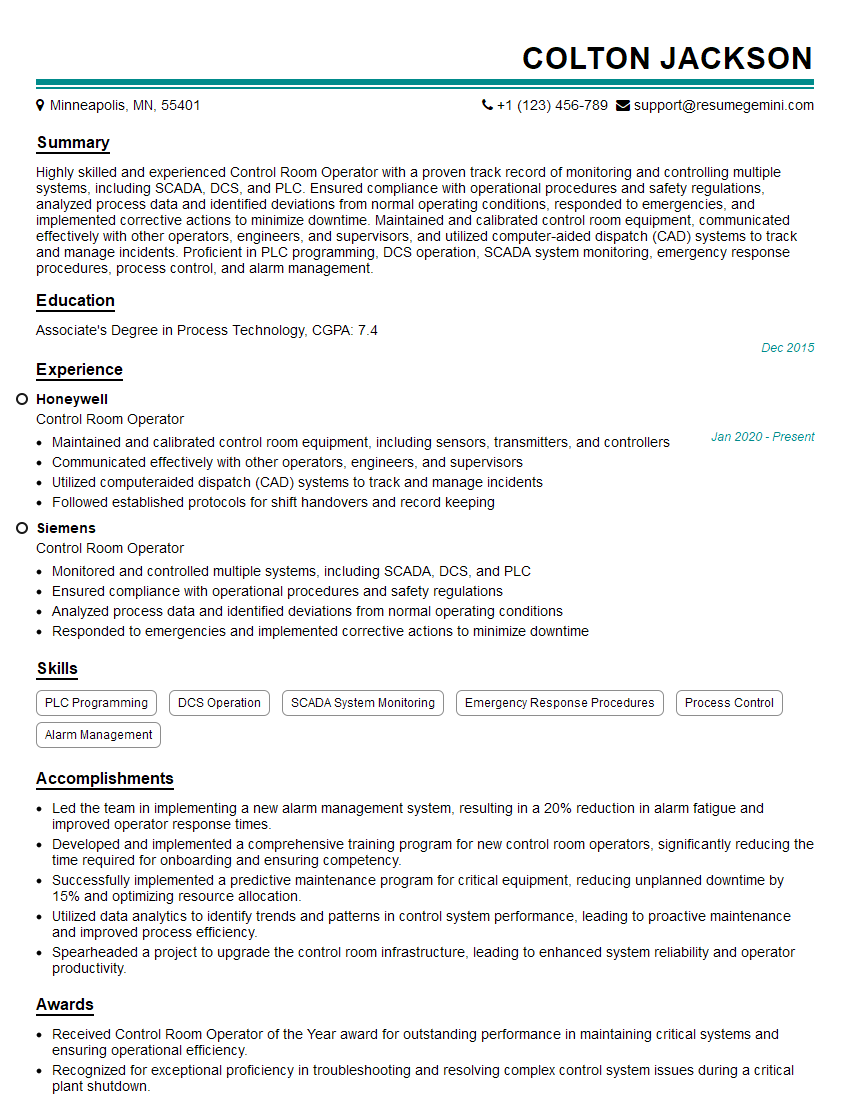
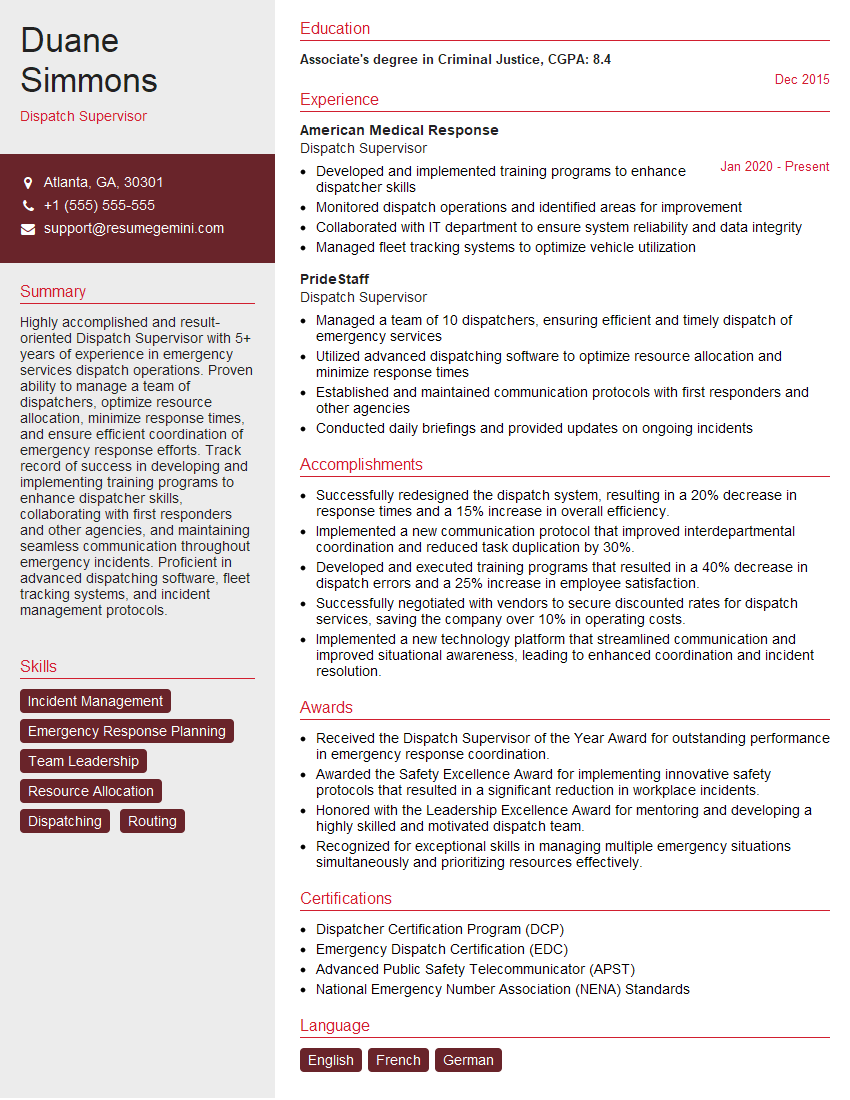
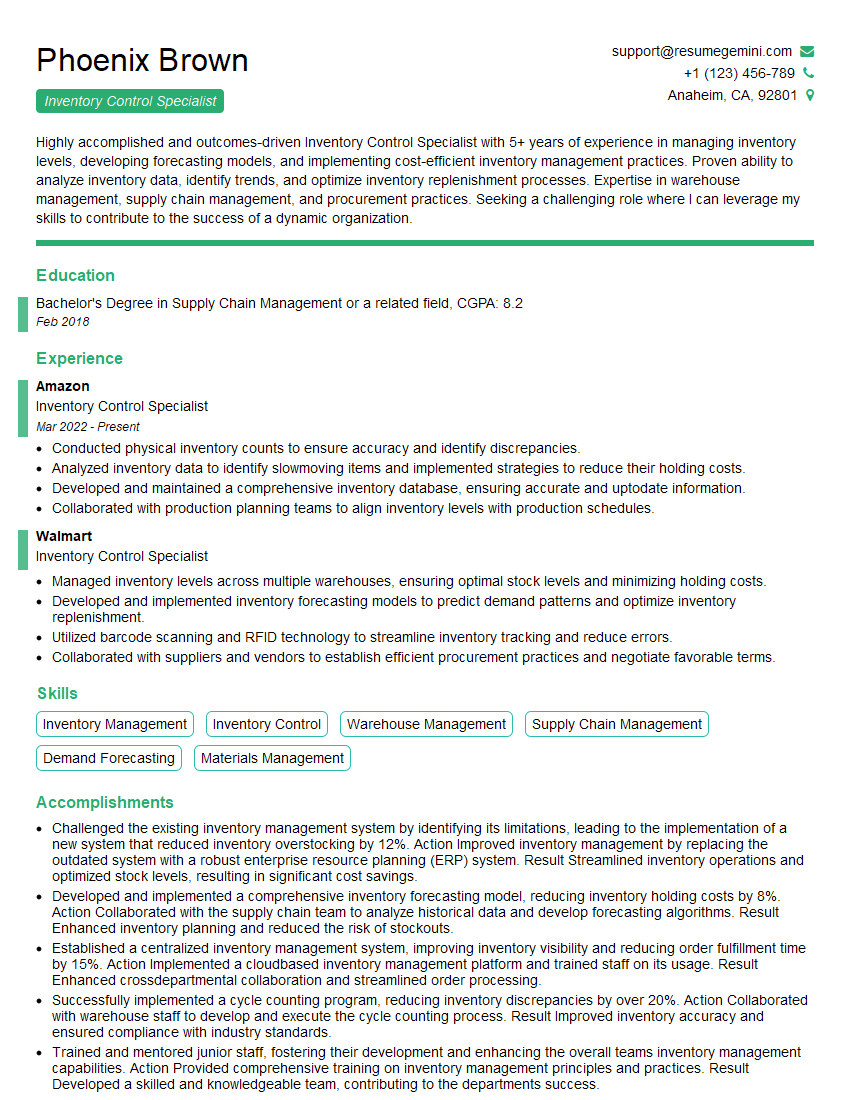
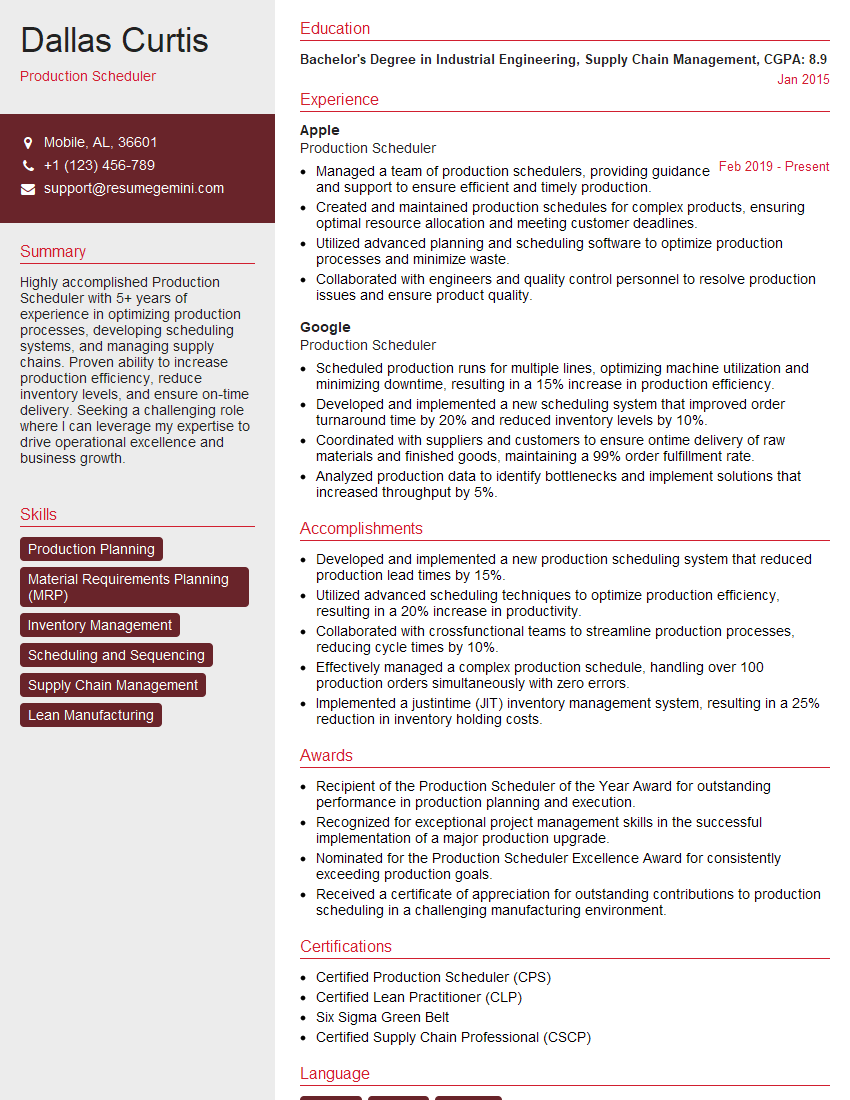
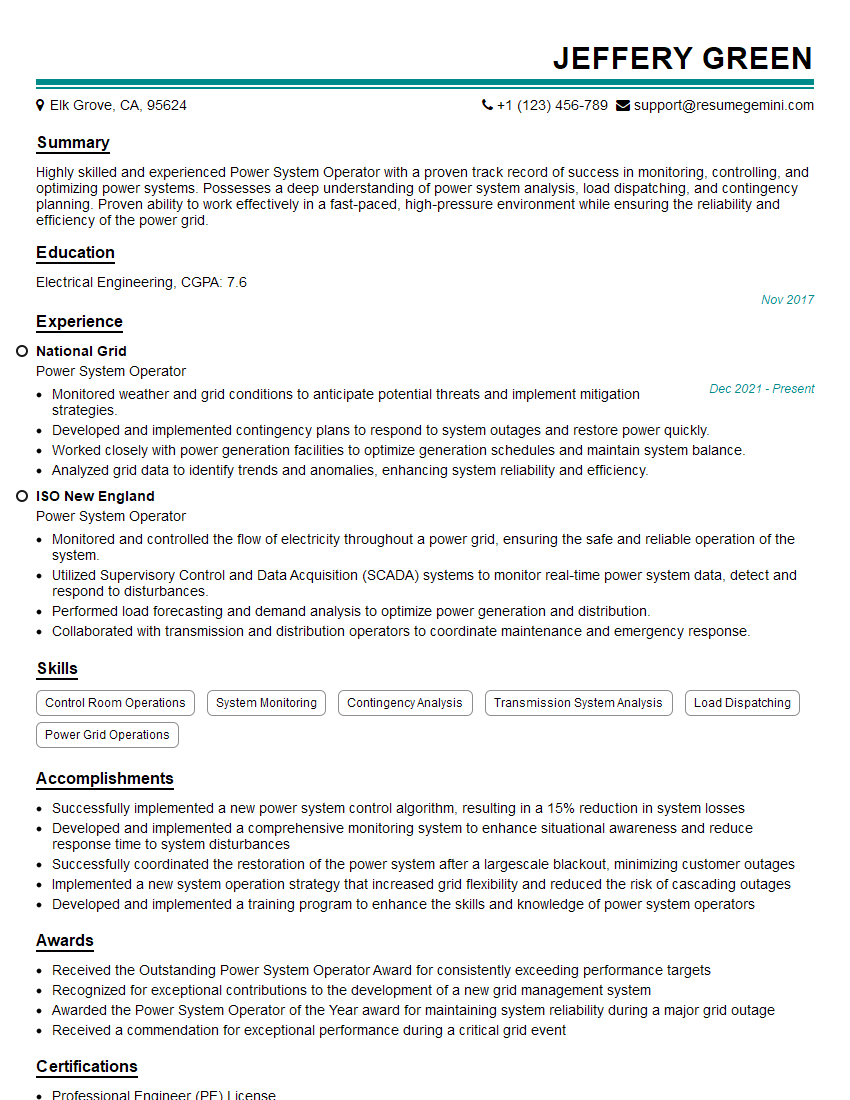
Mastering Real-time Operation Planning (ROP) is crucial for career advancement in many high-demand fields. A strong understanding of ROP principles and practical applications significantly enhances your value to prospective employers. To increase your chances of landing your dream ROP role, focus on building a compelling and ATS-friendly resume that showcases your skills and experience effectively. ResumeGemini is a trusted resource that can help you craft a professional and impactful resume tailored to the specific requirements of ROP positions. We provide examples of resumes tailored to ROP – Real-time Operation Planning to help guide you through this process.
Explore more articles
Users Rating of Our Blogs
Share Your Experience
We value your feedback! Please rate our content and share your thoughts (optional).
What Readers Say About Our Blog
I Redesigned Spongebob Squarepants and his main characters of my artwork.
https://www.deviantart.com/reimaginesponge/art/Redesigned-Spongebob-characters-1223583608
IT gave me an insight and words to use and be able to think of examples
Hi, I’m Jay, we have a few potential clients that are interested in your services, thought you might be a good fit. I’d love to talk about the details, when do you have time to talk?
Best,
Jay
Founder | CEO